
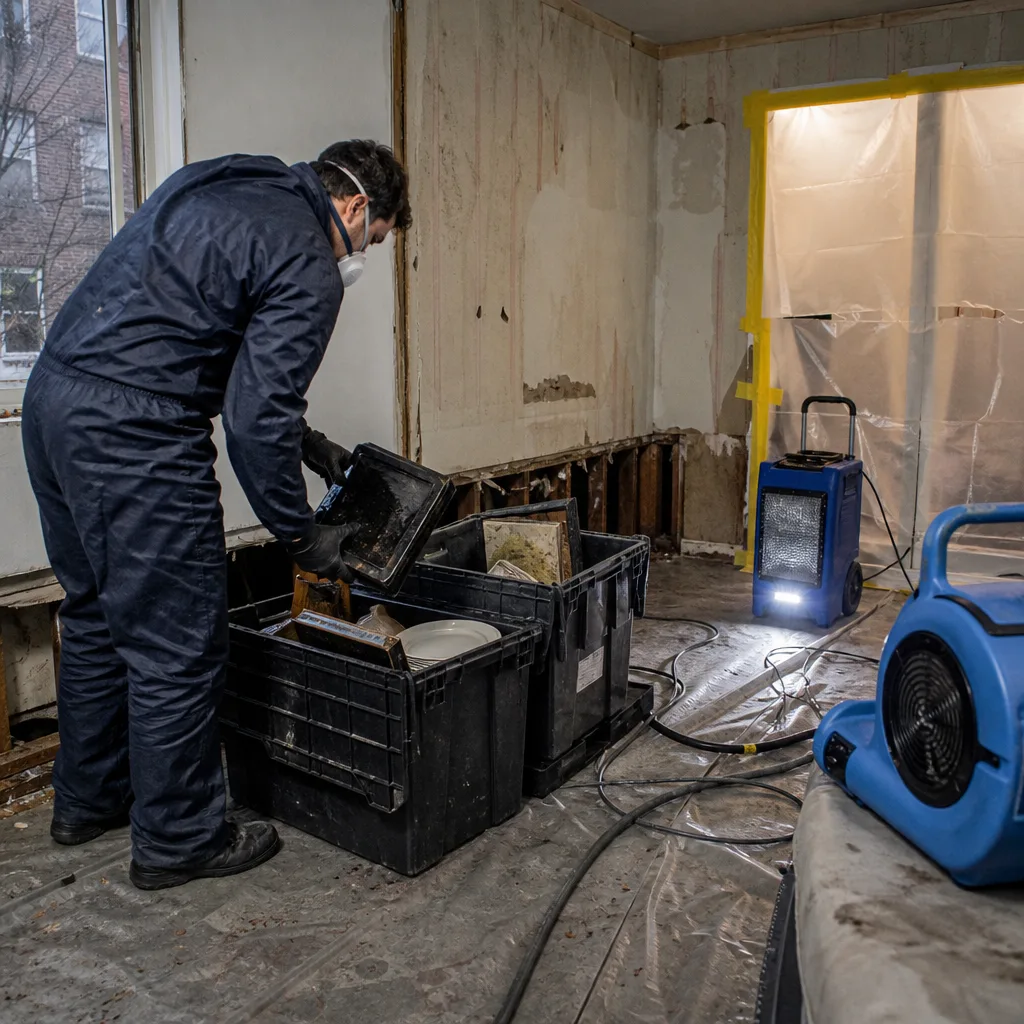
Free visual inspection and a written scope of work before any mitigation begins - photos, moisture readings, and drying logs go in your claim file
The scope we write is the scope we bill. Anything new gets shown to you, in writing, before we touch it.
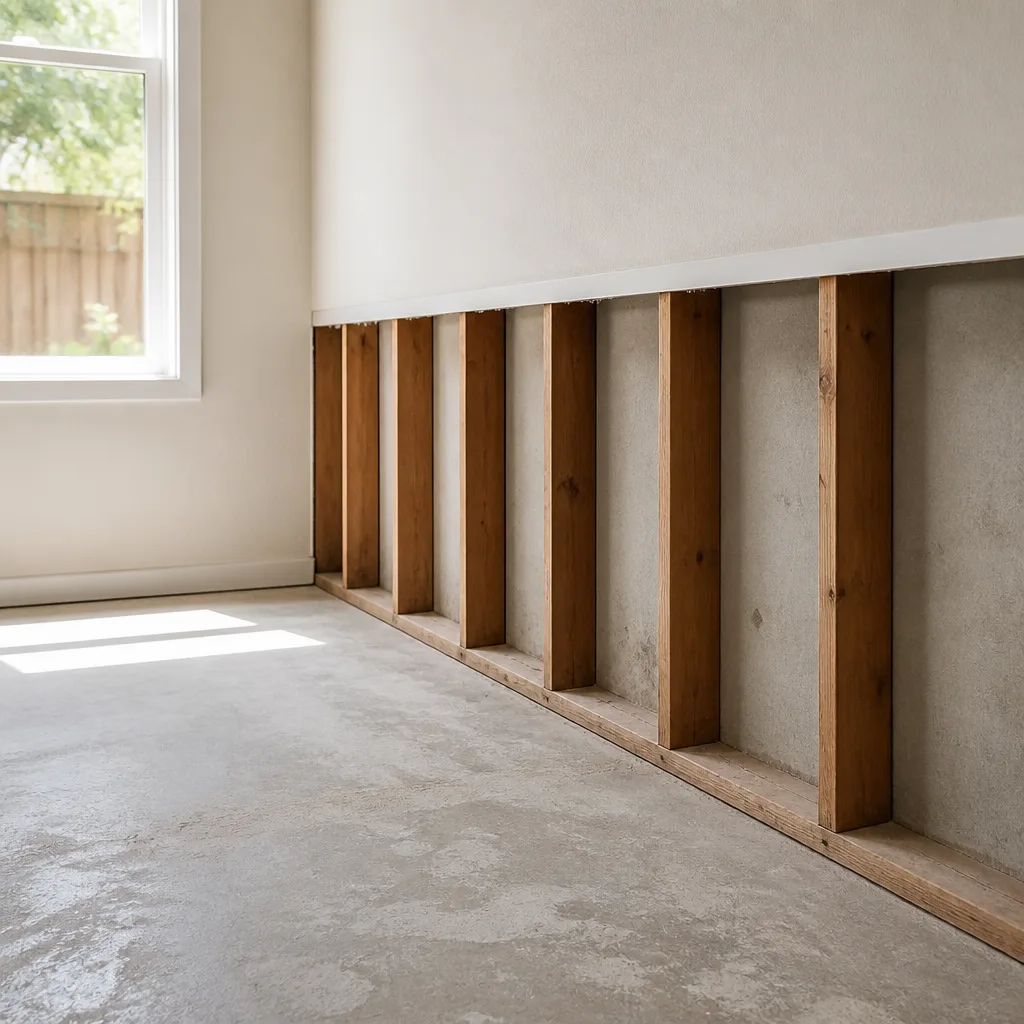
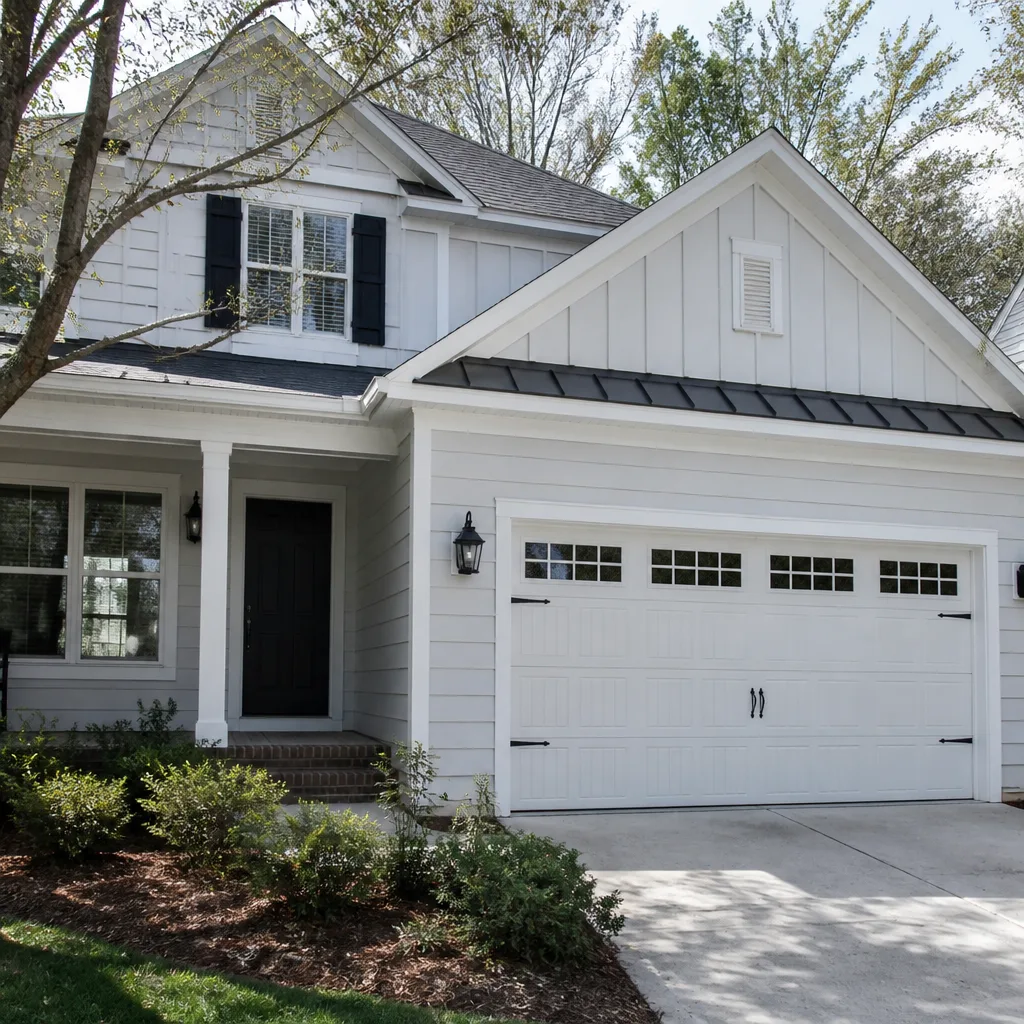
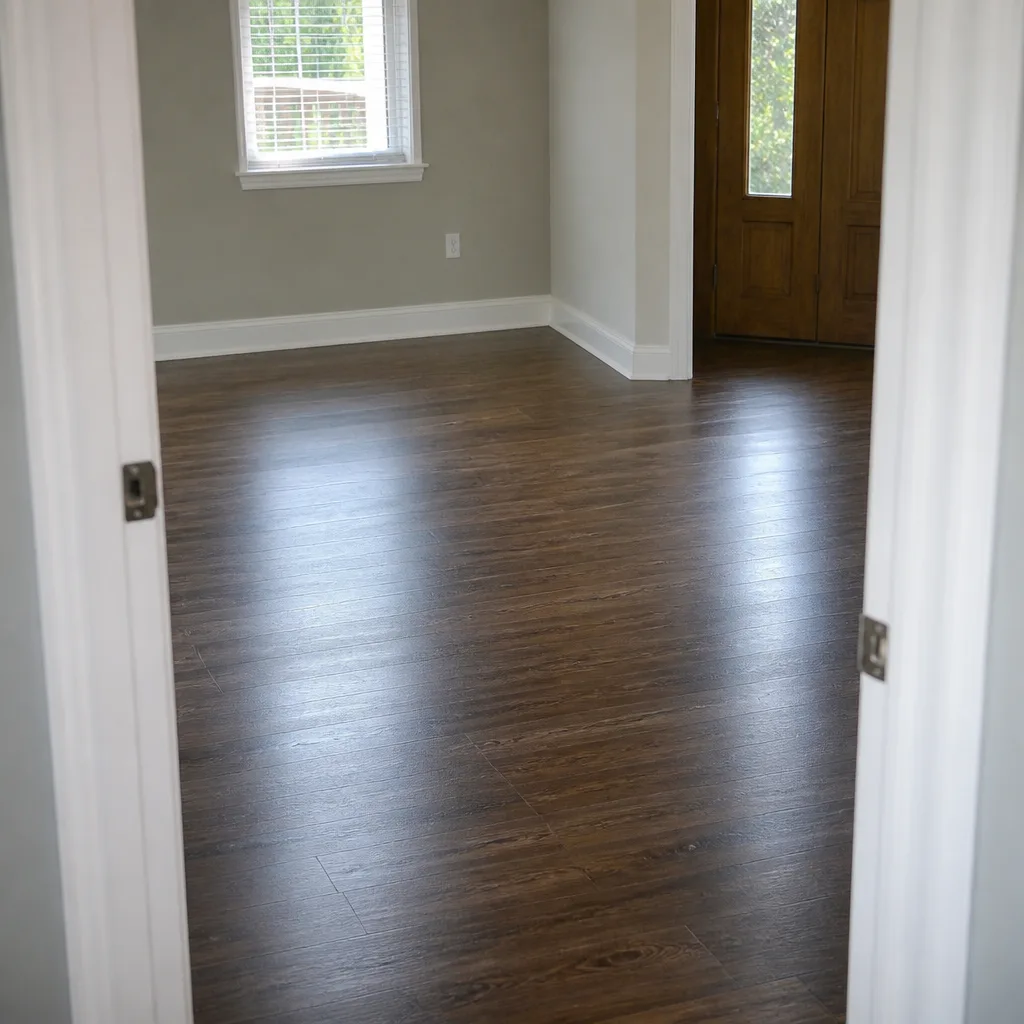
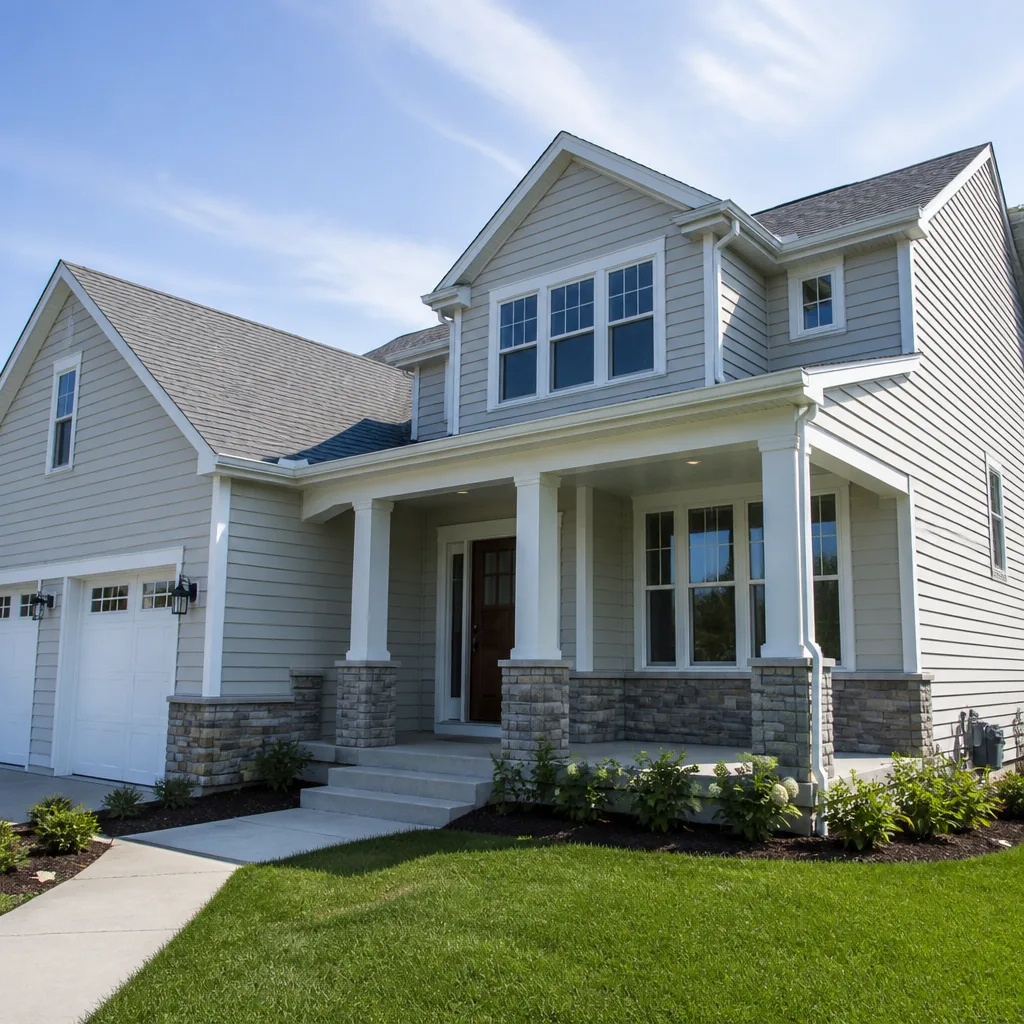
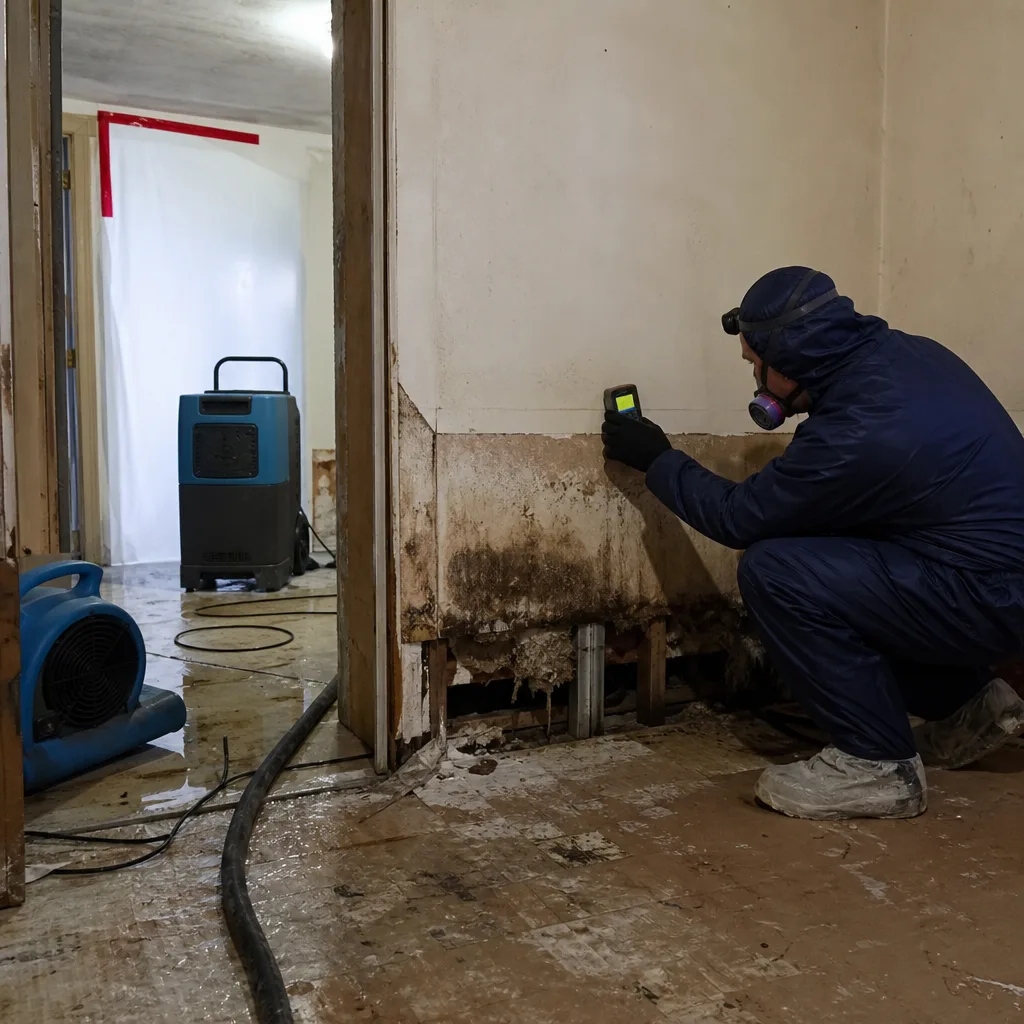 Before
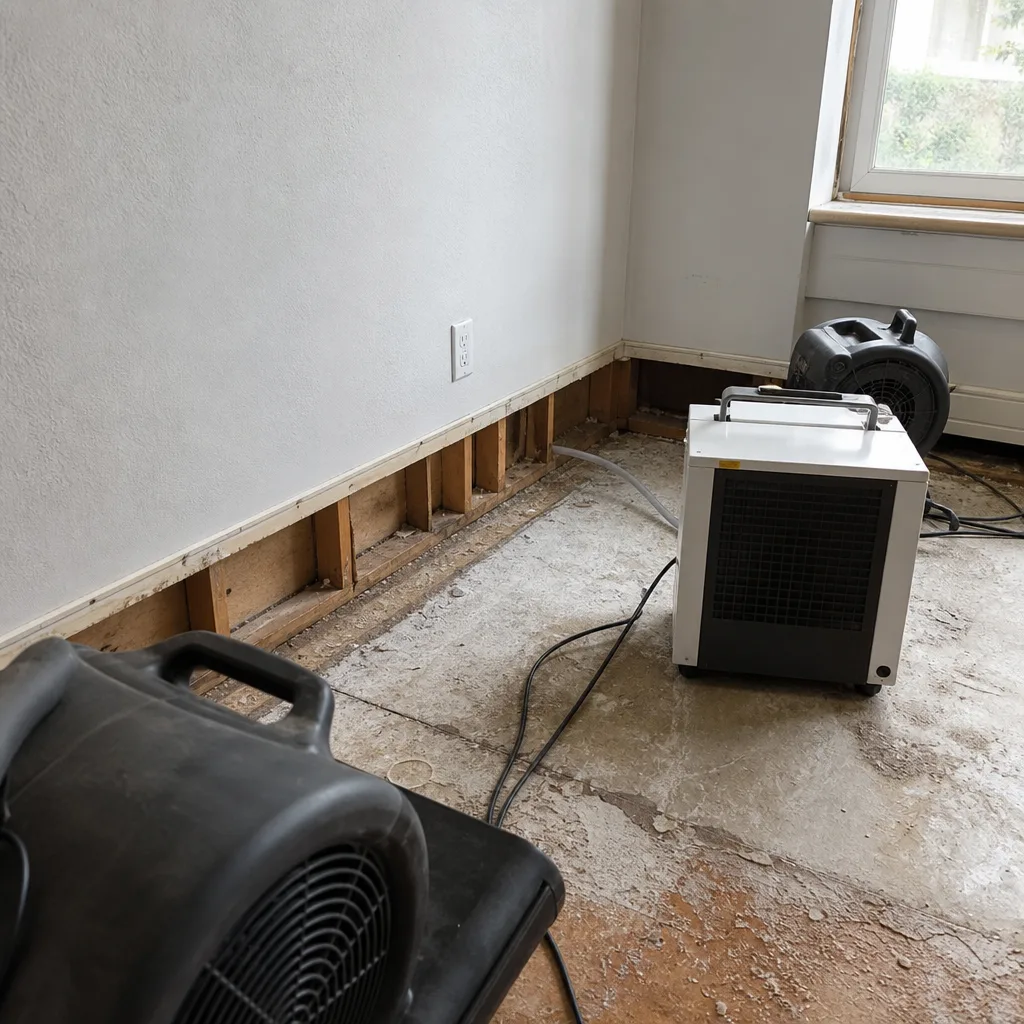 After
After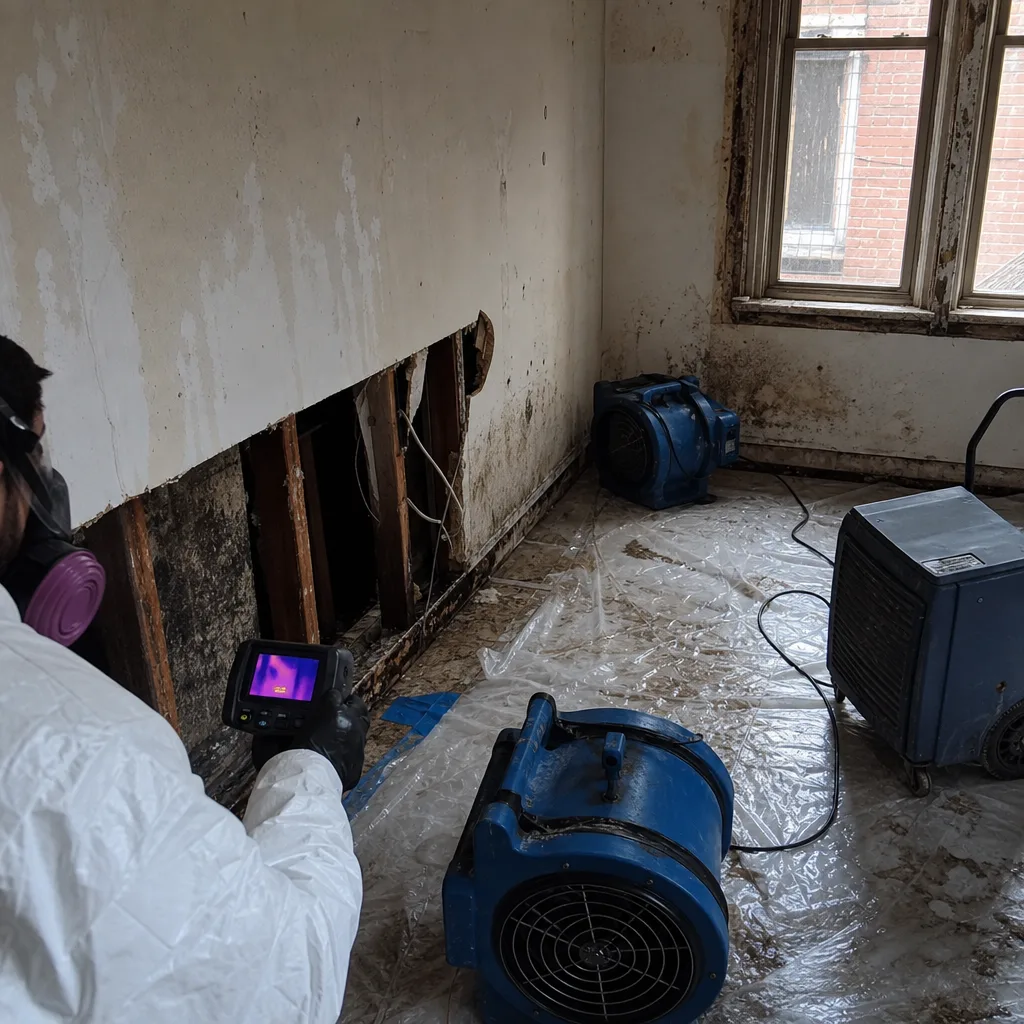 Before
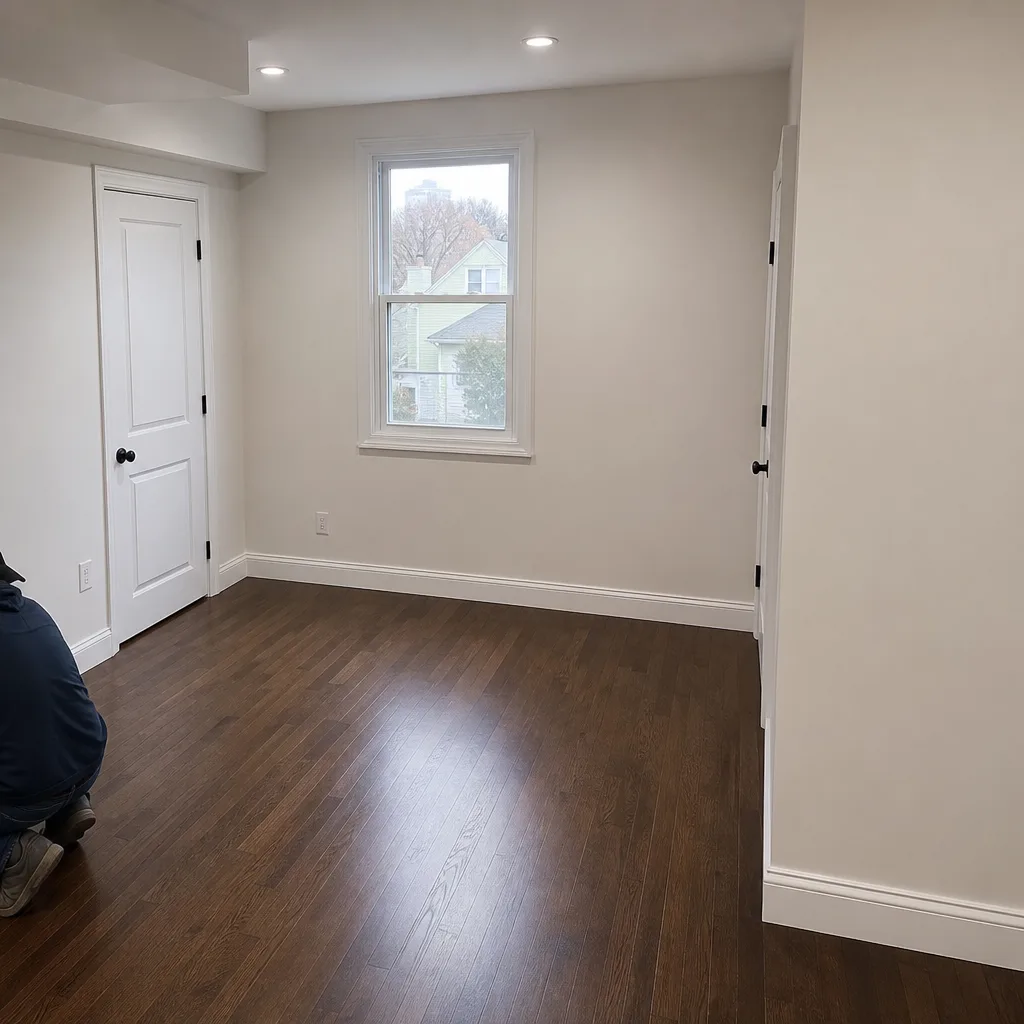 After
After24/7 Emergency Reconstruction & Cleanup in Central Harlem
Water moves through a pre-war building faster than most people realize. When a supply line lets go on the fourth floor of a Central Harlem walk-up, the water doesn’t politely stay in one apartment. It follows the lath, soaks the horsehair plaster, and drops through tin ceilings to the floors below. Our crews answer live at (518) 800-3751 at any hour and can be at your door inside Central Harlem within 45 minutes to start extraction, mapping, and the documentation your insurance carrier needs from hour one. The first hour determines whether you’re dealing with dry-in-place salvage or full reconstruction across five units.
Understanding Reconstruction & Cleanup Severity in Central Harlem Properties
Central Harlem’s building stock was largely built between the 1880s and 1920s, and it behaves nothing like a modern sheetrock house. Category 1 water from a clean supply line can saturate multiple layers of lath and plaster within minutes. Category 3 water from a backed-up sewer main carries contaminants that require full containment, HEPA air scrubbing, and removal of saturated material down to the studs. The shared party walls between tenements mean a leak in one building can raise moisture readings in the building next door. Our crews use thermal imaging and penetrating moisture meters to map exactly how far the water traveled before we move a single piece of plaster. In pre-war lath-and-plaster construction, that hidden moisture is where mold gets its 48-hour head start.
On landmark-protected blocks near Strivers’ Row and Mount Morris Park, severity isn’t just about category of water. It’s about what you’re allowed to remove. Original plaster, decorative tin ceilings, and molded cornices inside LPC-designated buildings can’t be swapped for drywall without review. We assess both the damage and the regulatory exposure before remediation begins, so you never get a landmark violation letter after the drying crew leaves.
Why Central Harlem Property Owners Choose Floodline Restoration Co.
- 45-minute response commitment in Central Harlem. Live dispatch, a real person at 2 a.m., and a crew actually moving toward your block.
- 24/7 live answer, never an automated system. Call (518) 800-3751 and a dispatcher picks up. Every day, every hour, including holidays.
- IICRC-certified crews trained to WRT, FSRT, and AMRT standards, using Dri-Eaz, Phoenix, XPOWER, and Injectidry equipment. Background-checked and uniformed, every job.
- Free visual inspection with an honest scope. We tell you what needs drying, what needs reconstruction, and what doesn’t need touched.
- Direct insurance billing handled with your carrier. You don’t play messenger between our crew and the adjuster.
- One team from extraction to rebuild. The same project lead who ran the drying logs oversees the reconstruction. No mid-job handoff to a subcontractor you’ve never met.
Our Reconstruction & Cleanup Process
Inspection & Assessment
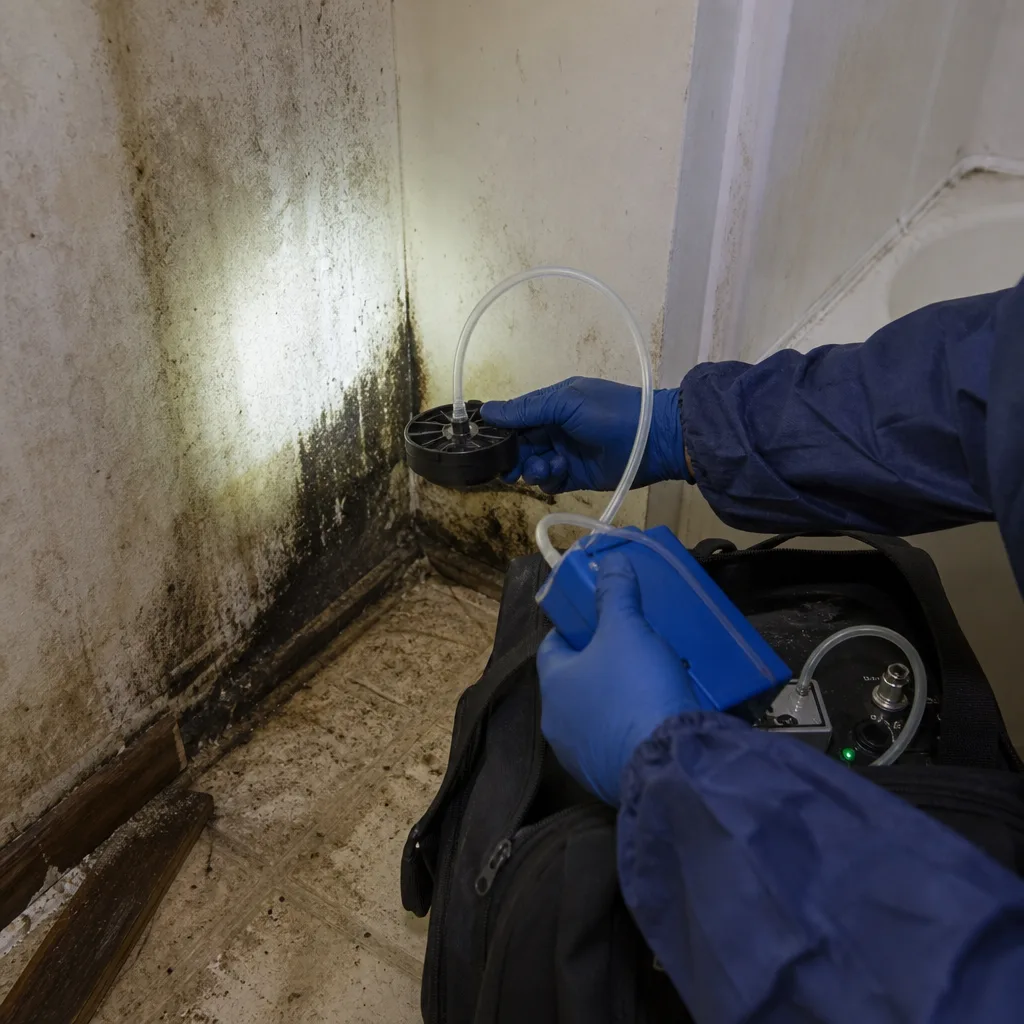
We document the loss site, map affected materials with thermal imaging and moisture meters, and check for the complications Central Harlem buildings bring: shared party walls, original plaster assemblies, cast-iron risers, and any LPC designation on your block. You get a written scope before destructive work begins.
Extraction & Stabilization
Standing water comes out with truck-mounted extraction units. We stabilize saturated plaster ceilings before they drop, brace damaged lath where framing is compromised, and protect unaffected surfaces. Stabilization decisions are made with an eye toward what will be restored, not just what will be removed.
Drying & Dehumidification
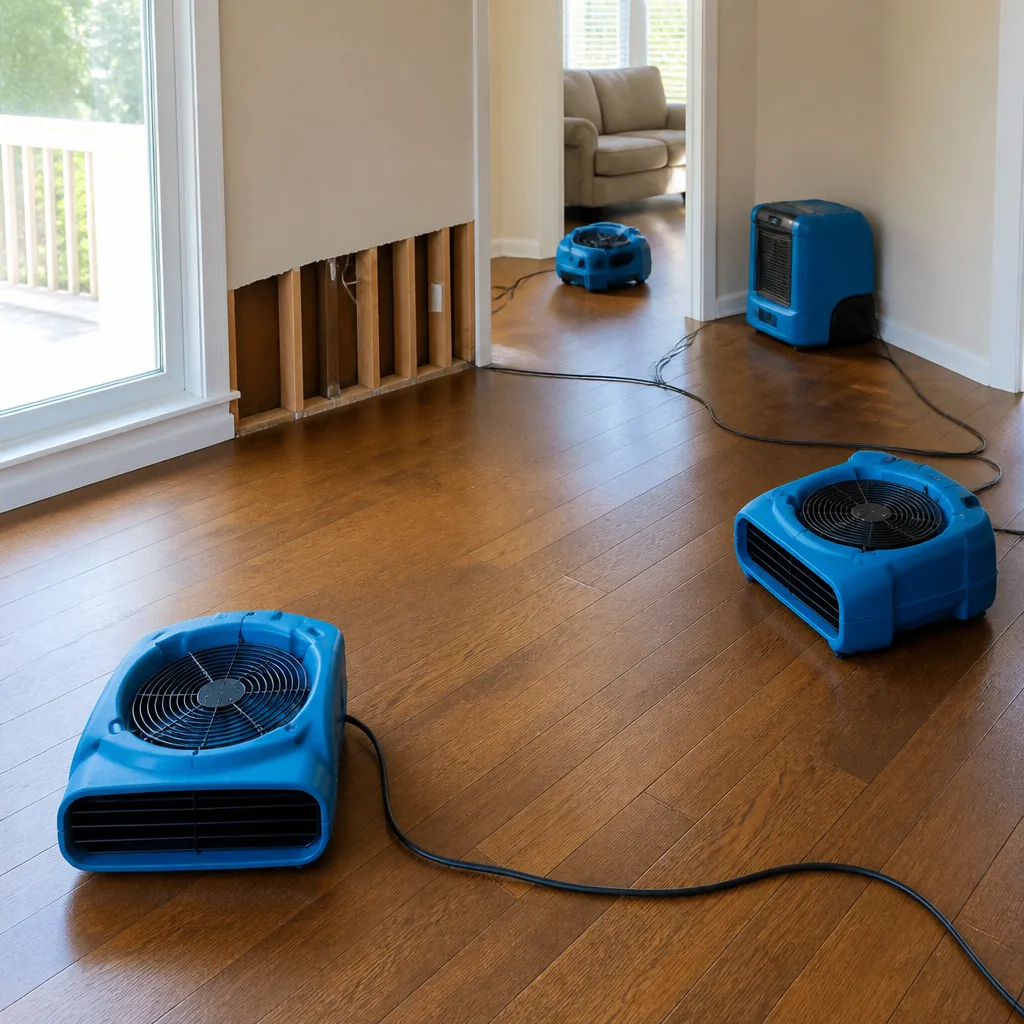
Dri-Eaz and Phoenix air movers and LGR dehumidifiers get placed according to a moisture map, not a guess. Daily readings are logged until the dry standard is met, and those logs go to your insurer. Injectidry systems handle water trapped in wall cavities and under finished flooring.
Cleaning & Sanitization
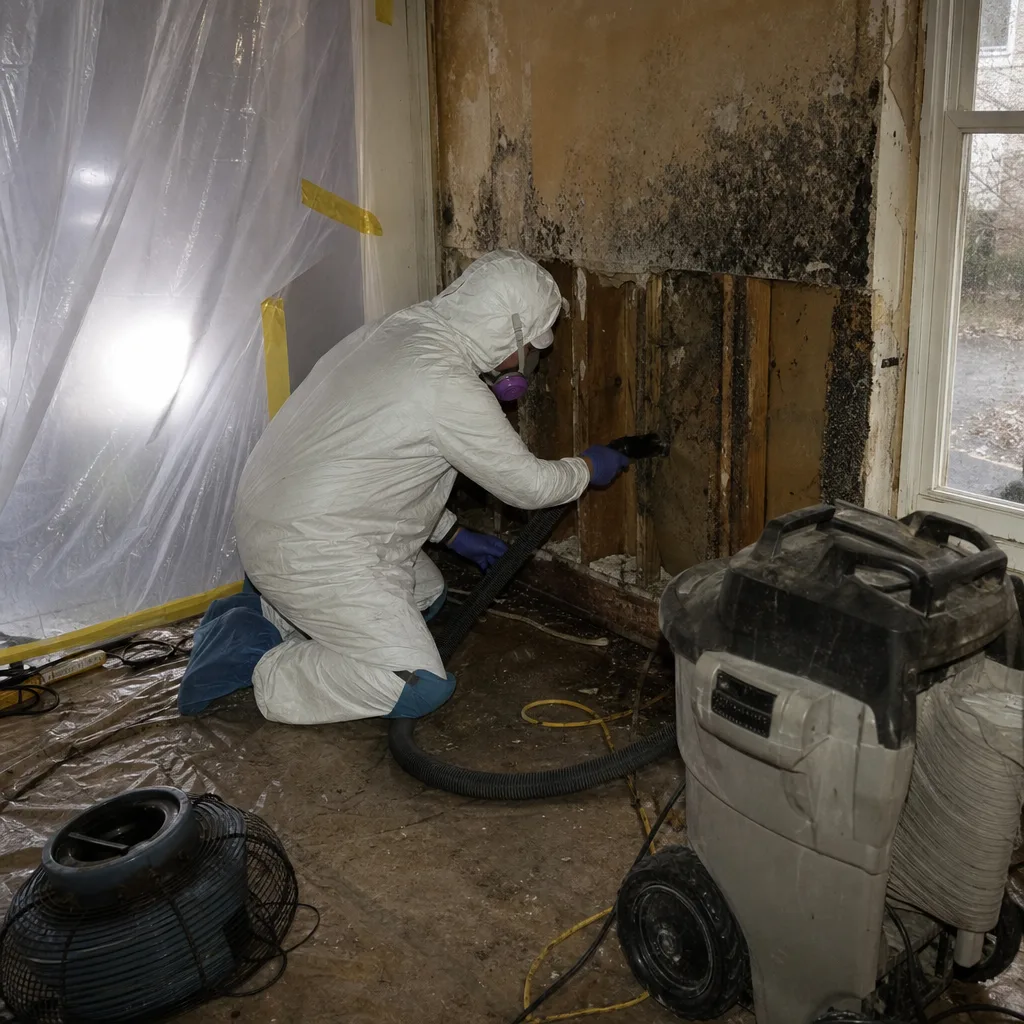
HEPA air scrubbers run during any Category 3 or mold-affected work. We sanitize salvageable surfaces, remove non-salvageable saturated materials, and clean soot or sewage residues to an IICRC-recognized standard before reconstruction begins.
Contents Restoration & Pack-Out
Furniture, rugs, artwork, and personal property are documented, packed, and either cleaned on site or moved to a secure facility. We photograph everything before it moves. For Central Harlem tin ceilings, moldings, and original doors, we route items through restoration rather than replacement wherever possible.
Reconstruction & Final Finish
Drywall only where drywall belongs. On LPC blocks, we match original plaster profiles, reproduce molding where feasible, and restore rather than replace heritage surfaces. New framing, flooring, paint, and trim go in once the dry standard is confirmed in writing. Every job carries the 90-Day Done Right Promise.
Need Emergency Reconstruction & Cleanup in Central Harlem Now?
Crews minutes away, answering live 24 hours a day. The sooner we start, the less it costs.
Working With Your Insurance Company
Most Central Harlem reconstruction claims involve either a water migration issue inside a co-op or condo building, or a fire or flood event where the loss affects multiple units stacked above each other. In both cases, the carrier wants documentation from the first hour, not after the fact. We walk the loss site with your adjuster when scheduling allows, and every crew chief keeps a running photographic record. If hidden moisture shows up in a party wall three days in, we can show the adjuster exactly when we found it and what we did. Our direct billing means we negotiate the scope with the carrier using the documentation we gathered on site, which keeps you out of the middle.
What We Provide Your Insurer
- Thorough documentation of the loss
- Photos of all damage, room by room
- Moisture readings and drying logs
- A detailed, line-item scope of work
- Direct coordination with your carrier
Built for Central Harlem’s Loss Calendar
January in Central Harlem is usually when the freeze-thaw cycle starts punishing shallow supply lines and minimally pitched brownstone roofs. A deep freeze splits a cast-iron riser or a supply pipe in an uninsulated chase behind a kitchen wall, and by the time the ice lets go, water has been running inside the wall for hours. Spring thaw carries its own pattern: basement seepage through old fieldstone foundations, failed flashing at the roof-to-parapet joint on flat-roof tenements, and gutter overflows dumping water directly against rear walls. Summer brings the sudden convective thunderstorms that overwhelm cellar drains in below-grade units. Hurricane Ida in 2021 showed what happens when the flash-flood pattern aligns with a saturated storm system: ground-floor apartments and cellar storage spaces across upper Manhattan took on Category 3 water while the street outside turned into a channel. None of these events are unusual for Central Harlem. All of them are faster to contain when extraction starts the same visit.
Reconstruction & Cleanup Across Central Harlem’s Neighborhoods
Lenox Avenue runs through the spine of Central Harlem, and the blocks off it hold some of the oldest brownstones in the district. Side-street brownstones between 120th and 125th still carry the original front stoops, cornices, and interior plaster profiles; when water invades, it follows paths cut a century ago. The Mount Morris Park Historic District around Marcus Garvey Park has the added weight of LPC enforcement on every visible material change, inside and out. We route reconstruction decisions there through the restoration standard, not the patch-and-paint standard. Over toward St. Nicholas Avenue and Strivers’ Row, the rowhouses are wider and often divided into stacked co-ops; a top-floor supply line break sends water down through four or five units of plaster-and-lath ceilings before the first bucket gets put down. The tenement walk-ups south of 125th that sit on the old hospital and school blocks are just as dense, with shared party walls that complicate drying and make neighbor-notification part of the job from day one.
Specialized Reconstruction & Cleanup Services We Offer in Central Harlem
Full-Service Reconstruction
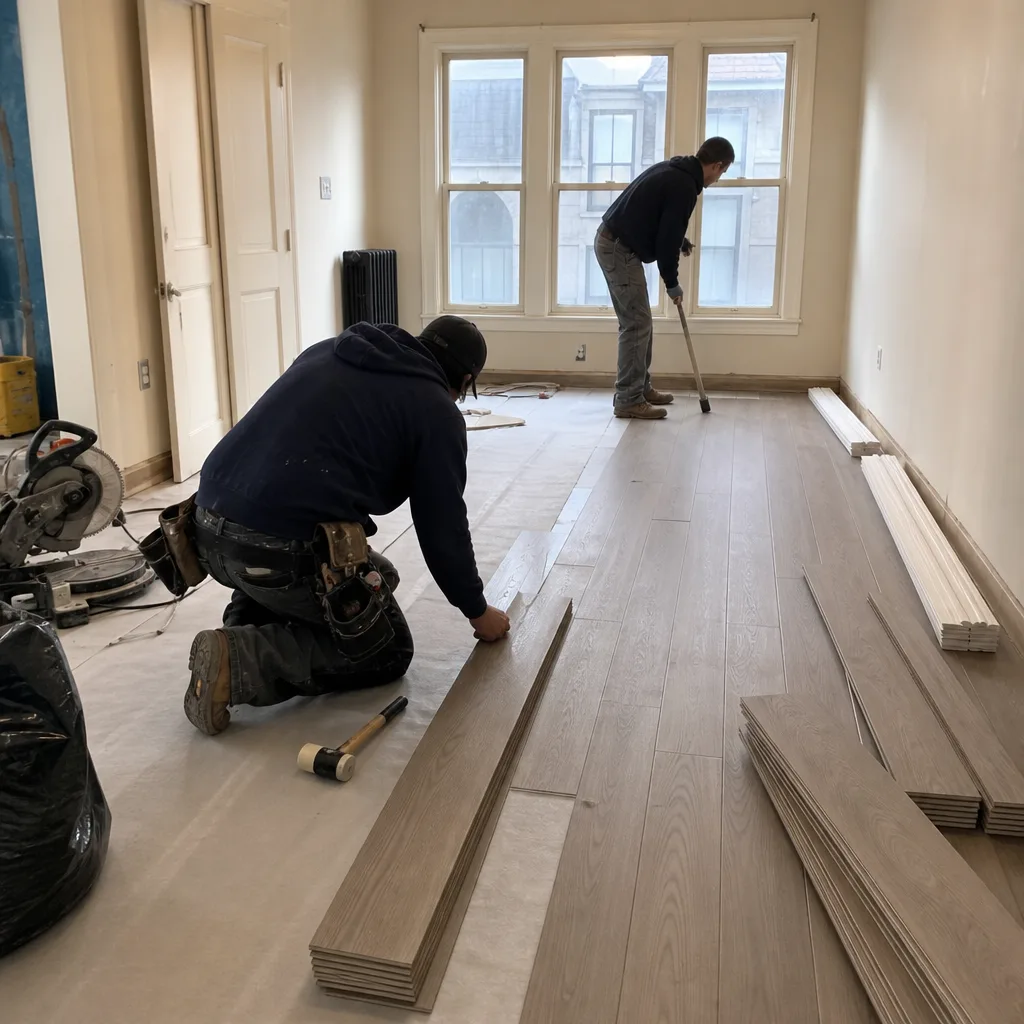
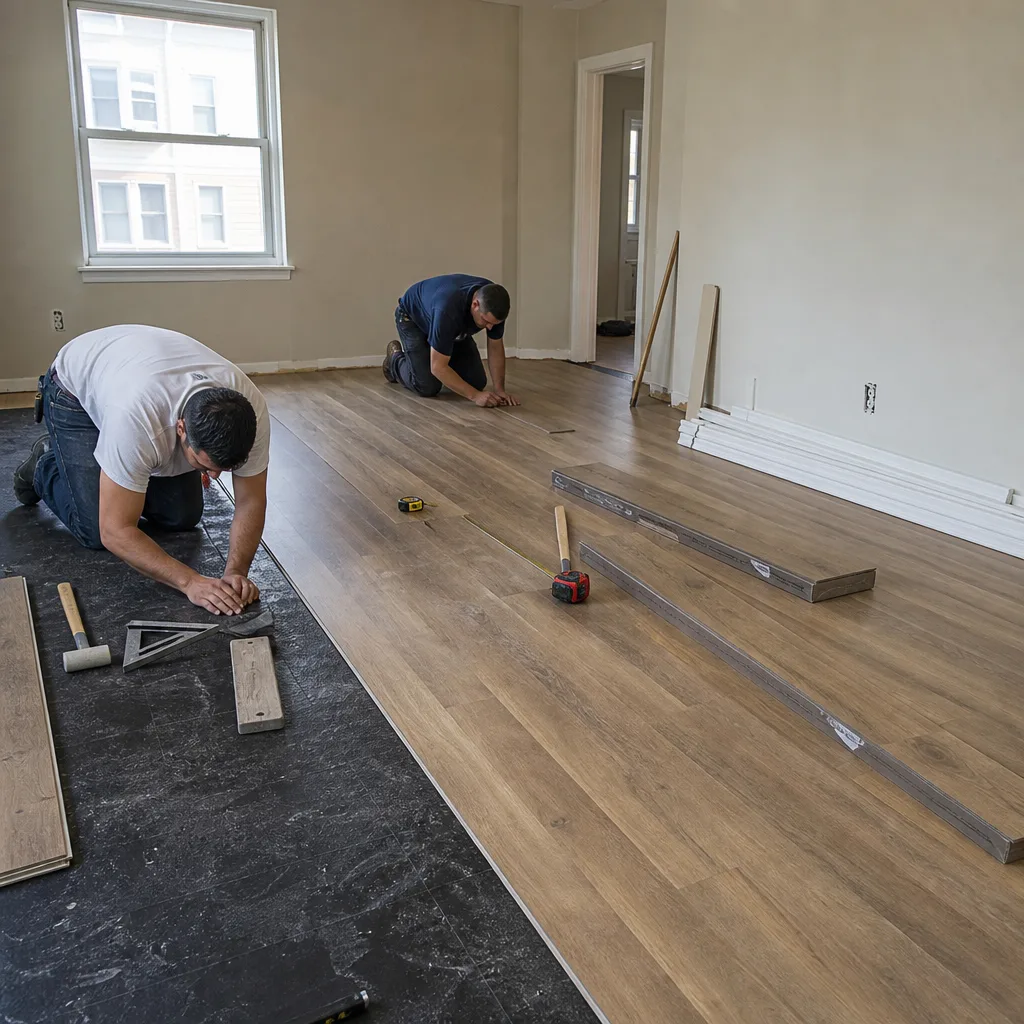
When drying is done, the actual rebuild begins. In Central Harlem’s pre-war stock, that means matching original plaster profiles on LPC-designated blocks, reproducing missing picture rail and crown moldings where feasible, and replacing structural framing that has been compromised by decades of slow leaks. We handle the full sequence: framing, insulation, drywall or plaster, trim, paint, and flooring. One crew chief owns the job from the first moisture map to the final coat of paint.
Contents Restoration & Pack-Out
Central Harlem apartments hold things that can’t be replaced: family photos, original tin ceilings that survived decades of deferred maintenance, inherited furniture, and art bought locally on 125th Street. We treat contents restoration as its own discipline, with a dedicated inventory process, professional-grade cleaning for soft goods and upholstery, and a secure pack-out facility for items that need to leave the unit while reconstruction happens. Everything is photographed and logged before it moves.
Post-Construction Cleanup
Reconstruction leaves dust in places you wouldn’t think to look: inside radiator fins, on top of picture rail, in the gap between the window sash and the frame. Our post-construction cleanup crews in Central Harlem run HEPA vacuums, wipe every horizontal surface, clean inside closets and cabinets, and leave the unit move-in ready. For buildings with central air returns or steam risers, we clean those runs too, because leftover construction dust ends up in your lungs if it ends up anywhere.
What happens when you call
- 1
A real person answersNo phone trees - you reach a local pro.
- 2
You get an upfront price rangeHonest numbers before anyone is dispatched.
- 3
A background-checked tech heads outLicensed & insured, dispatched right away.
- 4
You approve before work beginsNothing starts until you say go.
Reconstruction & Cleanup Costs in Central Harlem, NY
A single room of water-damage reconstruction in Central Harlem typically runs $2,800 to $6,500, depending on whether original plaster must be matched rather than replaced with drywall. Full-floor mitigation after a vertical leak through multiple tenement units generally starts around $8,000 and can reach $25,000 or more when LPC-required material matching and multiple-unit containment are involved. Pack-out and contents restoration is usually $1,200 to $4,500 per affected unit. Post-construction cleanup alone runs $350 to $950 for a standard one-bedroom. The free visual inspection turns these ranges into a firm, line-item scope you can take to your carrier or your co-op board in writing, before we cut a single piece of lath.
We Also Serve Cities Near Central Harlem
Our Reconstruction & Cleanup crews serve Central Harlem and the surrounding neighborhoods, including Astoria, Ditmars Steinway, Upper Manhattan, and the Upper East Side. If you’re calling from just over the border, we’ll still be there within the hour.
Serving Central Harlem, NY - Our Local Coverage Area
We’re based in the Central Harlem area and know this community well. Use the map below to see our service coverage - if you’re nearby, we can almost certainly help.
Central Harlem Reconstruction & Cleanup Questions, Answered
Is a landlord required to match original plaster and molding after water damage in a Central Harlem landmark district?
Yes, if the building sits within an LPC-designated historic district like Mount Morris Park or Strivers’ Row, any repair or replacement of interior or exterior features that are visible from a public way or that are character-defining requires landmark review. Swapping original horsehair plaster for standard drywall without approval has triggered landmark violations and forced redo work on Central Harlem blocks. Our team works with the original plaster profile and can document material matching for the LPC filing.
How long can water sit in a Harlem brownstone’s plaster ceiling before mold starts?
Mold can begin colonizing saturated plaster and lath within 48 to 72 hours, especially in the humid summer months when Central Harlem’s pre-war buildings don’t dry quickly on their own. Plaster ceilings hold water in the lath keys behind the finish coat, which means the surface can feel dry while the lath stays wet. We use penetrating moisture meters to find that hidden water before it becomes a bloom. Call (518) 800-3751 the moment you see the first stain.
Why do stacked apartments in Central Harlem often need reconstruction on every floor after one leak?
In pre-war walk-ups, the original construction uses continuous lath-and-plaster assemblies that span from ceiling to floor without modern fire-blocking or cavity separation. A supply-line break on an upper floor sends water down through the lath into the units below, saturating plaster, insulation, and flooring at each level. Unless moisture mapping is done across all affected units, hidden water in a shared assembly will bloom days later. That’s why a five-unit vertical water migration is a routine job for us, not an edge case.
Can original tin ceilings be restored after water damage, or do they need replacement?
Most original tin ceilings can be restored if the panels haven’t rusted through or been deformed by falling plaster. We remove the affected panels carefully, dry the lath and framing behind them, treat any surface rust, and reinstall or reproduce missing panels to match. Full replacement is only necessary when the tin has corroded to the point of structural failure, and we’ll show you the affected panels before any decision is made.
Does reconstruction work inside an LPC-designated brownstone require a permit before we start drying?
Emergency drying work to stop active water intrusion doesn’t require a landmark permit, and waiting for LPC review while water spreads would only worsen the damage. Reconstruction work that alters character-defining interior features, like original plaster profiles, decorative moldings, or tin ceilings, may require an LPC permit depending on the specific scope and whether the feature is visible from a public right-of-way. We identify that line early and document everything so your co-op board or landlord has the file they need.
What’s the actual response time to Central Harlem right now?
We commit to a 45-minute response for Central Harlem addresses. A live dispatcher answers at (518) 800-3751 and a crew begins moving toward your block immediately. For evening and overnight calls, the same commitment applies. Most jobs have extraction running the same visit, not the next morning.
Can we stay in the home during reconstruction?
It depends on the scope and the category of water. Category 1 water from a clean supply line with quick extraction and structural drying may allow you to stay, though containment barriers and air movers are loud and intrusive. Category 3 water, smoke-damaged spaces, or any area where mold is present generally requires you to relocate until clearance testing passes. We’ll give you a straight answer after the inspection, not a guess.
What should I do in the first 30 minutes after discovering water damage?
Shut off the water supply to the affected area if you can do so safely. Kill power to any outlets or fixtures near standing water. Move small electronics and valuable items up and out of the wet zone. Then call (518) 800-3751. Don’t run household fans on a wet plaster ceiling, and don’t open the walls looking for the source; both can spread contamination or damage original materials. Let our crew take over from there.
Written by Curt Bowman, Owner at Floodline Restoration Co., serving Central Harlem and the surrounding neighborhoods with full-cycle restoration and reconstruction since 2010.