
Free visual inspection and a written scope of work before any mitigation begins - photos, moisture readings, and drying logs go in your claim file
The scope we write is the scope we bill. Anything new gets shown to you, in writing, before we touch it.
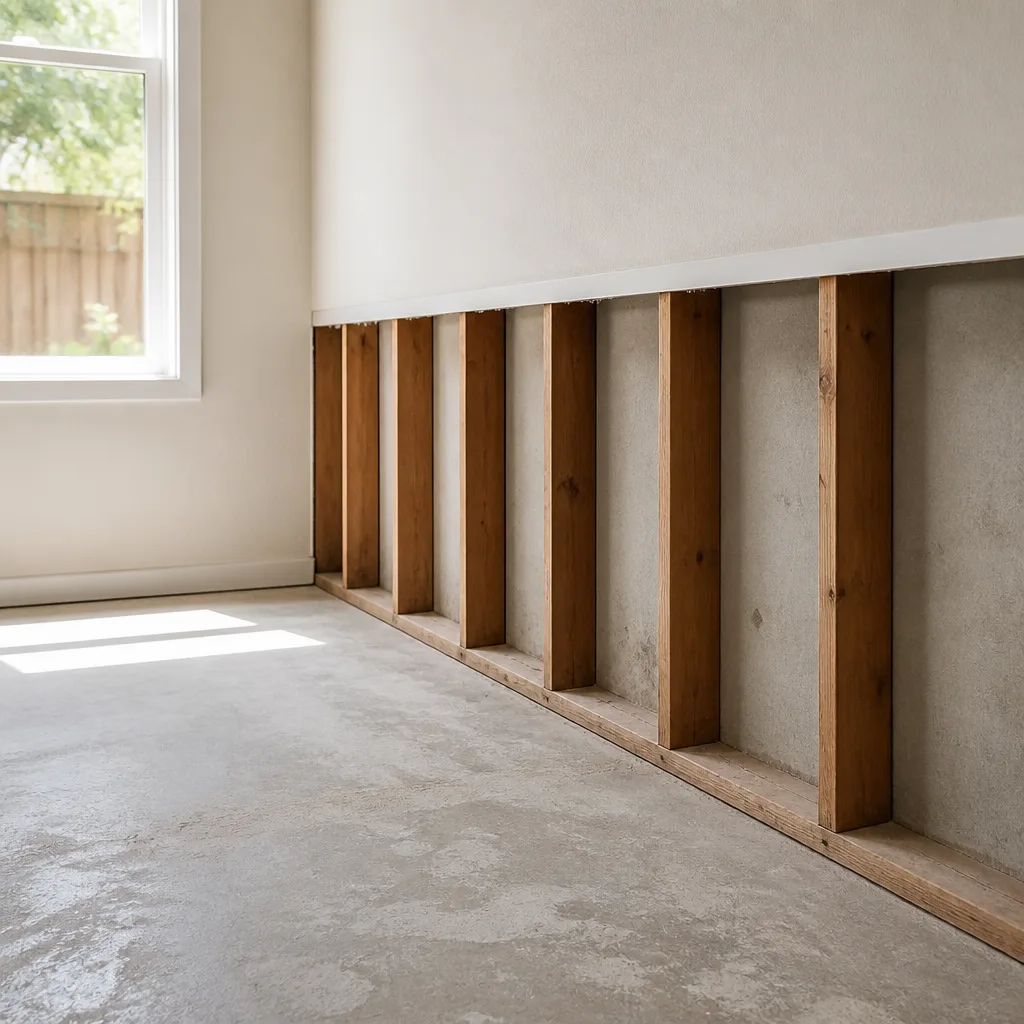
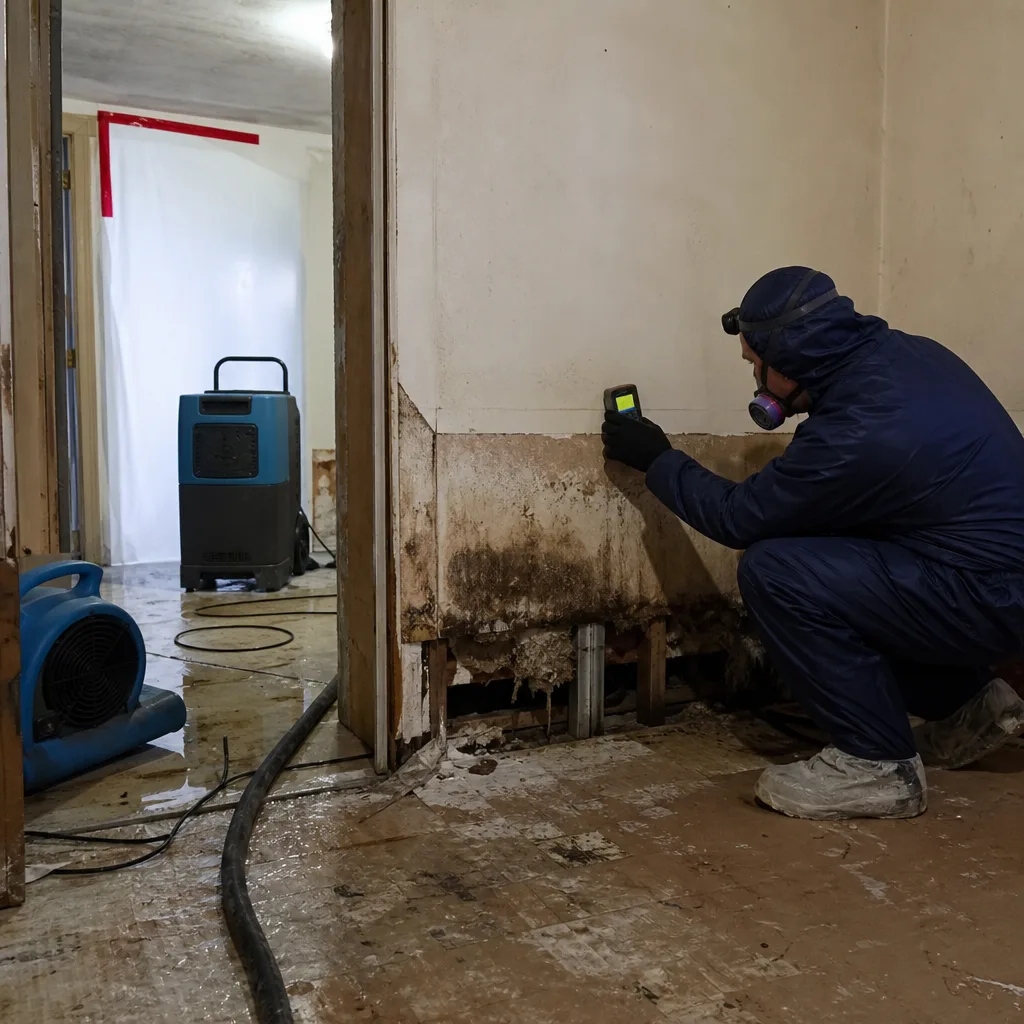 Before
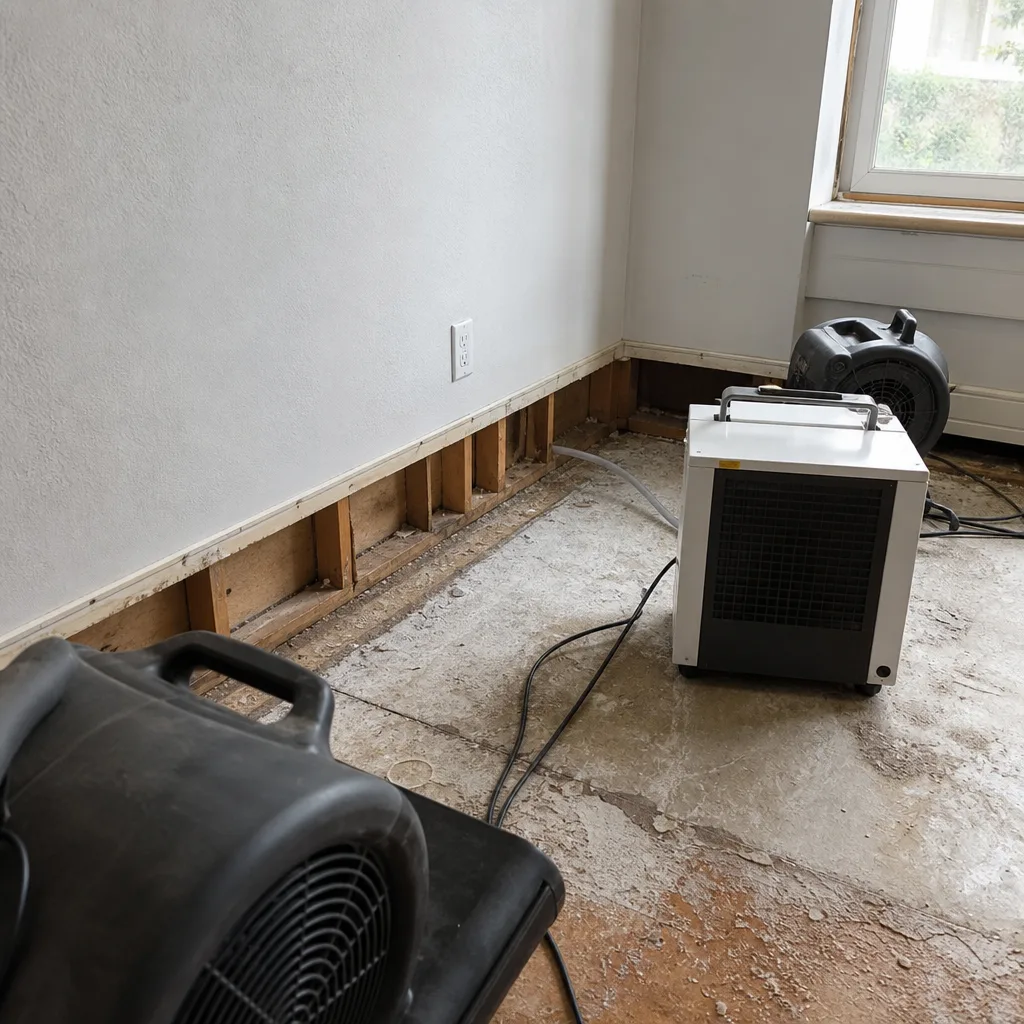 After
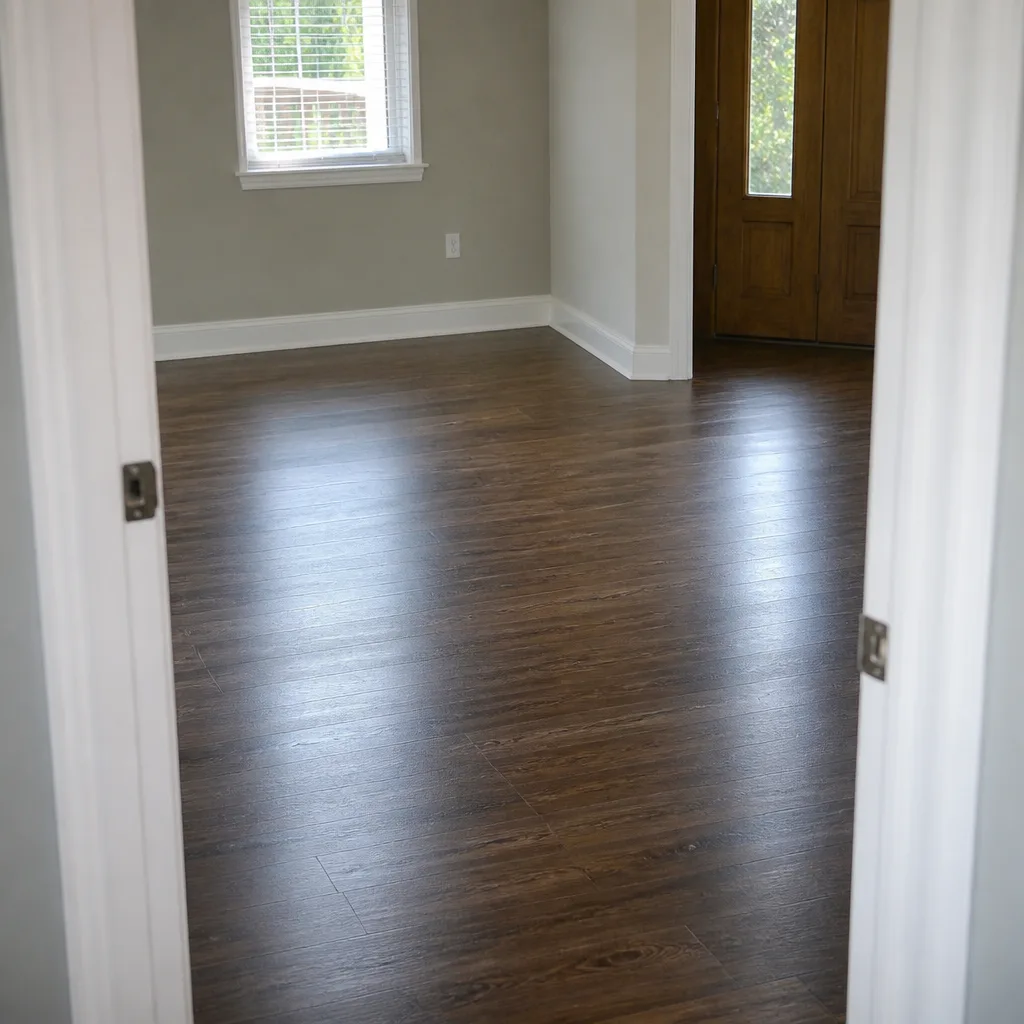
After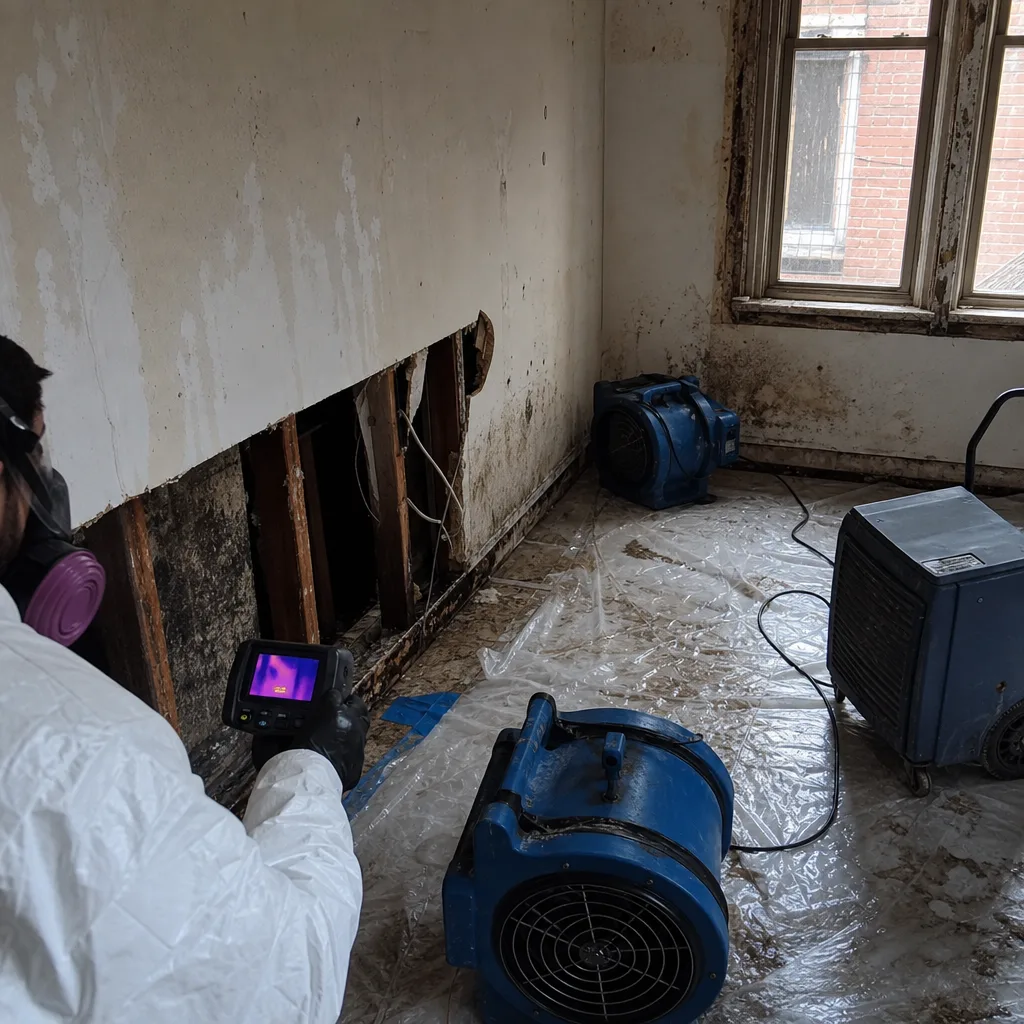 Before
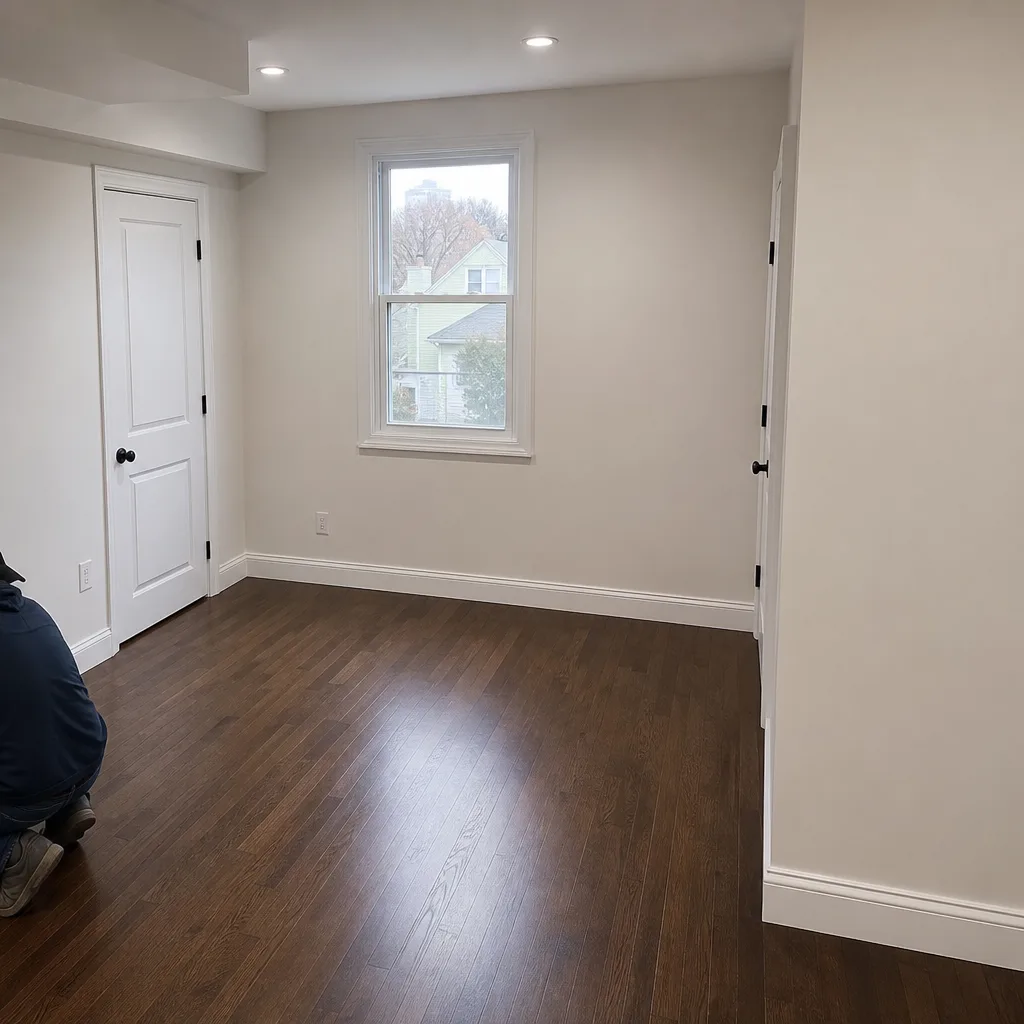 After
After24/7 Emergency Sewage Cleanup in Corona
When raw sewage backs up into a Corona basement or ground-floor unit, the clock starts immediately. Category 3 water carries pathogens that begin colonizing drywall, carpet, and framing within hours. Floodline Restoration Co. answers live at (518) 800-3751 around the clock, every day of the year. A real person takes your call, not a recording, and dispatches a certified crew toward your block in Corona without delay. We start with a free visual inspection so you know exactly what you’re facing before any work begins. In attached brick row houses where a backup in one unit migrates through shared masonry walls within hours, that first call is the difference between a contained cleanup and a multi-unit remediation.
Understanding Sewage Cleanup Severity in Corona Properties
Sewage cleanup is not one job. It is a classification problem first. Water from a clean supply line is Category 1. Water with detergents or mild contaminants is Category 2. Sewage, toilet backflow, and flood water that has mingled with waste is Category 3, also called black water. Category 3 requires full containment, negative air pressure, and removal of porous materials that cannot be effectively sanitized. In Corona’s housing stock, built largely between 1920 and 1950, this classification matters even more. Cast-iron drain stacks are original in many of these attached brick row houses. When one fails, the black water entering a finished basement apartment has often passed through decades of accumulated pipe scale and shared building waste lines. That means the contaminated area crosses from one unit into another through common walls and floor assemblies. Our crews map moisture with thermal imaging and hygrometers before extraction, because in a subdivided Corona row house, the wet footprint almost never matches what your eyes can see.
Why Corona Property Owners Choose Floodline Restoration Co.
- 45-minute response commitment. When you call with a sewage emergency in Corona, we commit to having a crew on the road to you within 45 minutes. In dense Queens traffic, that commitment is real and we stand behind it. We’ll be there when we say.
- 24/7 live answer, always. A live dispatcher picks up at 2 a.m., not an answering service. The person who takes your Corona sewage call is the same team tracking trucks and coordinating with your carrier.
- IICRC-certified crews. Our technicians hold WRT (Water Damage Restoration Technician) and FSRT (Fire & Smoke Restoration Technician) certifications, with AMRT (Applied Microbial Remediation Technician) training for sewage and microbial work. Background-checked and uniformed on every job.
- Free visual inspection. Before any work is authorized, we walk the affected area with you and explain what we found in plain language. No charge, no obligation. A square deal from the first hour.
- Direct insurance billing. We bill your carrier directly and handle adjuster communication ourselves. You do not play messenger between us and your insurance company. Documentation starts the moment we arrive.
- One team, start to finish. The same certified crew that handles extraction on day one also handles drying, sanitization, and any rebuild. No mid-job handoff, no inherited strangers in your home. Done right, and backed in writing.
Our Sewage Cleanup Process
Inspection & Assessment
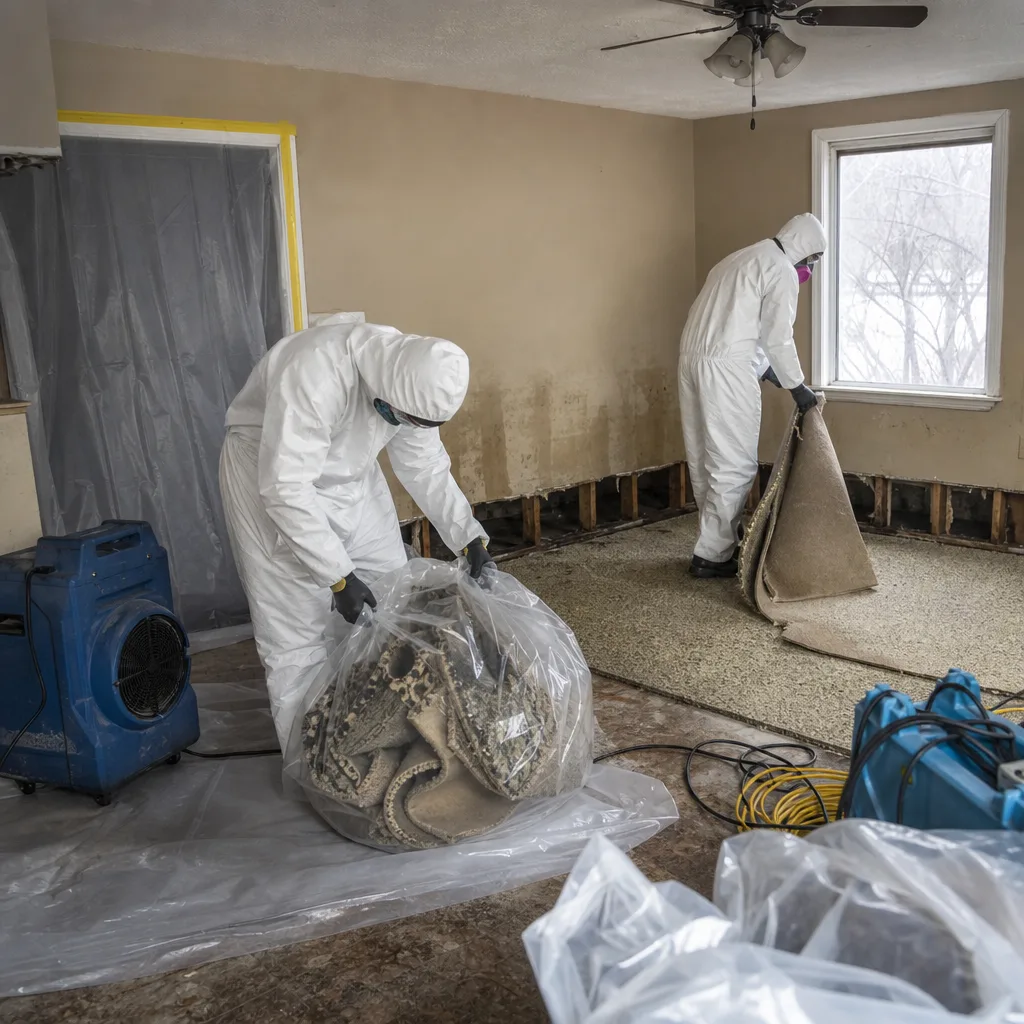
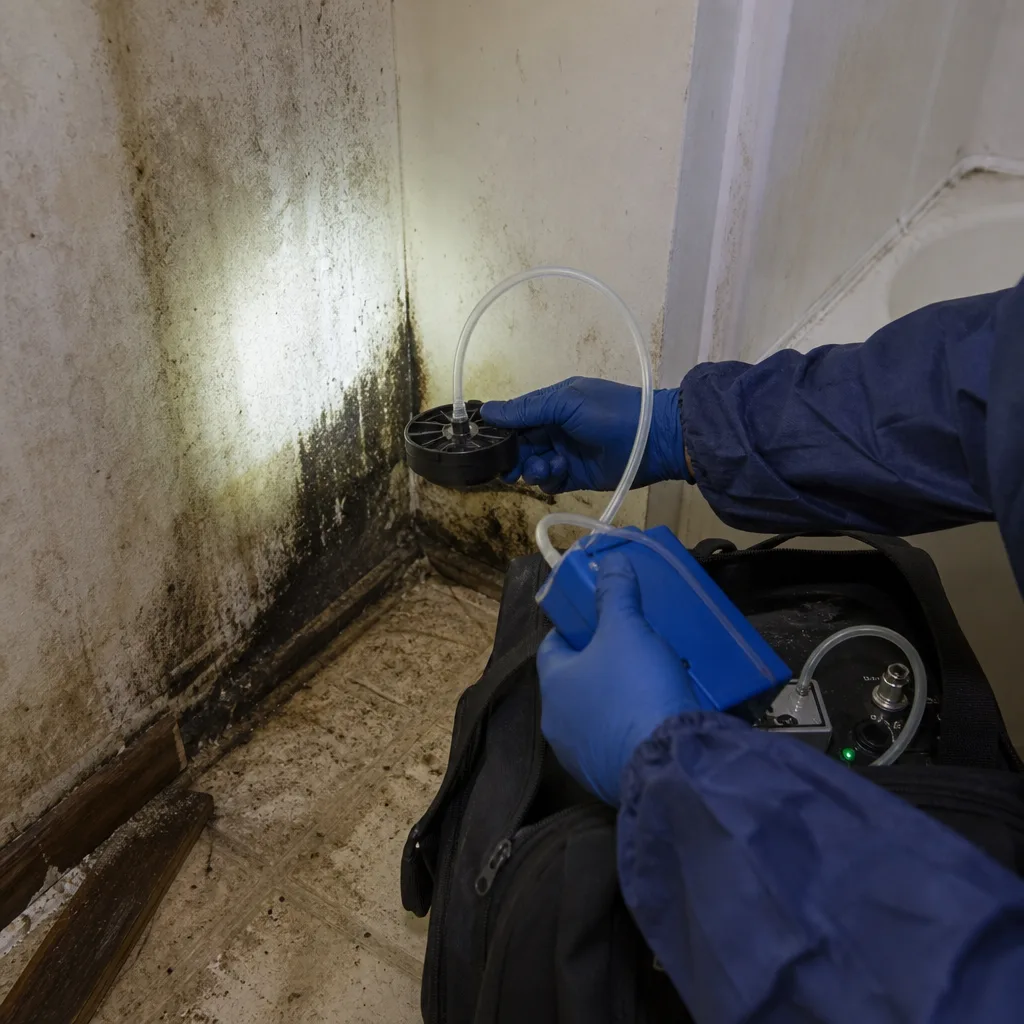
We arrive and classify the water immediately. In Corona row houses, we check adjacent units through shared walls and test the drain stack if a backup is suspected. Thermal imaging and moisture meters map the full wet footprint, including areas you cannot see.
Extraction & Stabilization
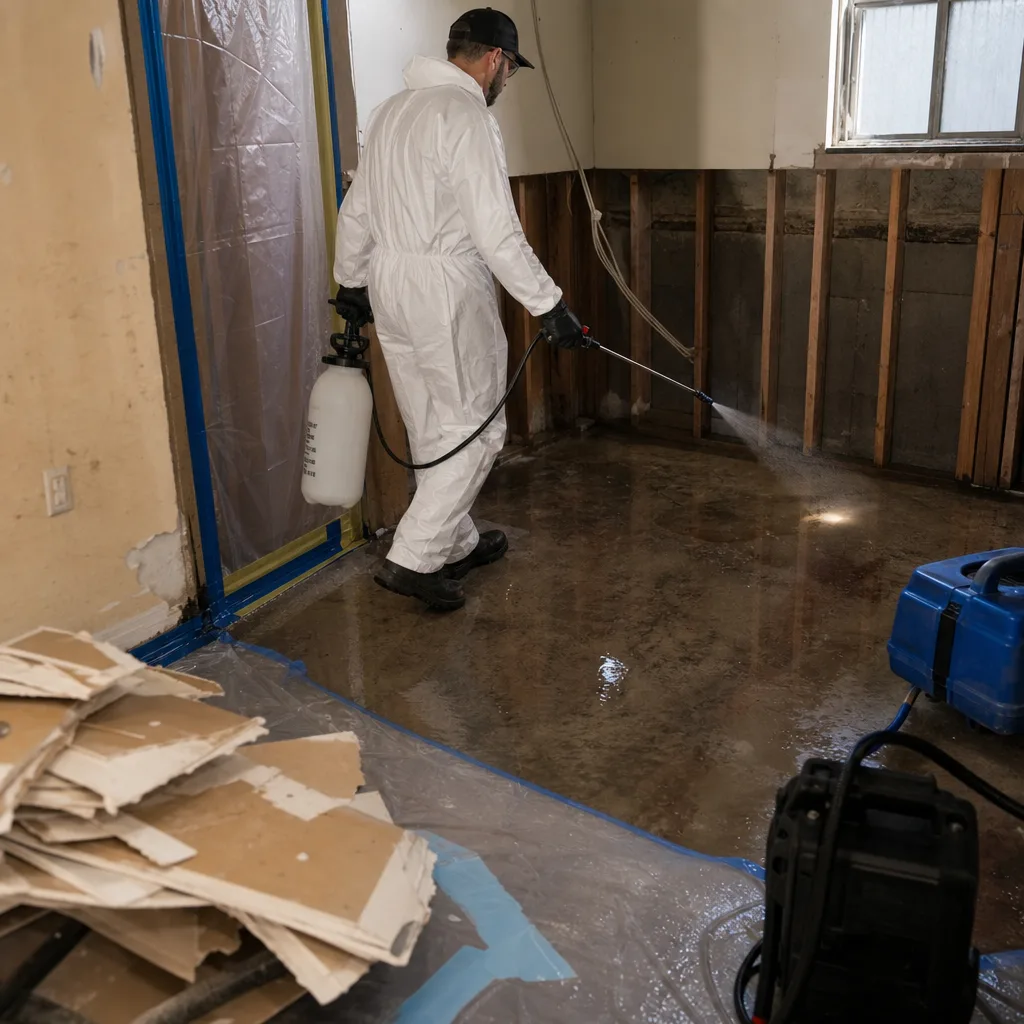
Black water is pumped out using Dri-Eaz portable extractors and truck-mounted units where access allows. In Corona’s tight rear courts, we often hand-carry extractors through narrow side passages. Porous materials like carpet, pad, and saturated drywall are cut out and bagged for disposal.
Drying & Dehumidification
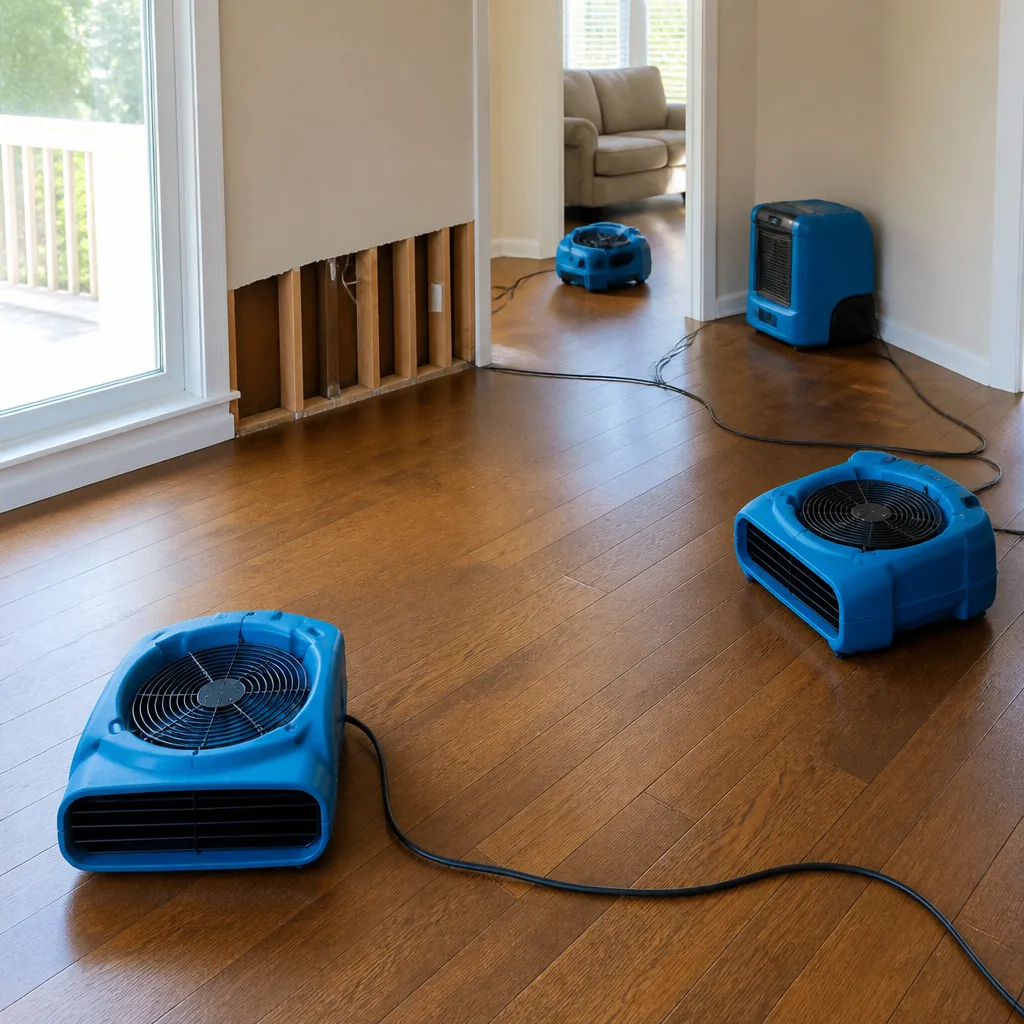
Professional-grade Phoenix and XPOWER air movers and dehumidifiers are placed based on the moisture map. Daily readings are logged until the dry standard is met. That log goes to you and your carrier. Nothing is guesswork.
Cleaning & Sanitization
Hard surfaces are cleaned with EPA-registered antimicrobials applied by certified technicians as part of our Sanitization Services in Corona. We use HEPA air scrubbers to clear airborne contaminants. Every affected surface is either removed and replaced or treated to a documented standard.
Specialty Treatment for Sewage
Sewage-contaminated cavities and framing get targeted antimicrobial application after drying. We check for hidden contamination behind baseboards, under tubs, and inside wall cavities, which are common hiding places in pre-war brick construction.
Repairs & Restoration
The same crew that extracted the sewage rebuilds what needs rebuilding through our Reconstruction & Cleanup in Corona. Drywall, flooring, trim, paint. Done right, and backed by our 90-Day Done Right Promise in writing. No arguing, no paperwork battles.
Need Emergency Sewage Cleanup in Corona Now?
Crews minutes away, answering live 24 hours a day. The sooner we start, the less it costs.
Working With Your Insurance Company
Sewage backup claims in Corona are routinely complicated by the age of the building and the legal status of the affected unit. We have handled hundreds of these files. Our documentation starts in the first hour: photos of the contamination before we move anything, moisture readings from day one through final dry-down, and a line-item scope of work your adjuster can actually read. We speak with your carrier directly and provide what they need without you acting as the go-between. If your basement apartment has no certificate of occupancy, we know how to sequence the work and document pre-loss condition so the claim moves forward instead of stalling. That local knowledge is the difference between a closed file and an open wound.
What We Provide Your Insurer
- Thorough documentation of the loss
- Photos of all damage, room by room
- Moisture readings and drying logs
- A detailed, line-item scope of work
- Direct coordination with your carrier
Built for Corona’s Loss Calendar
In Corona, sewage losses do not happen at random. They follow the weather and the age of the pipes. Summer thunderstorms, especially late July and August, overwhelm the combined sewer system that still serves much of northern Queens. Hurricane Ida in 2021 showed what that means in practice, flooding below-grade units across Corona with raw sewage and driving a years-long backlog of remediation work. Those intense summer downpours continue to back up aging combined sewers into basement apartments on a near-annual basis. January deep freezes bring a different failure mode: cast-iron drain stacks and old galvanized supply lines crack under thermal stress, and a sewage backup becomes a plumbing repair plus a full Category 3 cleanup. Spring brings thaw and the first sustained rain, which tests every flat roof and tar membrane on Corona’s pre-war row houses. In each season, the damage pattern is predictable. So is the response that works: fast extraction, full containment, and documentation that holds up with a carrier.
Sewage Cleanup Across Corona’s Neighborhoods
Corona is dense, and that density changes how sewage cleanup works block by block. Around 104th Street and 37th Avenue, attached brick row houses share drain stacks and masonry walls, so a backup in one unit is almost never isolated. We approach those jobs expecting Category 3 water in the adjacent apartment within hours. Near Flushing Meadows Corona Park, the streets are wider, but basement-level units still sit close to the water table after heavy rain, and combined sewer overflows push contaminated water into those spaces fast. Over toward the Roosevelt Avenue corridor, mixed-use buildings mean a sewage backup can affect both ground-floor commercial space and residential units above, with a single failed line. Our Corona Commercial Restoration teams are equipped for these dual-use properties. In the blocks off Northern Boulevard, semi-detached houses with narrow side alleys make equipment access tight; our crews hand-carry extractors and air movers through those passages every week. The ZIP code is 11368 throughout, but the response changes street by street. We know those streets because we work them.
Specialized Sewage Cleanup Services We Offer in Corona
Sewage Backup Cleanup
When a drain stack or main line backs up into a Corona basement, the contamination spreads through floor drains, tubs, and toilets. We extract, contain, and remove affected materials the same visit. Our Sewage Cleanup team has handled backups in every housing type in the 11368 ZIP code, from two-family conversions to six-unit walk-ups.
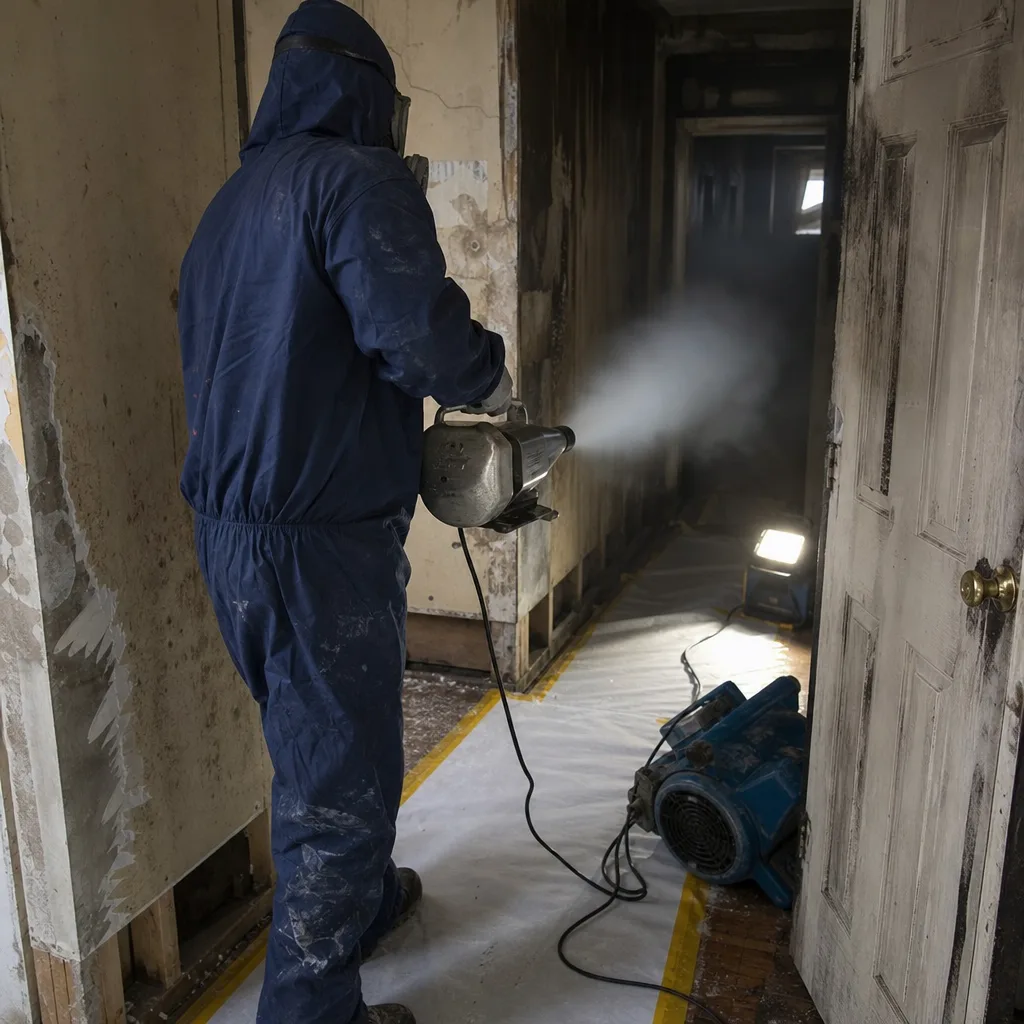
Black Water Extraction
Black water is not water with dirt in it. It is water carrying human waste, pathogens, and whatever else was downstream when the line failed. In Corona’s basement apartments, this is the most common emergency we see. Extraction starts within minutes of arrival, using Dri-Eaz extractors sized for tight access. We remove saturated drywall and flooring the same visit, because drying Category 3 porous materials is a losing proposition.
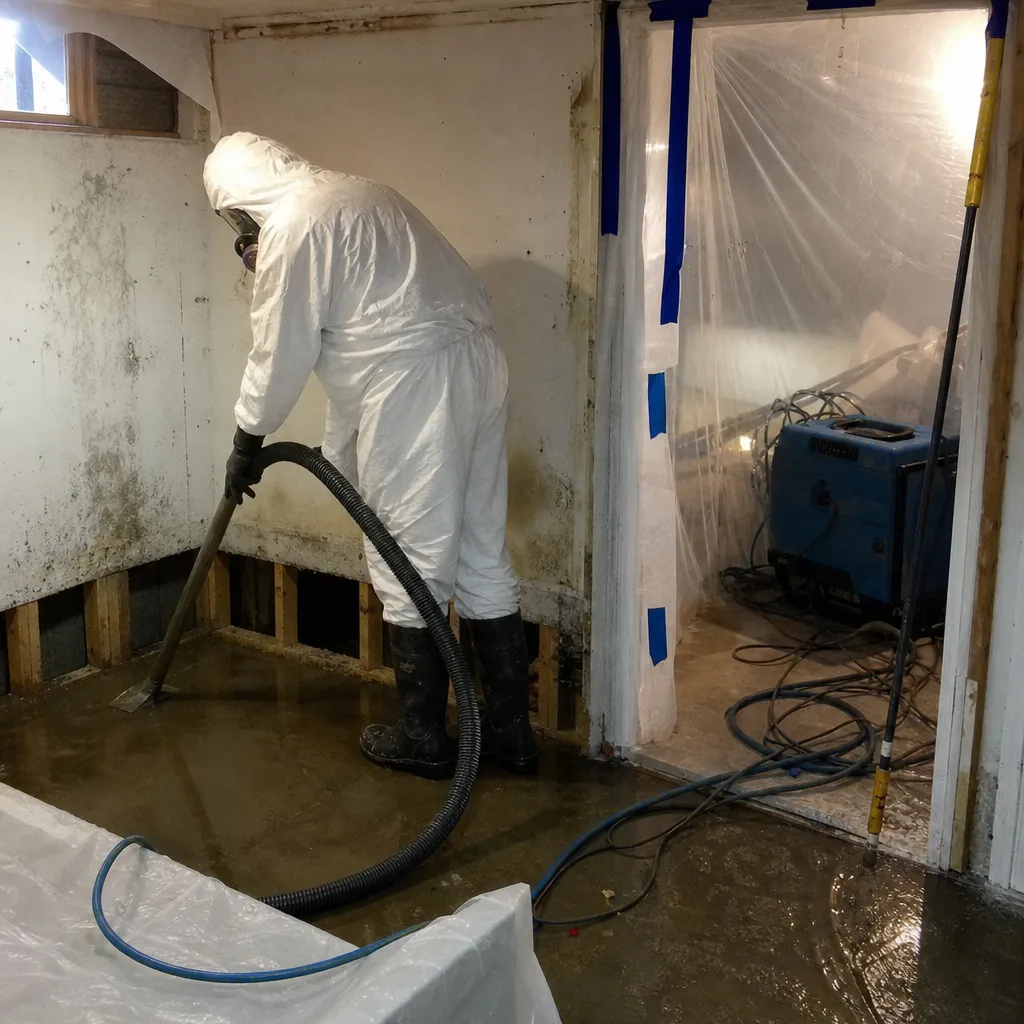
Sanitization & Disinfection
After extraction and removal, every remaining surface gets treated to a documented standard. We use EPA-registered antimicrobials applied by certified technicians. HEPA air scrubbers run during the work to capture airborne contaminants. In Corona’s shared-wall construction, we treat the common wall between units as a defined boundary and verify it with moisture readings before we call the job done.
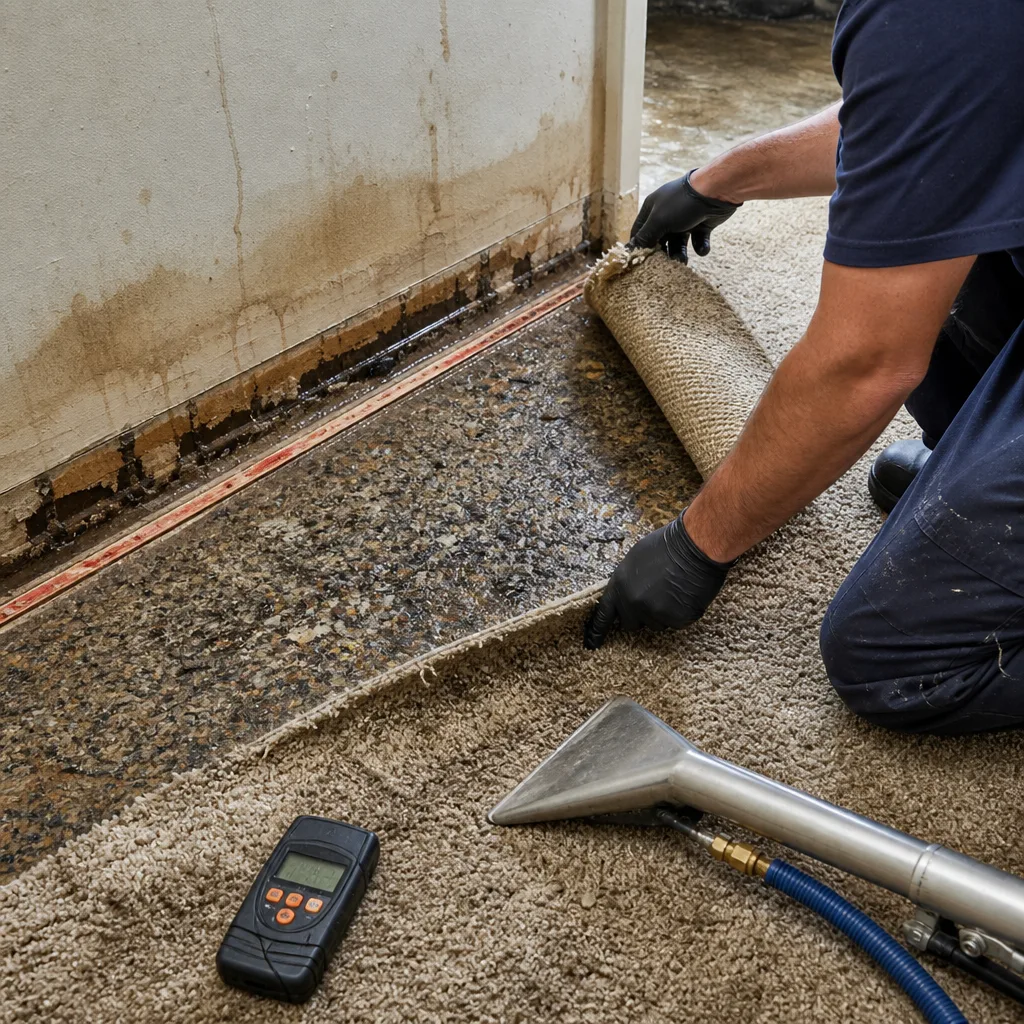
Toilet Overflow Cleanup
A toilet overflow in a Corona apartment is rarely just the bathroom. Water runs under the flooring, into the wall cavity, and often through the ceiling below. We treat every toilet overflow as a potential Category 3 event and map the full wet footprint before writing a scope. Fast response keeps a small overflow from becoming a full-apartment remediation.
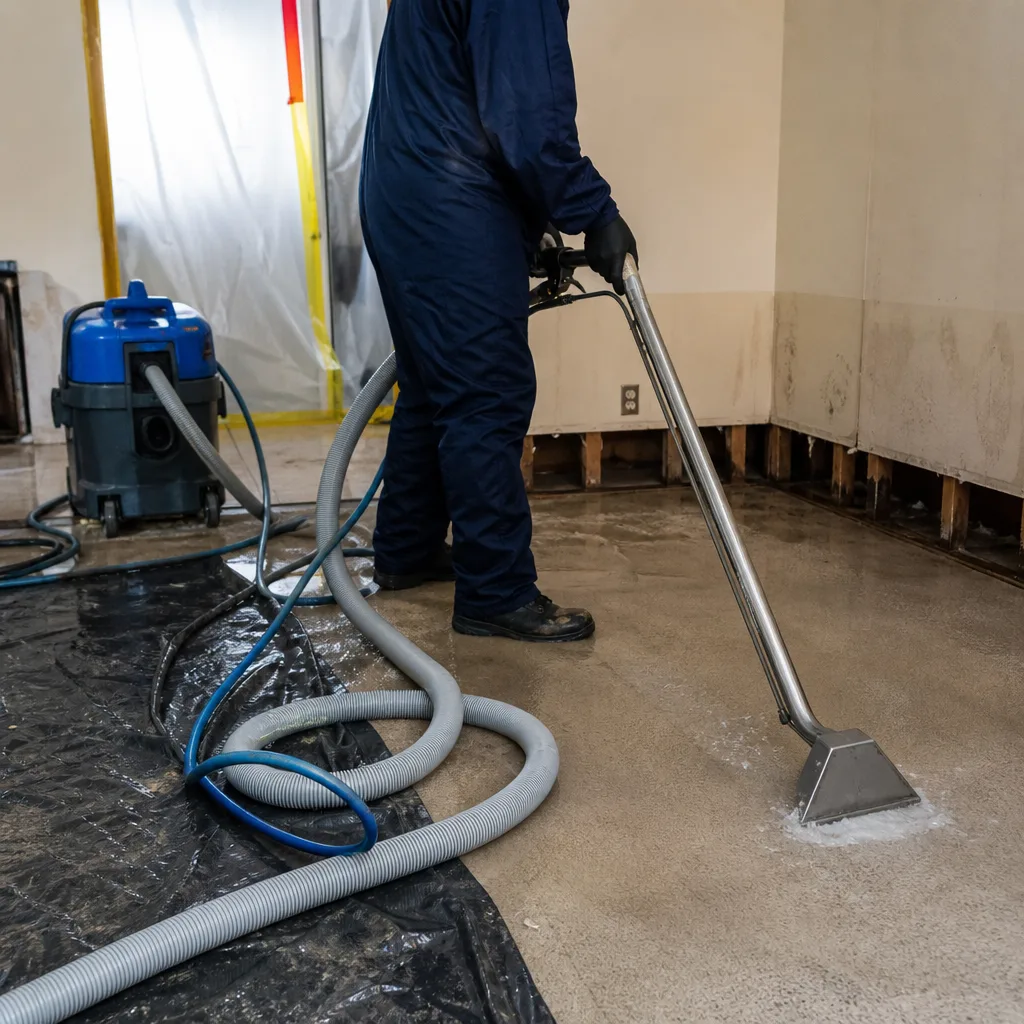
Septic Failure Cleanup
While most of Corona is on the city sewer system, some older properties and deeper lots still have private septic connections. When a septic field fails, the backup usually surfaces in the lowest point of the property, which in Corona is often a finished basement. We handle septic failure cleanup with the same containment and documentation standard we use on every Category 3 job, and we coordinate directly with your plumber if a structural repair is needed before restoration can begin.
Crawl Space Sewage Removal
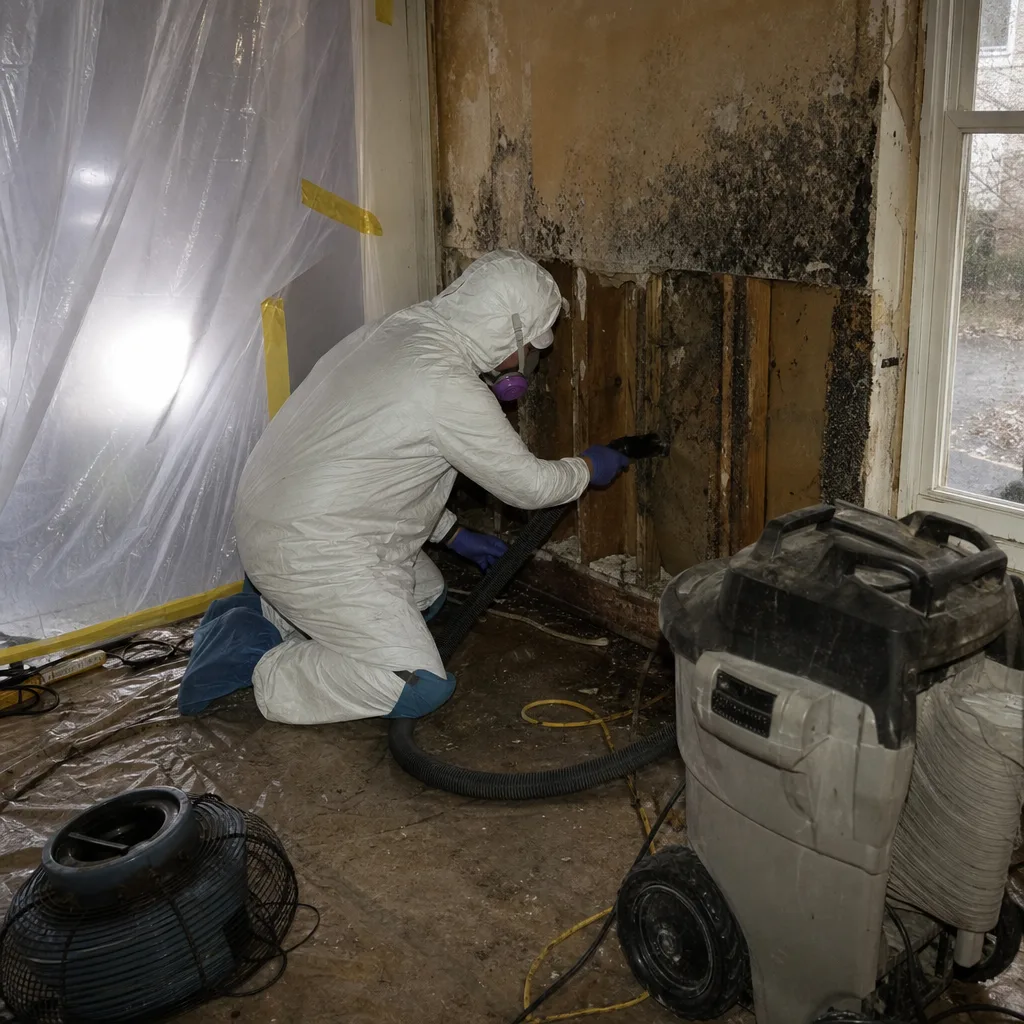
Crawl spaces under Corona row houses are common and rarely visited until something goes wrong. When a sewage line leaks into a crawl space, the odor and contamination spread through floor joists and up into living spaces above. We access through existing entry points, remove contaminated material, and dry the cavity to standard. Our techs wear full PPE on these jobs; the space is dangerous and the work is not a DIY project.
What happens when you call
- 1
A real person answersNo phone trees - you reach a local pro.
- 2
You get an upfront price rangeHonest numbers before anyone is dispatched.
- 3
A background-checked tech heads outLicensed & insured, dispatched right away.
- 4
You approve before work beginsNothing starts until you say go.
Sewage Cleanup Costs in Corona, NY
Sewage cleanup in Corona runs a wide range depending on how far the contaminated water has traveled and how much material must be removed. A contained toilet overflow in a single bathroom typically runs $800 to $1,800. A basement sewage backup with carpet and drywall removal usually falls between $2,500 and $6,000. A full multi-unit Category 3 event crossing shared walls in an attached row house can reach $12,000 or more, especially when asbestos testing and unpermitted-space complications are involved. What moves the price: square footage of affected area, how many units are involved, whether ceilings and wall cavities are open, and whether the damaged space has a certificate of occupancy. We give you a written scope before work starts. Estimates are free. Call (518) 800-3751 and we will walk the space with you.
We Also Serve Cities Near Corona
Our Sewage Cleanup in Corona crews also respond daily in Elmhurst, Jackson Heights, East Elmhurst, and Maspeth. The housing stock and sewage patterns are similar, and we know those streets too. If you are just outside the 11368 line, call us. We likely have a truck nearby.
Serving Corona, NY - Our Local Coverage Area
We’re based in the Corona area and know this community well. Use the map below to see our service coverage - if you’re nearby, we can almost certainly help.
Corona Sewage Cleanup Questions, Answered
How do you handle sewage cleanup in a Corona basement apartment that was never legally converted?
We sequence the work so documentation and contamination control come first, then address the legal status of the space with you and your carrier directly. We document pre-loss condition thoroughly and know how to navigate NYC DOB permit status lookups when an adjuster questions whether the damaged area is a “living area” at all. This is a common scenario in Corona and we have handled it many times without triggering stop-work orders or claim denials.
Can a sewage backup in one Corona row house really affect the neighbors?
Yes. The shared masonry walls and common drain stacks in Corona’s 1920s to 1940s attached row houses mean Category 3 water can migrate into the adjacent unit within hours. We routinely arrive for a single-unit backup and find two or three affected units once we start mapping moisture. Treating the property as a shared system from the first hour is the only way to avoid a second surge of contamination later.
What’s the difference between Category 2 and Category 3 water in a Corona sewage cleanup?
Category 2 water is significantly contaminated but does not contain raw sewage, such as water from a washing machine overflow or sump pump failure. Category 3 water carries human waste and pathogens, including sewage backups and flood water that has mixed with sewer lines. Category 3 requires full containment, removal of exposed porous materials, and documented antimicrobial treatment. Most sewage jobs in Corona are Category 3 from the start.
How fast can you get a crew to a Corona basement after a sewer line backs up?
We commit to having a crew on the road to you within 45 minutes of your call. In Corona during daytime traffic, actual arrival depends on where our nearest truck is and how the streets are moving. But we start with a live dispatcher, not a queued callback, and we dispatch the closest available crew. Call (518) 800-3751 and we will tell you exactly where we are.
Do I need to vacate my Corona basement apartment during sewage cleanup?
Usually yes, at least during extraction and initial drying. Category 3 water carries pathogens that become airborne during removal. Our crews run HEPA air scrubbers and establish containment, but the affected space is not safe to occupy until sanitization is complete and air quality is verified. In a shared row house, we often recommend vacating adjacent units while containment is active.
Will my insurance cover sewage cleanup in Corona?
Most standard homeowners and building policies cover sudden sewer line failures, but coverage varies on backup endorsements and on unpermitted spaces. We document everything from the first hour and bill your carrier directly. If the space has no certificate of occupancy, we know how to present the claim to avoid a stall or denial. Call us and we will explain what to expect based on your specific policy language.
How long does sewage cleanup and drying take in a Corona row house?
Extraction and removal are usually complete in one to three days. Drying runs three to five days on average, depending on how far moisture traveled into masonry walls and how the building was originally constructed. We provide daily moisture logs until the dry standard is met, so there is no guessing and no premature rebuild. Full restoration, including drywall and flooring replacement, follows after drying is verified.
What should I do in the first 30 minutes after discovering sewage in my Corona basement?
Stop using all water in the building. Do not flush toilets or run sinks; the backup may get worse. Move people and pets out of the affected area. Do not attempt to extract black water yourself; the pathogens in Category 3 water are dangerous without proper PPE. Call us at (518) 800-3751 immediately. A live dispatcher answers and begins coordinating a crew toward you. The sooner we start, the less material must be removed and the lower the final scope.
Written by Curt Bowman, Owner at Floodline Restoration Co., serving Corona and surrounding Queens neighborhoods with full-cycle restoration since 2010.