
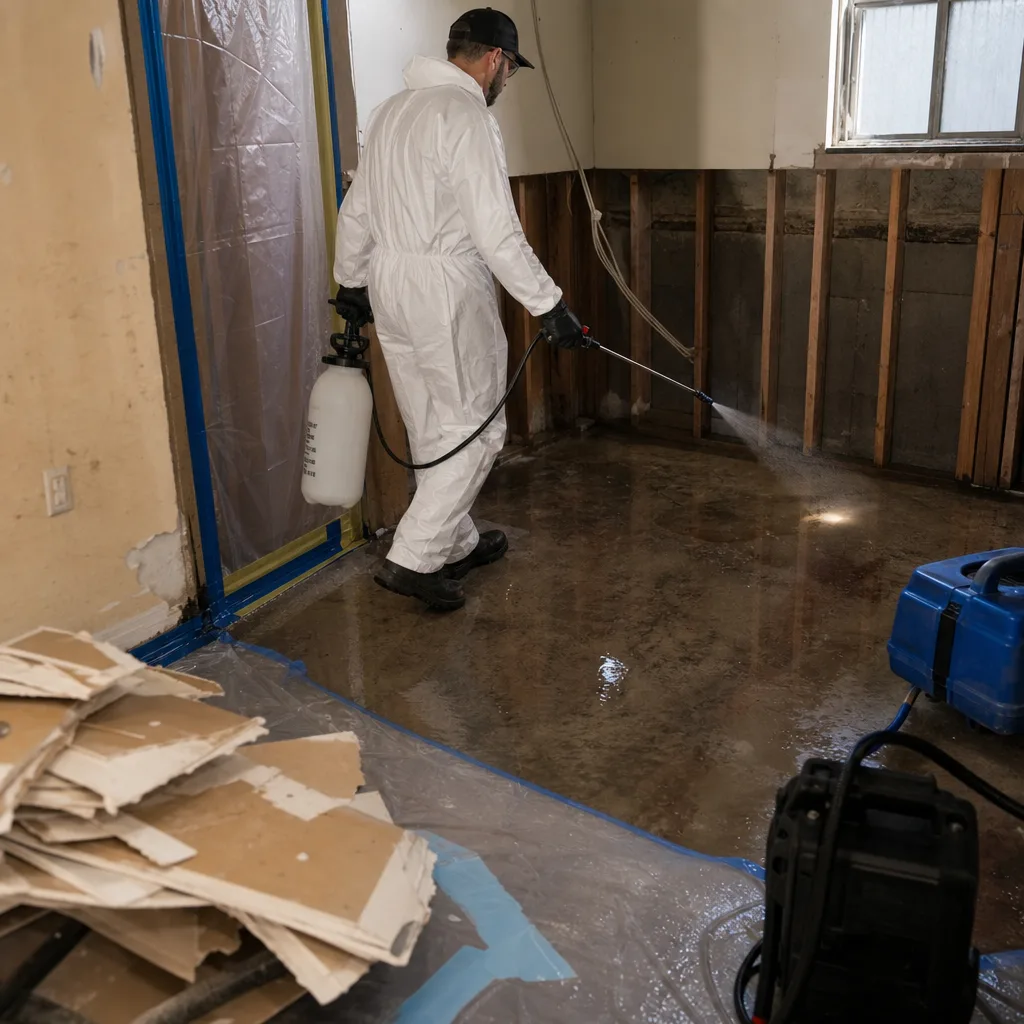
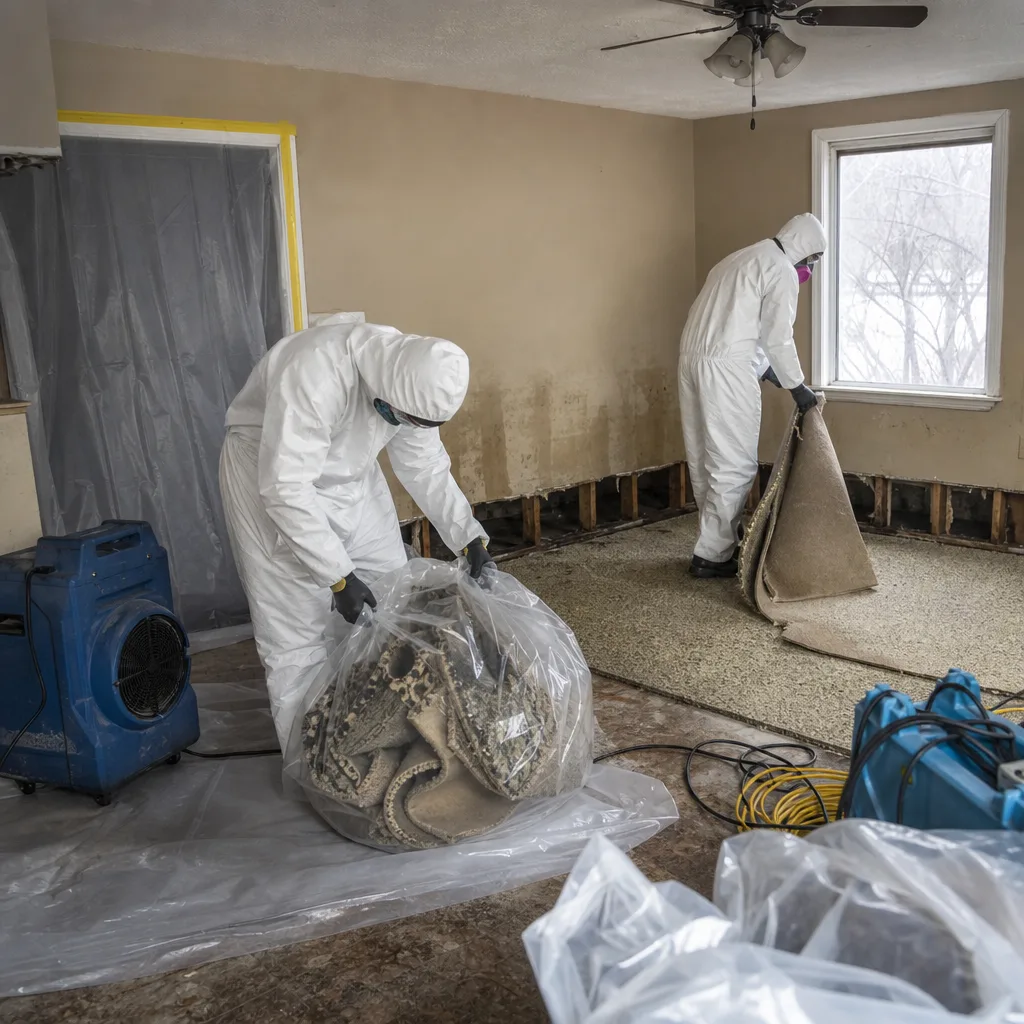
Free visual inspection and a written scope of work before any mitigation begins - photos, moisture readings, and drying logs go in your claim file
The scope we write is the scope we bill. Anything new gets shown to you, in writing, before we touch it.
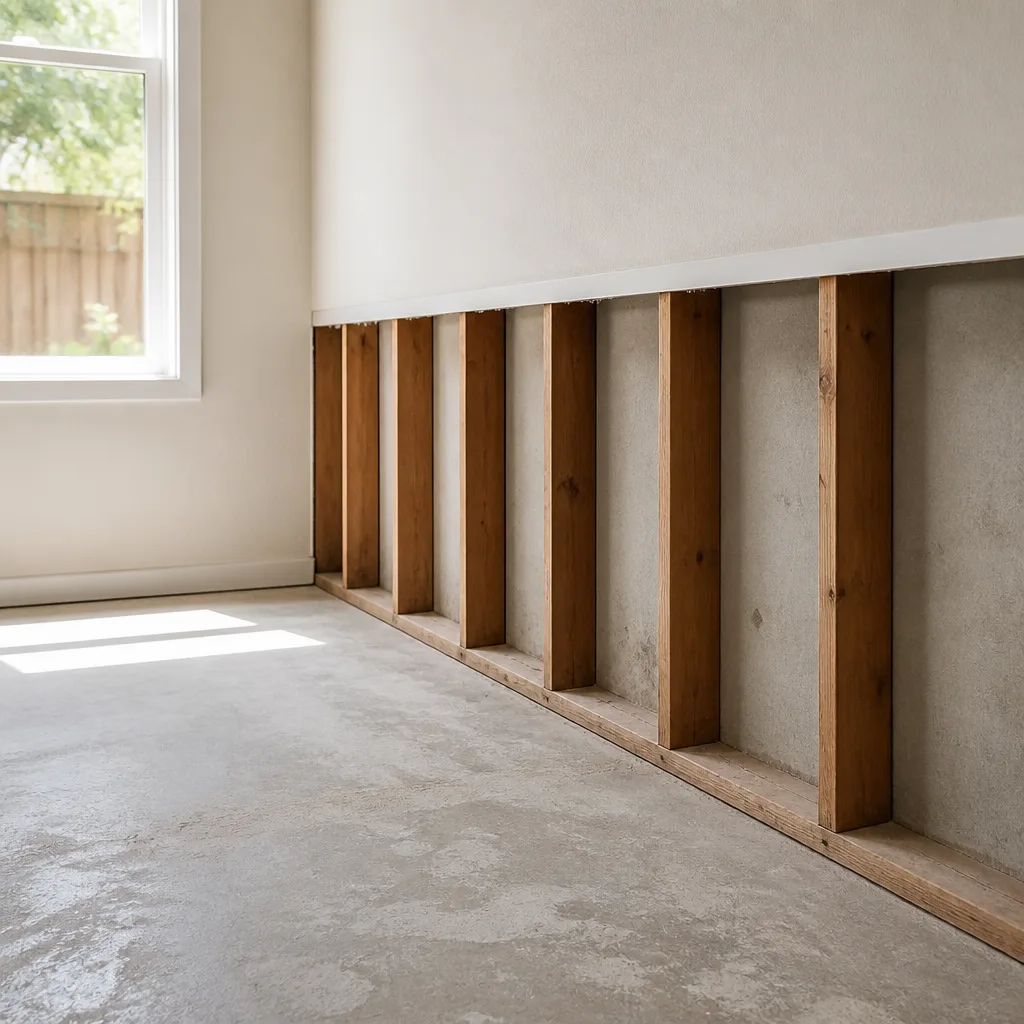
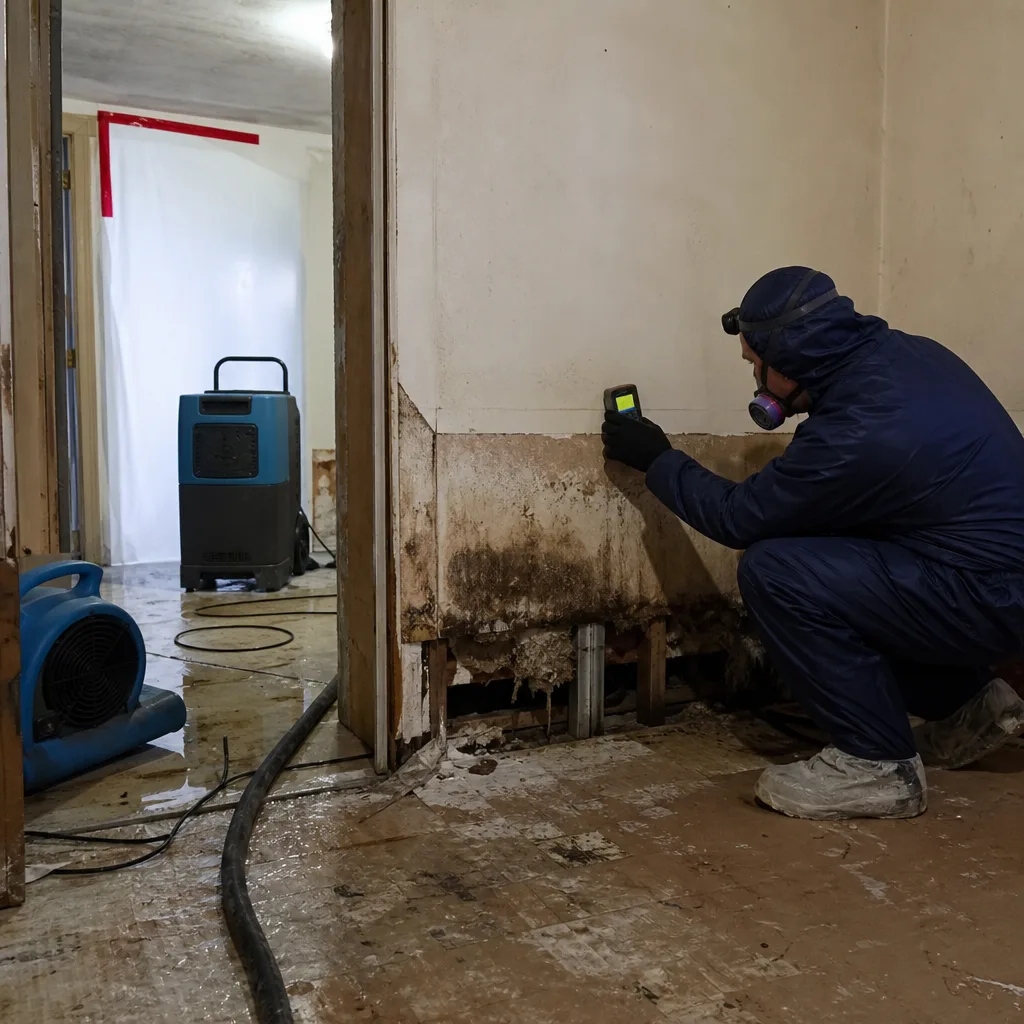 Before
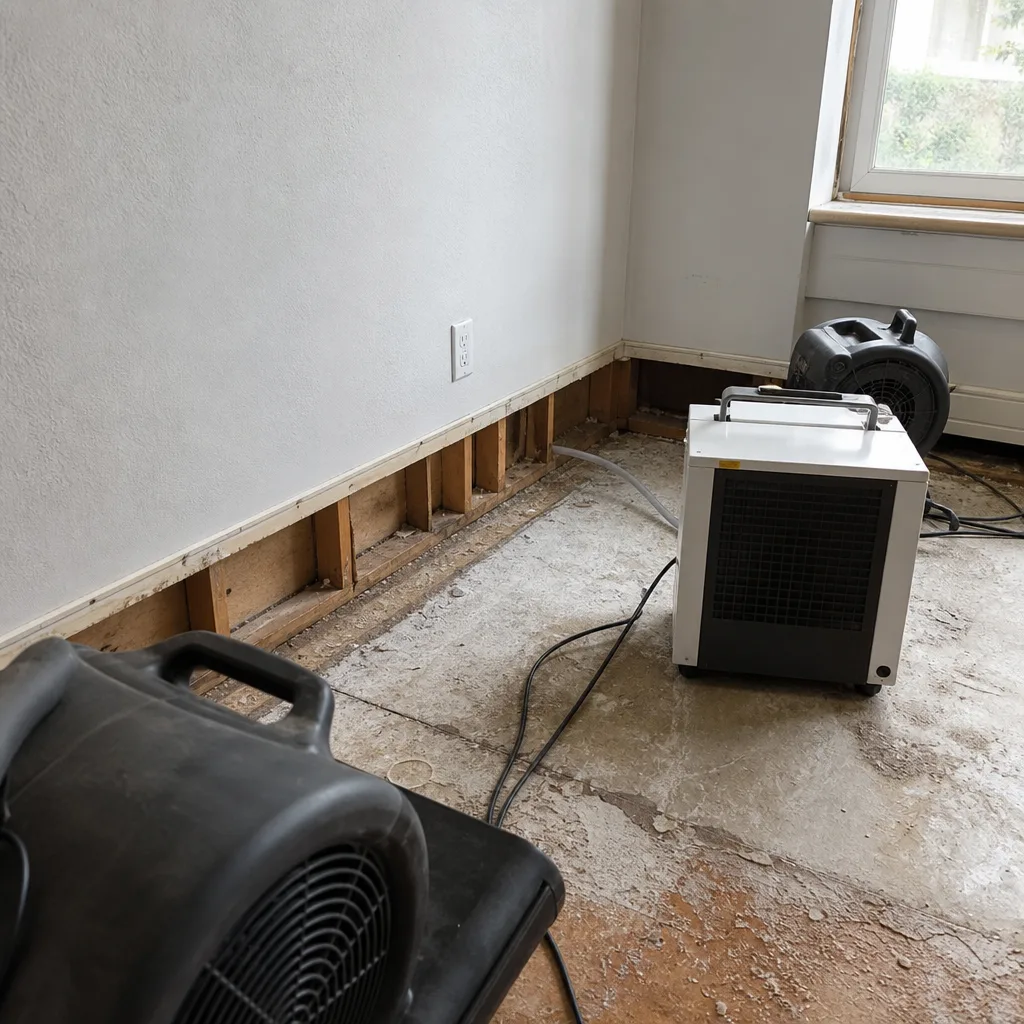 After
After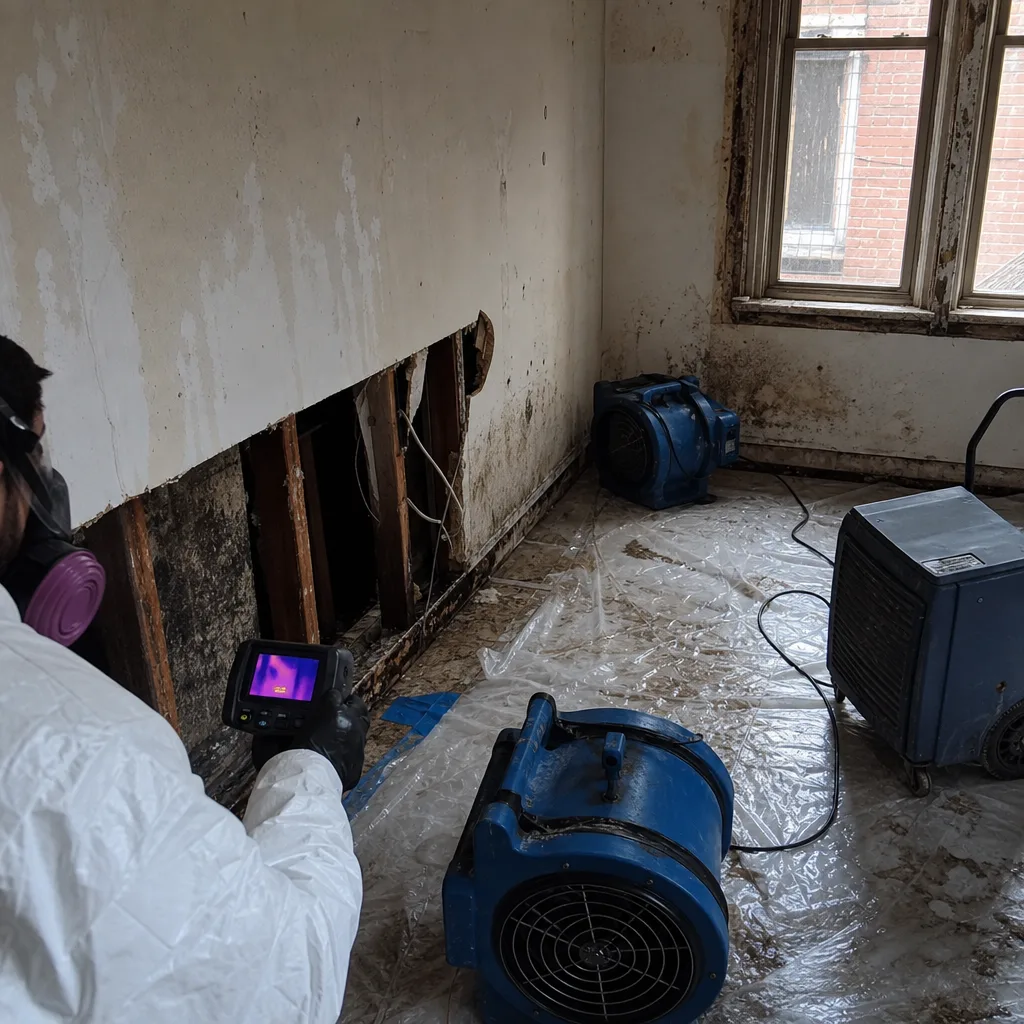 Before
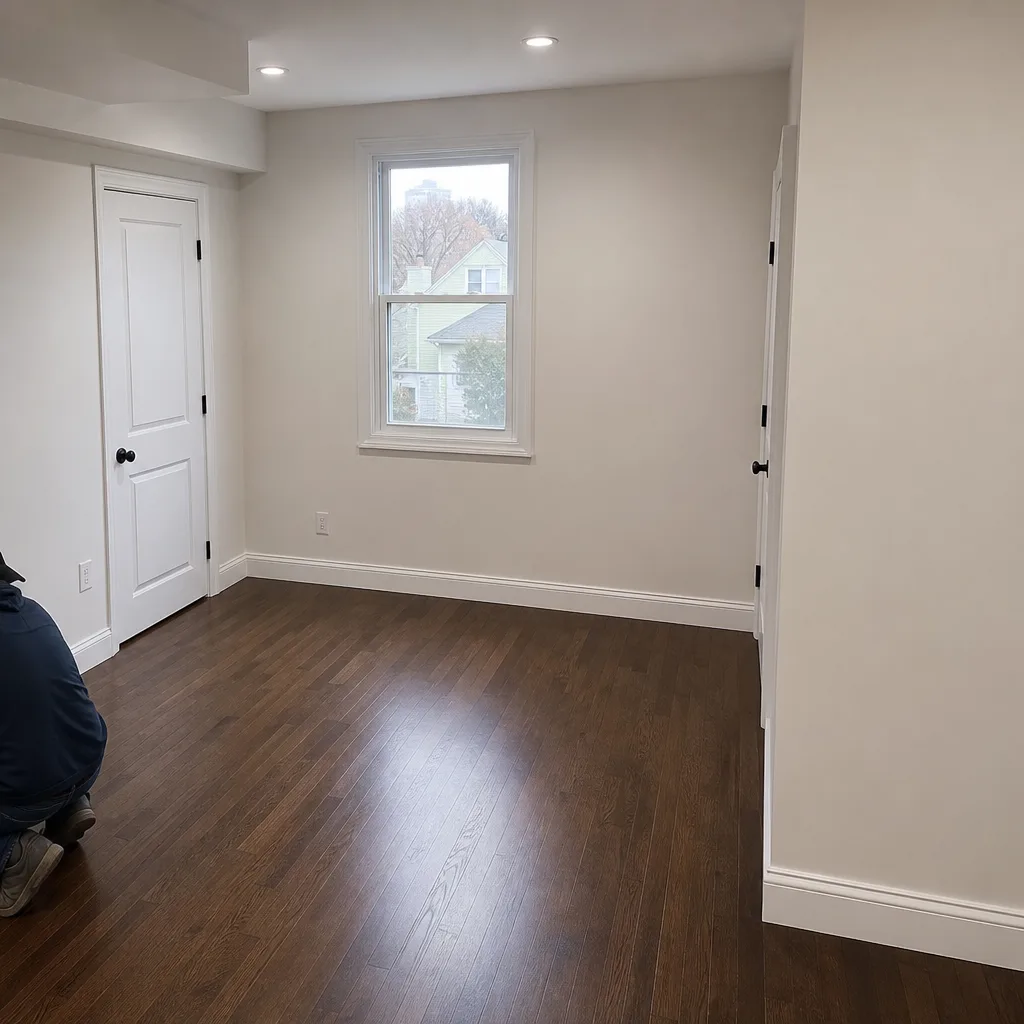 After
After24/7 Emergency Sewage Cleanup in East Harlem
Sewage cleanup in East Harlem cannot wait until morning. A backed-up line in a pre-war tenement or NYCHA tower moves black water through walls, under floors, and into the apartments below within hours, not days. We answer the phone live at (518) 800-3751 around the clock, every day of the year. Our crews stage from the New York City office and reach East Harlem addresses fast, usually within 45 minutes of your call. The first hour determines whether you’re dealing with a contained cleanup or a full-scale category 3 water loss that requires demolition, drying, and rebuild. We start with a free visual inspection, map the moisture, and put extraction equipment to work the same visit. The sooner containment starts, the less sewage wicks into lathe-and-plaster walls and original wood joists. Call now. We’ll be there when we say.
Understanding Sewage Cleanup Severity in East Harlem Properties
Sewage is category 3 water: grossly contaminated, carrying bacteria, viruses, and parasites. But severity in East Harlem splits along building type. In a five- or six-story Old Law tenement off East 110th or Lexington Avenue, a failed cast-iron stack sends black water down through ceiling cavities and behind original plaster. Those walls hold moisture differently than drywall. Lathe-and-plaster acts as a wick, pulling contaminated water upward while trapping it against wood lath that’s been there since the 1920s. In NYCHA towers like Wagner Houses or Jefferson Houses, a single riser pipe failure can saturate ten or more floors before anyone shuts the valve. Moisture mapping with Dri-Eaz sensors and thermal imaging tells us what visual inspection misses: water trapped behind baseboards, inside chases, under finished flooring. Category 3 always requires antimicrobial treatment and either removal or structural drying of affected porous materials. Carpets, pad, and upholstery exposed to sewage are typically unsalvageable. Hard surfaces get HEPA-vacuumed, scrubbed, and disinfected. The goal is a dry standard measured by hygrometer, not by touch. In East Harlem’s older housing stock, hitting that standard often means opening walls that trigger lead-paint and asbestos protocols. We’ll explain that before any tool comes out.
Why East Harlem Property Owners Choose Floodline Restoration Co.
- 45-minute response commitment: Our crews are dispatched from the New York City office and reach East Harlem addresses fast. The clock starts when you call, not when a call center returns your message.
- 24/7 live answer: A real dispatcher picks up at 2 a.m. No recorded menu, no “leave a number.” You speak to a person who can route a crew immediately.
- IICRC-certified crews: Our technicians hold WRT and AMRT certifications, trained to handle category 3 water without cross-contaminating clean areas of your home.
- Free visual inspection: We assess the loss, map the damage, and give you a clear scope before any work begins. No charge, no pressure.
- Direct insurance billing: We document everything, bill your carrier directly, and coordinate with your adjuster so you’re not playing messenger.
- One team from extraction to reconstruction: The same Floodline Restoration Co. crew that reads the moisture map on day one handles daily readings, dries the structure, and rebuilds what needed tearing out. No mid-job handoff to a crew you never met.
Our Sewage Cleanup Process
Inspection & Assessment
We trace the source, categorize the water, and map affected areas with thermal imaging and Dri-Eaz moisture sensors. In East Harlem pre-1930 buildings, we also check for lead paint and asbestos before any demolition.
Extraction & Stabilization
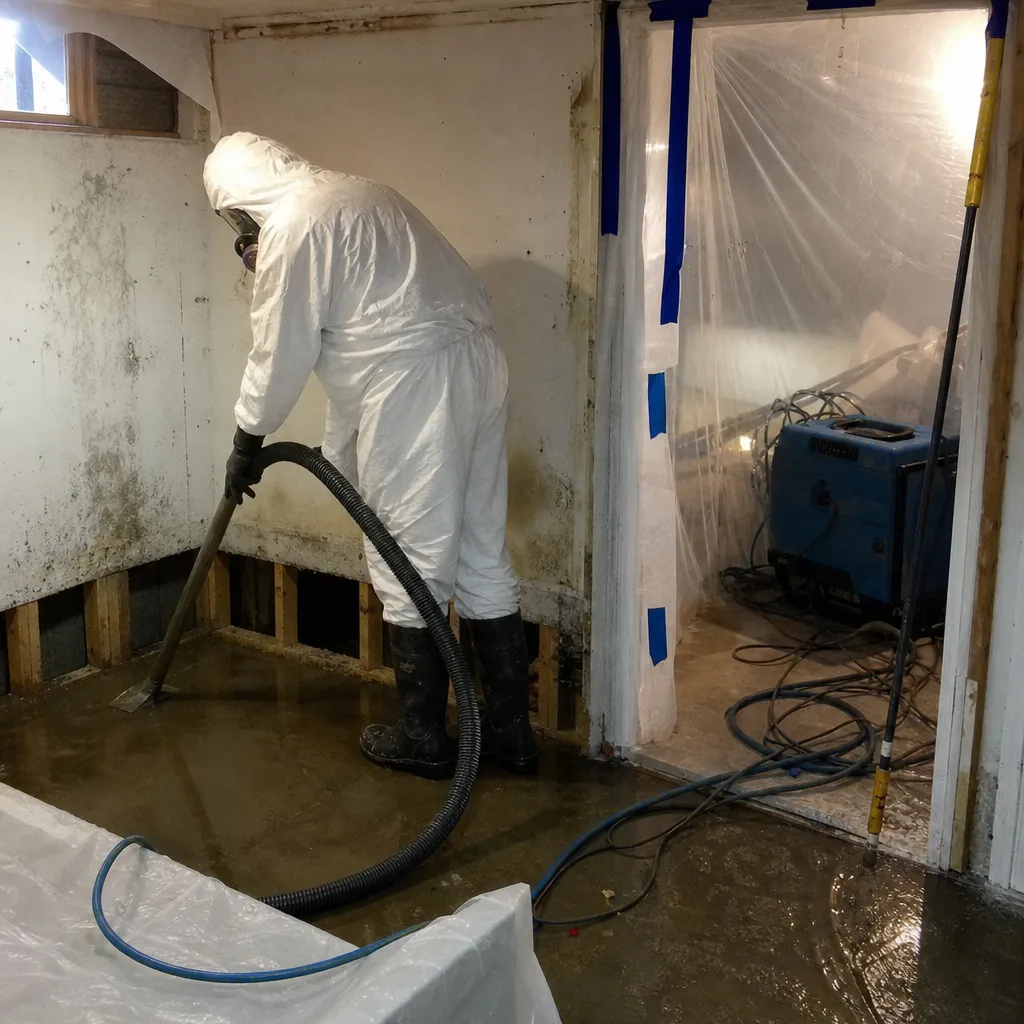
Black water extraction starts immediately using truck-mounted and portable extraction units. We stabilize the site, contain the affected area, and stop the spread of contamination.
Drying & Dehumidification
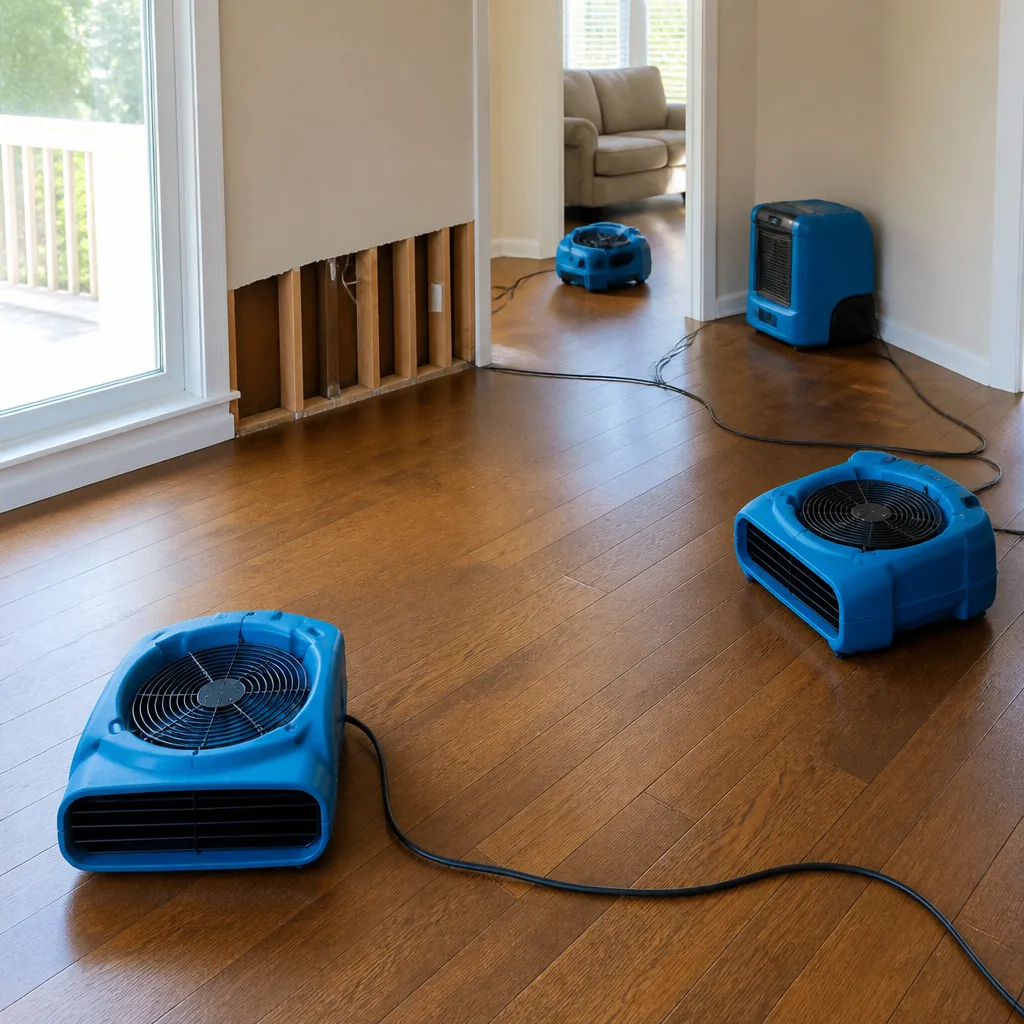
Phoenix and Dri-Eaz dehumidifiers plus XPOWER air movers pull moisture from plaster, wood, and subflooring. We log readings every four hours until the dry standard is met.
Cleaning & Sanitization
HEPA air scrubbers filter airborne contaminants while we deliver Sanitization Services in East Harlem to clean and disinfect all affected surfaces. Antimicrobial treatment prevents mold colonization in cavities and behind baseboards.
Specialty Treatment
For East Harlem tenements, this means EPA RRP lead-safe containment during demolition, asbestos abatement coordination where required, and crawl space sewage removal where foundation seepage has pooled.
Repairs & Restoration
We rebuild what the sewage destroyed: our Reconstruction & Cleanup in East Harlem covers new drywall or plaster patch, flooring, cabinetry, and trim. The work is done by Floodline Restoration Co. carpenters, not a subcontractor you’ve never met.
Need Emergency Sewage Cleanup in East Harlem Now?
Crews minutes away, answering live 24 hours a day. The sooner we start, the less it costs.
Working With Your Insurance Company
Insurance coverage for sewage backup in East Harlem depends on your policy and the source. A toilet overflow inside your unit is usually covered. A city sewer main backing into your basement may require a specific endorsement. We photograph everything from the first hour, document moisture readings before and during drying, and write a line-item scope your adjuster can approve without back-and-forth. Floodline Restoration Co. bills your carrier directly. We have handled claims in NYCHA buildings, walk-up co-ops, and single-family rowhouses across East Harlem. We know what carriers need: category 3 documentation, containment photos, moisture logs, and a clear cause-and-origin statement. We provide all of it. If your adjuster has questions, our team answers them directly. You don’t get handed a phone number and told to sort it out.
What We Provide Your Insurer
- Thorough documentation of the loss
- Photos of all damage, room by room
- Moisture readings and drying logs
- A detailed, line-item scope of work
- Direct coordination with your carrier
Built for East Harlem’s Loss Calendar
East Harlem sewage losses follow the weather and the building’s age, not a random schedule. January and February bring deep freezes that crack aging supply and drain lines in pre-1930 tenements; a burst pipe under a bathroom floor is rarely clean water when it runs through a century of accumulated pipe scale. March and April thaw brings the freeze-thaw cycle damage: Manhattan logs 20 to 40 freeze-thaw events each winter, and every one of them stresses cast-iron stacks and parapet flashing. Flat tar roofs over tenement walls crack, water gets in, and the damage shows up as sewage-adjacent contamination in top-floor waste lines. Summer thunderstorms overwhelm the city storm system, and low-lying blocks near the East River see backups where storm and sanitary lines intersect. Hurricane Sandy in 2012 left below-grade moisture problems in some East Harlem basements that still resurface when groundwater rises. And in NYCHA towers, the loss calendar runs year-round: deferred maintenance means riser pipe failures every month of the year. The pattern is predictable. The phone call still surprises people.
Sewage Cleanup Across East Harlem’s Neighborhoods
Response routes matter when black water is spreading. We run crews from the New York City office up FDR Drive to East Harlem addresses in minutes. In the pre-1930 tenements between East 96th and East 110th, we see small-diameter cast-iron drain lines that have never been replaced. A clogged line backs up into the lowest apartment first. Around East 116th Street and Lexington Avenue, mixed-use buildings put commercial drainage below residential lines; a grease clog from a ground-floor restaurant becomes a sewage backup in the apartment above. In the NYCHA campuses around Wagner, Jefferson, and Carver Houses, the call is usually one apartment reporting sewage, but the actual loss runs through multiple floors and multiple units before anyone notices. West of Park Avenue toward Central Park, the buildings skew newer, but the drainage still ties into century-old street mains that surge in heavy rain. Each of these East Harlem sub-areas wants a different response plan. We read the building before we open the wall.
Specialized Sewage Cleanup Services We Offer in East Harlem
Sewage Backup Cleanup
A sewage backup in East Harlem is usually a failed line, a clogged waste stack, or a municipal sewer surge. We locate the source, stop the flow, and extract category 3 water before it spreads into walls and flooring. In pre-war tenements, this often means working around original plumbing that was installed before indoor sewage was standard.
Black Water Extraction
Black water is sewage, plain and simple. It requires full PPE, containment, and extraction that removes standing water and the solids that came with it. In East Harlem NYCHA units, we contain the affected apartment before opening walls, because black water has already wicked into the chases that run floor to floor.
Sanitization & Disinfection
After extraction, every affected surface gets antimicrobial treatment. We run HEPA air scrubbers to capture airborne bacteria, then clean and disinfect floors, walls, baseboards, and any salvageable contents. In a five-story Old Law tenement, this means treating the ceiling below a failed line before mold has a chance to colonize.
Toilet Overflow Cleanup
A toilet overflow can be category 1 or category 3 depending on what backed up. In East Harlem high-rises, the overflow is often the first visible sign of a riser pipe problem several floors up. We trace it, document it, and dry it properly.
Septic Failure Cleanup
Some older East Harlem buildings, especially single-family rowhouses near the East River, still run on private septic systems. Failure means contaminated water in the yard, under the foundation, or backing into the basement. We pump, remove contaminated soil where needed, and dry the structure.
Crawl Space Sewage Removal
Crawl spaces under East Harlem rowhouses are tight, damp, and often untouched since the building went up. Sewage pooling there after Hurricane Sandy-related groundwater rise or a failed pipe is a hidden health risk. We remove it with proper containment and deodorize the space.
Sewage Cleanup Costs in East Harlem, NY
A typical sewage backup cleanup in East Harlem runs $2,800 to $7,500 depending on the square footage affected, the building’s age, and whether demolition is required. Toilet overflow jobs with fast response and no wall damage often fall between $1,200 and $2,500. Black water extraction from a single NYCHA apartment with containment, drying, and sanitization typically lands between $4,000 and $9,000. A pre-1930 tenement job that triggers lead-paint and asbestos protocols will cost more, often $10,000 to $20,000, because the abatement work runs parallel to the sewage cleanup. Crawl space sewage removal in smaller East Harlem rowhouses starts around $2,500. What moves the price: how long the water sat before we arrived, how many floors are affected, and what materials need demolition. Insurance covers most of these losses. The free visual inspection gives you a firm scope and a number before you agree to anything.
Get a Firm Sewage Cleanup Scope in East Harlem
Free visual inspection. Written scope before work starts. Direct insurance billing.
We Also Serve Cities Near East Harlem
Our crews respond to sewage calls across the surrounding area, including East Harlem, Astoria, Ditmars Steinway, Upper Manhattan, and the Upper East Side. If you’re on the edge of the neighborhood and black water is spreading, call us. We’ll confirm coverage and route the nearest team.
East Harlem Sewage Cleanup Questions, Answered
How does NYCHA’s vendor approval process delay sewage cleanup in East Harlem’s Wagner or Jefferson Houses?
NYCHA’s central property management must authorize access and approve any vendor working on building systems before mitigation starts in a Wagner, Jefferson, or Carver Houses apartment. That approval routinely burns 24 to 48 hours after the initial call, during which the affected unit sits wet and mold begins colonizing inside wall cavities. Our team knows the process and starts paperwork immediately, but the clock belongs to NYCHA, not the resident. Call us first at (518) 800-3751 so the approval clock starts as early as possible.
Why does lead-paint abatement trigger on a sewage backup in an East Harlem tenement?
Most East Harlem tenements were built before 1930, and NYC law treats any wall or ceiling disturbance in pre-1978 buildings as a potential lead-paint hazard. When sewage wicks into those walls, drying them properly means opening the plaster, which triggers the city’s lead-paint disturbance protocol and often asbestos abatement as well. A contractor without EPA RRP lead-safe certification cannot legally do that work. We hold those credentials and handle the abatement coordination as part of the job.
Is sewage water always category 3, or could it be category 2 in an East Harlem building?
Water from a toilet overflow that contains only clean water from the bowl and no waste is category 2, commonly called gray water. But any water that contacts sewage, a waste line, or a toilet trap with visible solids is category 3 black water regardless of how it looks. In East Harlem tenements with shared waste stacks, a backup in one apartment almost always means category 3 because the water has mixed with waste from every unit above. We classify every loss on site and treat it to the highest standard we find.
What makes East Harlem’s pre-1930 tenements harder to dry after a sewage backup than newer buildings?
Lathe-and-plaster walls absorb and hold water differently than drywall. The plaster wicks contamination upward while the embedded wood lath stays damp behind it, invisible to a visual check. You need moisture mapping, structural drying with dehumidifiers running for days, and often wall demolition that triggers lead and asbestos rules. Newer drywall buildings dry faster and with fewer protocol headaches. In East Harlem, the building’s age dictates the drying strategy more than the water volume does.
Do you handle sewage cleanup in East Harlem crawl spaces or basements after Hurricane Sandy-related flooding?
Yes. Some East Harlem rowhouses near the East River still carry moisture problems from Sandy’s 2012 storm surge, and when groundwater rises or a drain line fails, sewage pools in below-grade crawl spaces and basements. We remove it with proper containment, deodorize, and address the moisture source. Each job starts with a free visual inspection. The crawl space access in these older homes is tight, but our crews are equipped for it.
How fast can a sewage cleanup crew actually reach East Harlem right now?
Most East Harlem calls get a crew on site within 45 minutes. We’re staged from the New York City office with direct routes up FDR Drive or across the avenues. The dispatcher who answers the phone at (518) 800-3751 is the same person routing the trucks. No call center delay, no third-party scheduling.
How long does sewage cleanup and drying take in an East Harlem apartment?
A contained toilet overflow with fast response dries in 2 to 4 days. A pre-war tenement sewage backup that opened plaster walls and required lead-safe demolition takes 7 to 14 days. NYCHA jobs run longer because of the access approval process. We give you a written timeline at the inspection and stick to it.
Can we stay in our East Harlem apartment during sewage cleanup?
Not while category 3 water is being extracted and the area is under containment. You need to vacate the affected rooms until antimicrobial treatment and air scrubbing are complete. For NYCHA multi-floor losses, the building may restrict access more broadly. We’ll tell you plainly what’s safe and what isn’t.
Serving East Harlem, NY - Our Local Coverage Area
We’re based in the East Harlem area and know this community well. Use the map below to see our service coverage - if you’re nearby, we can almost certainly help.
The East Harlem Sewage Cleanup Playbook
In East Harlem, a sewage backup in a pre-1930 tenement is rarely just a category 3 water loss. Opening any wall or ceiling for drying triggers NYC’s lead-paint disturbance and asbestos abatement protocols, turning a straightforward black water extraction into a multi-trade remediation project that requires EPA RRP lead-safe credentials. That requirement does not apply at the same scale in neighboring Upper East Side or Astoria. Floodline Restoration Co. holds those credentials and handles East Harlem Commercial Restoration the way the building codes actually demand, not the way a national franchise template assumes. We start with containment and extraction, but the difference is what we refuse to do: cut into a pre-1930 wall without lead testing, treat a NYCHA backup as a single-unit loss when the riser failed, or call a job dry without moisture mapping behind the plaster. A square deal means doing the work that’s actually required, not the work that’s easiest to quote. That’s the Keystone Standard, and it’s in writing on every East Harlem job we take.
Written by Curt Bowman, Owner at Floodline Restoration Co., serving East Harlem since 2010.