
Last updated August 25, 2026
Free visual inspection and a written scope of work before any mitigation begins - photos, moisture readings, and drying logs go in your claim file
The scope we write is the scope we bill. Anything new gets shown to you, in writing, before we touch it.
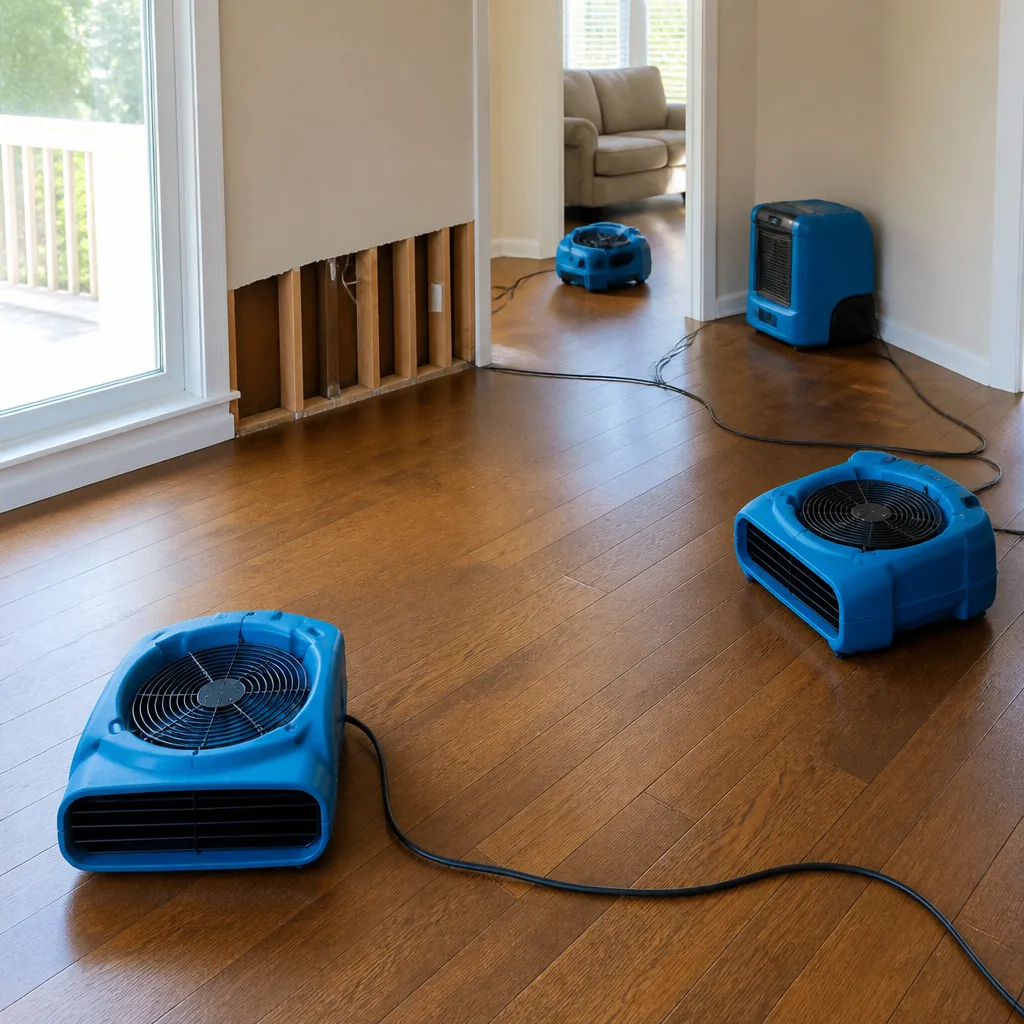
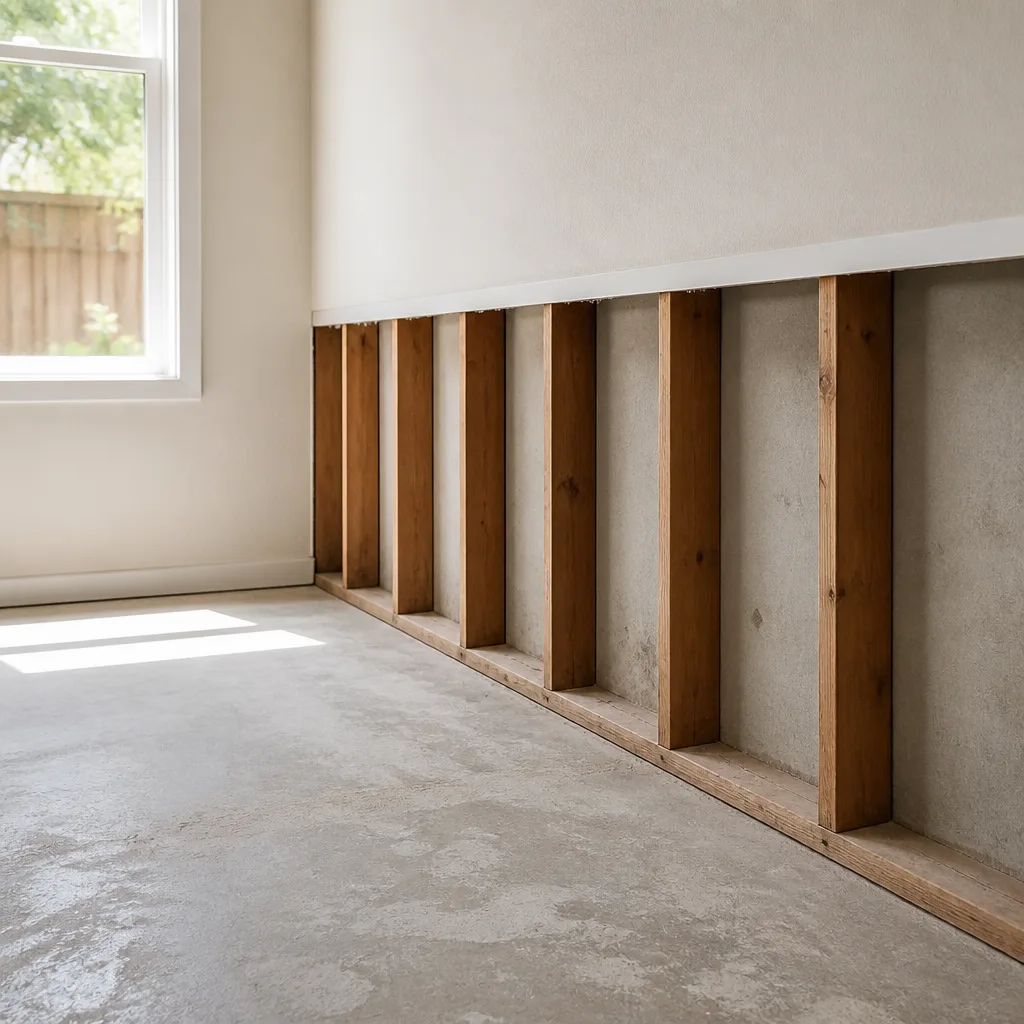
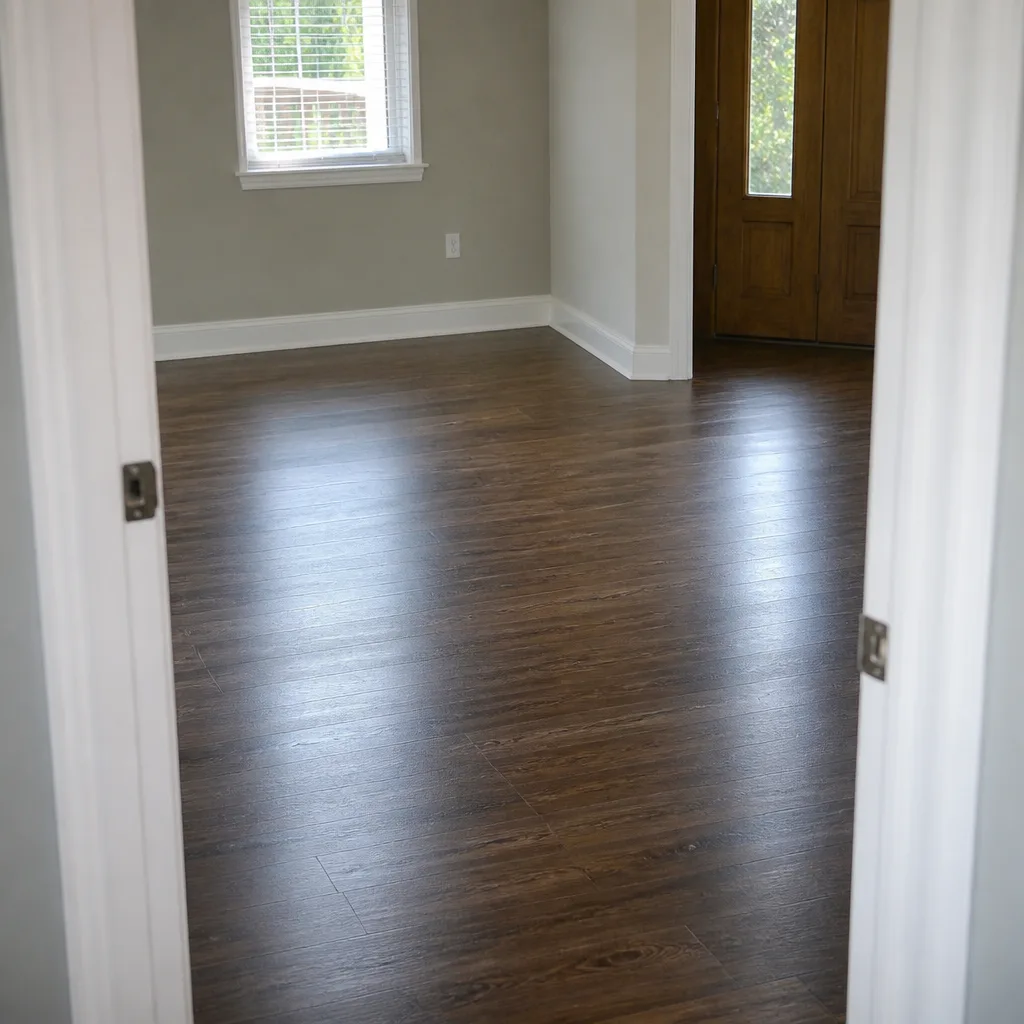
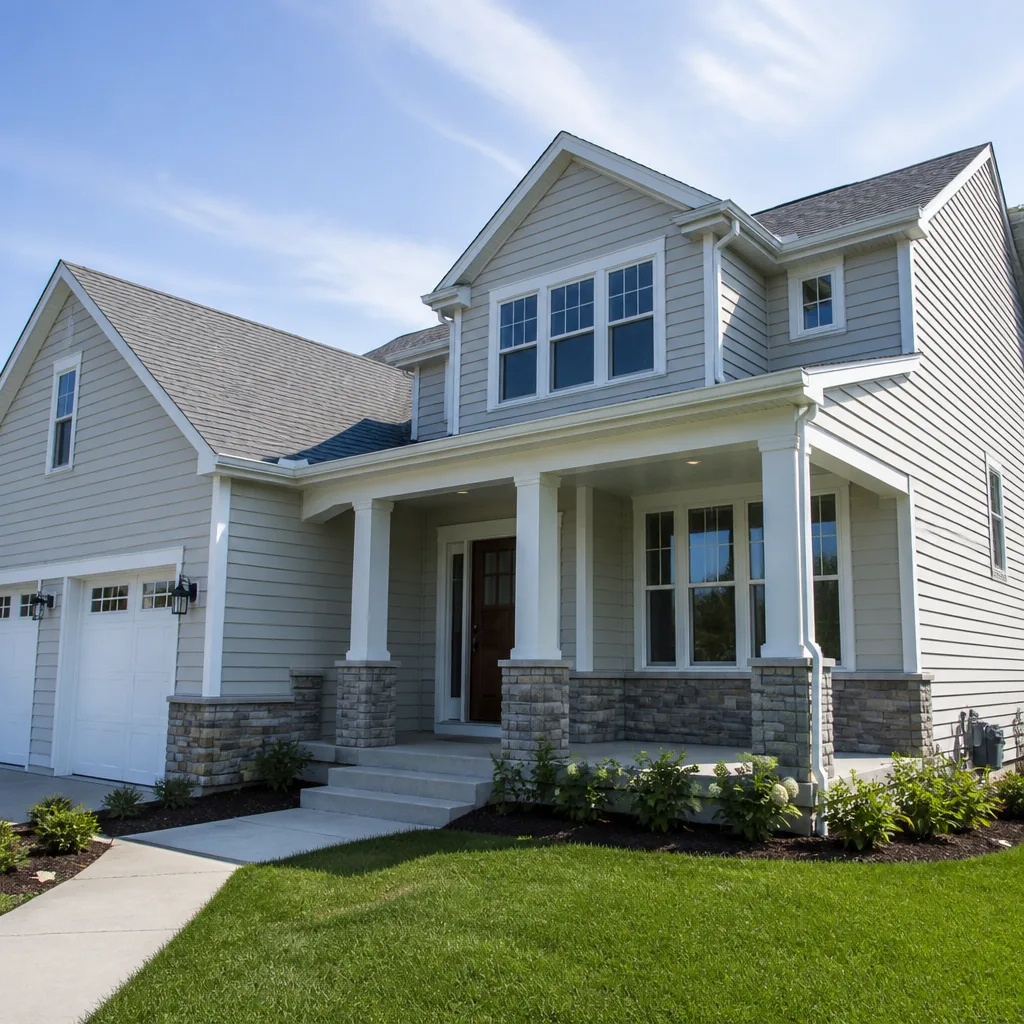
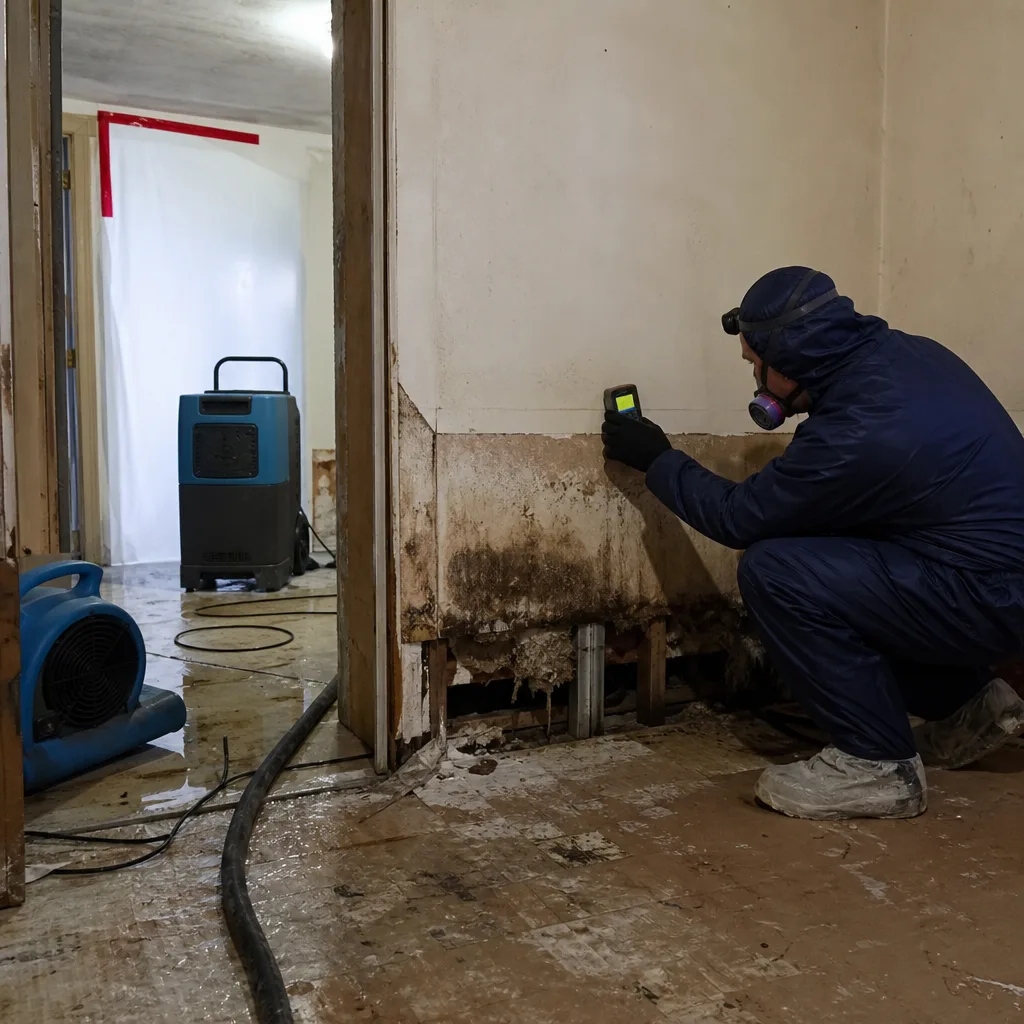 Before
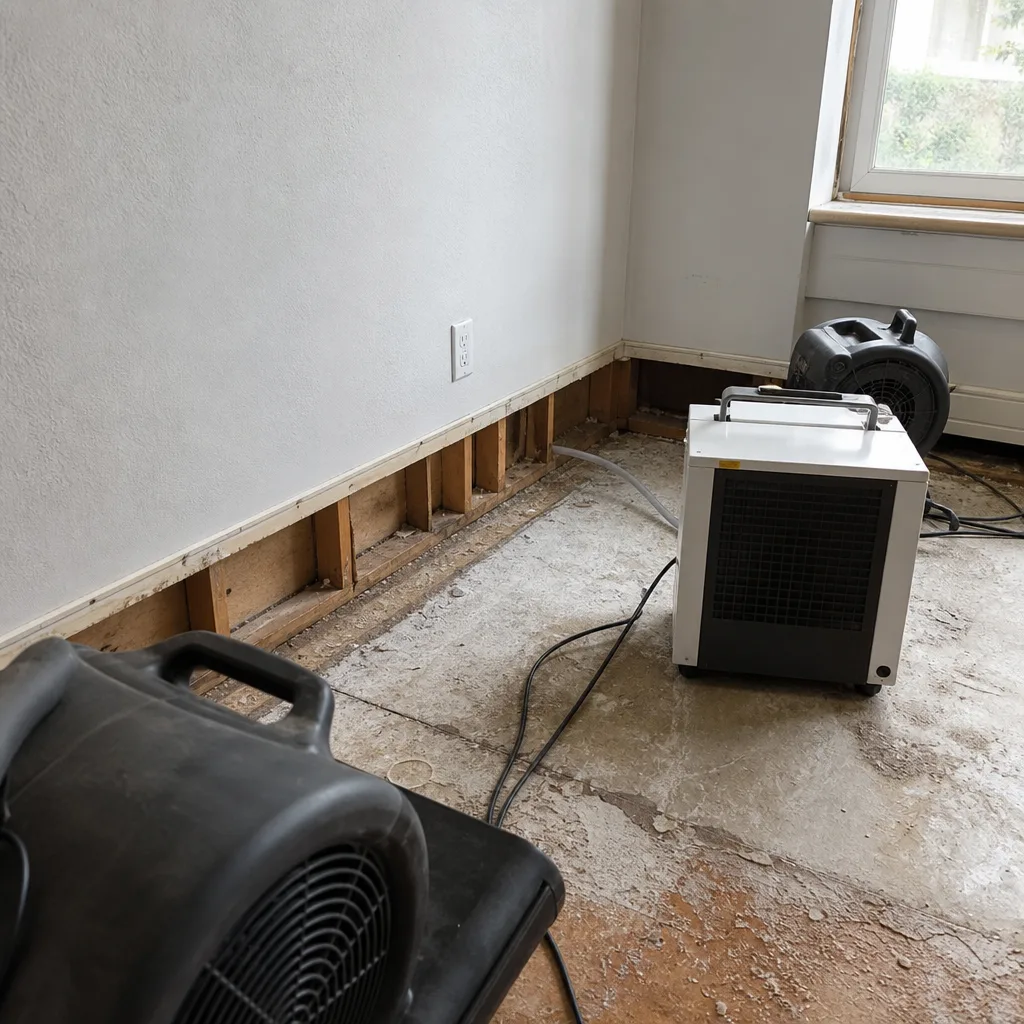 After
After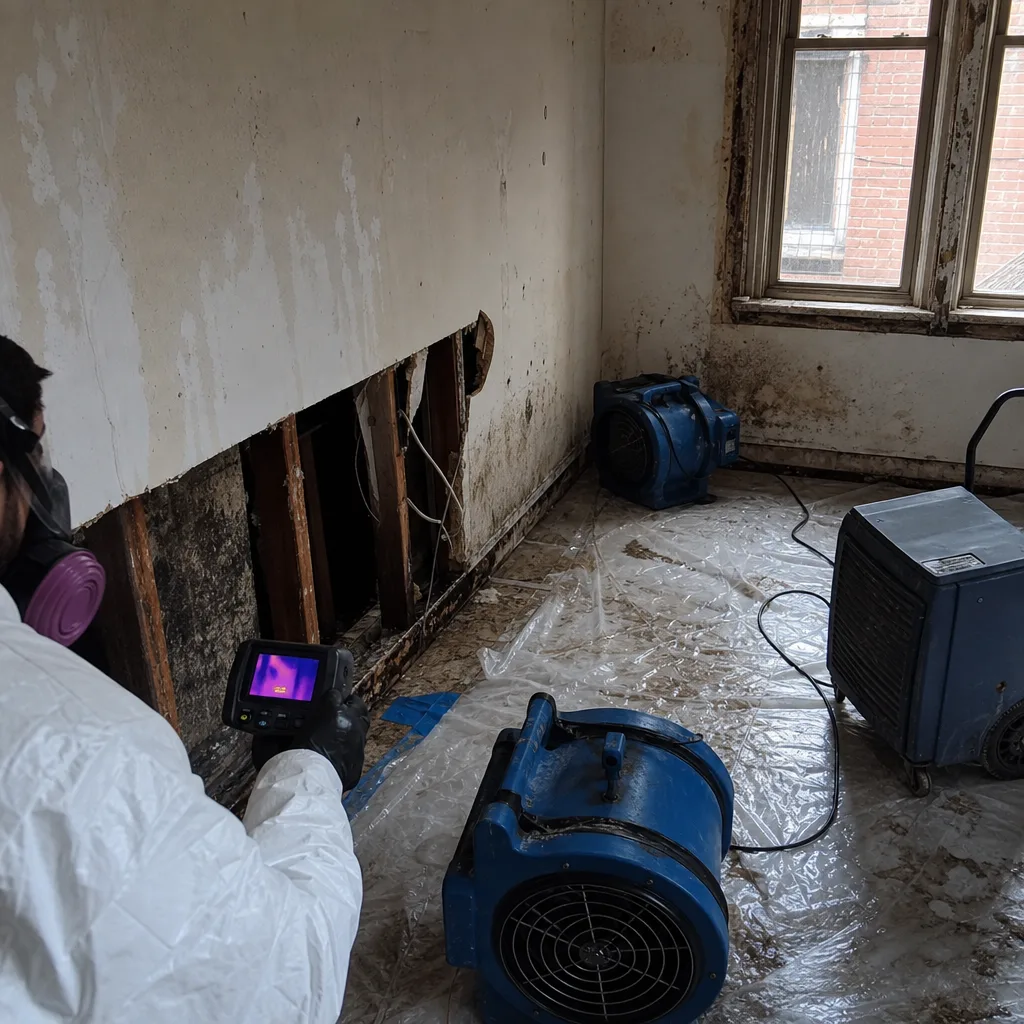 Before
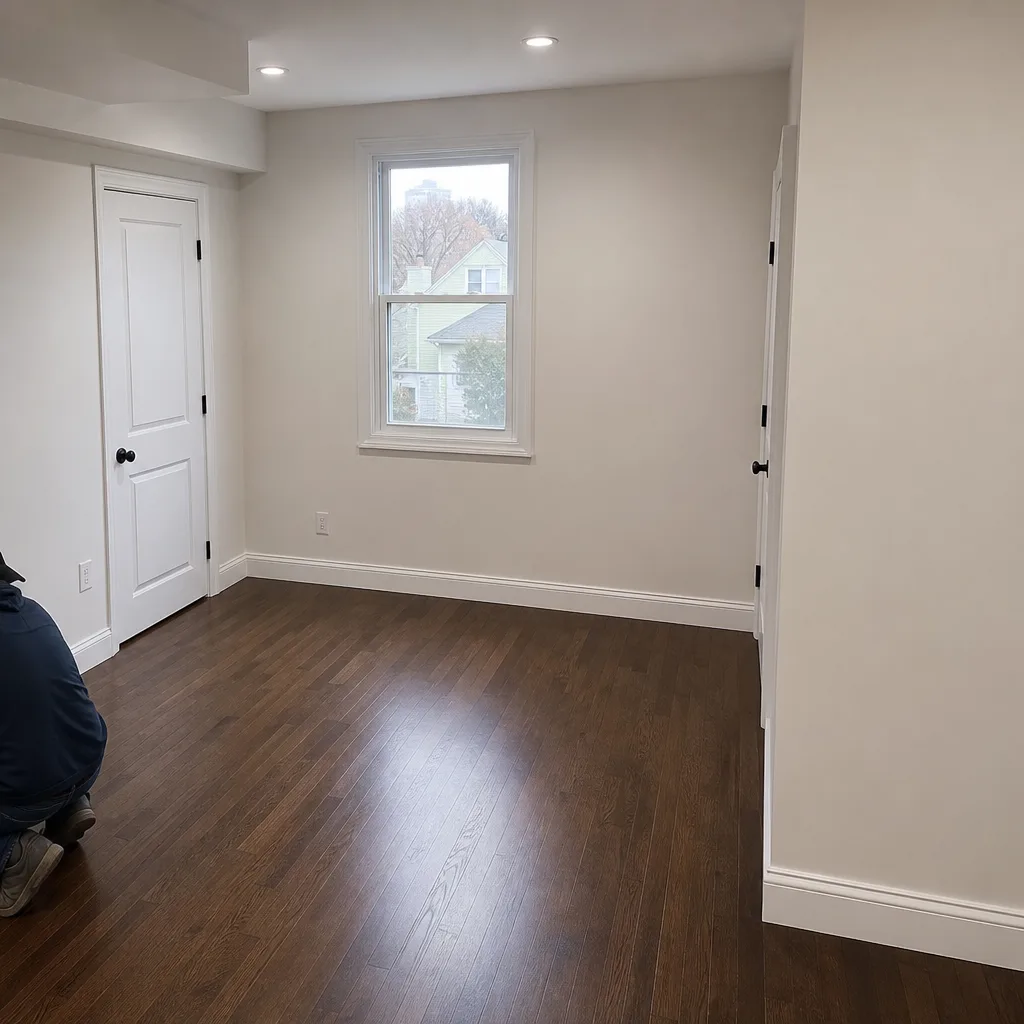 After
AfterDamage Restoration Permits, Codes & Inspections in NY: What You Need to Know
Most homeowners in New York don’t realize that the most expensive mistake after a flood or fire isn’t the water or the smoke. It’s the unpermitted repair. In our 42 years serving communities across the state, we’ve watched insurance claims stall and home sales collapse because a well-meaning contractor skipped a permit in the rush to dry things out. A Queens homeowner recently lost three weeks on a closing because a previous owner’s water damage repair had no inspection record. This guide walks you through what actually requires a permit, which codes govern restoration work in NY, how inspections work, and what happens in Astoria specifically when you’re rebuilding after a loss. You’ll learn what to ask before work starts, what paperwork to keep, and how to avoid the mistakes that cost homeowners thousands.
Quick Answer
Most emergency water extraction and drying work does not require a permit in New York, but any structural repair, electrical replacement, plumbing alteration, or rebuild work does. Permits are issued by your local building department (in Astoria, that’s the NYC Department of Buildings) and inspections follow at set milestones. The homeowner is ultimately responsible for ensuring permits are pulled, even if a contractor handles the paperwork. Failing to permit restoration work can void insurance coverage, trigger fines, and block a future home sale.
Table of Contents
- When a Permit Is Required for Damage Restoration
- The New York Codes That Govern Restoration Work
- How NYC DOB Permits Work (Including Astoria)
- Inspections: What Gets Checked and When
- Insurance, Permits, and Paperwork
- What You Can and Cannot Do Without a Permit
- Common Mistakes to Avoid
- When to Call a Professional
- Frequently Asked Questions
- The Bottom Line
When a Permit Is Required for Damage Restoration
Here’s the straightforward rule: emergency mitigation work that stops further damage does not need a permit. Restoration work that rebuilds, replaces, or alters building systems does. The distinction matters because acting fast on mitigation is how you protect your home, while acting carefully on rebuild is how you protect your investment.
In Astoria and across New York State, you need a permit when the work involves any of the following:
- Structural repairs - replacing load-bearing walls, floor joists, roof rafters, or foundation elements damaged by water, fire, or impact.
- Electrical work - replacing wiring, panels, or fixtures that were submerged or fire-damaged. Even swapping a waterlogged outlet requires a licensed electrician and typically a permit.
- Plumbing replacement - repiping after a freeze, replacing sewage-damaged drain lines, or moving fixtures during a rebuild.
- Gas line work - any repair or replacement of gas piping, which almost always requires both a permit and a licensed master plumber.
- Demolition beyond surface removal - tearing out drywall and insulation is fine; removing framing, chimneys, or load-bearing elements is not.
- Window and door replacement - when the openings change size or when fire damage requires new framing.
- Roof replacement - after storm damage, any repair exceeding 25% of the roof area in NYC typically triggers permitting requirements.
What doesn’t require a permit: water extraction, drying equipment placement, mold containment, drywall removal (non-structural), carpet removal, and content cleaning. We’ve handled hundreds of Astoria apartment and row-house jobs where the permit question was the first thing the homeowner asked. The answer depends less on the cause of the damage and more on what layer of the building you’re touching.
The New York Codes That Govern Restoration Work
New York operates under a layered code system. Homeowners doing restoration work in Astoria are subject to the New York State Uniform Fire Prevention and Building Code (the “Uniform Code”), the NYC Building Code, and, for plumbing and electrical work, specific sub-codes. Understanding which code applies matters because your contractor’s scope of work determines which inspector shows up.
Here’s the hierarchy as it applies to damage restoration:
- The New York State Uniform Code sets the baseline for construction, fire safety, and energy standards statewide. It applies everywhere, including New York City, though NYC has its own amendments.
- The NYC Building Code layers additional requirements for the five boroughs. Astoria falls under this jurisdiction. It includes local amendments for fire resistance, egress, and flood zone construction that differ from upstate rules.
- The NYC Electrical Code governs all wiring work. It requires licensed master electricians to file permits for most repairs beyond simple fixture swaps.
- The NYC Plumbing Code governs water supply, drainage, and gas piping. Sewage damage repairs frequently need plumbing permits because the drain lines themselves are considered part of the system, not the emergency surface work.
One Astoria-specific reality: the neighborhood has a large inventory of pre-war row houses and brick buildings constructed before modern codes existed. When water damage exposes original plaster-on-lath walls or knob-and-tube wiring from the 1920s, the scope of code compliance can expand quickly. A simple drywall patch can become a full rewiring requirement once an inspector sees what’s behind the wall. This is why we tell homeowners to budget for what the wall hides, not just what the water touched.
How NYC DOB Permits Work (Including Astoria)
In Astoria, restoration permits are issued by the New York City Department of Buildings (DOB), not by a county or township office. The permitting process in NYC is more structured than in much of the state. Here’s how it works for a typical water-damage or fire-damage restoration that requires repairs:
- A registered contractor files the permit application with the DOB. For most restoration work, this happens electronically through the DOB NOW system.
- The application includes a scope of work that describes exactly what’s being repaired, replaced, or rebuilt. The DOB reviews this against code.
- For work in flood zones (parts of Astoria near the East River), an additional review may apply, especially for properties in FEMA-designated flood hazard areas. Elevation requirements and flood-resistant materials come into play.
- Once approved, the permit is issued and must be displayed at the job site. The contractor must keep it accessible for inspectors.
- At each milestone (framing, rough electrical, rough plumbing, final), the contractor schedules an inspection. Failure to pass means the work stops until corrections are made.
- At completion, the DOB issues a sign-off or Certificate of Occupancy update, which becomes part of the permanent property record.
Astoria’s building stock is dense. Row houses share party walls, and many buildings sit on narrow 20-foot lots. This creates real constraints during restoration: access to rear yards for debris removal, street permits for dumpsters, and neighbor notification for scaffold work on shared walls. We’ve worked on 30th Avenue and Broadway blocks where a single rowhouse fire required coordination with four adjacent owners because the party wall is legally shared. The DOB cares about those walls, and so should you.
Inspections: What Gets Checked and When
Inspection requirements vary by the type of restoration work. What gets inspected, and when, determines how quickly you can get back into your home. Here’s what the process looks like for the most common restoration scenarios in Astoria:
Water Damage Restoration with Structural Repairs
If water damage requires floor joist replacement or wall stud repair, a DOB inspector will check the framing before insulation and drywall go back up. The inspector looks for proper lumber size and spacing, correct fasteners, and proper connection to existing structure. For older Astoria homes with dimensional lumber (actual 2x4s, not nominal), the inspector will verify that new material is appropriately sized, which sometimes means custom milling or engineering letters. After the framing passes, insulation and drywall can proceed. A final inspection closes the permit.
Fire Damage Restoration with Electrical Replacement
Fire jobs almost always include electrical permits because heat damage to wiring is common even in rooms that didn’t burn. The electrical inspector checks the panel, the new circuits, and the grounding and bonding. In NYC, the electrical inspection is done by the DOB’s Electrical Unit, separate from the general building inspector. After the electrical passes, the building inspector checks the structural and finish work. This two-track inspection process is one reason fire restorations in Astoria take longer than water jobs.
Sewage Damage and Plumbing Rough-In
When a sewer backup in a basement requires drain line replacement, the plumbing inspector checks the rough-in before the slab is closed. The key moment is the water test: the inspector fills the new lines with water and watches for leaks. If it holds, the floor can be backfilled. Skipping this inspection is a classic mistake on Astoria basement jobs, where over-eager handywork gets covered in concrete only to fail later. The inspector’s sign-off is the proof the line won’t leak under the slab.
Insurance, Permits, and Paperwork
Permits and insurance are entangled in ways that surprise homeowners. Your insurance company doesn’t require a permit for emergency mitigation, but they do expect that any repair work is properly permitted. What we’ve seen in the field: adjusters ask for the permit number when reviewing repair estimates, and carriers can deny a claim for unpermitted work if the work itself caused additional damage.
The paperwork trail matters. Here’s what you should keep in a folder after any significant restoration:
- The DOB permit number and the approved scope of work.
- Inspection sign-off dates for each milestone.
- The contractor’s license and insurance certificate, plus any subcontractor licenses.
- Photos of the damage before mitigation, during the repair, and after completion.
- The moisture log if water damage was involved, showing daily readings from placement to dry standard.
- The final invoice that matches the approved scope.
Floodline Restoration Co. has billed insurance carriers directly on thousands of New York restoration jobs. The carriers we deal with most often ask for exactly this list. When the paperwork is clean, claims settle weeks faster. When it’s missing, every repair is treated as a negotiation. For Astoria homeowners dealing with both a flooded basement and an adjuster, having the permit record in order is the difference between a check in 21 days and a claim that lingers for months.
What You Can and Cannot Do Without a Permit
This is the section where homeowners save either time or money. Understanding the line between permitted and non-permitted work lets you act fast on the emergency without risking a fine later. Here is the practical breakdown:
You Can Do This Without a Permit
- Water extraction using pumps and wet vacuums.
- Placing drying equipment (air movers and dehumidifiers) in affected rooms.
- Removing water-damaged drywall, baseboard, and insulation down to the studs.
- Removing wet carpet and pad, and disposing of it.
- Containing and wiping down mold on non-porous surfaces.
- Cleaning smoke residue from walls, floors, and contents.
- Any work that stops further damage without changing the building.
You Cannot Do This Without a Permit
- Replacing damaged electrical wiring or devices, even a single outlet that sat underwater.
- Cutting or replacing any framing member, including a floor joist that’s rotted or charred.
- Moving a sink, toilet, or shower drain during a bathroom rebuild.
- Replacing gas lines, even a short section feeding a dryer or stove.
- Modifying any wall that supports floor or roof loads.
- Replacing windows or exterior doors in a fire restoration, when the opening changes.
One of the most common calls we take in Astoria starts with a homeowner who pulled their own drywall after a pipe burst, found a charred wire or a cracked joist, and suddenly realized the job was bigger than their DIY scope. That’s the right moment to stop and call someone who knows the code line. The repair is no longer emergency mitigation. It’s now construction, and construction in NYC has rules with teeth.
Common Mistakes to Avoid
After more than four decades of restoration work across New York, certain mistakes show up so consistently that we can list them from memory. Here are the ones that cost Astoria homeowners the most:
- Assuming emergency work and permit work are the same crew. The company that extracts water may not be licensed to rebuild. Ask before the job starts whether the same contractor will handle both phases and whether they carry the licenses for both.
- Covering work before the inspection. We’ve seen homeowners and hasty contractors reinstall drywall before the framing inspection. The inspector then requires deconstruction, which doubles the cost. In Astoria, where DOB inspector time slots are scheduled days out, patience during the rough-in phase is cheaper than a redo.
- Not checking whether the contractor is licensed in NYC. A Westchester or Long Island license doesn’t automatically allow work in the five boroughs. NYC has its own licensing for plumbers, electricians, and general contractors performing certain scopes. Unlicensed work can void your insurance and leave you with no recourse.
- Throwing away permits, invoices, or inspection sign-offs. When you sell the house, the title company may ask for proof that prior restoration work was permitted. If you can’t produce it, you may need to retroactively permit the work, pay a fine, or hold up the closing. Astoria title searches are thorough.
- Letting an adjuster pressure you into starting unpermitted work because “it’ll be faster.” The carrier’s urgency to close a claim is not the same as your interest in a code-compliant repair. Permits and inspections protect you, not the claim file.
- Skipping permits on a basement or cellar unit in the belief that “no one will check.” In Astoria, where illegal cellar apartments have drawn city attention, the DOB is more active in basement spaces, not less. Unpermitted work below grade invites extra scrutiny.
- Not reading the scope of work on the permit application. If the scope doesn’t match the actual work, the permit is useless. We review the DOB filing line by line with our clients before anything is submitted. A typo on a row house address can delay an inspection by weeks.
When to Call a Professional
If the damage touches anything behind the drywall, cut power, soaked electrical, structural framing, gas lines, sewage drains, or fire-damaged beams, stop and call someone licensed to do restoration work, not just cleanup. The moment framing, wiring, or plumbing becomes part of the repair, a permit is required and a licensed contractor should be running the job. But even before that, when water is rising or smoke is spreading, speed matters more than licensure. Our team at Floodline Restoration Co. home handles both phases: emergency mitigation immediately, then the permitted rebuild without handing you off to another company. We’re in Astoria, we answer the phone with a live dispatcher at any hour, and we’ve been doing this since 2010, built around a dispatch board rather than a sales desk. Every job comes with a written scope before work starts, direct insurance billing, and the 90-Day Done Right Promise in your hands. If you need a free estimate in Astoria, call us at (518) 800-3751.
Frequently Asked Questions
Water extraction, drying, and removal of wet drywall or carpet do not require a permit in New York. A permit is required when the repair involves structural framing, electrical wiring, plumbing lines, or any change to the building’s systems. In Astoria, those permits are issued by the NYC Department of Buildings. If you’re unsure whether your scope crosses the line, call us at (518) 800-3751 and we’ll tell you straight.
For straightforward restoration repairs filed through DOB NOW, approval can happen in one to three business days, but complex scopes or work in flood zones may take two to three weeks. Inspections are scheduled separately and depend on inspector availability in your area. Astoria tends to have shorter waits than some Manhattan neighborhoods, but plan for a week between rough-in and the inspector’s visit.
Most homeowners insurance policies cover the cost of permits and inspections as part of the repair estimate, because they are required to complete code-compliant restoration. The line item typically appears as “permit fees” on the contractor’s estimate and is reimbursed through the claim. Floodline Restoration Co. bills carriers directly, including permit costs, so Astoria homeowners aren’t fronting the money and hoping to be reimbursed.
Unpermitted restoration work can block a home sale when the title company or buyer’s attorney requests proof of permits for prior repairs. If you can’t produce them, you may need to file for a retroactive permit, open completed work for inspection, and pay penalties. In Astoria’s competitive co-op and condo market, boards frequently require this documentation before approving a sale.
You can wipe down non-porous surfaces and remove wet materials without a permit, but mold behind walls or in HVAC systems needs professional remediation. What more homeowners miss: even DIY mold removal can become a permitting issue if you open walls and find damaged framing or electrical that requires repair. If you’re tearing out drywall in an Astoria basement and see mold on the studs, call us at (518) 800-3751 before cutting further.
Yes. Any electrical panel replacement or wiring repair requires an electrical permit from the NYC DOB and must be done by a licensed master electrician. A water-damaged panel is a serious safety concern, not a handyman job. The permit and inspection ensure the replacement meets current code and that the grounding is sound before you re-energize the home.
The Bottom Line
Damage restoration in New York splits cleanly into two worlds: the emergency work you do immediately to stop the water and the controlled work you do carefully to rebuild the house. The first doesn’t need a permit. The second does, and the line between them is where homes get saved or get into trouble. In Astoria, with the NYC DOB overseeing permits, pre-war buildings hiding old wiring, and dense rowhouses sharing walls, the code details matter more than they do almost anywhere else in the state. Know what requires a permit, keep the paperwork, schedule the inspections, and hire a contractor who treats the code as protection rather than obstruction. If you want an honest read on your specific situation, call Floodline Restoration Co. at (518) 800-3751. We’ll come look at the damage, tell you exactly what needs a permit and what doesn’t, and put it all in writing before we start.
Written by Curt Bowman, Owner at Floodline Restoration Co., serving Astoria since 2010.