
Last updated August 25, 2026
Free visual inspection and a written scope of work before any mitigation begins - photos, moisture readings, and drying logs go in your claim file
The scope we write is the scope we bill. Anything new gets shown to you, in writing, before we touch it.
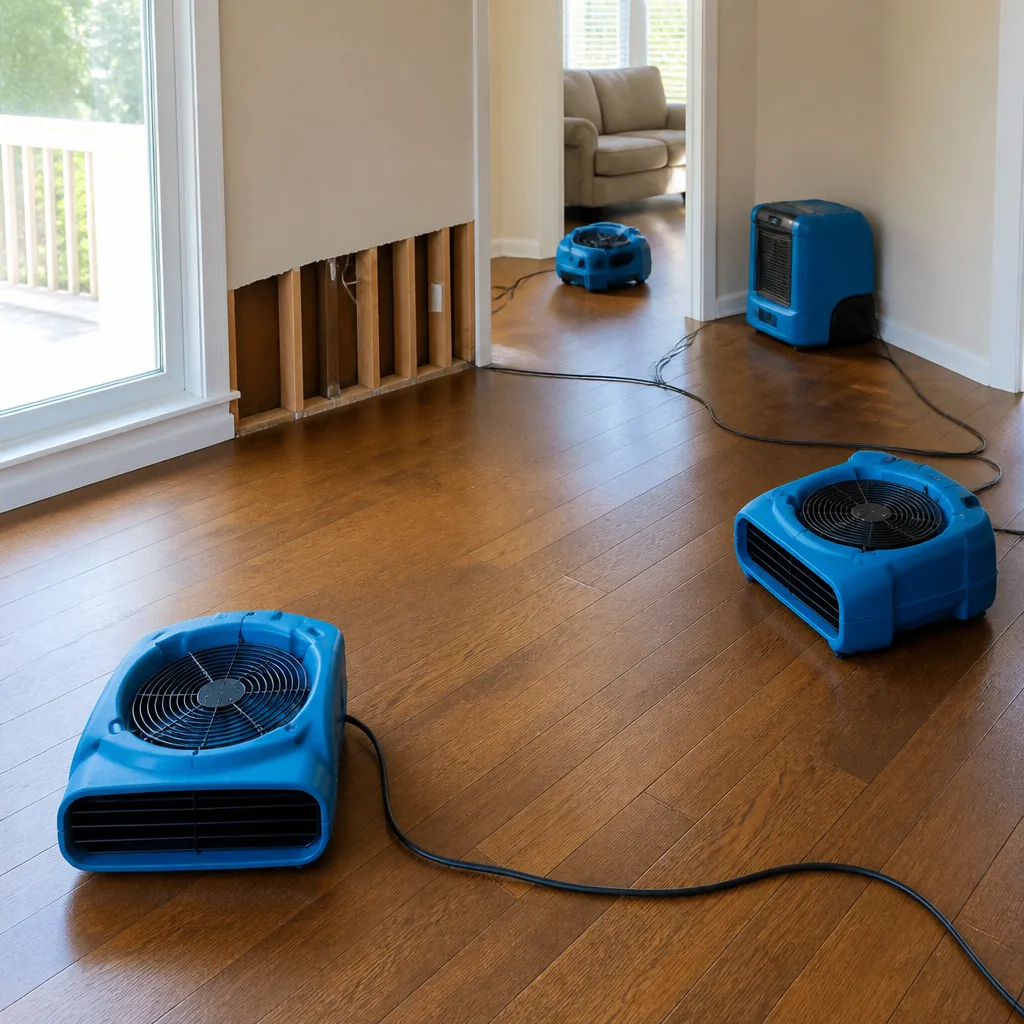
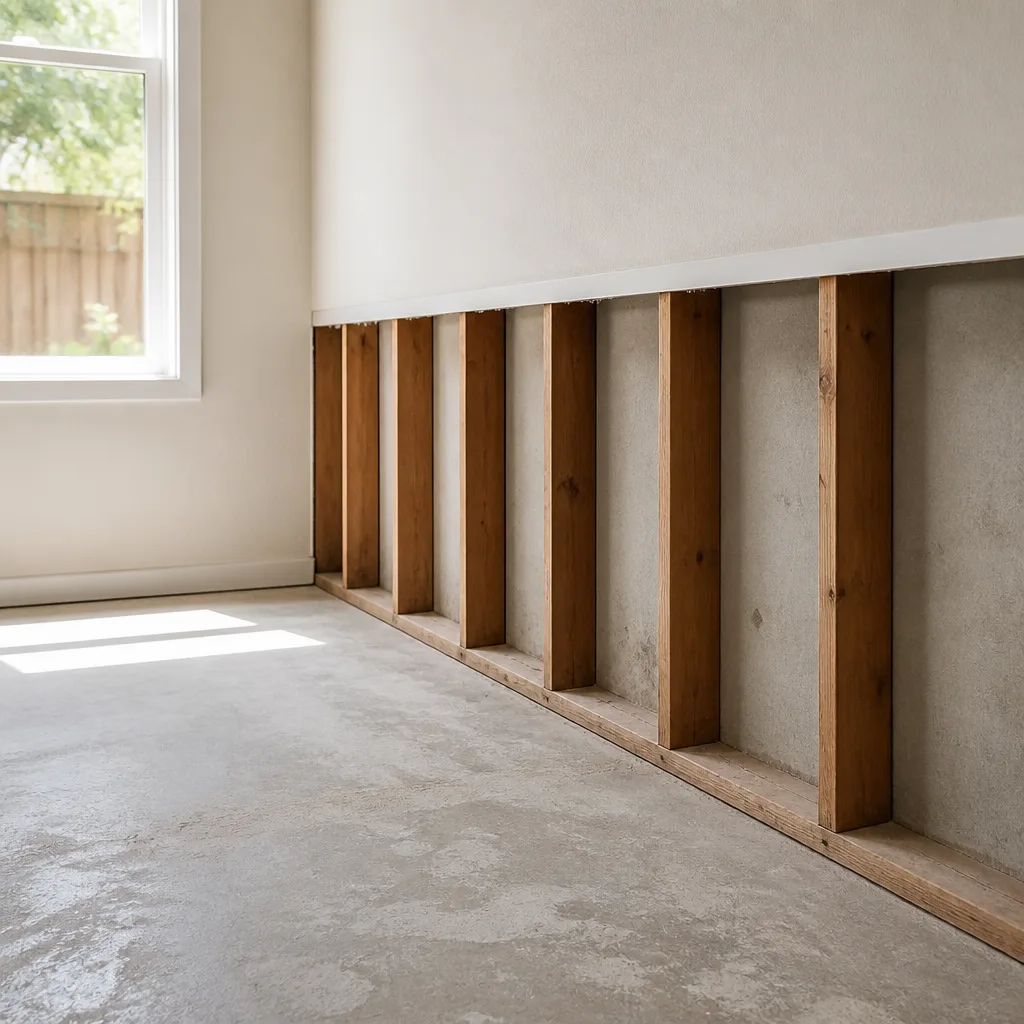
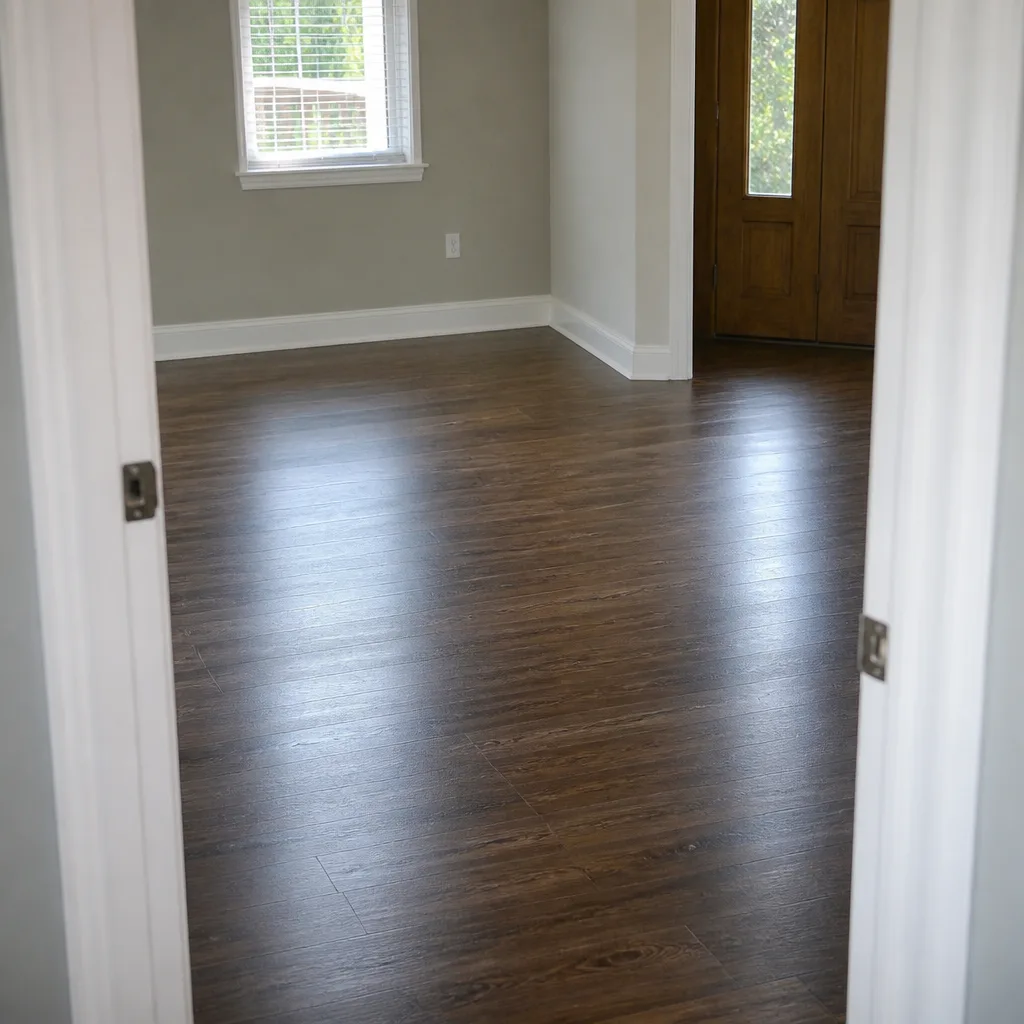
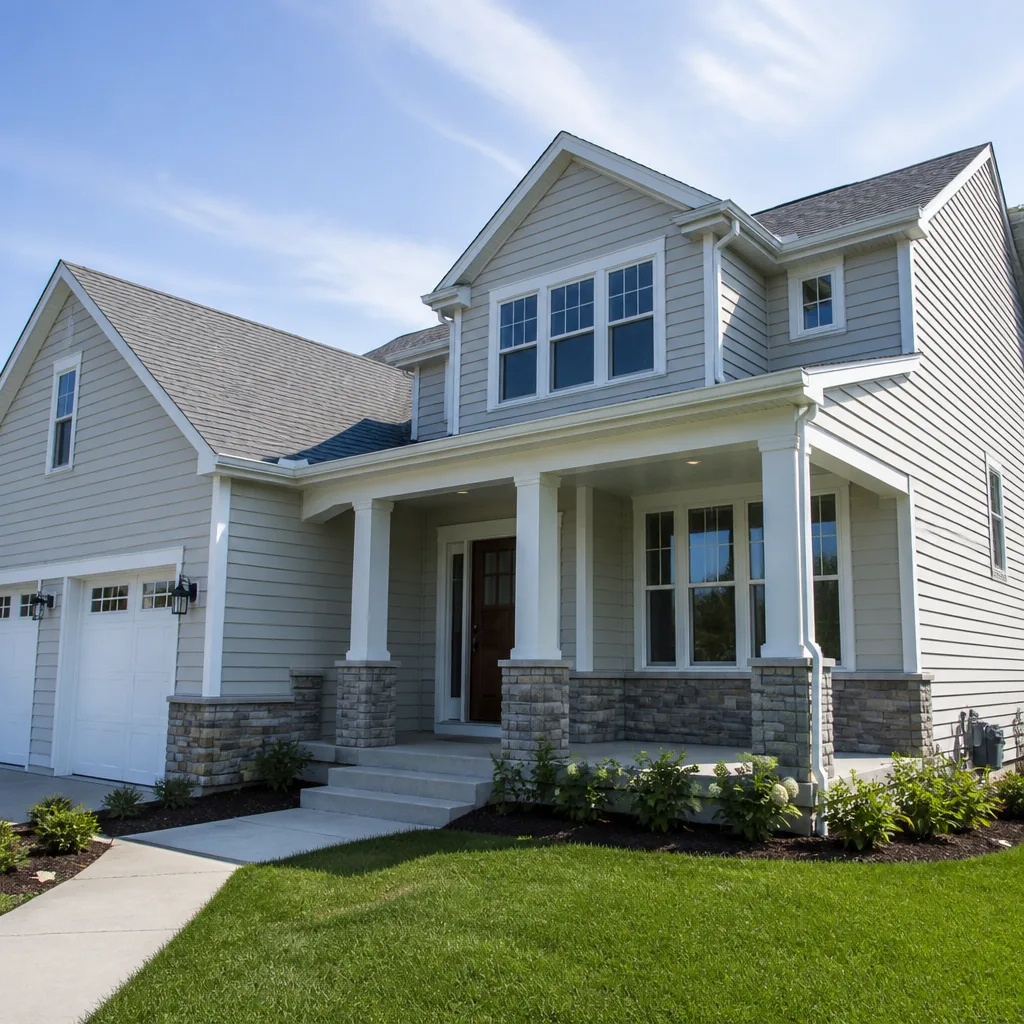
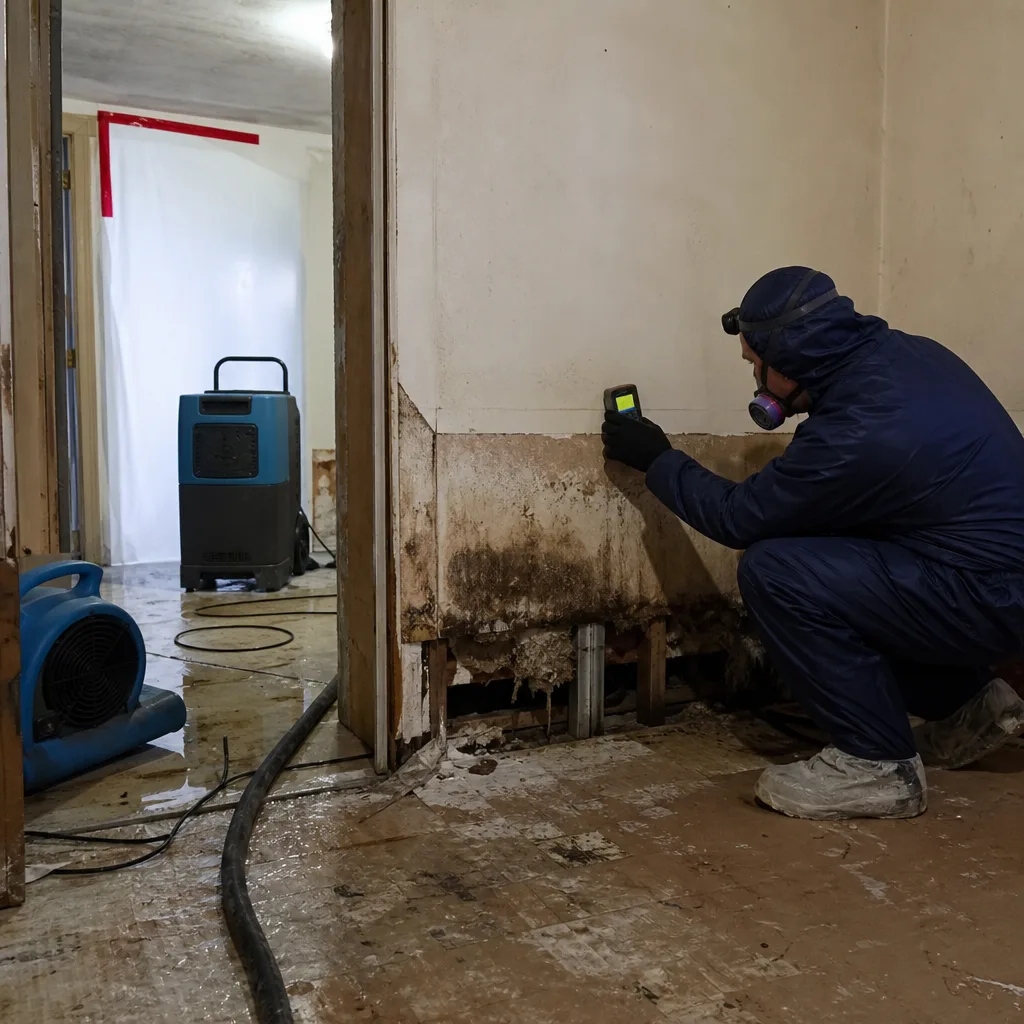 Before
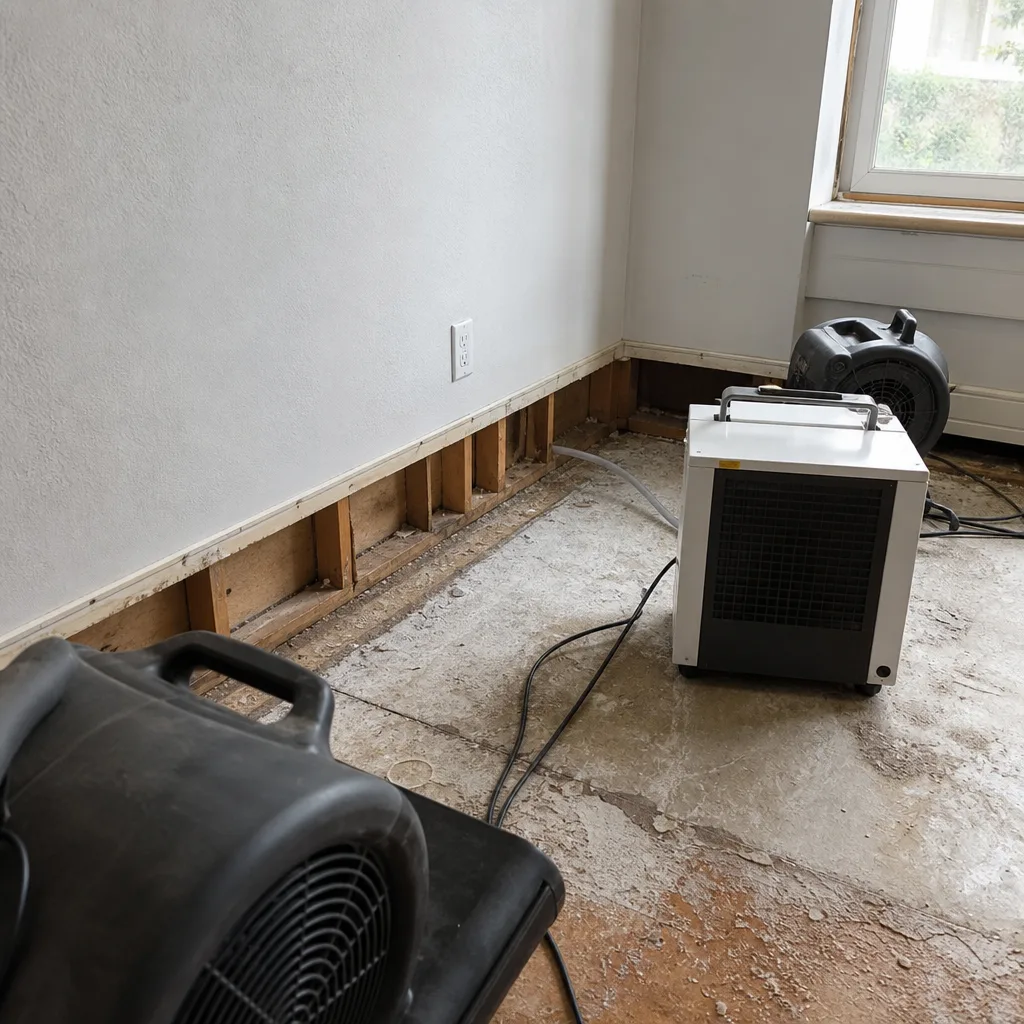 After
After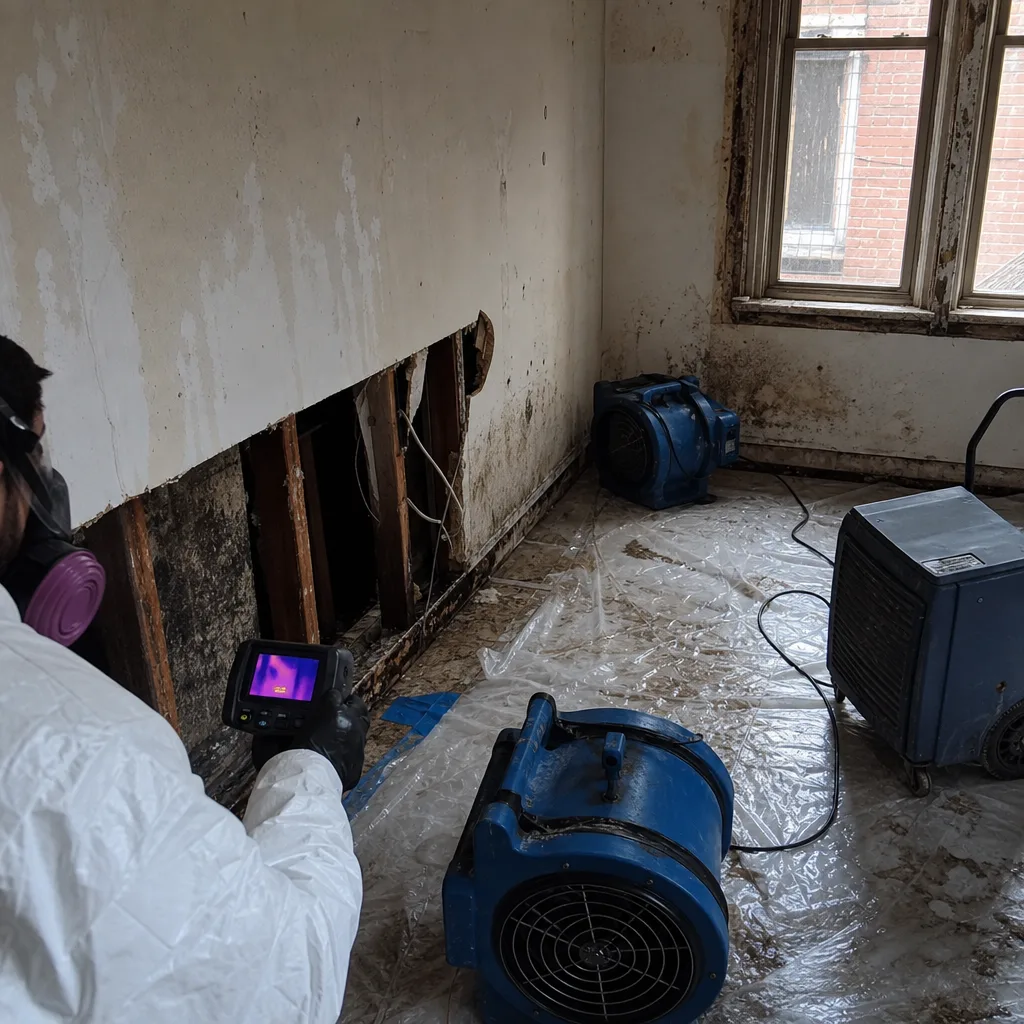 Before
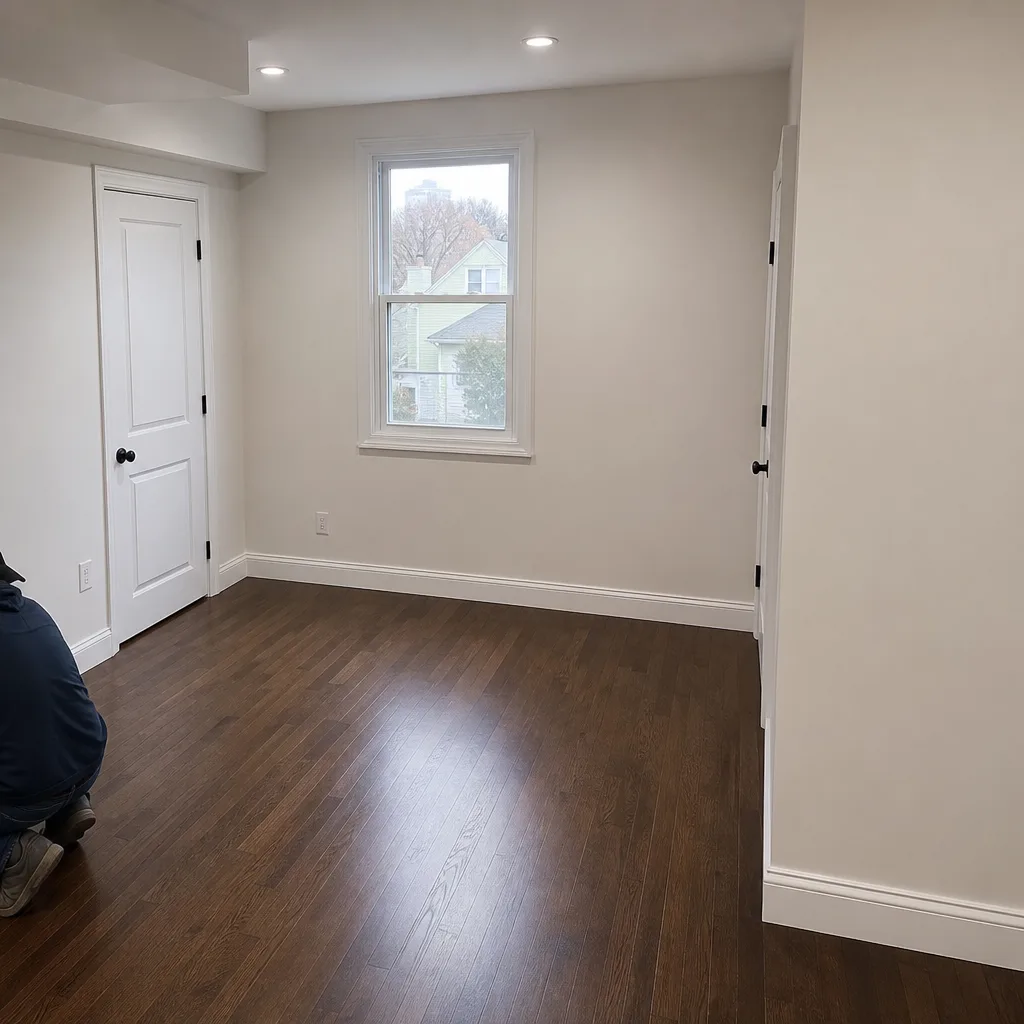 After
AfterDamage Restoration Cost Breakdown: The Astoria Homeowner’s Reference for 2026
Every year, homeowners in Astoria spend thousands of dollars on water damage restoration that could have been far less expensive if caught in the first 48 hours. The difference between a $1,200 drying job and an $18,000 rebuild often comes down to one thing: how quickly the water was found and extracted. Most of us don’t think about restoration costs until we’re standing in an inch of water at 6 a.m., and by then, the meter is already running. This guide breaks down what restoration actually costs in Astoria in 2026, line by line, so you know what’s fair, what’s urgent, and what can wait. We’ll walk through water, mold, fire, sewage, and storm damage, with real numbers from our 15 years of working in Queens, and by the end you’ll know exactly what to expect when you pick up the phone.
Quick Answer
Water damage restoration in Astoria typically costs $2,400 to $6,800 for a standard single-room incident, while mold remediation runs $1,800 to $5,200, fire damage restoration averages $8,000 to $25,000, and sewage cleanup starts around $2,800. Most jobs are covered, at least partially, by homeowner’s insurance, and the final out-of-pocket cost depends heavily on your deductible and how quickly you act. Floodline Restoration Co. gives free estimates in Astoria; call (518) 800-3751 and we’ll give you a written scope before any work starts.
Table of Contents
- Water Damage Restoration: What Astoria Homeowners Actually Pay
- Mold Remediation Costs in Astoria’s Climate
- Fire and Smoke Damage: The Full Picture
- Sewage Cleanup and Backup Costs
- Storm and Flood Damage: Astoria’s Riverfront Reality
- How Insurance Affects What You Pay
- The Restoration Timeline: Why Speed Changes the Price
- Common Mistakes to Avoid
- When to Call a Professional
Water Damage Restoration: What Astoria Homeowners Actually Pay
Water damage is the most common restoration call we get in Astoria, and the cost range surprises most people. A burst supply line under a kitchen sink with water contained to one room typically runs $2,400 to $4,200. A water heater failure that floods a finished basement usually lands between $4,800 and $7,500. A roof leak that’s been dripping into an attic and ceiling for weeks before anyone notices can push into the $9,000 to $14,000 range once you factor in insulation replacement, drywall, and mold prevention. These are real numbers from jobs we’ve done in Astoria, not national averages that lump in low-cost rural markets.
The breakdown matters because the line items tell you whether a quote is fair. Here’s what a typical single-room water damage restoration job in Astoria includes:
- Emergency extraction: $450 to $900. Truck-mounted extraction units remove standing water before it migrates into walls and flooring.
- Drying equipment: $350 to $800 per room. This covers professional-grade dehumidifiers and air movers, not the rental units from a hardware store. We run Dri-Eaz and Phoenix equipment because it dries faster and reaches the dry standard without the recall risk.
- Moisture mapping and daily monitoring: $150 to $300. This is the part that separates real restoration from guesswork. A technician reads the moisture levels every day until the structure is dry, and the log belongs to you and your carrier.
- Demolition and disposal: $500 to $1,800. Wet drywall, baseboards, and carpet padding usually can’t be saved once saturated. Removing them properly prevents the next problem: mold.
- Antimicrobial treatment: $200 to $500. Applied to all affected framing and surfaces to stop microbial growth before it starts.
- Reconstruction: $1,000 to $5,000 per room. Hanging new drywall, painting, replacing trim, installing new flooring. This is where costs vary most, because the materials you choose are entirely up to you.
In Astoria specifically, water damage often comes with a twist: many homes in the Ditmars, Astoria Heights, and 30th Avenue corridors are older pre-war construction with plaster walls and hardwood floors that behave differently than modern drywall and laminate. Plaster holds moisture longer. Hardwood floors can sometimes be saved with Injectidry panel drying systems that force air through the subfloor, which costs about half of a full floor replacement. If you’re in a newer condo building near the waterfront, the water doesn’t stay in your unit for long, but it travels down to your neighbors, which creates its own liability timeline.
Mold Remediation Costs in Astoria’s Climate
Astoria’s humid summers and cold, damp winters create ideal conditions for mold growth, especially in basements, bathrooms, and any wall cavity that’s seen water. Mold remediation in a contained space costs $1,800 to $5,200 when the affected area is under 100 square feet. Larger infestations that have spread through HVAC systems or behind multiple walls can run $8,000 to $15,000 or more. The single biggest cost driver is containment: setting up negative air pressure, plastic barriers, and HEPA filtration so spores don’t spread to the rest of the house while the mold is being removed.
Here’s a realistic breakdown for a typical Astoria basement mold job, about 60 to 80 square feet:
- Inspection and testing: $300 to $600. A certified technician identifies the type of mold and the extent. We don’t test every job; sometimes the source is obvious, like a damp wall behind a washing machine.
- Containment setup: $500 to $1,200. Plastic sheeting, negative air machines, and HEPA scrubbers seal off the work area.
- Source removal: $800 to $2,000. Removing the moldy drywall, insulation, or carpet and treating the framing with antimicrobial agents.
- HEPA vacuuming and cleaning: $200 to $500. Every surface in the contained area gets cleaned so spores don’t re-establish.
- Verification and clearance: $150 to $400. The treated area is tested or visually cleared before containment comes down.
- Repairs to the space: $1,000 to $3,000. New drywall, paint, or flooring, depending on what was removed.
One thing worth knowing if you live in the older brick homes around Astoria Park or the garden apartments near Kaufman Arts District: the steam heat systems in many Astoria buildings keep basements warm and slightly humid through the winter, which is why we see chronic mold problems in buildings that seem dry. The mold isn’t always from a leak; sometimes it’s just decades of condensation against a cold foundation wall. You can’t fix that with a spray bottle of bleach. You fix it by addressing the moisture source and the ventilation, which is where Floodline Restoration Co. home assessments start.
Fire and Smoke Damage: The Full Picture
Fire restoration is the most expensive category most homeowners will ever face, with full-service jobs in Astoria typically landing between $8,000 and $25,000 for a kitchen or single-room fire, and $30,000 to $80,000 plus for fires that involve multiple rooms. The range is so wide because fire damage is a compound problem: the fire itself, the water used to put it out, the smoke that infiltrates every porous surface, and the structural compromise to framing and electrical systems. None of those can be skipped, and each carries its own cost line.
The costs break down like this for a typical Astoria kitchen fire, assuming the fire was contained to the kitchen but smoke traveled through the first floor:
- Board-up and stabilization: $800 to $2,500. Securing windows, doors, and openings so the property is safe and protected from weather and theft until restoration begins.
- Water extraction and drying: $1,200 to $3,500. The fire department put out the fire with hundreds of gallons of water, and that water is now in your floors, walls, and subfloor.
- Soot and smoke cleanup: $2,000 to $6,000. Every surface, wall, ceiling, and object needs to be cleaned of soot, which is acidic and corrosive if left in place.
- Deodorization: $800 to $2,200. Thermal fogging, ozone treatment, or hydroxyl generators remove the smoke odor that settles into fabrics, drywall, and insulation.
- Content cleaning and storage: $1,000 to $4,000. Your salvageable belongings get cleaned, packed, and stored while the structure is being rebuilt.
- Structural repairs and reconstruction: $4,000 to $25,000. Framing, drywall, electrical, plumbing, cabinets, countertops, and finishes. This is line item where your coverage limits and deducible really matter.
Astoria’s older housing stock creates a specific concern here that newer developments don’t have. Many of the pre-war buildings predate modern building codes, and fire restoration in a 1920s frame house on 31st Avenue means working with old-growth lumber dimensions, knob-and-tube remnants, and plaster over lath. That work costs more than punching out drywall in a 2008 build, and a restoration company that’s never worked in Astoria will underbid it. We’ve corrected enough of those jobs to know. Ask any company you’re considering how many pre-war Astoria homes they’ve restored in the last decade.
Sewage Cleanup and Backup Costs
Sewage backup is a category that catches Astoria homeowners off guard, mainly because people don’t know their homeowner’s policy may exclude it unless they’ve added a specific rider. A category 3 water loss (the technical term for sewage and floodwater containing pathogens) in a basement or bathroom typically costs $2,800 to $6,500 for cleanup and decontamination alone. If flooring, walls, or built-in fixtures need replacement, total restoration can run $7,000 to $15,000. This is the job where cutting corners is most dangerous; sewage water carries bacteria, viruses, and parasites that can make a family genuinely ill if the space isn’t properly sanitized and dried.
What a sewage cleanup in Astoria includes:
- Extraction and removal: $500 to $1,200. High-volume extraction removes the contaminated water and solids, following IICRC category 3 protocols.
- Contaminated material removal: $600 to $2,500. Carpet, pad, drywall, and insulation that has absorbed sewage water gets cut out and bagged for disposal.
- Disinfection and antimicrobial treatment: $400 to $1,000. Every remaining surface in the affected area is cleaned and treated with a professional-grade antimicrobial. This step is non-negotiable, and we’re glad to show you exactly what products are being used.
- Drying and dehumidification: $300 to $800. Even after cleaning, the structure needs to dry to prevent hidden mold in the wall cavities.
- Plumbing repair (the cause): $500 to $3,000. The backup is a symptom. The clog, broken line, or collapsed pipe has to be fixed, or it happens again in a month. Our technicians work with your plumber or handle the coordination so you’re not juggling five trades.
- Reconstruction: $2,500 to $8,000. Replacing drywall, flooring, and trim that was removed during cleanup.
If you’re in an Astoria garden apartment or a basement unit, pay attention to the building’s main drain elevation. When the city’s combined sewer system gets overwhelmed during heavy rain (which is an increasing concern in western Queens), the lowest drains in the building are the first to back up. A backwater valve installed on your line costs about $1,200 to $2,500 and can prevent most backups before they start. It’s cheaper than even one cleanup.
Storm and Flood Damage: Astoria’s Riverfront Reality
Astoria sits between the East River and some of the busiest combined sewer infrastructure in Queens, and homeowners near the waterfront learned the hard way that flooding isn’t a theoretical risk. Storm damage restoration runs $3,000 to $12,000 for a typical basement flood from storm surge or sewer backup, and substantially more if floodwater sat for more than 24 hours before extraction. The costs are driven by the same factors as water damage, with one addition: contamination. Stormwater in an urban environment is not clean water. It carries whatever it picked up on its way to your foundation.
Storm restoration in Astoria typically involves:
- Rapid extraction from basements and crawlspaces: $600 to $1,500. The faster the water is out, the less it migrates into drywall and subfloors.
- Structural drying with professional equipment: $400 to $1,200. XPOWER and B-Air air movers, paired with dehumidifiers, get the space to the dry standard measured with a moisture meter, not by feel.
- Contaminated material disposal: $500 to $2,000. Storm flood water is treated as category 3 contamination; anything porous that absorbed it gets removed.
- Sanitizing and mold prevention: $300 to $800. Post-flood mold is one of the most common secondary damage we see, and it starts within 48 to 72 hours.
- Content restoration and cleaning: $300 to $1,500. Furniture, boxes, and belongings that can be saved are cleaned, dried, and returned.
- Rebuild and finishing: $2,000 to $8,000. Drywall, flooring, insulation, and electrical restoration to bring the space back to pre-loss condition.
Here’s a reality about Astoria insurance coverage we want every homeowner reading this to know: a standard homeowner’s policy does not cover storm surge or surface water flooding. It covers wind damage and rain entering through a damaged roof, but if the East River comes up over the bulkhead or the street drains can’t keep up and water comes in through your foundation or a window well, that’s flood insurance territory. If you don’t have an NFIP policy or a private flood policy, that bill is entirely yours. We walk every Astoria homeowner through what their policy covers before the work starts, because finding out after the fact is how people end up in a bad financial spot. We bill your carrier directly, and we coordinate with your adjuster so you’re not the person making sixteen phone calls while your basement is still wet.
How Insurance Affects What You Pay
Most restoration work is covered by homeowner’s insurance, but the relationship between coverage and cost confuses almost everyone the first time. Your out-of-pocket cost is your deductible, plus any work that falls outside your coverage. The deductible on most New York homeowner’s policies is $1,000 to $2,500, but a surprising number of Astoria homeowners discover they have a $5,000 or higher deductible for water damage specifically. Then there’s the question of what’s excluded entirely, and that’s where things get expensive fast.
The most common insurance situations we help Astoria homeowners navigate:
- Burst pipe and sudden water damage: Generally covered. Your deductible applies, and the insurance company will want documentation of the damage, the drying process, and the final invoice.
- Gradual leaks and long-term seepage: Often denied. If a pipe has been leaking for months and you didn’t catch it, the carrier may call it a maintenance issue, not a covered loss. This is the main reason we recommend an annual plumbing and moisture check in older Astoria homes.
- Sewage backup: Only covered if you have a specific rider. Many Astoria homeowners don’t know they need this until the toilet backs up at midnight.
- Surface flooding and storm surge: Not covered by standard policies. Requires separate flood insurance through NFIP or a private carrier.
- Soot and smoke from a neighboring fire: Covered as a named peril on most policies, but documentation is everything. Take photos of every room before any cleaning starts.
We handle the insurance paperwork as part of our restoration work. Our technicians document every stage: the initial assessment with moisture readings, the equipment in place, the daily drying log, the demolition, and the reconstruction. We send that package directly to your adjuster, and we sit on the calls with the carrier when you need us to. Most Astoria homeowners tell us the paperwork relief is worth as much as the actual restoration, because the alternative is spending your evenings arguing with a claims department about whether the subfloor really needed to come out.
The Restoration Timeline: Why Speed Changes the Price
The single most controllable factor in restoration cost is time, and Astoria’s dense housing stock makes this more true, not less. Water that’s extracted within the first few hours of a pipe break usually means drying costs of $1,500 to $3,000 and no mold problems. The same amount of water left overnight migrates into walls, flooring, and the unit below you, and the restoration cost can triple. Here’s the timeline, hour by hour, and what each stage costs you.
- Hour 0 to 2: Water is where it landed. Carpet is wet, but the pad may be dry, and the subfloor is untouched. A rapid extraction often saves the flooring. Cost: $500 to $1,200.
- Hour 2 to 24: Water has moved into the pad, the baseboards, and the lower drywall. In a multi-family Astoria building, it’s already wicking into the neighbor’s wall. You need professional drying equipment. Cost: $2,000 to $4,000.
- Day 1 to 3: Mold starts forming in the warm, wet cavities of walls and floors. The drywall wicks moisture upward. Baseboards and trim detach. Cost: $4,000 to $7,000, plus mold remediation begins to enter the picture.
- Day 3 to 7: Structural materials are saturated. Wood framing is swelling. Mold is visible in some spots. Drywall below the water line must be removed. Cost: $7,000 to $12,000.
- Week 1 and beyond: What was a contained water leak is now a full restoration with mold remediation, structural drying, and rebuild. Cost: $12,000 to $25,000 or more, and large portions of the house are unusable.
This is why we answer the phone with a live dispatcher, 24/7, every day of the year. When a water heater fails at 2 a.m. in an Astoria co-op on Broadway, the difference between a technician arriving at 3 a.m. and one arriving at 10 a.m. is thousands of dollars. Our dispatcher picks up on the first or second ring, and a certified crew reaches the job and starts extraction the same visit. That’s not a marketing slogan; it’s how we’ve built a business that will still be here in thirty years.
Common Mistakes to Avoid
- Waiting to call because “it’s just a little water.” Water doesn’t stop. It moves, and every hour it moves, it finds new materials to destroy. The “little water” under your Astoria kitchen sink is in your neighbor’s ceiling by the time you got home from work.
- Using a shop vac and a fan and calling it good. A shop vac removes standing water; it does not dry a structure. A household fan moves air but doesn’t lower the humidity that’s saturating your drywall. This is how mold starts, and we’ve seen the results enough times to know it’s the most expensive shortcut in the book.
- Picking a restoration company on price alone. A low bid is often low because someone is skipping the moisture log, or the containment, or the daily monitoring. You won’t see the problem until the mold or the smell comes back, and by then the cheap company’s phone number is disconnected.
- Not documenting damage before cleanup begins. Your insurance carrier pays based on what they can verify. If you’ve already thrown out the wet carpet and cut out the drywall without photos, you’ve thrown away your claim evidence. Our technicians photograph everything before the first piece of equipment goes in.
- Assuming your standard policy covers flood or sewage. It usually doesn’t. Check your policy today, before you need it. Add the riders if you don’t have them. The $200 a year for sewage backup coverage is the best insurance value most Astoria homeowners will ever buy.
- Letting the restoration company handle a repair they’re not equipped for. A lot of companies do extraction and drying, then hand you a list of contractors to call for rebuild. Then you’re the general contractor on your own disaster. Ask who rebuilds before you sign. We do both, with the same crew, from the line the water left to the finished wall.
- Signing an assignment of benefits without reading it. Some contractors ask you to sign over your insurance claim rights in exchange for quick work. That means the claim money goes to them, and you lose control of the process. Trust the company that gives you a written scope and bills your carrier directly, with no paperwork fights and no surprises on the bill.
When to Call a Professional
Any time water, fire, sewage, or mold damage is more than a small isolated spot you can physically see and contain, call a restoration professional immediately. If water is coming from a hidden pipe behind a wall, if you smell electrical burning, if there’s sewage backing up, or if mold covers more than a 10×10 area, this is not a weekend project. In Astoria, where many homes share walls with neighbors and building codes are strict, a DIY attempt can create liability for you and a bigger problem for everyone around you. You also don’t want to be the person who “dried” a basement with a box fan and then sold a house with hidden mold damage two years later. Floodline Restoration Co. offers free estimates in Astoria, and we’ll tell you honestly if you need us or just a mop. Call (518) 800-3751 and a live person will answer, any hour, any day.
Frequently Asked Questions
Water damage restoration in Astoria typically costs $2,400 to $6,800 for a single room, with larger jobs affecting multiple rooms or finished basements running $8,000 to $15,000 or more. The main variables are how long the water sat, whether it was clean or contaminated, and how much drywall and flooring needs replacement. Call (518) 800-3751 for an exact quote; estimates are free and we’ll give you a written scope before any work starts.
Most sudden water damage from burst pipes and appliance failures is covered by standard homeowner’s insurance, minus your deductible, which is usually $1,000 to $2,500 in Astoria. Sewage backup and surface flooding typically require separate riders or policies, and gradual leaks are often denied as maintenance issues. We document everything and bill your carrier directly so you’re not left explaining the restoration process to an adjuster on your own.
A certified Floodline Restoration Co. crew can be at your Astoria home in about an hour, 24/7, because our dispatchers answer the phone live at 2 a.m. and dispatch technicians immediately. In water and sewage situations, that speed saves thousands of dollars and prevents the damage from spreading to neighbors. Call (518) 800-3751 and you’ll speak to a person, not a recording.
If the affected area is a small, clean-water spill that you reach within an hour, a thorough cleaning and drying may be enough. Beyond that, professional remediation is almost always the safer bet, because water wicks into drywall, insulation, and subflooring where you can’t see it, and mold can begin forming within 48 hours. We’ll assess the moisture levels honestly and tell you if a simple drying is sufficient or if materials need to come out.
We do. Our technicians provide full photo documentation, daily moisture logs, and a written scope of work, and we send that package directly to your adjuster and sit on the calls with your carrier when needed. Since 2010, Floodline Restoration Co. has billed insurance directly so homeowners never play messenger between the restoration company and the claims department.
The 90-Day Done Right Promise is our written guarantee, the Keystone Standard, that if any part of our restoration work isn’t done right, we’ll come back and make it right, no paperwork battles and no arguing. It’s tied to our K.E.Y.S. values code: Krafted right, Every time, Your home first, Standing behind it. Every job we do in Astoria carries this promise in writing, and we’ve honored it without exception since 2010.
Common Mistakes to Avoid
- Procrastinating on a small leak. Astoria’s humidity accelerates mold growth, and what starts as a drip under the sink becomes a wall replacement within two weeks. Even a slow leak you can live with is actively destroying the material around it.
- Trusting a lowball quote from a company with no Astoria track record. Restoration is a local business. A company that doesn’t know the pre-war construction, the narrow building access, and the parking realities of Astoria is going to underbid the job and then either inflate the change orders or disappear. Ask for local references specifically from the 11102, 11103, 11105, and 11106 ZIP codes.
- Letting a handyman “handle” mold with bleach. Bleach doesn’t kill mold on porous surfaces; it bleaches the color while the roots remain in the drywall or wood. A month later, the mold is back and you’ve spent money on a cover-up. Mold remediation is containment, source removal, HEPA cleaning, and moisture correction, done in that order.
- Filing a claim before understanding your policy. A denied water damage claim can raise your premiums or stay on your record even if nothing is paid out. Before you file, call us and we’ll help you understand whether your specific situation is likely to be covered and what documentation you’ll need.
- Replacing flooring before the subfloor is dry. We’ve seen Astoria homeowners rush to install new hardwood over a subfloor that was still at 18% moisture, because they were tired of waiting. Six months later, the floor is buckling and the mold is blooming. The moisture meter doesn’t lie; wait for the dry standard.
- Not asking who does the rebuild. Many restoration companies do extraction and drying, then walk away and leave you to find a general contractor. Now you’re the project manager on your own disaster, coordinating schedules, permits, and payments between different companies. Ask the question before you sign anything: does the company that extracts also rebuild, with the same crew and the same accountability?
What Floodline Restoration Co. Does Differently
We started Floodline Restoration Co. in 2010 with a simple idea: restoration shouldn’t be a handoff business. The company that extracts the water should be the one that dries the structure, documents the moisture log, and rebuilds the drywall, because that’s the only way a homeowner gets one name to hold accountable from the first hour to the final walkthrough. We’ve grown into a full-cycle restoration company serving Astoria and the surrounding communities for over 42 years, with a dispatch board that never closes and a live person who answers the phone at 2 a.m., every time.
Our technicians are background-checked and uniformed, trained to IICRC standards, and they show up with professional-grade equipment: Dri-Eaz, Phoenix, XPOWER, B-Air, and Injectidry. The moisture map we read on day one is the same one we update daily, and we hand that log to you and your insurance carrier when the dry standard is met. No surprises on the bill. No job too small for a straight answer. And every job carries the 90-Day Done Right Promise, the Keystone Standard, in writing: if it’s not done right, we make it right, no arguing.
We also run standing offers that every Astoria homeowner can use, any time: $50 off any repair over $250, the $89 seasonal tune-up, and a 5% discount for seniors and veterans. Mention any of these when you call and we’ll apply it to your job.
The Bottom Line
Damage restoration in Astoria costs more than most people expect in the moment, and less than it would have if they’d waited another day. The numbers in this guide are real ranges from real jobs: $2,400 to $6,800 for typical water damage, $1,800 to $5,200 for mold remediation, $8,000 to $25,000 for fire restoration, $2,800 to $6,500 for sewage cleanup, and $3,000 to $12,000 for storm flooding. Your insurance covers more than you think, but not everything, and the fastest way to control your out-of-pocket cost is to act fast, document everything, and work with a company that bills the carrier directly and stands behind the result in writing. In Astoria, that company is Floodline Restoration Co.
Get Your Free Estimate
If you’re dealing with damage right now, or if you want a professional assessment of a slow leak or a suspicious spot on the basement wall, call us. We’ll give you a free, no-pressure estimate, and we’ll tell you straight if it’s something you can handle yourself or something you need us for. You’ll get a written scope before any work starts, direct insurance billing, and the 90-Day Done Right Promise in writing. Call (518) 800-3751 any time, day or night. A live person will answer, and a certified crew will be on the way.
Written by Curt Bowman, Owner at Floodline Restoration Co., serving Astoria since 2010.