
Quick Summary
Rapid flood damage restoration in Astoria is essential to protect vulnerable pre-war properties and rowhouses from coastal surges, intense rainfall, and municipal sewer backups. Floodline Restoration Co. delivers rapid 45-minute emergency response throughout the neighborhood, using controlled dehumidification and moisture mapping to preserve historic structural materials without unnecessary demolition. Property owners will understand the critical factors driving restoration costs and can call Floodline's 24/7 dispatch line immediately for rapid on-site mitigation and a free visual inspection.
Flood Damage Restoration in Astoria: Emergency Cleanup Guide
When heavy weather rolls off the East River or an aging plumbing line lets go, rapid flood damage restoration in Astoria is essential to protect your property. No neutral authoritative source establishes a guaranteed arrival time in Astoria. Confirm availability and estimated arrival directly with the selected provider. Because the Long Island City-Astoria neighborhood has elevated coastal flood risk and hurricane evacuation-zone exposure, property owners frequently deal with coastal surges, flash flooding, and storm-sewer backups during extreme weather.[3]
Successful restoration requires more than pumping out visible water. In general professional practice, moisture in older buildings, rowhouses, and multi-family walk-ups behaves differently than in modern construction. According to Floodline Restoration Co., general professional restoration combines water extraction, moisture mapping through structural assemblies, and controlled dehumidification to stabilize materials.
Quick Answer: Emergency Flood Cleanup in Astoria
Quick Summary: According to the New York City Department of Health and Mental Hygiene, 40.6% of residents in the Long Island City-Astoria neighborhood live in designated hurricane evacuation zones. Professional flood restoration involves water removal, inspection, sanitization, and controlled structural drying to prevent moisture migration. No neutral authoritative source establishes a guaranteed arrival time in Astoria. Confirm availability and estimated arrival directly with the selected provider.[1]
Data from the New York City Department of Health and Mental Hygiene highlights that 40.6% of residents in the Long Island City-Astoria neighborhood reside in hurricane evacuation zones, compared to 29.2% across Queens and 39% citywide. Whether dealing with ground runoff from heavy rainfall or backflow through basement floor drains, drying strategies must match the specific conditions found in local buildings.[5]
What Does Flood Damage Restoration Cost in Astoria?
Pricing Overview: Restoration costs depend on the water source, how long moisture has sat, and structural materials. As specialists at Floodline Restoration Co. point out, a visual inspection and moisture audit determine the exact scope of work and equipment requirements.
Every flooding event presents distinct challenges. Costs vary based on square footage, the depth of standing water, structural demolition needs, and whether specialized sanitization is required for contaminated water.
Key Factors That Drive Restoration Expenses
Project costs reflect the volume of water extracted, the structural materials involved, and how far moisture has travelled. In general professional practice, older multi-family properties may feature continuous wood floor joists and uninsulated masonry assemblies that can absorb water. Mapping this migration with moisture meters and thermal imaging helps technicians determine equipment placement.
Local geography directly influences overall flood vulnerability. New York City records confirm elevated coastal flood risk in the Long Island City-Astoria neighborhood. A New York City Council document reported Astoria NYCHA among developments affected by Sandy and significant impacts across 423 NYCHA buildings, including flood-related damage to building systems. During Hurricane Ida, documented reports described flooding, sewer backups, property loss, and displacement in Astoria and Long Island City.
Standard homeowners insurance generally does not cover flooding. Flood insurance may cover eligible building and contents damage, and coverage depends on the policy. Notify the insurer promptly and document damage.
Why Pre-War Astoria Buildings Require Specialized Restoration
Need flood damage restoration in Astoria?
We’re available now - call for a fast, free estimate.
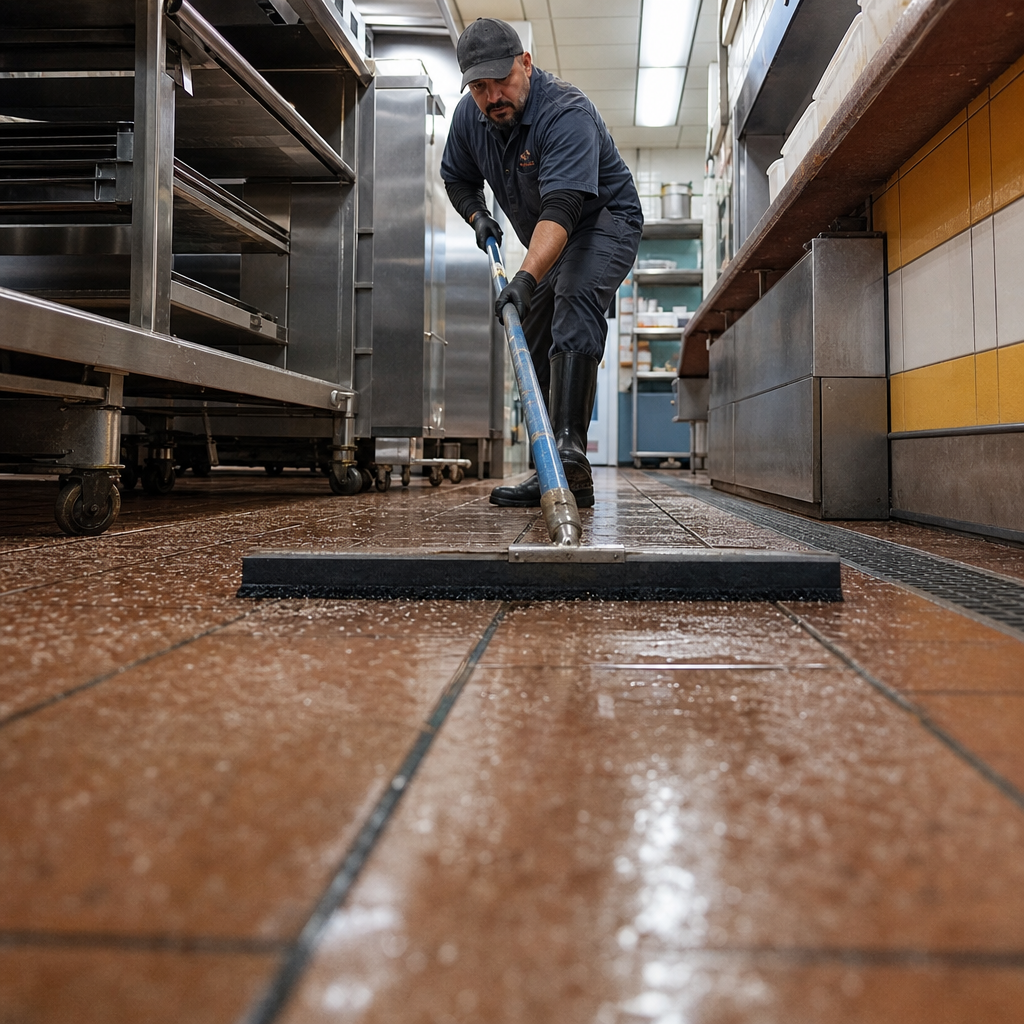
In general professional practice, historic homes built between 1900 and the 1950s often feature lath-and-plaster walls, masonry party walls, and dense framing that require careful drying tactics rather than standard drywall demolition methods.
The Problem with Aggressive Flood Cuts and High-Heat Drying
In general professional practice, cutting through plaster and wood lath can damage the plaster keys that secure walls, making controlled drying preferable to aggressive demolition when materials are salvageable.
Additionally, general professional practice notes that applying excessive heat to brick and stone assemblies can push vapor deeper into porous masonry. Professional teams like Floodline Restoration Co. balance vapor pressure using dehumidification with moderate temperatures to draw moisture out steadily.
Basement Flooding and Municipal Drainage Pressures
Low-lying sections face severe flood risk when intense downpours coincide with high tides along the East River. FEMA notes under national flood risk classifications that properties in areas with a 1% annual flood risk face at least a 26% probability of flooding over a 30-year mortgage. While this represents a general mortgage-period probability across national hazard zones rather than a guarantee for any single address, local basements regularly absorb backflow when city stormwater mains reach capacity.[2]
To verify localized flood zones, property owners can consult FEMA’s Flood Map Service Center, the official public source for flood hazard information supporting the National Flood Insurance Program (NFIP), or inspect FEMA’s National Flood Hazard Layer database.[4]
How Quickly Can Professional Restoration Stop Secondary Damage?
In general professional practice, prompt water removal and airflow management are used to stop microbial growth and protect structural integrity.
Targeted Structural Drying Equipment
In general professional practice, specialized equipment is used to manage water removal and drying:
| Equipment Type | Restoration Function | Practical Benefit for Properties |
|---|---|---|
| Low-Grain Refrigerant (LGR) Dehumidifiers | Pulls moisture vapor out of ambient air at low humidity levels | Draws deep-seated moisture out of thick framing and plaster without overheating the room |
| HEPA Air Scrubbers | Captures airborne particles, dust, and microbial contaminants | Maintains indoor air safety and prevents cross-contamination to clean living areas |
| Centrifugal Air Movers | Directs high-velocity airflow across wet surfaces | Speeds up evaporation from hard surfaces and floor systems without loosening plaster keys |
Sewage and Storm Drain Sanitization
In general professional practice, when sewer lines back up into ground floors, technicians such as those at Floodline Restoration Co. extract contaminated water, remove non-salvageable porous items, treat hard surfaces with disinfectants, and verify that cavities are dry and sanitized.
Frequently Asked Questions About Astoria Flood Cleanup
Can plaster walls and hardwood floors be dried without tearing them out?
In general professional practice, as noted by Floodline Restoration Co., if water exposure is addressed early and the water source is clean, lath-and-plaster walls and solid hardwood flooring can often be dried in place using specialized drying equipment rather than structural demolition.
How quickly can emergency restoration teams arrive in Astoria?
No neutral authoritative source establishes a guaranteed arrival time in Astoria. Confirm availability and estimated arrival directly with the selected provider.
Does property insurance cover emergency flood cleanup?
Standard homeowners insurance generally does not cover flooding. Flood insurance may cover eligible building and contents damage, and coverage depends on the policy. Notify the insurer promptly and document damage.
What immediate steps should I take while waiting for the restoration crew?
Call 911 for immediate danger. Avoid floodwater and downed power lines. Evacuate or move higher when directed, and wait for official re-entry approval before entering flooded areas. Shut off utilities only if safe to do so. Document damage with photos and notes, and contact 311 for threatened property or flooding concerns.
Need flood damage restoration in Astoria?
We’re available now - call for a fast, free estimate.
Sources
- Climate and Health in Long Island City – Astoria – a816-dohbesp.nyc.gov (2024)
- What is My Flood Risk – The National Flood Insurance Program – floodsmart.gov (2024)
- Know Your Flood Risk: Homeowners, Renters or Business Owners – fema.gov
- Flood Data Viewers and Geospatial Data – fema.gov
- https://data.cityofnewyork.us/api/views/7n9x-tbtd/… – data.cityofnewyork.us (2025)
Frequently Asked Questions
How quickly can Floodline Restoration Co. respond to flood emergencies in Astoria?
Floodline Restoration Co. operates a dedicated 24/7 dispatch providing an emergency response time within 45 minutes across all Astoria neighborhoods. Technicians arrive fully equipped to perform an immediate free visual inspection and begin moisture mitigation.
How is flood moisture safely removed from historic Astoria plaster and brick masonry?
Rather than using aggressive heat that drives vapor deeper into porous masonry, Floodline Restoration Co. utilizes Low-Grain Refrigerant dehumidifiers and controlled airflow. This technique preserves historic lath-and-plaster assemblies and original brickwork without requiring unnecessary structural demolition.
What happens during professional cleanup if municipal sewers back up into an Astoria basement?
Technicians from Floodline Restoration Co. extract the biohazardous blackwater, safely discard contaminated porous materials, and treat all salvageable surfaces with EPA-registered disinfectants. Air scrubbers with HEPA filtration are then deployed alongside targeted drying equipment to restore sanitary conditions.
About the author
 |
Christopher Vance Christopher Vance is a certified structural drying specialist with over nine years of experience in property damage restoration. He holds an associate degree in Construction Management from Pratt Institute and focuses on rapid-response water mitigation. Christopher writes to help Astoria property owners navigate the complexities of emergency restoration and insurance claims. |
Water damage, flood, or mold emergency?
We’re available now - call for a fast, free estimate.
Call Now - Free Estimate