
Quick Summary
Securing professional flood damage restoration in Central Harlem is essential for protecting historic pre-war brownstones, walk-ups, and sub-grade units from structural saturation caused by burst pipes and sewer backups. Floodline Restoration Co. delivers comprehensive 24/7 emergency mitigation, deploying specialized moisture mapping, water extraction, and commercial dehumidification tailored to Upper Manhattan's unique architecture. Property owners will learn immediate safety measures, critical insurance documentation protocols, and how to reach the 24/7 live dispatch team for an emergency response and free on-site moisture assessment.
Flood Damage Restoration in Central Harlem: Safety, Costs, and Insurance Considerations
When clean supply lines burst, basements flood, or municipal sewers back up into lower-level units, securing professional flood damage restoration in Central Harlem requires careful evaluation and safety precautions. Older Upper Manhattan properties may feature varied historic construction materials and layouts where moisture migration and water intrusion require proper evaluation and remediation by qualified specialists such as Floodline Restoration Co.
Local data provides context on flood exposure. Community District 9, which encompasses West Harlem and borders Central Harlem, logged 917 flooding-related 311 complaints between 2010 and 2023, averaging around 71 incidents per year. These 311 complaints serve as a documented indicator of recurring flood impacts in the broader Community District 9 area, though they are not a direct measure of restoration jobs, costs, damage severity, or completion times.[4]
Emergency Response and What to Expect in Central Harlem
Property owners dealing with an active water emergency often seek prompt on-site mitigation. Arrival times vary by service provider, staffing, weather conditions, building access, and the severity of the incident. No authoritative neutral source establishes a guaranteed response time for Central Harlem properties.
Assessing moisture migration across building materials and shared structural elements is an important consideration during mitigation, requiring on-site inspection by qualified professionals to identify potential moisture pathways.
Floodplain Context and Drainage Considerations
According to municipal emergency planning data cited by the Columbia Spectator, approximately 16.07% of Community District 9’s population and 28.62% of its land area fall within designated hurricane evacuation zones. Baseline vulnerabilities identified in FEMA flood maps (including the 2007 Flood Insurance Rate Maps and 2015 Preliminary FIRMs) provide contextual background on flood exposure across low-lying sections of Upper Manhattan during coastal surge and storm events.[5]
Immediate Safety Measures Before Crews Arrive
While waiting for an emergency cleanup team to arrive on site, property owners can consider these general safety precautions if conditions safely permit:
- Shut off the main water supply: If safe to access, turn off the primary shutoff valve near the water meter to stop active supply leaks.
- Isolate electrical breakers: De-energize electrical circuits supplying power to flooded basement or garden levels from a dry, safe electrical panel.
- Avoid standing water: Stay clear of pooled water or potential sewage backups, which may contain biological or chemical contaminants.
- Protect furnishings: Lift area rugs, draperies, and base-level furniture off wet flooring to prevent secondary damage if safe to do so.
Restoration Pricing Factors for Upper Manhattan Properties
Because every building layout, water category, and degree of structural saturation is different, reliable public data for average flood restoration costs in Central Harlem does not exist. A qualified professional from Floodline Restoration Co. must perform an on-site inspection to determine the scope of work.
Key Variables That Determine Project Costs
Restoration scope and billing typically depend on several distinct factors, which require assessment by qualified professionals:
- Water Contamination Category: Clean supply line breaks (Category 1) require different containment and handling than grey water (Category 2) or sewage backups (Category 3).
- Material Porosity: Drying and remediation approaches vary depending on whether materials are porous, semi-porous, or non-porous.
- Drying Requirements: Depending on saturation levels, equipment such as commercial dehumidifiers, air movers, or specialized drying setups may be deployed as determined by technicians.
- Sanitization Protocols: Technicians evaluate whether antimicrobial treatments or containment barriers are appropriate for the specific loss environment.
According to the New York City Department of Environmental Protection, Manhattan’s combined sewer network is engineered to handle roughly 1.75 inches of rainfall per hour. System capacity limitations can contribute to flooding risk during intense rainfall events.[1]
Addressing Structural Materials and Sub-Grade Areas
Need flood damage restoration in Central Harlem?
We’re available now - call for a fast, free estimate.
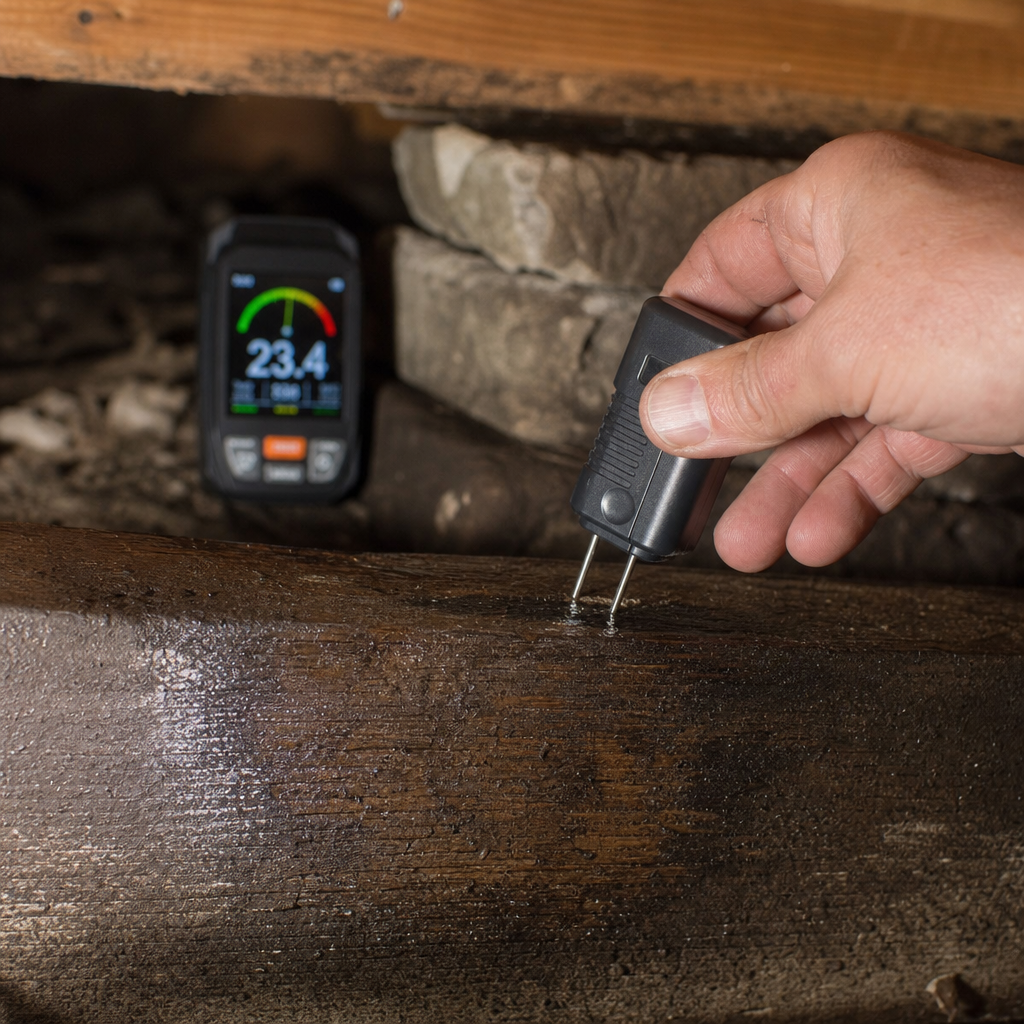
Remediating moisture in older residential structures requires careful evaluation of structural assemblies, masonry, and finished surfaces. Improper drying techniques can risk trapping moisture within wall and floor assemblies, making professional moisture assessment by teams like Floodline Restoration Co. critical.
Moisture Assessment and Structural Drying
Depending on the building’s construction and condition, a structured drying and remediation plan developed by qualified professionals may include:
- Moisture Mapping: Technicians may use moisture meters and thermal imaging tools to evaluate moisture presence in building materials.
- Targeted Air Movement: Controlled airflow may be introduced to facilitate drying in cavities or enclosed framing spaces where appropriate.
- Dehumidification: Commercial dehumidification equipment may be used to gradually lower ambient relative humidity and extract moisture from structural elements.
Floodplain Exposure and Basement Areas
Data from the New York City Department of City Planning shows that under the 2015 FEMA preliminary flood maps, Manhattan included roughly 89,100 residents and 3,100 buildings in flood-prone zones, with projections for the 2050s rising to approximately 214,500 residents and 5,900 buildings. Garden-level and sub-grade units often experience significant impact during flood conditions. Qualified crews assess standing water, evaluate non-salvageable materials, apply appropriate sanitization methods, and verify moisture levels across affected surfaces.[2]
Navigating Insurance Claims for Harlem Flood Damage
Standard homeowners insurance generally does not replace separate flood insurance. While National Flood Insurance Program (NFIP) policies may cover direct physical flood damage, coverage is subject to specific policy limits, deductibles, exclusions, and definitions. Property owners should immediately report losses to their insurance provider, thoroughly document all damage with photographs and notes, and confirm the specifics of their coverage before signing restoration contracts.
Documenting Damage and Loss Conditions
To assist in the claims process, property owners should take the following steps:
- Take clear, detailed photos and video of standing water, water lines on walls, damaged furnishings, and affected structural materials before cleanup begins.
- Keep copies of any moisture logs, scope sheets, or assessment reports provided by restoration contractors such as Floodline Restoration Co.
- Retain damaged personal property for adjuster inspection unless safety or municipal rules require disposal.
- Request detailed, itemized estimates from contractors outlining equipment, labor, and procedures used.
City Planning data indicates that nearly 15,000 NFIP claims filed across New York City have exceeded $1 billion in total losses, with Manhattan properties reporting the highest average claim costs across the five boroughs. Documenting damage promptly and reviewing policy details helps prevent coverage disputes.[3]
Frequently Asked Questions About Flood Damage in Central Harlem
How quickly can emergency mitigation crews arrive at a Harlem property?
Response and arrival times vary depending on the service provider, current staffing, weather conditions, traffic, building accessibility, and the severity of the incident. No authoritative neutral source establishes a guaranteed response time for Central Harlem.
How much does flood damage restoration cost in Central Harlem?
Because every water intrusion involves unique conditions, public cost averages for Central Harlem are not available. Final pricing depends on whether the water is clean or contaminated, the volume of water extracted, the materials affected, and the duration of drying required. An on-site assessment by a professional is necessary for an accurate estimate.
Can historic lath and plaster walls be saved after a major water intrusion?
The ability to salvage lath and plaster walls depends on the duration of water exposure, structural stability, contamination level, and whether plaster has detached from the lath. A qualified restoration professional, such as those at Floodline Restoration Co., must evaluate the specific assembly to determine whether drying or replacement is necessary.
Does standard building insurance cover flood damage and sewer backups?
Standard homeowners and property insurance policies generally do not replace separate flood insurance and often exclude overland flood damage as well as sewer backups unless specific endorsements or riders are in place. NFIP policies cover direct physical flood damage subject to limits, deductibles, exclusions, and definitions. Property owners should review policy terms with their insurance provider.
Need flood damage restoration in Central Harlem?
We’re available now - call for a fast, free estimate.
Sources
- Governor Kathy Hochul | New York State – governor.ny.gov (2028)
- Manhattan Community Board 3 – June 14, 2017 – nyc.gov (2050)
- Severe Weather Events and Resiliency in New York State – osc.ny.gov (2025)
- NYC311 Monitoring Tool – New York State Comptroller – osc.ny.gov
- Search Engineering Data – Mapping Information Platform – hazards.fema.gov
Frequently Asked Questions
How do restoration teams handle Category 3 sewage backups in Central Harlem brownstone basements?
Floodline Restoration Co. isolates contaminated sub-grade spaces with containment barriers, safely extracts biohazard wastewater, and strips unsalvageable porous building materials. Certified technicians then apply hospital-grade antimicrobial treatments and commercial dehumidification systems to thoroughly sanitize and dry historic stone and masonry foundations.
How does moisture mapping uncover hidden water trapped inside pre-war walls?
Restoration specialists at Floodline Restoration Co. use infrared thermal imaging and non-invasive moisture meters to pinpoint temperature differentials and water migration behind historic plaster, framing, and shared party walls. This precise diagnostic process allows crews to direct targeted structural drying into wall cavities without unnecessary demolition.
How do I schedule an emergency flood response and obtain claim documentation for a Harlem property?
Property owners can reach the 24/7 live dispatch team at Floodline Restoration Co. to secure an immediate emergency deployment and a free on-site moisture assessment. Technicians compile detailed moisture logs, itemized damage scopes, and photographic evidence designed to meet the direct documentation standards of NFIP and private insurance adjusters.
About the author
 |
Christopher Vance Christopher Vance is a certified structural drying specialist with over nine years of experience in property damage restoration. He holds an associate degree in Construction Management from Pratt Institute and focuses on rapid-response water mitigation. Christopher writes to help Astoria property owners navigate the complexities of emergency restoration and insurance claims. |
Water damage, flood, or mold emergency?
We’re available now - call for a fast, free estimate.
Call Now - Free Estimate