
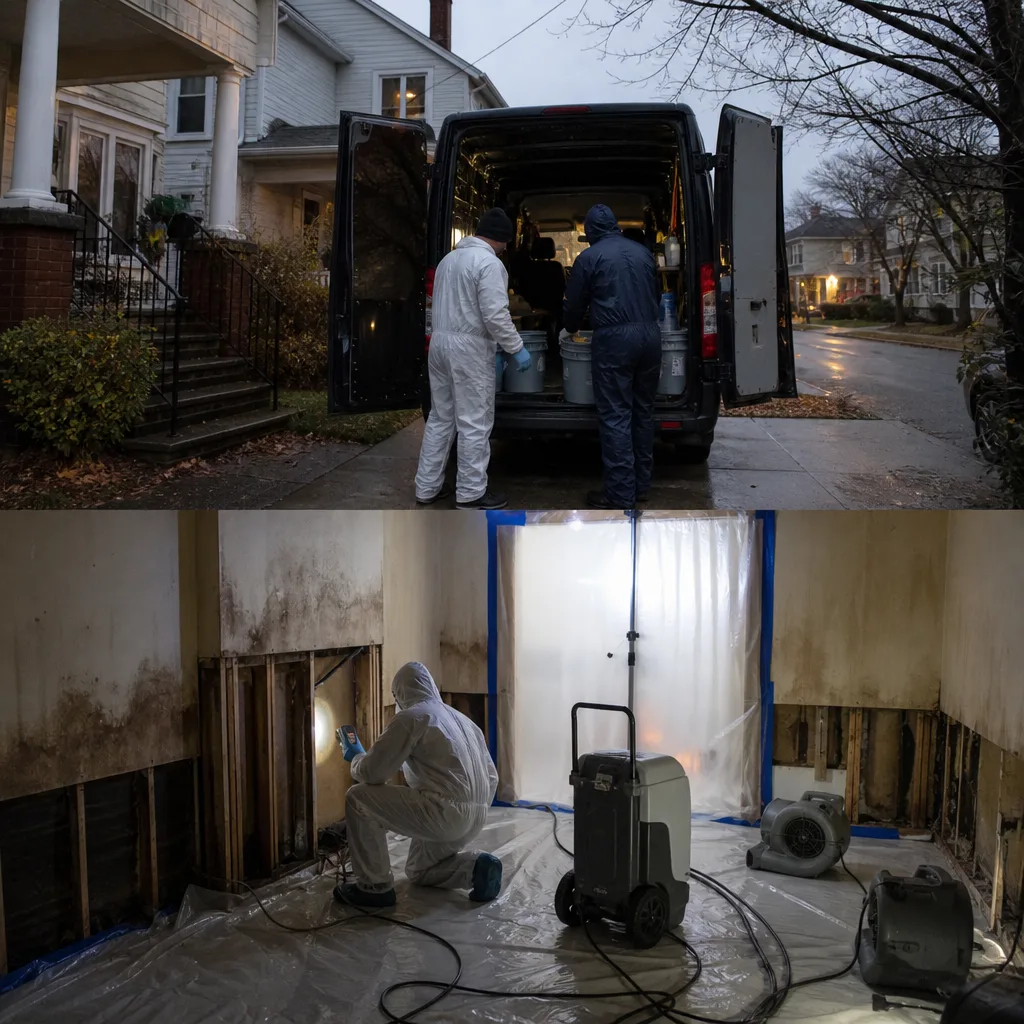
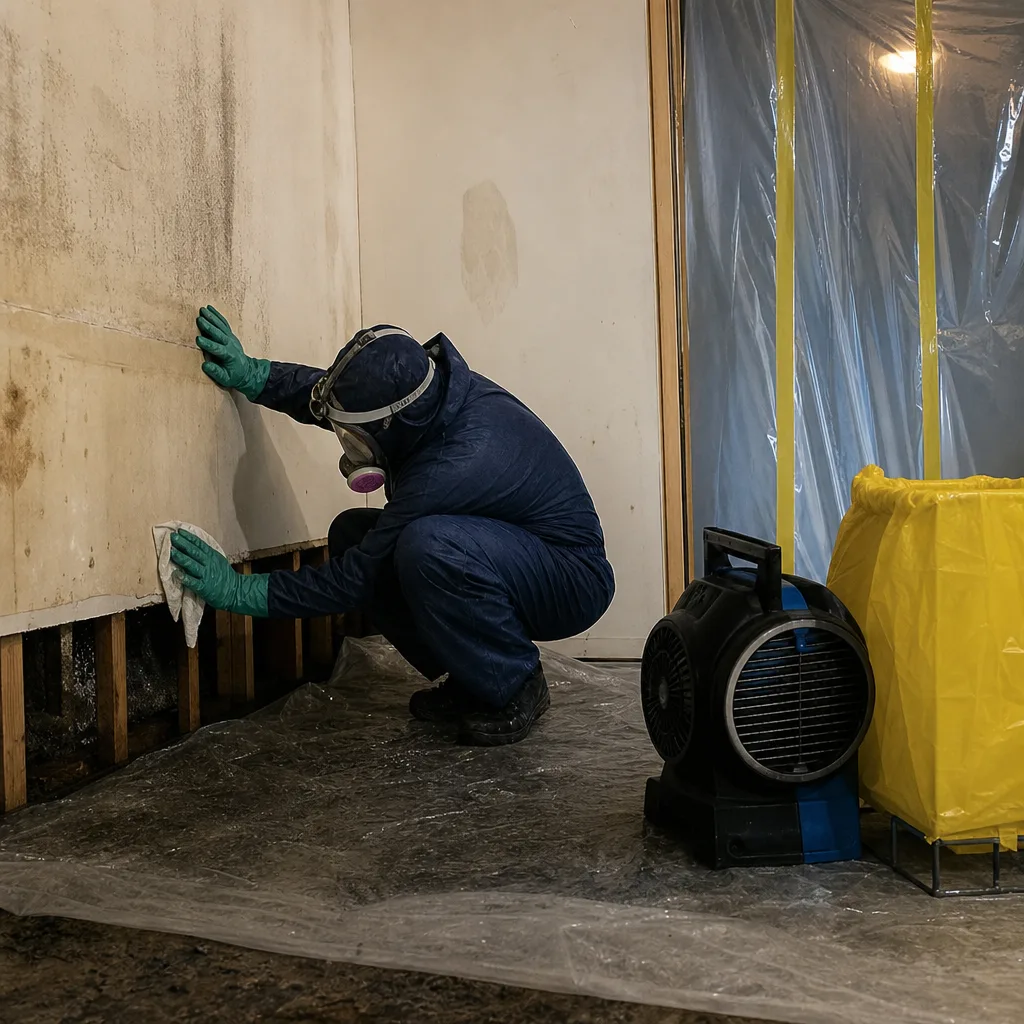
Free visual inspection and a written scope of work before any mitigation begins - photos, moisture readings, and drying logs go in your claim file
The scope we write is the scope we bill. Anything new gets shown to you, in writing, before we touch it.
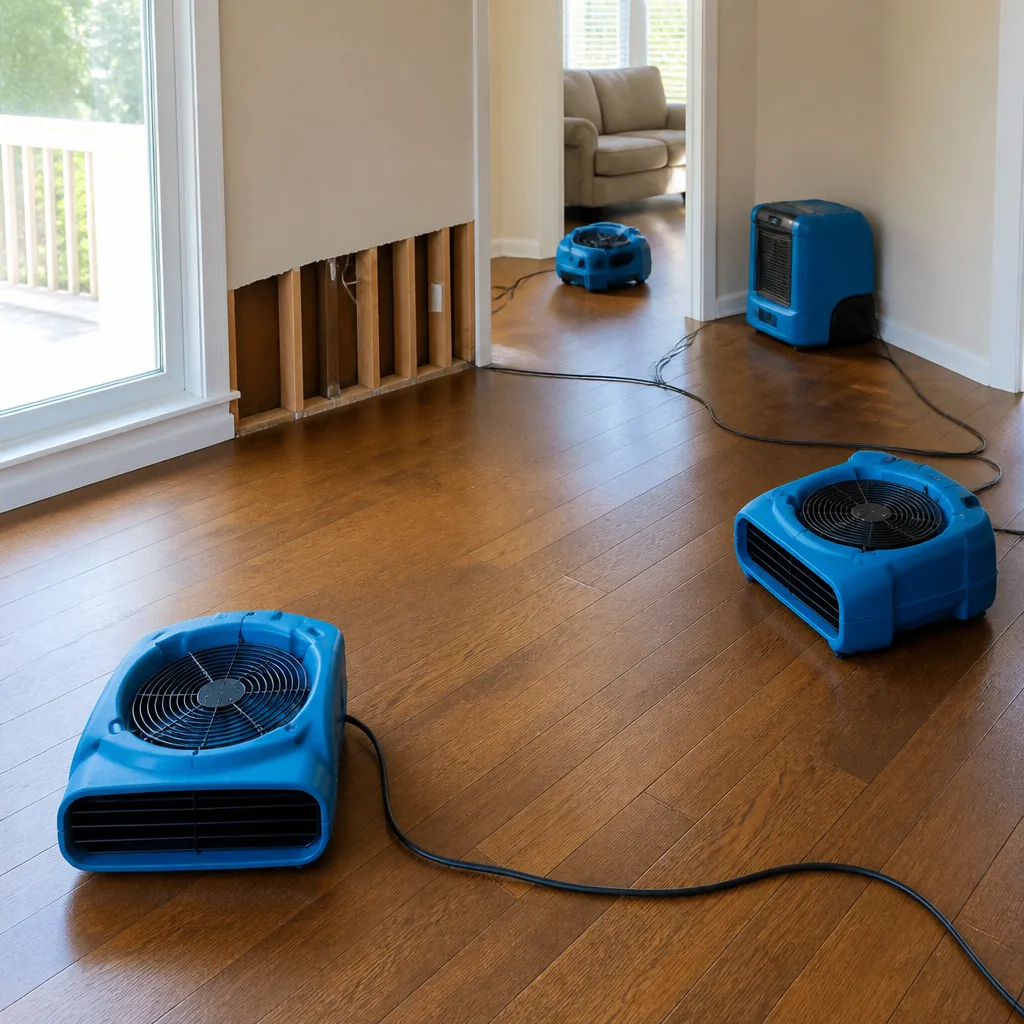
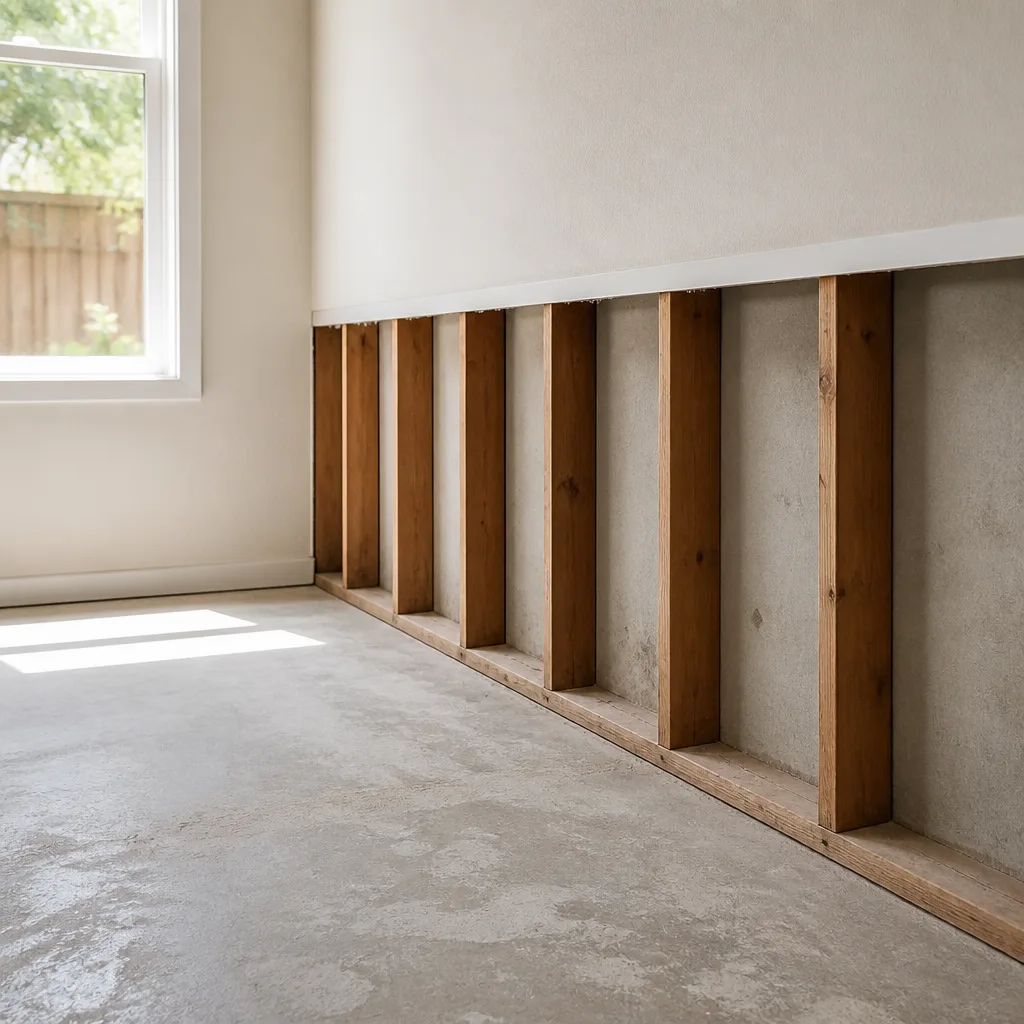
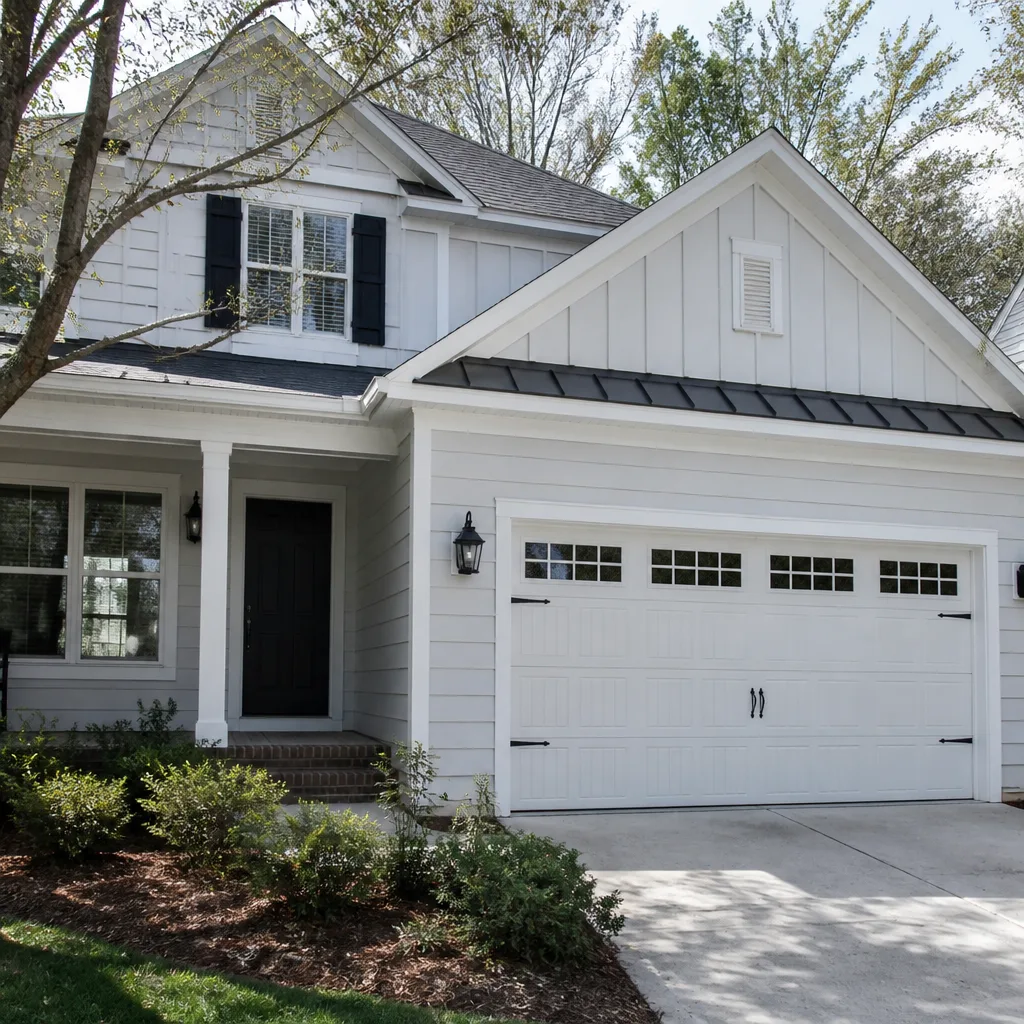
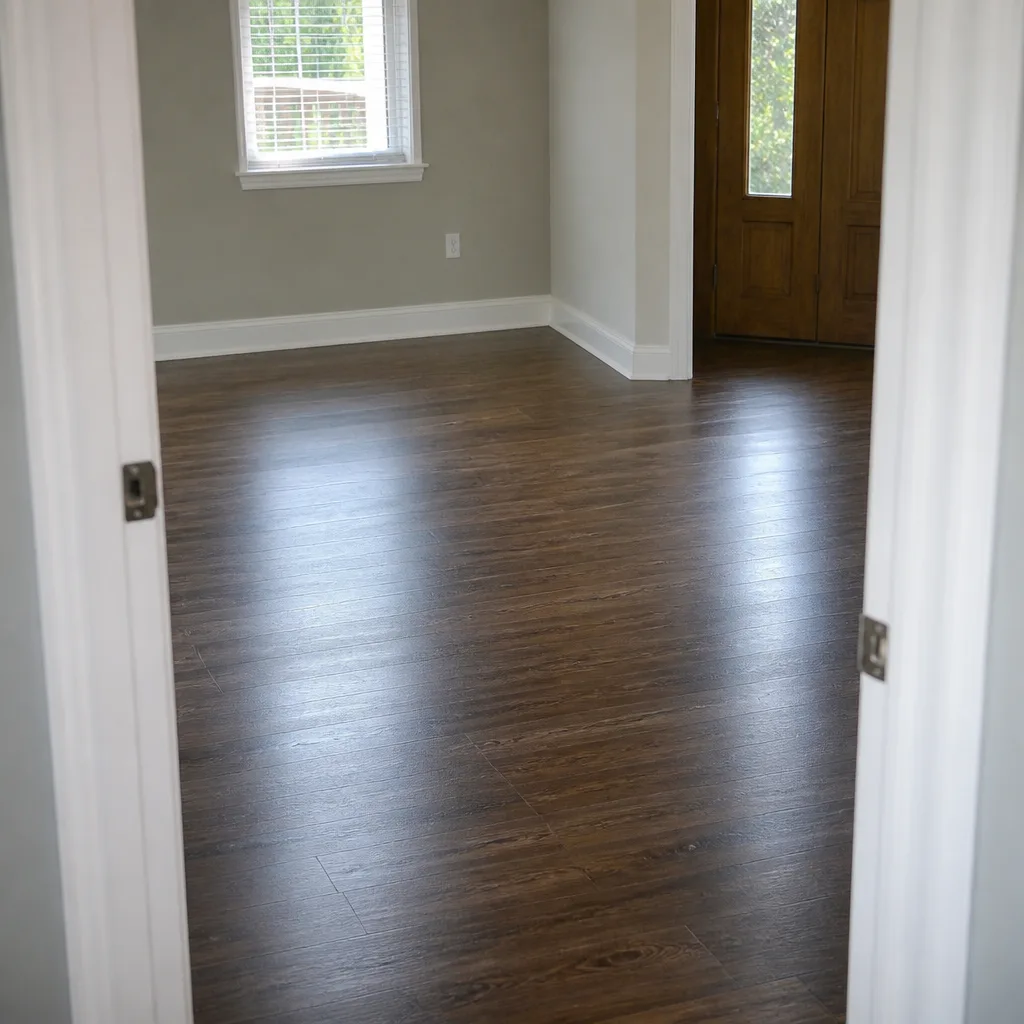
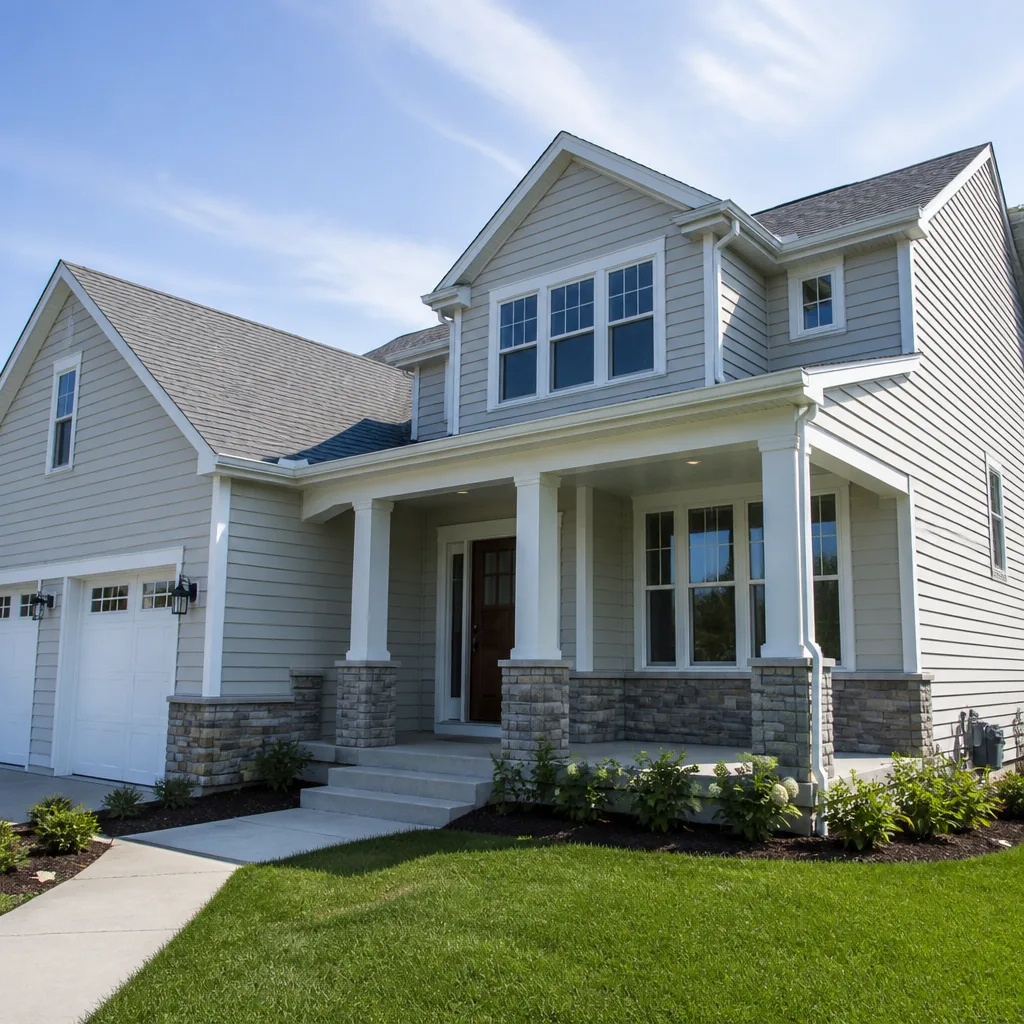
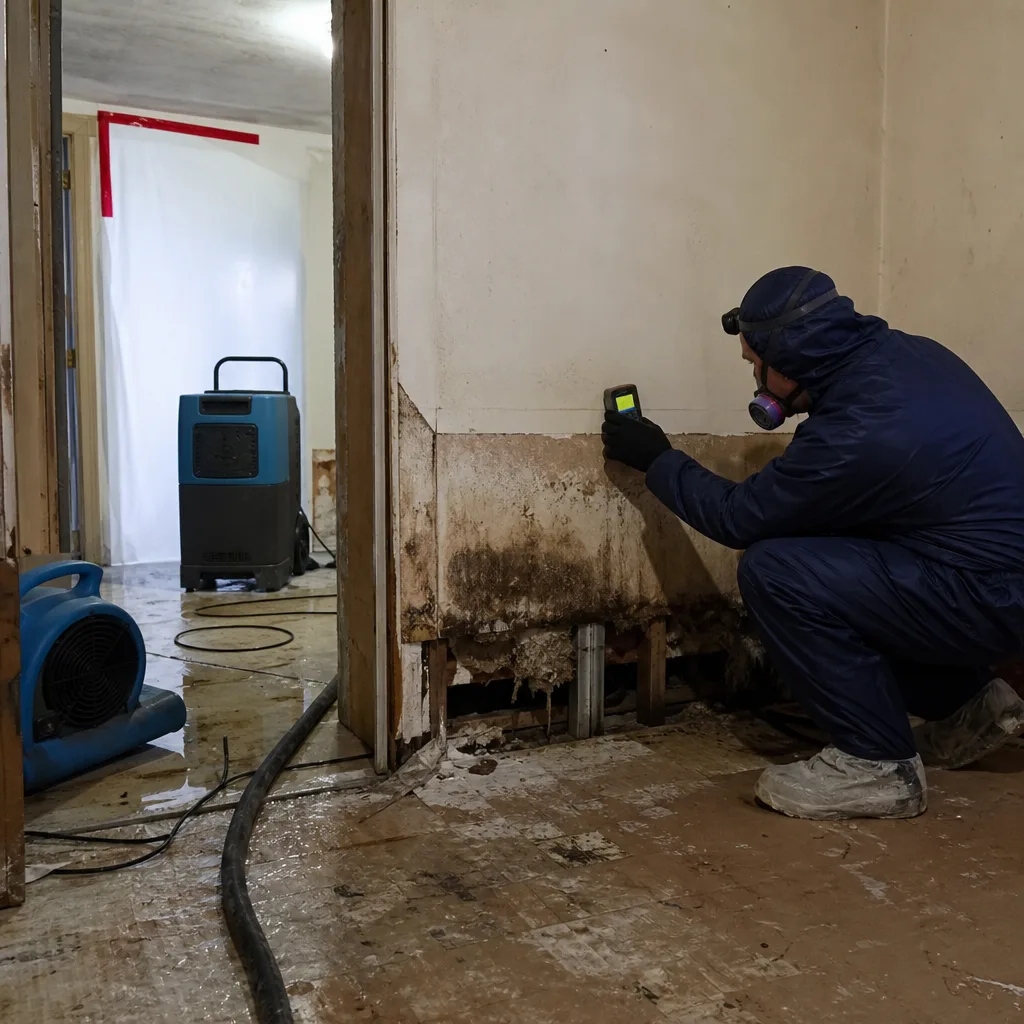 Before
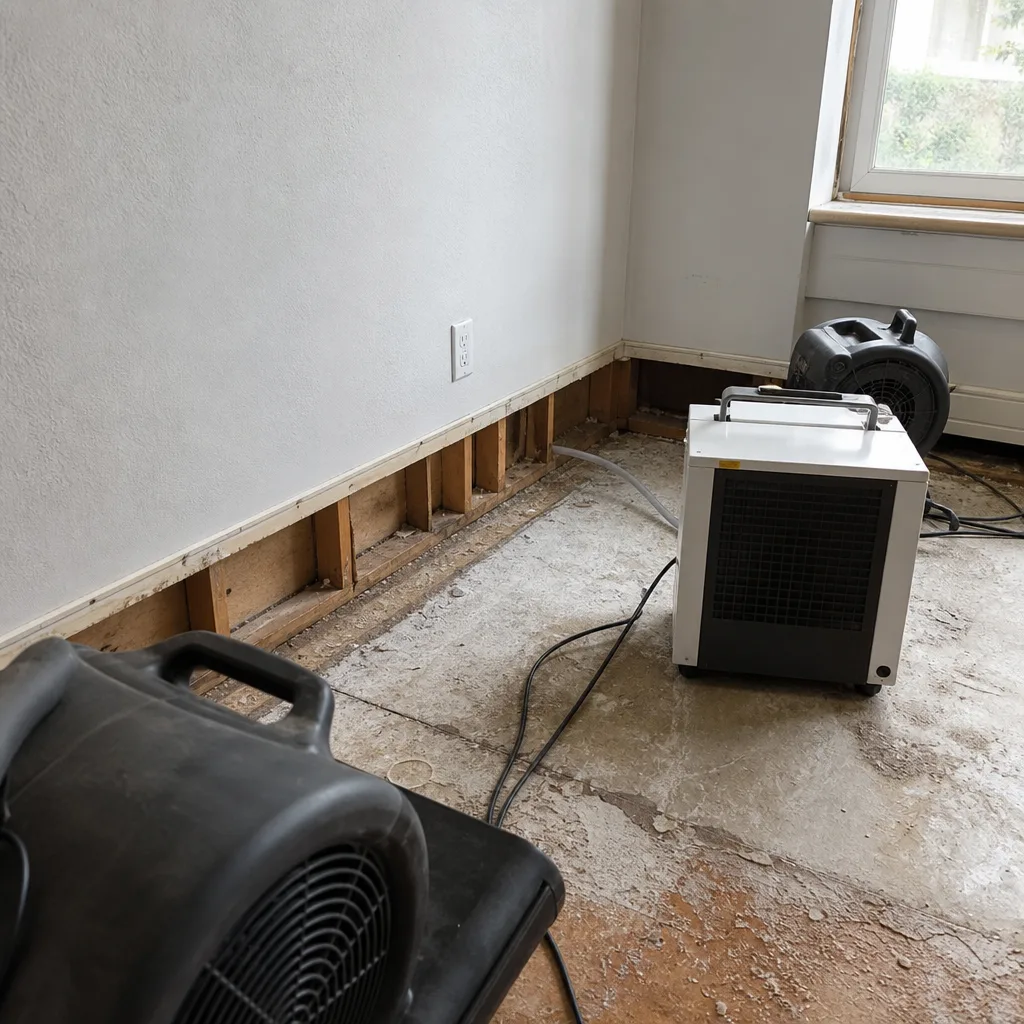 After
After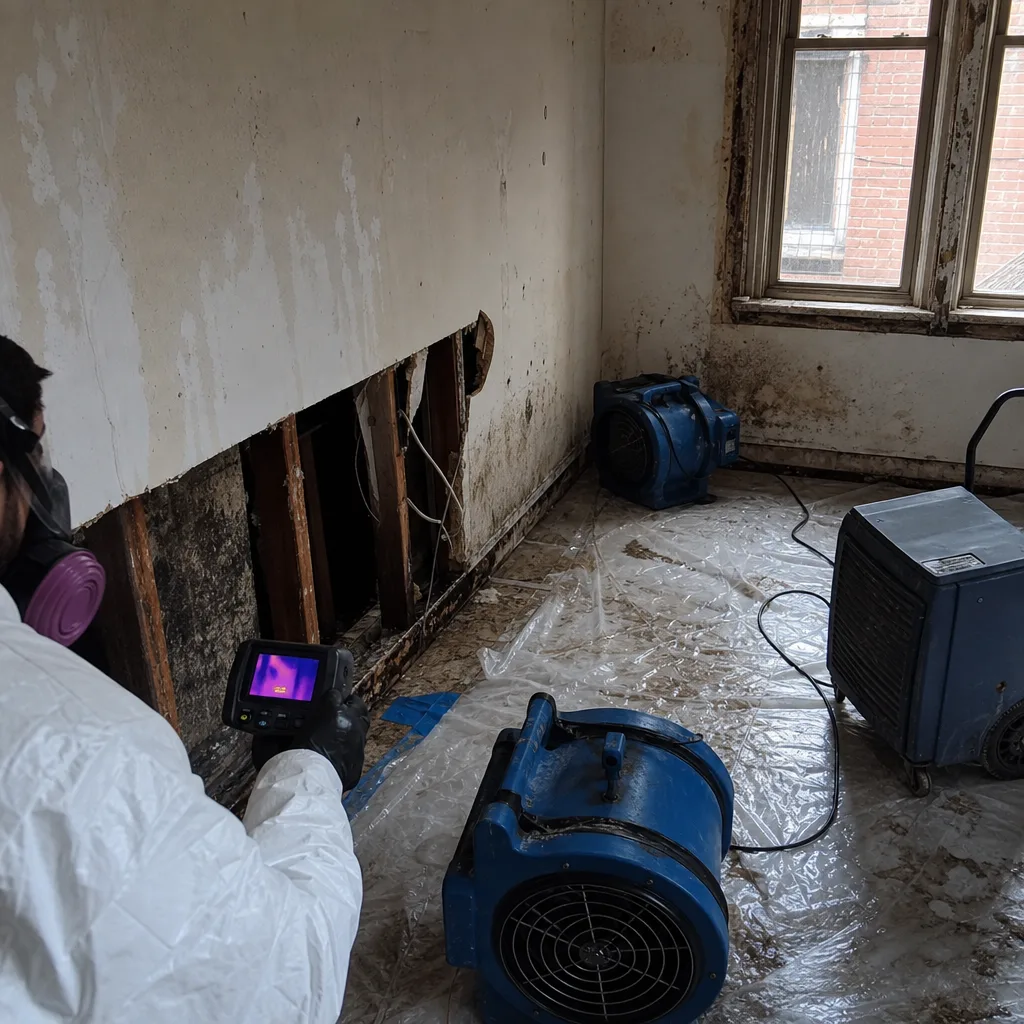 Before
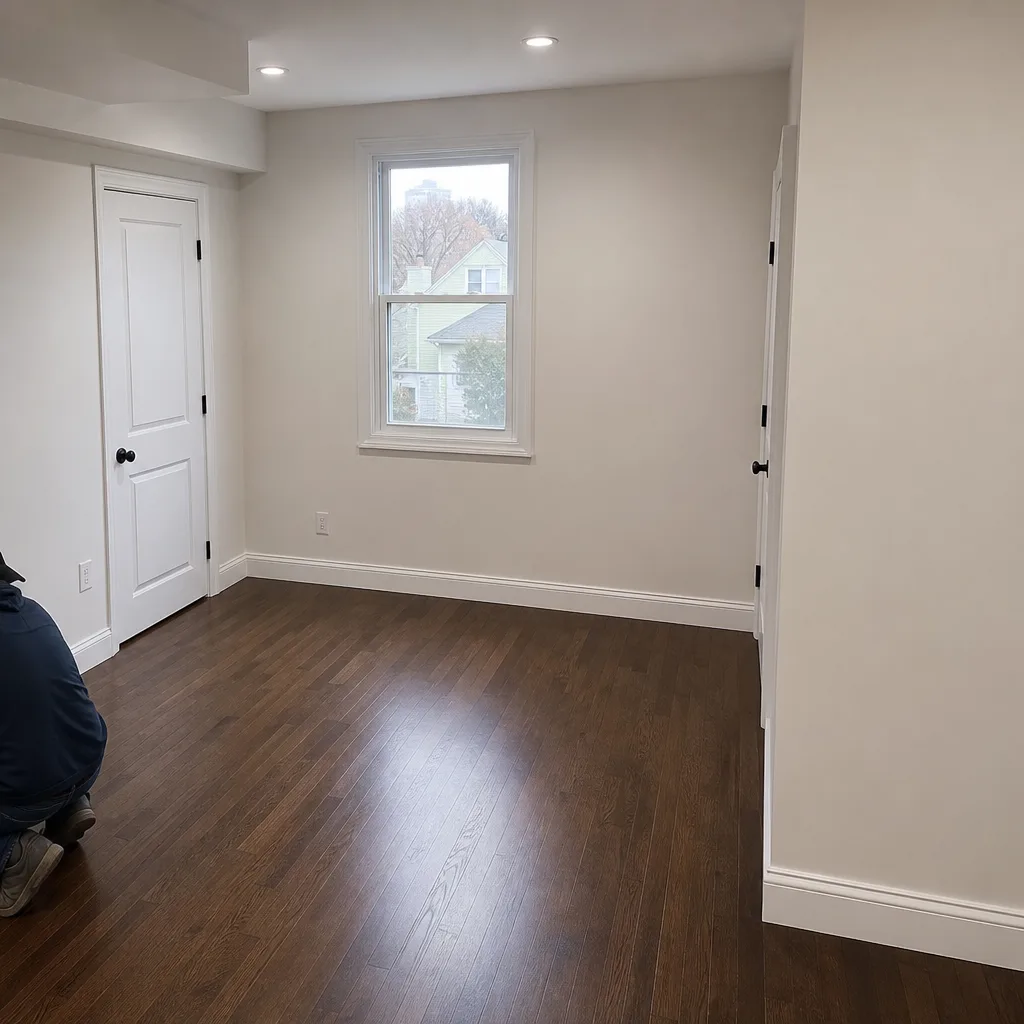 After
After24/7 Emergency Biohazard & Crime Scene Cleanup in Upper Manhattan
Biohazard and crime scene cleanup in Upper Manhattan typically runs $350 to $900 per hour depending on the severity, the number of affected units, and whether abatement sequencing is required before cleaning can begin. Most jobs in the neighborhoods we serve, Washington Heights, Hamilton Heights, Harlem, and Inwood, are dispatched within 45 minutes. Our team answers live at (518) 800-3751 around the clock, because a trauma scene, an unattended death, or a bodily fluid release never keeps business hours. The first hour matters: blood, tissue, and biological fluids begin binding to grout, hardwood, and especially the horsehair plaster behind pre-war walls, and once that happens, the containment boundary grows. Call the moment you know; we will walk you through the first steps while our crew is already moving toward your building.
Understanding Biohazard & Crime Scene Cleanup Severity in Upper Manhattan Properties
In most of the country, a biohazard scene stays in one room. In Upper Manhattan, it does not. The pre-war brick tenements, Harlem brownstones, and Art Deco apartment houses built between 1890 and 1940 share plumbing stacks and chimney breasts through five or six stacked units. Blood, decomposition fluids, and contaminated water follow those channels downward into ceiling voids, then wick laterally through horsehair plaster and original lath. We routinely open a wall expecting a two-foot square of contamination and find it has traveled across a ceiling cavity into the adjoining rent-stabilized apartment. That changes the job from a cleaning into a classified biohazard remediation: containment under negative air pressure, HEPA air scrubbing, removal of saturated plaster and insulation, and antimicrobial treatment down to the framing. The severity tier also shifts when we hit vermiculite insulation or asbestos pipe wrap behind the plaster. In a post-1980 building, we keep moving. In a Harlem brownstone, we stop, seal the area, and coordinate with a licensed NYC asbestos contractor before any further demolition. This is not bureaucratic caution. It is the law under NYC HPD rules, and it is the only safe way to work in Upper Manhattan’s housing stock.
Key Takeaways:
- Contamination from one unit often migrates into adjacent apartments through shared voids and stacks.
- Asbestos and vermiculite discoveries are routine in pre-war buildings and require sequencing before cleanup resumes.
- Negative air pressure and HEPA scrubbing are standard on any scene involving blood, decomposition, or airborne pathogens.
- A free visual inspection gives you a firm written scope before any equipment enters the building.
Why Upper Manhattan Property Owners Choose Floodline Restoration Co.
- 45-minute response commitment. We dispatch from our New York City office to Upper Manhattan coordinates every day of the year. When we say a window, we mean it, and a live dispatcher confirms the ETA by phone.
- 24/7 live answer, always a person. Call (518) 800-3751 at 2 a.m. and you will get a dispatcher, not a recording. The same person stays on the line until a crew is confirmed.
- IICRC-certified crews trained to biohazard standards. Our technicians hold IICRC certifications including WRT, FSRT, and AMRT, with additional RIA and IFA training. They arrive uniformed and background-checked.
- Free visual inspection before any work begins. We do not quote a cleanup without seeing the scene. The estimate is free and the scope is in writing.
- Direct insurance billing. We document from the first hour and bill your carrier directly. You never play messenger between us and your adjuster.
- One team, start to finish. The same Floodline crew that contains the scene handles the structural drying, disinfection, and rebuild. No handoff, no inherited crew, no lost information.
Our Biohazard & Crime Scene Cleanup Process
1. Inspection & Assessment
We document the scene room by room and unit by unit, tracing how far contamination has traveled through plaster voids, flooring, and shared stack channels. In a Washington Heights walk-up, that often means opening a small inspection port in the ceiling before we can tell you the real boundary. You get the findings in plain language, not jargon.
2. Containment & Stabilization
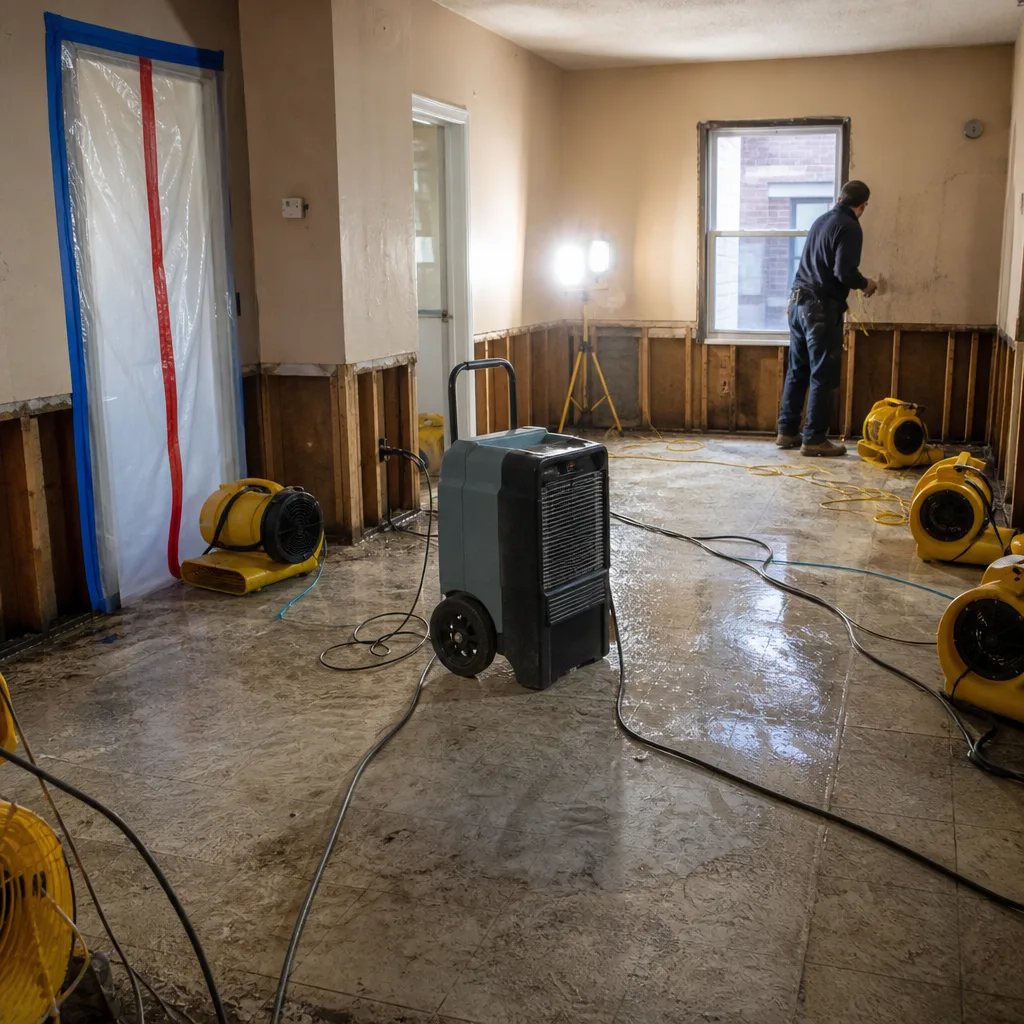
Negative air pressure, plastic sheeting over doorways and vents, and HEPA air scrubbers running before any contaminated material moves. If the scene involves a deceased occupant in a stacked building, we coordinate with building management and NYC HPD as soon as the scope is confirmed.
3. Removal of Contaminated Material
Blood-soaked carpet, saturated plaster, affected flooring, and any porous material that cannot be fully disinfected come out under containment. In pre-war buildings, we frequently pause here if vermiculite or asbestos wrap is exposed, and sequence with a licensed abatement contractor before continuing.
4. Cleaning & Disinfection
We use hospital-grade antimicrobial agents and HEPA vacuuming on every hard surface, then treat framing, subfloor, and the interior of wall cavities. The goal is clearance, not just odor masking. If an adjoining unit was exposed, that unit is cleaned and tested as part of the same job.
5. Structural Drying & Moisture Mapping
Biohazard scenes almost always involve fluids. We use Dri-Eaz equipment, thermal imaging, and hygrometers to map moisture through shared walls, then dry to the IICRC standard. Daily readings are logged and given to you and your carrier.
6. Repairs & Restoration
When the space is clear and dry, our own reconstruction crew replaces the plaster, flooring, and finishes. The job ends with a written 90-Day Done Right Promise from Curt Bowman and his team. If it is not done right, we make it right.
Need Emergency Biohazard & Crime Scene Cleanup in Upper Manhattan Now?
Crews minutes away, answering live 24 hours a day. The sooner we start, the less it costs.
Working With Your Insurance Company
Most homeowners and landlords in Upper Manhattan carry coverage that responds to crime scene and trauma cleanup under property damage provisions. The insurer’s first question is always the same: what exactly happened, square foot by square foot. We answer that question with documentation from the first hour. Photos of every affected surface before anything moves. Moisture readings and drying logs once extraction starts. A line-item scope of work that matches industry-standard estimating software, written so your adjuster can approve it without back-and-forth. Then our office coordinates directly with the carrier. You are not faxing receipts or reading policy language alone. We have done this with carriers on hundreds of pre-war building claims across Upper Manhattan, and we know what adjusters need to close a file cleanly.
What We Provide Your Insurer
- Thorough documentation of the loss
- Photos of all damage, room by room
- Moisture readings and drying logs
- A detailed, line-item scope of work
- Direct coordination with your carrier
Built for Upper Manhattan’s Loss Calendar
Biohazard work in Upper Manhattan follows the weather and the building cycle. January and February bring deep freezes that split supply lines inside exterior walls, and when that water meets a scene involving blood or unattended death, the contamination spreads through the same channels the water did. Spring thaw exposes roof failures on the flat and low-slope rooftops over Washington Heights and Hamilton Heights; terracotta parapet caps crack during winter freeze-thaw cycling, and snowmelt runs into top-floor units, saturating plaster that may already hold biological contamination from an earlier incident. Summer brings thunderstorms that overwhelm the older combined sewers in Harlem and East Harlem, pushing category 3 water into basements and cellar apartments. Nor’easters in the fall do the same through bulkhead doors and aging parapet copings. The common thread: in a five-story pre-war building, a “one-unit” biohazard call rarely stays one unit for long.
Biohazard & Crime Scene Cleanup Across Upper Manhattan’s Neighborhoods
In Washington Heights and Inwood, we work the walk-ups east of Broadway and the larger apartment houses along Fort Washington Avenue. Six-story pre-war buildings there share stacks so completely that a scene on the fourth floor is often discovered by a stain on the second. Hamilton Heights and Sugar Hill are brownstone territory, and those buildings bring their own pattern: original tin ceilings, wide plank subfloors, and horsehair plaster that holds contamination for months. In Harlem, we serve the brownstones on Strivers’ Row and the NYCHA towers concentrated east of Lenox Avenue, where coordination with building management and NYC HPD is part of nearly every job. East Harlem, especially around 116th Street, mixes old-law tenements with newer construction; the old-law buildings hide the same vermiculite and asbestos surprises, while the newer ones allow faster drying once containment is set.
Specialized Biohazard & Crime Scene Cleanup Services We Offer in Upper Manhattan
Our Biohazard & Crime Scene Cleanup team handles every category of biological contamination that a property owner in Upper Manhattan is likely to face. The work changes block by block, but the standard does not.
Crime Scene Cleanup
After law enforcement releases a scene, we take over. Blood on floors, walls, and inside wall cavities is removed under containment, and all affected porous material is disposed of under regulated medical waste protocols. In a Harlem brownstone or Washington Heights walk-up, that often means opening plaster walls to confirm the contamination boundary. The cost for this type of cleanup in Upper Manhattan typically runs $600 to $1,500 for a contained single-unit scene, and rises when adjoining units are involved.
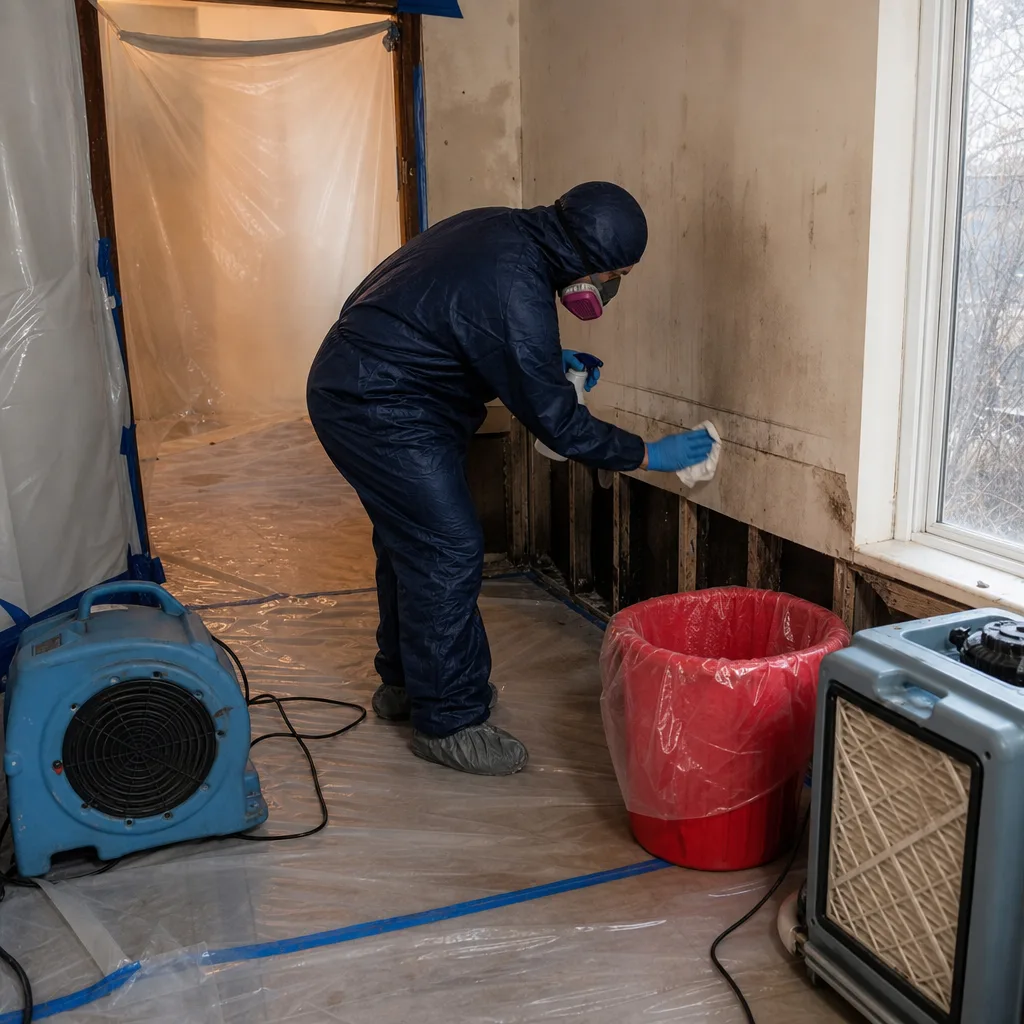
Trauma & Unattended Death Cleanup
An unattended death in a stacked pre-war building is almost never discovered before decomposition fluids have begun migrating. Those fluids wick through plaster, flooring, and shared voids. We remove the affected material, treat the structure, and run HEPA air scrubbing until the space passes clearance. In rent-stabilized buildings, we coordinate with the landlord and NYC HPD because adjacent tenants are almost always affected.
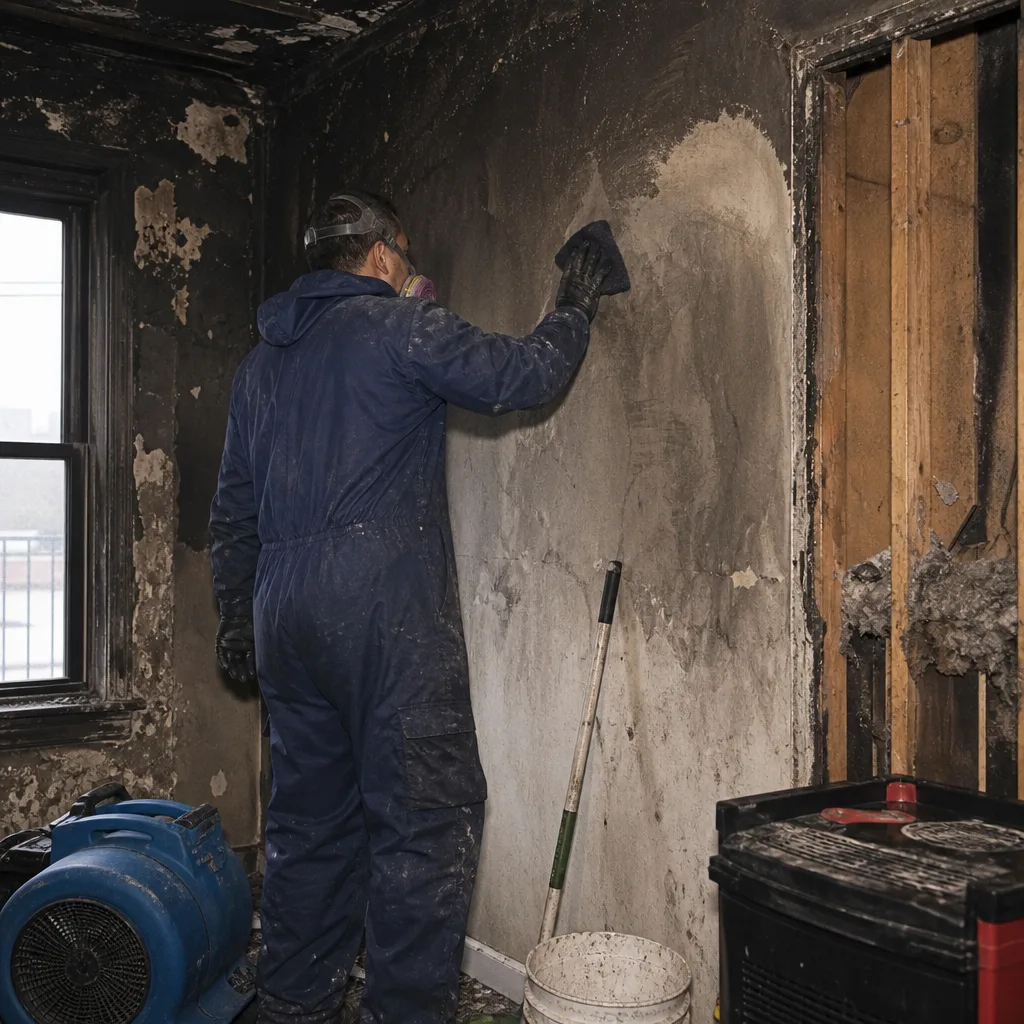
Hoarding Cleanup
Hoarding conditions in Upper Manhattan tenements usually conceal severe water damage from leaking stacks, failed plumbing, or roof seepage. We sequence the work: remove the contents and waste, then open walls to find the underlying moisture. If the hoard includes biological waste, we handle that as a biohazard cleanup under the same containment standards. Costs run roughly $400 to $1,200 per room depending on volume, structural access, and whether abatement is required.
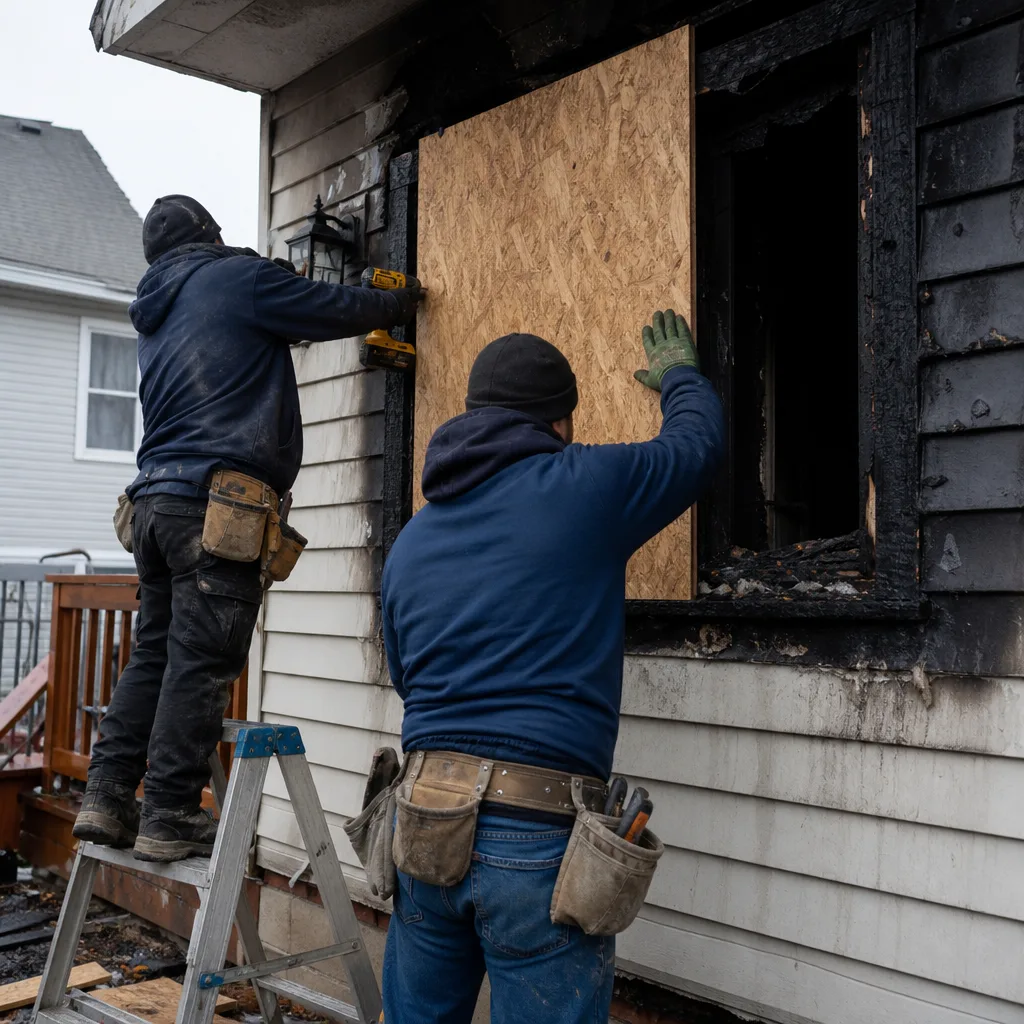
Blood & Bodily Fluid Cleanup
This is the most common scene in residential buildings, from accidents to assaults. Blood on parquet, tile, or plaster must be treated before it cures. In pre-war buildings, the grout lines in original tile and the seams in wide plank flooring hold blood that is invisible to the eye but detectable with chemical testing. We treat it, test it, and document it.
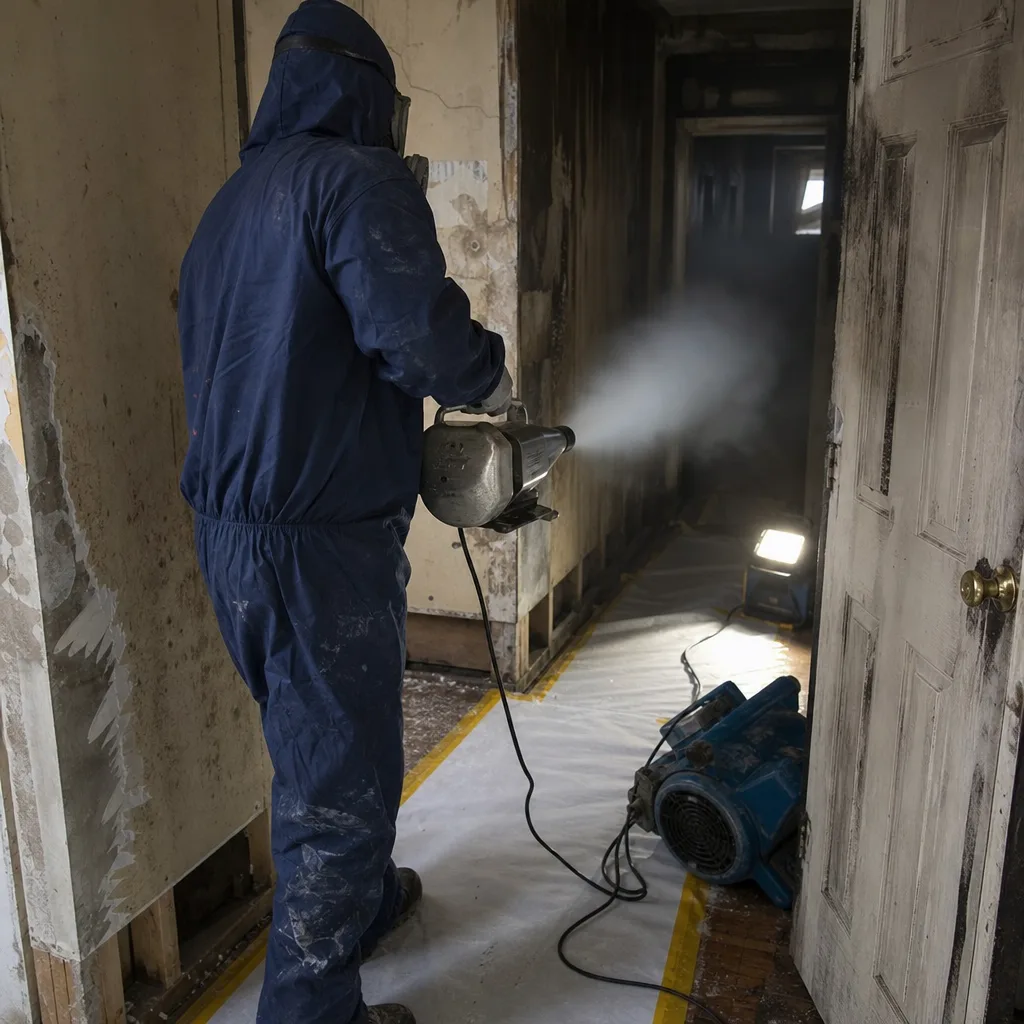
Infectious Disease Disinfection
When a communicable disease is involved, the entire unit gets treated, not just the immediate area. We use EPA-registered hospital-grade disinfectants and fogging where appropriate, with dwell times documented. This service is frequently requested in buildings with elderly residents or after a tenant medical event.
What happens when you call
- 1
A real person answersNo phone trees - you reach a local pro.
- 2
You get an upfront price rangeHonest numbers before anyone is dispatched.
- 3
A background-checked tech heads outLicensed & insured, dispatched right away.
- 4
You approve before work beginsNothing starts until you say go.
Biohazard & Crime Scene Cleanup Costs in Upper Manhattan, NY
Plan on $350 to $900 per hour for biohazard and crime scene cleanup in Upper Manhattan. A straightforward blood cleanup in a single Harlem apartment typically lands between $600 and $1,500. An unattended death with migration into a ceiling void and an adjacent unit runs $2,500 to $6,500 depending on the number of rooms and whether asbestos abatement is triggered. Hoarding cleanup adds volume and can push a full project to $5,000 to $15,000 before structural drying and rebuild. What moves the price: the number of affected units, whether we hit vermiculite or asbestos pipe wrap, how far contamination has wicked through horsehair plaster, and whether NYC HPD oversight is required. Most property insurance policies cover these costs. We document everything for your carrier and bill them directly. The free visual inspection is the path to a firm written scope; call (518) 800-3751 and we will walk the building with you.
We Also Serve Cities Near Upper Manhattan
Our crews cover the neighborhoods around Upper Manhattan every week, including Astoria, Ditmars Steinway, the Upper East Side, and Jackson Heights. If your building is just outside our core dispatch area, call anyway; we will route the nearest available certified crew to you.
Serving Upper Manhattan, NY - Our Local Coverage Area
We’re based in the Upper Manhattan area and know this community well. Use the map below to see our service coverage - if you’re nearby, we can almost certainly help.
Upper Manhattan Biohazard & Crime Scene Cleanup Questions, Answered
How fast can a crew actually get to Upper Manhattan?
Most Upper Manhattan addresses receive a crew within 45 minutes of your call, depending on time of day and exact location. We dispatch from our New York City office and monitor traffic routes on Broadway, Amsterdam Avenue, the FDR, and the river roads. A live dispatcher confirms your ETA on the first call and stays in touch until the crew arrives. Call (518) 800-3751 now for a real arrival window.
How does an unattended death in a Washington Heights walk-up affect neighboring rent-stabilized apartments, and what coordination is required?
Decomposition fluids travel downward and sideways through shared ceiling voids, plumbing chases, and horsehair plaster, so the apartment below or next door is frequently affected before anyone notices. We coordinate with the landlord and NYC HPD to set the containment boundary, document the cross-unit migration, and treat all affected spaces. The insurance claim generally covers the full scope, including adjacent units.
What happens if your crew discovers asbestos pipe wrap or vermiculite while cleaning a crime scene in a Harlem brownstone?
We stop work in that section, seal it under containment, and bring in a licensed NYC asbestos contractor to complete abatement before we resume. This is required by law and standard practice in pre-war construction. We sequence the abatement into the overall job so your cleanup is not delayed more than necessary, and we bill the carrier directly.
Can tear gas residue from an incident in an Inwood apartment be fully removed from original tin ceilings and plaster walls?
Yes, with the right agents and patience. Tear gas bonds to porous plaster and the paint on tin ceilings. We use specialized alkaline washes, HEPA vacuuming, and in some cases thermal fogging to break down the residue. The tin and plaster can usually be saved. If the plaster is heavily saturated or crumbling, we may recommend replacing that section and matching the finish.
Why does a ‘new’ water stain in a Hamilton Heights apartment sometimes point to a long-standing biohazard condition rather than a fresh leak?
Slow roof and stack leaks in pre-war buildings saturate horsehair plaster for months before the stain becomes visible on the ceiling below. That saturated cavity is exactly where biological contamination from a previous incident hides and grows. When we cut into the plaster, we often find mold, decomposition residue, or both, and the job expands from stain cleanup to full biohazard remediation.
Hoarding cleanup in an Upper Manhattan pre-war tenement often exposes hidden water damage-how do you sequence that work?
Contents removal comes first, under supervision if the tenant or landlord needs it. Then we open walls and floors to find the water damage that was hidden beneath the hoard. If biological waste is present, that is treated as biohazard under containment before structural drying begins. The sequence is documented for the carrier at every step.
Will insurance cover biohazard and crime scene cleanup in my Upper Manhattan building?
Most property policies respond to these losses under covered property damage, especially when the cause is sudden or accidental. We photograph everything before work begins, write the scope in insurance-standard format, and coordinate directly with your adjuster. If a claim is denied, you will have our written scope and documentation in hand to appeal. Call (518) 800-3751 and we can discuss your specific policy while a crew is dispatched.
Do I really need full remediation, or just a cleaning?
If blood, decomposition fluids, or other biological contaminants have penetrated porous surfaces like plaster, grout, or unfinished wood, a surface cleaning will not pass clearance and will leave odor and pathogens behind. Our free visual inspection tells you definitively which category your scene falls into. We will show you what we see before we recommend anything.
Written by Curt Bowman, Owner at Floodline Restoration Co., serving Upper Manhattan since 2010.