
Last updated August 25, 2026
Free visual inspection and a written scope of work before any mitigation begins - photos, moisture readings, and drying logs go in your claim file
The scope we write is the scope we bill. Anything new gets shown to you, in writing, before we touch it.
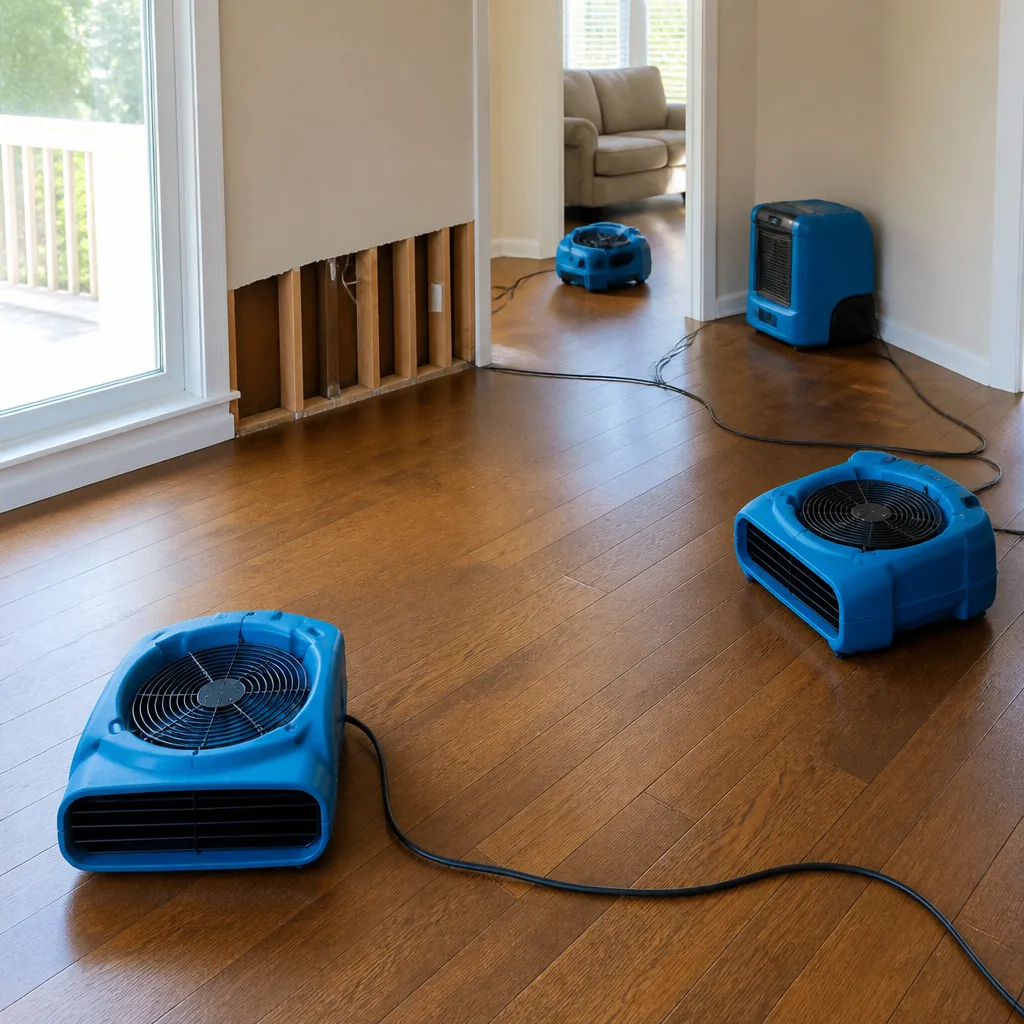

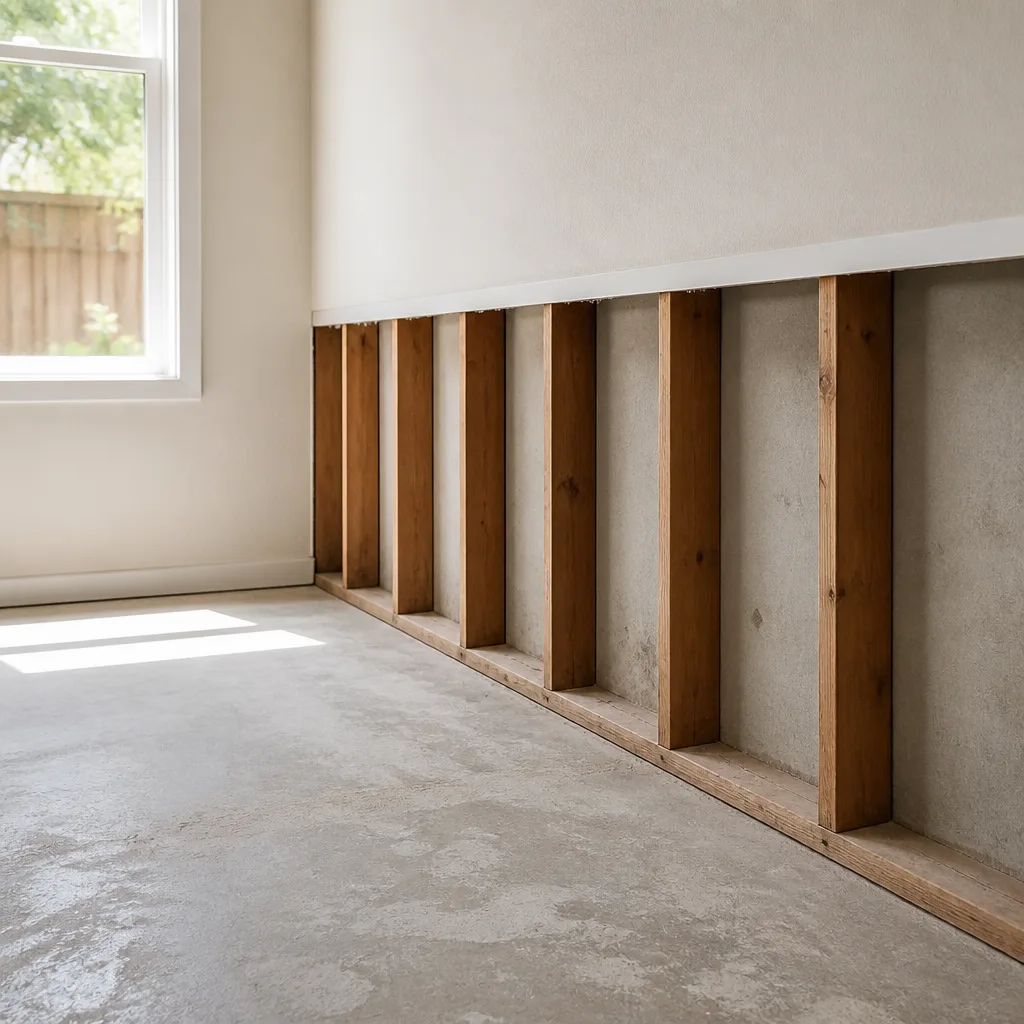

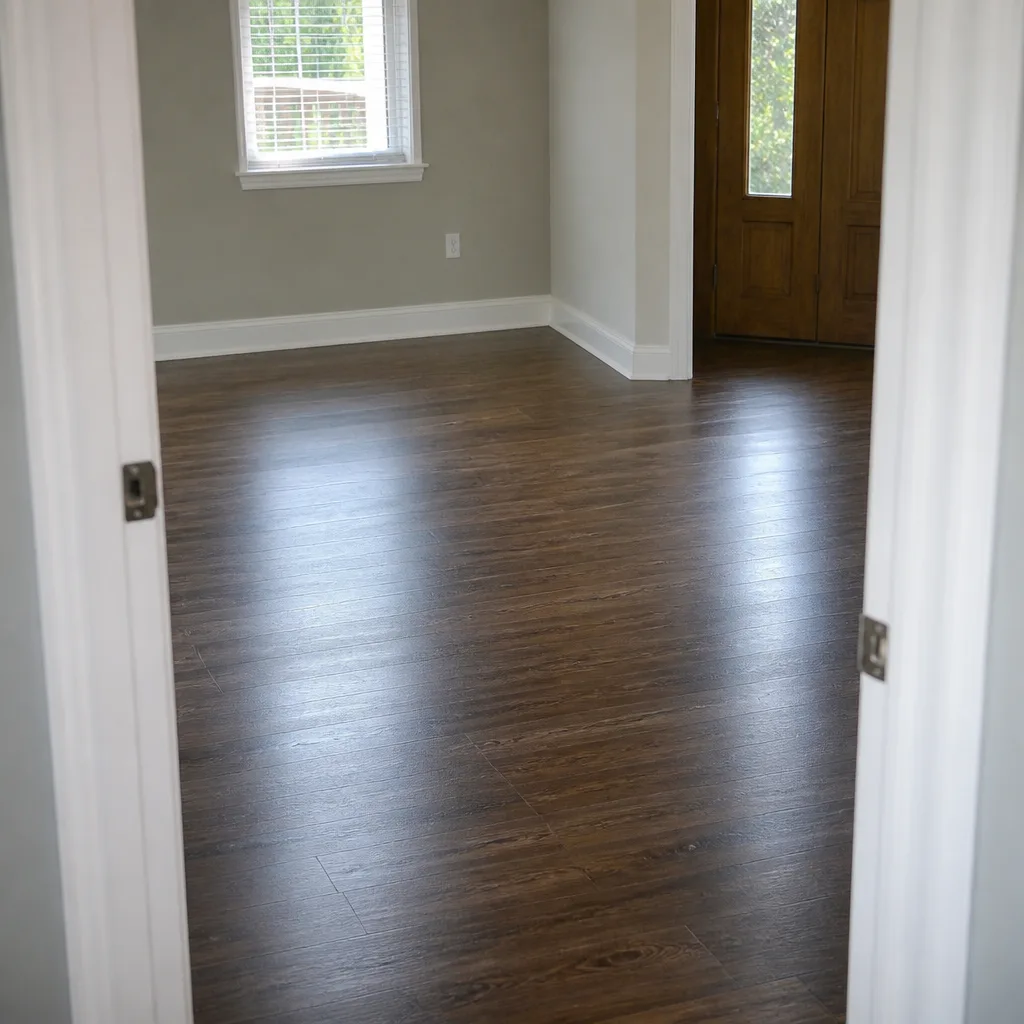

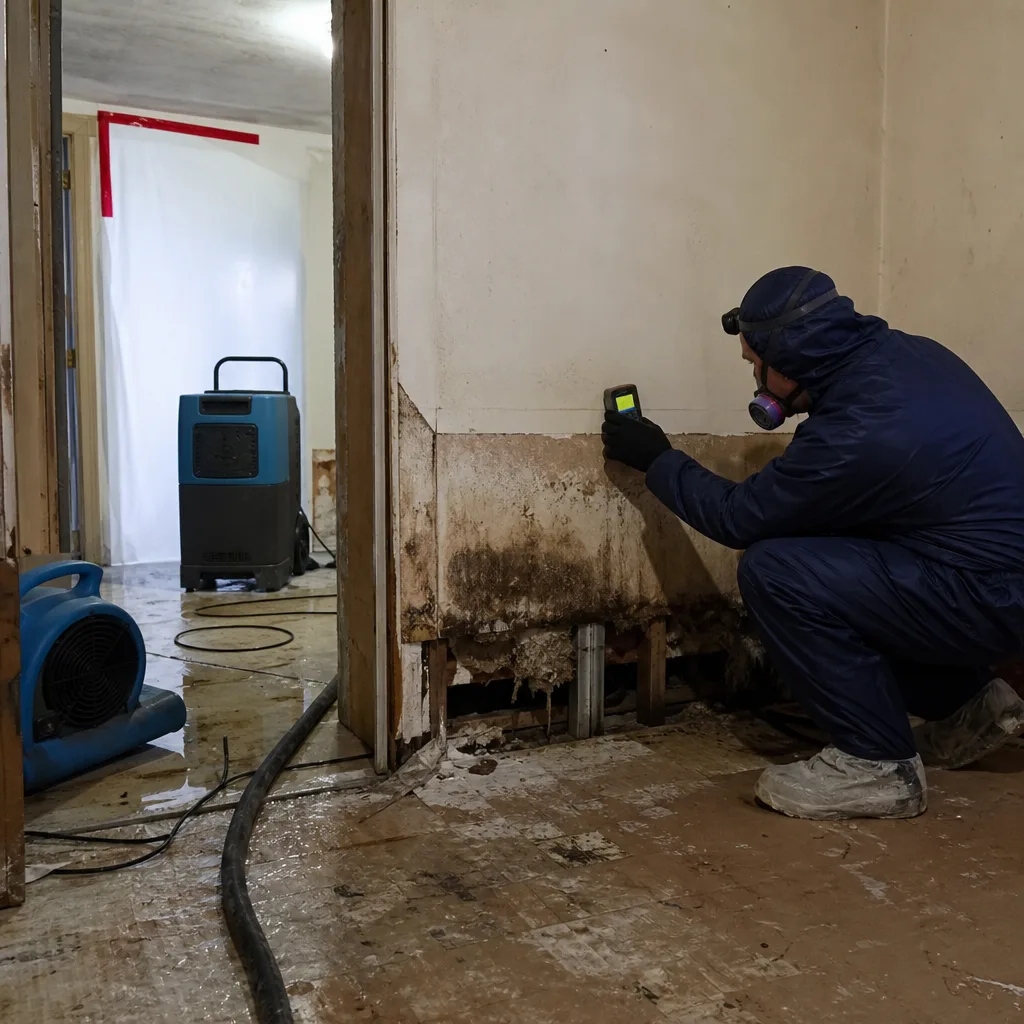 Before
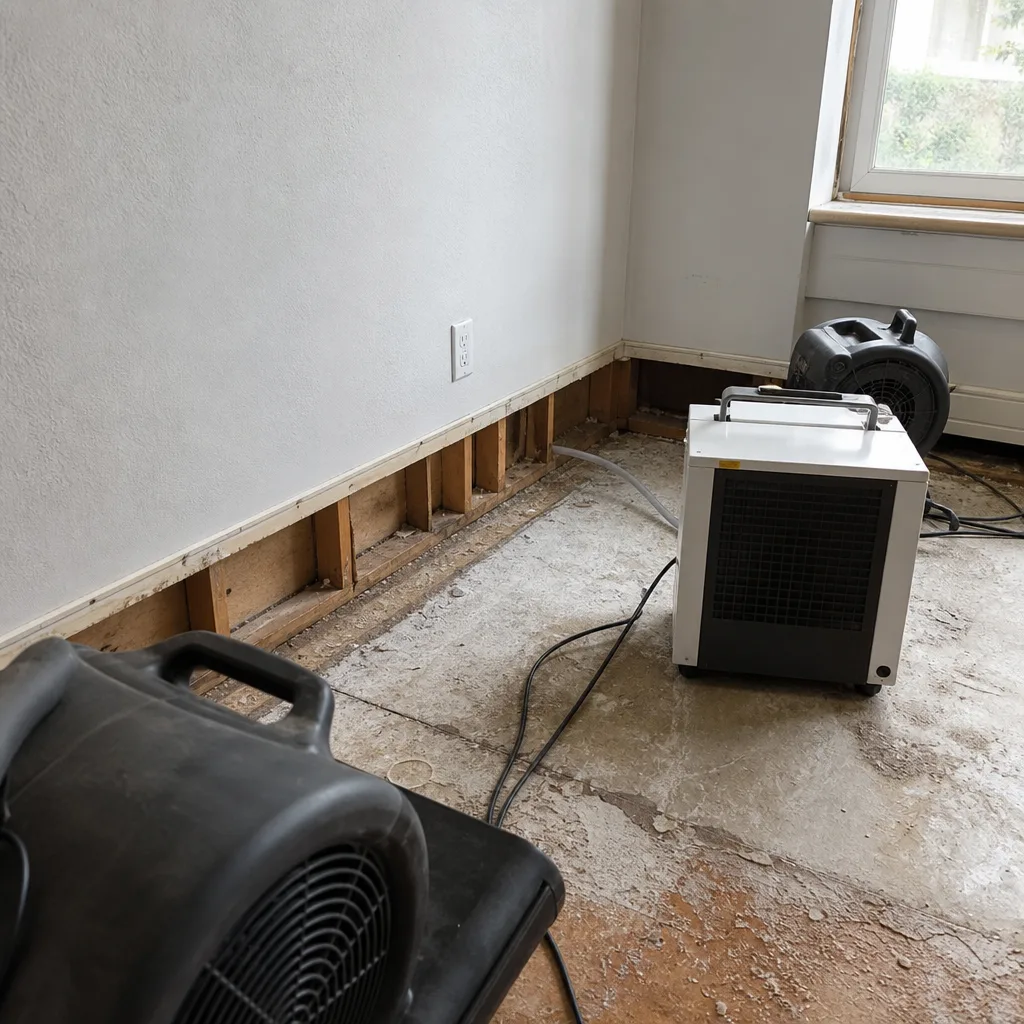 After
After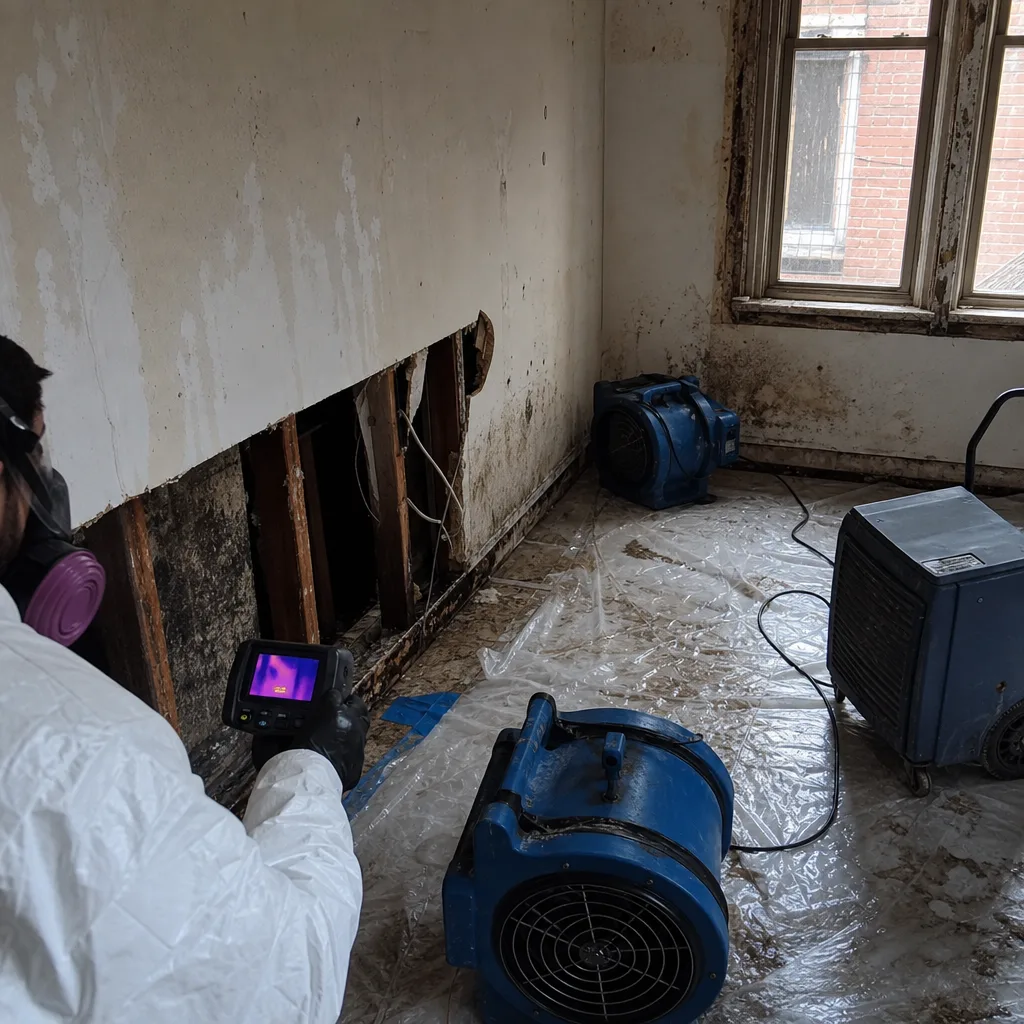 Before
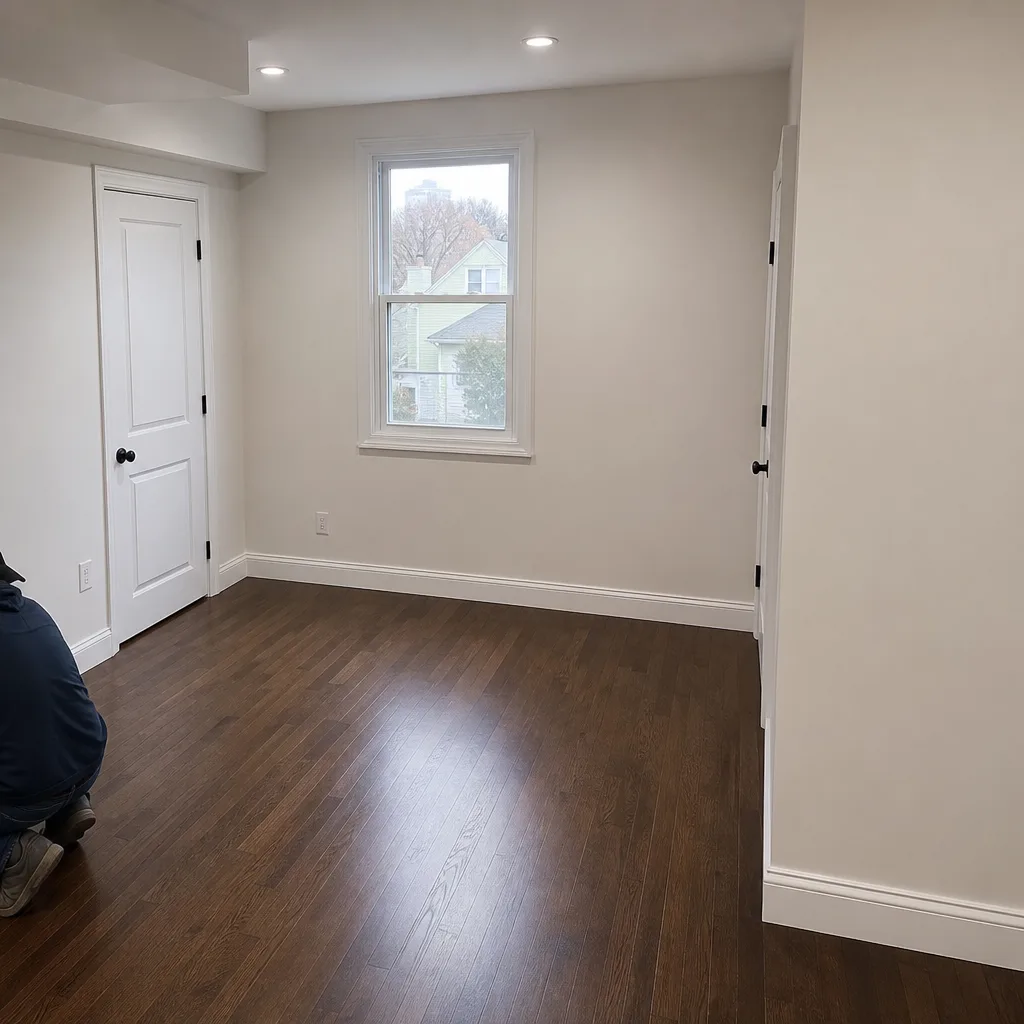 After
AfterDamage Restoration Warning Signs: A Astoria Homeowner’s Reference Guide
Most homeowners don’t lose their houses to a flood or a fire in a single night. They lose them slowly, over months or years, to the quiet damage that nobody noticed in time. A slow drip behind a bathroom wall in Astoria, a faint musty smell in a basement on 30th Avenue, a soft spot in the subfloor near a radiator. These are the warnings the house gives before the real trouble starts. This guide is a reference for reading those warnings early, while the fix is still measured in hours and hundreds of dollars instead of weeks and tens of thousands. We’ve spent over 42 years in this work, and in our experience, the houses that survive are the ones where someone paid attention to the first faint signal.
Quick Answer
The most common warning signs of hidden damage in an Astoria home are persistent musty odors, discoloration or staining on walls and ceilings, warped or buckling floors, paint that bubbles or peels without explanation, a sudden spike in your water bill, and visible mold growth in corners or behind furniture. Any one of these signals means moisture is present where it shouldn’t be, and moisture left alone for more than 48 to 72 hours becomes a mold risk and a structural risk. If you’re seeing any of these signs, the damage is already underway, and the next step is to find the source and stop it before the repair grows.
Table of Contents
- Water Stains and Ceiling Discoloration
- Musty Odors and the Smell of Hidden Mold
- Warped Floors, Buckling, and Soft Spots Underfoot
- Peeling Paint, Bubbling, and Efflorescence on Masonry
- Unexplained Water Bill Spikes and Meter Movement
- Visible Mold: Colors, Patterns, and What They Mean
- Structural Cracks and Shifting in Astoria’s Older Housing Stock
- Post-Storm and Post-Flood Warning Signs
Water Stains and Ceiling Discoloration
A brown or copper-colored ring on a ceiling is never a cosmetic issue. It’s a record of water pooling, soaking through drywall or plaster, and evaporating, leaving behind mineral deposits and tannins from wood or insulation. In Astoria’s older housing stock, much of it built before 1940, the ceiling stain you see is often the second or third time that spot has been wet. The first time happened up in a roof valley or around a vent boot where water sat unnoticed through a winter of snowmelt and freeze-thaw cycles.
What matters is the shape and edge of the stain. A sharp-edged brown ring tells you the water came through quickly and stopped, often from a one-time event like a flashing failure during a driving rain. A soft-edged stain with a yellowish halo is different. That one is still wet, or it has been wet repeatedly, and moisture is still working its way through the ceiling material. Put your hand on the spot. If it feels cool or damp compared to the surrounding ceiling, the source is still active, even if the surface looks dry. That’s when you check the floor above, the roofline, or the plumbing run, and make the call before the drywall loses its strength and comes down on its own.
Musty Odors and the Smell of Hidden Mold
The human nose is a better moisture meter than most people realize. A musty or earthy smell in a closed room, a closet, or a basement is the odor of microbial activity, and it means mold or mildew is already growing somewhere with enough surface area to be sending spores into the air. In Astoria, where basements sit below the water table and humidity runs high from April through October, this smell is common but never normal. It’s evidence of an environment that has crossed the line from damp to biologically active.
Here’s what we’ve learned from thousands of Astoria basements and crawlspaces. The smell is strongest in the morning, before the house airs out. It concentrates in rooms with no ventilation, like interior bathrooms or under stairwells. And it gets worse when the heat kicks on, because forced air pulls from the dampest parts of the house and distributes the odor everywhere. If you smell it, there are spores in the air you’re breathing. The smell is never the whole story. It’s the signal that tells you to look behind the baseboard, under the carpet pad, or inside the wall cavity where the leak has been feeding mold in the dark. Do not ignore this one. A musty smell that persists after cleaning is the single most reliable early warning of a mold problem that is already established.
Warped Floors, Buckling, and Soft Spots Underfoot
Wood flooring tells the truth about moisture. When a hardwood floor begins to cup, crown, or buckle, the underside of the boards is absorbing water while the top surface stays dry, and the differential expansion is enough to lift nails and pull boards loose from the subfloor. In Astoria, we see this most often in three places: kitchens with a slow dishwasher or refrigerator line leak, bathrooms where the wax ring under the toilet has failed, and entryways where water tracks in and gets under the threshold.
The test is simple, and any homeowner can do it. Walk the floor in bare feet or socks. A soft spot that gives slightly under your weight means the subfloor has absorbed enough water to lose its structural integrity. That’s not a flooring problem anymore; it’s a framing problem. The board you can see is the last thing to go. Underneath it, the plywood or plank sheathing is swelling and delaminating, and if the area is near a load-bearing wall, the issue is climbing the wall framing too. When you find a soft spot, mark it with tape and check it again in a week. A soft spot that spreads means active water. A soft spot that stays the same size may mean the leak has stopped but the wood has already passed the point of drying out on its own. Either way, the fix starts with opening the floor and reading the moisture levels below, not with sanding and refinishing what’s on top.
Peeling Paint, Bubbling, and Efflorescence on Masonry
Paint that bubbles or peels on an interior wall is trapped moisture trying to escape. The water vapor behind the paint film pushes the coating off the surface from underneath, and the result looks different from ordinary wear. Normal aging paint cracks and flakes in a pattern that follows the surface. Moisture-driven peeling creates soft bubbles, sometimes with a dark spot in the center where mold is already growing between the paint and the plaster.
On exterior brick and concrete, the warning sign is efflorescence, a white chalky deposit that looks like salt staining on the face of the masonry. Efflorescence is mineral salts left behind when water migrates through the wall and evaporates on the surface. It’s non-toxic by itself, but it’s proof that water is moving through the wall on a regular schedule. In Astoria’s attached brick row houses, efflorescence on a shared party wall means the neighbor’s side is wet too, and the moisture is passing through the common masonry from one home to the other. That’s when the scope of the job changes from painting over a stain to understanding the drainage, grading, and flashing on both sides of the wall. We always tell homeowners the same thing: the paint is not the problem. The paint is the evidence.
Unexplained Water Bill Spikes and Meter Movement
One of the clearest warning signs of a hidden leak is one that never appears in the house at all. It shows up on the quarterly water bill. A household of two or three people in Astoria should see a relatively flat water usage pattern from quarter to quarter, adjusting for summer lawn watering if there’s a yard. A spike of 20 percent or more with no corresponding change in behavior is a leak signal, and it usually means water is moving somewhere you can’t see or hear.
Here’s a simple test that costs nothing and takes ten minutes. Turn off every water fixture in the house, including toilets, washing machines, and outdoor spigots. Find your water meter, which in most Astoria homes is in the basement near the front wall or in a sidewalk vault. Note the reading. Wait 15 minutes without using any water. Read the meter again. If the number moved, water is flowing through the meter and exiting somewhere inside the property line. A slow leak of one drip per second wastes about 3,000 gallons a year. A running toilet can waste 200 gallons a day. A slab leak under a concrete basement floor can waste far more than that and never show a visible drop because the water is draining into the soil beneath the house. This is the warning sign that turns hidden damage into a structural problem without ever producing a visible stain. If the meter moves, call a professional with the equipment to locate the leak pressurize the line and isolate it before you start opening walls.
Visible Mold: Colors, Patterns, and What They Mean
Mold announces itself in patterns. A patch of black or dark green spots clustered along a baseboard or in a ceiling corner is almost always moisture-driven growth feeding on the paper surface of drywall or the dust and skin cells trapped in paint. A uniform gray or white fuzzy growth on a concrete wall is different, usually an indicator of condensation and high ambient humidity rather than a direct leak. The color of mold does not tell you whether it’s dangerous. What matters is the extent, the moisture source, and whether the growth has penetrated the material or is sitting on the surface.
In Astoria’s climate, visible mold on an interior wall is almost never limited to what you can see. The moist environment that supports the surface growth extends several feet into the wall cavity in every direction, and the spores have already been circulating through the house on air currents and through the HVAC system. That’s why DIY mold treatment with bleach or over-the-counter sprays fails so often in this city. It removes the visible growth and leaves the reservoir behind the wall intact, so the colony returns in three to six weeks. A professional mold remediation in Astoria starts with setting up a containment barrier, mapping the moisture with instruments, and determining whether the affected drywall and insulation need to be removed and replaced. If you’re seeing mold, you’re seeing the tip of something bigger. The faster you act, the smaller the removal footprint, and the less of your wall and your belongings have to go.
Structural Cracks and Shifting in Astoria’s Older Housing Stock
Astoria’s rowhouses and prewar brick buildings have been standing for a century, and they’ve earned the right to a few hairline cracks. Settlement cracks that run in a straight vertical line, are less than a sixteenth of an inch wide, and haven’t moved in years are generally cosmetic. They’re the house relaxing into its foundation. But there are three crack patterns that demand immediate attention, and in our experience, homeowners wait too long on all three.
First is a diagonal crack running from a door or window corner at a 45-degree angle. That’s differential settlement, and it means one part of the structure is moving while the adjacent part stays put, often because water has softened the bearing soil or rotted the sill plate at the foundation line. Second is any horizontal crack in a basement or foundation wall. Horizontal cracks are pressure cracks from soil pushing inward, and in Astoria, where the water table is high and soil expands and contracts with the seasons, a horizontal crack is a structural warning that gets worse every freeze-thaw cycle. Third is a crack that changes width or length over a two or three month period. Mark the ends with a pencil and date it. If the crack grows past your mark, the structure is actively moving, and that’s the time to bring in a professional who can assess whether the movement is a drainage problem, a foundation problem, or both. What looks like a settling crack on a dry day can be an open water channel during the next nor’easter.
Post-Storm and Post-Flood Warning Signs
Astoria sits on a peninsula between the East River and Flushing Bay, and when a coastal storm pushes water up the tidal straits, the low-lying blocks near the waterfront and the basements below grade take the hit. After any storm event, whether it’s a hurricane remnant or a heavy summer thunderstorm that overwhelmed the catch basins, there’s a sequence of warning signs that tells you whether the water did damage that will outlast the puddle on the floor.
Here’s the progression we look for in our own post-storm assessments. Within the first 24 hours, the warning signs are standing water in a basement, water lines on drywall or foundation walls, and the smell of wet insulation or carpet. Within the first week, the warning signs are warped baseboards, swollen door frames, bubbling paint, and a persistent dampness that doesn’t respond to open windows and fans. Within the first month, the warning signs are mold growth in corners and behind furniture, a sour smell that gets stronger when the heat comes on, and rust on metal surfaces like electrical boxes or furnace cabinets. Each of these is a checkpoint. The house that gets dried properly with professional-grade equipment in the first 48 hours usually avoids the week one and month one warnings. The house that gets wet-vacuumed and left to air-dry doesn’t, because the moisture that soaked into the wall cavities and the subfloor never leaves without real drying equipment and daily moisture readings. If you’ve had water in your home, watch these checkpoints. They tell you whether the drying worked, or whether the damage is still moving through the building.
Common Mistakes to Avoid
- Painting over a water stain. The stain will bleed through the paint within weeks, and you’ll have spent money treating the symptom instead of the source. The water path behind that stain is still active, and every day it stays active the repair scope grows.
- Waiting to see if it dries on its own. Water inside a wall cavity or under a floor does not dry on its own in Astoria’s humidity. It sits, feeds microbial growth, and softens structural materials. The 48-to-72-hour window for preventing mold starts the moment the water appears, not when you get around to dealing with it.
- Running box fans to dry a wet carpet or floor. Fans move air across the surface, and that’s all. The moisture trapped in the pad, the subfloor, and the wall sill plates stays exactly where it is. Professional drying uses negative air pressure, dehumidification, and injection drying into cavities, and it’s a different animal entirely.
- Treating visible mold with bleach. Bleach evaporates too quickly to kill mold roots in porous materials, and it adds water to the very surface you’re trying to dry. The visible mold comes back, and in the meantime, you’ve been inhaling spores in an uncontained area.
- Calling a repair contractor before a restoration crew. If the structure isn’t dry and the mold isn’t remediated, any new drywall, paint, or flooring goes in over an active problem and fails within a year. The sequence matters: dry it, clean it, then rebuild it.
- Ignoring a musty smell in a basement you don’t use. The air in that basement is the air in your house. Stack effect pulls basement air up through the building, so the mold you ignore downstairs is in the air upstairs too.
When to Call a Professional
Some warning signs call for a phone call today, not a watch-and-see approach. Call a professional when the water meter moves with every fixture off, because that’s a leak that is active right now. Call when you find a soft spot in a floor near a plumbing fixture, because the subfloor is already compromised. Call when mold covers more than a few square inches, or when it’s growing on drywall rather than on a hard surface you can clean. Call when a crack is horizontal, diagonal, or moving. And call when you’ve had standing water in the house and the musty smell is still there a week later. Floodline Restoration Co. offers free estimates in Astoria - call (518) 800-3751 and a live person answers, any hour, every day. We’ll be there when we say.
Frequently Asked Questions
An active water stain feels cool or damp to the touch compared to the surrounding surface, and it typically has a soft edge rather than a crisp ring. Place your palm flat on the stain and hold it there for five seconds. If the temperature feels noticeably lower, or if you can press a small indentation into the drywall, the water source is still wet and the ceiling or wall needs professional drying. An old stain from a fixed leak will be dry, hard, and often lighter in the center than at the edges. If you’re not certain, call (518) 800-3751 for a free assessment - the moisture meters we use read through the surface, and they’ll tell you in minutes whether the stain is history or an active problem.
Most homeowner policies cover sudden and accidental water damage, like a burst pipe or a failed appliance line, but most exclude damage from gradual leaks, seepage, or neglect. The difference between a covered claim and a denied one often comes down to how the damage is documented. We photograph everything, map the moisture readings, and create a written scope that your adjuster can read and verify. Our team works directly with your insurance carrier, so you never have to play messenger between us and the claims department. If you’ve found water damage and want to know where you stand, call (518) 800-3751 and we’ll walk you through what we see.
The same day you call. Floodline Restoration Co. runs a live dispatch desk 24 hours a day, 7 days a week, so the person who answers the phone at 2 a.m. is the person who sends the crew, not a recording that tells you to leave a message. Most jobs we complete in a single visit, and in an active water event, the goal is to have extraction running the same visit. That’s the difference between drying a house and rebuilding a house. Call (518) 800-3751, and we’ll be there when we say.
If the mold is on a non-porous surface like tile, glass, or sealed concrete, and it covers less than about ten square feet, you can clean it with a damp cloth and a mild detergent. If the mold is on drywall, wood, carpet, or insulation, or if it covers more than ten square feet, the material itself is infected and needs professional remediation with containment, air filtration, and likely material removal. In our experience, what looks like a small patch on the surface is usually fed by a larger colony inside the wall. The only way to know is to look behind the surface, and that’s where a professional assessment comes in. Estimates are free, and we’ll show you exactly what we found before any work starts.
In Astoria, the most common cause of a musty basement smell with no visible water is condensation on the foundation walls and floor slab. The soil around the basement stays cool and damp year-round, and when warm, humid summer air hits those cool surfaces, it condenses and soaks into the masonry pores. That’s enough moisture to support mold and mildew growth on the walls, on stored boxes, and in the air itself. The fix is usually a combination of dehumidification, air sealing, and better drainage away from the foundation. Call (518) 800-3751 and we’ll test the humidity, read the moisture in the walls, and tell you exactly what’s feeding the smell.
Our inspections and estimates are free. We’ll come to your home, look at the warning signs you’re seeing, take moisture readings where it matters, and give you a straight answer about what needs to happen and what it costs. There’s no charge for the visit, and no pressure to proceed. If the issue is something you can handle yourself, we’ll tell you that too. A square deal means no surprises on the bill, and that starts with the first phone call.
The Bottom Line
Water damage, mold growth, and structural movement in an Astoria home all follow the same rule: the earlier you see the warning sign, the smaller and cheaper the fix. A water stain on a ceiling is a one-day repair when it’s caught fresh, and a major rebuild when it’s ignored for a season. A musty basement smell is a dehumidifier and a drainage fix when it’s new, and a full mold remediation when it’s established. The house tells you what it needs. The job is to listen, look, and act. Floodline Restoration Co. has served Astoria for over 42 years with the same promise: done right, and backed in writing. We start at the floodline, the honest mark the water left on the wall, and we stay until the job is finished. If you’re seeing any of the warning signs in this guide, call (518) 800-3751 for a free estimate. Live dispatch, any hour, every day. And remember the standing offers: $50 Off Any Repair Over $250, the $89 Seasonal Tune-Up, and a Senior & Veteran 5% Discount - always.
Written by Curt Bowman, Owner at Floodline Restoration Co., serving Astoria since 2010.