
Last updated August 25, 2026
Free visual inspection and a written scope of work before any mitigation begins - photos, moisture readings, and drying logs go in your claim file
The scope we write is the scope we bill. Anything new gets shown to you, in writing, before we touch it.
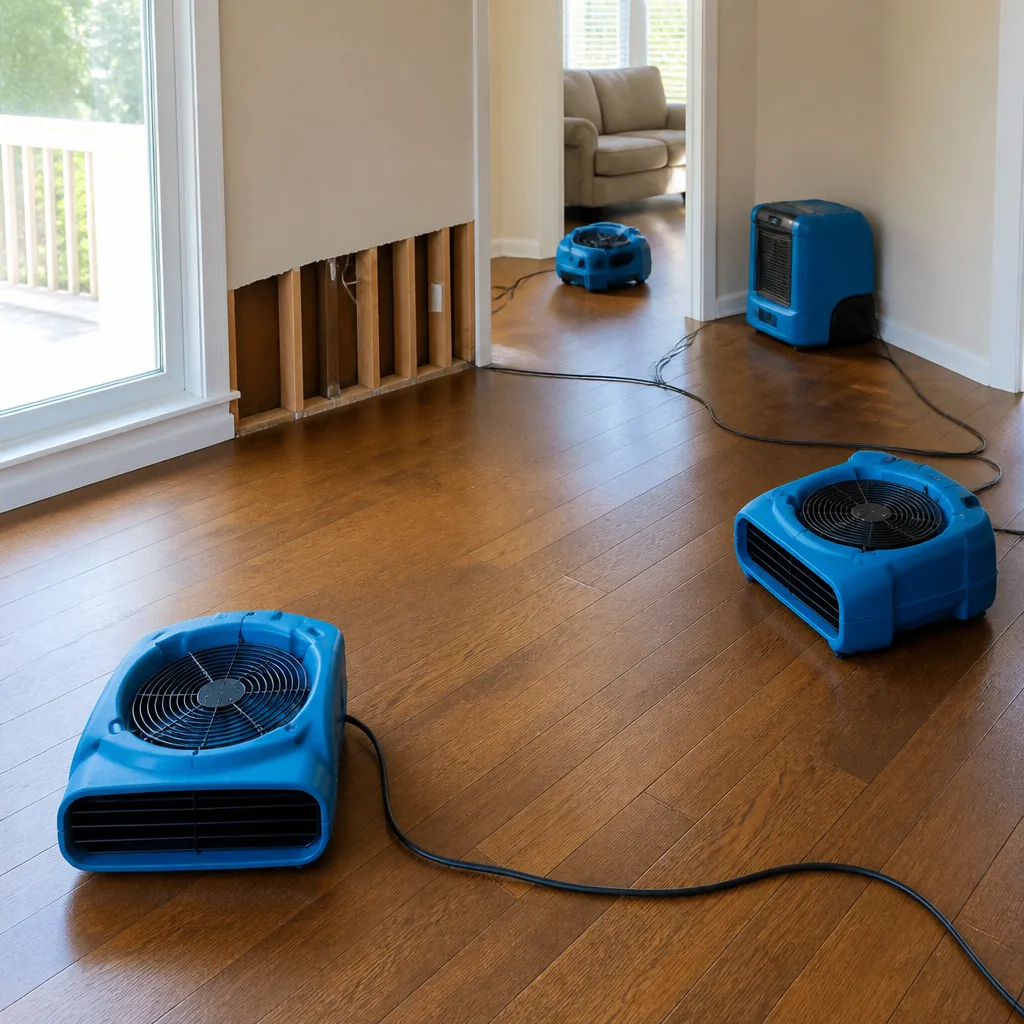
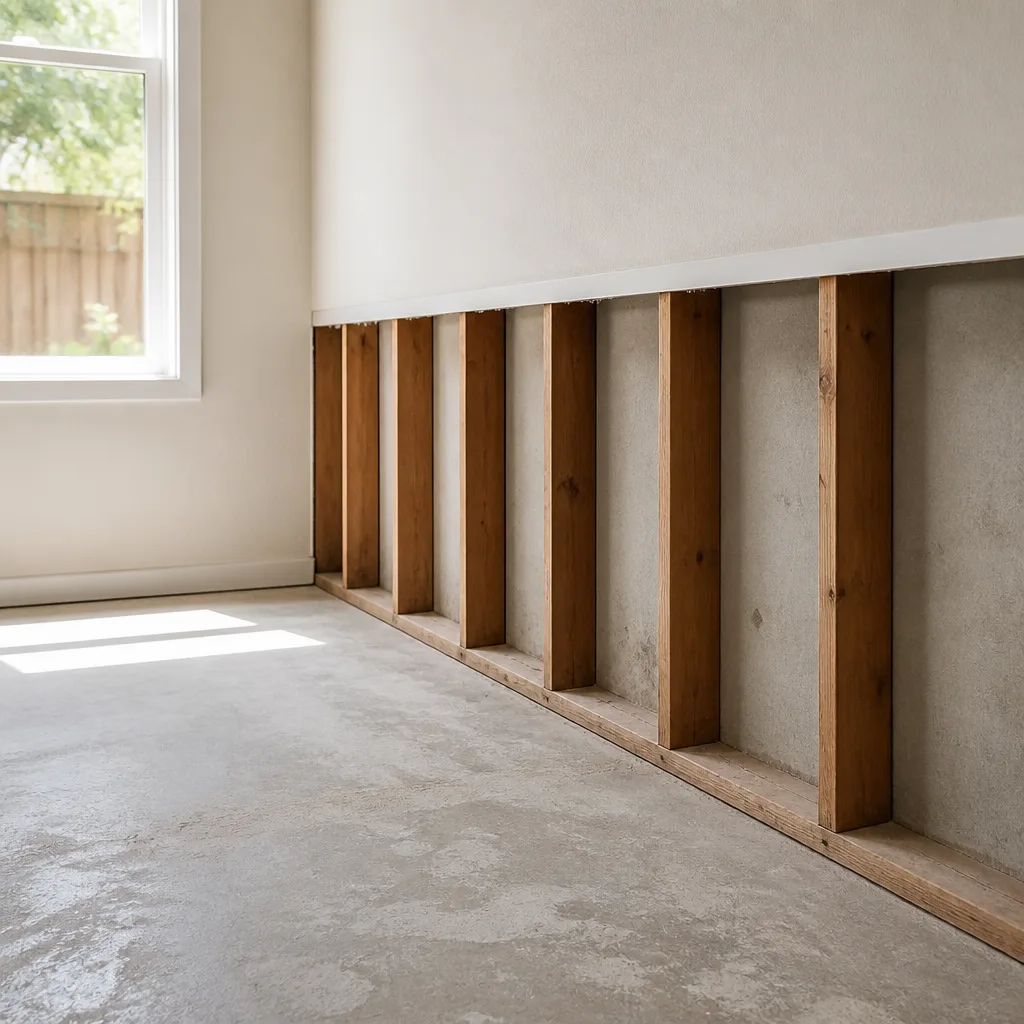
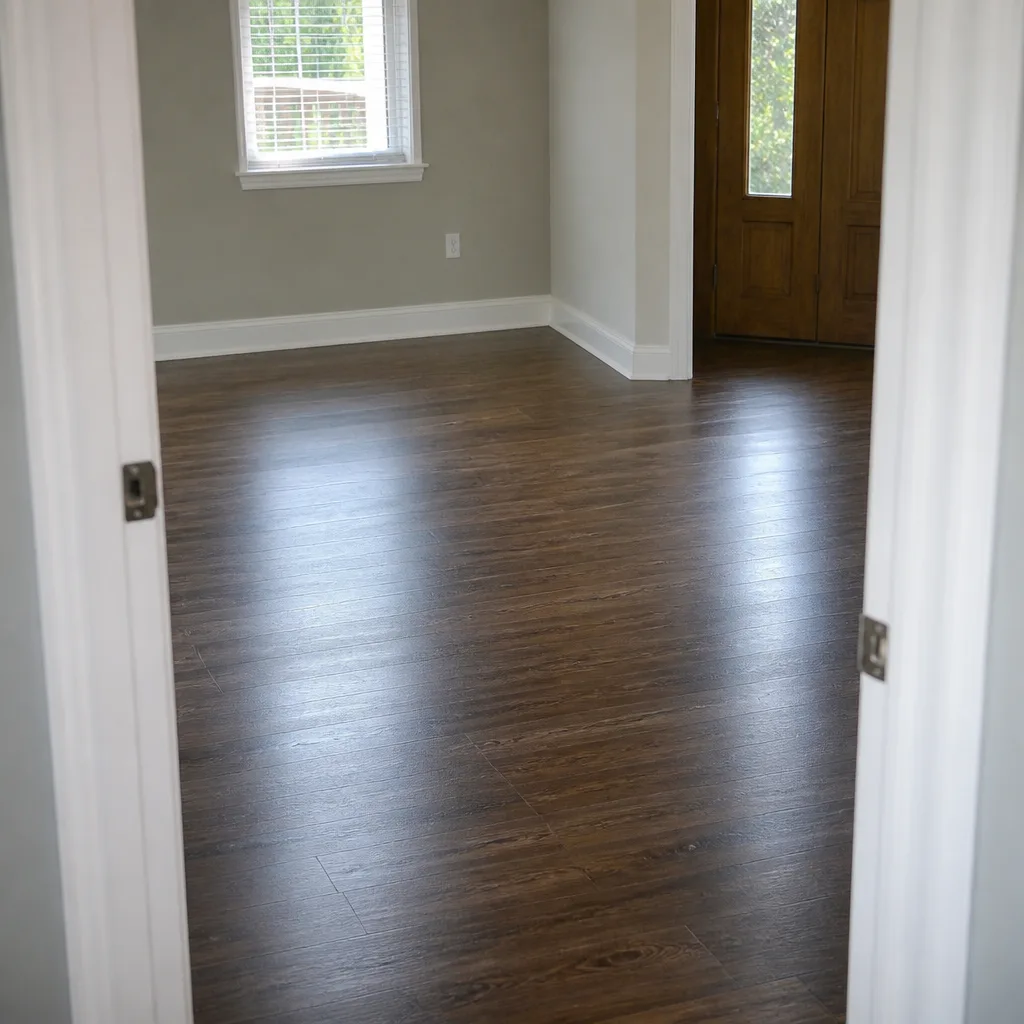
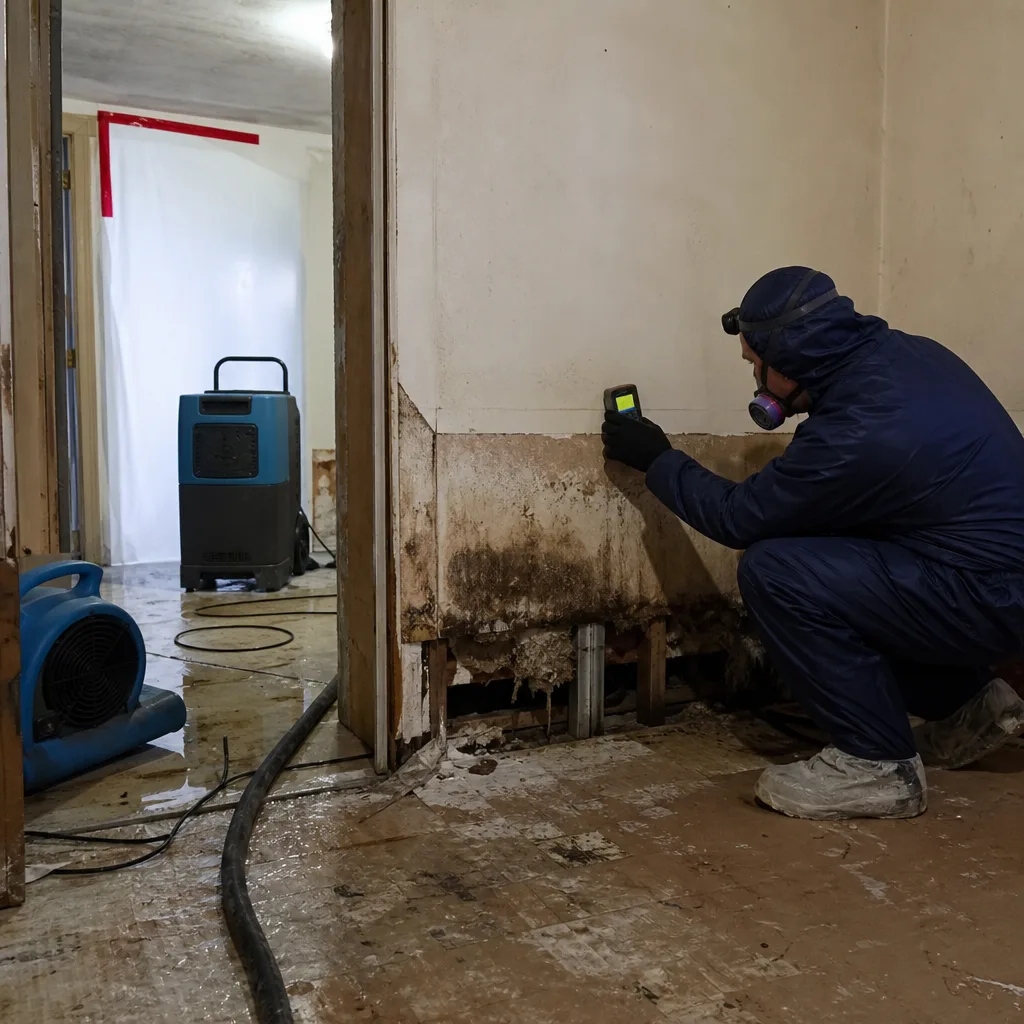 Before
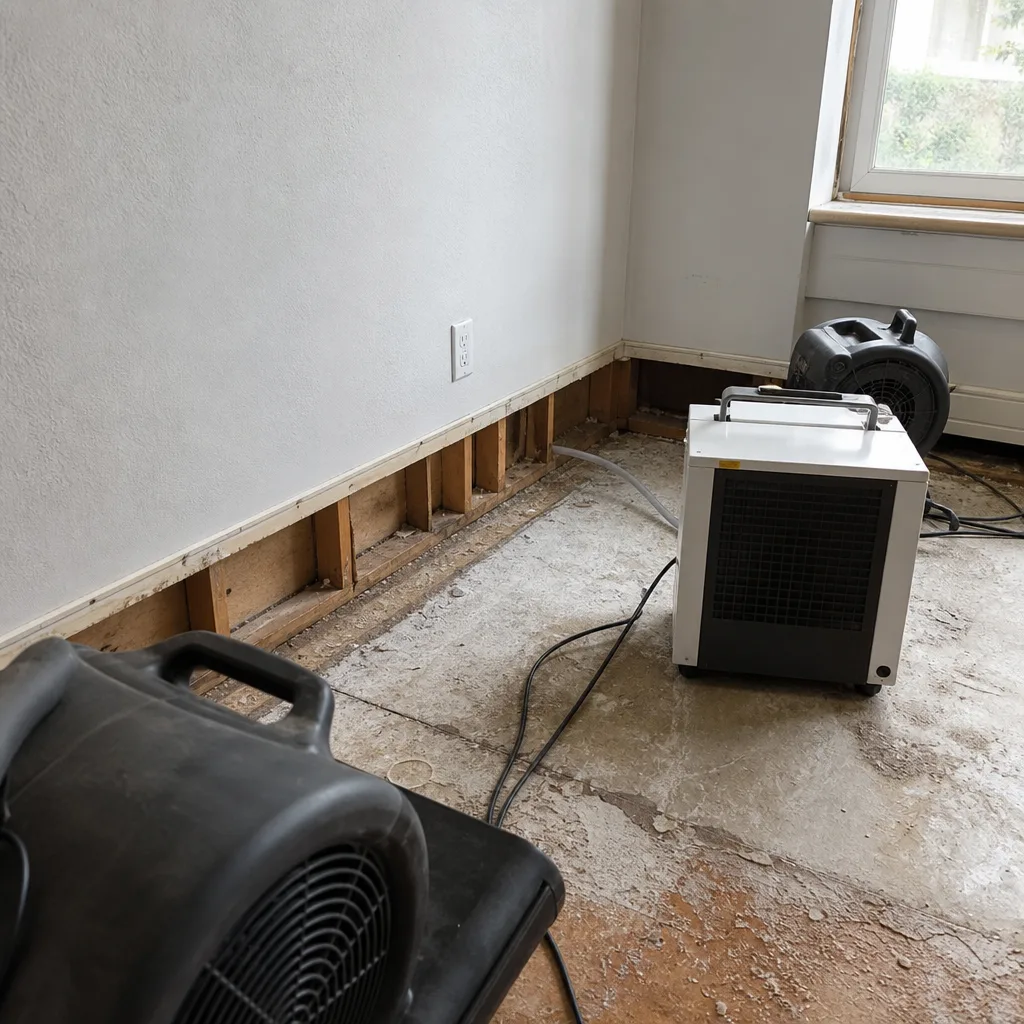 After
After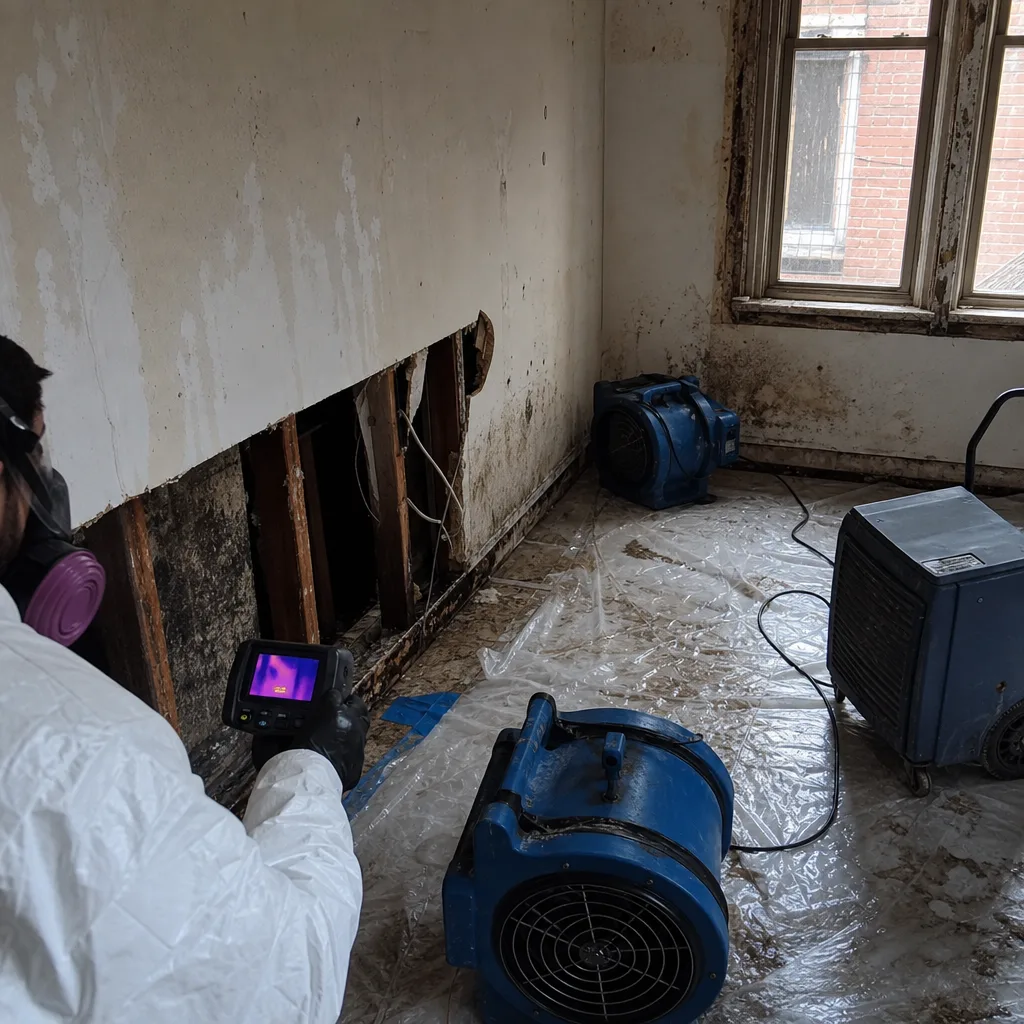 Before
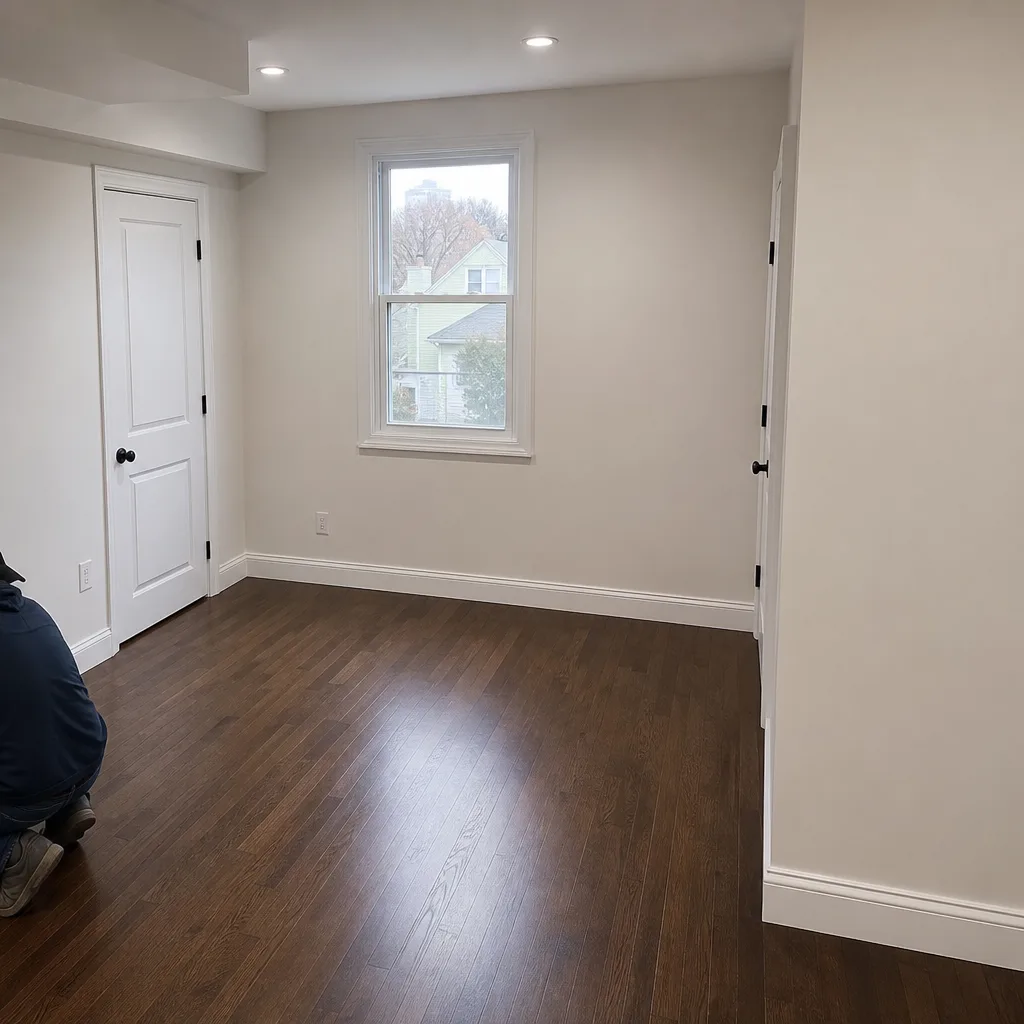 After
AfterDIY vs Professional Damage Restoration: The Astoria Homeowner’s Decision Guide
Here’s a number that surprises most homeowners we sit across from: according to the Insurance Information Institute, the average water damage claim settles for over $11,000. After the deductible, that’s real money. But the more relevant number for anyone standing in a flooded Astoria basement at 2 a.m. is this: the first 48 hours decide whether a water event ends as a cleaning job or a rebuild. The question isn’t really “Can I do this myself?” The question is “What am I carrying by trying?” In this guide, we’ll walk through exactly where DIY makes sense, where it turns a $400 dryout into a $14,000 structural repair, and how to know the difference before you pick up a mop. Astoria’s older housing stock, from the prewar brick walkups off Ditmars to the row houses along Steinway, carries its own set of risks that make this decision more acute than a generic Google search suggests.
Quick Answer
DIY restoration works for small, clean-water spills dried within 24 hours on non-porous surfaces. Professional restoration is non-negotiable for anything involving Category 2 or 3 water, porous materials (drywall, insulation, carpet pad), hidden cavities, electrical exposure, or water that has sat for more than a day. In Astoria, where basements below the floodplain and pre-1960s construction are common, calling a certified firm like Floodline Restoration Co. home before walls are opened is almost always the cheaper long-term decision.
Table of Contents
- What DIY Can Legitimately Handle
- What Professionals Do Differently (And Why It Matters)
- The Category System: Clean, Gray, Black
- The Hidden Cavity Problem: Behind Astoria’s Old Walls
- The Mold Timeline You’re On Right Now
- The Equipment Gap: What a Rental Machine Can’t Do
- Insurance, Adjusters, and Your DIY Decision
- Common Mistakes to Avoid
- When to Call a Professional
- Frequently Asked Questions
What DIY Can Legitimately Handle
Here’s the honest answer, because a restoration company that tells you everything needs a pro is not a company you should trust. Some jobs are genuinely within a careful homeowner’s reach. The line is drawn by three factors: the source of the water, the volume, and the time it’s been sitting.
Realistic DIY scenarios in Astoria:
- A supply line to a kitchen sink fails while you’re home, you shut the valve within minutes, and the spread is contained to tile or linoleum. Mop, towel, run a box fan, move on.
- A window leaks during a Nor’easter, pooling a quarter inch on a hardwood floor in the living room, and you dry it within a couple of hours. The floor may cup, but that’s a refinishing conversation, not a full restoration.
- An appliance overflows a small amount onto concrete in a basement that has a working floor drain. Push the water to the drain, ventilate, and monitor for musty odor for a week.
The common thread: the water is from a clean source (Category 1, which we’ll get to), the volume is manageable, and you reach it before it wicks into anything porous. What you’re doing in these cases isn’t restoration. It’s drying a surface. That’s fine. Surface drying is a homeowner’s job. The problem in Astoria specifically is that so many “small” spills look contained but aren’t.
If the water is anywhere near a baseboard, a finished wall, a cabinet toe-kick, or a carpeted area, the surface is already lying to you. Water moves horizontally through the gap between the floor and the bottom plate of the wall, then climbs by capillary action into drywall and insulation behind the paint. You can’t see any of that from standing in the room. By the time the baseboard swells or the paint bubbles, the cavity behind the wall has been damp for days. That’s not a mop job. That’s a structure problem wearing a surface symptom.
What Professionals Do Differently (And Why It Matters)
The difference between a restoration crew and a determined homeowner with a rented fan is not effort. We’ve met plenty of homeowners who worked harder on their basement than anyone on our crew did that week. The difference is instrumentation and sequence.
First, a professional starts with a moisture map. We take readings not just where you can see water, but in the walls, the subfloor, the ceiling plenum, and the adjacent rooms. The goal is to find the edge of the water, not the edge of the stain. Water routinely travels six to ten feet from the visible spill point along a floor joist or a wall plate. In Astoria’s attached housing stock, that travel path can include the neighbor’s side of a party wall. You can’t manage what you haven’t measured.
Second, a professional uses negative air pressure and containment, not just airflow. A box fan moves air across a surface. That’s evaporation, but it’s also a mold distribution system if fungal growth has already begun. We set up containment chambers with HEPA-filtered negative air when Category 2 or 3 water is involved, or when the water event happened more than 48 hours before we arrive. The difference matters because of what you can’t see in the air.
Third, a professional logs daily readings. We don’t declare an area dry when it “feels dry.” We declare it dry when the moisture content of the wood and drywall has returned to the dry standard for that material in that environment, documented in a log that goes to you and your carrier. That log is the thing that protects you when a contractor claims the job wasn’t done, or when an adjuster questions a line item six months later.
And fourth, a professional is accountable. The 90-Day Done Right Promise at Floodline Restoration Co. means if the dryout wasn’t actually done right, we come back and make it right, in writing, no argument. That’s not a policy; it’s the Keystone Standard our technicians work under. A homeowner who does the dryout themselves is the one arguing with their own insurer about why the wall is wet again.
The Category System: Clean, Gray, Black
Restoration comes down to a simple classification system defined by the IICRC, the Institute of Inspection, Cleaning and Restoration Certification. Most homeowners have never heard of it, but it’s the single most useful framework for knowing whether you’re dealing with a towel or a threat.
Category 1: Clean water. This comes from a broken supply line, a leaking faucet, a failed water heater tank (as long as it’s not fed by a rusted-out tank that’s been sitting), or rainwater that hasn’t touched building materials yet. It’s safe-ish for DIY if reached quickly, on a small scale. The moment it sits, or touches a dirty surface, it downgrades.
Category 2: Gray water. This is water with significant contamination: washing machine discharge, dishwasher overflow, sump pump failures, or Category 1 water that’s sat for over 48 hours and begun growing bacteria. DIY is off the table. This water carries microorganisms that get aerosolized when you spray, scrub, or even dry it with a fan. It requires antimicrobial treatment and proper PPE.
Category 3: Black water. Sewage, flooding from outside sources, water that has come into contact with feces, or any water that has been standing long enough to colonize pathogens. Black water restoration means full containment, HEPA filtration, demolition of porous materials, and decontamination. A homeowner attempting black water cleanup without training is putting their family’s respiratory health at risk. This is the category where we most often tell people, even if you never call us, call someone certified, because the exposure risk is real and it’s not a question of effort.
In Astoria, the category system interacts with the geography. The neighborhood is a floodplain in its southern sections, and coastal storm surge has reached well past 21st Street in the worst events. When the water comes up through a basement floor drain during a heavy coastal storm, that’s not clean water. It’s groundwater mixed with whatever the city’s combined sewer system was carrying. That’s Category 3, every time, no matter how clear it looks in the bucket.
The Hidden Cavity Problem: Behind Astoria’s Old Walls
Astoria’s housing stock is older than almost any buyer moving in this year realizes. According to census data, roughly two-thirds of Astoria’s residential buildings predate 1960. That means plaster and lathe over wood framing, balloon framing in the older walk-ups, uninsulated cavities, and decades of settlement gaps. When water gets behind these walls, it behaves differently than in a modern sheetrock assembly.
In a newer house, drywall is screwed to studs with a gap at the bottom, and baseboard covers the seam. Water that reaches the wall cavity can be traced, cut out, and the cavity opened for drying. In a prewar Astoria building, plaster is often keyed directly onto wood lath nailed to the studs. When water wicks up behind that plaster, it stays there longer, trapped by the density of the plaster, pressed against the lath. The lime in old plaster is hygroscopic, meaning it holds onto moisture longer than gypsum board. By the time the wall feels damp to the touch from inside the room, the lath and studs behind it have been wet in the dark for a week or more.
That’s a mold factory, not a dryout.
The party wall case is even more particular. In attached row houses and multi-family buildings along streets like 23rd Avenue and 31st Street, the wall you share with your neighbor is not a sealed assembly. It’s a structural boundary built before modern fire codes, with gaps, chases, and shared floor joists in some buildings. A roof leak or a burst pipe in a third-floor unit can drain down through the party wall into your second-floor bedroom without ever showing a stain in the unit where the leak started. We’ve found active water migration through a concrete block party wall where the homeowner had no idea anything was wrong until the paint started peeling on the ceiling.
None of this is visible to a homeowner with a flashlight. It requires moisture meters, and not the $40 pin meters from the hardware store, but calibrated, professional-grade tools that measure wood moisture equivalent at specific depths. This is the point where a $400 estimate becomes a $4,000 save, because finding the water before it rots the sole plate is the difference between a dryout and a structural repair.
The Mold Timeline You’re On Right Now
Mold grows fast, and the timeline is not a matter of opinion. Spores are everywhere. The limiting factor is moisture. Given a porous surface, a food source (drywall paper, wood, dust), and water, mold germination begins within 24 to 48 hours and visible colonization within 72 to 96 hours in warm conditions. Astoria’s summer humidity, where the July average relative humidity sits around 65%, makes the timeline even shorter because the ambient air is pulling fungal growth forward even before the standing water is addressed.
What this means for the DIY decision:
- Hour 1-12: Water has soaked into porous materials. The visible surface is wet. Mold has probably not started. You have time to extract and dry. This is the only stage where DIY on a moderate clean spill is defensible.
- Hour 13-24: The back side of the drywall, the carpet pad, the insulation, all of it is saturated. Fungal spores are activating. If you haven’t removed the porous materials, you’re now drying a contaminated medium. Rent extraction equipment, not just fans.
- Hour 25-48: Mold is germinating in the warm, wet, dark cavities behind walls and under flooring. The air in the room is picking up mycelial fragments. If someone in the house has asthma, allergies, or a compromised immune system, the health risk begins now, not later.
- Hour 49-96: Visible mold is likely. The smell is present, even if subtle. The job has become remediation, not drying. Demolition is required in most porous materials.
- Past 96 hours: Structural materials are at risk. Wood floor joists can remain wet long enough to support fungal rot and warping. The cost of restoration has moved from drying to full reconstruction.
The practical takeaway for an Astoria homeowner: if the water hit on a Wednesday and you’re still thinking about it on Saturday, you’re not thinking about drying anymore. You’re thinking about demolition. The sooner you decide who’s doing the work, the smaller the job is. That’s not a sales line. It’s a material fact of mold biology.
The Equipment Gap: What a Rental Machine Can’t Do
Home Depot and similar rental counters in Queens will rent you a dehumidifier and an air mover for roughly $40 to $80 a day. On the face of it, that seems like the sensible middle path between a mop and a professional crew. Here’s what the rental counter doesn’t tell you.
A rental dehumidifier is typically a 40- to 50-pint residential unit. A professional restoration dehumidifier, like the Dri-Eaz Evolution or a Phoenix model, moves 150 to 300 pints a day. The difference isn’t minor. A residential unit in a saturated basement can run for a week and still not reach the dry standard, while the ambient moisture in the room keeps the wall cavities above the germination threshold. Time is the killer, and a rental machine buys you time, not a dryout.
Air movement matters too. A professional setup uses multiple high-velocity air movers positioned to create a vortex that scrubs the surface and accelerates evaporation evenly. A single rental fan pointed at the wet spot is better than nothing, but it leaves dead zones in the corners, under the cabinets, inside the closet. Those dead zones are where mold starts after the rest of the room looks dry.
The most important piece of equipment, though, is not the machines. It’s the moisture meter and the knowledge to read it. We do not guess. We take readings, set a dry standard, place equipment based on the readings, log daily, and adjust placement as the map changes. A rental company will never hand you a moisture meter. If they did, you’d need the training to know what the number means for drywall versus oak flooring versus pine studs. The equipment is the easy part. The read-and-respond discipline is the job.
Floodline Restoration Co. uses Dri-Eaz, Phoenix, XPOWER, B-Air, and Injectidry equipment on every job, not because the brand names matter, but because we know what each machine does to the moisture map at each stage of the dryout. Injectidry systems, for example, are used to dry inside closed wall cavities by pulling air through the cavity without tearing open the plaster. That’s a technique that saves Astoria’s older homes from unnecessary demolition. No rental counter can replicate it because no rental counter is designed to handle a closed-cavity dryout in a 1920s walkup.
Insurance, Adjusters, and Your DIY Decision
Here’s a thing most homeowners don’t know until they’re in it: if you DIY a water damage cleanup and then file an insurance claim, you may have already sabotaged your own claim. The carrier’s adjuster has a job to do. That job is to verify that the damage is covered and the scope is complete. If you’ve thrown away the wet carpet pad before the adjuster sees it, or you’ve opened the walls yourself, or you no longer have the ruins of the failed appliance, you’ve removed the evidence the adjuster needs to authorize the repair. You can end up with a denied claim or a reduced payout, not because the damage wasn’t covered, but because the documentation no longer exists.
That’s one side of the insurance problem. The other side is the scope itself. A professional restoration company documents every step: the initial extraction, the pre-existing condition, the moisture readings, the demolition, the drying log, the final dry standard. That documentation goes to your carrier directly. Floodline Restoration Co. bills the carrier directly on covered claims, so you’re never in the middle, holding a contractor’s invoice while negotiating with an adjuster who’s never been to your house. You’re not the messenger. That matters in Astoria, where many of the serious water events in attached buildings are subject to co-op or condo insurance entanglement with neighboring units.
If you’re considering DIY specifically to avoid an insurance premium hike, that’s a reasonable instinct, and sometimes it’s the right call for a small, clean Category 1 spill under a few hundred dollars. But if the event is large enough that you’re wondering whether to file a claim, it’s large enough that a botched dryout will cost more than any premium increase. The expensive mistake is not the claim. It’s the uncovered mold remediation six months later that no carrier will touch because the first loss was never properly dried, and now it’s a maintenance issue, not a covered peril.
Common Mistakes to Avoid
- Waiting to “see if it dries on its own.” It won’t. In Astoria’s humid summers, a saturated wall cavity can stay above the mold threshold for weeks. Every day of waiting moves the job one day closer to demolition and one day farther from what a cleanup would have cost.
- Using a household wet/dry vac on standing sewage water. A Shop-Vac is not rated for Category 3 water. The filter doesn’t stop pathogens from aerosolizing into the air you’re breathing. You’re turning a contained mess into a respiratory hazard. Not worth it, ever.
- Pulling up the carpet but leaving the pad. The pad is the layer that holds water like a sponge. If you don’t remove and dispose of it immediately after a significant water event, the carpet on top can dry and look fine while the pad below is growing mold against the subfloor.
- Patching drywall over a damp cavity. We see this in Astoria flips every week. Someone opens the wall, it looks damp, they run a fan for two days, patch and paint. The mold was never addressed, the cavity was never dried to standard, and the next owner inherits a problem that’s now sealed inside the wall.
- Using bleach on mold. Bleach kills surface mold on non-porous surfaces but does not penetrate porous materials like drywall or wood. Worse, bleach is mostly water, so the remaining moisture feeds the surviving mold deeper in the material. You’re making it worse while feeling productive.
- Assuming the neighbor’s leak is the neighbor’s problem. In attached Astoria buildings, water doesn’t respect property lines. A leak in the unit above can damage your ceiling, your walls, your flooring, and your contents. Your claim may be against the neighbor’s policy, but your dryout is still yours to manage, and delay worsens your claim position.
When to Call a Professional
Call when the water is gray or black. Call when the water has touched drywall, insulation, carpet pad, baseboards, or the inside of a wall. Call when it’s been more than 24 hours since the event. Call when the power is off and there’s standing water near outlets or the panel. Call when the smell has turned musty, because that means you’re already past drying and into remediation. Call when the water came in through the basement during a storm, because that’s a Category 3 event even if it looks clear. And call when your insurer asks for documentation you don’t know how to produce. Floodline Restoration Co. offers free estimates in Astoria, answers the phone with a live person at any hour, and can usually have a certified crew on site the same day you call. Reach us at (518) 800-3751.
Frequently Asked Questions
Professional water damage restoration in Astoria typically runs between $1,800 and $4,500 for a moderate single-room Category 1 or 2 event, with larger basement flood cleanups ranging from $4,000 to $12,000 depending on the square footage, the water category, and whether demolition is required. Call (518) 800-3751 for a free, no-pressure estimate from Floodline Restoration Co., and we’ll give you a written scope before any work starts.
You can attempt it, but a storm-driven basement flood in Astoria is usually Category 3 water because the water came from groundwater, which has been in contact with the city’s sewer system, not a clean source. At minimum, you’d need to remove all porous materials, run professional-grade dehumidification for days, and verify a dry standard with a moisture meter. The safer and often cheaper route is to call (518) 800-3751 for an assessment before the water soaks deeper into the structure.
In most cases, sudden and accidental water damage from a burst pipe or an appliance failure is covered, while gradual leaks, flooding from exterior groundwater, or unresolved maintenance issues are often excluded. Astoria homeowners in the floodplain may need separate flood insurance through the NFIP. Floodline Restoration Co. bills your carrier directly and provides photo documentation and adjuster coordination, so you never have to be the go-between.
Floodline Restoration Co. answers the phone live 24/7, and most jobs in Astoria see a crew on site the same day. The goal is extraction running the same visit whenever possible. Call (518) 800-3751 the moment you see water, and we’ll tell you exactly when a truck will be there.
It depends on the water category, the materials affected, and the time elapsed. A small, clean water spill on tile that was dried within hours may only need a cleaning. Water that has soaked drywall, carpet pad, or insulation for more than 48 hours needs porous material removal and proper drying, not surface cleaning. We’ll tell you which situation you have, with readings to back it up, before we do anything.
Mold can return if the moisture source isn’t fully resolved. Professional remediation includes finding the source of the moisture, drying the structure to the dry standard, removing contaminated materials, and treating the affected areas. The 90-Day Done Right Promise means if the job wasn’t done right, we come back. To ask about a specific situation in Astoria, call (518) 800-3751.
The Bottom Line
DIY restoration is a legitimate choice for small, clean, fast-reached water events on non-porous surfaces. Everything past that line carries hidden costs in the form of concealed mold, structural rot, insurance claim complications, and your own time spent fighting a problem that compounds by the hour. In Astoria’s older homes, the line moves earlier and the risks run deeper. A professional crew with the right equipment, daily moisture logs, and a written guarantee is not an upsell; it’s the cheaper protection against a future you’ll otherwise pay for twice. Speed matters. The clock started when the water landed. Call (518) 800-3751 and we’ll take it from there.
Written by Curt Bowman, Owner at Floodline Restoration Co., serving Astoria since 2010.