
Last updated August 25, 2026
Free visual inspection and a written scope of work before any mitigation begins - photos, moisture readings, and drying logs go in your claim file
The scope we write is the scope we bill. Anything new gets shown to you, in writing, before we touch it.
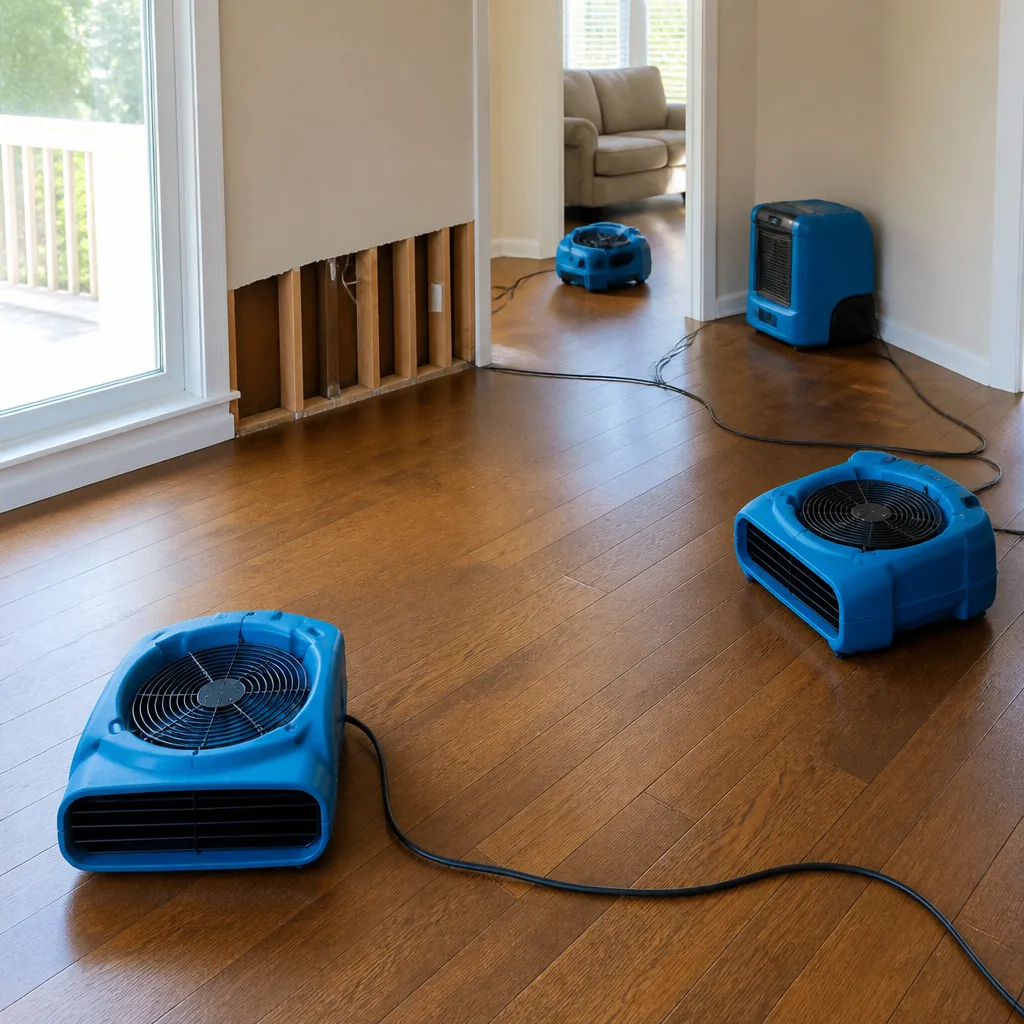
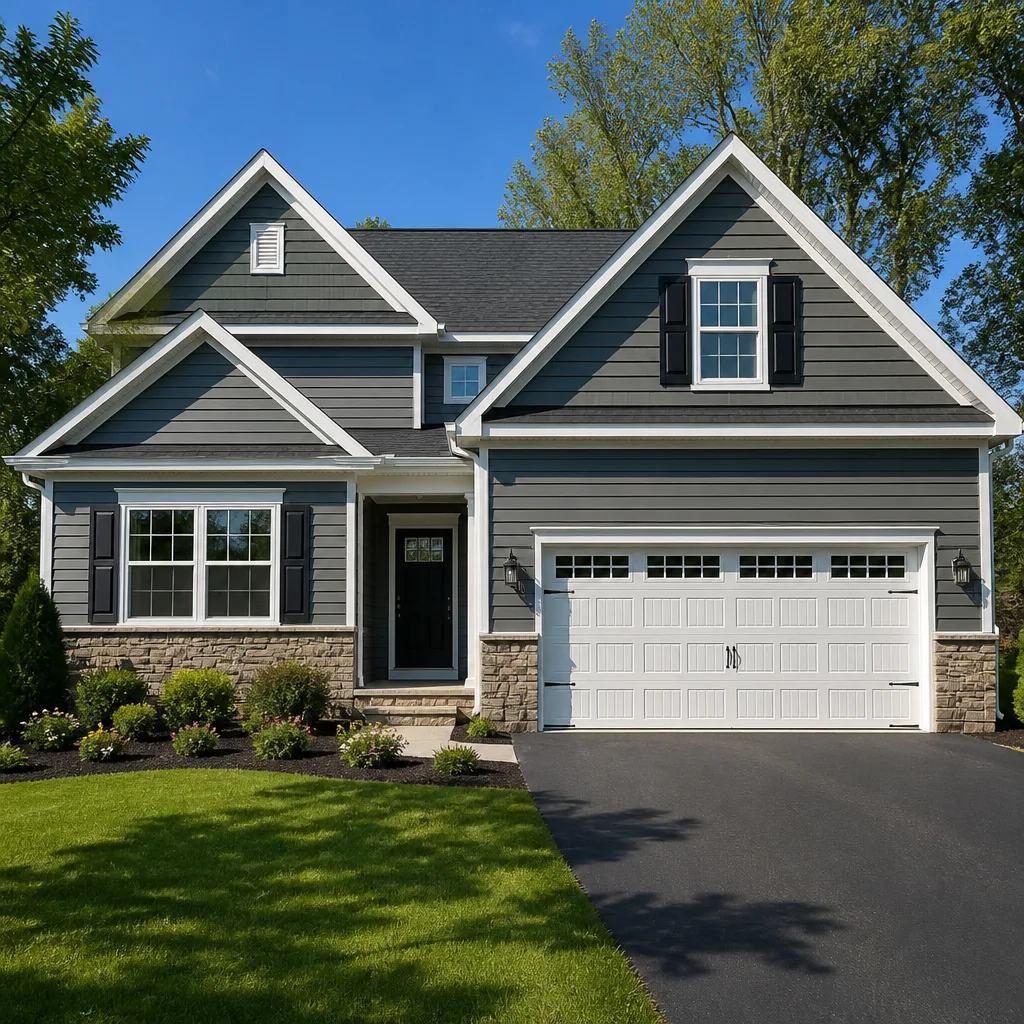
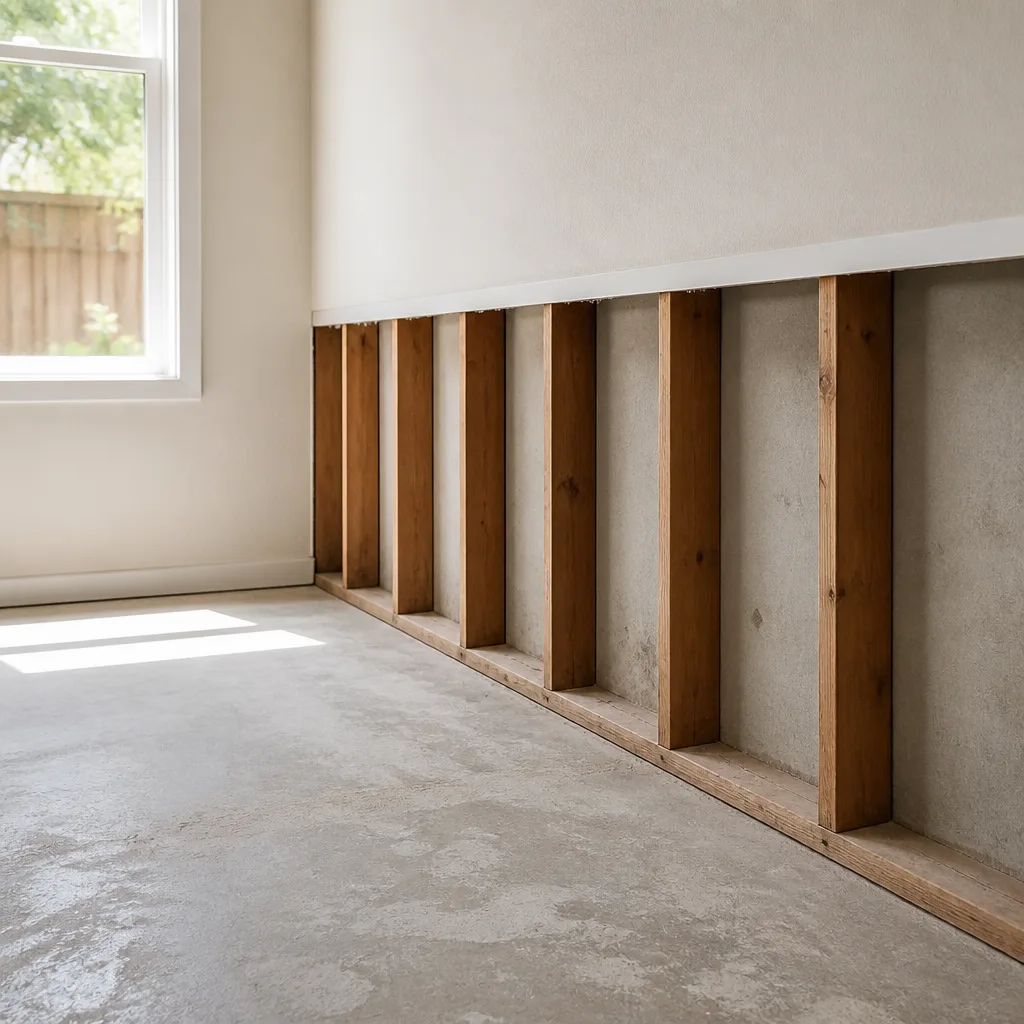
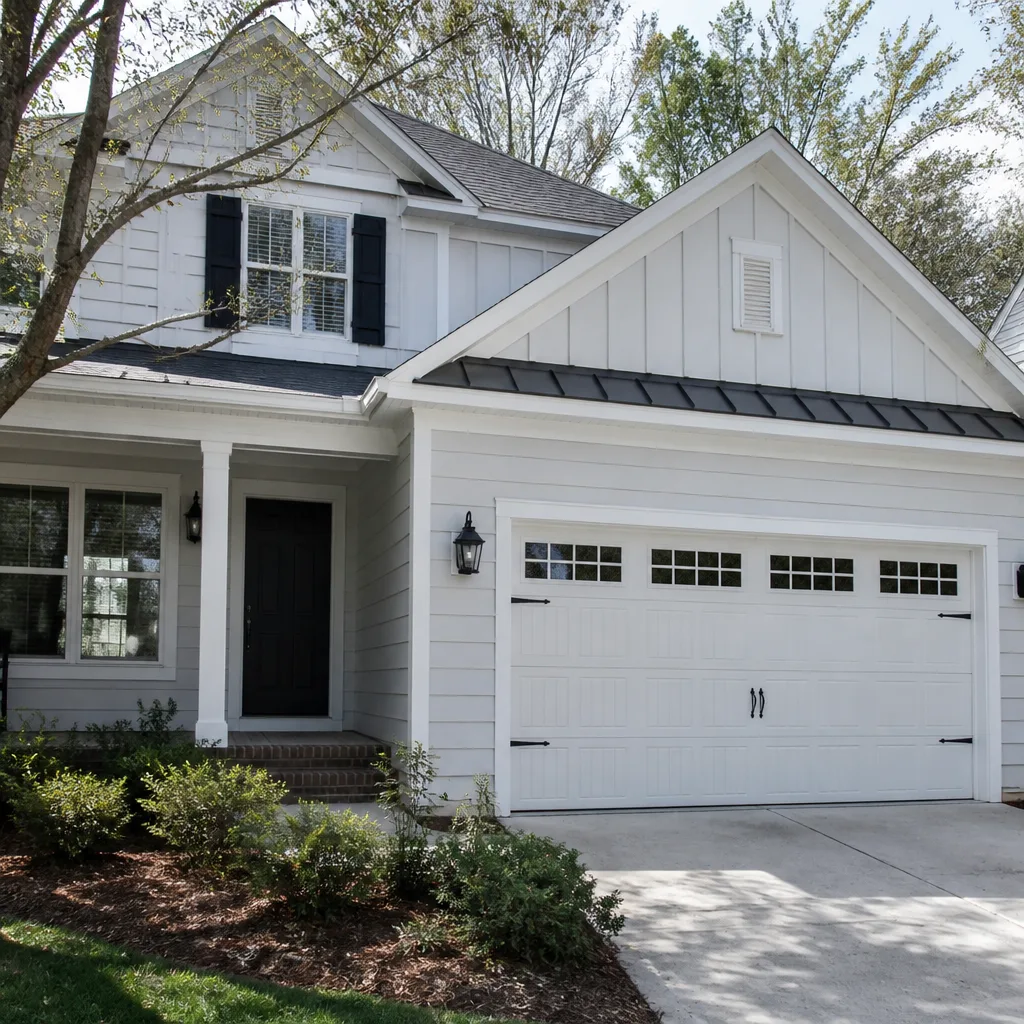
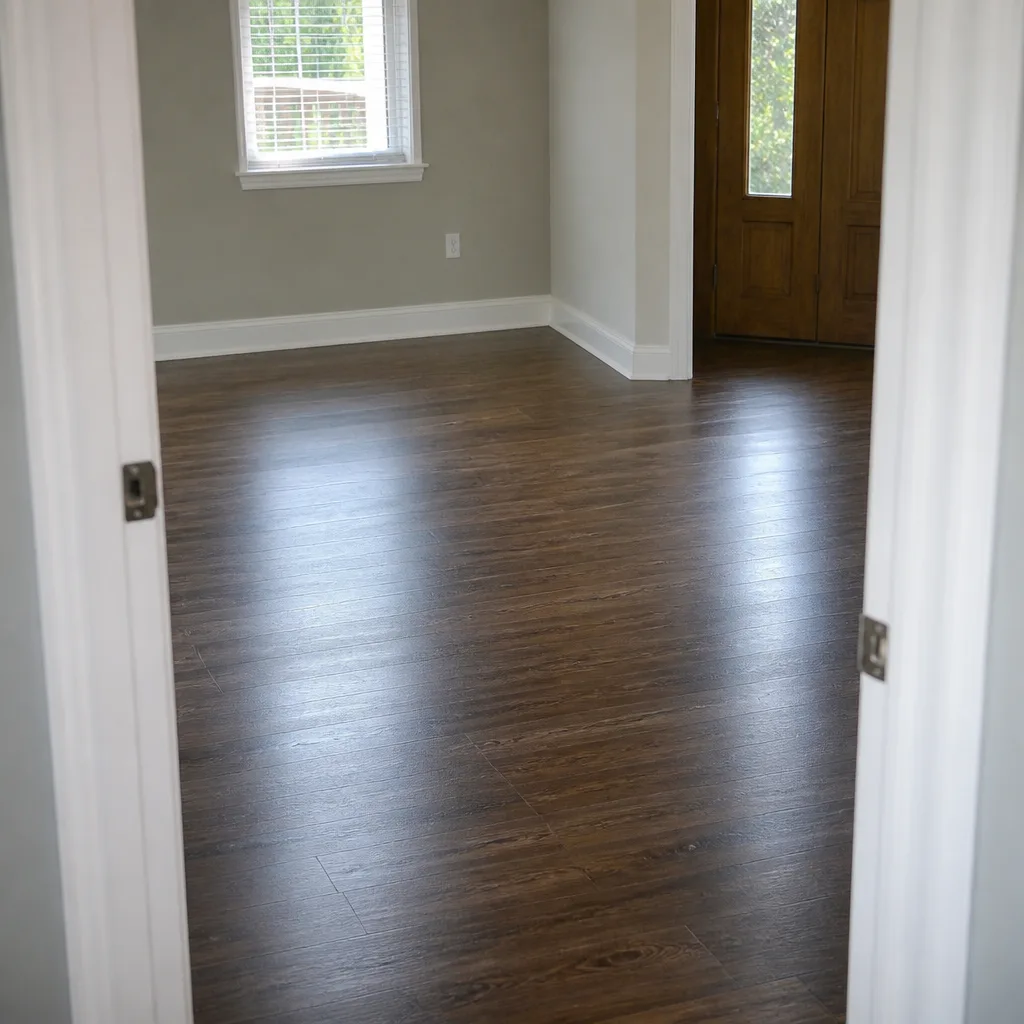

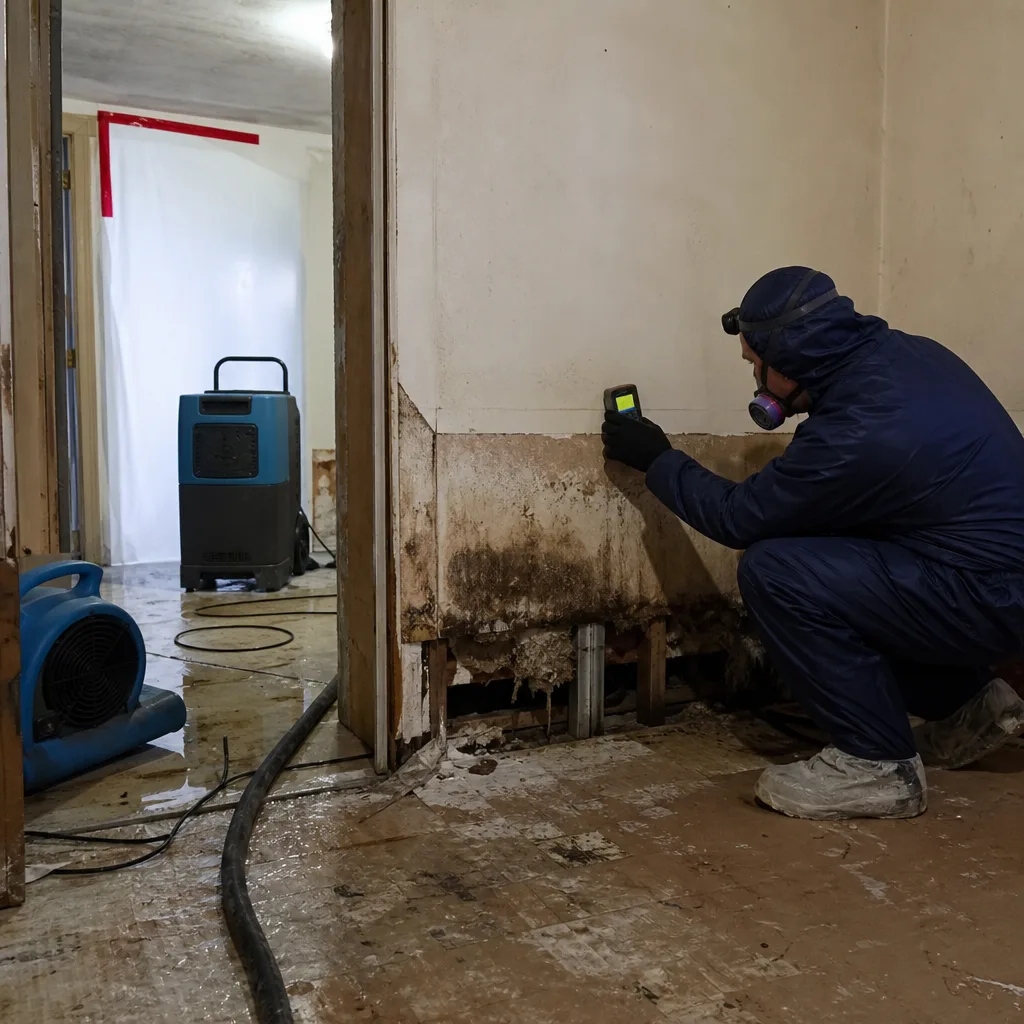 Before
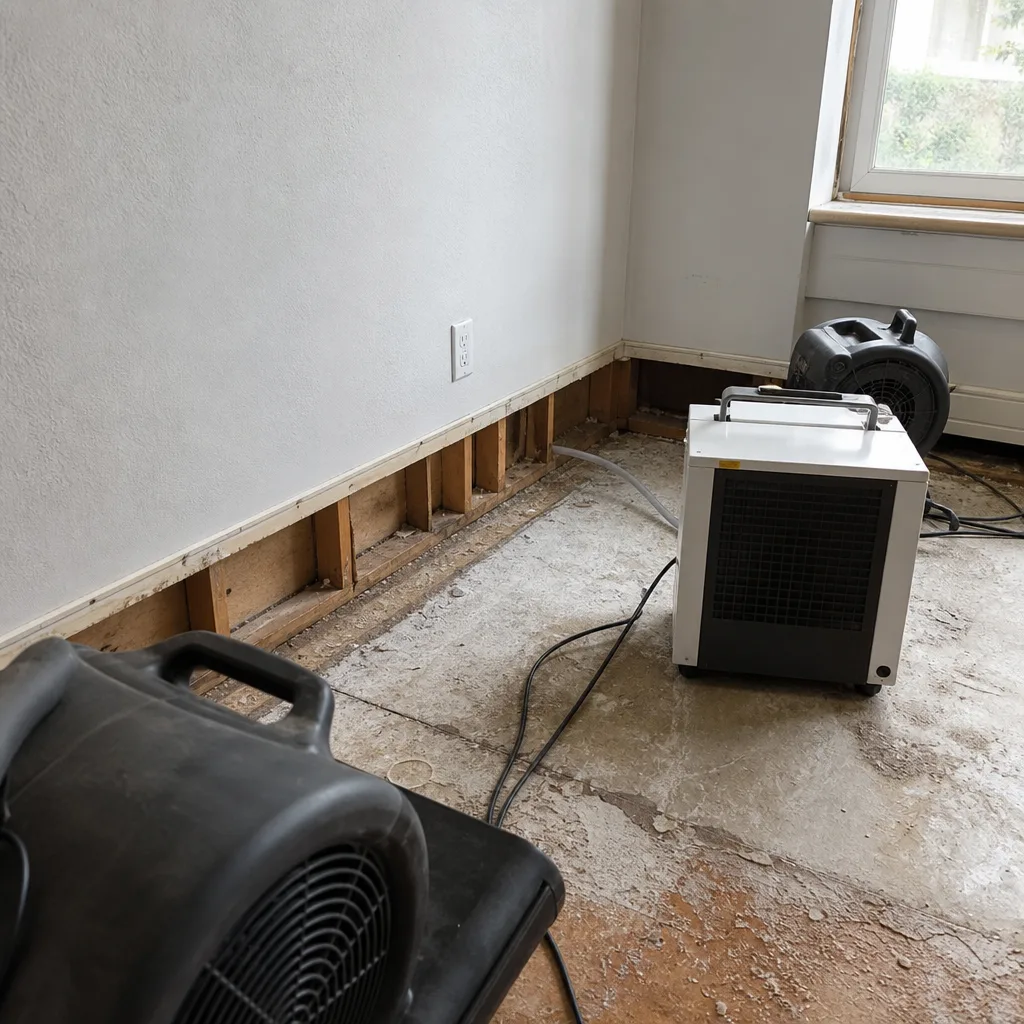 After
After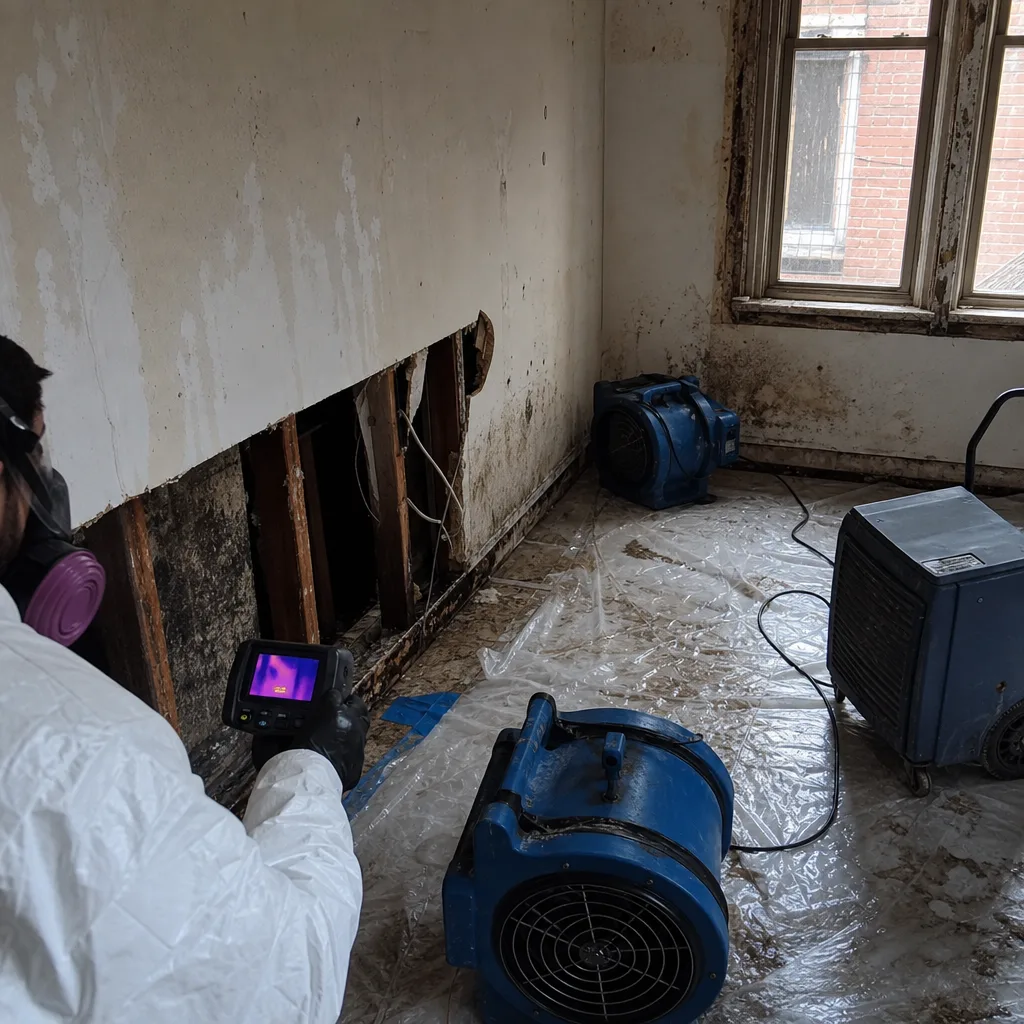 Before
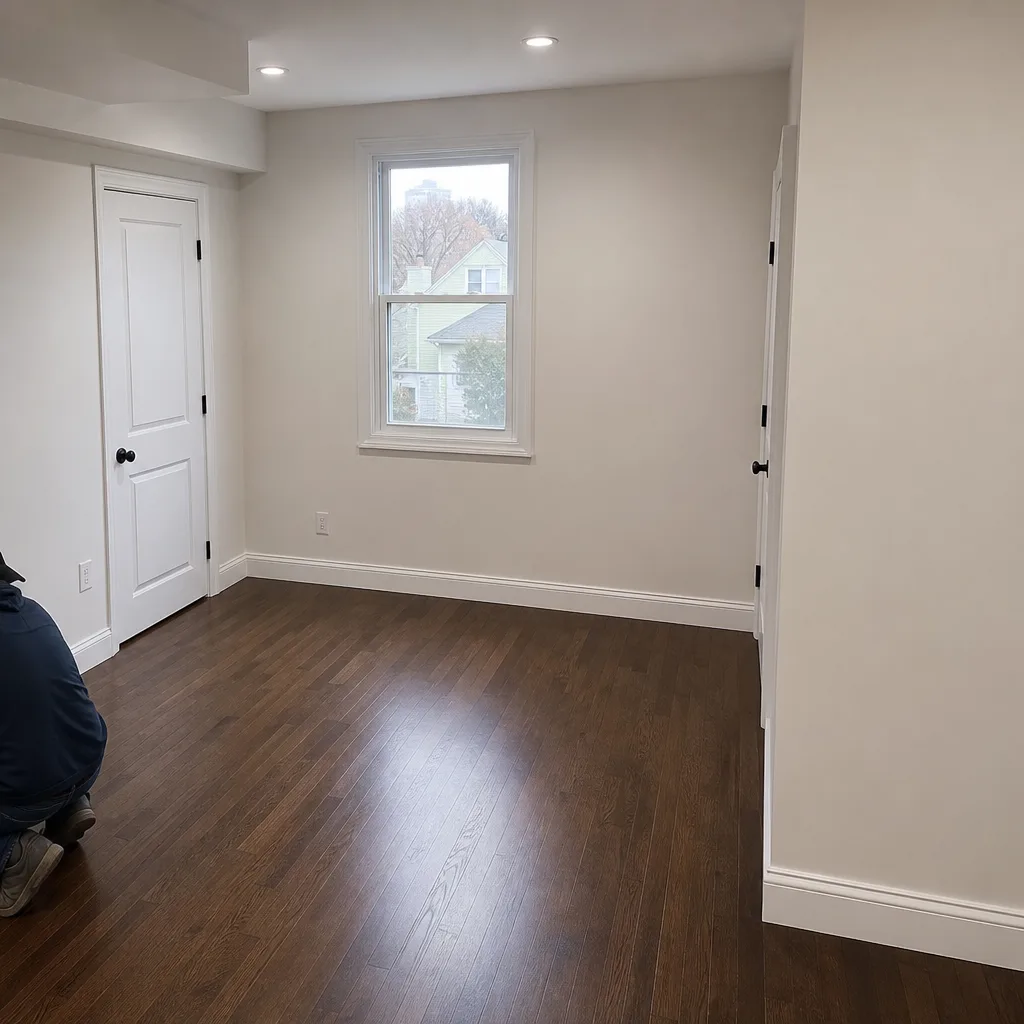 After
AfterHow to Hire a Damage Restoration Contractor in Astoria: A Step-by-Step Guide
Roughly one in fifty insured homes files a water damage claim each year, and in Astoria the odds climb higher than most of Queens. Prewar plumbing, basement-level mechanicals, and coastal storm exposure mean a slow leak behind a lath-and-plaster wall can go unnoticed for months before the ceiling gives way on a Tuesday night. Hiring a restoration contractor in the middle of that scramble is exactly when good money gets spent twice. This guide walks you through the hiring process step by step, written from the ground up by a company that has worked Astoria basements, kitchens, and brownstones since 2010. You will learn what to ask before you sign, what the estimate should actually show, how insurance billing should work, and which red flags walk out the door when the next one walks in.
Quick Answer
Hire a damage restoration contractor in Astoria by confirming they are licensed and insured, checking their local track record, getting a written scope of work and moisture log, verifying they bill insurance carriers directly, and insisting on a written workmanship guarantee before any crew enters your home. The safest model is a full-cycle company that handles extraction, drying, and rebuild under one roof, so you never play messenger between a mitigation crew and a separate contractor. Floodline Restoration Co. has served Astoria since 2010 with a live dispatcher 24/7 and a written 90-Day Done Right Promise on every job.
Table of Contents
- Step One: Verify License, Insurance, and Local Standing
- Step Two: Understand the True Scope of the Damage Before You Sign
- Step Three: Ask How Equipment and Drying Get Measured
- Step Four: Get the Written Scope and the Written Guarantee
- Step Five: Know How Insurance Billing Actually Works
- Step Six: Ask Who Shows Up at the Door and Who Finishes the Job
- Common Mistakes to Avoid
- When to Call a Professional
- Frequently Asked Questions
Step One: Verify License, Insurance, and Local Standing
Start before the panic sets in. The first phone call you make after discovering water across a finished Astoria basement rarely happens in a calm frame of mind, which is precisely why this step matters most. Ask the contractor for their New York State license number and their certificate of insurance. Any legitimate firm sends both without hesitation. Floodline Restoration Co. does this on every estimate because the homeowner should know exactly who is standing in their kitchen at two in the morning.
Insurance needs to cover general liability and workers’ compensation. If a technician gets injured in your home and the company carries no workers’ comp, your homeowners policy can be pulled into the claim. That is a risk no Astoria homeowner should carry. Ask for the certificate, call the carrier to confirm it is active, and check that the name on the policy matches the name on the contract.
Local standing matters in a dense borough. A contractor who has worked in Astoria understands prewar construction, steam risers, radiator lines, and the particular way water moves between attached row houses. You want a firm that has been through the 2012 Sandy response and the 2021 Ida basement flooding, because that local memory changes how a crew sets up drying in a shared party wall. Curt Bowman founded Floodline Restoration Co. in 2010 with that exact focus: a dispatch board, not a sales desk, and a crew that knows the neighborhood because they work it every week.
Step Two: Understand the True Scope of the Damage Before You Sign
The fastest way to overspend on restoration is to sign an open-ended work authorization before the scope is clear. That is how a small leak becomes a six-week project with change orders the adjuster never approved. A careful contractor walks the entire affected area, documents what is wet and what is dry, and hands you a written plan before any work begins.
In Astoria, that walkthrough should include the basement slab, the joist bays above, the wall cavities behind the baseboards, and the subfloor under any finished space. Water runs downhill and sideways. The stain on the ceiling tells you where the water pooled, not where it entered. A contractor who offers a price after glancing at the visible damage is guessing. You are paying for the guess.
Here is what a legitimate scope includes:
- Affected square footage of flooring, drywall, and ceilings, measured and written down.
- Materials to be removed versus materials to be dried in place. Not everything gets torn out. A good contractor saves what can be saved.
- Drying goal stated as a target moisture content, not a vague “dry to satisfaction.” The IICRC sets dry standards. Ask which standard the crew uses.
- Rebuild scope if demolition exposes framing, insulation, or wiring that needs replacement.
- Estimated timeline broken into phases: mitigation, drying, rebuild.
Write this down: never sign a work authorization that says “additional work as needed” with no cap and no written amendment process. A written scope agreed before work starts is the floor under your feet for the whole project. Floodline Restoration Co. operates this way on every job in Astoria because a 90-Day Done Right Promise means nothing if the original scope was never clear.
Step Three: Ask How Equipment and Drying Get Measured
Drying is not a vibe. It is a measured process, and the equipment choices and daily readings are the proof the job was done right. Ask the contractor what equipment they will place, where they will place it, and how they will know when the structure is dry.
Professional-grade equipment makes a measurable difference. We run Dri-Eaz dehumidifiers, Phoenix air movers, XPOWER fans, B-Air scrubbers, and Injectidry systems for hard-to-reach cavities and under hardwood floors. The brand names matter because the output specs matter. A consumer dehumidifier from the hardware store pulls a fraction of the water per day that a commercial unit pulls. In a humid Astoria summer, that gap decides whether your joists dry in four days or grow mold in four weeks.
The same crew that reads the moisture map on day one should handle daily readings until the dry standard is met. That continuity is not a luxury. It is how a firm knows whether the drying plan is working or needs adjustment. You should receive a moisture log showing:
- Initial moisture content of affected materials.
- Daily readings from each drying chamber.
- Ambient temperature and relative humidity.
- Target dry standard for each material.
- Date the standard was met.
That log goes to you and to your insurance carrier. It is the evidence both need. A contractor who refuses to share daily readings or says “trust us, it’s dry” is asking you to bet your home’s health on a hunch.
Step Four: Get the Written Scope and the Written Guarantee
Two pieces of paper should be in your hand before any work begins: the written scope of work and the written guarantee. Not a verbal promise. Not an email that says “we’ll take care of it.” Paper, with a signature, with terms you can read at the kitchen table.
The written scope is the living document for the job. It lists what gets removed, what gets dried, what gets rebuilt, and what each phase costs. If the scope changes, the change goes into writing before the work changes. That protects you from a common pattern in this trade: a crew shows up, finds “more damage than expected,” and the invoice grows by thirty percent without your approval.
Ask for the guarantee before you sign, not after. At Floodline Restoration Co., every job is backed by the 90-Day Done Right Promise, known internally as the Keystone Standard. It is a written, no-argument guarantee tied to our K.E.Y.S. values code: Krafted right, Every time, Your home first, Standing behind it. If the work is not done right, we make it right. No paperwork battles. No arguing. The same crew that finished the job returns to fix it.
Any contractor who hesitates to put a workmanship guarantee in writing is telling you something about how they handle callback calls. Listen to that.
Step Five: Know How Insurance Billing Actually Works
Most Astoria homeowners will file a claim for water or fire damage. The question is who deals with the carrier. Some restoration companies make you the messenger: you collect the estimate, you call the adjuster, you forward the photos, you chase the check. That is a part-time job you did not apply for.
Ask the contractor if they bill insurance carriers directly. The answer should be yes. Floodline Restoration Co. bills the carrier directly and documents the claim with photos, moisture logs, and a clear written scope, so you are never playing courier between the crew and the adjuster. This matters most during a large loss, when the adjuster has forty open claims and yours is number forty-one. A restoration firm that knows how to present a claim in carrier language gets faster approval and fewer disputes.
A related question: does the contractor coordinate with your adjuster on supplement approvals? When a wall gets opened and the framing behind it is water-damaged, that work was not in the original claim. The contractor must document the new damage and submit a supplement. If the company does not handle supplements, you will be the one writing emails at 10 p.m. Ask this before you sign, not after the wall is open.
Step Six: Ask Who Shows Up at the Door and Who Finishes the Job
Many restoration companies split the work: one crew does water extraction and demolition, a different subcontractor does drying, and a third company does the rebuild. Each handoff means new faces, new explanations, and a gap where no one owns the whole job. That split is the single biggest source of homeowner frustration in this trade.
Ask two questions: who shows up at the door, and who finishes the job. Floodline Restoration Co. sends background-checked, uniformed technicians, trained to IICRC, RIA, and IFA standards. The same company that starts at the floodline, the honest mark the water left on the wall, handles extraction, drying, and rebuild under one roof. No mid-job handoff. No inherited crew. No phone call to a third company about a baseboard that was never replaced.
In Astoria, this full-cycle model matters more than in a quiet suburb. A basement flood on 31st Street touches your neighbor’s foundation wall. A fire on Ditmars Boulevard means the building department, the insurance carrier, and a stack of permits. The fewer companies in the middle of that, the faster the job closes and the cleaner the paper trail.
Common Mistakes to Avoid
- Hiring the first truck that shows up. Storm chasers appear after every major weather event in Astoria. They are gone before the warranty call. Verify the firm has a local address and a local phone number, not a call center two states away.
- Accepting a verbal estimate. If it is not in writing, it does not exist. A contractor who will not put a price on paper before starting work is setting up a change-order invoice.
- Skipping the certificate of insurance. Uninsured crews are a liability on your property. Always confirm general liability and workers’ comp directly with the carrier.
- Paying in full upfront. A reasonable deposit is normal. Full payment before any work is done is a red flag. Standard practice ties payment to phases of completed work.
- Assuming all drying is the same. A consumer fan in the basement is not structural drying. Ask about equipment brand, capacity, and daily moisture readings.
- Signing an open-ended work authorization. “Additional work as needed” is a blank check. Insist on a written scope with written change orders.
- Trusting a guarantee without reading it. Ask to see the guarantee in writing before work begins. A firm that stands behind its work puts it on paper without being asked.
When to Call a Professional
Call a restoration contractor the moment you see water where it should not be, smell a persistent musty odor, see staining on a ceiling below a bathroom, or return to a home that has been closed up after a storm. The first 24 hours determine whether a wet basement becomes a mold problem. Sewage backups, refrigerator line failures, and radiator leaks do not pause while you think about it. Floodline Restoration Co. offers free estimates in Astoria, and a live person answers the phone around the clock. Call (518) 800-3751 and a certified crew can reach your home the same visit, with extraction running before the water spreads further. For homeowners who want to understand the full picture before an emergency happens, start with the Floodline Restoration Co. home page to see how the full-cycle process works.
Frequently Asked Questions
Ask for their local address and check how long they have operated in the area. A legitimate Astoria contractor has a physical presence, local references, and a history of working in neighborhood housing. Be wary of national call-center brands that dispatch traveling crews with no local track record.
A water damage estimate should include a room-by-room breakdown of affected areas, a line-item list of materials to be removed or dried, the drying plan with target moisture readings, a timeline for mitigation and rebuild, and a total price with a written change-order process. Any estimate that is a single number with no detail should be rejected.
Most standard homeowners policies cover sudden and accidental water damage, such as a burst pipe or a failing water heater. Flood damage from rising water, like the Ida basement flooding, requires a separate flood policy. Your restoration contractor should coordinate directly with your adjuster and bill the carrier for covered work.
Structural drying typically takes three to seven days when proper equipment is placed and daily readings guide the process. Prewar construction, humid summer weather, and enclosed cavities can extend that timeline. The dry standard is measured in moisture content, not calendar days, and the moisture log should prove the structure reached the target before equipment comes out.
The answer depends on moisture and material. If water touched drywall, insulation, or framing and sat for more than 48 hours, the affected material generally needs removal and professional drying because mold grows inside wall cavities where you cannot see it. A surface cleaning without addressing the hidden moisture gives you a dry-looking wall and an active problem behind it.
Ask for the license and insurance certificate, the written scope with a change-order process, the equipment plan and moisture log, who handles insurance billing, who shows up at the door and who finishes the rebuild, and the written workmanship guarantee. If the contractor hesitates on any of these, keep looking. Call (518) 800-3751 for a free estimate from Floodline Restoration Co. and get straight answers before anything is signed.
The Bottom Line
Hiring a damage restoration contractor in Astoria is not about finding the cheapest bid. It is about finding a firm with local standing, a written scope, a measured drying process, direct insurance billing, and a guarantee in writing. The contractor you choose decides whether a bad night becomes a covered, contained, and correctly rebuilt week, or a drawn-out fight with your carrier and a lingering mold problem. Ask the hard questions before you sign. Get the equipment specs, the moisture logs, and the promise on paper. Floodline Restoration Co. has served Astoria since 2010 with the same formula on every job: a live person on the phone, a certified local crew at the door, and a 90-Day Done Right Promise in your hands when the work is done.
Written by Curt Bowman, Owner at Floodline Restoration Co., serving Astoria since 2010.