
Last updated August 25, 2026
Free visual inspection and a written scope of work before any mitigation begins - photos, moisture readings, and drying logs go in your claim file
The scope we write is the scope we bill. Anything new gets shown to you, in writing, before we touch it.
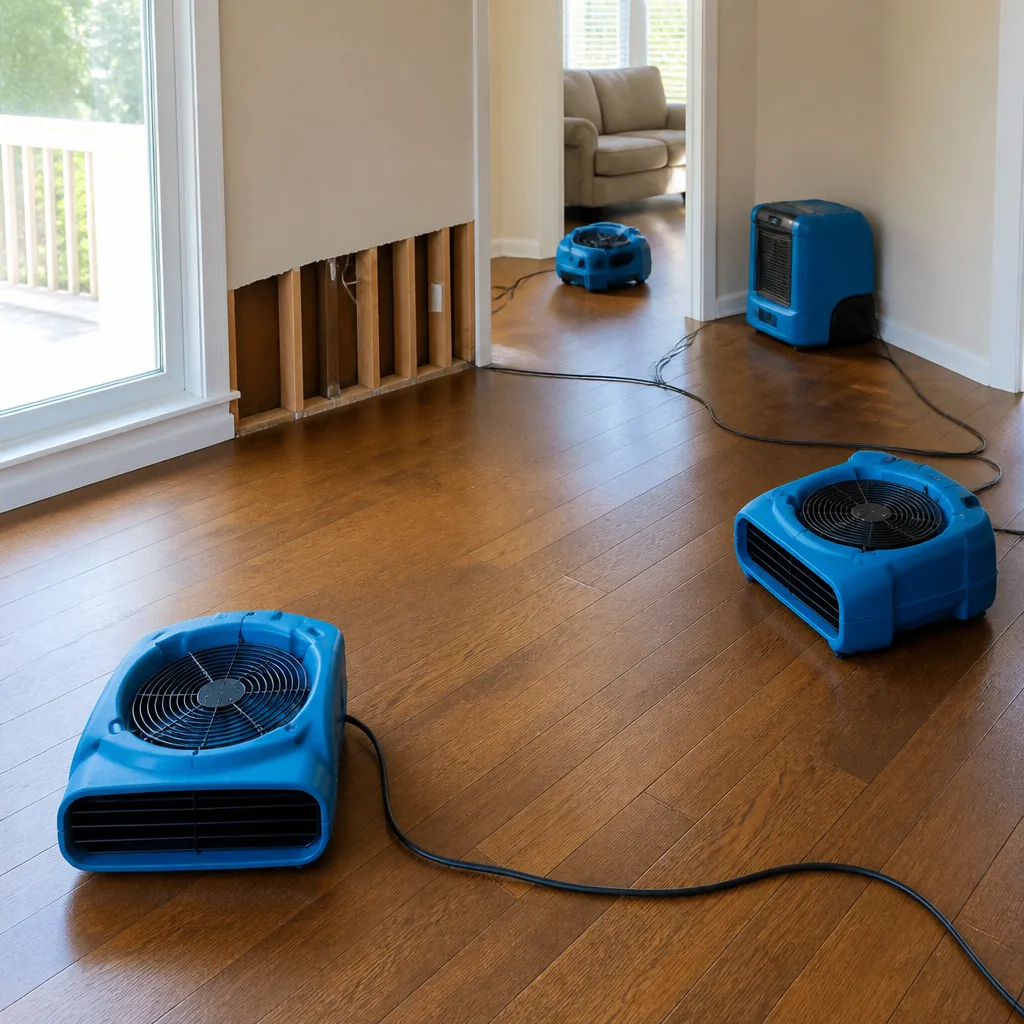

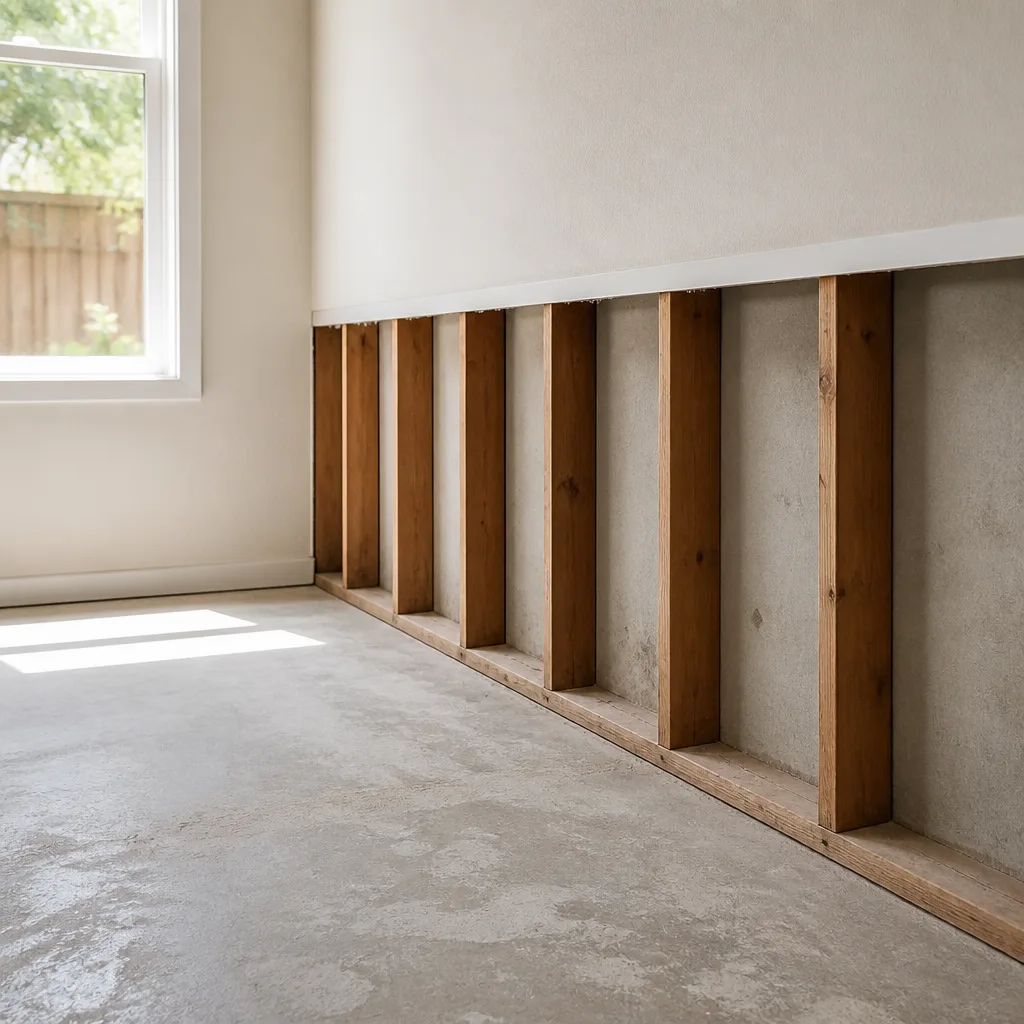
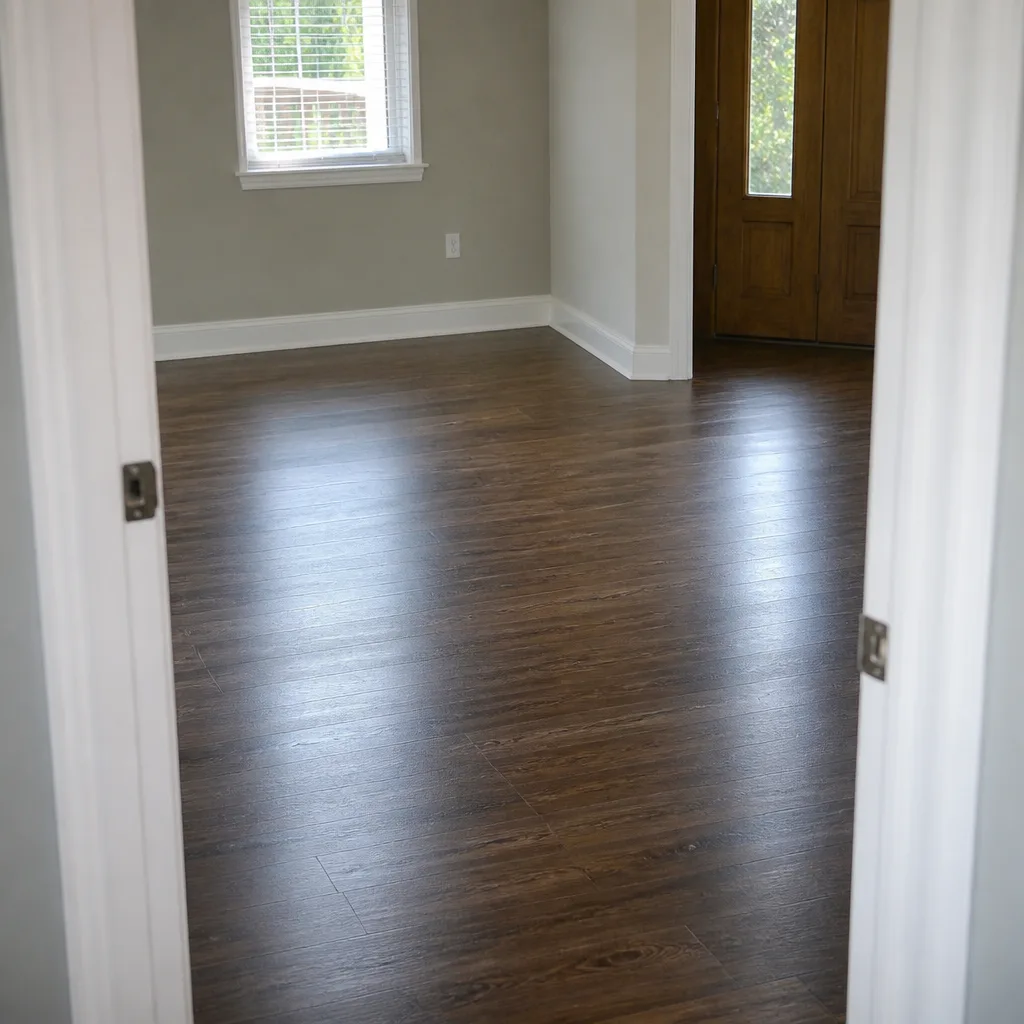

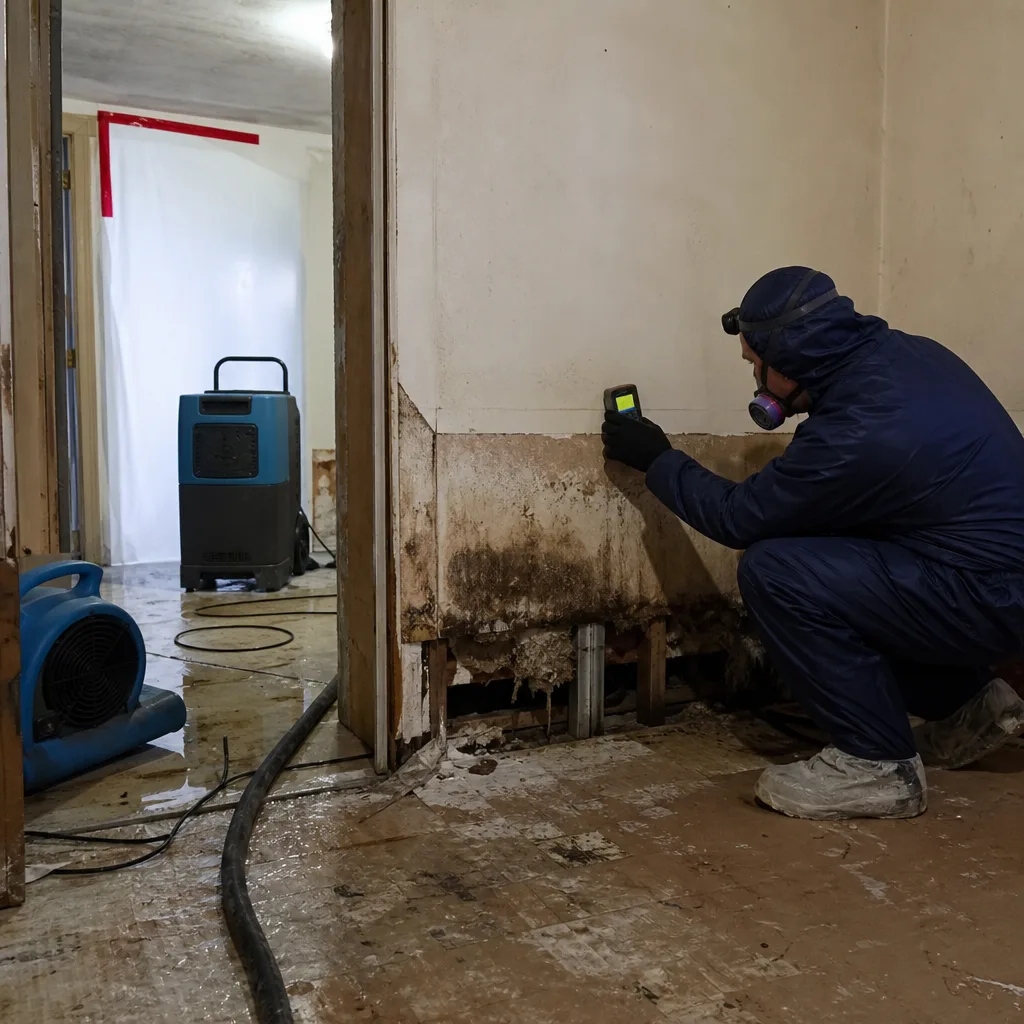 Before
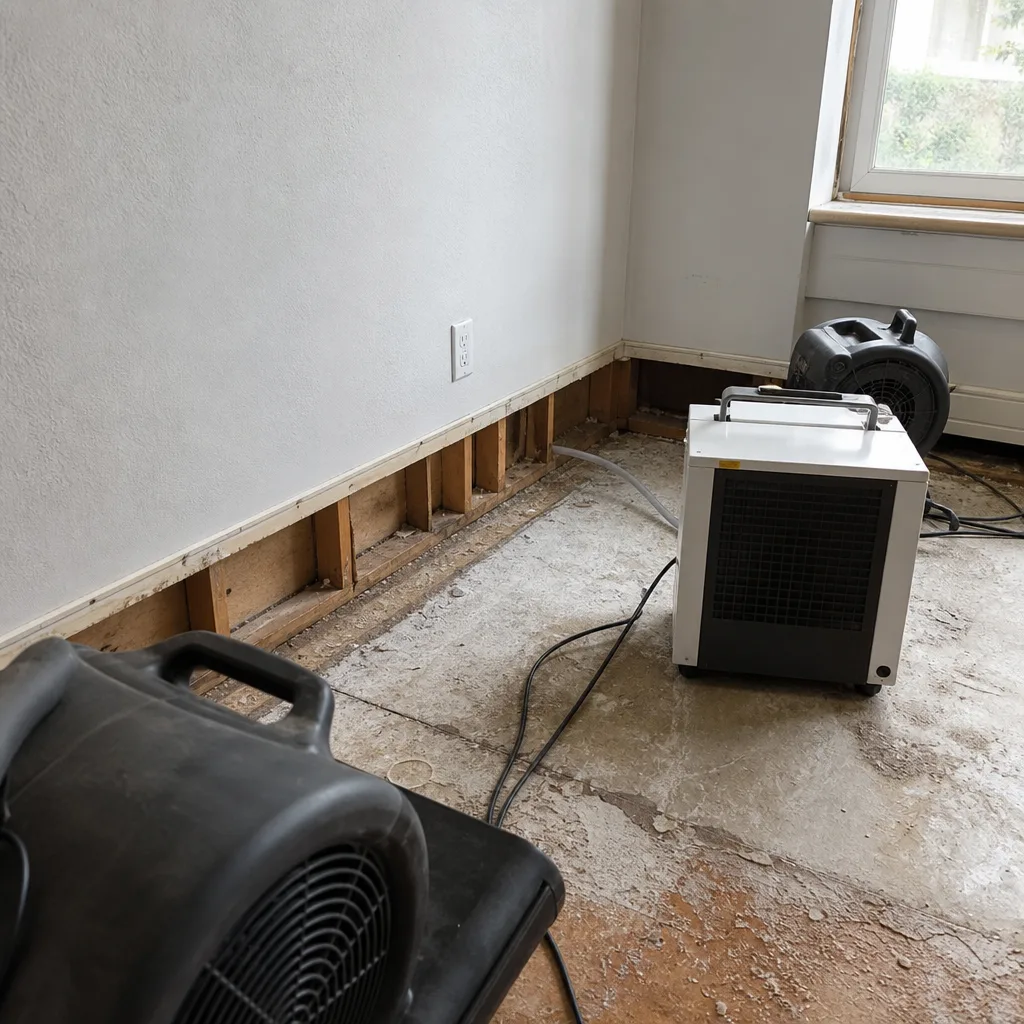 After
After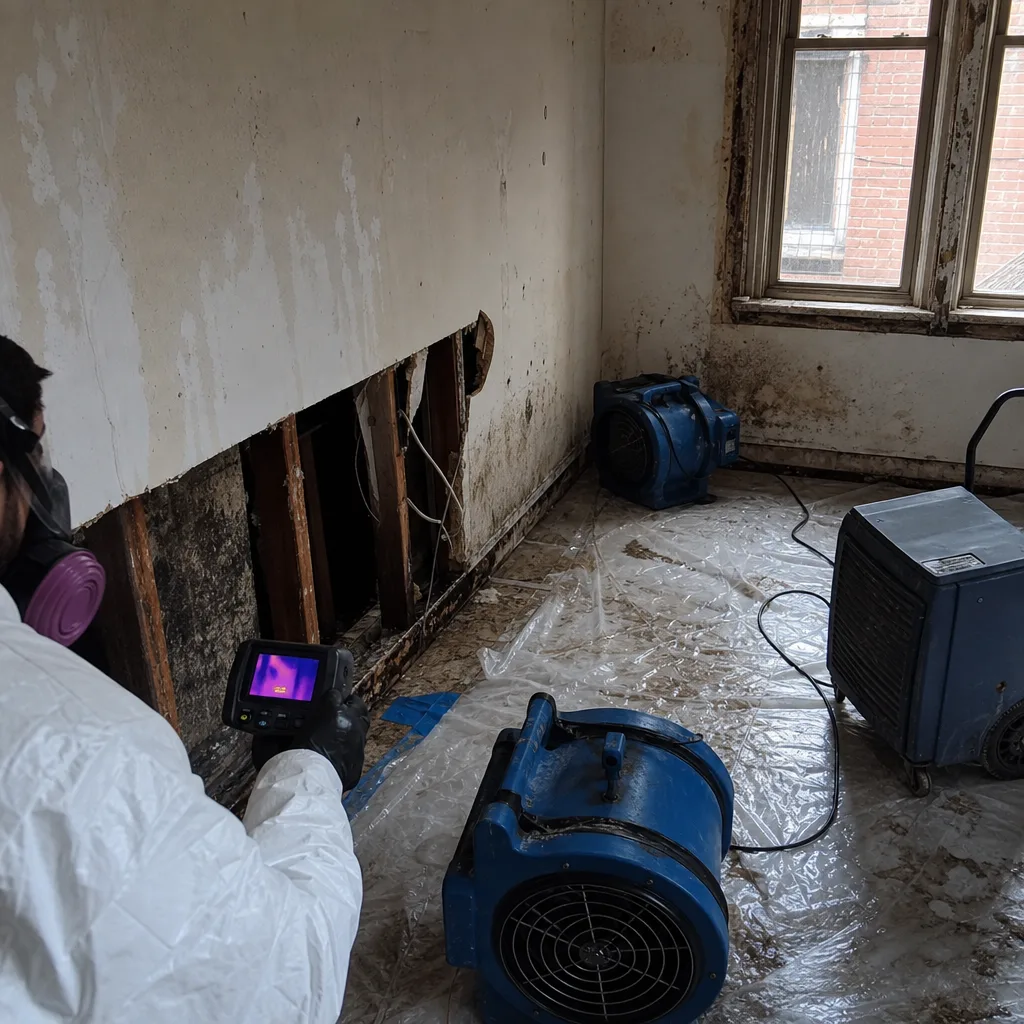 Before
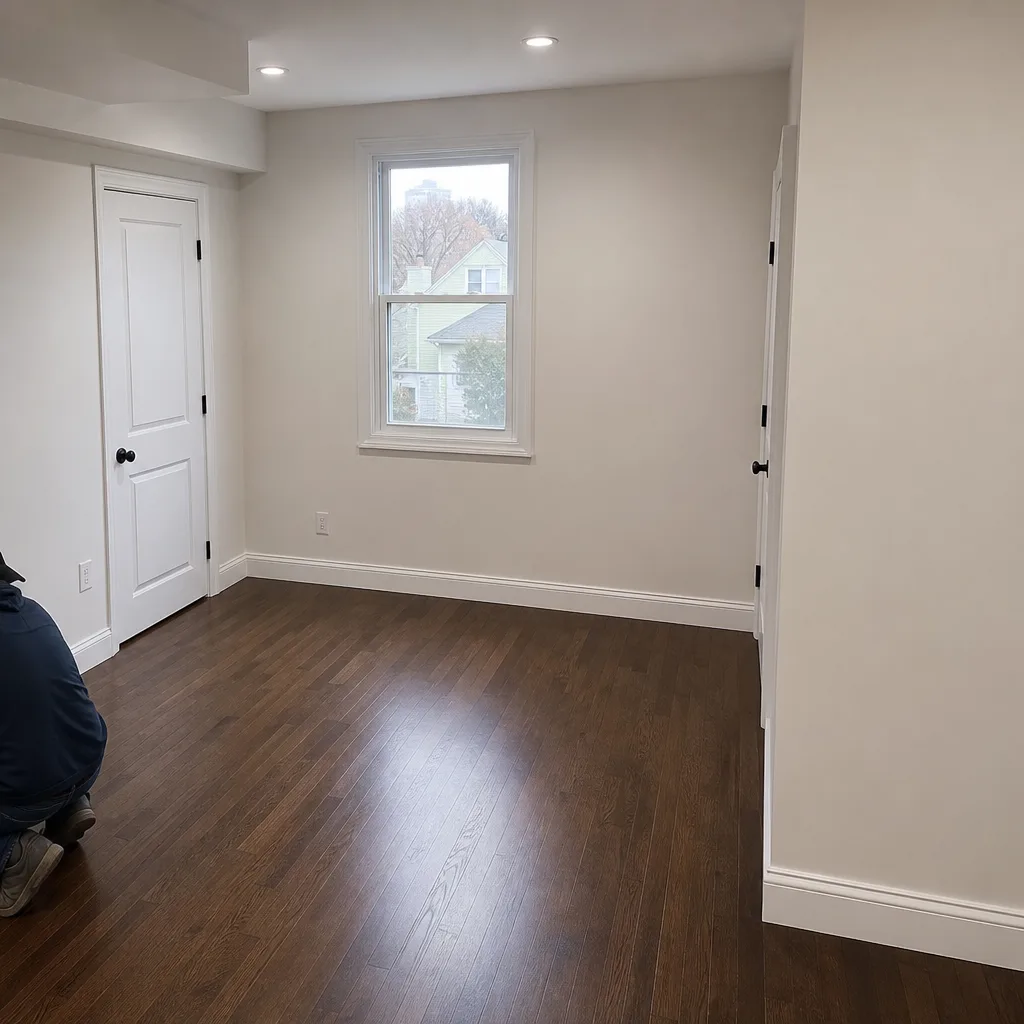 After
AfterSeasonal Damage Restoration Care for Astoria: Year-Round Homeowner’s Guide
Most Astoria homeowners don’t think about water damage until the water is already inside the house. But the truth is, the majority of serious restoration jobs we see in Astoria didn’t start with a single dramatic event. They started with a slow, seasonal creep: a gutter that pulled away from the fascia last November, a basement wall that wept through every March thaw, a bathroom exhaust fan that stopped pulling moisture in August and let condensation settle into the ceiling joists for six months before anyone noticed the stain. This guide is built from what we’ve learned responding to those calls across Astoria, from Ditmars to Broadway to the blocks near Astoria Park. You’ll learn what each season actually does to your home here in Queens, what to check, what to fix early, and when the damage has already moved past the point where a weekend repair will hold.
Quick Answer
Seasonal damage in Astoria comes from four predictable forces: winter freeze-thaw cycles that stress pipes and roofs, spring rain that finds its way into basements and parapet walls, summer humidity that feeds mold in poorly vented spaces, and autumn leaf and gutter buildup that sends water where it doesn’t belong. The most effective homeowner strategy is a seasonal inspection rhythm - four specific checks per year, each tied to the weather pattern that’s about to arrive. Most seasonal damage is preventable at a fraction of the cost of restoration, but once water has penetrated drywall, insulation, or subfloor, professional-grade drying equipment and moisture mapping are required to prevent mold and structural rot.
Table of Contents
- Winter in Astoria: Freeze-Thaw, Pipe Bursts, and Roof Ice
- Spring in Astoria: Rain, Basement Water, and the First Mold Signals
- Summer in Astoria: Humidity, Condensation, and Hidden Mold
- Fall in Astoria: Gutters, Drainage, and Preparing for the Freeze
- The Astoria Basement: A Year-Round Liability
- Seasonal Damage and Your Insurance: What Astoria Homeowners Should Know
- The Four-Season Inspection Checklist for Astoria Homes
- Common Mistakes to Avoid
- When to Call a Professional
- Frequently Asked Questions
- The Bottom Line
Winter in Astoria: Freeze-Thaw, Pipe Bursts, and Roof Ice
Astoria winters aren’t the harshest in New York, but they’re hard enough. The real problem isn’t the temperature itself - it’s the cycling. A January week in Astoria can swing from 12 degrees at night to 40 degrees by afternoon. Water expands about 9 percent when it freezes, and it does that inside your pipes, inside the tiny cracks in your foundation, and inside the mortar joints of your brick. When the thaw comes, the water contracts and leaves behind a slightly larger gap than was there before. Over ten or fifteen winters in a prewar rowhouse, those gaps become channels.
Pipe bursts are the most dramatic winter failure we see in Astoria. The pipes at highest risk aren’t the ones in heated living space - they’re the ones that run through uninsulated exterior walls, through unheated crawl spaces, and through the sill plate area where the house meets the foundation. A burst supply line can release six to eight gallons of water per minute. In the time it takes a homeowner to find the main shutoff, that’s several hundred gallons across the floor.
What to check before the hard freeze hits
- Exterior wall pipes: Any plumbing in an exterior wall should have insulation between the pipe and the cold side. If you can see the pipe from the basement, wrap it.
- Hose bibs and exterior spigots: Disconnect hoses and shut off interior valves if you have them. A frozen hose bib can crack inside the wall and leak only when the valve is opened in spring.
- Roof edges and flashing: Ice dams form at the eave line when warm attic air melts snow that refreezes at the cold edge. Water backs up under the shingles and into the house. Astoria rowhouses with flat or low-slope roofs are especially prone to parapet leaks.
- Unheated spaces: Basements, crawlspaces, and attached garages in Astoria can drop below freezing even when the living space above is warm. Insulate or heat-trace any supply lines in those zones.
We’ve responded to calls where the burst happened at 3 a.m. on a Tuesday and the homeowner didn’t discover it until the following evening. The water had run through two floors of a frame house near Astoria Boulevard before anyone knew. The damage from a slow leak you can’t see is almost always worse than the dramatic burst you hear.
Spring in Astoria: Rain, Basement Water, and the First Mold Signals
Spring is when Astoria basements reveal their flaws. March and April bring sustained rain, and the water table under Queens sits high. The soil around your foundation becomes saturated. Hydrostatic pressure builds against the outside of your basement walls and floor. Water doesn’t need a crack - it needs a path of least resistance, and a poured concrete wall from 1935 has plenty of those. The joint where the wall meets the floor is the most common entry point in Astoria basements we inspect.
The other spring problem is the one that wasn’t a problem in winter because it was frozen. Cracks that held through January open up in the March thaw. Mortar joints that absorbed water all winter start to shed it. Downspouts that were clogged with ice start flowing again, and if they’re pointed at the foundation, they’re now feeding water directly against your basement wall.
The spring water protocol for Astoria homeowners
- Walk the perimeter during the next heavy rain. Watch where water pools against the house, where downspouts discharge, and whether the ground slopes away or toward the foundation. In Astoria, many adjacent buildings share walls and drainage. Water from a neighbor’s downspout can pressure your foundation.
- Check the basement floor and lower walls for moisture after every rain. Run your hand along the wall-floor joint. If it’s damp, that’s the first sign of hydrostatic pressure. A drywall patch painted over the problem will buy you a few months and then fail.
- Inspect the sill plate and rim joist from inside. These are the first wood components to rot in a damp basement. Probe with a screwdriver. If it sinks in with moderate pressure, the wood has lost its integrity.
- Look at your gutters mid-rain if it’s safe to do so. Overflowing gutters in spring mean water is cascading down the face of the house and saturating the wall. In Astoria’s attached housing stock, this can affect both your home and your neighbor’s.
Mold becomes visible in Astoria basements most often in May. The temperature rises, the humidity climbs, and any organic material that got wet in March now has the three things it needs: moisture, warmth, and food. If you see dark staining or smell a musty odor, the problem is already established and spreading.
Summer in Astoria: Humidity, Condensation, and Hidden Mold
Summer in Astoria is humid. Not Florida humid, but humid enough that indoor relative humidity above 60 percent is common from July through early September in homes without central air conditioning. A basement that felt dry in May can develop visible condensation on walls and floors by August. The water isn’t coming from outside - it’s condensing out of the air itself.
The danger zone in Astoria summer is the same one national guidance points to: any space that holds relative humidity above 60 percent for sustained periods. Mold colonies don’t need standing water. They need moisture, a food source like drywall paper or wood, and temperatures above about 50 degrees. An Astoria basement in August offers all three.
Window air conditioning units create their own problems. A unit that drips condensation down the exterior wall or into the wall cavity can saturate insulation and framing. We’ve opened walls in Astoria summers and found black staining on studs directly below a bedroom AC unit that had been running for five straight summers. The homeowner had no idea because the drywall face was still intact.
What summer mold looks like in Astoria homes
- Dark staining on basement walls or baseboards - often green, black, or brown, sometimes fuzzy, sometimes flat.
- Musty or earthy smell - strongest on humid days and in enclosed spaces.
- Peeling paint or bubbling drywall - especially below windows, around AC units, and in bathroom corners.
- Visible condensation on pipes, windows, or foundation walls - the precursor to mold growth.
- Health symptoms that improve when you leave the house - runny nose, itchy eyes, cough, especially in children and older adults.
A dehumidifier is not a mold remediation plan, but it’s a good seasonal tool for keeping a dry Astoria basement stable through the humid months. Set it to hold the space at or below 50 percent relative humidity, and empty it or run a drain line so it can keep up. The hidden mold in wall cavities, though, needs a professional moisture map and drying plan. A dehumidifier can’t reach water trapped behind drywall.
Fall in Astoria: Gutters, Drainage, and Preparing for the Freeze
Autumn is the cheapest season for home protection in Astoria, which is why so many homeowners skip it. The leaves fall from the sycamores and London planes along the side streets, they land in gutters and on flat roofs, and they sit there holding moisture against the house. A clogged gutter in an Astoria rowhouse sends water down the face of the wall and into the foundation. On flat roofs, leaf debris blocks scuppers and internal drains, creating ponding water that weighs on the membrane and finds its way through seams.
Fall is also the season to catch problems before the winter freeze turns them into catastrophes. A hairline crack in a foundation wall that leaks a little in November becomes a crack that freezes, expands, and widens by February. A loose shingle that flapped through October gets lifted by November wind and lets snow melt into the roof deck in January.
The Astoria fall list
- Clean gutters and downspouts twice. Once after most leaves have fallen (late October to early November in Astoria) and once more before the first likely freeze. Check that downspouts discharge at least four feet from the foundation.
- Walk the roof or have it inspected. Flat roofs need scupper and drain clearing. Pitched roofs need loose or missing shingles replaced. Parapet walls need flashing inspected, because a parapet leak in an Astoria rowhouse runs down inside the wall and shows up on the second floor ceiling first.
- Shut off exterior water lines. Interior shutoffs for hose bibs, if present, get closed and drained. Exterior spigots get covered or removed.
- Check the grade around the foundation. Soil settles over summer. Add compacted fill where needed so water flows away from the house.
- Test the sump pump if you have one. Pour water in the pit and watch it cycle. If the float sticks or the pump runs wet without discharging, solve it now - not during a March rainstorm.
Fall is also the right season for a $89 Seasonal Tune-Up from Floodline Restoration Co. - a property assessment that looks at drainage, grading, plumbing, roof, and ventilation as a connected system before winter locks everything in.
The Astoria Basement: A Year-Round Liability
Astoria basements deserve their own section because they fail in every season, and because most of the houses in this neighborhood have them. The prewar housing stock means 80- to 100-year-old foundations, original floor slabs, and building methods that were never designed for modern finished basement living. Yet that’s exactly what many Astoria homeowners have: finished rooms, drywall, carpet, and furniture sitting on top of a concrete slab that gets damp every time the water table rises.
The water in an Astoria basement doesn’t always come from the walls or floor. Sewer backups are common in older parts of Queens when the combined sewer system overloads during heavy rain. A homeowner with a finished basement near Astoria Park told us she’d had three separate sewage backups in seven years before she finally had a backwater check valve installed. Each one meant a full gut and remediation.
The seasonal pattern in Astoria basements is predictable. Winter is the quietest season, unless a pipe freezes. Spring is the wettest, with rain-saturated soil and rising groundwater. Summer brings humidity and condensation that can amplify any lingering moisture from spring. Fall is the transition - the time to fix drainage and grading before the next cycle starts. A basement that follows this cycle without intervention will eventually develop chronic moisture problems, and chronic moisture becomes mold and rot.
Our experience with Astoria basements across hundreds of assessments is that the earlier a moisture problem is caught, the cheaper and less invasive the fix. A damp wall-floor joint in March can often be addressed with drainage improvements and targeted drying. That same moisture left until it wicks up into finished drywall, baseboards, and insulation becomes a $15,000 to $40,000 remediation and rebuild.
Seasonal Damage and Your Insurance: What Astoria Homeowners Should Know
Seasonal damage and insurance is where Astoria homeowners get surprised, often unpleasantly. The general rule: sudden and accidental events are covered. Gradual damage is not. A pipe that bursts in January and floods your kitchen is typically a covered claim. A slow leak from an ice dam that’s been soaking your ceiling insulation for six weeks before you notice the stain is often classified as maintenance failure and denied.
The same logic applies to basements. Floodwater from rising groundwater or an overloaded sewer is not covered by a standard homeowner’s policy. Sewer backup coverage is usually a separate endorsement. Most Astoria homeowners don’t have it unless they’ve specifically added it. Water that enters through a foundation crack from hydrostatic pressure is also generally excluded, because insurers treat that as a maintenance issue, not a covered peril.
What this means in practice is that a seasonal maintenance rhythm isn’t just good for the house - it’s protection against claim denials. The homeowner who can show a fall inspection report, clear gutter records, and a documented seasonal tune-up has a much stronger position when arguing about the cause and timing of damage.
Floodline Restoration Co. bills insurance carriers directly and handles adjuster communication as a normal part of the job. When our crews do the extraction, drying, and rebuild on a covered claim, we document every phase, log daily moisture readings, and provide photo evidence to the carrier. Homeowners who work with us never have to play messenger between a restoration crew and an insurance desk. The claim, the invoice, and the written scope stay aligned.
The Four-Season Inspection Checklist for Astoria Homes
This is the rhythm we recommend to every Astoria homeowner who calls us after a preventable failure and asks what they could have done. Four checks a year, each tied to what’s about to happen in the weather. Each check takes under an hour, and it catches most seasonal damage before restoration becomes necessary.
Winter (January)
- Check for ice dams at roof edges and parapet walls.
- Confirm no exterior wall pipes are exposed to freezing air.
- Run water in every fixture and listen for pipe strain.
- Check basement for condensation on walls or pipes.
Spring (April)
- Walk the perimeter during rain and check drainage, grading, and downspouts.
- Inspect basement floor and wall-floor joint after rain.
- Look for the first signs of mold on baseboards, drywall, and stored items.
- Test the sump pump and any backwater valve.
Summer (July)
- Check relative humidity in basement - should stay at or below 50 percent.
- Inspect window AC units for proper drainage away from walls.
- Look for condensation on foundation walls and cold pipes.
- Smell for musty odors in enclosed spaces and closets.
Fall (October)
- Clean gutters and downspouts, check discharge distance from foundation.
- Inspect roof, scuppers, and drainage on flat roofs; check flashing on parapets.
- Shut off and drain exterior water lines.
- Check foundation for cracks that could freeze and widen.
This checklist doesn’t require any special tools and it doesn’t take long. What it does is create a written record, which is valuable for insurance purposes and for noticing slow changes over time. A hairline crack that’s the same size in October as it was in April is one thing. A crack that’s visibly wider in October is a problem that needs attention before winter.
Common Mistakes to Avoid
- Painting over water stains without finding the source. In Astoria’s attached houses, a second-floor ceiling stain often originates from a parapet leak three floors up. Paint hides the symptom. The water keeps traveling.
- Ignoring a damp basement because it’s just storage. Moisture doesn’t care what the room is used for. It wicks into stored items, feeds mold, compromises floor joists above, and migrates up through the house. A damp Astoria basement eventually becomes a whole-house humidity problem.
- Using a household fan and open windows to dry a water event. That approach dries the surface and traps moisture in the cavities. Within weeks, the smell and the mold are back. Professional drying uses Dri-Eaz and Phoenix equipment with moisture meters to verify the dry standard is actually met.
- Assuming flood insurance covers everything. Flood insurance covers rising water from outside. It doesn’t cover sewer backups, groundwater seepage through foundation cracks, or burst pipes. Or rather, different coverages apply, and the details matter. Get familiar with your policy before you’re standing in water.
- Skipping fall gutter cleaning because the house survived last year. Last year’s leaves were last year. This year’s leaves are heavier, the wind blew differently, and the sycamores near Astoria Park dropped more. The cost of a gutter cleaning is trivial compared to a foundation leak.
- Turning off the heat in an unoccupied house in winter. Frozen pipe risk doesn’t take a vacation. If you’re away, keep the thermostat at least 55 degrees and have someone check the house during cold snaps.
- Calling a contractor who only does one phase. The homeowner who handles extraction with one company, drying with another, and rebuild with a third becomes the project manager. They also become the messenger between three crews and an insurance adjuster. That’s a full-time job nobody wants.
When to Call a Professional
You should call a professional when water has touched drywall, insulation, flooring, or any porous material and you can’t dry it within 48 hours. That’s the window before mold begins to establish. You should also call when you find visible mold that covers more than about ten square feet, when water has been running inside walls or ceilings for an unknown period, when sewage is involved, or when a flood has affected electrical systems. In any of those situations, the right move is a moisture assessment and a drying plan built on readings, not guesses.
Floodline Restoration Co. offers free estimates in Astoria - call (518) 800-3751 and a live person answers, day or night. We handle extraction, drying, remediation, and full reconstruction with the same certified crew and a written 90-Day Done Right Promise. If it’s not done right, we make it right. No paperwork battles. That promise is in writing on every job we do in Astoria.
Frequently Asked Questions
Four times per year, tied to the season that’s about to start. January for winter freeze issues, April for spring rain and groundwater, July for summer humidity and the baseline by which all damage is measured, and October for fall drainage and freeze preparation. Each check takes under an hour and is covered in our four-season checklist above.
Basement water intrusion from spring rain and rising groundwater is the most common seasonal damage in Astoria, followed by winter pipe bursts and summer humidity-driven mold. The prewar foundation stock and high water table in Queens make basements the weak point in most of the homes we assess.
Sudden and accidental damage is generally covered. Gradual damage from slow leaks, seepage, or lack of maintenance is generally not. Sewer backup and groundwater flooding require specific coverage. If you’re not sure what your policy covers, read the exclusions section or call your agent before the next big rain in Astoria. Call (518) 800-3751 and we can walk you through what your carrier will likely require for documentation.
Floodline Restoration Co. answers the phone with a live dispatcher 24/7, including at 2 a.m., and a certified crew reaches Astoria jobs the same visit with extraction equipment running. Most jobs are completed in a single visit. The first hour after a water event matters more than the next day, and getting extraction started immediately is the single biggest factor in limiting damage.
A basement that stays above 60 percent relative humidity through an Astoria summer is a mold problem waiting to become visible. Mold doesn’t need standing water. It needs moisture, warmth, and organic material, and a humid basement in July and August provides all three. If there’s a musty smell, the colony is already established and spreading. Get a professional moisture assessment before it moves into the walls.
Yes, because the visible stain is almost always smaller than the actual water path. Water travels along joists and drywall seams. The stain on your Astoria ceiling might be fed by a leak twenty feet away, and the saturated area behind the stain might be three times the size it looks. A professional moisture map tells you the true extent and whether the drywall and insulation need to be opened and dried or replaced. Guessing wrong means the mold comes back through the fresh paint.
The Bottom Line
Seasonal damage in Astoria follows patterns that are predictable and mostly preventable. Winter freezes things that shouldn’t freeze, spring water finds the gaps in old foundations, summer humidity feeds what spring left behind, and fall decides whether the next winter will be quiet or costly. The homeowner who does four seasonal checks a year, keeps drainage clear, controls basement humidity, and calls early when water appears will spend a fraction of what the homeowner who waits will spend. And when the water has already moved in, the right call is not a guess. It’s a moisture reading, a written scope, and a company that answers the phone. Floodline Restoration Co. home has served Astoria since 2010, and the line the water left is where we start.
Written by Curt Bowman, Owner at Floodline Restoration Co., serving Astoria since 2010.