
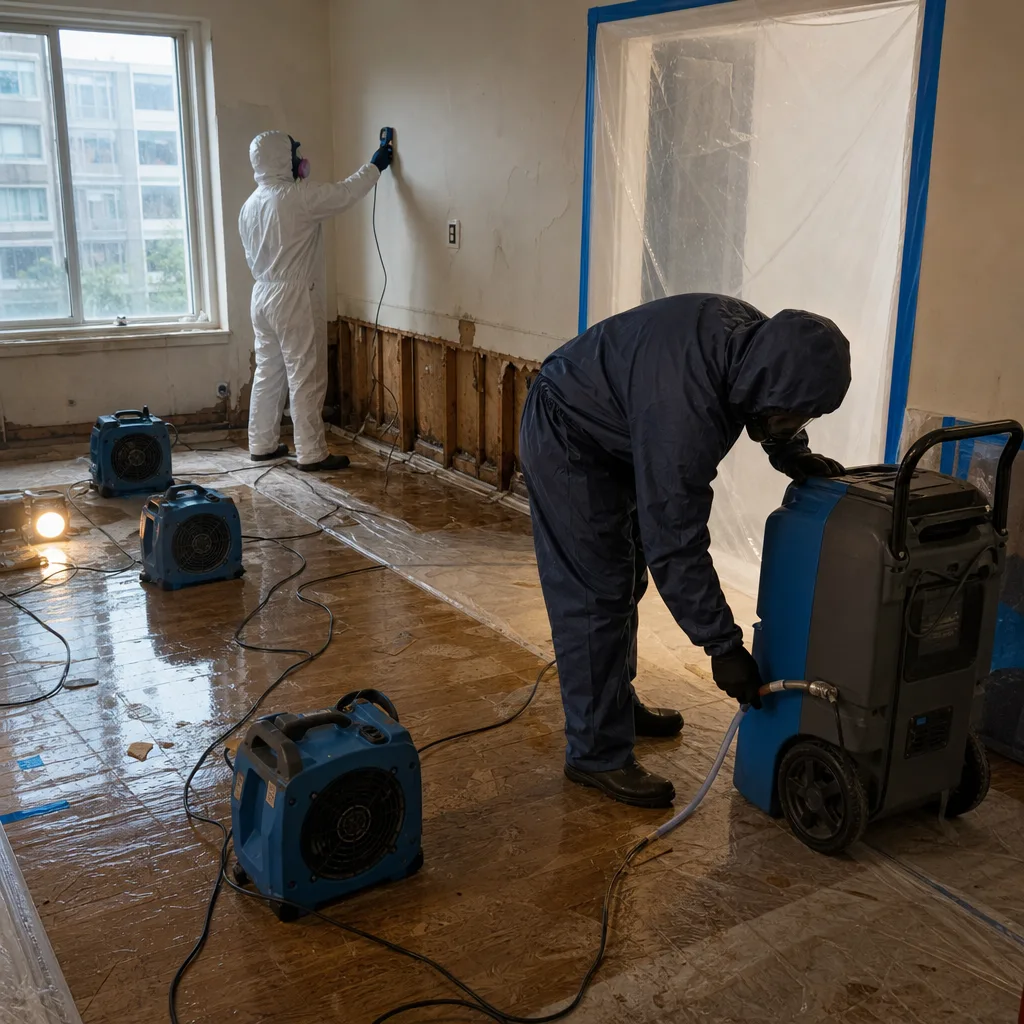
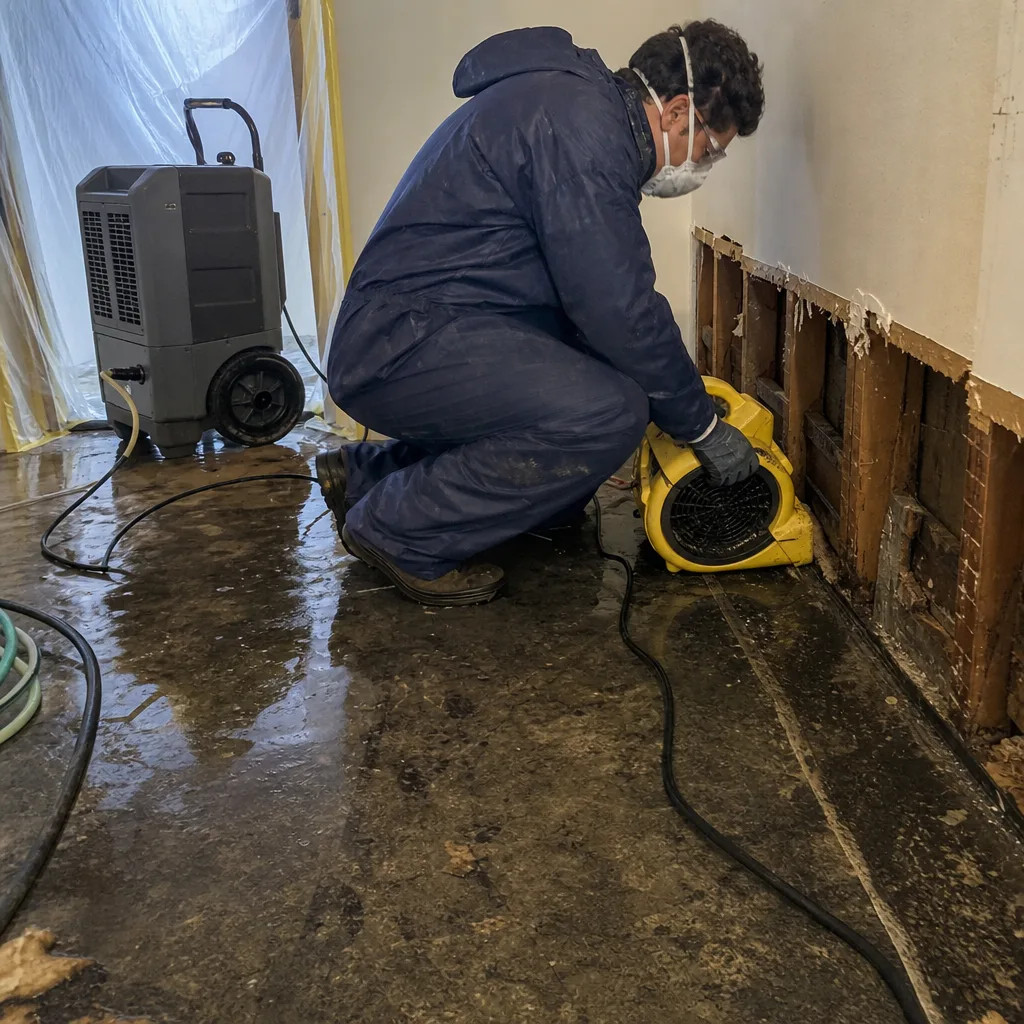
Free visual inspection and a written scope of work before any mitigation begins - photos, moisture readings, and drying logs go in your claim file
The scope we write is the scope we bill. Anything new gets shown to you, in writing, before we touch it.
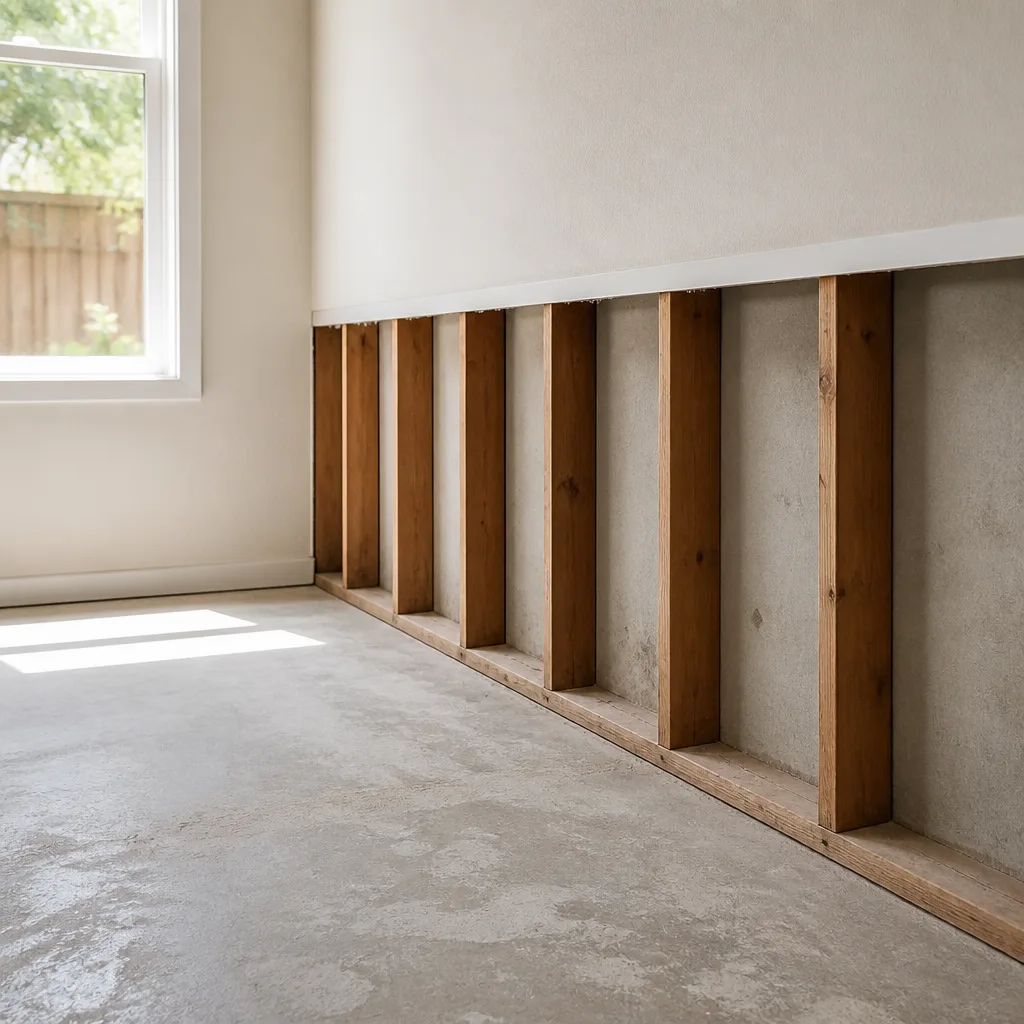
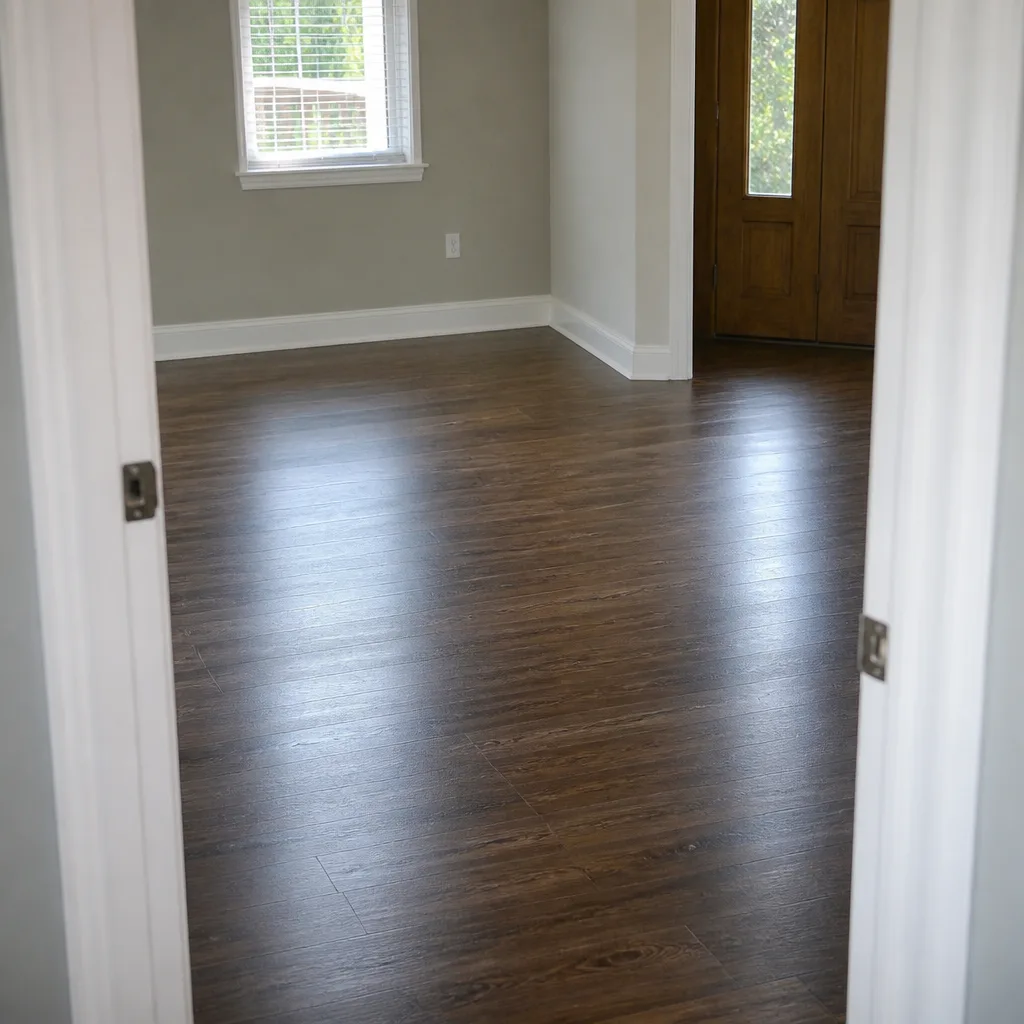
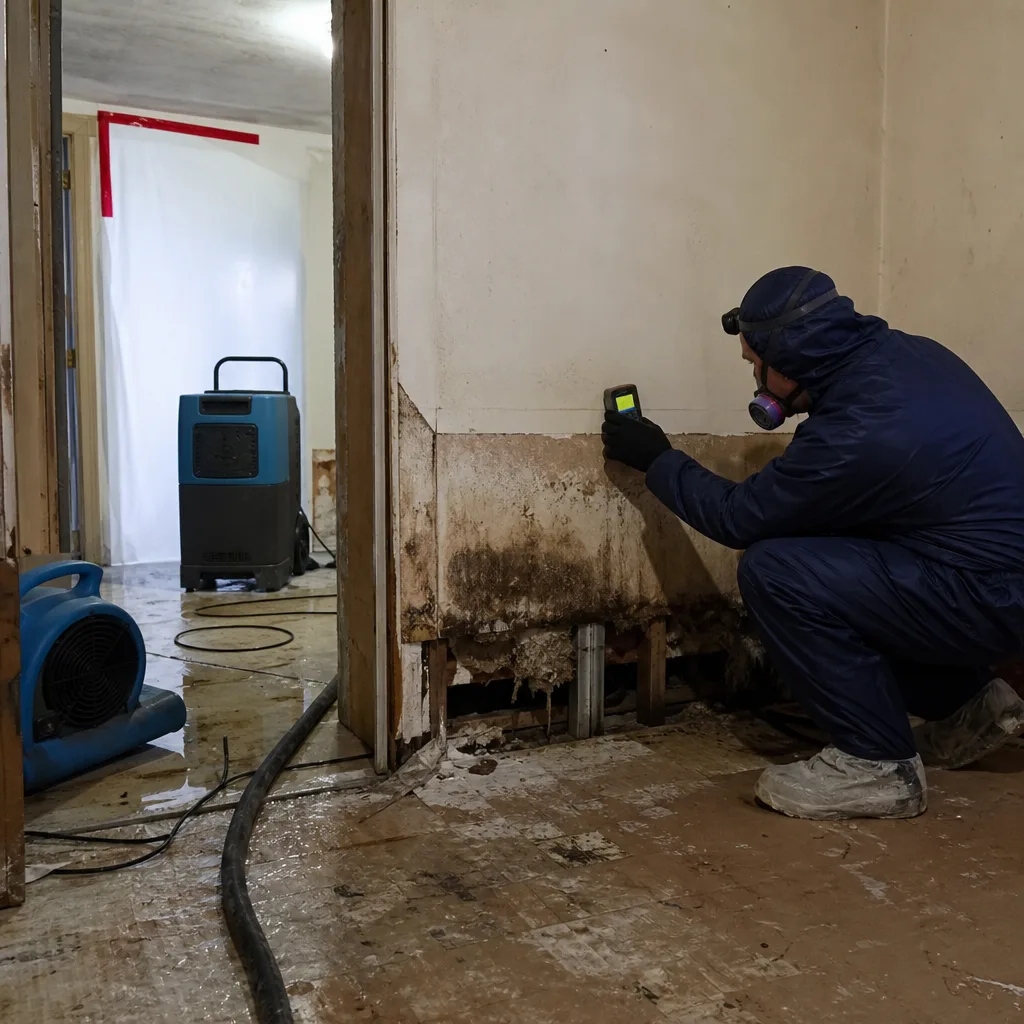 Before
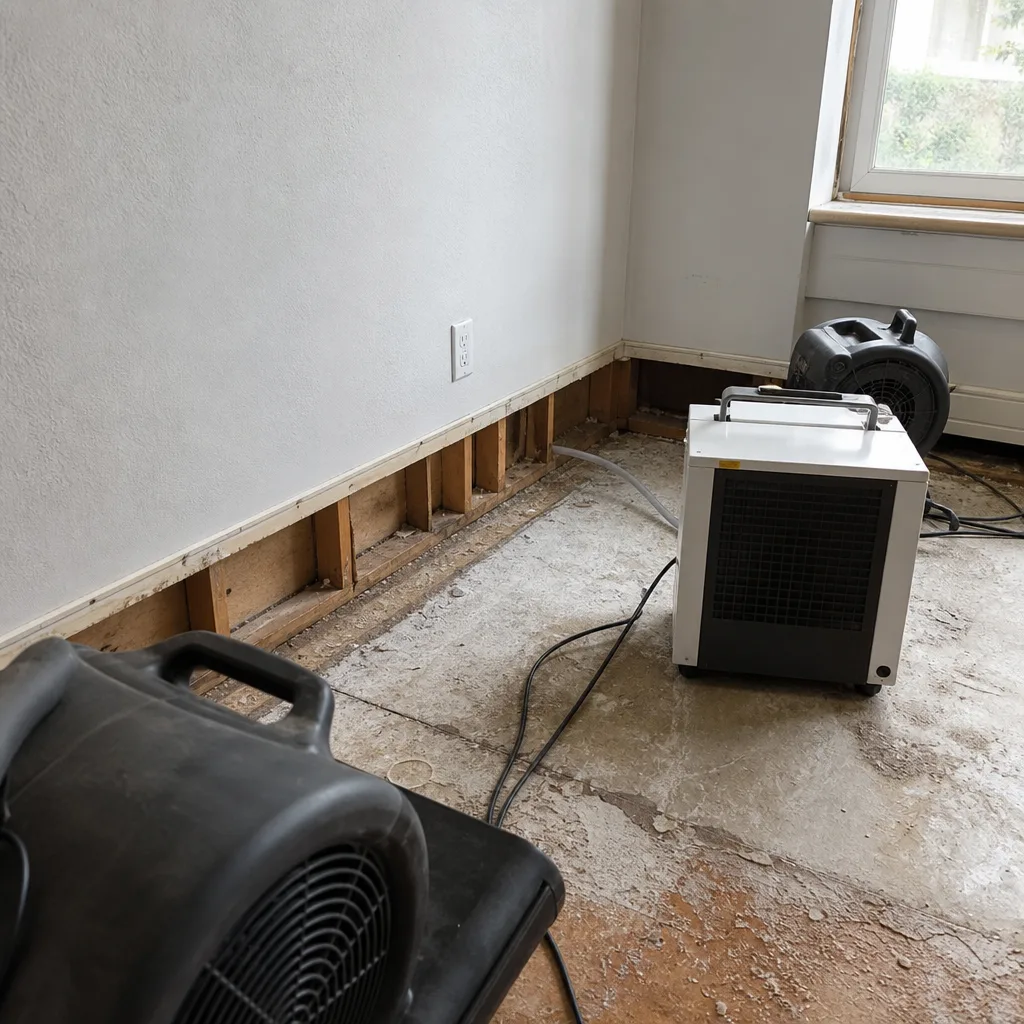 After
After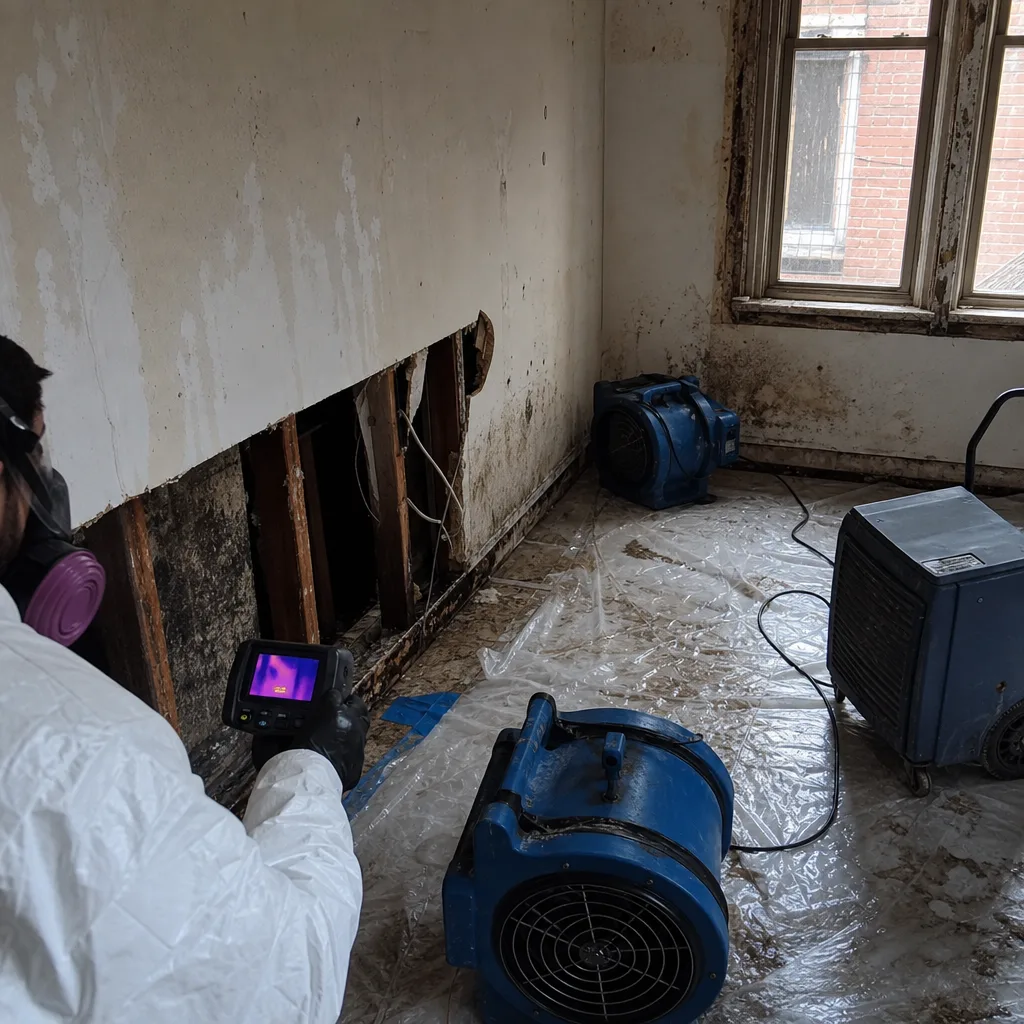 Before
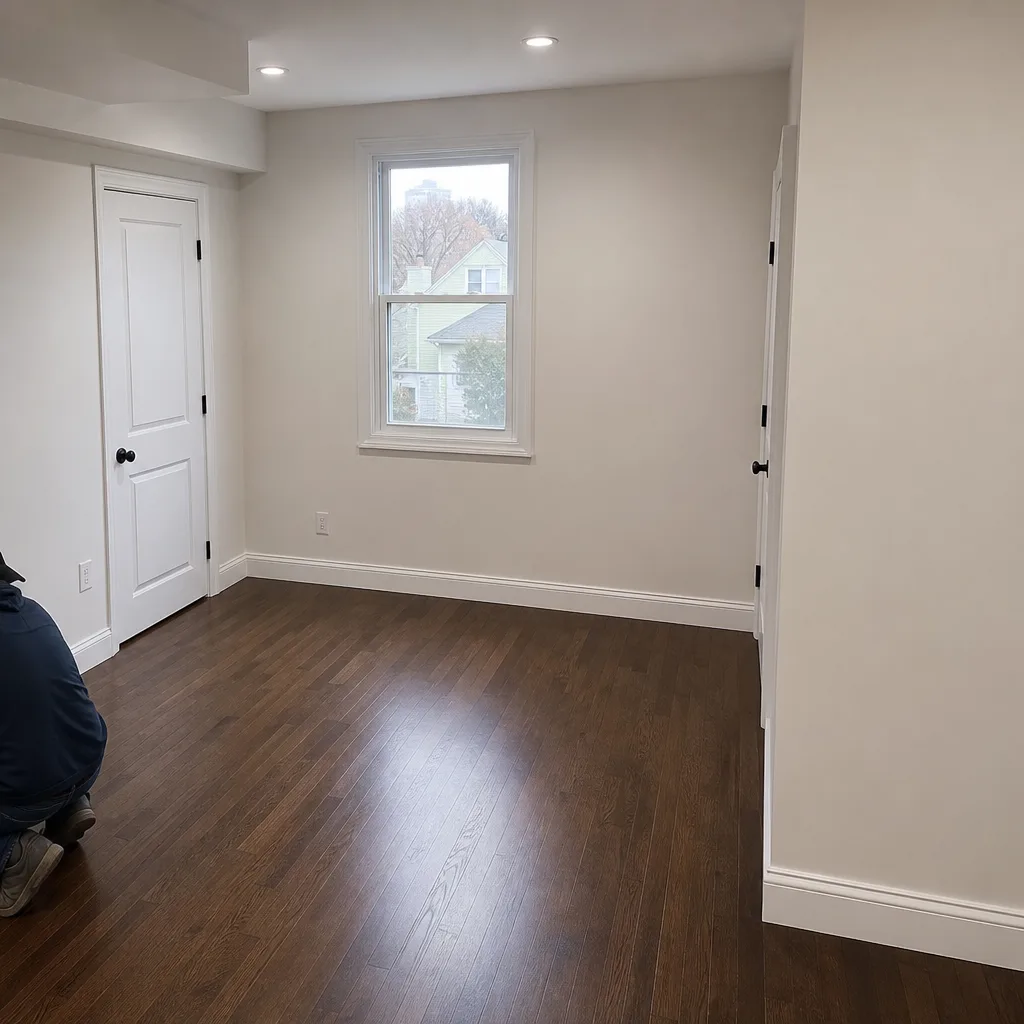 After
After24/7 Emergency Commercial Restoration in Harlem
Commercial restoration in Harlem means one thing first: a live person answers at (518) 800-3751, any hour, any day. When a cast-iron steam riser lets go inside a Strivers’ Row brownstone at 2 a.m., or a nor’easter drives water through a Lenox Avenue storefront’s aging parapet, the clock starts before you hang up. Our dispatchers coordinate crews already staged in Manhattan, and a uniformed technician reaches most Harlem addresses within 45 minutes. The first hour determines whether you are drying sheetrock or replacing it. Call now. A visual inspection is free, the assessment is honest, and extraction starts the same visit when it can.
Understanding Commercial Restoration Severity in Harlem Properties
Harlem’s commercial buildings are mostly four- to six-story brownstones and tenement walkups built between 1885 and 1925. That matters when water, fire, or mold moves through them. The original horsehair plaster holds moisture differently than modern drywall. The clay tile floors trap water between joists. The shared party walls between attached rowhouses mean Category 2 water from one boiler room does not stop at the property line, it migrates. Mold that might take a week to colonize in a suburban drywall build can establish inside Harlem’s thick unreinforced-masonry walls within 24 to 48 hours. Moisture mapping is not optional here. Neither is containment. A commercial restoration in Harlem that skips source verification or hazmat clearance before drying gets torn out and redone, and the owner pays for it twice. We classify the water correctly first, map the full spread with thermal imaging and hygrometers, and document every reading until the dry standard is met.
Why Harlem Property Owners Choose Floodline Restoration Co.
We are the Commercial Restoration team that keeps the job whole, from first extraction to final rebuild. For over 42 years, property owners in Harlem have called us because we hold ourselves to a written standard, not a sales pitch.
- 45-minute response commitment. Live dispatch sends the nearest certified crew out immediately. We arrive when we say.
- 24/7 live answer. A real person picks up at 2 a.m. Not a recording. Not a callback. A dispatcher who can send a crew now.
- IICRC-certified technicians, background-checked and uniformed. Our crews hold WRT, FSRT, and AMRT certifications and train to RIA and IFA standards. They know Harlem’s buildings because they work them every week.
- Free visual inspection. We look before we quote. No obligation, no pressure, and a written scope before any work begins.
- Direct insurance billing. We deal with your carrier, send the adjuster photos and logs, and you are not the messenger.
- One team from extraction to reconstruction. The same crew that reads the moisture map on day one rebuilds what needs rebuilding. No mid-job handoff, no inherited crew.
Our Commercial Restoration Process
Inspection & Assessment
We arrive, walk the loss, and classify the water or map the fire damage. On Harlem pre-war buildings, we also flag anything that will trigger NYC DEP asbestos or Local Law 1 lead-paint surveys before we open a wall. You get a clear scope, in writing.
Extraction & Stabilization
We stop the source, extract standing water, and shore up anything unstable. Containment goes up before we disturb contaminated materials, especially in attached rowhouses where dust and spores travel through party walls.
Drying & Dehumidification
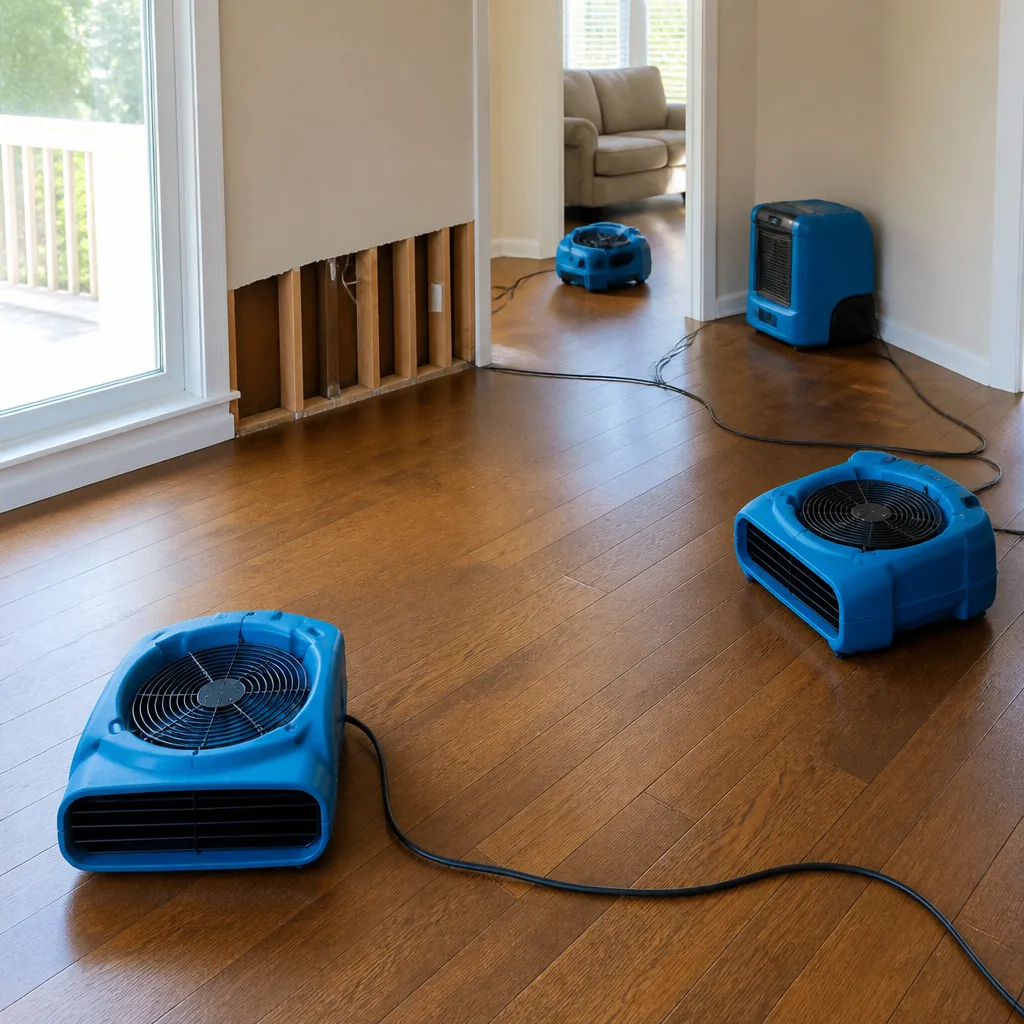
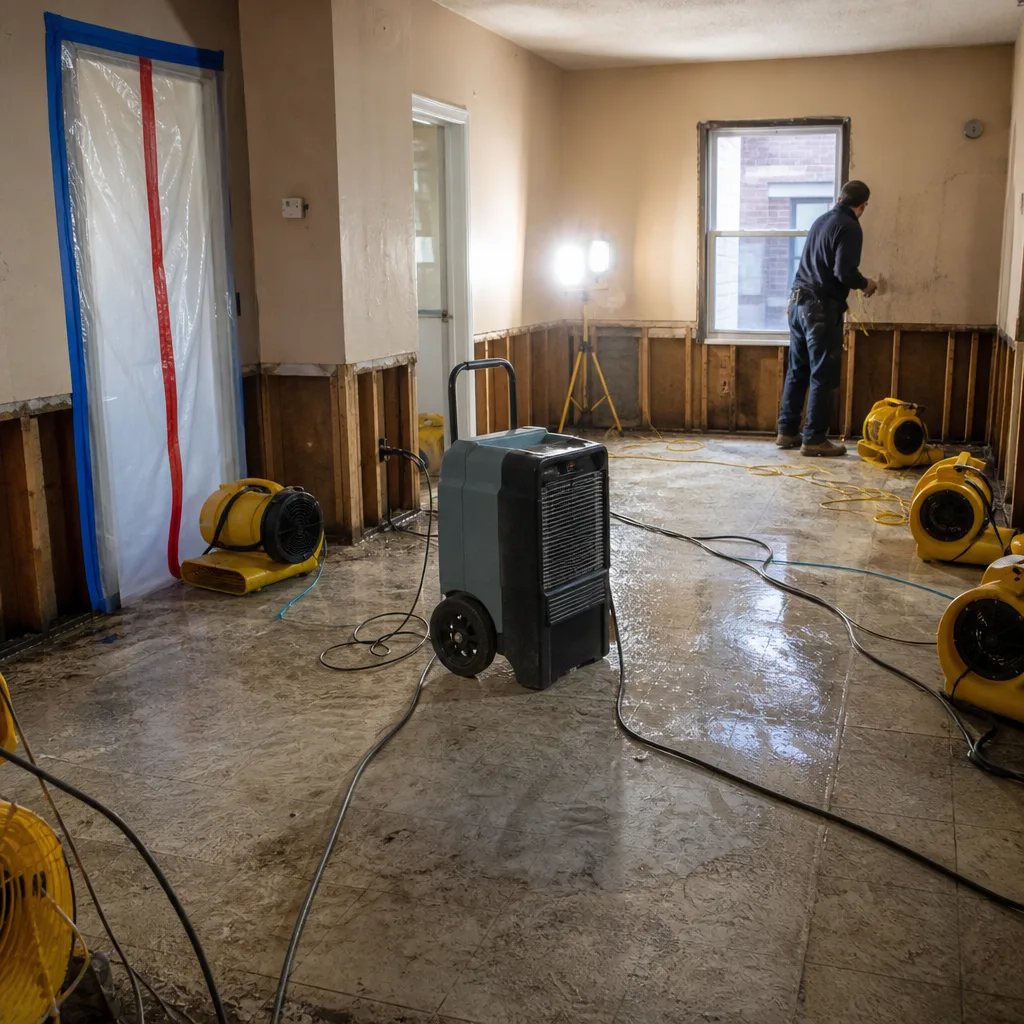
We place professional-grade Dri-Eaz, Phoenix, and XPOWER dehumidifiers and air movers according to a moisture map, not a guess. For Harlem’s thick masonry walls, we schedule daily readings and adjust equipment until the dry standard holds.
Cleaning & Sanitization
We clean, disinfect, and run HEPA air scrubbers where needed. Tenant spaces, retail floor areas, and common hallways in Harlem buildings get treated as occupied environments, even when they are empty.
Hazmat Clearance & Specialty Treatment
Before structural drying or pack-out in a pre-1920 building, we coordinate NYC DEP asbestos and lead-paint surveys. In Harlem’s brownstones, this step is not optional. We get clearance, then we treat the structure.
Repairs & Restoration
We rebuild plaster, refinish floors, restore storefronts, and put the space back to use. The same crew that started the job finishes it, and the 90-Day Done Right Promise, our Keystone Standard, comes to you in writing.
Need Emergency Commercial Restoration in Harlem Now?
Crews minutes away, answering live 24 hours a day. The sooner we start, the less it costs.
Working With Your Insurance Company
Commercial claims in Harlem get complicated fast, especially when a loss spans multiple units or a building falls inside a landmark district. From the first hour, we document everything the way an adjuster needs to see it: room by room, with photos, readings, and a line-item scope. Our team has been coordinating directly with carriers for years, so you do not play messenger between a tenant, an insurer, and a landlord. We bill the carrier directly when the policy allows. When a claim is denied or underpaid, our documentation gives you the leverage to push back, because the numbers are already there.
What We Provide Your Insurer
- Thorough documentation of the loss
- Photos of all damage, room by room
- Moisture readings and drying logs
- A detailed, line-item scope of work
- Direct coordination with your carrier
Built for Harlem’s Loss Calendar
Harlem’s damage seasons run like clockwork. January and February bring deep freezes that split cast-iron supply lines in century-old buildings along Adam Clayton Powell Jr. Boulevard and Frederick Douglass Boulevard. March and April thaw the ground, and basement seepage rises through cracked foundation walls in lower Harlem. July and August thunderstorms dump water faster than the neighborhood’s combined storm sewers can carry it, flooding below-grade retail spaces on 125th Street. Nor’easters in the fall drive wind-driven rain into aging limestone and brownstone facades, soaking interiors behind original plaster. And all year, the original one-pipe steam systems in this neighborhood’s brownstones back up, corrode, and leak, causing hidden ceiling and wall damage that owners discover only when paint blisters. We plan routes and stock equipment around that calendar, because we have watched it repeat for years.
Commercial Restoration Across Harlem’s Neighborhoods
Each part of Harlem fails differently. Along Strivers’ Row and the Hamilton Heights historic district, shared party walls and landmark-triggered permits dominate every job, and a pipe burst in one brownstone regularly means containment in two or three adjacent buildings before any drying starts. Around 125th Street, ground-floor retail spaces sit above basements that flood from storm sewer backup, so a flood in a shoe store becomes a business interruption problem the same afternoon. In Central Harlem, the railroad-style tenement walkups present tight stairwells, original lath and plaster, and steam risers that have been patched for a century. East Harlem mixes pre-war walkups with mid-rise commercial buildings, where concrete slabs hide water migration longer. The response routes we run between Lenox Avenue, St. Nicholas Avenue, and the Harlem River Drive are all local to us. We know which buildings have owner-occupied co-ops, which have HoAs that move slowly, and which need a certified abatement surveyor on site before we unroll a single hose.
Specialized Commercial Restoration Services We Offer in Harlem
Multi-Unit & HOA Restoration
Harlem’s co-ops, condos, and rental brownstones are the hardest projects to scope correctly. Water in one unit follows the joist bays and party walls into the next, and every affected owner has a separate policy and a separate question. We handle the containment, the moisture mapping across all affected units, the drying logs for each, and the rebuild, with one clear scope and one point of contact for the board or property manager.
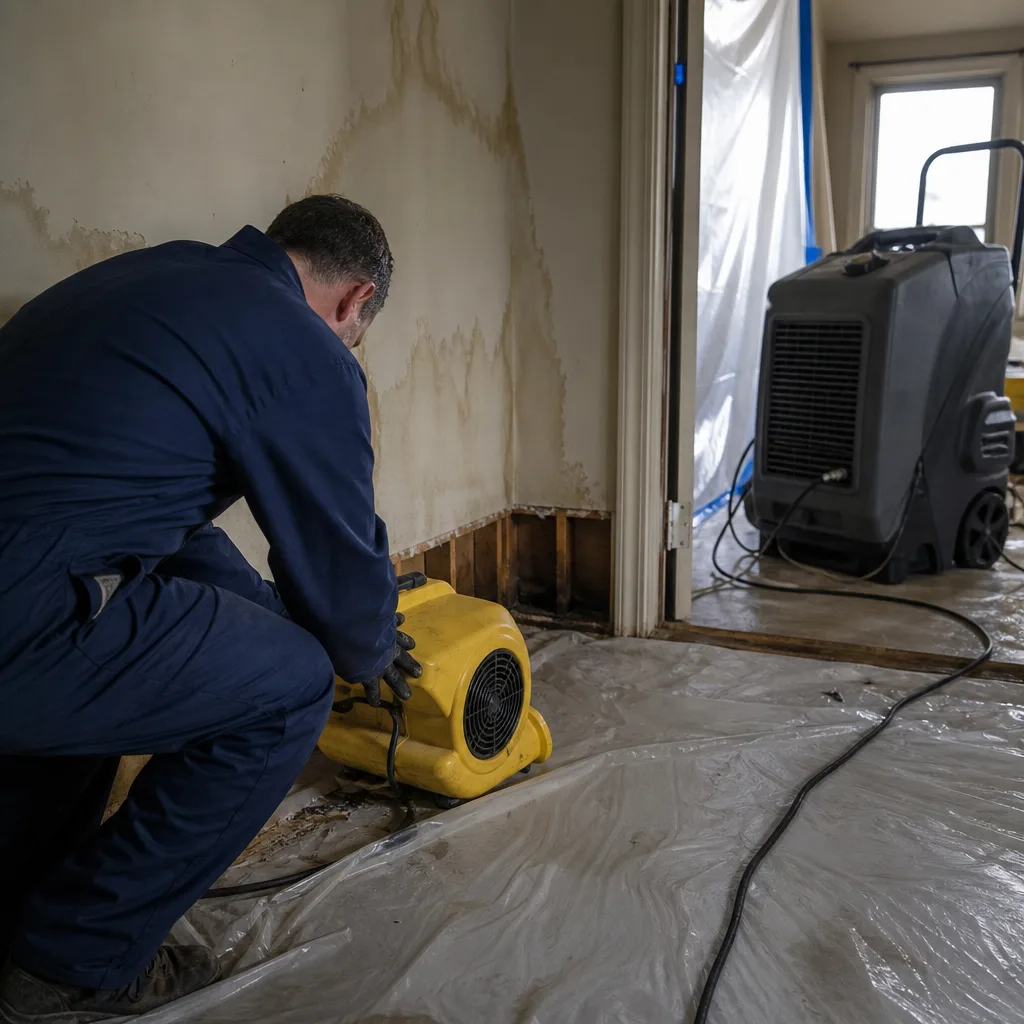
Office & Retail Restoration
A flooded basement below a Harlem storefront is a business interruption problem, not just a water problem. We dry the space to the standard, then rebuild shelving, walls, and flooring so the front door can open again. We also handle fire and smoke restoration for office suites in converted brownstones, where soot settles into original woodwork and needs careful, specific cleaning rather than demolition.
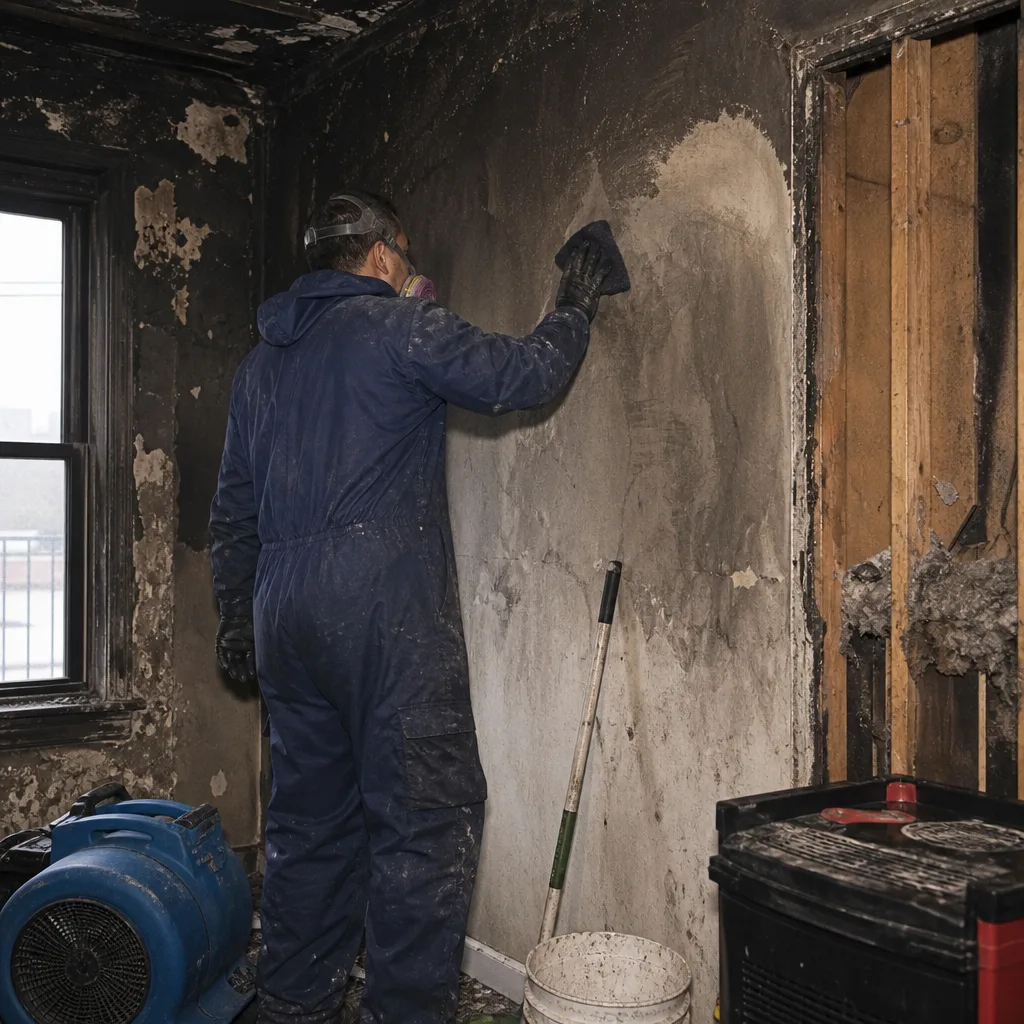
Industrial Facility Cleanup
Harlem’s older industrial buildings, many converted now but originally built for manufacturing, hide vulnerabilities in original supply lines and electrical. Water intrusion here often carries oils, solvents, or decades of accumulated residue. We classify the water, contain the affected zone, and run industrial-grade drying until the building, not just the air, is dry.
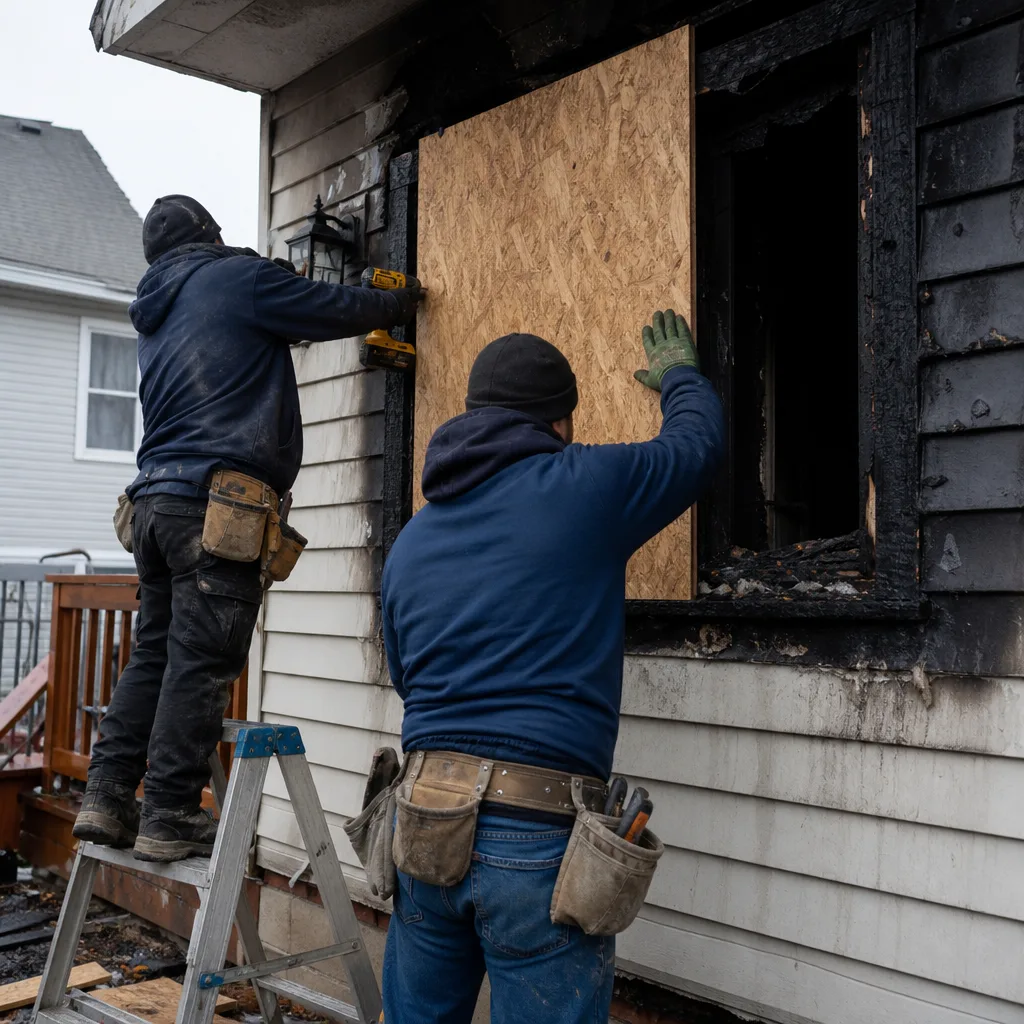
Large-Loss Response
When a fire or burst main hits an entire Harlem rowhouse or a multi-floor commercial building, the scope spans multiple trades and multiple weeks. We run large-loss jobs with a dedicated project lead, daily documentation, and a schedule that respects landmark review timelines. You get one company accountable for the whole result.
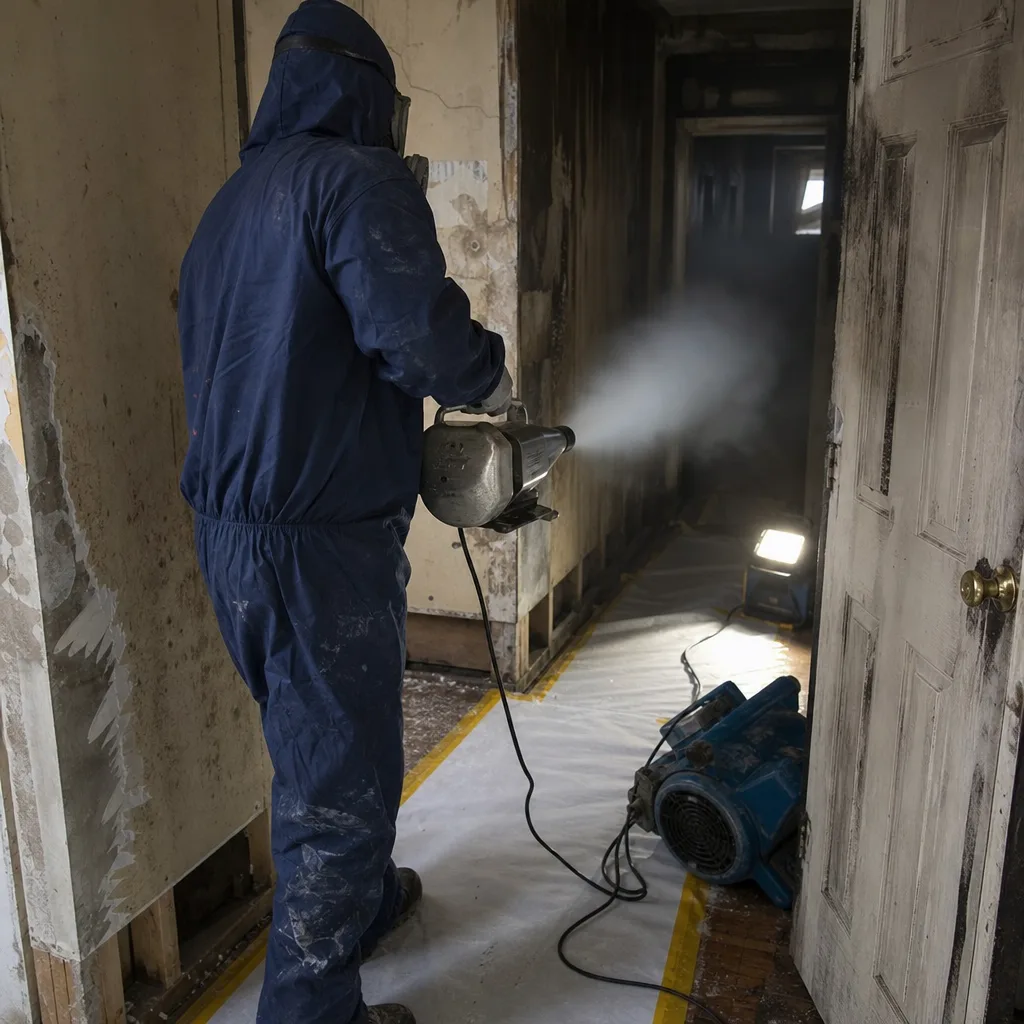
Business Interruption Minimization
The worst cost on a Harlem commercial loss is not the water. It is the closed sign. We stage drying and rebuild work around your occupancy where it is safe, protect inventory and equipment where we can, and get the space back to revenue faster. For retail on 125th Street or offices above Frederick Douglass Boulevard, we know every closed day costs real money, and we schedule accordingly.
What happens when you call
- 1
A real person answersNo phone trees - you reach a local pro.
- 2
You get an upfront price rangeHonest numbers before anyone is dispatched.
- 3
A background-checked tech heads outLicensed & insured, dispatched right away.
- 4
You approve before work beginsNothing starts until you say go.
Commercial Restoration Costs in Harlem, NY
Commercial restoration in Harlem runs higher than in the outer boroughs because the buildings are older, the regulatory layer is thicker, and shared walls expand scope. A straightforward water extraction and drying job in a small storefront office generally runs $2,800 to $5,400. A Category 2 or 3 water loss that requires containment, abatement clearance, and structural drying in a pre-war building typically lands between $6,000 and $14,000. Fire and smoke restoration in a Harlem brownstone retail space often runs $9,000 to $22,000 depending on how far soot migrated through original plaster and ductwork. The landmark review and NYC DEP asbestos plus lead-paint surveys can add $1,500 to $4,500 before drying begins, which is a Harlem-specific cost no outer-borough estimate includes. The free visual inspection gives you a firm scope, and we write the estimate so your carrier can process it without a fight. Call (518) 800-3751 for an exact number on your building.
We Also Serve Cities Near Harlem
Our Harlem crews also cover Astoria, Ditmars Steinway, Upper Manhattan, and the Upper East Side. Same live answer, same 45-minute response, same 90-Day Done Right Promise.
Serving Harlem, NY - Our Local Coverage Area
We’re based in the Harlem area and know this community well. Use the map below to see our service coverage - if you’re nearby, we can almost certainly help.
Harlem Commercial Restoration Questions, Answered
Why do commercial restoration projects in Harlem always seem to start with abatement before any water extraction?
Because Harlem’s brownstones and tenements were built between 1885 and 1925, which makes NYC DEP asbestos surveys and Local Law 1 lead-paint compliance mandatory before anyone disturbs walls, floors, or ceilings on a commercial loss. Drying a wall that has not been cleared for lead or asbestos risks spreading contaminated dust through the building and violates city code. Call (518) 800-3751 and we will coordinate the abatement survey as step one.
How do you handle water damage that spreads through shared party walls between Harlem brownstones?
We treat every Harlem rowhouse loss as a potential multi-building event. Before drying starts, we moisture-map the affected unit and all adjacent units, because a Category 2 backup in one brownstone regularly migrates through horsehair plaster and joist bays into two or three neighboring buildings. Containment goes up across the full affected envelope, not just the unit where the source appeared.
Can you mitigate business interruption for a Harlem ground-floor retail space above a flooded basement?
Yes. We prioritize source control, dehumidification, and structural drying in a sequence that keeps the occupied floor usable where safe, then schedule rebuild work around your operating hours. We know every closed day on 125th Street costs revenue, so we plan the work to reopen the door as fast as the structure and the city allow.
What makes Harlem’s original one-pipe steam systems a recurring cause of commercial water damage?
The original one-pipe steam systems in this neighborhood’s pre-war brownstones develop condensate backups when supply lines lose their slope or when packing around radiator valves fails, and that water hides in walls and ceilings. The actual source is almost never in the unit where the damage appears, so techs who do not check every adjacent unit’s steam risers misdiagnose the call. We verify the source before classifying the water and writing the scope.
Do I need special permits for commercial restoration in a Harlem landmark district?
In most landmarked districts, including Hamilton Heights and sections of Central Harlem, any exterior work triggers Landmarks Preservation Commission review, and nearly every interior water or fire loss triggers NYC DEP asbestos and lead-paint clearance steps before repair. We handle the permit coordination and the abatement scheduling as part of the restoration, so you are not left filing city paperwork on your own.
How fast can a crew actually reach my Harlem commercial property?
Most Harlem addresses get a uniformed technician on site within 45 minutes of your call, day or night. We keep crews staged in Manhattan, and the live dispatcher at (518) 800-3751 routes the nearest team immediately. The first hour is when extraction and containment make the biggest difference to the final bill.
Will my insurance cover commercial restoration in a Harlem brownstone?
Most commercial policies cover sudden water, fire, and storm losses, including the abatement steps when required by city code. We document every phase, send photos and drying logs to your adjuster directly, and bill the carrier when the policy allows. If the claim is underpaid, our line-item scope is built to support an appeal.
What should I do in the first 30 minutes after a water or fire loss in my Harlem building?
Call (518) 800-3751 first. Then shut the water or electric source only if you can do so safely, do not open walls or disturb suspicious materials, and keep foot traffic out of affected areas, especially in pre-war buildings where lead or asbestos may be present. We will walk you through it on the phone while the crew is rolling.
Written by Curt Bowman, Owner at Floodline Restoration Co., serving Harlem and Upper Manhattan since our founding.