
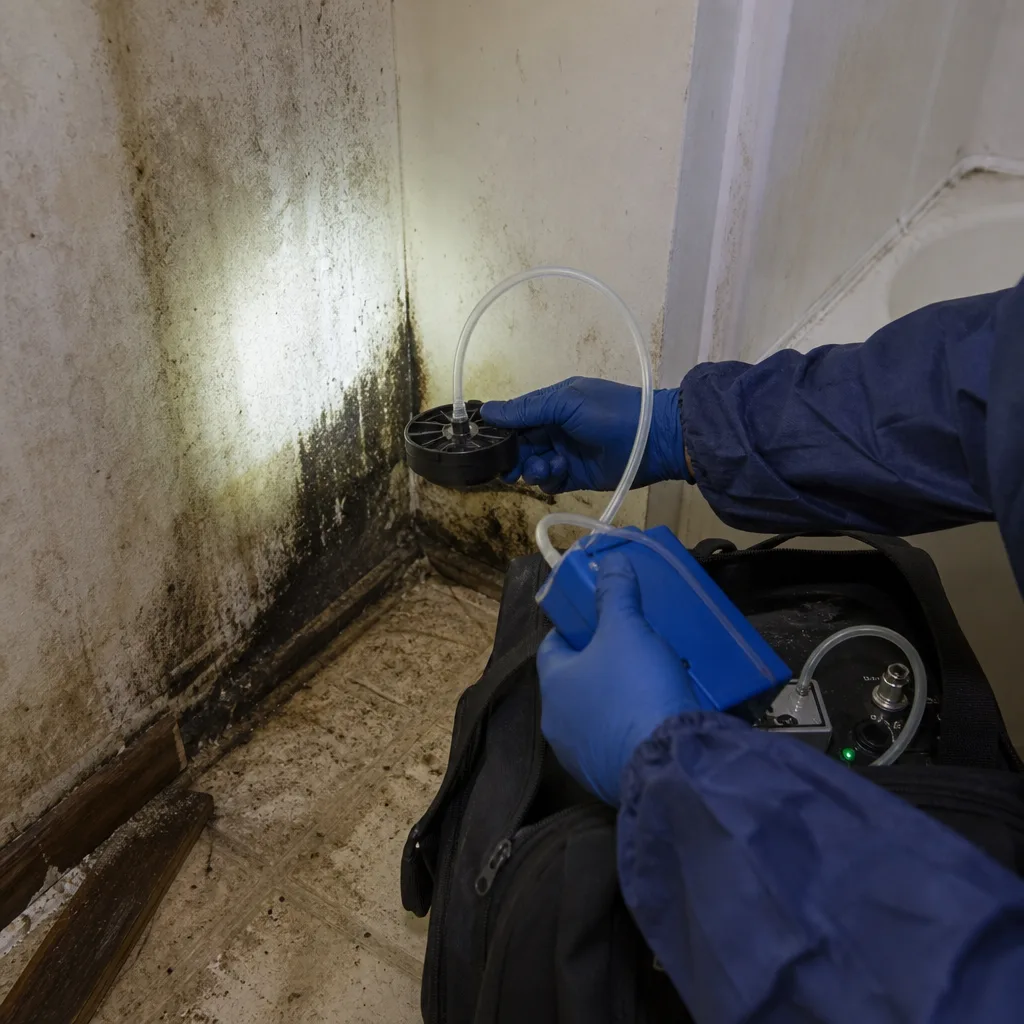
Free visual inspection and a written scope of work before any mitigation begins - photos, moisture readings, and drying logs go in your claim file
The scope we write is the scope we bill. Anything new gets shown to you, in writing, before we touch it.
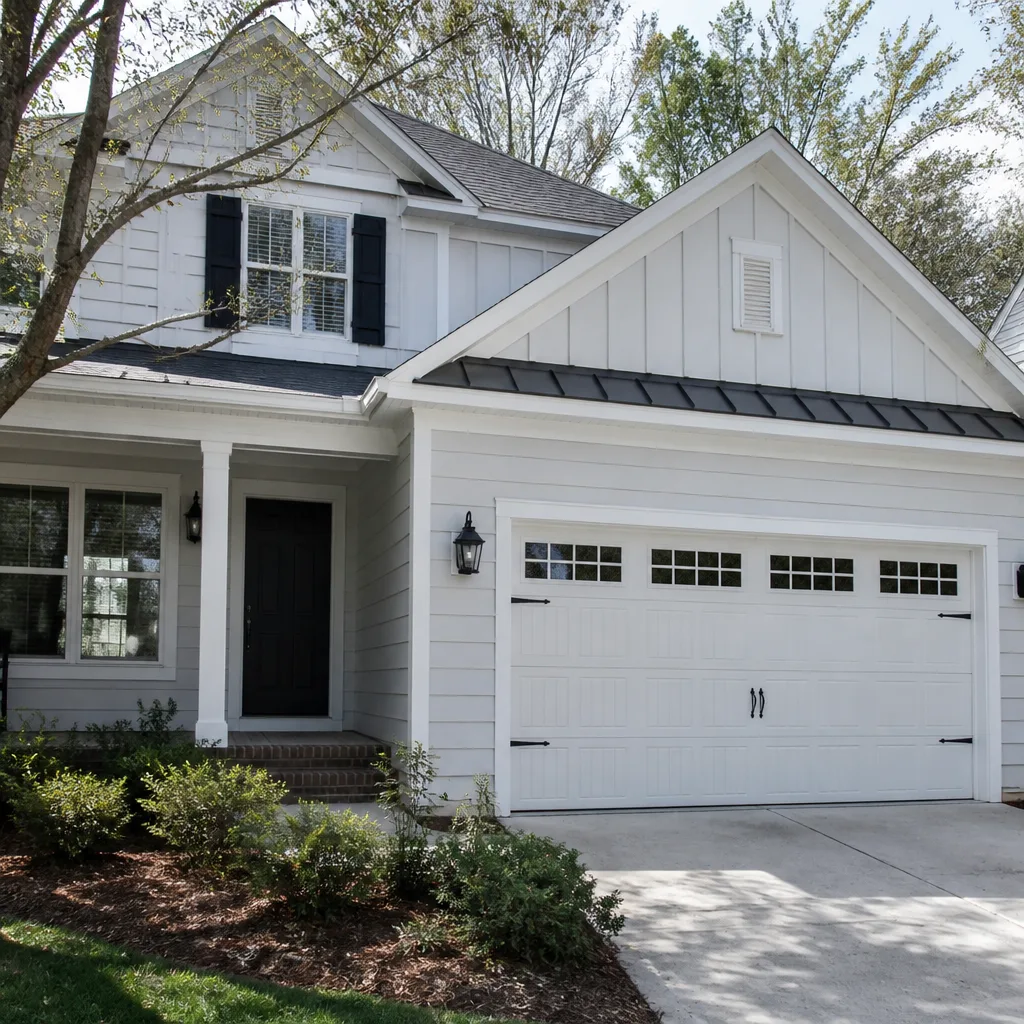
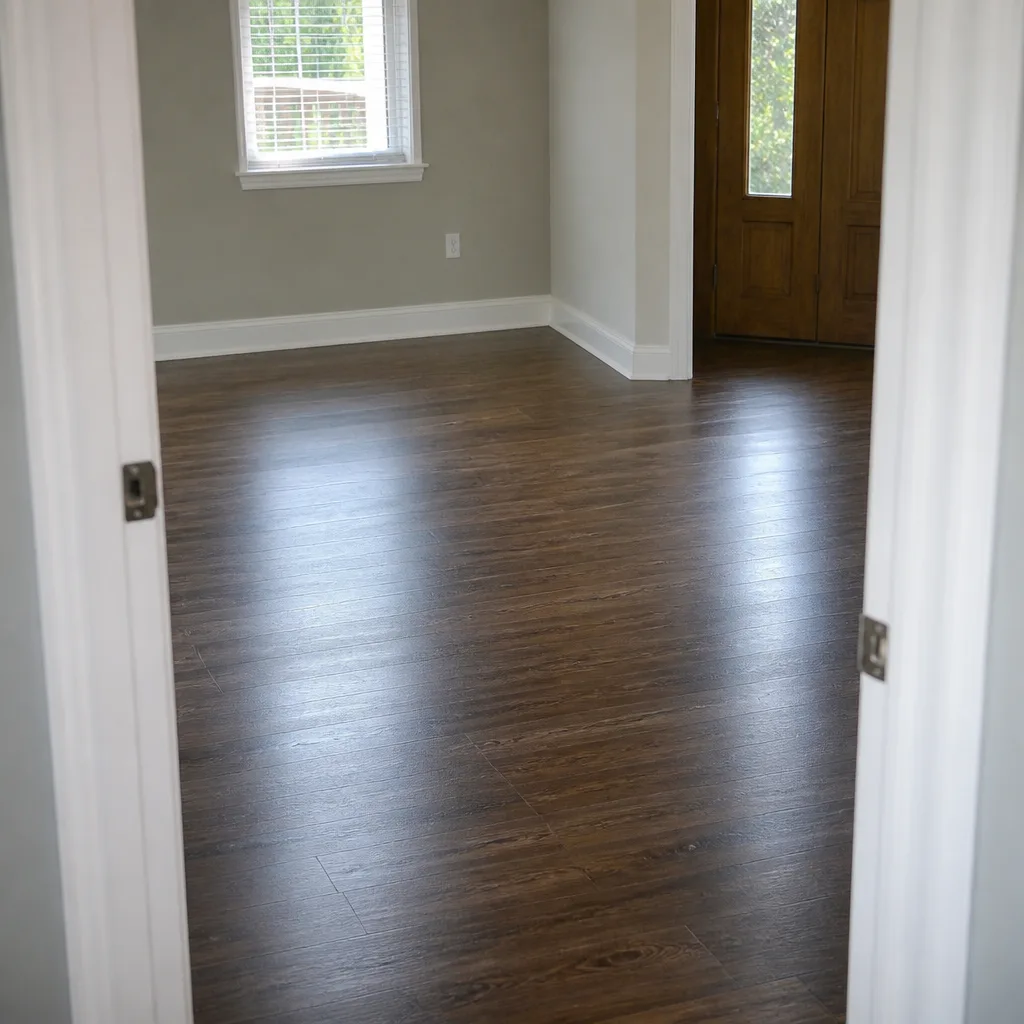
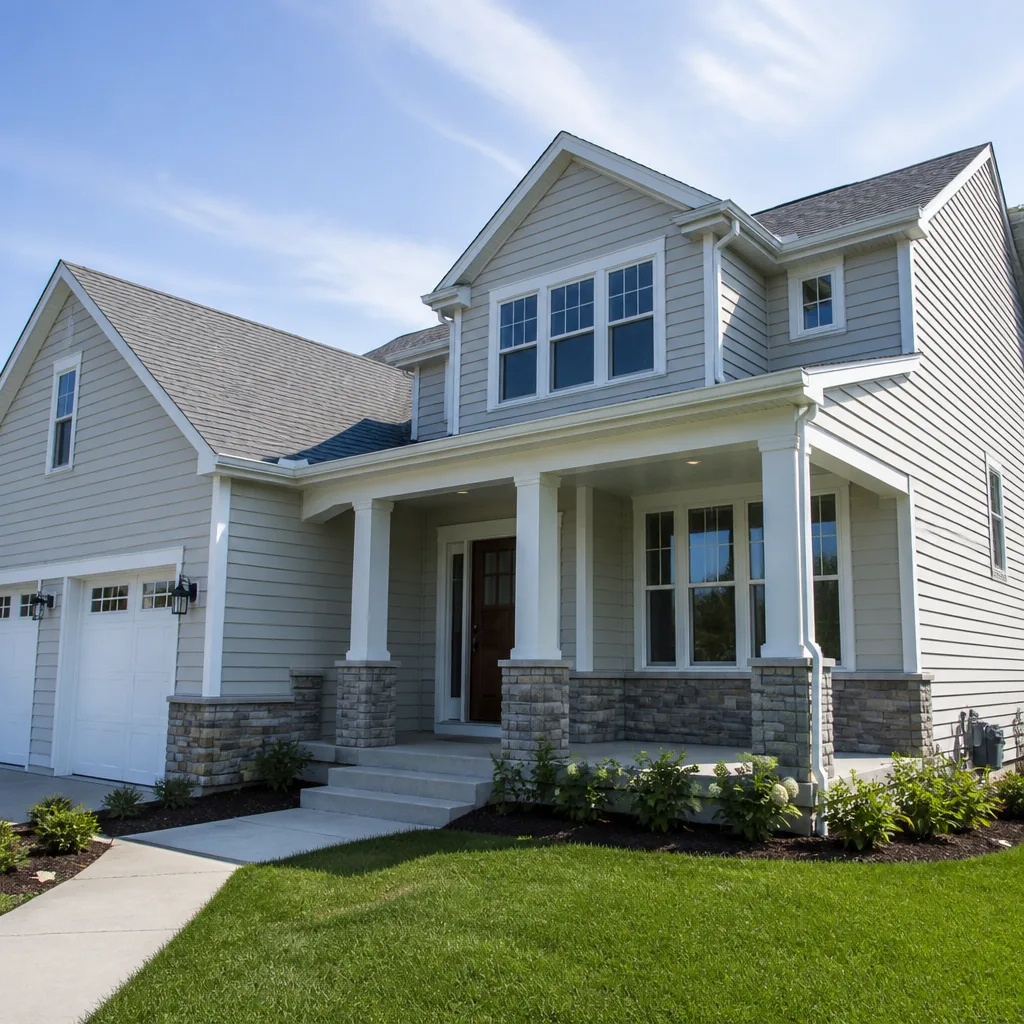
 Before
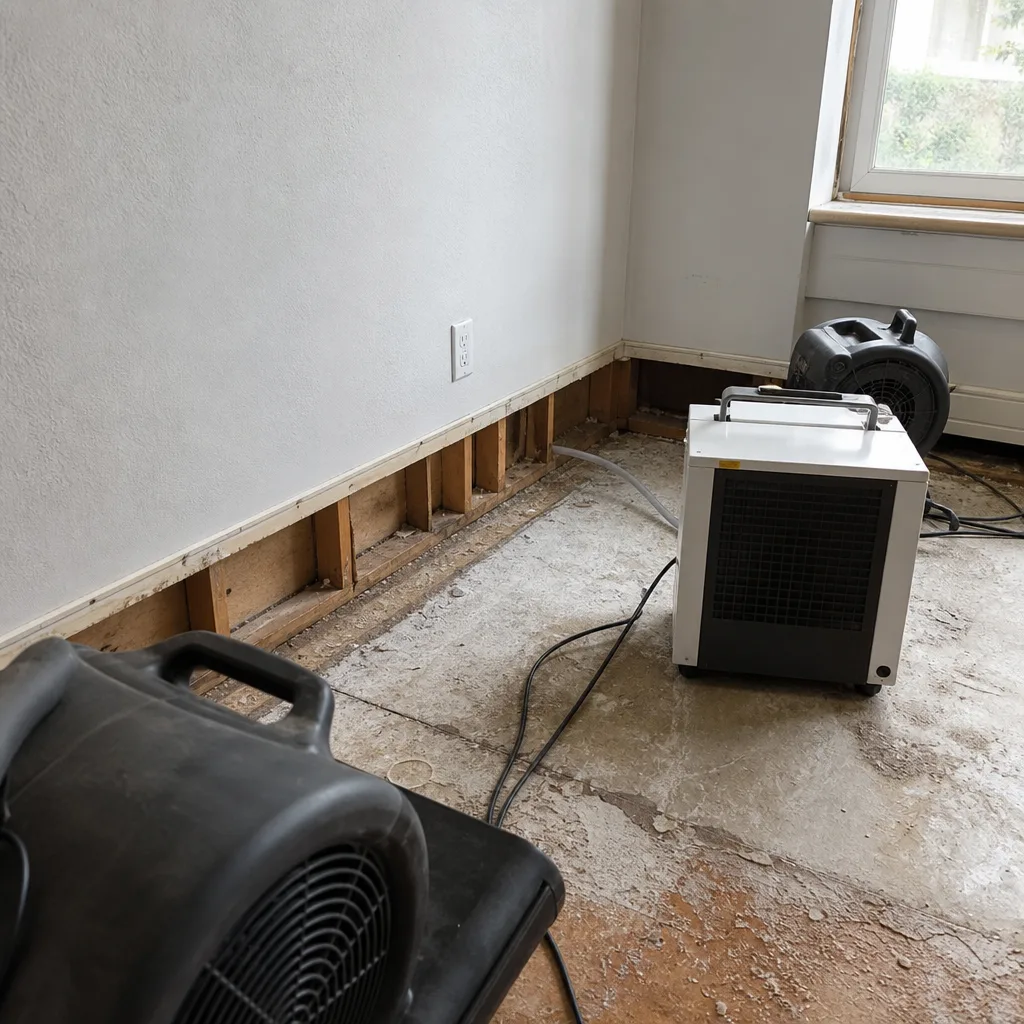 After
After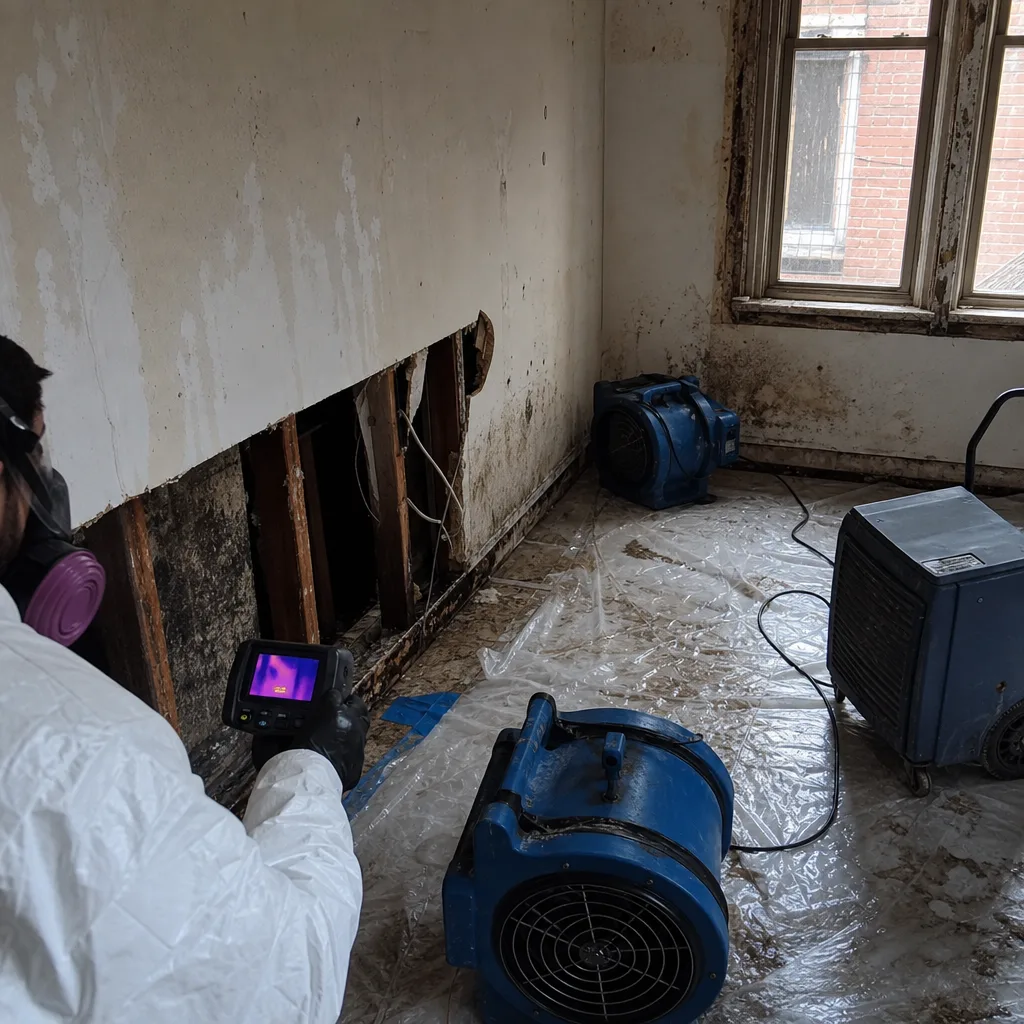 Before
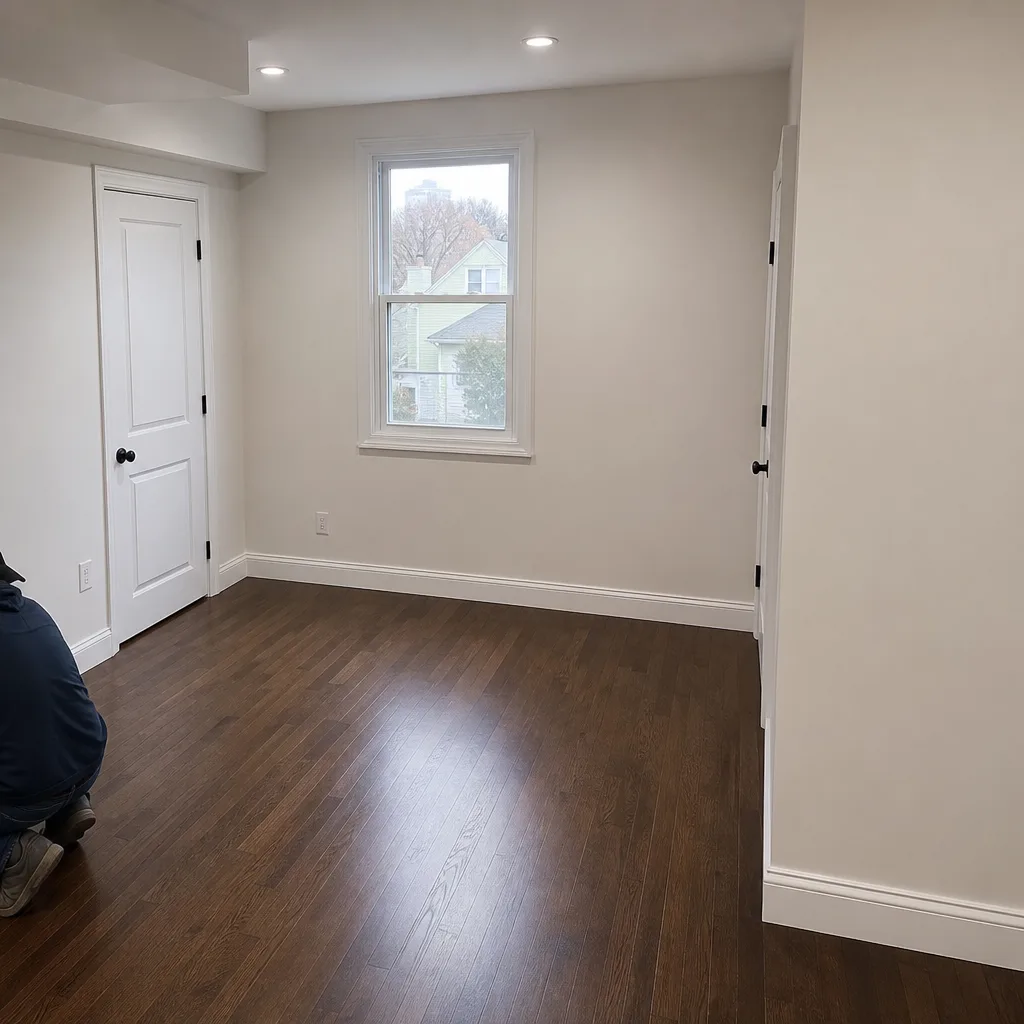 After
After24/7 Emergency Mold Remediation in Corona
Mold remediation in Corona typically runs $2,700-$6,300 depending on the square footage and whether it’s a basement unit, behind-wall cavity, or a full multiple-room spread. We answer the phone live at (518) 800-3751 any hour, and a certified crew can be on-site in Corona within 45 minutes for a visual inspection and containment setup. Mold doesn’t wait for business hours in a 1930s attached row house, and neither do we. You’ll get a straight answer, a written scope, and a crew that knows the difference between surface staining and a cavity that’s been breathing moisture through a shared brick wall for months.
Understanding Mold Remediation Severity in Corona Properties
Not every mold call in Corona is a full containment job. Some are surface-level growth on a basement drywall corner after one bad storm. Others run deeper. We classify based on the square footage of visible growth, the moisture source feeding it, and whether the affected materials are porous. Drywall, fiberglass insulation, and ceiling tile absorb water and typically can’t be cleaned back to a safe standard. They come out. Hard surfaces like sealed concrete and tile can often be HEPA-vacuumed, scrubbed with antimicrobial agents, and dried in place.
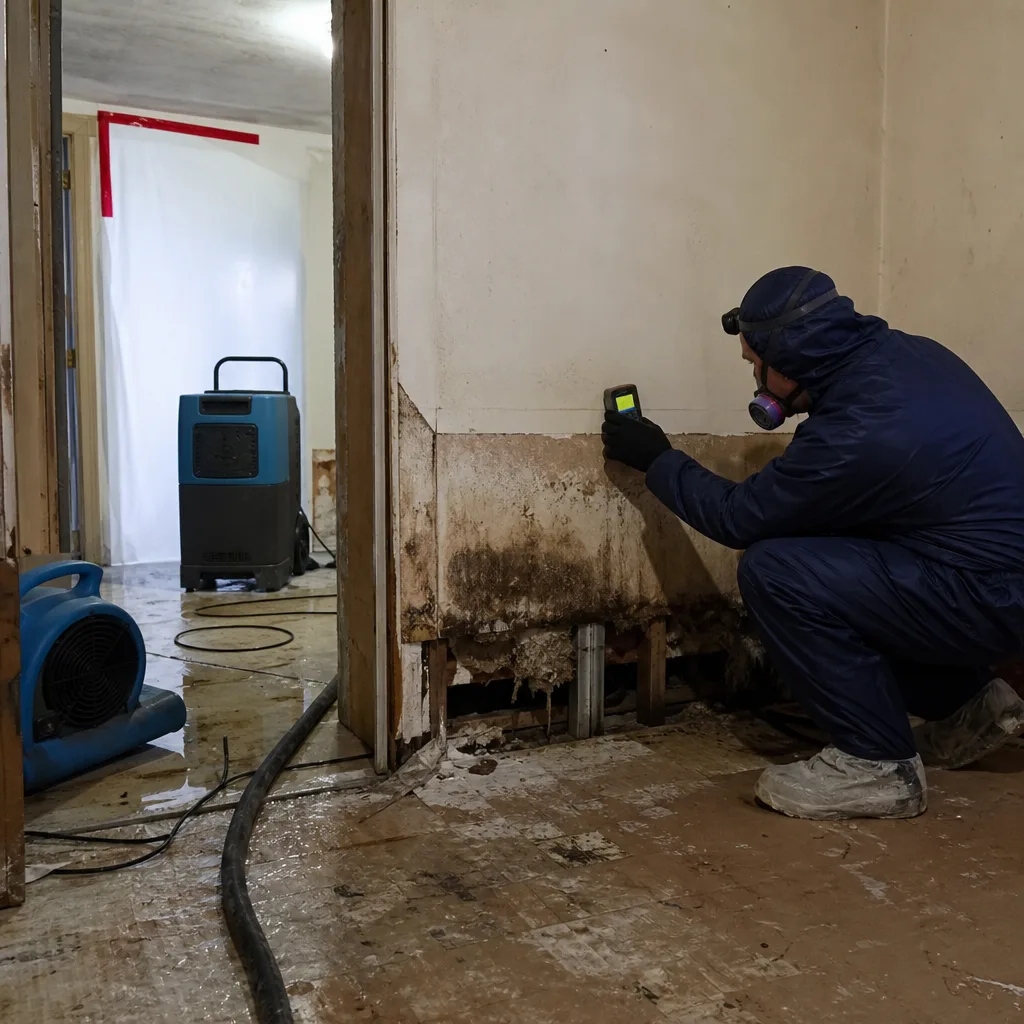
In Corona’s attached brick row houses, the harder cases are almost always behind walls. Water travels through shared masonry, settles in a stud cavity, and sits there. The mold grows slowly, out of sight, until a tenant on 104th Street smells it or someone starts waking up congested. That’s when we bring in thermal imaging and moisture meters to map the spread, because visual inspection alone misses what’s inside the wall assembly. Containment gets built, negative air pressure goes in, HEPA scrubbers run, and the contaminated material comes out under controlled conditions. No shortcuts, no painting over it.
Why Corona Property Owners Choose Floodline Restoration Co.
- 45-minute response commitment - When mold is spreading behind a wall or a basement just flooded with the storm sewer, we get a crew moving immediately. Not a callback. A crew.
- 24/7 live answer, every time - A dispatcher picks up at 2 a.m. during a July thunderstorm flooding basements on Roosevelt Avenue. No phone tree, no “leave a message.”
- IICRC-certified crews - Our technicians hold WRT (Water Damage Restoration) and AMRT (Applied Microbial Remediation) certifications, trained to handle Category 1, 2, and 3 water and the mold that follows each.
- Free visual inspection - We walk the space, check the moisture source, and tell you honestly whether this is a cleanup job or a full containment and removal. No charge, no obligation.
- Direct insurance billing - We document, we scope, we talk to your adjuster so you don’t have to become a middleman between two parties who speak different languages.
- One team, start to finish - The same certified crew that builds containment on day one handles the drying, the clearance testing, and the rebuild. Nobody inherits a half-finished job.
Our Mold Remediation Process
Inspection & Assessment
We start with a full walkthrough, looking at visible growth, moisture sources, and the building itself. In a Corona row house, that means checking party walls, basement floor drains, and the roof line above the top-floor unit. Thermal imaging and moisture meters tell us what the eye can’t see.
Containment & Source Control
Before anything opens up, we seal the affected area with 6-mil poly, set up a negative air pressure system, and stop the moisture at its source. That could mean a cracked supply line, a failed roof membrane, or a sewer back-flow that pushed water up through the floor drain.
Drying & Dehumidification
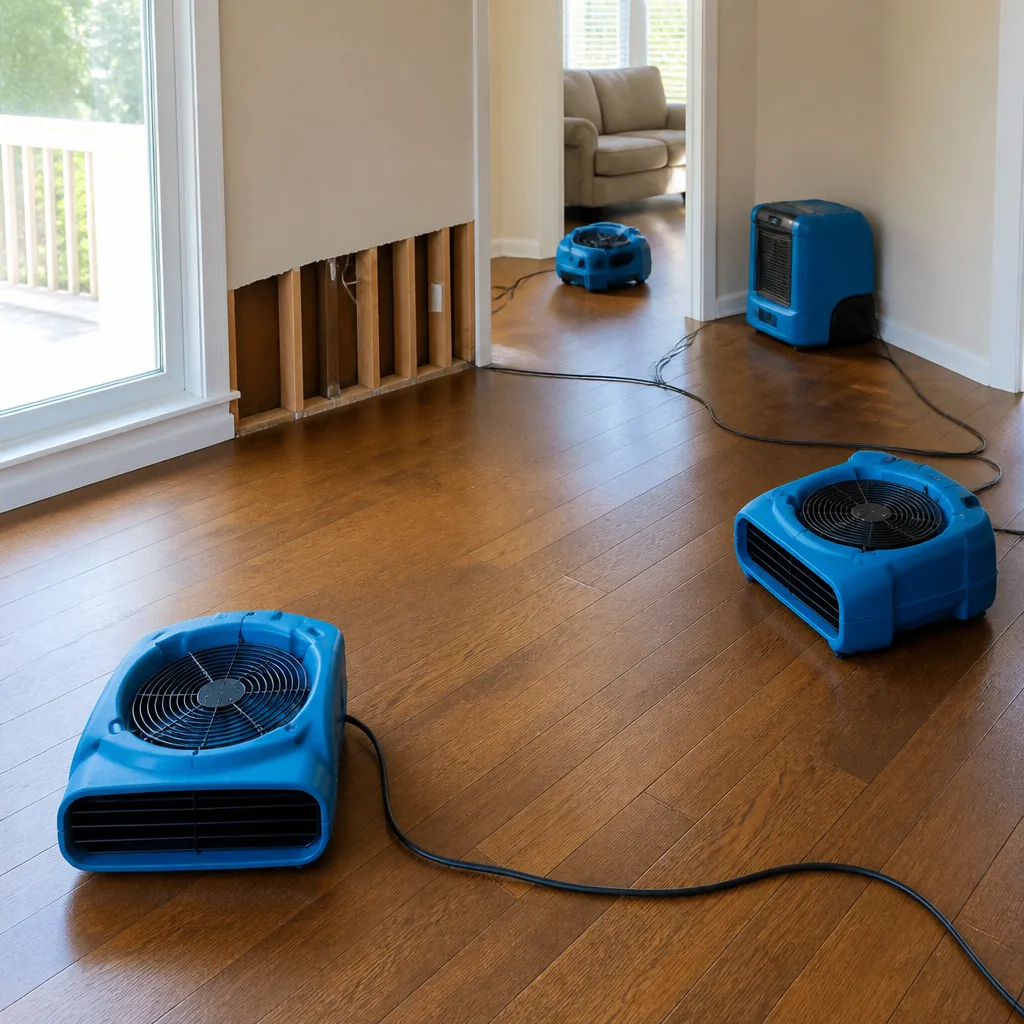
Professional-grade Dri-Eaz and Phoenix dehumidifiers run around the clock until the dry standard is met. We take daily readings, log everything, and hand you and your carrier the drying record. No guessing.
Cleaning & Antimicrobial Treatment
All affected surfaces get HEPA-vacuumed and scrubbed with professional antimicrobials. The goal is clean enough to pass post-remediation verification, not just clean enough to look fine.
Clearance & Air Quality Verification
We run post-remediation verification air samples where the scope calls for it. In Corona’s tight attached housing, that step matters even more, because a missed pocket of mold in your wall can push through to the neighbor’s side of the same brick.
Repairs & Restoration
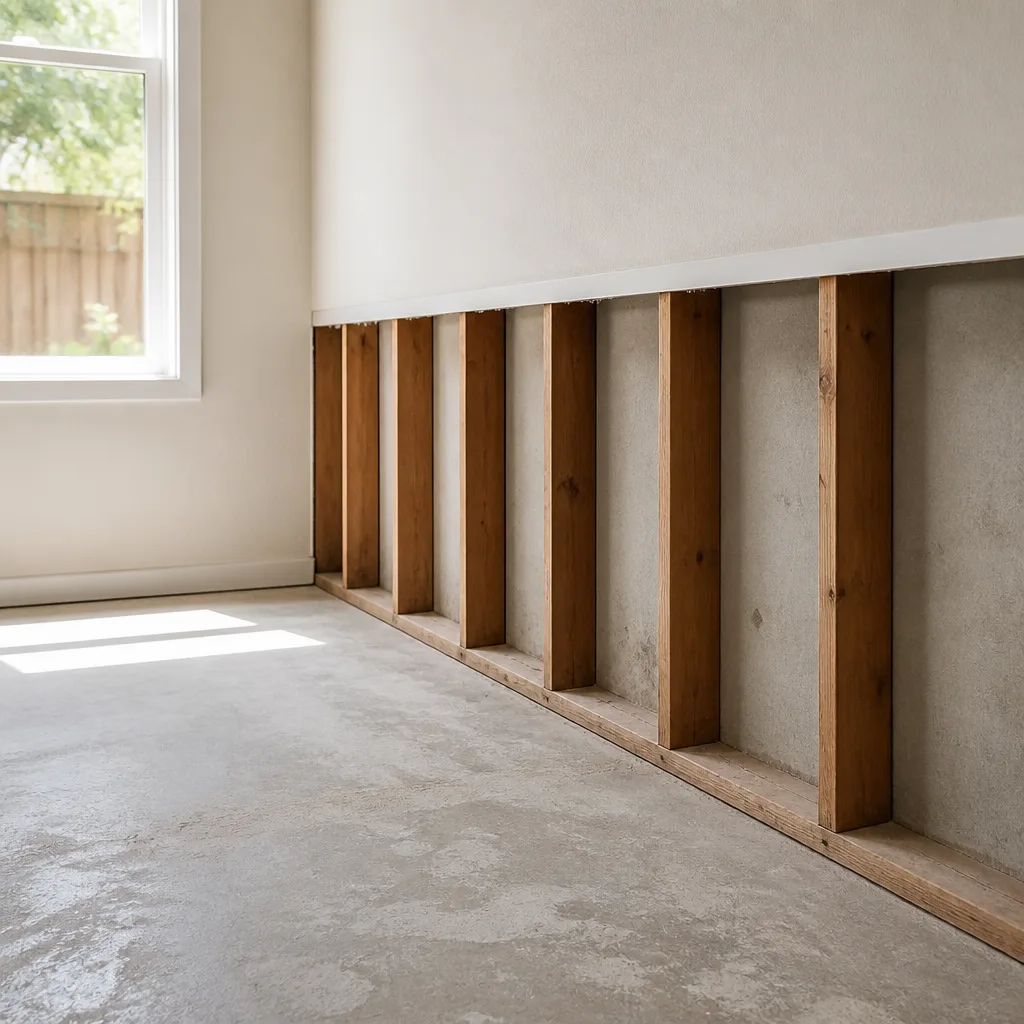
Whatever we cut out, we put back. Drywall, insulation, framing, trim. The same crew that did the removal does the rebuild, so there’s no handoff, no lost information, and no arguing about who did what.
Need Emergency Mold Remediation in Corona Now?
Crews minutes away, answering live 24 hours a day. The sooner we start, the less it costs.
Working With Your Insurance Company
Insurance claims in Corona get tangled fast. A basement unit without a certificate of occupancy, a tenant without a lease, a shared wall with two separate policies. We deal with this daily. From the first hour on-site, we document everything: photos of every affected area, moisture readings, a line-item scope of work, and a drying log your adjuster can’t argue with. We talk directly to the carrier so you’re not relaying technical details back and forth. If you have a public adjuster, we coordinate with them too. You never become the messenger.
What We Provide Your Insurer
- Thorough documentation of the loss
- Photos of all damage, room by room
- Moisture readings and drying logs
- A detailed, line-item scope of work
- Direct coordination with your carrier
Built for Corona’s Loss Calendar
Corona’s mold problems don’t follow a single season. They follow the water. January and February bring deep freezes that split aging galvanized supply lines in unheated cellar bays. March and April bring thaw and spring rains that push groundwater through old brick foundations on streets like 34th Avenue and 103rd Street. July and August are the worst: the combined sewer system backs up during heavy thunderstorms and slurry comes up through basement floor drains from 111th Street to Junction Boulevard. That’s when the calls spike. And every one of those events, left untreated for even 48 hours, becomes a mold problem in a damp enclosed below-grade space with no cross-ventilation.
The pattern is consistent. Flooding happens, the water sits, and within three to five days mold is visible on drywall and baseboards. In autumn, nor’easter remnants drive wind-driven rain against flat and low-pitch roofs, dripping through aging tar membranes into top-floor ceiling cavities. Knowing the calendar helps us respond faster. It also tells us where to look when a homeowner says they smell something but can’t find the source.
Mold Remediation Across Corona’s Neighborhoods
Corona isn’t one housing type. It’s a patchwork, and each area fails differently. Around Flushing Meadows Corona Park’s northern edge, the mix of pre-war attached houses and larger older apartment buildings creates long roof expanses that pond water and eventually find a seam. Along Roosevelt Avenue, the commercial ground floors and residential upper floors stack moisture sources vertically, so a deli’s walk-in cooler condensation can travel through the ceiling assembly into an apartment above without anyone realizing until drywall sags. Over near the 111th Street corridor, streets run tight and houses sit shoulder-to-shoulder, which means when one basement floods during a combined sewer overflow, the water doesn’t stop at the property line. It moves laterally through the shared masonry and the sump pump next door starts running hard. On 104th Street and the blocks around St. Leo’s, the attached brick row houses from the 1930s are the most common call: basement units, finished decades ago, with drywall against brick foundations that wick groundwater every spring.
In the blocks south of Northern Boulevard, we see more semi-detached homes than fully attached, but the failure mode is the same: original cast-iron drain stacks rust out at the bell joints, leak slowly inside the wall cavity, and grow mold that nobody notices until the plaster starts bulging. The common thread across all of it is density. Corona’s housing stock doesn’t breathe. Moisture gets trapped, and trapped moisture always has a consequence.
Specialized Mold Remediation Services We Offer in Corona
Our Mold Remediation team handles the full range of mold work in Corona, from small contained removals to full basement and multi-room projects. Here’s what that covers in this neighborhood specifically.
Mold Inspection & Testing
In a Corona row house, an inspection has to go beyond what’s visible. Shared walls hide moisture from the adjacent unit. We check DOB permit status for your basement space, run thermal imaging across party walls, and take air samples where the scope calls for it. You get a clear answer: is this a health issue, and where is the moisture coming from.
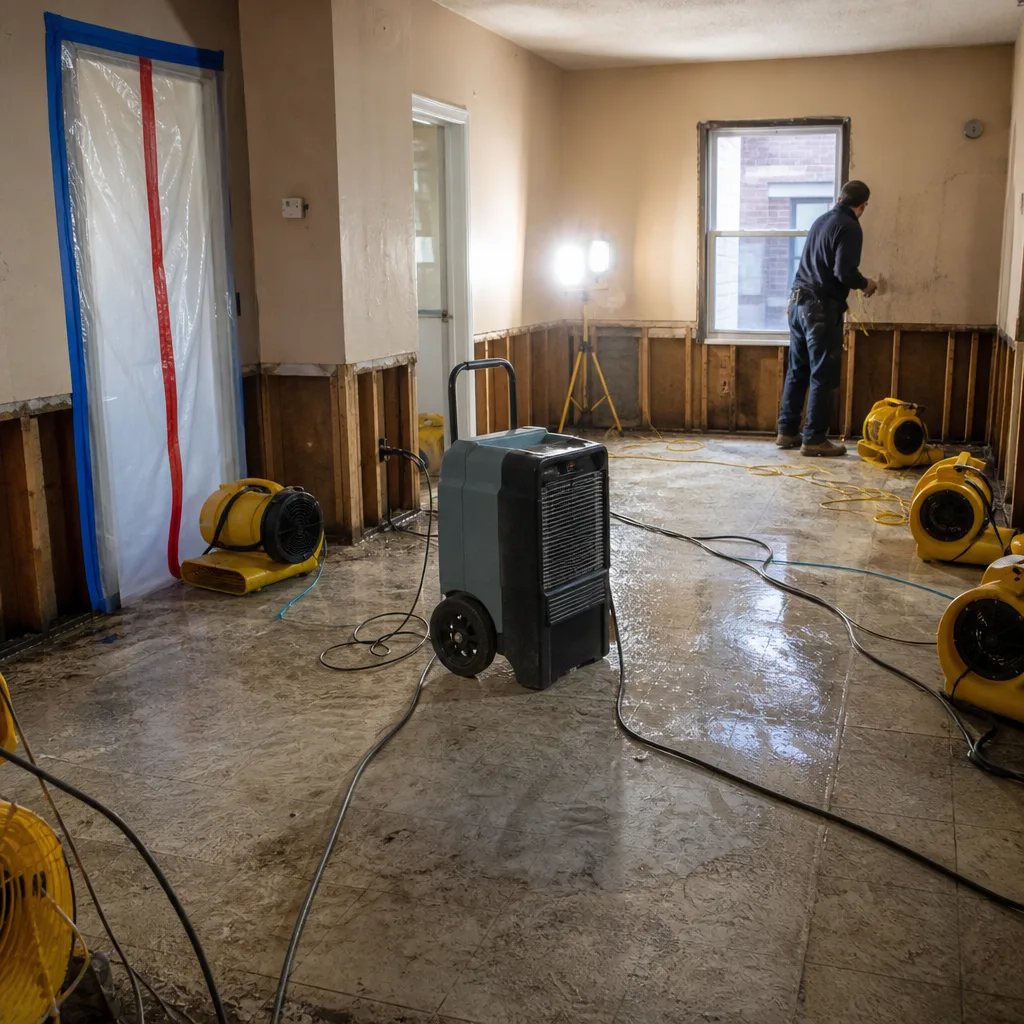
Mold Removal
This is the physical work: containment, controlled demolition of affected drywall and insulation, HEPA vacuuming, and antimicrobial treatment. In attached housing, we contain more aggressively than in a detached home because the air column is shared. A loose containment job here means mold spores moving next door through the joist bays.
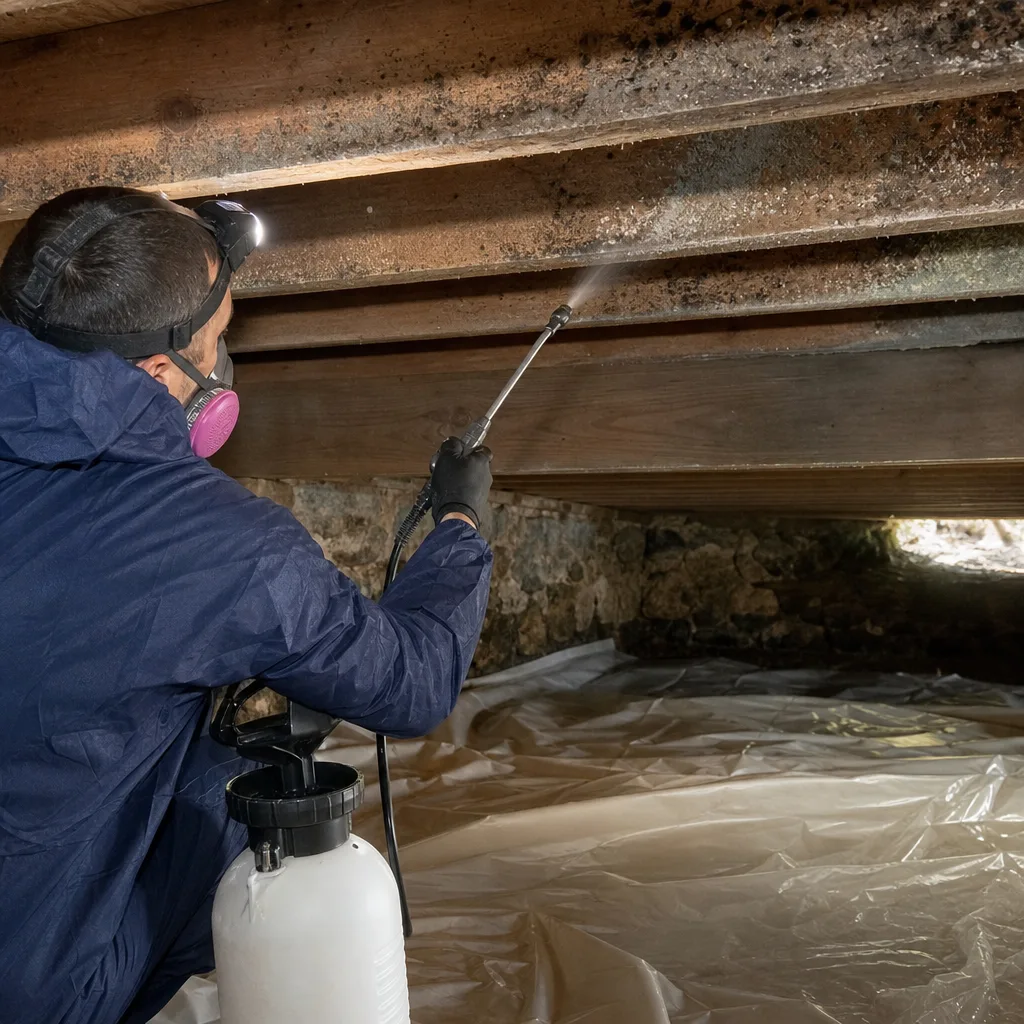
Black Mold Remediation
Stachybotrys gets more attention than it generally deserves when people say “black mold” but not all black staining is Stachybotrys, and not all Stachybotrys is black. What matters is moisture and porosity. We treat any mold growth on porous materials as a removal job, not a cleaning job. That’s the honest standard, and it protects your health and your neighbor’s.
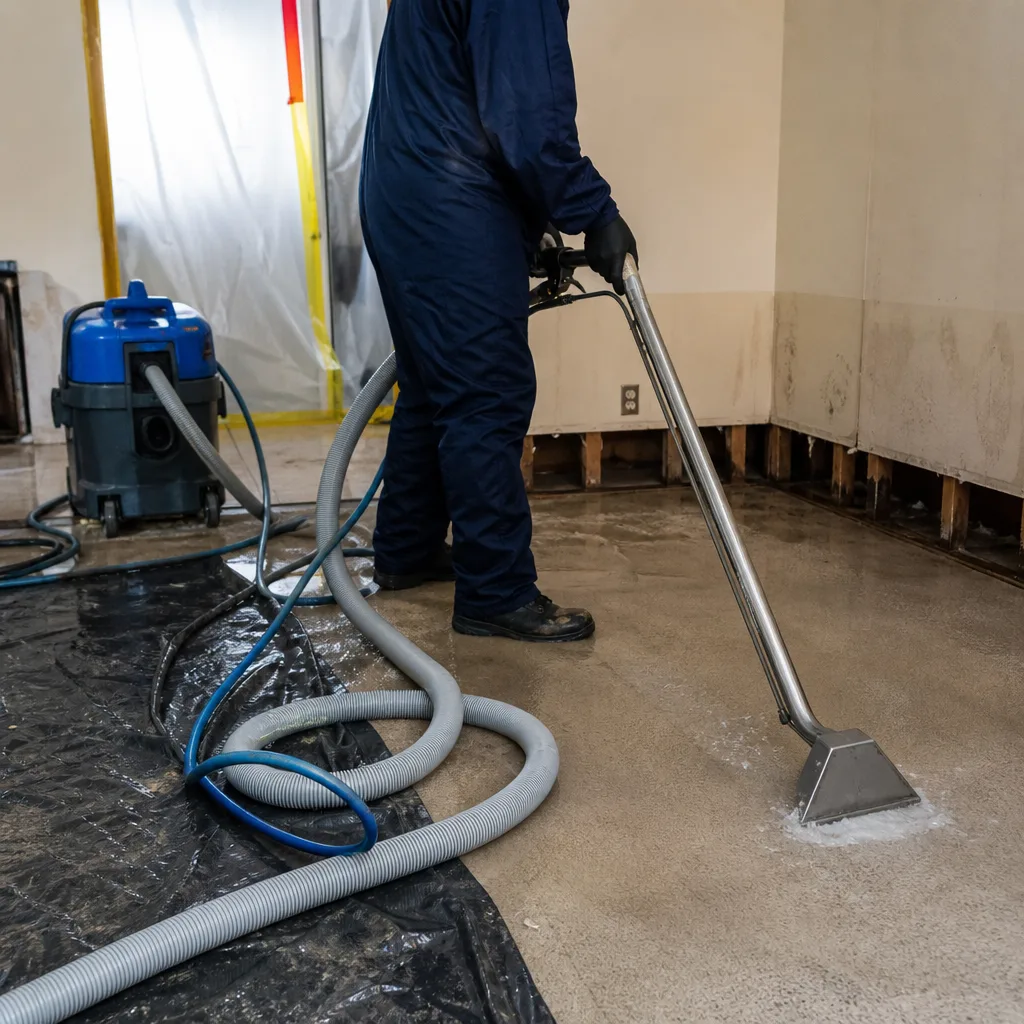
Air Quality Restoration
Post-remediation air quality is measured, not assumed. We run HEPA scrubbers during the job, and where the scope requires it, we run post-verification samples. The goal is bringing the indoor air quality back to a level consistent with the outside air, especially in a basement apartment where you sleep eight inches from the floor slab.
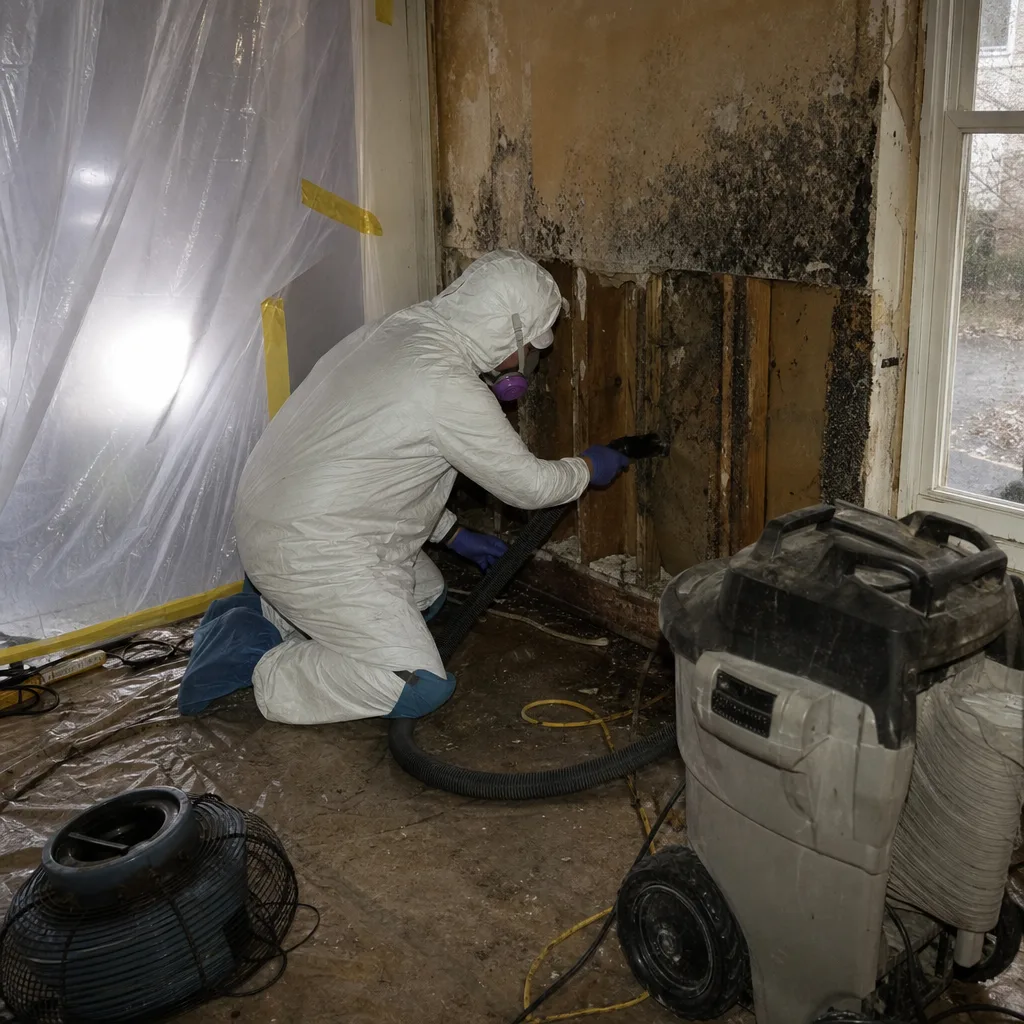
Moisture & Humidity Control
Mold removal without fixing the moisture source is just preparation for the next mold problem. In Corona’s below-grade apartments, that means sealing foundation walls, improving drainage, installing dehumidification where appropriate, and telling you honestly whether the space can ever be kept dry enough without mechanical help. Some can’t. We’ll say so.
Crawl Space Treatment
Some of the older houses around Corona still have crawl spaces rather than full basements, especially the semi-detached properties south of Roosevelt Avenue. Dirt floors, inadequate venting, and organic material left from previous renovations all contribute to mold. We remove contaminated material, treat the structure, and install vapor barriers where appropriate.
What happens when you call
- 1
A real person answersNo phone trees - you reach a local pro.
- 2
You get an upfront price rangeHonest numbers before anyone is dispatched.
- 3
A background-checked tech heads outLicensed & insured, dispatched right away.
- 4
You approve before work beginsNothing starts until you say go.
Mold Remediation Costs in Corona, NY
Here are honest numbers for Corona’s market. A small contained removal in a single bathroom or closet typically runs $1,800-$2,400. A basement apartment with visible mold spread across one or two walls runs $2,700-$4,800 after Category 3 water. A full below-grade unit that flooded above the baseboard line and sat for days before discovery runs $5,000-$9,500 once you include controlled demolition, drying, antimicrobial treatment, and rebuild. If the mold has moved into shared wall cavities and the scope crosses the party line, the number climbs from there. What moves the price: square footage of affected materials, whether the ceiling is involved, whether lead paint abatement complicates the cut, and whether the insurance carrier accepts the scope without a fight. We give you a written line-item estimate after the free visual inspection, and we bill your carrier directly whenever the policy applies. You know the number before work starts.
We Also Serve Cities Near Corona
Floodline Restoration Co. serves homeowners throughout western Queens. In addition to Corona, we provide mold remediation in Elmhurst, Jackson Heights, East Elmhurst, and Maspeth. Same crews, same response time, same written scope before any work starts.
Corona Mold Remediation Questions, Answered
How does mold remediation work in a Corona basement apartment that has no certificate of occupancy?
We work in these spaces constantly. The remediation itself is the same as in a permitted unit: contain, remove, dry, treat, verify. The difference is documentation. We photo-document the pre-existing condition of the space, note how it was being used, and build a scope that can stand up to adjuster scrutiny even without a CO. Our crews know how to handle the DOB permit status question because it comes up on most basement jobs in Corona. Call (518) 800-3751 and we’ll walk you through it.
Can mold spread from my row house to my neighbor’s attached brick wall in Corona?
Yes. Shared masonry walls in attached row houses transmit moisture, and mold can travel through open joist bays, wall cavities, and even through cracks in the party wall itself. We’ve seen mold growth on one side of a shared wall that traced back to a slow leak on the neighbor’s side that hadn’t been fixed for two years. That’s why we always inspect both sides of a party wall when mold appears near it, and why containment in attached housing is a stricter job.
How fast does mold start after a basement sewage backup in Corona’s combined sewer overflow events?
Mold spore germination begins within 24 to 48 hours in a warm, damp basement. When the water is Category 3, meaning it carries sewage and bacteria, the contamination is worse and more urgent. In a below-grade Corona apartment with no cross-ventilation, you’ll often see visible growth on drywall within three to five days. The faster extraction and drying start, the less material comes out. Call us as soon as the water recedes.
Do I need to vacate my Corona apartment during mold remediation if I’m a tenant without a lease?
In most cases, yes, at least for the portions of the job with active containment and demolition. The negative air pressure setup and the cutting itself release particulates that shouldn’t be inhaled. In a small basement unit, that usually means the whole unit is uninhabitable for a day or two during the removal phase. We coordinate with the unit owner and, when relevant, with neighbors who may also need to vacate during shared-wall work.
How do you prove to an insurance adjuster that my Corona basement space was a living area before the mold damage?
This is where our documentation process in Corona matters most. We photograph the space before any work begins, noting furniture, personal effects, kitchen appliances, bedding, and any other evidence of continuous habitation. We take moisture readings and document the pre-existing drywall and flooring condition. We can also provide a statement on how the space was functioning as a living unit. That file goes to your carrier as part of the scope package. Call (518) 800-3751 and we’ll explain exactly what we capture.
How fast can a crew actually get to Corona for a mold emergency?
We commit to a 45-minute dispatch window for emergency calls from anywhere in Corona, including the blocks around Flushing Meadows Corona Park, Roosevelt Avenue, and 111th Street. A live dispatcher takes the call, and a certified technician heads to you immediately. If it’s a true emergency involving active water or sewage, extraction starts on the first visit. No waiting for a salesperson to schedule you later.
What are your mold remediation certifications?
Our technicians hold IICRC certifications including WRT (Water Damage Restoration Technician) and AMRT (Applied Microbial Remediation Technician). They’re also trained to RIA and IFA standards. In practical terms, that means they know the containment requirements, the drying science, and the clearance testing protocols. They’re background-checked and uniformed, and they show up ready to do the job right.
What should I do in the first 30 minutes after I find mold in my Corona home?
Don’t touch it. Don’t spray it with bleach, don’t scrub it, and don’t paint over it. Close the door to the affected room if there is one, and move pets and anyone with respiratory issues out of the space. If there’s an active leak, shut the water at the nearest valve. Then call (518) 800-3751. We’ll tell you over the phone what matters right now and what can wait until we get there.
What Makes Corona Different
Here’s what most national franchise teams don’t know until they’ve been burned by it once. In Corona’s 11368 zip code, a high percentage of basement apartments lack certificates of occupancy, and many tenants live there without formal leases. When mold damage hits those spaces, the insurance claim doesn’t start with “what’s the damage.” It starts with “is this even a legal living area.” Adjusters stall. Scope approvals go sideways. Work that should have been authorized in a week takes a month. And the mold keeps spreading.
We’ve built our Mold Remediation process around that reality in Corona. Before we cut anything in a below-grade unit, we check DOB permit status and document the space as we found it. We trace moisture with thermal imaging and moisture meters, not just a flashlight. We’ve handled jobs where the basement had no CO, the tenant had no lease, and the owner and tenant had different versions of who lived there and for how long. Our documentation made the difference between a denied claim and a paid one. That’s the work. That’s what you’re paying for when you hire us.
We traced hidden mold in a 1930s attached brick row house on 104th Street after Hurricane Ida’s sewage backup soaked a below-grade unit. Using moisture mapping and a Dri-Eaz dehumidifier, we built drying logs that justified removing Category 3 water-damaged drywall and applied antimicrobial treatment before rebuilding to pre-loss condition, even though the basement had no CO and the tenant had no lease. That job taught us what this neighborhood’s paperwork looks like when the water recedes.
Serving Corona, NY - Our Local Coverage Area
We’re based in the Corona area and know this community well. Use the map below to see our service coverage - if you’re nearby, we can almost certainly help.
Ready When You Are
Floodline Restoration Co. has answered calls in Corona around the clock since Curt Bowman founded the company in 2010. We built it around a dispatch board, not a sales desk, because in this neighborhood the person who answers the phone has to know what a 1920s attached row house looks like when the basement’s been breathing sewer water for four days. Call (518) 800-3751 for a free visual inspection and a straight answer about what needs to happen next. Done right, and backed in writing.
Written by Curt Bowman, Owner at Floodline Restoration Co., serving Corona and surrounding Queens neighborhoods.