
Free visual inspection and a written scope of work before any mitigation begins - photos, moisture readings, and drying logs go in your claim file
The scope we write is the scope we bill. Anything new gets shown to you, in writing, before we touch it.
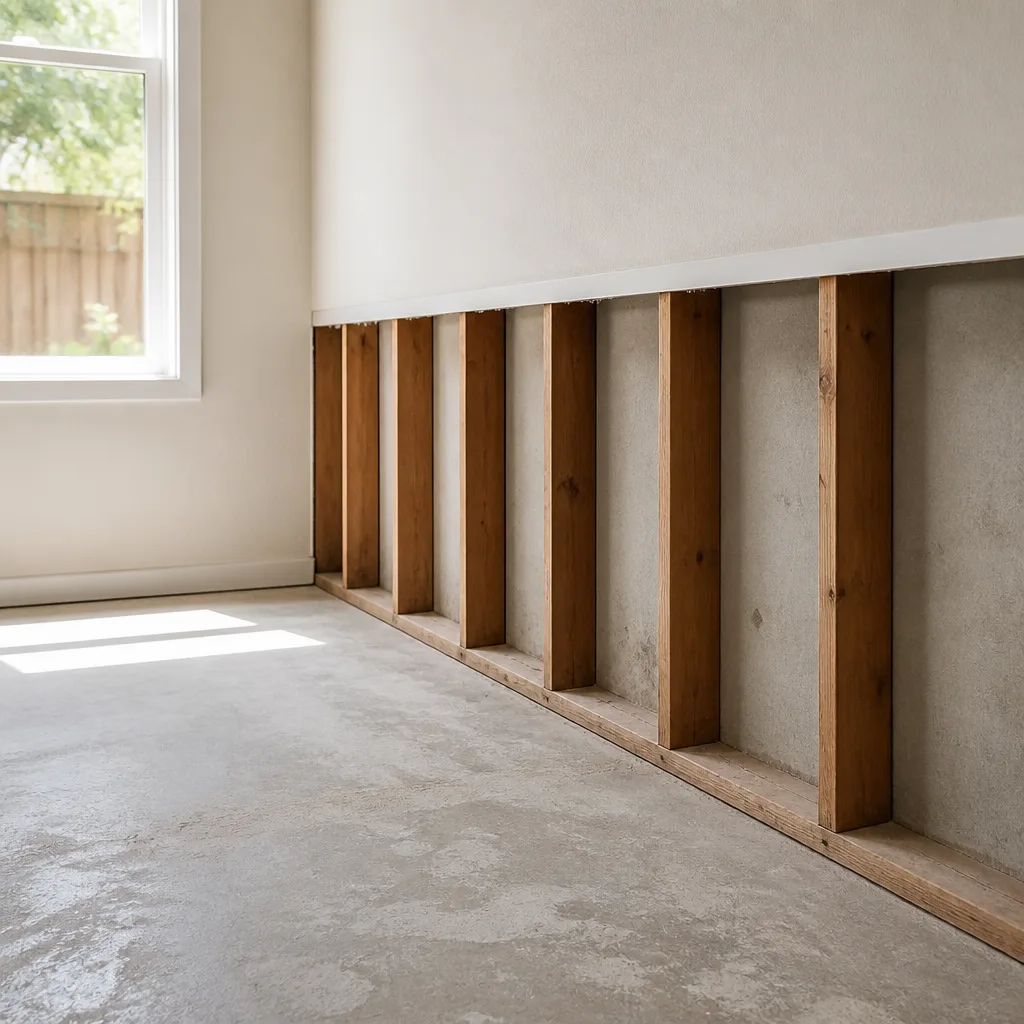
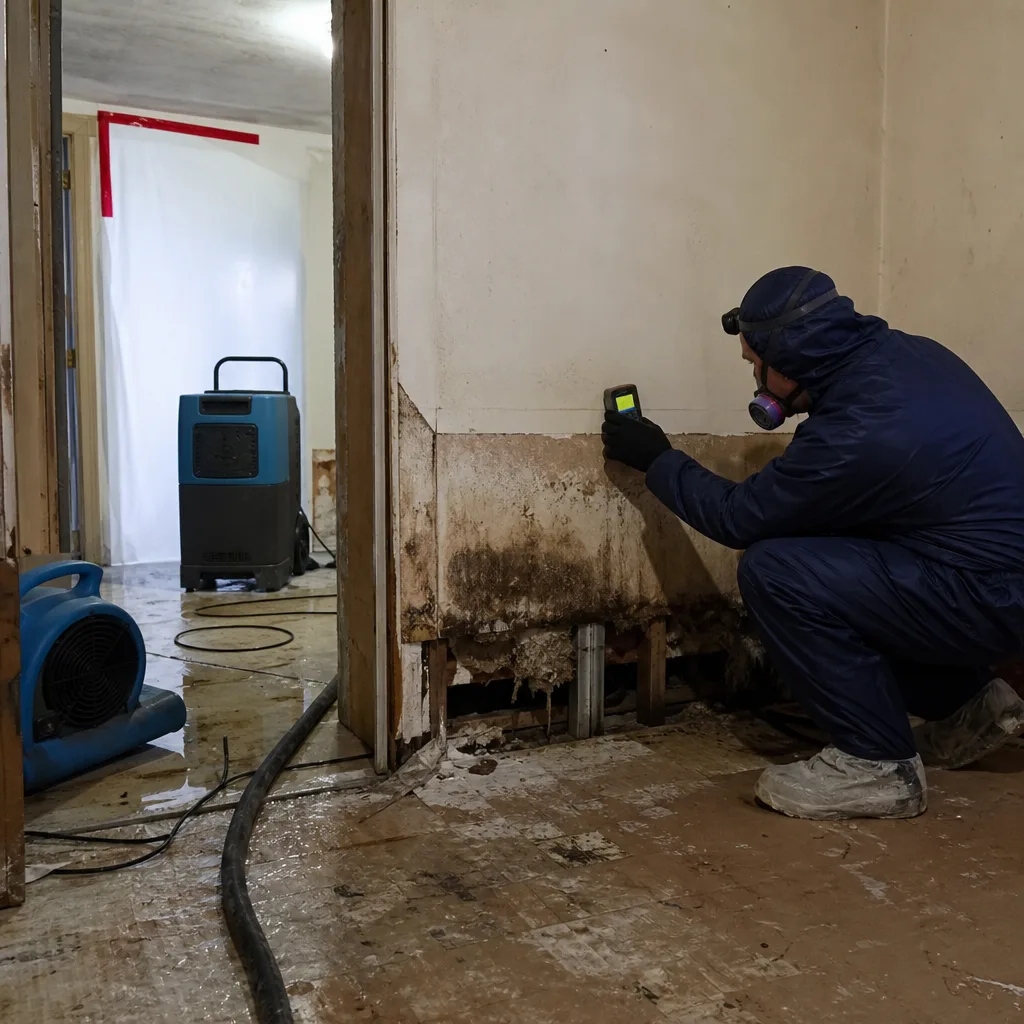 Before
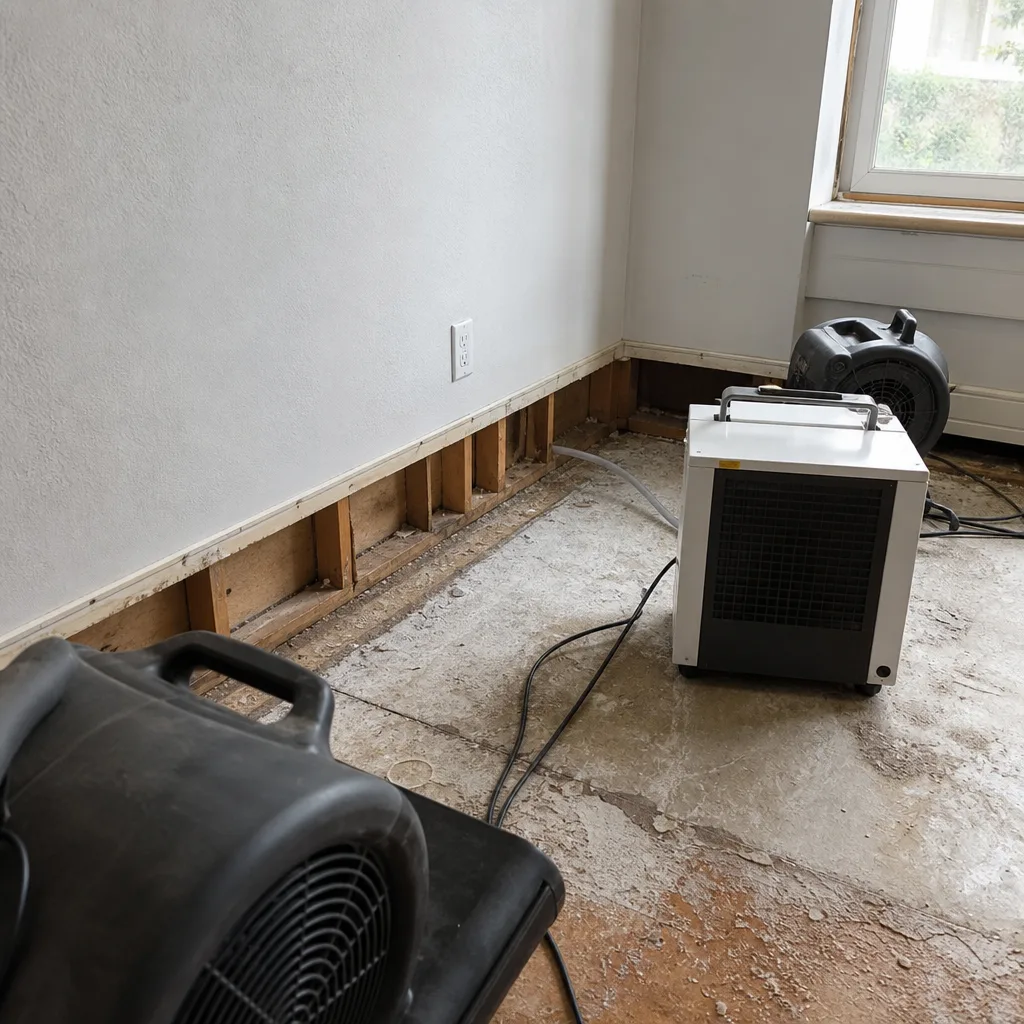 After
After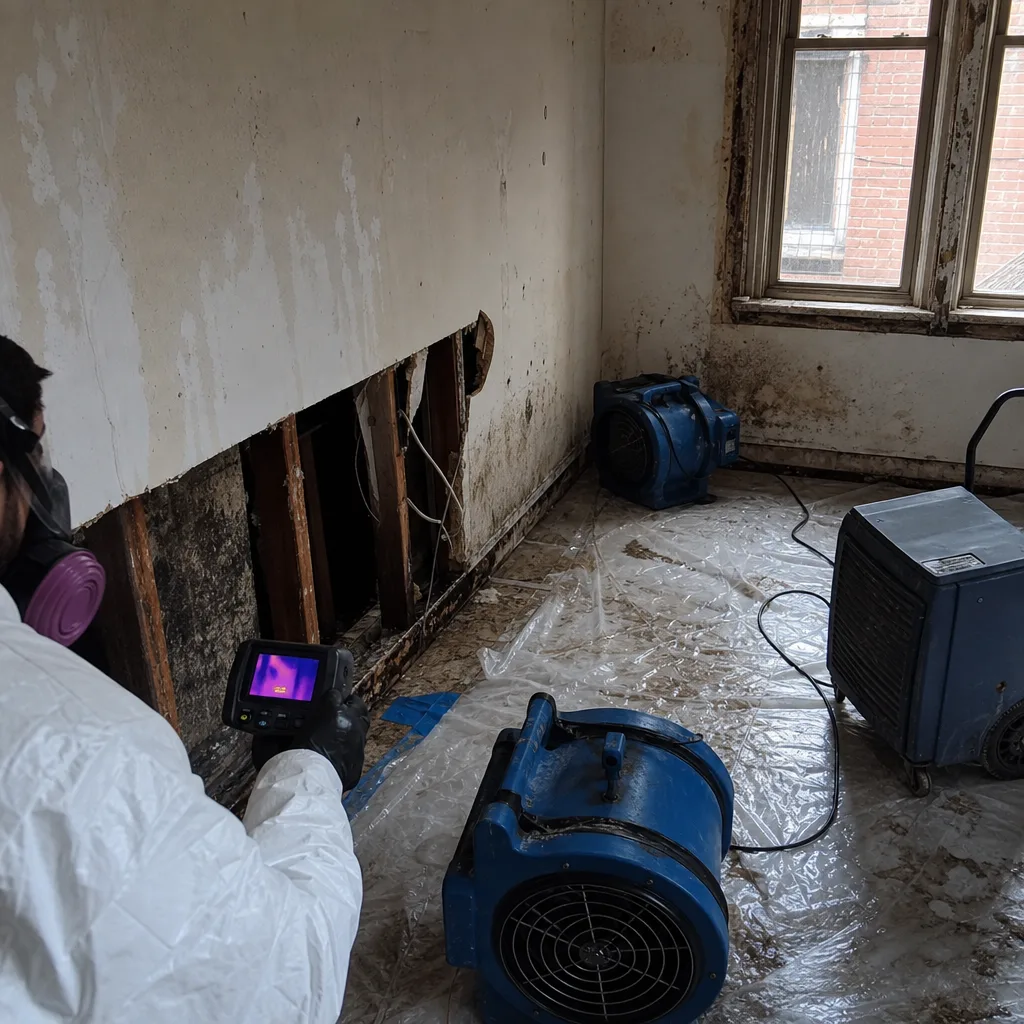 Before
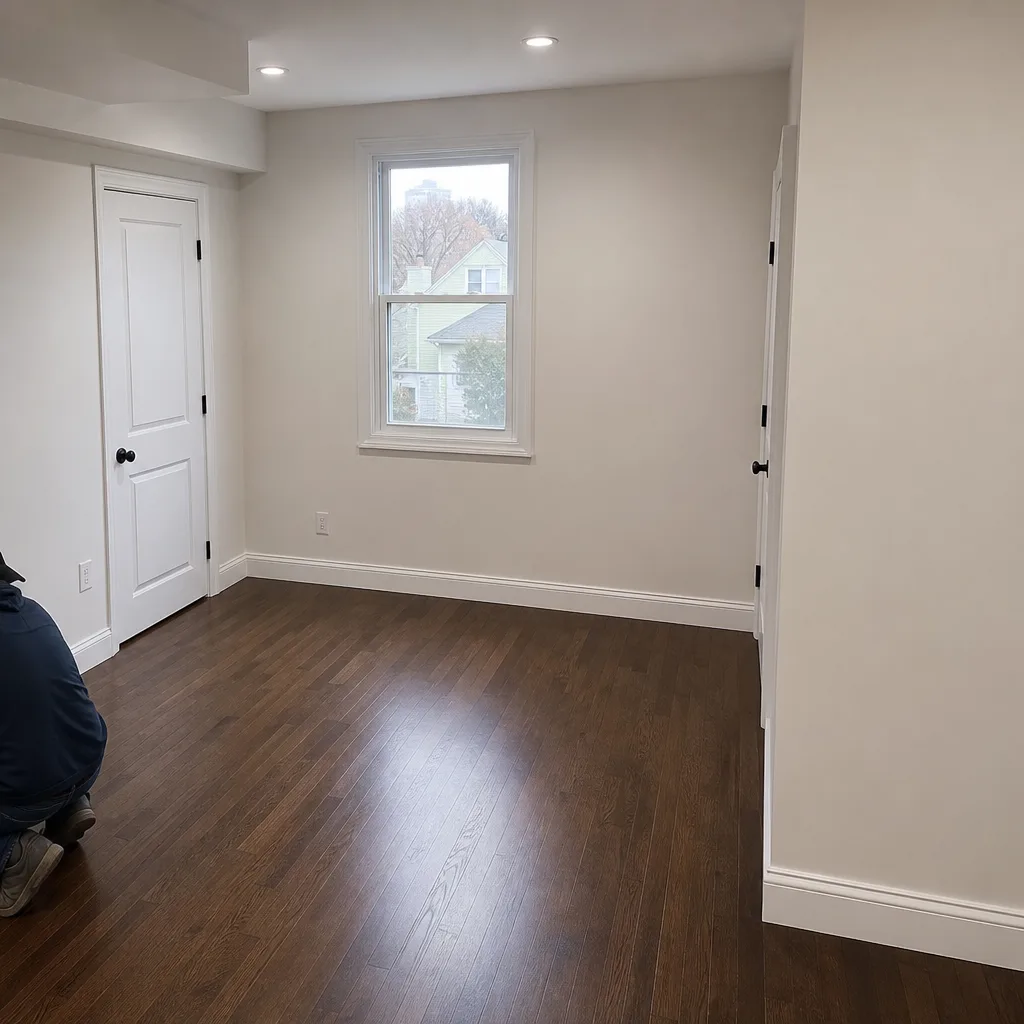 After
After24/7 Emergency Mold Remediation in Murray Hill
Mold in a Murray Hill co-op or converted brownstone rarely announces itself politely. More often it’s a musty smell behind a 1930s plaster wall, a dark bloom under a radiator valve, or the discovery that a slow steam-pipe leak has been feeding moisture through lath and plaster for months before the super noticed. When that happens, you need a crew that answers the phone at 2 a.m., not a recording. Our live dispatchers take your call around the clock and can have certified technicians in Murray Hill the same visit, with a free visual inspection before any work is scoped. Call (518) 800-3751. The first hour after mold is discovered is when containment makes the difference between a contained project and spores spread through stacked hallways, shared riser chases, and neighboring apartments.
Understanding Mold Remediation Severity in Murray Hill Properties
Mold remediation is not demolition work. It’s a controlled, sequenced process: identify the moisture source, contain the affected area under negative pressure, remove the contaminated material, clean what can be saved, and dry the structure until it reaches the dry standard. Severity depends on three things: how long the moisture has been present, whether the water source is clean or contaminated, and how the building is framed. In cases involving hazardous materials, we also provide Biohazard & Crime Scene Cleanup in Murray Hill. Murray Hill’s pre-war co-ops, mostly built between 1920 and 1945, use wood-lath and plaster over masonry or steel framing. Lath acts like a sponge. Water moves laterally and vertically through it, often saturating three or four floors of stacked units before anyone sees a stain on a ceiling. Converted brownstones on East 36th through 39th Streets have the same issue, plus original balloon framing that lets moisture climb from a damp basement to the top floor inside wall cavities. That’s why we thermal-image every wall we suspect, map the moisture, and only then write a scope. You can’t remediate what you haven’t found, and in Murray Hill, the finding is usually bigger than the visible patch.
Why Murray Hill Property Owners Choose Floodline Restoration Co.
- 45-minute response commitment: When you call from Murray Hill, a crew is dispatched immediately. We’re in the neighborhood, not commuting from a distant suburb.
- 24/7 live answer, every time: A real dispatcher picks up, not an answering service or a callback queue. That matters at 2 a.m. when a steam elbow lets go.
- IICRC-certified crews: Our technicians hold AMRT (Applied Microbial Remediation Technician) and WRT (Water Restoration Technician) certifications. They know the difference between cosmetic mold and structural contamination.
- Free visual inspection: Before any equipment arrives or any wall is opened, we walk the unit with you, document the conditions, and tell you what we see. No charge.
- Direct insurance billing: We bill your carrier directly and handle the adjuster communication. You don’t play messenger between us and the claims department.
- One team from containment to rebuild: The same crew that sets up containment and runs the HEPA scrubbers handles the repairs and reconstruction. No handoff, no inherited crew, no gaps in the paper trail.
Our Mold Remediation Process
Inspection & Assessment
We start with thermal imaging and moisture meters across the visible area and adjacent units where shared walls or riser chases could hide moisture. We document pre-loss condition with the super before moving anything, because in Murray Hill someone will ask why a floor cupped.
Extraction/Stabilization
If standing water is present, we extract it with truck-mounted or portable units before any mold work begins. We cut off the moisture source: a leaking valve, a cracked riser, a sweating chase. No remediation holds if the water keeps coming.
Drying & Dehumidification
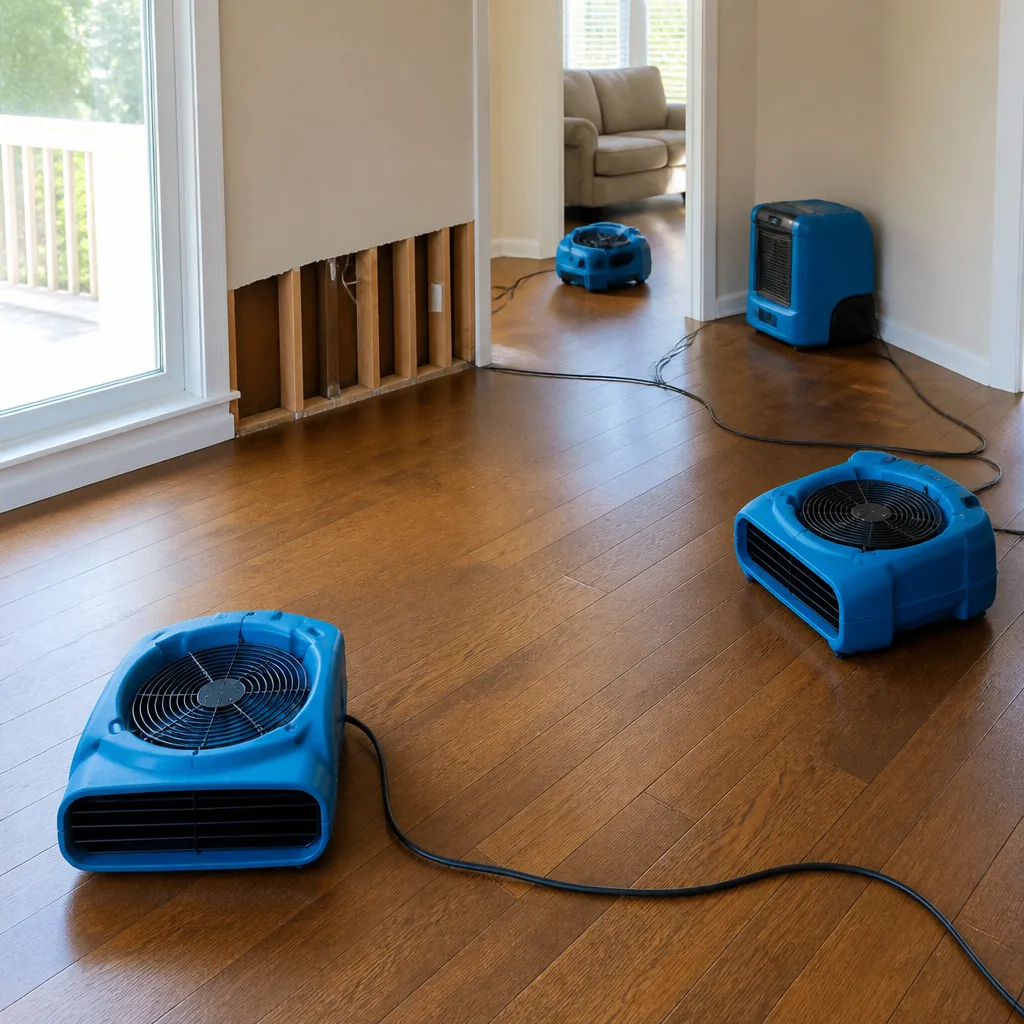
Dri-Eaz LGR dehumidifiers and Phoenix air movers run against a moisture map, not a guess. We log readings daily until the dry standard is met, and the log goes to you and your carrier before we remove equipment.
Cleaning & Sanitization
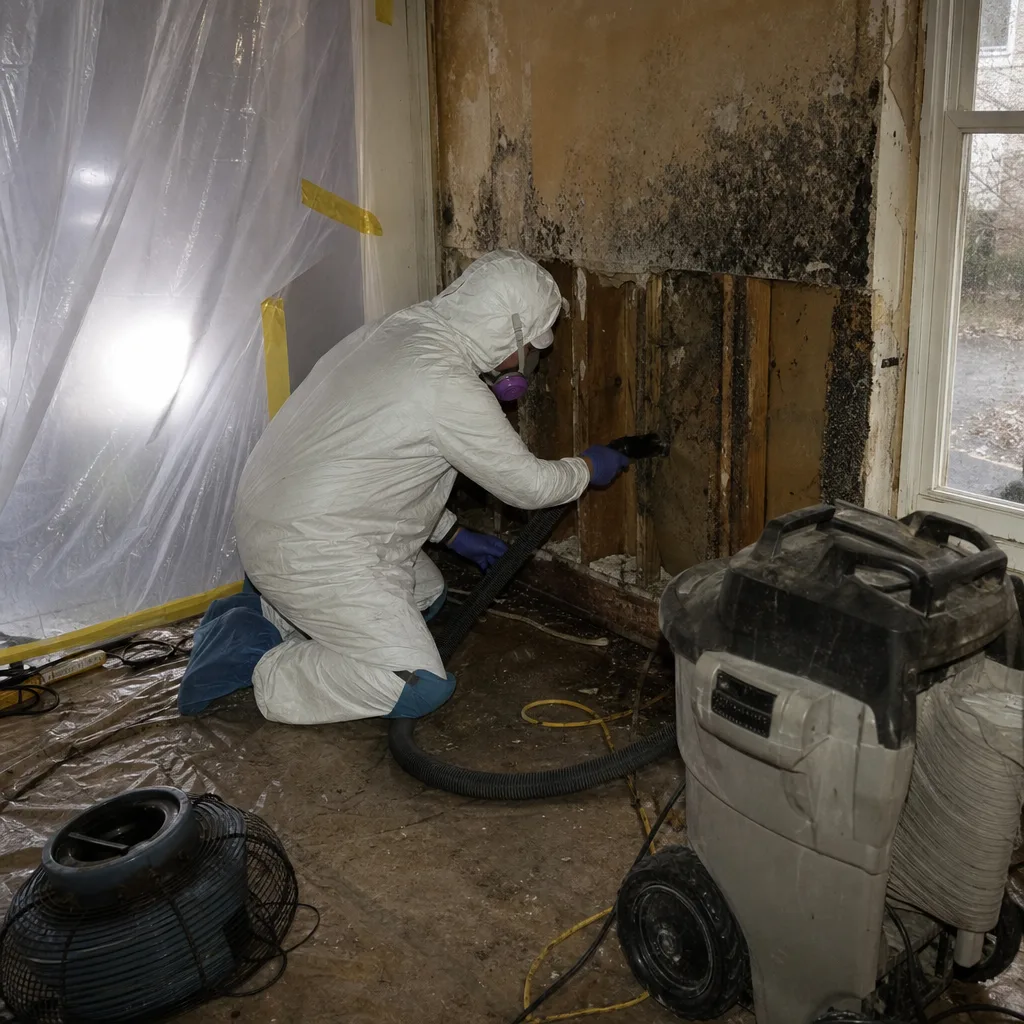
Containment goes up under negative pressure with HEPA-filtered air scrubbers so spores don’t travel to neighboring apartments through hallways, vents, or the elevator. We remove contaminated lath, plaster, drywall, or insulation, bag it, and dispose of it per NYC regulations.
Specialty Treatment: Mold Remediation
We treat remaining surfaces with EPA-registered antimicrobials after the contaminated material is out. We also correct the humidity conditions that fed the growth: dehumidifiers stay until relative humidity holds below 60% in every affected space.
Repairs & Restoration
Once clearance testing confirms the space is clean, we rebuild: new lath or drywall, skim-coat plaster where needed, paint, and any carpentry or trim work. The same crew, the same project lead, one warranty.
Need Emergency Mold Remediation in Murray Hill Now?
Crews minutes away, answering live 24 hours a day. The sooner we start, the less it costs.
Working With Your Insurance Company
Mold claims get scrutinized harder than almost any other restoration category, and in Murray Hill co-ops the scrutiny comes from two directions: your carrier and the building’s insurer. We handle both. From the first hour, we photograph everything, map moisture in every affected room, and write a line-item scope that matches the exact language adjusters expect. Our team coordinates directly with your carrier and the co-op’s adjuster, so no one gets a surprise bill for work the board assumed you would cover or vice versa. We’ve settled disputes between shareholders and co-op corporations by documenting exactly which units had moisture, where it started, and what the dry standard looked like before we pulled a single piece of plaster.
What We Provide Your Insurer
- Thorough documentation of the loss
- Photos of all damage, room by room
- Moisture readings and drying logs
- A detailed, line-item scope of work
- Direct coordination with your carrier
Built for Murray Hill’s Loss Calendar
Murray Hill’s mold season doesn’t follow a tidy spring-to-fall curve. In January and February, deep freezes crack aging cast-iron radiator lines and freeze-thaw cycles stress the original copper risers in pre-war walls. Water flows through wall cavities for days before the heat loss or a stain alerts anyone. When the thaw hits in March, the real damage shows up: saturated lath, buckled plaster, and mold already moving behind baseboards in units that never saw a drop of water on their ceilings. Summer brings the urban heat-island effect, and with it humidity that pushes window AC units and unvented kitchens to condense inside walls. Nor’easter season from September through December puts the eastern blocks near the East River at risk of storm-surge flooding, and Sandy showed us what that does to basement mechanical rooms and crawl spaces in Murray Hill’s older buildings. When storms hit, our Murray Hill Storm & Disaster Restoration team responds immediately. Every season here produces a different moisture signature, and the crews that have worked this neighborhood for years read them all.
Mold Remediation Across Murray Hill’s Neighborhoods
The work changes block by block around here. Along the Park Avenue corridor, high-rise co-ops built in the 1920s and 1930s have central steam plants and risers running vertically through every unit. A leak on the twelfth floor becomes mold in the eleventh and tenth before the super traces it. On East 37th and 38th between Park and Second Avenue, the converted brownstones and small walk-ups are tighter, older, and often subdivided into apartments with original plaster and wood-lath. We run containment through narrow stairwells and work around tenants who are staying put. Down in the East 30s near Kips Bay, buildings are a mix of pre-war and post-war construction; we see more drywall there, which fails differently: soft walls, peeling paint, warped baseboards. The blocks just west of the East River, inside the old Sandy inundation zone, carry elevated crawl space and basement humidity year-round. Each of these areas needs a different containment setup, a different drying plan, and a different conversation with the building staff. Mold Remediation in Murray Hill is not a template; it’s a block-by-block read.
Specialized Mold Remediation Services We Offer in Murray Hill
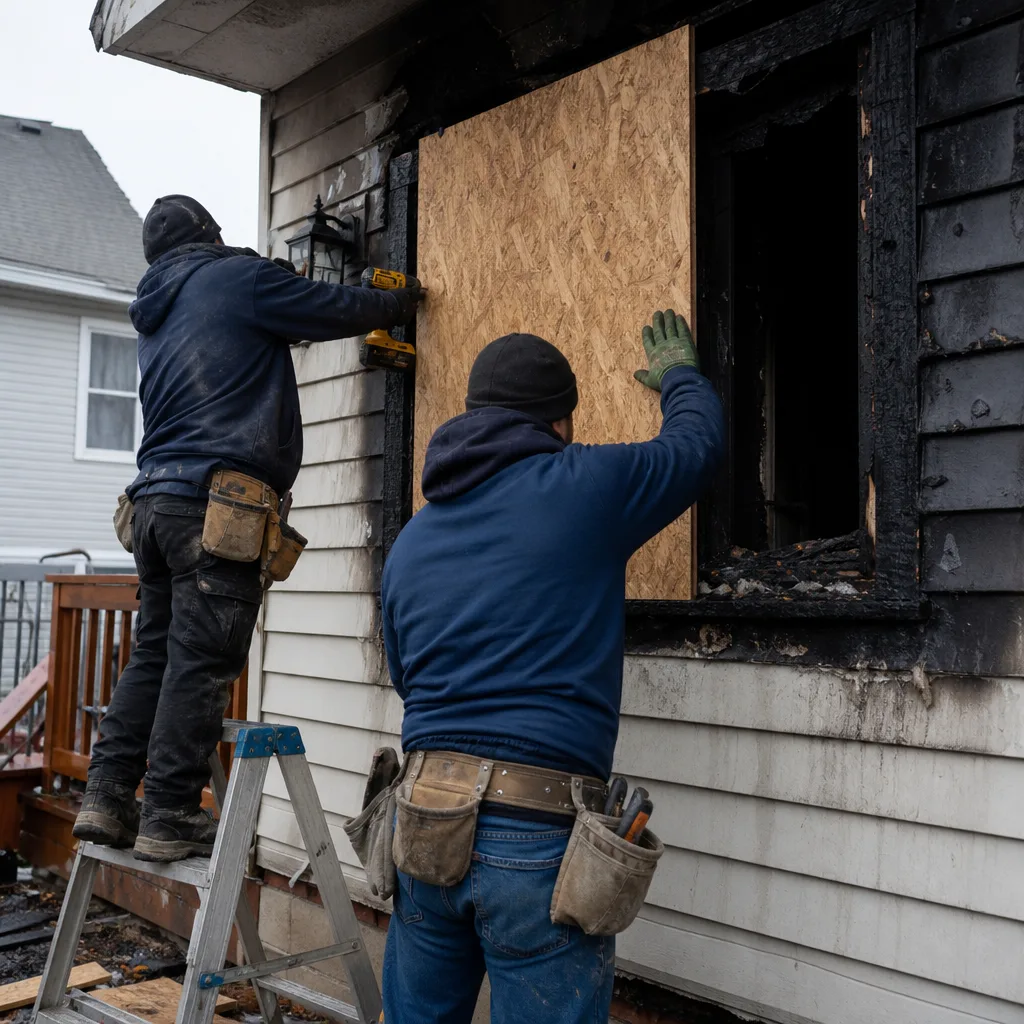
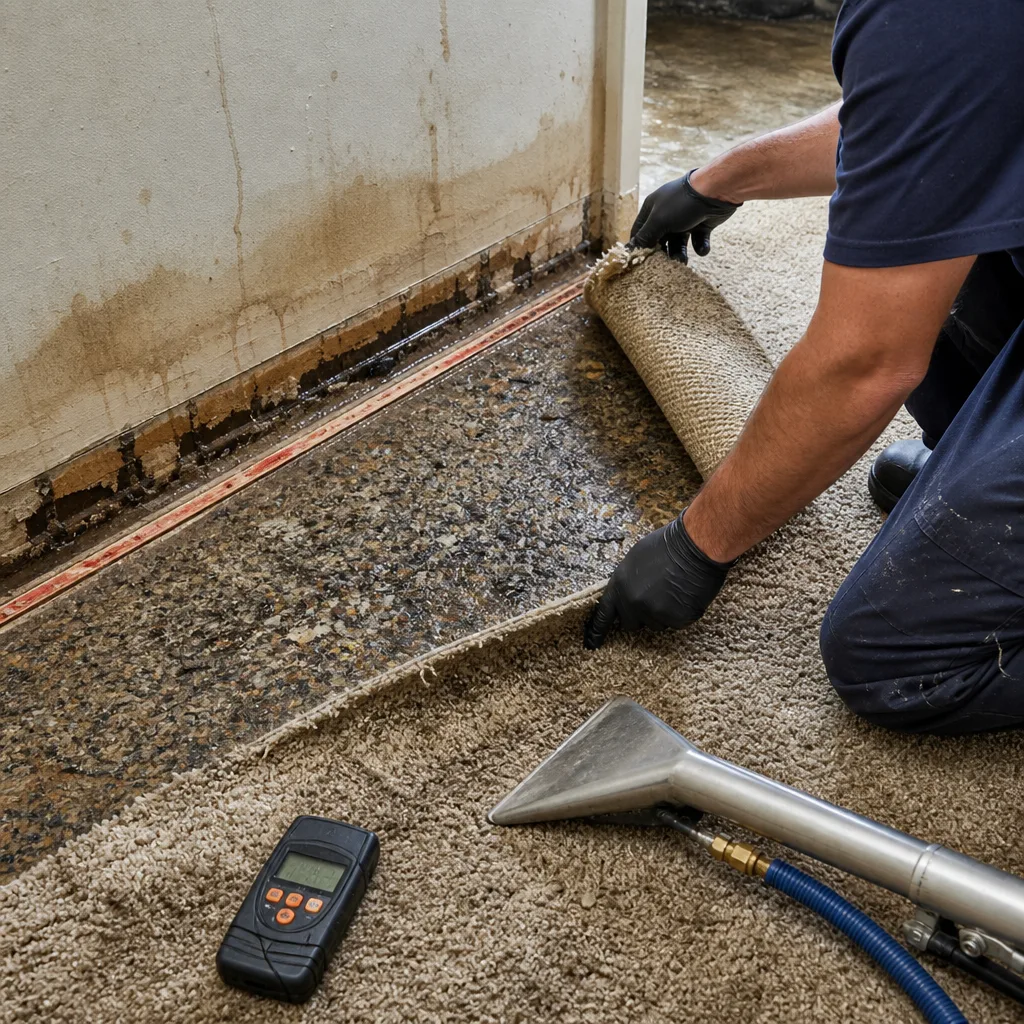
Moisture & Humidity Control
In Murray Hill’s pre-war buildings, humidity is the slow-moving enemy. We install and calibrate dehumidifiers sized for each unit, not each floor, because a ninth-floor apartment with steam heat and poor insulation needs a different plan than a garden-level brownstone unit on East 39th. We monitor relative humidity daily until it stays under 60% and stays there.
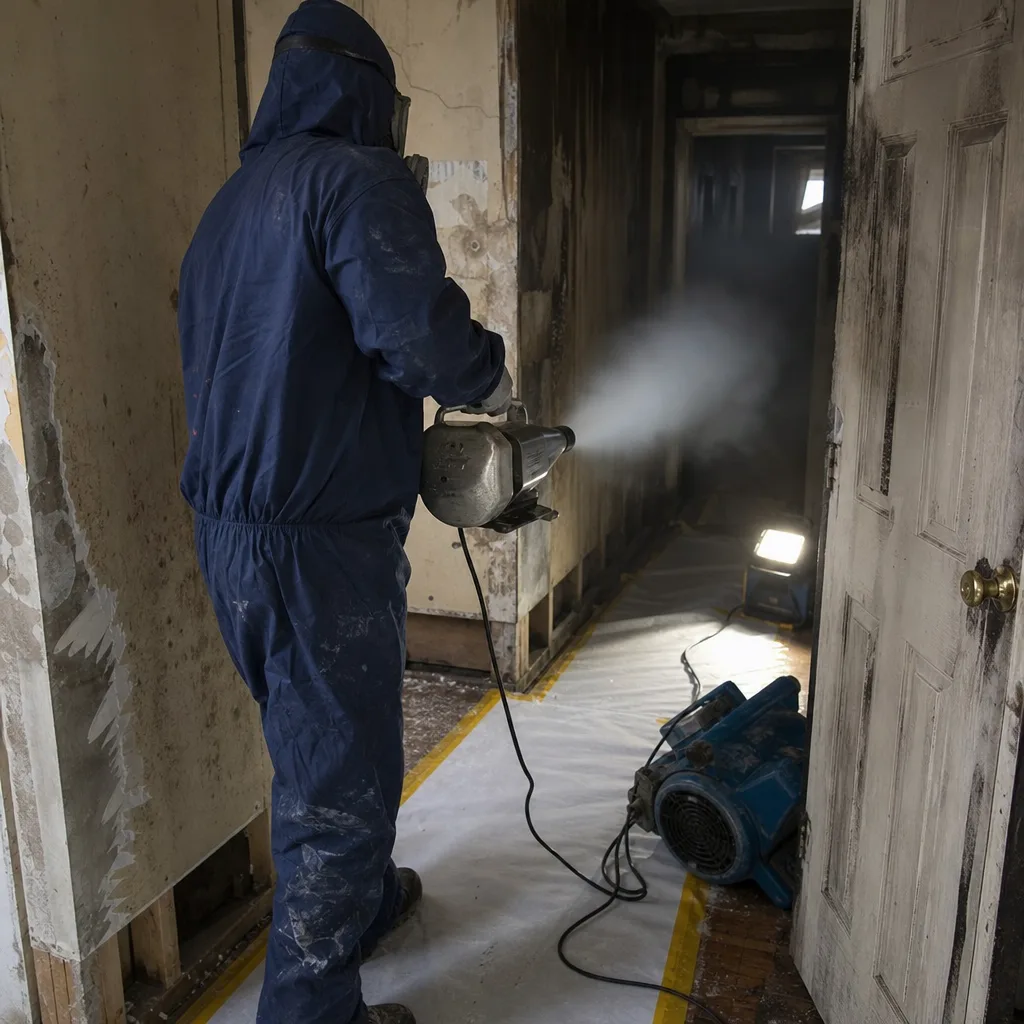
Mold Inspection & Testing
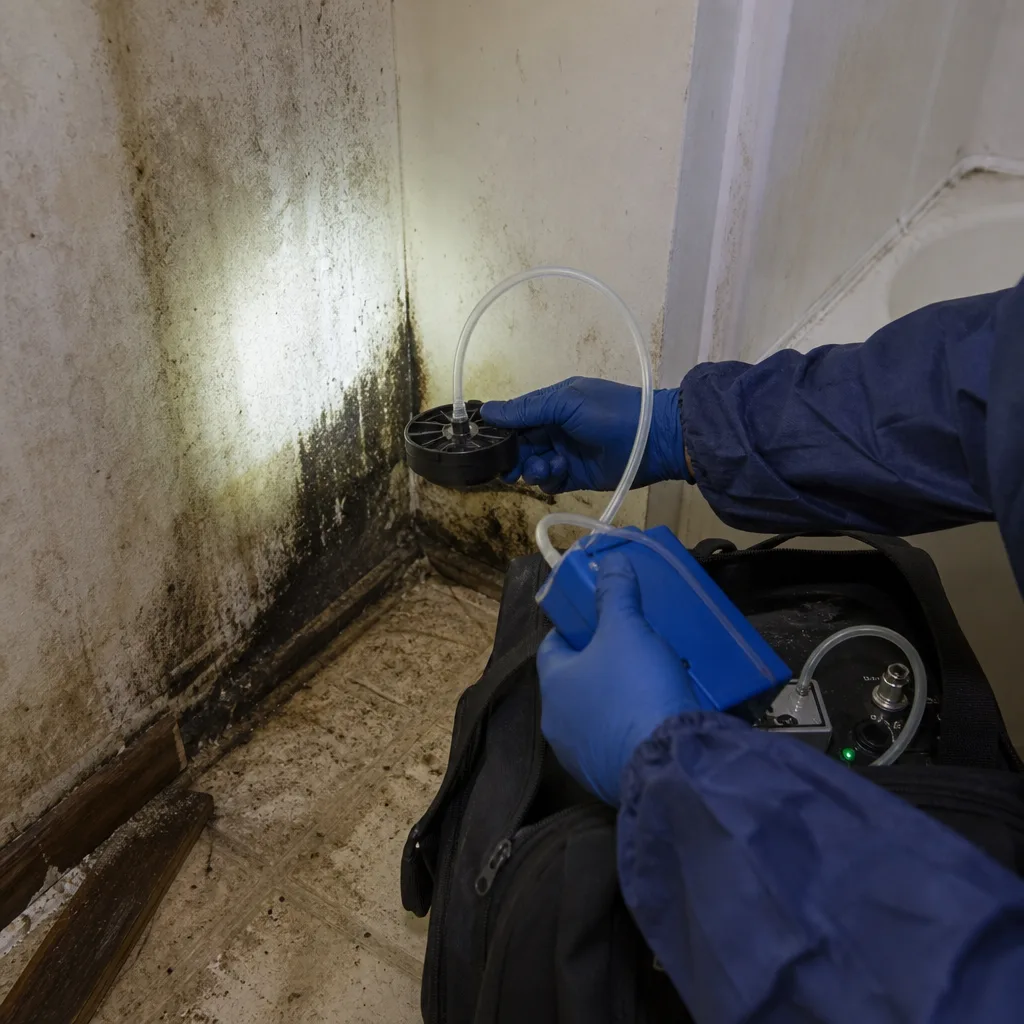
Before any remediation, you need to know what you’re dealing with. We test air and surface samples, send them to an independent lab, and review the results with you and the co-op board if needed. In Murray Hill, where a smell behind one wall usually means moisture in three apartments, a proper inspection often changes the scope from one unit to four.
Air Quality Restoration
After the contaminated material is out and the surfaces are treated, we scrub the air. HEPA-filtered negative air machines run until clearance testing confirms spore counts have dropped to normal background levels for the building and the street. We won’t tell you the air is clean because it smells clean. We’ll show you the clearance report.
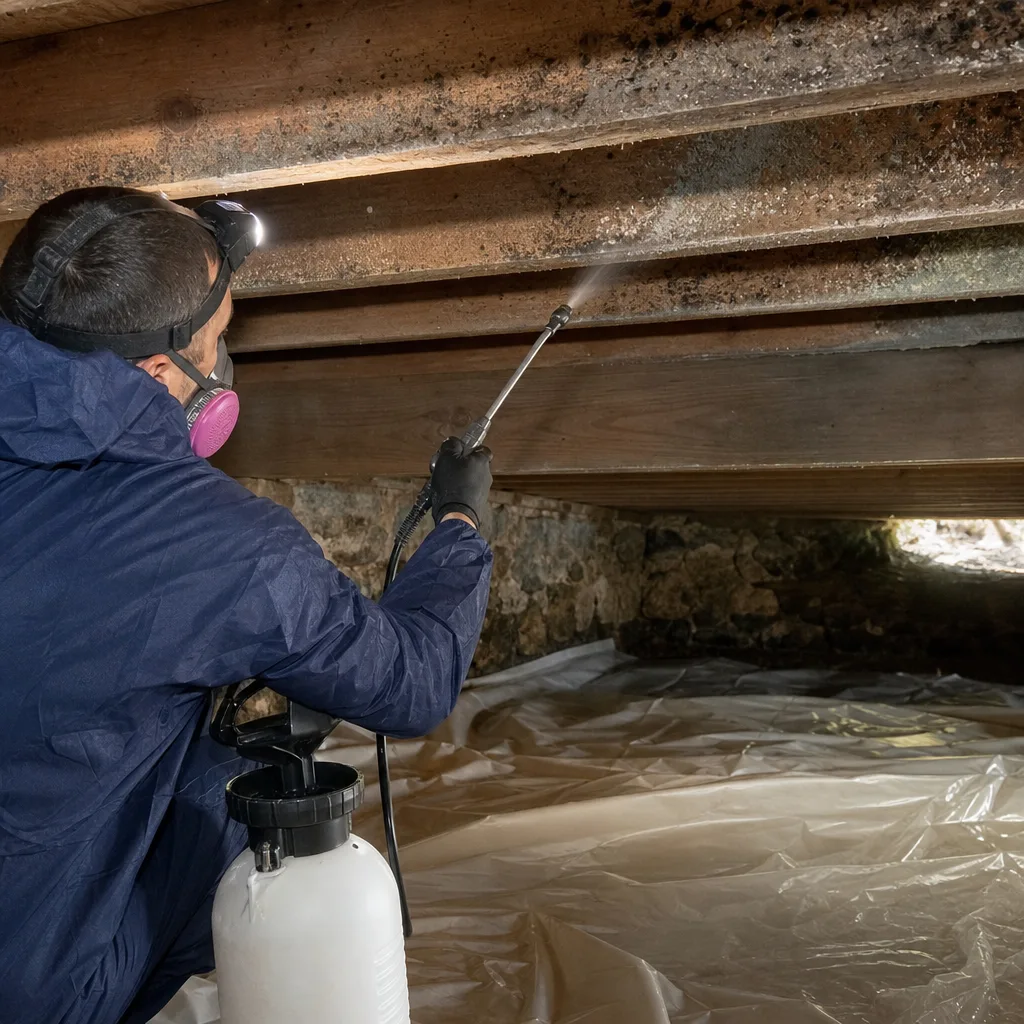
Crawl Space Treatment
Garden-level units and the brownstones on the side streets often have crawl spaces that never dry out. We remove contaminated material, seal the earth where code allows, and install heavy-duty dehumidifiers with condensation pumps. In the Sandy-zone blocks, this is the difference between a dry apartment and a recurring mold problem every humid August.
What happens when you call
- 1
A real person answersNo phone trees - you reach a local pro.
- 2
You get an upfront price rangeHonest numbers before anyone is dispatched.
- 3
A background-checked tech heads outLicensed & insured, dispatched right away.
- 4
You approve before work beginsNothing starts until you say go.
Mold Remediation Costs in Murray Hill, NY
A straightforward mold remediation in a single Murray Hill apartment, no structural surprises, typically runs $1,800 to $4,500. When the moisture has traveled through shared walls or affected multiple stacked units, the scope multiplies: $6,000 to $15,000 is realistic for multi-floor work in a pre-war co-op, and full remediation plus rebuild after a long-running steam-pipe leak can reach $20,000 or more. The variables that move the number are always the same: how many layers of lath and plaster need to come out, whether the riser or radiator itself needs replacement, how much containment is required in shared hallways, and whether the board requires independent clearance testing. The free visual inspection is how you get from a range to a firm number. We write the scope, you approve it, and the price doesn’t move unless you change the scope. Insurance often covers the majority when the mold is tied to a sudden water event; long-running humidity issues are more often out-of-pocket. Call (518) 800-3751 and we’ll tell you what you’re looking at before any work begins.
We Also Serve Cities Near Murray Hill
Our crews regularly cross into Murray Hill‘s neighboring communities: Astoria, Ditmars Steinway, Upper Manhattan, and the Upper East Side. If you’re a board member or property manager with buildings in more than one of these neighborhoods, we can be your single point of contact for Mold Remediation in Murray Hill and the surrounding area.
Murray Hill Mold Remediation Questions, Answered
How do you handle mold remediation in Murray Hill co-ops when multiple stacked units are affected?
We treat the building as one project, not several apartments. Thermal imaging maps the moisture across every affected unit and shared wall, we coordinate containment on each floor, and we document pre-loss conditions with the super and the board before any material is moved. The co-op corporation gets one scope, one drying log, and one point of contact whether three units or nine are involved.
Can you do mold removal in a Murray Hill pre-war building without opening walls in unaffected apartments?
Yes, when the moisture mapping shows the damage is contained. We set up negative-pressure containment around the affected areas only, seal shared wall cavities, and run air scrubbers so spores don’t migrate into neighboring units. If thermal imaging later finds moisture in an “unaffected” apartment, we show the building super and adjust the scope before cutting any plaster.
What’s the right dehumidification plan for a converted brownstone on East 38th Street?
Converted brownstones need a floor-by-floor plan. Ground-level and garden apartments usually need larger-capacity LGR dehumidifiers plus a crawl space unit, while upper floors dry faster with targeted air movement. We write the equipment list from the moisture map, not from a generic square-footage chart.
How fast can you set up containment in a Murray Hill co-op with tight hallways and no freight elevator after hours?
We have after-hours experience in buildings exactly like yours. Technicians carry compact HEPA scrubbers and panel containment that fit through standard passenger elevators and stairwells. In most Murray Hill co-ops we can have containment up and negative pressure running within two to three hours of arrival, even at night.
Do you need building board approval to remediate mold inside one apartment in a Murray Hill co-op?
Usually yes, at least notification is required. We’ve worked with dozens of Murray Hill co-op boards and know the proprietary lease language. We’ll help you draft the notice, include the scope and thermal map, and attend the board meeting if that helps move things. Getting approval before demolition starts avoids a stop-work order from the super.
How long does mold remediation take in a typical Murray Hill apartment?
A contained single-unit job usually runs three to five days from containment to clearance. Multi-unit co-op projects with shared walls or riser replacement can run two to four weeks, mostly because drying pre-war lath and plaster takes time. We sequence the work so the building’s shared spaces stay usable throughout.
Can we stay in our apartment while you remediate mold?
It depends on the severity and what our testing shows. For small contained areas, residents often stay with the affected room sealed off. For large multi-room jobs or areas with high spore counts, staying elsewhere during demolition and drying is usually smarter. We’ll tell you straight before you decide, and we’ll write the plan so the disruption is as short as possible.
What should we do in the first 30 minutes after we find mold in a Murray Hill apartment?
Call us. Don’t disturb the area, don’t scrub it, don’t paint over it, and don’t run a standard shop-vac through it, because that spreads spores. If there’s visible water from a leaking pipe or appliance, shut the water to that fixture if you can do so safely. Then call (518) 800-3751 and one of our dispatchers will walk you through what to do until the crew arrives.
Serving Murray Hill, NY - Our Local Coverage Area
We’re based in the Murray Hill area and know this community well. Use the map below to see our service coverage - if you’re nearby, we can almost certainly help.
One True Local Insight
In Murray Hill’s pre-war co-op towers, a single slow steam-pipe leak can saturate plaster and lath across three or four floors below before the building super is called. By the time a restoration crew arrives, the moisture map typically spans units the co-op board insists are “unaffected.” That still happens because boards and supers see the stain on the ceiling and assume the damage started there, when in fact the water traveled down through the wall cavity from eight feet above. We’ve settled the same dispute dozens of times: corporation blames the shareholder, shareholder blames the corporation, and the mold keeps growing while the arguing goes on. Thorough thermal-imaging documentation is what ends the argument. We don’t start demolition until the board, the shareholder, and our crew all agree on exactly which units are wet, which are dry, and where the money is being spent.
On East 36th Street near Lexington, we were called after a fourth-floor cast-iron steam riser elbow failed in a 1938 co-op. By the time our tech arrived, moisture mapping showed category 1 water had traveled through the lath and plaster into three apartments below. We set up containment on each floor, ran Dri-Eaz LGR dehumidifiers and XPOWER air movers, and used thermal imaging to document pre-loss condition for the board, settling the scope of work before mitigation began. That’s the kind of job Murray Hill throws at you, and it’s the kind we’ve been doing for years.
Most mold pages will tell you general things about humidity and spores. This one is built around what actually happens in Murray Hill: stacked co-op moisture cascades, shared riser walls, tight hallway containment, and the paperwork trail that keeps boards and shareholders from fighting over the bill. If you’re dealing with mold in a pre-war building here, call us at (518) 800-3751 for a free visual inspection. We’ll tell you what’s wet, what’s not, and what it costs before we touch a wall.
Written by Curt Bowman, Owner of Floodline Restoration Co. We serve Murray Hill with certified crews, honest scopes, and a 90-Day Done Right Promise on every job.