
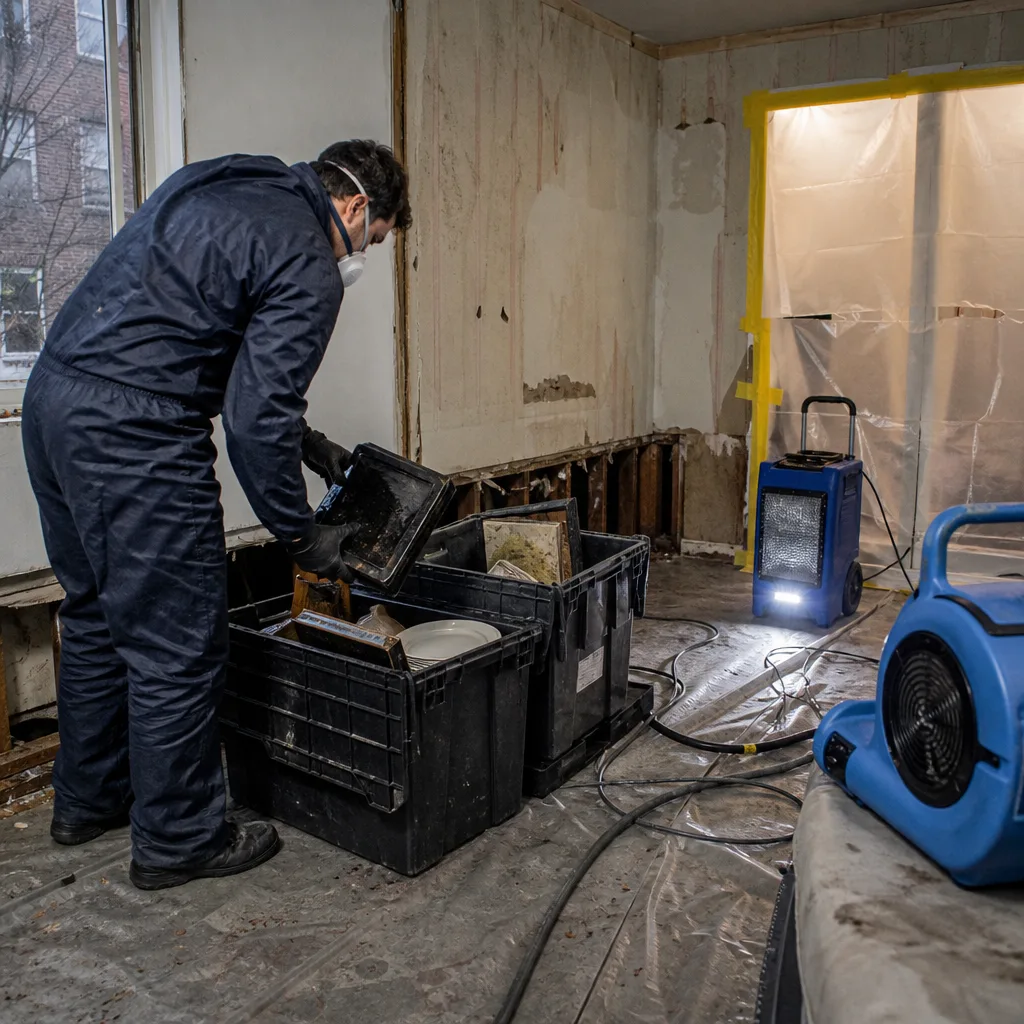
Free visual inspection and a written scope of work before any mitigation begins - photos, moisture readings, and drying logs go in your claim file
The scope we write is the scope we bill. Anything new gets shown to you, in writing, before we touch it.
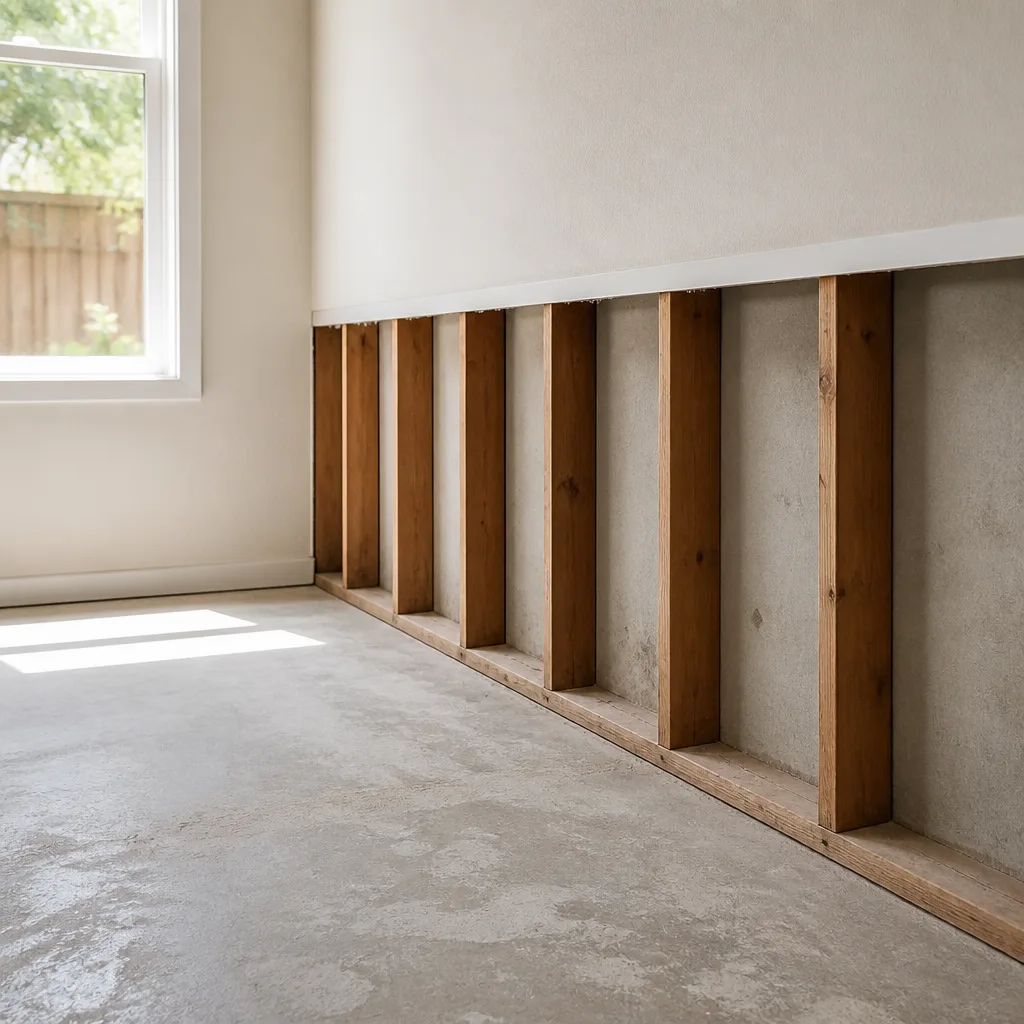
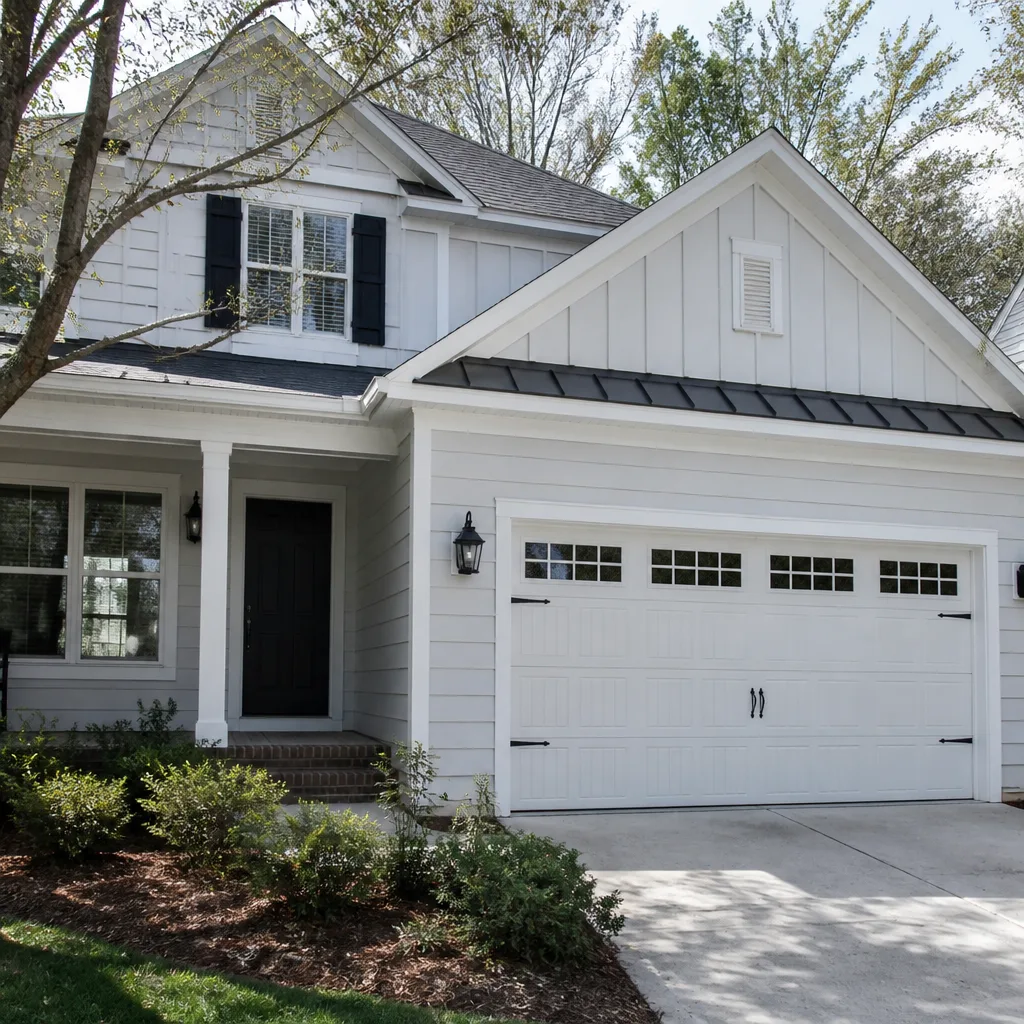
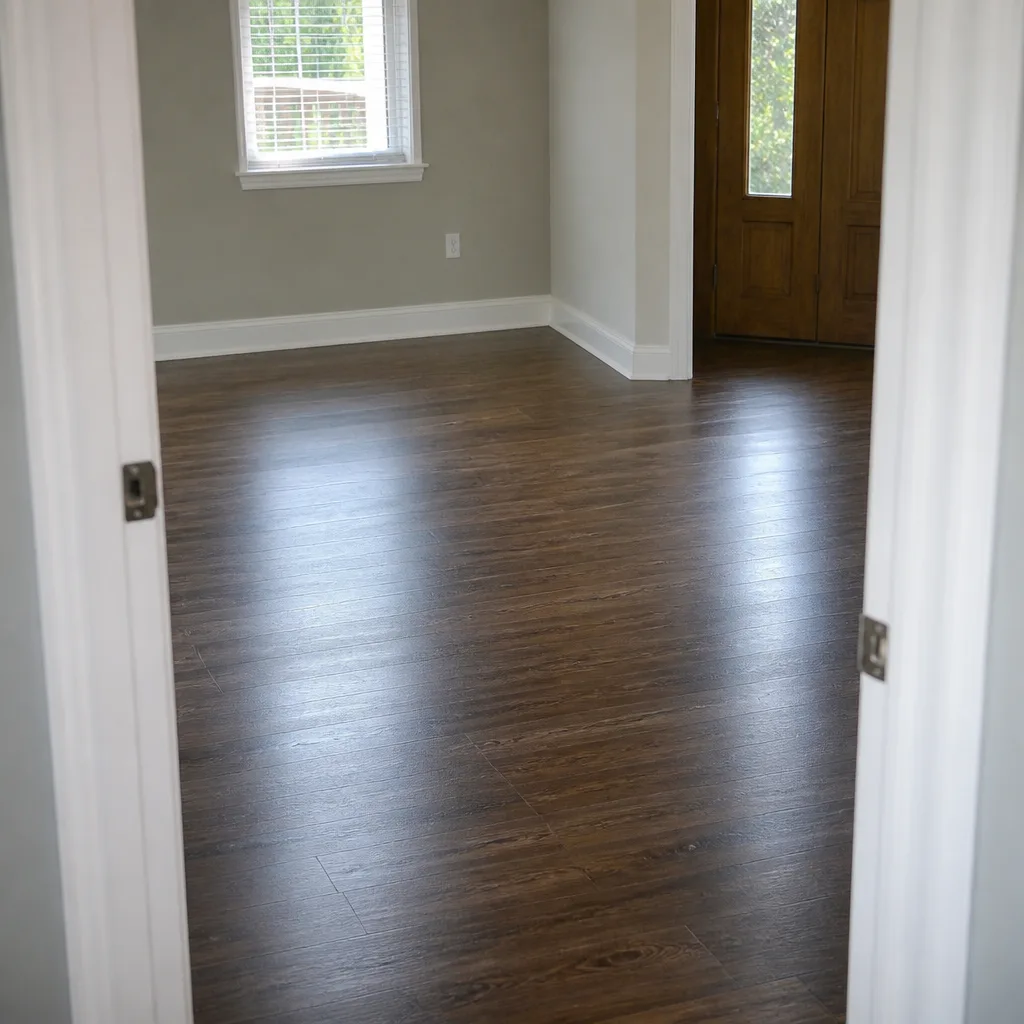
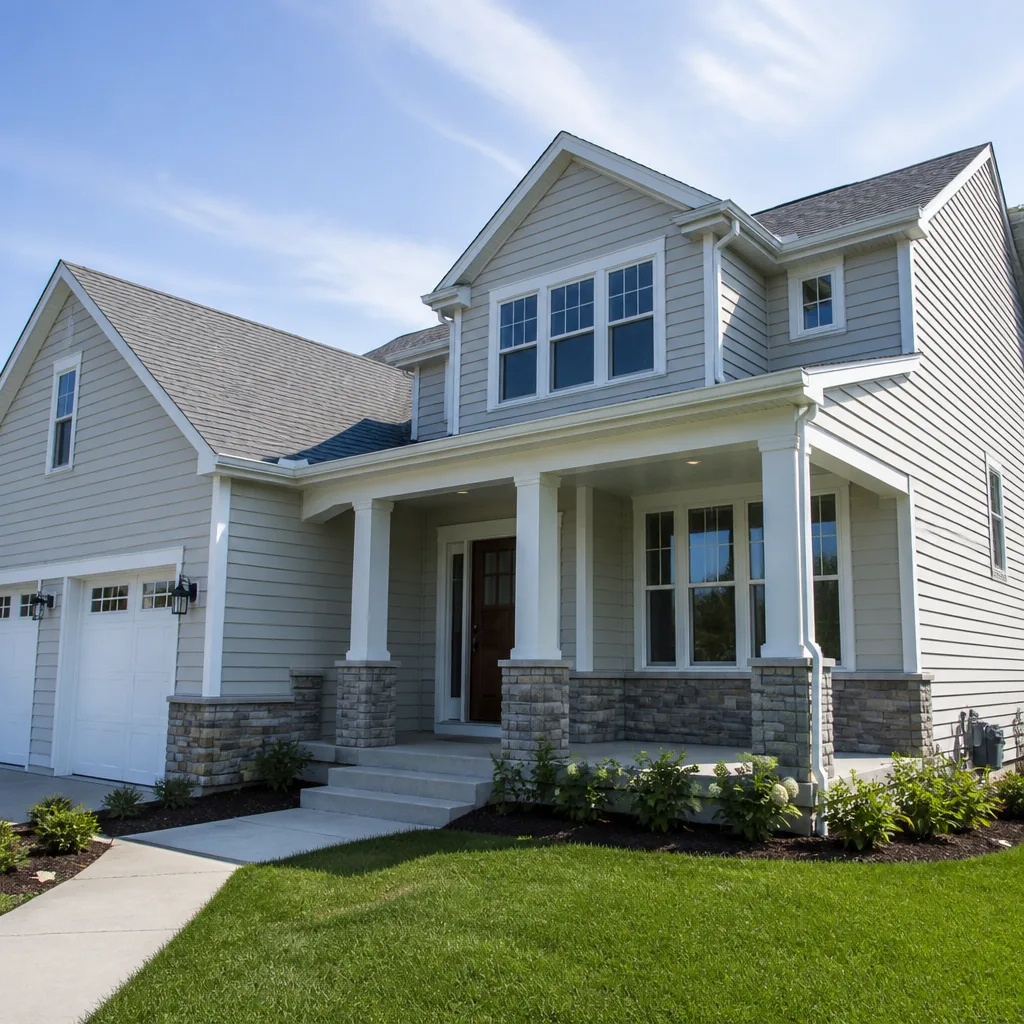
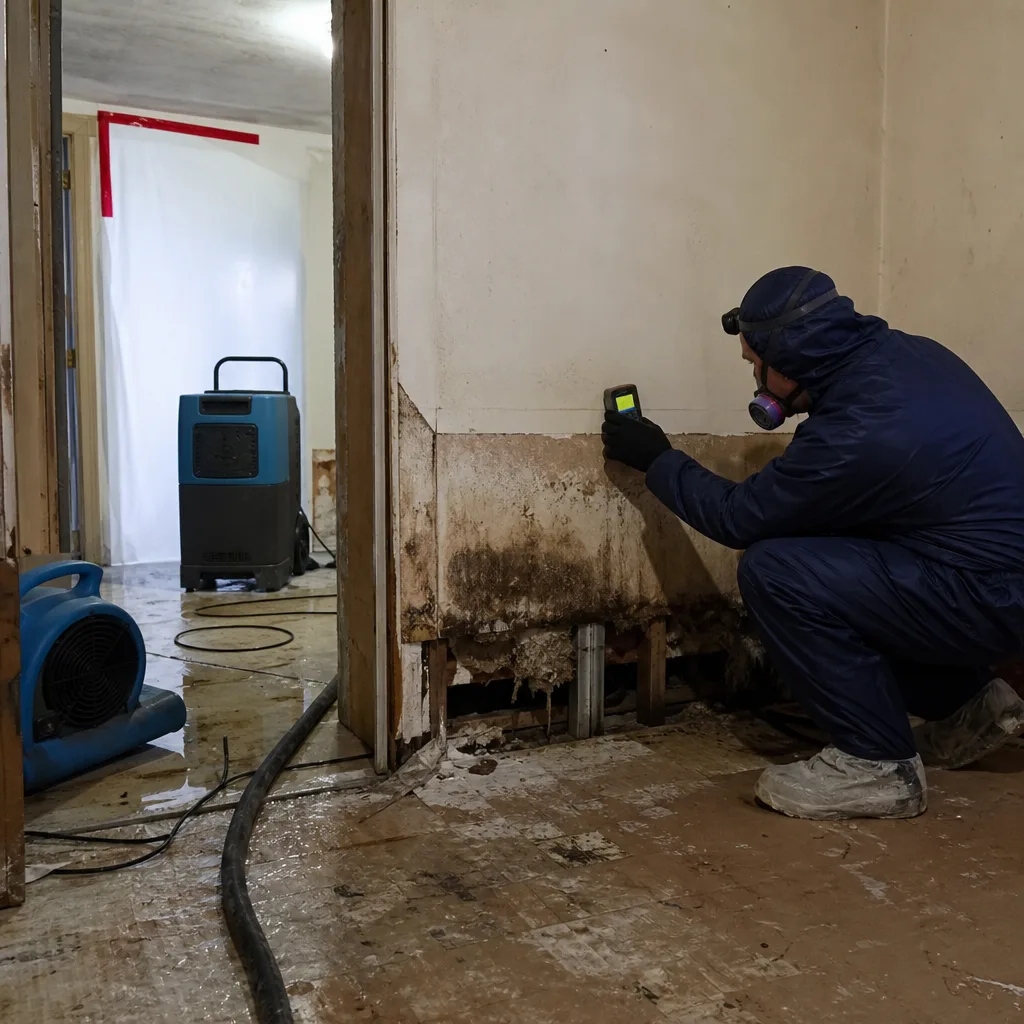 Before
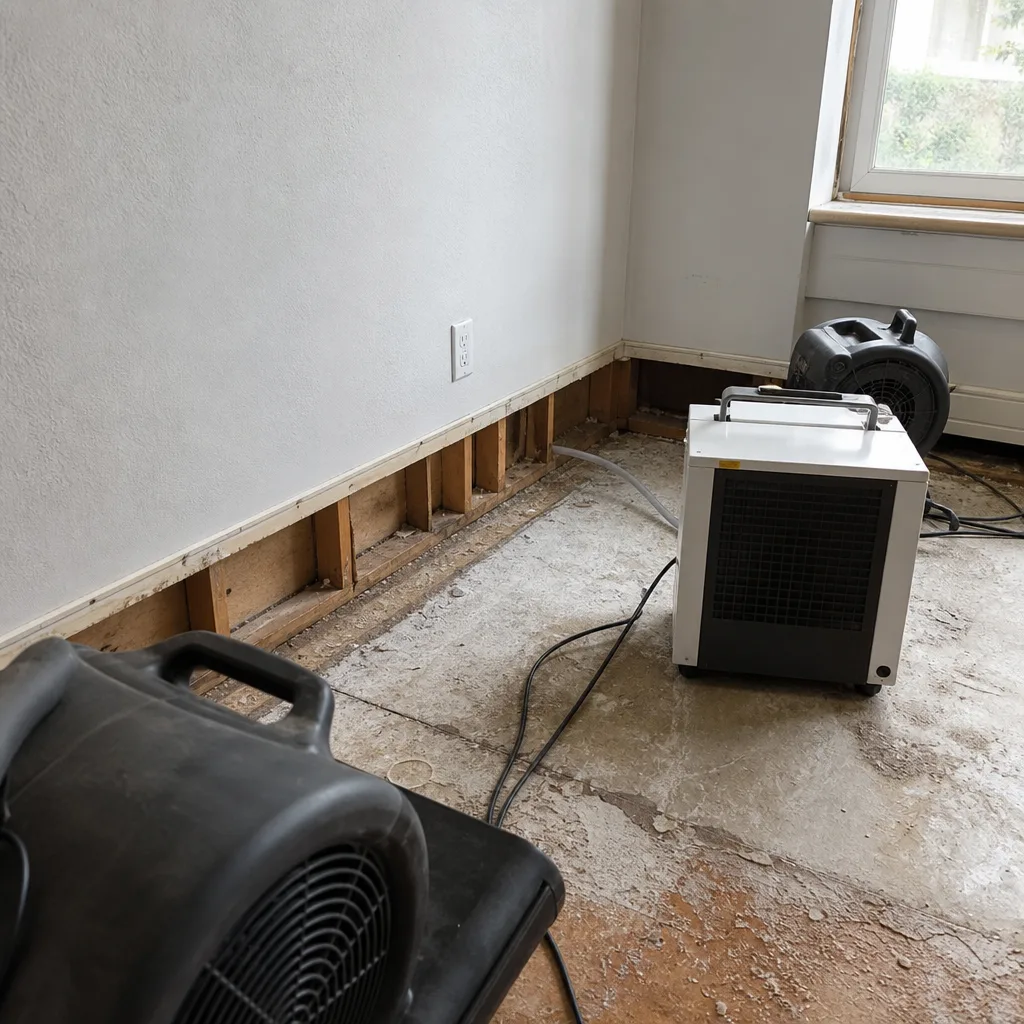 After
After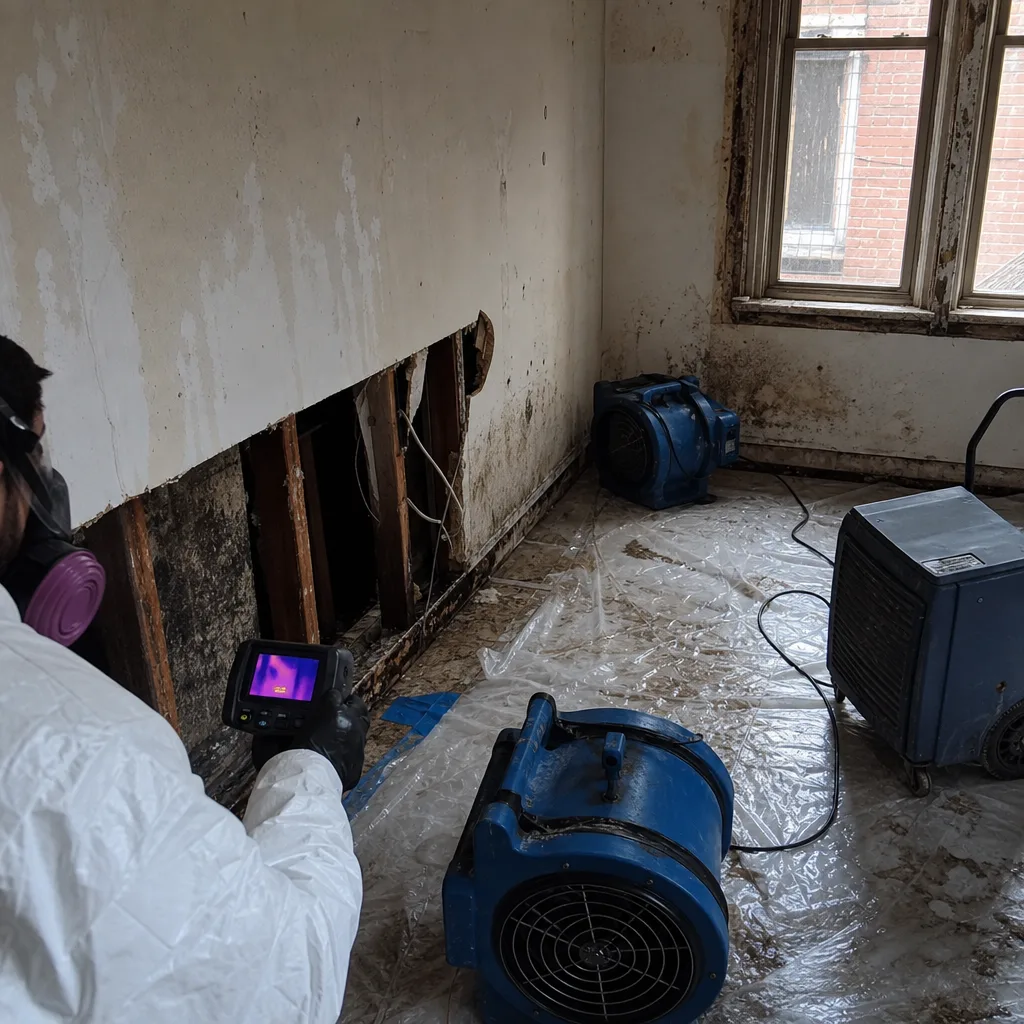 Before
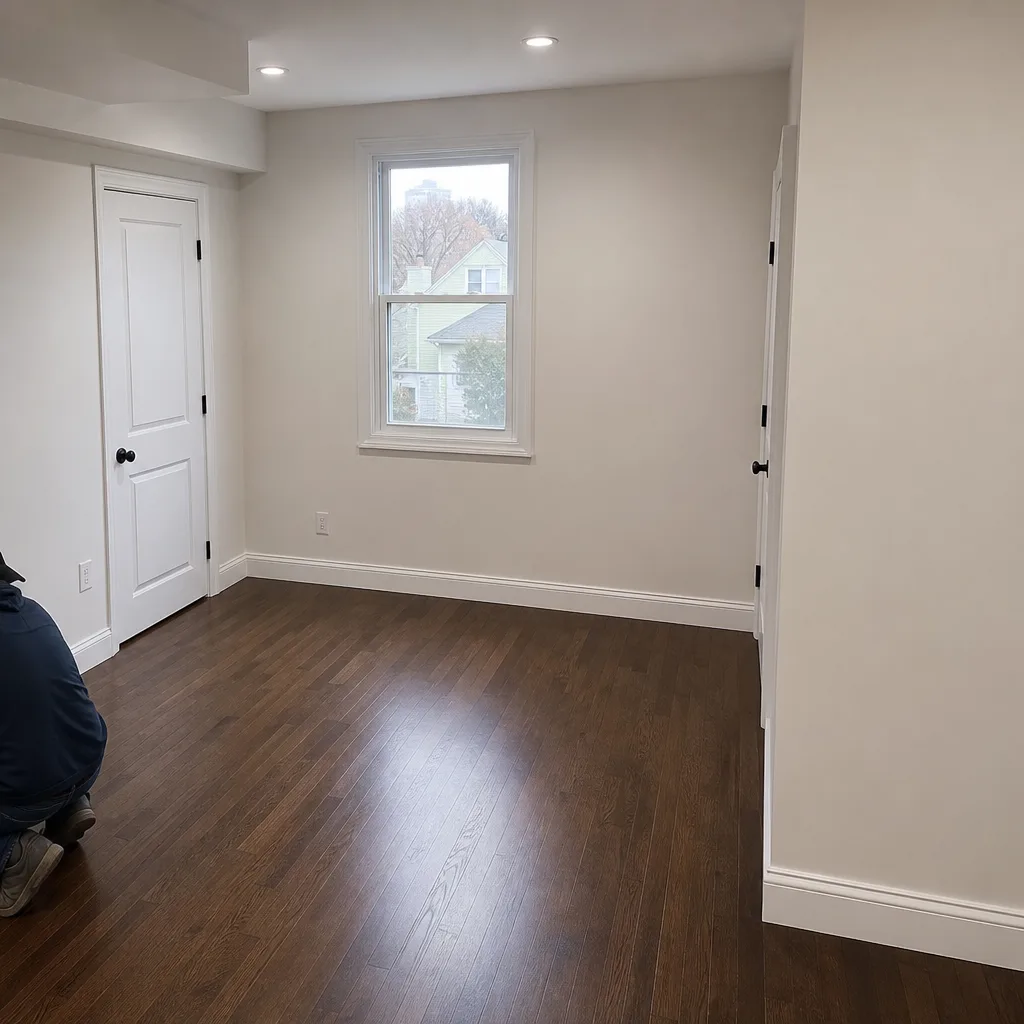 After
After24/7 Emergency Reconstruction & Cleanup in Greenpoint
A flooded basement or fire-damaged kitchen in Greenpoint becomes worse by the hour, and the first call you make should reach a live person who can get a crew moving. Floodline Restoration Co. answers the phone around the clock at (518) 800-3751, and our Greenpoint dispatch sends uniformed, background-checked technicians directly into the neighborhood, not to a call center queue. We offer a free visual inspection of the damage, and because our teams handle everything from initial extraction to the final coat of paint, you won’t be handed off to a subcontractor who never saw the moisture map. The clock starts the moment water touches drywall or smoke drifts into plaster, and the earlier we begin documentation, containment, and drying, the more of your home we can salvage.
Understanding Reconstruction & Cleanup Severity in Greenpoint Properties
Greenpoint’s housing stock poses a specific set of problems during restoration. Most of the neighborhood is built from late-19th to early-20th century brick masonry tenements and row houses, typically three to five stories, with original plaster walls and finished or semi-finished basements below street level. Plaster wicks moisture aggressively, and once water climbs into a plaster wall, the damage travels upward quickly through the keys and lath. We classify water by source and contamination level: Category 1 is clean supply water, Category 2 is gray water from appliances or sink overflow, and Category 3 is grossly contaminated water from sewage, street runoff, or the groundwater common in Greenpoint basements. Category 3 work requires full containment, antimicrobial treatment, and sometimes removal of affected wallboard and flooring. The high water table between the East River and Newtown Creek means even a nor’easter without flooding can push groundwater through the basement slab, silently soaking stored belongings, wall framing, and vinyl flooring. Moisture mapping with thermal imaging and hygrometers tells us exactly how far into the building envelope the water migrated, and that map determines whether we dry in place or remove material.
Why Greenpoint Property Owners Choose Floodline Restoration Co.
- 45-minute response commitment for emergency calls within Greenpoint, with a live dispatcher confirming the crew’s ETA and arrival.
- 24/7 live answer from a person who knows restoration, not an automated system, at every hour including 2 a.m. on a holiday.
- IICRC-certified crews trained to WRT, FSRT, and AMRT standards, plus IFA and RIA certifications for fire, mold, and structural work.
- Free visual inspection with a written scope of work before any demolition, drying, or rebuild begins, so you know the plan.
- Direct insurance billing with photo documentation and line-item estimates sent straight to your adjuster, not passed through you as a messenger.
- One team from extraction to reconstruction: the same certified crew that reads the moisture map on day one handles daily readings and rebuilds what needs rebuilding.
Our Reconstruction & Cleanup Process
1. Inspection & Assessment
We document the full loss with photos, thermal imaging, and moisture readings. Our Reconstruction & Cleanup team determines the contamination category, maps the affected area, and notes any petroleum sheen or odor from Greenpoint’s underground oil plume before staging equipment.
2. Extraction & Stabilization
We remove standing water using truck-mounted extraction units and inspect for slab cracks, wall seepage, and compromised electrical systems. If contamination is present, we set containment and upgrade protocols before proceeding.
3. Drying & Dehumidification
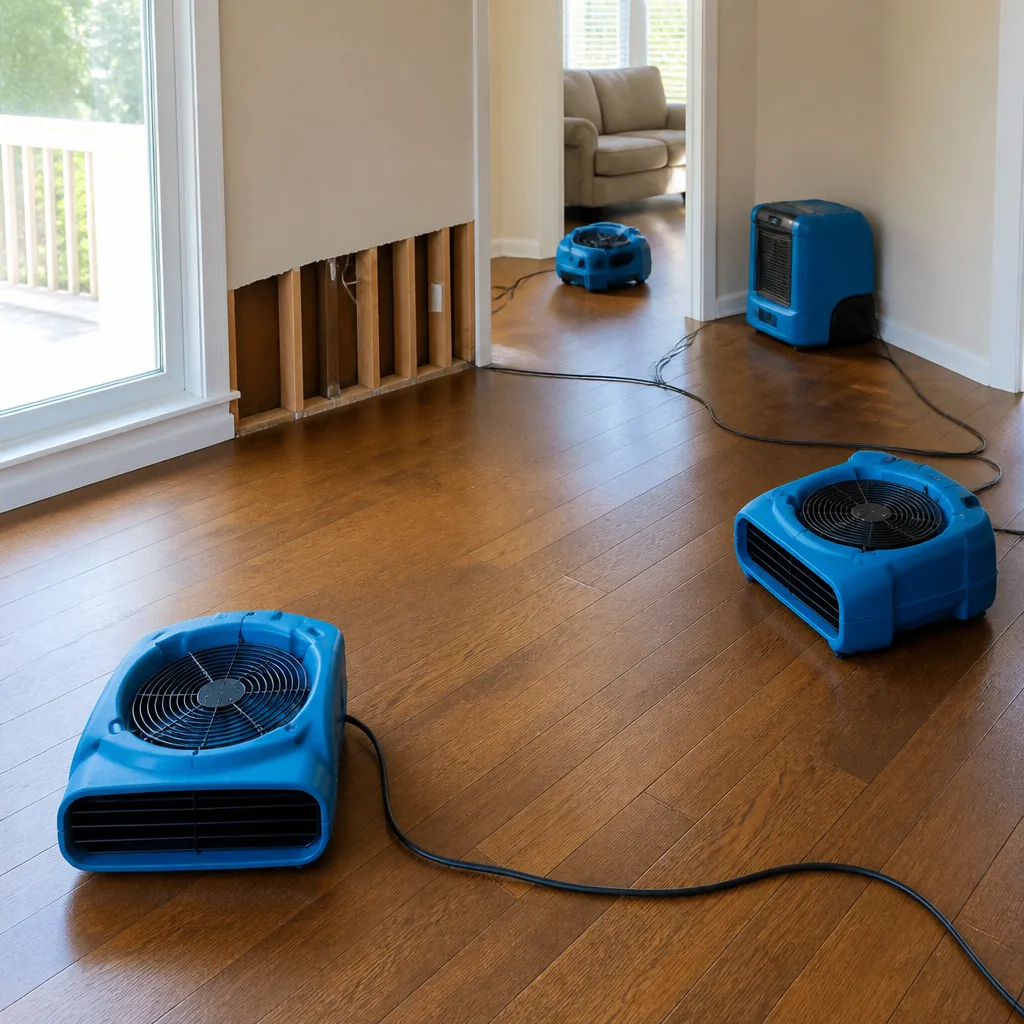
We place Dri-Eaz dehumidifiers, XPOWER air movers, and Injectidry systems into position based on the moisture map. Daily readings are logged until the dry standard is met, typically three to five days in Greenpoint’s humid summer conditions.
4. Cleaning & Sanitization
We clean salvageable contents, sanitize affected surfaces, and apply antimicrobial treatments where required. HEPA air scrubbers run to capture airborne particles from sawdust, soot, or mold spores.
5. Contents Restoration & Pack-Out
Furniture, clothing, and personal belongings are documented, packed out to our secure facility, cleaned, and stored until the rebuild is complete. We provide a full inventory to you and your insurer.
6. Repairs & Restoration
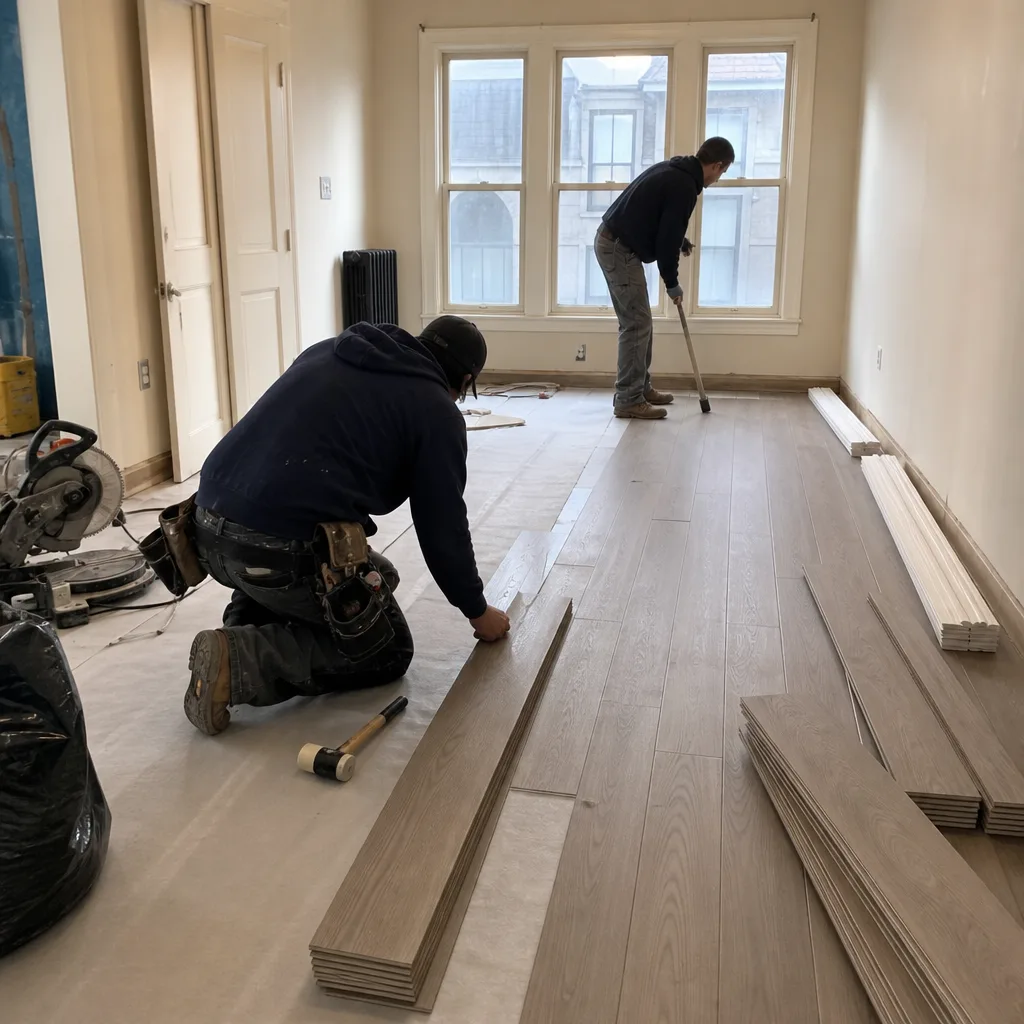
We replace drywall, flooring, and trim to match the original character of your Greenpoint home, then finish with paint and detail work. The job isn’t complete until you sign off, and the 90-Day Done Right Promise is in your hands in writing.
Need Emergency Reconstruction & Cleanup in Greenpoint Now?
Crews minutes away, answering live 24 hours a day. The sooner we start, the less it costs.
Working With Your Insurance Company
The claims process in Greenpoint runs smoother when documentation starts in the first hour, before anything dries, shifts, or gets thrown away. We photograph every affected room before touching anything, then continue documenting as walls and flooring come apart. Our line-item scopes follow Xactimate standards, the same software your carrier uses, which cuts down on adjuster back-and-forth. We speak directly with your adjuster about contamination categories, drying logs, and rebuild scope, so you never have to translate restoration terminology on the phone. When petroleum contamination is present, which is a real possibility under parts of Greenpoint, we coordinate with the carrier on hazmat-specific line items and DEP requirements.
What We Provide Your Insurer
- Thorough documentation of the loss
- Photos of all damage, room by room
- Moisture readings and drying logs
- A detailed, line-item scope of work
- Direct coordination with your carrier
Built for Greenpoint’s Loss Calendar
Greenpoint’s losses follow a calendar that any long-time resident can predict. January and February bring deep freezes that burst supply lines in unheated basement walls and uninsulated crawlspaces under prewar row houses. March and April thaw the frozen ground, and the high water table pushes water through foundation cracks and cove joints, leaving chronic seepage in finished basements along McGuinness Boulevard and the cross streets toward Newtown Creek. Summer thunderstorms overwhelm combined sewers quickly, sending street runoff into below-grade entries and basement areaways. Nor’easters in the fall and winter drive surge up the East River, flooding the western waterfront streets near the Greenpoint Terminal Market and the industrial blocks along Franklin Street. Add to this the fact that much of Greenpoint sits in FEMA-designated flood zones, and the pattern is clear: reconstruction and cleanup in this neighborhood is less about one catastrophic event and more about a steady rhythm of water intrusion that slowly compromises the framing, finishes, and contents of older masonry buildings. That’s why we see more Category 3 groundwater and seepage losses in Greenpoint than in nearly any other Brooklyn neighborhood.
Reconstruction & Cleanup Across Greenpoint’s Neighborhoods
The northern blocks of Greenpoint, above Greenpoint Avenue, are dominated by three- and four-story brick row houses with narrow areaways and front basement entries. We run frequent calls here for seepage through cellar walls and slab cracks, often complicated by finished basements that hide water damage behind drywall and vinyl plank flooring. Along the western waterfront near Eagle Street and Huron Street, nor’easter surge and coastal salt air combine to corrode window frames, door hinges, and exterior fixtures faster than anywhere else in the neighborhood. We replace rotted window sills and sashes on a regular basis here, and we inspect basement mechanicals for rust and corrosion. The central corridor around Manhattan Avenue holds a mix of older brick tenements and newer conversions, where fire losses and appliance supply-line failures make up a larger share of reconstruction work. Toward Newtown Creek and the industrial edge, basement water takes on a more serious tone. Standing groundwater can carry petroleum from the 17 to 30 million gallon plume beneath the neighborhood, and we’ve learned to check for sheen and odor before anything else. The McGuinness Boulevard corridor sees the heaviest seasonal seepage, with finished basements that take on water every March without fail. Franklin Street and its cross blocks include many garden-level apartments with walk-down entries, which flood in summer downpours when street drains can’t keep up.
Specialized Reconstruction & Cleanup Services We Offer in Greenpoint
Full-Service Reconstruction
We rebuild, not just dry. After water or fire damage, we handle framing repairs, drywall replacement, trim carpentry, painting, and finish work that matches the original character of your Greenpoint home. Our carpenters understand the plaster moldings, tin ceilings, and old-growth wood trim common in this neighborhood, and we source materials that respect the building’s period.
Drywall & Flooring Repair
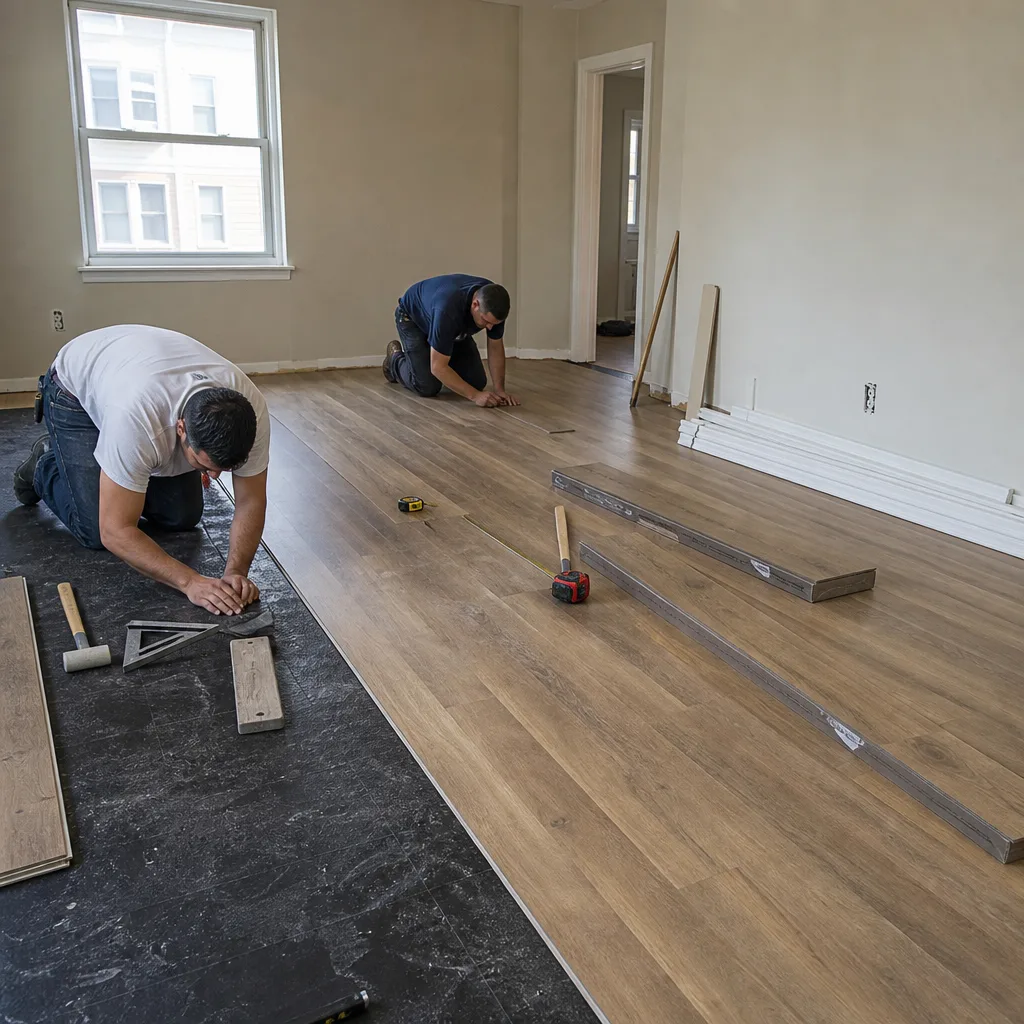
Waterlogged drywall in a Greenpoint basement is a health hazard as well as a structural one. We cut out damaged drywall, inspect the framing behind it, treat the studs, and hang new board. Hardwood floors in older row houses often survive if we start drying quickly with a combination of air movers and injection drying. We also handle vinyl plank, tile, and subfloor replacement when needed.
Contents Restoration & Pack-Out
When a Greenpoint basement floods, what’s stored down there matters: family photos, tools, holiday decorations, and furniture that has been in the family for decades. We pack out salvageable contents, clean and dry them at our facility, and return them when your home is ready. Every item is inventoried, photographed, and documented for your insurer.
Carpet & Upholstery Cleaning
Clean water doesn’t always soak through a carpet and ruin it, but that depends on how fast we extract and dry. We use hot-water extraction for salvageable carpets and upholstery, followed by dry-rot inspection to confirm the backing and pad haven’t broken down. In Category 3 water scenarios, carpets and pads are almost always removed and replaced.
Post-Construction Cleanup
After any rebuild, Greenpoint homes carry dust, drywall compound residue, and fine particles that settle into every surface. We clean the entire job site, from ceiling fixtures to baseboards, and run HEPA air scrubbers to pull airborne dust out of the air. The home is turned back over to you with floors cleaned, surfaces wiped, and the air clear.
Insurance Claim Documentation
We document your loss from the first hour with photographs, moisture readings, contamination classifications, and line-by-line scope items. When petroleum contamination or lead paint is involved, we capture that in the documentation so your carrier sees exactly what’s required for code-compliant restoration.
What happens when you call
- 1
A real person answersNo phone trees - you reach a local pro.
- 2
You get an upfront price rangeHonest numbers before anyone is dispatched.
- 3
A background-checked tech heads outLicensed & insured, dispatched right away.
- 4
You approve before work beginsNothing starts until you say go.
Reconstruction & Cleanup Costs in Greenpoint, NY
Reconstruction and cleanup pricing in Greenpoint runs higher than the outer boroughs, driven by older building materials, tighter access in walk-up buildings, and the occasional hazmat protocol. A simple Category 1 water extraction with drying in a Greenpoint basement typically runs $2,100 to $4,800. Reconstruction after a finished-basement flood, including drywall replacement, flooring, and paint, runs $9,500 to $22,000 depending on the footprint and finish level. Full-service fire reconstruction in a row house kitchen or floor-through unit generally falls between $18,000 and $45,000. If petroleum contamination is present, hazmat containment, DEP coordination, and specialty disposal add $3,500 to $9,000 to the scope. Contents restoration and pack-out services run $2,800 to $8,000 for a typical basement or one-bedroom apartment. Our free visual inspection turns these ranges into a firm, line-item scope before any work begins, and we bill your carrier directly. Call (518) 800-3751 for a free estimate.
We Also Serve Cities Near Greenpoint
Our crews serve the neighborhoods around Greenpoint, including Astoria, Ditmars Steinway, Upper Manhattan, and the Upper East Side. If you live across the Newtown Creek or up the East River, call us at (518) 800-3751 for 24/7 emergency response, a free visual inspection, and the same 90-Day Done Right Promise we give in Greenpoint.
Serving Greenpoint, NY - Our Local Coverage Area
We’re based in the Greenpoint area and know this community well. Use the map below to see our service coverage - if you’re nearby, we can almost certainly help.
Greenpoint Reconstruction & Cleanup Questions, Answered
How do you handle petroleum contamination in Greenpoint basement floodwater during reconstruction?
We treat it as a Category 3 hazmat situation immediately. Any standing water with a petroleum sheen or odor in Greenpoint is tested and contained, with DEP notification before extraction begins. The contaminated water, soaked drywall, and affected masonry get specialty handling and disposal, and we upgrade our containment and PPE protocols until clearance is confirmed. This adds to the scope, but it prevents a health hazard from being sealed inside your walls. Call (518) 800-3751 if you suspect petroleum in basement floodwater.
Can you salvage original plaster walls in a Greenpoint row house after a flood, or do they need demolition?
Often, salvage is possible if we start drying within 48 hours. Plaster from the 1910s and 1920s tolerates water better than modern drywall, but the lath and keys behind it must be inspected. We drill small inspection ports, check moisture levels in the lath and studs, and dry the wall cavity with injection drying through the ports. If the plaster is delaminated or mold has already formed, we remove only the damaged sections and match the original surface texture and thickness. Every wall is evaluated individually, not by a blanket rule.
What’s the first thing you check on a flooded finished basement in a Greenpoint tenement before drying?
We check for petroleum sheen and odor from the underground plume. Before any drying equipment is staged, we assess the water source, contamination category, and whether the water is coming from the slab, walls, or the sewer. In Greenpoint, groundwater intrusion must be treated with suspicion because of the 17 to 30 million gallon oil plume beneath the neighborhood. If contamination is present, we set containment and coordinate with DEP before proceeding, which changes the entire sequence of work.
How does the high water table in Greenpoint affect drying logs for reconstruction jobs?
The high water table means moisture keeps trying to re-enter the space even after extraction. Our drying logs reflect daily moisture readings that account for hydrostatic pressure from outside the foundation, especially in basement spaces below grade. We run dehumidifiers longer and monitor slab and wall readings beyond the initial dry standard, because a concrete floor that tests dry on day three can wick groundwater again by day six. The log gives your insurer an honest picture of the conditions, and it tells us when the space is genuinely dry enough for rebuild.
Do I need to worry about lead paint or asbestos during a Greenpoint reconstruction cleanup?
Yes, in most buildings constructed before 1978, and especially in the late-19th and early-20th century brick houses common to Greenpoint. Lead paint is present in many original interior finishes, and asbestos shows up in old floor tiles, pipe insulation, and popcorn ceilings. Any demolition, sanding, or cutting that disturbs these materials requires containment and specialized handling. We test suspect materials before disturbing them, and our crews follow EPA RRP lead-safe work practices. Documentation of these hazards goes into your insurance claim as line items, not surprises.
How fast can you actually get to my Greenpoint home after I call?
Our goal for emergency calls within Greenpoint is 45 minutes from the time you hang up with our live dispatcher. We run crews from our New York City office, which sits close enough to the neighborhood that Franklin Street, Manhattan Avenue, and McGuinness Boulevard are all short drives. Storm surges and major weather events can stretch that window, but our dispatch team gives you an honest ETA at the moment you call, and we hold to it. Calls are answered by a live person 24 hours a day, not a recording.
Will my insurance cover reconstruction and cleanup in Greenpoint, including petroleum contamination?
Standard homeowners policies in New York cover sudden and accidental water damage, which includes groundwater seepage only if the policy carries specific endorsements for it. Petroleum contamination from the underground plume falls into a gray area that depends on your carrier’s interpretation and your policy language. We document the contamination carefully, coordinate with DEP, and provide the evidence your adjuster needs to review the claim properly. Direct billing to your insurer means we argue the technical details with them, not through you.
What should I do in the first 30 minutes after I notice flooding in my Greenpoint basement?
First, if you can reach the breaker panel without standing in water, kill the power to the basement. Don’t walk through standing water in a below-grade space if you can avoid it, especially in Greenpoint where water may carry petroleum or electrical current. Move what you can to higher ground, photograph everything, and call us at (518) 800-3751. Do not use a shop vac for anything that could be Category 3 water, and do not start tearing out drywall before we assess the contamination level. The first 30 minutes determine how much of the space we can save, and the photos you take become the first page of your insurance documentation.
Our crew responded to a flooded basement on Eagle Street near the East River, where groundwater seepage after a nor’easter had left a petroleum sheen in the standing water. We immediately upgraded the job to a hazmat protocol, set containment, and coordinated with DEP before beginning water extraction and structural drying with Dri-Eaz dehumidifiers and air movers. The scope of work included removing petroleum-contaminated drywall and applying antimicrobial treatment to the masonry walls to restore the space to pre-loss condition.
If you have water in a Greenpoint basement, fire damage in a row house, or any reconstruction need, call Floodline Restoration Co. at (518) 800-3751 for a free estimate. We answer live, around the clock, and we stand behind every job with the 90-Day Done Right Promise in writing. Ask about our current offers: $50 off any repair over $250, an $89 seasonal tune-up, and a standing 5% discount for seniors and veterans.
Written by Curt Bowman, Owner at Floodline Restoration Co., serving Greenpoint and the surrounding neighborhoods.