
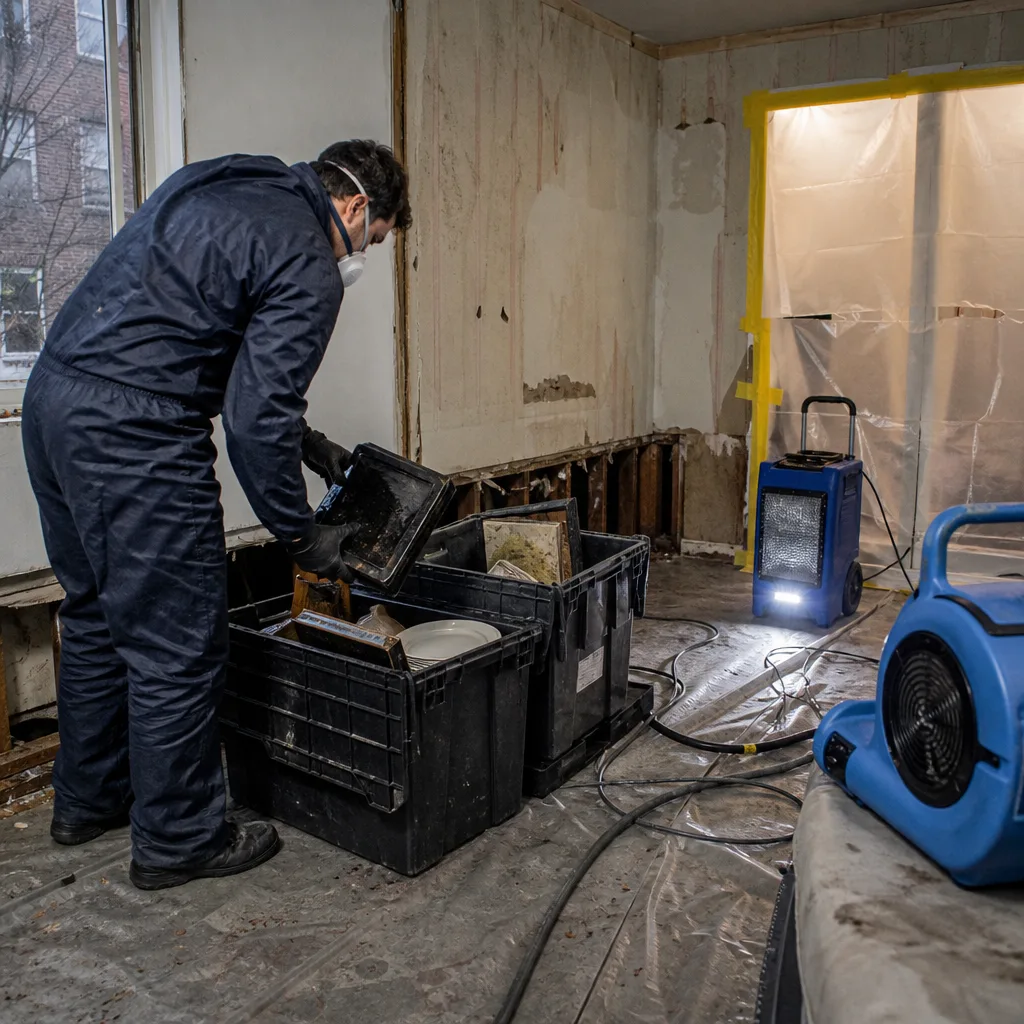
Free visual inspection and a written scope of work before any mitigation begins - photos, moisture readings, and drying logs go in your claim file
The scope we write is the scope we bill. Anything new gets shown to you, in writing, before we touch it.
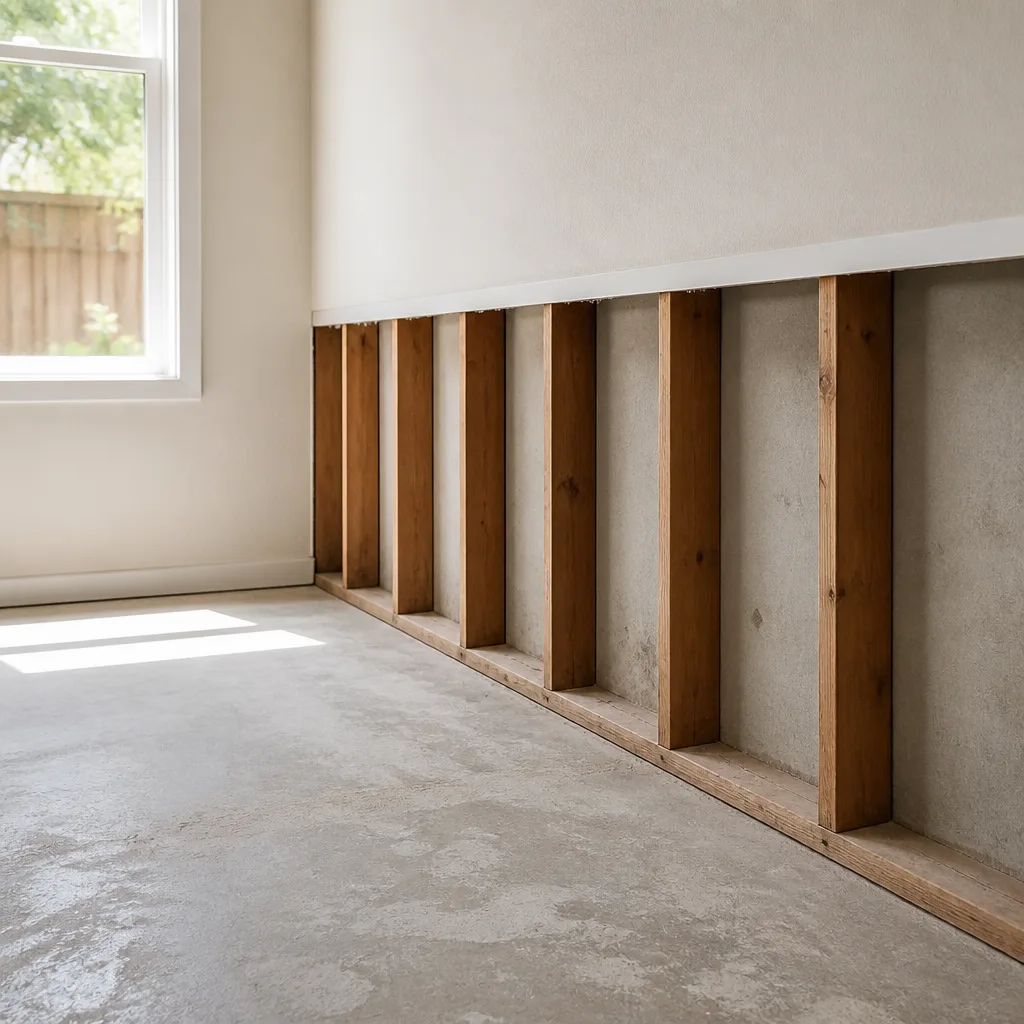
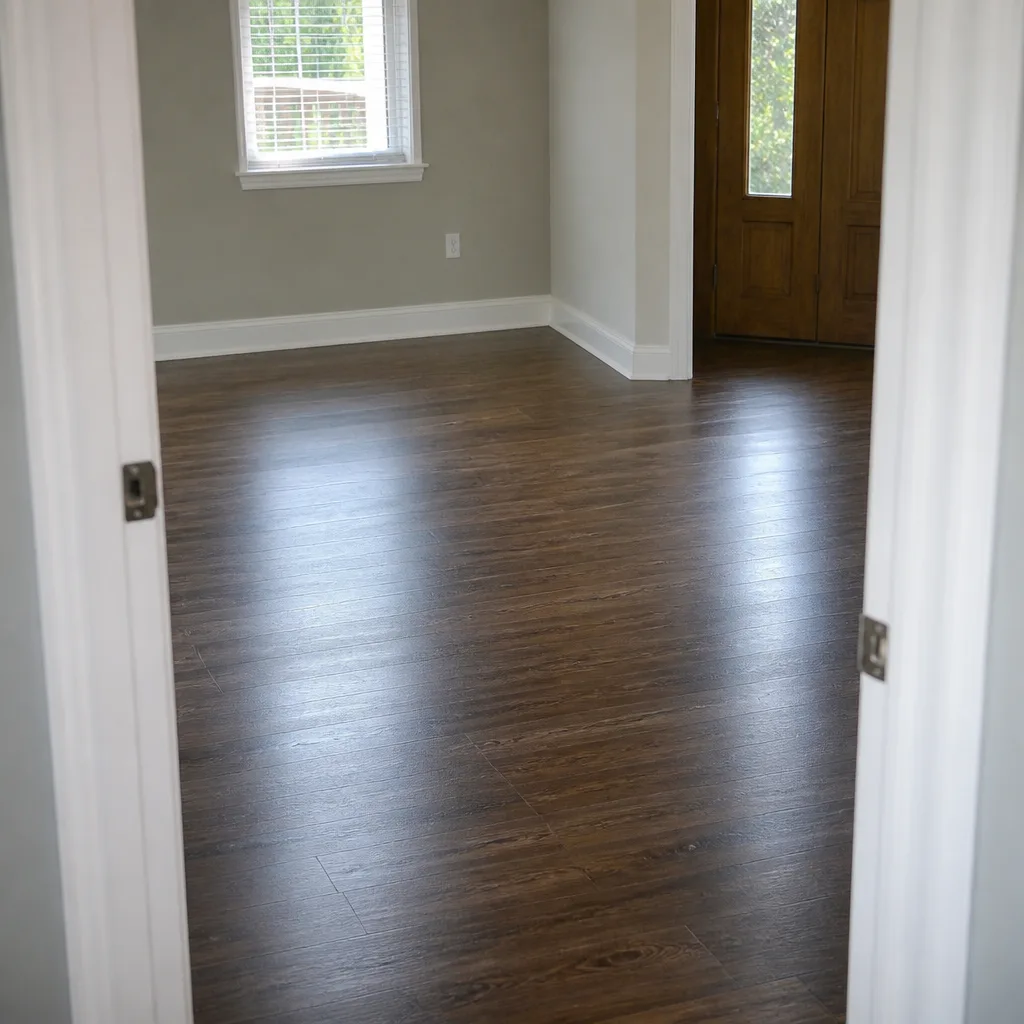
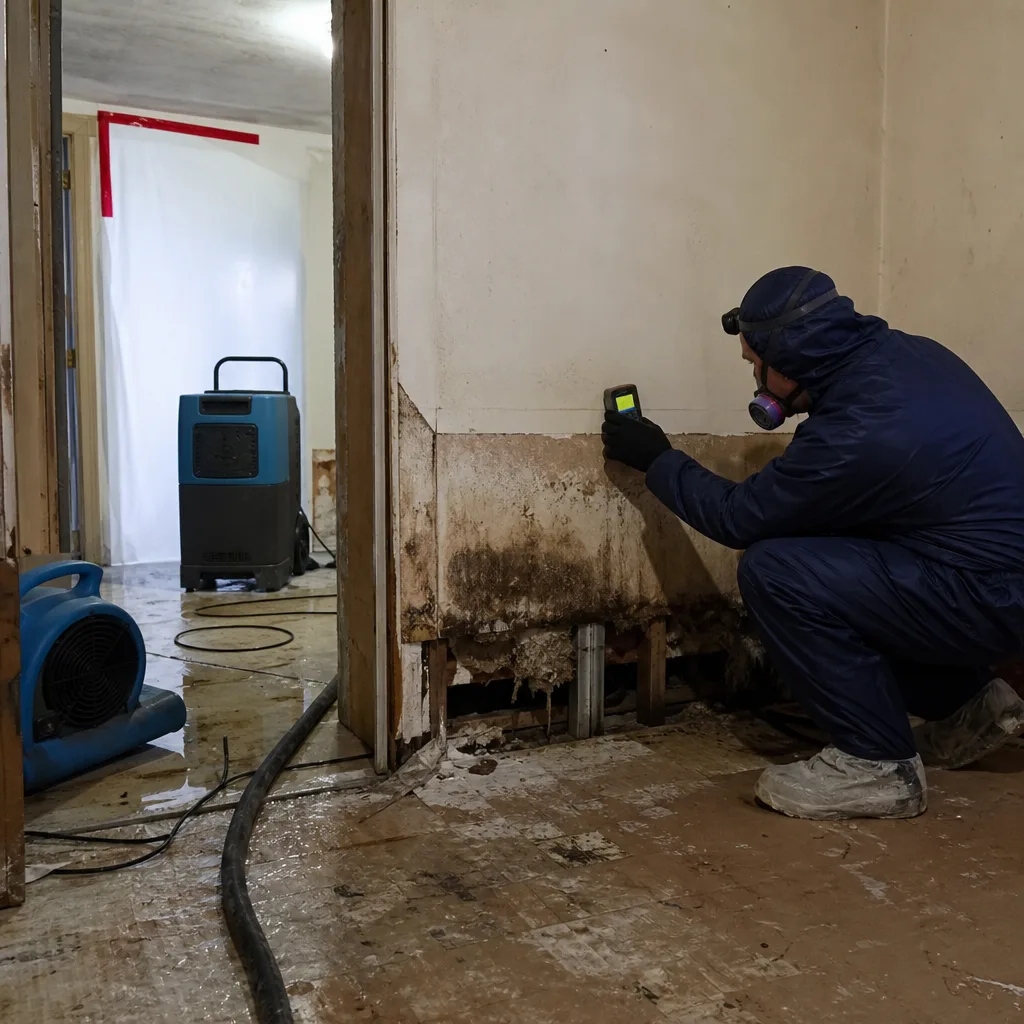 Before
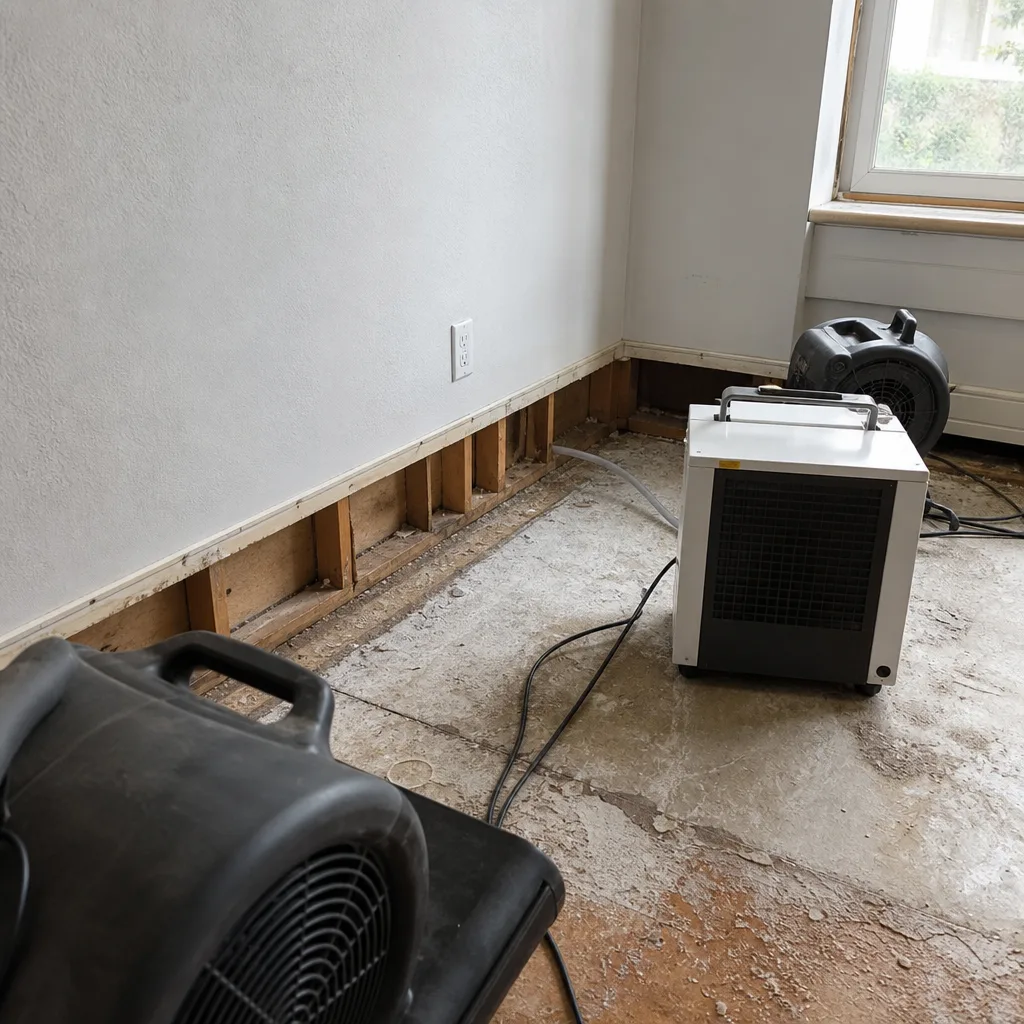 After
After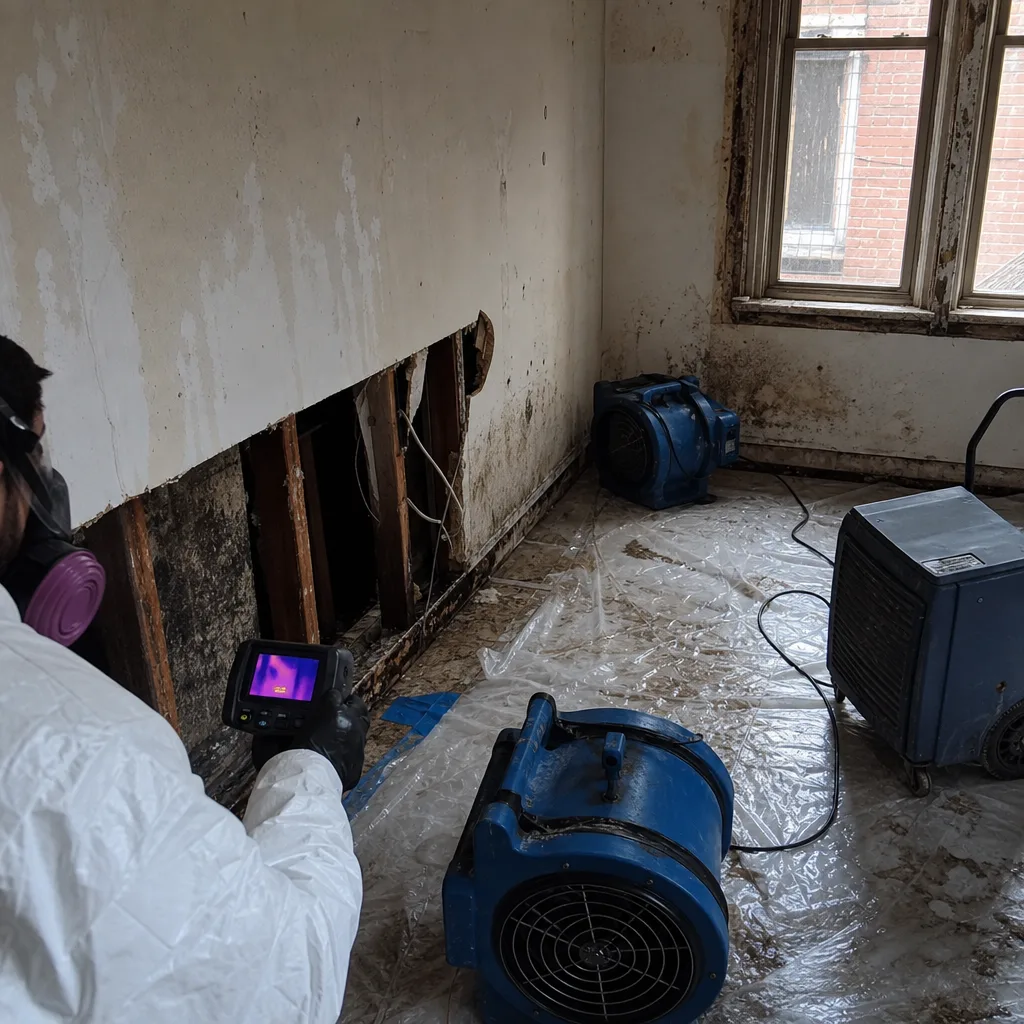 Before
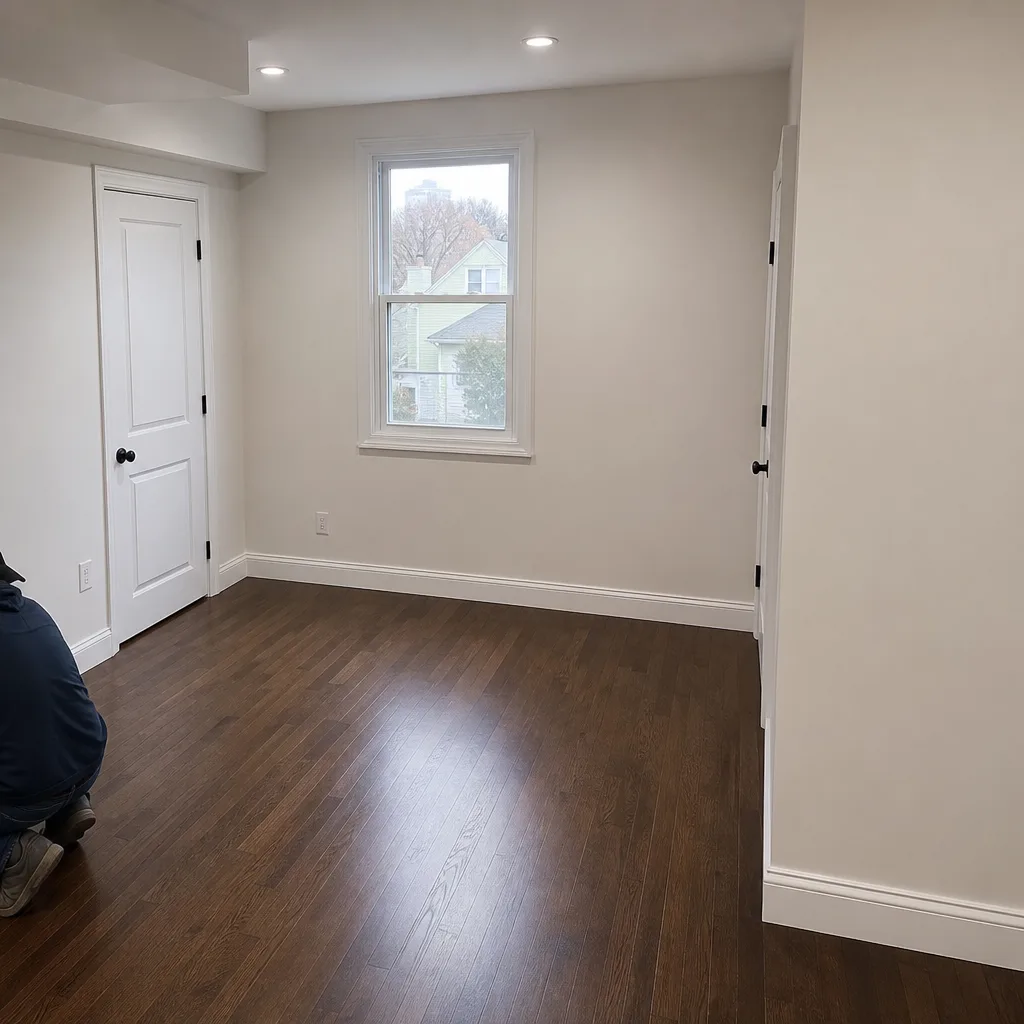 After
After24/7 Emergency Reconstruction & Cleanup in Upper Manhattan
A ceiling stain in a pre-war Upper Manhattan apartment is rarely just a ceiling stain. It’s usually a shared stack leak, a roof parapet failing after a freeze-thaw cycle, or water that’s been moving through horsehair plaster for months before anyone saw it. Floodline Restoration Co. answers live at (518) 800-3751 around the clock, dispatches crews into Washington Heights, Inwood, Hamilton Heights, and Harlem within the hour, and starts with a free visual inspection before anyone touches a wall. The first hour matters because water wicks through original plaster and lathe at roughly an inch per hour in an 85-year-old building. Call (518) 800-3751 and a certified crew reaches your building the same visit.
Understanding Reconstruction & Cleanup Severity in Upper Manhattan Properties
Upper Manhattan’s building stock was mostly built between 1890 and 1940. That means original cast-iron and galvanized plumbing, horsehair plaster walls over wood lathe, tin ceilings, and flat or low-slope roofs with aging parapet copings. When a Category 1 or Category 2 water loss starts in one unit, it rarely stays there. Shared plumbing stacks run vertically through five or six stacked apartments. Moisture mapping with thermal imaging and hygrometers shows water traveling down the stack chase, into floor cavities, and behind plaster before it ever shows as a stain on the unit below. Category 3 water, the kind that carries sewage or standing stormwater, demands containment and full material removal, no shortcuts. Our crews carry Dri-Eaz dehumidifiers, Phoenix air movers, and XPOWER air scrubbers, and we log daily moisture readings until the dry standard is met. Then, and only then, does reconstruction start.
Why Upper Manhattan Property Owners Choose Floodline Restoration Co.
- 45-minute response commitment: When you call with a stack leak at 2 a.m., a live dispatcher routes a crew to your Upper Manhattan address immediately, not to a voicemail box.
- A real person answers, 24/7: Floodline Restoration Co. has answered the phone with a live dispatcher every day since 2010. No automated trees, no “leave a message.”
- IICRC-certified crews, WRT and ASD codes: Our technicians are trained and certified to IICRC Water Damage Restoration and Applied Structural Drying standards, plus RIA and IFA protocols.
- Free visual inspection, no obligation: We walk the loss with you, map the moisture, and give you a written scope before any drying equipment gets staged.
- Direct insurance billing: We bill your carrier directly, coordinate with your adjuster, and keep you out of the middle. You never play messenger.
- One team from extraction to finished rebuild: The same Floodline crew that reads the moisture map on day one hangs the drywall at the end. No handoffs, no inherited subs.
Our Reconstruction & Cleanup Process
Inspection & Assessment
We walk the loss with you, document every affected surface, and run thermal imaging to find water that hasn’t shown itself yet. In pre-war buildings, that means checking the stack chase, the ceiling cavity, and the plaster behind the visible stain.
Extraction & Stabilization
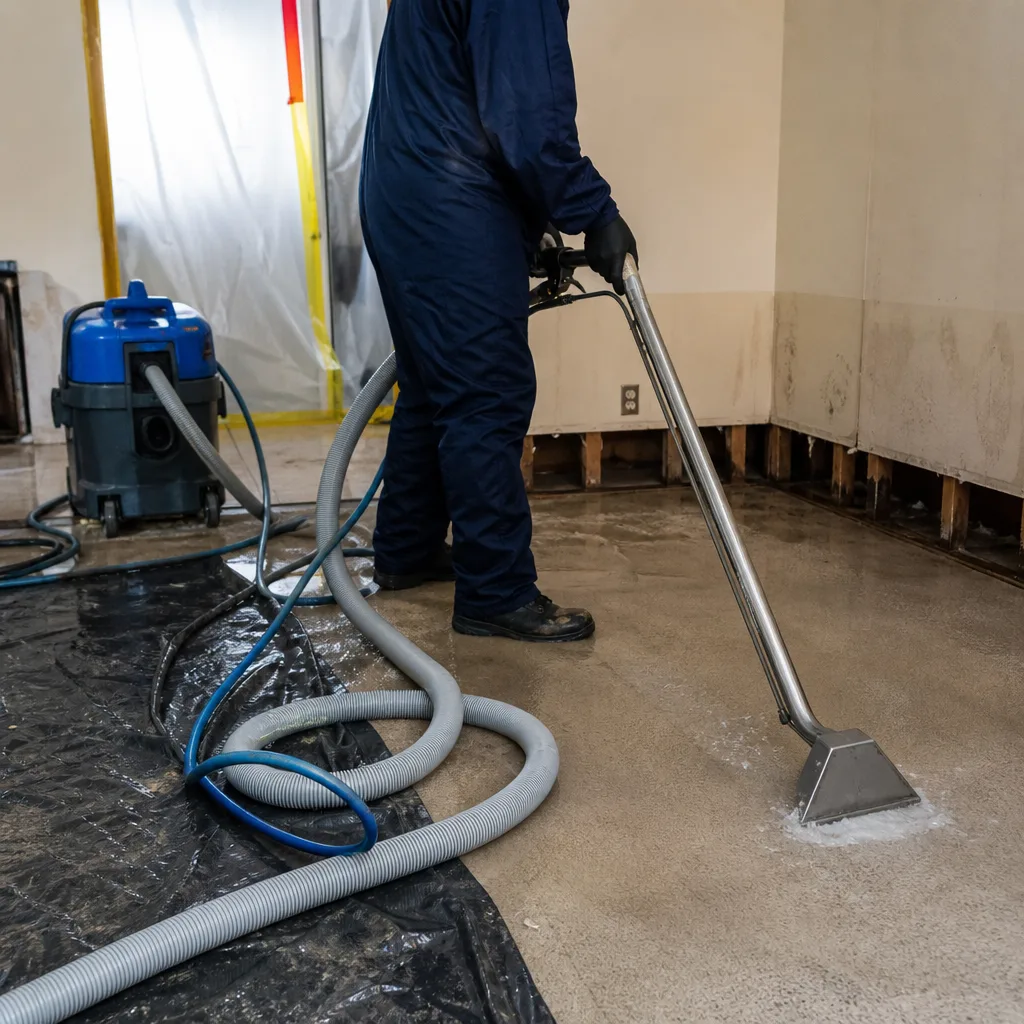
We remove standing water with truck-mounted extraction and stabilize what can be saved. In original tin-ceiling units, that often means controlled drainage first, before the weight of saturated plaster becomes a collapse risk.
Drying & Dehumidification
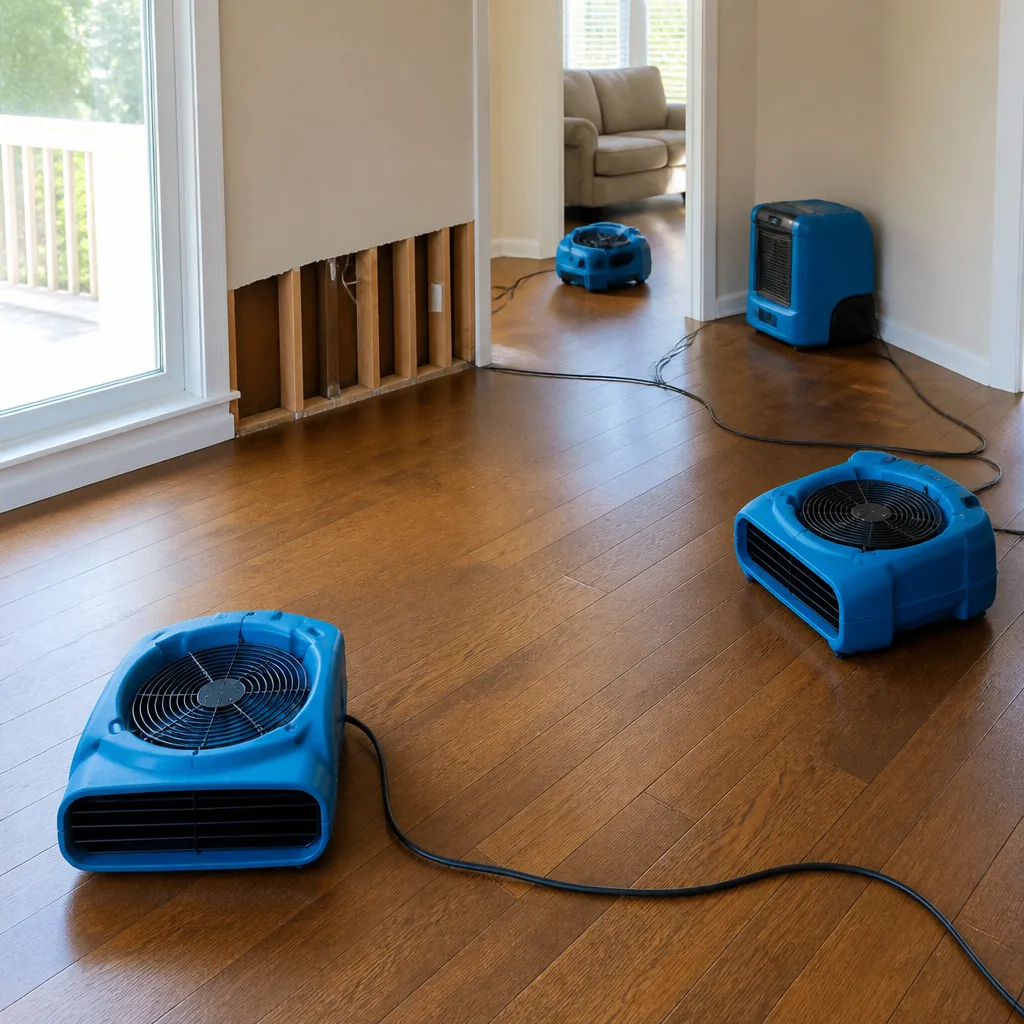
Dri-Eaz dehumidifiers and Phoenix air movers get placed to create a drying chamber around the affected stack chase or ceiling cavity. We take daily moisture readings with hygrometers until the dry standard is met, and we hand you the log.
Cleaning & Sanitization
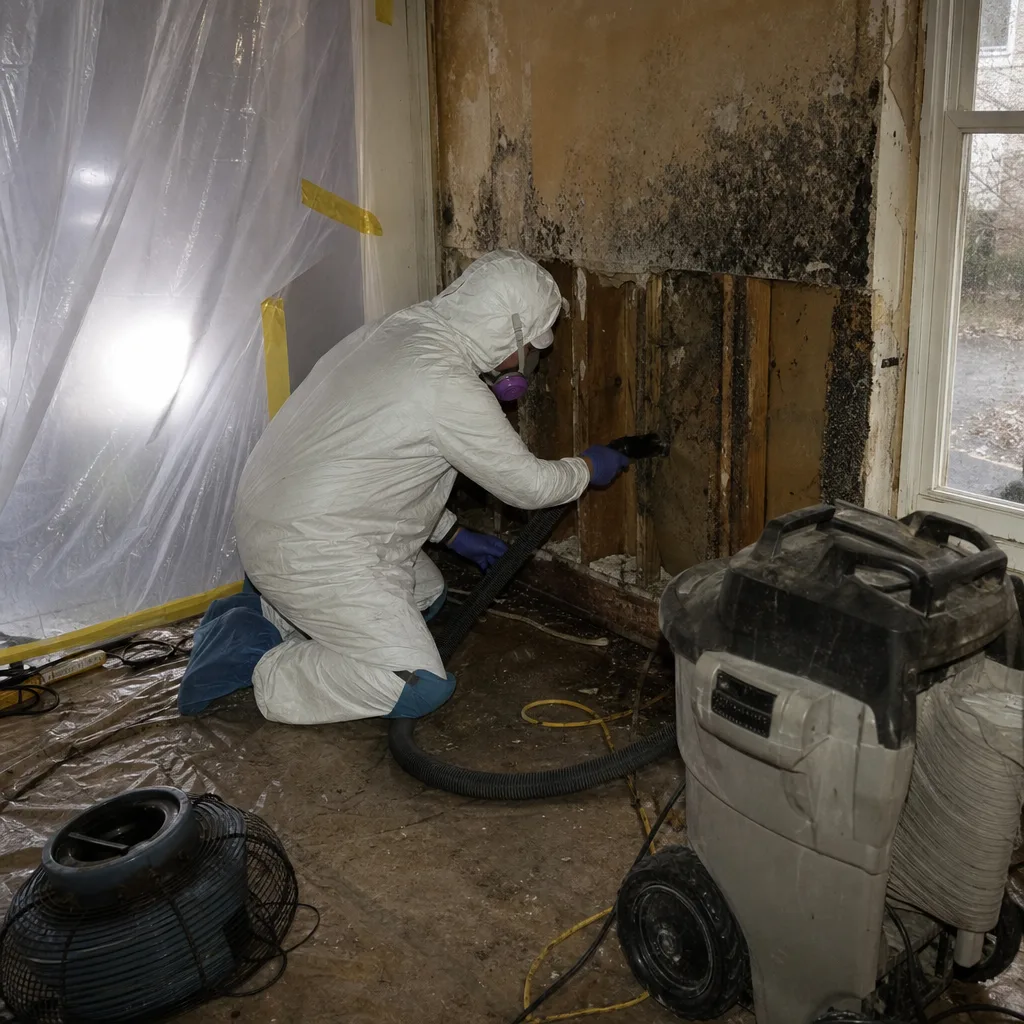
We clean salvageable surfaces, sanitize affected areas, and run XPOWER air scrubbers to capture particulate. For Category 3 losses, we remove and dispose of contaminated materials before this step starts.
Specialty Treatment for Pre-War Materials
Original horsehair plaster that can be saved gets treated and dried in place where possible. Where asbestos or lead-paint protocols are triggered, we sequence licensed abatement before any drying or rebuild work proceeds.
Repairs & Restoration
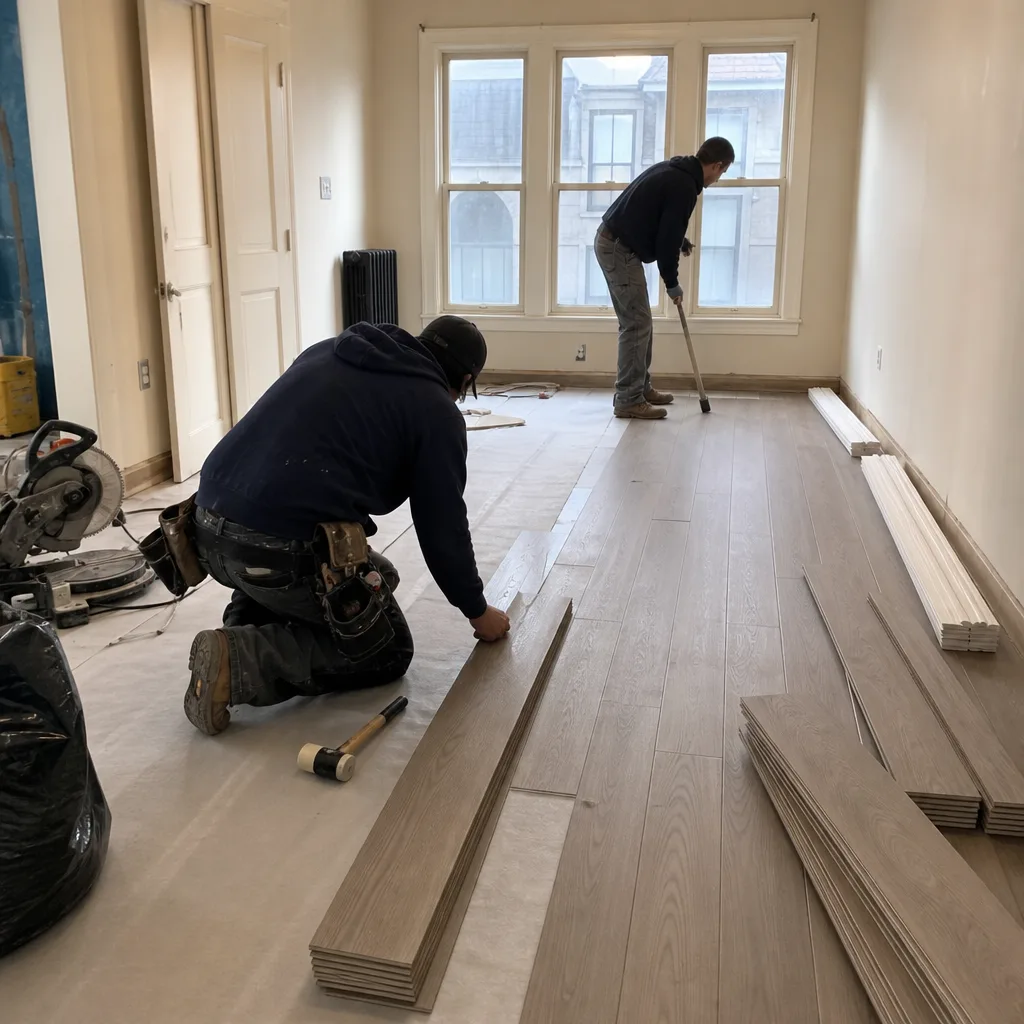
We rebuild the wall assembly, match the original trim and tin ceiling, and restore the unit to pre-loss condition. The 90-Day Done Right Promise covers the work in writing. If it’s not done right, we make it right. No arguing.
Need Emergency Reconstruction & Cleanup in Upper Manhattan Now?
Crews minutes away, answering live 24 hours a day. The sooner we start, the less it costs.
Working With Your Insurance Company
Reconstruction and cleanup claims in Upper Manhattan almost always involve a landlord, a co-op board, or a property manager, plus an insurance carrier. Floodline Restoration Co. documents everything from the first hour: photos room by room, moisture readings, thermal images, and a line-item scope of work that your adjuster can read without a translator. We communicate directly with your carrier, and we bill them directly. You get a written estimate before work starts, and you get a drying log when we hit the dry standard. When a shared stack leak spans three rent-stabilized apartments, we coordinate the documentation per unit so the claim is clean and complete. Curt Bowman founded this company on the idea that a restoration job should not leave the homeowner playing messenger between trades and insurance desks. We stand behind that.
What We Provide Your Insurer
- Thorough documentation of the loss
- Photos of all damage, room by room
- Moisture readings and drying logs
- A detailed, line-item scope of work
- Direct coordination with your carrier
Built for Upper Manhattan’s Loss Calendar
Upper Manhattan’s restoration calls follow a rhythm. January and February bring deep freezes that split supply lines in unheated stairwells and along exterior walls of pre-war walk-ups. Spring thaw pushes water through cracked terracotta parapet caps and open roof membrane seams, and top-floor units in Washington Heights and Hamilton Heights start showing stains that actually began in December. Summer thunderstorms overwhelm flat roofs already stressed by freeze-thaw cycling, and nor’easters in late fall send wind-driven rain through aging windows and parapet joints. The common thread: water enters through the roof or the shared stack, and it moves through original plaster for weeks before anyone notices. Floodline Restoration Co. built its Reconstruction & Cleanup team around this exact loss calendar, because in Upper Manhattan the damage is rarely new on the day you see it.
Reconstruction & Cleanup Across Upper Manhattan’s Neighborhoods
Washington Heights walk-ups off Broadway and Fort Washington Avenue give us most of our roof-originated interior losses. The six-story pre-war buildings there have shared stacks and original plaster, and a parapet leak on the top floor becomes a four-unit ceiling stain within a season. In Inwood, the buildings are slightly older in pockets along Dyckman Street and Nagle Avenue, and we regularly find galvanized supply lines that have been in service since the Coolidge administration. Hamilton Heights and Sugar Hill brownstones along Convent Avenue and St. Nicholas Avenue have different wall assemblies: more original wood, fewer shared stacks, but the same freeze-thaw roof failures. Harlem’s larger Art Deco apartment houses and NYCHA towers present multi-floor, multi-tenant coordination challenges where NYC HPD compliance and landlord sequencing are part of every scope. Upper Manhattan is not one housing stock. It’s five or six, layered block by block, and each one fails differently.
Specialized Reconstruction & Cleanup Services We Offer in Upper Manhattan
Full-Service Reconstruction
We rebuild what the water took apart. That means matching original trim profiles in a Hamilton Heights brownstone, replacing lathe and horsehair plaster with modern drywall where abatement or structural reality demands it, and restoring tin ceilings where they can be saved. We do not hand the job to a third-party remodeler. The same Floodline crew that extracted the water hangs the drywall, matches the paint, and leaves the unit ready for the tenant to come home.
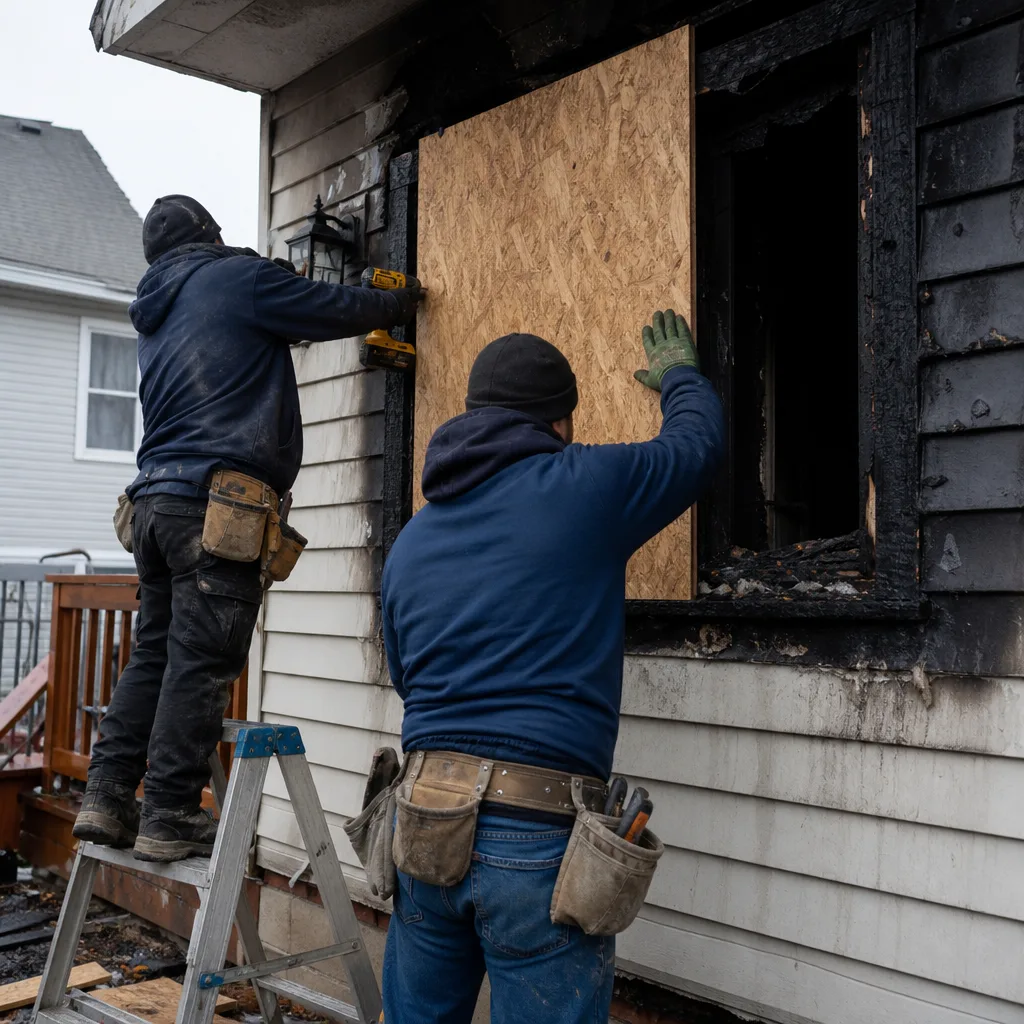
Drywall & Flooring Repair
Pre-war apartments in Upper Manhattan rarely had drywall originally, but every prior renovation added some. When we open a wall and find modern drywall over original plaster, we map the moisture through both layers before deciding what stays. Hardwood floors in Harlem brownstones and Washington Heights walk-ups cup and crown fast once water gets under them. We dry them in place where possible, and replace boards where drying won’t save them.
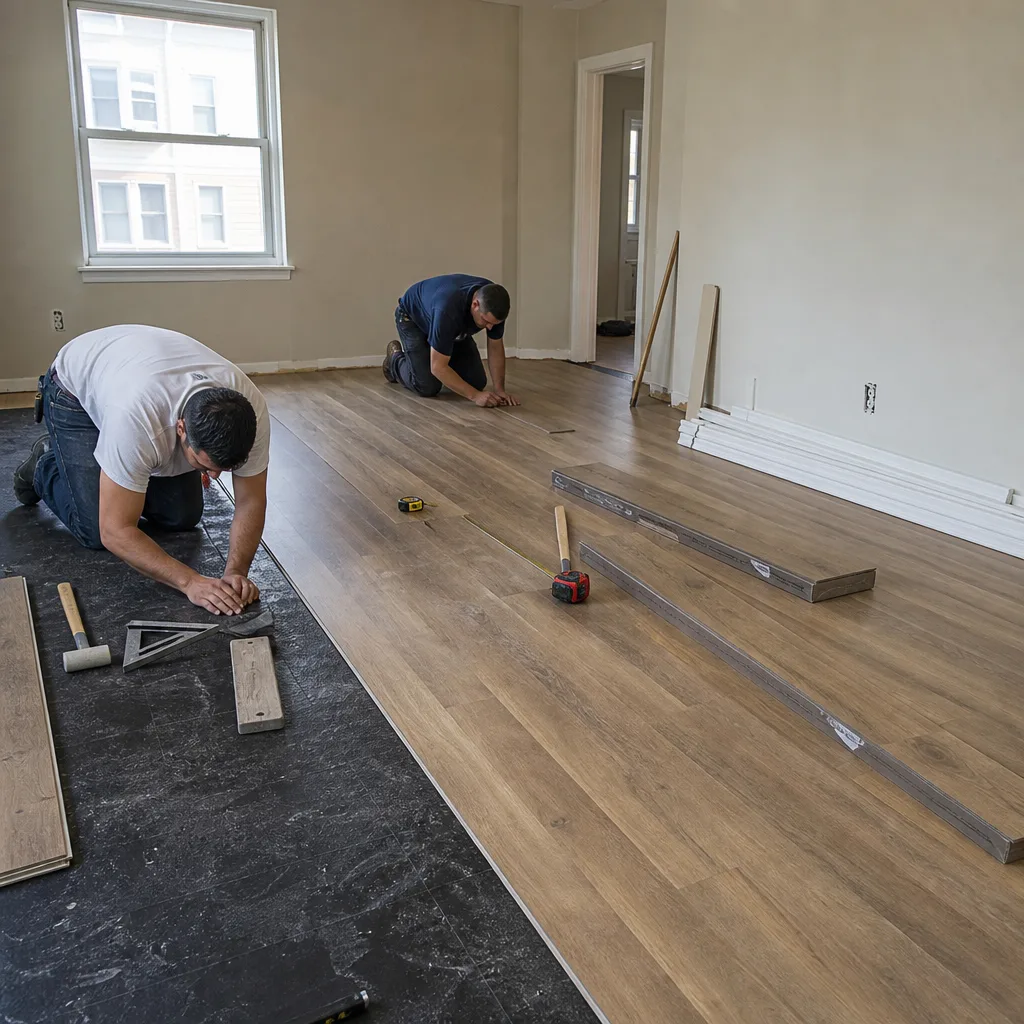
Contents Restoration & Pack-Out
When a stack leak spans multiple rent-stabilized units in a five-story walk-up, contents need to move fast. We pack out furniture, clothing, electronics, and paperwork, inventory everything with photos, and restore what can be restored. In Upper Manhattan apartments, that often means moving a lifetime of belongings out of a 700-square-foot unit in a building with no elevator. Our techs do it carefully, respectfully, and fast enough to protect the contents from secondary damage.
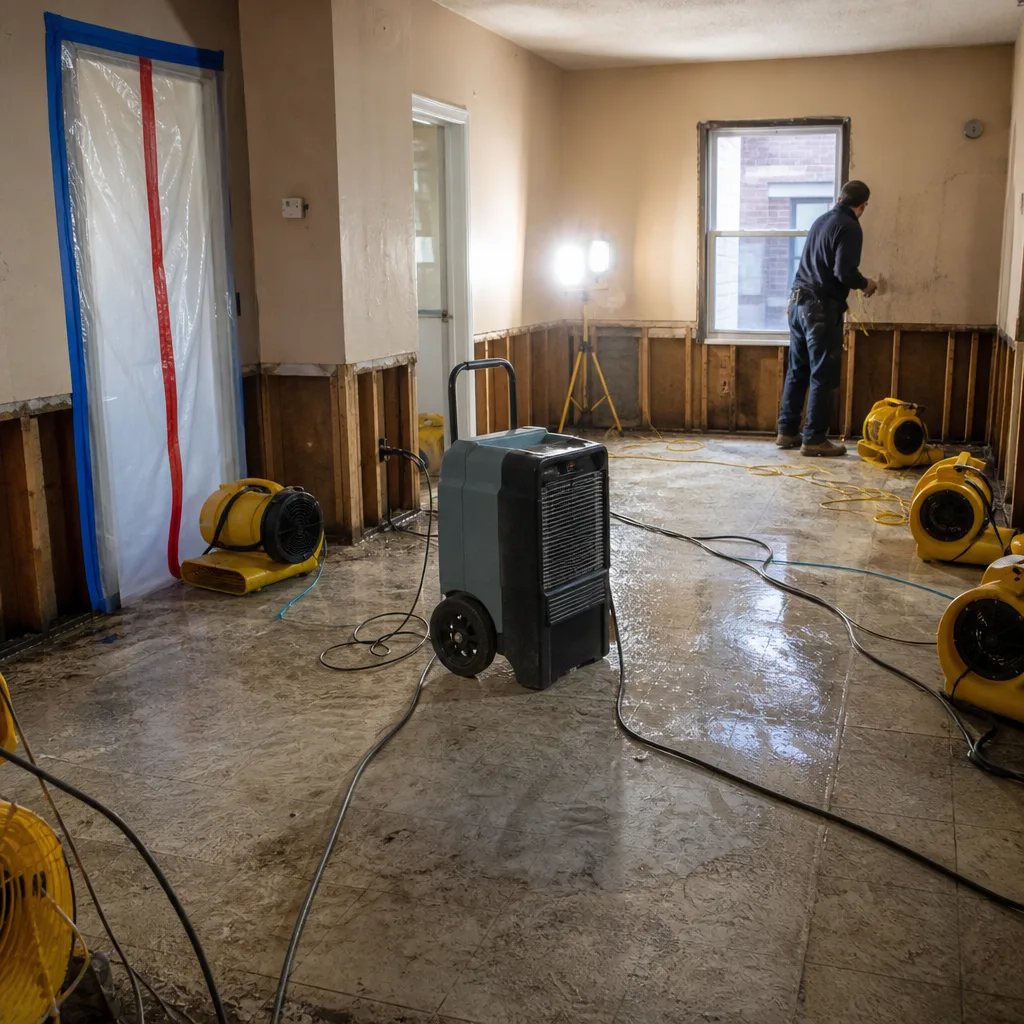
Carpet & Upholstery Cleaning
Not every loss requires full reconstruction. Sometimes a slow stack leak dampens a carpet runner or a sofa, and the right cleaning restores it. We clean and deodorize carpet and upholstery after Category 1 and 2 water losses, and we tell you honestly when cleaning won’t be enough and replacement is the only square option.
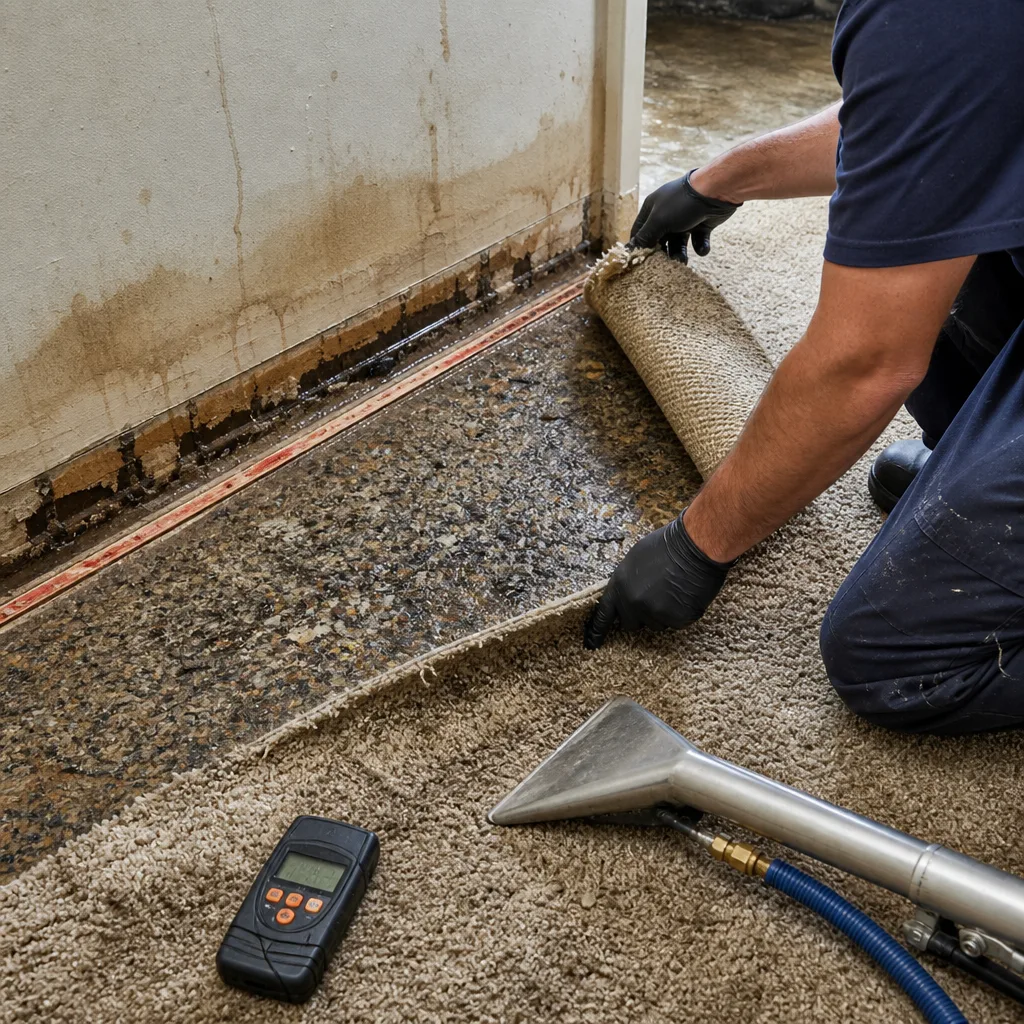
Post-Construction Cleanup
After we rebuild a wall assembly in a Washington Heights unit, the dust from sanding drywall and cutting trim is everywhere. Post-construction cleanup means HEPA-filtered air scrubbing, surface cleaning, and a final walkthrough with you before we call the job done. In small Upper Manhattan apartments, construction dust lands on everything. We don’t leave it for you to deal with.
Insurance Claim Documentation
For shared stack leaks and multi-floor losses, documentation is the difference between a clean claim and months of back-and-forth. We provide room-by-room photos, moisture maps, thermal images, drying logs, and a line-item scope with exact pricing. Your adjuster gets everything in a format they accept. You get a copy of the same pack. When a co-op board or landlord’s insurance is involved, we coordinate the documentation so each unit’s damage is cleanly separated and attributed.
What happens when you call
- 1
A real person answersNo phone trees - you reach a local pro.
- 2
You get an upfront price rangeHonest numbers before anyone is dispatched.
- 3
A background-checked tech heads outLicensed & insured, dispatched right away.
- 4
You approve before work beginsNothing starts until you say go.
Reconstruction & Cleanup Costs in Upper Manhattan, NY
Reconstruction and cleanup pricing in Upper Manhattan runs higher than the outer boroughs because of the building stock. A single-unit ceiling repair after a small stack leak in a Washington Heights walk-up typically runs $1,800 to $4,200, including drying, plaster repair, and paint. A multi-floor shared stack loss that requires opening walls in three apartments, asbestos abatement, and full pack-out of one unit runs $8,000 to $25,000 before contents restoration. Contents pack-out and restoration for a one-bedroom rent-stabilized unit typically runs $3,500 to $9,000, depending on volume and what’s salvageable. Post-construction cleanup after a full wall rebuild runs $600 to $1,800. The free visual inspection is how you get a firm number: we walk the loss, map the moisture, and hand you a written scope before any work starts. Call (518) 800-3751 and we’ll come look.
We Also Serve Cities Near Upper Manhattan
Floodline Restoration Co. serves Upper Manhattan and the neighborhoods around it. Our crews routinely respond across Astoria, Ditmars Steinway, the Upper East Side, and Jackson Heights. If your property is near one of these areas, call (518) 800-3751 and a live dispatcher will route the nearest crew to you.
Serving Upper Manhattan, NY - Our Local Coverage Area
We’re based in the Upper Manhattan area and know this community well. Use the map below to see our service coverage - if you’re nearby, we can almost certainly help.
Upper Manhattan Reconstruction & Cleanup Questions, Answered
Why does a small ceiling stain in a Washington Heights walk-up often turn into a multi-floor restoration?
A ceiling stain in a pre-war walk-up usually means water has been moving through the shared plumbing stack or the roof parapet for weeks or months before it showed. By the time you see it, the moisture has saturated horsehair plaster, migrated into floor cavities, and often traveled to the unit below. The stain is the last symptom, not the first. Call (518) 800-3751 for a free inspection before the stain becomes a collapse risk.
How do NYC lead-paint and asbestos rules change a standard drywall replacement in Hamilton Heights?
Any structural opening in a pre-1940 Upper Manhattan building can trigger lead-paint and asbestos protocols. If we open a wall and find asbestos pipe wrap or vermiculite, all drying and rebuild work stops until a licensed NYC asbestos contractor completes abatement. That sequencing adds days or weeks if not planned from the start. Floodline Restoration Co. has done this enough in Hamilton Heights and Sugar Hill that we build the abatement window into the scope from day one.
Can you dry out original horsehair plaster instead of replacing it after a roof leak in Inwood?
Sometimes, yes. Horsehair plaster that is still bonded to the lathe and not crumbling can often be dried in place with the right Dri-Eaz dehumidifier setup and daily moisture readings. If the plaster has already delaminated or the moisture content is too high, replacement is the only square option. We always try to save original material first, because matching a 1920s wall assembly costs more and never looks exactly right.
What does pack-out and contents restoration look like in a rent-stabilized Upper Manhattan apartment during a multi-floor stack leak?
We move fast. Contents get inventoried, photographed, packed, and moved to a clean, secured storage area. In a walk-up with no elevator, that means carrying everything down narrow stairwells carefully. We restore what can be restored, document what can’t for your claim, and bring everything back when the rebuild is done. A one-bedroom pack-out in Upper Manhattan typically takes one to two days start to finish.
How do you document an Upper Manhattan water damage claim for a co-op board or landlord’s insurance when shared stack leaks are involved?
We separate documentation per unit. Each apartment gets its own photo set, moisture map, thermal images, drying log, and line-item scope. That matters because a shared stack leak spanning three units means three separate claim lines on the landlord’s policy or the co-op’s master policy. We send the adjuster everything in a format they accept, and we bill the carrier directly. Call (518) 800-3751 if you need documentation started today.
How fast can a crew actually reach my Upper Manhattan apartment after I call?
Our commitment is 45 minutes to most Upper Manhattan addresses, including Washington Heights, Inwood, Hamilton Heights, Sugar Hill, and Harlem. A live dispatcher answers at (518) 800-3751, routes the nearest certified crew, and extraction or stabilization starts the same visit. If it’s 2 a.m. and a pipe just let go, you’ll talk to a person, not a recording.
Will my insurance cover reconstruction and cleanup after a shared stack leak in Upper Manhattan?
Most landlord, co-op, and renters policies cover sudden and accidental water damage from a shared stack rupture, but the coverage depends on the policy language and the age of the plumbing. We document everything so your claim is clean, and we bill the carrier directly so you don’t have to front the cost. We also tell you honestly when a repair is likely to fall under a maintenance exclusion, before you’re surprised later.
What should I do in the first 30 minutes after I notice water coming through my ceiling in Upper Manhattan?
Shut off the water if you can access the valve. Move furniture and electronics out of the wet area. Put down a bucket or tarp to catch the water, but do not puncture the ceiling: the water pooling above the plaster is heavy, and the last thing you want is a collapse. Call (518) 800-3751 right away. A live dispatcher will route a crew to you, and our first step is controlled stabilization before any drying starts.
Written by Curt Bowman, Owner at Floodline Restoration Co., serving Upper Manhattan since 2010 with a live phone answered around the clock. The line the water left is where we start.