
Free visual inspection and a written scope of work before any mitigation begins - photos, moisture readings, and drying logs go in your claim file
The scope we write is the scope we bill. Anything new gets shown to you, in writing, before we touch it.
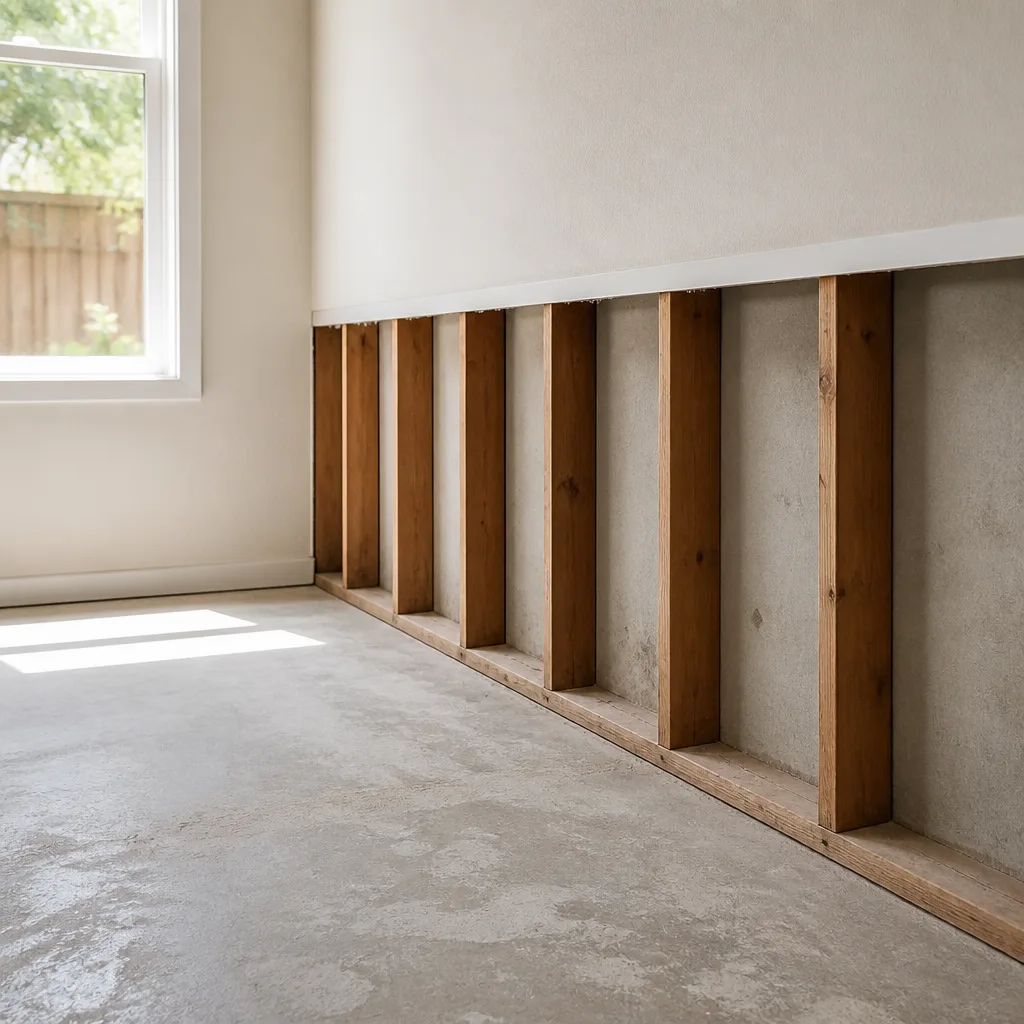
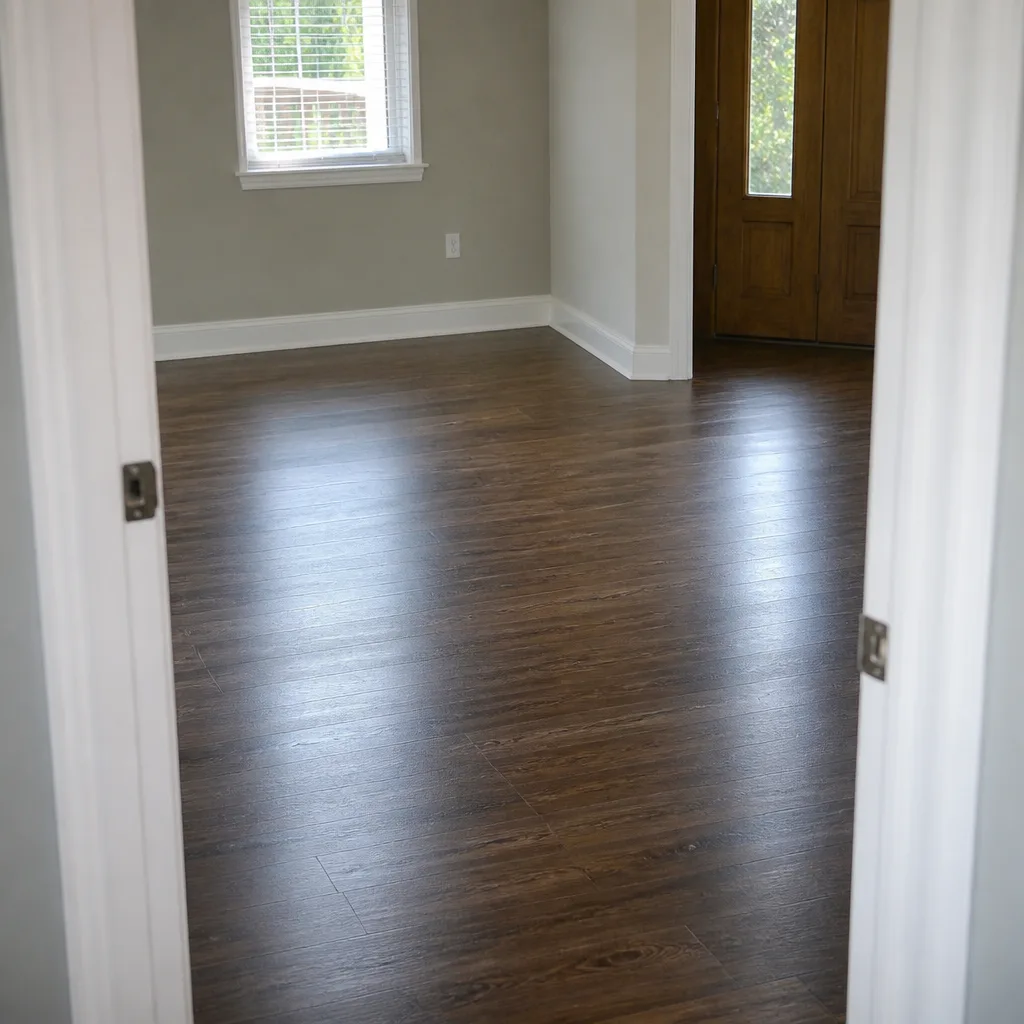

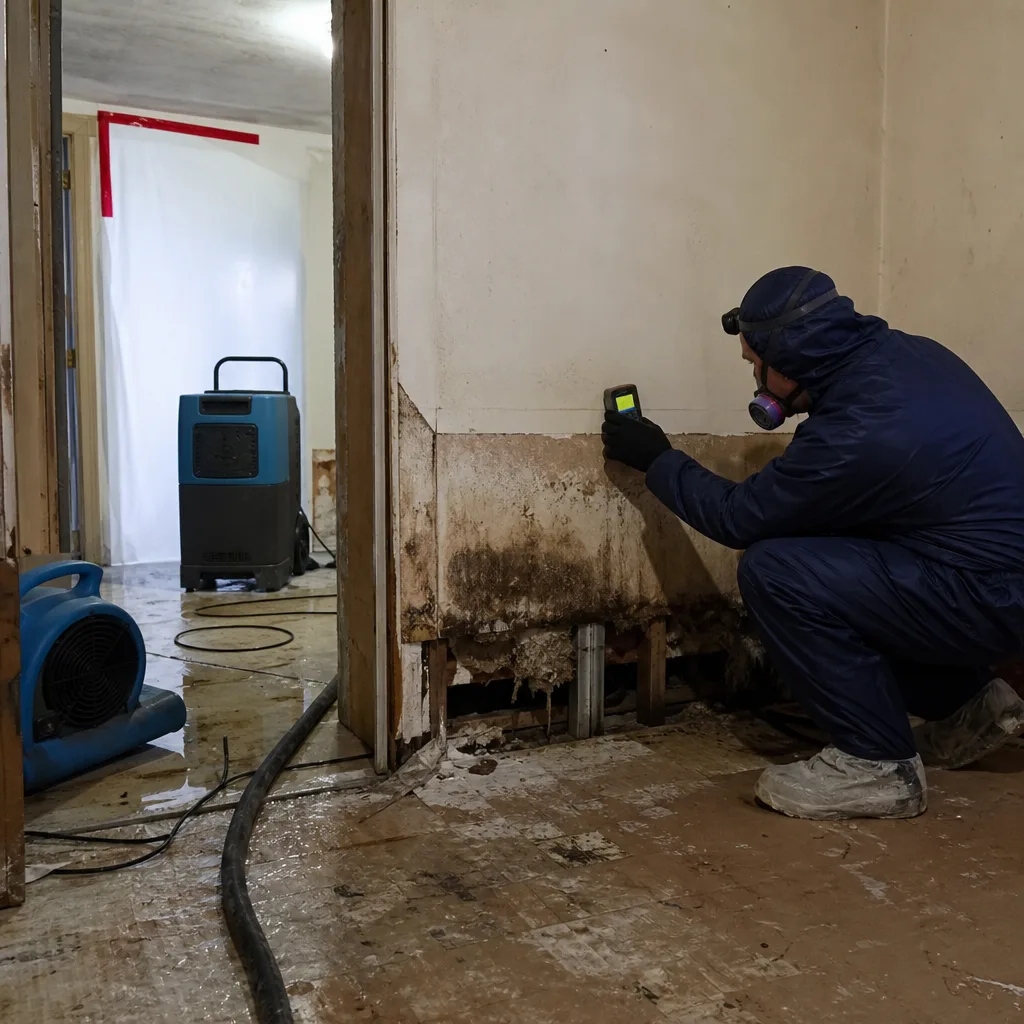 Before
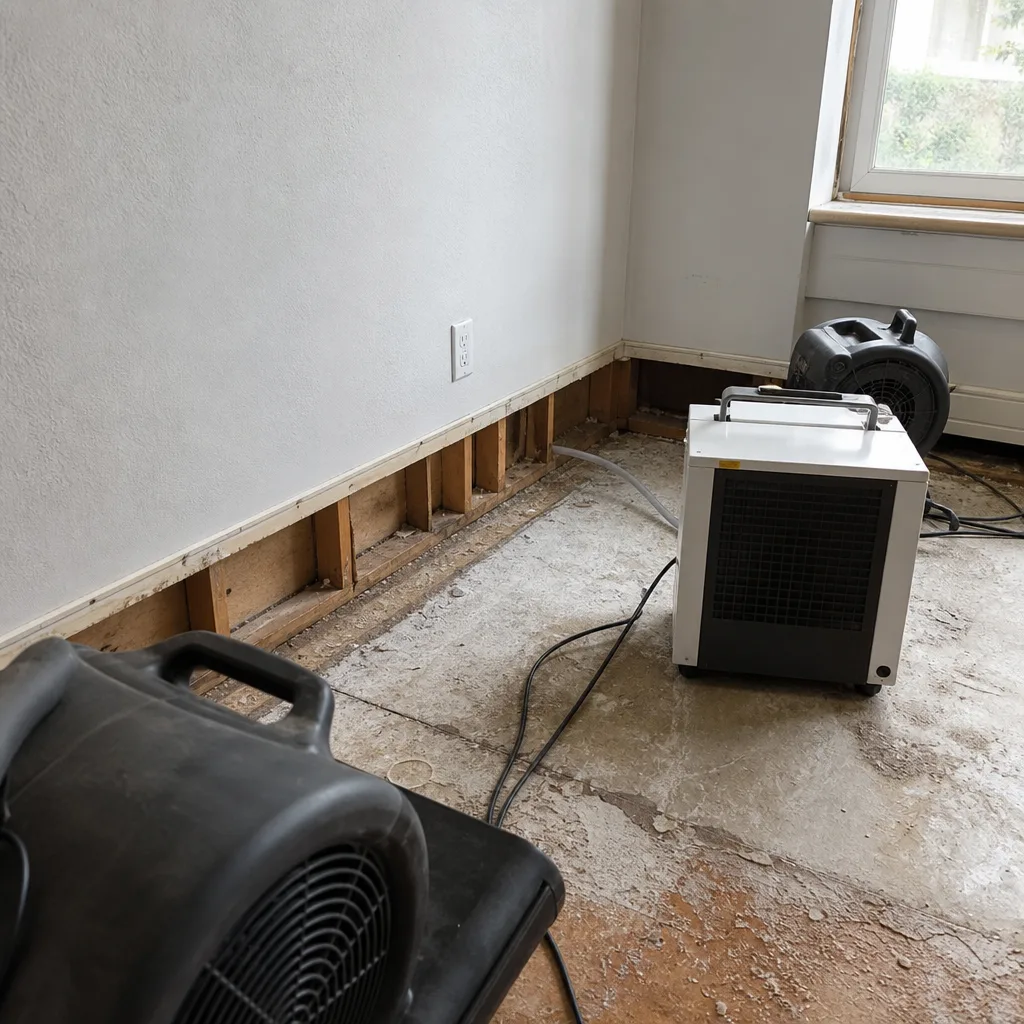 After
After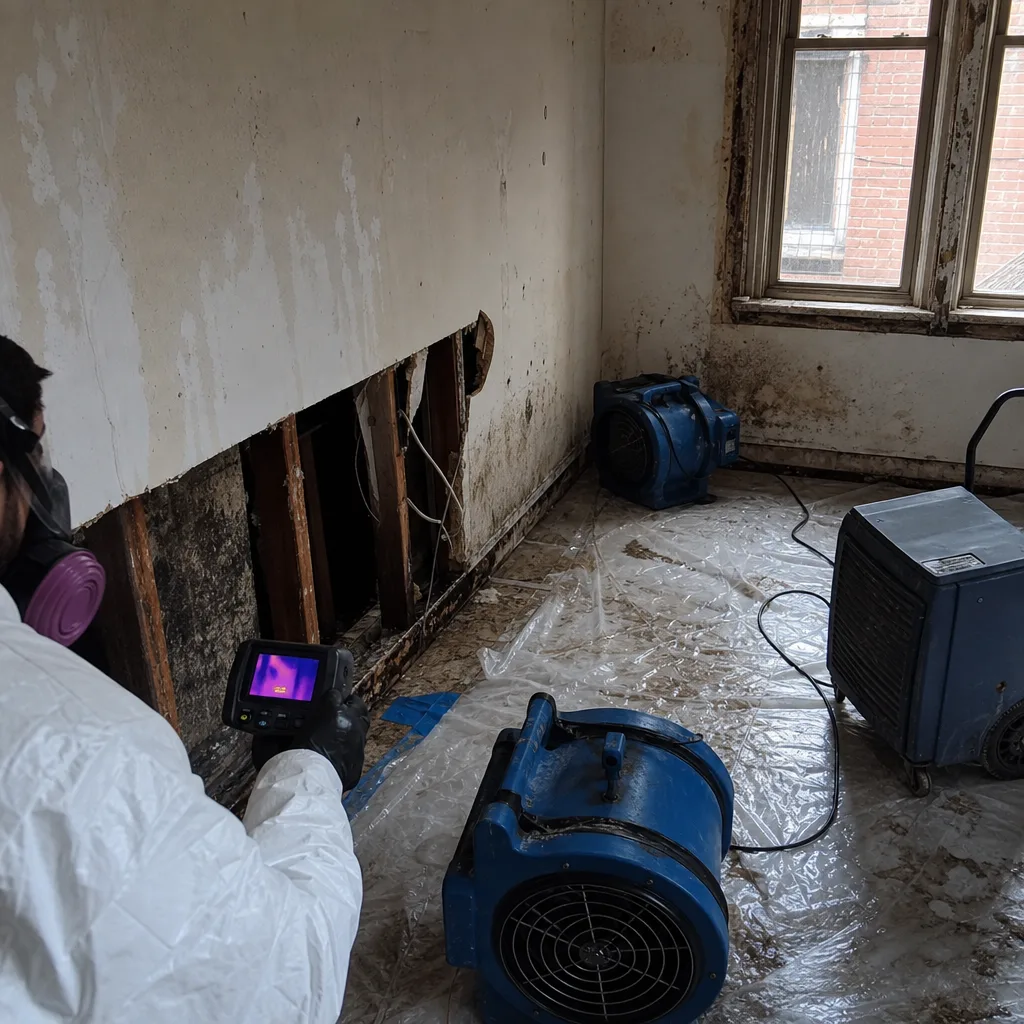 Before
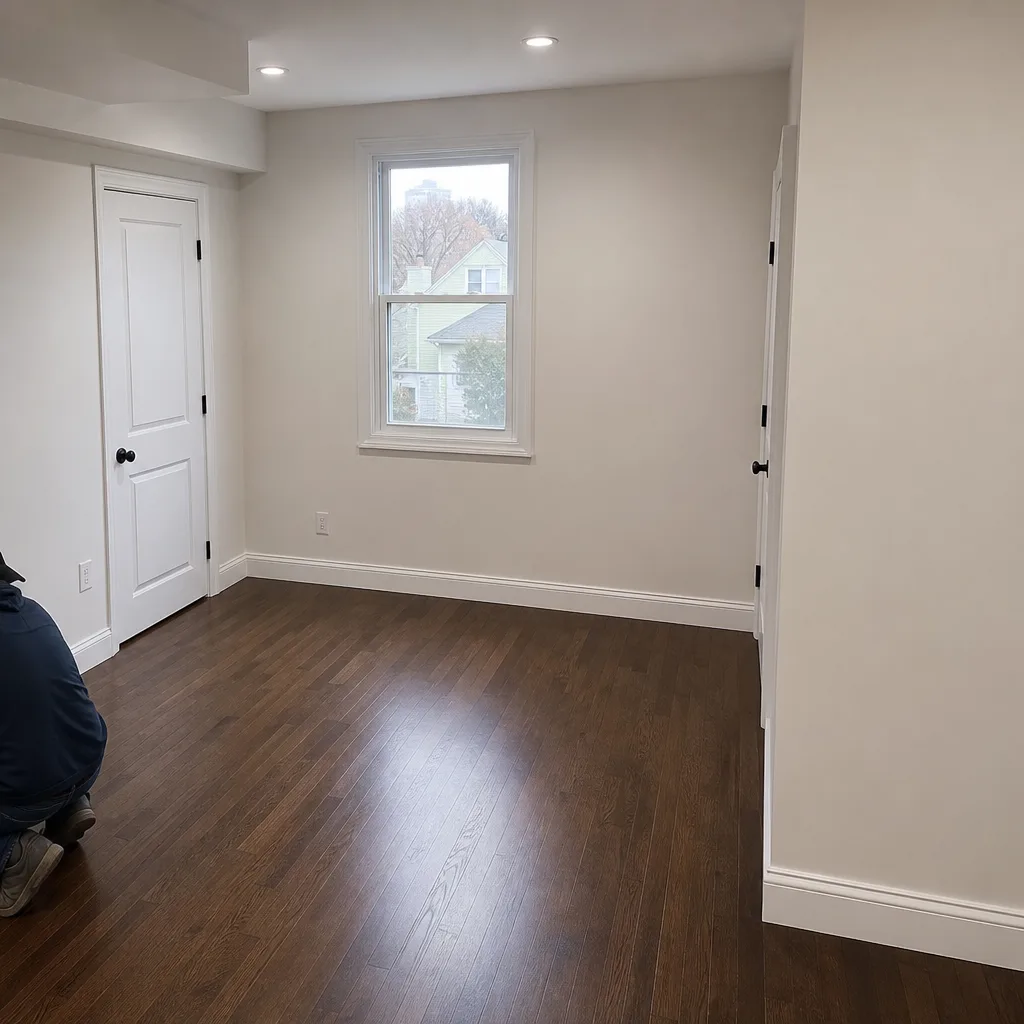 After
After24/7 Emergency Sewage Cleanup in Midtown Manhattan
A sewage backup in Midtown Manhattan costs more the longer it sits. Category 3 black water carries pathogens that saturate drywall, wick through subflooring, and feed mold within 24 to 48 hours. Floodline Restoration Co. answers with a live person at two in the morning, not a recording, and dispatches a certified crew to your apartment, condo, or commercial floor immediately. Call (518) 800-3751 the moment you see sewage backing up. The first hour determines whether this is a controlled cleanup or a multi-floor restoration. We arrive with containment, extraction, and drying equipment staged for Midtown’s freight-elevator and loading-dock realities, and we start mitigating the same visit.
Understanding Sewage Cleanup Severity in Midtown Manhattan Properties
Sewage cleanup in Midtown Manhattan is not the same work it is in a low-rise suburb. Most of our calls involve Category 3 water, which by the IICRC’s S500 standard means grossly contaminated water containing human waste, pathogens, or toxic materials. This is the water that comes from a failed waste stack, a backed-up floor drain, or an overflowing toilet fed by building mains. A toilet overflow in a Midtown high-rise becomes Category 3 within minutes because residents above keep flushing, unaware of the breach below.
The severity is tied to the building’s age and plumbing. Midtown’s pre-war masonry towers still carry original cast-iron and galvanized supply and waste lines from the 1920s through 1940s. Those pipes corrode from the inside out. When a cast-iron waste stack finally fails at a joint or along a vertical crack, black water travels downward through multiple floors before anyone notices. We categorize the loss, map the moisture with thermal imaging, and establish a drying standard before extraction begins. Without that discipline, crews tear out too little or too much. In a 25-story condo, that mistake compounds across every affected floor.
Why Midtown Manhattan Property Owners Choose Floodline Restoration Co.
- 45-minute response commitment to Midtown jobs. Our New York City dispatch keeps crews on rotation across Midtown corridors, so we’re staging equipment at your building within 45 minutes of your call.
- 24/7 live answer. A real person picks up at any hour. No automated phone tree, no call-back promise.
- IICRC-certified technicians. Our crews carry WRT (Water Restoration Technician) and ASD (Applied Structural Drying) certifications, with AMRT (Applied Microbial Remediation Technician) leads on every sewage job.
- Free visual inspection and moisture assessment. We show you what we found, where the water has traveled, and what needs to come out before any work begins.
- Direct insurance billing. We document from the first hour and bill your carrier directly. You never play messenger between Floodline and an adjuster.
- One team from extraction to reconstruction. The same certified crew handles sewage extraction, drying, sanitization, and the rebuild, including co-op and condo board coordination.
Our Sewage Cleanup Process
Inspection & Assessment
We map the full extent of the sewage path with thermal imaging and moisture meters. In Midtown high-rises, this means checking the floor below the breach and adjacent wall cavities. We determine the Category, the affected square footage, and the required drying standard before touching a wall.
Extraction & Stabilization
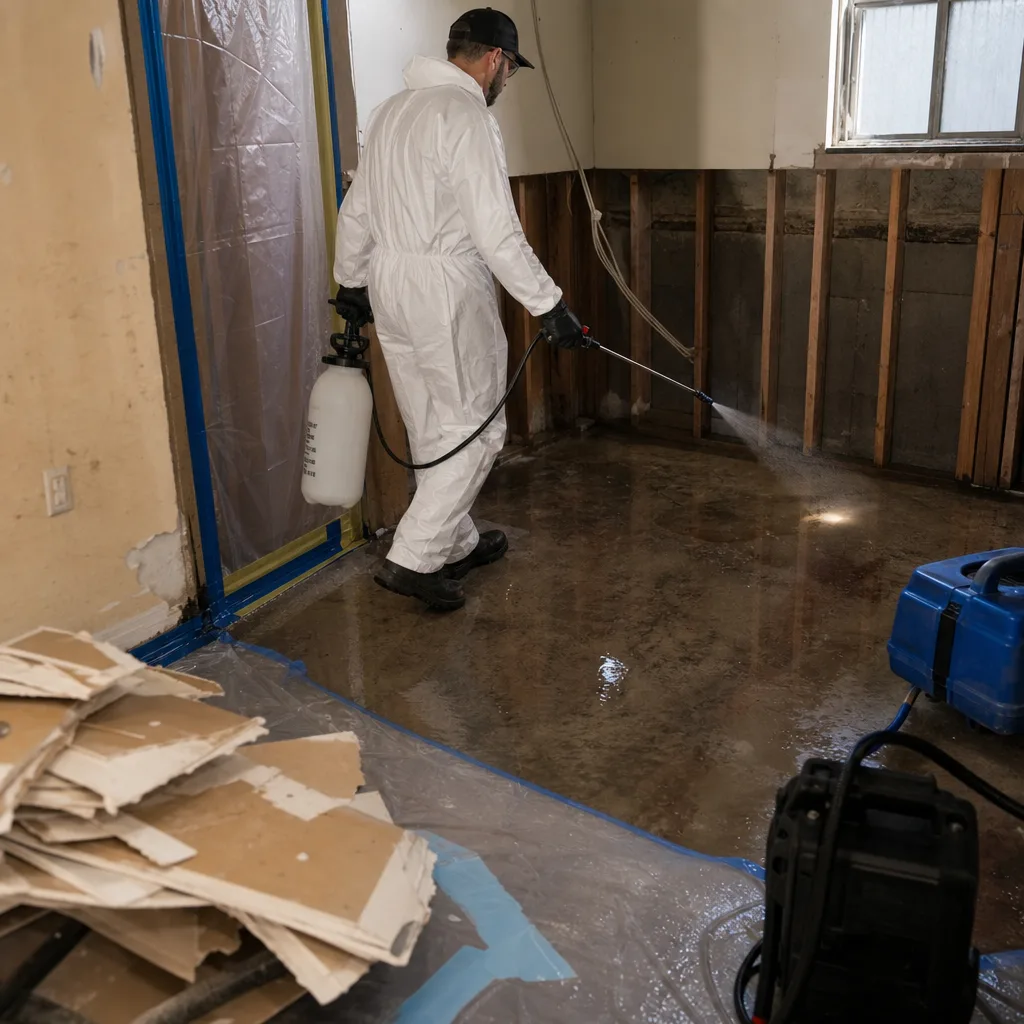
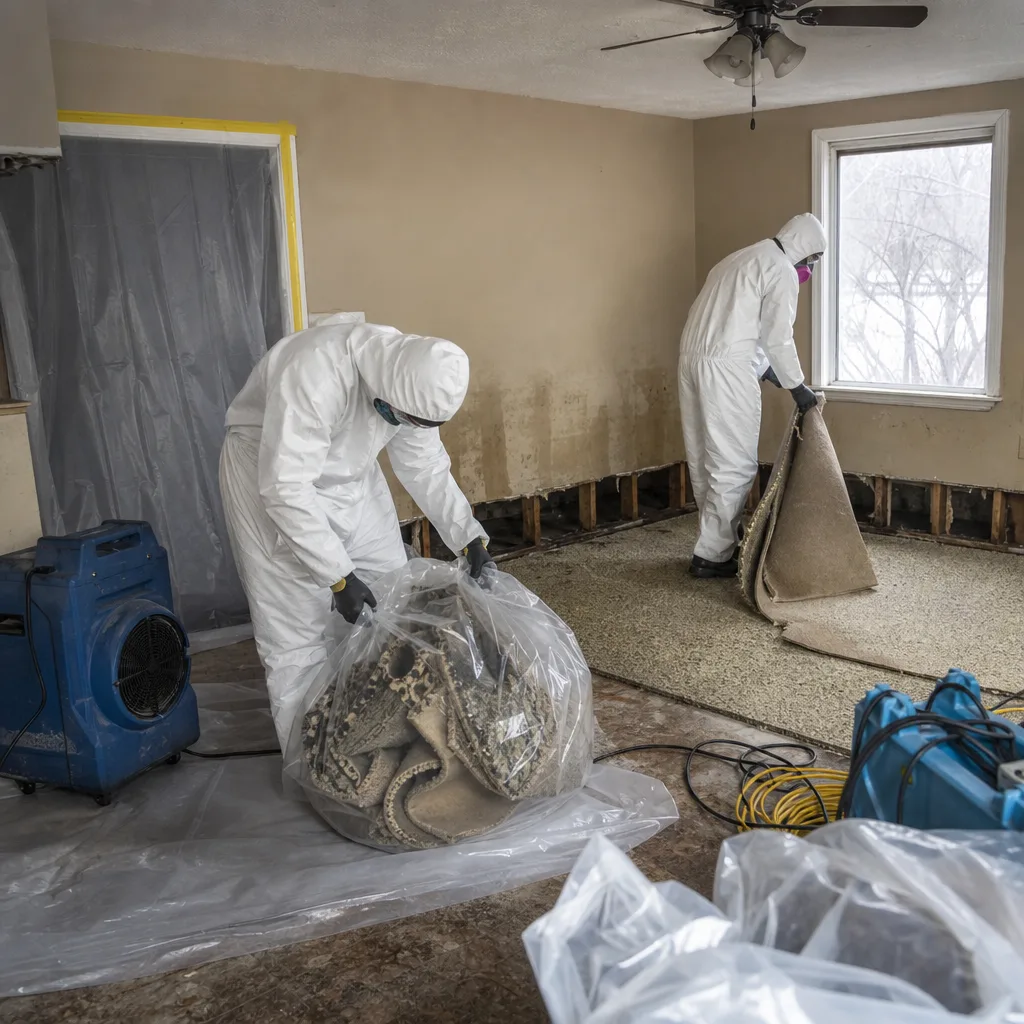
We remove standing black water with truck-mounted and portable extraction units staged at your building’s loading dock or curbside. Containment and negative air pressure go up first in multi-floor events, preventing cross-contamination into occupied units during extraction.
Drying & Dehumidification
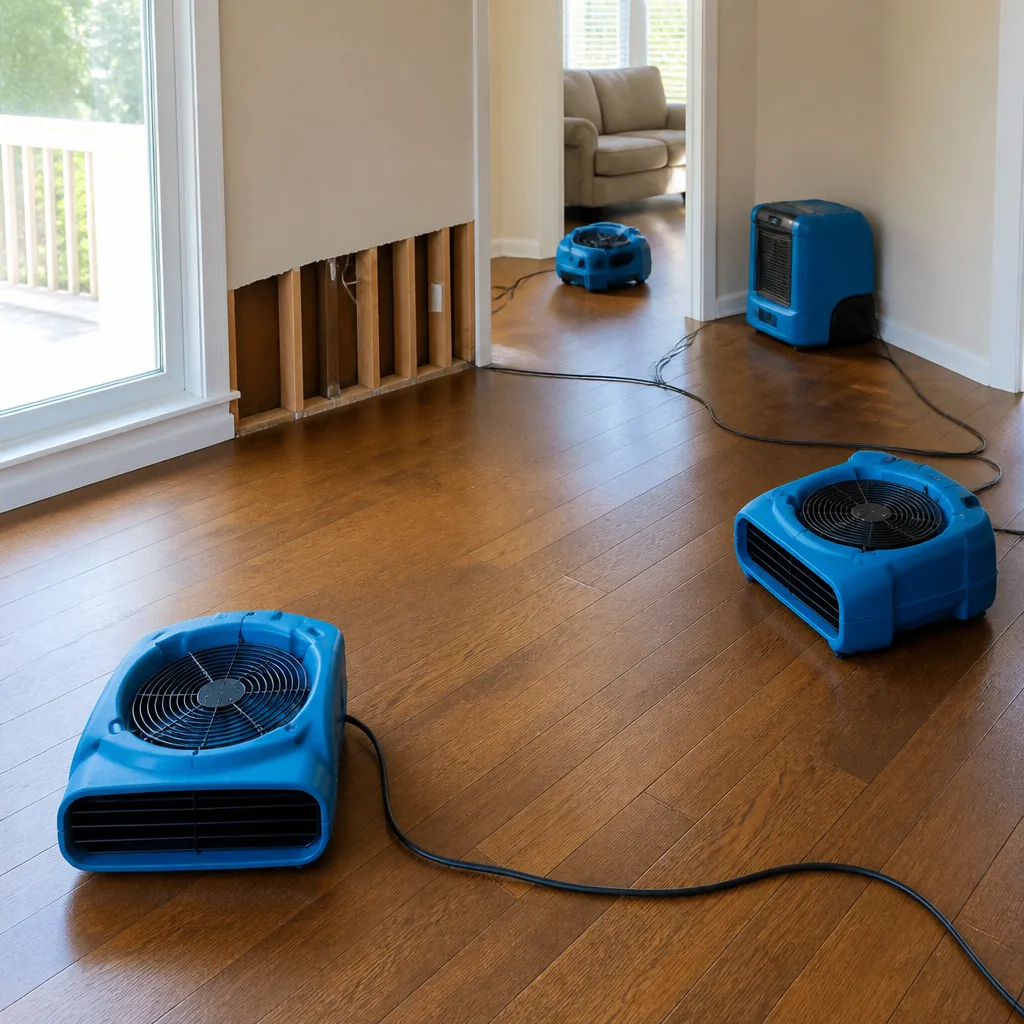
Dri-Eaz air movers and Phoenix desiccant dehumidifiers are placed to dry the structure to the IICRC dry standard. Daily moisture readings are logged and shared with you, your building manager, and your insurance carrier until the property tests dry.
Cleaning & Sanitization
All affected surfaces are cleaned, and antimicrobial treatments are applied to studs, subfloor, and wall cavities. We remove saturated materials, seal remaining surfaces, and scrub areas that can be saved with professional-grade disinfectants rated for sewage contamination.
Asbestos Coordination & Clearance
In Midtown’s pre-1960 buildings, cutting open a wall often exposes legacy asbestos in pipe insulation or floor-tile mastic. We pause demolition, bring in an industrial hygienist for testing and clearance, and resume the moment we’re cleared. This keeps your building compliant and your commercial tenants protected.
Repairs & Restoration
Once the area is dry and cleared, the same Floodline crew handles our Reconstruction & Cleanup in Midtown Manhattan, rebuilding the drywall, flooring, cabinetry, and finishes. We do not hand the job off. The moisture log is yours, the scope was written before work started, and the 90-Day Done Right Promise applies to every part of the job.
Need Emergency Sewage Cleanup in Midtown Manhattan Now?
Crews minutes away, answering live 24 hours a day. The sooner we start, the less it costs.
Working With Your Insurance Company
Midtown co-op boards, condo associations, and commercial landlords usually file sewage claims through multiple policies at once: the unit owner’s, the building master policy, and sometimes a third-party liability claim. Floodline Restoration Co. has handled this for over 42 years, founded in 2010 and built around a dispatch board, not a sales desk. We document everything from the first hour, write line-item scopes that match industry-standard estimating software, and communicate directly with adjusters. You get one team that knows the building and one paper trail that holds up. If the carrier asks for proof of drying, we provide the daily logs. If they question a line item, we explain it to them on the phone. You do not carry messages back and forth.
What We Provide Your Insurer
- Thorough documentation of the loss
- Photos of all damage, room by room
- Moisture readings and drying logs
- A detailed, line-item scope of work
- Direct coordination with your carrier
Built for Midtown Manhattan’s Loss Calendar
Midtown’s sewage losses follow a pattern that any superintendent can predict. January and February, the deep-freeze weeks when exterior walls drop below freezing, burst supply and waste lines in buildings with original galvanized piping along exterior walls. A ninth-floor bathroom pipe splits, and by the time the maintenance team gets the shutoff located, water is running down three floors of riser chases into kitchens and baths below.
Spring thrash is different. Midtown’s aging steam heat systems come off full load, pipes expand and contract through March and April, and small pinhole leaks at old threaded joints swell into full waste-line breaks under pressure. Nor’easters add another layer: sustained wind-driven rain against high-rise curtain walls finds failed gaskets and mortar joints, pooling water that eventually drains through mechanical rooms and floor drains into sewage systems already running high. The pattern matters because we schedule around it and keep equipment staged for the buildings that call us every season.
Sewage Cleanup Across Midtown Manhattan’s Neighborhoods
Midtown Manhattan stretches from the East River to the Hudson, roughly 34th to 59th Street, and each corridor brings a different building type and loss pattern. Around Bryant Park and the Fifth Avenue corridor, we work in pre-war co-ops with original plaster ceilings and clay-tile fireproofing. A sewage backup here means immediate containment before black water wicks into ornamental moldings and parquet. Closer to Times Square, the buildings skew post-1960 commercial and hospitality, where a failed floor drain in a hotel restaurant can close a kitchen for days if not mitigated immediately. Over in the Garment District and Hudson Yards, newer tower plumbing meets older municipal sewer lines, and backups often come from street-level mains backing up into basements and service floors. On the East Side, particularly in the Turtle Bay area near the UN, mid-century concrete towers with aging steam risers fail differently: condensation and corrosion inside wall cavities go unnoticed for months, then release suddenly into an occupied floor. We know which buildings need freight-elevator reservations, which loading docks close at 6 p.m., and which superintendents require COI documentation before they let a crew onto a floor.
Specialized Sewage Cleanup Services We Offer in Midtown Manhattan
Our Sewage Cleanup team handles every type of black-water loss in Midtown Manhattan, from a single toilet overflow to a full riser collapse. Here are the services most requested in this market.
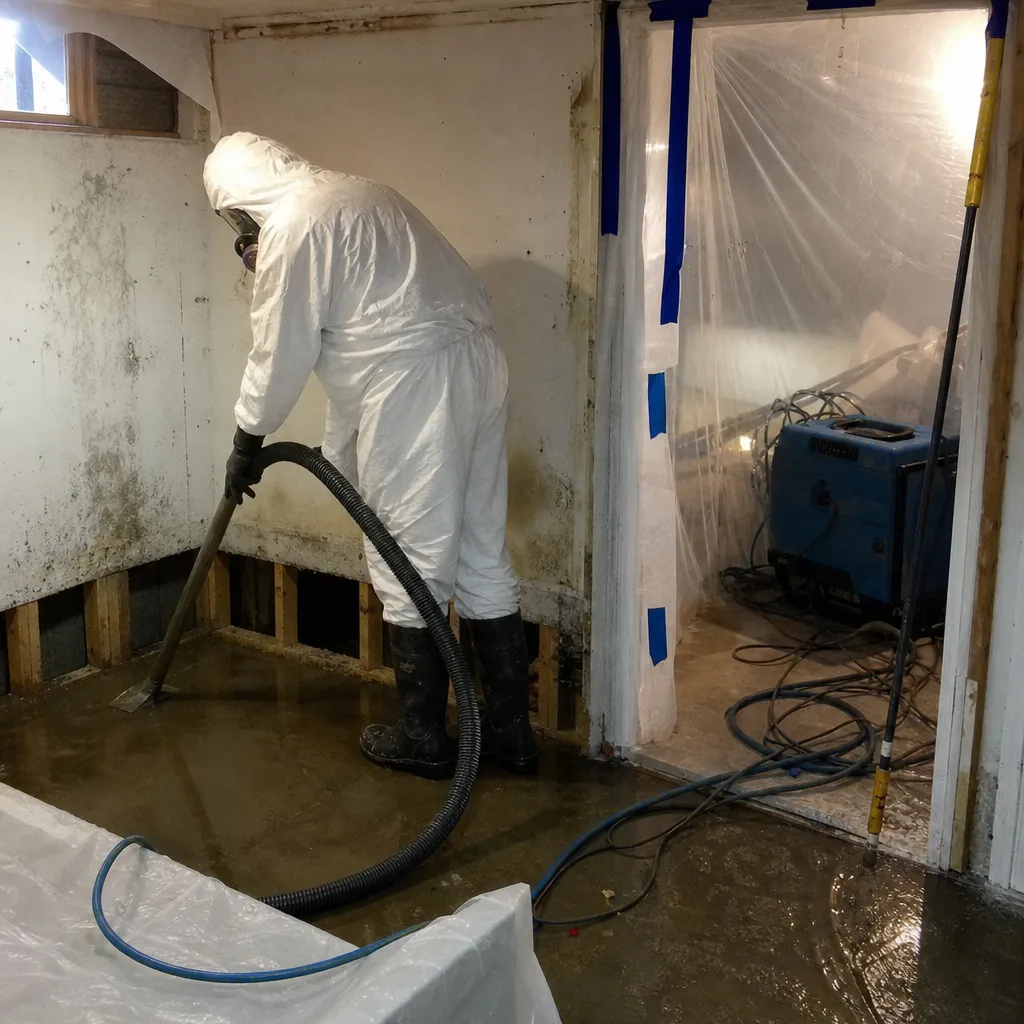
Sewage Backup Cleanup
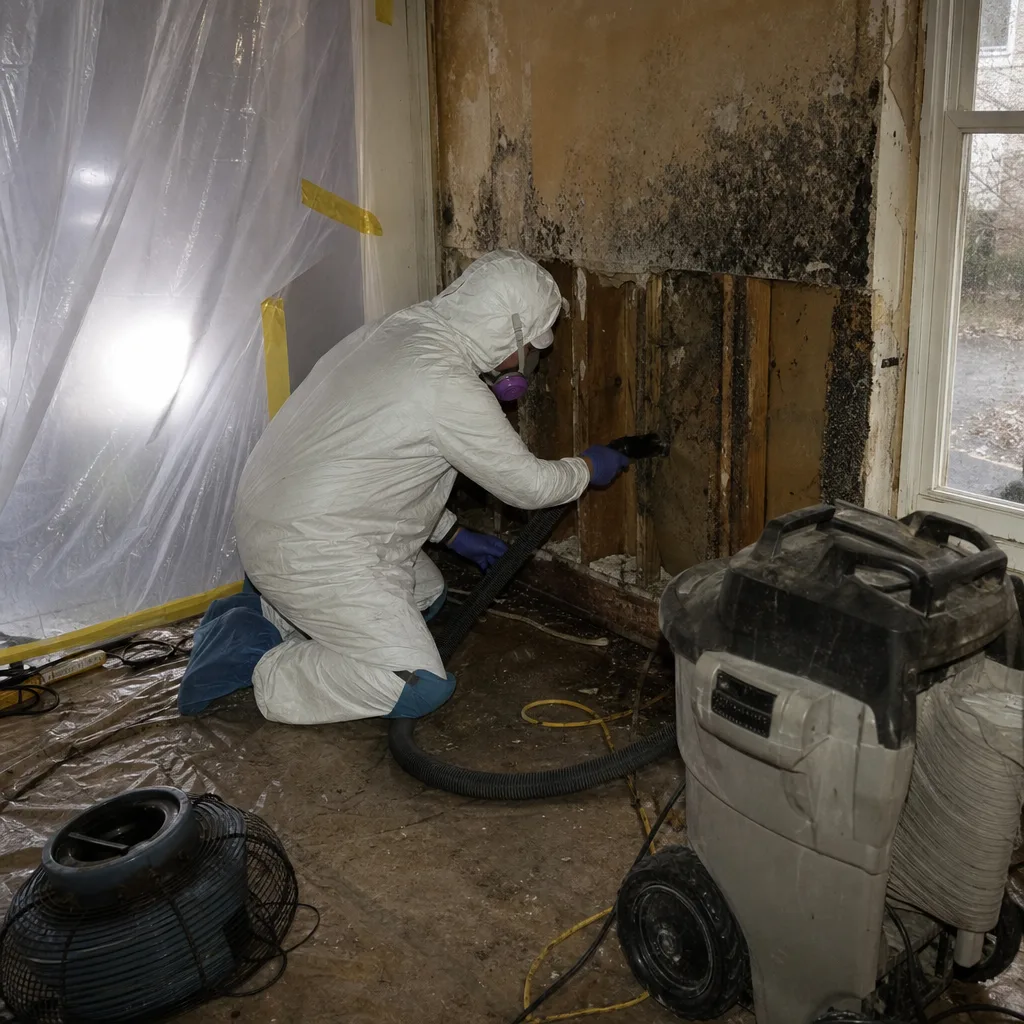
When a building waste line backs up across multiple units, our crew establishes containment first, then extracts and disinfects. In Midtown high-rises, this often means coordinating with building management to shut down the riser, notify affected floors, and clear a path through freight corridors. We carry HEPA air scrubbers and negative-air units sized for multi-room, multi-floor deployment.
Toilet Overflow Cleanup
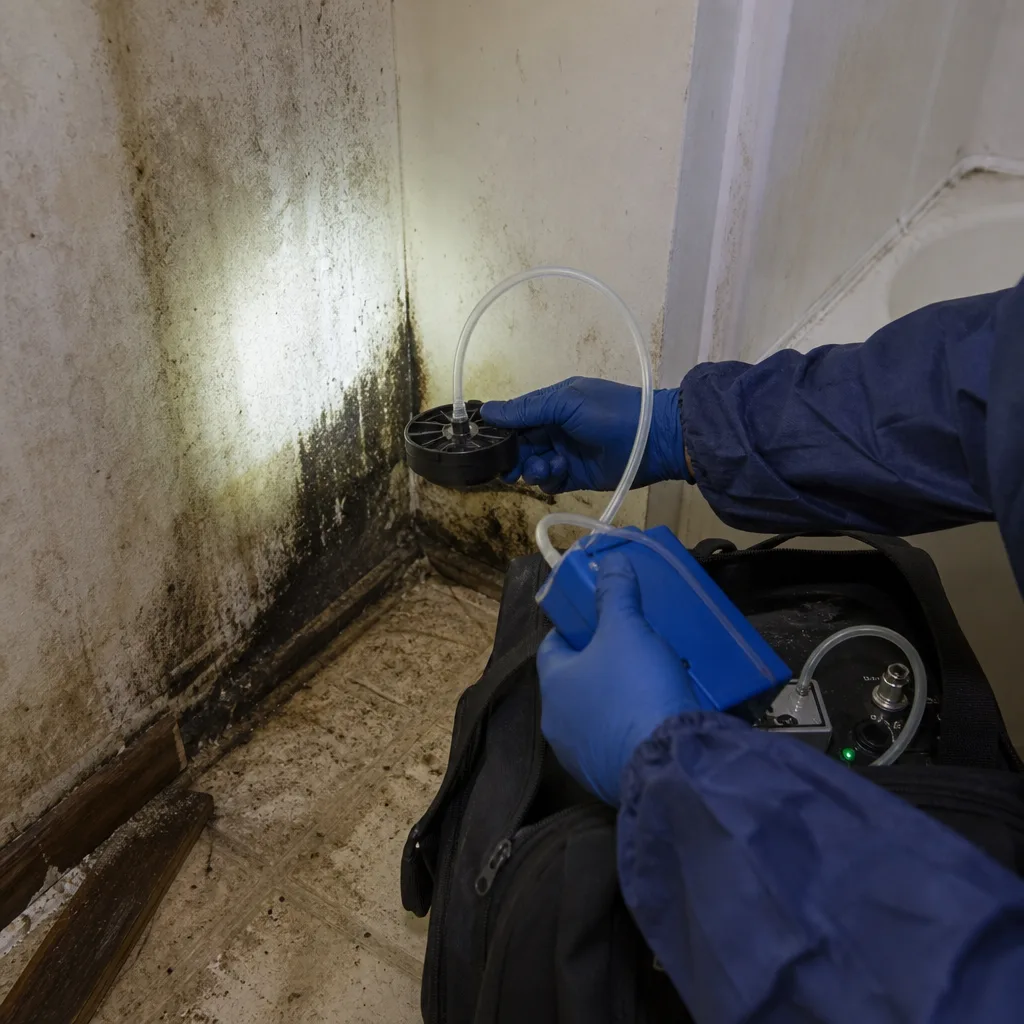
A toilet overflow in a Midtown condo is sewage the moment it reaches the floor. Even if the bowl looked clean, the water carries fecal bacteria and pathogens. We extract the visible water, remove the affected flooring if saturation is confirmed, and treat the subfloor. Most single-unit toilet overflows are mitigated within hours, not days.
Septic Failure Cleanup
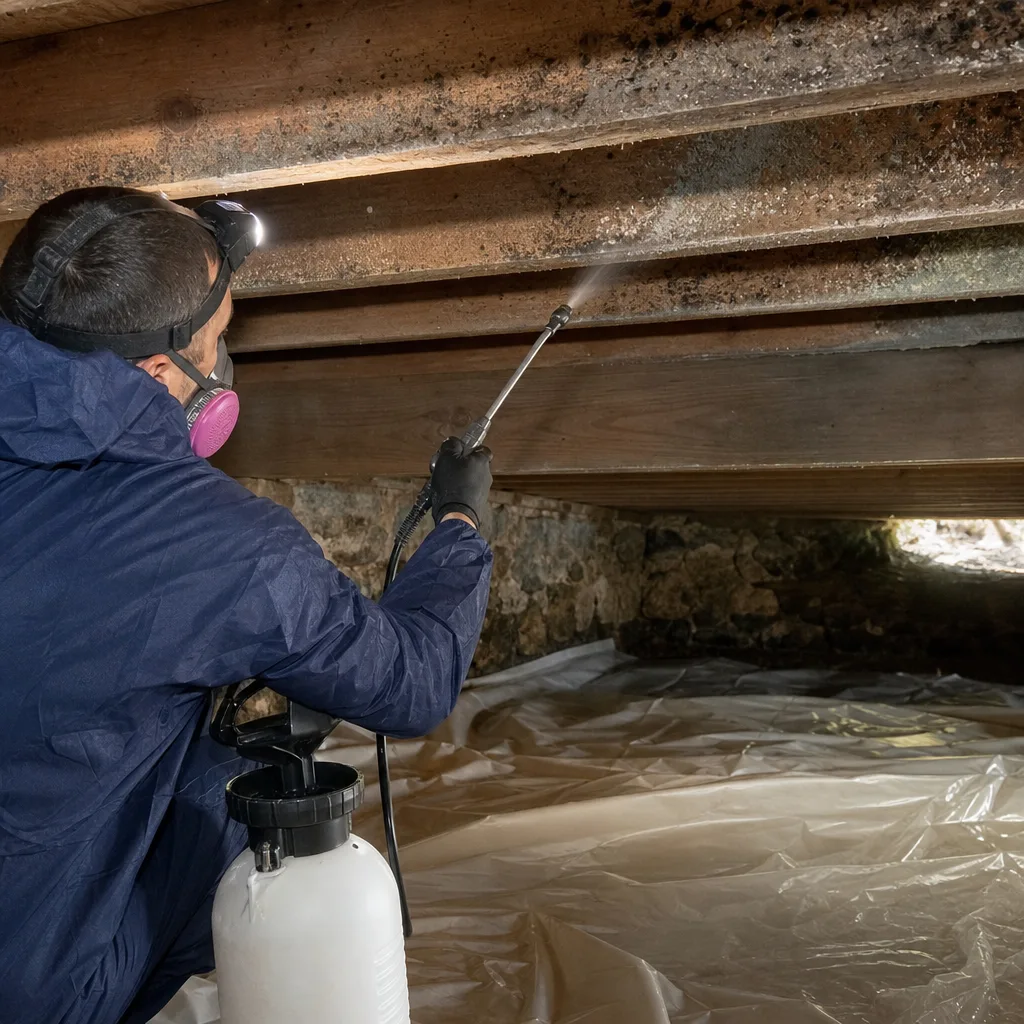
Septic systems are rare in Midtown proper, but some legacy buildings and older commercial properties on the outer edges of the district still run on private systems or aging holding tanks. When they fail, the resulting sewage movement follows the same rules: quick extraction, full drying, and documented sanitization. We also handle the rebuilding work that follows a septic failure, so you’re not hiring a second contractor.
Black Water Extraction
This is the most urgent service we offer in Midtown. Black water from a failed cast-iron waste stack can travel through 20+ floors in minutes. Our crews deploy truck-mounted extraction at the street level and portable units inside, removing standing sewage before it saturates subfloors. The faster the extraction, the fewer floors we have to open.
Sanitization & Disinfection
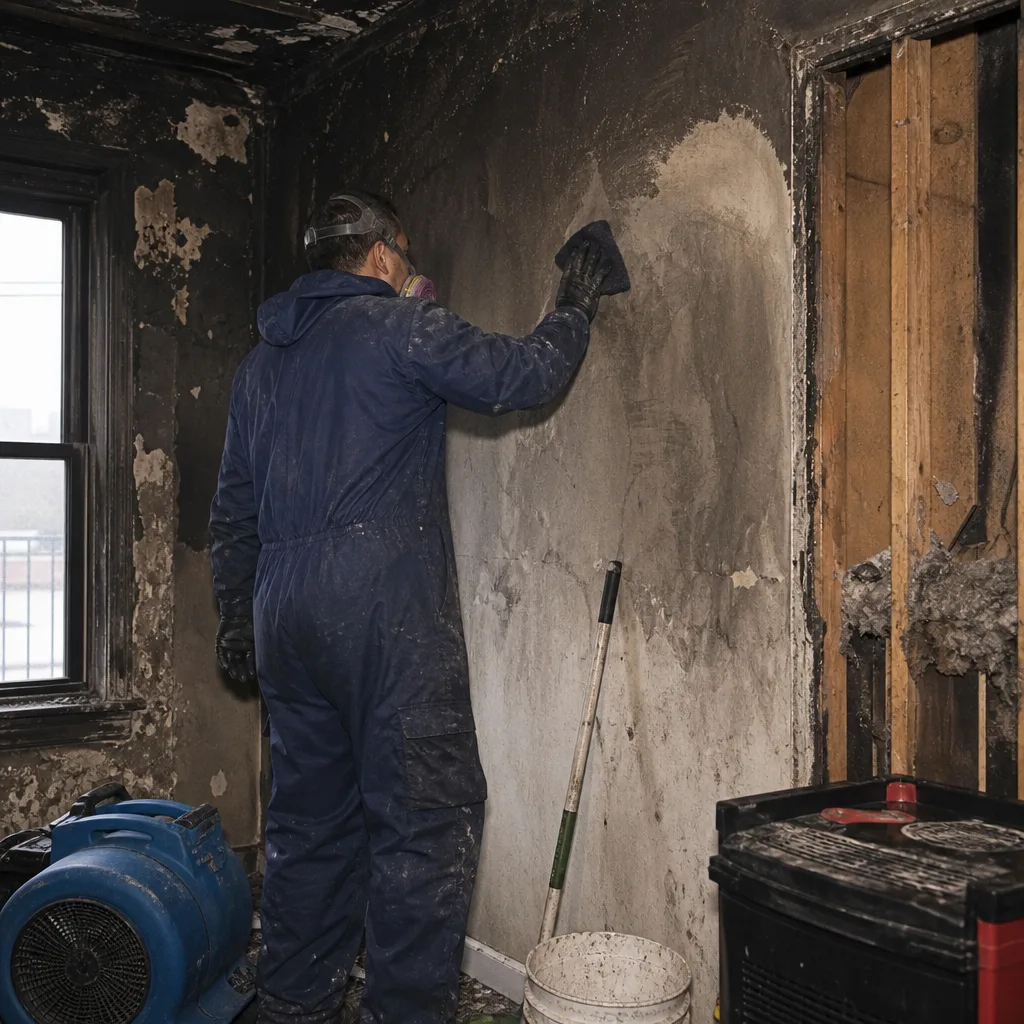
After extraction and drying, every affected surface gets treated with an EPA-registered antimicrobial rated for Category 3 water. We go beyond the visible: wall cavities, under-cabinet voids, electrical chases. In buildings with legacy materials, we coordinate asbestos clearance before any Sanitization Services in Midtown Manhattan work inside a wall.
What happens when you call
- 1
A real person answersNo phone trees - you reach a local pro.
- 2
You get an upfront price rangeHonest numbers before anyone is dispatched.
- 3
A background-checked tech heads outLicensed & insured, dispatched right away.
- 4
You approve before work beginsNothing starts until you say go.
Sewage Cleanup Costs in Midtown Manhattan, NY
A typical sewage backup cleanup in Midtown Manhattan runs $2,800 to $6,500 for a single-unit loss with moderate saturation. Toilet overflow cleanup in a condo begins around $1,200 to $2,400 when we catch it early. Black water extraction in a multi-floor riser event ranges from $8,000 to $25,000 or more, depending on the number of floors affected, the presence of legacy asbestos, and whether commercial spaces are closed. Freight elevator fees, building overtime charges, and hygienist testing all move the final number. Most Midtown sewage losses are covered by insurance with proper documentation. We do a free visual inspection, write a firm scope before work starts, and bill your carrier directly. Midtown Manhattan prices run higher than surrounding boroughs because of access logistics and building requirements, not because the work is different. Call us for an exact number based on your unit and building.
Written by Curt Bowman, Owner at Floodline Restoration Co., serving Midtown Manhattan with full-cycle restoration and rebuild.
We Also Serve Cities Near Midtown Manhattan
Our crews respond to sewage losses across Sewage Cleanup in Midtown Manhattan and the surrounding neighborhoods of Astoria, Ditmars Steinway, Upper Manhattan, and the Upper East Side. If you’re in one of those areas and dealing with black water, we can dispatch to you the same way.
Serving Midtown Manhattan, NY - Our Local Coverage Area
We’re based in the Midtown Manhattan area and know this community well. Use the map below to see our service coverage - if you’re nearby, we can almost certainly help.
Midtown Manhattan Sewage Cleanup Questions, Answered
How does Floodline Restoration Co. handle a sewage backup that has cascaded through multiple floors of a Midtown high-rise?
We treat it as a contained multi-floor event, not a single-unit job. We establish containment and negative air pressure on every affected floor first, then extract starting at the lowest point of saturation. Building management gets a clear scope for each floor, and we route all documentation through one project lead. Call (518) 800-3751 as soon as the breach is discovered.
What happens when our Midtown pre-war building’s sewage cleanup hits legacy asbestos in the walls?
We stop demolition and bring in an industrial hygienist for testing and clearance. This is standard protocol in pre-1960 Midtown buildings. The delay is real, but the clearance is mandatory, and we document it for your building’s records and any commercial tenant claims. We do not cut around it or pretend it’s not there.
A toilet overflowed in my Midtown condo - is that sewage cleanup or just water extraction?
It’s sewage cleanup. Toilet water that reaches your floor is Category 3. We extract, remove any saturated finish material, disinfect, and dry the structure to the IICRC standard. The floor and subfloor get checked, not just the surface. Call (518) 800-3751 and we’ll assess it within 45 minutes.
How do you handle parking and freight elevator access for sewage cleanup in Midtown Manhattan?
We stage at the loading dock or curbside, and our crew uses the building’s designated freight elevator. We coordinate with your building management for elevator windows and overtime charges. Our equipment is pre-packed and wheeled, so we do not make three trips up a passenger elevator.
I manage a Midtown commercial building where a sewage backup closed a law firm’s floor - what timeline can we expect for mitigation?
Extraction starts within 45 minutes of our arrival, and the affected floor is under negative air with drying equipment running the same day. Full mitigation for a single floor typically runs 3 to 5 days, depending on the amount of wall and subfloor saturation. We coordinate directly with your commercial tenant’s adjuster and your building’s master policy as part of our Midtown Manhattan Commercial Restoration service. We can send a detailed schedule within hours of the initial inspection.
How fast can you actually get to Midtown Manhattan?
Our dispatch keeps crews on rotation through Midtown. We commit to 45 minutes from your call for an emergency sewage job. A live person answers every call, at any hour.
Will my insurance cover sewage cleanup in my Midtown apartment?
Most homeowners and condo policies cover sewage backup from a building waste line, and building master policies often pick up portions of multi-unit events. We document the source, the spread, and the drying, then bill your carrier directly with a line-item scope. You do not negotiate with your adjuster; we do.
What should I do in the first 30 minutes after a sewage backup in Midtown Manhattan?
Stop using water in the affected area, move any dry belongings out of the path, and call (518) 800-3751. Do not try to extract Category 3 water yourself. Do not turn on fans or HVAC that could push sewage aerosols into other rooms. The first hour determines how much floor and wall must come out.