
Free visual inspection and a written scope of work before any mitigation begins - photos, moisture readings, and drying logs go in your claim file
The scope we write is the scope we bill. Anything new gets shown to you, in writing, before we touch it.
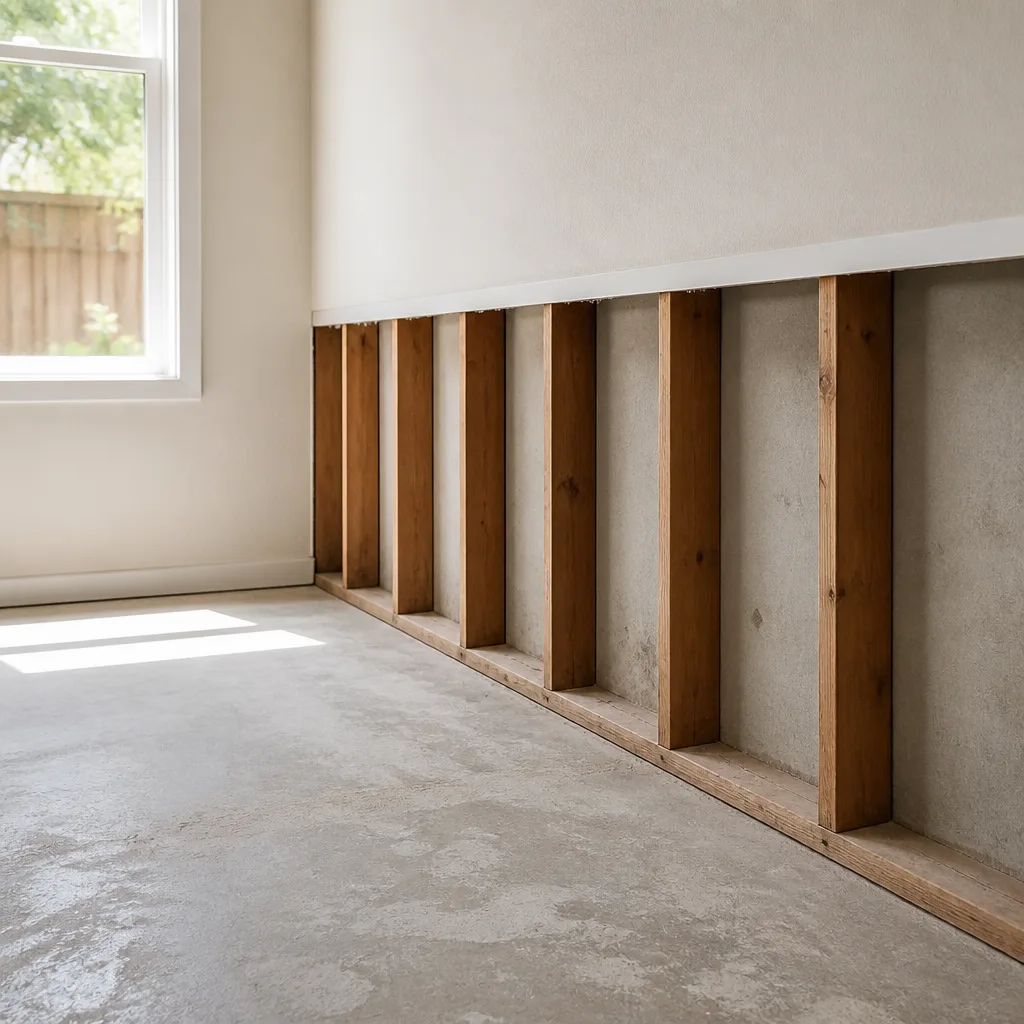
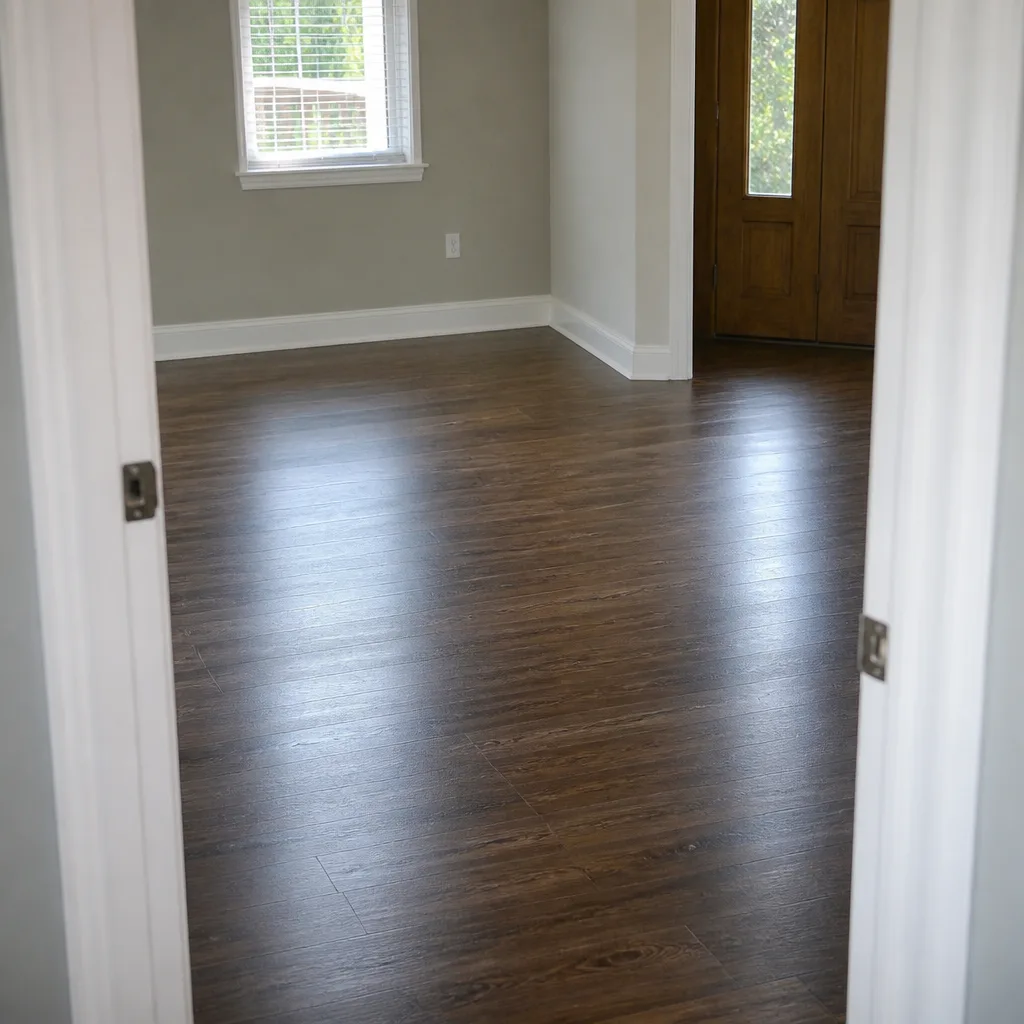
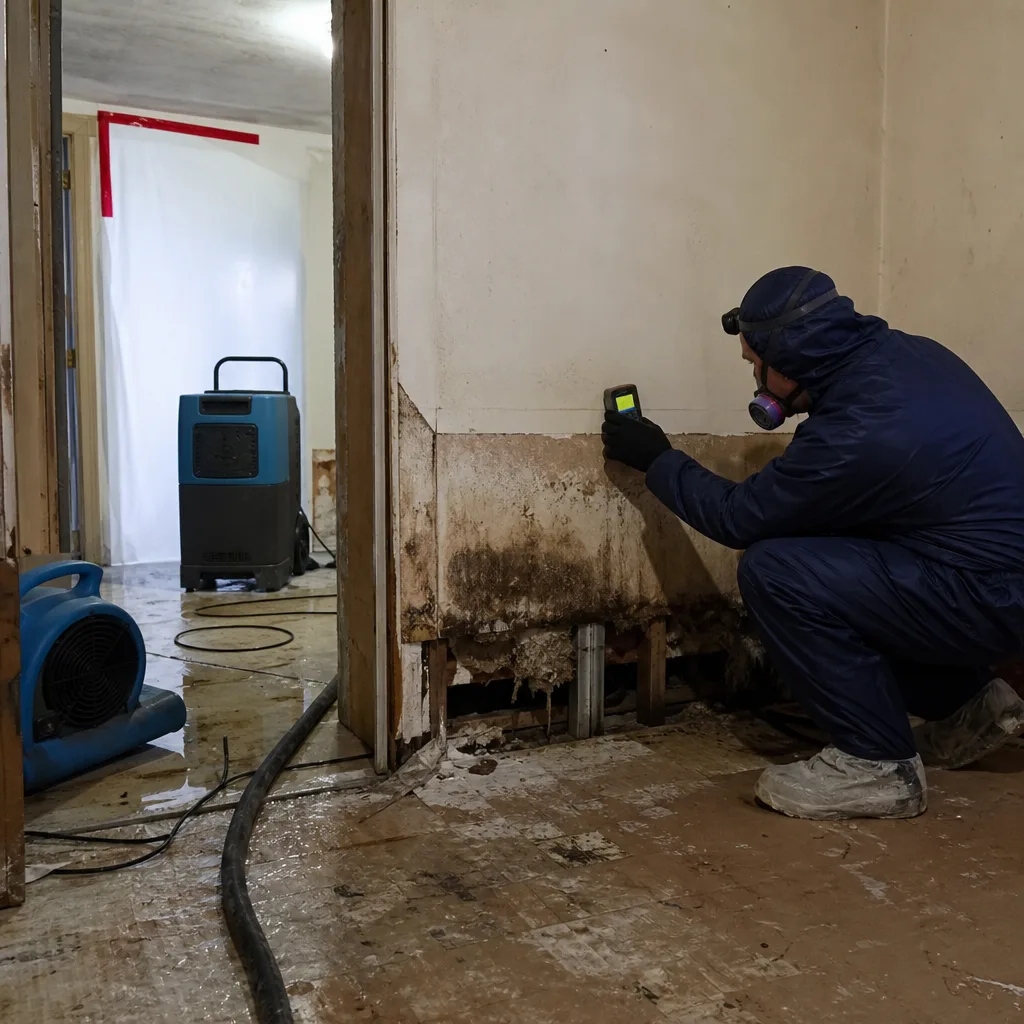 Before
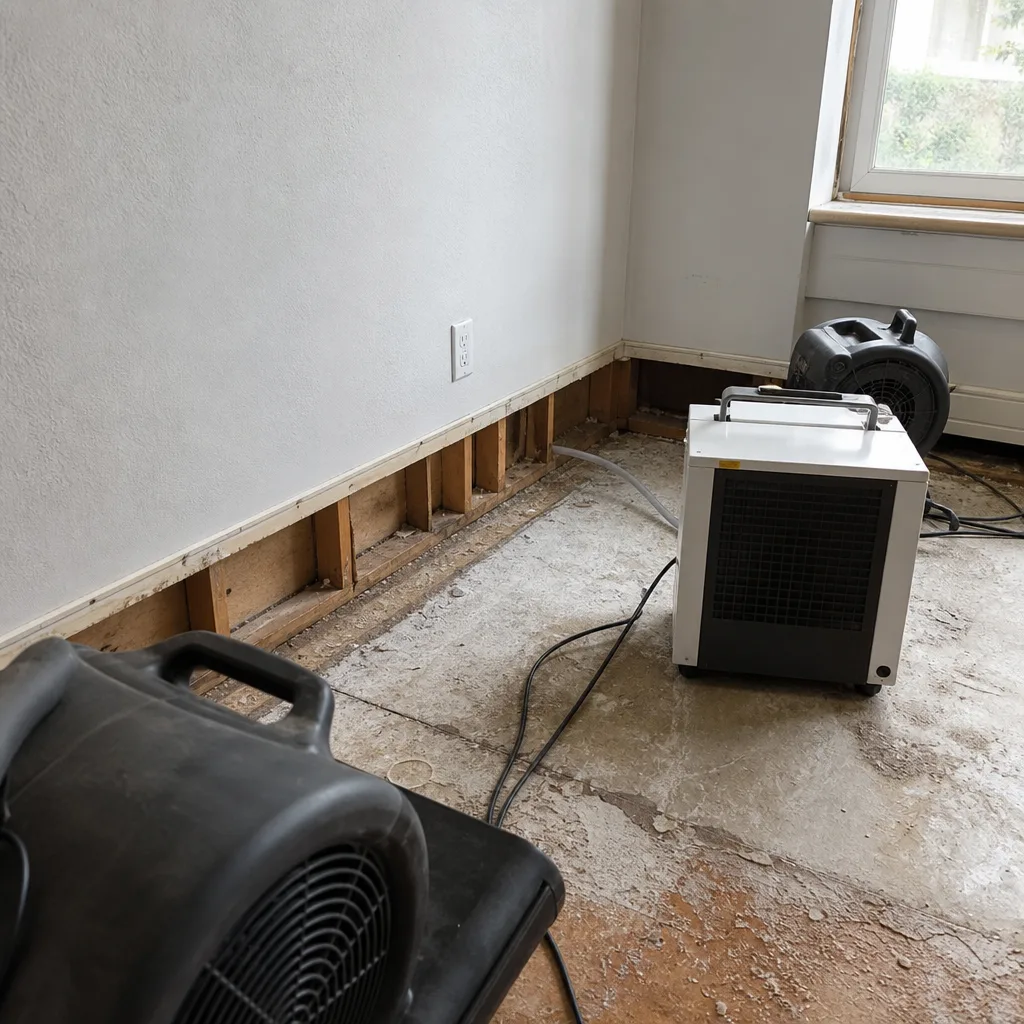 After
After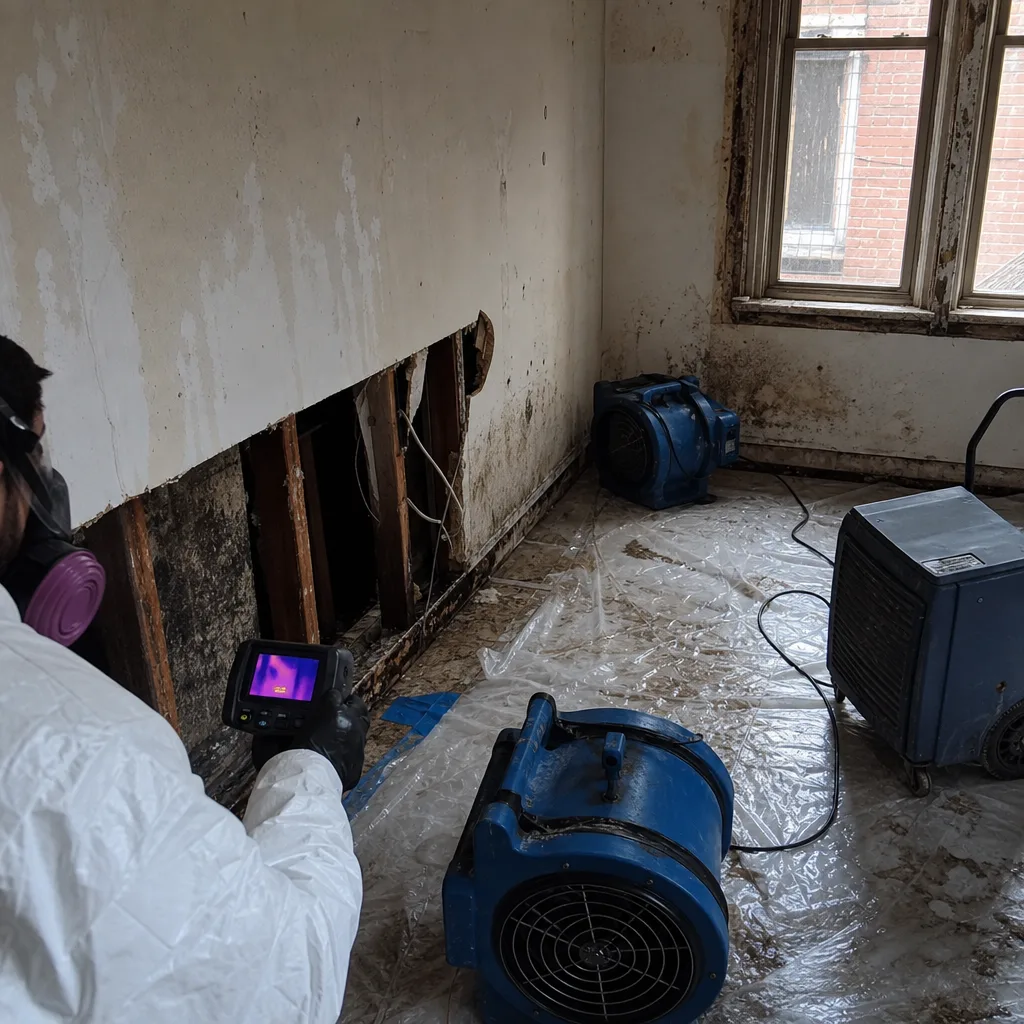 Before
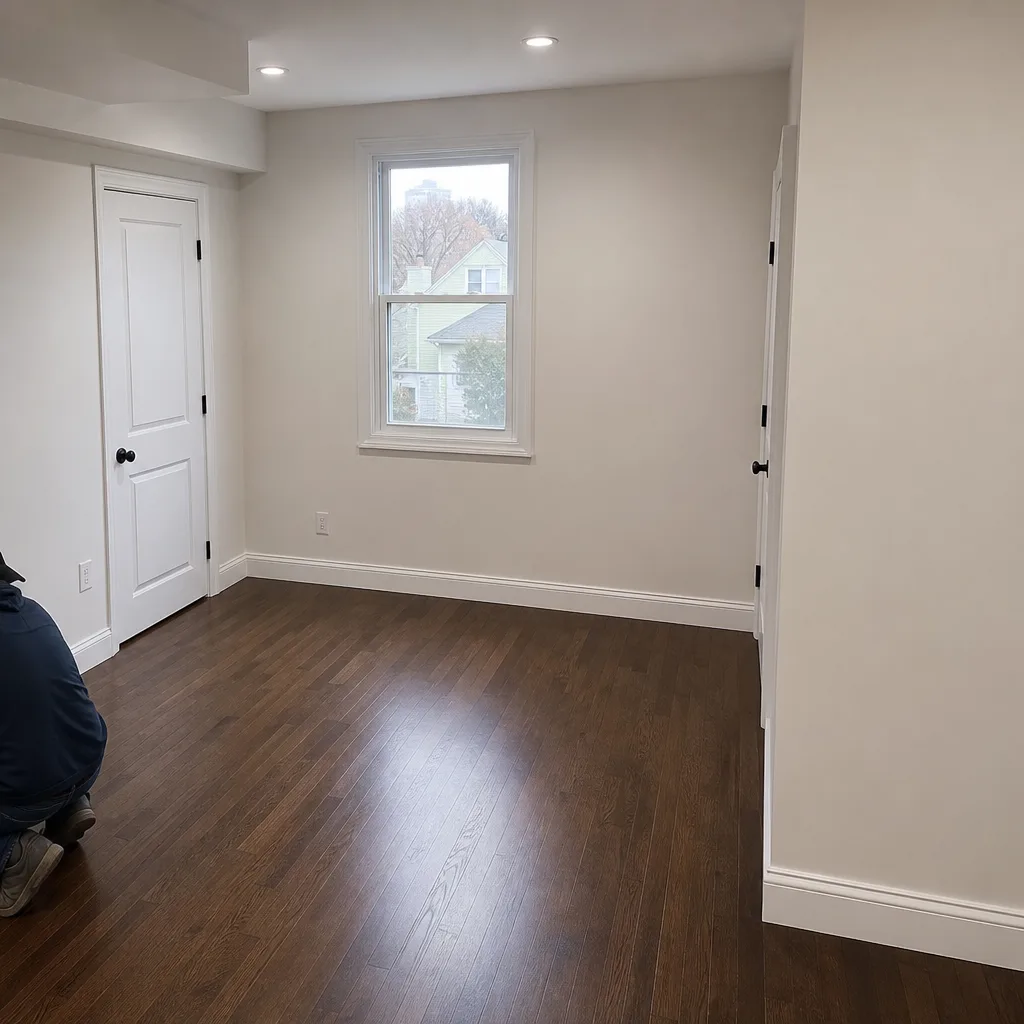 After
After24/7 Emergency Sewage Cleanup in Upper East Side
Sewage backup in Upper East Side co-ops and townhouses is a Category 3 contamination event, and it gets worse by the hour. Floodline Restoration Co. answers live around the clock at (518) 800-3751, and our certified crews are dispatched inside the Upper East Side area the same visit. When raw sewage sits in a pre-war bathroom or seeps into original hardwood parquet, the first hour determines whether you’re looking at extraction and sanitization or full subfloor replacement. We do a free visual inspection, set containment before anyone tracks contamination through the hall, and get extraction running while the co-op’s managing agent is still deciding who to call.
Understanding Sewage Cleanup Severity in Upper East Side Properties
Not all water is the same. Clean water from a burst supply line is Category 1. Gray water from a washing machine overflow is Category 2. Sewage backup from a failed waste line or a backed-up building stack is Category 3, meaning it carries the full bacterial load: E. coli, coliforms, parasites, and viruses. In Upper East Side’s pre-war co-ops, Category 3 water moves through a building differently than in a modern high-rise. The original cast iron waste lines, many dating to the 1920s, crack at the bell joints and leak behind two-coat lime plaster walls. The plaster wicks sewage water upward and outward, saturating structural lath and original wood framing before the stain ever becomes visible on the painted surface. By the time a shareholder notices a smell near the service elevator or a soft spot in the parquet, the damage footprint often spans two or three rooms on two floors. Moisture mapping with thermal imaging and penetrating meters is the only way to find the full extent, because the visible stain on a plaster wall almost never matches the actual saturation behind it.
Why Upper East Side Property Owners Choose Floodline Restoration Co.
- 45-minute response commitment. We dispatch crews from our New York City office the moment you call, not after a call-back. A live dispatcher picks up, confirms the address, and a uniformed crew is rolling toward Upper East Side immediately.
- 24/7 live answer, every time. At 2 a.m. on a holiday, you get a person. Not a recorded message. Not a call center script. A dispatcher who can put a certified crew on the phone with you in minutes.
- IICRC-certified crews with WRT and AMRT credentials. Our technicians hold Water Damage Restoration Technician and Applied Microbial Remediation Technician certifications, plus RIA and IFA training. The person holding the moisture meter knows what the readings mean.
- Free visual inspection before any work begins. We document the Category 3 loss, identify the source, and give you a written scope. No pressure, no upsell, no work started without your sign-off.
- Direct insurance billing. We handle the adjuster, the photos, the drying logs, and the paperwork. You never play messenger between Floodline and your carrier.
- One team from extraction to reconstruction. The same crew that extracts Category 3 water also handles the drying, the sanitization, and the plaster restoration. No mid-job handoff to a subcontractor you’ve never met.
Our Sewage Cleanup Process
Inspection & Assessment
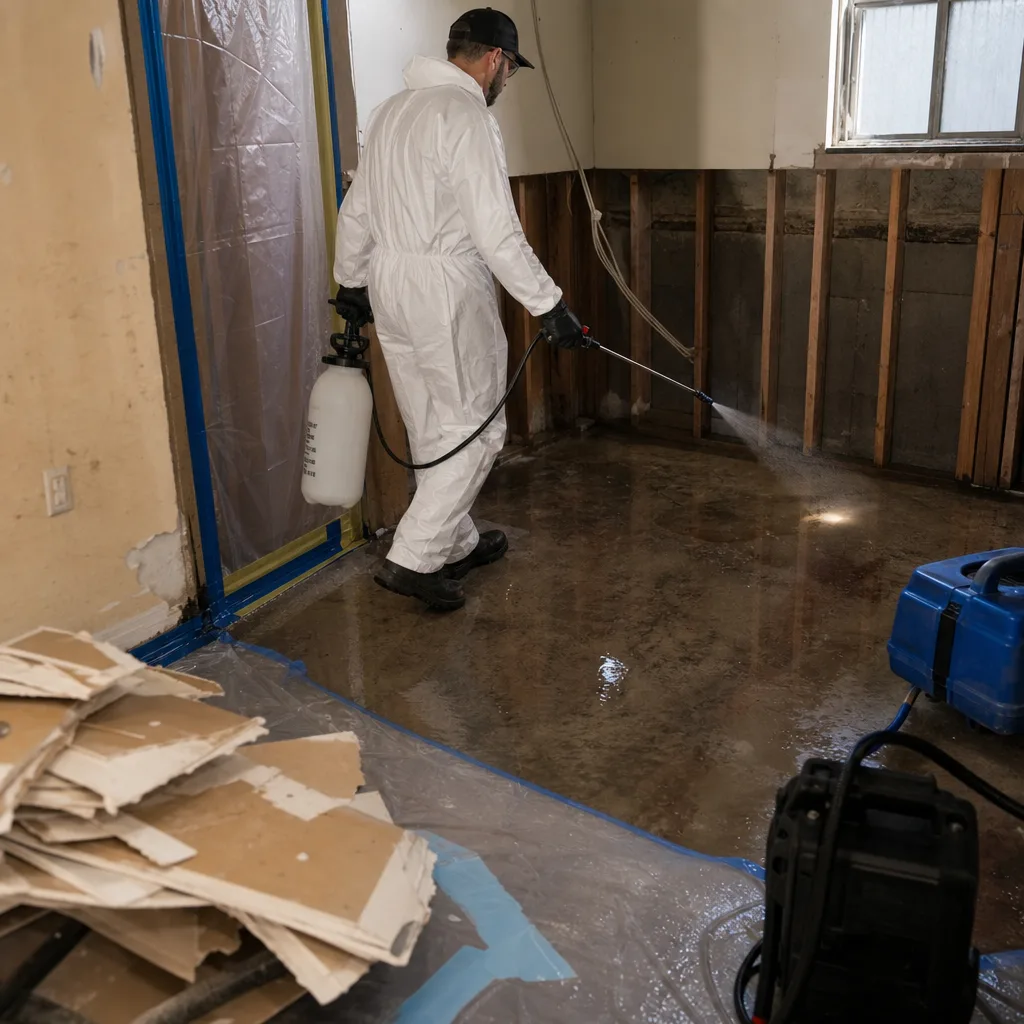
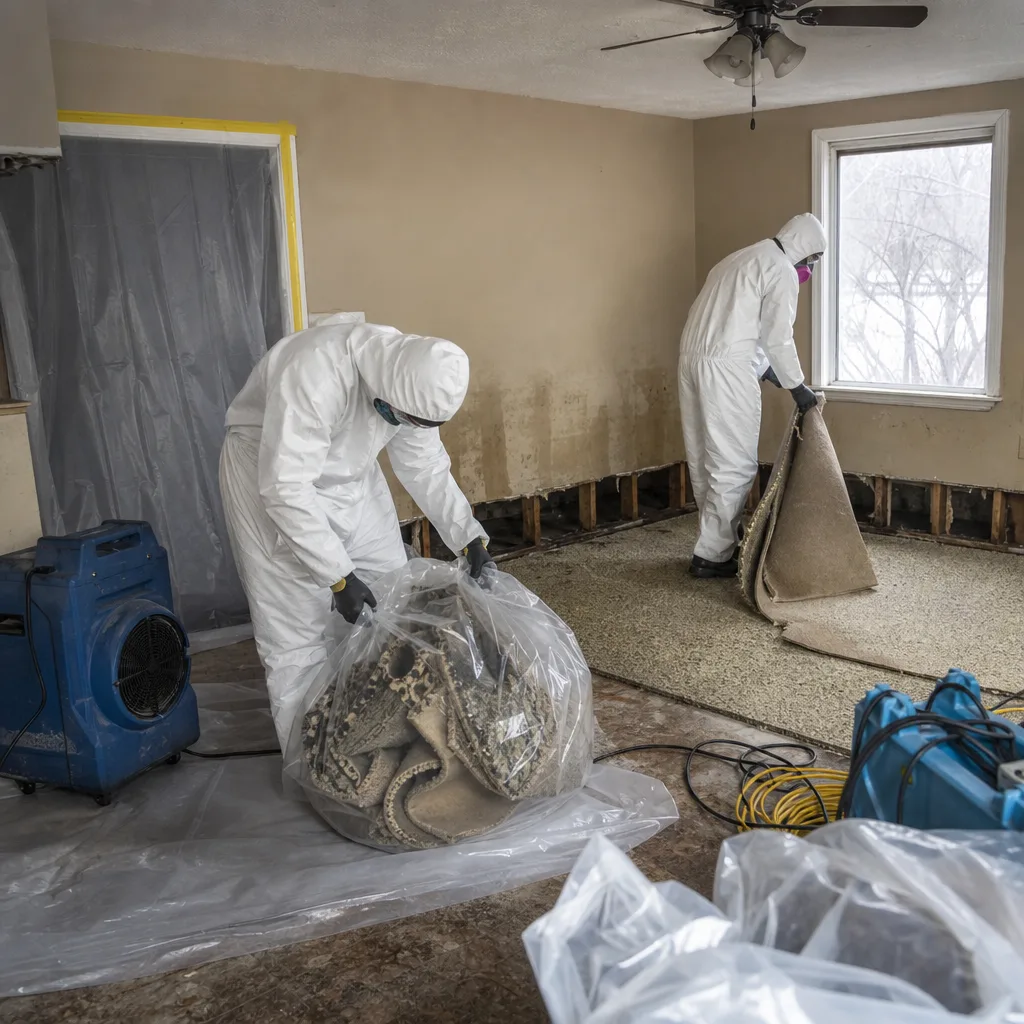
We arrive, set containment with negative air pressure to keep sewage aerosols from migrating through your co-op’s shared hallways, and map the full extent of Category 3 water using thermal imaging and penetrating moisture meters. The source of the backup is confirmed in writing before extraction starts.
Extraction & Stabilization
Black water is removed with truck-mounted and portable extraction units sized for Upper East Side service elevator and doorway clearances. We pack out affected contents, catalog every item, and photograph everything for your insurer.
Drying & Dehumidification
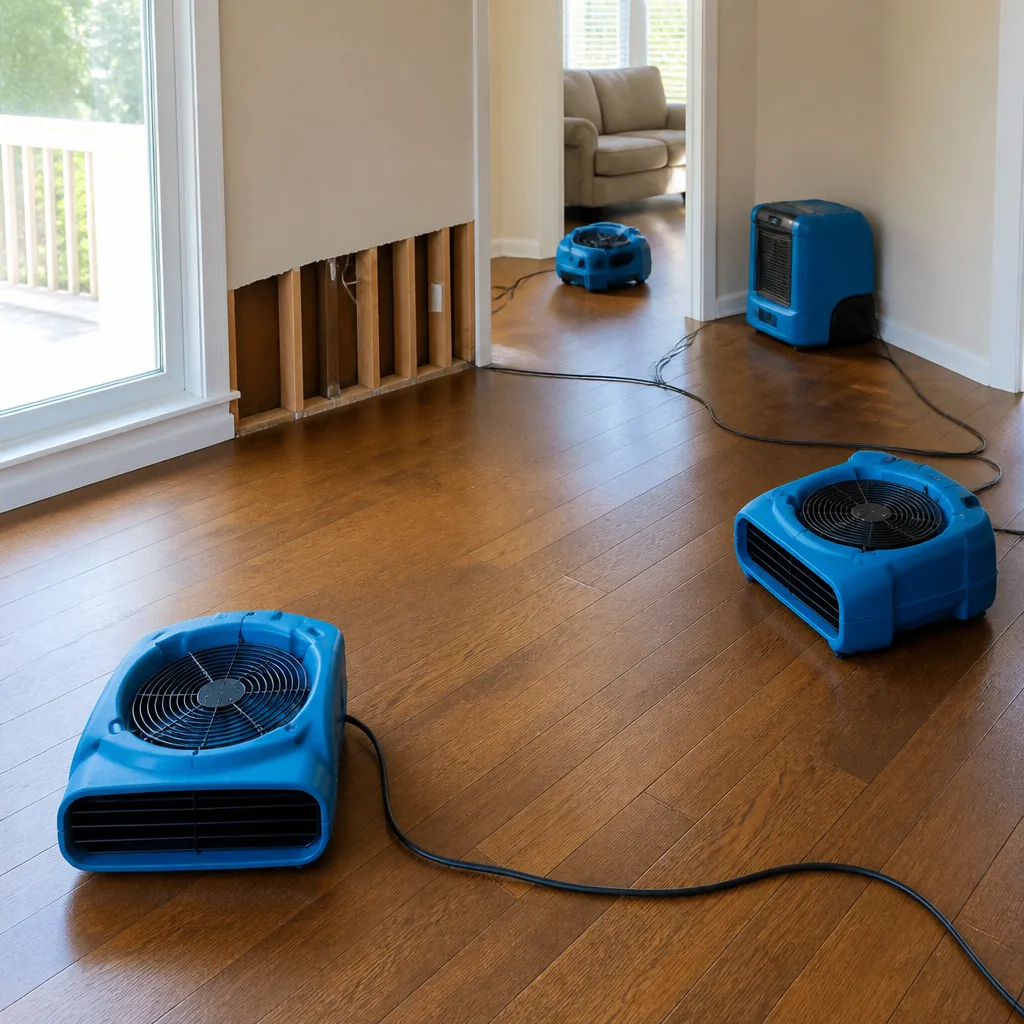
Dri-Eaz dehumidifiers and Phoenix air movers are placed to dry the structural cavity, not just the room. In pre-war plaster walls, this means drilling small access points at the base to get airflow behind the lime, with daily moisture readings logged until we hit the dry standard.
Cleaning & Sanitization
All affected surfaces receive antimicrobial treatment appropriate for Category 3 contamination. HEPA vacuuming and HEPA-scrubbed air handling capture particulates. Contents we’ve packed out are cleaned, disinfected, and stored safely until Sanitization Services - Upper East Side restoration is complete.
Plaster & Finish Restoration
Upper East Side co-ops rarely accept drywall patches in pre-war units. We source matching lime plaster profiles and ornamental molding details, coordinating with your board’s approved contractor list and the managing agent so our Reconstruction & Cleanup in Upper East Side work passes board review the first time.
Repairs & Final Clearance
Once the affected materials are dried, sanitized, or removed and replaced, we run final moisture verification, confirm the drying log, and hand you the complete documentation package for your insurer. The 90-Day Done Right Promise applies in writing.
Need Emergency Sewage Cleanup in Upper East Side Now?
Crews minutes away, answering live 24 hours a day. The sooner we start, the less it costs.
Working With Your Insurance Company
Sewage backup claims in Upper East Side are rarely straightforward. When a rowhouse line fails, one insurer is involved. When a cast iron stack in a 1923 co-op lets go, three or four shareholders may file claims against one building policy, and your board’s insurer has opinions about everything. We’ve handled that. From the first hour, we document the loss at a standard adjusters accept: photos room by room, moisture readings before and after drying, a line-item scope of work with materials and labor hours, and a drying log that shows every reading from day one through final clearance. We speak directly with your adjuster, send documentation the same day it’s generated, and bill the carrier directly so you’re not floating a five-figure restoration bill waiting for reimbursement.
What We Provide Your Insurer
- Thorough documentation of the loss
- Photos of all damage, room by room
- Moisture readings and drying logs
- A detailed, line-item scope of work
- Direct coordination with your carrier
Built for Upper East Side’s Loss Calendar
Manhattan’s weather does not treat old pipes kindly. Around January and February, freeze-thaw cycles work on the aging limestone and brick facades along Fifth Avenue and Park Avenue, while the cast iron waste lines inside pre-war walls contract and crack at the bell joints. Spring brings heavier rains that push into basement mechanical rooms along low-lying cross streets near the East River, where sub-grade drains have been doing extra duty since Hurricane Sandy. Summer thunderstorms dump water faster than some of the Upper East Side’s combined storm and sanitary lines can handle, backing sewage into ground-floor retail spaces and cellar apartments along Second and Third Avenues. And autumn nor’easters drive wind-driven rain behind window surrounds, saturating plaster that shares a wall cavity with a sewage riser. None of these are mysteries to a crew that works the neighborhood every week. They’re a calendar.
Sewage Cleanup Across Upper East Side’s Neighborhoods
The Upper East Side’s sewage cleanup patterns shift block by block. In Carnegie Hill, landmarked pre-war co-ops between Park and Fifth Avenues demand exacting plaster restoration and board approval before a single wall is opened. The Met Museum Historic District surrounds some of the most architecturally sensitive residential work in the city, where ornamental crown molding and period medallions can’t be replaced with off-the-shelf drywall. Yorkville’s mixed stock, from older walk-ups to newer rentals, sees more toilet overflow and tub backup calls, often from third-floor bathrooms above neighbors who notice the ceiling stain first. Along East End Avenue near Carl Schurz Park, high-rise co-ops deal with sewage ejector failures in sub-grade garages where a backup can flood a parking level before anyone notices. And Lenox Hill, between 60th and 77th on the west side of the district, has some of the oldest residential plumbing in the neighborhood, with lead bends and clay laterals that fail where the building line meets the city sewer. Each area means different access, different board politics, and different damage patterns.
Specialized Sewage Cleanup Services We Offer in Upper East Side
Sewage Backup Cleanup
When a waste line backs up into a co-op bathroom or a townhouse basement, we handle extraction, containment, sanitization, and structural drying as one continuous job. In Upper East Side, the typical backup involves a cast iron line that’s been quietly failing for years, then collapses during a heavy rain or a freeze. We find the source, document it for the board or your insurer, and extract the black water before it migrates under tile or into subflooring.
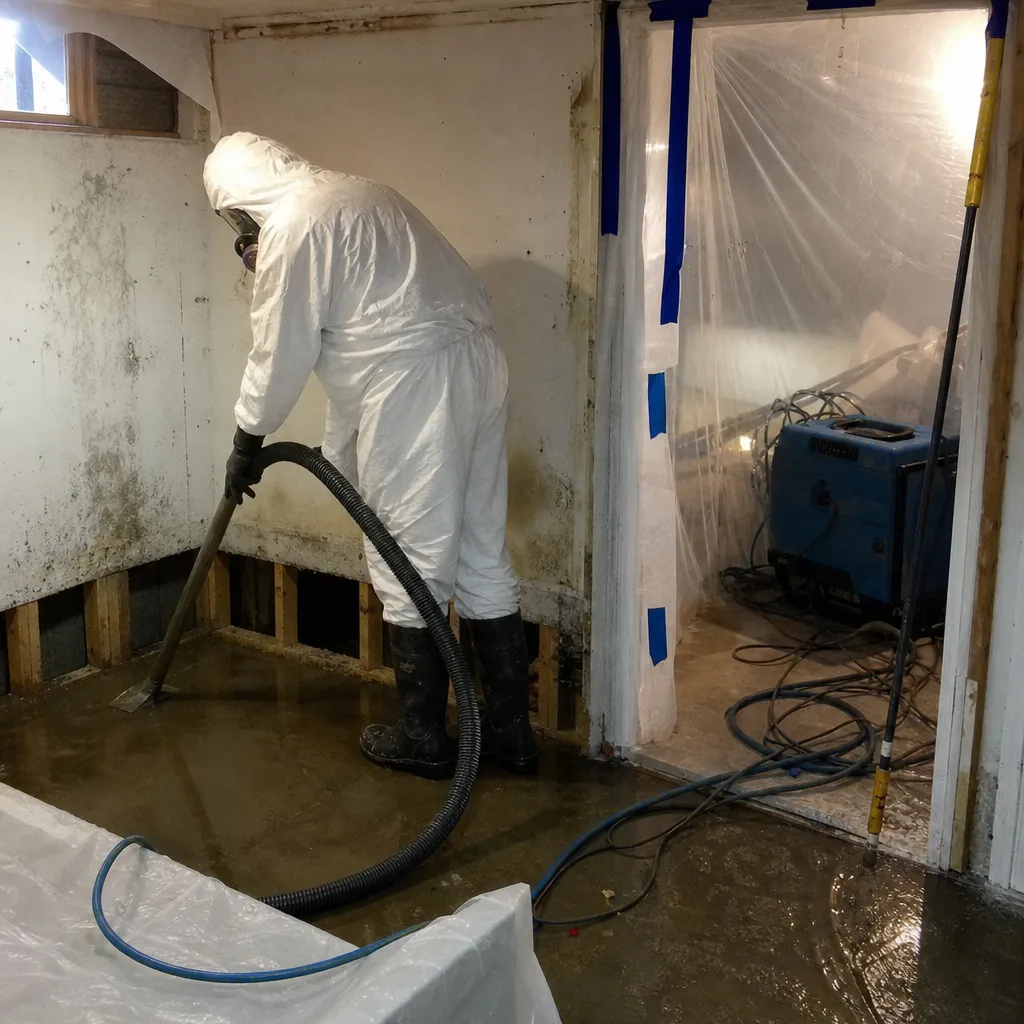
Black Water Extraction
Category 3 water needs extraction equipment that can reach the source without destroying the path to it. Upper East Side service elevators are narrow, pre-war doorways are tight, and hallways in a 1920s Park Avenue building don’t accommodate wide-load equipment. We use portable extraction units sized for these constraints, plus Phoenix pumps and XPOWER air movers that fit through a 28-inch service elevator door. The extraction still gets done on the first visit. It’s just done with equipment that belongs there.
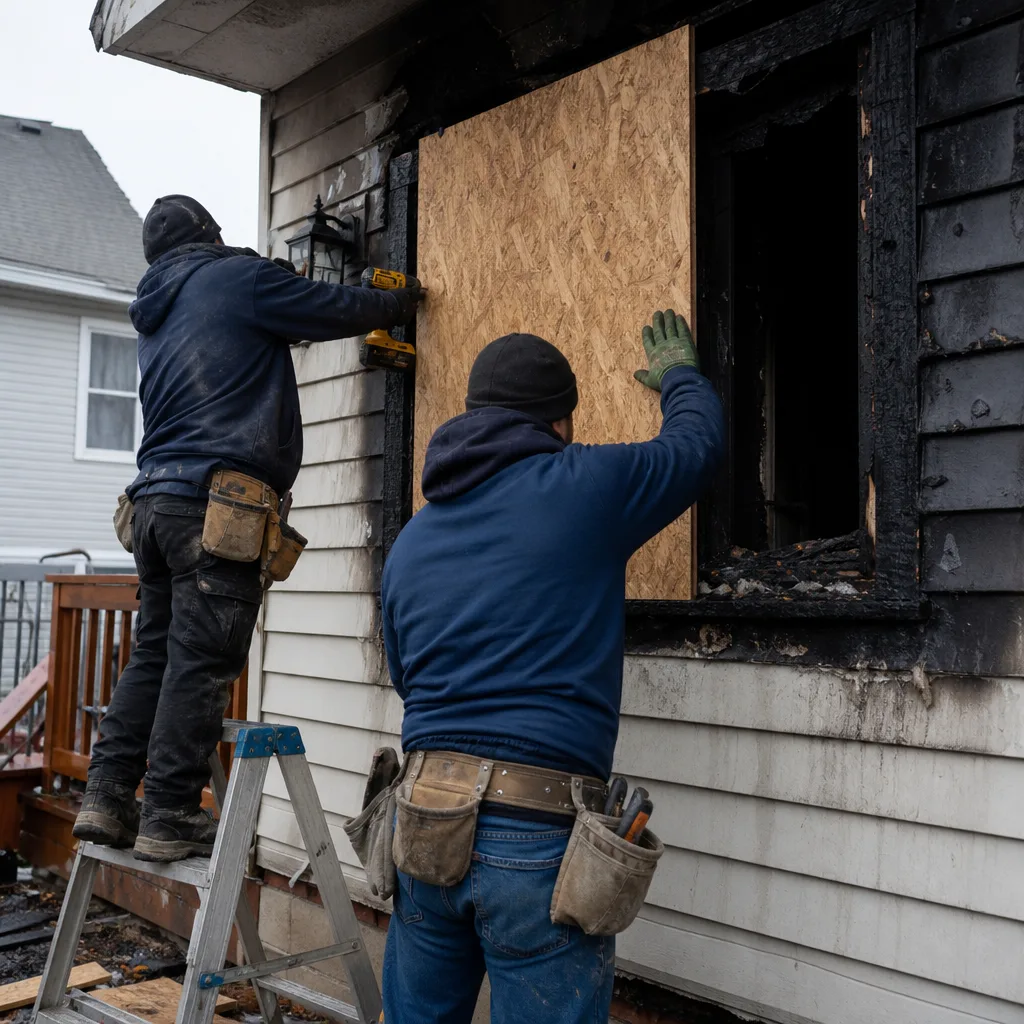
Sanitization & Disinfection
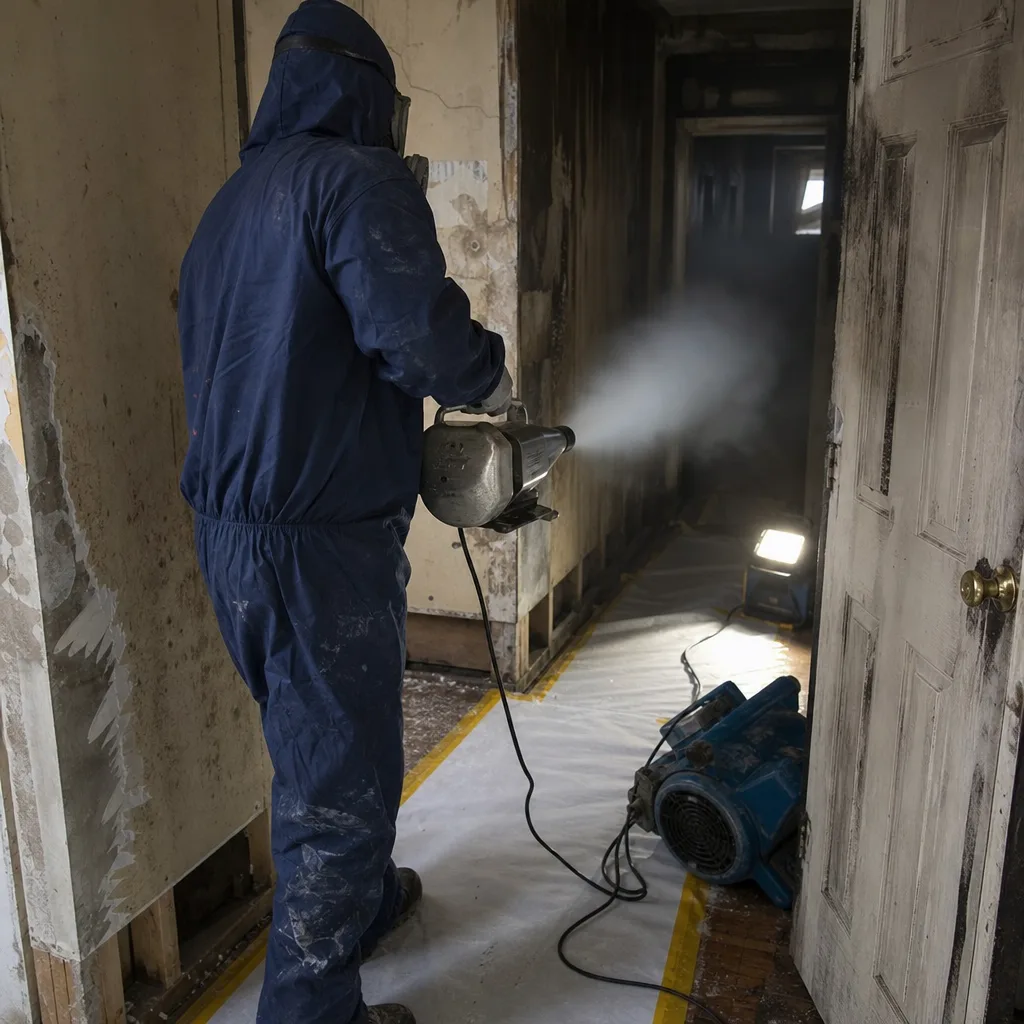
After sewage extraction, the surfaces that touched Category 3 water need antimicrobial treatment that’s effective but won’t damage period finishes. Lime plaster absorbs contaminants differently than drywall, and original hardwood parquet can’t be soaked in bleach. We use professional antimicrobials appropriate for the material, follow with HEPA vacuuming and air scrubbing to capture particulates, and verify the treatment with post-remediation surface testing. For Upper East Side co-ops, this documentation is what the board and the managing agent need to see before approving the unit for re-occupancy.
What happens when you call
- 1
A real person answersNo phone trees - you reach a local pro.
- 2
You get an upfront price rangeHonest numbers before anyone is dispatched.
- 3
A background-checked tech heads outLicensed & insured, dispatched right away.
- 4
You approve before work beginsNothing starts until you say go.
Sewage Cleanup Costs in Upper East Side, NY
A sewage backup cleanup in Upper East Side typically runs between $2,800 and $9,500. Here’s the honest breakdown. Toilet overflow contained to one bathroom, extracted same day with sanitization and light drying, usually lands between $2,800 and $4,200. A Category 3 backup that saturates a plaster wall and original parquet across two rooms, requiring containment, pack-out, structural drying, and plaster restoration, runs $6,000 to $11,000. A full co-op stack failure affecting multiple floors, requiring coordination with several insurers, board-approved plaster crews, and replacement of period millwork, can reach $18,000 to $40,000. What moves the price is how long the sewage sat before extraction started, whether the contamination reached structural framing, and what the board requires for finish restoration. Insurance covers most Category 3 losses when the cause is sudden and accidental. The free visual inspection is the path to a firm number. Call (518) 800-3751 and we’ll give you a written scope before any work starts. That’s the square deal.
We Also Serve Cities Near Upper East Side
Floodline Restoration Co. provides emergency Sewage Cleanup across the broader New York metro, including Upper East Side and nearby Astoria, Ditmars Steinway, Upper Manhattan, and Jackson Heights. Our crews are positioned to reach any of these areas fast, with the same certified technicians and the same written 90-Day Done Right Promise.
Serving Upper East Side, NY - Our Local Coverage Area
We’re based in the Upper East Side area and know this community well. Use the map below to see our service coverage - if you’re nearby, we can almost certainly help.
Upper East Side Sewage Cleanup Questions, Answered
How do you handle a sewage backup in a landmarked Upper East Side co-op where the board requires period plaster repair?
We coordinate with the board or managing agent before opening any wall, work from the board’s approved contractor list where one exists, and source matching lime plaster profiles and ornamental molding for the repair. The board gets documentation at every step, and the Upper East Side Commercial Restoration work is done to pass landmark review, not just to dry the unit.
Can you extract Category 3 water from a bathroom on a high floor without damaging the service elevator?
Yes. We use portable extraction equipment, XPOWER air movers, and Dri-Eaz dehumidifiers sized for Upper East Side service elevators and narrow pre-war doorways. We protect all common areas with floor covering and contain the affected unit so sewage contamination never reaches shared corridors.
What is the timeline for drying a pre-war co-op unit after a sewage backup?
Most pre-war plaster and parquet units dry to standard within 3 to 7 days after extraction and correct equipment placement. Daily moisture readings track progress, and we don’t call it done until the numbers hit the dry standard for every affected material, not just the air in the room.
Do you work with multiple insurers when a sewage backup affects several floors of an Upper East Side building?
Yes. Stack failures in pre-war co-ops often involve the building’s master policy plus separate unit-owner policies. We document the loss once, provide each carrier the same line-item scope and moisture log, and communicate directly with every adjuster so no shareholder has to coordinate between insurers.
How quickly can you respond to a sewage backup near Carnegie Hill before mold sets in?
We commit to a 45-minute dispatch from our New York City office, and Carnegie Hill is minutes away. Mold from Category 3 water typically begins within 24 to 48 hours, so the goal is extraction running before that window closes. A live dispatcher answers at (518) 800-3751 around the clock.
Will insurance cover sewage cleanup in a co-op?
Most co-op and homeowner policies cover sudden and accidental sewage backup if the coverage is in place. We document the loss the way adjusters require and bill your carrier directly, so you’re not waiting on reimbursement. What’s covered depends on your policy language, which we can review with your adjuster.
Do I need full remediation or just a cleaning?
Sewage is Category 3 water by definition, which means sanitization and structural drying are minimum requirements, not optional upgrades. A surface cleaning leaves bacteria in the plaster, subfloor, and framing. We assess the full extent with moisture mapping and show you exactly what’s saturated.
What should I do in the first 30 minutes after a sewage backup?
Shut off water to the affected fixture if you can do so safely, keep people and pets out of the affected area, and call (518) 800-3751. Don’t run the HVAC system, which can spread sewage aerosols, and don’t try to extract the water yourself. Every minute the sewage sits, it moves deeper into plaster and parquet.
Floodline Restoration Co. handles Sewage Cleanup for Upper East Side co-ops, condos, and townhouses from live dispatch to final clearance. Call (518) 800-3751 any hour. A real person answers, and a certified crew is on the way.
Written by Curt Bowman, Owner at Floodline Restoration Co., serving Upper East Side since 2010.