
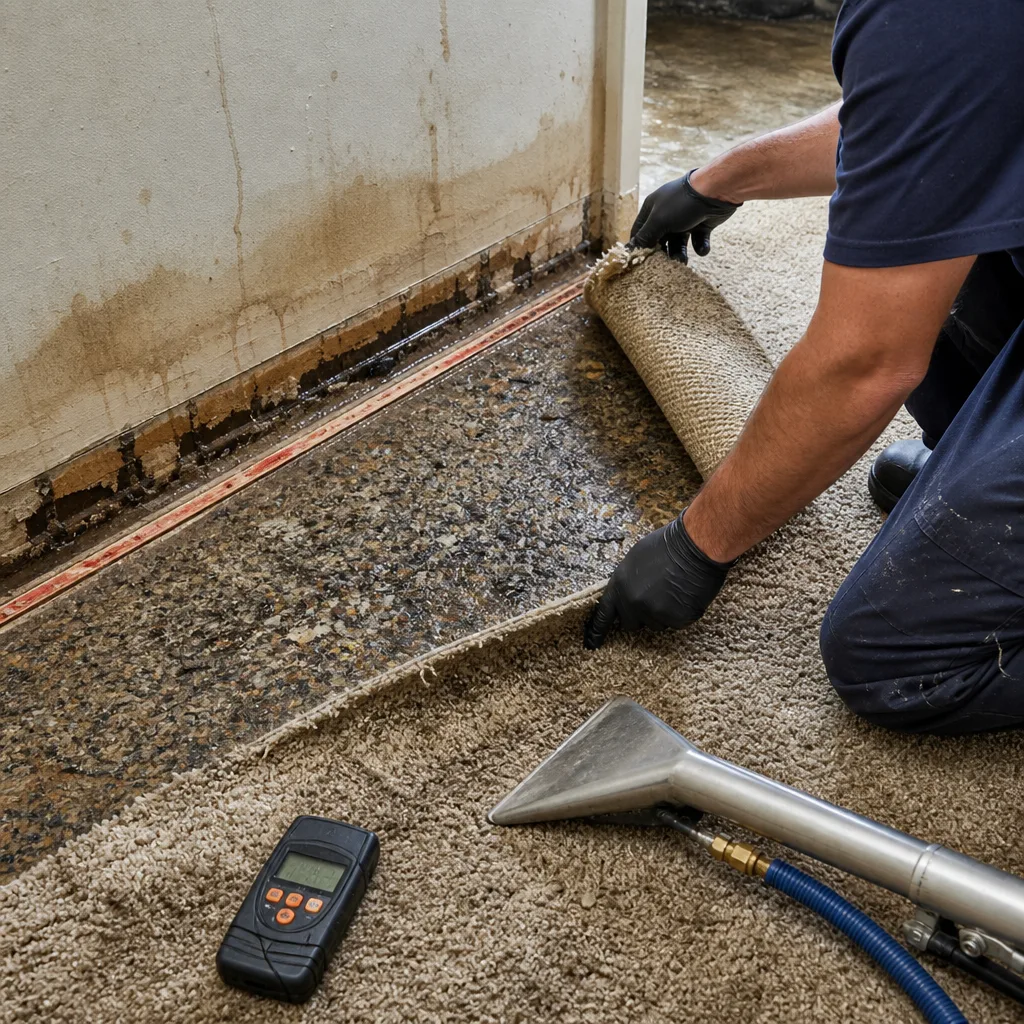
Free visual inspection and a written scope of work before any mitigation begins - photos, moisture readings, and drying logs go in your claim file
The scope we write is the scope we bill. Anything new gets shown to you, in writing, before we touch it.
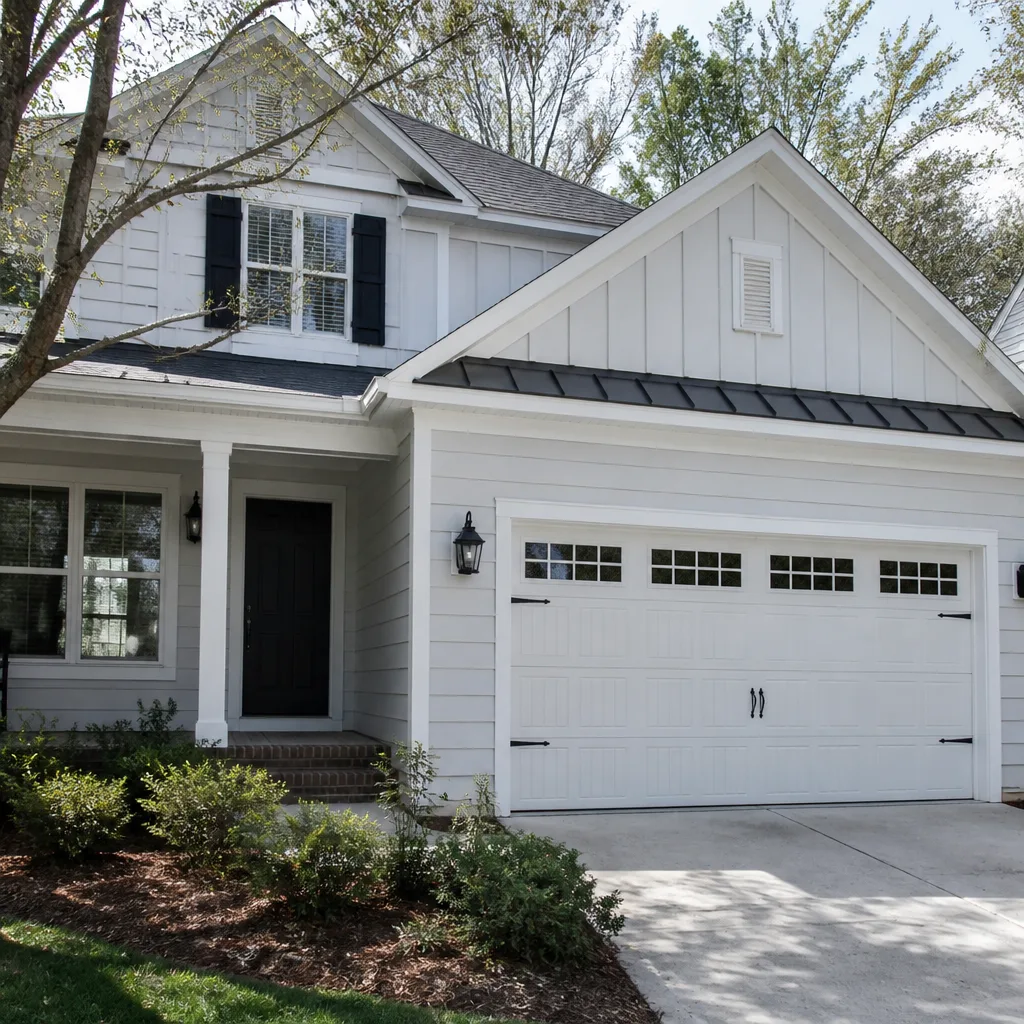
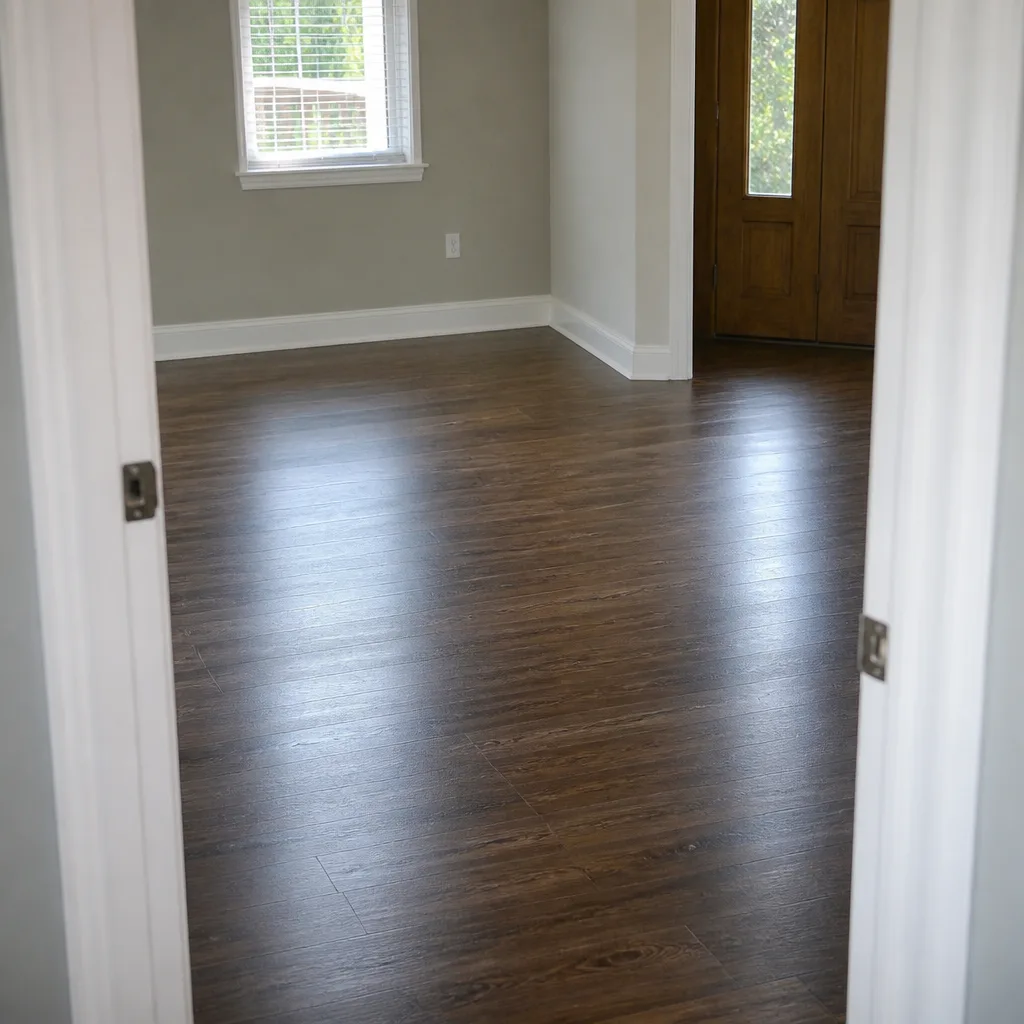
 Before
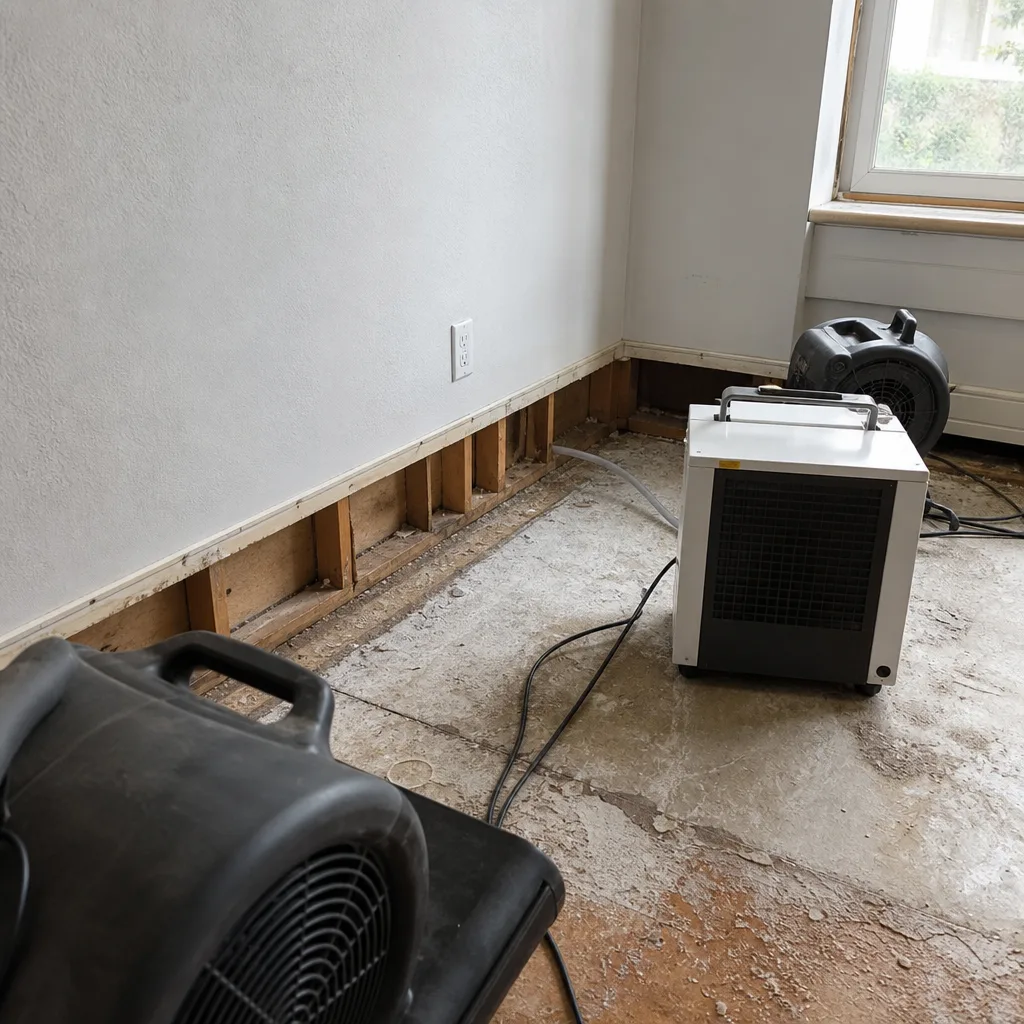 After
After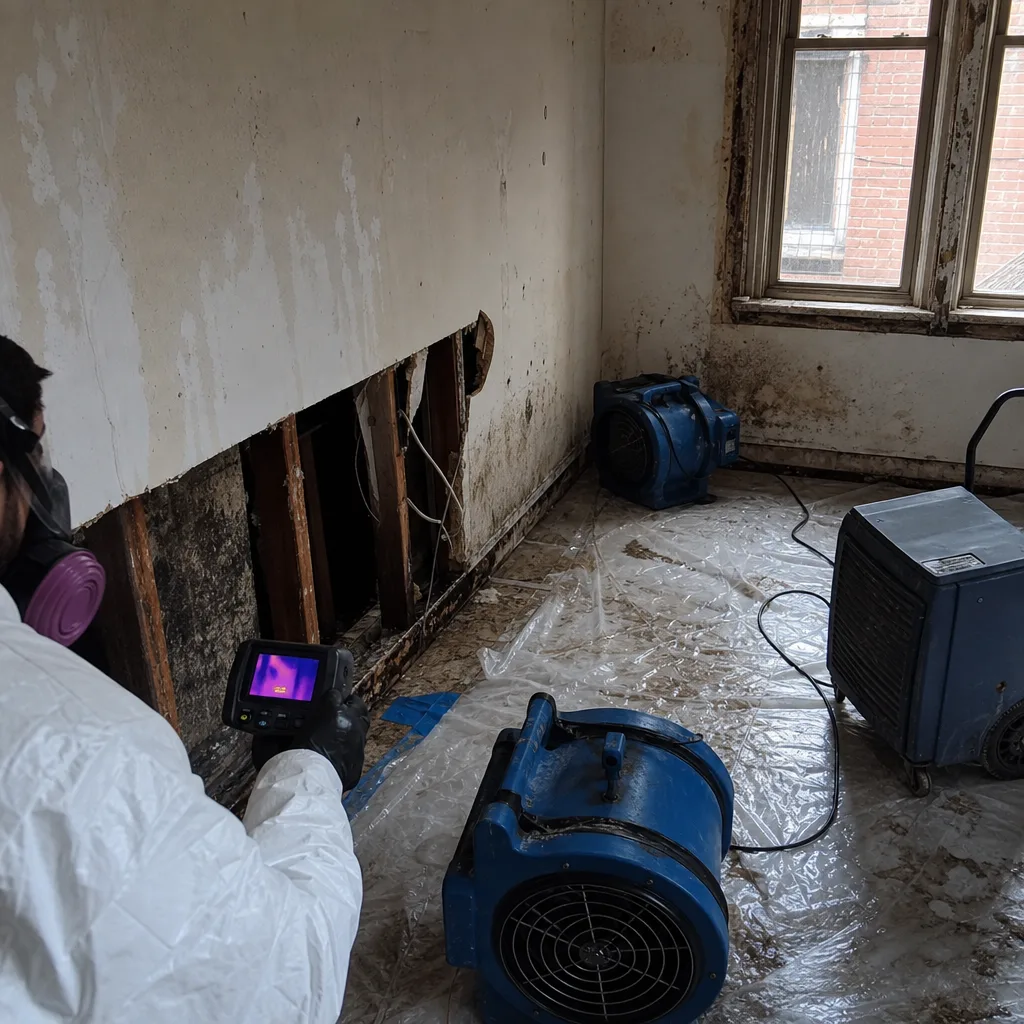 Before
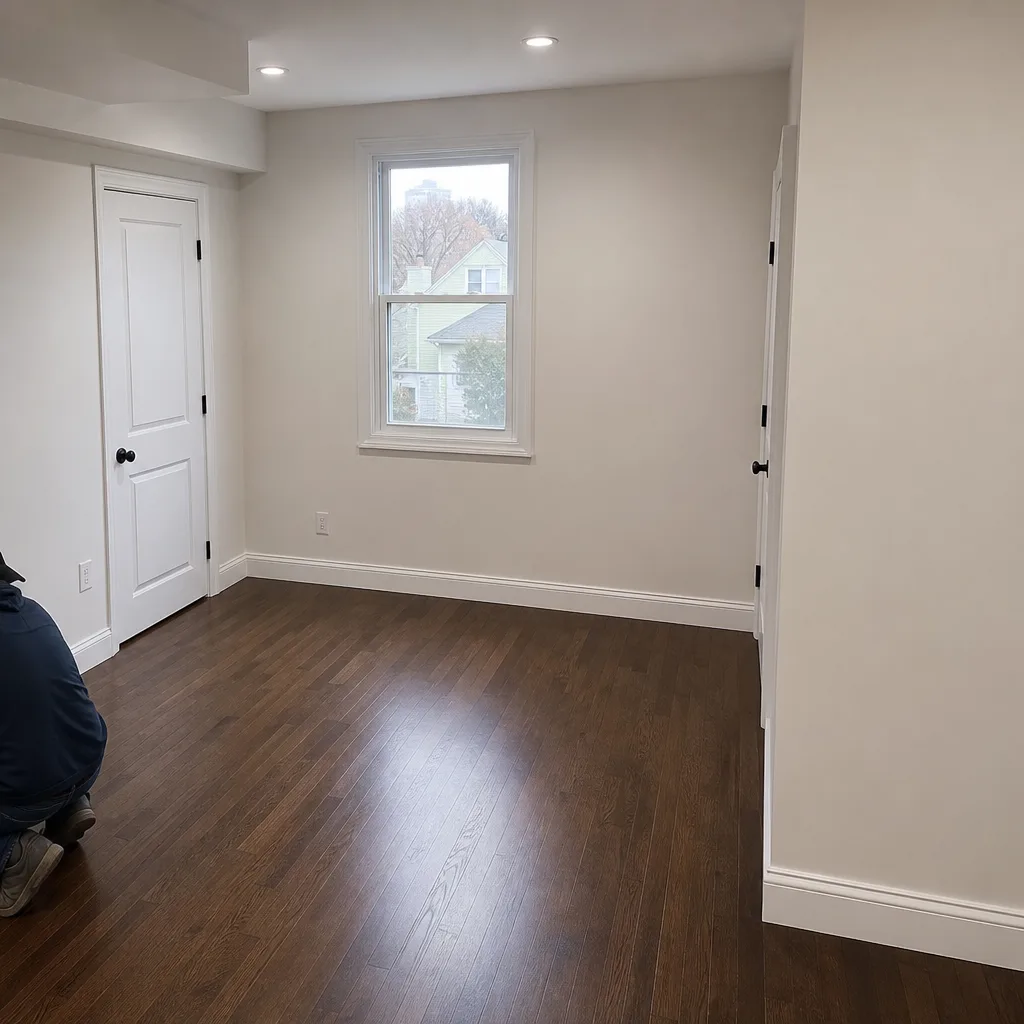 After
After24/7 Emergency Water Damage Restoration in Murray Hill
Water damage restoration in Murray Hill costs between $1,800 and $6,400 for a typical pre-war apartment loss, and we can have a certified crew on site within 45 minutes of your call. The phone rings to a live dispatcher, not a recording, every hour of every day. Call (518) 800-3751 the moment you see staining on a ceiling, buckling on a wood floor, or moisture beading on a wall. The first hour matters because water inside a 1930s plaster-and-lath wall doesn’t sit still. It wicks downward, saturates the wood lath, finds the shared wall cavity, and starts working on the unit below yours. A free visual inspection tells you what you’re actually facing before it spreads further.
Understanding Water Damage Restoration Severity in Murray Hill Properties
Not every leak in Murray Hill is the same animal. Restoration professionals classify water into three categories, and in this neighborhood the building’s age often pushes a loss from bad to worse faster than in newer construction. Category 1 is clean water from a supply line or a radiator valve. Category 2 is gray water, meaning it carries soap, detergent, or minor biological contaminants. Category 3 is black water: sewage, East River storm surge, or standing water that sat long enough to breed bacteria. That’s the category you need to move fastest on. In a 1930s co-op on East 39th Street, we’ve watched a slow Category 1 condenser-coil leak inside a bathroom wall degrade to Category 3 within 48 hours because the plaster-and-lath cavity stayed warm and damp with zero airflow. Moisture mapping with thermal imaging and penetrating meters is how we find water that’s moved three feet from where the stain appears. It’s also how we prove to a co-op board that units they called ‘unaffected’ are, in fact, wet.
Why Murray Hill Property Owners Choose Floodline Restoration Co.
- 45-minute response commitment. When a steam riser lets go at 2 a.m. over Park Avenue South, we’re moving. Our local dispatch routes crews from within the New York metro area directly to Murray Hill, and we’ll be there when we say.
- 24/7 live answer, every time. A real dispatcher picks up. Not a phone tree, not a recording. At 2 a.m. you’ll speak to someone who can send a certified crew the same night.
- IICRC-certified crews on every job. Our technicians hold WRT (Water Damage Restoration Technician) and ASD (Applied Structural Drying) certifications, with additional training through RIA and IFA standards. Not a subcontractor lottery.
- Free visual inspection. We walk the affected floor, map the moisture, and tell you what’s wet, what’s salvageable, and what needs to come out. You get a clear scope before any work begins.
- Direct insurance billing. We speak to your carrier, send the adjuster our drying logs and line-item estimate, and you never play messenger between Floodline and the insurance company.
- One team from extraction to reconstruction. The same certified crew that pulls the water also rebuilds the wall. No mid-job handoff, no inherited subcontractor who never saw the original loss.
Our Water Damage Restoration Process
Inspection & Assessment
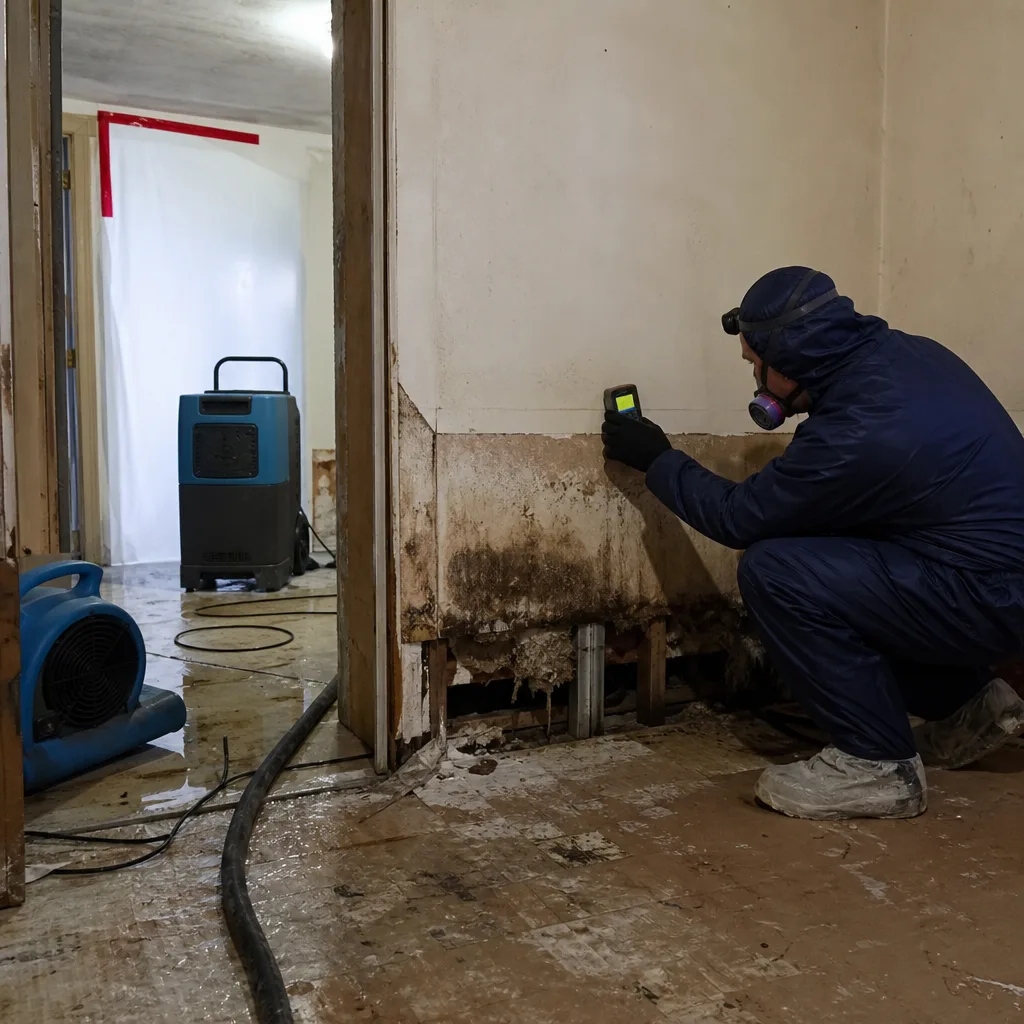
We arrive with thermal imaging cameras, penetrating and non-penetrating moisture meters, and a humidity map in mind. We locate the water source, determine the category, and document every affected surface. In a pre-war co-op, this includes mapping where water has migrated through shared wall cavities into adjacent units.
Extraction & Stabilization
Standing water comes out first. We truck in commercial extraction units that pull hundreds of gallons, not the rental-shop kind. If the building’s super has shut the riser, we stabilize the loss and document what’s wet before demolition begins.
Drying & Dehumidification
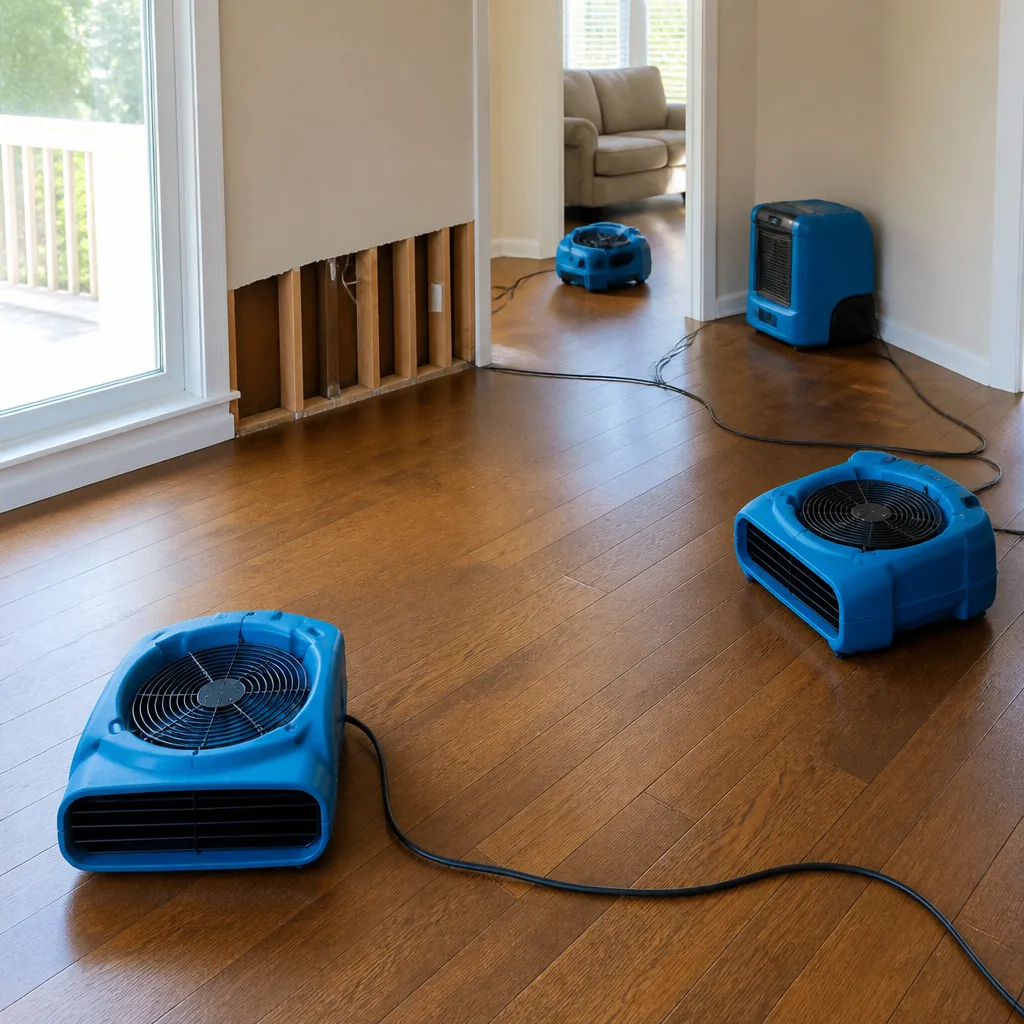
We place professional-grade Dri-Eaz air movers and dehumidifiers, then monitor daily with hygrometers to confirm the dry standard is met. Plaster-and-lath walls in Murray Hill dry slower than drywall, which means our drying logs run longer and get more detailed. We hand that log to you and your adjuster.
Cleaning & Sanitization
After drying, we treat affected surfaces with antimicrobial and deodorizing applications appropriate to the water category. HEPA-filtered air scrubbers run during and after cleaning to capture mold spores and particulates that may have become airborne during extraction.
Specialty Treatment for Pre-War Construction
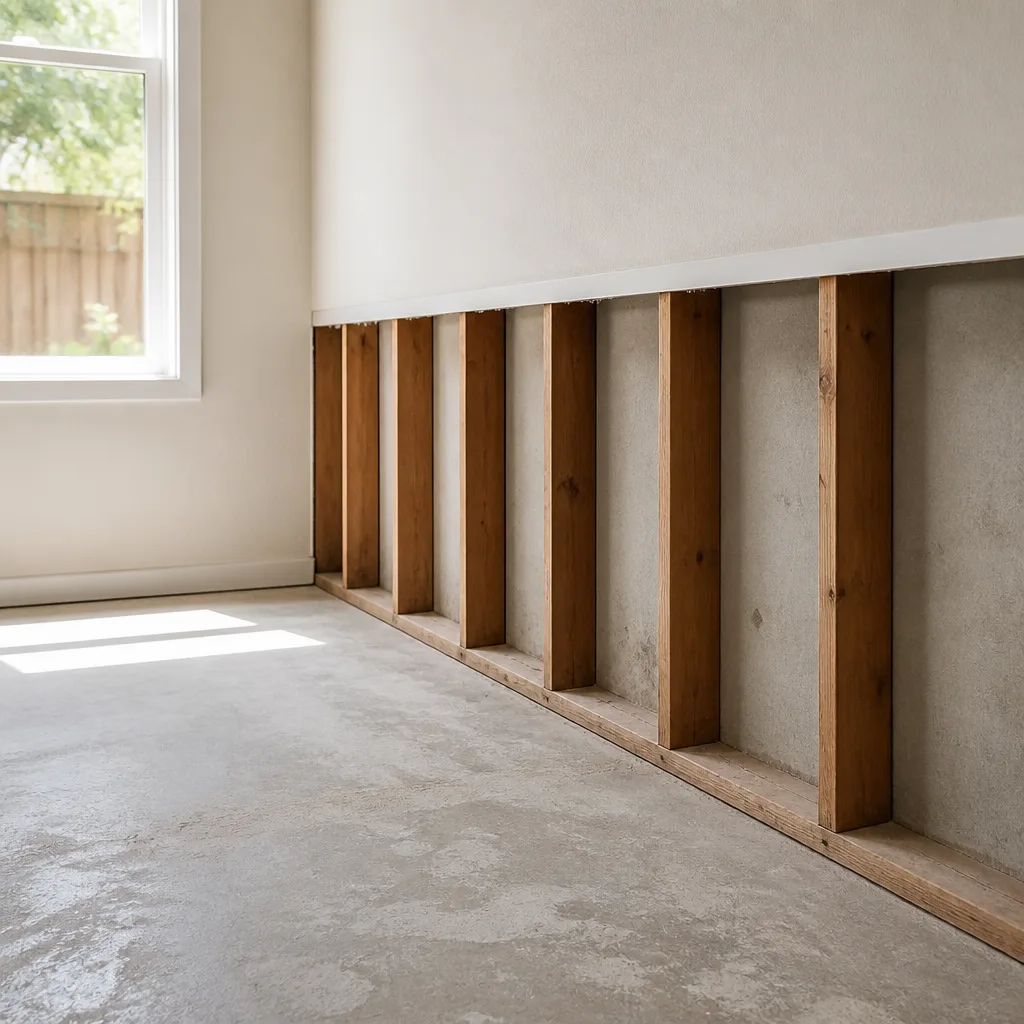
Plaster, lath, hardwood floors, and original millwork each need different handling. We evaluate what’s salvageable, stabilize original plaster where possible, and remove only what’s truly unsalvageable. In converted brownstones with original wood floors, we check the subfloor too.
Repairs & Restoration
The same crew that extracted the water rebuilds the wall, refinishes the floor, or reinstalls the ceiling. You get one scope of work, one point of accountability, and a 90-Day Done Right Promise in writing when the job is finished.
Need Emergency Water Damage Restoration in Murray Hill Now?
Crews minutes away, answering live 24 hours a day. The sooner we start, the less it costs.
Working With Your Insurance Company
Most Murray Hill co-op and condo policies cover sudden and accidental water damage, but the building’s master policy and your individual shareholder policy often split responsibility in ways that surprise people. The legal line is usually drawn at the wall studs or the riser itself. We’ve handled enough of these claims to know exactly what your carrier needs: moisture readings taken the day of the loss, photos taken before demolition starts, and a scope of work that matches your policy’s definitions. Our team documents everything from the first hour, writes the estimate in the format insurers recognize, and talks directly to your adjuster so you don’t spend your evenings on hold. A square deal, on paper, before the work begins.
What We Provide Your Insurer
- Thorough documentation of the loss
- Photos of all damage, room by room
- Moisture readings and drying logs
- A detailed, line-item scope of work
- Direct coordination with your carrier
Built for Murray Hill’s Loss Calendar
Murray Hill’s water damage season doesn’t follow a single calendar. January and February bring freeze-thaw cycles that strain aging roof membranes and parapets on pre-war buildings, and when a supply line freezes inside an unheated chase wall, the pipe splits lengthwise and dumps water for hours before anyone notices. Spring thaw turns frozen ground into standing water that pushes through foundation cracks into converted brownstone basements on 36th and 37th Streets. Summer brings sudden thunderstorms that overwhelm old roof drains and scuppers, sending water down interior walls of top-floor units. Nor’easters from September through November carry East River storm surge into the neighborhood’s eastern blocks, the same blocks that sat inside the 2012 Sandy inundation zone. The recurring theme is the same: water enters a building envelope built eighty years ago, and by the time it shows up on a ceiling, it’s been traveling for days. Our Water Damage Restoration team plans for all of it.
Water Damage Restoration Across Murray Hill’s Neighborhoods
Murray Hill runs roughly from East 34th to East 42nd Street, between Madison Avenue and the East River, and each corridor has its own restoration profile. The high-rise co-ops along Park Avenue and Lexington Avenue are the classic multi-floor vertical losses: a riser failure on the 14th floor soaks the 13th, 12th, and 11th floors before the super gets the water shut off. The mid-rise pre-war buildings on Third Avenue, many with ground-floor retail, bring a different complication: commercial kitchens and residential plumbing share walls, so a restaurant grease-line backup can migrate into a second-floor apartment through a common chase. The side streets, 36th through 39th between Park and Third, hold the converted brownstones and townhouses that make up the neighborhood’s smaller residential stock. Those buildings are wood-frame with brick facades, and a roof scupper that overflows sends water straight down inside the party wall, saturating lath and plaster on every floor. Over on First Avenue and the eastern blocks toward the East River, the newer residential towers sit on former brownstone lots, but they share the same city water mains and the same storm-drain overloads during heavy weather. Each area demands a different containment strategy and a different drying plan.
Specialized Water Damage Restoration Services We Offer in Murray Hill
Emergency Water Extraction
Standing water in a Murray Hill apartment is an emergency, full stop. We arrive with truck-mounted and portable extraction units that remove hundreds of gallons, then set the drying plan in motion before microbial growth gets a foothold. In pre-war buildings with wood-lath construction, every hour of standing water increases the chance that the wall cavities below are already wet.
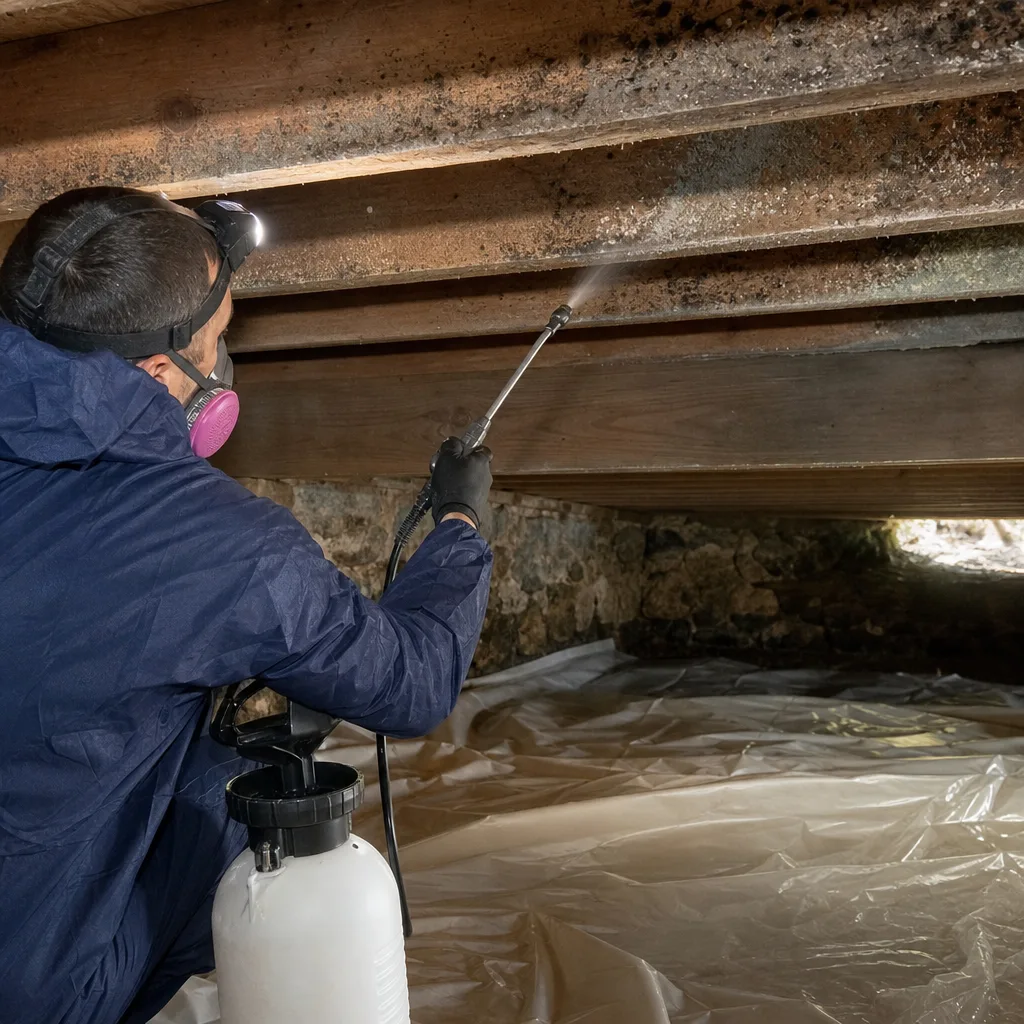
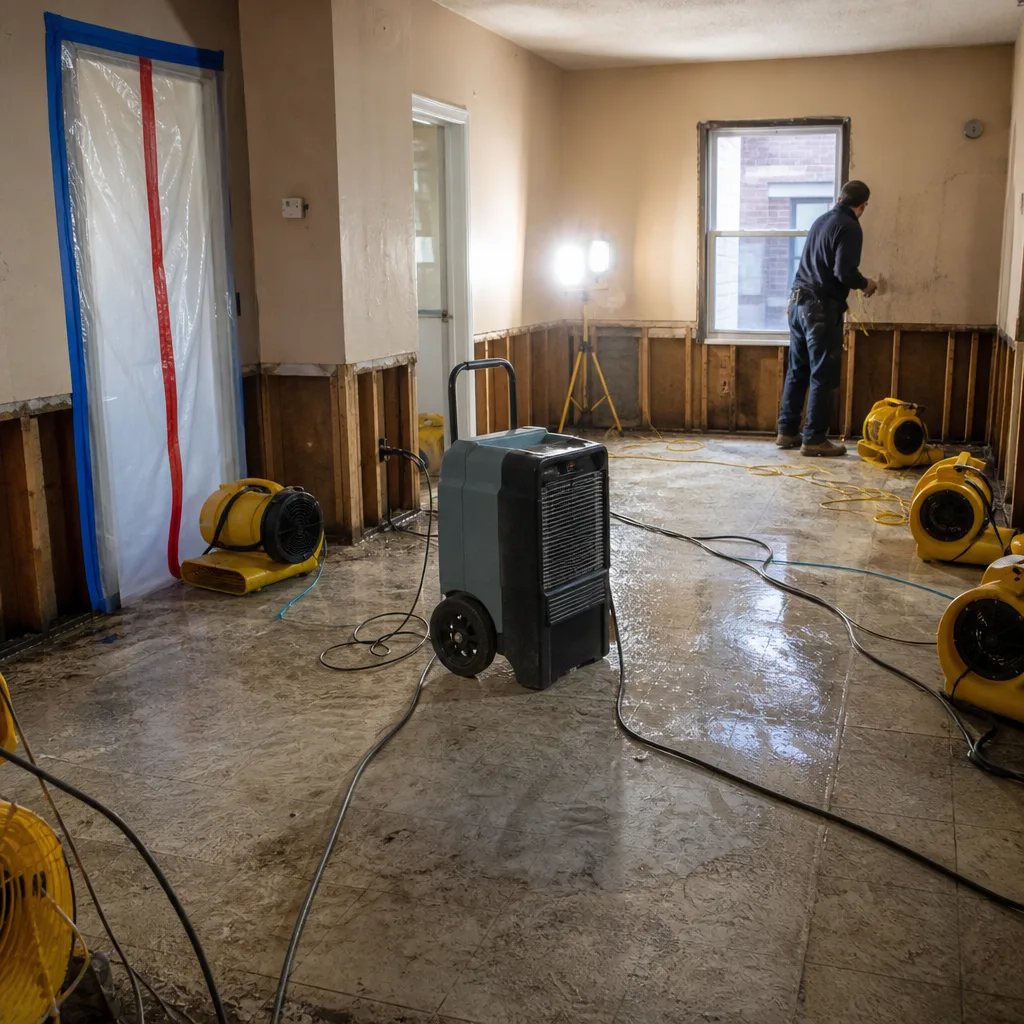
Structural Drying & Dehumidification
Drying a 1930s plaster wall is not like drying a drywall wall in a 2005 condo. Plaster holds moisture differently, and the wood lath behind it acts as a sponge. We use Dri-Eaz refrigerant dehumidifiers and high-velocity air movers, and we take daily moisture readings with thermal imaging and penetrating meters until every affected surface hits the dry standard. You get the log; your carrier gets the log.
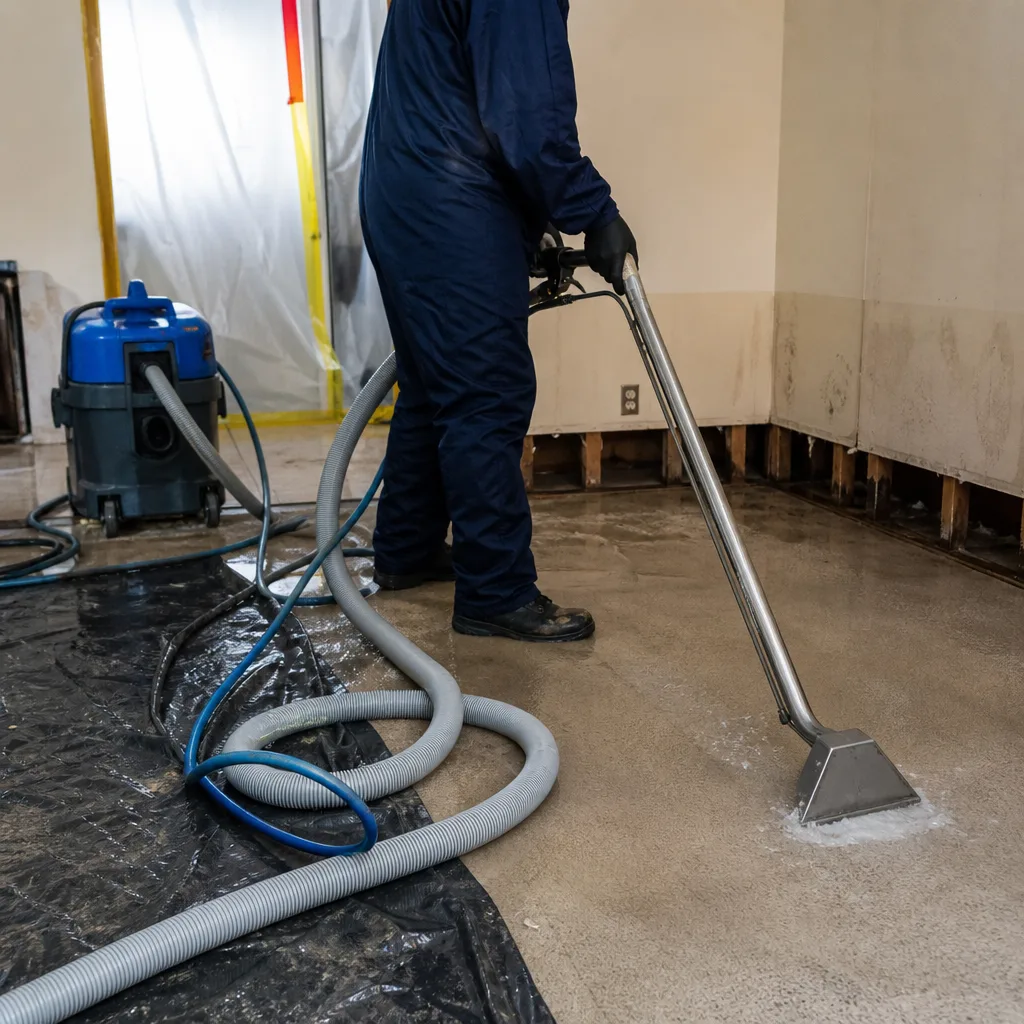
Flood Cleanup
Murray Hill’s eastern edge, within a few blocks of the East River, sits inside the city’s storm-surge exposure zone. When nor’easters or heavy summer storms push water into ground-floor units, lobbies, and basements, the water is Category 3 from the start. We handle the extraction, the sanitization, the demolition of unsalvageable materials, and the rebuilding.
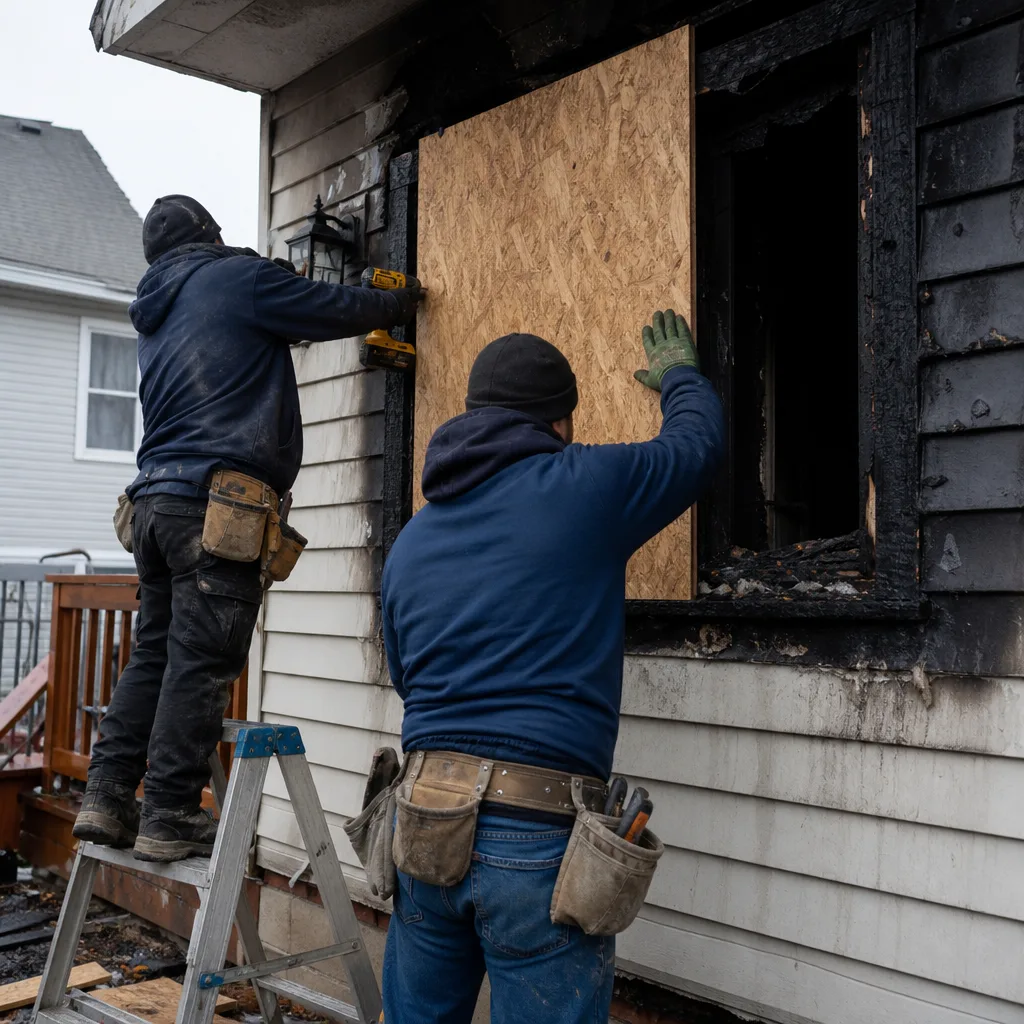
Burst Pipe Restoration
Freeze-thaw cycles kill copper and galvanized supply lines in Murray Hill’s older buildings. A burst pipe behind a kitchen cabinet or inside a bathroom chase can run for hours undetected. Our crew finds the source, stops the water, extracts what’s pooled, and then dries the wall cavity so you’re not living with hidden moisture that turns into mold three months from now.
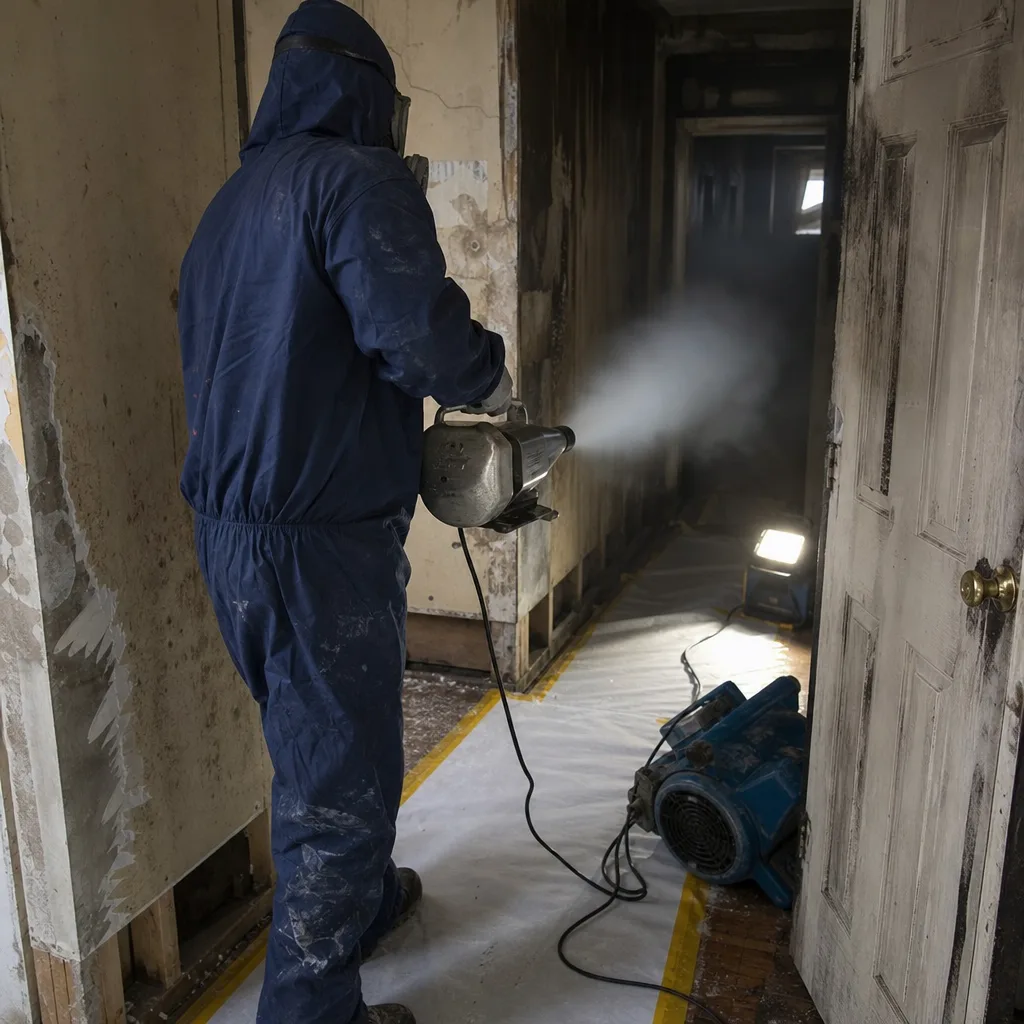
Basement Water Removal
The converted brownstones on Murray Hill’s side streets often have cellars that were never waterproofed. When spring thaw or a heavy rain pushes groundwater through the old stone foundation, the basement floods. We pump it out, dry the space, and coordinate with your board or landlord about what the permanent fix looks like.
What happens when you call
- 1
A real person answersNo phone trees - you reach a local pro.
- 2
You get an upfront price rangeHonest numbers before anyone is dispatched.
- 3
A background-checked tech heads outLicensed & insured, dispatched right away.
- 4
You approve before work beginsNothing starts until you say go.
Water Damage Restoration Costs in Murray Hill, NY
You should know what you’re walking into before the first fan gets plugged in. In Murray Hill, emergency water extraction for a single-unit loss in a co-op or rental apartment typically runs $1,800 to $4,200. Structural drying with daily monitoring on a typical two-room loss lands between $2,500 and $5,800, depending on how many wall cavities are wet and how long the water sat. Burst pipe restoration that includes demolition, drying, and basic plaster repair ranges from $3,500 to $9,000, while full ceiling and roof leak water damage restoration on a top-floor pre-war unit can reach $8,000 to $15,000 when the parapet and membrane both need work. What moves the price: how many floors the water traveled, whether the building super capped the riser quickly, and whether the building’s master policy covers the structural components or the shareholder policy does. Our free visual inspection gives you a written scope with these numbers in black and white, before you authorize anything. Call (518) 800-3751 and we’ll walk the loss with you the same day.
We Also Serve Cities Near Murray Hill
Our crews cover Astoria, Ditmars Steinway, Upper Manhattan, and Upper East Side in addition to Murray Hill. Same live dispatch, same certified technicians, same 90-Day Done Right Promise in writing.
Serving Murray Hill, NY - Our Local Coverage Area
We’re based in the Murray Hill area and know this community well. Use the map below to see our service coverage - if you’re nearby, we can almost certainly help.
Murray Hill Water Damage Restoration Questions, Answered
How does water damage restoration work in a Murray Hill co-op when the leak starts in another shareholder’s unit?
The liability for the restoration depends on the building’s proprietary lease, but the practical answer is that we document everything with thermal imaging and moisture logs, then coordinate directly with the super, the board, and both insurance carriers. We restore the affected units to pre-loss condition, and our line-item scope of work makes the responsibility question much easier to settle. Call (518) 800-3751 and we’ll walk you through it.
My pre-war Murray Hill apartment has original plaster walls that got wet - can they be saved?
Often yes, if the water was clean and we reach it within 24 to 48 hours. Plaster can survive saturation if we dry it slowly and evenly with controlled air movement and dehumidification. If the lath behind it has been wet for a week or more, the plaster usually delaminates and must come out. We’ll tell you which one you have after the first moisture reading.
How do you handle water damage in a high-rise when the building’s super is the one who can access the shutoff valve?
We call the super, explain the situation, and work within the building’s access protocols. In a Murray Hill co-op tower, the shutoff valve for a riser is often in a locked utility closet controlled by the building management. We know how to coordinate with them, and we’ve done it hundreds of times. The water gets stopped, and the extraction starts.
Does Floodline handle the DOB permits required for restoration work in Murray Hill buildings?
Yes. When the restoration involves structural repairs, plumbing changes, or work behind the walls that requires a DOB permit, we pull the required permits as part of the scope. For co-op and condo buildings that require board approval before demolition, we navigate that process too. You get a written scope that includes the permit path, before we start.
What’s the risk of hidden water damage in a converted brownstone on a side street like 37th?
Significant. The original plaster walls and wood-lath construction in converted brownstones hide moisture for weeks. A leak that stains a ceiling on Monday may have started saturating the wall cavity two Sundays ago. That’s why we use penetrating moisture meters and thermal imaging, not just visual inspection, to find what’s actually wet before we quote a scope. The difference can be thousands of dollars and a finished basement.
How fast can someone actually get to Murray Hill for water damage?
We commit to a 45-minute response time for emergency water damage calls inside Murray Hill. Our dispatch routes the nearest available IICRC-certified crew from the metro area straight to your building. The phone rings to a live person, day or night, at (518) 800-3751.
Will my insurance cover water damage restoration in Murray Hill?
Most sudden and accidental water damage is covered, but the split between the co-op corporation’s master policy and your individual shareholder or condo policy depends on your building’s governing documents. We document from the first hour, talk directly to your adjuster, and bill the carrier directly so you’re not fronting thousands of dollars waiting for reimbursement. Estimates are free.
Do I really need full structural drying, or can you just clean up the water?
If the water touched drywall, plaster, wood lath, or flooring, it wicked into places your eyes can’t see. Cleaning what’s visible and leaving what’s hidden is how mold takes root behind a wall in a pre-war building. Structural drying with daily monitoring is the only way to confirm the moisture is actually gone. In Murray Hill’s older stock, skipping this step costs more later.
One more thing worth saying plainly. Murray Hill’s restoration jobs are defined by stacked co-op ownership. When a pre-war riser fails, water travels downward through multiple apartments. Our crews use thermal imaging and moisture documentation to protect both the co-op corporation and individual shareholders during the scope-of-work negotiation, because we’ve seen boards argue over exactly where the water stopped and who pays for what. On East 38th Street, between Park and Lexington, we responded to a slow steam-pipe elbow leak in a 1930s co-op. Our techs used Dri-Eaz moisture meters to map saturation across three floors of plaster-and-lath walls, set containment around the affected units, and ran structural drying with air movers and dehumidifiers for five days, coordinating with the super and board to restore affected units to pre-loss condition while minimizing disruption to neighbors. That’s the job. Water damage restoration in Murray Hill, done right, and backed in writing by the 90-Day Done Right Promise.
Written by Curt Bowman, Owner at Floodline Restoration Co., serving Murray Hill since 2010.