
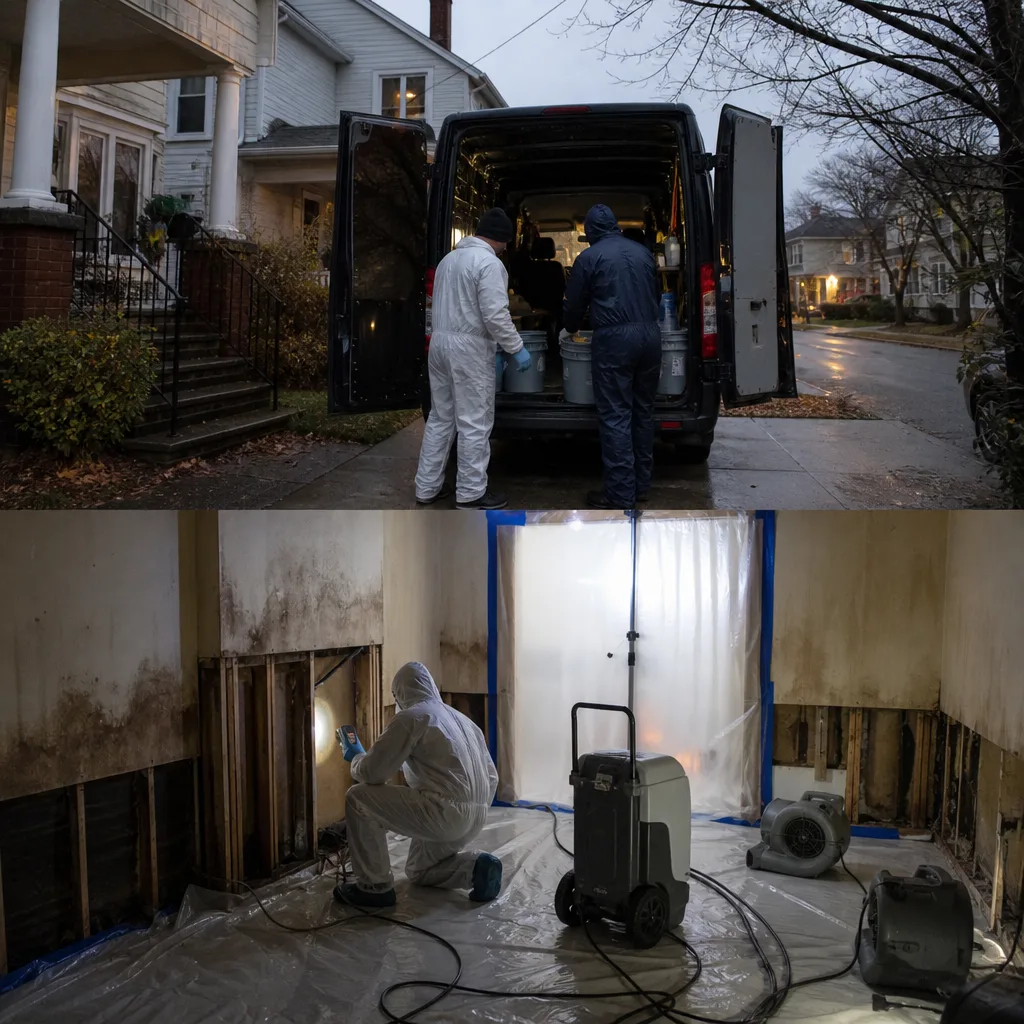
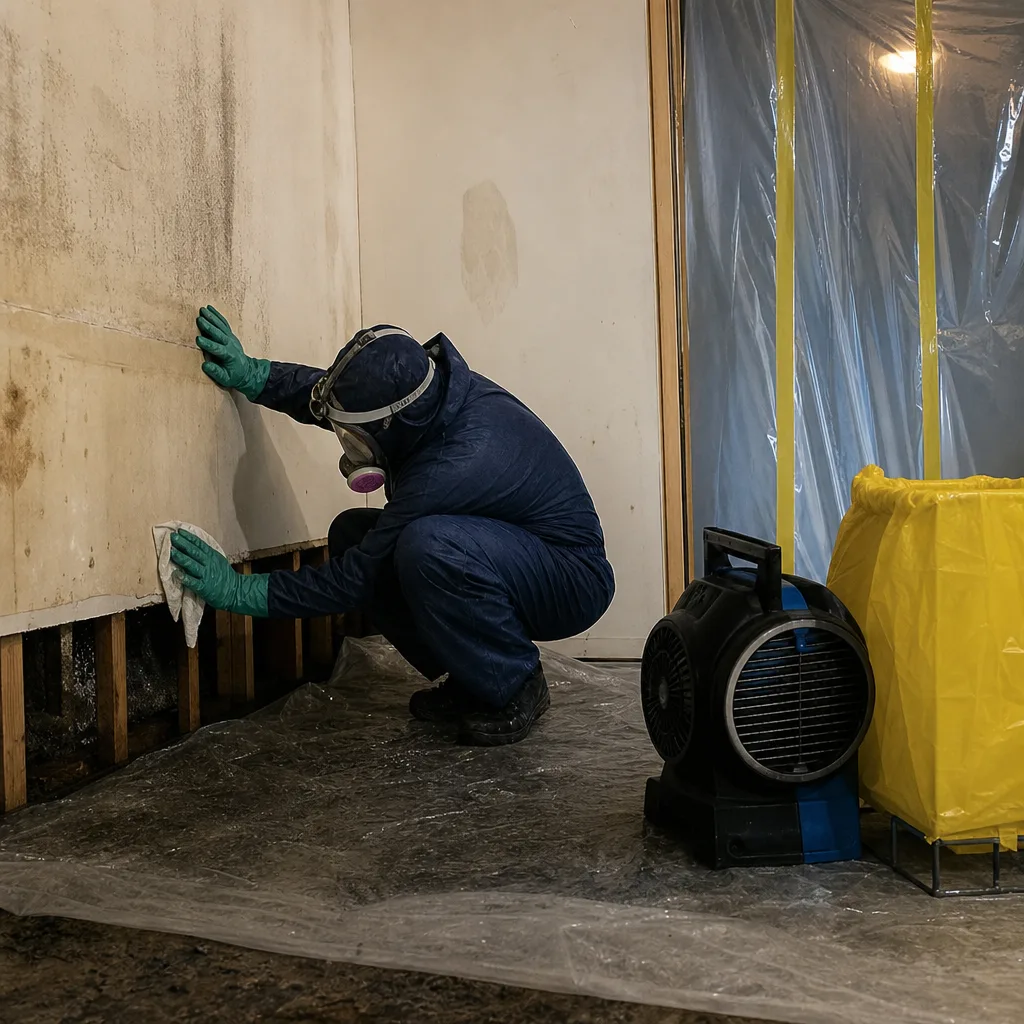
Free visual inspection and a written scope of work before any mitigation begins - photos, moisture readings, and drying logs go in your claim file
The scope we write is the scope we bill. Anything new gets shown to you, in writing, before we touch it.
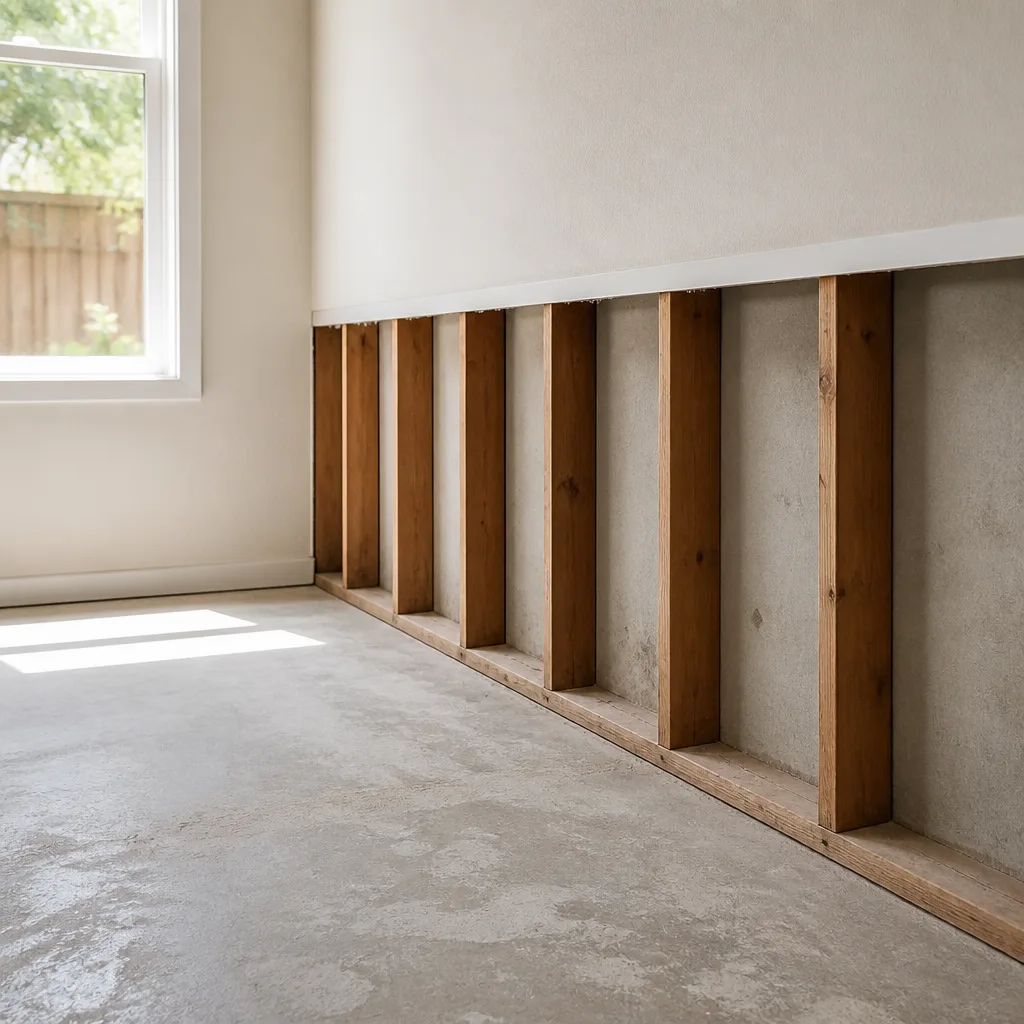
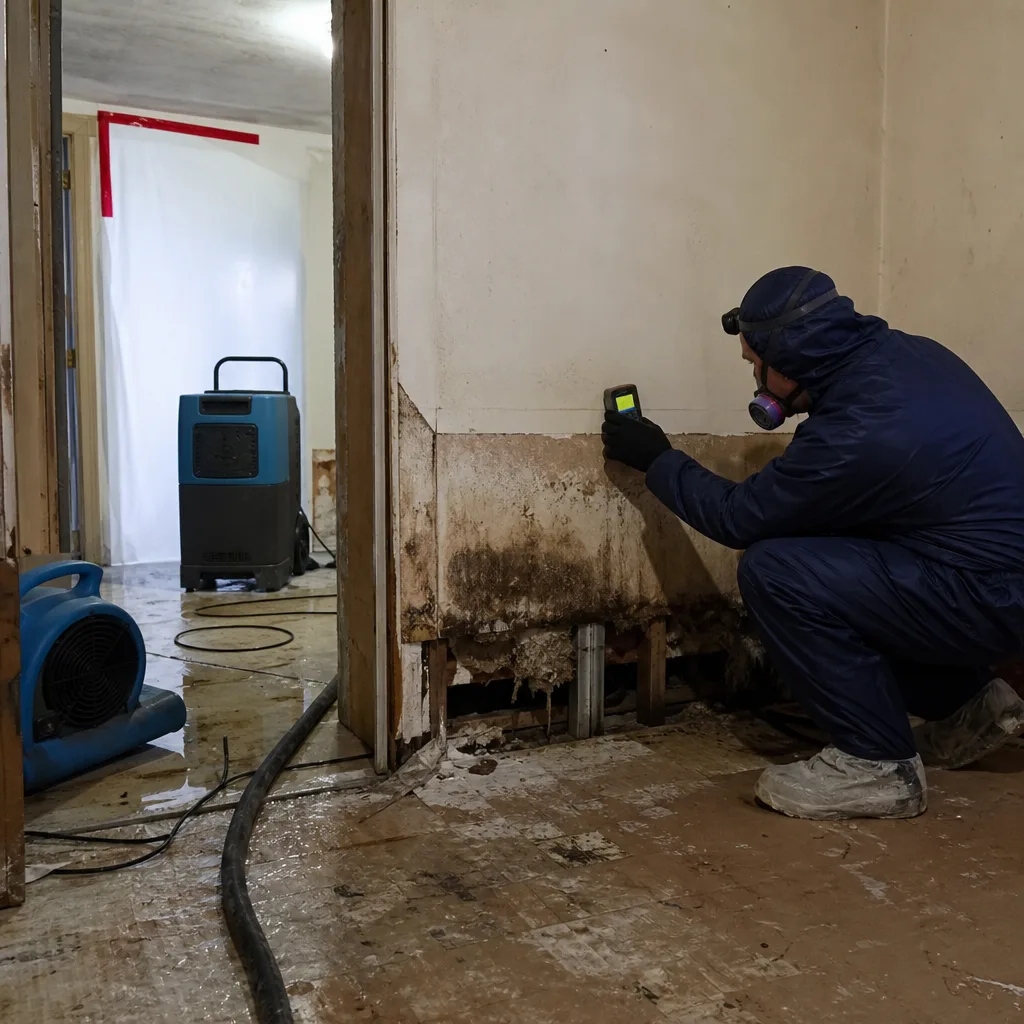 Before
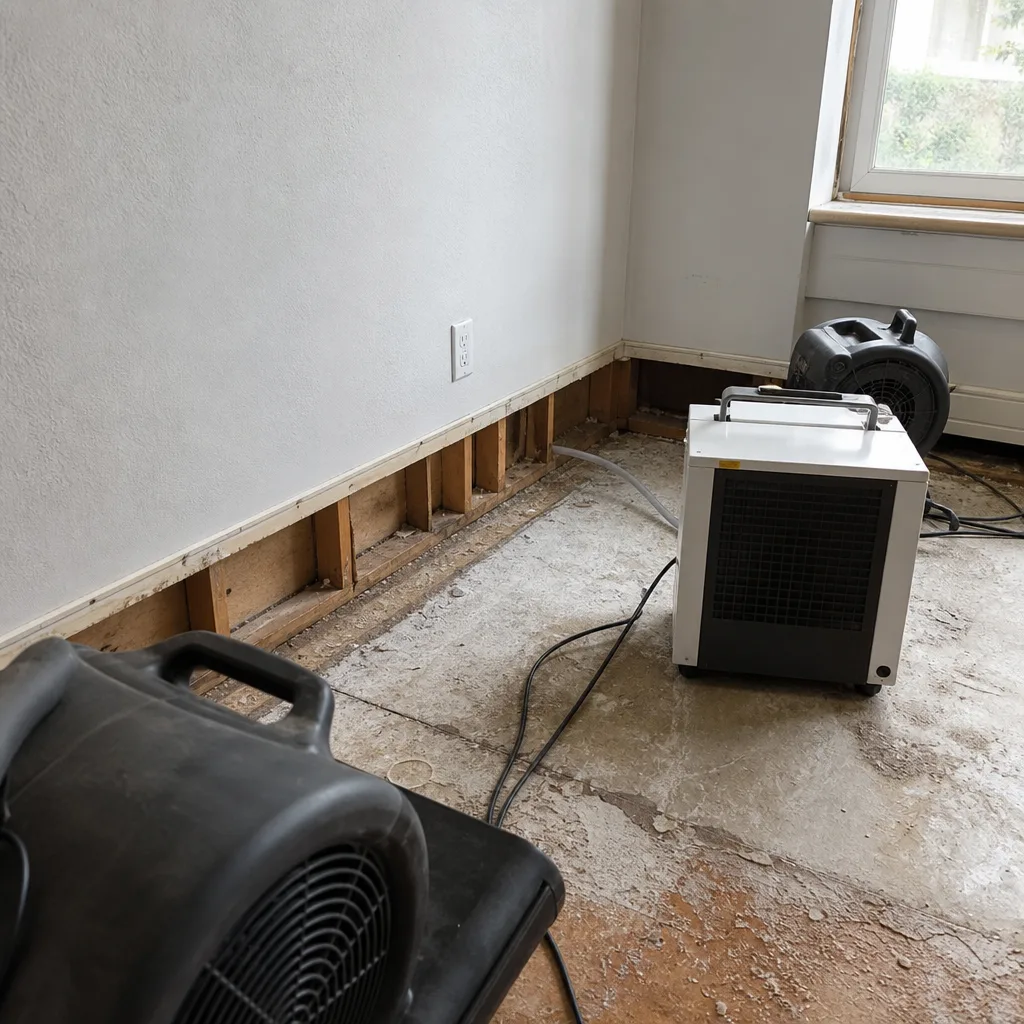 After
After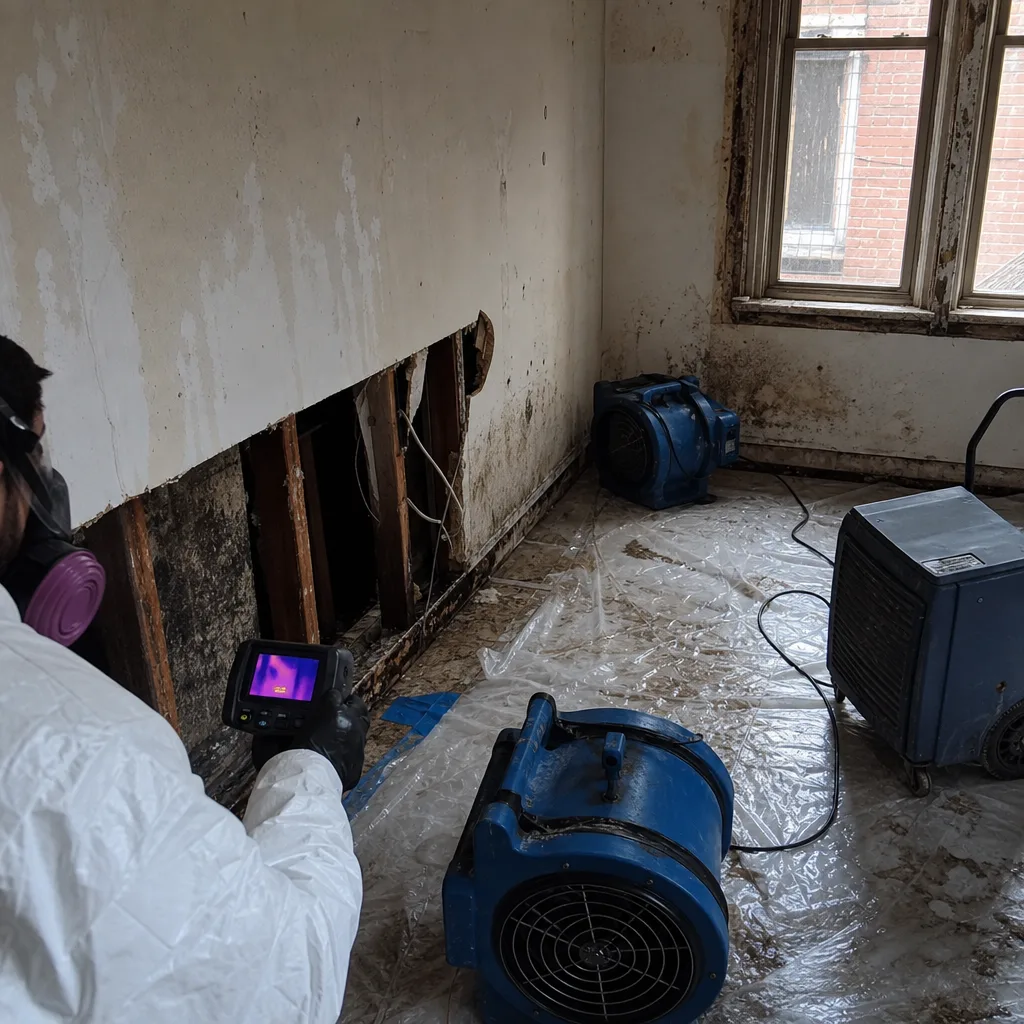 Before
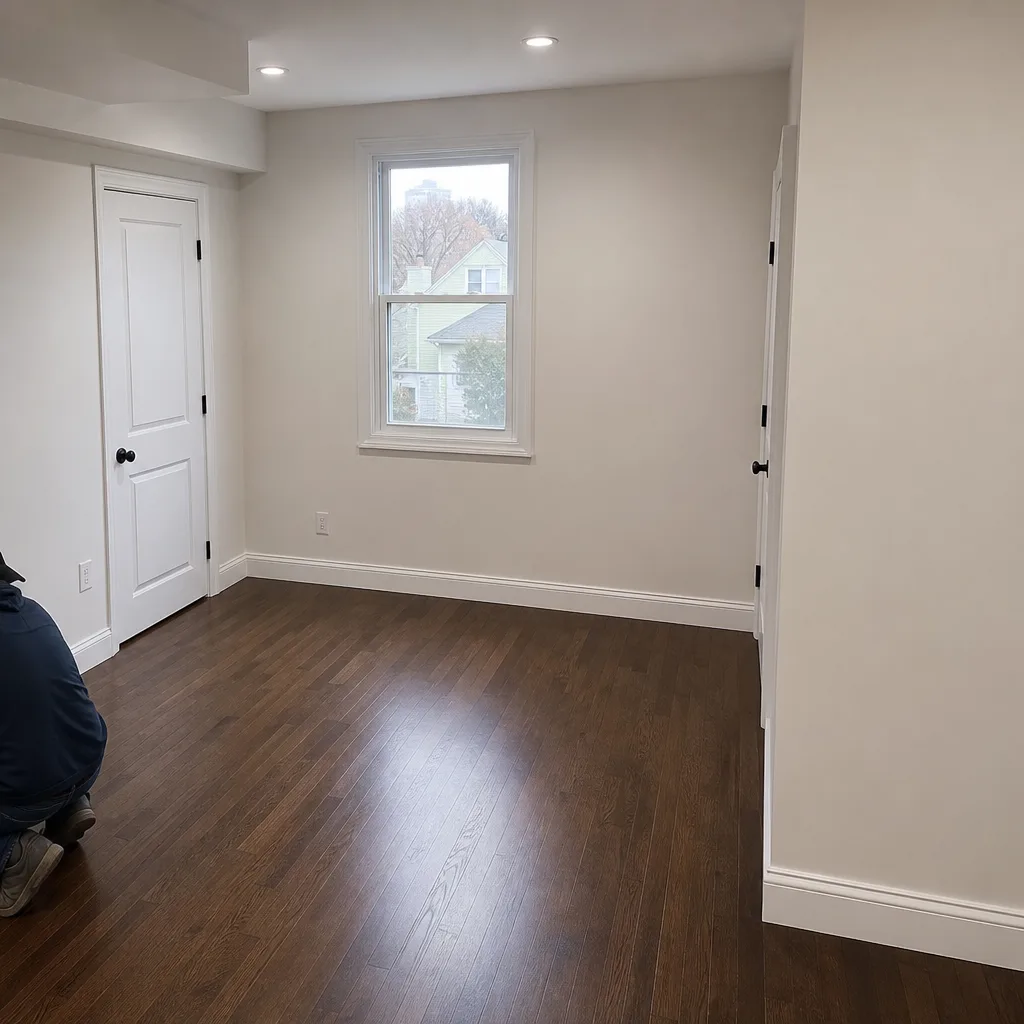 After
After24/7 Emergency Biohazard & Crime Scene Cleanup in Upper West Side
When a trauma, unattended death, or biohazard incident happens in an Upper West Side co-op, you need a crew that understands pre-war buildings and board requirements, not just cleanup chemistry. Floodline Restoration Co. answers live around the clock, every day of the year, and dispatches certified crews directly into the Upper West Side, often arriving within 45 minutes. Call (518) 800-3751 and you’ll reach a real person, not an automated system. The first hour matters: biohazard fluids migrate through original plaster walls, subflooring, and shared pipe chases fast, and containing that movement early keeps a bad scene from becoming a building-wide problem. We arrive, assess, contain, and start stabilizing the unit while the full scope is still being defined.
Understanding Biohazard & Crime Scene Cleanup Severity in Upper West Side Properties
Biohazard work in the Upper West Side is not a standard wipe-down job. The neighborhood’s housing stock, built largely between 1900 and 1940, uses plaster-and-lath walls, tongue-and-groove subfloors, and original herringbone or strip hardwood. Those materials absorb fluids differently than modern drywall and plywood. Blood, bodily fluids, and decomposition byproducts wick laterally through plaster keys and follow floor joists across unit lines. When a scene involves Category 3 water, meaning water contaminated with human waste, blood, or decomposition fluids, the remediation standard requires full containment, antimicrobial treatment, and verification that adjacent cavities are dry and clean. In a pre-war co-op on West End Avenue or Riverside Drive, that often means thermal imaging through shaft walls, access to common chases, and moisture readings in neighboring shareholder units, not just the unit where the incident occurred. Severity is not measured by square footage alone. It is measured by how far the contamination traveled.
Why Upper West Side Property Owners Choose Floodline Restoration Co.
- 45-minute response commitment: We dispatch crews into the Upper West Side from a New York City office and treat every biohazard call as time-critical. A live dispatcher confirms the address and crew ETA on the first call.
- 24/7 live answer, never an automated tree: At 2 a.m. on a Tuesday, you get a human being. That person can authorize dispatch, answer questions about board access, and start the process immediately.
- IICRC-certified crews with the right credentials: Our technicians hold IICRC certifications including WRT, FSRT, and AMRT, and they train to RIA and IFA standards. They know biohazard containment protocols and pre-war building materials.
- Free visual inspection: Before any work is scoped, we walk the unit, trace pathways, and give you a straight assessment. There is no charge and no obligation.
- Direct insurance billing: We coordinate with your carrier and the co-op’s carrier, submit line-item scopes, and handle the adjuster conversation. You are never left playing messenger.
- One team from containment to restoration: The same Floodline crew that seals the containment chamber also handles antimicrobial treatment, structural drying, and the eventual repair of plaster, millwork, and floors. No mid-job handoff.
Our Biohazard & Crime Scene Cleanup Process
Inspection & Assessment
We document the scene, identify contamination pathways through walls, floors, and chases, and use thermal imaging and moisture meters to map how far fluids have traveled. In Upper West Side co-ops, this step often includes reviewing board access rules for common areas.
Containment & Stabilization
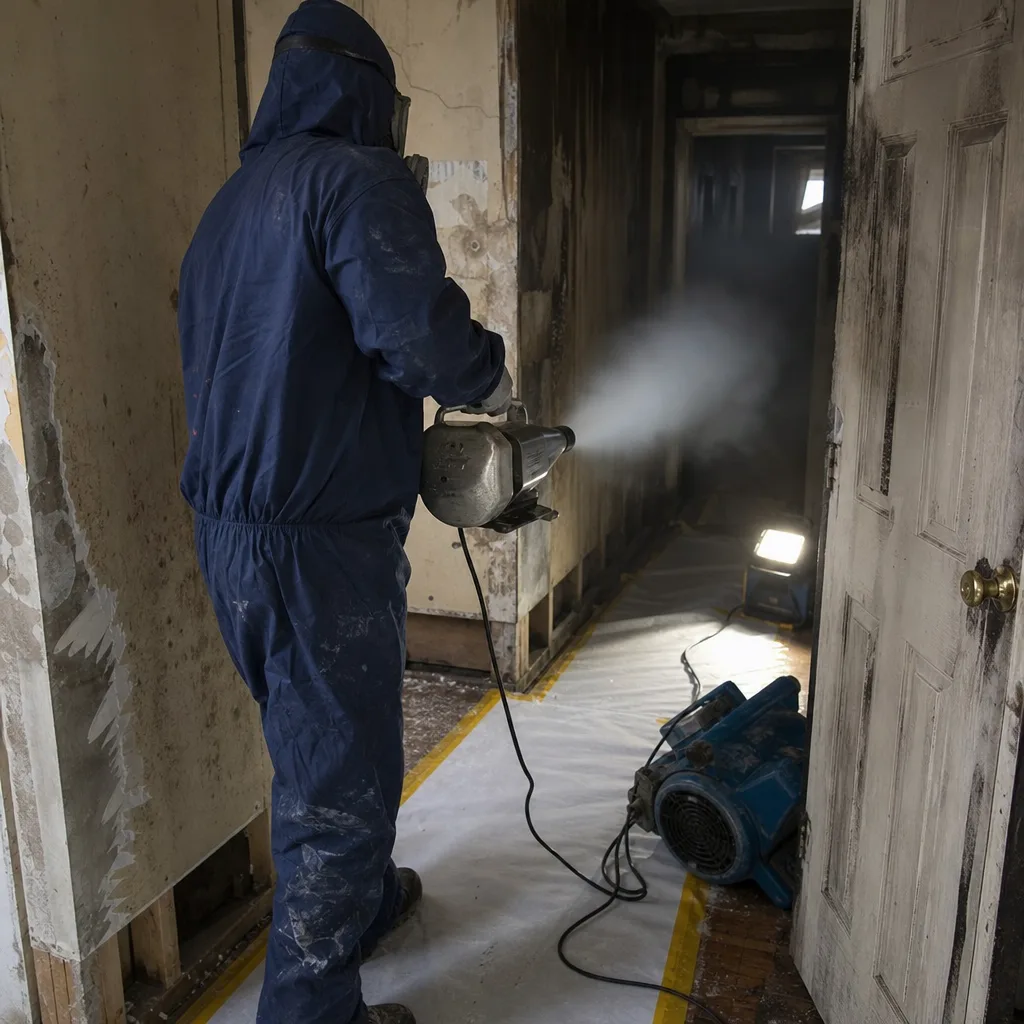
HEPA air scrubbers and negative air pressure isolate the source unit. We seal off affected cavities, including shared pipe chases and ceiling bays, to stop odor and particulate migration into adjoining apartments.
Drying & Dehumidification
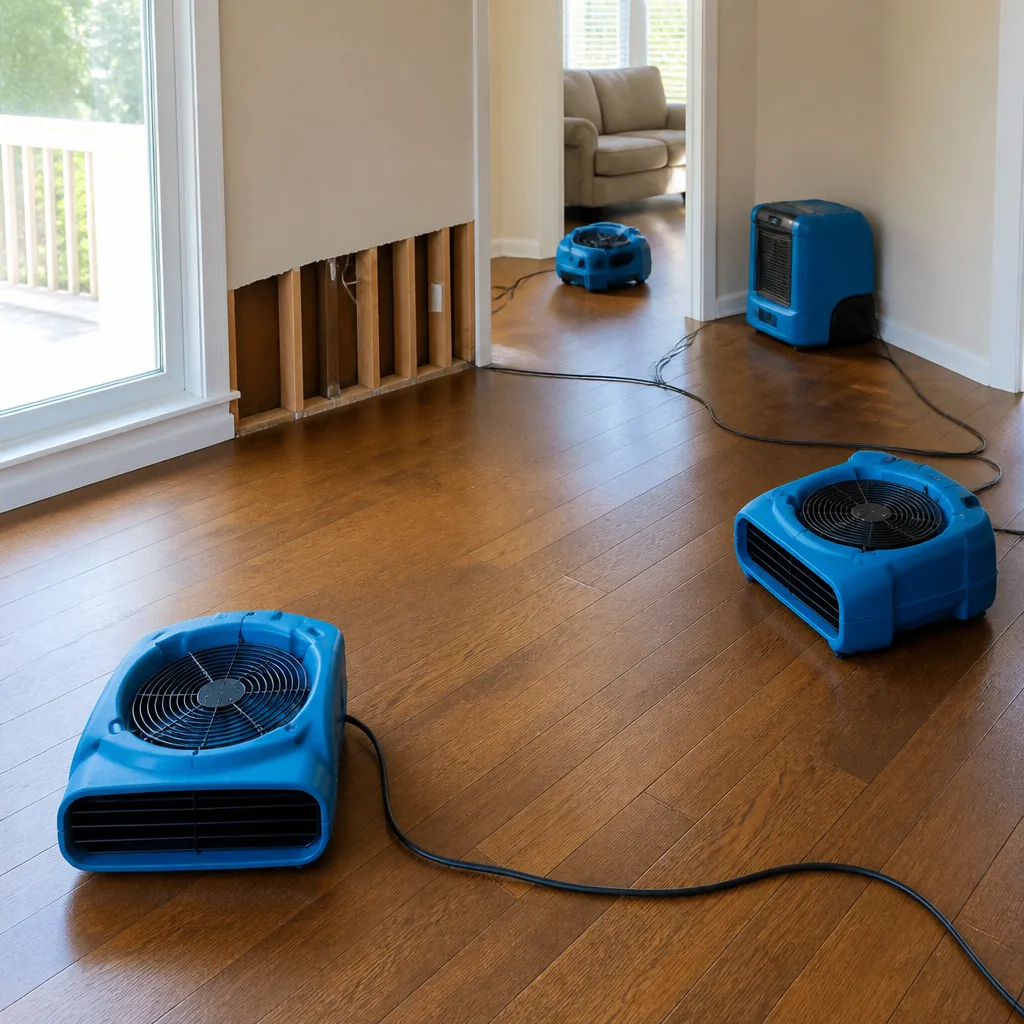
For fluid-saturated plaster, subfloors, and framing, we use low-grain refrigerant dehumidifiers and targeted air movement. On pre-war hardwood and plaster, drying must be gradual to avoid cracking original material.
Cleaning & Sanitization
We remove contaminated porous materials, apply EPA-registered antimicrobials to affected framing and plaster, and clean salvageable surfaces including period millwork, tile, and flooring. Every step is documented for the carrier and the board.
Odor & Particulate Verification
After cleaning, we run clearance testing and post-remediation verification. In pre-war buildings, this includes checking neighboring units that share wall cavities or chases with the source unit, because odor migrates through those paths.
Repairs & Restoration
We restore damaged plaster, match original crown moldings and rosettes, refinish herringbone oak, and rebuild affected walls. The goal is pre-loss condition, not a patch job that a co-op board will reject at resale.
Need Emergency Biohazard & Crime Scene Cleanup in Upper West Side Now?
Crews minutes away, answering live 24 hours a day. The sooner we start, the less it costs.
Working With Your Insurance Company
Biohazard claims in Upper West Side co-ops are rarely simple. The shareholder’s policy, the co-op’s master policy, and sometimes a neighboring shareholder’s carrier all have a stake. We have handled enough of these to know what adjusters need. From the first hour, we photograph every contaminated surface, log moisture readings at each visit, and document containment setup. We write scopes in the language insurance carriers expect, with line items tied to actual conditions found behind plaster and under floors. We speak directly to your adjuster, submit the documentation, and answer questions about why a shared pipe chase had to be opened or why a neighboring unit required air sampling. Direct insurance billing is standard for us. You approve the scope. We bill the carrier. You never carry the full cost while waiting for a reimbursement check.
What We Provide Your Insurer
- Thorough documentation of the loss
- Photos of all damage, room by room
- Moisture readings and drying logs
- A detailed, line-item scope of work
- Direct coordination with your carrier
Built for Upper West Side’s Loss Calendar
The Upper West Side sees biohazard and trauma calls year-round, but the patterns shift with the season. Winter is the busiest. January deep freezes burst supply lines in pre-war buildings, and when a pipe lets go above an unoccupied or hoarded unit, water carries whatever it encounters into wall cavities and down through pipe chases. By the time anyone notices, fluids have often mixed with sewage, and the job becomes biohazard remediation, not just water extraction. Spring thaw brings basement seepage in older courtyard buildings along Broadway and Amsterdam Avenue, where groundwater pushes through aging foundation mortar and creates damp conditions that turn minor spills into mold and odor problems. Summer thunderstorm flash flooding overwhelms roof drains, and if a drain backs up into a sixth-floor bathroom, diluted biohazard can appear at a third-floor baseboard two days later. Nor’easters hit the Riverside Drive corridor hardest, with wind-driven rain exploiting failing limestone and mortar joints. In every season, the issue is not just the initial incident. It is the hidden pathway the contamination uses to travel through the building.
Biohazard & Crime Scene Cleanup Across Upper West Side’s Neighborhoods
The Upper West Side stretches from West 59th Street to West 110th Street, between Central Park and Riverside Park, and the building types change block by block. Along West End Avenue, the large courtyard buildings like the Apthorp and Belnord footprints share interior light shafts and pipe chases that route contamination laterally across floors. A single unit’s biohazard scene can require containment in three or four apartments on the same floor. In the West 70s and 80s off Broadway, we see smaller pre-war elevator buildings with original steam risers and cast-iron stacks; decomposition fluids travel down through floor joists and show up as staining on the ceiling below, sometimes before the source unit is even known. Over on Riverside Drive, the taller pre-war buildings face the Hudson, and wind-driven rain through aging masonry accelerates moisture problems behind plaster walls, making odor issues worse when a biohazard event also occurs. Near Columbia University and Morningside Heights, the mix includes older walk-ups with shared stairwells and tight utility closets, where access to common chases requires coordination with building management before any work can start. Our crews know these buildings because we have worked in them. We know which managing agents require a board resolution before common-area access, which buildings have live-in supers with keys to the roof, and which courtyard buildings have light shafts that create hidden pathways between units.
Specialized Biohazard & Crime Scene Cleanup Services We Offer in Upper West Side
Trauma & Unattended Death Cleanup
An unattended death in an Upper West Side apartment is not contained to one room for long. Decomposition fluids penetrate wood subfloors, follow joists, and travel through wall cavities into adjoining units. We contain the source, trace the contamination, clean and treat affected cavities, and restore the unit to a condition the board and the estate can accept. We handle the physical work with discretion and respect for the family and neighbors.
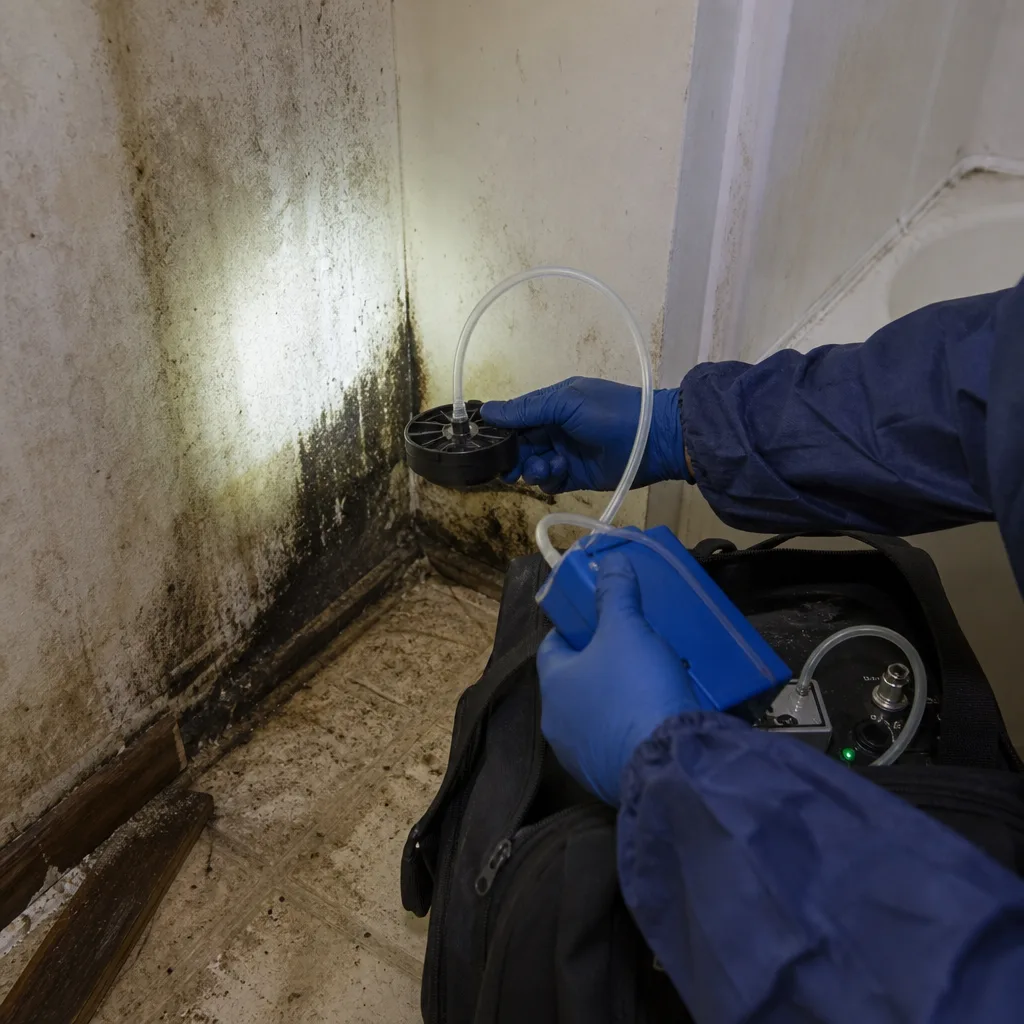
Blood & Bodily Fluid Cleanup
Bloodborne pathogen standards apply whenever blood is present. Our IICRC-certified techs follow OSHA 29 CFR 1910.1030 protocols, use proper PPE, and remove contaminated porous materials including plaster, flooring, and insulation. In pre-war buildings, the challenge is removing contaminated plaster keys from lath without disturbing adjacent clean plaster. We have done that work in buildings from the 1920s and 1930s throughout the Upper West Side.
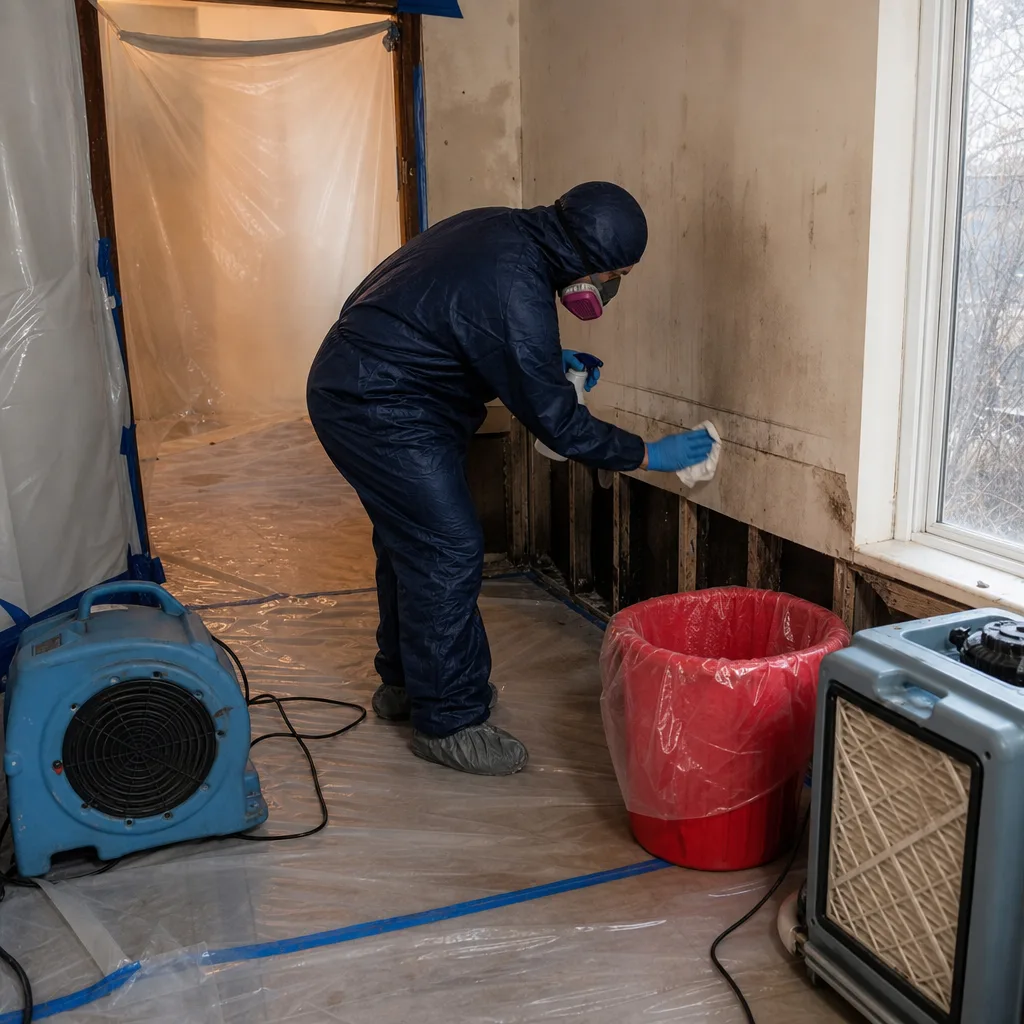
Infectious Disease Disinfection
When a unit has been exposed to a confirmed infectious disease, disinfection must cover every surface and cavity the occupant touched or breathed near. Using EPA-registered disinfectants and HEPA air scrubbers, we treat horizontal surfaces, walls, light switches, plumbing fixtures, and return-air cavities. In co-ops on Broadway and Amsterdam, that often includes common hallway door hardware and the elevator landing outside the unit, which we coordinate with building management.
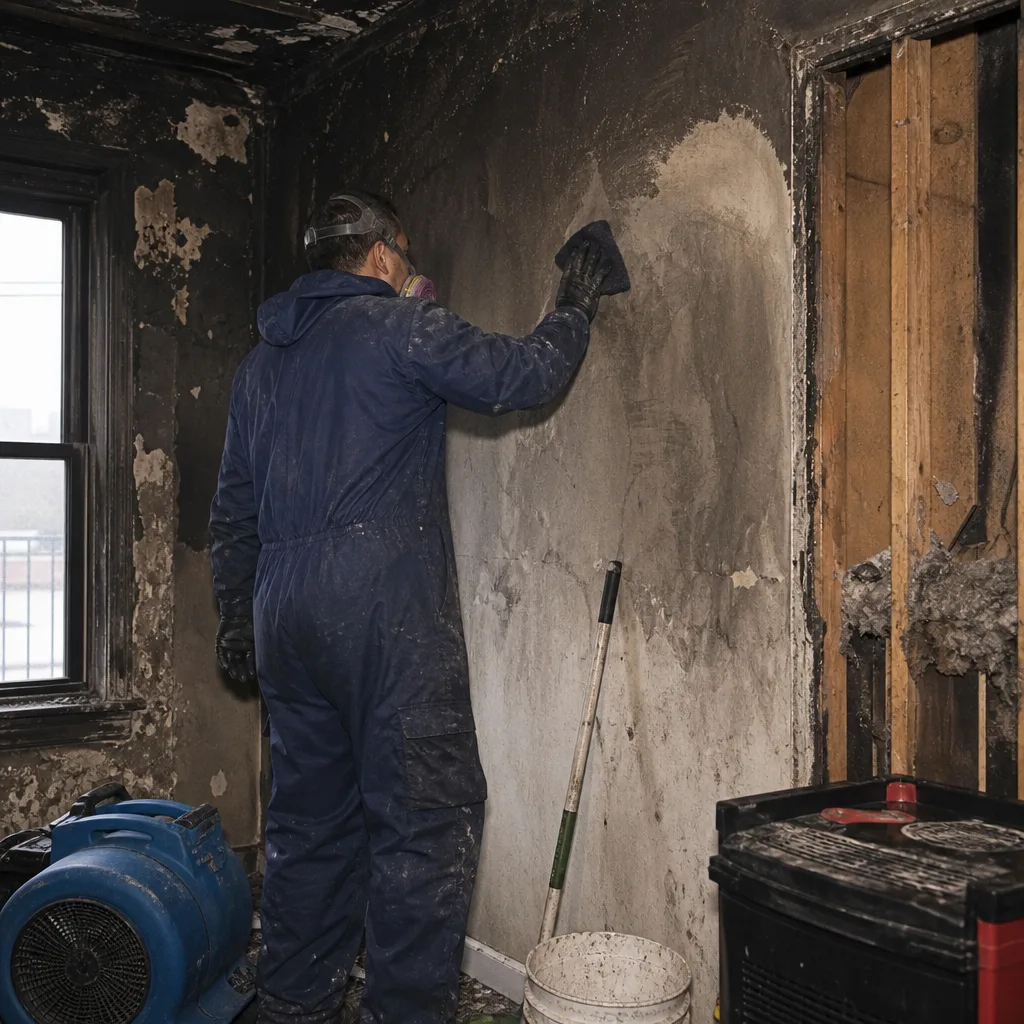
Hoarding Cleanup
Hoarding situations in Riverside Drive co-ops carry two burdens: the physical contents and the building’s patience. We work with the shareholder, family, and board to establish a scope, separate salvageable items from waste, remove debris, and then clean and deodorize the underlying unit thoroughly. The goal is not just an empty apartment. It is a clean, habitable unit that satisfies the board and gives the shareholder a real reset.
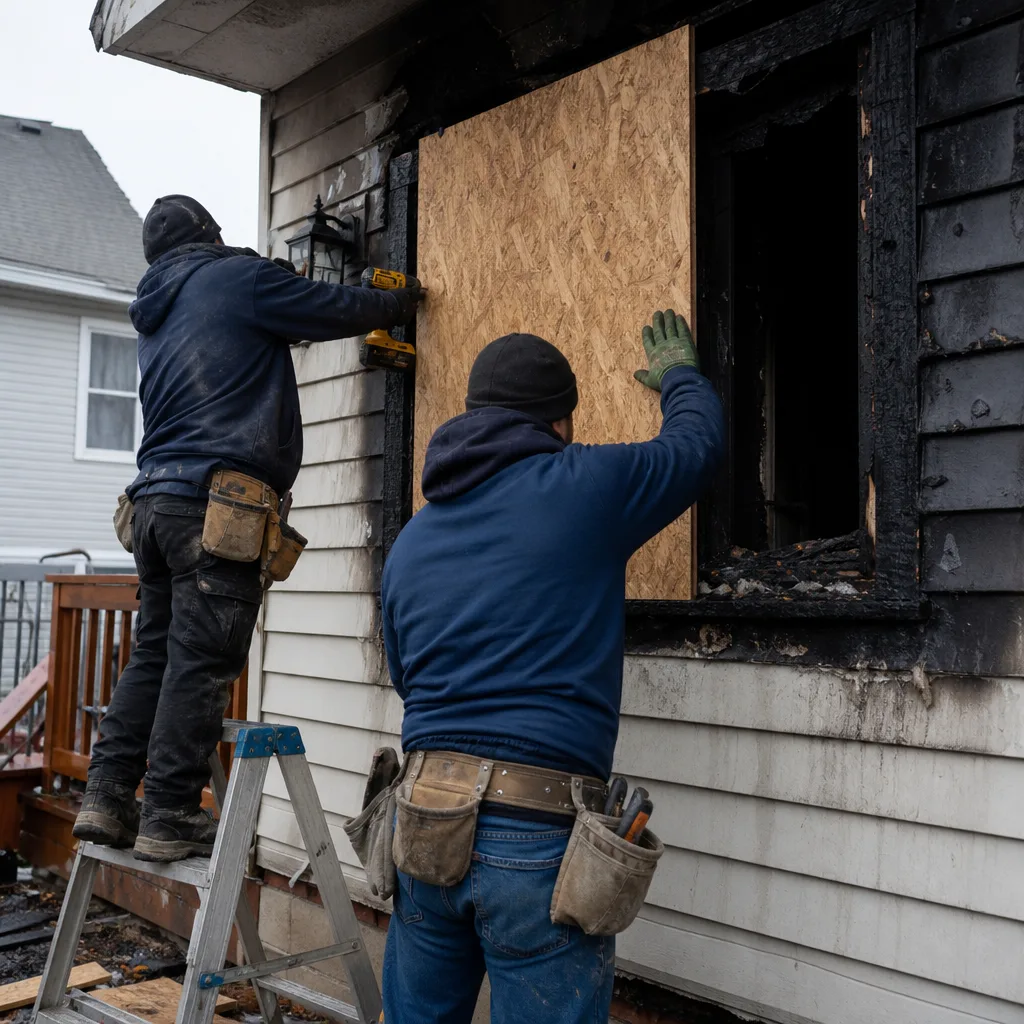
Tear Gas & Chemical Cleanup
Tear gas residue bonds to plaster, wood, and fabric, and it re-activates with humidity for months if not neutralized properly. We use specialized cleaning agents to break down the residue, then HEPA-vacuum and air-scrub to remove particulates. In a pre-war apartment, that means treating original moldings, window frames, and radiator enclosures, not just scrubbing walls.
Everything we do falls under our Biohazard & Crime Scene Cleanup service, delivered with full-cycle restoration behind it. When you need work in this neighborhood specifically, our Upper West Side crews are the ones who show up.
What happens when you call
- 1
A real person answersNo phone trees - you reach a local pro.
- 2
You get an upfront price rangeHonest numbers before anyone is dispatched.
- 3
A background-checked tech heads outLicensed & insured, dispatched right away.
- 4
You approve before work beginsNothing starts until you say go.
Biohazard & Crime Scene Cleanup Costs in Upper West Side, NY
Honest numbers help you plan, so here is what we see in this market. A contained blood cleanup in a single Upper West Side bathroom or kitchen typically runs $1,200 to $3,500. A trauma or unattended death scene with moderate contamination in one room and no spread into adjoining units lands between $3,000 and $8,000. When decomposition fluids have penetrated subfloors, wall cavities, or a shared pipe chase and containment is required in neighboring apartments, the job commonly reaches $12,000 to $35,000. Hoarding cleanups are priced by volume, access, and the condition of the underlying unit; a one-bedroom on West End Avenue might run $4,000 to $15,000, while a large three-bedroom with heavy accumulation and structural concerns can exceed $40,000. Infectious disease disinfection of a full apartment typically falls between $1,800 and $6,000. The variables are contamination extent, building access, board coordination time, and the amount of original plaster, millwork, or flooring that must be restored. Insurance often covers trauma and unattended death cleanup under the dwelling or personal property portion of the policy, subject to your deductible. The free visual inspection gives you a firm written scope before any money is committed. Call (518) 800-3751 for an exact quote.
We Also Serve Cities Near Upper West Side
Our crews respond into Astoria, Ditmars Steinway, Upper Manhattan, and Upper East Side as well. The building types change, but the standard does not: certified techs, documented work, and a written guarantee on every job.
Serving Upper West Side, NY - Our Local Coverage Area
We’re based in the Upper West Side area and know this community well. Use the map below to see our service coverage - if you’re nearby, we can almost certainly help.
Upper West Side Biohazard & Crime Scene Cleanup Questions, Answered
Do I need co-op board approval before Floodline can start biohazard cleanup in my Upper West Side apartment?
In almost every case, yes, if the work touches common areas like pipe chases, light shafts, or shared walls. We have handled board-approval workflows for years and can help you draft the access request, but the board’s written authorization is generally required before we open any common building element. Call us at (518) 800-3751 and we will walk you through it.
How do you prevent biohazard odors from a West End Avenue apartment from spreading to neighboring units through the original plumbing chases?
We set up negative air pressure in the source unit with HEPA air scrubbers running continuously, seal off any chase openings and wall cavities, and trace the odor pathway with thermal imaging and moisture readings before deciding what to open. The goal is to make the source unit the only place air leaves, not the neighboring apartments. Estimates are free, so call (518) 800-3751 for a straight answer on your building.
Will your crew be able to restore the original herringbone oak floors and plaster crown moldings after a biohazard incident on the Upper West Side?
Yes, restoring pre-war materials is a core part of our work here. We have matched period crown moldings, rosettes, and herringbone patterns throughout the Upper West Side, and we coordinate with the board and your adjuster on scope. Call (518) 800-3751 and we can show you similar restorations we have done nearby.
What happens if a roof drain overflow carries biohazard water into my third-floor unit but the source is a sixth-floor bathroom in a Broadway courtyard building?
This is a real failure mode in Broadway courtyard buildings, where light shafts and shared pipe chases route water laterally and vertically. We trace the contamination with thermal imaging through shaft walls, document every affected unit, and scope containment for each, not just yours. The board’s master policy is often involved, and we coordinate directly with all carriers. Call (518) 800-3751 and we will start tracing the pathway.
Can you handle a hoarding cleanup in a Riverside Drive co-op without forcing the shareholder out permanently?
Yes, and we have done it repeatedly. We work with the shareholder, family, managing agent, and board to establish a scope that removes the debris, cleans and deodorizes the unit, and restores habitability so the shareholder can stay. The approach is methodical and documented, not a forced eviction. Call (518) 800-3751 to talk through your building’s situation.
How fast can a certified crew actually get to an Upper West Side address?
Our target is 45 minutes from the live dispatch call, and we answer around the clock. Upper West Side traffic is what it is, but crews stage from a New York City office and know the cross streets, the building entrances, and the service entrances. Call (518) 800-3751 and the dispatcher will give you a real ETA, not a recording.
Is biohazard cleanup covered by insurance in a co-op, or am I paying out of pocket?
Trauma, unattended death, and infectious disease cleanup are often covered under the dwelling or personal property portion of a shareholder’s policy, and the co-op’s master policy may cover common areas like chases and shafts. We document everything from the first hour, bill the carrier directly, and talk to adjusters for you. Call (518) 800-3751 and we will review your policy language with you.
What should I do in the first 30 minutes after discovering a biohazard scene in my Upper West Side apartment?
Do not enter the affected area. Close the door if you can do so without crossing the contamination. Call (518) 800-3751 and describe what you see. We will tell you whether to shut off water, whether to leave the unit, and what to say to the building super and board. Document from a distance, but do not attempt cleanup yourself. Blood and decomposition fluids carry pathogens that require professional handling and disposal.
Written by Curt Bowman, Owner at Floodline Restoration Co., serving the Upper West Side with certified biohazard and restoration crews.