
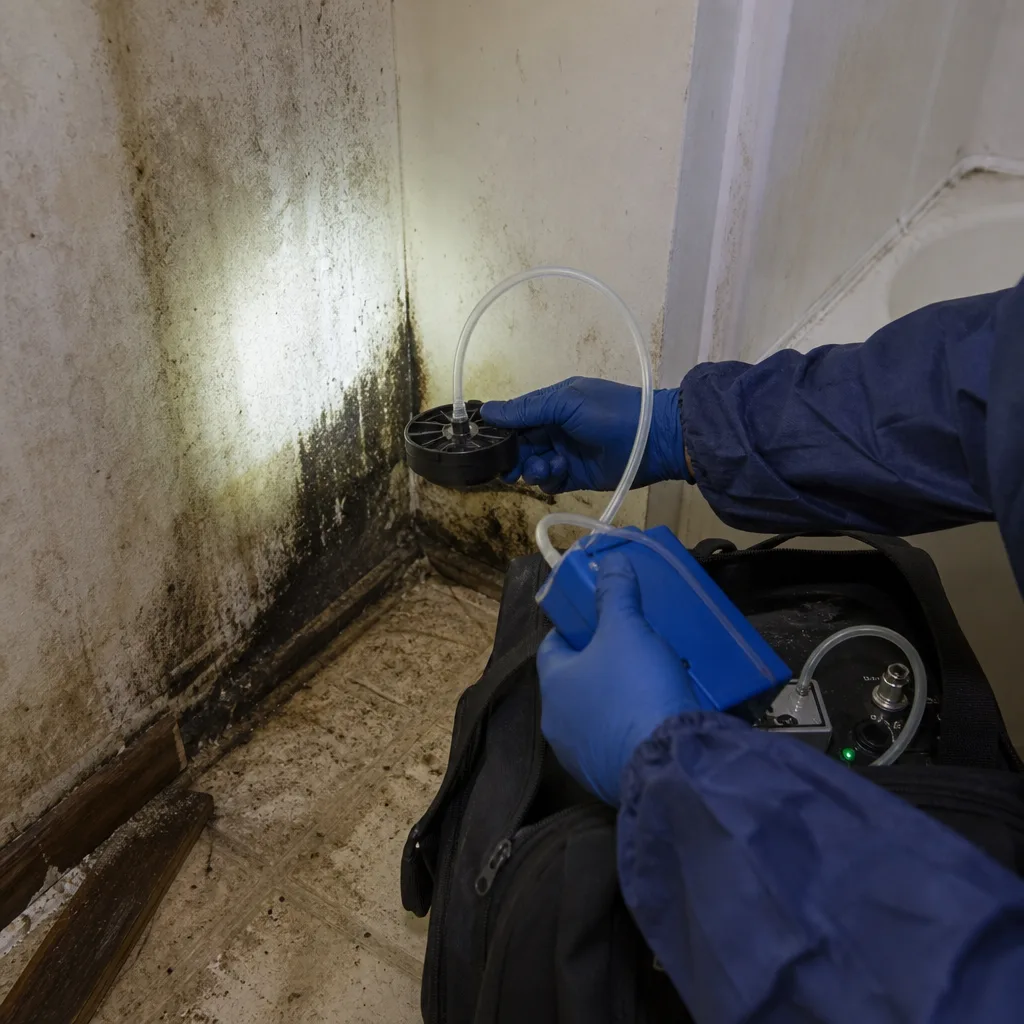
Free visual inspection and a written scope of work before any mitigation begins - photos, moisture readings, and drying logs go in your claim file
The scope we write is the scope we bill. Anything new gets shown to you, in writing, before we touch it.
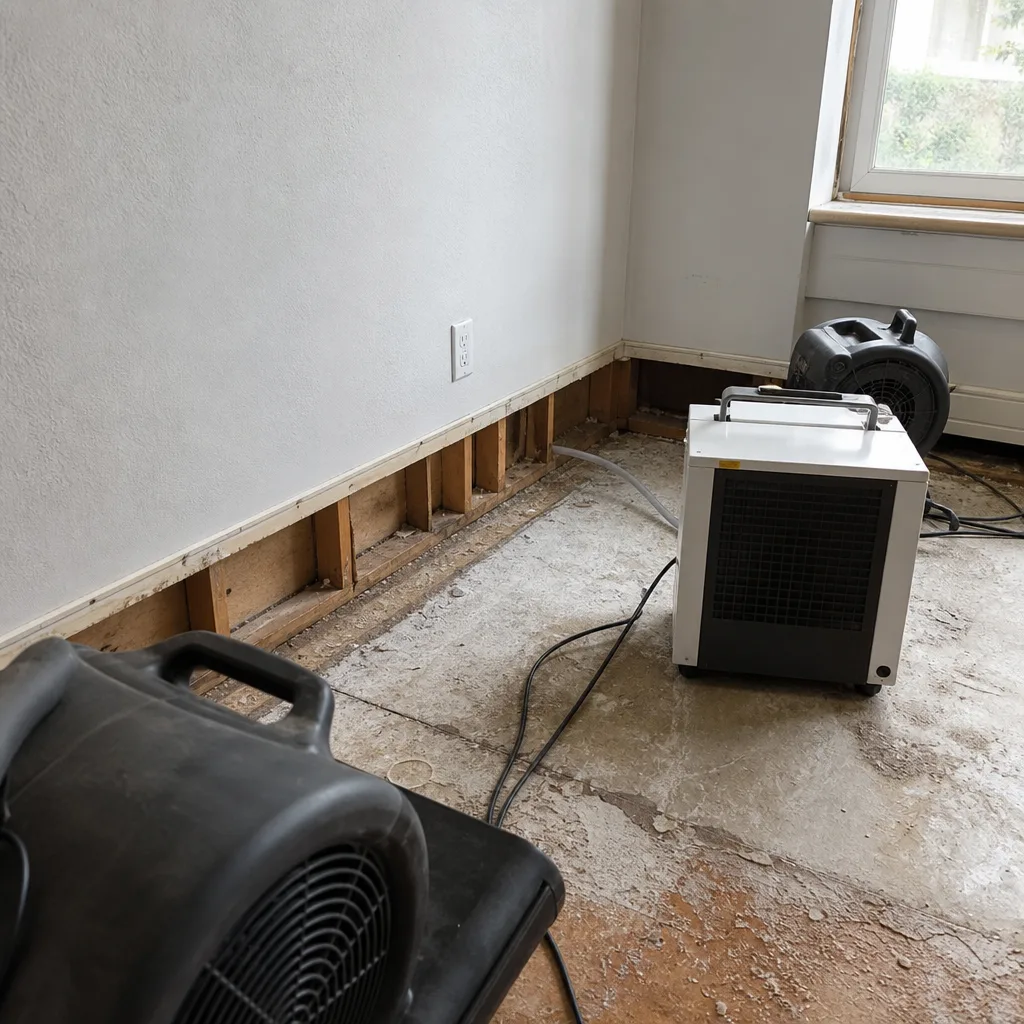
 Before
 After
After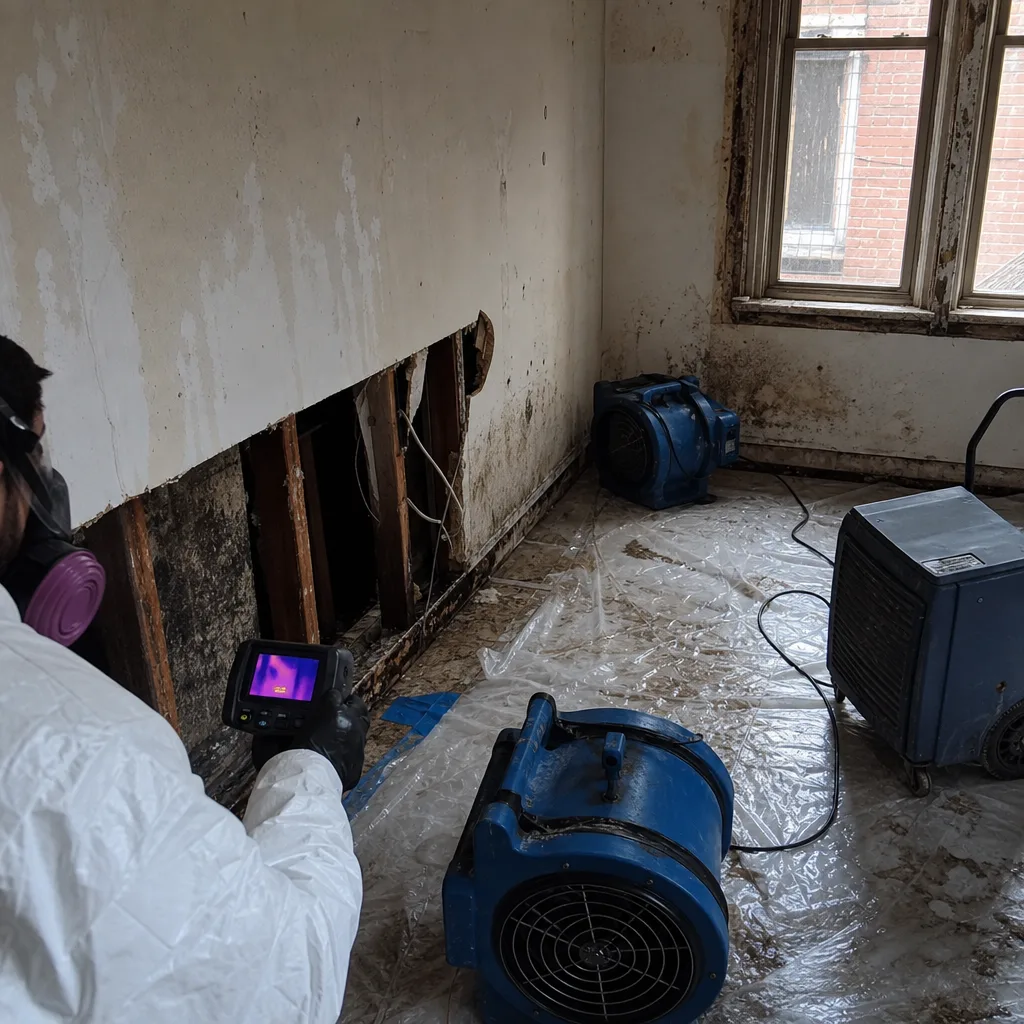 Before
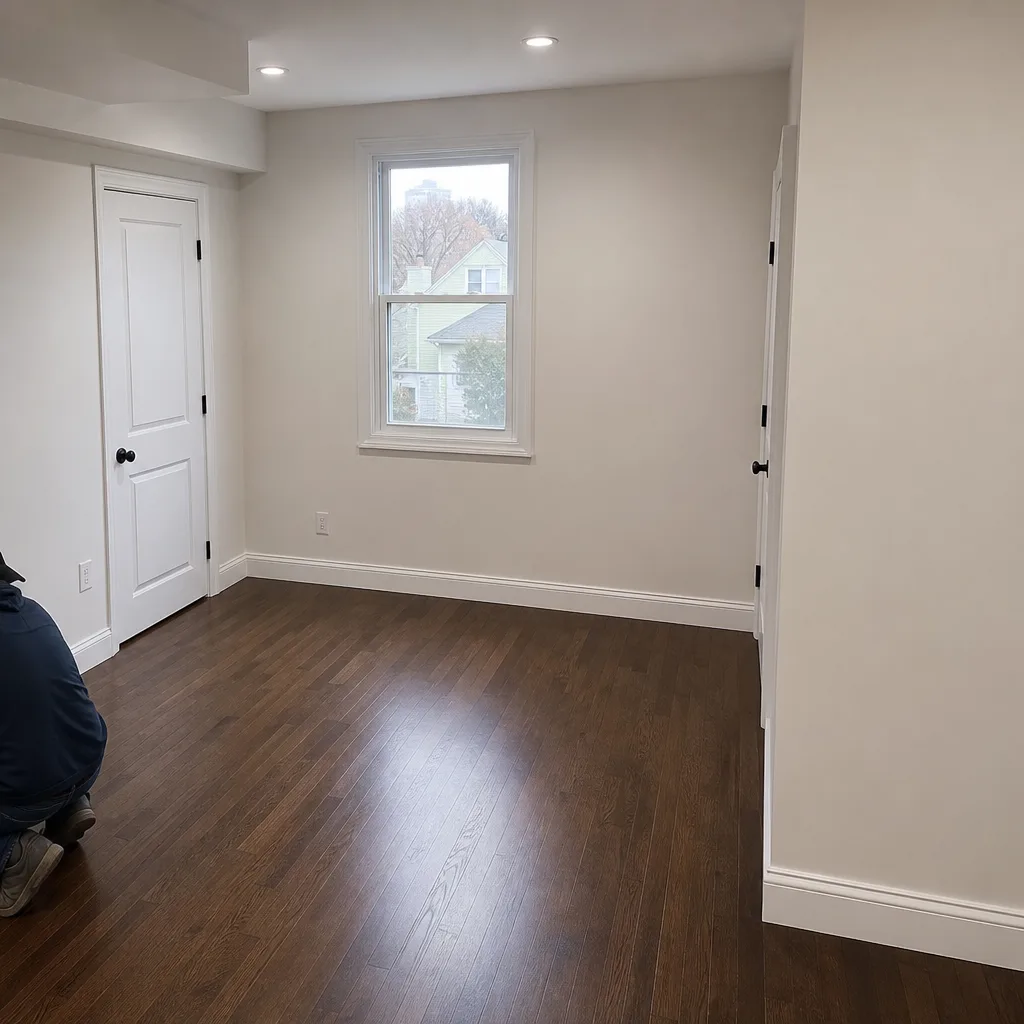 After
After24/7 Emergency Mold Remediation in Astoria
Mold remediation in our Astoria service area typically runs $1,800-$6,500 depending on how far the growth has spread through shared walls and original wood joists, and a live crew from Floodline Restoration Co. can be at your door within about 45 minutes of your call to (518) 800-3751. A person answers that line at 2 a.m. the same way they answer at noon. In a rowhouse neighborhood like Astoria, the first hour matters more than in most places because mold spores move laterally through party walls and floor cavities into units you don’t even own. Call (518) 800-3751 and we’ll start with a free visual inspection before any work is scoped or priced.
Understanding Mold Remediation Severity in Astoria Properties
We classify mold jobs by how far moisture has traveled, not just by how much visible growth exists on one ceiling. In Astoria’s attached two- and three-family brick buildings, most of which went up between 1910 and the early 1950s, the original wood-joist floor assemblies and plaster-and-lath walls behave like a wick. A top-floor supply line that bursts during a January freeze-thaw cycle can saturate joist bays across two or three full floors before a single tenant notices a stain. By the time we arrive, we’re often looking at Class 3 or Class 4 water intrusion with mold already established in wall cavities and joist pockets, not just on surface drywall. Containment is non-negotiable on these jobs. Negative air pressure, HEPA air scrubbing, and antimicrobial treatment happen before any demolition starts, because knocking into a colonized ceiling without containment sends thousands of spores into neighboring apartments through shared hallway vents and old party-wall gaps. In Astoria, a “small mold job” is rarely small once we read the moisture map.
Why Astoria Property Owners Choose Floodline Restoration Co.
- 45-minute response commitment: We dispatch from our New York City office and crews reach most Astoria blocks within 45 minutes of the call. The clock starts when a live person picks up, which is always.
- 24/7 live answer, never a recording: Call (518) 800-3751 at any hour. A dispatcher answers. No phone trees, no “leave a message and we’ll call you back tomorrow.”
- IICRC-certified crews: Our technicians hold IICRC certifications in water damage restoration and applied microbial remediation, trained to RIA and IFA standards as well. The person reading your moisture map knows what the numbers mean.
- Free visual inspection before any commitment: We look, we measure, we explain what we found. Then we give you a written scope. You decide.
- Direct insurance billing: We document everything from the first hour, bill your carrier directly, and talk to the adjuster ourselves so you don’t have to become the messenger.
- One team from extraction to reconstruction: If we find structural damage behind the mold, the same uniformed, background-checked crew handles the rebuild. No handoff, no inherited subcontractor.
Our Mold Remediation Process
Inspection & Assessment
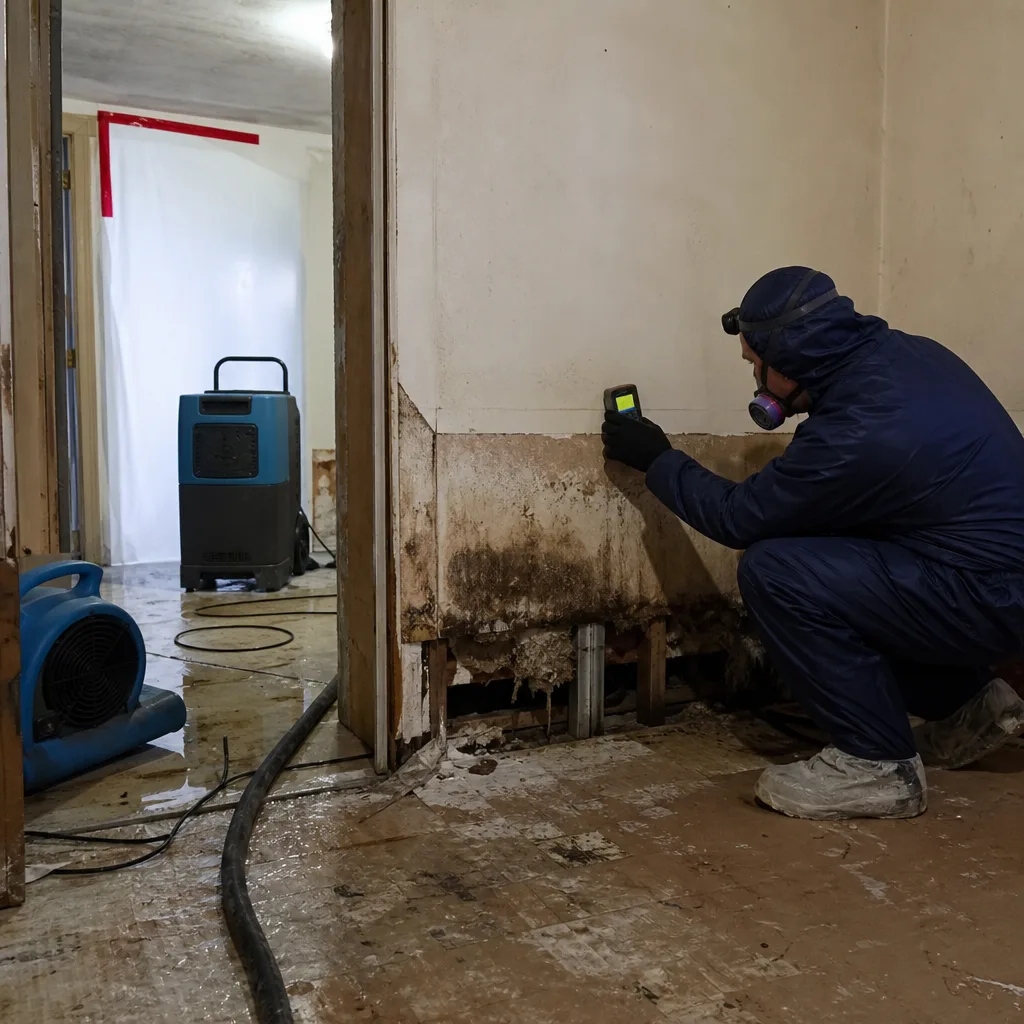
We start with thermal imaging and moisture meters to find water you can’t see. In Astoria rowhouses, that means checking the party wall on both sides, not just the unit with visible mold. We map every affected area and document readings before touching anything.
Containment & Stabilization
Before demo or drying, we seal the work area with 6-mil poly and run HEPA-filtered negative air machines. This keeps spores from migrating into hallways, neighboring apartments, and your living space. In a multi-family building, this step protects people two floors away.
Drying & Dehumidification
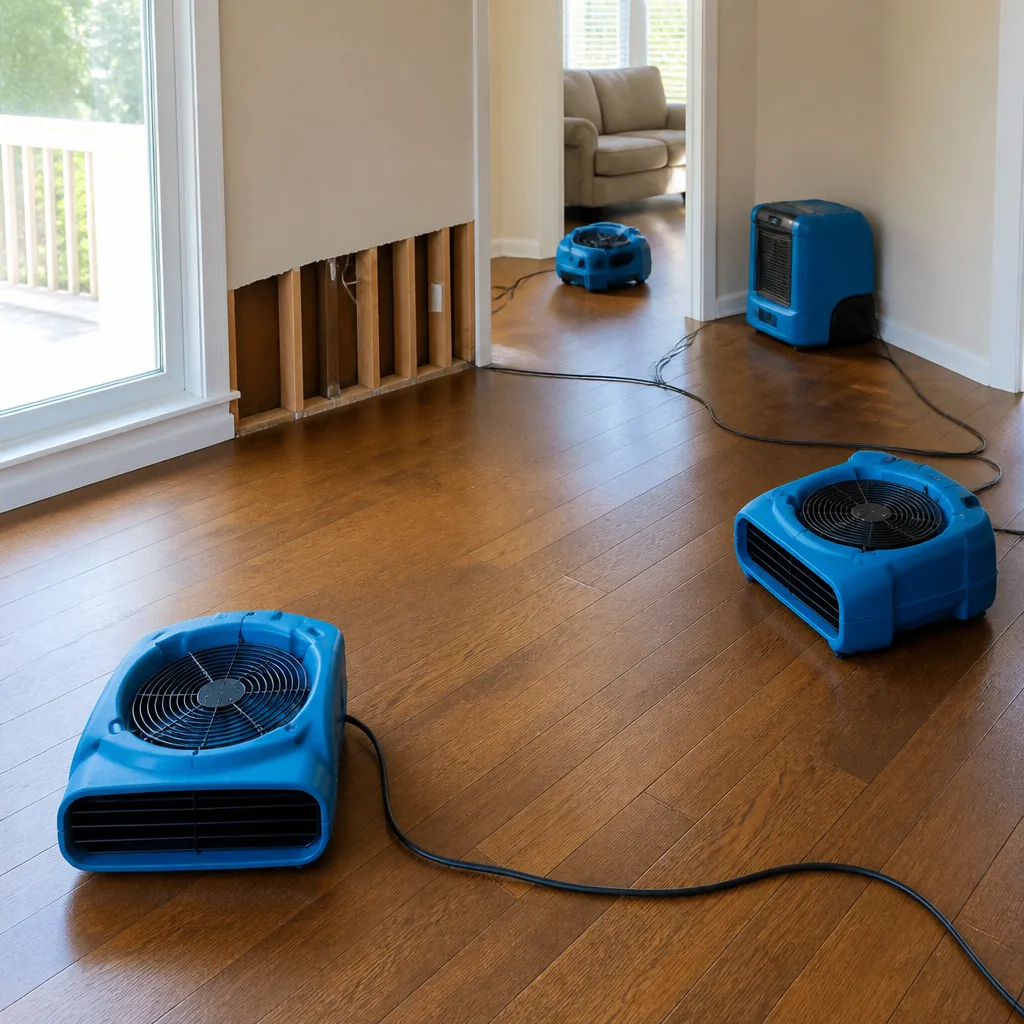
We set Dri-Eaz air movers and Phoenix dehumidifiers, with daily moisture readings logged until we hit the dry standard. On original wood-joist floors, that means monitoring joist moisture content, not just surface readings. The log goes to you and your insurer.
Cleaning & Sanitization
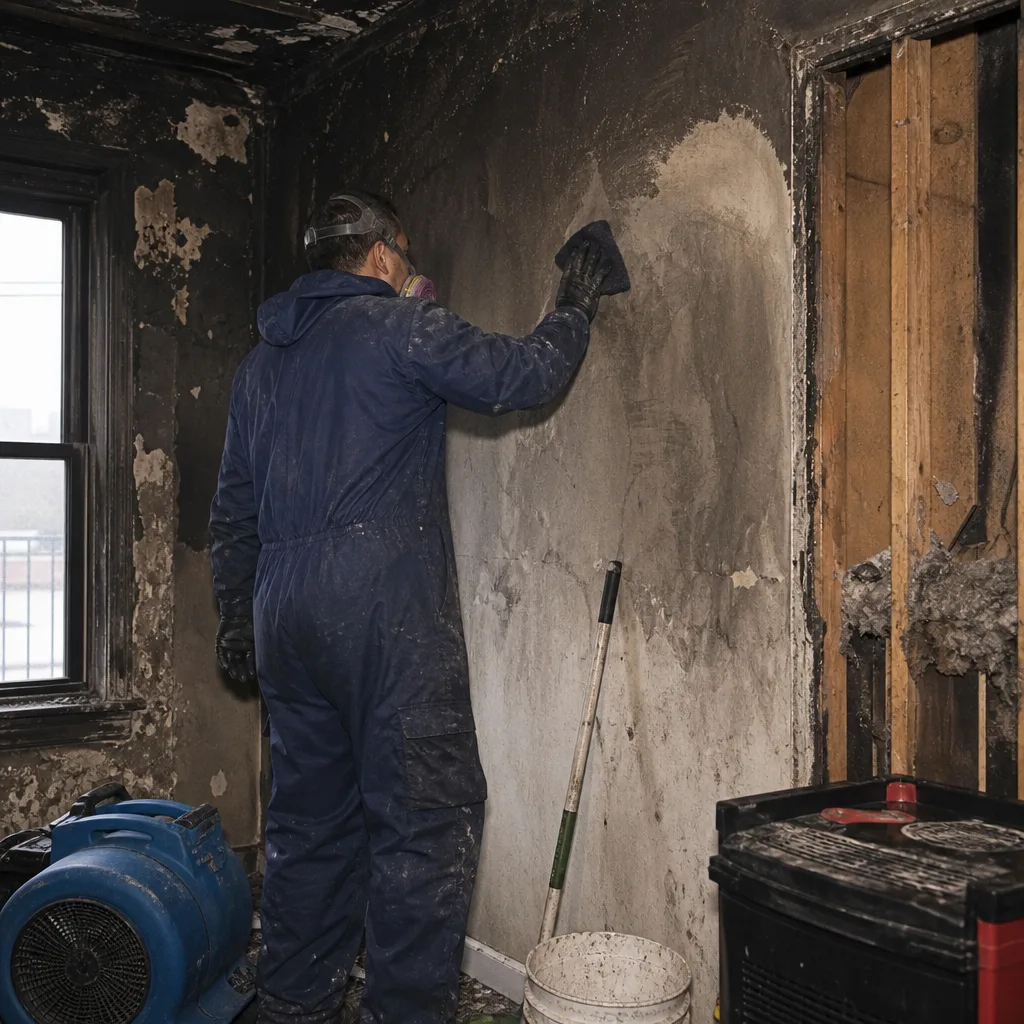
HEPA vacuuming of all exposed surfaces, followed by EPA-registered antimicrobial treatment on affected framing, lath, and masonry. We don’t paint over mold. We remove it and treat the substrate so it doesn’t return through the same path.
Air Quality Restoration
After remediation, we run HEPA air scrubbers and perform post-remediation verification. If your building shares a hallway vent system, we check adjacent units’ air too, because mold that left your cavity can settle in someone else’s.
Repairs & Restoration
Replacement of damaged plaster, lath, drywall, insulation, and trim. If joists need sistering or a section of flat roof needs patching, our reconstruction crew handles it. The goal is pre-loss condition, backed by our 90-Day Done Right Promise in writing.
Need Emergency Mold Remediation in Astoria Now?
Crews minutes away, answering live 24 hours a day. The sooner we start, the less it costs.
Working With Your Insurance Company
Mold claims get denied more often than they should because the documentation is thin. We fix that from the first visit. Our crews photograph every affected area room by room, log moisture readings daily, and write a line-item scope of work your adjuster can actually verify. We speak to the carrier directly, send them the drying log and the containment photos, and push back when a denial doesn’t match the policy language. For homeowners in Astoria’s attached buildings, we also document what happened on the other side of the party wall when that’s relevant, because your neighbor’s claim and yours are often tangled together. A square deal means the paperwork is as straight as the work.
What We Provide Your Insurer
- Thorough documentation of the loss
- Photos of all damage, room by room
- Moisture readings and drying logs
- A detailed, line-item scope of work
- Direct coordination with your carrier
Built for Astoria’s Loss Calendar
Mold in Astoria follows a predictable rhythm. January and February bring freeze-thaw cycles that split supply lines in uninsulated basement utility chases and exterior wall pipe runs, which is exactly how a two-family on 30th Avenue ended up with saturated joists three floors down. Spring thaw pushes groundwater into older fieldstone foundations along the lower blocks near the East River and Bowery Bay, and basements that flooded during Sandy in 2012 still show elevated moisture after heavy rain. Summer is humid, and buildings with original plaster-and-lath walls hold that humidity inside cavities, reactivating dormant mold that was never fully removed. Nor’easters in fall and early winter pound the flat built-up tar roofs that cover nearly every pre-war walk-up in the neighborhood. When that roofing membrane fails, water travels straight down through multiple finished floors, and Astoria Storm & Disaster Restoration becomes critical before the mold spreads.ld that follows is never confined to the top unit. We schedule around this calendar because we work it every year.
Mold Remediation Across Astoria’s Neighborhoods
The Astoria blocks around Ditmars and 31st Street are dense with attached brick three-families sharing original party walls, and we regularly run moisture mapping there that finds elevated readings in the building next door before anyone in that building has seen a stain. Down by 30th Avenue between Steinway and 31st Street, the pre-war walk-ups have long internal stair halls and shared vent stacks, so a mold job in one rear apartment often means containment across a hallway to protect the front units. Over near Astoria Park and Shore Boulevard, buildings closer to the water carry the Sandy legacy, with foundation slabs and basement framing that never fully dried, and crawl spaces there read high on our hygrometers even in dry weeks. Along Broadway and Steinway Street, older mixed-use buildings have commercial spaces below residential units, and a slow leak from a second-floor bathroom can grow mold in a store’s ceiling cavity for months before anyone sees it. Every one of these patterns changes our containment and drying strategy before we start.
Specialized Mold Remediation Services We Offer in Astoria
Mold Inspection & Testing
We don’t start with a test kit and a guess. We start with thermal imaging and moisture meters across your unit and the shared wall assemblies that define Astoria’s rowhouses. If you’re buying or selling in the neighborhood, a documented inspection with moisture readings is worth more than a surface swab.
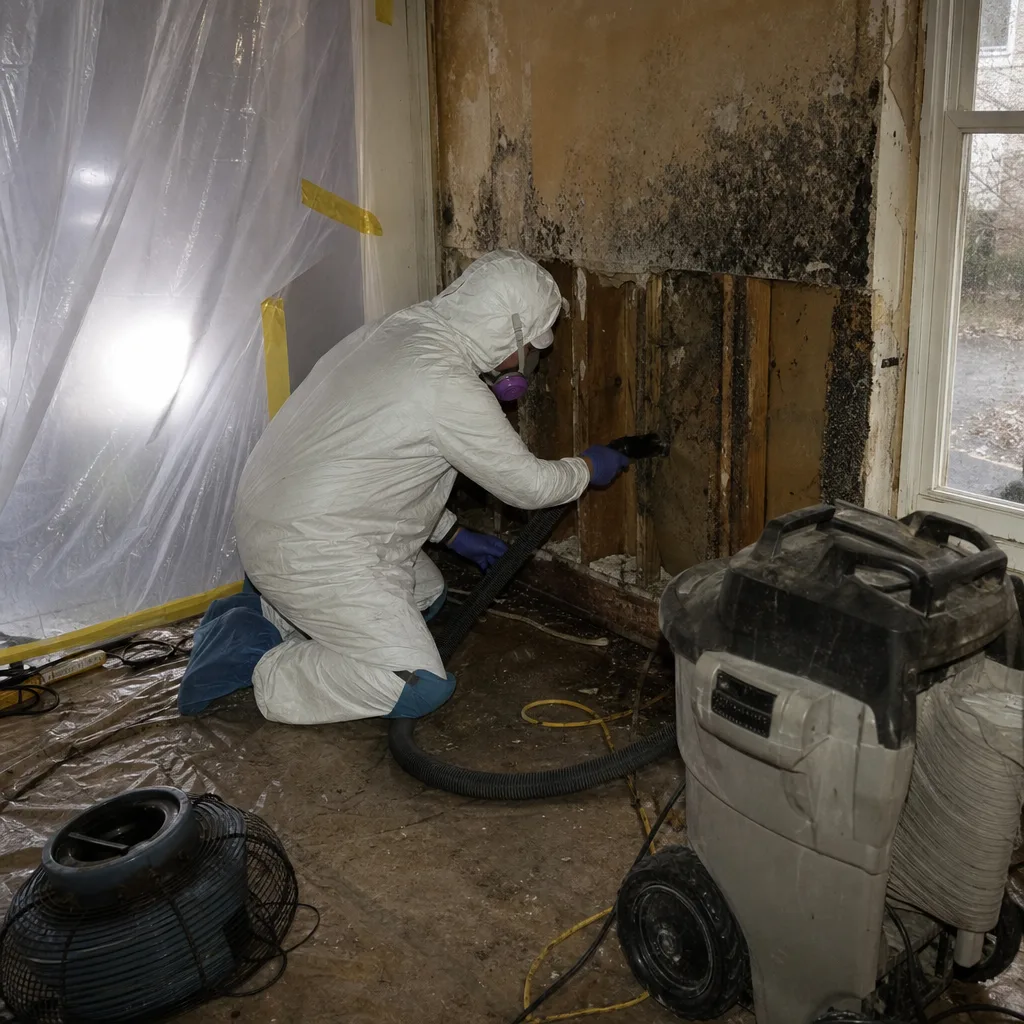
Mold Removal
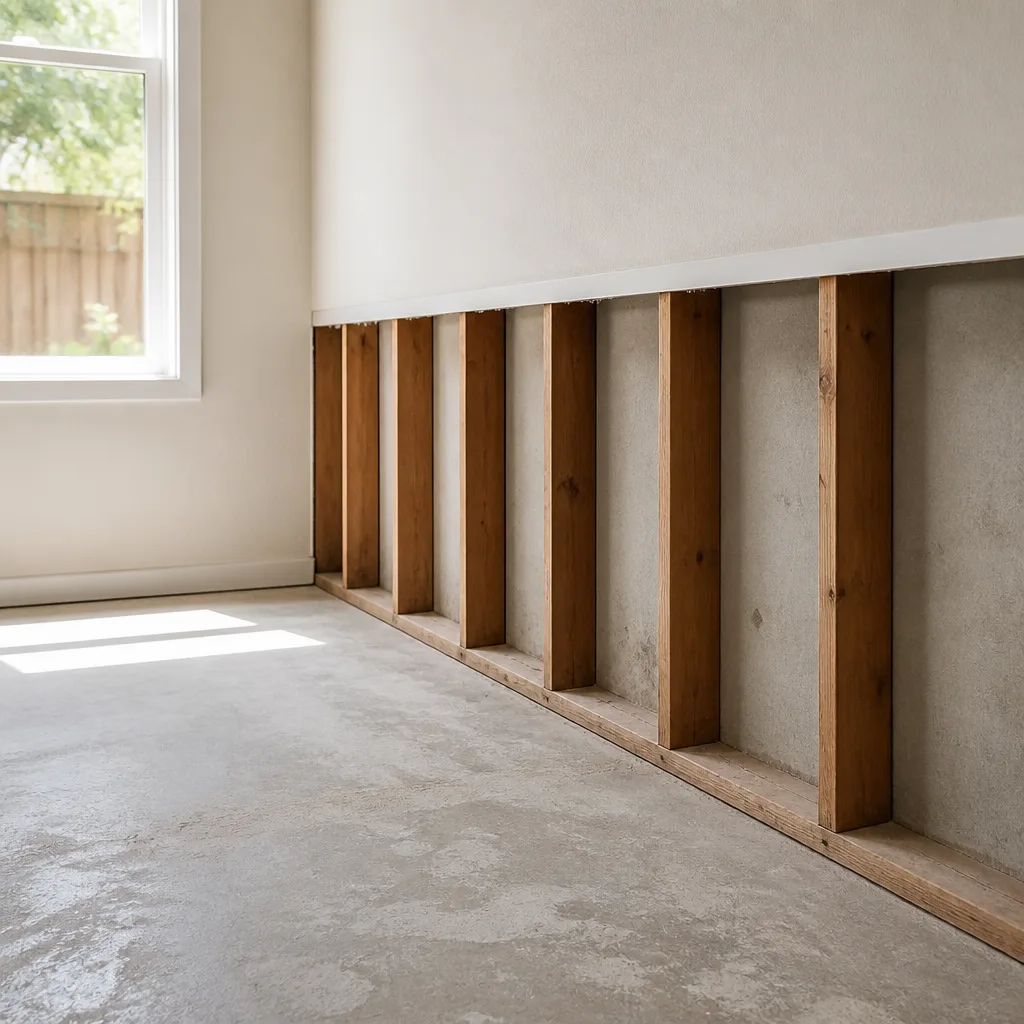
Removal in an Astoria attached building means containment first, then careful demolition of colonized plaster, lath, drywall, and insulation. We cut clean lines, bag the debris in the work area, and carry it out without dragging it through your neighbor’s hallway.
Black Mold Remediation
Stachybotrys gets attention because it’s black and scary, but the real danger is any mold colonizing a large area in a tightly built pre-war apartment. We treat black mold with full containment, negative air, and post-remediation clearance. We also tell you plainly if what you have is common surface mold and doesn’t require the full protocol.
Air Quality Restoration
After removal, the air in an Astoria rowhouse still carries spores unless it’s filtered properly. We run HEPA air scrubbers during and after the job, check adjacent units when vent systems are shared, and provide post-remediation air sampling when you or your insurer want third-party verification.
Crawl Space Treatment
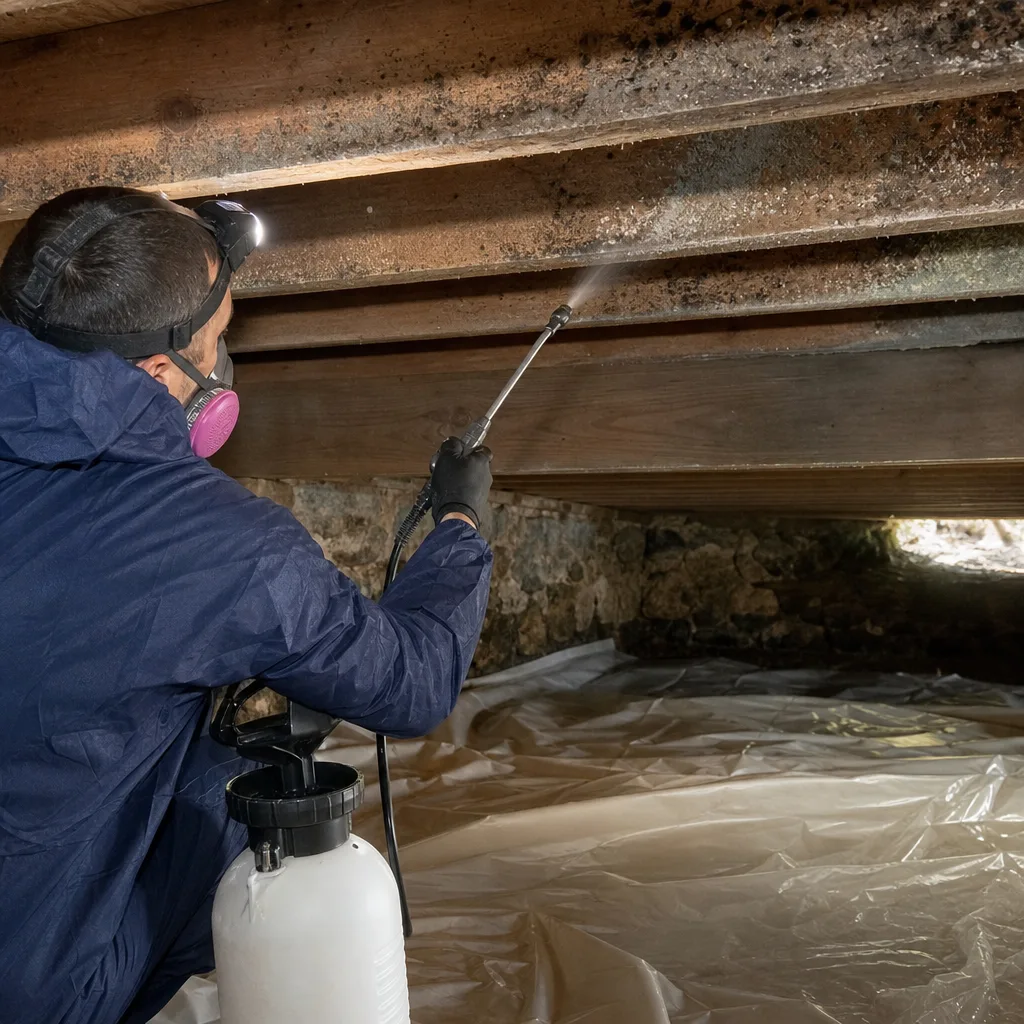
Crawl spaces under Astoria’s older brick homes are often dirt-floored and poorly vented, which means humidity sits around 70% all summer. That’s enough to grow mold on floor joists even without a leak, and Sewage Cleanup in Astoria can compound the problem when backups occur. We treat the joists, install vapor barriers where needed, and explain what it costs to keep that space dry year-round.
What happens when you call
- 1
A real person answersNo phone trees - you reach a local pro.
- 2
You get an upfront price rangeHonest numbers before anyone is dispatched.
- 3
A background-checked tech heads outLicensed & insured, dispatched right away.
- 4
You approve before work beginsNothing starts until you say go.
Mold Remediation Costs in Astoria, NY
A straight mold removal on a contained bathroom ceiling in Astoria runs about $1,800-$3,200. Once growth extends into joist cavities, shared party walls, or multiple rooms, you’re looking at $3,500-$6,500, and a full multi-floor rowhouse remediation with structural drying and reconstruction can reach $10,000-$18,000. What moves the price: how many floors are involved, whether the neighbor’s side of the party wall needs containment, and how much plaster-and-lath demo is required. Older Astoria buildings hide more than newer sheetrock construction, so the free visual inspection matters. We give you a written scope with line items before you approve anything, and we bill your insurance directly when the loss is covered. Call (518) 800-3751 and we’ll tell you honestly whether this is a two-thousand-dollar job or a ten-thousand-dollar job after we see it, not before.
We Also Serve Cities Near Astoria
Our crews work the same day in Long Island City, East Elmhurst, Jackson Heights, and Elmhurst. If your building is on the border, the response time is about the same, and the paperwork is just as direct.
Serving Astoria, NY - Our Local Coverage Area
We’re based in the Astoria area and know this community well, including Biohazard & Crime Scene Cleanup - Astoria when those situations arise. Use the map below to see our service coverage - if you’re nearby, we can almost certainly help.
Astoria Mold Remediation Questions, Answered
How does mold spread between attached row houses in Astoria?
Mold spreads through shared masonry party walls and original wood-joist floor assemblies that run continuously across property lines. A leak on one side of a brick party wall can saturate joist ends on the other side, and spores move through old mortar gaps and wall cavities. We’ve traced elevated moisture readings from a two-family on 30th Avenue directly into the adjacent building before anyone next door had visible mold. That’s why we moisture-map the party wall, not just the unit with the stain. If you suspect your neighbor’s leak became your mold, call (518) 800-3751 and we’ll document the path.
What’s the typical mold timeline after a pipe burst in an old Astoria apartment?
Mold colonization typically begins within 48-72 hours of a pipe burst when materials stay wet. In Astoria’s pre-war buildings with plaster-and-lath walls and wood-joist floors, those materials hold water longer than modern drywall, so the window is often shorter in practice. We’ve seen visible mold on lathe behind walls less than a week after a January freeze-thaw burst. The sooner we start structural drying, the less remediation is needed. Call (518) 800-3751 the moment you see or smell water.
Do I need the neighbor’s permission to remediate mold if it came from their side of the party wall?
You need access to their unit if we have to dry or treat their joists, and in an attached Astoria rowhouse that’s usually the case. We’ve done jobs where the neighbor’s saturated joists kept feeding mold back through the brick within weeks because only one side was treated. We’ll explain what access is needed, document everything for both insurers, and coordinate with the other owner or landlord so you don’t have to knock on their door and negotiate. Most neighbors are reasonable once they see the moisture map. Call (518) 800-3751 and we’ll handle the conversation.
Can mold in a basement crawl space affect the apartments above in an Astoria rowhouse?
Yes. Stack effect pulls air up from the crawl space through gaps around plumbing chases, old wiring penetrations, and floor joist bays. In Astoria’s three-story brick buildings, a dirt-floored crawl space at 70% humidity sends enough moisture upward to grow mold on first-floor joists and inside wall cavities. We’ve traced second-floor mold problems to crawl space humidity more often than to any leak. Treating the crawl space with antimicrobials and installing a proper vapor barrier usually solves it.
What’s different about mold remediation in a flat-roof Astoria building after a nor’easter?
Flat and low-slope built-up tar roofs cover nearly every pre-war walk-up in Astoria. When a nor’easter pounds those roofs with wind-driven rain, ponding water finds every membrane crack and travels down through multiple finished floors before you see a stain near the top-floor ceiling. The mold that follows is already in ceiling cavities and floor systems by the time it’s visible. Real remediation means opening those cavities, not just cleaning the ceiling surface. If your building took water from the last big storm, call (518) 800-3751 and get it looked at before it gets worse.
How fast can someone actually get to Astoria?
About 45 minutes for most blocks in Astoria, often faster if a crew is finishing another job nearby. A live dispatcher answers at any hour, the dispatch board is real, and we don’t book calls we can’t reach. If you’re standing in water or watching a stain spread, call (518) 800-3751 now. We’ll tell you what to do in the next thirty minutes while the crew is on the way.
Can we stay in the apartment during mold remediation?
It depends on the size of the affected area and whether containment fully seals the work zone. For a single contained room, most families stay in the other side of the apartment while we work. For multi-room jobs with heavy colonization in multiple floors, we usually recommend temporary relocation, and your insurer’s additional living expense coverage may help pay for it. We’ll give you a straight answer after we see the scope. Call (518) 800-3751 for a free inspection.
What should I do in the first 30 minutes after finding mold in Astoria?
Don’t disturb it. Don’t scrub it with bleach, don’t poke it with anything, and don’t run a box fan in the room, because that sends spores into the air and through your vent system. Close the door to the room if you can, turn off the HVAC fan, and call (518) 800-3751. Cut the water source if you can see it and it’s safe to do so. Then wait for our crew. The free inspection costs you nothing and gives us the readings we need to build a real scope.
Written by Curt Bowman, Owner at Floodline Restoration Co., serving Astoria since 2010.