
Free visual inspection and a written scope of work before any mitigation begins - photos, moisture readings, and drying logs go in your claim file
The scope we write is the scope we bill. Anything new gets shown to you, in writing, before we touch it.
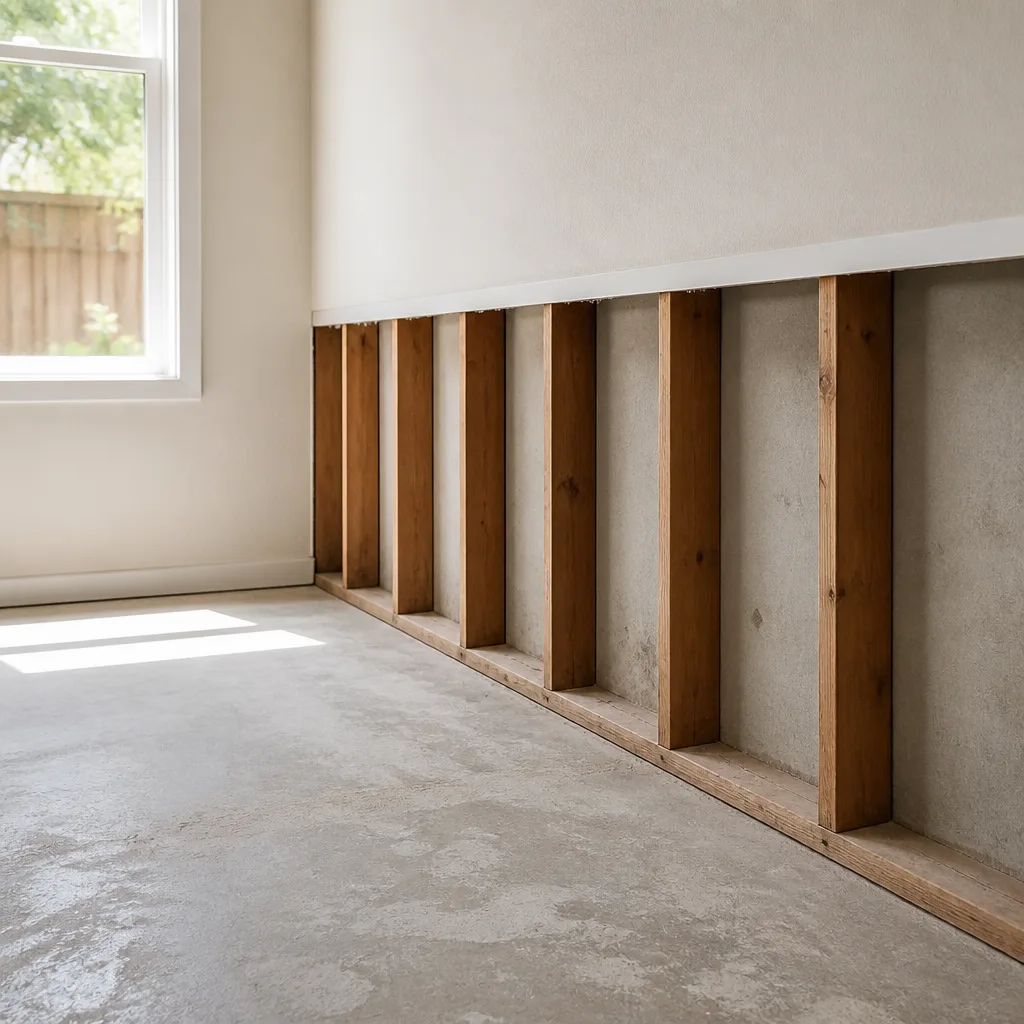
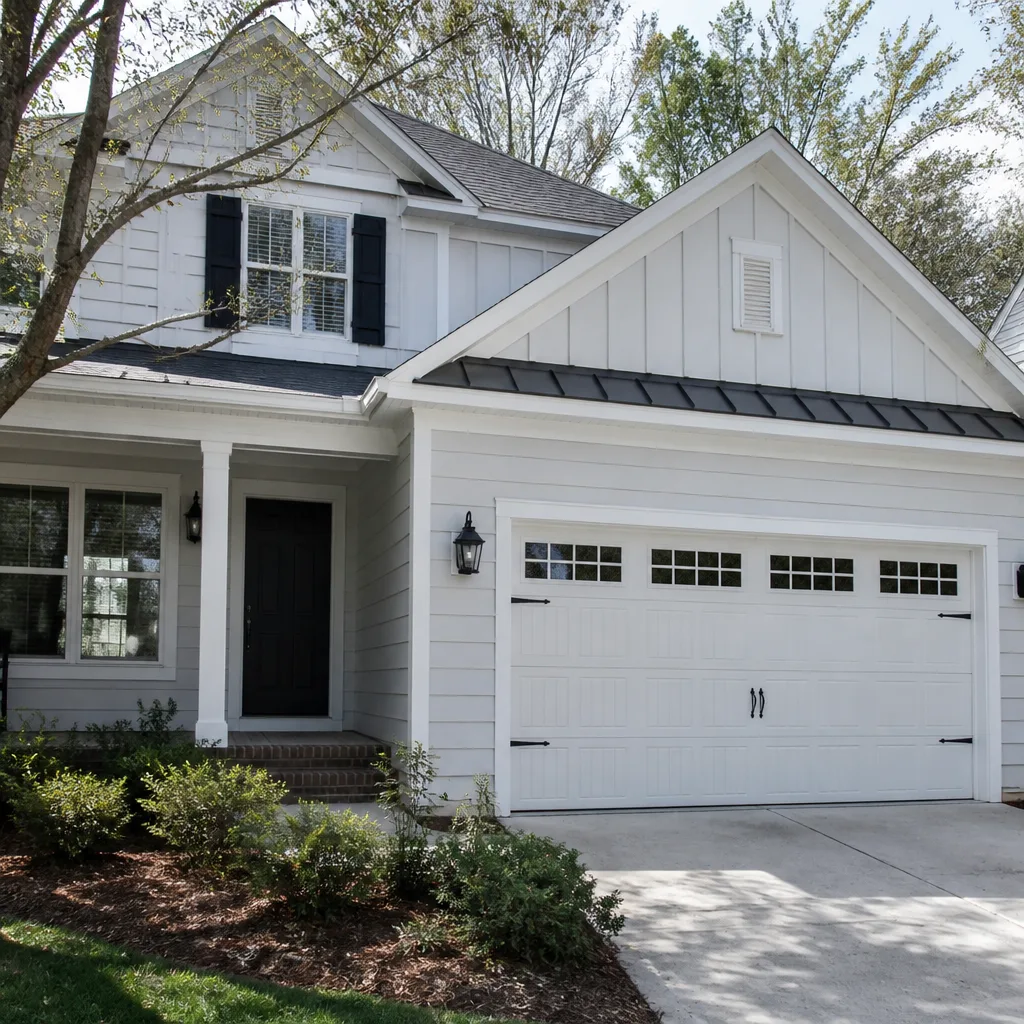
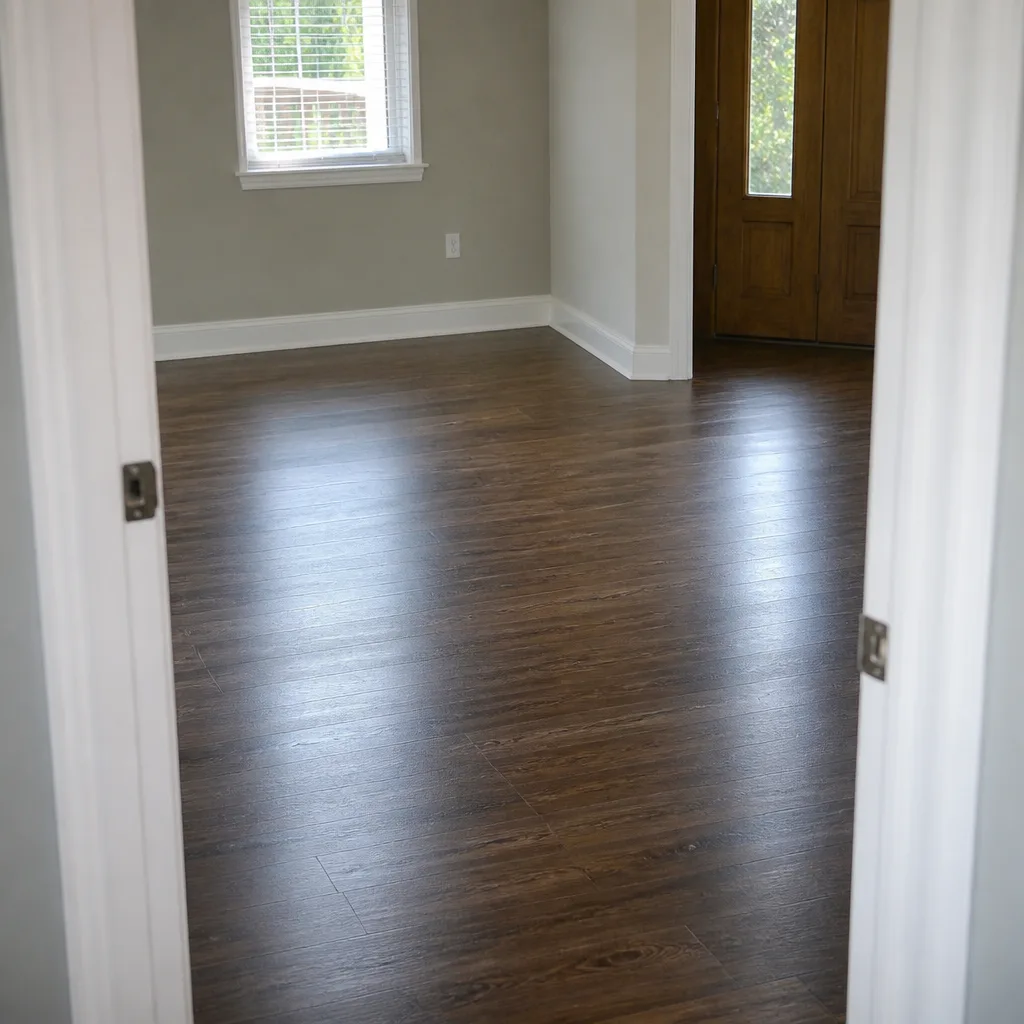
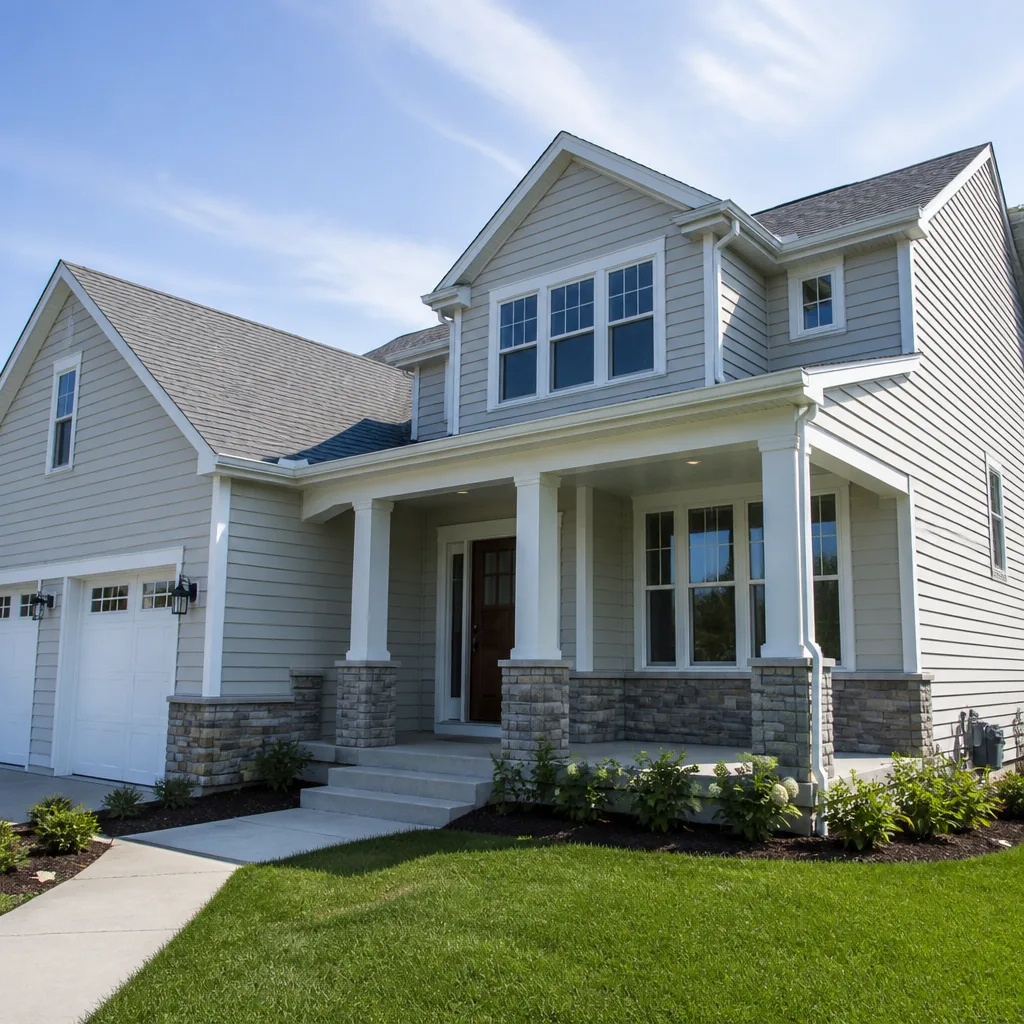
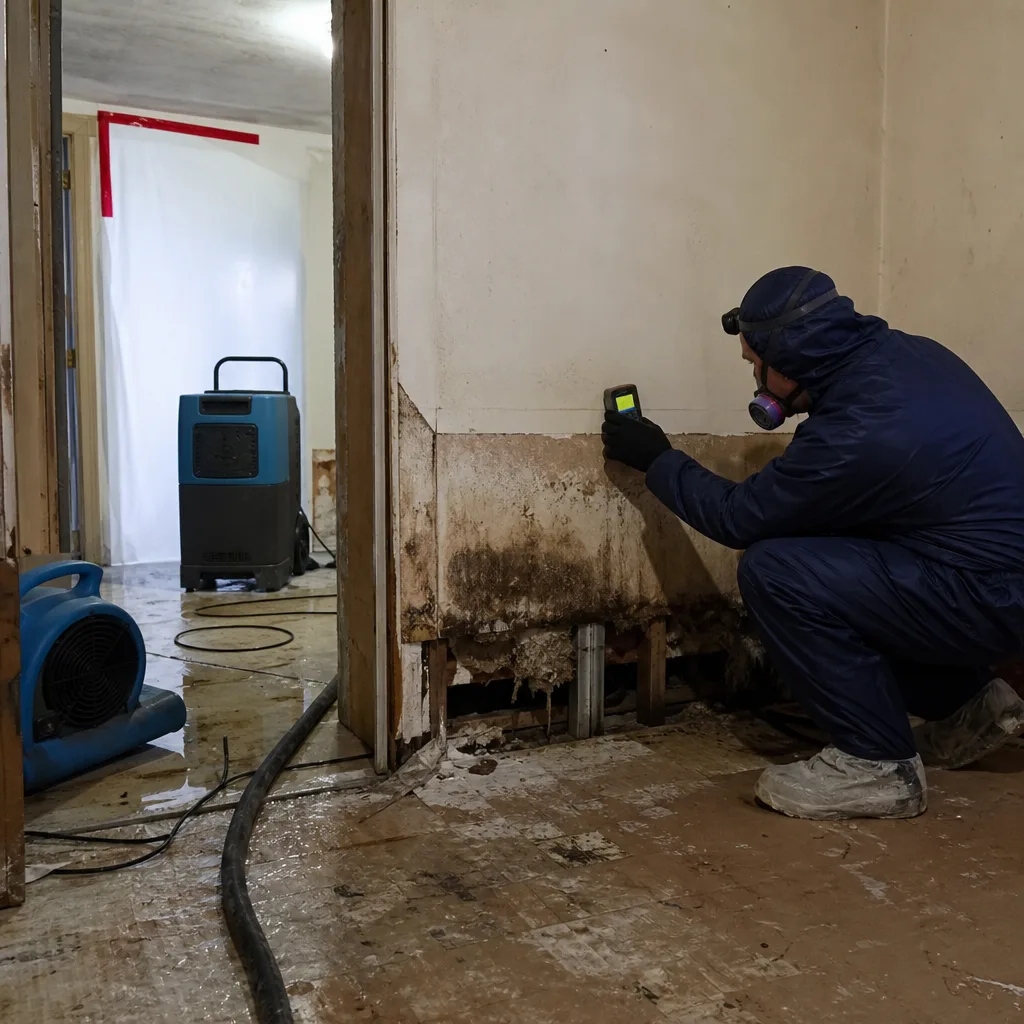 Before
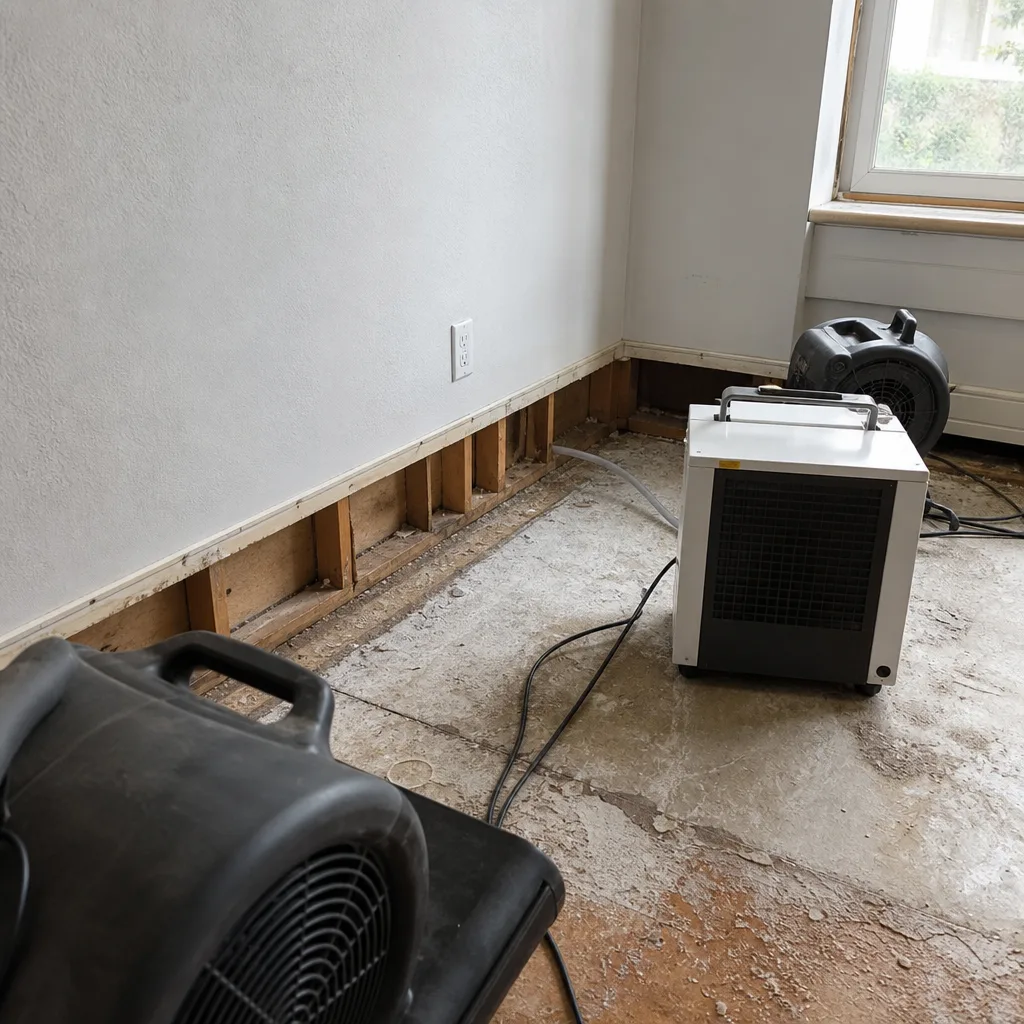 After
After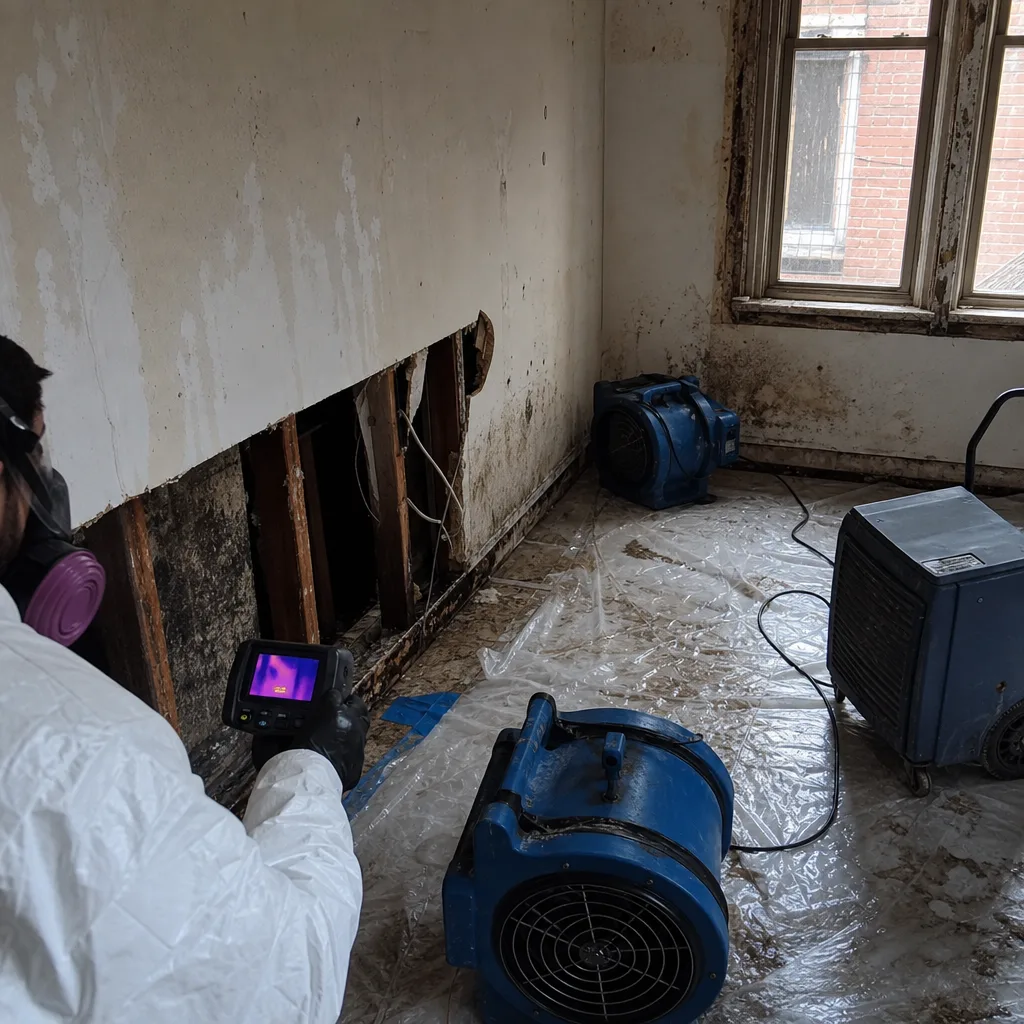 Before
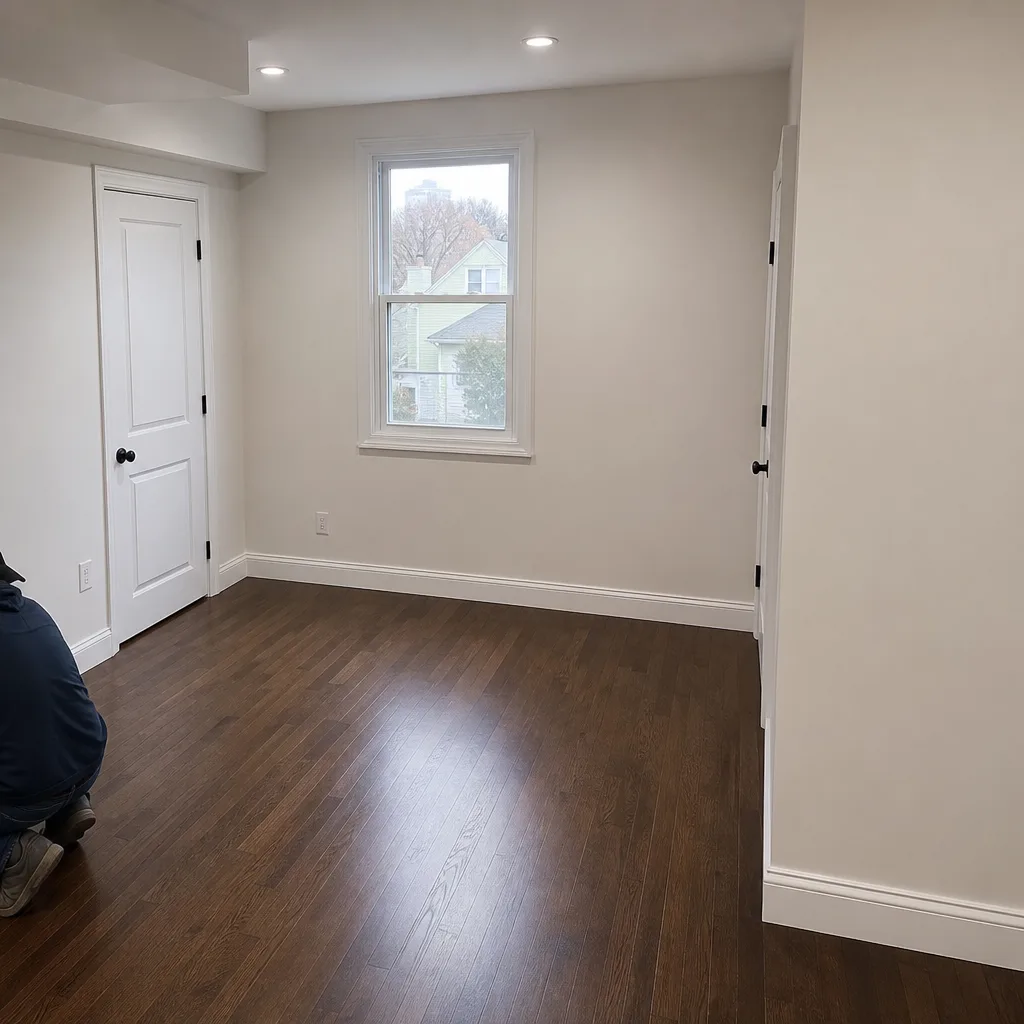 After
After24/7 Emergency Storm & Disaster Restoration in Astoria
Storm damage in Astoria doesn’t wait for business hours, and neither do we. When a nor’easter peels back a flat roof on 31st Street or storm surge backs up the sewers near Shore Boulevard, you need a crew that answers the phone at 2 a.m. and starts extraction that same visit. Our Storm & Disaster Restoration team is on call around the clock, with live dispatch routing certified technicians to every corner of Astoria, from Ditmars to Broadway to Steinway. Call (518) 800-3751 the moment water is moving, and we’ll have a crew at your building within minutes, not hours. The first hour after roof membrane failure or sewer backup is when damage is still manageable. Every hour after that, water travels deeper into wood-joist floor systems, plaster, and the shared masonry party walls that define Astoria’s attached housing stock. A free visual inspection right now costs nothing. Waiting until morning costs floors, ceilings, and weeks of drying.
Understanding Storm & Disaster Restoration Severity in Astoria Properties
Astoria’s building stock was mostly framed between 1910 and the early 1950s, and storm damage here behaves differently than it does in a detached suburban house. The overwhelming majority of structures are attached two- and three-family brick rowhouses and pre-war walk-up apartment houses. When storm water enters through a failed flat roof or a broken window, it does not pool in one room and sit there. It runs down through original wood-joist floor assemblies, soaks into plaster-and-lath wall cavities, and wicks laterally through unbroken masonry party walls into the building next door. On a typical nor’easter call near Ditmars Boulevard, we regularly find Category 2 storm water on the top floor, Category 3 contamination at the basement utility chase, and saturated joist pockets three units away from the original point of entry. Severity is assessed with thermal imaging and moisture meters on every affected surface, because what looks like a small ceiling stain can be a full floor assembly carrying water overhead. Drying a saturated pre-war joist system with Dri-Eaz dehumidifiers and high-velocity air movers takes days, not hours, and the drying log is what tells your insurance carrier the job is actually done.
Why Astoria Property Owners Choose Floodline Restoration Co.
- 45-minute response commitment – When water is flowing through your ceilings, we get a uniformed technician to your Astoria address fast. Our dispatch board tracks every crew in real time, so the closest certified team is routed immediately.
- 24/7 live answer, never a recording – A real person picks up the phone at 3 a.m. on a Sunday. No automated triage, no “leave a message and we’ll call you back.” You tell us what’s happening, and a crew is moving.
- IICRC-certified crews – Our technicians hold WRT and FSRT certifications and train to IICRC, RIA, and IFA standards. They know how pre-war plaster, cast-iron stacks, and wood joists respond to Category 2 and Category 3 storm water.
- Free visual inspection – Before any work starts, we walk the affected areas with you, map the moisture, and explain what we’re seeing. No charge for the inspection, and no obligation to proceed.
- Direct insurance billing – We bill your carrier directly and coordinate with your adjuster from day one. You are not the messenger between Floodline and your insurance company.
- One team from extraction to reconstruction – The same crew that sets containment and runs drying logs handles the rebuild. No mid-job handoff to an unfamiliar subcontractor.
Our Storm & Disaster Restoration Process
1. Inspection & Assessment
We walk the property end to end, including the roof, parapet flashings, basement, and every adjacent unit showing signs of water. Thermal imaging and moisture meters map the full extent of saturation, including what has wicked into shared party walls.
2. Extraction & Stabilization
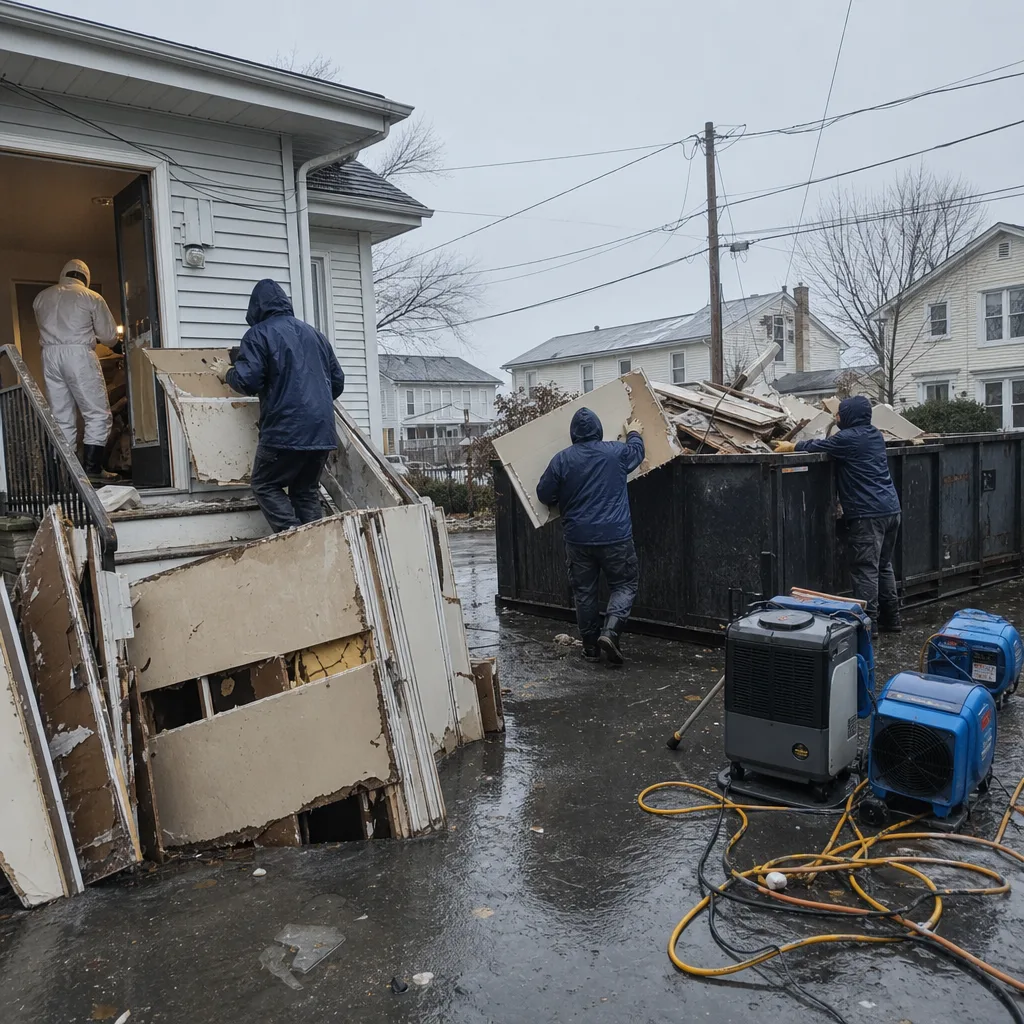
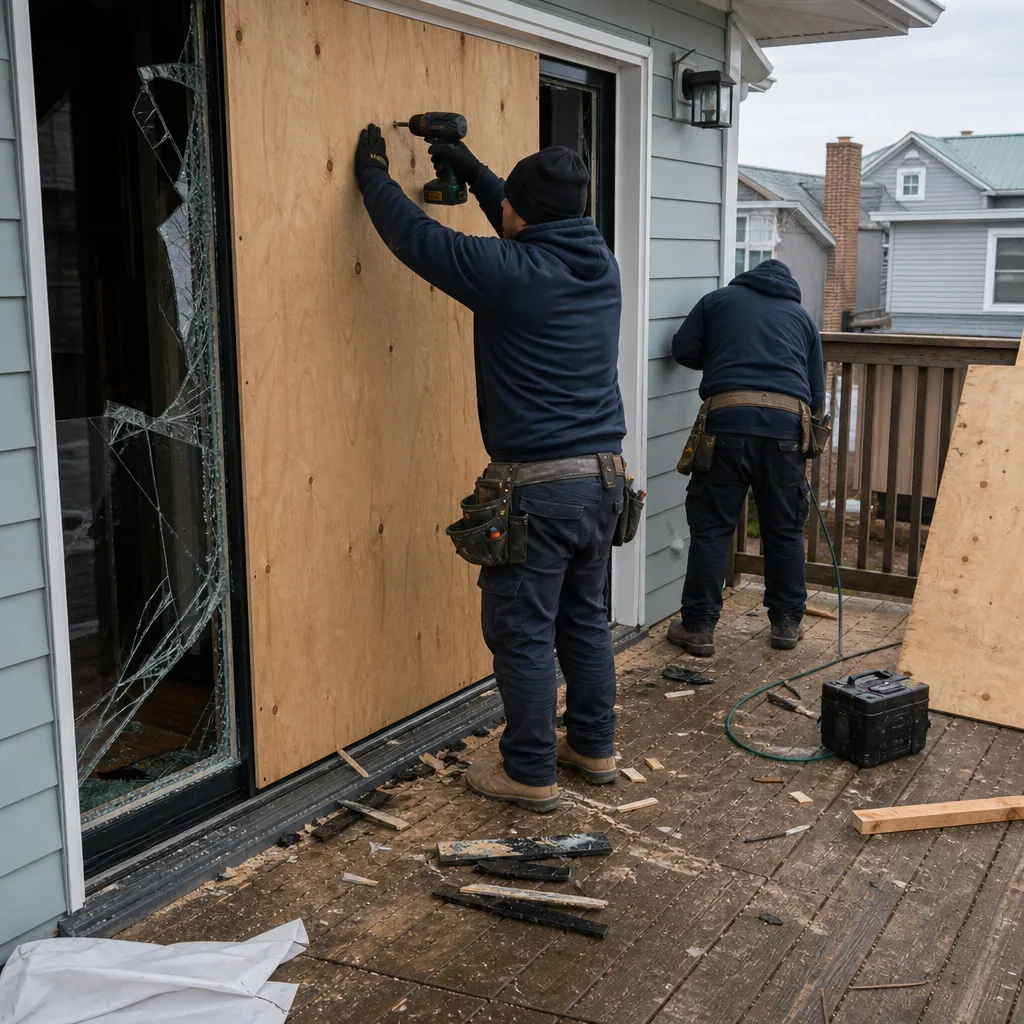
We remove standing water with truck-mounted extraction units, then stabilize the structure. For roof failures, this means tarping the exposed area immediately. For window blowouts, we install emergency board-up so no more storm water gets in.
3. Drying & Dehumidification
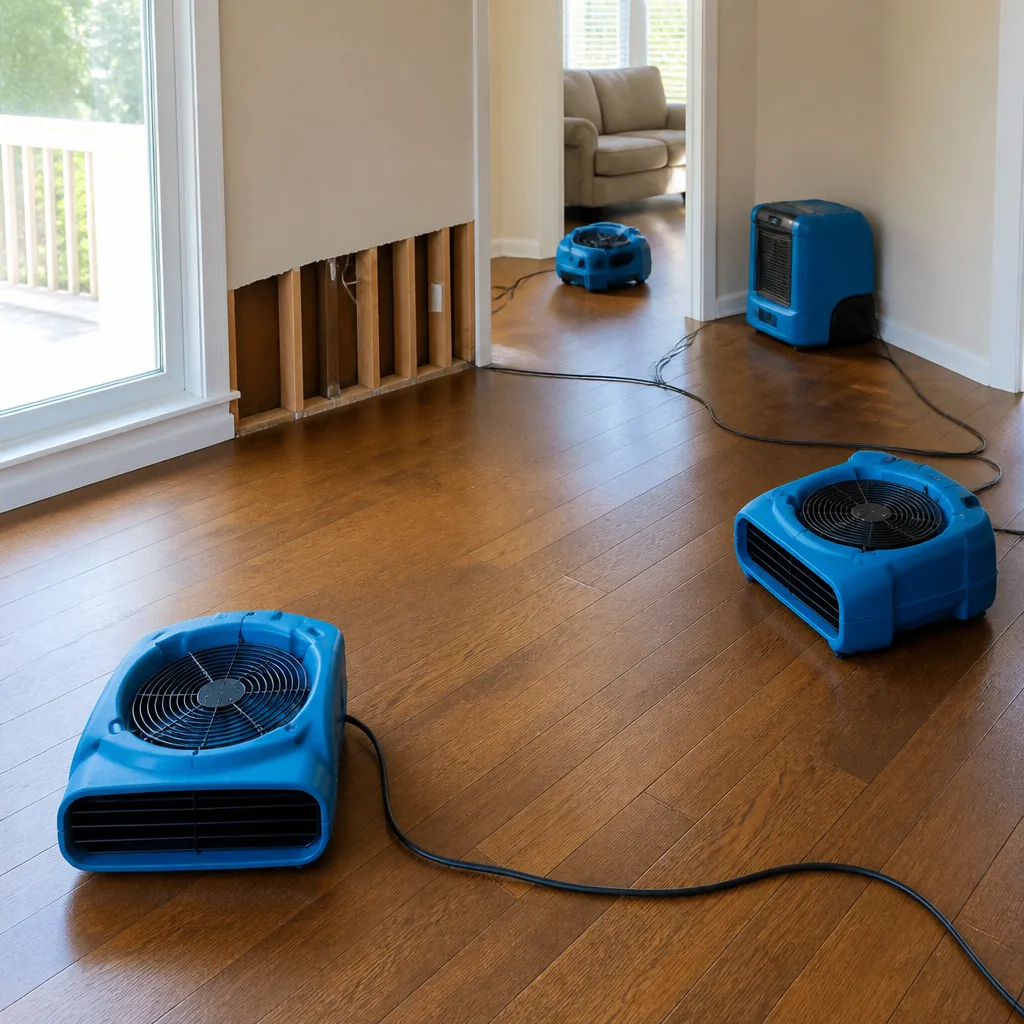
Industrial Dri-Eaz and Phoenix dehumidifiers are placed in every affected room, with XPOWER air movers driving airflow through joist cavities and wall assemblies. We take daily moisture readings and log them until every surface meets the dry standard.
4. Cleaning & Sanitization
Storm surge from the East River can bring Category 3 water into basements and utility chases. We clean, disinfect, and sanitize every affected surface to remove bacteria, sewage, and storm debris before any reconstruction begins.
5. Containment & Specialty Treatment
In attached buildings where water has crossed a party wall, we set containment to isolate affected units while drying runs on both sides. We coordinate with the adjacent owner’s adjuster separately, because that is a different policy and a different claim.
6. Repairs & Restoration
The same crew replaces damaged plaster, rebuilds affected ceilings, restores floor systems, and repairs the roof membrane or parapet flashing that failed. We finish with a written scope of work and the 90-Day Done Right Promise in your hands.
Need Emergency Storm & Disaster Restoration in Astoria Now?
Crews minutes away, answering live 24 hours a day. The sooner we start, the less it costs.
Working With Your Insurance Company
Storm restoration in Astoria gets complicated fast, because one incident can involve two or even three insurance policies. Your flat roof fails and water runs down through three floors. Your neighbor’s joists are saturated through the shared party wall. Your insurance covers your unit. Their insurance covers theirs. We handle both. From the first hour on site, we photograph every affected surface, log every moisture reading, and document the full extent of the loss with a line-item scope of work that meets industry standards. Our adjuster coordination is direct: we talk to your carrier, we send the documentation, we bill the insurance directly. You get a written, fixed-scope agreement before any reconstruction starts, backed by our 90-Day Done Right Promise. No surprises on the bill, no arguing over what was or wasn’t covered. We stand behind it.
What We Provide Your Insurer
- Thorough documentation of the loss
- Photos of all damage, room by room
- Moisture readings and drying logs
- A detailed, line-item scope of work
- Direct coordination with your carrier
Built for Astoria’s Loss Calendar
Astoria’s storm damage season peaks in predictable waves, and the buildings here take each hit differently than newer construction in the suburbs. The winter nor’easter months, December through March, are when we see the most flat-roof failures. Built-up tar and gravel membranes on pre-war roofs start to crack after a few decades of freeze-thaw cycling, and the relentless salt air off the East River accelerates the degradation of flashing and fasteners. A storm that pushes water under a lifted membrane edge sends Category 2 water through multiple floors before a single tenant notices a stain. Spring brings the thaw, and with it, basement seepage in low-lying blocks near Astoria Park and Shore Boulevard, the same blocks that took storm surge during Sandy. Summer thunderstorms dump water faster than century-old street sewers can carry it, backing up through basement drains. Fall is when we get the first big wind events, the ones that peel back roof edges on attached rowhouses and expose the parapet flashings above shared party walls. Each season has a signature failure mode, and our crews read them all.
Storm & Disaster Restoration Across Astoria’s Neighborhoods
The calls we answer on Ditmars Boulevard are different from the ones south of the Grand Central Parkway. Up near Ditmars and 23rd Avenue, the three-family brick buildings sit tight together, and a roof tear on one property means saturated joists in the one next door. Our crews know that when we get a call for a flat roof failure in that part of Astoria, we need to check the shared party wall before we ever set the first dehumidifier. Down along 30th Avenue and Broadway, the mix shifts toward pre-war walk-up apartment buildings with cast-iron waste stacks and steam-heat lines running through original wood joists. Wind-driven rain through a blown window there means water traveling down interior wall cavities and across floor systems, and the adjacent unit’s owner may have no idea their joist pockets are wet. Near the East River waterfront, in the blocks between Astoria Park and Hallet’s Cove, storm surge and coastal flooding overwhelm basement utility chases and slab assemblies that never fully recovered from Sandy. Those basements flood before the sewers can keep up, and the water that comes in is often Category 3, carrying river water and sewage. Steinway Street splits the difference, with mixed commercial and residential buildings that face both roof-edge wind damage and basement flooding from the overwhelmed storm drains. Every one of these neighborhoods responds to storms differently, and a restoration plan that ignores the building type is guessing.
Specialized Storm & Disaster Restoration Services We Offer in Astoria
Flood Damage Restoration
When storm surge from the East River overtopped bulkheads and flooded basements during Sandy, Astoria learned just how aggressive that water is. We extract standing water fast, strip out saturated drywall and plaster where necessary, and run professional-grade drying equipment until the structure meets the dry standard. In attached buildings, we map moisture into the party wall and coordinate with the neighbor’s adjuster when the water crossed over.
Roof Tarping
Flat built-up tar roofs fail at membrane seams and around roof penetrations, and once that membrane is compromised, water moves straight down through every floor below. We get a tarp on the exposed area immediately to stop further water entry, then schedule the permanent repair. In Astoria’s attached rowhouses, the tarp has to be installed correctly along the parapet wall or rain keeps getting in sideways.
Emergency Board-Up
High winds near the waterfront peel back roof edges and blow out windows, leaving Astoria buildings open to more storm damage and unwanted entry. We board up windows and openings fast, using professional-grade materials that hold through the next storm. Board-up is temporary, but it has to be done right so your insurance claim isn’t complicated by additional wind-driven water damage.
Storm Damage Cleanup
After the water is out and the roof is tarped, there is still the debris: wet insulation, ruined carpet, plaster chunks, fallen tree branches. We haul it out, bag it properly for disposal, and get the affected areas clean enough to begin drying and reconstruction. Storm debris in Astoria basements often mixes with sewage from backed-up storm drains, so the cleanup has to be thorough before any repair work starts.
Debris Removal
Wind events along the East River bring down branches, roof slate, and brick parapet caps. We remove the debris safely, assess whether any structural components need temporary stabilization, and document everything for your insurance carrier. Then we get to work on the damage that matters.
What happens when you call
- 1
A real person answersNo phone trees - you reach a local pro.
- 2
You get an upfront price rangeHonest numbers before anyone is dispatched.
- 3
A background-checked tech heads outLicensed & insured, dispatched right away.
- 4
You approve before work beginsNothing starts until you say go.
Storm & Disaster Restoration Costs in Astoria, NY
Storm restoration in Astoria runs the full range, and the price depends on what failed and how far the water traveled. A basic emergency board-up for a blown-out window typically runs $250 to $600. Roof tarping on a flat Astoria rowhouse runs $400 to $1,200 depending on roof size and access. Flood extraction and drying for a single-unit basement flood usually lands between $2,500 and $6,000, including equipment, daily monitoring, and the drying log for your carrier. A multi-floor storm water event that has saturated shared joists across a party wall often falls between $8,000 and $25,000, because it means containment, structural drying on both sides, and coordinated reconstruction across two insurance claims. The free visual inspection is the fastest way to get a firm number: we walk the damage, map the moisture, and give you a written scope before any work begins. Most storm damage is covered by insurance, and we bill your carrier directly.
We Also Serve Cities Near Astoria
Our crews serve the full area around Astoria, including Storm & Disaster Restoration in Astoria and the neighboring communities of Long Island City, East Elmhurst, Jackson Heights, and Elmhurst. Same live dispatch, same certified crews, same 90-Day Done Right Promise.
Astoria Storm & Disaster Restoration Questions, Answered
How does storm damage in an attached Astoria brick rowhouse become the neighbor’s problem?
Water travels through the shared masonry party wall and the continuous wood joists that run between attached buildings. When a roof fails and water saturates the floor assembly, it wicks horizontally through those joists into the adjacent building, saturating the neighbor’s ceilings and walls under a completely different insurance policy. Our moisture mapping on the first visit identifies whether the damage has crossed the property line, and we coordinate with both adjusters separately.
Do I need a separate restoration plan for my Astoria pre-war building’s flat roof after a nor’easter?
Yes, and the roof itself has to be addressed before interior drying can be fully effective. A flat built-up tar roof that failed at a membrane seam will keep letting water in until the membrane is repaired or replaced. We tarp immediately to stop active water entry, then scope the permanent roof repair separately from the interior drying and restoration. Both are documented separately for your carrier.
What category of water should I expect from Astoria storm surge flooding?
Storm surge from the East River is Category 3 water. It carries river water, sewage, petroleum residue, and anything else that was in the street or the storm system. That means full extraction, disposal of saturated porous materials, disinfection, and sometimes containment is required before drying begins. We treat any basement flood near the Astoria waterfront as potentially Category 3 until proven otherwise.
Why do Astoria’s basement supply lines burst during winter coastal storms?
The supply lines in Astoria’s pre-war buildings run through uninsulated basement utility chases and along exposed exterior wall cavities. A winter coastal storm drives the temperature down fast, and the uninsulated pipes freeze and burst. The water that follows saturates the basement and wicks upward through the original wood joists, often reaching the first floor and, in attached buildings, the neighbor’s unit. Call (518) 800-3751 and we’ll stop it before it migrates further.
How long does drying take when storm water has saturated multiple floors of a pre-war Astoria apartment building?
Expect three to seven days of active drying for a multi-floor saturation, and sometimes longer if original plaster and wood joists are holding water. Pre-war materials absorb water deeply and release it slowly. We run Dri-Eaz dehumidifiers and XPOWER air movers continuously, take daily moisture readings, and hand you and your carrier the full drying log when the dry standard is met.
How fast can someone actually get to my Astoria building?
Our live dispatchers route the closest certified crew to your address immediately, with a 45-minute response commitment across Astoria. For active water intrusion, the crew typically arrives much faster. The free visual inspection starts the moment we walk in, and if extraction is needed, it’s running that same visit.
Will insurance cover this storm damage?
Most storm-related damage, including roof failures, wind-driven water, and flood extraction, is covered under the relevant homeowners or building policy. Flood surge from the East River may fall under a separate flood policy depending on your coverage. We document everything, bill your carrier directly, and work with your adjuster from the first hour so you never have to argue the scope. Call (518) 800-3751 for a free inspection and we’ll walk you through what your policy covers.
What should I do in the first 30 minutes after storm damage in Astoria?
Call us first at (518) 800-3751. Then, if it’s safe, shut off water to the affected area, move valuables off wet floors, and document the visible damage with your phone. Do not enter a basement with standing water that may carry electrical current. Let our crew handle the rest. Every 30 minutes of delay lets water travel deeper into the joists and party walls, and the cost of restoration rises accordingly.
Serving Astoria, NY - Our Local Coverage Area
We’re based in the Astoria area and know this community well. Use the map below to see our service coverage - if you’re nearby, we can almost certainly help.
Floodline Restoration Co. Stands Behind Every Astoria Job
Floodline Restoration Co. has built its name over 42 years on a simple promise: done right, and backed in writing. The 90-Day Done Right Promise means that if the work isn’t right, we make it right. No arguing, no paperwork battles, no phone tag. The same certified crew that ran the drying logs handles your reconstruction. The same person who answers the phone at 2 a.m. is the reason a crew shows up at 2:45. On a block of attached pre-war brick three-families near Ditmars Boulevard, a nor’easter drove water through a failed flat tar roof and down three floors of original wood joists. Our crew set containment on the top-floor unit, but moisture mapping showed saturation crossing the shared party wall into the adjacent building, so we coordinated with the other owner’s adjuster while running structural drying with Dri-Eaz dehumidifiers and air movers on both sides. That’s the job, done the way it should be. One team, one written scope, one promise. Call (518) 800-3751 for a free estimate, and we’ll be there when we say.
Written by Curt Bowman, Owner at Floodline Restoration Co., serving Astoria since 2010.