
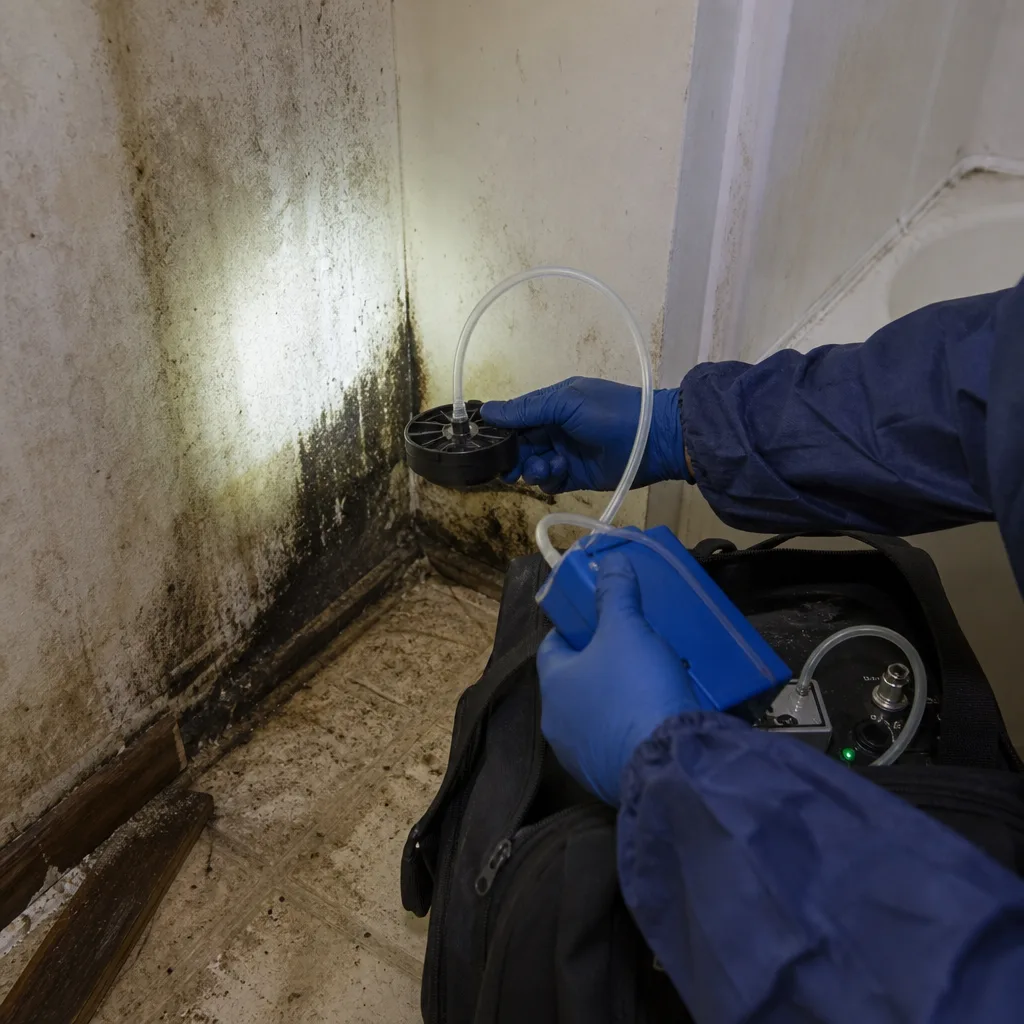
Free visual inspection and a written scope of work before any mitigation begins - photos, moisture readings, and drying logs go in your claim file
The scope we write is the scope we bill. Anything new gets shown to you, in writing, before we touch it.
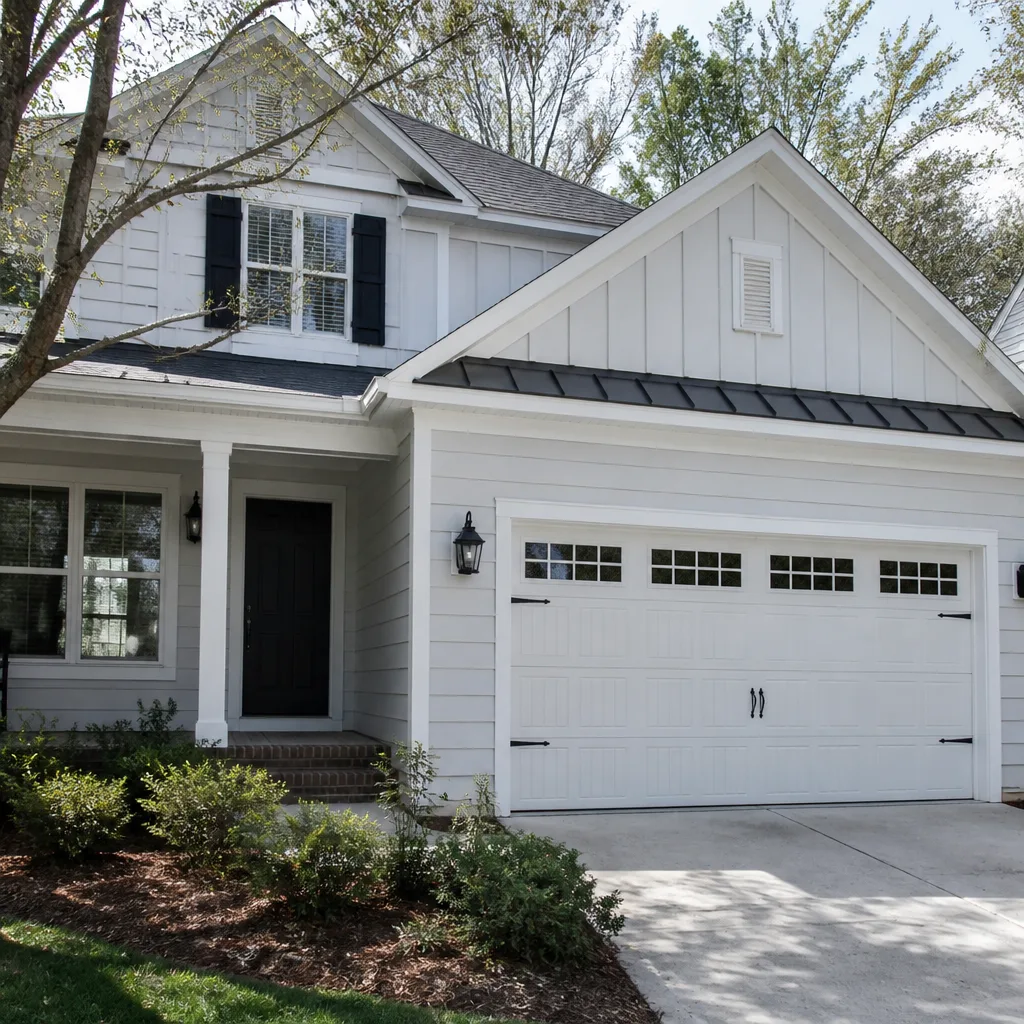
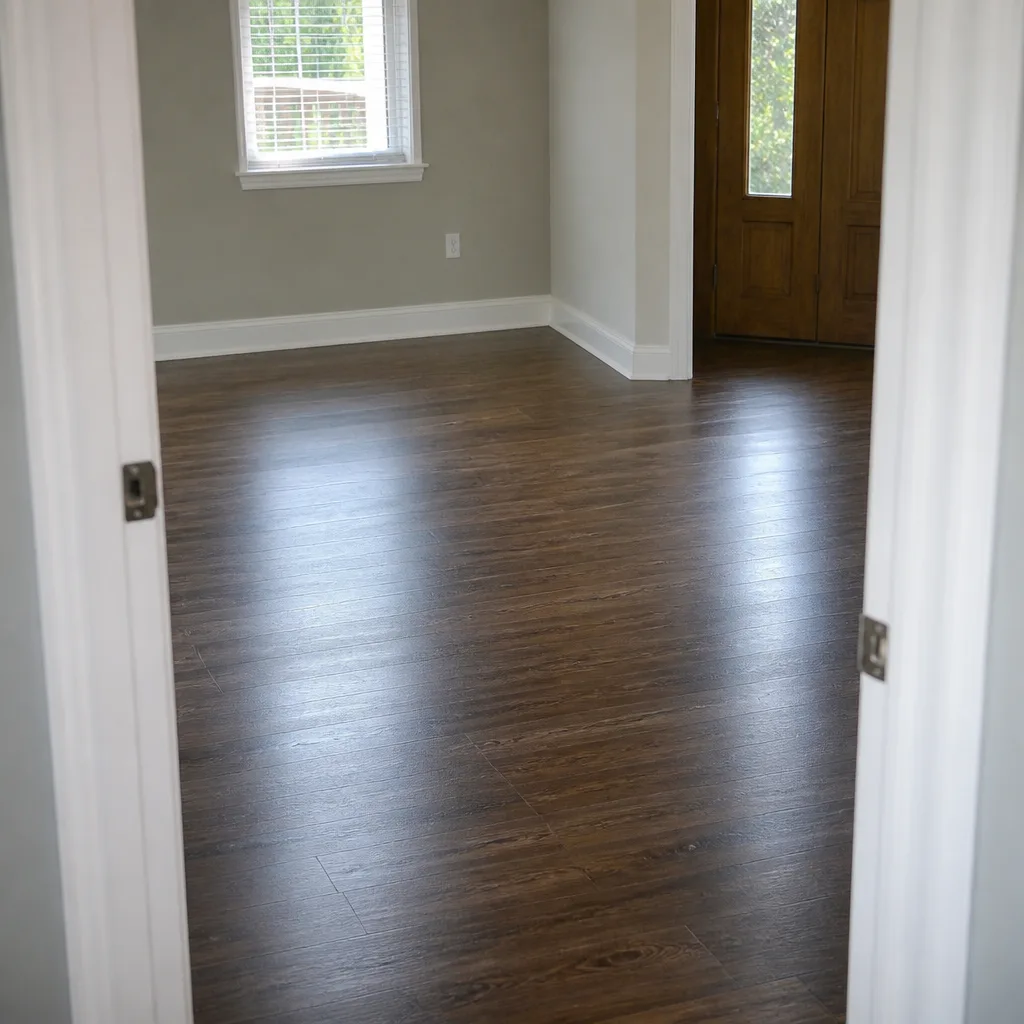
 Before
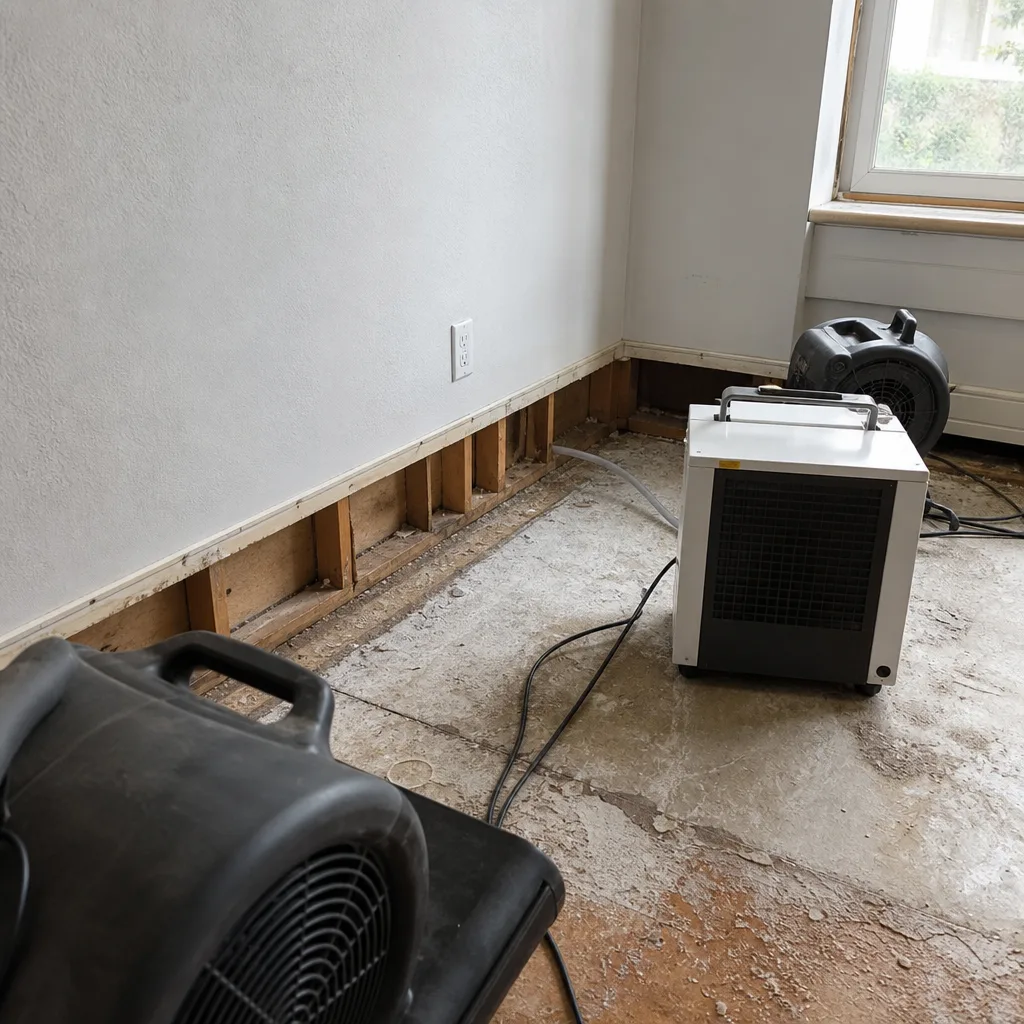 After
After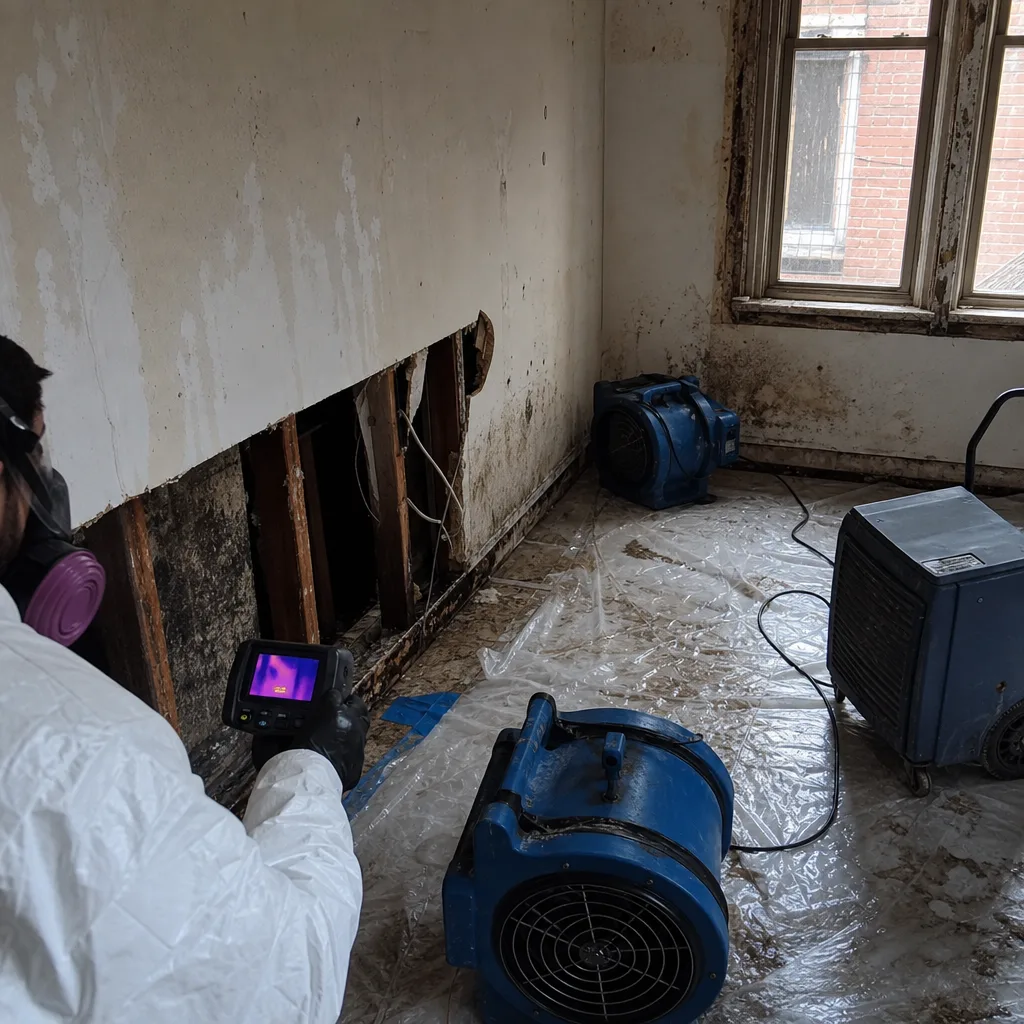 Before
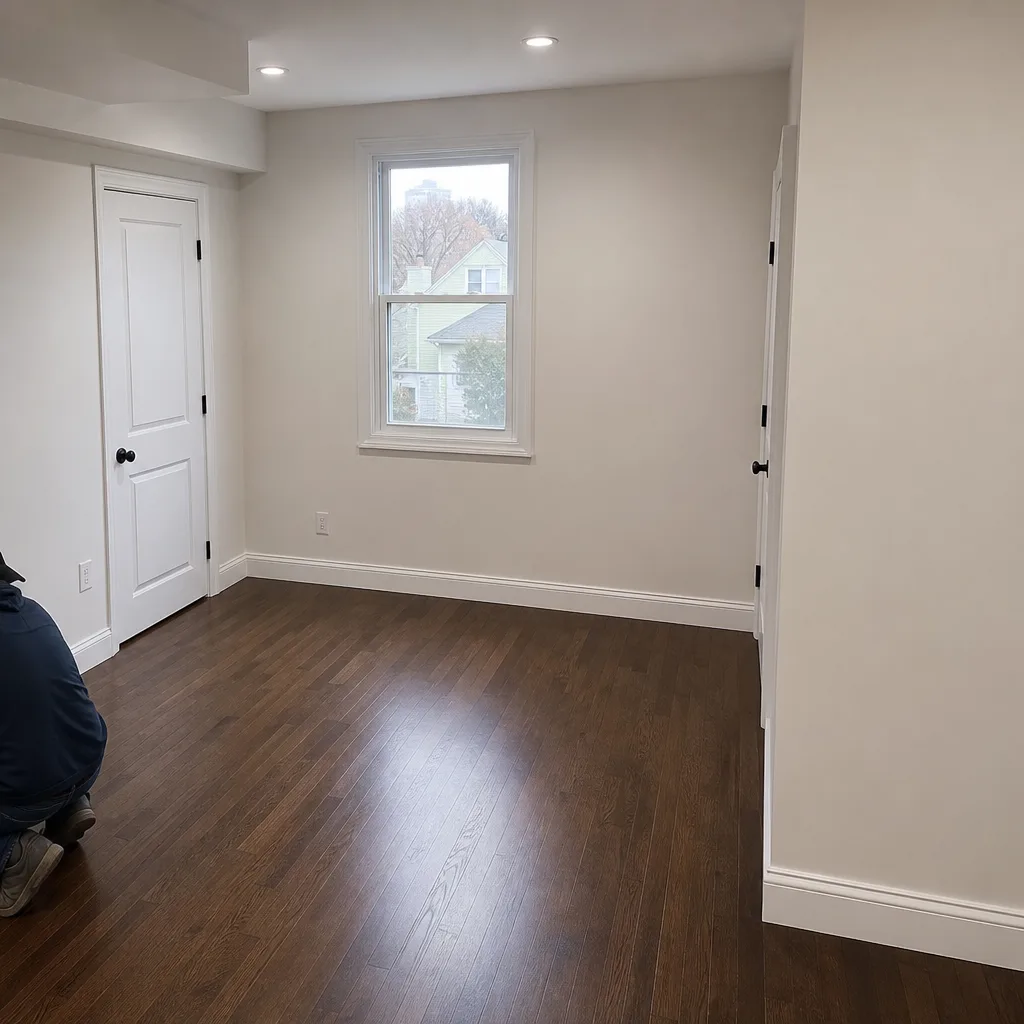 After
After24/7 Emergency Mold Remediation in Central Harlem
Mold moves fast behind Central Harlem’s original horsehair plaster, and once it reaches the lath cavities between floors, a contained outbreak becomes a building-wide problem. If you’ve spotted staining on a tin ceiling, smell must through a steam-pipe chase, or had water enter a wall from a roof leak or burst radiator line, call Floodline Restoration Co. at (518) 800-3751 right now. A live dispatcher answers 24 hours a day, and we send a certified crew to your Central Harlem block the same visit. The first hour determines whether you’re treating surface mold or opening every floor assembly. We start with a free visual inspection, moisture readings, and a written scope, so you know exactly what you’re dealing with before any work begins.
Understanding Mold Remediation Severity in Central Harlem Properties
Central Harlem’s housing stock, built between the 1880s and 1920s, creates mold conditions that newer construction never sees. Original horsehair plaster and lath act like a vertical wick. When water enters at the roof or from a burst steam line on the top floor, it travels down through the plaster keys and lath strips, pooling in dead-air cavities behind cast-iron radiators and along shared party walls. Surface mold on a bedroom wall is often the visible edge of a colony that extends three floors down. We classify severity by moisture mapping, not by what’s visible: a contained mold bloom in one apartment can hide Category 3 contamination in the wall cavities below. Pre-war buildings on blocks in the Mount Morris Park Historic District and the St. Nicholas Historic District add a regulatory layer: the interior lath and plaster is often landmark-protected, so remediation must preserve, treat, and rebuild the original assembly rather than swap for drywall. That changes the entire approach from the first reading.
Why Central Harlem Property Owners Choose Floodline Restoration Co.
- 45-minute response commitment to any Central Harlem address, from 125th Street up to 155th, from Morningside to Fifth Avenue. We dispatch crews from our New York City office who know these blocks, not a franchise subcontractor crossing three boroughs.
- 24/7 live answer, always a person. No phone tree, no answering service, no “leave a message.” Call (518) 800-3751 at 2 a.m. and a dispatcher who knows mold picks up.
- IICRC-certified crews trained to WRT and AMRT standards, plus RIA and IFA protocols for structural drying and mold remediation. Background-checked, uniformed, and experienced with pre-war plaster and landmark buildings.
- Free visual inspection with moisture map on every Central Harlem mold call. You get a hygrometer reading and a clear scope of work in writing before you approve anything.
- Direct insurance billing. We document the loss from the first hour, bill your carrier directly, and coordinate with your adjuster so you never carry paperwork between us and the insurance company.
- One team from containment to rebuild. The same crew that sets the HEPA scrubbers and performs the pack-out is the crew that restores your tin ceiling, replasters the lath, and hands you a clearance test at the end. No mid-job handoff, no inherited subcontractors.
Our Mold Remediation Process
Inspection & Assessment
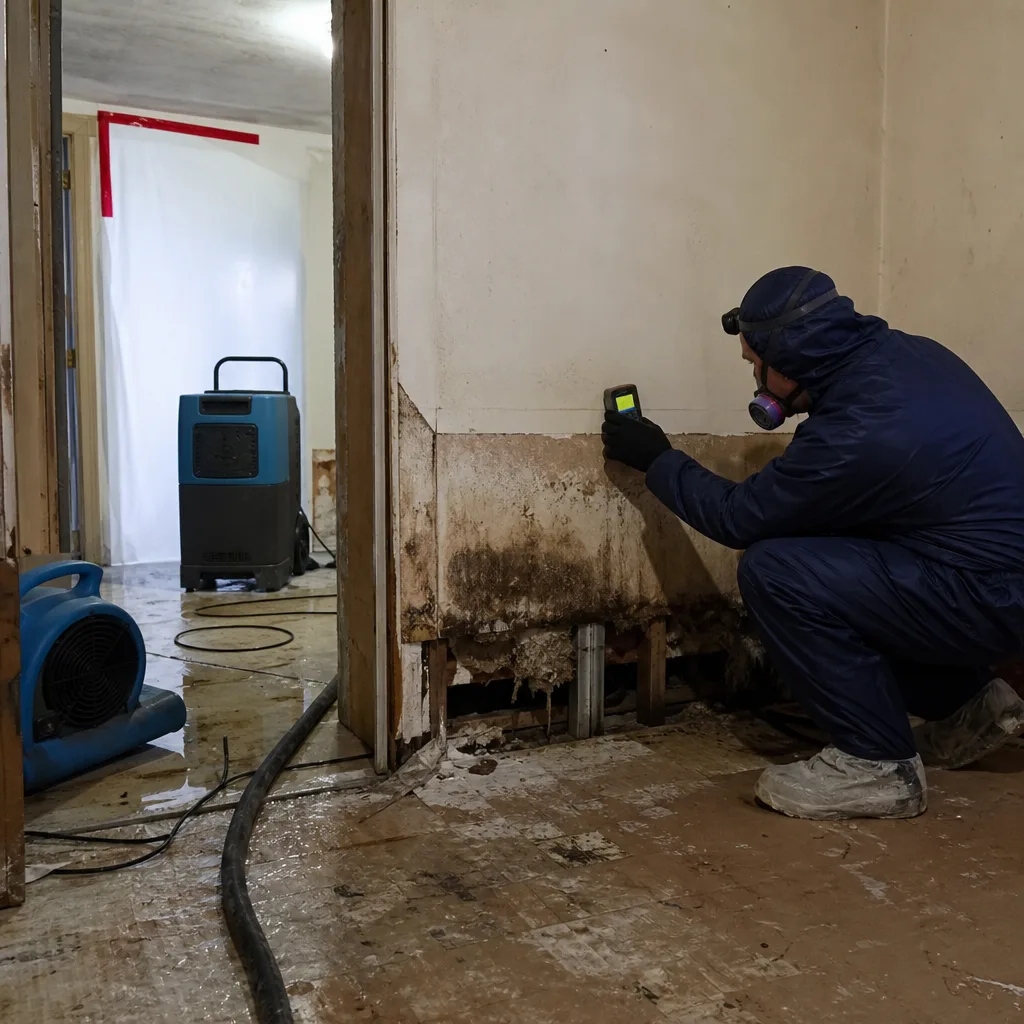
We start with thermal imaging and moisture meters to map where water has traveled inside your walls, floors, and ceiling assemblies. In Central Harlem brownstones, this means reading behind cast-iron radiators, along party walls, and through plaster keys that look dry on the surface but still hold 18% or higher moisture content.
Containment & Stabilization
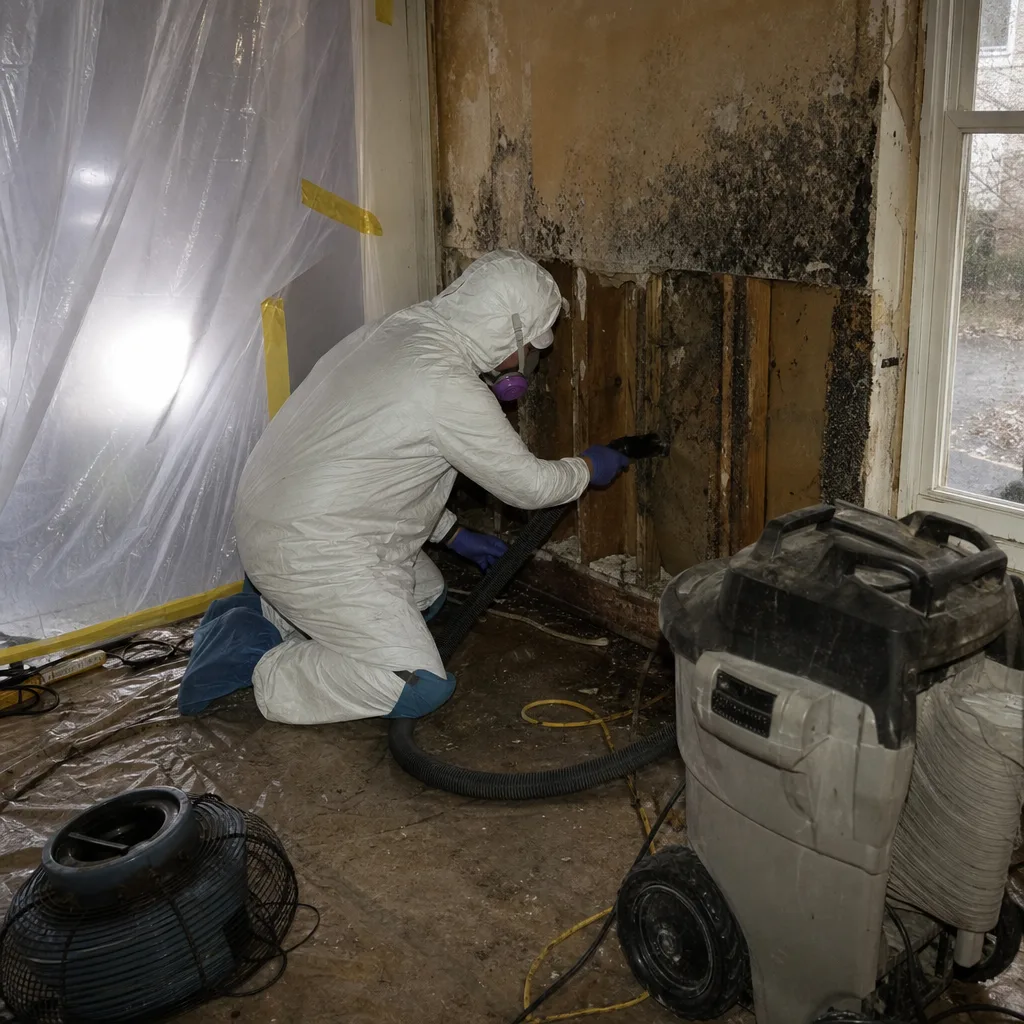
Full polyethylene containment with negative air pressure keeps airborne spores from spreading to unaffected apartments. We create zoned containment per floor, especially in multi-family tenements where a single wall cavity connects stacked units. HEPA air scrubbers start running within the first hour.
Drying & Dehumidification
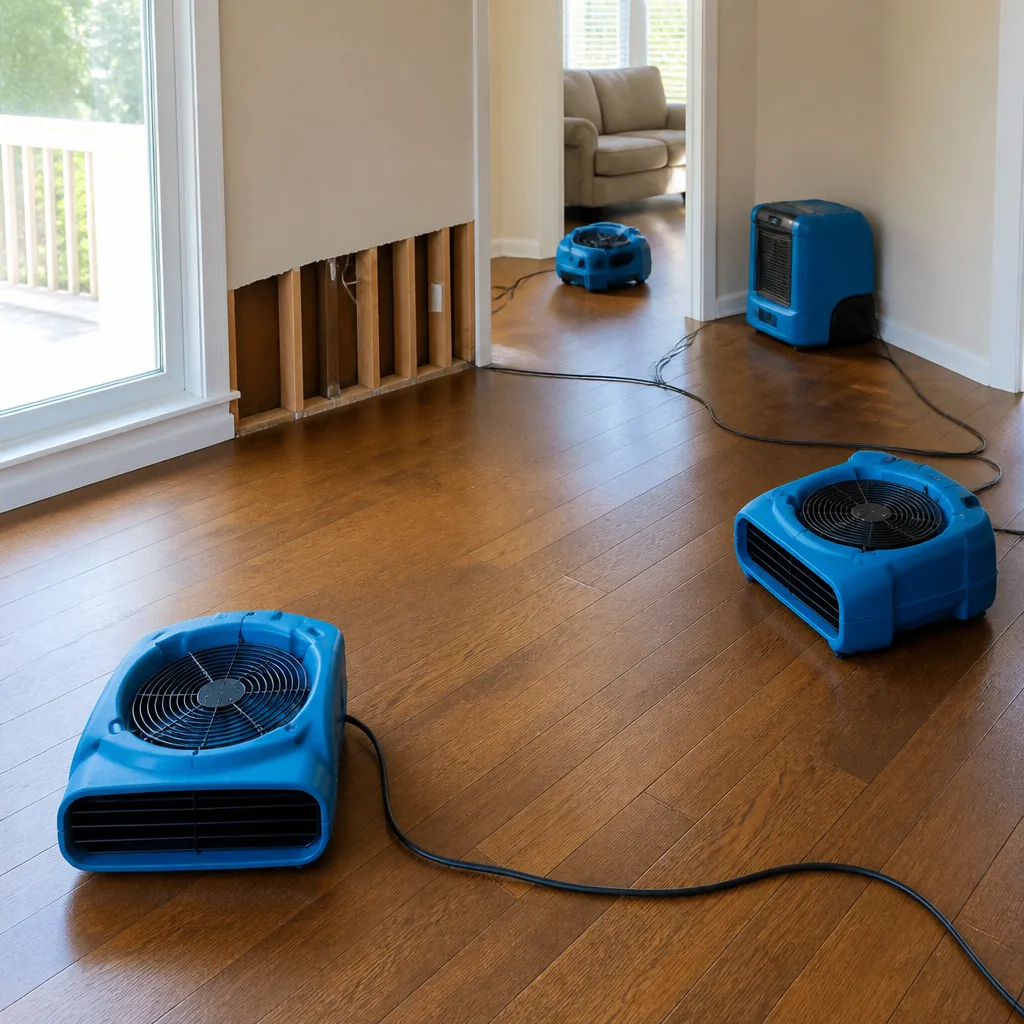
We deploy Dri-Eaz and Phoenix dehumidifiers with XPOWER air movers positioned to reach dead-air pockets behind radiators, inside lath cavities, and under built-in cabinetry. Daily moisture readings are logged until every assembly reads below the dry standard, typically under 12% wood moisture equivalent.
Cleaning & Sanitization
HEPA vacuuming and antimicrobial treatment of all affected surfaces, including the backside of original lath and the interior of steam-pipe chases. We treat what you can’t see because Central Harlem mold lives in the cavities, not just on the face of the plaster.
Specialty Treatment: Lath & Plaster Restoration
Where original horsehair plaster must be preserved, particularly on LPC-designated blocks like Strivers’ Row, we inject antimicrobial treatment into the lath cavities and replaster with material-matched lime and gypsum mixes rather than replacing with drywall. Landmark compliance is built into the scope, not an afterthought.
Repairs & Restoration
We rebuild the ceiling, wall, or floor assembly to pre-loss condition, matching tin ceilings, plaster cornices, and decorative moldings when required. Your written scope is honored from day one. The 90-Day Done Right Promise means if it’s not done right, we make it right, in writing, no arguing.
Need Emergency Mold Remediation in Central Harlem Now?
Crews minutes away, answering live 24 hours a day. The sooner we start, the less it costs.
Working With Your Insurance Company
Your Central Harlem mold claim starts with documentation, and the strongest claims are built in the first 24 hours. We photograph every affected surface, log moisture readings room by room, and map the water’s path from source to stain. Your adjuster gets a line-item scope of work, daily drying logs, and a written clearance test at the end. We bill your carrier directly and speak with the adjuster ourselves, so you don’t have to. After over 42 years of restoration work, our team knows exactly what insurers in New York accept and what they push back on. If your policy covers water damage that led to mold, we make sure the paperwork reflects that sequence correctly. For a free inspection and a quote you can hand straight to your carrier, call (518) 800-3751.
What We Provide Your Insurer
- Thorough documentation of the loss
- Photos of all damage, room by room
- Moisture readings and drying logs
- A detailed, line-item scope of work
- Direct coordination with your carrier
Built for Central Harlem’s Loss Calendar
Central Harlem’s mold season doesn’t follow a single calendar. January’s deep freezes burst supply lines in uninsulated basement runs and behind northern-facing party walls. The thaw in March sends seepage through failed pointing and deteriorated brownstone façades, particularly on blocks below the Morningside escarpment where groundwater pressure builds. Summer thunderstorms push flash floodwater into below-grade units and cellar storage spaces, a risk this neighborhood has known since Hurricane Ida in September 2021 turned basement apartments on Lenox and Adam Clayton Powell Jr. Boulevards into standing water requiring Central Harlem Storm & Disaster Restoration. Fall nor’easters drive wind-blown rain through aging cornices and flat-roof flashing on tenements from 110th to 155th Street. Every one of these events saturates the same original plaster and lath assemblies, and the mold that follows is rarely confined to one floor. We built our Central Harlem response around this calendar: crews stocked, moisture meters calibrated, and a live dispatcher who knows the block, not just the address.
Mold Remediation Across Central Harlem’s Neighborhoods
Central Harlem runs from 110th Street up to 155th, from Morningside Park east to Fifth Avenue and the Harlem River. The building stock shifts block by block, and the mold patterns shift with it. Around the Mount Morris Park Historic District, you find brownstone row houses with original stoops, shared party walls, and landmark-protected cornices; leaks here race down from the roof into plaster ceilings two floors below. Strivers’ Row on 138th and 139th Streets between Adam Clayton Powell Jr. and Frederick Douglass Boulevards has some of the last intact tin ceilings and horsehair plaster in the borough, which means LPC oversight on any interior work and material-matched restoration on every remediation. The five- and six-story walk-ups along Lenox Avenue and Adam Clayton Powell Jr. Boulevard carry steam risers through stacked kitchens and bathrooms; one failed radiator trap on an upper floor sends water tracking through plaster keys on every level below. We also run calls to co-ops off Frederick Douglass Boulevard where building supers shut off a riser but the wall cavities never dry. In each area, the response is different, but the discipline is the same: map the moisture, contain the air, treat the cavities, and rebuild what the water touched. Our crews serve all of it, from Hamilton Heights down through the blocks around Marcus Garvey Park.
Specialized Mold Remediation Services We Offer in Central Harlem
Mold Inspection & Testing
In Central Harlem pre-war buildings, mold inspection means more than a swab and a visual pass. We run moisture meters across plaster surfaces, insert probes into lath cavities, and take air samples from multiple rooms to establish a baseline. The goal is a clearance test you can trust at the end, not a guess at the beginning. We test for mold behind walls that look clean, especially after a steam leak or roof event above.
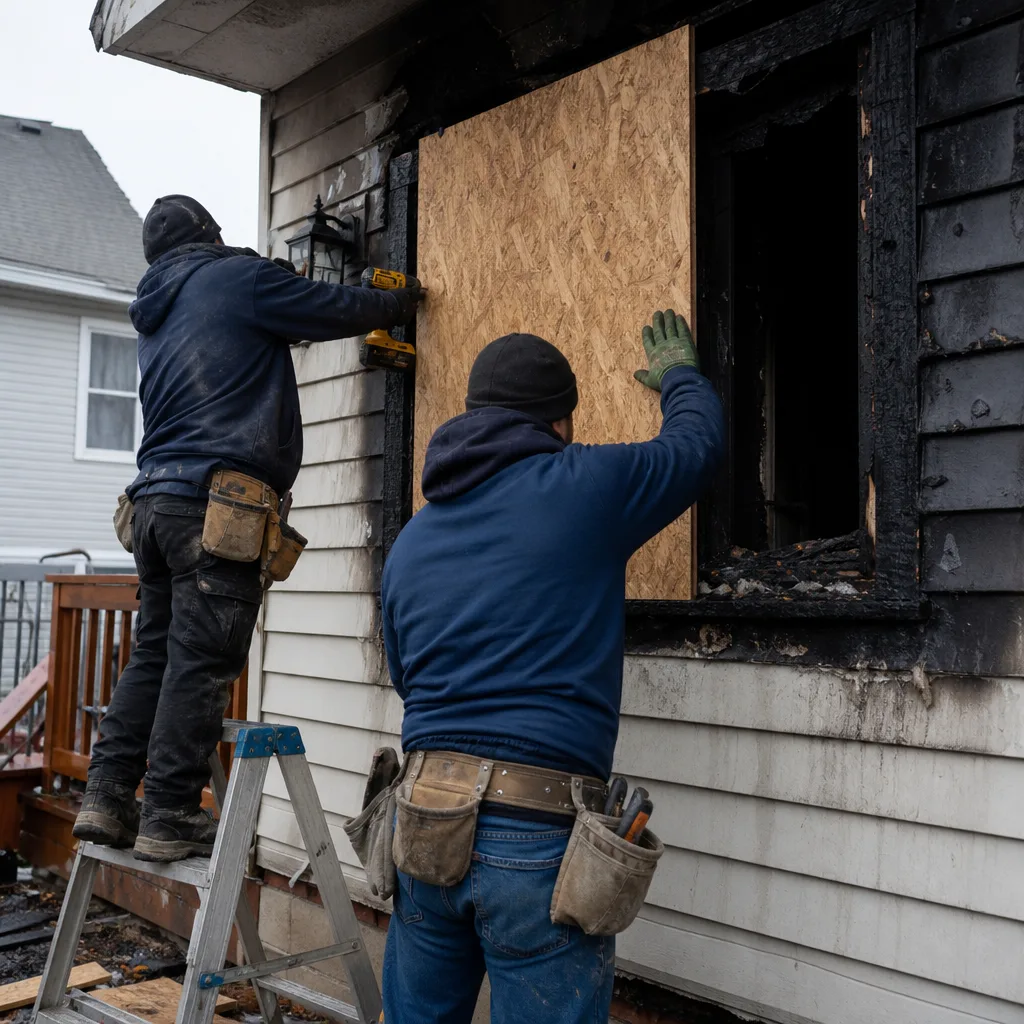
Mold Removal
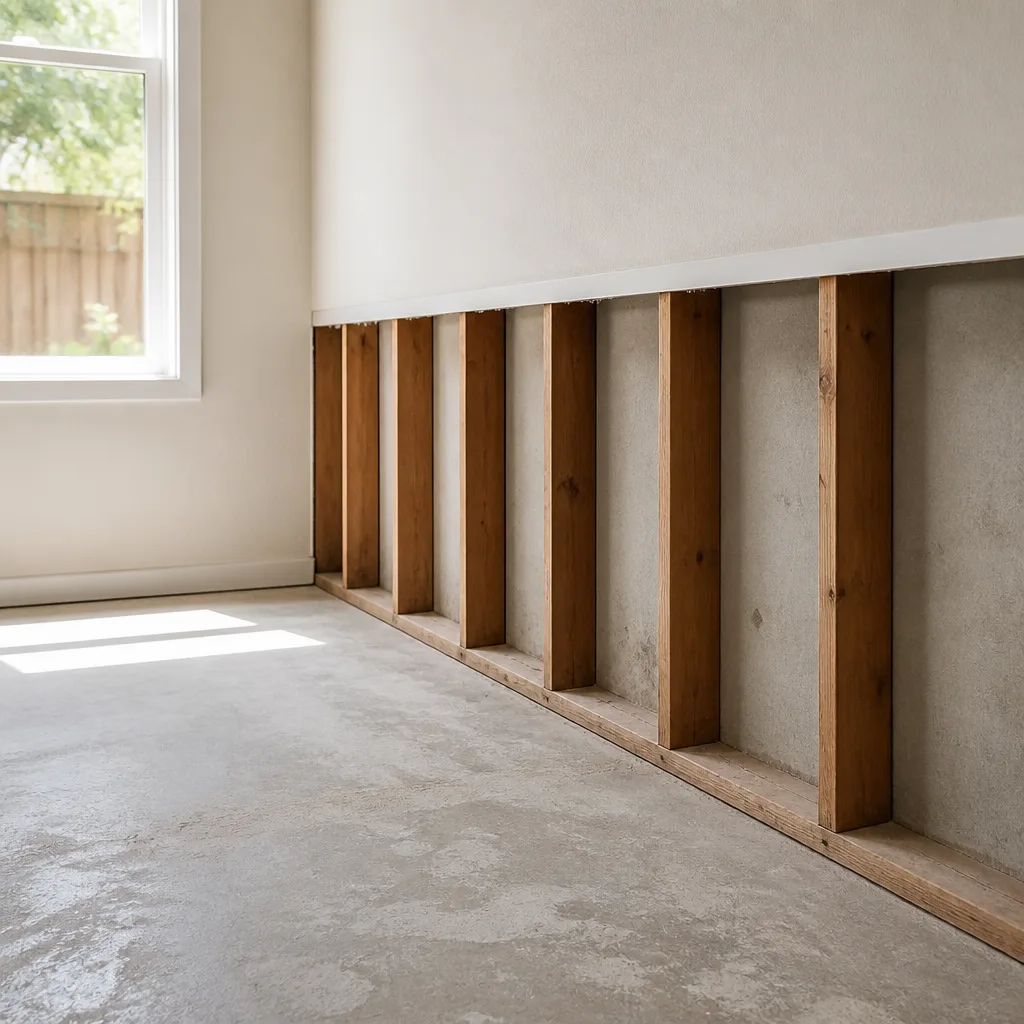
Removing mold in a Central Harlem brownstone means opening the plaster, treating the lath, and removing contaminated material inside containment. We don’t paint over colonies or bleach the surface and call it done. We remove the affected plaster and lath where damage is severe, and we treat the cavities where the original assembly can be saved. Every removal ends with a moisture map showing dry standard achieved.
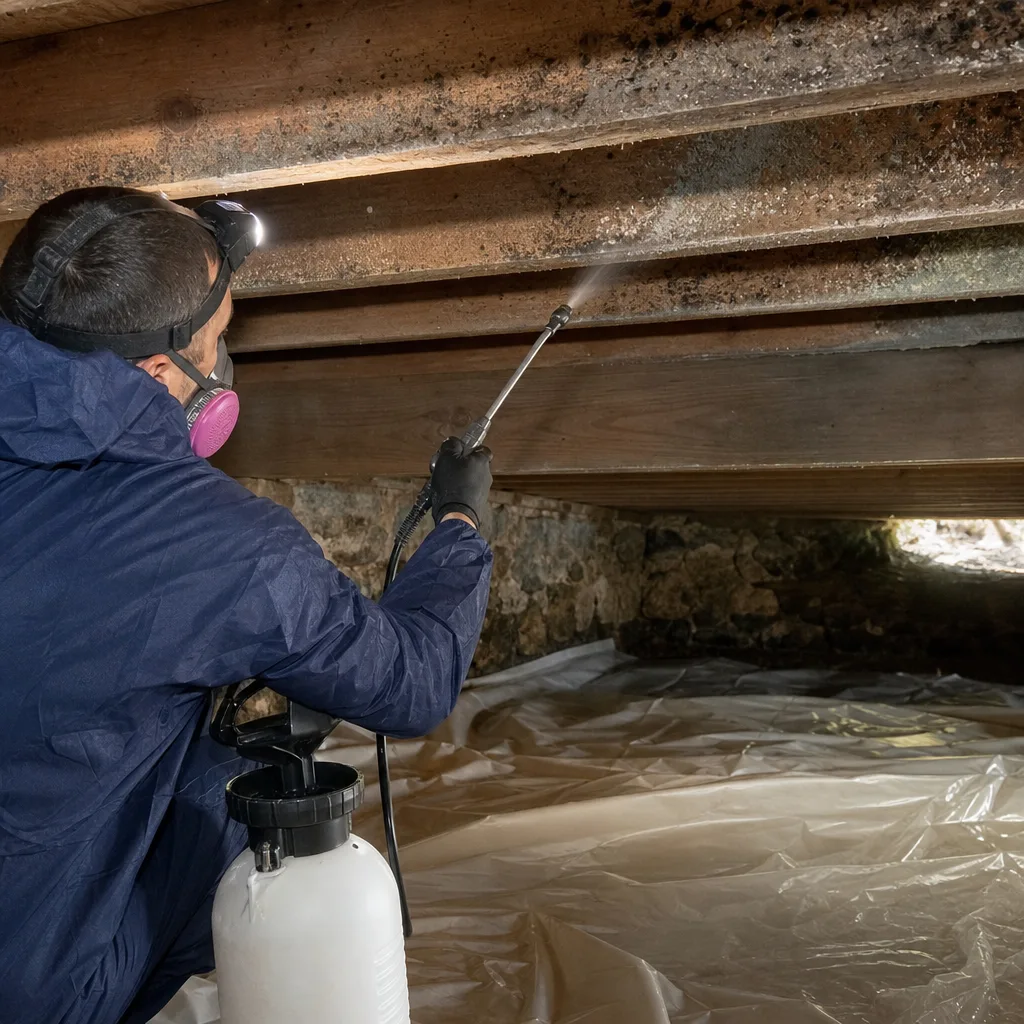
Black Mold Remediation
Black mold in Central Harlem’s stepped floor assemblies spreads through shared wall cavities and behind built-in furniture. We treat it with full containment, HEPA air scrubbing, and antimicrobial treatment inside the lath spaces, not just on visible surfaces. Your apartment gets a written clearance test, not a promise. Call (518) 800-3751 if you’ve seen dark staining spreading from a water source.
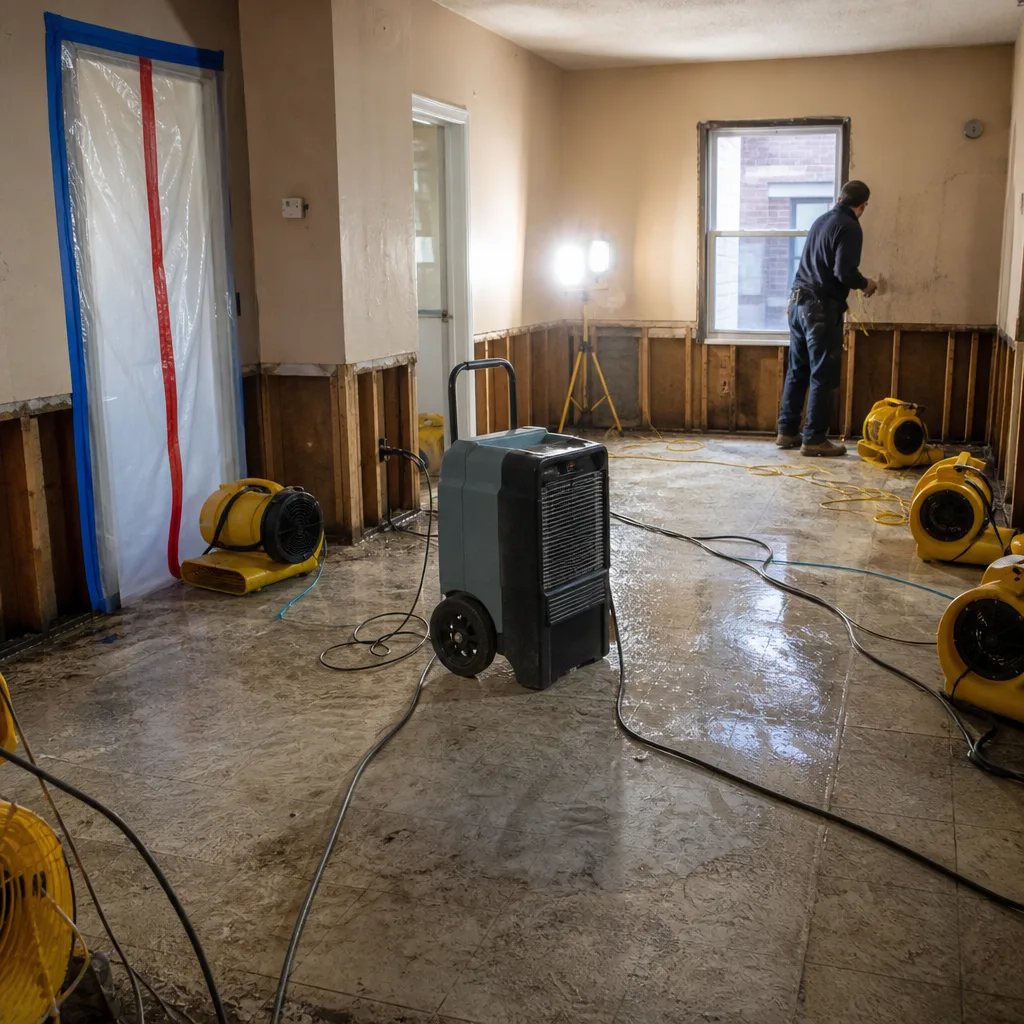
Air Quality Restoration
Mold spores in the air after a leak or flood settle into curtains, upholstery, rugs, and the dead-air pockets behind radiators, though Biohazard & Crime Scene Cleanup in Central Harlem addresses more severe contamination scenarios. We run HEPA air scrubbers during remediation and perform air sampling afterward to confirm spore counts are back to baseline. In pre-war buildings, that means testing every floor, not just the affected unit.
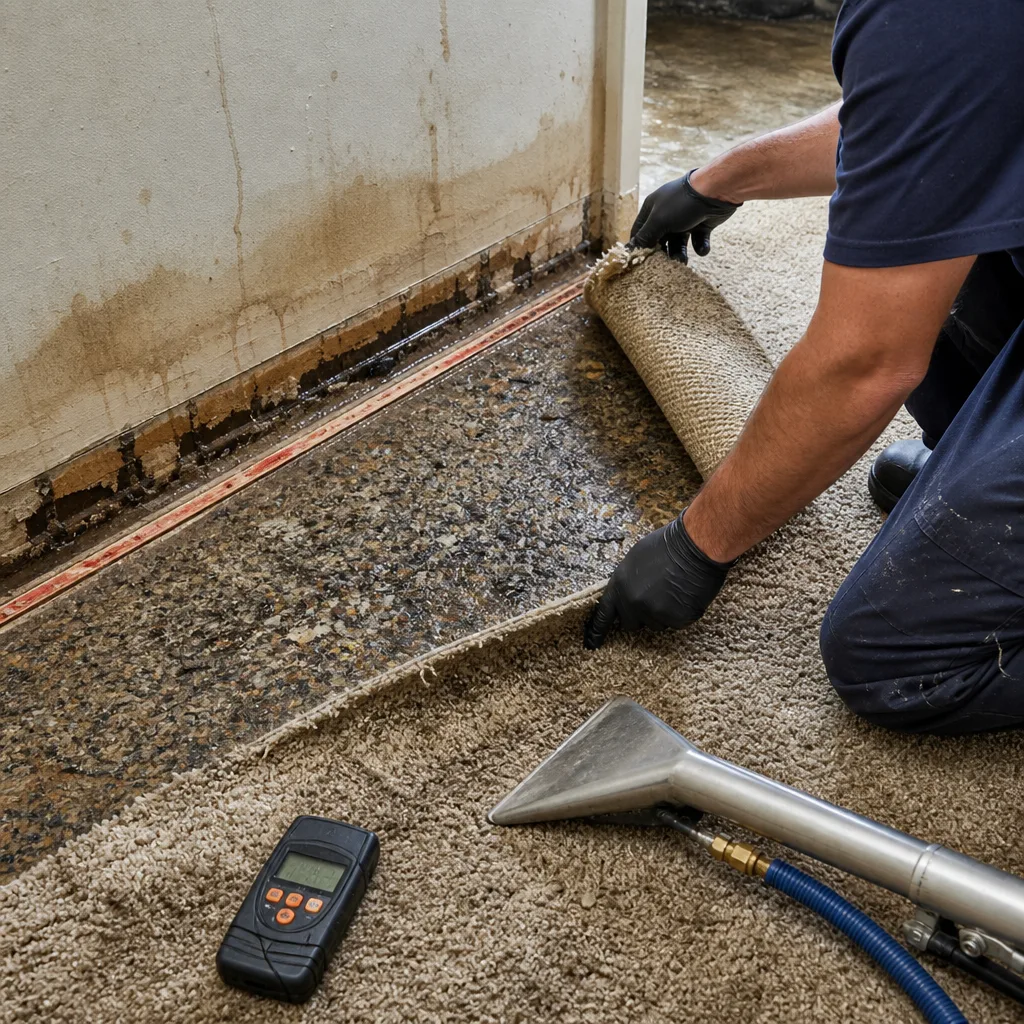
Crawl Space Treatment
Central Harlem row houses with cellar crawl spaces under the front stoop or extension trap humid air against brick and wood joists for decades, sometimes requiring Sewage Cleanup - Central Harlem when flooding introduces wastewater. We treat the framing, install or improve ventilation where the structure allows, and log moisture readings so you know the space stays dry after we leave. LPC-designated blocks require extra care when we treat any exposed original masonry.
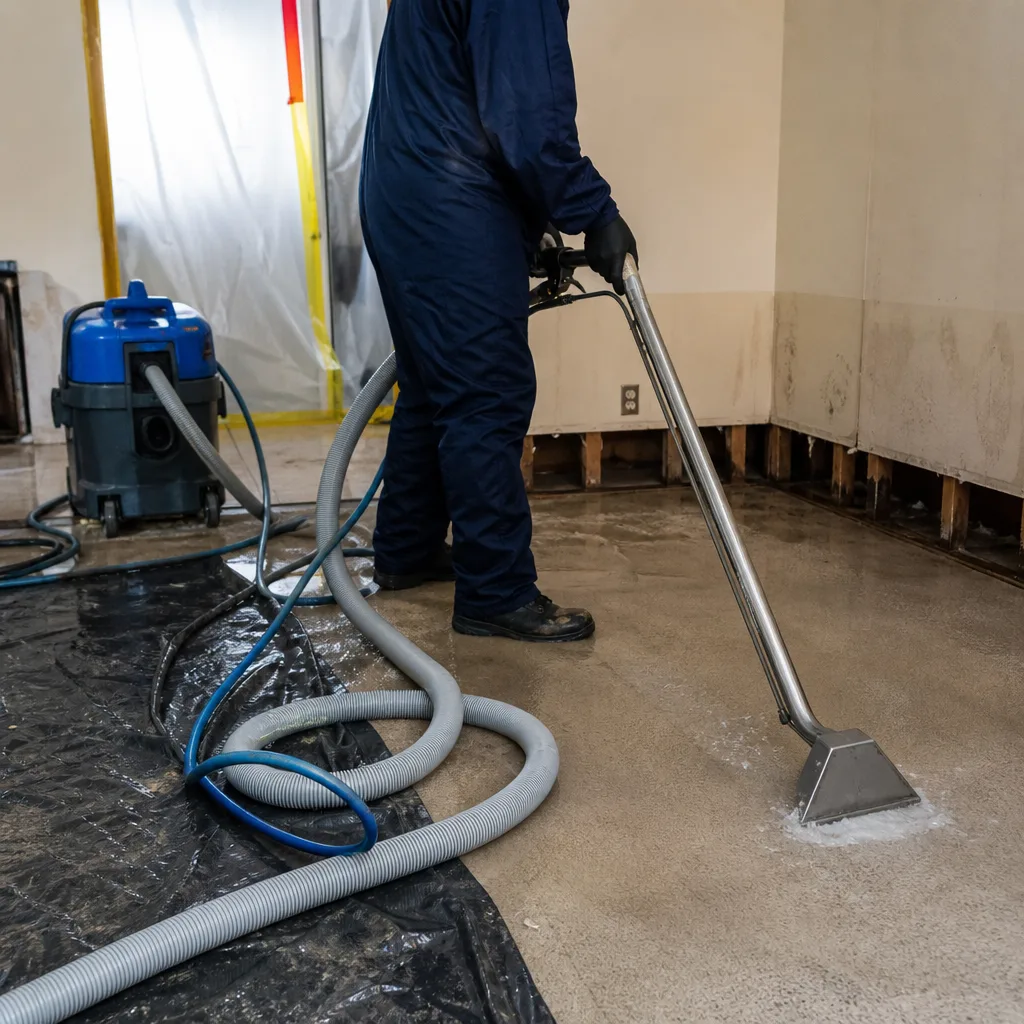
Moisture & Humidity Control
The enemy in a Central Harlem tenement isn’t just the leak, it’s the humidity that never leaves. Steam heat, shared kitchens, and tight pre-war construction create sustained high moisture that feeds mold behind furniture and inside closets. We install or recommend dehumidification matched to your apartment’s layout, and we monitor daily until the dry standard holds.
What happens when you call
- 1
A real person answersNo phone trees - you reach a local pro.
- 2
You get an upfront price rangeHonest numbers before anyone is dispatched.
- 3
A background-checked tech heads outLicensed & insured, dispatched right away.
- 4
You approve before work beginsNothing starts until you say go.
Mold Remediation Costs in Central Harlem, NY
In Central Harlem, mold remediation costs run from $1,800-$4,500 for a contained single-room outbreak behind one wall or ceiling assembly. A multi-floor steam-pipe leak inside a pre-war tenement typically runs $6,000-$14,000, including full containment, pack-out, lath treatment, and replastering. Black mold remediation with air scrubbing and clearance testing adds roughly 20-30% over standard removal due to the containment and air-handling requirements. LPC-designated blocks on Strivers’ Row and Mount Morris Park run higher still: material-matched plaster restoration and landmark compliance can add $2,000-$5,000 to the scope. What moves the price: how many floor assemblies the water crossed, whether tin ceilings or decorative plaster must be replicated, and whether your carrier’s coverage covers water damage that led to the mold. A free visual inspection with a moisture map gives you a firm written scope before any work starts. Call (518) 800-3751 for a Central Harlem estimate, honest and in writing.
We Also Serve Cities Near Central Harlem
Our crews from Central Harlem run calls across upper Manhattan and into Queens. We frequently serve Central Harlem neighbors in Astoria, Ditmars Steinway, Upper Manhattan, and the Upper East Side. Same live dispatch, same IICRC-certified teams, same 90-Day Done Right Promise on every single job.
Serving Central Harlem, NY - Our Local Coverage Area
We’re based in the Central Harlem area and know this community well. Use the map below to see our service coverage - if you’re nearby, we can almost certainly help.
Central Harlem Mold Remediation Questions, Answered
How do you find mold behind the original horsehair plaster in a Central Harlem brownstone without opening every wall?
We use thermal imaging and moisture meters to map the water path first, then probe only the cavities that show elevated moisture or temperature anomalies. In a brownstone, that means reading behind batt insulation, along lath strips, and inside steam-pipe chases, so we open the minimal amount of wall needed to confirm and treat the colony. The moisture map tells us exactly where the water traveled, and mold follows water.
Can you remediate mold in a pre-war Harlem rental without relocating all tenants on every floor?
Yes. We set floor-by-floor containment with negative air pressure so the affected unit is fully sealed while other tenants remain in place. HEPA air scrubbers run continuously during removal, and we treat the work zone and the affected unit only, not the whole building. That said, if water migration crossed multiple floor assemblies, we’ll advise on the minimal necessary relocation scope in writing before work starts.
How soon after a steam pipe burst in a Central Harlem walk-up should mold testing happen?
Within 48 to 72 hours, but don’t wait for testing to start drying. Mold colonization begins within 24 to 48 hours of water saturation in the right conditions. Call (518) 800-3751 immediately after a steam pipe burst. We start moisture mapping and drying the same visit, and we take air and surface samples once the assembly is dry enough to get accurate readings, not before.
Does landmark status on Strivers’ Row change how you remove mold behind original tin ceilings?
Yes, in two ways. First, we are required to preserve and restore the original tin ceiling and any adjacent decorative cornice unless the LPC approves replacement. Second, the lath and plaster assembly behind it is often part of the landmarked interior feature, so we treat and repair rather than gut. We’ve handled LPC-scoped remediation on Central Harlem blocks here and we build that compliance into the scope before work starts.
Why do I need a moisture map when the visible mold is only in one corner of my Harlem apartment?
Because in pre-war plaster and lath construction, the visible mold is the exit point, not the origin. The water that fed it traveled through cavities, around lath strips, and down behind the plaster face. A moisture map shows us where the water went, so we treat the entire path, not just the one corner you can see. That’s the difference between a remediation that lasts and a rebloom six months later.
How fast can a crew actually get to my Central Harlem address?
Within 45 minutes in most cases, 24 hours a day. A live dispatcher answers (518) 800-3751, takes your block and cross-street, and pages the nearest certified crew. We’re fully equipped on the truck: air movers, dehumidifiers, HEPA scrubbers, containment, and meters, so we don’t have to return to a yard first.
Will insurance cover mold remediation in Central Harlem?
If the mold resulted from sudden and accidental water damage covered by your policy, such as a burst steam line or a roof leak, yes, the remediation is generally covered. Mold caused by long-term neglect or deferred maintenance is usually excluded. We document the sequence from water event to mold so your claim reflects the facts. We bill your carrier directly and coordinate with your adjuster throughout. Call (518) 800-3751 for a free inspection and a written scope.
Do I need full mold remediation or just a cleaning in a pre-war Central Harlem apartment?
If the mold is on a hard, non-porous surface like tile or metal, a proper HEPA cleaning with EPA-registered antimicrobial may be sufficient. If it’s on or behind plaster, lath, wood, or drywall, you likely need full remediation because the roots penetrate the substrate and surface cleaning won’t kill the colony. In a pre-war building, the safer call is a free inspection with moisture readings. We’ll tell you honestly if a cleaning is enough, and we’ll put it in writing.
Written by Curt Bowman, Owner at Floodline Restoration Co., serving Central Harlem with 24/7 mold remediation, water damage restoration, and full reconstruction.