
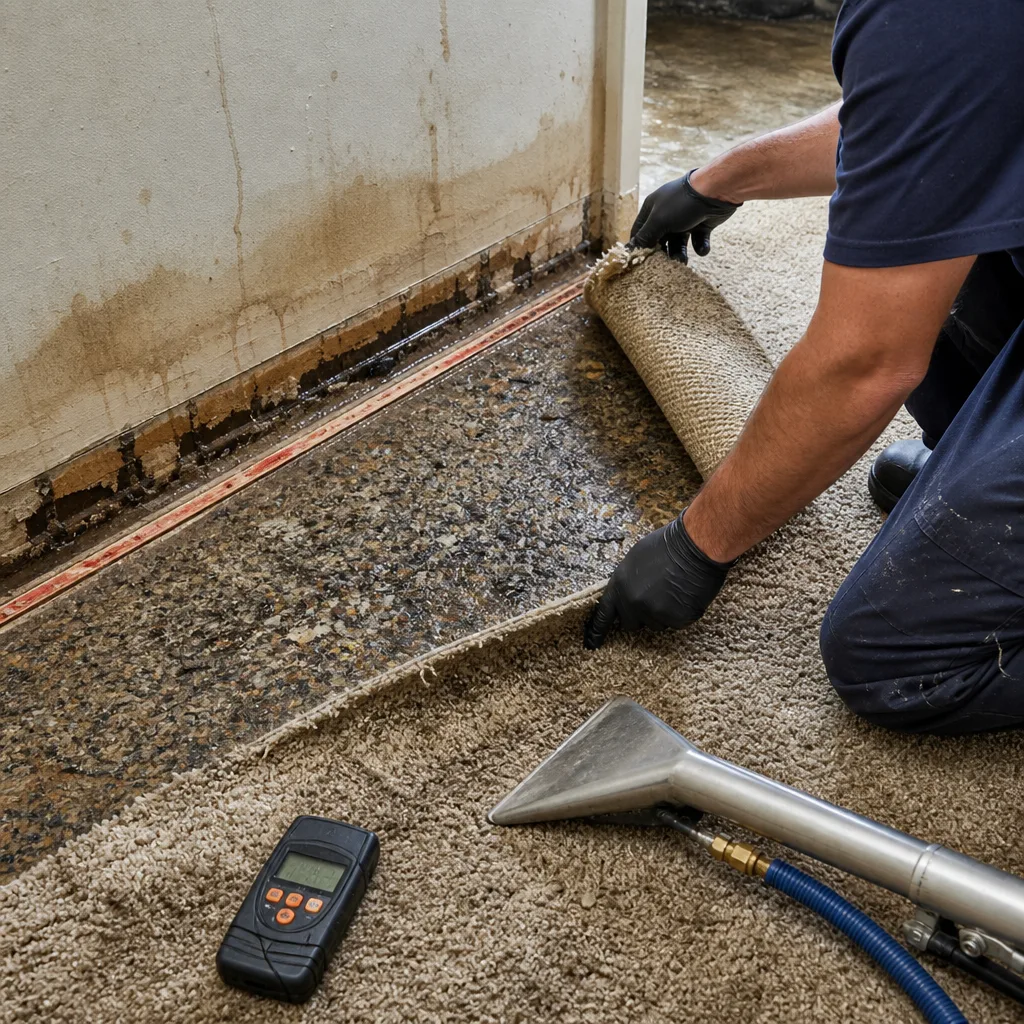
Free visual inspection and a written scope of work before any mitigation begins - photos, moisture readings, and drying logs go in your claim file
The scope we write is the scope we bill. Anything new gets shown to you, in writing, before we touch it.
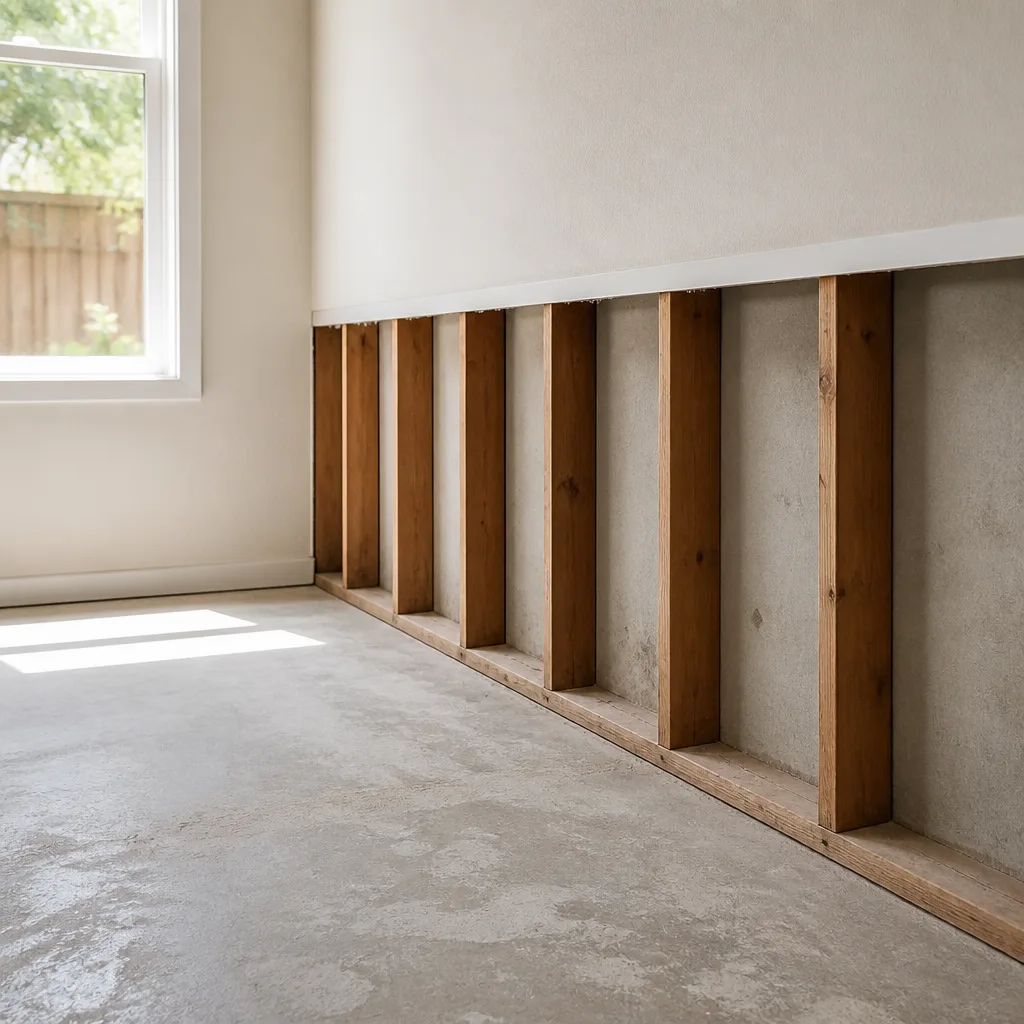
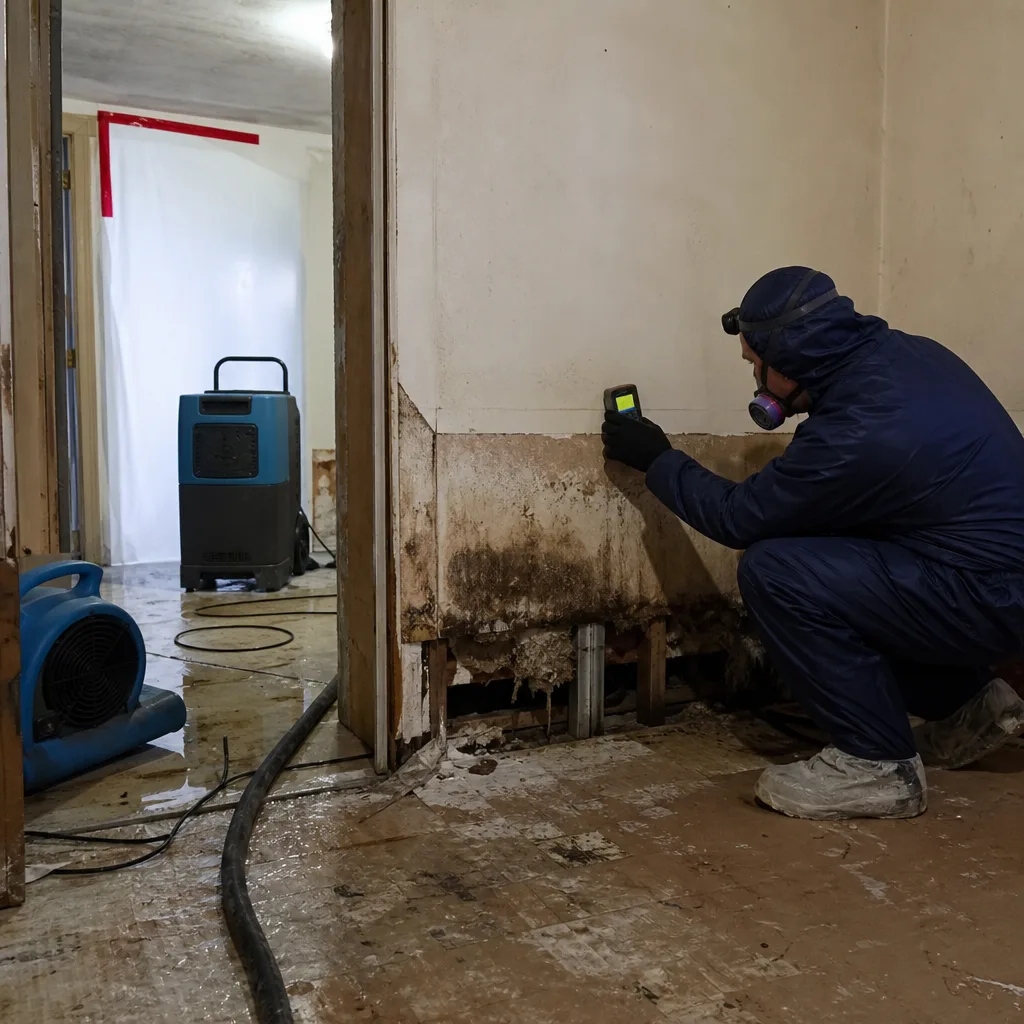 Before
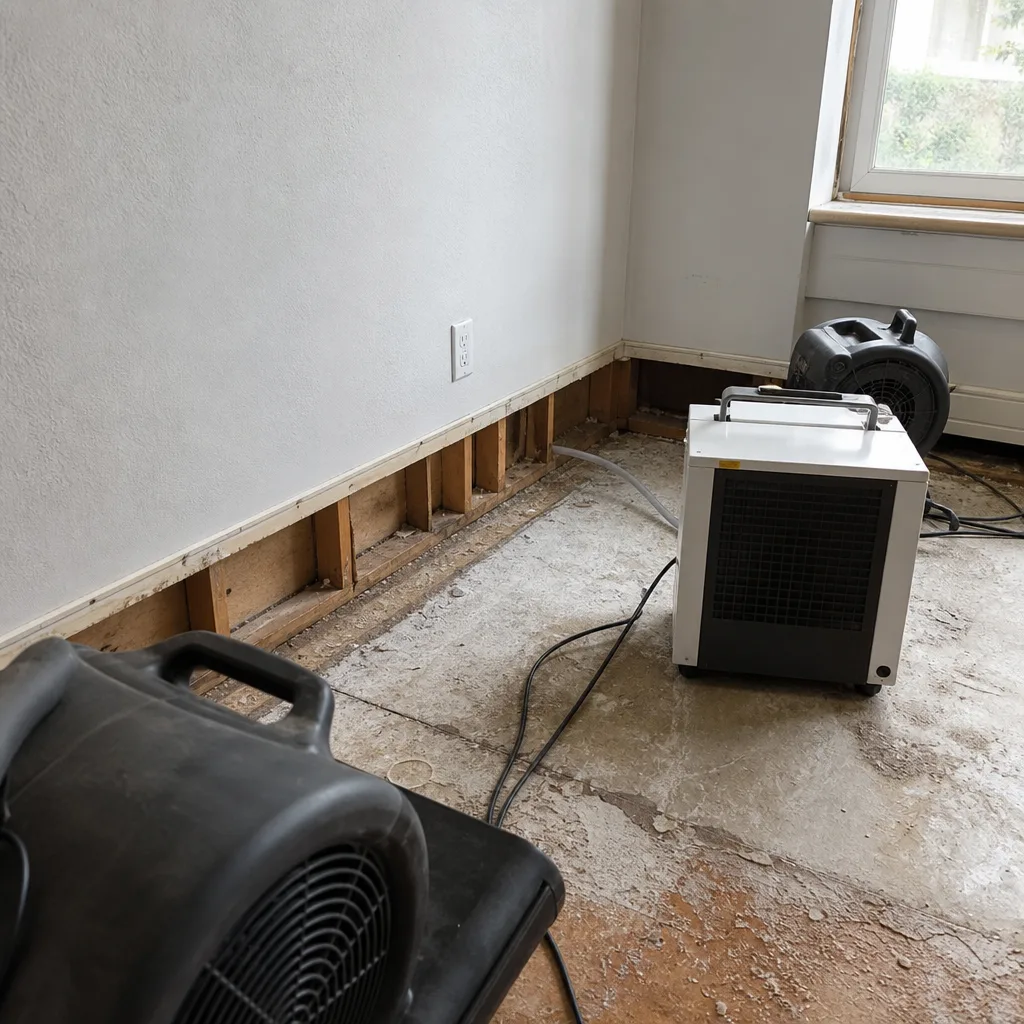 After
After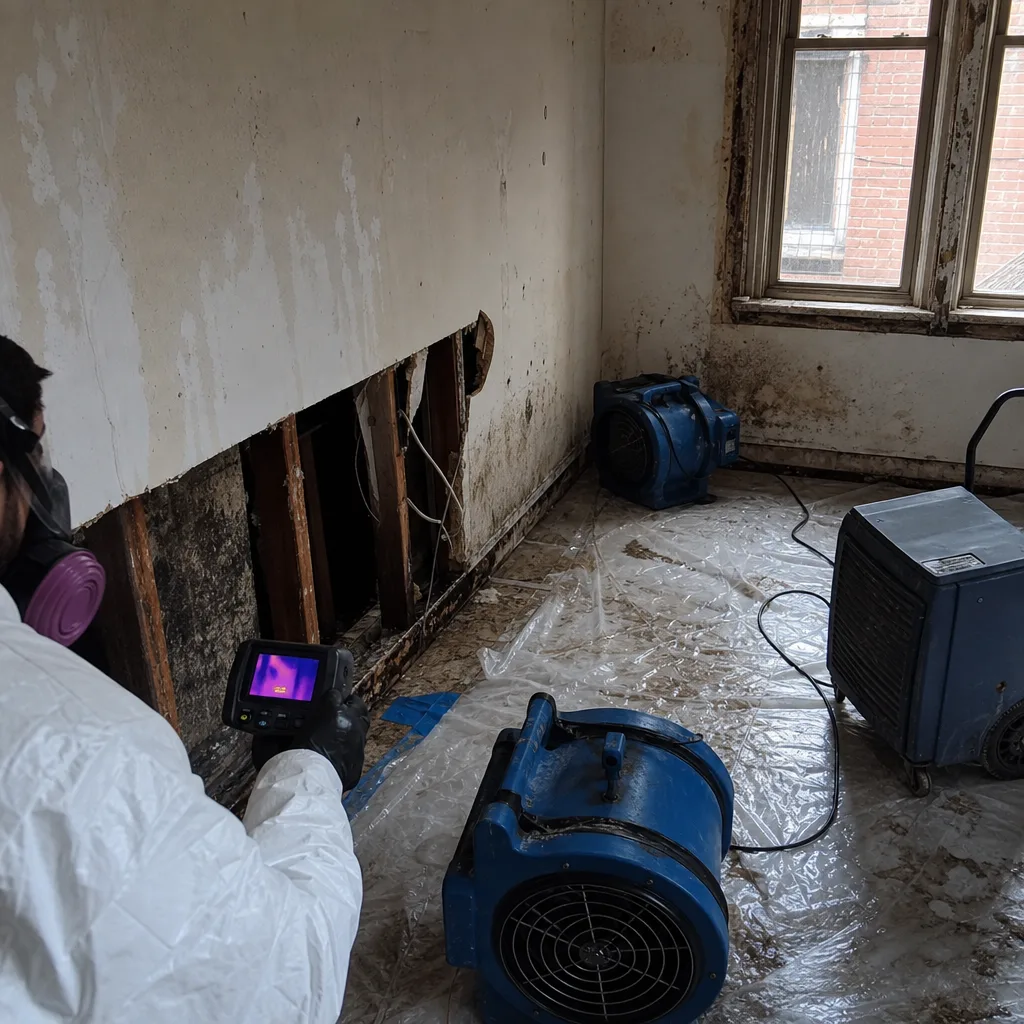 Before
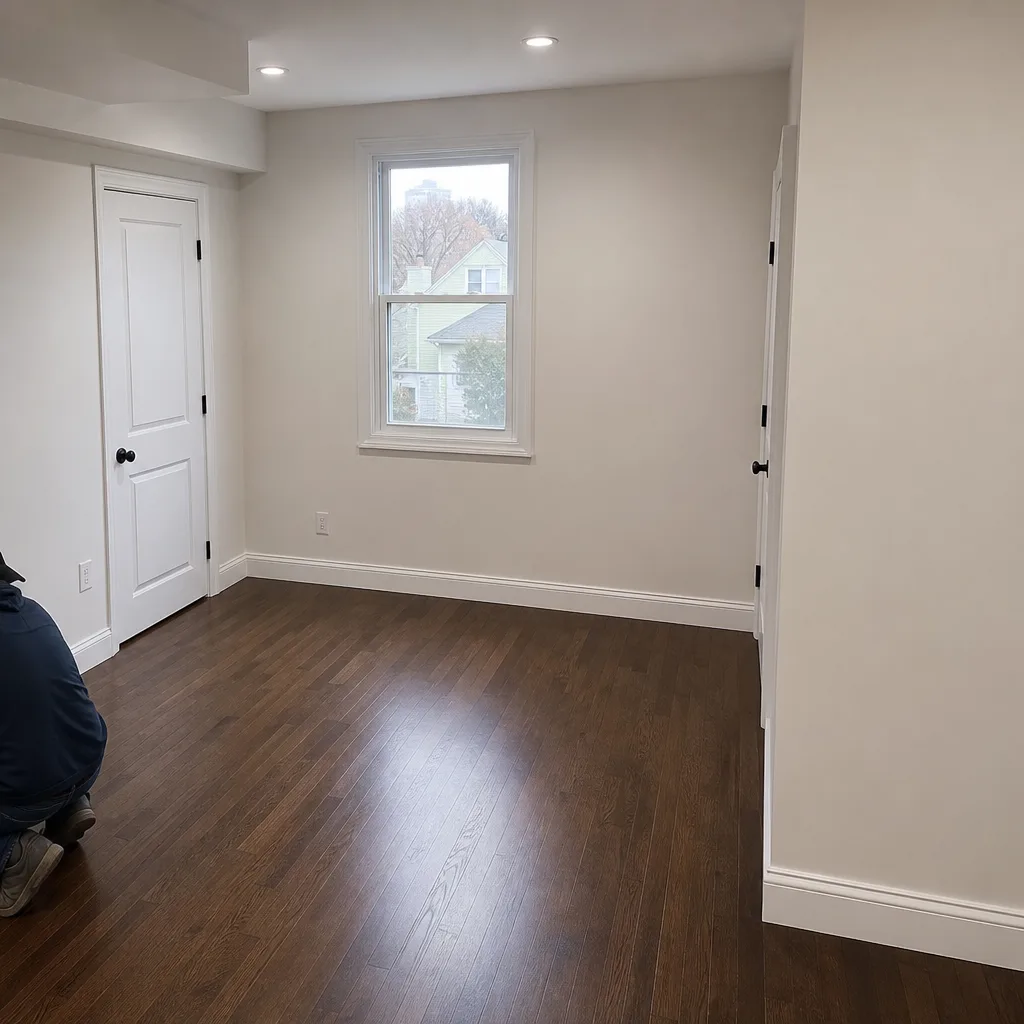 After
After24/7 Emergency Storm & Disaster Restoration in Central Harlem
Storm and disaster restoration in Central Harlem starts with a call answered by a live person, not a recording. Our dispatch desk at Floodline Restoration Co. picks up 24 hours a day, every day, and crews stage from our New York City office to reach Central Harlem fast. Call (518) 800-3751 the moment water is moving through plaster, a tree limb has punched a roof, or wind has torn open a cornice. The first hour matters. Water migrating through 1880s-era lath-and-plaster assemblies spreads laterally across floor joists and down party walls in ways modern drywall construction simply does not. A free visual inspection on our first visit tells you exactly what you are facing, with a written scope before any work begins. We show up when we say we will.
Understanding Storm & Disaster Restoration Severity in Central Harlem Properties
Central Harlem’s housing stock was largely built between the 1880s and 1920s: brownstone row houses, five-to-seven-story tenement walk-ups, and a significant number of structures now inside NYC Landmarks Preservation Commission districts. That changes how restoration work is scoped. A Category 1 water event, clean supply-line water, can often be dried in place if we reach it within hours. Category 2 grey water from a failed steam trap or radiator carries detergents and biological matter and requires containment plus antimicrobial treatment. Category 3 water, what comes up from a flooded basement after Hurricane Ida-style flash flooding, means full removal of saturated plaster, disposal, and aggressive structural drying. Moisture mapping with Dri-Eaz thermo-hygrometers and thermal imaging tells us which is which. Hidden cavities matter more here than almost anywhere else in the borough. Water trapped behind lath, inside plaster keys, or above a tin ceiling can read dry on the surface while feeding mold growth inside the wall cavity for months. That is why we log daily readings until the dry standard is met, and why guessing is never an option on these buildings.
Why Central Harlem Property Owners Choose Floodline Restoration Co.
- We answer live, day or night. A real dispatcher picks up at 2 a.m., not a voicemail prompt. Crews are dispatched from our New York City office to Central Harlem within the hour in most cases.
- Background-checked, uniformed technicians. Every crew member is trained to IICRC, RIA, and IFA standards. We send the same team from first extraction to final trim.
- Free visual inspection with a written scope. You get a line-item scope of work in writing before we start. No surprises on the bill, and no pressure to approve anything beyond what the building needs.
- Direct insurance billing. We document everything from hour one, bill your carrier directly, and coordinate with your adjuster so you are not playing messenger.
- One team, start to finish. The crew that extracts the water and dries the structure is the same crew that rebuilds the plaster, hangs the drywall where allowed, and restores the tin ceiling. No mid-job handoff.
- The 90-Day Done Right Promise. If it is not done right, we make it right. That is the Keystone Standard, given in writing on every job, with no paperwork battles and no arguing.
Our Storm & Disaster Restoration Process
Inspection & Assessment
We respond to Central Harlem fast and start with a full visual inspection: roof, cornice, parapet walls, interior ceilings, floors, and below-grade spaces. Thermal imaging and moisture meters map the actual water path, including what is hiding inside lath-and-plaster cavities. You get a written scope before anything is touched.
Extraction & Stabilization
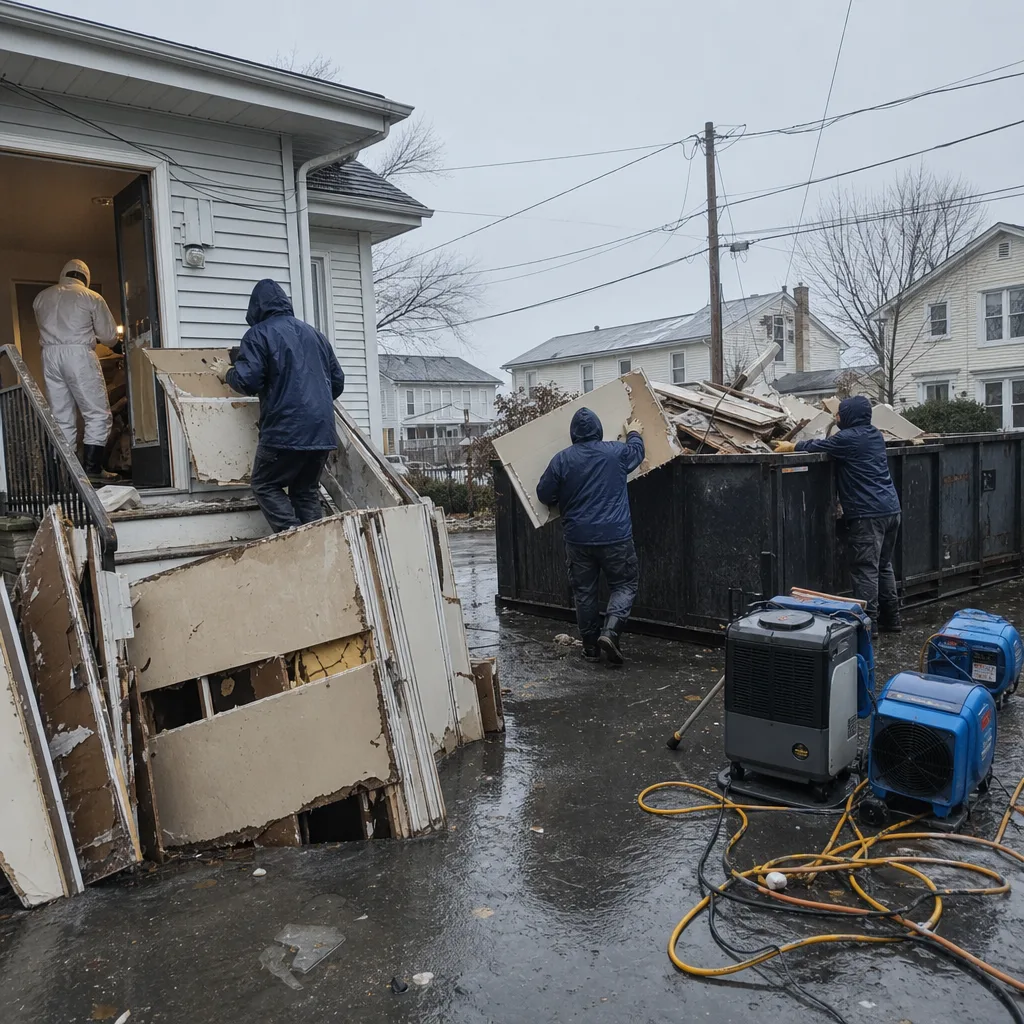
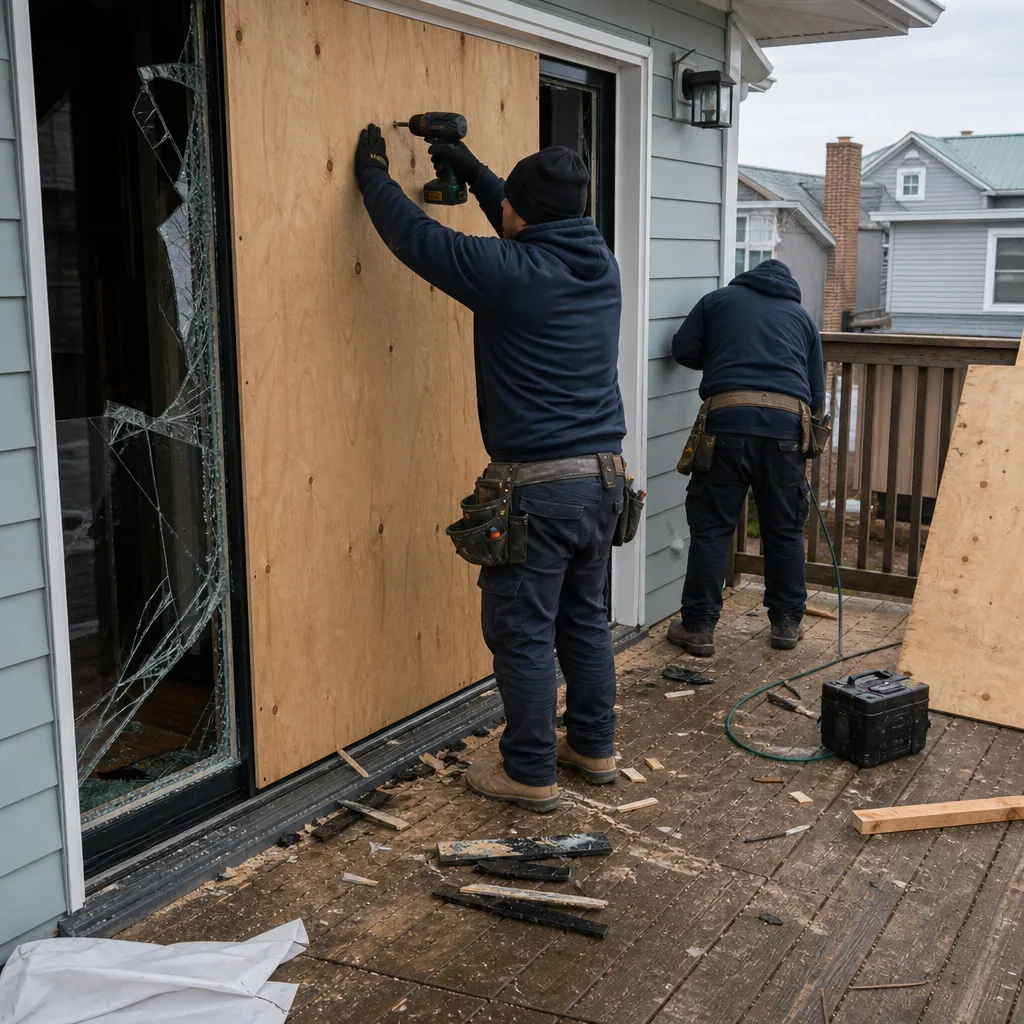
Standing water is extracted first. Then we stabilize the building: emergency roof tarping, board-up of broken windows or breached walls, and containment barriers to stop cross-contamination. On multi-unit Central Harlem walk-ups, containment goes up on each affected floor landing.
Drying & Dehumidification
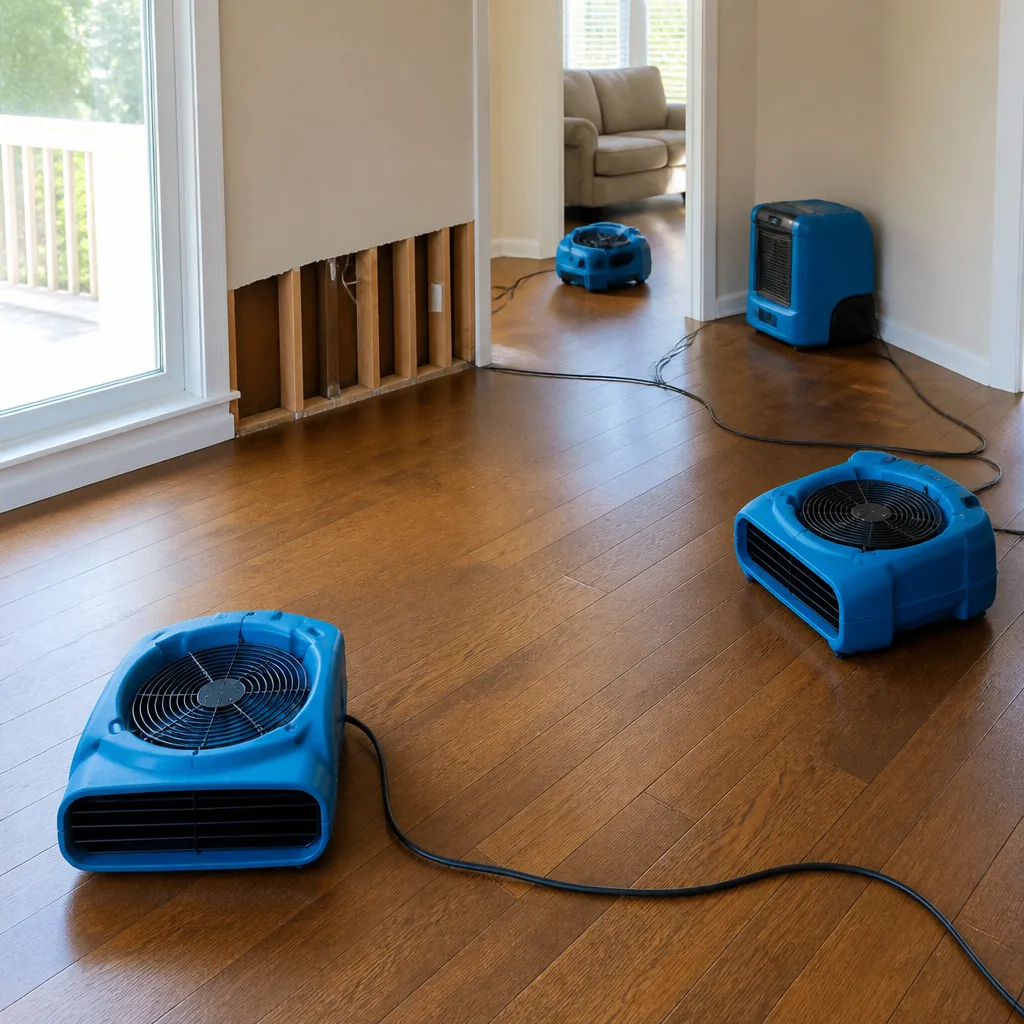
Dri-Eaz and Phoenix air movers and dehumidifiers are placed for directed airflow across saturated plaster, framing, and subfloor. We log daily moisture readings with hygrometers until the dry standard is met. Original plaster can often be saved if we start before saturation sets deep into the keys.
Cleaning & Sanitization
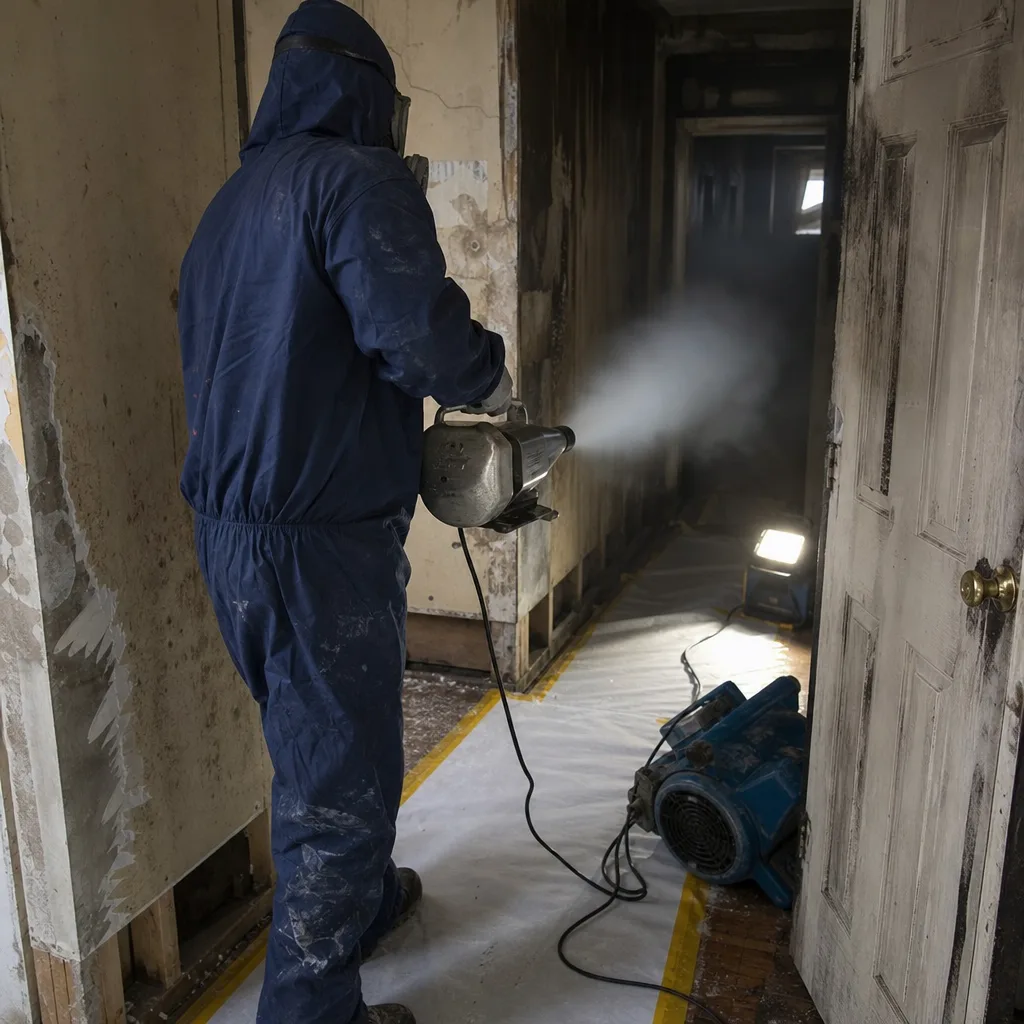
Antimicrobial treatment and HEPA air scrubbing remove biological contamination and particulate. Tin ceilings, decorative medallions, and original woodwork get surface-specific cleaning, not chemical dousing. The goal is pre-loss condition, not a facelift.
Specialty Treatment
Central Harlem buildings need specialty care: horsehair plaster replication, material-matched brownstone façade repairs, and LPC-compliant restoration of cornices and stoops. We document everything for landmark review before any replacement material goes in.
Repairs & Restoration
The same crew rebuilds what was removed. Plaster is patched and matched, paints are color-matched, flooring is refinished or replaced, and the final result is documented. We hand you the moisture log and the 90-Day Done Right Promise in writing.
Need Emergency Storm & Disaster Restoration in Central Harlem Now?
Crews minutes away, answering live 24 hours a day. The sooner we start, the less it costs.
Working With Your Insurance Company
Insurance claims on Central Harlem storm damage involve older buildings, landmark compliance, and material matching that adjusters outside New York rarely anticipate. We handle that layer for you. From the first hour, we photograph every affected surface, log moisture readings room by room, and build a line-item scope priced to industry standards your carrier recognizes. Our team communicates with your adjuster directly, submits documentation on your behalf, and bills the carrier when approved. You are not stuck relaying messages between a remediation crew, a general contractor, and an insurance desk. One company, one file, one point of contact. Whether it is a wind-damaged cornice on an LPC block or a flooded garden-level unit, the claim trail is complete and defensible.
What We Provide Your Insurer
- Thorough documentation of the loss
- Photos of all damage, room by room
- Moisture readings and drying logs
- A detailed, line-item scope of work
- Direct coordination with your carrier
Built for Central Harlem’s Loss Calendar
Central Harlem’s losses follow a seasonal rhythm that has not changed much in a hundred years. January and February bring deep freezes that burst supply lines and steam pipes in unheated hallways or vacant top-floor units. Water sheeting down through four or five floors of plaster is a routine January call. March and April mean freeze-thaw cycles attacking the flat and minimally-pitched roofs common on Harlem tenements and brownstones, opening old flashing seams and feeding slow leaks that become ceiling collapses by the first warm week. Summer brings the flash-flood thunderstorms and the occasional nor’easter remnant, with basement and garden-level flooding the same pattern Hurricane Ida hammered in September 2021. October through December, wind-driven rain finds every failed cornice joint, every cracked parapet cap, and every missing brick on a party wall. Aging steam systems, original cast-iron supply lines, and decades of deferred maintenance compound every one of these events. We plan crews around that calendar because the calendar does not change.
Storm & Disaster Restoration Across Central Harlem’s Neighborhoods
Central Harlem is not one building type. It is several, and each responds to storm damage differently. Along Strivers’ Row, the St. Nicholas Historic District townhouses carry landmark-protected façades, ornate cornices, and original interior detailing that an insurance-driven contractor from outside the borough will often misquote or mishandle. East of Lenox Avenue, you see more five-to-seven-story tenement walk-ups with steam heat and shared party walls, where one failed riser on the fourth floor turns into a five-unit water claim by morning. Around Mount Morris Park, brownstone owners face LPC review for exterior repairs alongside interior plaster and tin-ceiling restoration, and the review process adds time that an emergency scope has to account for from the first day. Closer to 125th Street, mixed-use buildings mean commercial spaces at grade and occupied apartments above, so containment and scheduling have to keep both working. The blocks between St. Nicholas Avenue and Edgecombe run deep below grade, with cellar and garden-level units that flood in every significant rainfall because the 1880s drainage systems were never sized for 21st-century stormwater. We know these blocks, their building types, and their loss patterns, which means our first scope is usually right the first time.
Specialized Storm & Disaster Restoration Services We Offer in Central Harlem
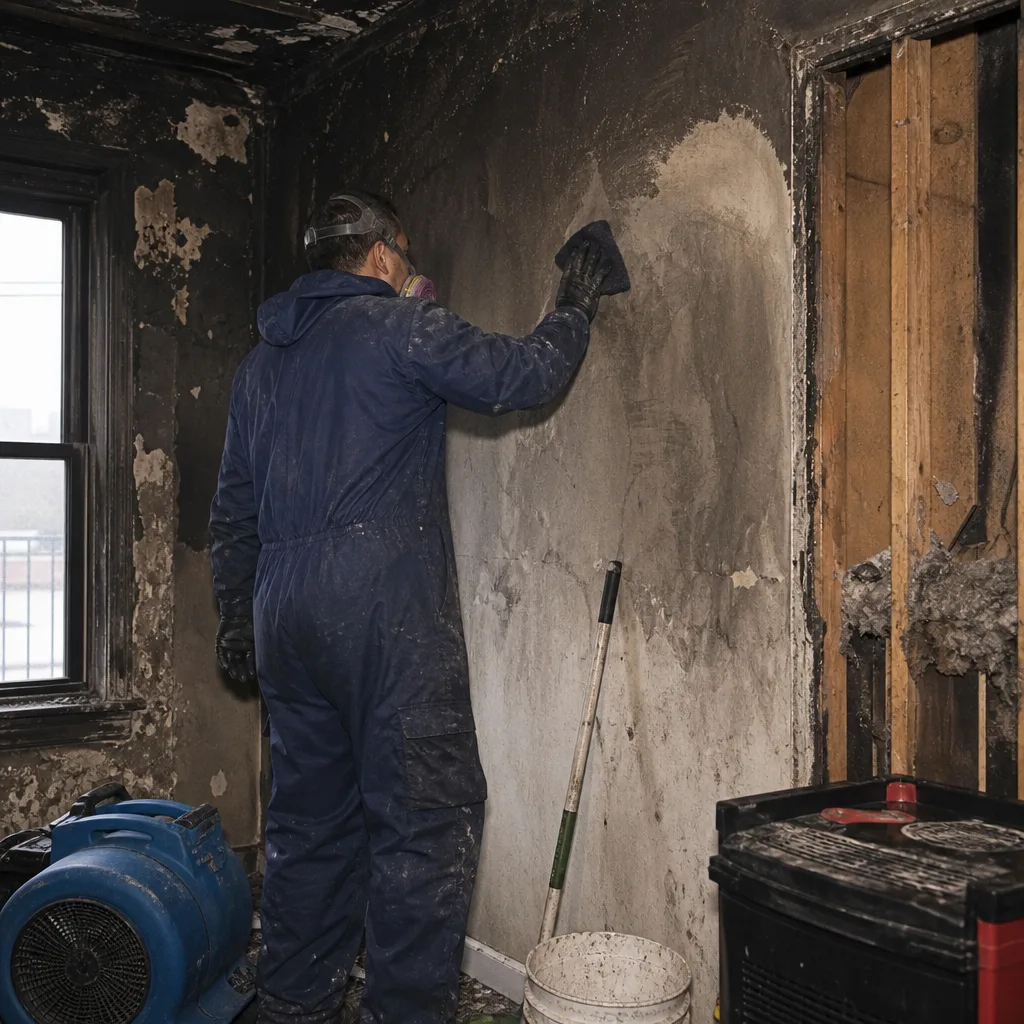
Storm Damage Cleanup
After a storm moves through, the damage is rarely just water: broken glass, fallen plaster chunks, soaked insulation, and debris from roof punctures. We clear it, contain it, and document it. On Central Harlem brownstones, that includes careful removal of waterlogged plaster without destroying the original moldings and tin ceilings beneath. Cleanup is the first step to a defensible insurance claim and a stable structure.
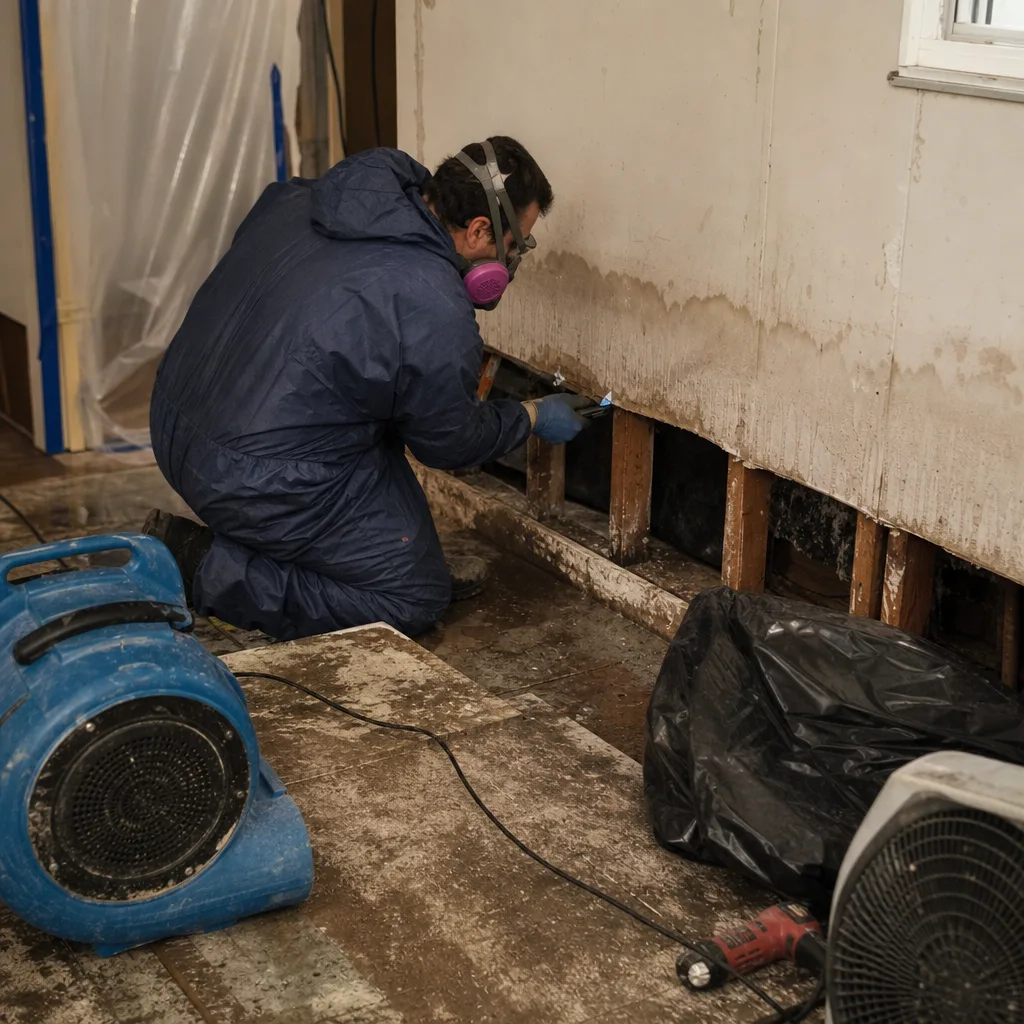
Flood Damage Restoration
Flooding in Central Harlem’s garden-level and cellar apartments is the single most common call we get after heavy rain. We pump out standing water, remove saturated material, dry the structure, and treat for contamination. In pre-war buildings, that means checking lath-and-plaster cavities, floor joists above the cellar, and party wall bases for water that travelled beyond the visible flood line. The floodline is where we start; the moisture map is where the job is decided.
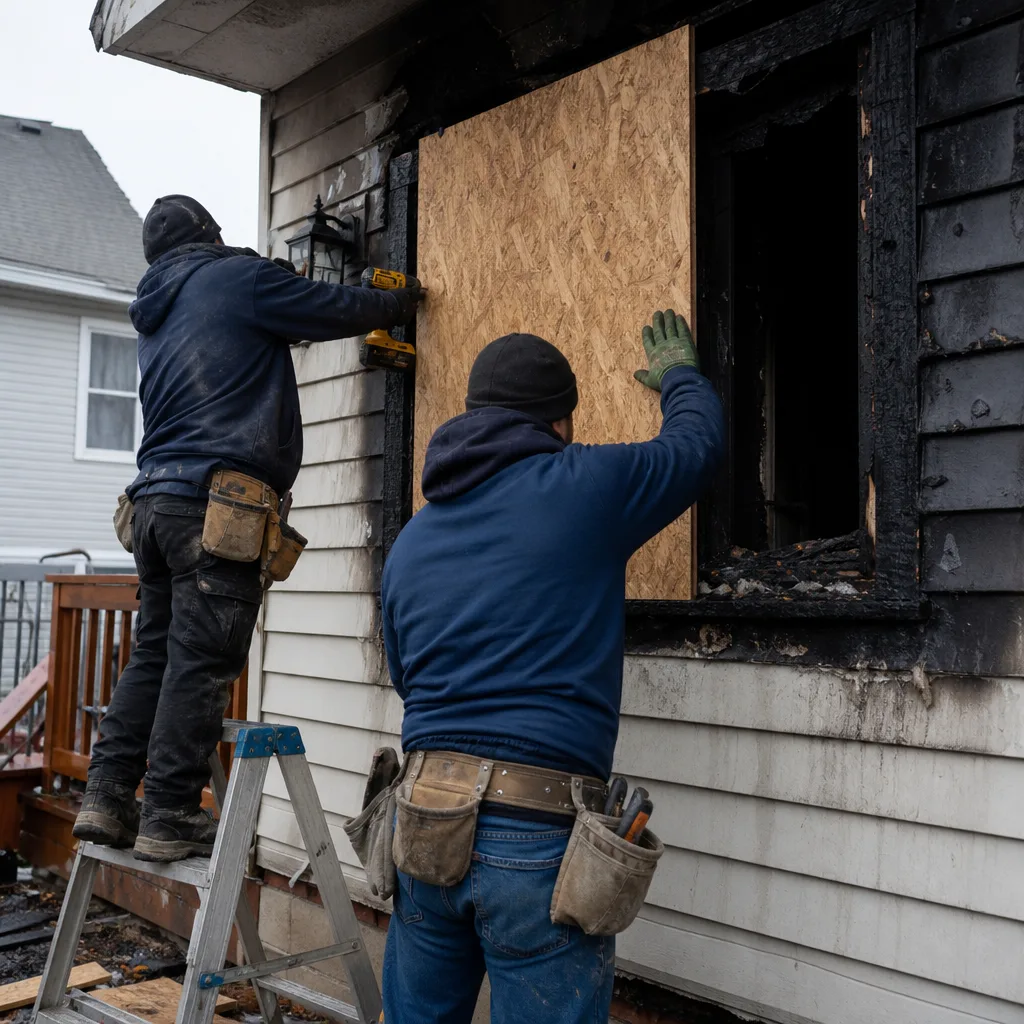
Emergency Board-Up
A broken window, a blown-in door, a breached party wall after a tree impact: we board up and secure the building fast. On Central Harlem streets with active foot traffic, like along Malcolm X Boulevard or Adam Clayton Powell Jr. Boulevard, securing openings is both a safety issue and a liability issue. We use proper anchoring, not a few nails and hope. Board-up is temporary; the security it provides has to be real until permanent repairs are scheduled.
Roof Tarping
Roof damage on Central Harlem’s flat and low-slope roofs needs immediate protection. We tarp over punctures, failed flashing, damaged parapet caps, and missing sections of membrane using heavy-duty material and weighted or anchored installation. On LPC-designated blocks, tarping is also the first documented step in showing the carrier and the Commission that the building was secured against further damage immediately after the event.
Debris Removal
Storm debris on sidewalks, areaways, stoops, and rooftops in Central Harlem is not just unsightly; it is a hazard and an insurance line item. We haul it, sort it, and document it for your claim. When debris includes plaster, lath, or lead-painted cornice material from pre-war buildings, we handle it to New York City disposal standards, not the standards of a suburban dumpster run.
What happens when you call
- 1
A real person answersNo phone trees - you reach a local pro.
- 2
You get an upfront price rangeHonest numbers before anyone is dispatched.
- 3
A background-checked tech heads outLicensed & insured, dispatched right away.
- 4
You approve before work beginsNothing starts until you say go.
Storm & Disaster Restoration Costs in Central Harlem, NY
Storm and disaster restoration costs in Central Harlem run higher than the metro average, and the reasons are structural, not inflated. A simple basement pump-out and dry-out after flash flooding typically runs $2,500 to $6,000 depending on square footage and contamination level. A full Category 2 or 3 multi-floor water loss in a pre-war walk-up, the kind where one steam pipe floods five units, runs $18,000 to $65,000 once you factor containment, plaster removal, structural drying, antimicrobial treatment, and reconstruction. Roof tarping on a brownstone or tenement roof runs $900 to $2,200 for a standard application. Emergency board-up runs $450 to $1,400 per opening depending on size and access. Debris removal and storm cleanup add $1,200 to $4,500. LPC compliance work, if your block is in Mount Morris Park or Strivers’ Row, adds 15 to 30 percent to reconstruction scope because of material matching and review time. Every estimate starts with a free visual inspection and a written line-item scope so you know what is covered before we start. Call (518) 800-3751 for an exact quote on your Central Harlem property.
We Also Serve Cities Near Central Harlem
Floodline Restoration Co. serves Central Harlem and the surrounding neighborhoods, with the same live-answer dispatch and the same crews. We work in Storm & Disaster Restoration across Astoria, Ditmars Steinway, Upper Manhattan, and the Upper East Side. Same team, same written guarantee, same standard of work on every building we enter.
Serving Central Harlem, NY - Our Local Coverage Area
We’re based in the Central Harlem area and know this community well. Use the map below to see our service coverage - if you’re nearby, we can almost certainly help.
Central Harlem Storm & Disaster Restoration Questions, Answered
How does LPC landmark status affect water-damage repairs on a Central Harlem brownstone?
Landmark status means any exterior repair, including a water-damaged brownstone façade, cornice, or stoop, must be approved by the NYC Landmarks Preservation Commission, and the repair must match the original material and profile rather than using a modern off-the-shelf replacement. Inside an LPC-designated building, the same principle applies to visible historic fabric like tin ceilings, decorative plaster, and original moldings. If a contractor swaps waterlogged horsehair plaster for drywall on a protected interior without the right documentation, the work can fail review and force a costly redo. We document pre-loss conditions, photograph the damaged fabric, and scope the repair to landmark standards from day one.
Can my original horsehair plaster ceilings be saved after a third-floor radiator burst?
Often, yes. The determining factor is how fast mitigation starts and how long the plaster has been saturated. Horsehair plaster is surprisingly resilient, but once the keys that hold it to the lath turn to mud, the ceiling is lost. We use Dri-Eaz thermo-hygrometers and moisture mapping to read the actual saturation level inside the cavity, then place directed airflow to dry the assembly in place where possible. If the plaster has delaminated, we remove the loose sections, preserve any decorative medallions or tin elements for replication, and rebuild with material-matched lime plaster, not drywall, on any landmark-protected interior or where you want to preserve the original ceiling profile.
Why do so many Central Harlem tenements end up with five or six flooded apartments from one broken pipe?
Steam-heated pre-war tenements in Central Harlem are vertically plumbed, meaning a single cast-iron riser or steam trap failure on an upper floor sends water down inside the wall and floor assemblies through every apartment below. The original lath-and-plaster construction wicks water laterally across floor joists and party walls, so what starts as one unit’s ceiling stain becomes a multi-floor claim within hours. We routinely set up containment on every affected floor landing, map the vertical migration path, and coordinate with all affected residents and the building owner so no one is missed. The building’s age makes it worse, not better, but it also means the failure pattern is predictable if you know these systems.
Does rooftop work on a Harlem brownstone for ice dams or wind damage require special approvals?
Any exterior work on an LPC-designated Central Harlem block requires review before permanent materials go in, and even non-landmark buildings in the borough face New York City Department of Buildings permit rules for structural or membrane replacement. Emergency tarping and stabilization can proceed immediately to stop further damage, which is exactly what we do first, then we file the correct documentation for permanent repair. On Strivers’ Row or Mount Morris Park blocks, that means matching the roof replacement to the district’s historic profile and submitting material specs for approval. We handle that coordination so the emergency is stopped now and the permanent fix is compliant.
What’s different about drying a Central Harlem pre-war walk-up versus a modern building after flash flooding?
Modern buildings are built to dry: drywall, fiberglass insulation, open framing assemblies, and HVAC systems that move air. A Central Harlem pre-war walk-up is the opposite. Horsehair plaster holds water, lime mortar holds water, and shared party walls mean the moisture you cannot see is in your neighbor’s unit too. We use Phoenix and XPOWER air movers with directed airflow into wall and floor cavities, Dri-Eaz dehumidification, and daily moisture readings that map the drying curve across the entire assembly, not just the visible surface. The dry standard must be met inside the wall cavities and joist bays, not just on the face of the plaster, or the building will tell you about it later with mold, peeling paint, and recurring stains.
How fast can someone actually get to Central Harlem after a storm?
In most cases, a Floodline Restoration Co. crew can reach a Central Harlem address within 45 minutes of your call to (518) 800-3751. Our dispatch desk is live around the clock, and crews stage from our New York City office specifically to serve upper Manhattan. During a major storm event, response times extend because every call is urgent, but emergency tarping, board-up, and extraction are prioritized by severity: standing water, breached buildings, and occupied units come first. Call the moment you see water moving or wind damage open to the sky. The first hour is the difference between drying in place and full plaster removal.
Will insurance cover a storm damage restoration project in Central Harlem?
Most Central Harlem storm damage claims are covered under a standard homeowner or co-op building policy, including water damage from wind-driven rain, roof failures, and burst pipes. Flood damage, the kind that comes up from the ground after heavy rain, is a separate flood policy issue that many owners do not carry, a hard lesson from Hurricane Ida in September 2021. We photograph every surface, log moisture readings, and write a line-item scope that gives your carrier a complete, defensible file. We bill the carrier directly for covered work and coordinate with your adjuster so you are not the messenger in the middle.
What should I do in the first 30 minutes after discovering storm damage?
Shut off the water or cut power to the affected area if you can do so safely, move anything valuable out of the path, place a bucket under active drips, and photograph everything with your phone. Then call (518) 800-3751. Do not try to remove waterlogged plaster, do not open walls to dry them yourself, and do not turn on fans or heat to speed drying: the wrong airflow moves moisture deeper into lath-and-plaster cavities and turns a salvageable ceiling into a removal job. In Central Harlem’s older buildings, the first 30 minutes of correct decisions save you thousands and can mean keeping original plaster and tin work intact.
Written by Curt Bowman, Owner at Floodline Restoration Co., serving Central Harlem and the surrounding neighborhoods. A square deal, done right, backed in writing.