
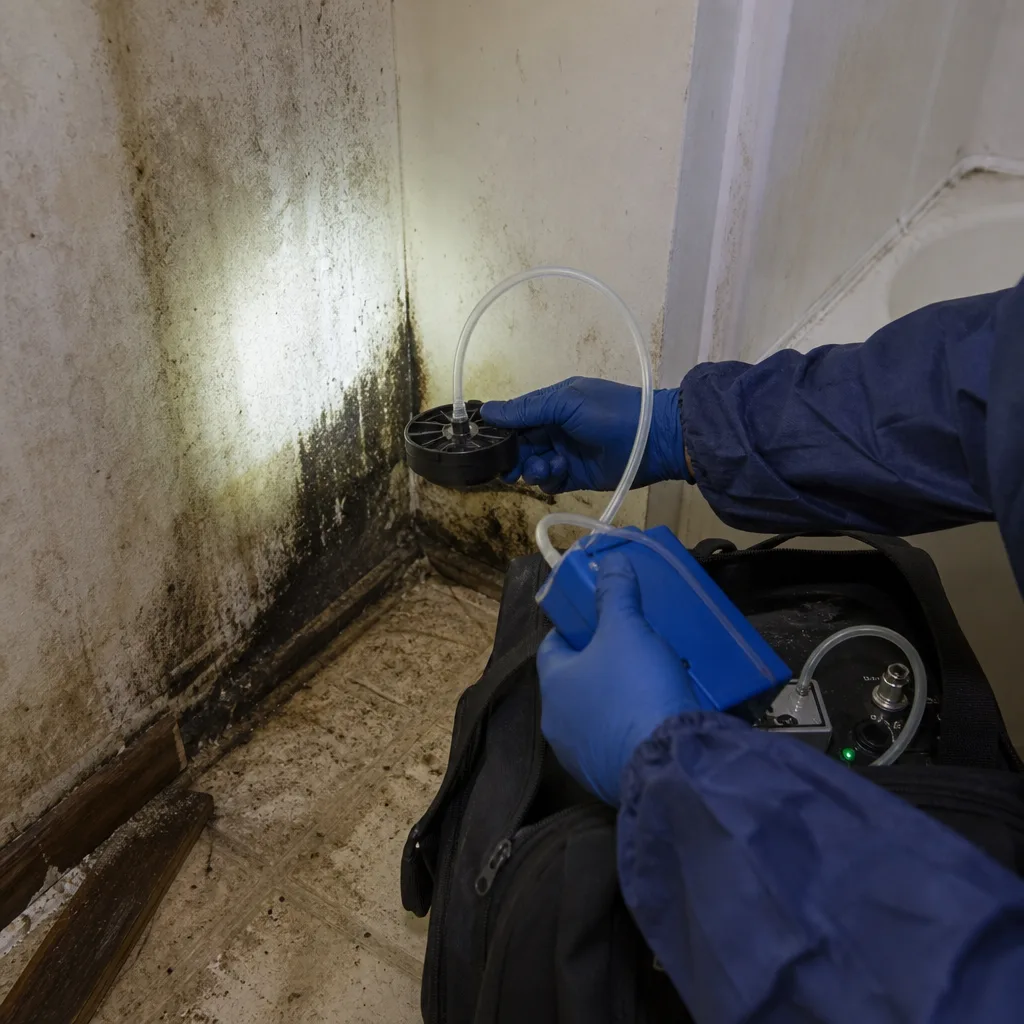
Free visual inspection and a written scope of work before any mitigation begins - photos, moisture readings, and drying logs go in your claim file
The scope we write is the scope we bill. Anything new gets shown to you, in writing, before we touch it.
 Before
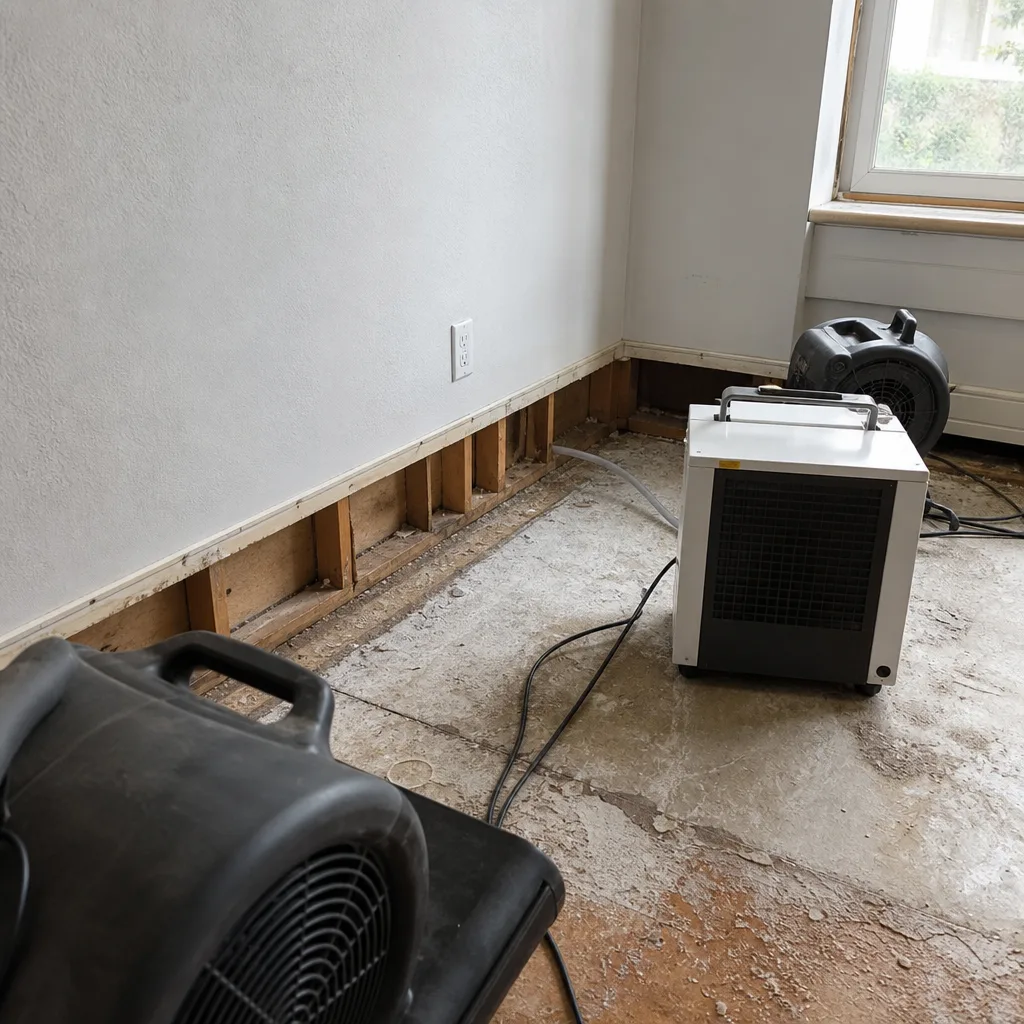 After
After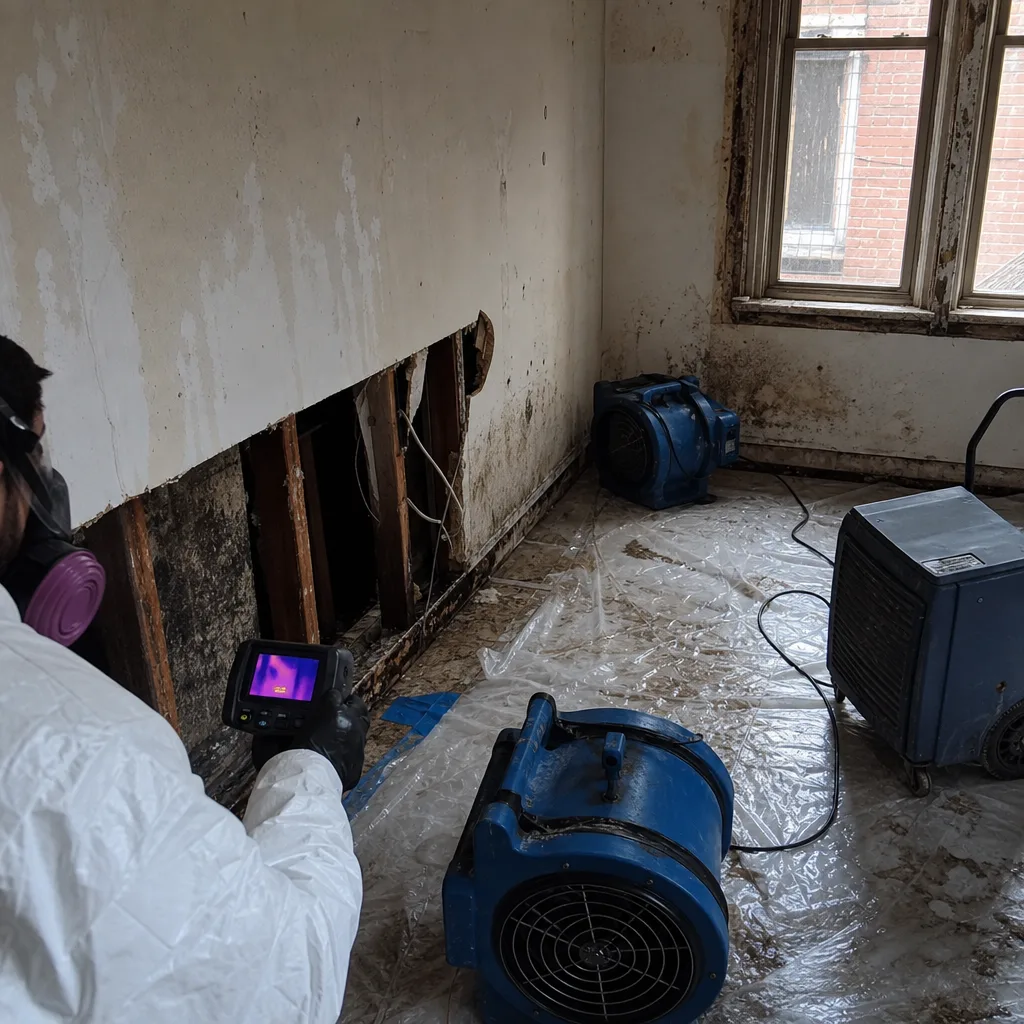 Before
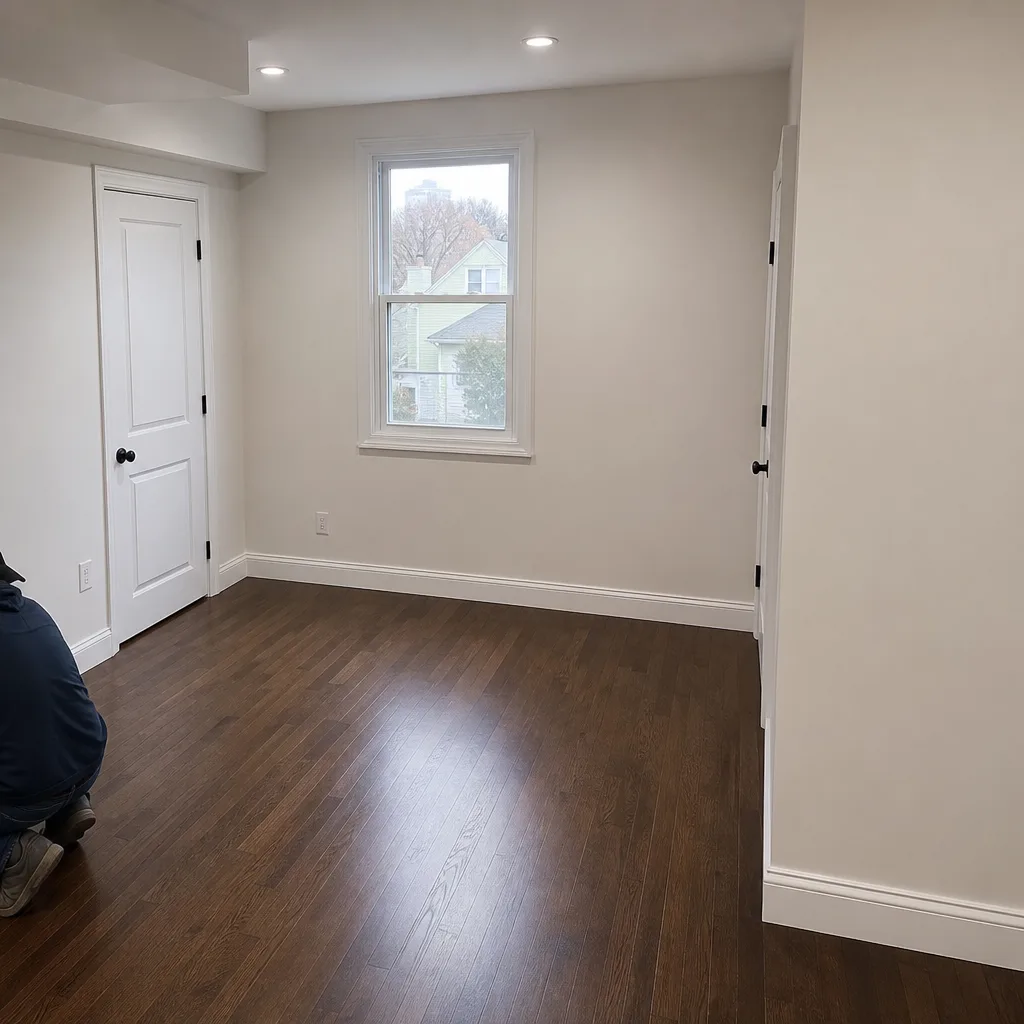 After
After24/7 Emergency Mold Remediation in Upper East Side
Mold remediation in Upper East Side co-ops and townhouses typically runs $2,200 to $6,800 depending on the square footage, containment requirements, and finish restoration involved. A small contained bathroom or closet job often starts around $1,800, while a full floor with lime plaster demolition and period molding replacement can reach $12,000 or more. If you’re seeing dark staining spreading across a wall or ceiling, or you’ve had a slow leak from a steam riser or supply line, call (518) 800-3751 right now. A live person answers, every hour of the day, and we’ll have a certified crew at your Upper East Side building the same day to make a visual assessment and stop the moisture from spreading further. The first hour matters because mold that started behind a plaster wall in a 1920s co-op is already further along than it looks. What you see on the surface is usually the trailing edge of what’s happening inside the wall cavity.
Understanding Mold Remediation Severity in Upper East Side Properties
Mold in Upper East Side buildings doesn’t behave the same way it does in newer construction. The pre-war housing stock here, much of it built between 1900 and 1945, uses two-coat lime plaster over wood lath. That assembly holds moisture differently than drywall. When a steam condensate line fails or a supply pipe weeps, water travels down through the lath keys, saturates the plaster from behind, and sits against the structural framing for weeks before anyone sees a stain. By the time the super opens the wall, the mold has usually colonized the back side of the plaster, the lath, and the face of the studs. Containment gets set up using 6-mil polyethylene and negative air pressure with HEPA air scrubbers running continuously. Air scrubbing pulls mold spores out of occupied spaces while our team removes affected materials. Clearance testing at the end, performed by independent labs, tells the co-op board and the homeowner that fungal ecology has returned to a clean baseline. That step matters in Upper East Side buildings because board approval for re-occupancy often hinges on documented clearance results, not just a visual pass.
Why Upper East Side Property Owners Choose Floodline Restoration Co.
- 45-minute response commitment from our New York City dispatch desk. We answer live, we log the call, and a local crew gets moving toward your building right away.
- A real person answers at 2 a.m. No automated system, no voicemail tree. Our live dispatch is staffed every hour, every day, including holidays.
- IICRC-certified crews trained to AMRT and WRT standards. That means applied microbial remediation and water restoration protocols specific to mold and the moisture driving it.
- Free visual assessment before any work is scoped. You get a written scope of work before we open a wall. No surprises, no pressure.
- Direct insurance billing and adjuster coordination. We document everything from the first hour and talk to your carrier so you don’t have to play messenger.
- One crew from first extraction to final plaster match. We don’t hand the job off to a sub after the wall is opened. The same team manages the entire remediation and restoration scope.
Our Mold Remediation Process
Every mold job in Upper East Side starts the same way: we find out exactly how wet things got and how far the mold has traveled, then we control the air so spores don’t spread into clean rooms. The process is methodical, and it’s documented at every step.
Inspection & Assessment
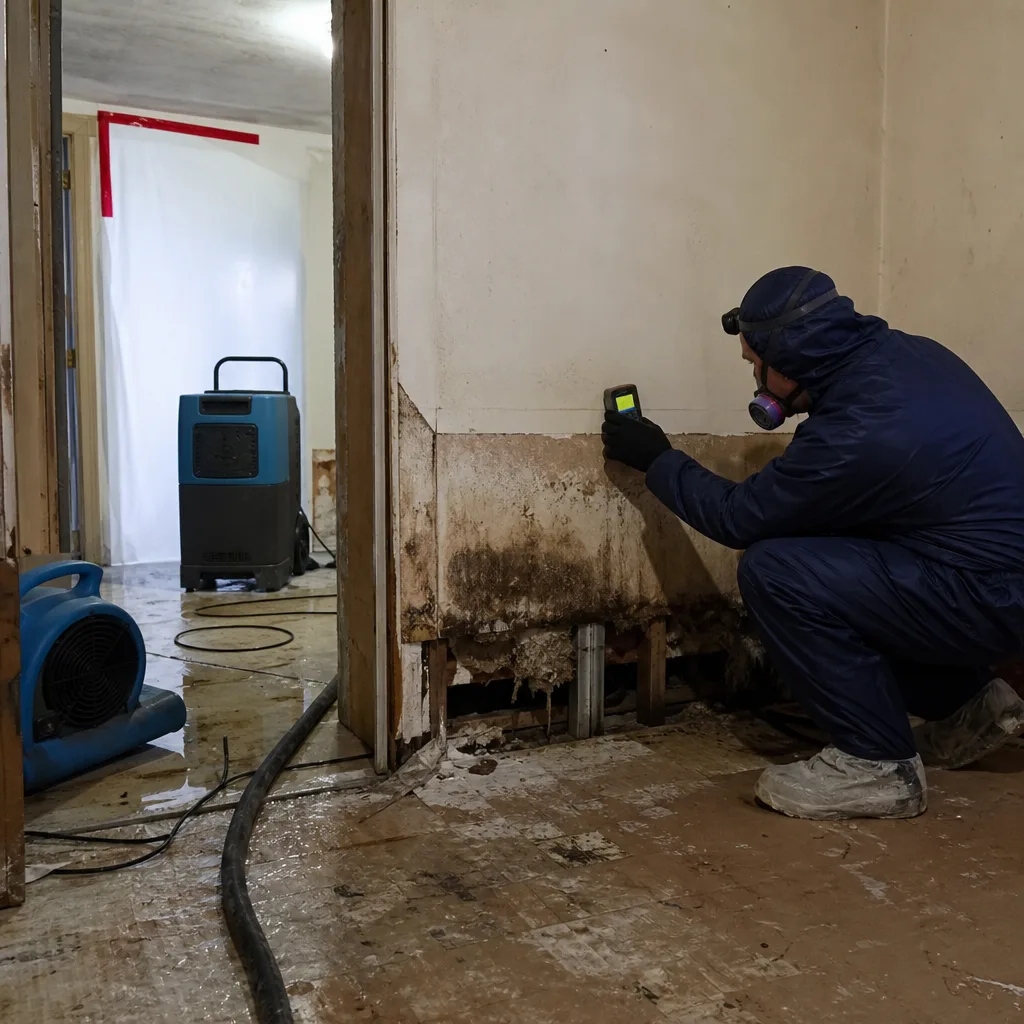
We inspect the affected areas using thermal imaging to find moisture behind walls and ceilings before we open them. We map the full moisture footprint and take air and surface samples when needed to identify what type of mold is present.
Containment Setup
We seal the work area with 6-mil polyethylene and set up negative air pressure with HEPA air scrubbers so mold spores don’t migrate into hallways, kitchens, or neighboring units. This matters in occupied Upper East Side co-ops where residents stay in place during remediation.
Water & Moisture Removal
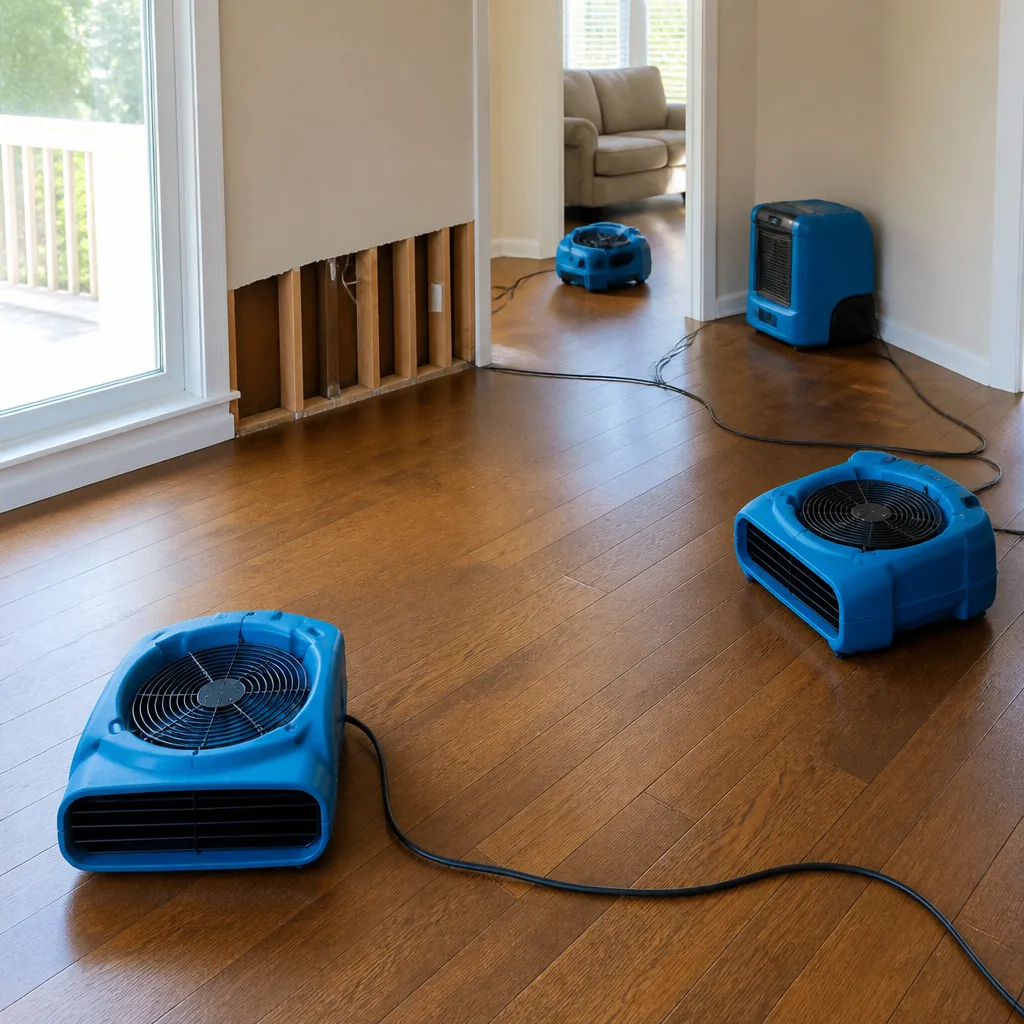
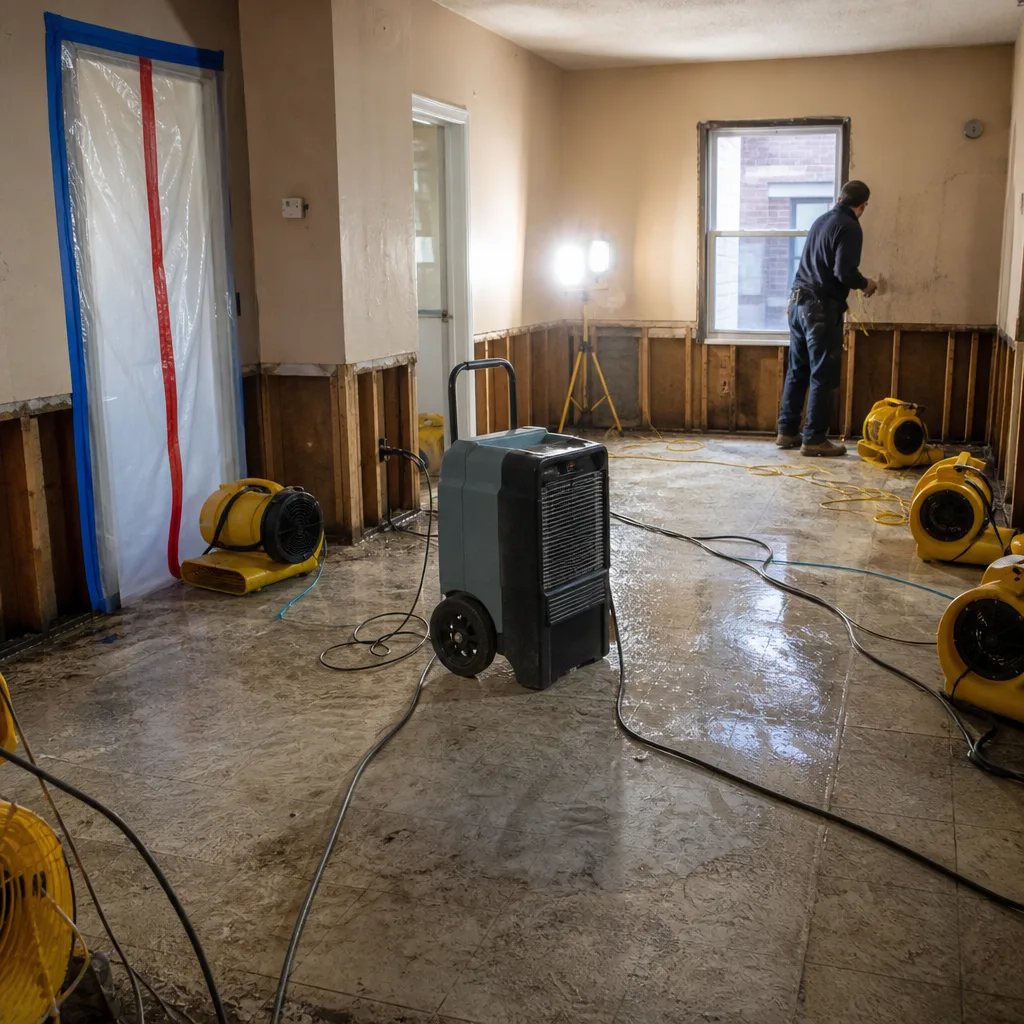
Using Dri-Eaz dehumidifiers and Phoenix air movers, we pull the water out of affected building materials and dry the structural framing to a documented standard. Daily moisture readings are logged until the dry standard is met.
Mold Removal & Material Disposal
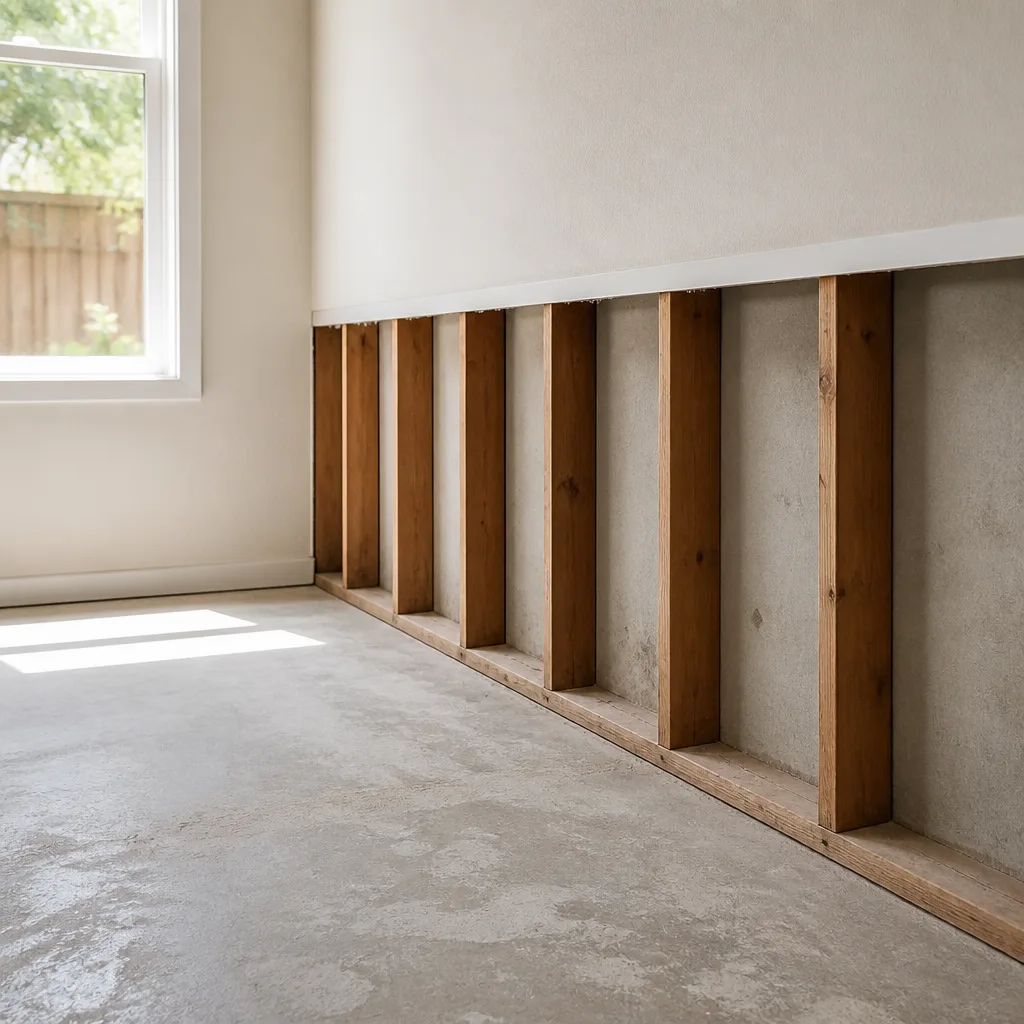
We remove affected plaster, lath, insulation, and surface finishes. Each piece is bagged inside containment and removed through a controlled path so it never travels through occupied living space.
Cleaning, Sanitization & Antimicrobial Treatment
We HEPA-vacuum and wipe every surface inside containment. Affected framing gets an EPA-registered antimicrobial treatment. We also run HEPA air scrubbing for the duration of the job to capture airborne spores.
Plaster Matching & Restoration
This is where our Upper East Side experience shows. We coordinate with board-approved restoration trades to replicate original two-coat lime plaster profiles, ornamental molding profiles, and period-appropriate paint finishes. The goal is pre-loss condition, not a visible patch.
Need Emergency Mold Remediation in Upper East Side Now?
Crews minutes away, answering live 24 hours a day. The sooner we start, the less it costs.
Working With Your Insurance Company
Mold claims in Upper East Side co-ops involve a particular tension: the co-op corporation’s master policy usually covers the building structure, while the individual shareholder’s policy covers inside the unit. Where the line sits determines who pays for what, and that line often runs through the middle of a wall cavity. We handle that conversation directly with both carriers. From the first visit, we photograph every affected surface, log every moisture reading, and write a line-item scope that separates mold remediation from the underlying water damage that caused it. That documentation is what allows your adjuster to distinguish covered loss from maintenance. Most of our Upper East Side clients never speak directly with their adjuster about the mold portion of the claim. We do that. We bill the carrier directly and provide the documentation they need without you acting as the messenger.
What We Provide Your Insurer
- Thorough documentation of the loss
- Photos of all damage, room by room
- Moisture readings and drying logs
- A detailed, line-item scope of work
- Direct coordination with your carrier
Built for Upper East Side’s Loss Calendar
Upper East Side mold problems follow a seasonal rhythm that anyone who’s lived here a generation recognizes. January and February bring deep-freeze cycles that stress aging galvanized supply lines in pre-war risers. A frozen pipe in a Park Avenue co-op doesn’t just burst the wall it lives in; the water runs down through floors of original plaster before anyone shuts the riser. Spring’s freeze-thaw cycle attacks the building envelope instead: deteriorated mortar joints and limestone facade cracks let wind-driven rain behind window surrounds, saturating plaster from the outside in. Summer’s thunderstorms overwhelm old roof drains and parapet flashing on low-rise side streets, sending water into top-floor ceilings and down the walls. Nor’easters in fall saturate brick facades and flood mechanical rooms in the low-lying cross streets closest to the East River. Every one of those events has a second act: mold colonies that establish themselves in the weeks after the water event, while the plaster is still damp and the air is warm. That’s why the response timeline matters. Extraction and drying happen in hours, not days.
On East 72nd Street off Park Avenue, our crew was called to a 1920s full-service co-op after a one-pipe steam system condensate line failed behind a plaster wall. By the time the super opened the wall to investigate the tenant’s complaint, moisture had saturated through two floors of original two-coat lime plaster and hardwood parquet. We deployed Dri-Eaz dehumidifiers and XPOWER air movers under full containment, mapped moisture readings with thermal imaging, performed antimicrobial treatment on affected framing, and coordinated with the board-approved restoration contractor to match period plaster profiles and ornamental moldings before structural drying closed out the scope of work.
Mold Remediation Across Upper East Side’s Neighborhoods
We know the difference between a Carnegie Hill co-op and a Yorkville walk-up because the buildings fail differently and the boards expect different things. In Carnegie Hill, where the Metropolitan Museum Historic District imposes landmark restrictions, mold remediation inside a unit still requires board approval for any structural opening, and restoration finishes matter as much as the remediation itself. On Fifth Avenue and Park Avenue proper, full-service buildings have steam systems that run through multiple shareholder units, which means a mold problem on the 9th floor often starts as a riser leak three floors up. The East 60s and 70s cross streets hold most of the classic pre-war elevator buildings: think original two-coat plaster, coffered ceilings, and ornamental mantels that need protecting while we work containment around them. Over in Yorkville, the housing stock shifts to walk-up tenements with smaller rooms, cast iron stacks, and basement mechanical rooms that took water during Sandy and have been fighting moisture since. We work all of it, from 96th Street down to 59th, river to park.
Specialized Mold Remediation Services We Offer in Upper East Side
Mold Inspection & Testing
Our inspection starts with thermal imaging and moisture mapping, not guesswork. We identify exactly where the moisture is coming from and how far the mold has traveled before we ever open a wall. Air and surface samples are sent to independent labs when board approval or insurance documentation requires it.
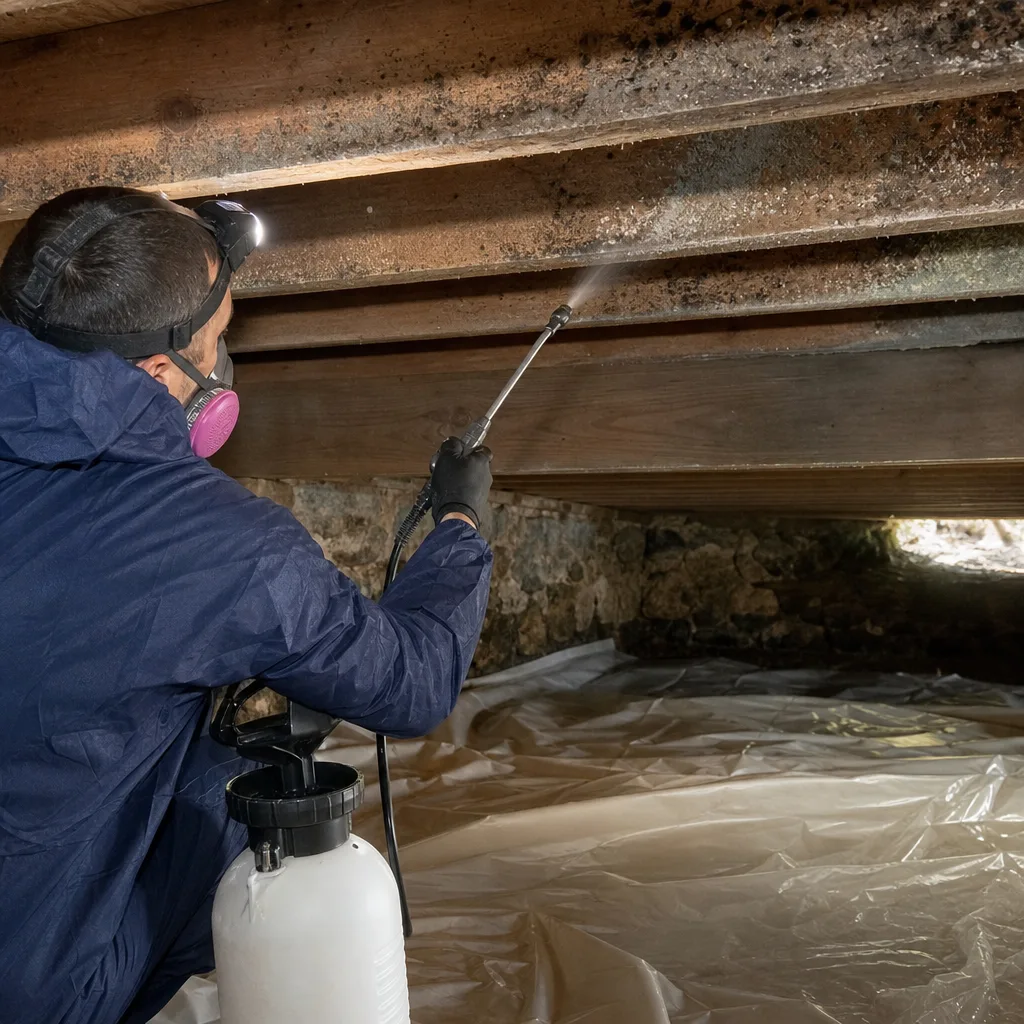
Mold Removal
We remove mold from every affected surface: plaster, wood framing, subflooring, wall cavities, and mechanical closets. The removal process happens under full containment with HEPA air scrubbing so spores never travel through the rest of your apartment.
Black Mold Remediation
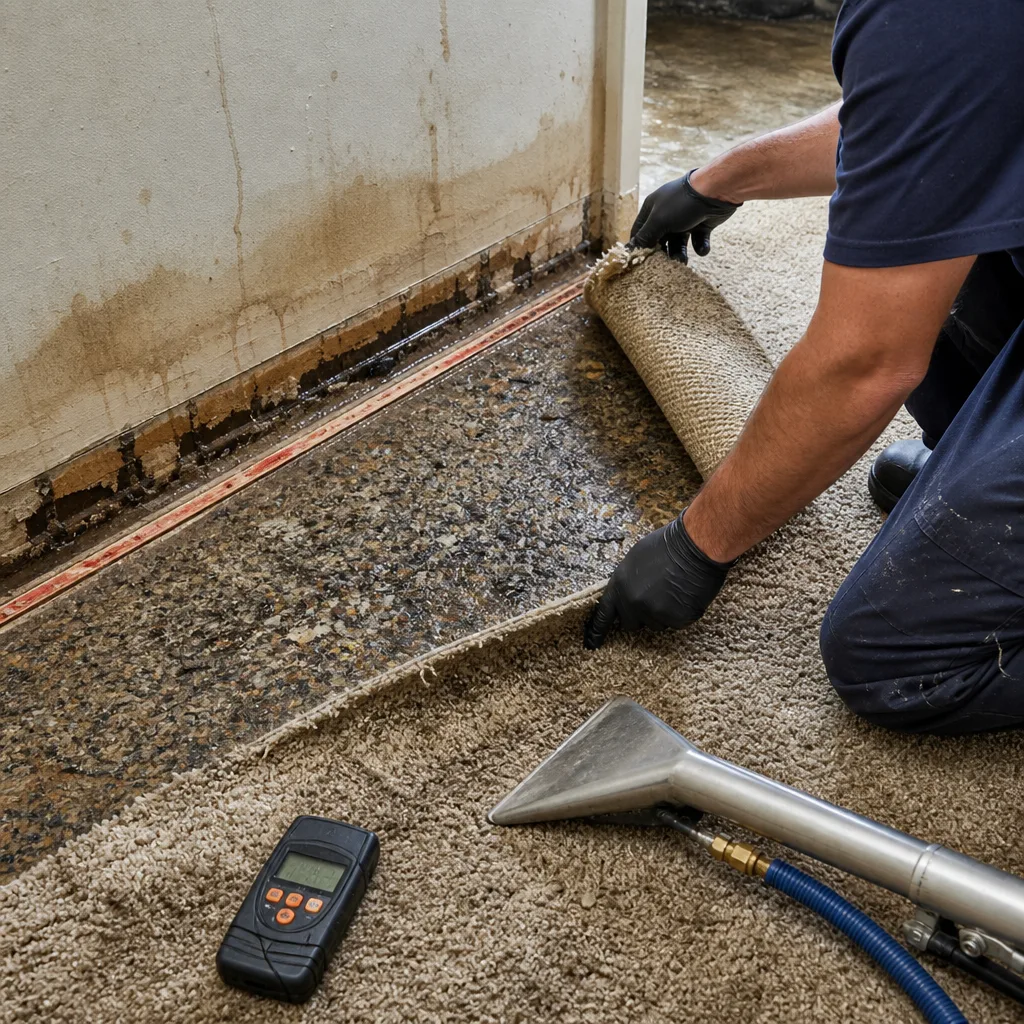
Black mold, or Stachybotrys, gets the same containment protocol as any other mold species, with extra care given to air quality during removal and independent clearance testing afterward. In Upper East Side co-ops, that documentation matters to boards and insurance carriers alike.
Air Quality Restoration
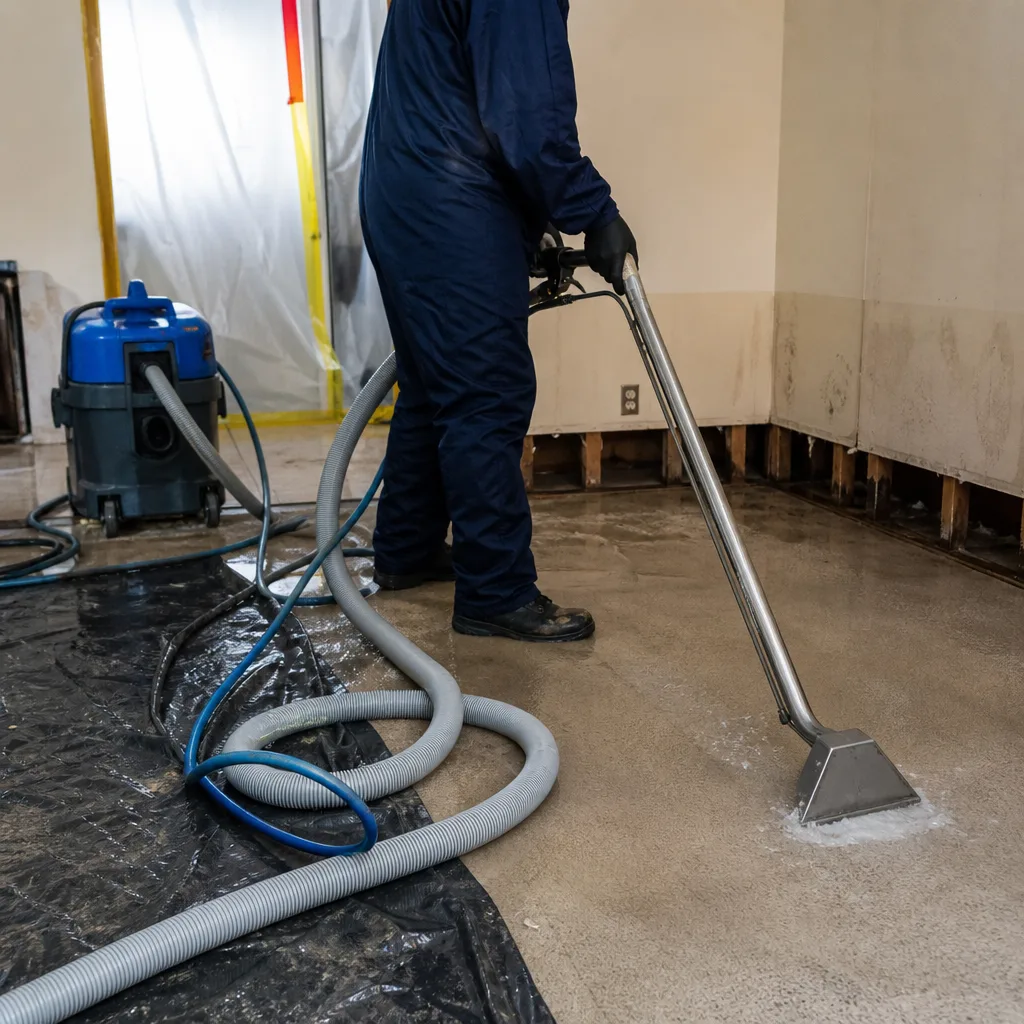
After any mold remediation, the air inside the unit carries residual spores unless actively scrubbed. We run HEPA air scrubbers throughout the job and perform post-remediation air testing to prove the space is clean before finish work begins.
Moisture & Humidity Control
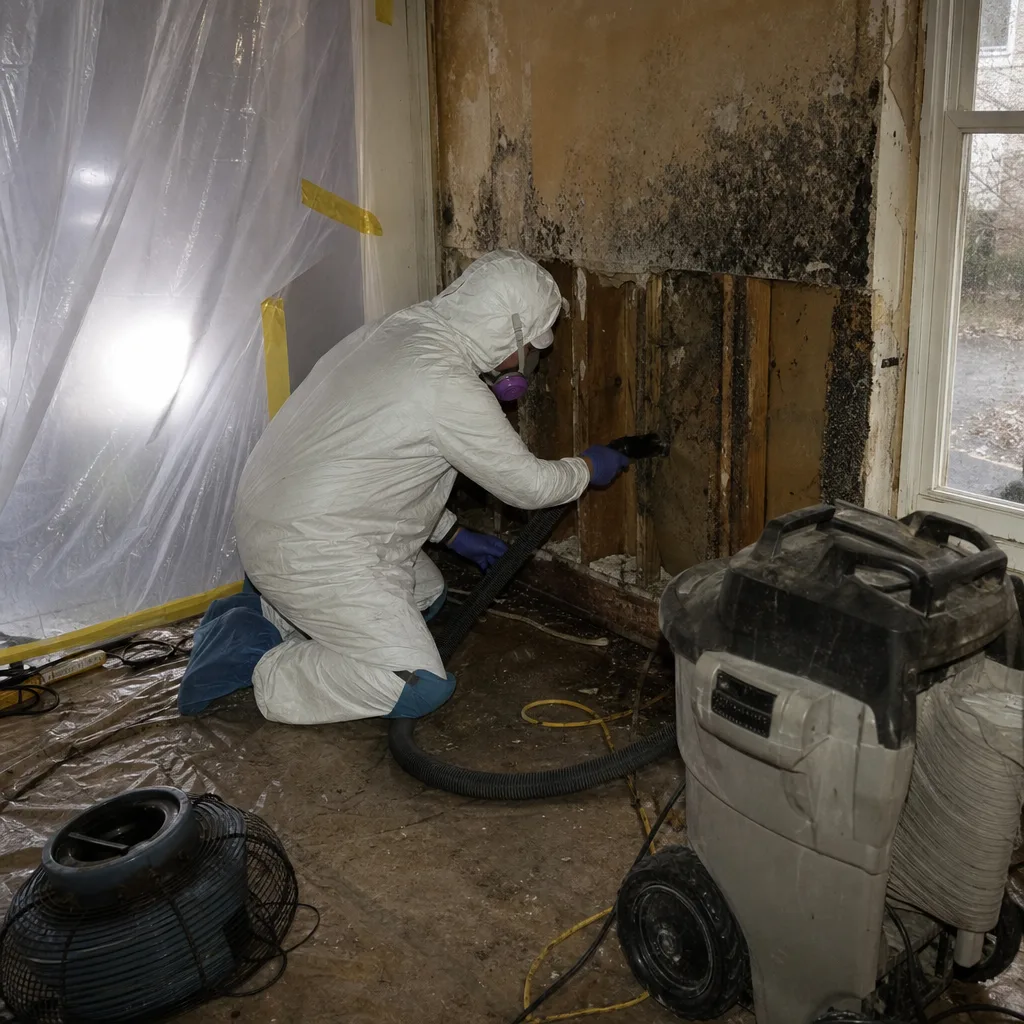
Mold doesn’t die; it goes dormant. If the moisture source is still there, the problem returns. We identify the source, dry the affected envelope to standard, and advise on humidity control measures that make sense for pre-war building systems.
What happens when you call
- 1
A real person answersNo phone trees - you reach a local pro.
- 2
You get an upfront price rangeHonest numbers before anyone is dispatched.
- 3
A background-checked tech heads outLicensed & insured, dispatched right away.
- 4
You approve before work beginsNothing starts until you say go.
Mold Remediation Costs in Upper East Side, NY
In Upper East Side co-ops and townhouses, mold remediation pricing runs on a different scale than it does in newer drywall construction. A contained bathroom mold removal typically runs $1,800 to $3,200, depending on how far the moisture traveled into the framing. A single wall with lime plaster removal, lath disposal, antimicrobial treatment, drying, and board-approved plaster matching averages $3,500 to $6,000. A full floor or multi-room remediation, especially when it involves hardwood parquet drying and ornamental molding replacement, falls between $8,000 and $15,000. What moves the price, more than anything, is whether the co-op board requires like-for-like restoration rather than a standard patch. The board’s standard is the standard, and on Fifth Avenue that means matched plaster profiles, not drywall. Insurance covers the water damage portion of the claim, and much of the mold remediation that follows, when the mold is a direct result of a sudden accidental leak. The free visual assessment gives you a firm written scope before any work starts, so there are no surprises. Call (518) 800-3751 to schedule yours.
| Scope | Typical Upper East Side Cost |
|---|---|
| Contained bathroom or closet mold removal | $1,800 - $3,200 |
| Single wall remediation with plaster restoration | $3,500 - $6,000 |
| Multi-room remediation with parquet drying | $8,000 - $15,000 |
| Full-floor remediation with ornamental molding matching | $12,000+ |
We Also Serve Cities Near Upper East Side
Our Mold Remediation crews cover more than just the Upper East Side. We also run regular routes through Astoria, Ditmars Steinway, Upper Manhattan, and Jackson Heights, so if you own a property in one of those neighborhoods, the same live dispatch and certified crew response applies.
Serving Upper East Side, NY - Our Local Coverage Area
We’re based in the Upper East Side area and know this community well. Use the map below to see our service coverage - if you’re nearby, we can almost certainly help.
Upper East Side Mold Remediation Questions, Answered
How do co-op board and managing agent approvals affect the mold remediation timeline in an Upper East Side pre-war building?
Board and managing agent approvals typically add 3 to 10 business days to the remediation timeline in Upper East Side co-ops. The board must approve the contractor, the scope of work, and the restoration plan before we can open any structural wall. We’re familiar with most UES board approval processes and can package the documentation in the format the managing agent expects, which often cuts that wait down.
Can you match the lime plaster and ornamental moldings in our landmarked UES co-op after mold removal?
Yes, we coordinate with restoration tradespeople who specialize in period plaster and ornamental molding matching. The goal is pre-loss condition, not a visible patch. That means two-coat lime plaster over wood lath, matched molding profiles run from existing samples, and period-appropriate paints and finishes.
What makes one-pipe steam systems in Upper East Side buildings especially prone to hidden mold?
One-pipe steam systems in pre-war UES buildings carry both steam and condensate through the same pipe. When a condensate return line fails behind a plaster wall, it weeps for weeks while the building keeps cycling steam normally. The moisture saturates the lath and framing invisibly, and mold establishes itself before the super ever opens the wall. By the time it’s caught, the damage footprint usually spans multiple floors and units.
Does Hurricane Sandy storm surge still cause mold issues in Upper East Side basements and mechanical rooms?
Yes. The low-lying cross streets closest to the East River took significant surge during Sandy, and many basement and sub-grade mechanical rooms in UES buildings still carry that moisture legacy. Recurring condensation, musty air, and mold around stored items and ductwork are common in buildings that never fully dried after 2012.
How do you handle containment and air quality in occupied UES co-op units during mold remediation?
We set up 6-mil poly containment with negative air pressure and run HEPA air scrubbers for the duration of the job. The unit stays occupied, but the affected area is sealed off from living space, and airflow moves from clean to contaminated inside containment so spores don’t escape. Every bag of removed material leaves through a controlled path.
How fast can a crew actually get to my Upper East Side building?
We commit to a 45-minute response from our New York City dispatch desk. A real person answers the phone at any hour, and a local crew is dispatched to your building immediately. For an active water event feeding mold, that speed keeps the damage footprint from expanding.
Will my insurance cover mold remediation in my co-op?
Most mold remediation coverage depends on the cause of the moisture. If it’s the result of a sudden accidental leak, like a failed supply line or overflow, your policy and the co-op’s master policy typically cover the water damage and the mold remediation that follows. We document everything from the first hour and bill your carrier directly. Call (518) 800-3751 and we’ll walk you through what your policy likely covers.
What should I do in the first 30 minutes after I find mold in my apartment?
Don’t scrub it. Disturbing mold releases spores into the air. Call us at (518) 800-3751, and while you wait, shut the door to the affected room if possible, turn off the HVAC fan if it serves that space, and don’t run exhaust fans. We’ll handle the rest from the first visit.
Written by Curt Bowman, Owner at Floodline Restoration Co., serving Upper East Side since 2010. We stand behind every job with the 90-Day Done Right Promise, in writing.