
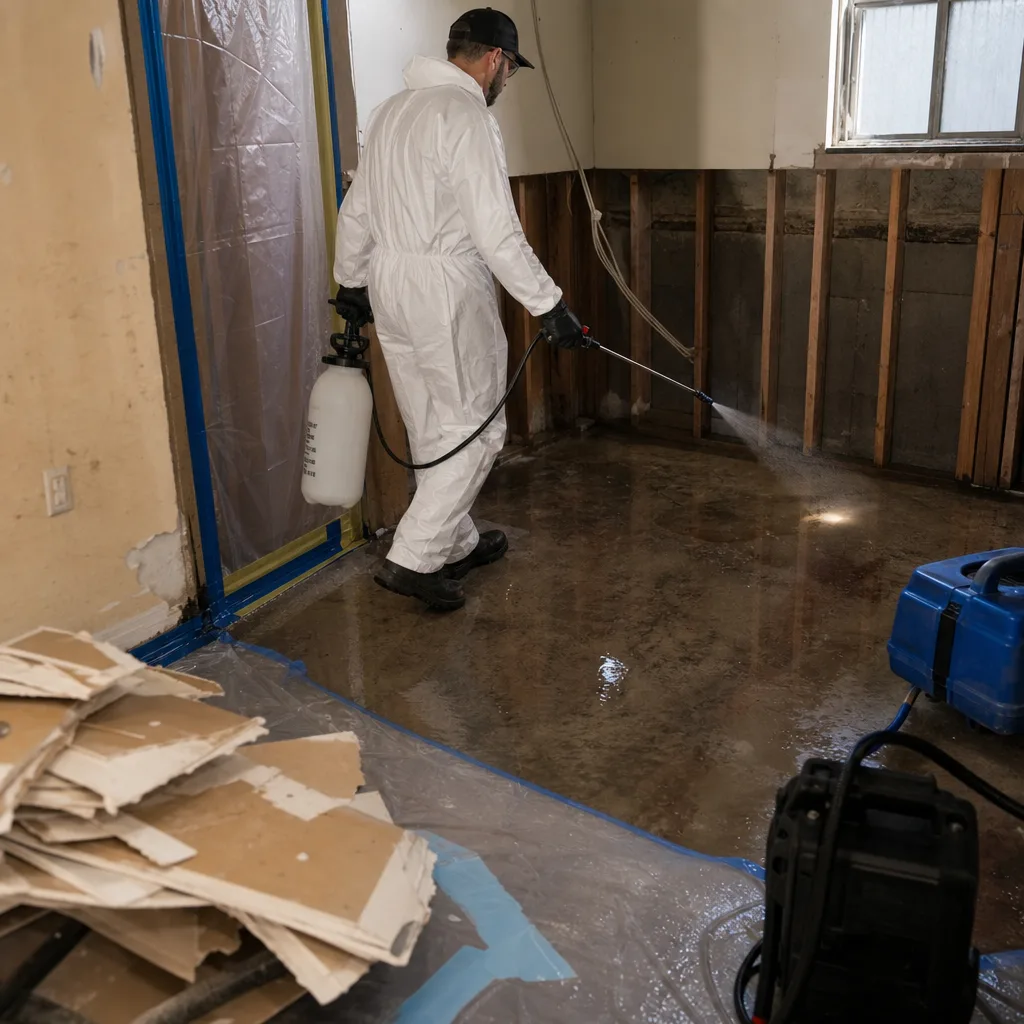
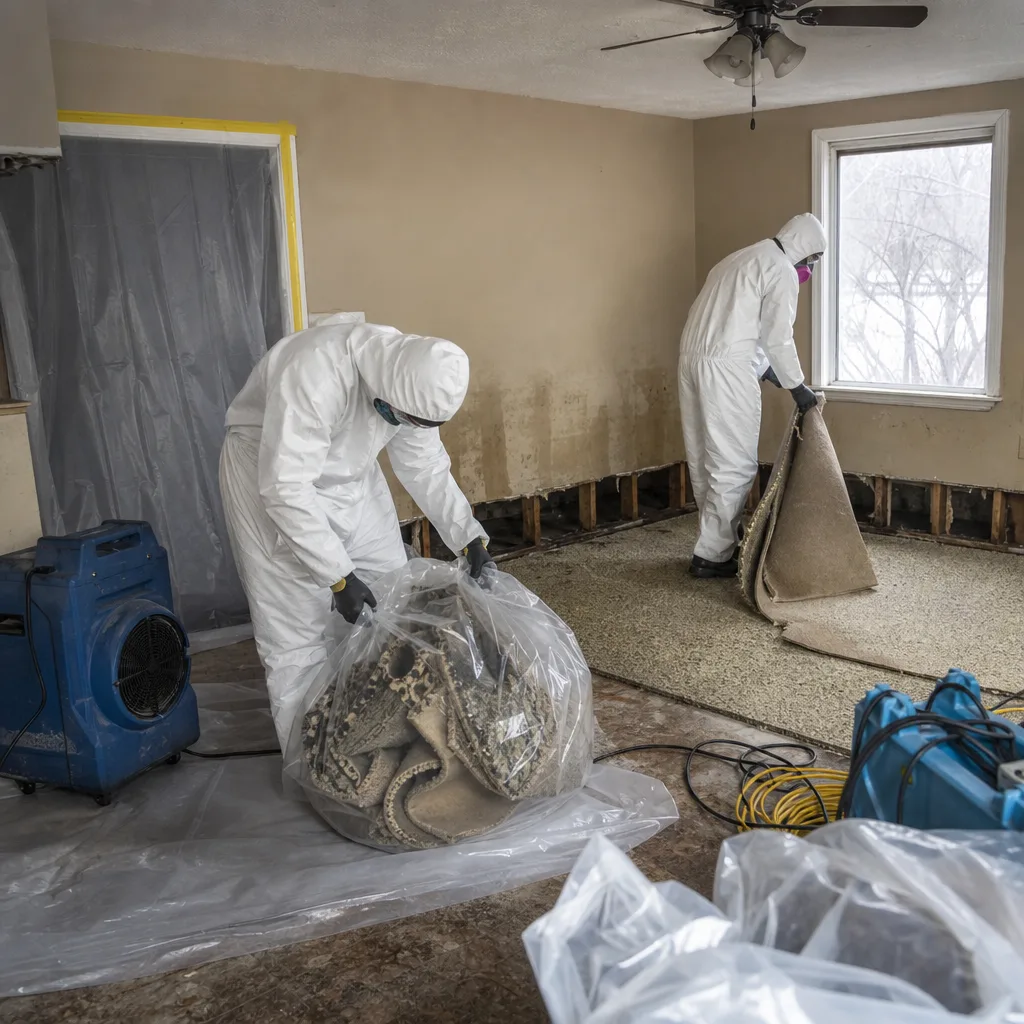
Free visual inspection and a written scope of work before any mitigation begins - photos, moisture readings, and drying logs go in your claim file
The scope we write is the scope we bill. Anything new gets shown to you, in writing, before we touch it.
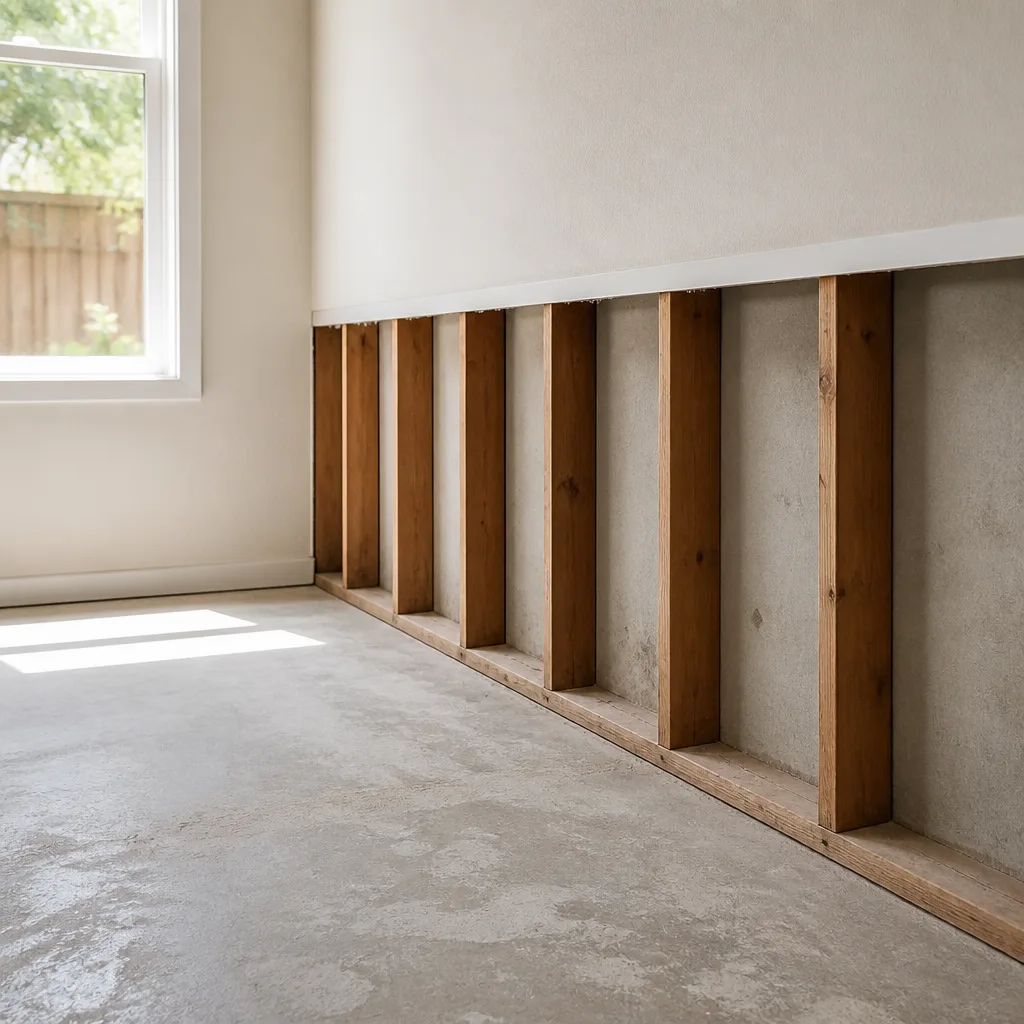
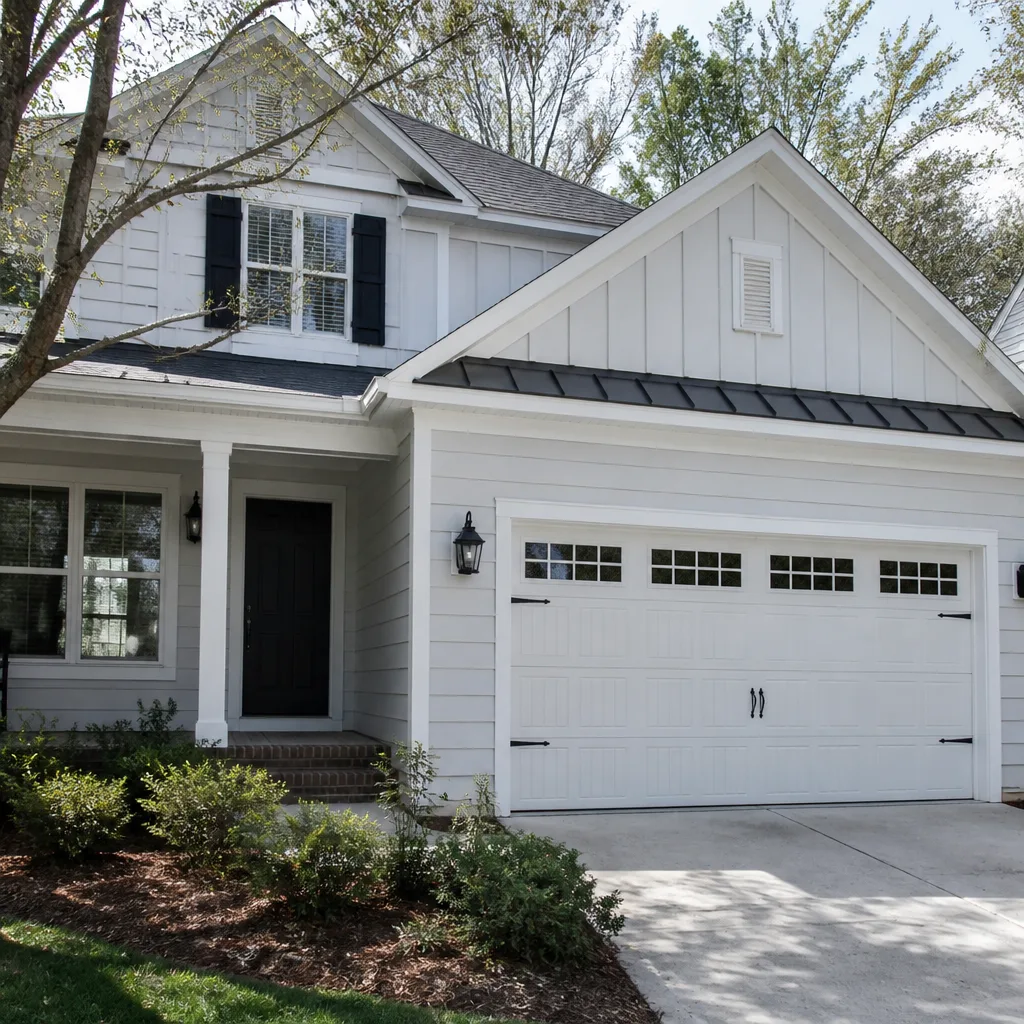
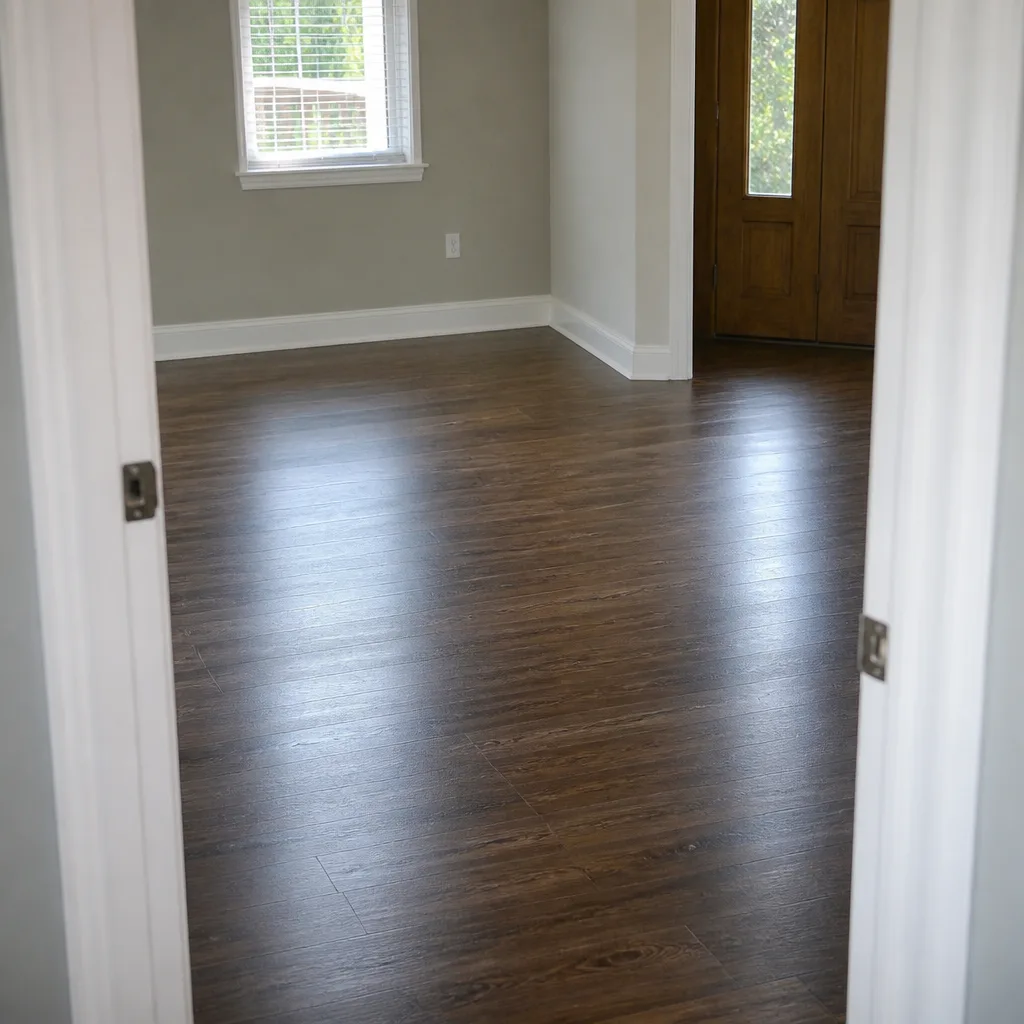
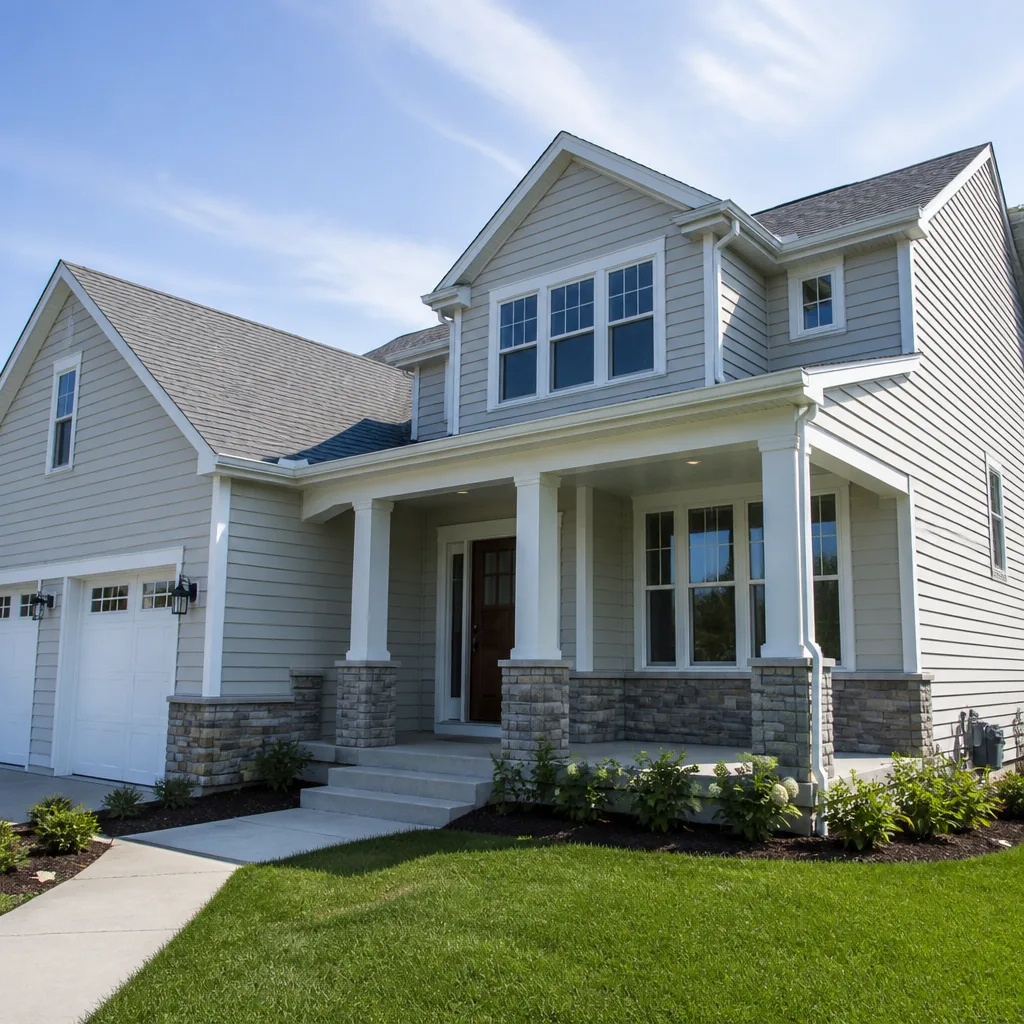
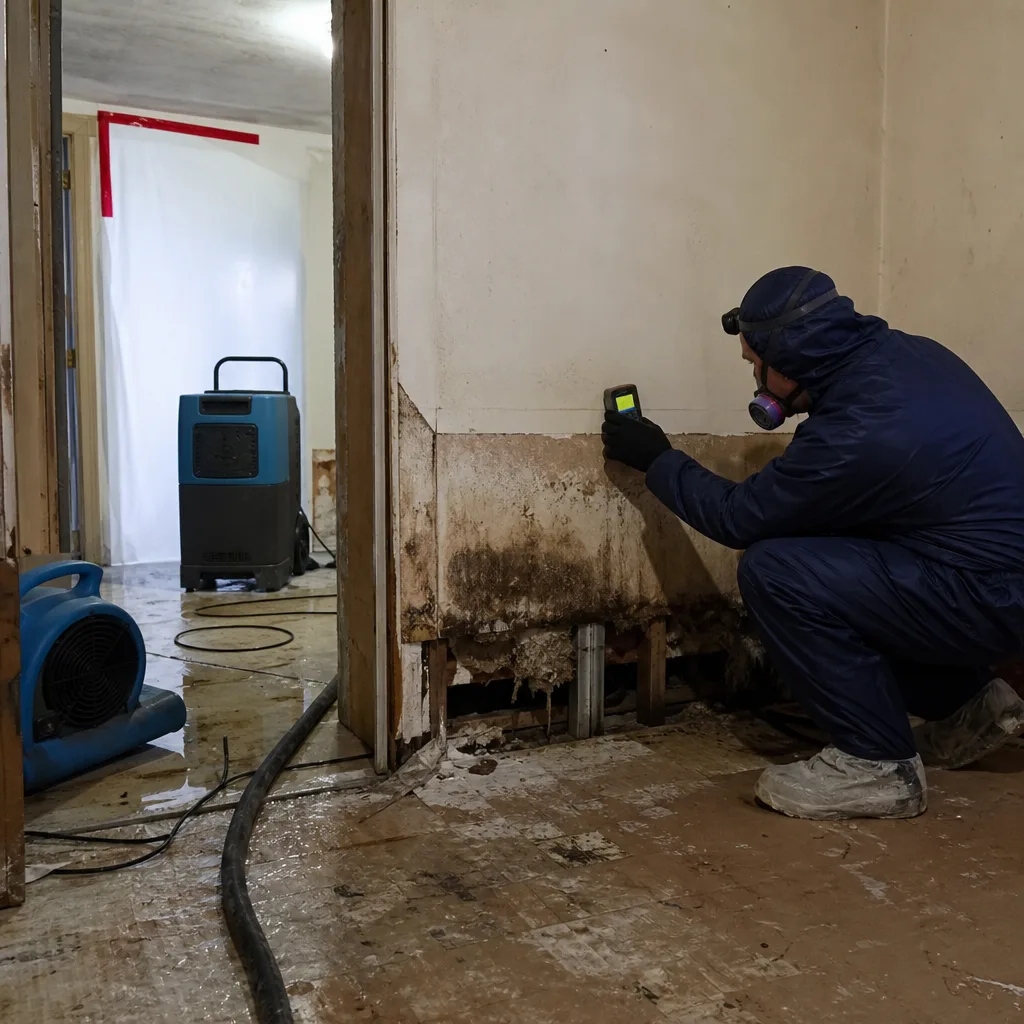 Before
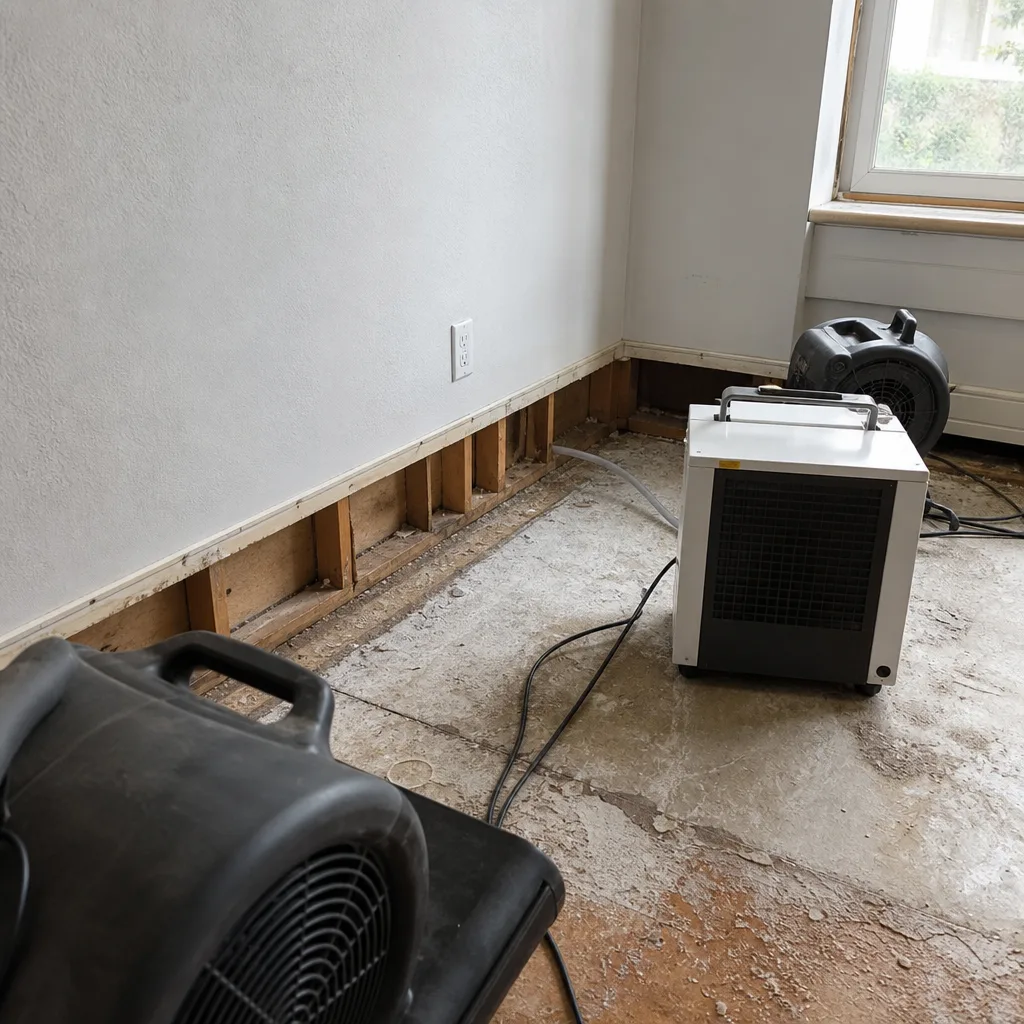 After
After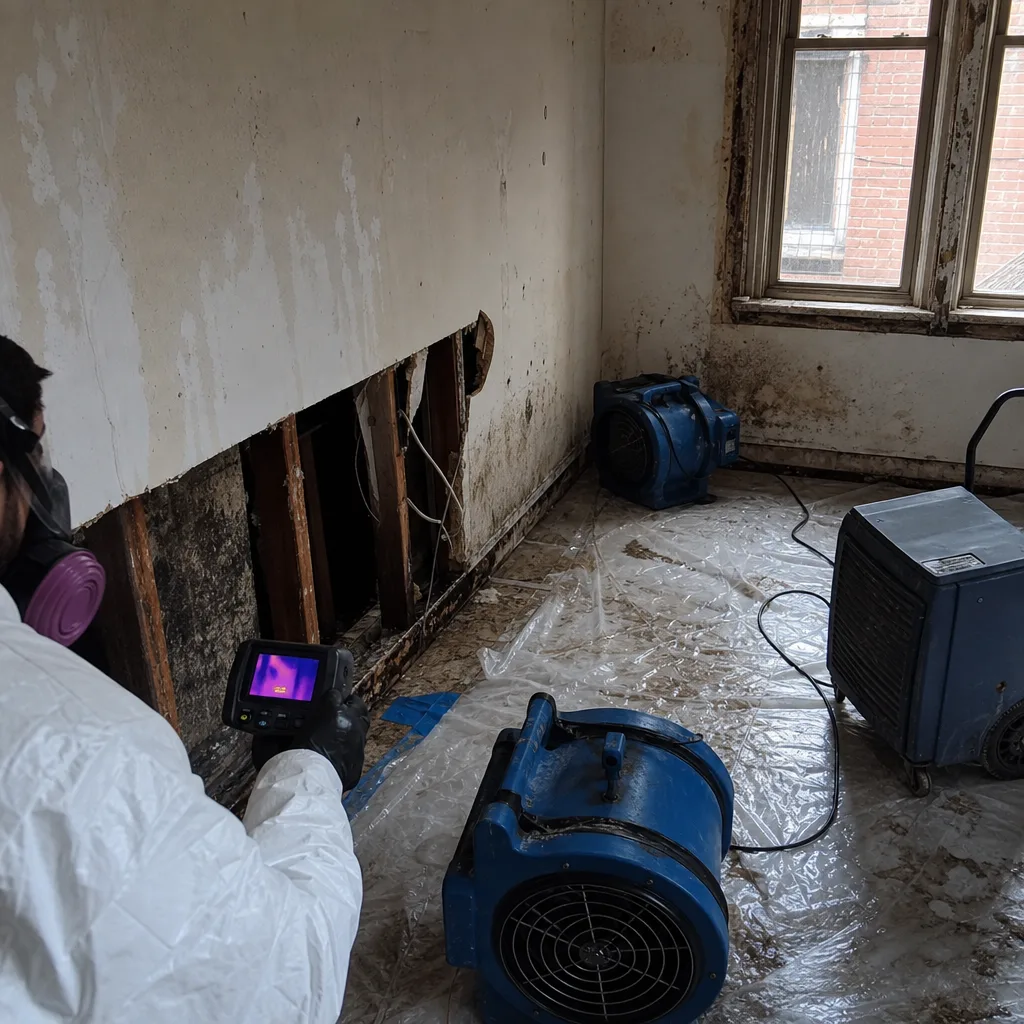 Before
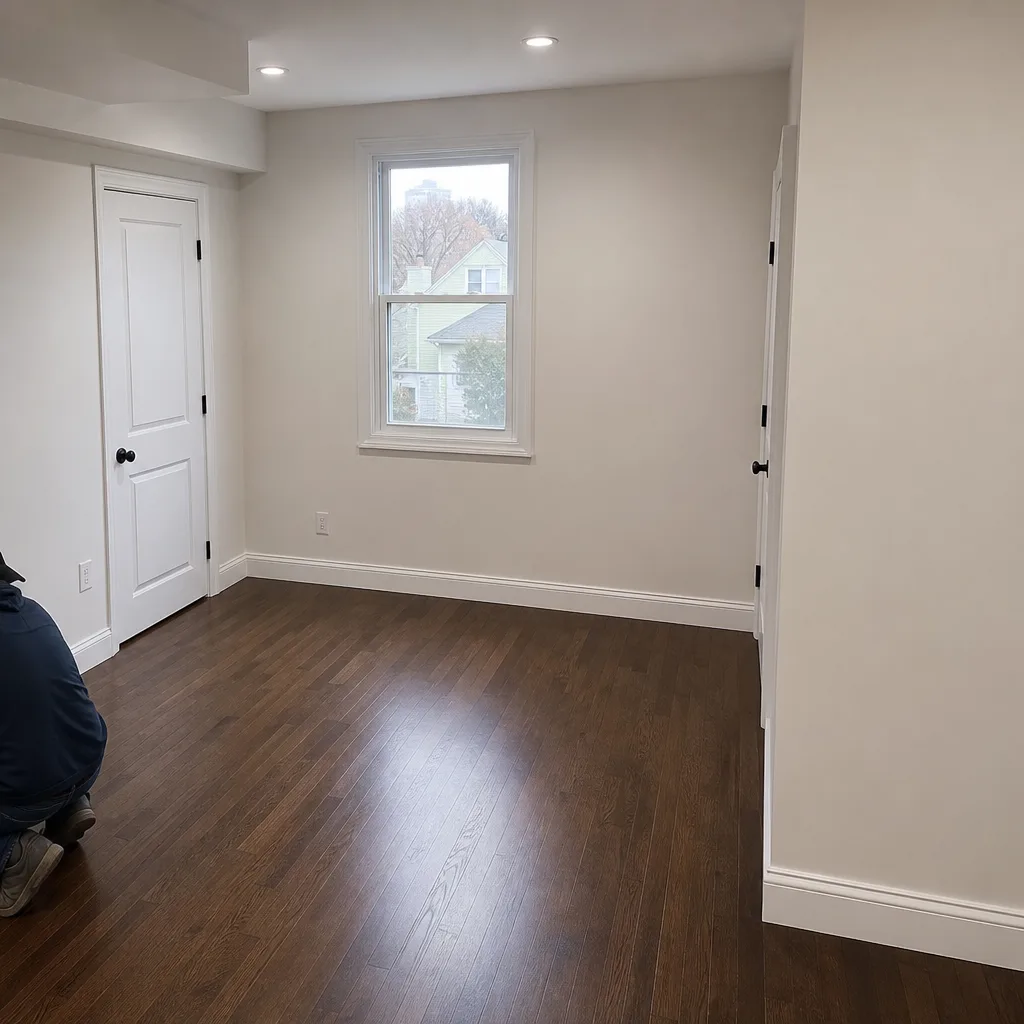 After
After24/7 Emergency Sewage Cleanup in Long Island City
Sewage backup in a Long Island City building is a Category 3 emergency, and it gets worse by the hour. Call Floodline Restoration Co. at (518) 800-3751 and a live dispatcher answers, day or night. We dispatch crews to 11101, 11109, and 11120 from our New York City office, and our first priority is stopping the contamination at its source before it spreads across open floor plates or into mechanical rooms below grade.
In Hunters Point and along the East River waterfront, sewage events carry a risk profile you won’t find a mile inland in Astoria. Floodwater that backs through floor drains here can pull from Newtown Creek, a Superfund waterway. That means we treat the water as hazardous until proven otherwise. We arrive, assess, set containment, and begin extraction on the same visit. The first hour determines whether custom finishes survive or get cut out and replaced.
Understanding Sewage Cleanup Severity in Long Island City Properties
Not every sewage backup is the same, and in Long Island City the building itself often dictates the severity. A toilet overflow in a standard Queens rowhouse is a contained event. The same overflow in a converted Hunters Point loft, where a single open concrete slab runs the full length of the floor, can migrate laterally across hundreds of square feet before anyone notices. We use the IICRC’s Category 1/2/3 water classification to scope every job, but in LIC we start from a higher baseline of caution because of where the water comes from.
Sewage backups that mix with storm surge from the East River or Newtown Creek are Category 3, period. That’s black water: pathogens, chemical residue, and whatever the Superfund corridor carries with it. Our crews run moisture mapping with thermal imaging and hygrometers to find water that’s hidden inside curtain-wall cavities in the glass-and-steel towers along Center Boulevard, or pooled beneath the slab in converted factory buildings along Jackson Avenue and 44th Drive. Knowing where the water went is the difference between a cleanup and a rebuild.
Why Long Island City Property Owners Choose Floodline Restoration Co.
- 45-minute response commitment. We maintain local crews ready to move into Hunters Point, Court Square, and Dutch Kills the moment a call comes in. Not “later today” – minutes.
- A live person answers, 24/7. No phone tree, no answering service that’ll “pass along the message.” You talk to someone who can dispatch a crew immediately.
- IICRC-certified technicians. Our crews hold WRT and ASD certifications and train on black water protocols and antimicrobial application. Background-checked, uniformed, and trained to RIA and IFA standards.
- Free visual inspection before any work starts. We walk the loss together, agree on a scope, and put it in writing. No surprise workorders.
- Direct insurance billing. We talk to your carrier, so you don’t have to spend the next three weeks as the go-between. Documentation goes directly to the adjuster.
- One crew from extraction to reconstruction. We don’t do the sewage extraction and then hand you to a different company for the rebuild. Same team, same accountability, same written guarantee behind all of it.
Our Sewage Cleanup Process
Inspection & Assessment
We map the water’s migration path with thermal imaging and moisture meters, identify the source, and classify the water. In converted warehouse lofts, we check the slab’s low points; in high-rises, we inspect mechanical rooms and common drains. You get a written scope before equipment rolls in.
Extraction & Stabilization
Black water is extracted using truck-mounted and portable extraction units. We stop the source first: a failed ejector pump, a backflow valve that gave out, a collapsed drain line. Then we remove standing water and contaminated porous materials.
Drying & Dehumidification
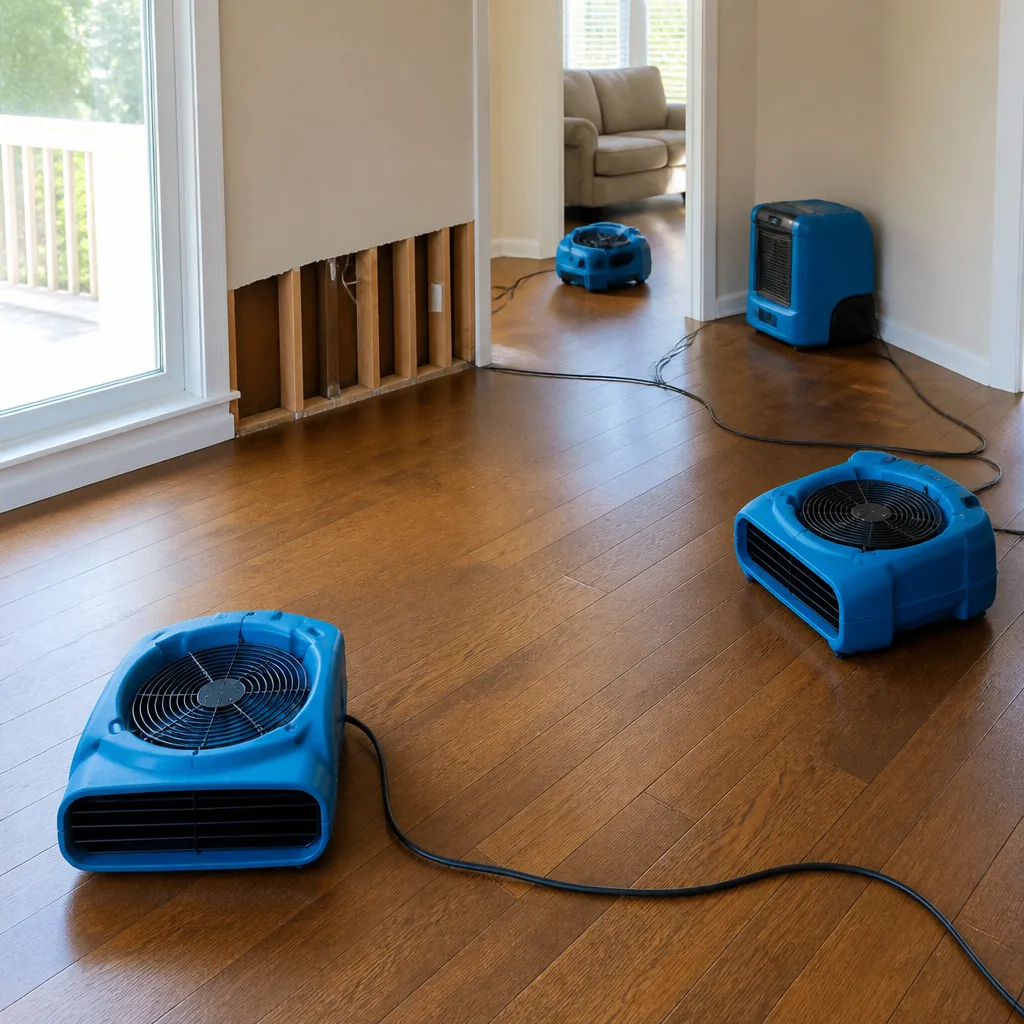
Dri-Eaz and Phoenix air movers and dehumidifiers run continuously at the source of the loss, with daily moisture readings logged until the structural drying target is met. That log goes to you and your carrier.
Cleaning & Sanitization
Every affected surface is cleaned, then treated with antimicrobial agents appropriate for Category 3 loss. This includes subfloor cavities, wall cavities, and, in loft conversions, the concrete slab itself before any new flooring goes back.
Containment & Air Scrubbing
HEPA air scrubbers run in the affected area to capture airborne particulates and prevent cross-contamination into unaffected rooms. In open floor plates, containment is critical because there are no doors to close.
Repairs & Restoration
We rebuild what was removed: drywall, trim, flooring, and in high-rises, mechanical system components. The goal is pre-loss condition, done by the same certified crew that started the job, backed by our 90-Day Done Right Promise.
Need Emergency Sewage Cleanup in Long Island City Now?
Crews minutes away from Hunters Point and Court Square, answering live 24 hours a day. The sooner we start, the less it costs.
Working With Your Insurance Company
Sewage cleanup claims in Long Island City move faster when the documentation is complete from hour one. Our team photographs every affected area before demolition starts, logs moisture readings daily while drying runs, and builds a line-item estimate that matches the work actually performed. We communicate directly with your adjuster so you don’t have to parse coverage language or play phone tag. If your carrier requires a second opinion on scope, we walk the loss with them and show the data: moisture logs, thermal images, and photo records from day one. The 90-Day Done Right Promise covers the workmanship, and the paperwork supports the claim.
What We Provide Your Insurer
- Thorough documentation of the loss
- Photos of all damage, room by room
- Moisture readings and drying logs
- A detailed, line-item scope of work
- Direct coordination with your carrier
Built for Long Island City’s Loss Calendar
Long Island City’s sewage backup season tracks the weather. Nor’easters and heavy summer convective storms push storm surge into the combined sewer outfalls along the East River and Newtown Creek, backing sewage up through floor drains in ground-floor units across 11101. In January, deep freezes split supply lines in Hunters Point’s converted brick warehouses whose plumbing runs along exterior masonry walls. The spring thaw then releases water simultaneously across units, and sewage ejector pumps in lower-level mechanical rooms get overwhelmed. August brings the year’s heaviest downpours, flooding the depressed ramp entrances and below-grade garages common in the post-2005 glass towers along the waterfront. Add flat roofs on converted industrial buildings that pond during every storm, and you have a year-round calendar where sewage cleanup is a recurring reality, not a one-off surprise.
Sewage Cleanup Across Long Island City’s Neighborhoods
We respond to sewage backups across every corner of Long Island City, and the building type usually tells us what we’ll find before we open the door. In Hunters Point, the converted brick warehouses and factory buildings along 47th Avenue and 50th Avenue present open floor plates on concrete slabs, so a roof drain backup or a failed ejector pump sends Category 3 water migrating laterally before tenants even notice staining. Ground-floor units here sit only a few feet above mean high water, which makes storm surge backup a standing risk from the East River side.
Along Center Boulevard and the waterfront condominium towers, sewage backups typically enter through lower-level mechanical rooms where ejector pumps and sewage pits sit below grade. Those are tight, equipment-dense spaces, and after Sandy, many building owners learned how fast contaminated water infiltrates them. In Court Square, pre-war office-to-residential conversions along Jackson Avenue and 44th Drive come with cast-iron drain lines now sixty to ninety years old, and internal pipe collapse is a more common trigger than storm surge. In Dutch Kills, low-rise wood-framed buildings near the Sunnyside Yard border face simpler layouts but older clay drain lines, and root intrusion from street trees off 39th Avenue is a frequent culprit. Each area has its own failure fingerprint, and our crews know the difference.
Specialized Sewage Cleanup Services We Offer in Long Island City
Sewage Backup Cleanup
When the drain backs up in a Long Island City building, it’s often not the toilet. It’s the line under the slab or the ejector pump in the basement. We trace the backup to its source, remove the contaminated water, and treat the affected areas for pathogens before drying begins. In Hunters Point lofts, that includes checking the open floor plate for contamination that’s already traveled.
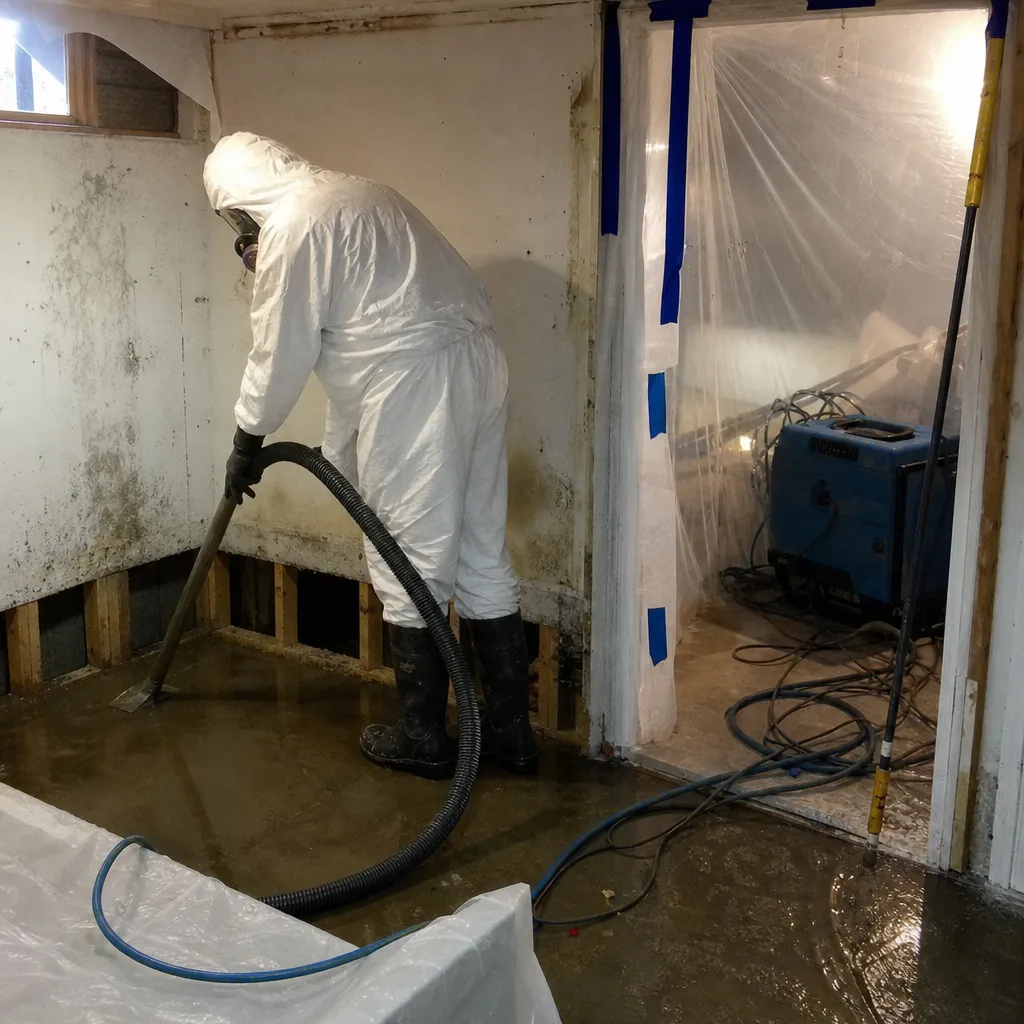
Toilet Overflow Cleanup
A toilet overflow in a converted factory loft in 11101 lands on a concrete slab and spreads in a thin sheet across the entire floor. We extract, dry, treat, and restore the surfaces. In the 11109 waterfront towers, an overflow on an upper floor can track down through curtain-wall cavities and show up three floors lower. We chase the water wherever it went.
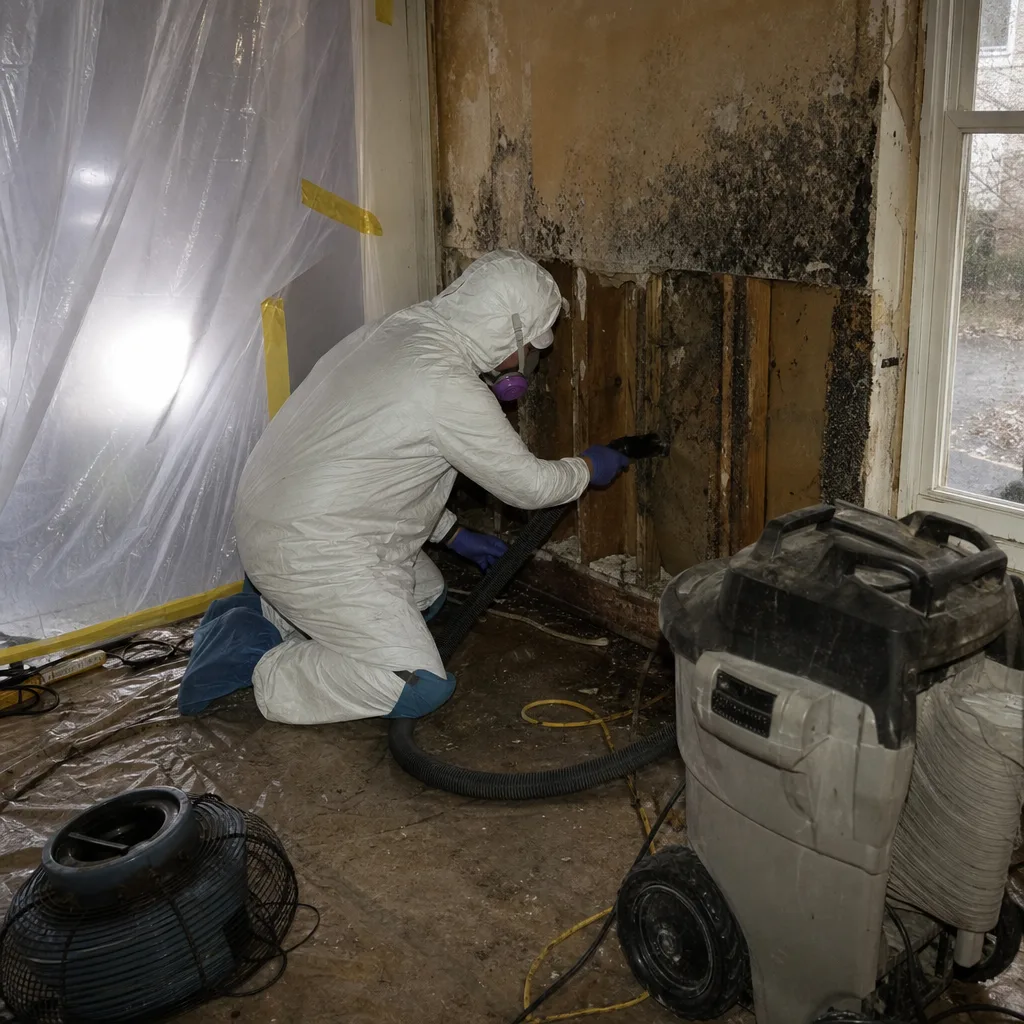
Septic Failure Cleanup
Most of Long Island City sits on the city sewer system, but some older properties in Dutch Kills and the industrial blocks off Review Avenue and Borden Avenue still rely on septic or private drainage systems. A septic failure there requires full black water extraction, soil treatment, and coordination with a licensed septic contractor for the system repair. We handle the contamination side and don’t walk off until the drying log is clean.
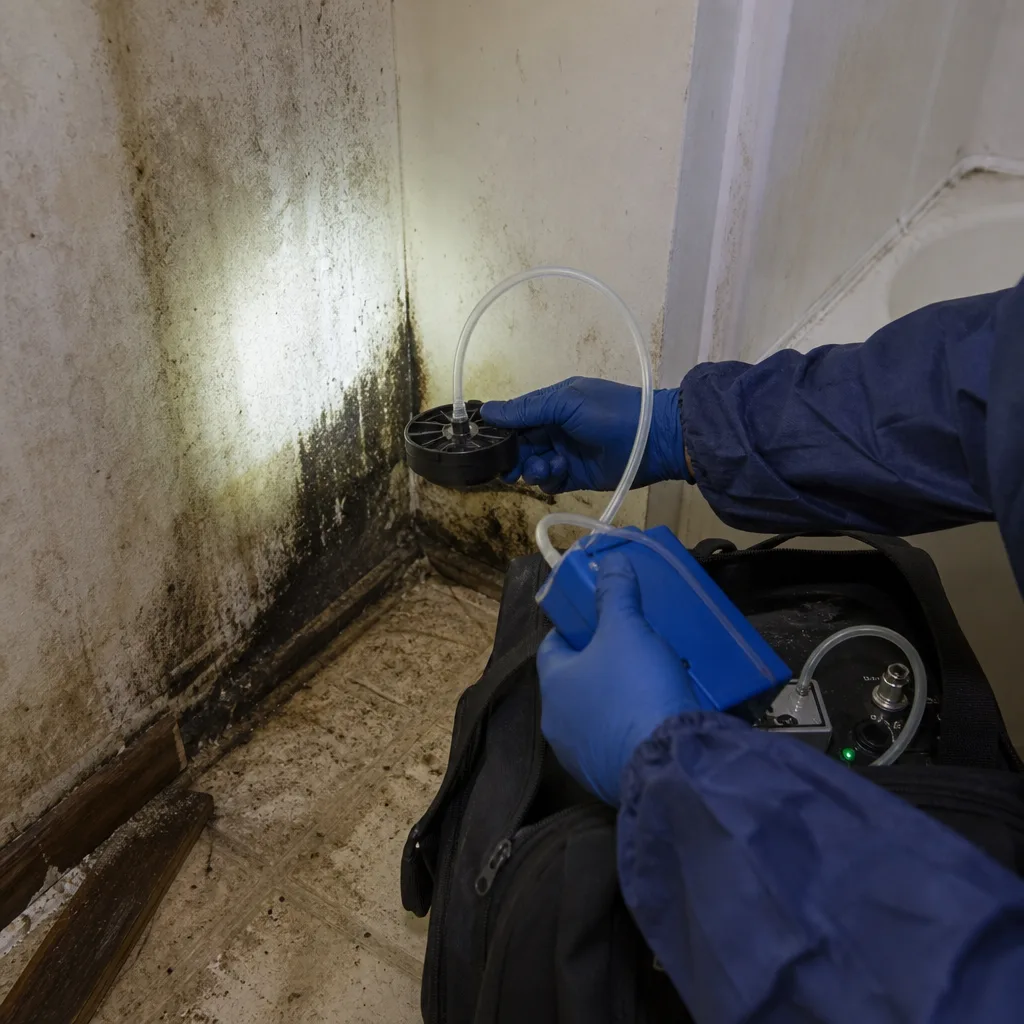
Black Water Extraction
Black water extraction in Long Island City means more than pumping out a flooded floor. After Sandy, and after every nor’easter that pushes Newtown Creek into the combined sewer system, our techs treat every Category 3 event as potentially contaminated by a Superfund waterway. We use professional-grade extraction units, HEPA air scrubbers, and full containment, then apply antimicrobial treatment before drying begins. No shortcuts.
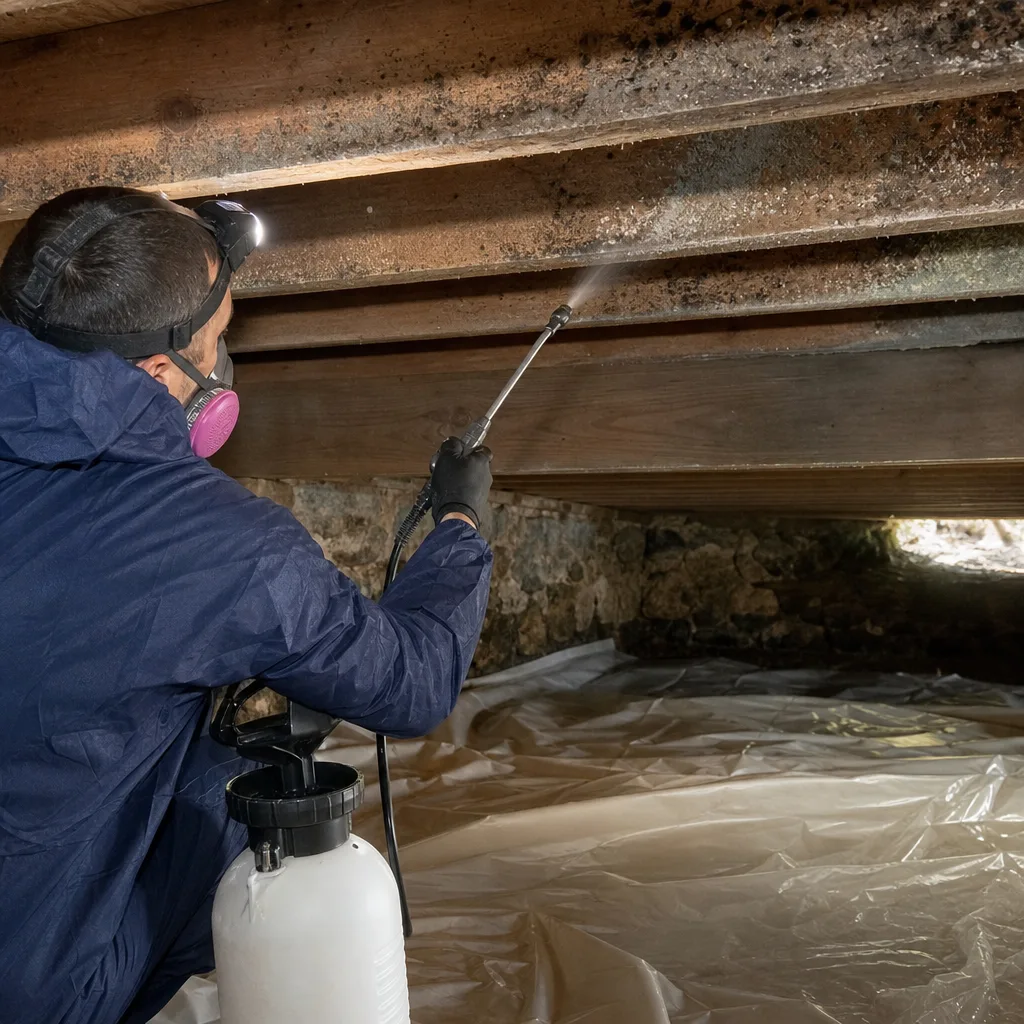
Sanitization & Disinfection
For sewage cleanup in Long Island City, sanitization isn’t a light misting. We apply hospital-grade antimicrobial agents to every affected surface, including the concrete slab beneath removed flooring and the wall cavities behind removed baseboards. For loft conversions with custom-finished concrete, we treat the substrate before any new finish goes down. The goal is not just a dry space. It’s a clean one.
What happens when you call
- 1
A real person answersNo phone trees - you reach a local pro.
- 2
You get an upfront price rangeHonest numbers before anyone is dispatched.
- 3
A background-checked tech heads outLicensed & insured, dispatched right away.
- 4
You approve before work beginsNothing starts until you say go.
Sewage Cleanup Costs in Long Island City, NY
Sewage cleanup pricing in Long Island City reflects the building stock. A straightforward toilet overflow contained to a bathroom in a Court Square apartment typically runs $400-$800 for extraction, sanitation, and drying. A Category 3 backup that crosses an open floor plate in a Hunters Point loft and requires containment, air scrubbing, and slab treatment usually lands between $2,200 and $5,000. Sewage ejector pump failures in the mechanical rooms of waterfront high-rises, where equipment replacement is often required alongside extraction, can run $5,000-$15,000 depending on the scope of piping and reconstructed finishes. Most sewage cleanup claims are covered by insurance when the loss is sudden and accidental. We provide a free visual inspection and a written scope before any work begins, so you know the number before you commit. Call (518) 800-3751 for an on-site assessment.
We Also Serve Cities Near Long Island City
Our crews serve the neighborhoods and cities immediately surrounding Long Island City, including Astoria to the north, Maspeth and Jackson Heights to the east, and East Elmhurst along the Grand Central Parkway corridor. Same standards, same live answer at any hour.
Serving Long Island City, NY - Our Local Coverage Area
We’re based in the Long Island City area and know this community well. Use the map below to see our service coverage - if you’re nearby, we can almost certainly help.
Long Island City Sewage Cleanup Questions, Answered
Does living in a converted warehouse loft in Hunters Point change how sewage cleanup is scoped?
Yes, significantly. In a converted warehouse loft, the open concrete floor plate means contaminated water spreads laterally for hundreds of square feet before it’s discovered. We scope these jobs with full-floor moisture mapping, containment, and slab treatment rather than treating the visible spill area alone. The whole floor plate becomes the work zone.
After a storm surge from Newtown Creek backs up my toilet in 11101, is the water always Category 3?
Almost always, yes. When storm surge pushes water from Newtown Creek into the combined sewer system and it backs up through your floor drain or toilet, that water has mixed with raw sewage and Superfund contaminants. We treat it as Category 3 black water from the first minute, which means full containment, HEPA air scrubbing, and antimicrobial treatment after extraction.
How fast do you respond to a sewage backup in a Long Island City high-rise mechanical room?
We commit to a 45-minute response for sewage emergencies anywhere in Long Island City. For mechanical room backups in waterfront towers, we also flag equipment replacement needs early, since ejector pumps and sewage pits that flooded once often fail again if not replaced. Call (518) 800-3751 and a live dispatcher gets a crew moving.
Do flat-roof leaks in converted industrial buildings ever lead to sewage cleanup?
They can. Ponded water on a flat membrane roof eventually finds its way through parapet-to-membrane seams and HVAC curb penetrations. Once inside a converted industrial building, that water saturates open floor cavities and can carry contaminants if it passes through areas where sewage lines run or where prior spills occurred. We check roof penetrations first on these buildings because that’s where the leak usually starts.
Can you preserve custom finishes in a Hunters Point condo after a sewage backup?
In most cases, yes, if we get there in the first hour or two. Custom millwork, sealed concrete, and high-end tile can often be saved with controlled extraction and targeted drying before the water migrates. Once contamination sits for a day, drywall wicking and finish damage tend to push toward replacement. The faster you call, the more we can preserve.
Will my insurance cover sewage cleanup in Long Island City?
Most standard homeowners and condo policies cover sewage backup losses when the event is sudden and accidental. Storm surge flooding from the East River may fall under separate flood insurance depending on your policy. We provide detailed photo documentation, moisture logs, and line-item estimates directly to your adjuster, which strengthens the claim regardless of your coverage type.
How long does sewage cleanup and drying take in a converted loft?
For a contained bathroom overflow, extraction and drying can often be completed in two to three days. For a Category 3 loss across an open concrete floor plate, expect five to seven days of active drying with daily moisture readings, followed by sanitization and reconstruction. We give you a schedule in writing before work starts.
What should I do in the first 30 minutes after a sewage backup?
First, stop using all water in the affected unit and neighboring units if possible. Keep people and pets out of the affected area. Do not run HVAC fans, which spread contaminated air. Then call us at (518) 800-3751. A live person answers and starts dispatch. We’ll tell you what to check while the crew is en route.
Our Sewage Cleanup teams have handled every type of Category 3 loss in Long Island City, from Superfund-mixed storm surge in Hunters Point to mechanical room ejector failures in Center Boulevard towers. We were called to a converted warehouse loft after a roof drain backup sent Category 3 water across an open concrete floor plate. Our techs ran moisture mapping across the slab, set containment and air movers, then extracted and applied antimicrobial treatment before drying logs showed the structural drying target was met, all while matching the original pre-loss condition of the client’s custom-finished concrete. That’s the standard we hold on every job: done right, and backed in writing with the 90-Day Done Right Promise.
Written by Curt Bowman, Owner at Floodline Restoration Co., serving Long Island City and the surrounding boroughs.