
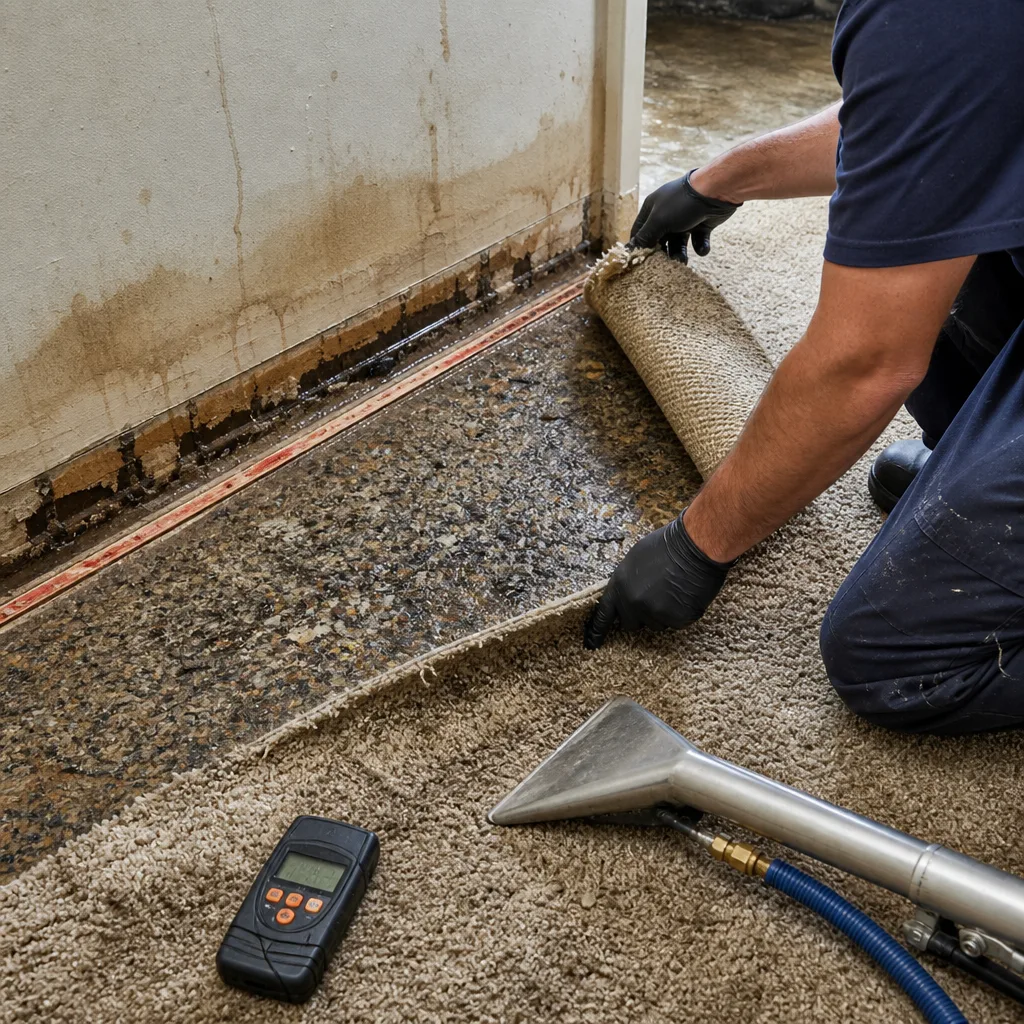
Free visual inspection and a written scope of work before any mitigation begins - photos, moisture readings, and drying logs go in your claim file
The scope we write is the scope we bill. Anything new gets shown to you, in writing, before we touch it.
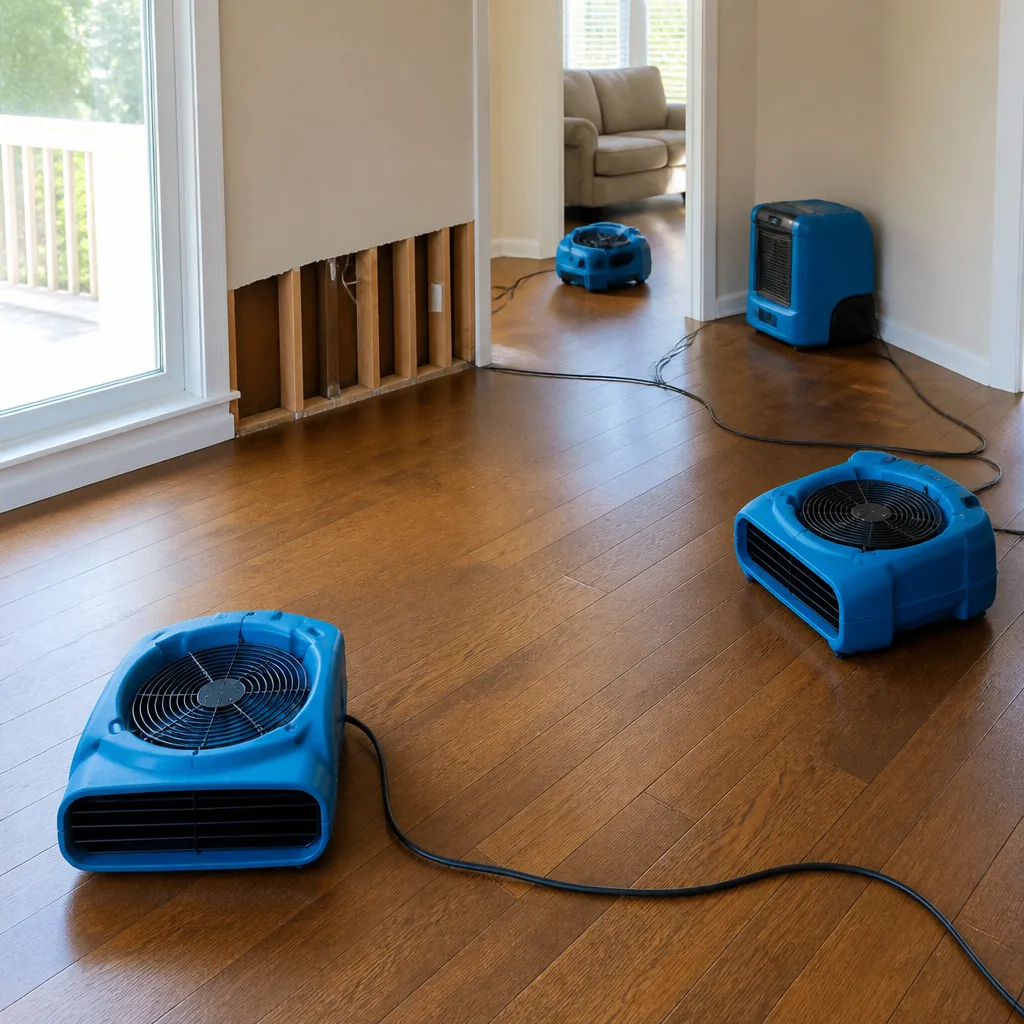
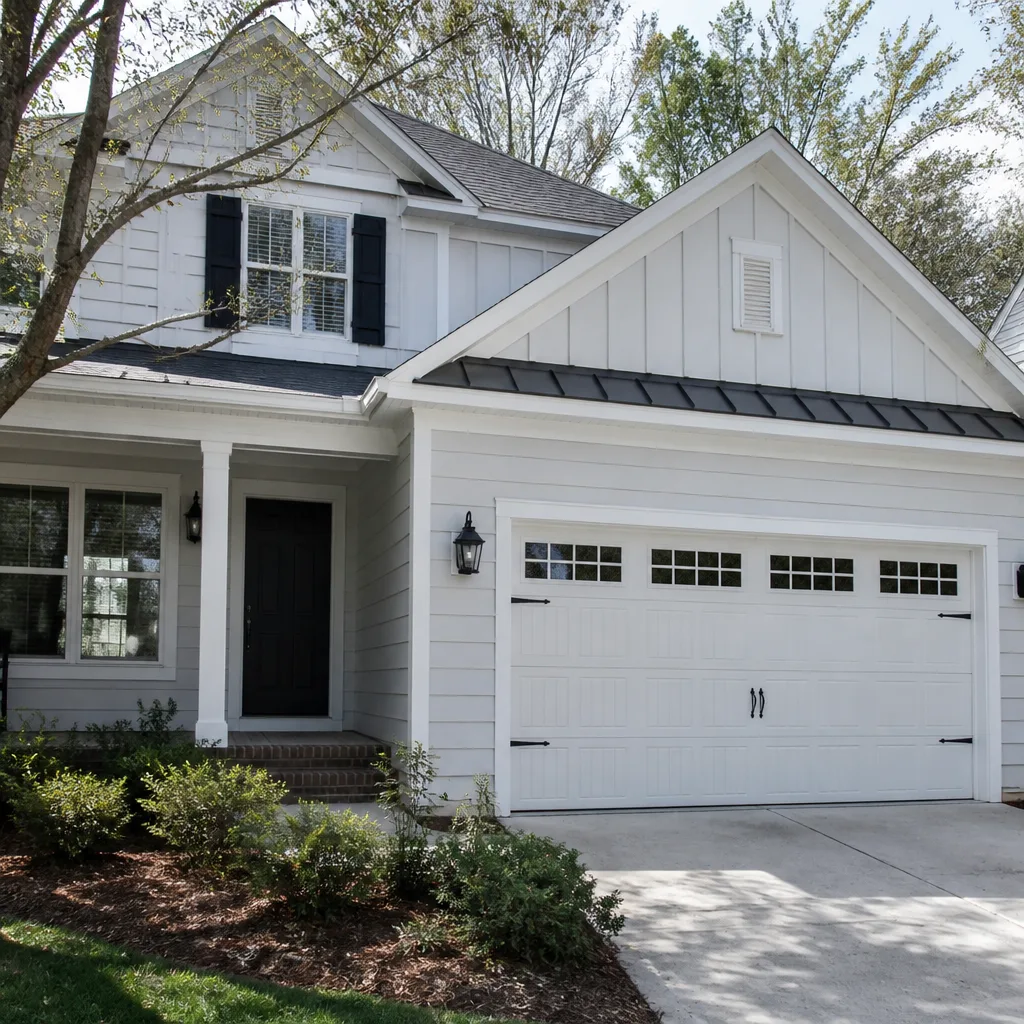
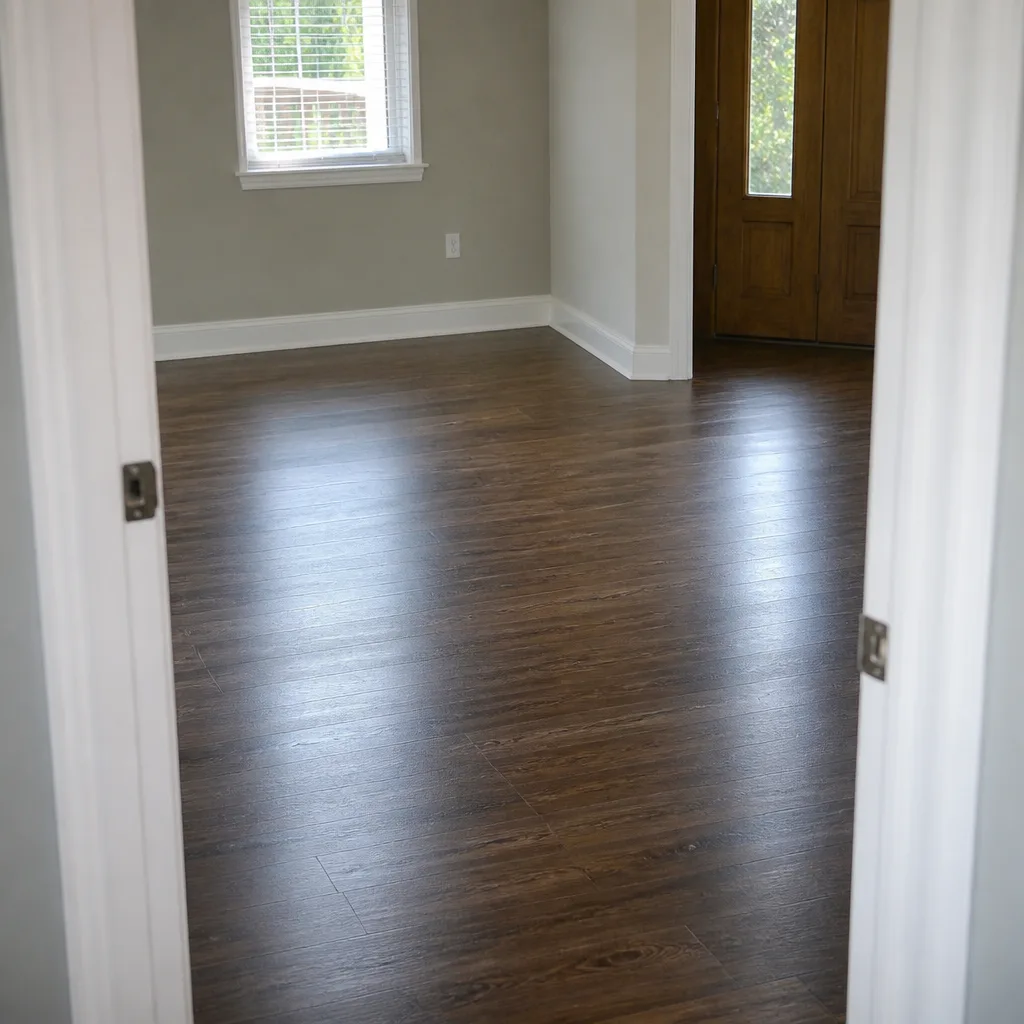
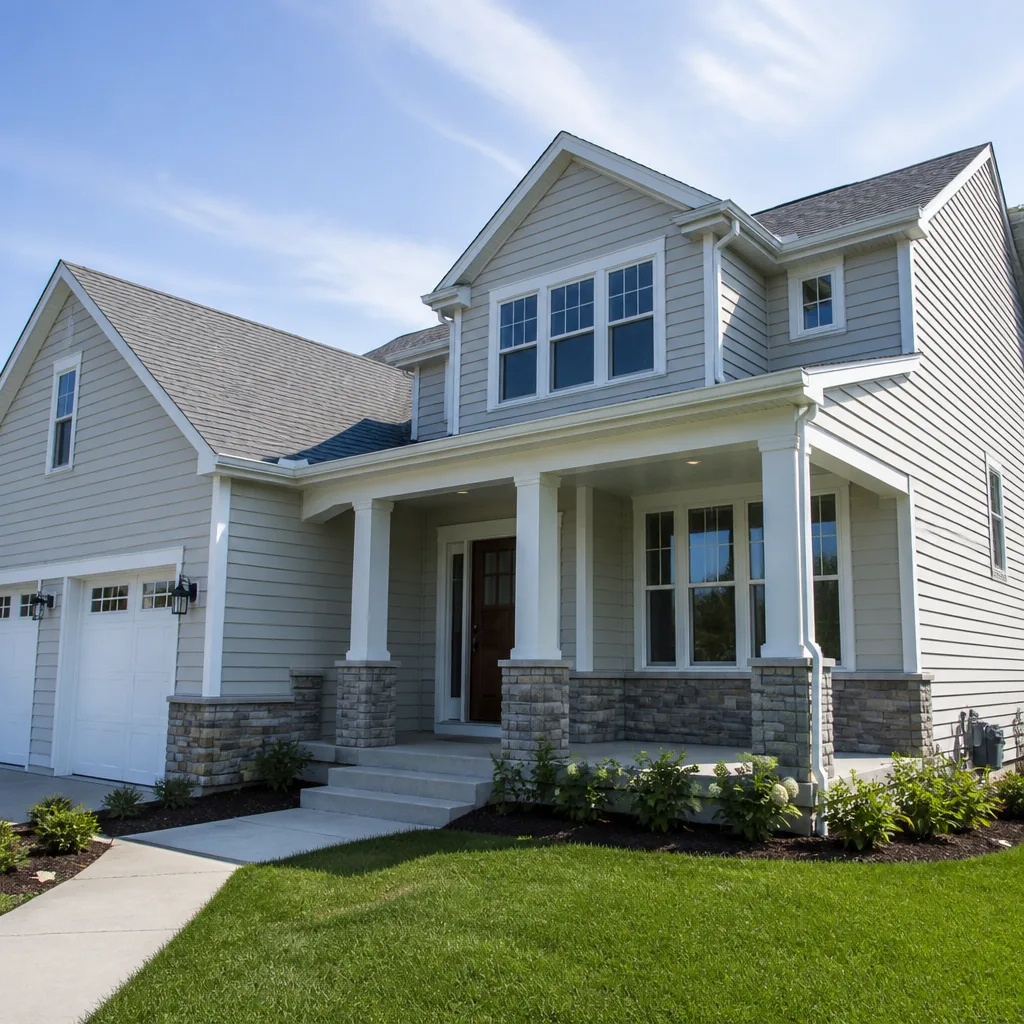
 Before
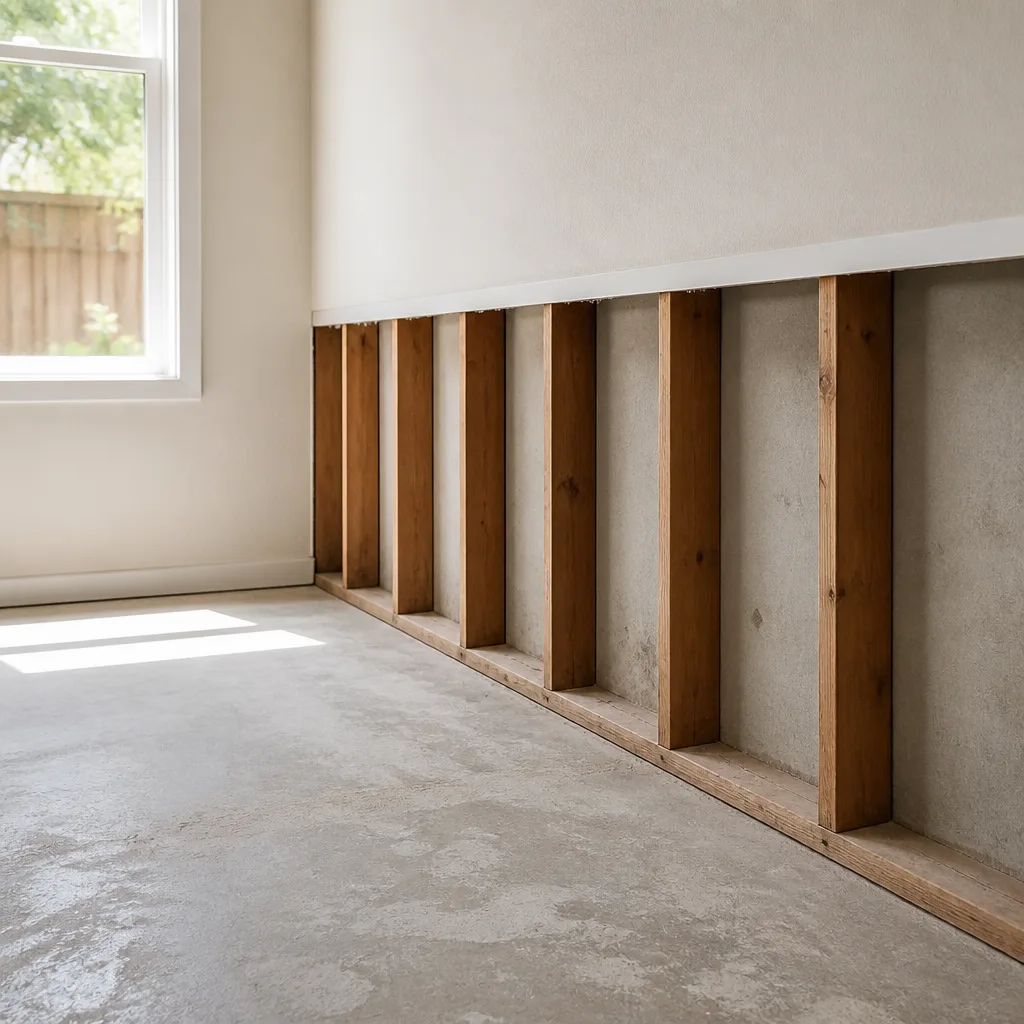
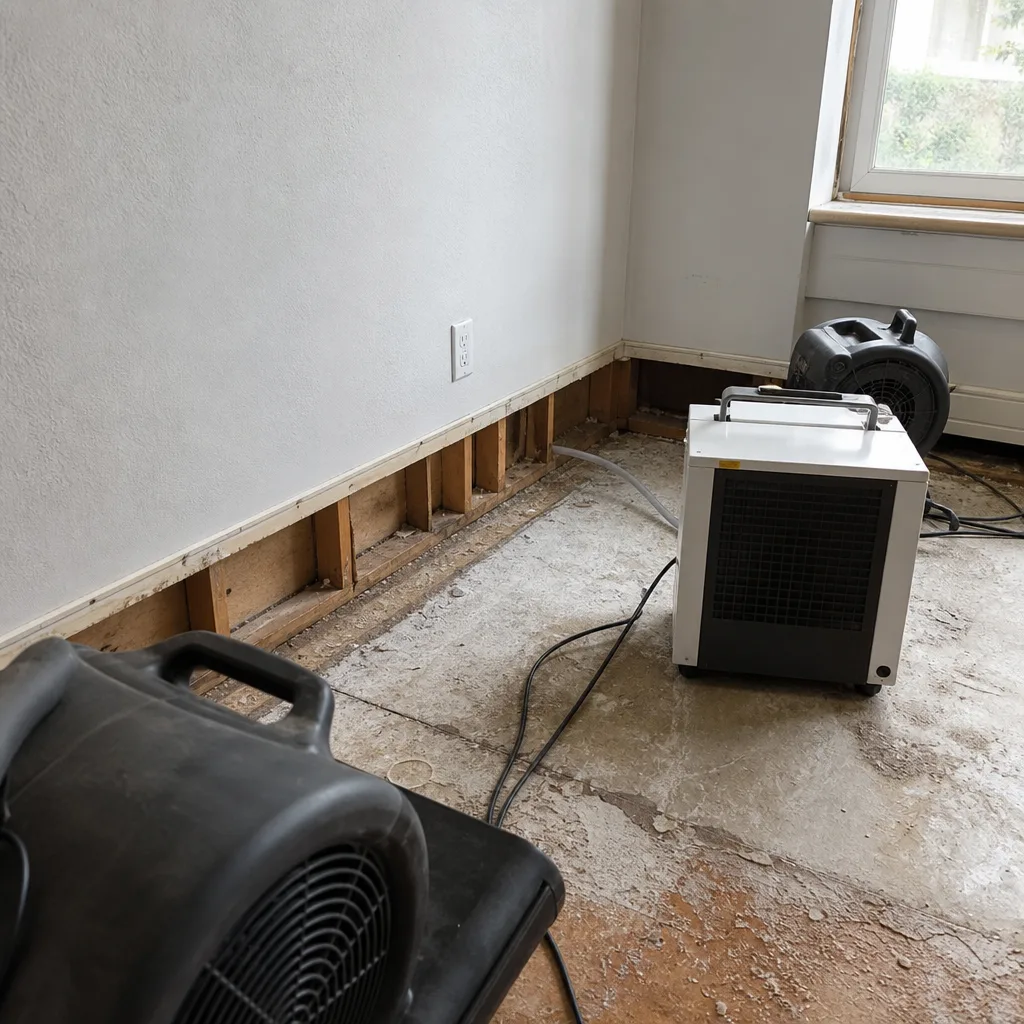 After
After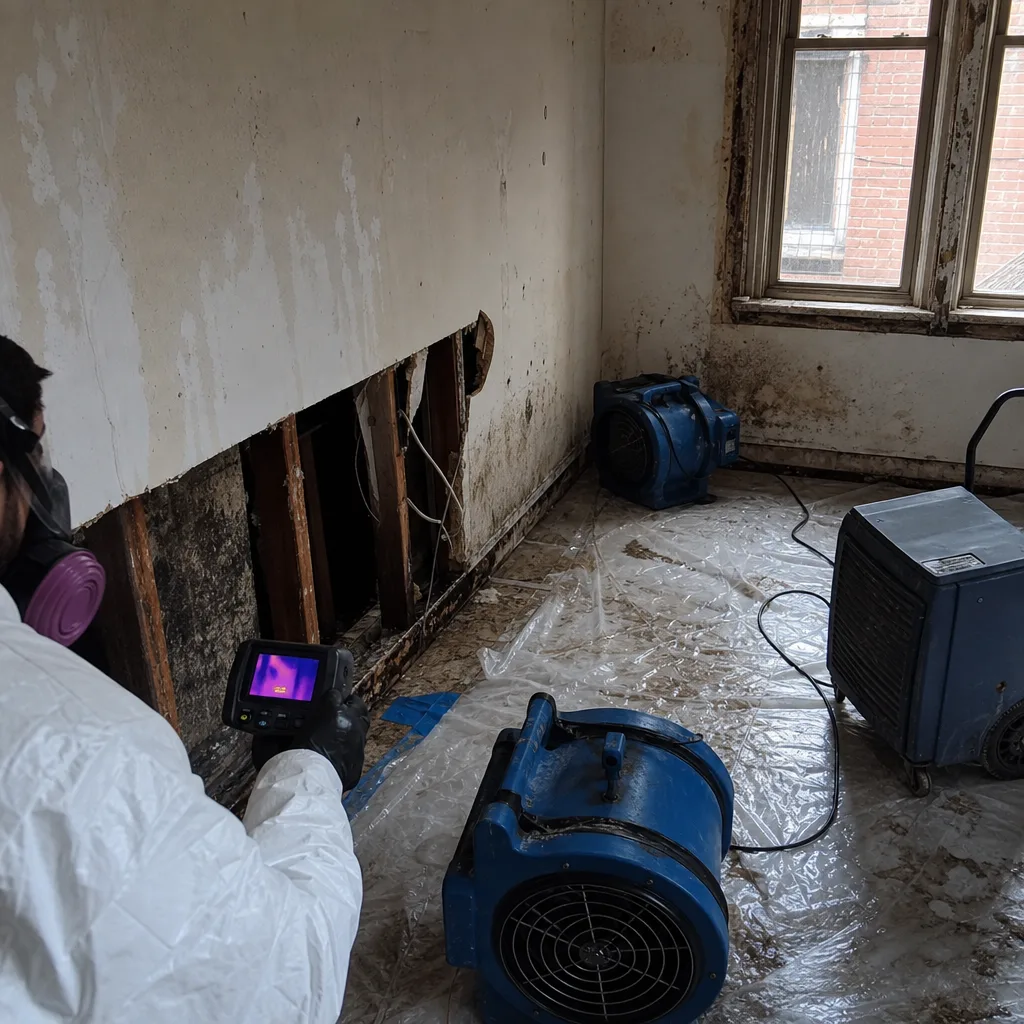 Before
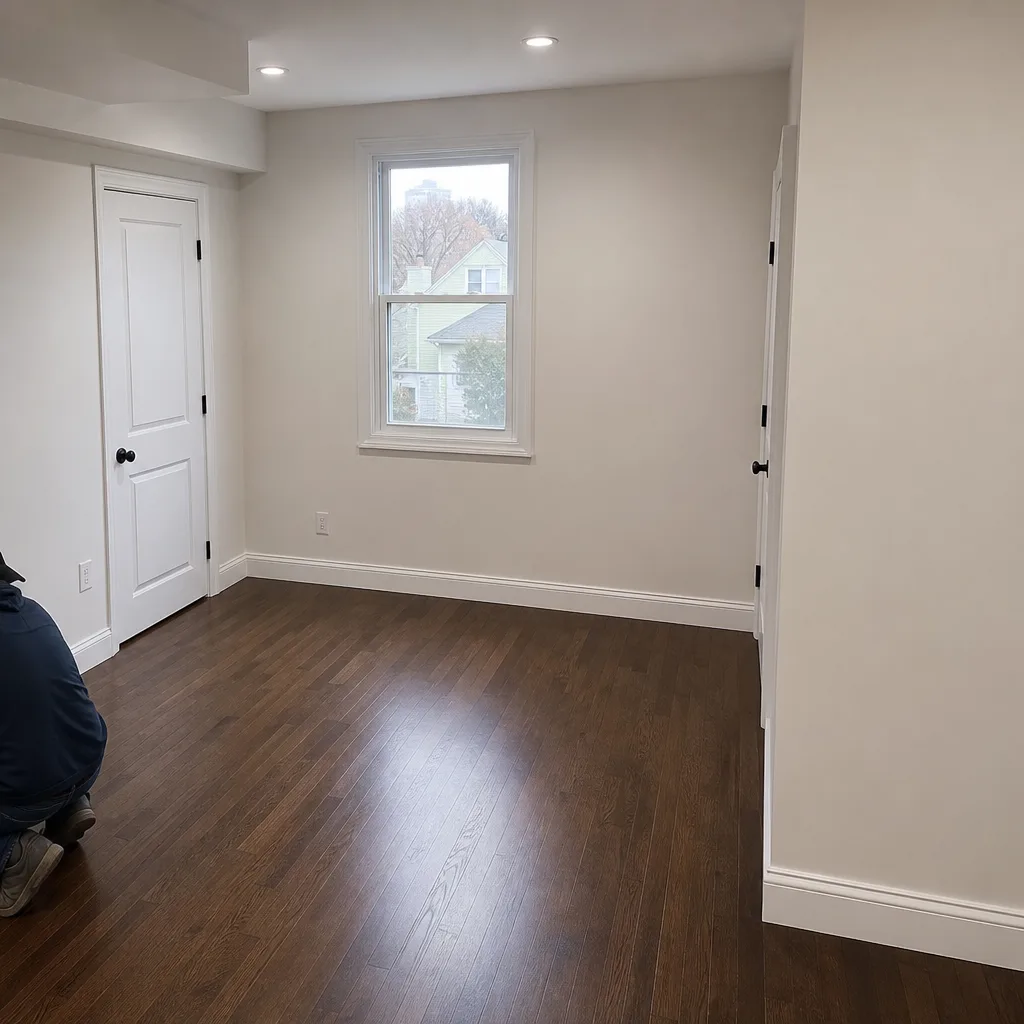 After
After24/7 Emergency Water Damage Restoration in Central Harlem
Water damage restoration in Central Harlem typically costs between $2,200 and $6,800 for a standard Category 2 cleanup with structural drying, and we answer the phone live at (518) 800-3751 at any hour. A certified crew from Floodline Restoration Co. can reach most Central Harlem addresses within 45 minutes of your call, with extraction running the same visit. The first hour matters more here than almost anywhere in Manhattan because of what these buildings are made of. Original horsehair plaster, cast-iron pipe chases, and shared party walls wick water vertically and sideways, so a leak that started on the fourth floor is already working its way through three floors of lath by the time you notice the stain. We offer a free visual inspection, document everything for your insurer from minute one, and do not hand the job off between mitigation and rebuild. One crew, one moisture log, one name on the work.
Understanding Water Damage Restoration Severity in Central Harlem Properties
Water damage in Central Harlem is not one problem. It is three categories, and the category decides everything about how we work and what you can salvage. Category 1 is clean water from a burst supply line or overflowing tub. Category 2 carries contaminants, typically from a failed steam radiator, washing machine discharge, or sump failure. Category 3 is grossly contaminated, the floodwater and sewage backups that hit below-grade units in flash floods like Hurricane Ida. In a pre-war brownstone, Category 2 water from an upper-floor radiator will pass through horsehair plaster, pine subflooring, and cast-iron chases, picking up decades of dust, lead paint residue, and sometimes asbestos fibers as it travels. That changes the drying protocol. We moisture-map every affected surface with thermal imaging and penetrating meters before we set a single air mover, because in a 1920s walk-up, the visible stain is rarely the edge of the damage. On Landmarks-designated blocks, we also have to track what can be dried in place versus what the LPC will require us to replicate. That constraint shapes the entire job from hour one.
Why Central Harlem Property Owners Choose Floodline Restoration Co.
- 45-minute response commitment. We dispatch from our New York City office to Central Harlem addresses around the clock. When you call with active water, a truck is rolling before the call ends.
- A live person answers, 24/7. Not a recording, not a call center script. A dispatcher who knows the difference between a steam-pipe rupture and a roof leak takes your call at 2 a.m. and starts the response.
- IICRC-certified crews. Our technicians hold WRT and ASD certifications and train to RIA and IFA standards. They know how to dry horsehair plaster without teardown, which most restoration crews in the five boroughs will not attempt.
- Free visual inspection. We walk the property, map the moisture, and give you a written scope before any work starts. No surprise line items after the fact.
- Direct insurance billing. We bill your carrier directly and communicate with your adjuster. You are not the messenger, and you are not floating the bill while paperwork crawls.
- One team from extraction to reconstruction. The same crew that sets containment and runs drying logs handles the rebuild. Nobody inherits a half-finished job, and nobody blames the other guy.
Our Water Damage Restoration Process
Inspection & Assessment
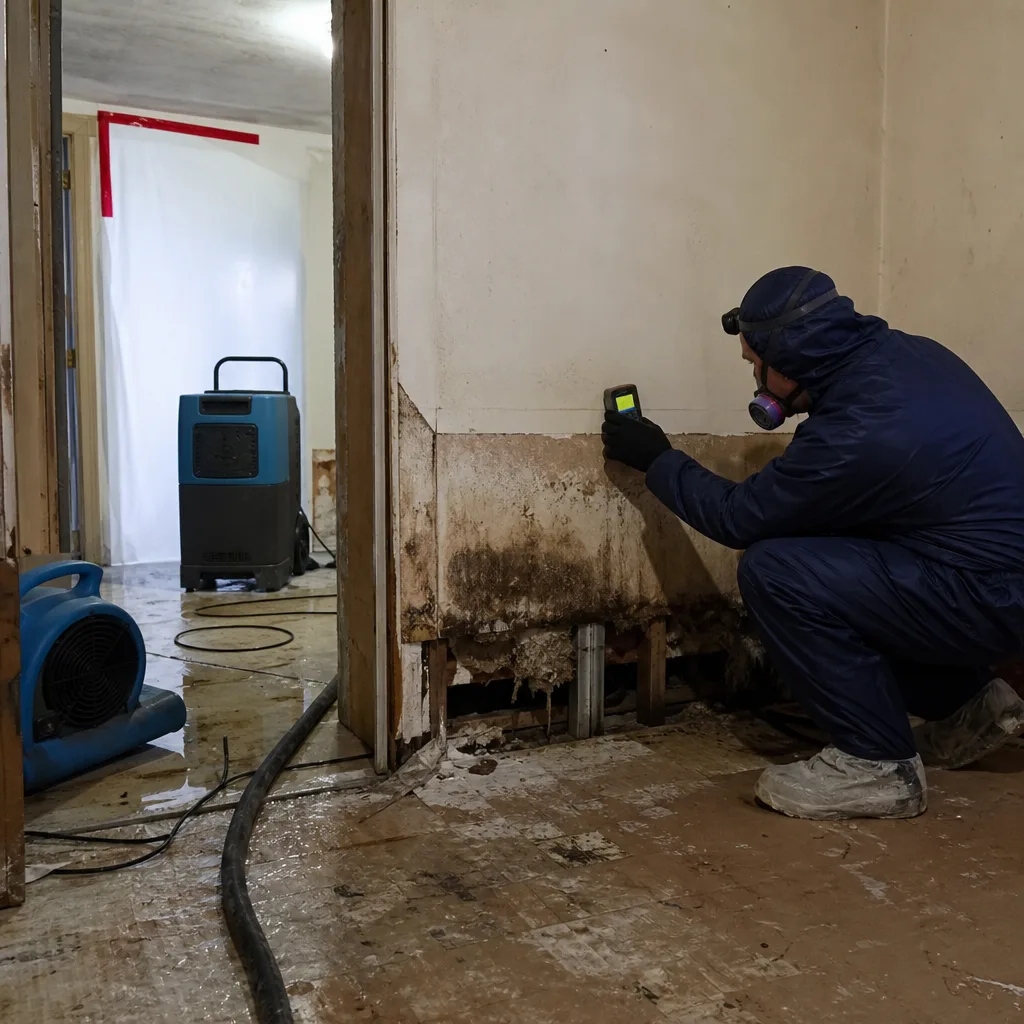
We arrive within 45 minutes for emergencies, walk the full property, and document every affected surface. Thermal imaging and penetrating moisture meters map how far water has traveled through plaster, subfloor, and party walls. You get a written scope with a firm price before we touch anything.
Extraction & Stabilization
Standing water comes out first. We run truck-mounted and portable extractors on floors, then set containment if water has reached multiple units or dropped through ceilings. In Central Harlem walk-ups, containment is usually non-negotiable because a fourth-floor leak becomes a ground-floor problem within hours.
Drying & Dehumidification
We set Dri-Eaz and Phoenix air movers plus low-grain refrigerant dehumidifiers, and for plaster assemblies we use Injectidry panels to pull moisture out of wall cavities without tearing them open. Hygrometers and daily moisture readings track the dry standard until we hit it.
Cleaning & Sanitization
Affected surfaces get HEPA-vacuumed and treated with antimicrobials appropriate to the water category. For Category 3 events, we remove contaminated materials and sanitize before drying finishes. Every step is logged.
Plaster & Structural Treatment
This is where Central Harlem jobs separate from everywhere else. Horsehair plaster that can be saved gets dried in place and re-keyed. Plaster that cannot be saved gets replicated by material-matched crews who understand LPC requirements on designated blocks. No drywall swaps on landmarked façades, ever.
Repairs & Restoration
We rebuild what needs rebuilding, from ceiling sections and cornices to full rooms. The moisture log goes to you and your carrier. Then we hand you the 90-Day Done Right Promise in writing. If it is not right, we make it right.
Need Emergency Water Damage Restoration in Central Harlem Now?
Crews minutes away, answering live 24 hours a day. The sooner we start, the less it costs.
Working With Your Insurance Company
Insurance claims in Central Harlem are rarely simple, because the buildings are old, the policies are layered, and the damage often spans multiple units. We handle the paperwork from the first hour so you do not have to. Our documentation starts when the crew walks in: photos of every affected room, moisture readings before and during drying, and a line-item scope of work written to industry standards your adjuster will recognize. We speak the language carriers expect. When your adjuster calls, we answer. When they dispute a line item, we provide the moisture readings and photos to support it. You get direct billing to your carrier, so you are not financing a restoration out of pocket while the claim crawls through review. Floodline Restoration Co. has done this in Central Harlem for years, and we have never asked a homeowner to play go-between with their own insurance company.
What We Provide Your Insurer
- Thorough documentation of the loss
- Photos of all damage, room by room
- Moisture readings and drying logs
- A detailed, line-item scope of work
- Direct coordination with your carrier
Built for Central Harlem’s Loss Calendar
Central Harlem sees water damage on a seasonal clock, and the season dictates the failure. January is supply-line and radiator season. Freeze-thaw cycles bite hard into the exposed riser pipes along air shafts and the minimally-pitched flat roofs on 1880s-to-1920s tenements, and a frozen pipe in the north wall of a six-story walk-up lets go at 4 a.m. in a unit someone has not checked. February brings ice dams on low parapet roofs, letting meltwater track through masonry and saturate plaster ceilings three floors down. Spring thaw pushes groundwater into the shallow cellar spaces and below-grade apartments that are common across the neighborhood, especially along the lower ground toward 125th Street. Summer is thunderstorm season, and a cloudburst in July can turn a stairwell into a waterfall when a clogged roof drain on a 1910s tenement backs up. September brings the nor’easter window. Ida in September 2021 filled basement units and cellar storage rooms across upper Manhattan, and every property owner who lived through it now knows that Category 3 water does not wait for a dry day. We staff accordingly. The crews, the drying equipment, the specialty plaster tools are staged for what Central Harlem actually throws at you.
Water Damage Restoration Across Central Harlem’s Neighborhoods
Central Harlem is not one building type, and the response differs block by block. In the Mount Morris Park Historic District, we are working inside LPC-designated brownstones where every material decision has a landmark review riding on it. A cornice restoration or plaster replication there is not a patch job. Over on Strivers’ Row, the St. Nicholas Historic District row houses have ornate interiors, some with original tin ceilings and mahogany trim, and water from a failed steam trap can destroy a ceiling medallion that took a craftsman a month to create. Around the Lenox Avenue corridor from 125th to 135th, the stock shifts to five- and six-story walk-ups with original cast-iron riser pipes and decades of deferred roof maintenance. We regularly see units under flat-roofed top floors where a single membrane breach has been slowly saturating plaster for months before the stain shows. East of Adam Clayton Powell Jr. Boulevard, the buildings are often shallower and packed tighter, which means shared party walls and faster horizontal water movement between units. On 110th Street and near Central Park North, the co-op and condo buildings tend to be larger, with more professional management, but the water still finds the same chases and riser stacks. Our dispatchers know the difference between a brownstone call on 138th and a walk-up call on 117th, because the first six decisions change.
Specialized Water Damage Restoration Services We Offer in Central Harlem
Emergency Water Extraction
Standing water in a Central Harlem brownstone or tenement does not sit politely. It moves through plaster, under hardwood, and into the unit downstairs. Our extractors, including XPOWER and Phoenix units, get standing water out on the first visit, usually within the hour. We also pull water from wall cavities and pipe chases, because in pre-war construction that is where the real damage collects.
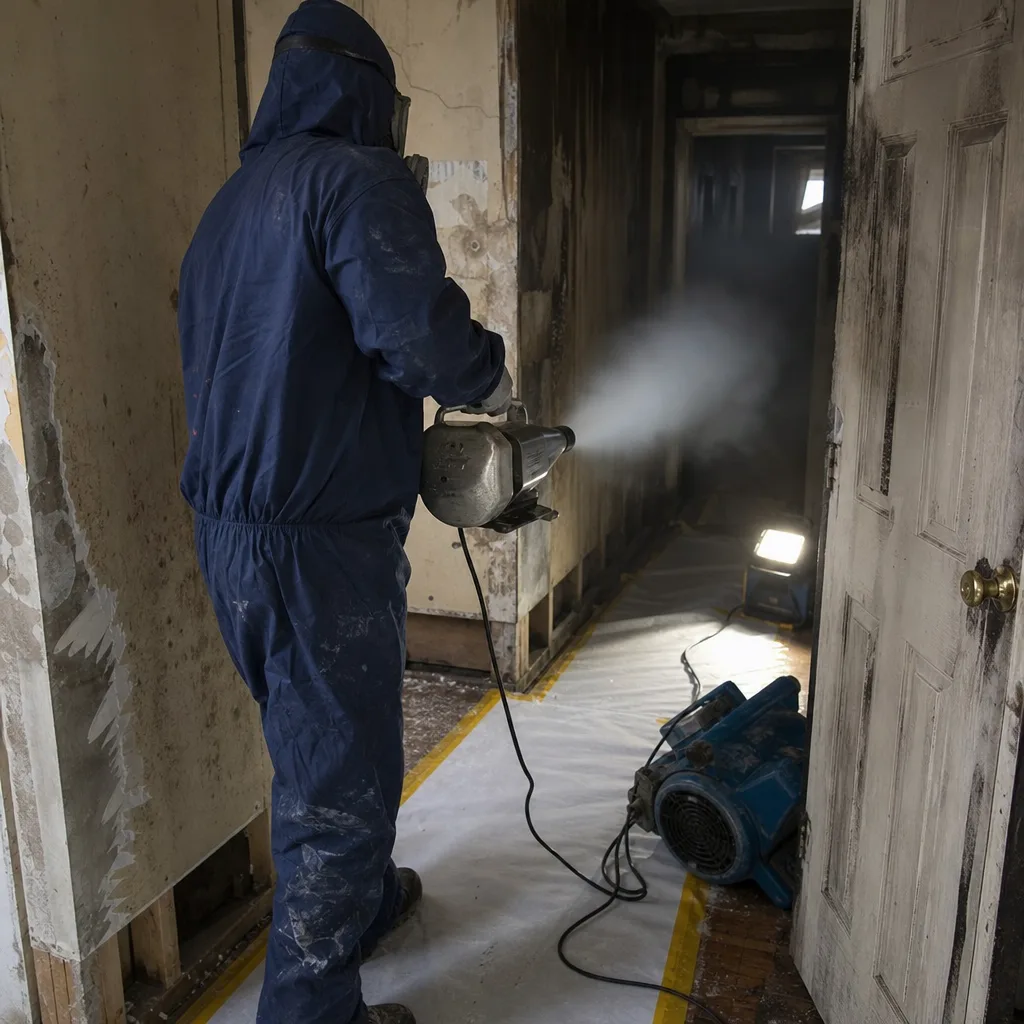
Structural Drying & Dehumidification
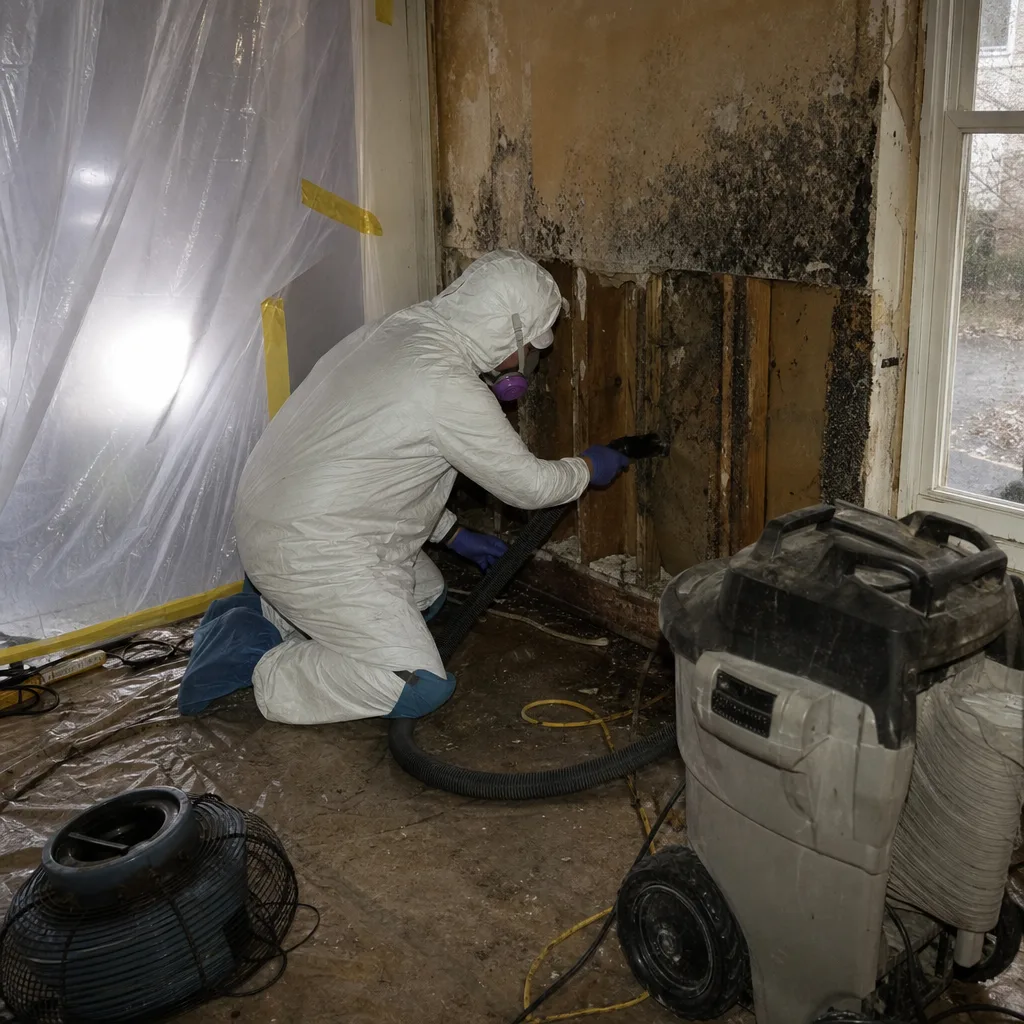
Drying a 1908 brownstone is a different trade than drying a 2008 sheetrock house. We run Injectidry panels into horsehair plaster walls to dry them in place, use low-grain refrigerant dehumidifiers to pull moisture out of dense masonry, and log readings every 12 hours until the assembly hits pre-loss condition. Daily logs go to you and your carrier. Nothing gets closed up wet, because in these buildings mold behind the plaster is a five-figure problem you cannot see.
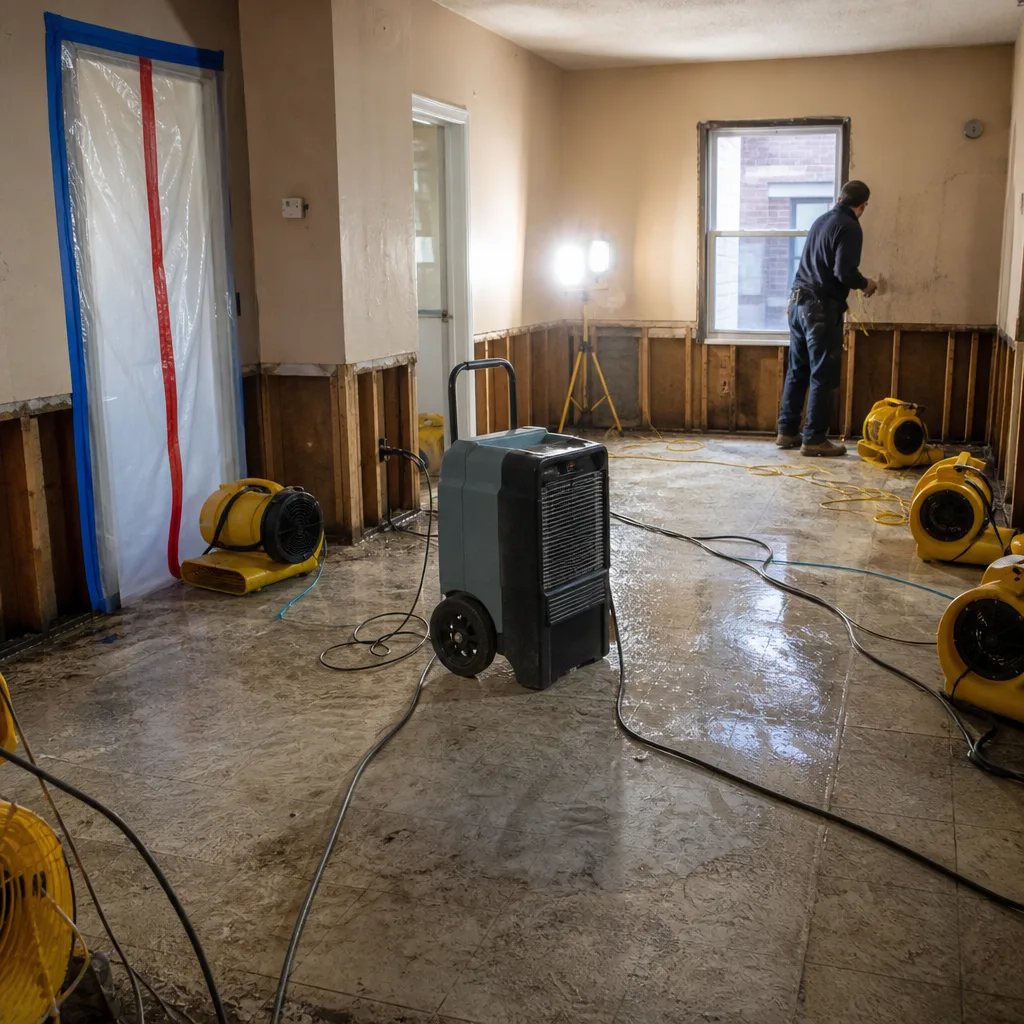
Flood Cleanup
For below-grade units and cellar spaces hit by flash flooding, we handle Category 3 water the way it demands: extraction, contaminated material removal, sanitization, and drying. Central Harlem basements in pre-war buildings often hold boiler rooms, storage, and sometimes finished apartments. We treat the space, protect the mechanicals, and document everything for your carrier.
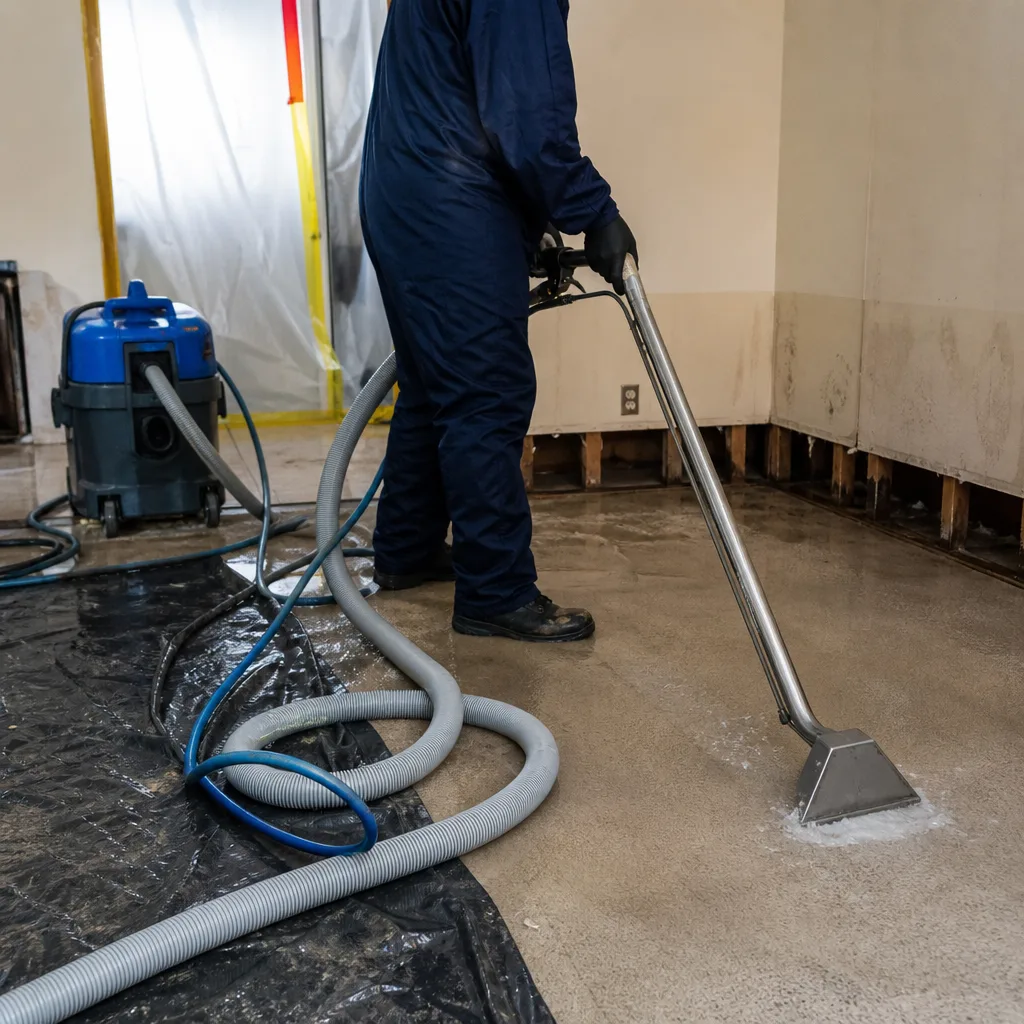
Burst Pipe Restoration
A frozen riser pipe in January or a failed steam trap in February sends water through every floor it passes. We have worked burst-pipe jobs in Central Harlem walk-ups where five units were saturated from one point of failure. We set containment floor by floor, dry in place where the plaster will hold, and rebuild what will not. For landmarked properties, the repair plan goes through the LPC lens from day one.
Basement Water Removal
Central Harlem basements are close to the water table and surrounded by masonry that has been absorbing groundwater for a century. A heavy storm or a sump failure gets water in fast. We extract, dry, and sanitize, then give you a straight answer about what needs replacing versus what can be saved. No upsell, just a written scope before work starts.
What happens when you call
- 1
A real person answersNo phone trees - you reach a local pro.
- 2
You get an upfront price rangeHonest numbers before anyone is dispatched.
- 3
A background-checked tech heads outLicensed & insured, dispatched right away.
- 4
You approve before work beginsNothing starts until you say go.
Water Damage Restoration Costs in Central Harlem, NY
Here are real numbers for Central Harlem, not national averages. A Category 1 or 2 cleanup in a single room of a pre-war apartment runs $1,800 to $3,400. A burst radiator line affecting one unit runs $2,400 to $5,200 including extraction, drying, and plaster repair. A multi-floor event in a walk-up, the kind where one failure saturates three to six units, lands between $6,500 and $18,000 depending on how many square feet of plaster and flooring are involved and whether LPC review applies. Category 3 basement floods start around $3,500 and climb with the size of the space and how much contaminated material has to come out. What moves the price most in Central Harlem is plaster work. Drying horsehair plaster in place costs less than you would think. Replicating it to LPC standard costs more than a drywall swap, and it is mandatory on designated blocks. Insurance covers most Category 1 and 2 events, subject to your policy. Category 3 and gradual seepage are where coverage gets thin. Call ((518) 800-3751) for a free visual inspection and we will put a firm scope in writing before any work starts. Current offers include $50 off any repair over $250 and a senior and veteran 5% discount, always.
We Also Serve Cities Near Central Harlem
Floodline Restoration Co. runs crews into Central Harlem daily, and we cover the surrounding area with the same 45-minute response commitment. That includes Upper Manhattan, the Upper East Side, and across the river into Astoria and Ditmars Steinway. Same live dispatch, same certified crews, same written guarantee.
Serving Central Harlem, NY - Our Local Coverage Area
We’re based in the Central Harlem area and know this community well. Use the map below to see our service coverage - if you’re nearby, we can almost certainly help.
Central Harlem Water Damage Restoration Questions, Answered
If my Central Harlem brownstone has original horsehair plaster that got soaked from a roof leak, do I have to rip it out?
No, soaked horsehair plaster can often be dried in place and re-keyed, and on landmarked blocks it usually must be. We use Injectidry panels to pull moisture through the plaster and lath, then re-secure the keys and skim-coat the finish. Teardown is only necessary when the plaster has delaminated or the water was Category 3. Call (518) 800-3751 and we will tell you which path your plaster needs.
How fast should I act after a Category 2 water event in a Central Harlem walk-up before mold starts?
You have 24 to 48 hours before mold colonies establish on wet organic material, and less in summer when the air is heavy. In a pre-war walk-up, the clock is shorter because horsehair plaster and old wood dry slowly without mechanical drying. Call us the moment you see or hear water; we start extraction the same visit.
Are permits or approvals needed for water damage restoration work on a landmarked Central Harlem façade?
Yes, on LPC-designated blocks like the Mount Morris Park Historic District or Strivers’ Row, work on exterior brownstone, cornices, stoops, and sometimes interior plaster features requires Landmarks Preservation Commission approval. Our team handles the LPC filing and material-matching paperwork as part of the restoration, so you are not learning the rules mid-job.
I live on the ground floor of a pre-war tenement; how do I handle a Category 3 flood from a sewage backup during a flash-flood?
Get everyone out of the affected space, shut off power to that level if water is near outlets, and call us immediately. Category 3 water carries pathogens, so contaminated materials like carpet, drywall, and soft furnishings usually come out. We extract, sanitize, dry, and document everything for your carrier. Do not try to clean it yourself with household products.
What does a typical burst pipe restoration in a Central Harlem brownstone involve?
First we stop the source and extract standing water. Then we moisture-map every affected floor to see how far water traveled through party walls and chases. Drying runs with air movers, dehumidifiers, and Injectidry panels until we hit the dry standard. Then we rebuild what needs rebuilding, including plaster replication if it is landmarked. You get one crew from start to finish.
How fast can you actually get to a Central Harlem address?
Most emergency calls in Central Harlem get a crew on site within 45 minutes. We dispatch from our New York City office, and our trucks are staged to cover the neighborhood around the clock. A live person takes your call at (518) 800-3751 and starts the response while you are still on the line.
Will insurance cover water damage from a roof leak in a Central Harlem pre-war building?
That depends on the cause. Sudden events like a storm-driven roof breach or a burst pipe are usually covered. Gradual seepage from failed flashing or deferred roof maintenance often is not, because carriers classify it as a maintenance issue. We document the cause thoroughly and work directly with your adjuster to fight for the coverage you are owed.
What should I do in the first 30 minutes after I discover water damage?
Shut off the water source if you can reach it safely. Kill power to the affected area if water is near outlets or the panel. Move valuables out of the wet zone. Do not run fans or heaters on the wet area; that spreads moisture and can feed mold. Then call (518) 800-3751 and we will walk you through the next hour while the crew is driving.
Last winter we were called to a six-story walk-up in the Mount Morris Park Historic District after a failed steam trap on the fourth floor let go. Water had channeled through cast-iron pipe chases and original plaster-and-lath ceilings, leaving three units saturated from floor to ceiling. Our techs set containment on the lower floors, ran Injectidry panels into the horsehair plaster to dry it in place, and logged moisture readings every 12 hours until the assembly hit pre-loss condition. No ceiling teardown, no landmark violation. That is the difference between a crew that understands Central Harlem and one that does not. If you have water coming through your plaster right now, call (518) 800-3751. A live person answers, and the truck is rolling.
Floodline Restoration Co. is the full-cycle Water Damage Restoration company that starts at the floodline and does not hand the job off until extraction, drying, and rebuild are finished by the same certified crew. Serving Central Harlem with the 90-Day Done Right Promise in writing. Founded by Curt Bowman in 2010, built around a dispatch board, not a sales desk.
Written by Curt Bowman, Owner at Floodline Restoration Co., serving Central Harlem and the surrounding boroughs since 2010.