
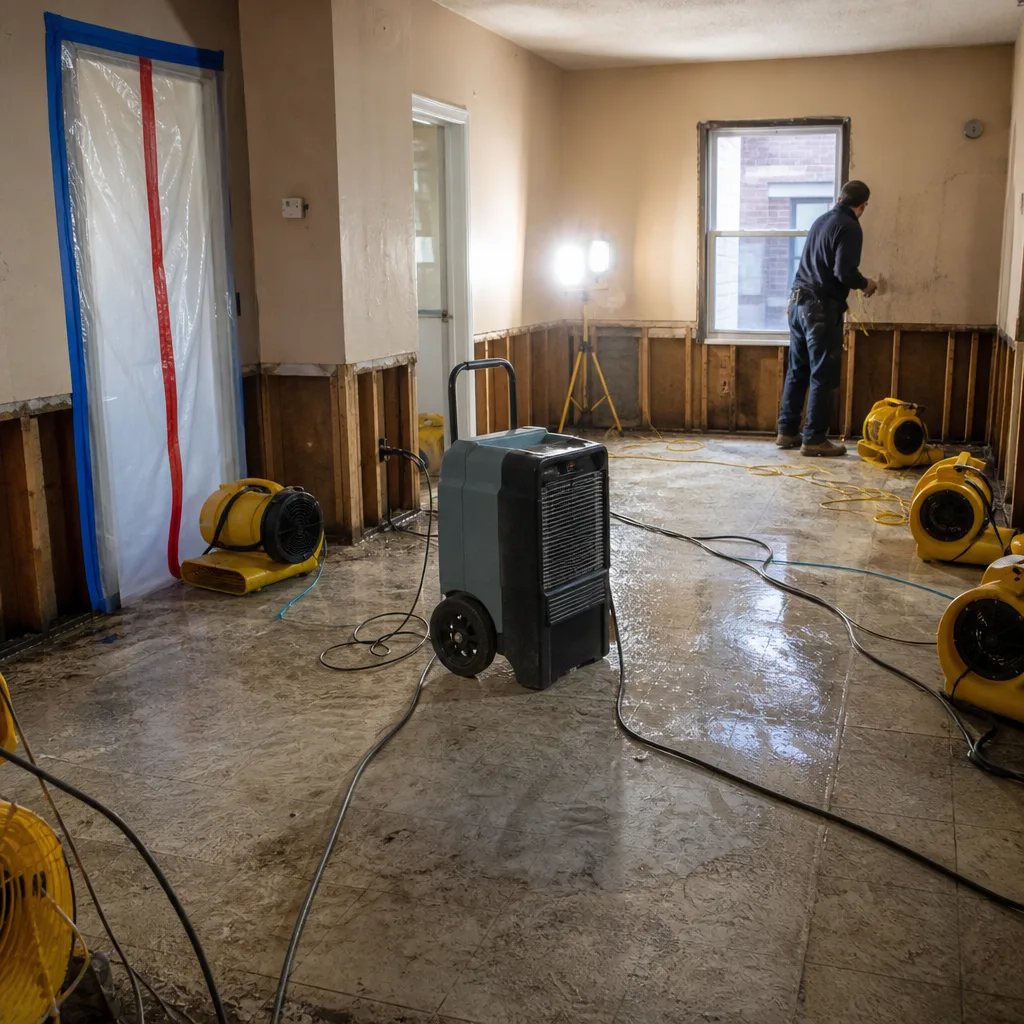
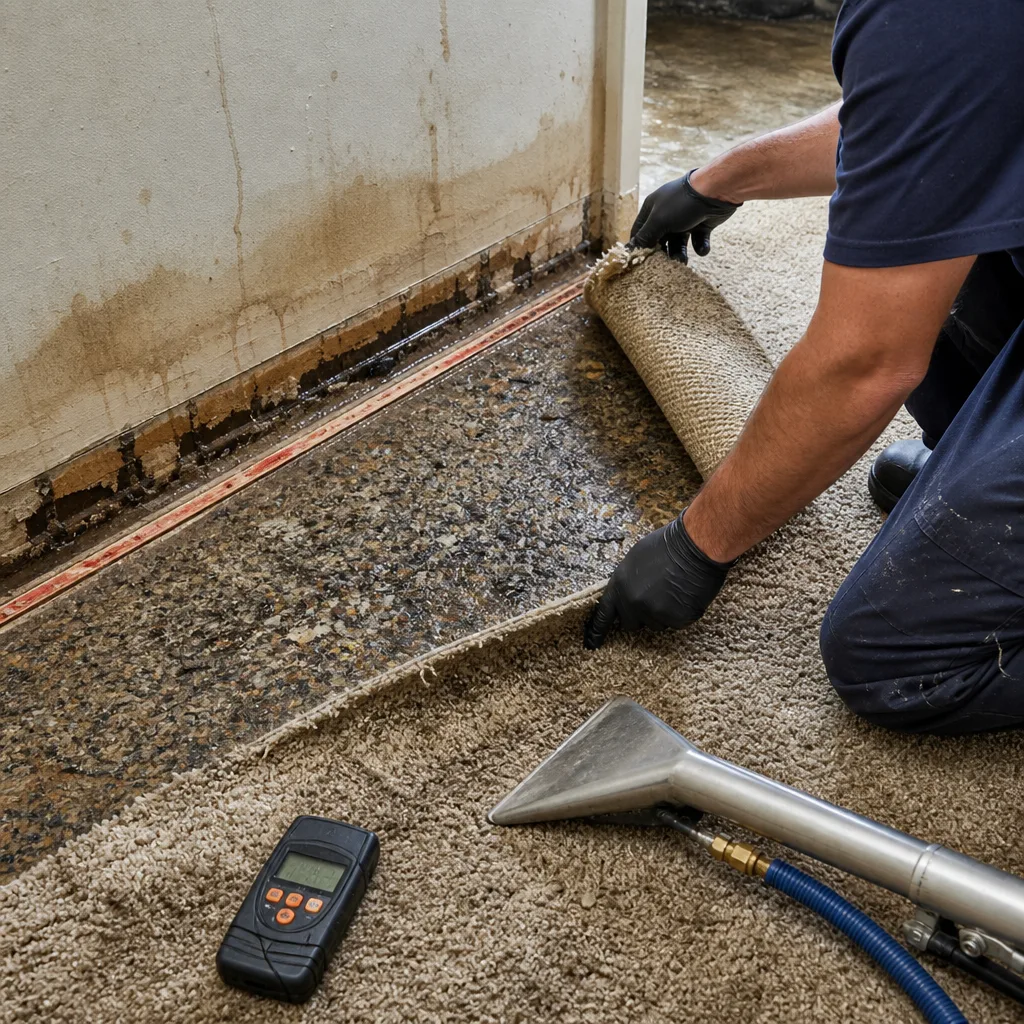
Free visual inspection and a written scope of work before any mitigation begins - photos, moisture readings, and drying logs go in your claim file
The scope we write is the scope we bill. Anything new gets shown to you, in writing, before we touch it.
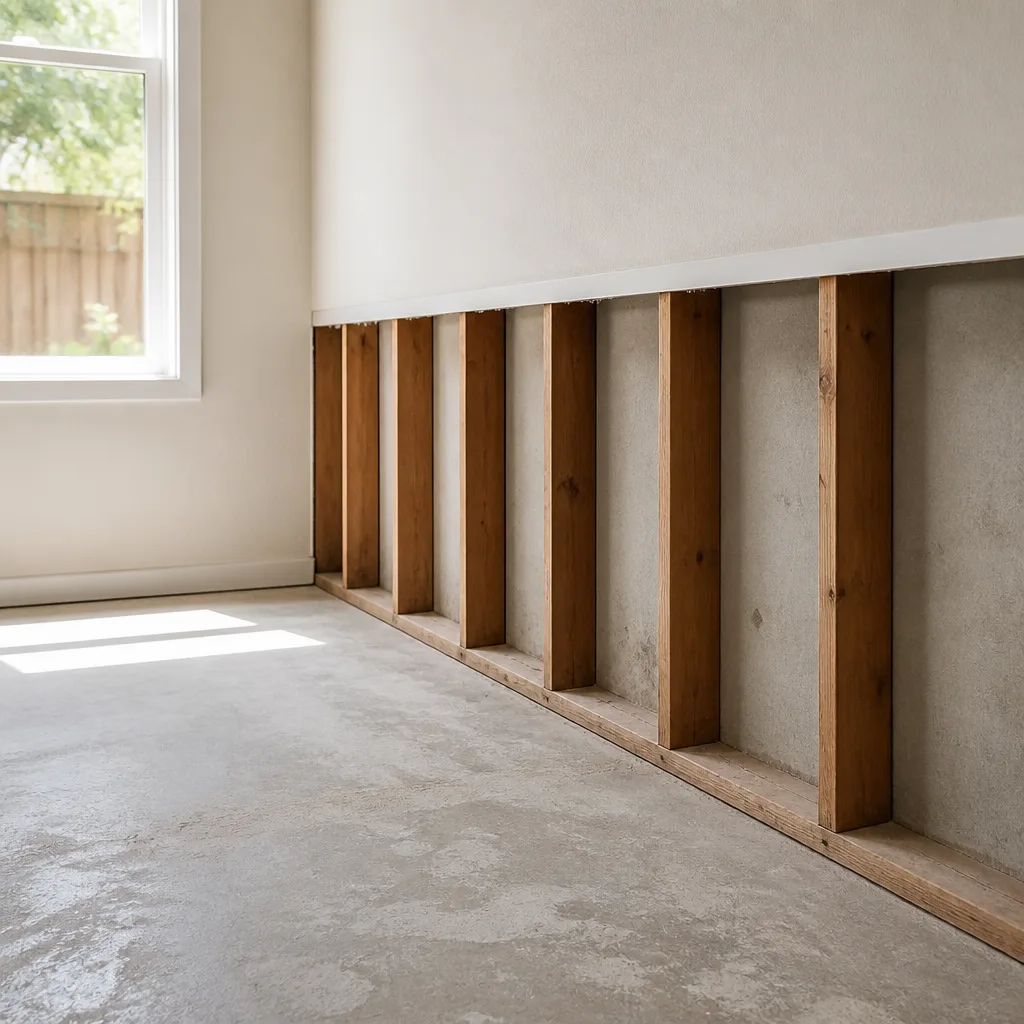
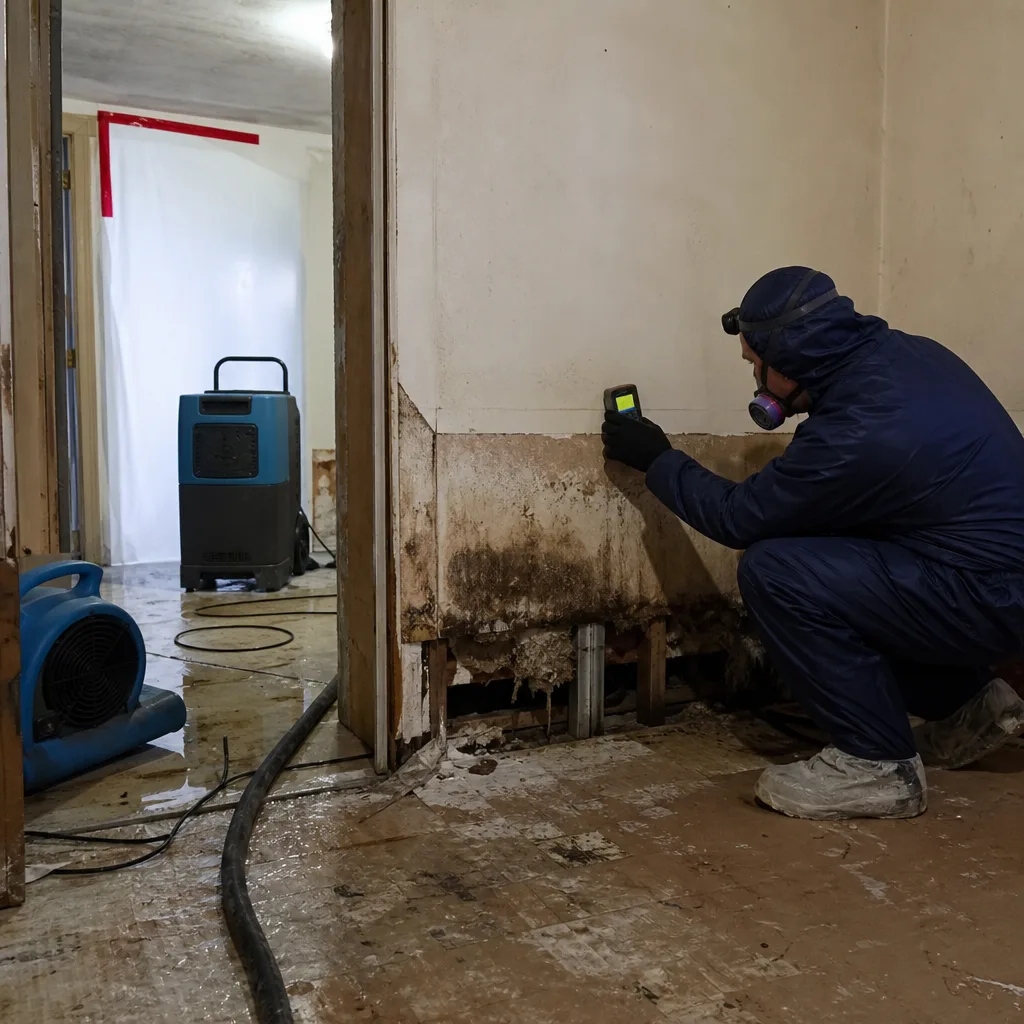 Before
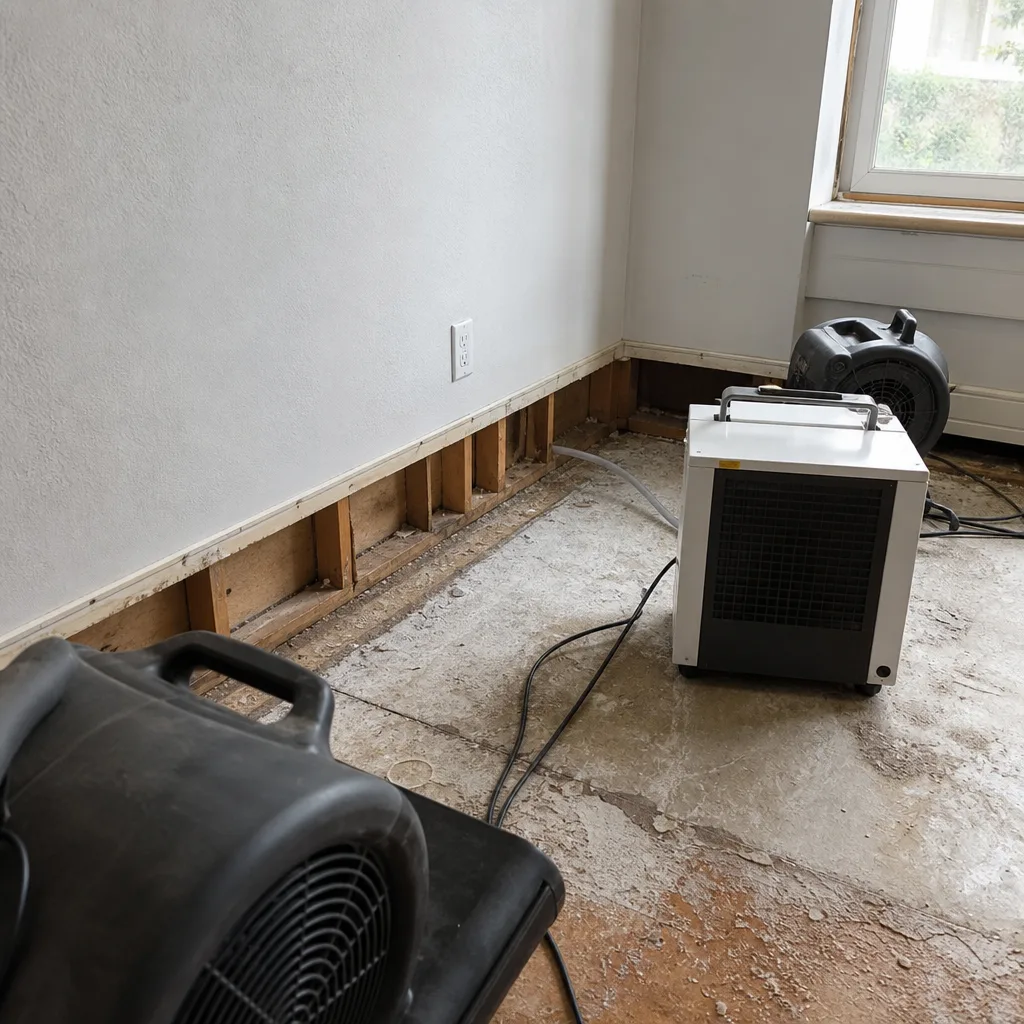 After
After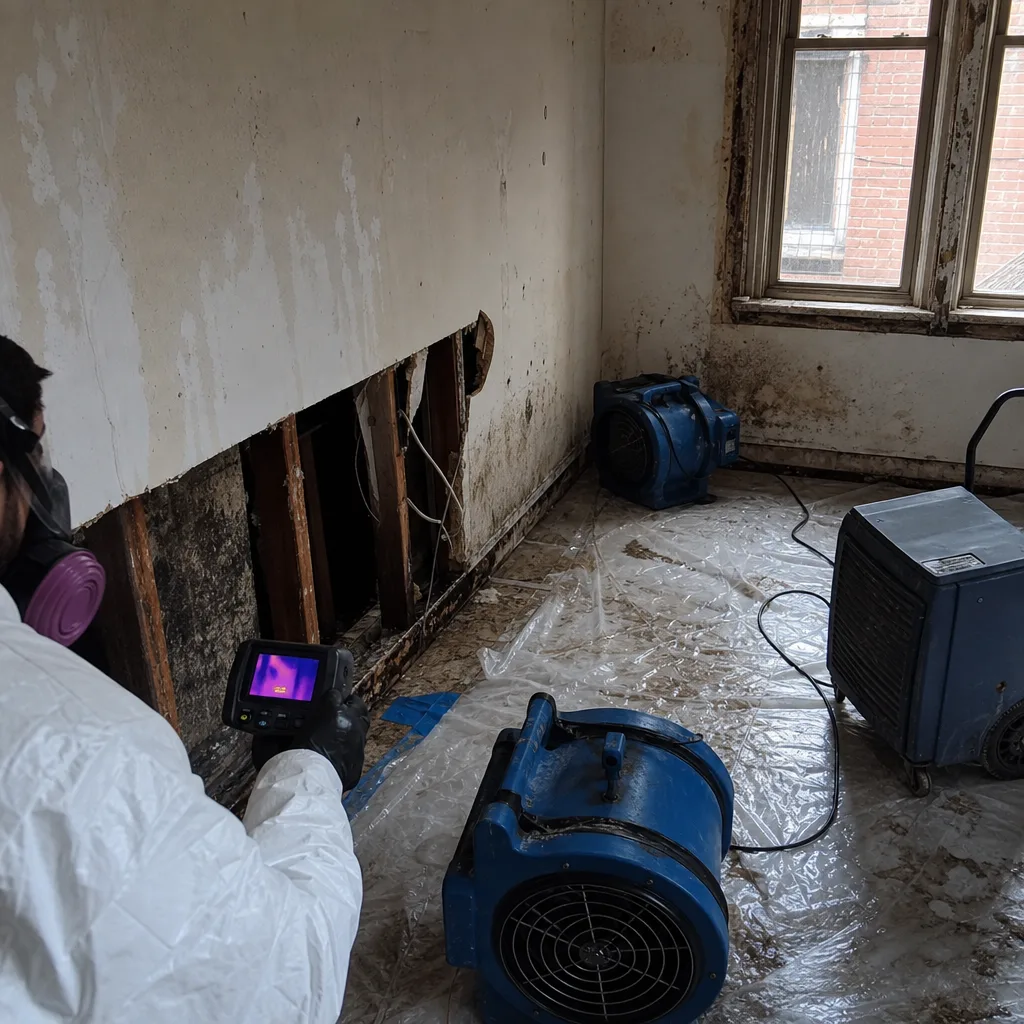 Before
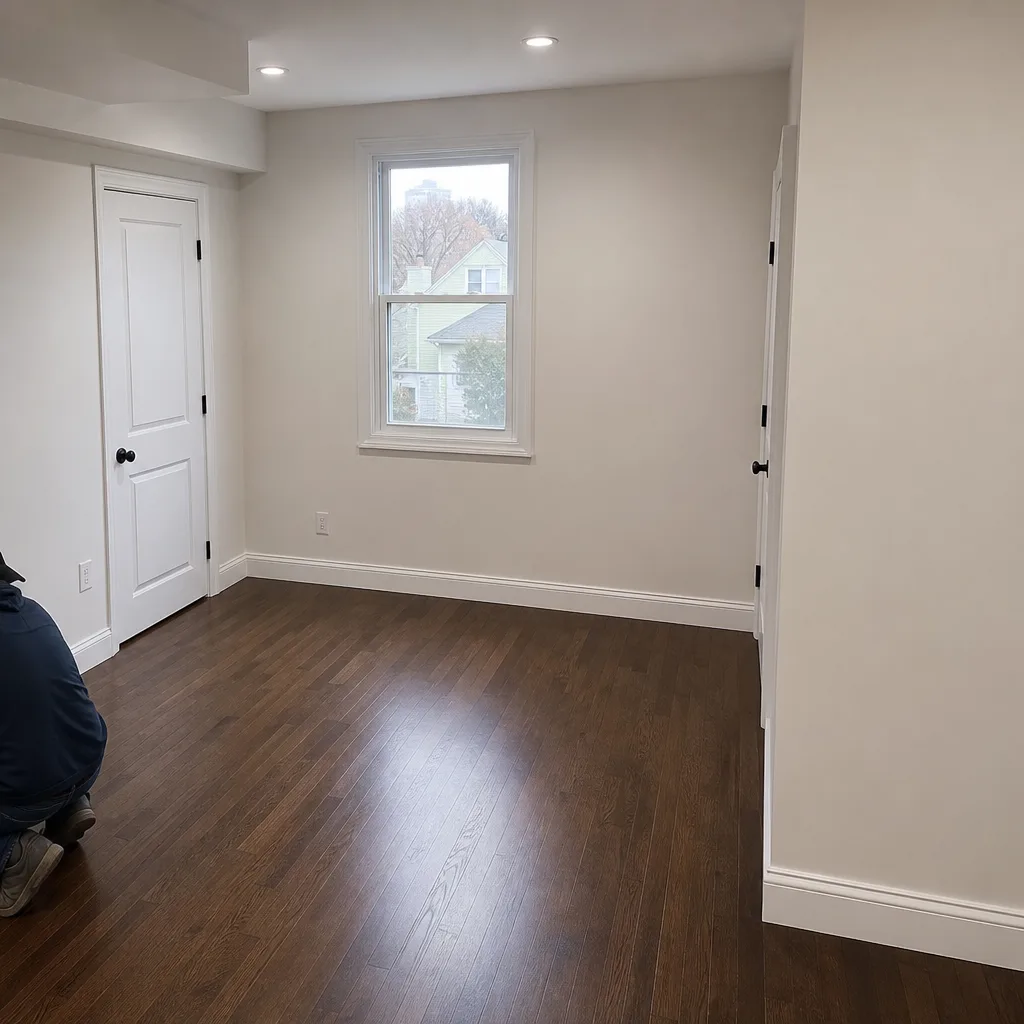 After
After24/7 Emergency Water Damage Restoration in Midtown West
A burst pipe in a Hell’s Kitchen walk-up or a failed supply line in a Hudson Yards tower can put water through multiple floors inside an hour. That’s why Floodline Restoration Co. answers live around the clock, every day of the year. Not a recording. A dispatcher picks up at 2 a.m., and a certified crew from our New York City office rolls toward Midtown West immediately. Call (518) 800-3751 the moment you see water where it shouldn’t be. The first hour determines whether you’re looking at drying and repair or full tear-out and reconstruction. Our crews reach Midtown West fast, start extraction on the first visit, and walk you through a free visual inspection before any work begins. We’ve handled hundreds of multi-floor losses in this neighborhood’s pre-war buildings, and we know exactly what water does once it’s inside those plaster-and-lathe ceilings.
Understanding Water Damage Restoration Severity in Midtown West Properties
Water damage in Midtown West falls into three categories, and the category determines how much of your home has to be opened, treated, or replaced. Category 1 is clean water from a supply line or faucet. It’s the easiest loss, assuming you get extraction and airflow started within hours. Category 2 water, sometimes called gray water, carries contaminants, typically from washing machines, dishwashers, or older pipes that have been leaking long enough to pick up biological material. Much of what we find in pre-war buildings west of 8th Avenue is Category 2 by the time we arrive, because original cast-iron and galvanized risers can leak for days or weeks before water finally shows through a ceiling. Category 3 is grossly contaminated, from sewage backups, river surge, or standing floodwater. That requires containment, full removal of affected materials, and aggressive sanitizing before any dryout begins. The building stock in Midtown West makes these distinctions matter more than in newer neighborhoods. Original plaster and lathe channels water sideways, so a small Category 1 loss at the source can present as a much larger Category 2 problem two floors down. Moisture mapping tells us which you have, where it traveled, and what has to come out.
Why Midtown West Property Owners Choose Floodline Restoration Co.
- 45-minute response commitment across Midtown West. We’re familiar with every crosstown route, every building service entrance, and every freight elevator requirement between the waterfront and 8th Avenue.
- Live answer, 24/7, from a real person. No automated prompts, no “press 1 for emergencies.” A dispatcher picks up and a crew gets moving.
- IICRC-certified technicians. Our crews hold WRT and ASD certifications as a baseline, with AMRT credentials on mold and Category 3 jobs, plus training under RIA and IFA standards.
- Free visual inspection. We show up, assess what’s wet, and tell you what we’d do before you commit to a dollar.
- Direct insurance billing. We document from the first hour and bill your carrier directly. You don’t play messenger between us and the adjuster.
- One Floodline crew from extraction to rebuild. We don’t hand you off to a reconstruction subcontractor we’ve never met. The same certified team stays on your loss until the last coat of paint dries.
Our Water Damage Restoration Process
Inspection & Assessment
We arrive with thermal imaging cameras, penetrating and non-penetrating moisture meters, and hygrometers. In Midtown West’s older buildings, this is the step that finds the pipe leak two floors above the stain. We map every affected cavity before we touch a wall.
Extraction & Stabilization
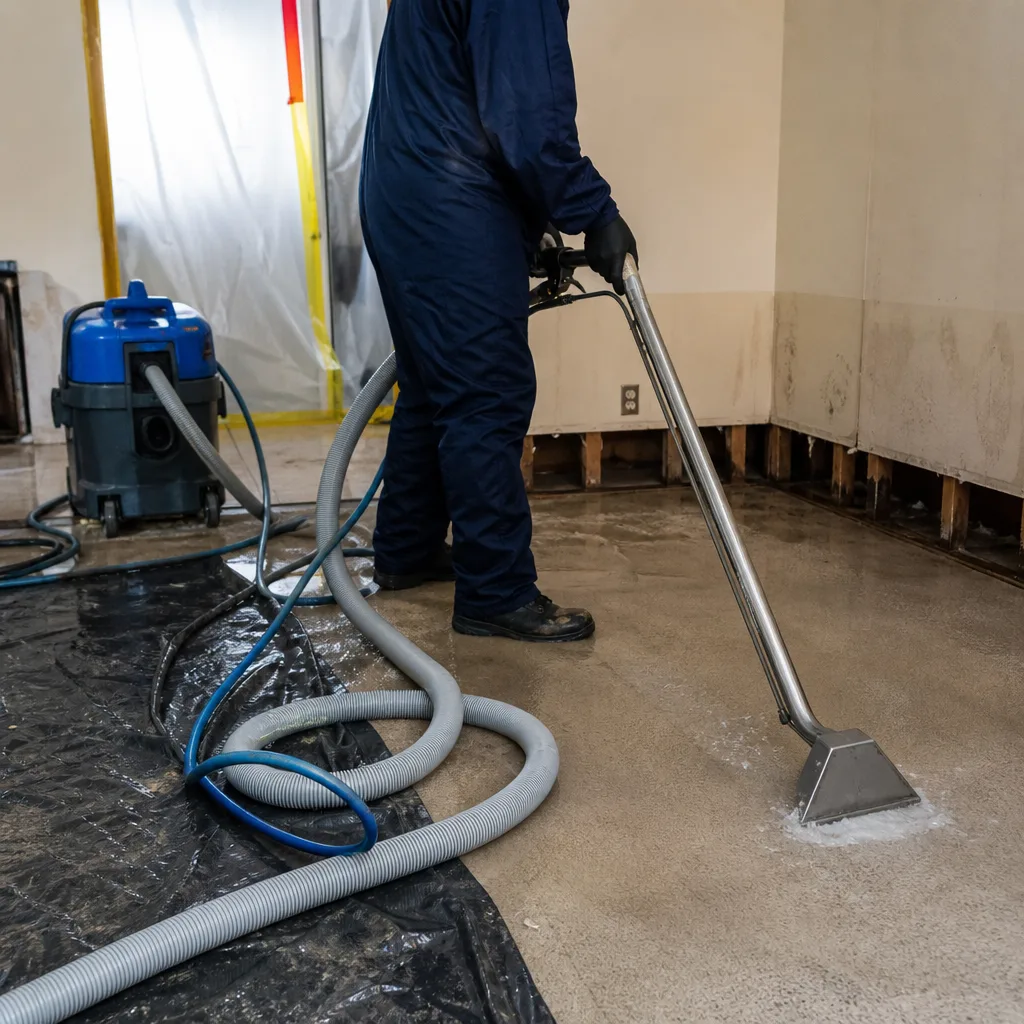
Truck-mounted and portable extraction units pull standing water out fast. We shut off the source, isolate affected areas, and stabilize anything that can be saved. In a co-op or condo building, we coordinate with building staff and your neighbors from the start.
Drying & Dehumidification
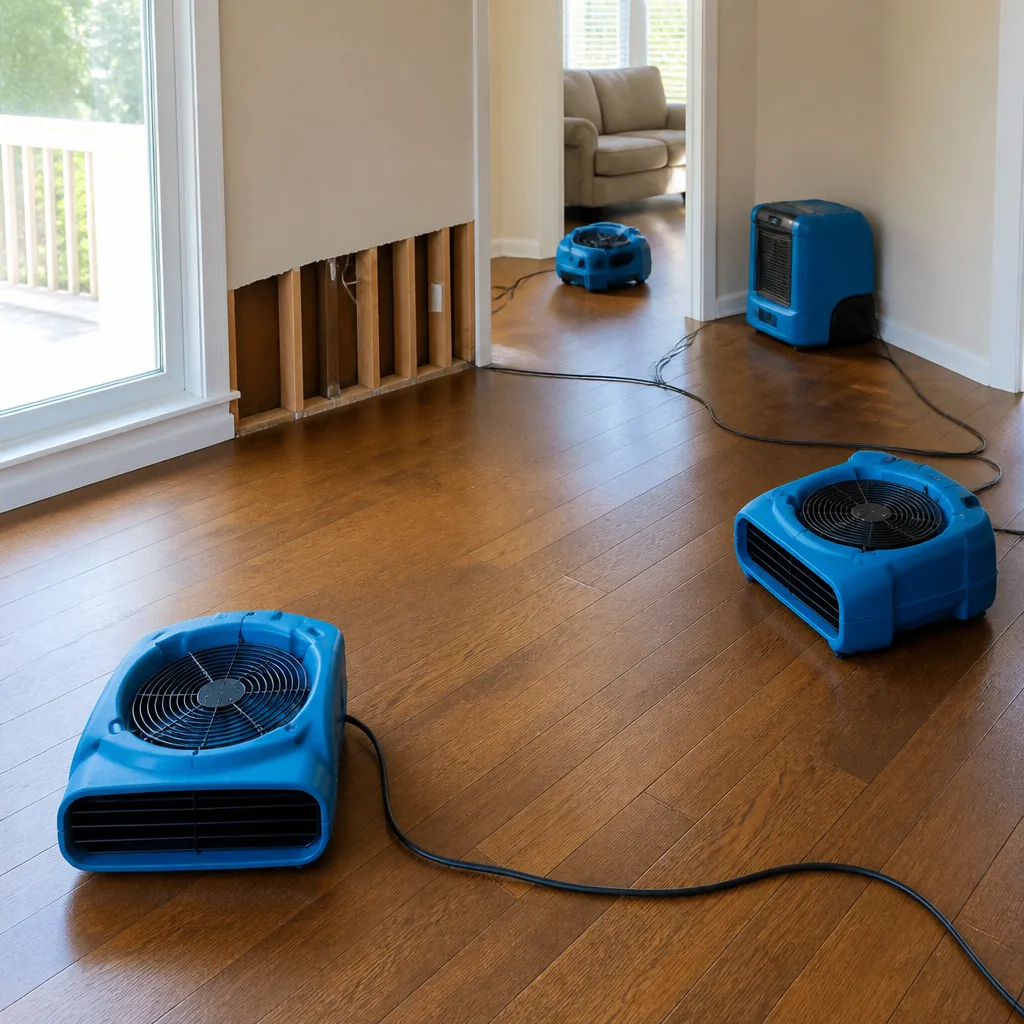
We set Dri-Eaz LGR dehumidifiers and XPOWER air movers in a calculated pattern, not just “fans in the room.” Daily moisture readings go on a log we hand to you and your insurer. Dry standard is a number, not a guess.
Cleaning & Sanitization
We treat affected surfaces based on water category. Category 2 and 3 losses get antimicrobial application and, where needed, HEPA air scrubbing. We protect the rest of your home with containment barriers and negative air pressure.
Specialty Treatment for Pre-War Construction
Plaster, lathe, and original hardwood require slower, lower-heat drying to avoid cracking. We adjust our drying plan to the building’s actual construction, not a standardized chart. This is where 42 years of company history shows up on your job.
Repairs & Restoration
We rebuild what came out. Drywall, plaster, trim, flooring, paint. The same crew that ran extraction finishes the job. You get one point of contact, one scope, and one name accountable for the result.
Need Emergency Water Damage Restoration in Midtown West Now?
Crews minutes away, answering live 24 hours a day. The sooner we start, the less it costs.
Working With Your Insurance Company
Most Midtown West water losses are covered, but the claim only goes smoothly if the documentation is complete from hour one. We photograph every affected room before we move anything. We log moisture readings daily until the structure hits dry standard. We write a line-item scope of work that your adjuster can read against industry pricing, not a vague “water damage mitigation” summary. Then we talk to the carrier directly. You don’t have to explain why the drying took six days in a pre-war building with no vapor barrier. We do. Curt Bowman built Floodline around a dispatch board, not a sales desk, and that same plainspoken approach goes into every claim we help manage.
What We Provide Your Insurer
- Thorough documentation of the loss
- Photos of all damage, room by room
- Moisture readings and drying logs
- A detailed, line-item scope of work
- Direct coordination with your carrier
Built for Midtown West’s Loss Calendar
In January and February, the Hudson River wind drives cold into every uninsulated chase and exterior wall west of 10th Avenue. Freeze-thaw cycles crack old galvanized supply lines and push pre-war steam risers past their limits. That’s burst-pipe season, and we get called to Hell’s Kitchen walk-ups where a fourth-floor riser let go and water is now in the lobby. Spring brings thaw and the first heavy rains, which find their way into below-grade entries and basement mechanical rooms along the waterfront corridor. Summer thunderstorms overwhelm older roof drains and clogged leaders, sending water down interior walls. Then comes nor’easter season, when wind-driven rain pushes water under doors and through aging windows in buildings that have been there since the 1920s. Each season has a signature. We plan our equipment staging around that calendar, so a crew can reach 48th Street or 11th Avenue with the right gear already loaded.
Water Damage Restoration Across Midtown West’s Neighborhoods
Hell’s Kitchen, roughly from 34th to 59th Streets between 8th Avenue and the river, is the heart of our work here. Those four-to-six-story walk-ups and mid-rise co-ops hide water damage behind original plaster and lathe. By the time a ceiling stain shows on West 45th or West 52nd, the leak may have been running for weeks. We open walls carefully, because the building’s original molding and plaster details are part of what makes the apartment worth restoring. Over in Hudson Yards, the post-2010 supertalls near 10th and 11th Avenues are a different animal entirely. High-pressure mechanical risers run through chases that are enclosed and fire-rated, so a pinhole leak can travel inside a wall cavity for days before it shows anywhere. Building management and concierge staff often control access, and we coordinate with them before moving equipment into a service elevator. Further south, below 34th Street, older commercial and mixed-use buildings along 9th Avenue present their own challenges, with decades of layered renovations hiding pipes in ceilings where no access panel was ever installed. Each pocket of Midtown West has a different building type and a different failure pattern, so we never run the same playbook twice.
Specialized Water Damage Restoration Services We Offer in Midtown West
Emergency Water Extraction
Standing water in a Midtown West apartment doesn’t wait for building management or an insurance adjuster. Our extraction crew gets there fast, pulls the water out with truck-mounted units where the building allows, and starts air movement that same visit. In a co-op with a freight elevator, we coordinate with the super before we arrive. In a walk-up, we carry equipment up the stairs. Either way, the water leaves your apartment the day you call.
Structural Drying & Dehumidification
Drying a Midtown West pre-war apartment means respecting the materials. Plaster dried too fast cracks. Original hardwood flooring dried too aggressively cups and buckles. We run Dri-Eaz and Phoenix dehumidifiers at lower heat, monitor relative humidity in every affected room and cavity, and hold the line until the moisture meter says dry, not until the calendar says we’re done. Daily readings go to you and your insurer. No one argues with a log.
Burst Pipe Restoration
The most common call we get in Midtown West from January through March is a burst pipe. In older buildings, the break is often in a riser or a galvanized supply line that’s been corroding from the inside for decades. Visible damage appears on the floor below the break. Our thermal imaging finds the actual source, we isolate the line, and then we handle both the water mitigation and the plumbing repair, so you’re not coordinating two vendors while your walls are open.
Flood Cleanup
When Hudson River surge or a nor’easter pushes water into a below-grade entry or basement mechanical room west of 10th Avenue, that’s Category 3 from the start. We set full containment, remove the floodwater, tear out anything that absorbed it, and sanitize the structure before drying begins. This is the kind of work where cutting corners creates a mold problem six months later. We don’t cut corners.
Basement Water Removal
Below-grade spaces in Midtown West co-ops and commercial buildings collect water from sump failures, sewer backups, and storm surge. We pump it out, map the affected area, and dry the structure to standard. Where building systems are involved, we coordinate with the super and the managing agent from the first visit. The job isn’t finished when the floor looks dry. It’s finished when the moisture readings say it’s dry.
What happens when you call
- 1
A real person answersNo phone trees - you reach a local pro.
- 2
You get an upfront price rangeHonest numbers before anyone is dispatched.
- 3
A background-checked tech heads outLicensed & insured, dispatched right away.
- 4
You approve before work beginsNothing starts until you say go.
Water Damage Restoration Costs in Midtown West, NY
Emergency water extraction in Midtown West typically runs $2,500 to $6,000 depending on the size of the affected area and the category of water. Structural drying with dehumidifiers and air movers on a one-to-two-room loss lands between $3,000 and $8,000, and on a multi-floor loss in a Hell’s Kitchen walk-up where walls have to be opened and cavities dried, the full mitigation scope can reach $15,000 to $30,000 before any rebuild. Burst pipe restoration with wall opening, repair, and drying usually falls between $5,000 and $12,000. Category 3 flood cleanup from river surge or sewage backup adds containment, material removal, and sanitizing, and those jobs start around $8,000 and climb based on square footage. Most of these losses are covered by insurance, and we bill the carrier directly. The cleanest way to get a firm number is to call us for a free visual inspection. We’ll tell you what you’re looking at before you agree to anything. Call (518) 800-3751 and we’ll be there when we say.
We Also Serve Cities Near Midtown West
Our crews run the same dispatch board whether the job is in Midtown West or across the river. We regularly serve Midtown West alongside Astoria, Ditmars Steinway, Upper Manhattan, and the Upper East Side. Same live answer, same equipment, same guarantee.
Serving Midtown West, NY - Our Local Coverage Area
We’re based in the Midtown West area and know this community well. Use the map below to see our service coverage - if you’re nearby, we can almost certainly help.
Midtown West Water Damage Restoration Questions, Answered
Why does water damage in Hell’s Kitchen walk-ups often require opening walls two floors below the visible leak?
Because original plaster-and-lathe construction channels water laterally along joists before gravity pulls it down, so a leak on the fourth floor may show as a ceiling stain on the second floor. The plaster keys and lathe strips hold water against the structure, allowing it to migrate sideways along framing members until it finds a path downward. Our moisture mapping with thermal imaging traces the full route through the building, which is why we open walls where the water actually is, not just where the stain appeared. In these buildings, chasing the stain without mapping the cavity means missing the source entirely.
Are building staff in Hudson Yards supertalls allowed to let your crew start mitigation immediately?
Generally yes, but every building has its own rules. Hudson Yards supertalls are managed properties with strict contractor access requirements, freight elevator reservations, and insurance certificate reviews. We’re familiar with the requirements of the major management firms in the neighborhood and we carry the documentation they ask for. What owners should understand is that building staff cannot legally block emergency mitigation if the situation threatens life safety or further property damage. In practice, we coordinate with building management and start extraction as soon as they clear us, typically the same visit.
When is water from a burst pipe in Midtown West considered Category 3 and not just clean water?
Water from a burst pipe starts as Category 1, clean water. It becomes Category 3 when it has picked up sewage, chemicals, or other gross contamination, or when it has been standing long enough to support microbial growth. In Midtown West’s older buildings, a pinhole leak in a galvanized riser can seep for weeks before anyone notices, and that water picks up whatever is inside the wall cavity, rust, insulation fibers, decades of dust and biological material. By the time it shows through a ceiling, it may already be Category 2, and if it mixes with sewer or drain water, Category 3. The classification determines how much material gets removed and how aggressive the sanitizing has to be, so it matters.
Does your team run drying logs that satisfy the insurance adjuster for a multi-floor Midtown West loss?
Yes. Every drying job in Midtown West gets a dated moisture log with daily readings from every affected area. We record the type of meter used, the location, the relative humidity, and the dry standard target, and we hand that log to you and your carrier. On multi-floor losses, where an adjuster may be reviewing line items from several units and two different contractors, the log is the evidence that our drying was necessary and complete. We’ve never had a claim denied for lack of documentation on a Floodline job.
Why did my basement in a 10th Avenue co-op flood during a nor’easter when the rain wasn’t that heavy?
Because your building sits in the Hudson River waterfront corridor, and the flooding was probably surge, not rain. Nor’easters push water up the Hudson and into the street-level drainage systems, and the below-grade entries and basement mechanical rooms in buildings west of 10th Avenue are at the bottom of that drainage path. Even moderate rainfall combined with the right wind and tide will back water up through floor drains and sump pits. This part of Midtown West flooded repeatedly during Hurricane Sandy’s storm surge in 2012, and the risk profile hasn’t changed. If you’re in that corridor, a sump pump backup with a battery or water-powered secondary pump is the most cost-effective protection you can install.
How quickly can Floodline actually reach a Midtown West address?
We commit to a 45-minute response for emergency water extraction anywhere in Midtown West. Our crews stage equipment at our New York City office specifically to serve neighborhoods like Hell’s Kitchen, Hudson Yards, and the waterfront corridor, so we’re not coming from the outer boroughs or New Jersey. We know the loading zones, the service entrances, and the freight elevator rules for the major buildings here. Call (518) 800-3751 and we’ll tell you exactly when the crew will be at your door.
Can I stay in my apartment during water damage restoration in Midtown West?
It depends on the category of water and the size of the affected area. For a clean-water loss contained to one room with working utilities, many people stay with the drying equipment running. For Category 3 losses with sewage or floodwater, or when containment and air scrubbers are running, we recommend staying elsewhere until the affected space is sealed off and sanitized. In a Midtown West co-op, this gets complicated when building systems are affected, and we’ll work with your super and managing agent while we keep you informed. The honest answer is always based on what we find during the inspection, not a blanket rule.
What should I do in the first 30 minutes after discovering water damage in Midtown West?
Call (518) 800-3751 first. Then, if you can safely do so, shut off the water at the nearest valve, shut off electricity to the affected area at the breaker, move small valuables out of the water, and don’t use appliances or touch outlets in wet areas. Don’t try to open walls yourself, and don’t wait for building management to call their contractor. Every hour of delay in a pre-war Midtown West building lets water travel further through the plaster-and-lathe channels, turning a one-unit loss into a three-floor claim. We’ll walk you through the first steps on the phone while the crew is on the way.
Done right, and backed in writing. That’s the Floodline Restoration Co. standard for every Water Damage Restoration job in Midtown West. If it’s not done right, we make it right under the 90-Day Done Right Promise. No paperwork battles. No arguing. The line the water left is where we start, and we stay on the job until the last board is dry and the last wall is closed. Call (518) 800-3751 for a free estimate, any hour, any day.
Written by Curt Bowman, Owner at Floodline Restoration Co., serving Midtown West with live 24/7 dispatch and IICRC-certified crews.