
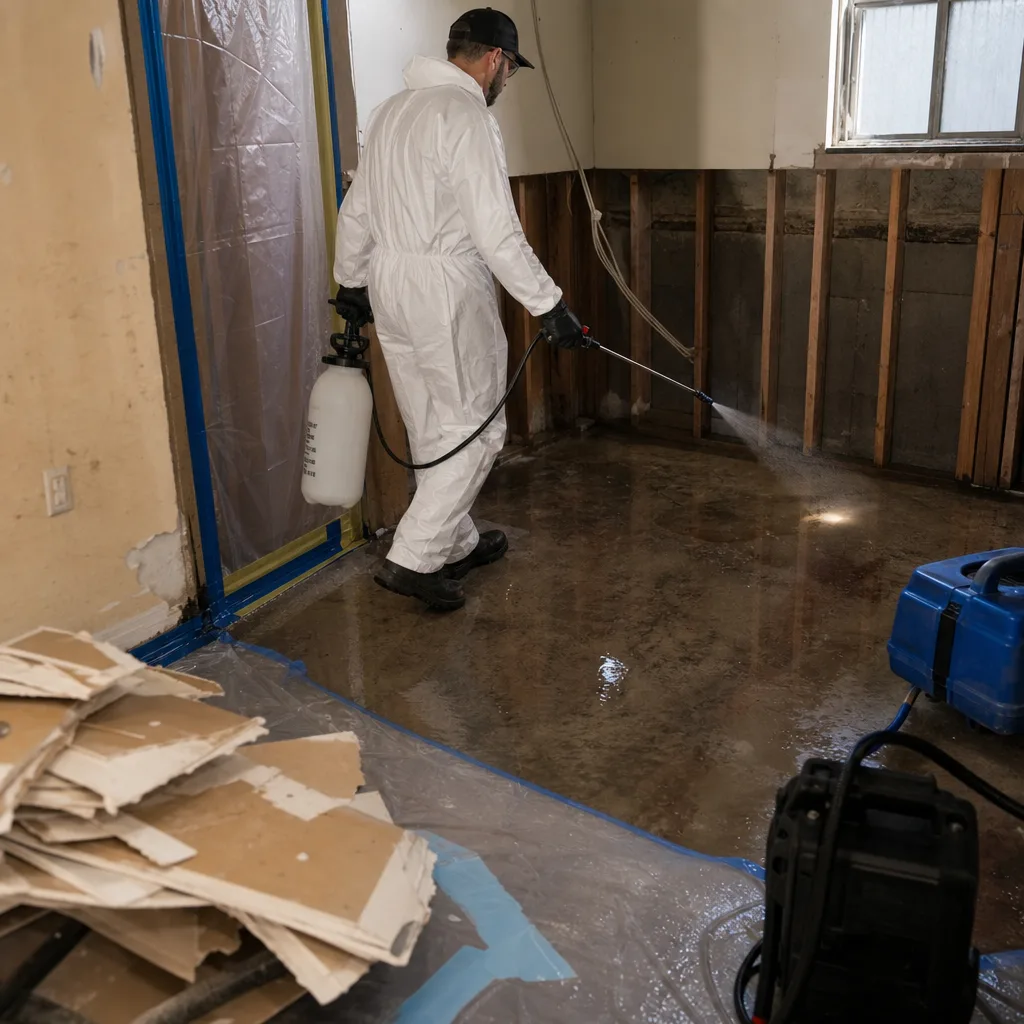
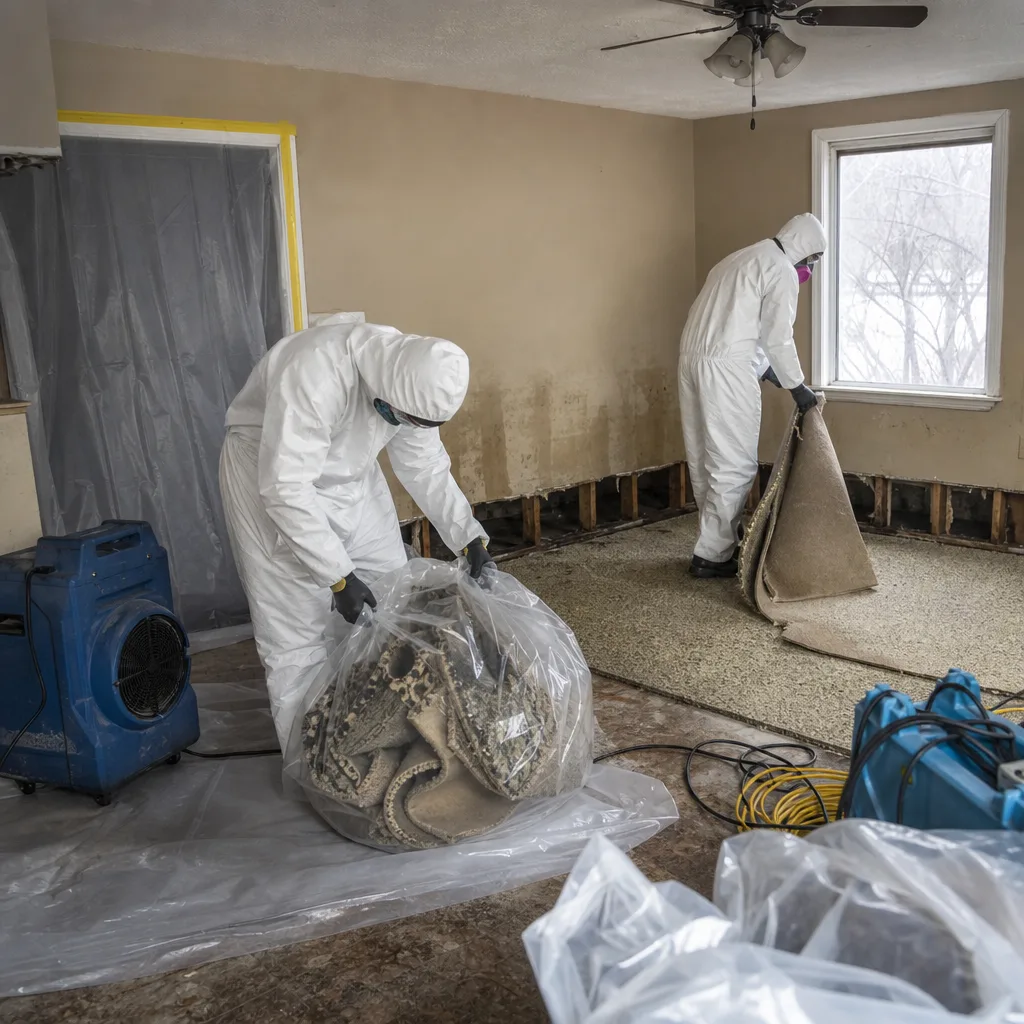
Free visual inspection and a written scope of work before any mitigation begins - photos, moisture readings, and drying logs go in your claim file
The scope we write is the scope we bill. Anything new gets shown to you, in writing, before we touch it.
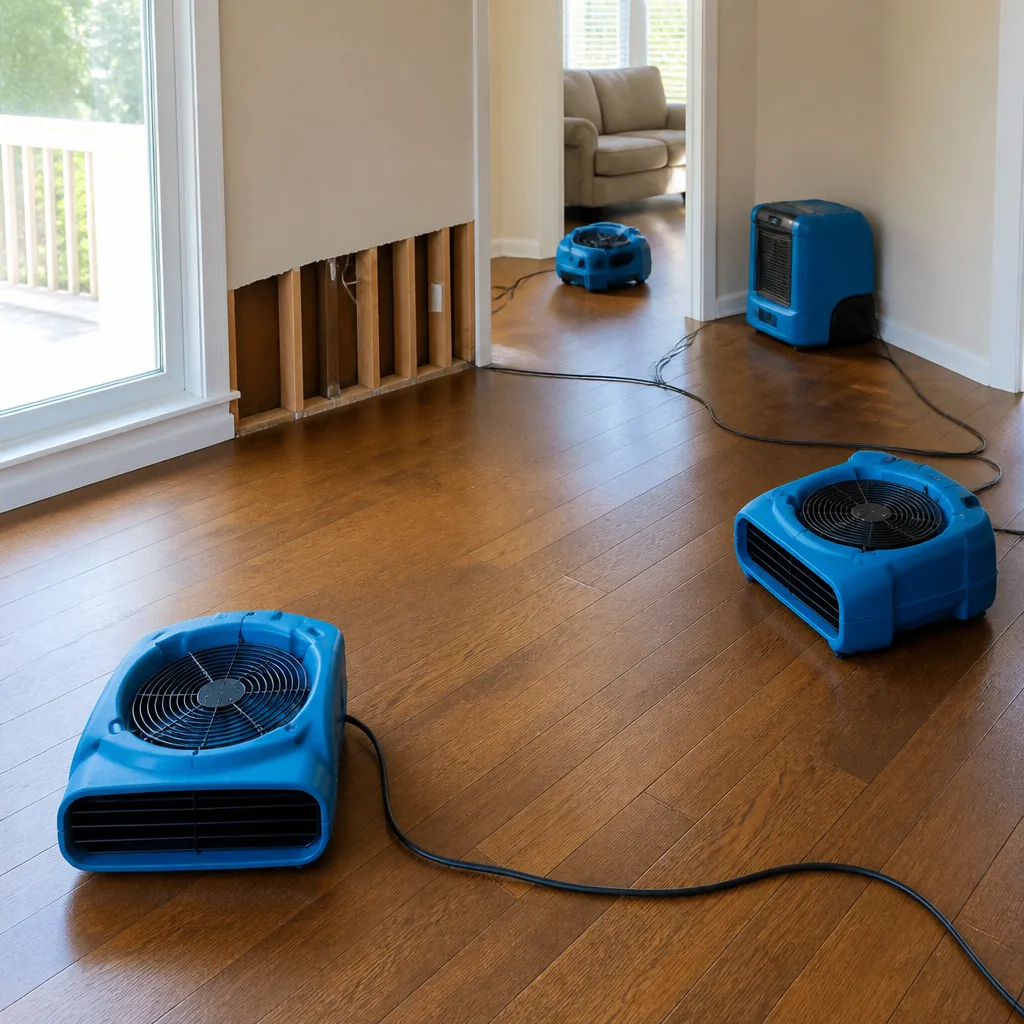
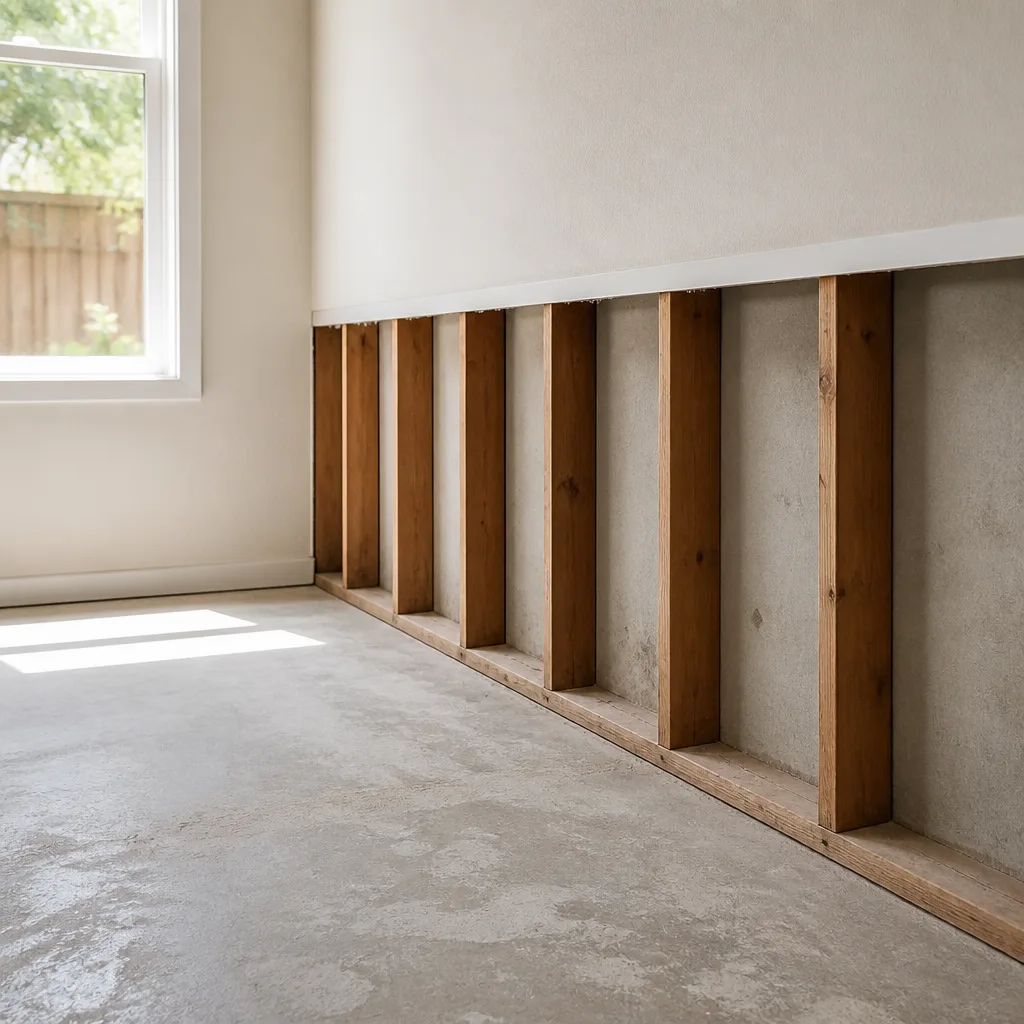
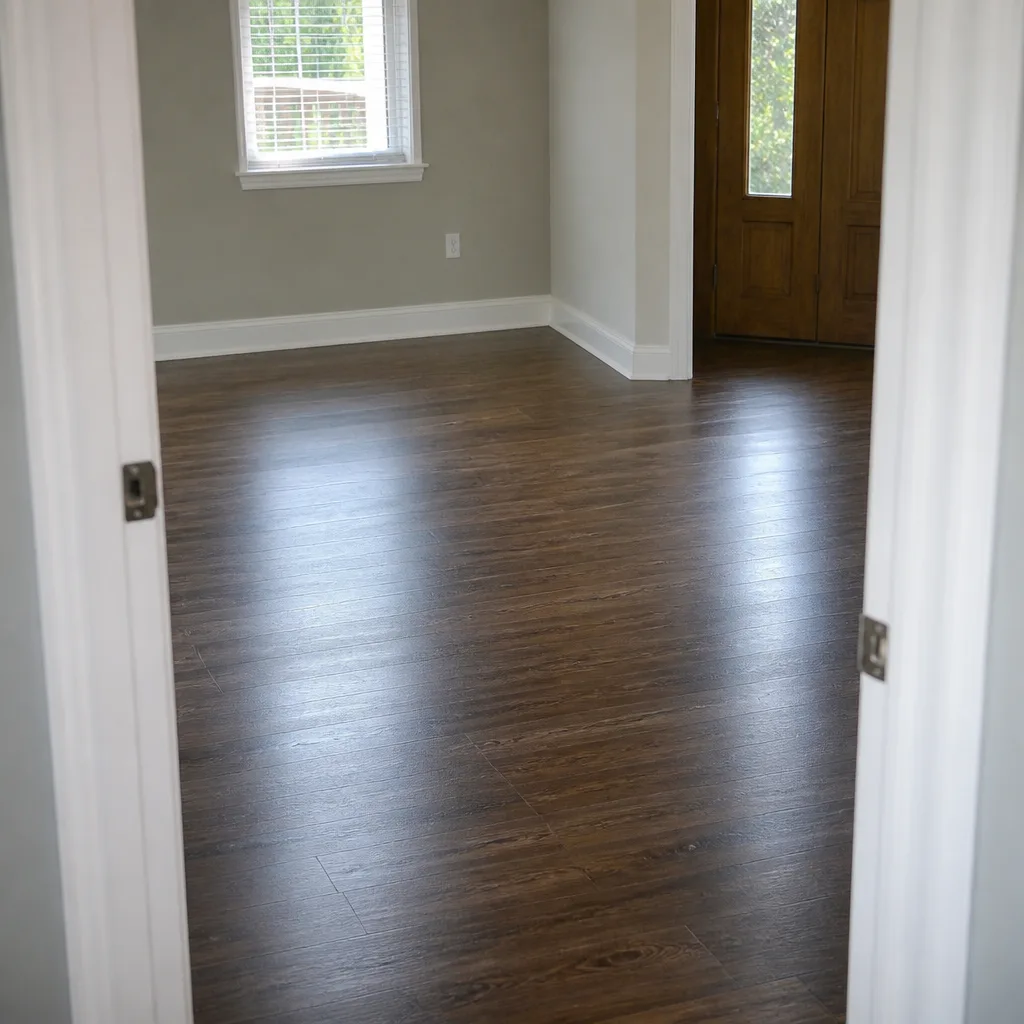
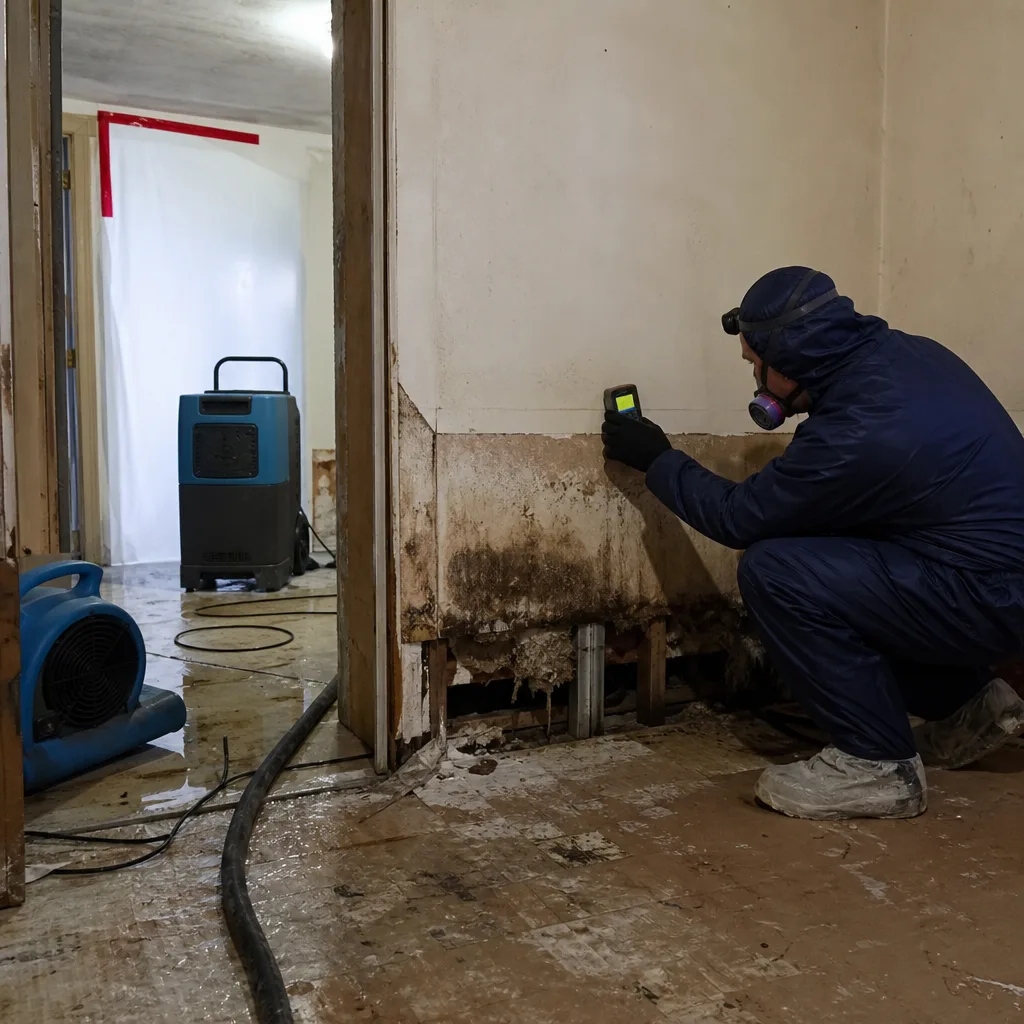 Before
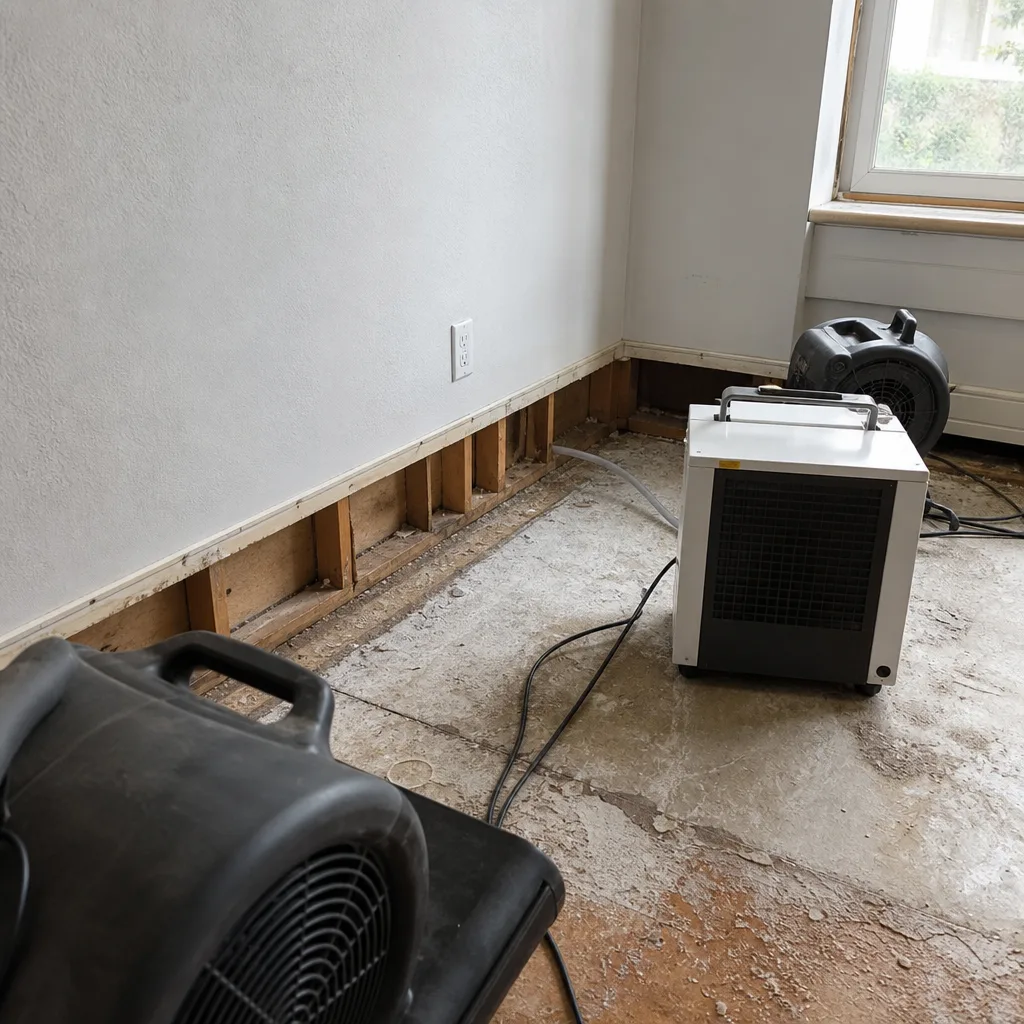 After
After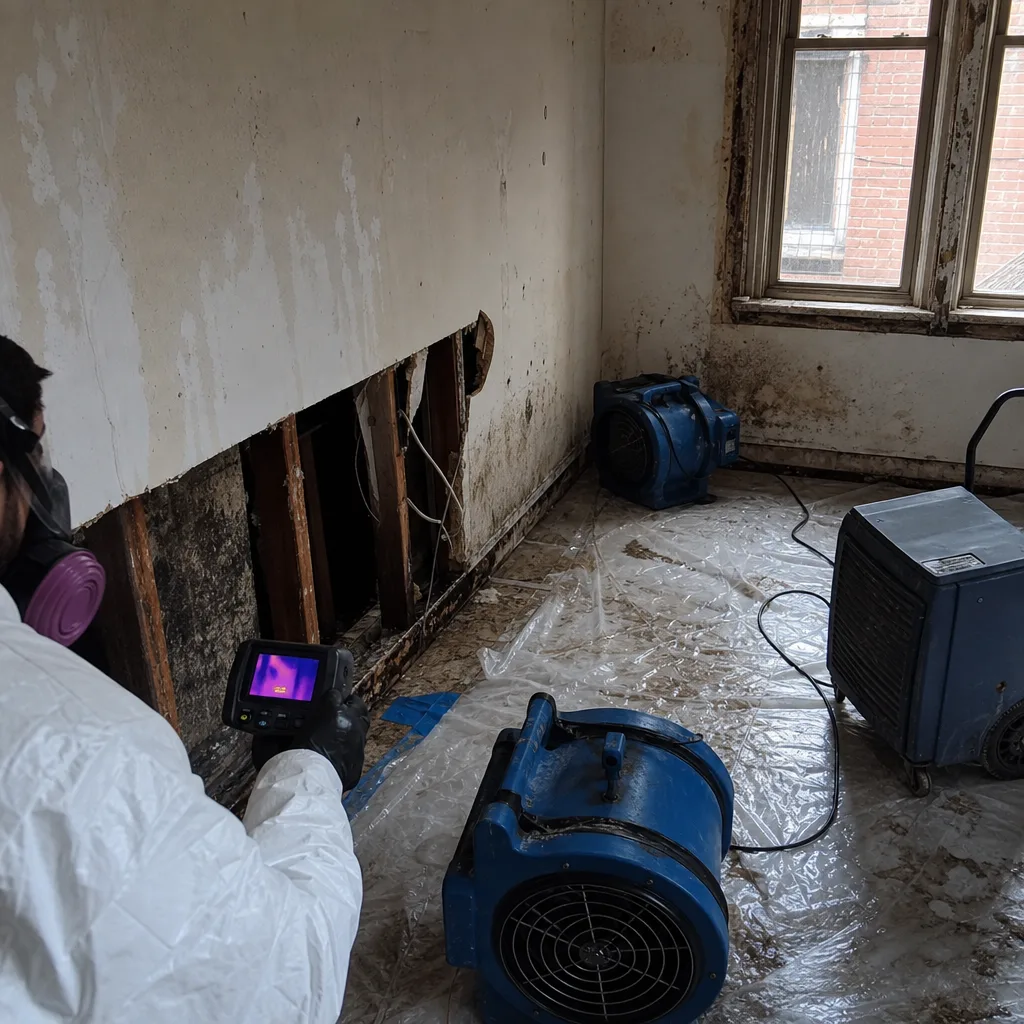 Before
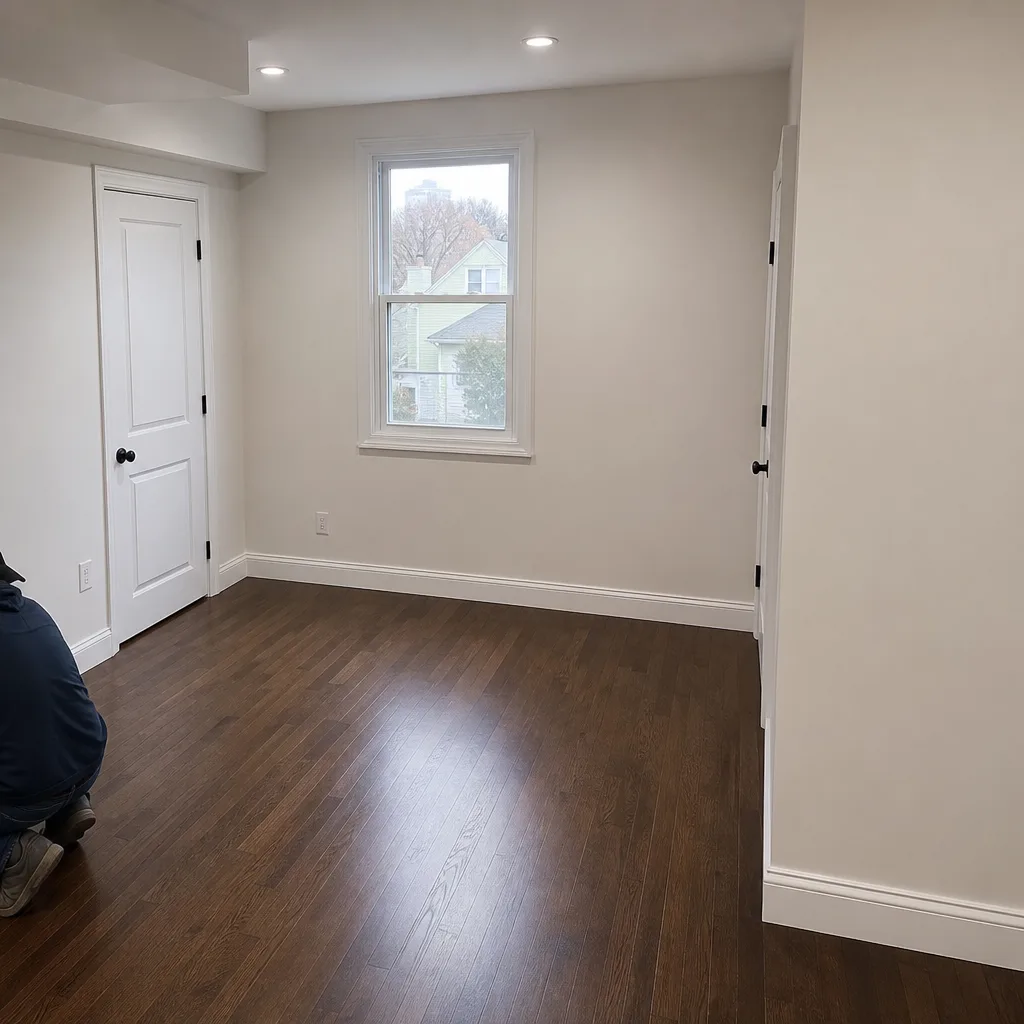 After
After24/7 Emergency Sewage Cleanup in Midtown West
When sewage backs up into a Midtown West apartment or commercial space, the clock starts the moment black water touches flooring. We answer live at (518) 800-3751 around the clock and dispatch crews into Midtown West immediately. Our team performs a free visual inspection on arrival, maps the extent of contamination, and starts extraction the same visit. A sewage backup in a Hell’s Kitchen pre-war building or a Hudson Yards tower does not wait for business hours, and neither do we. The first hour determines whether you’re dealing with a contained cleanup or saturated plaster, ruined flooring, and contaminated wall cavities across multiple floors.
Understanding Sewage Cleanup Severity in Midtown West Properties
Sewage is Category 3 water: grossly contaminated, carrying bacteria, viruses, and parasites. There is no drying-only path for Category 3 in occupied spaces. Porous materials like carpet, drywall, insulation, and upholstery get removed, not saved. Non-porous surfaces are cleaned, sanitized, and verified with ATP testing before anyone calls the job finished. In Midtown West, severity escalates fast. Original plaster ceilings and lathe walls in pre-war tenements channel contaminated water laterally, so what looks like a small stain on the fifth floor may be fed by a break two floors above. In Hudson Yards supertalls, ultra-high-pressure plumbing can force black water into curtain-wall seams and wall cavities that never show a drop on the surface. Our crews carry thermal imaging and moisture meters precisely because Midtown West hides its damage.
Why Midtown West Property Owners Choose Floodline Restoration Co.
- 45-minute response commitment: We dispatch from within the New York City metro area and tell you exactly when the crew will arrive. No callbacks, no vague windows.
- 24/7 live answer: A real person picks up at 2 a.m. on a Sunday. Not a recording. Not a lead service. The dispatcher knows sewage cleanup and starts triage immediately.
- IICRC-certified crews: Technicians hold IICRC WRT and AMRT certifications and follow RIA and IFA standards. Background-checked, uniformed, and trained for Category 3 work.
- Free visual inspection: We assess the scope before any work begins and give you a written plan. No obligation, no pressure.
- Direct insurance billing: Floodline coordinates with your carrier and adjuster, documents everything, and bills directly. You never play messenger.
- One team, start to finish: Extraction, sanitation, drying, and reconstruction stay with the same certified crew. No mid-job handoff to a subcontractor you never met.
Our Sewage Cleanup Process
Inspection & Assessment
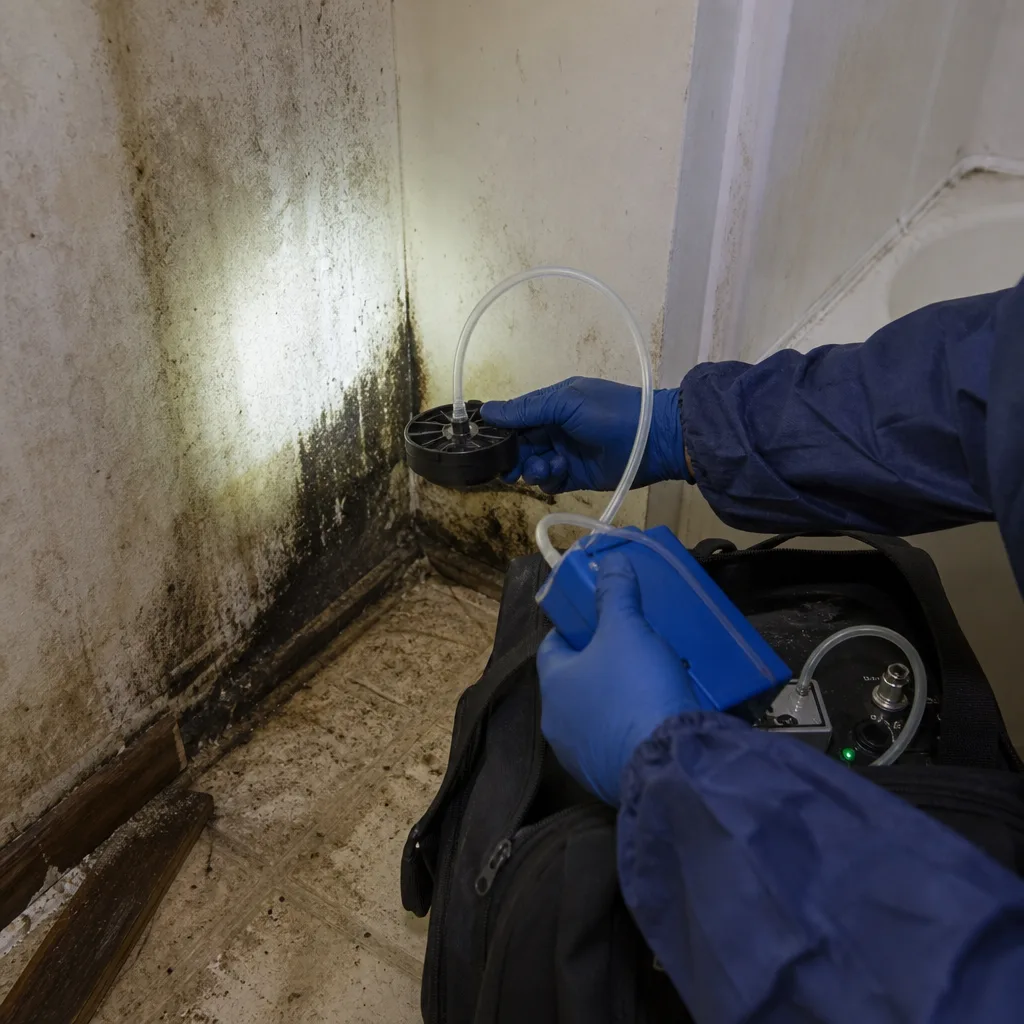
We locate the source, categorize the water, and map moisture across floors, walls, and concealed cavities. Thermal imaging finds what the eye misses, especially in lathe-and-plaster construction where water travels sideways.
Extraction & Stabilization
Black water comes out with Dri-Eaz submersible pumps and truck-mounted extractors. The goal in the first hours is to stop contaminated water from wicking further into building materials.
Drying & Dehumidification
XPOWER air movers, Phoenix dehumidifiers, and daily moisture readings. In pre-war buildings, we monitor wall cavities for days because original plaster holds water long after the surface looks dry.
Cleaning & Sanitization
HEPA vacuuming, antimicrobial application, and hospital-grade disinfectants on all affected surfaces. We ATP-test to verify cleanliness before reconstruction begins.
Specialty Treatment
For Midtown West’s pre-war stock, this means controlled demolition of saturated plaster and lathe, inspection of cast-iron risers, and anti-microbial fogging of sealed wall cavities.
Repairs & Restoration
Our reconstruction crew rebuilds what came out: drywall, plaster, flooring, cabinetry. One team owns the job from first extraction to finished paint.
Need Emergency Sewage Cleanup in Midtown West Now?
Crews minutes away, answering live 24 hours a day. The sooner we start, the less it costs.
Working With Your Insurance Company
Sewage claims in Midtown West move faster when documentation is airtight from hour one. We photograph every affected surface before anything is disturbed, log moisture readings daily, and write a line-item scope that adjusters recognize. Our team communicates directly with your carrier, sends photos and drying logs as the job progresses, and handles the back-and-forth so you don’t spend weeks on hold. In buildings where multiple units are involved or a condo association policy is primary, we coordinate with each party’s adjuster and keep claim lines clean. The 90-Day Done Right Promise stands behind the work, in writing, no exceptions.
What We Provide Your Insurer
- Thorough documentation of the loss
- Photos of all damage, room by room
- Moisture readings and drying logs
- A detailed, line-item scope of work
- Direct coordination with your carrier
Built for Midtown West’s Loss Calendar
Midtown West sewage losses follow a rhythm. January through March, freezing temperatures split aging supply lines in pre-war buildings, and the resulting thaws send water into drain lines already stressed by decades of use. Spring brings heavy rain that overwhelms combined storm-and-sanitary sewers, pushing backups into basement mechanical rooms. Summer thunderstorms hit fast, and in buildings west of 10th Avenue, below-grade spaces carry the documented flood-risk profile left by Hurricane Sandy. Fall nor’easters drive wind-driven rain into grade-level entries and sub-grade parking structures. We staff for the calendar and pre-position equipment through the worst months because a sewage ejector failure during a nor’easter cannot wait for Monday.
Sewage Cleanup Across Midtown West’s Neighborhoods
Hell’s Kitchen’s pre-war walk-ups and mid-rises, from the low 40s through the 50s between 8th and 10th Avenues, are our most frequent sewage calls. Original cast-iron risers dating to the 1910s and 1920s corrode from the inside out, and when one lets go, contamination channels through lathe walls and ceilings. The Garment District’s mixed-use loft buildings present a different profile: commercial plumbing mixed with residential units, outdated drain lines, and rapid contamination spread through open floor plates. Around Hudson Yards, buildings constructed after 2012 use high-pressure domestic water systems and curtain-wall construction. Water hides in sealed cavities there, and building management often requires credentialed contractors to even access mechanical floors. West of 10th Avenue toward the Hudson River, we respond to storm-driven backups and ejector failures in buildings with documented Sandy-era flood exposure. Columbus Circle to the north brings newer mixed-use towers with concierge-level building management, where after-hours access and containment require planning we already know how to handle.
Specialized Sewage Cleanup Services We Offer in Midtown West
Sewage Backup Cleanup
A backed-up main line in a Hell’s Kitchen pre-war building often shows damage three floors below the actual break, not at the break itself. We trace the source before opening anything, then extract, remove saturated materials, and sanitize. Our Sewage Cleanup team handles single-unit backups and building-wide failures with the same protocol: stop the source, contain the spread, document everything.
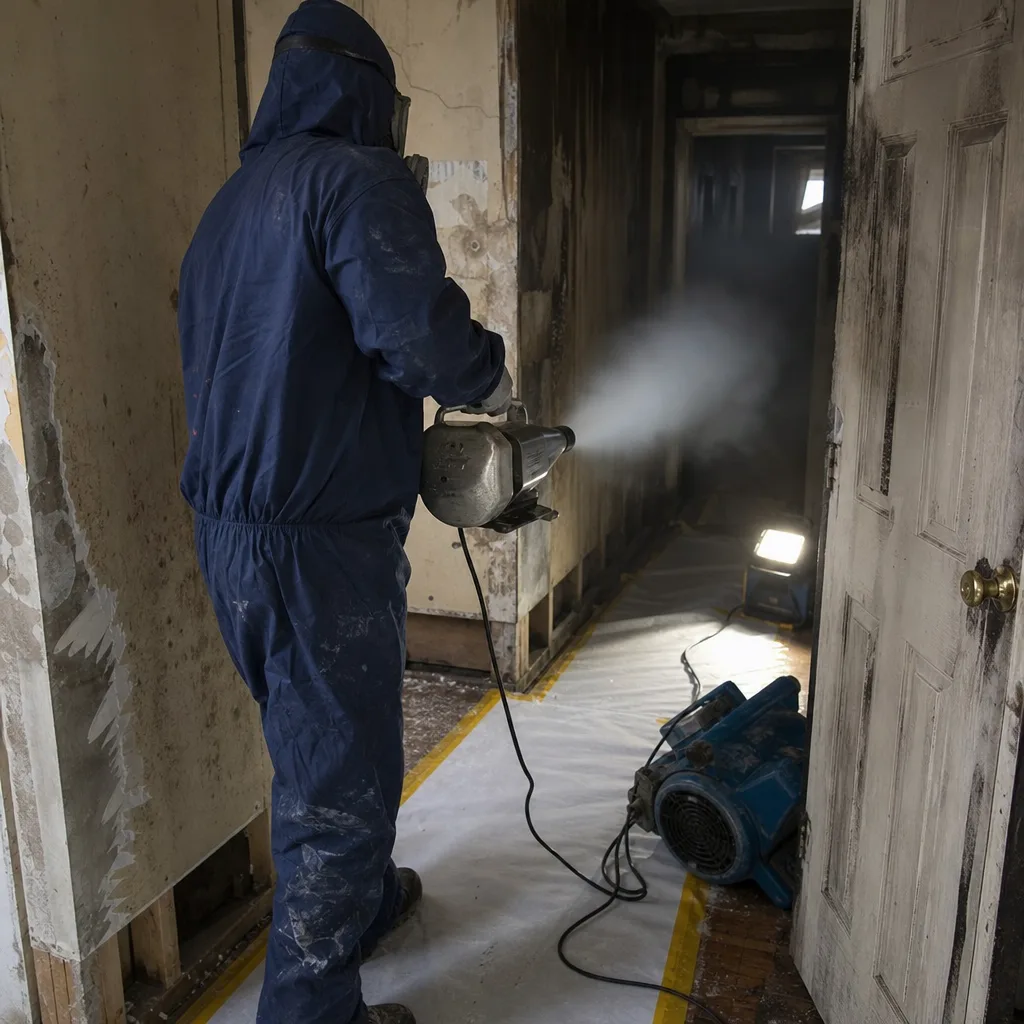
Toilet Overflow Cleanup
Toilet overflows in Midtown West’s older buildings frequently migrate through original plaster ceilings into the unit below. We set containment and negative air pressure quickly, remove affected flooring and drywall, and run air scrubbers until spore counts return to baseline.
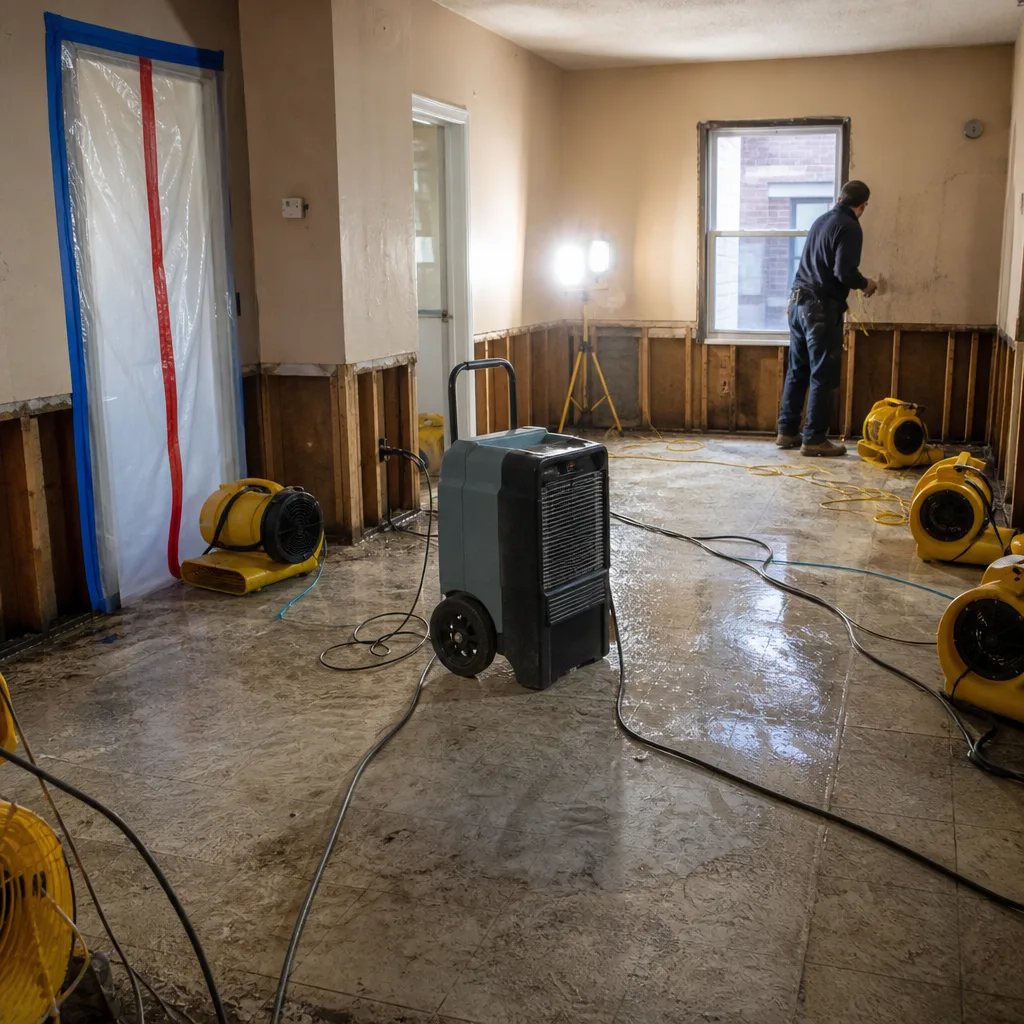
Septic Failure Cleanup
Most of Midtown West runs on municipal sewer, but a handful of older properties near the river retain private laterals that fail under extreme weather. We coordinate with plumbers, locate the point of failure, and manage the contamination cleanup while the repair happens.
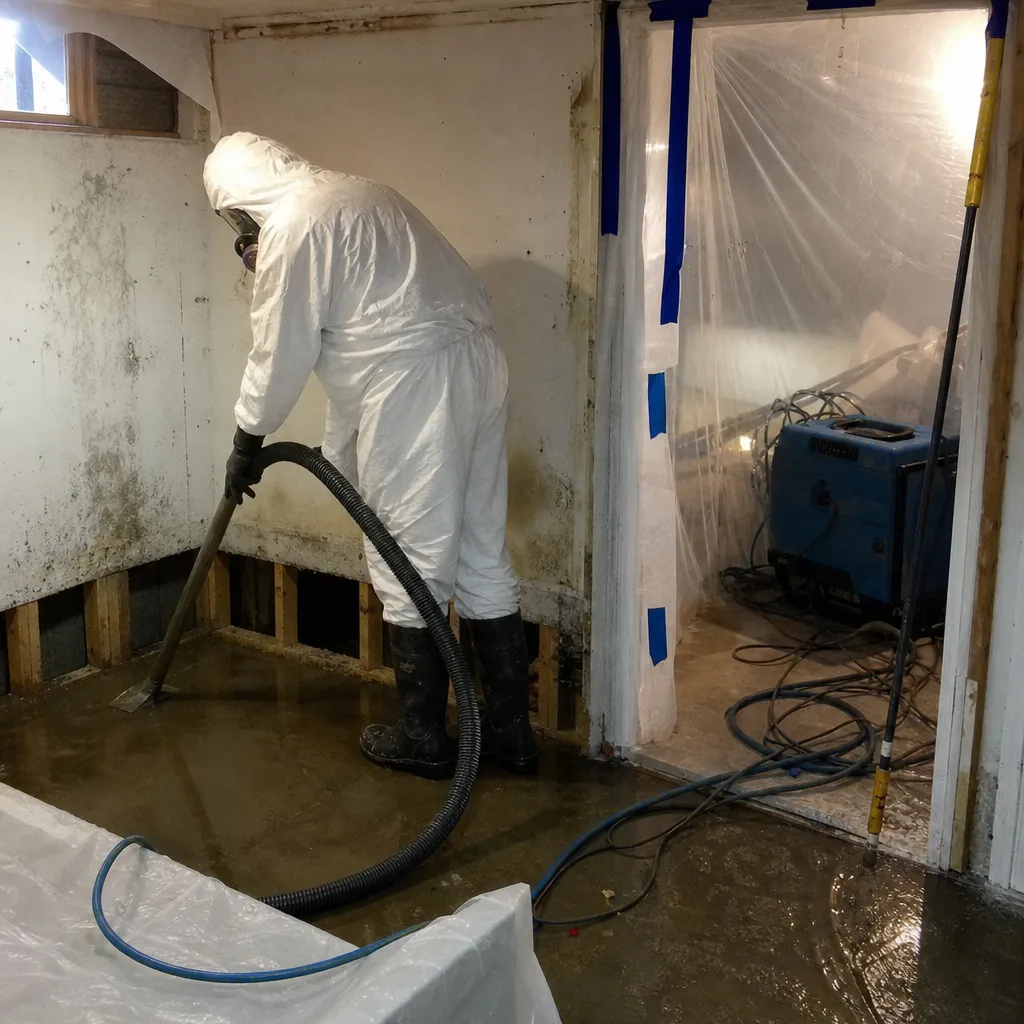
Black Water Extraction
Category 3 extraction in dense buildings is about speed and containment. We run Dri-Eaz submersibles and truck-mounted extractors, haul contaminated materials in sealed bags, and log every extraction point. The goal is to remove contaminated water before it wicks into adjacent units through shared walls.
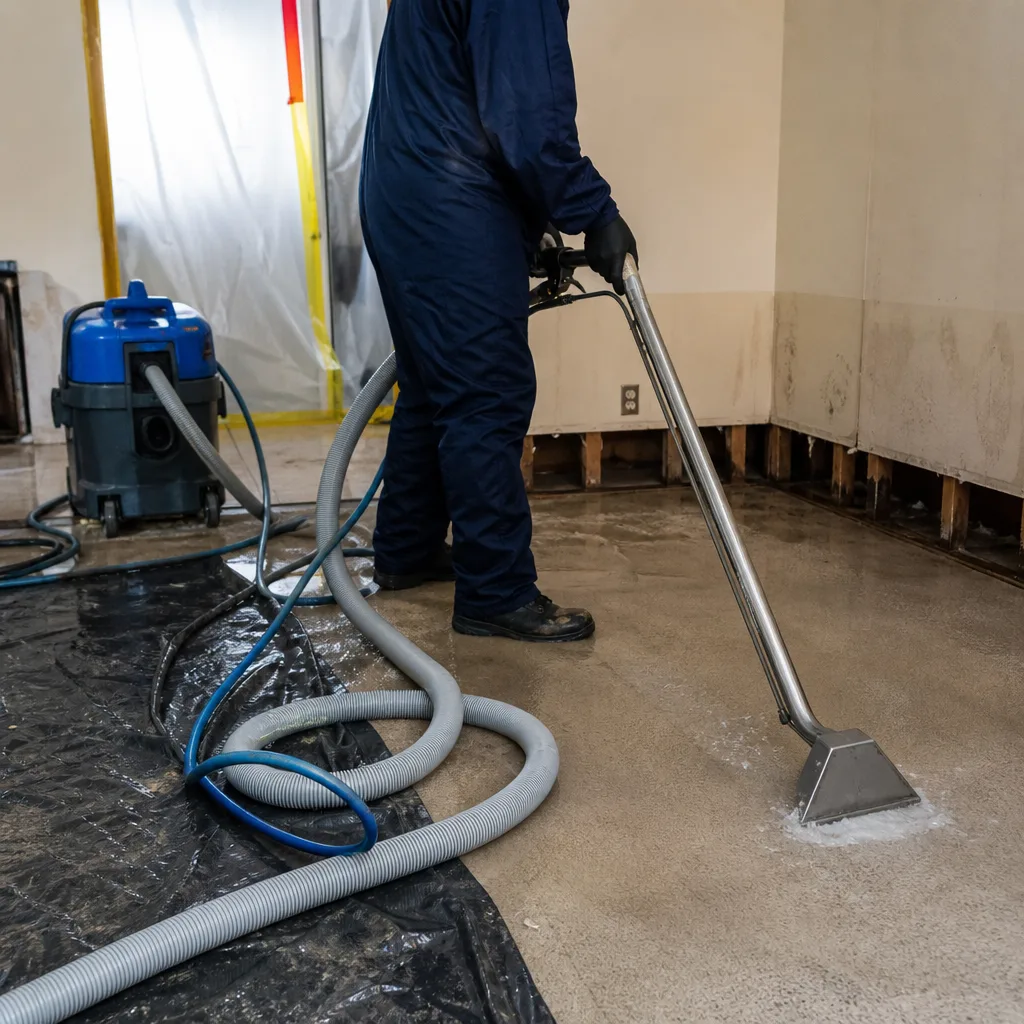
Sanitization & Disinfection
After extraction, surfaces get hospital-grade disinfectant, HEPA vacuuming, and antimicrobial treatment. We ATP-test to prove the space is clean, and we hand you the results. No guessing, no “smells clean.”
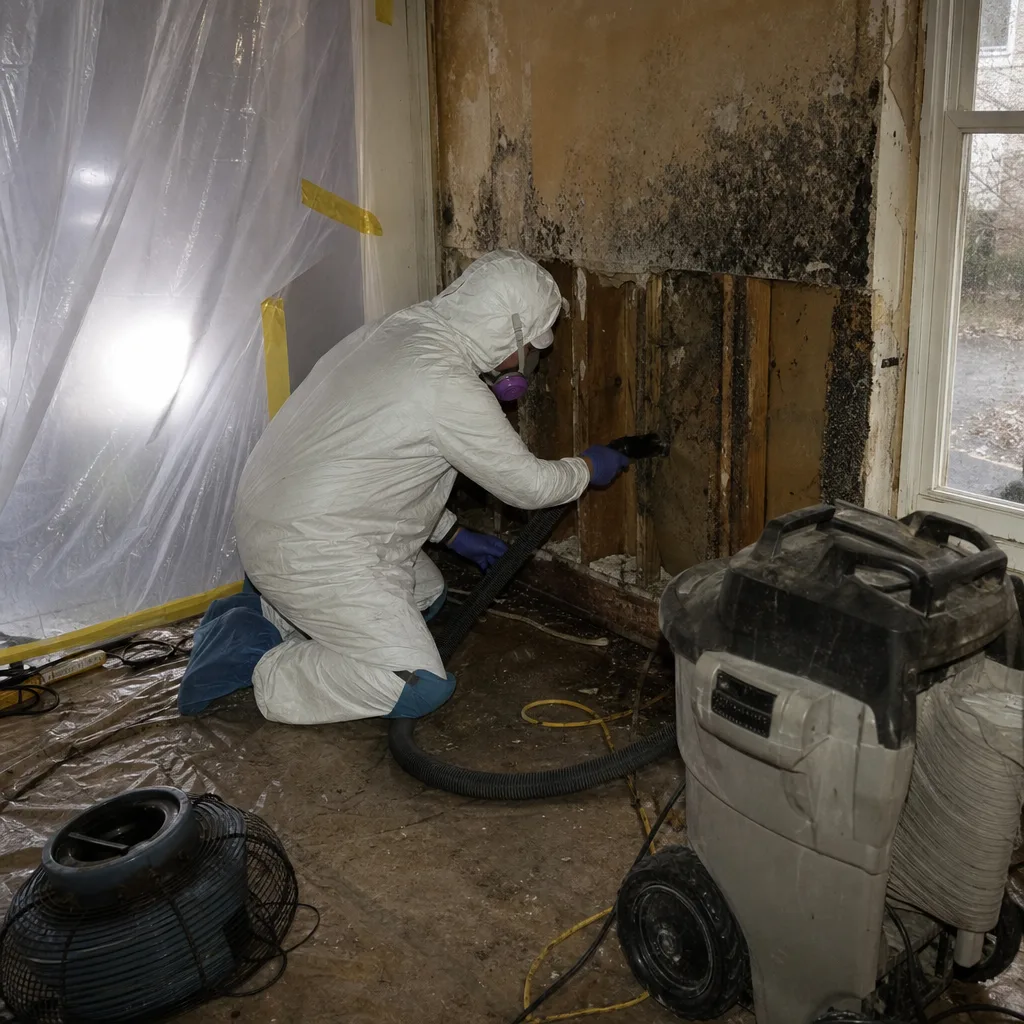
Crawl Space Sewage Removal
Low-clearance sewage removal under older buildings requires confined-space entry, negative air, and specialized extraction tools. We handle it with the same documentation and testing standards we use everywhere else.
What happens when you call
- 1
A real person answersNo phone trees - you reach a local pro.
- 2
You get an upfront price rangeHonest numbers before anyone is dispatched.
- 3
A background-checked tech heads outLicensed & insured, dispatched right away.
- 4
You approve before work beginsNothing starts until you say go.
Sewage Cleanup Costs in Midtown West, NY
A contained toilet overflow cleanup in a Midtown West apartment typically runs $1,200-$3,500. A multi-floor sewage backup in a Hell’s Kitchen pre-war building with plaster removal, drying, sanitization, and reconstruction usually lands between $8,000 and $25,000. Black water extraction in a Hudson Yards high-rise with hidden wall-cavity contamination can push past $30,000 when curtain-wall remediation is required. What moves the price: square footage affected, whether walls and ceilings open up, how many units are involved, and whether reconstruction is needed. Insurance covers most sewage cleanup when the policy includes sewer backup coverage, which not all New York policies do. Call (518) 800-3751 and we’ll send a technician for a free visual inspection and a written scope before any work begins.
We Also Serve Cities Near Midtown West
Floodline Restoration Co. serves Midtown West and the surrounding neighborhoods, including Midtown West, Astoria, Ditmars Steinway, Upper Manhattan, and the Upper East Side. If your building sits just outside Midtown West proper, call anyway. We’ll confirm coverage and dispatch the nearest certified crew.
Serving Midtown West, NY - Our Local Coverage Area
We’re based in the Midtown West area and know this community well. Use the map below to see our service coverage - if you’re nearby, we can almost certainly help.
Midtown West Sewage Cleanup Questions, Answered
How does Midtown West’s building density affect sewage cleanup scope of work?
Midtown West’s density means a single backup often touches multiple units because shared drain stacks, common walls, and vertical risers let contamination travel between floors. Scope of work expands from one apartment to several, and we coordinate access, containment, and claims across all affected units from the first visit.
What category of water is a sewage backup in Hell’s Kitchen, and what does that mean for drying vs. removal?
A sewage backup is Category 3 water: grossly contaminated. Porous materials like drywall, carpet, and insulation get removed, not dried. Non-porous surfaces get cleaned, disinfected, and ATP-tested. Attempting to dry Category 3 materials spreads contamination and creates a long-term health hazard.
Why do sewage backups in Midtown West pre-war buildings often show damage two or three floors below the actual break?
Original plaster ceilings and lathe walls in Hell’s Kitchen’s pre-war walk-ups channel water laterally before it drops. Water from a break on the sixth floor can travel through ceiling cavities and show up as a stain on the fourth. We moisture-map the entire vertical path before opening anything so we find the true source, not just the visible stain.
Is sewage cleanup west of 10th Avenue different because of Hurricane Sandy?
Yes. Below-grade mechanical rooms and sub-grade parking structures west of 10th Avenue carry a documented Sandy flood-risk profile. Sewage ejector failures during heavy rain or storm surge can re-contaminate spaces that were previously dried. We treat these buildings as flood-prone and check for past water intrusion even when the current call is a simple backup.
Do you handle sewage cleanup in Hudson Yards high-rises with curtain-wall construction?
We do. Hudson Yards towers require a different approach because ultra-high-pressure plumbing can force black water into curtain-wall seams and sealed wall cavities, hiding contamination from view. We work with building management on access protocols, use thermal imaging to find concealed moisture, and document everything for the association’s carrier.
How fast can a crew actually reach Midtown West?
We commit to a 45-minute response window for Midtown West. Dispatch is live 24/7, and crews stage equipment in the area during storm seasons and the winter freeze-thaw cycle. Call (518) 800-3751 and you’ll get a real answer, not a call center script.
Will my insurance cover sewage cleanup in Midtown West?
Most standard New York policies cover sewage damage only if you carry sewer backup coverage. Many buildings without it have had claims denied. We document the loss thoroughly and work with your adjuster directly. If your policy excludes it, we provide a written scope so you know the cost before work starts.
What should I do in the first 30 minutes after a sewage backup?
Shut off water to the affected fixture if you can do so safely. Keep people and pets out of the affected area. Do not run HVAC systems, as that spreads airborne contaminants. Call (518) 800-3751. We’ll talk you through immediate steps and dispatch a crew with extraction equipment the same call.
Floodline Restoration Co. handles sewage cleanup in Midtown West the way we’ve handled restoration work for over 42 years across the New York metro: one certified crew, a written scope before work starts, direct insurance billing, and a 90-Day Done Right Promise in your hands. When a Hell’s Kitchen pre-war walk-up on West 49th Street flooded three floors from a category 3 backup, our techs set up containment and negative air pressure before moisture mapping with thermal imaging. The readings showed water channeled laterally through original lathe walls, so we opened ceilings two floors above the first visible stain, extracted black water with Dri-Eaz pumps, removed saturated plaster, and applied antimicrobial treatment before structural drying with XPOWER air movers and dehumidifiers. Drying logs documented the pre-loss condition for the carrier. That’s the standard we bring to every job in Midtown West. Call (518) 800-3751 for a free estimate, any hour, any day.
Written by Curt Bowman, Owner at Floodline Restoration Co., serving Midtown West and the New York metro area since 2010.