
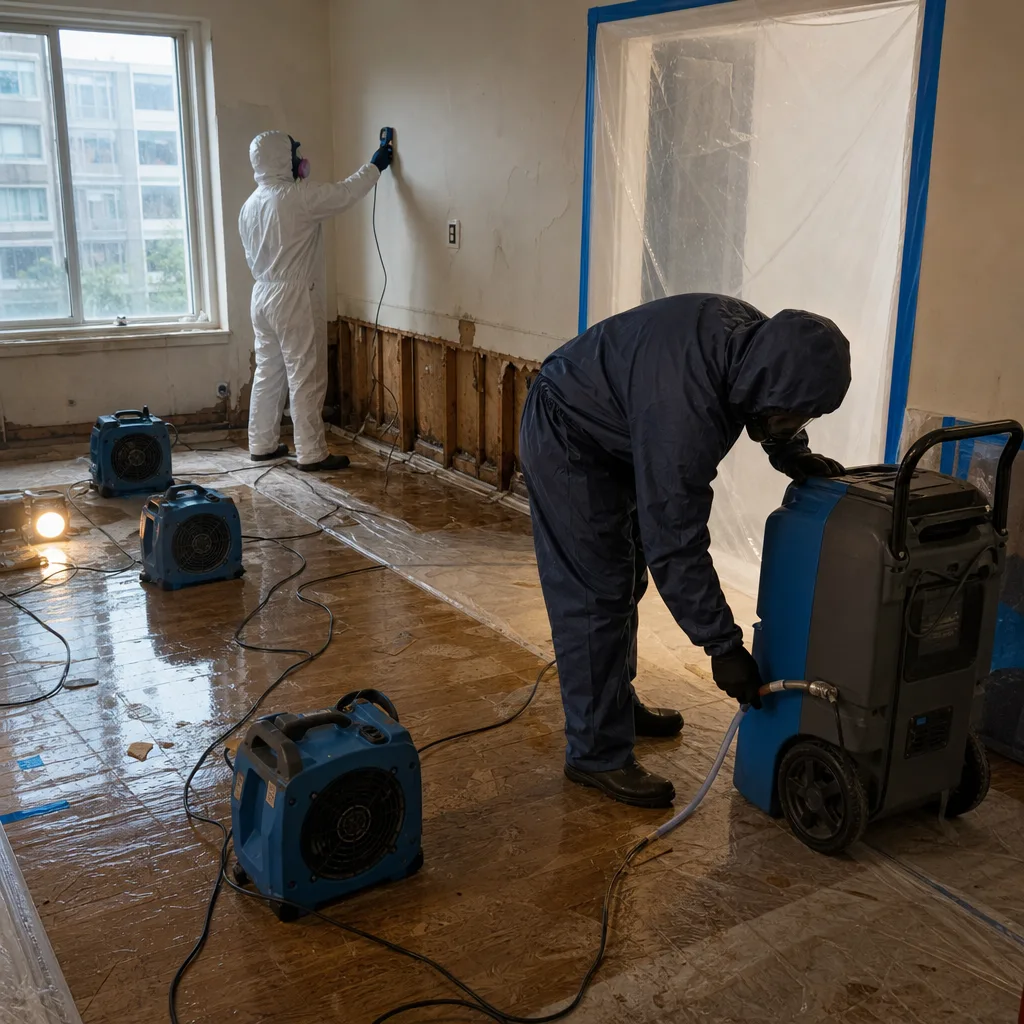
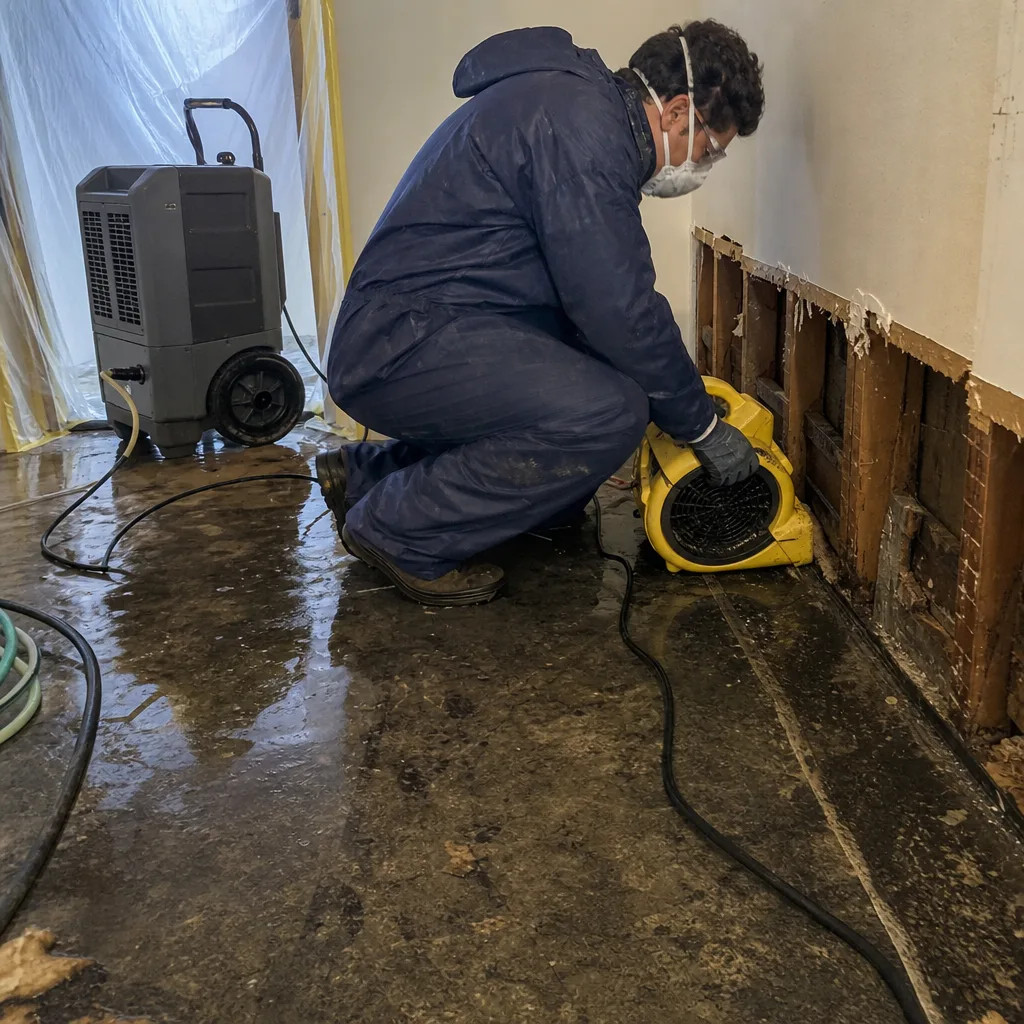
Free visual inspection and a written scope of work before any mitigation begins - photos, moisture readings, and drying logs go in your claim file
The scope we write is the scope we bill. Anything new gets shown to you, in writing, before we touch it.
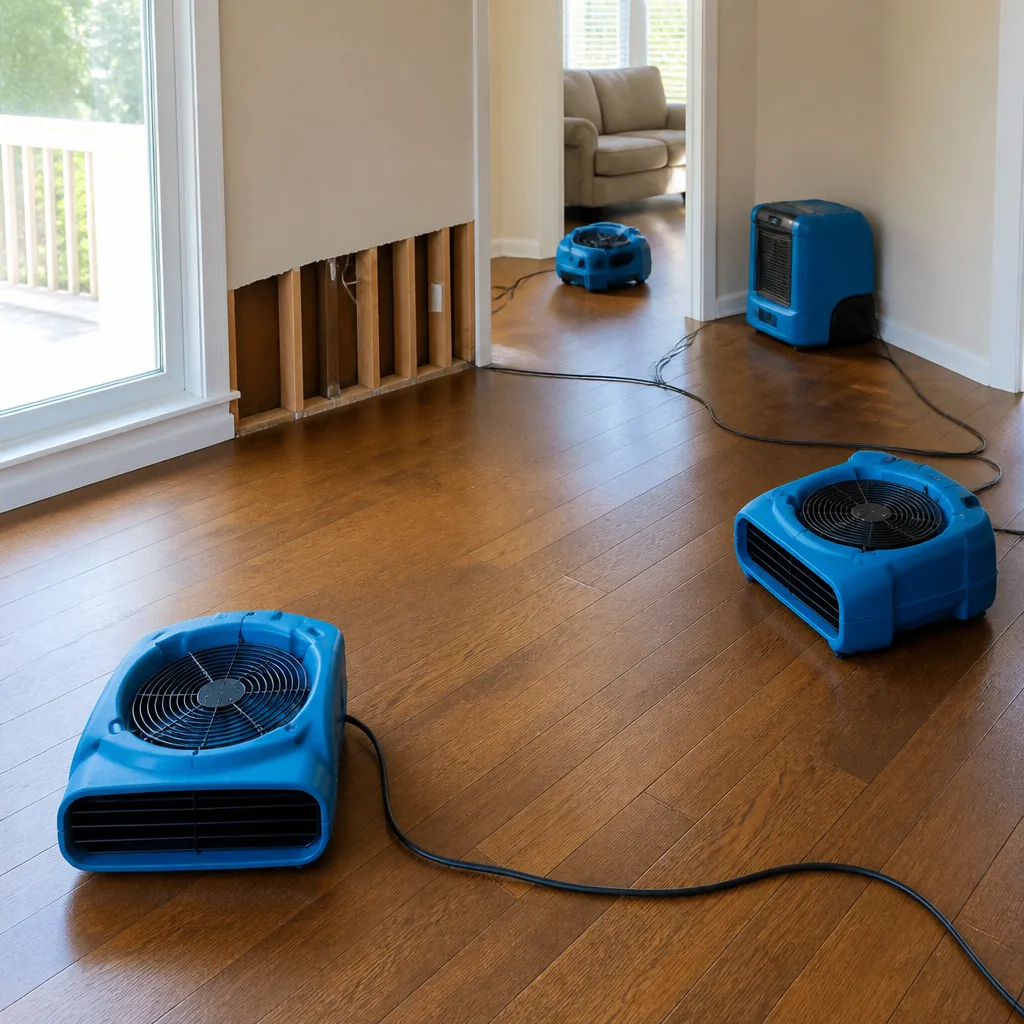
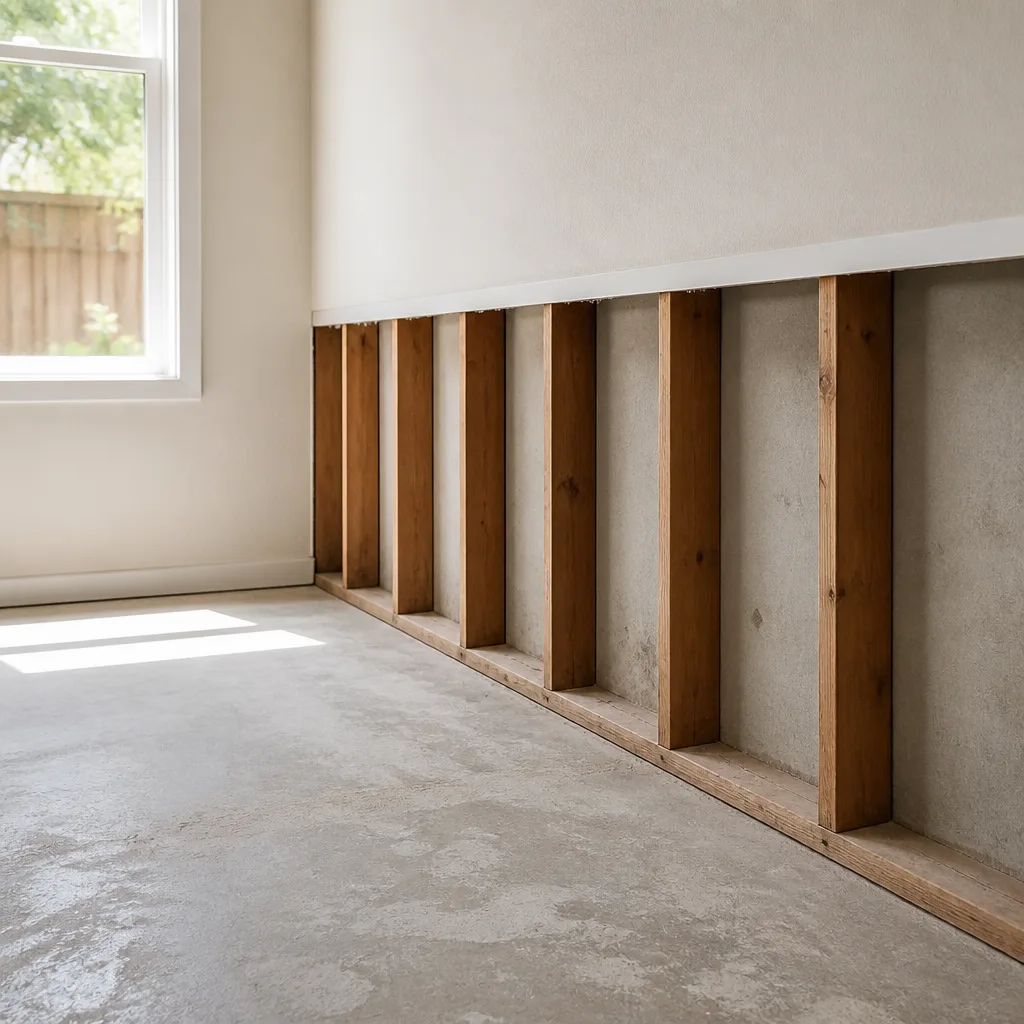
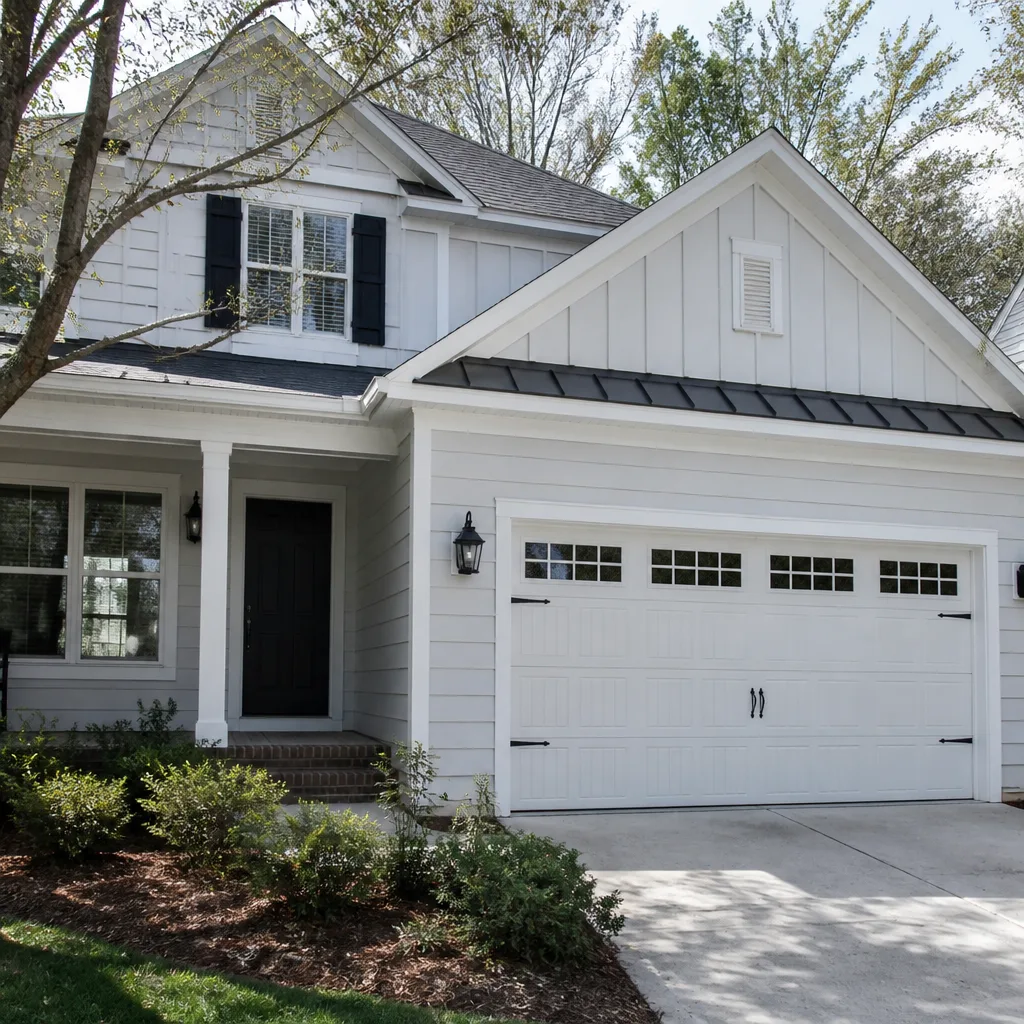
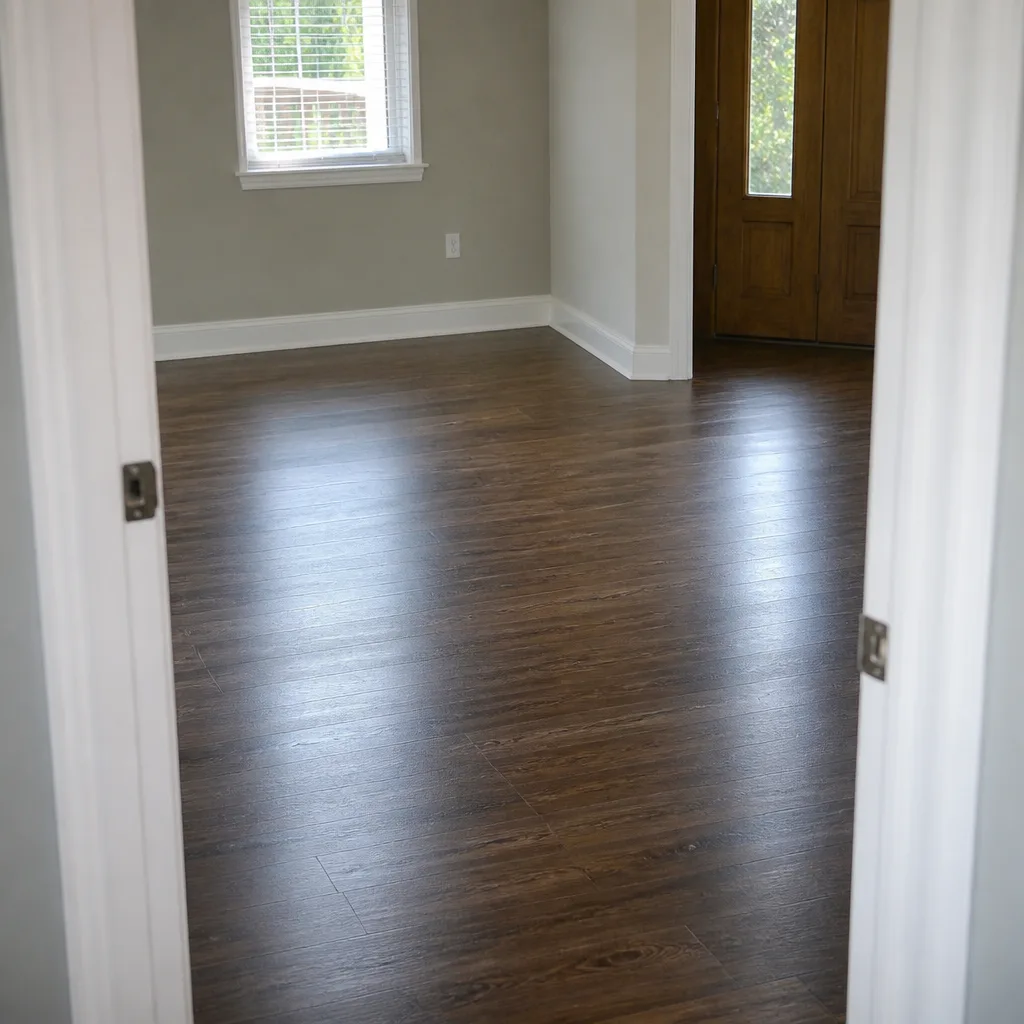
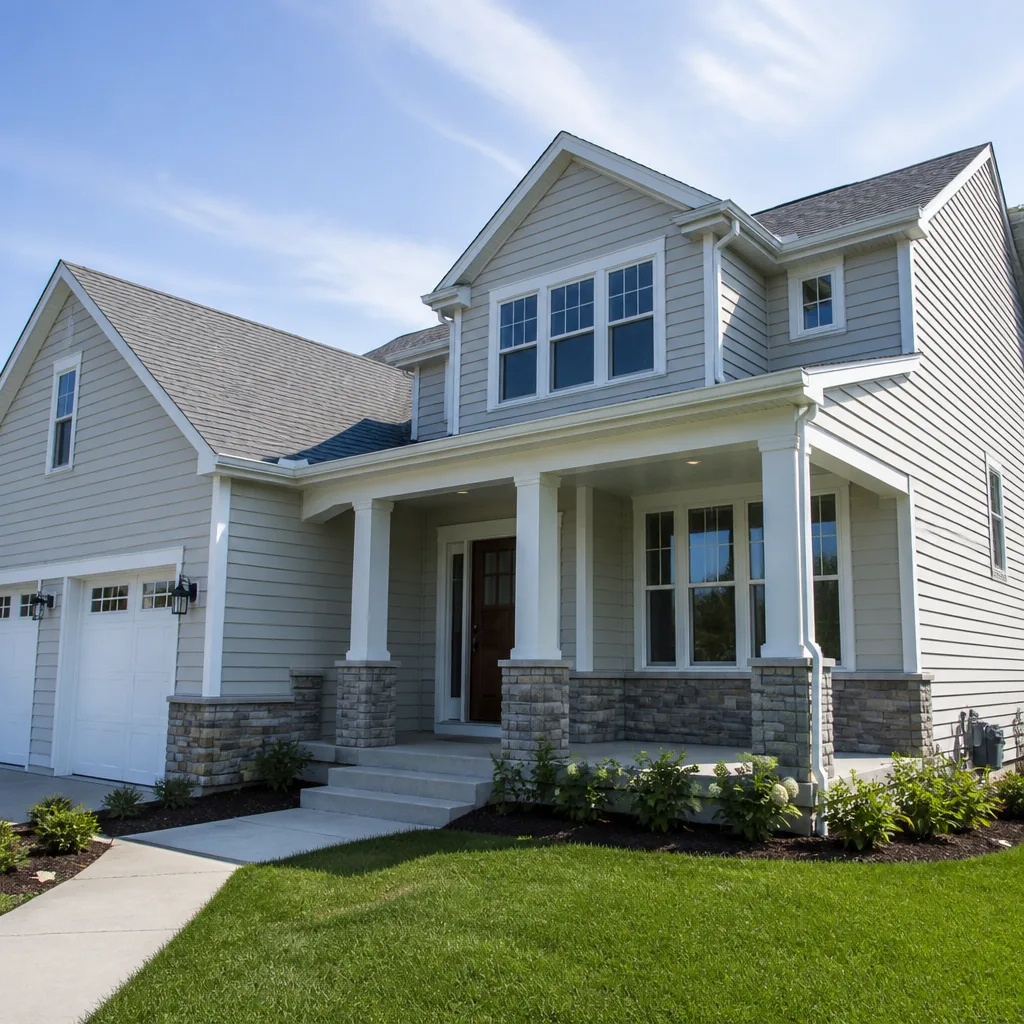
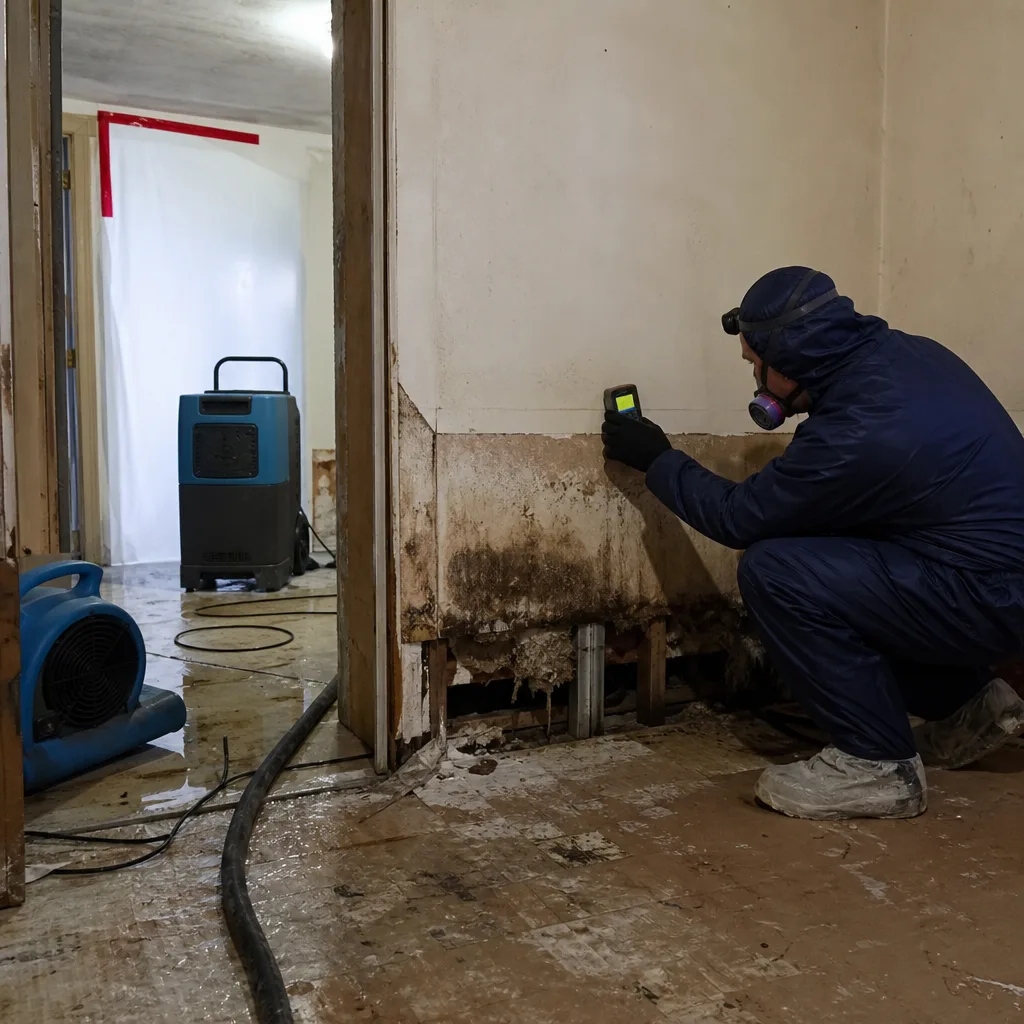 Before
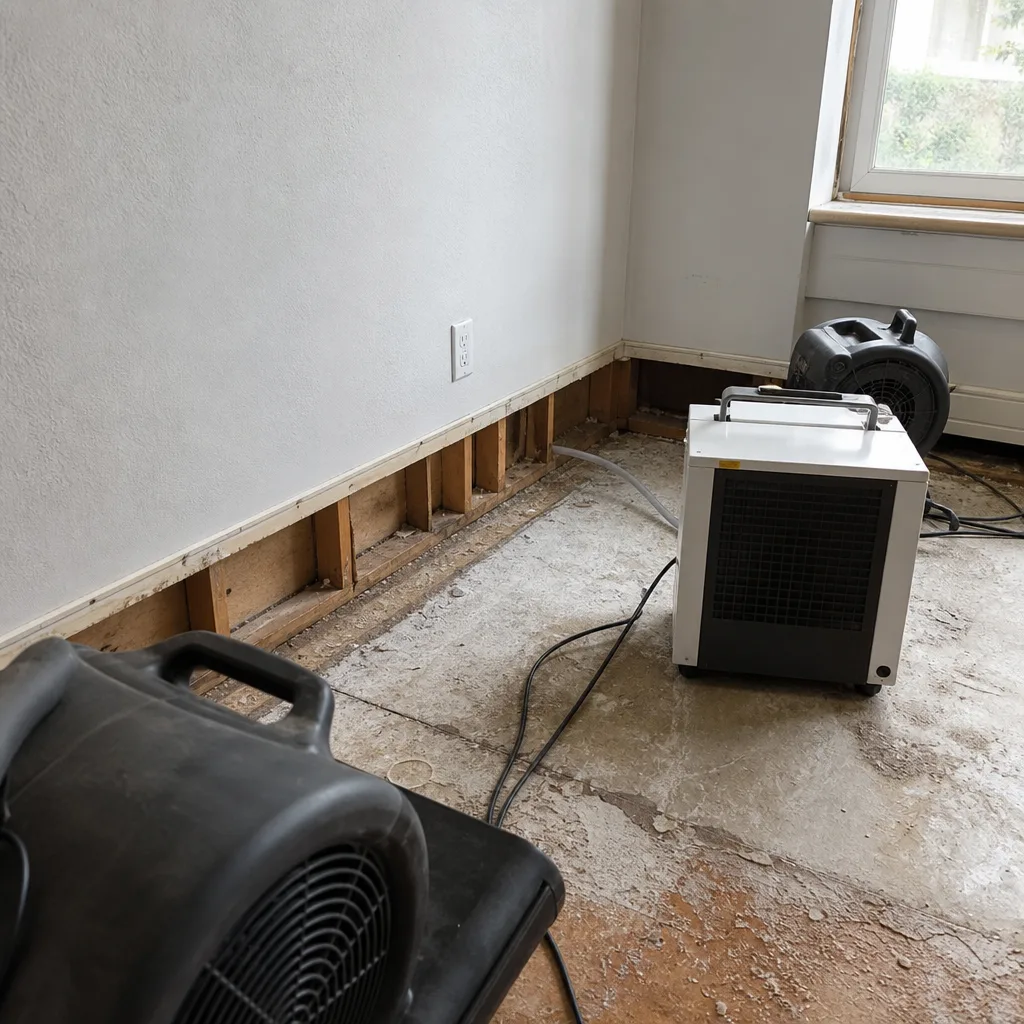 After
After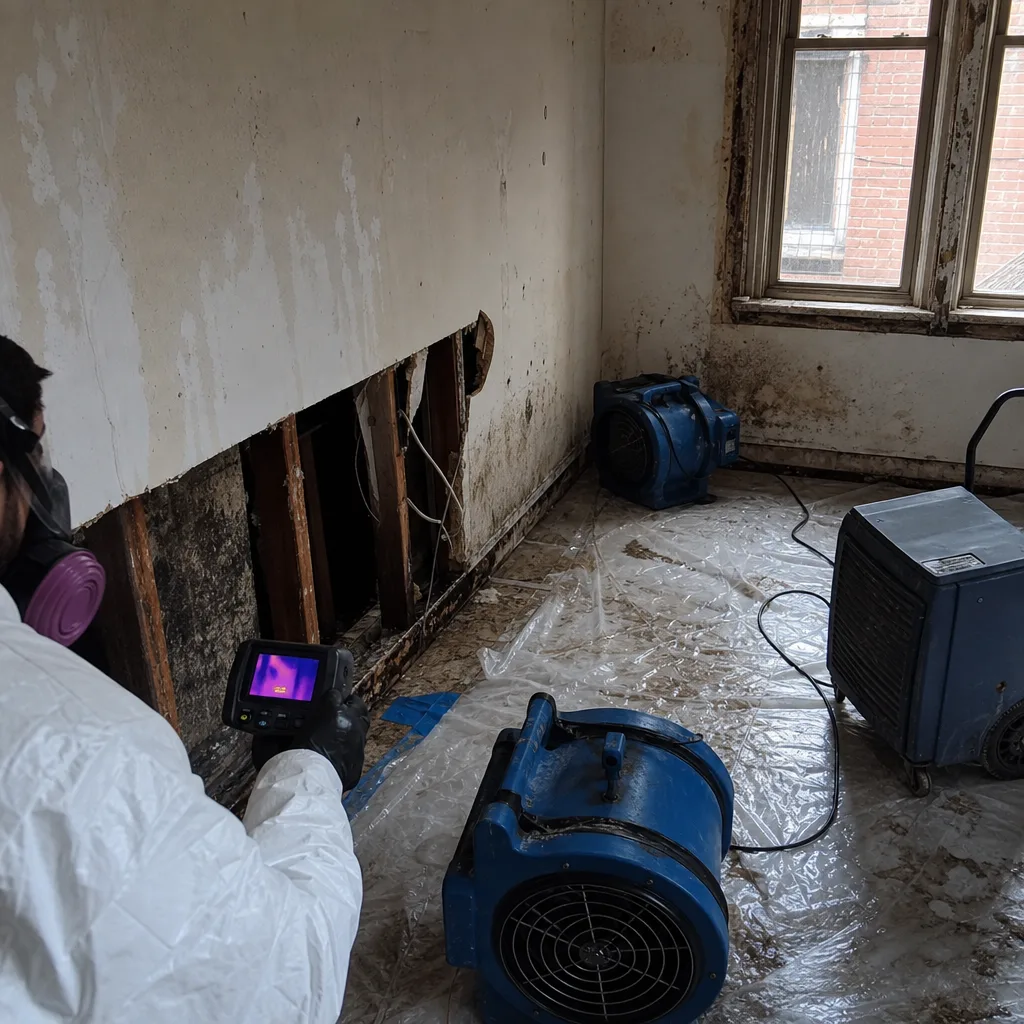 Before
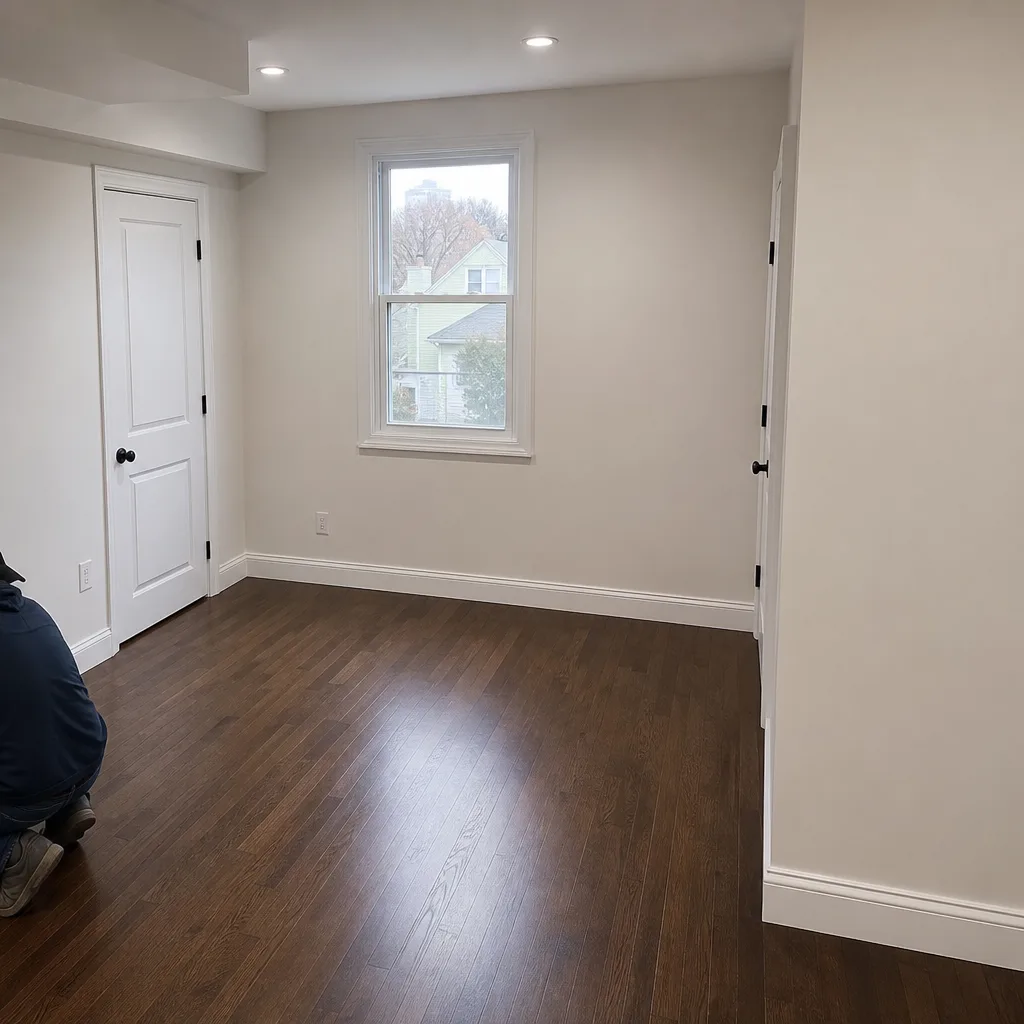 After
After24/7 Emergency Commercial Restoration in Jackson Heights
When water, fire, or storm damage hits a Jackson Heights commercial property, the clock starts the moment the damage spreads. Our crews answer live at (518) 800-3751 around the clock, every day of the year, and we dispatch into the 11372 zip code immediately. The first hour after a water event in one of this neighborhood’s 1920s co-op buildings or commercial storefronts determines whether you’re facing a contained cleanup or a multi-unit loss. We arrive for a free visual inspection, map the moisture, and start extraction the same visit. Not the next day. The same visit.
Understanding Commercial Restoration Severity in Jackson Heights Properties
Jackson Heights commercial buildings present a specific restoration challenge: nearly all of them are pre-war brick-and-masonry construction with plaster-over-lath walls, original cast-iron or galvanized supply lines, and steam heating systems. Water does not behave the same way in these assemblies as it does in modern drywall construction. Plaster holds moisture longer and hides its migration behind thick, dense wall systems. We classify water damage in three categories: Category 1 is clean water from a supply line break. Category 2 carries contaminants from washing machines or sump overflows. Category 3, which we see frequently in Jackson Heights basements during heavy rain events, is sewage-contaminated black water that requires full PPE protocols, antimicrobial treatment, and disposal of affected porous materials. Moisture mapping with thermal imaging tells us where the water actually traveled, not just where it pooled. Structural drying in a plaster-over-lath co-op building takes longer than in a modern drywall office, and that longer dry time is exactly why we log readings daily until the dry standard is met.
Why Jackson Heights Property Owners Choose Floodline Restoration Co.
- 45-minute response commitment. A live dispatcher picks up at 2 a.m., not a recording. A certified crew is rolling toward Jackson Heights within the hour, and extraction is running the same visit.
- 24/7 live answer, always a person. When a nor’easter backs water into a 60-unit co-op basement on 35th Avenue, you don’t get a voicemail tree. You get a dispatcher who knows Jackson Heights and can commit a crew.
- IICRC-certified crews. Our technicians hold WRT, FSRT, and AMRT certifications and train to RIA and IFA standards. Background-checked and uniformed on every job. No exceptions.
- Free visual inspection. Before any work starts, you get eyes on the damage and a straight read on scope. No pressure, no upsell.
- Direct insurance billing. We coordinate with the co-op’s master policy carrier and your HO-6 carrier directly. You never play messenger between us and the adjuster.
- One team from extraction to reconstruction. The same crew that reads the moisture map on day one handles daily readings, hands the log to you and your carrier, and rebuilds what needs rebuilding. No mid-job handoff, no inherited crew.
Our Commercial Restoration Process
Inspection & Assessment
We start with a full walkthrough, thermal imaging, and moisture mapping. In a Jackson Heights co-op or mixed-use building, this means checking not just the affected unit but the shared basement, mechanical rooms, and courtyard drainage. We identify whether you’re dealing with Category 1, 2, or 3 water and build the scope from there.
Extraction & Stabilization
We remove standing water with truck-mounted extraction units and set up containment barriers. For Category 3 water, that means full PPE, negative air pressure where needed, and removing contaminated porous materials before they spread further.
Drying & Dehumidification
Professional-grade Dri-Eaz dehumidifiers and Phoenix air movers go in, placed according to the moisture map, not guesswork. We take daily readings and log them until the dry standard is met. That log goes to you and your carrier.
Cleaning & Sanitization
HEPA air scrubbers run during and after drying. We clean and sanitize all affected surfaces, including hard-to-reach cavities that harbor odor and mold growth, particularly important in plaster assemblies that hide moisture.
Specialty Treatment for Commercial Properties
For commercial spaces in Jackson Heights, this includes document and inventory recovery, electronics assessment, and odor control in retail or office environments where downtime is revenue loss. We coordinate pack-out and content cleaning so you’re not losing business days.
Repairs & Restoration
The same crew that extracted and dried now rebuilds. We handle structural drying completion, wall and floor replacement, and any reconstruction needed to return your commercial space to working order. We stand behind it with the 90-Day Done Right Promise.
Need Emergency Commercial Restoration in Jackson Heights Now?
Crews minutes away, answering live 24 hours a day. The sooner we start, the less it costs.
Working With Your Insurance Company
Commercial restoration in Jackson Heights involves more insurance coordination than almost anywhere else in Queens, largely because of the co-op ownership model. A water event that starts in a courtyard drain and migrates into a retail space or office unit triggers the co-op’s master policy for common areas and the individual shareholder’s HO-6 policy for unit interiors. We document from the first hour, produce industry-standard line-item estimates, and communicate directly with your adjuster and the property manager’s adjuster. You get a written scope before work starts, and the carrier gets the documentation it needs without you playing middleman.
What We Provide Your Insurer
- Thorough documentation of the loss
- Photos of all damage, room by room
- Moisture readings and drying logs
- A detailed, line-item scope of work
- Direct coordination with your carrier
Built for Jackson Heights’s Loss Calendar
Jackson Heights loses commercial properties differently each season, and we plan our dispatch and equipment staging accordingly. January and February bring deep freezes that burst the original galvanized supply lines still running through 1930s co-op walls, sending water down through multiple floors before anyone notices. Spring thaw stresses the 1920s courtyard drainage sumps and flat-roof parapets, producing slow water-intrusion claims that get misdiagnosed as simple leaks when they’re actually structural envelope failures. Summer thunderstorm patterns have grown more intense across the metro, and Queens’s aging combined sewer infrastructure surcharges under the load, pushing Category 3 black water into basement mechanical rooms and retail storerooms. Fall nor’easters test every window, door, and parapet in the Historic District, and the freeze-thaw cycle each winter reopens the cracks. Knowing what’s coming isn’t a marketing line. It’s how we stock the trucks and stage the crews before the call comes in.
Commercial Restoration Across Jackson Heights’s Neighborhoods
Jackson Heights runs roughly from the BQE on the west to Junction Boulevard on the east, and the building stock changes enough across those blocks to change how we approach each job. The heart of the Historic District between 34th and 35th Avenues is dominated by garden apartment co-ops with central courtyards, shared basement utility corridors, and original facade details that Landmarks Preservation Commission rules protect. A storm-damaged storefront on 37th Avenue in the commercial corridor near Roosevelt Avenue often sits directly below residential units, meaning water damage migrates up through floor assemblies shared with shareholders. Retail spaces along 82nd Street near the 7 train line tend to be older mixed-use buildings with basements that flood from street-level runoff during heavy rain. The blocks near Travers Park and PS 69 see many small professional offices in converted garden apartment ground floors, where a single supply line break above can idle three tenants at once.
Specialized Commercial Restoration Services We Offer in Jackson Heights
Office & Retail Restoration
When a retail store on 37th Avenue or an office on 82nd Street takes on water, every closed hour is lost revenue. We prioritize extraction and drying to get doors back open as fast as the scope allows, coordinating with LPC requirements on any exterior work before it stalls a project. We handle content pack-out, inventory triage, and odor control so the smell of a bad night doesn’t drive away customers.
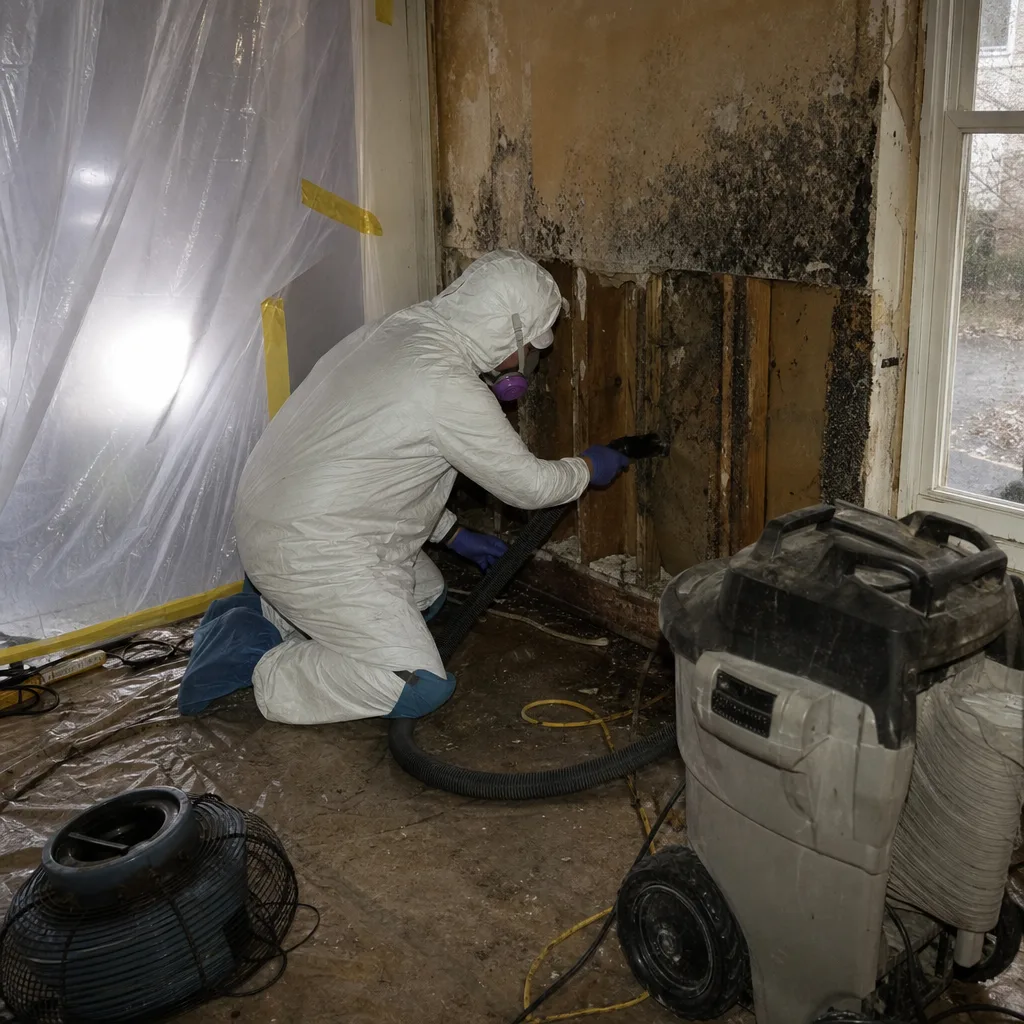
Multi-Unit & HOA Restoration
Jackson Heights co-ops and HOAs are our specialty because the insurance picture is complicated. A courtyard drain backup that floods a shared basement serving 60 units is a master policy claim for common areas plus multiple HO-6 claims for individual units. We’ve run that job on 35th Avenue and we run it the same way every time: coordinate with the property manager, the co-op’s carrier, and the individual unit owners’ carriers before a single dehumidifier gets placed.
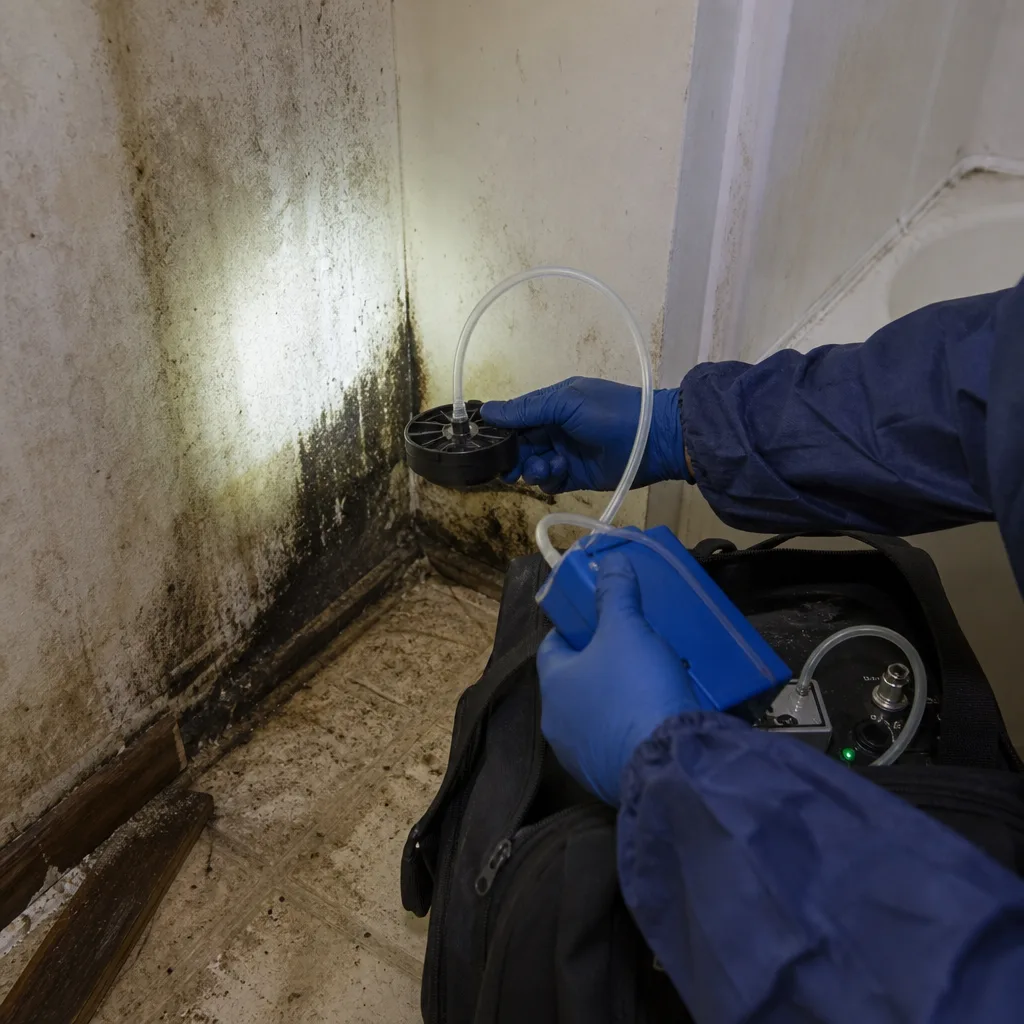
Industrial Facility Cleanup
Industrial and warehouse spaces along the BQE corridor face different pressures: dock door leakage, roof failures over inventory, and sewer line backups in older concrete floor slabs. We use the same Dri-Eaz and Phoenix equipment, but the drying strategy shifts to account for high ceilings, slab moisture, and the need to keep loading operations moving while mitigation runs.
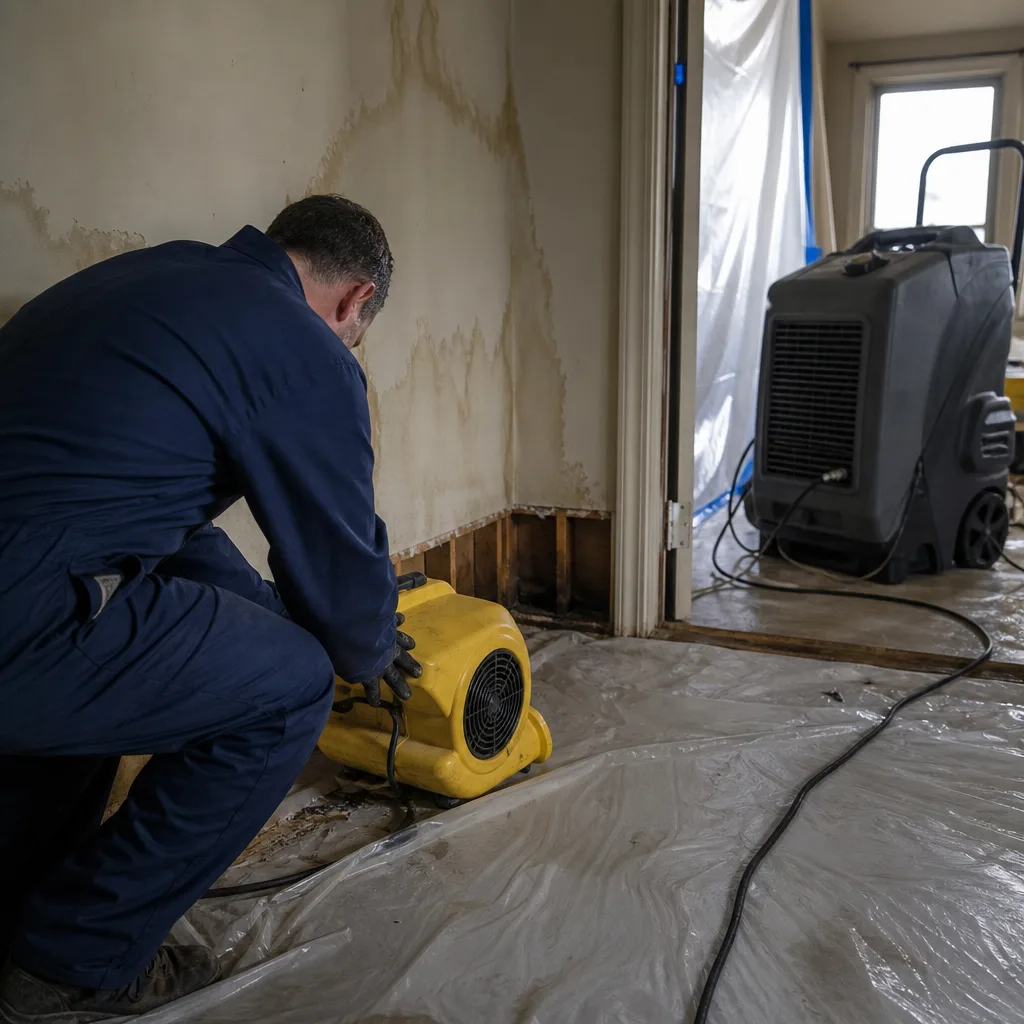
Large-Loss Response
Jackson Heights has lost entire commercial basements to a single storm event when the combined sewer system surcharges. Large-loss response means multiple crews, staged containment, and a drying plan that accounts for 40, 60, or 80 affected units. We’ve moved on a nor’easter at the 1920s courtyard sump on 35th Avenue and had extraction running before the property manager could reach all the shareholders.
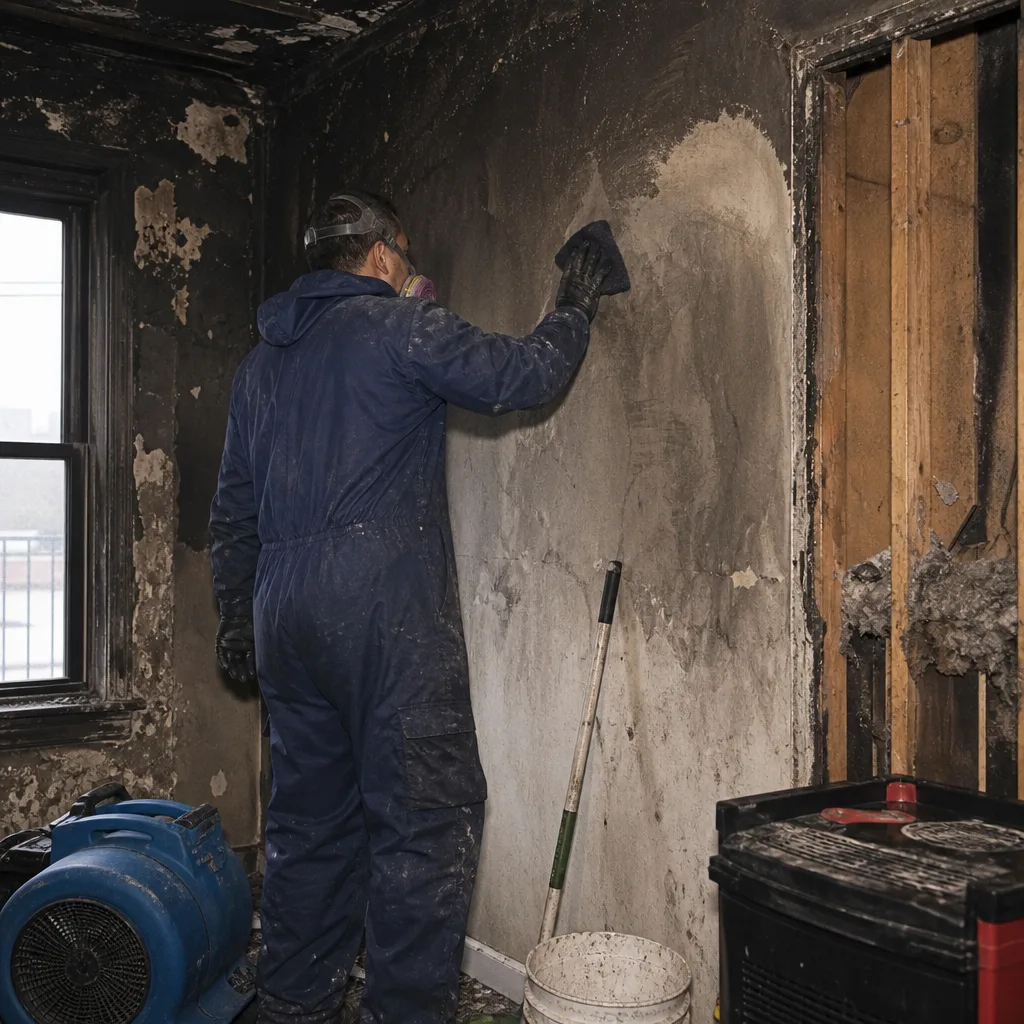
Business Interruption Minimization
The goal on any commercial restoration in Jackson Heights is not just dry walls. It’s keeping your doors open, your tenants operational, and your revenue moving. We sequence the work in phases so occupied retail areas stay usable while affected sections dry. Where a full shutdown is unavoidable, we give the property owner and the carrier a clear timeline in writing so nobody’s guessing about downtime.
What happens when you call
- 1
A real person answersNo phone trees - you reach a local pro.
- 2
You get an upfront price rangeHonest numbers before anyone is dispatched.
- 3
A background-checked tech heads outLicensed & insured, dispatched right away.
- 4
You approve before work beginsNothing starts until you say go.
Commercial Restoration Costs in Jackson Heights, NY
Commercial restoration in Jackson Heights runs higher than the national average, and the reasons are specific to this neighborhood. A straightforward office water mitigation with extraction and 3-4 days of structural drying typically runs $4,500-$12,000 depending on square footage and water category. A Category 3 sewage backup in a co-op basement serving multiple units generally falls between $18,000 and $45,000 because of PPE, containment, porous material disposal, and antimicrobial treatment. Storm-damaged storefront work that triggers LPC review adds permitting and compliance time to the scope, and that time is part of the estimate. Multi-unit losses split between master policy and HO-6 coverage vary widely, but the free visual inspection gets you a firm number in writing before anything starts. Call (518) 800-3751 for a straight read on your specific building.
We Also Serve Cities Near Jackson Heights
Floodline serves commercial properties across the surrounding neighborhoods, including East Elmhurst, Elmhurst, Corona, and Maspeth. The building stock changes block by block, but the same certified crews, the same live 24/7 dispatch, and the same 90-Day Done Right Promise apply.
Jackson Heights Commercial Restoration Questions, Answered
Does the Landmarks Preservation Commission really have to approve storm repairs to my Jackson Heights co-op’s doors and windows?
Yes. If your building is within the Jackson Heights Historic District, any exterior repair to windows, doors, storefronts, facades, or architectural details requires LPC approval before restoration work can proceed. That’s not optional, and skipping it means a stop-work order that stalls drying and triples your downtime. We’ve worked enough LPC-scoped jobs in Jackson Heights to file the paperwork correctly the first time. Call (518) 800-3751 for guidance on whether your project falls under LPC review.
Who pays when water from a clogged courtyard drain floods both my unit and the shared basement?
Two policies pay: the co-op’s master policy covers common areas like the shared basement, courtyard, and mechanical rooms, while your individual HO-6 policy covers the interior of your unit. The division isn’t always clean, and that’s where we help. We document the loss, coordinate with both adjusters, and produce a scope that keeps the carriers from fighting over responsibility while your space sits wet.
What’s different about drying a 1920s plaster-over-lath wall versus modern drywall?
Plaster-over-lath holds more water and releases it slower than modern drywall, and the cavity behind the plaster hides moisture migration that drywall would reveal faster. That means longer dry times, more attention to daily moisture readings, and a higher risk of hidden mold if drying is cut short. We run Dri-Eaz dehumidifiers longer on these walls and log readings until the dry standard is met, not until the surface feels dry.
Is Category 3 water common in Jackson Heights basements during storms?
More common than most property owners expect. Queens’s combined sewer system surcharges during heavy rain, and that sends sewage-contaminated water into the basement levels of older Jackson Heights buildings through floor drains and courtyard sumps. Category 3 water means full PPE, containment, antimicrobial treatment, and disposal of affected porous materials. It is not a mop-and-dry situation. Call (518) 800-3751 and we’ll tell you straight what you’re dealing with.
Can my retail store in a Jackson Heights co-op building reopen while restoration is underway?
Often yes, depending on where the damage is and how we phase the work. If your storefront is affected but the damage is contained to a back room or basement, we sequence drying and repairs so the front of house stays operational. If LPC review is required on exterior work, we factor that into the timeline so you know in writing when you can reopen.
How fast can a crew actually get to my Jackson Heights property?
We commit to a 45-minute response window for emergency calls in Jackson Heights. A live dispatcher answers at (518) 800-3751, 24/7, and a certified crew rolls from there. For storm events when the whole neighborhood is calling, we stage crews in advance based on the forecast, so you’re not waiting behind the rest of Queens.
Do you handle the insurance paperwork, or is that on me?
We handle it. We document from the first hour, produce line-item estimates in the format your carrier expects, and communicate directly with adjusters for both the co-op’s master policy and your HO-6. You get a copy of everything, but you never play messenger.
Do I really need full drying and dehumidification, or can I just clean the water up and open the windows?
Opening windows doesn’t dry a plaster wall. Moisture trapped behind plaster and in floor assemblies keeps working for weeks, and that’s where mold grows and odors linger. We’ve walked into Jackson Heights units where a surface cleanup looked fine but moisture mapping showed water migration three rooms away from the visible stain. The drying log doesn’t lie. Call (518) 800-3751 for a free visual inspection and a straight answer.
Why the LPC and Split Co-op Insurance Change Everything in Jackson Heights
Here’s what a generic restoration page won’t tell you about Jackson Heights: the Landmarks Preservation Commission rules and the co-op insurance split change every step of a commercial storm restoration here, and they change it in ways that cost real money if you get them wrong. Start mitigation before the LPC reviews exterior window, door, or parapet repairs, and you’re looking at a stop-work order that stalls drying and stretches a five-day job into three weeks. Treat co-op water damage as a single-insurer job instead of splitting master policy vs. HO-6 coverage, and unit owners end up fighting over pack-out and drying costs while the water sits. Miss the freeze-thaw stress on the 1920s courtyard drains and flat-roof parapets, and a winter water event gets mis-scoped as a simple interior leak when it’s actually a structural envelope failure that will happen again next season. This is the part of the job you can’t learn from a franchise playbook. You learn it by running jobs here, in these buildings, with these property managers and these carriers. That’s what our crew has done, and it’s the reason a commercial property owner in Jackson Heights gets more from a local restoration team than from a national brand that’s never sat in front of a co-op board on 35th Avenue.
Serving Jackson Heights, NY - Our Local Coverage Area
We’re based in the Jackson Heights area and know this community well. Use the map below to see our service coverage - if you’re nearby, we can almost certainly help.
Call Floodline Restoration Co. for Commercial Restoration in Jackson Heights
When you need Commercial Restoration in Jackson Heights, call (518) 800-3751. A live person answers, day or night. We’ll walk you through the first 30 minutes, dispatch a certified crew, and start extraction the same visit. If it’s not done right, we make it right. The 90-Day Done Right Promise, in writing. That’s the Keystone Standard, and it’s how we’ve operated since Curt Bowman founded this company. For Jackson Heights property owners, that means one number to call, one team on the job, and a square deal: no surprises on the bill.
Written by Curt Bowman, Owner at Floodline Restoration Co., serving Jackson Heights and the surrounding New York metro since 2010.