
Free visual inspection and a written scope of work before any mitigation begins - photos, moisture readings, and drying logs go in your claim file
The scope we write is the scope we bill. Anything new gets shown to you, in writing, before we touch it.
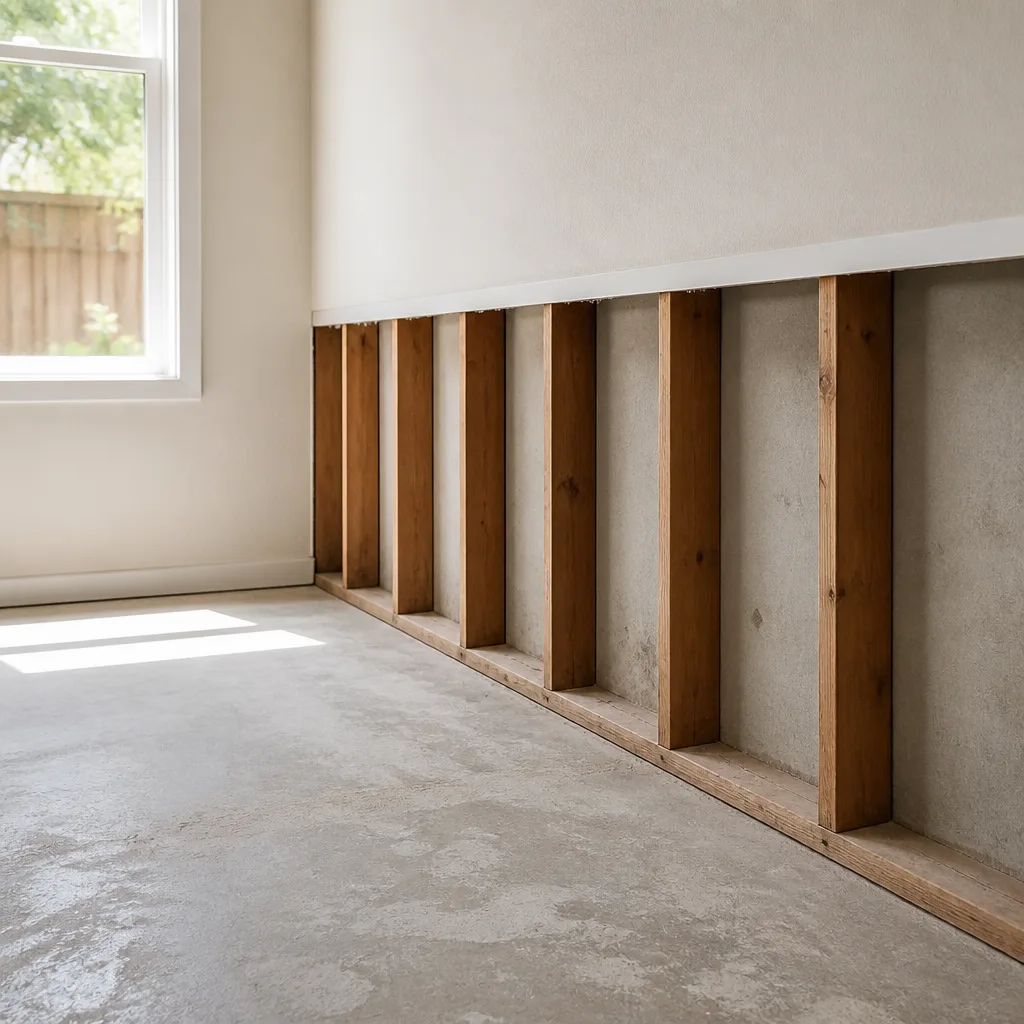
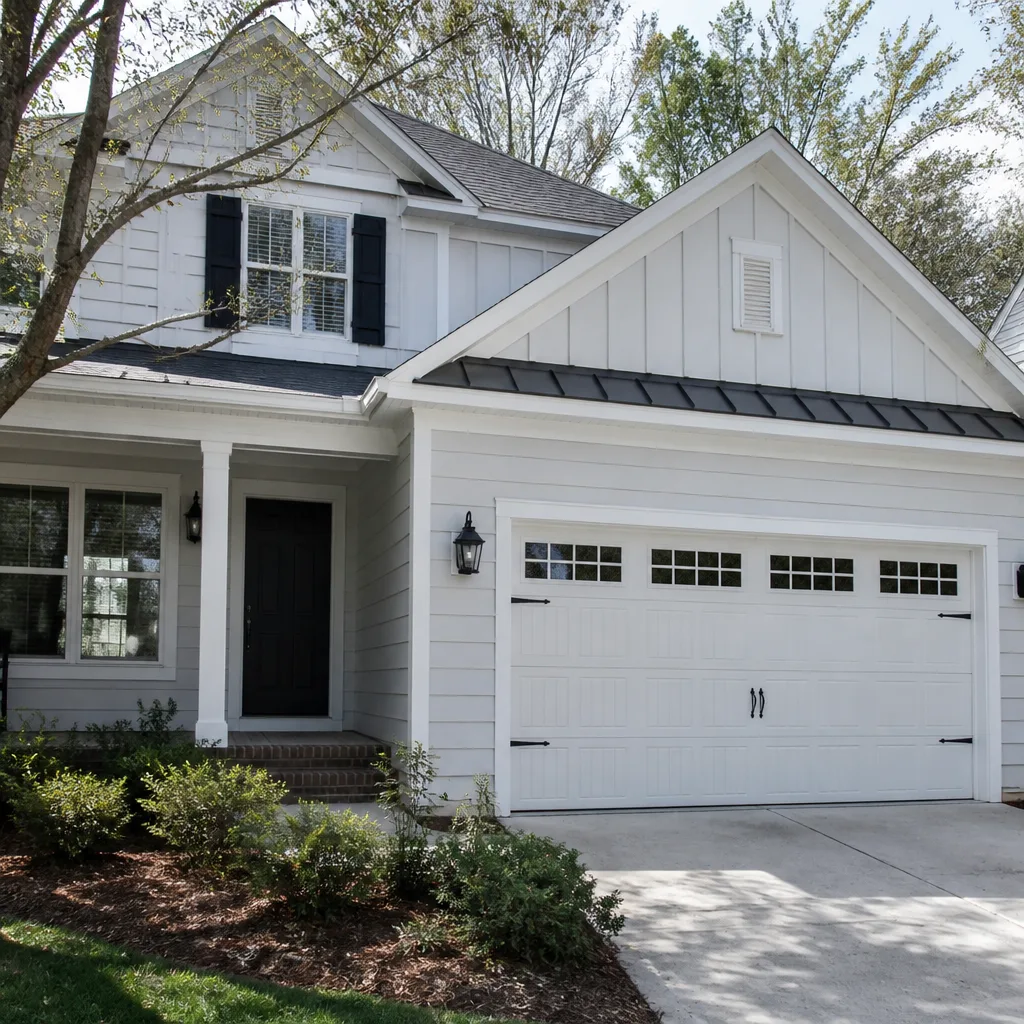
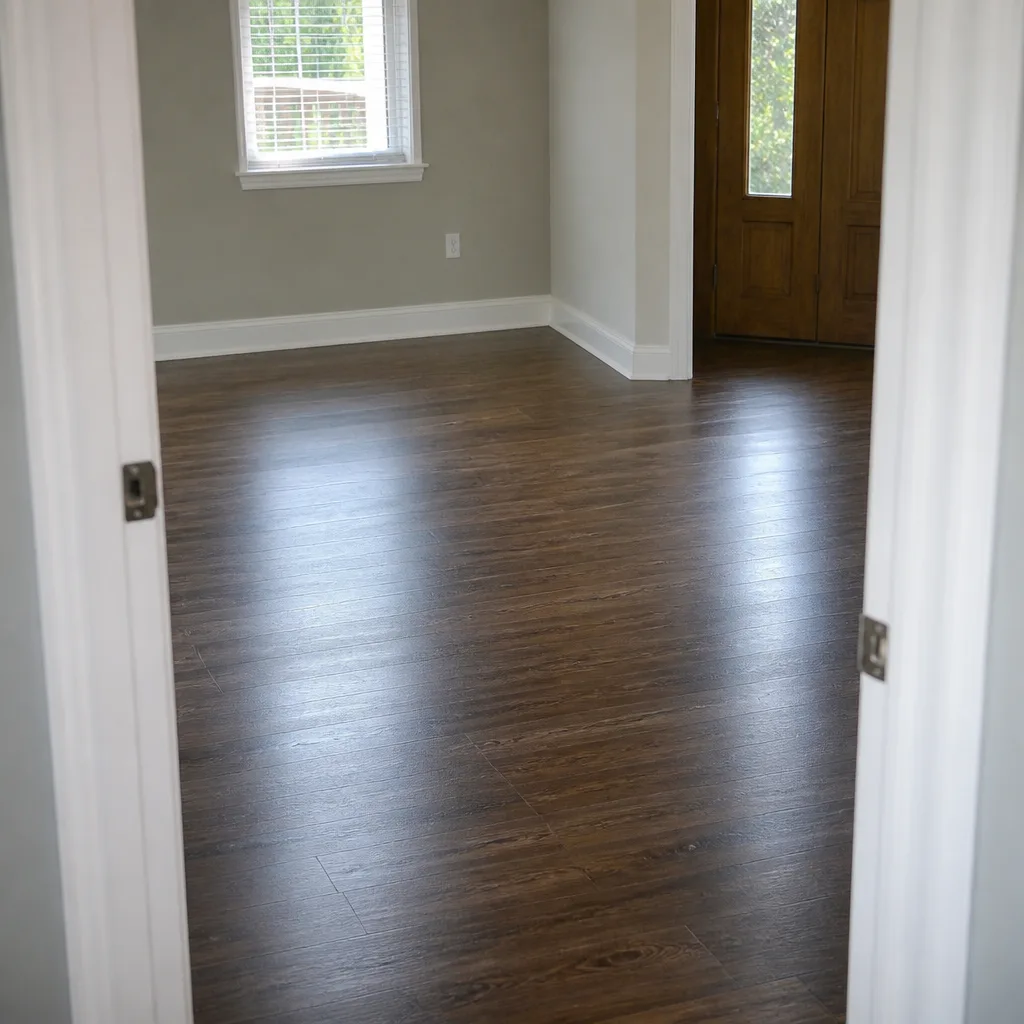
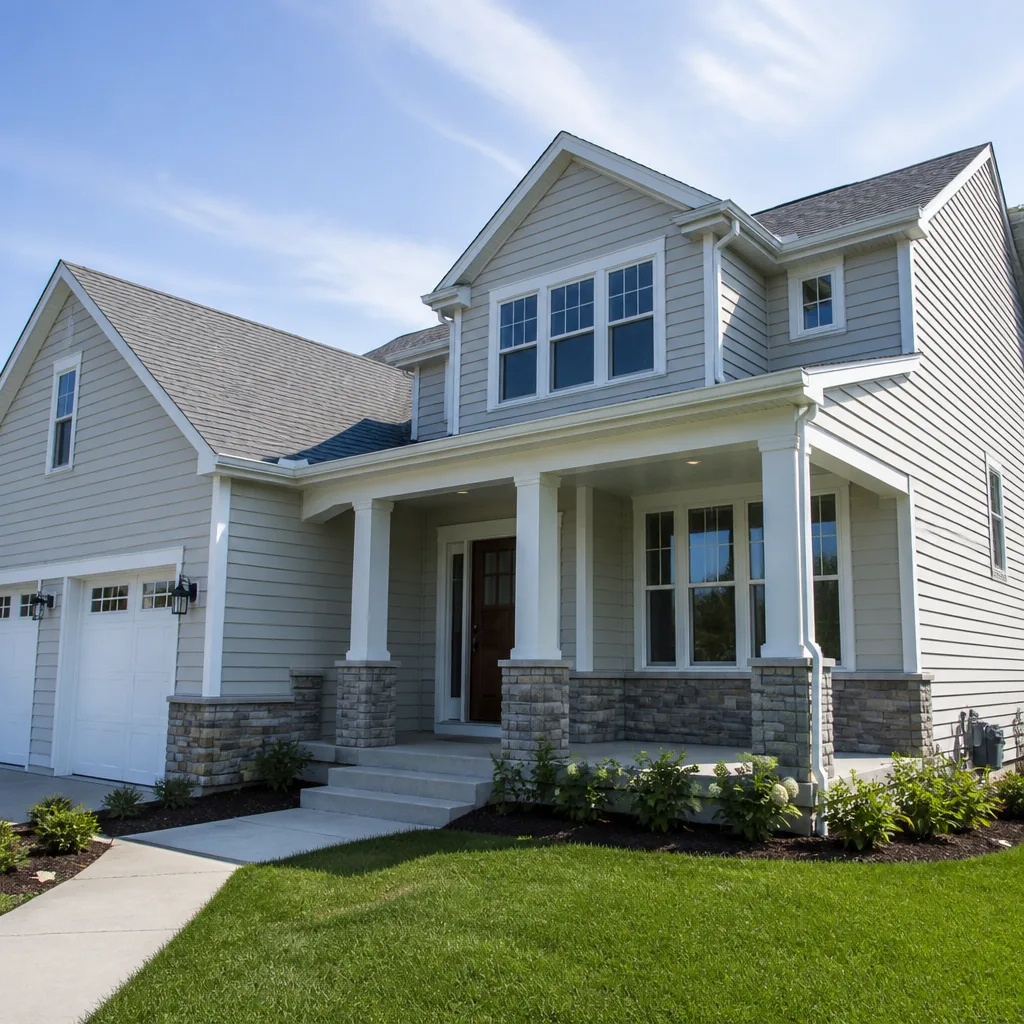
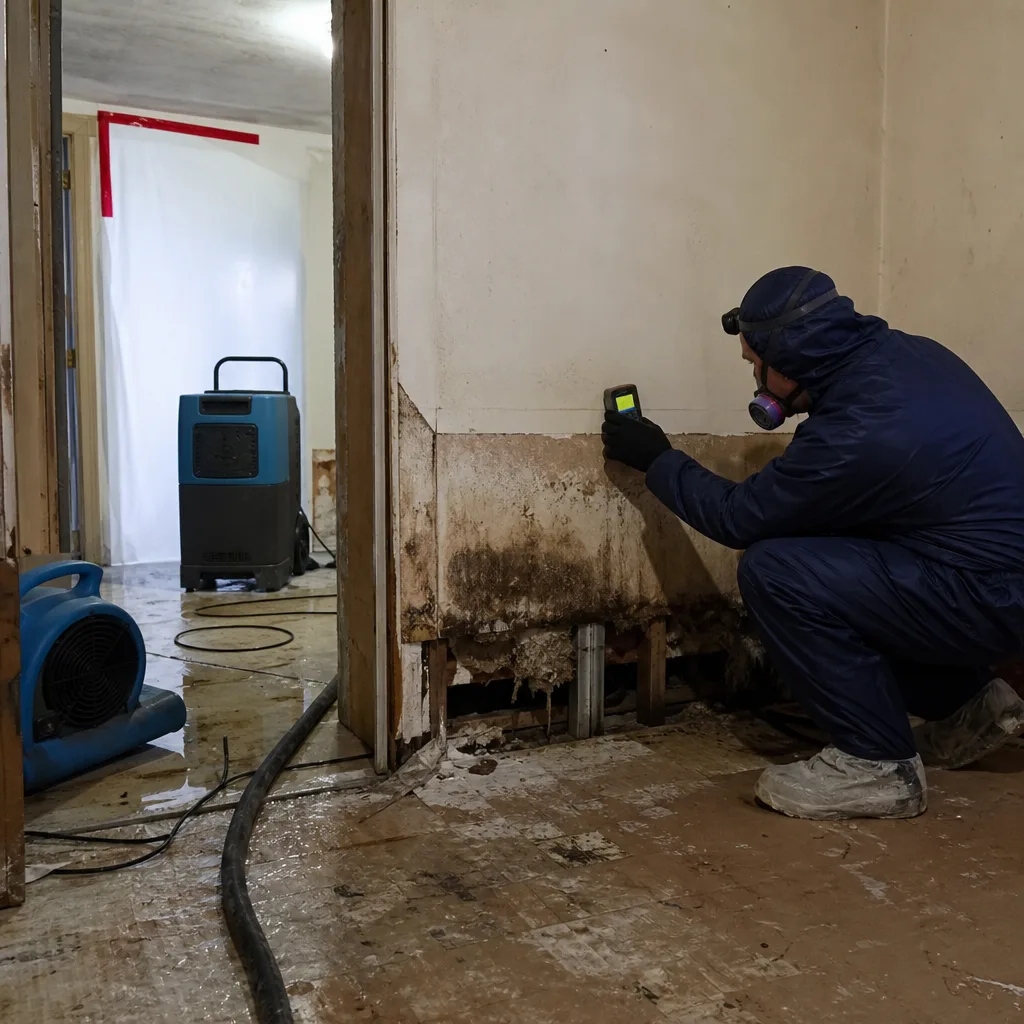 Before
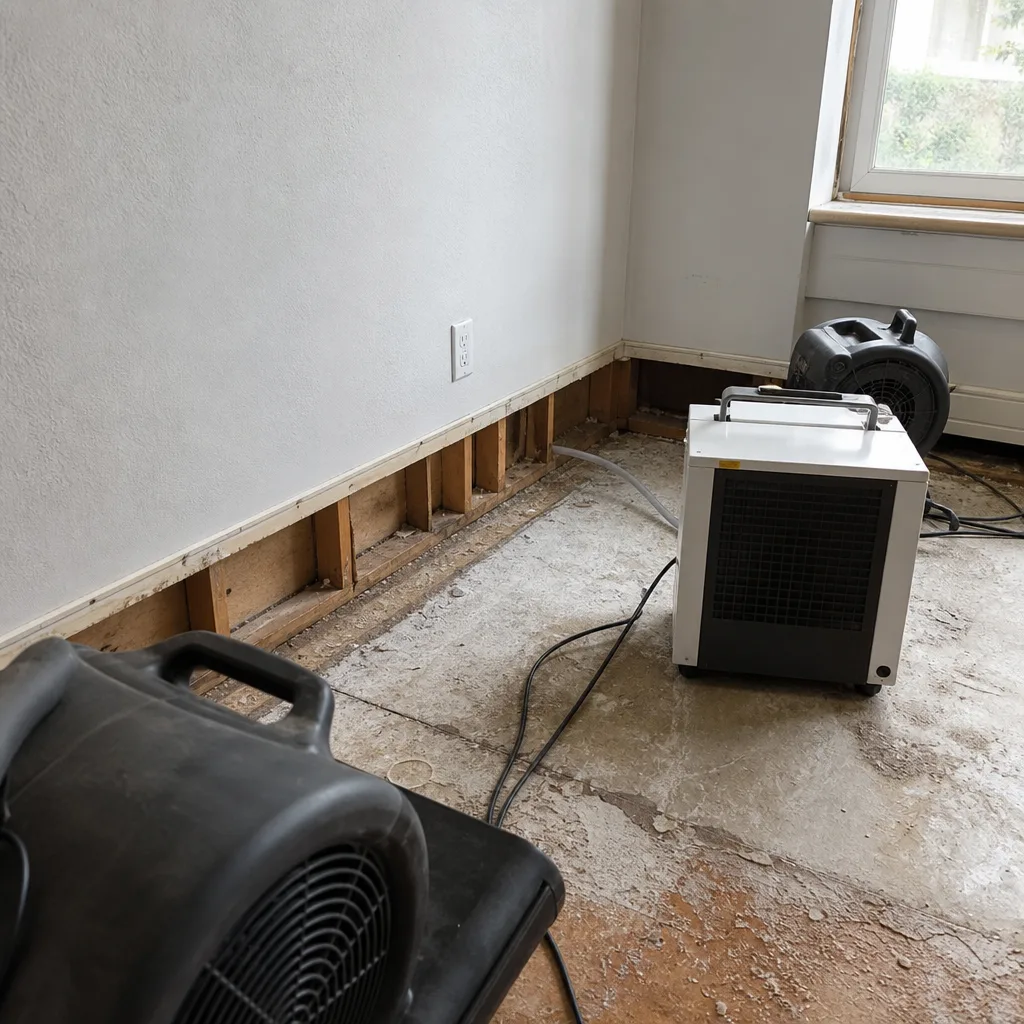 After
After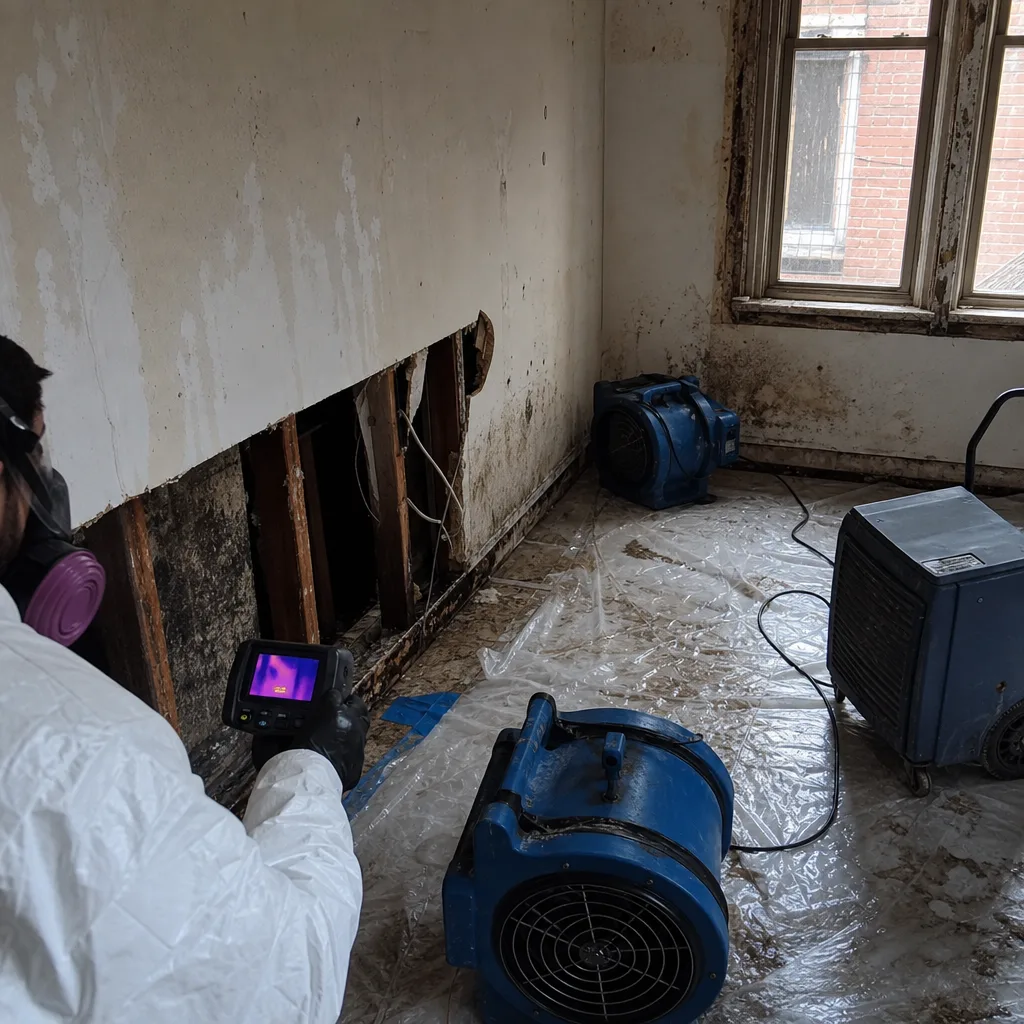 Before
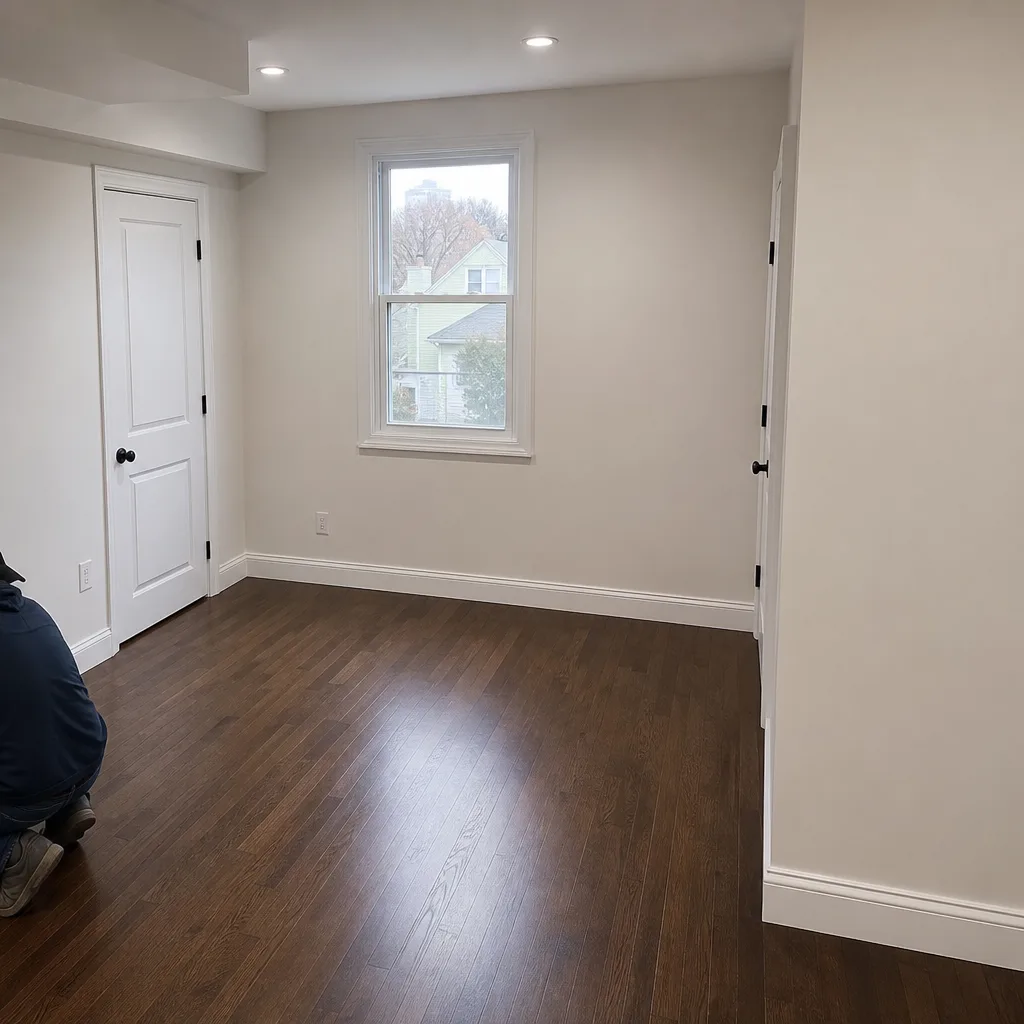 After
After24/7 Emergency Fire & Smoke Damage Restoration in East Harlem
A kitchen fire in a fifth-floor walk-up off Lexington Avenue, a smoldering electrical fault behind a lathe-and-plaster wall on 116th Street, a wind-driven roof fire above a flat tar parapet on Pleasant Avenue. When it happens in East Harlem, you need a crew that knows the buildings here, not a call center that promises a callback. Floodline Restoration Co. answers live, 24 hours a day, and dispatches certified technicians into East Harlem within 45 minutes. Call (518) 800-3751 now. The first hour after the flames are out determines how much smoke and soot you’ll be living with six months from now. We do a free visual inspection, write the scope before any work starts, and start extraction or board-up the same visit. Not tomorrow. Today.
Understanding Fire & Smoke Damage Restoration Severity in East Harlem Properties
Every fire leaves a residue signature, and in East Harlem that signature is shaped by the building you live in. A protein fire from a stove leaves a thin, nearly invisible film that bonds to painted plaster and smells worse with humidity. A synthetic fire, from burning plastics, foam, or modern furniture in one of the neighborhood’s pre-1930 tenements, produces a thick, acidic soot that etches metal fixtures and drives deep into porous surfaces within 48 hours. In the NYCHA towers, including Jefferson, Wagner, and Carver Houses, smoke travels vertically through shared supply lines and horizontal pipe chases, depositing soot in apartments two and three floors away from the fire itself. The fire may be out in one unit, but the odor reservoir persists in wall cavities, behind baseboards, and inside the building’s mechanical voids. We map smoke migration with thermal imaging and hygrometers before we open a single wall. That’s not a luxury here. In pre-war buildings with original cast-iron stacks and lathe-and-plaster, opening a wall for drying triggers NYC lead-paint disturbance protocols, and in many buildings, asbestos abatement requirements. You cannot treat a 1920s East Harlem tenement like a 2005 drywall condo. We don’t.
Why East Harlem Property Owners Choose Floodline Restoration Co.
- 45-minute response commitment to East Harlem. Our NYC dispatch board has crews staged to reach the East 90s through East 120s and up into Pleasant Village without crawling through the FDR Drive backup at rush hour.
- A live person answers, 24/7. At 2 a.m. you get a dispatcher in New York, not a recording. That dispatcher pages a crew lead who calls you back with a real ETA.
- IICRC-certified technicians. Fire and smoke restoration crews hold FSRT certification, with WRT and AMRT credentialing for the water damage that always accompanies suppression, and EPA RRP lead-safe training for pre-1930 building work.
- Free visual inspection with a written scope. We look first, tell you what we found, and put the work in writing before anything is touched. No high-pressure sales. A square deal.
- Direct insurance billing. We document the loss from the first hour, provide photo evidence and line-item estimates, and talk to your adjuster directly. You don’t play messenger.
- One team from board-up to rebuild. The same certified crew that sets containment and runs HEPA air scrubbers is the crew that hangs new drywall and paints the final coat. No mid-job handoff to an inherited crew.
Our Fire & Smoke Damage Restoration Process
Inspection & Assessment
We arrive, walk the loss, and use moisture meters, thermal imaging, and a visual soot-residue survey to map the damage. In NYCHA buildings, we identify whether smoke moved through shared risers. You get a written scope before work begins.
Extraction & Stabilization
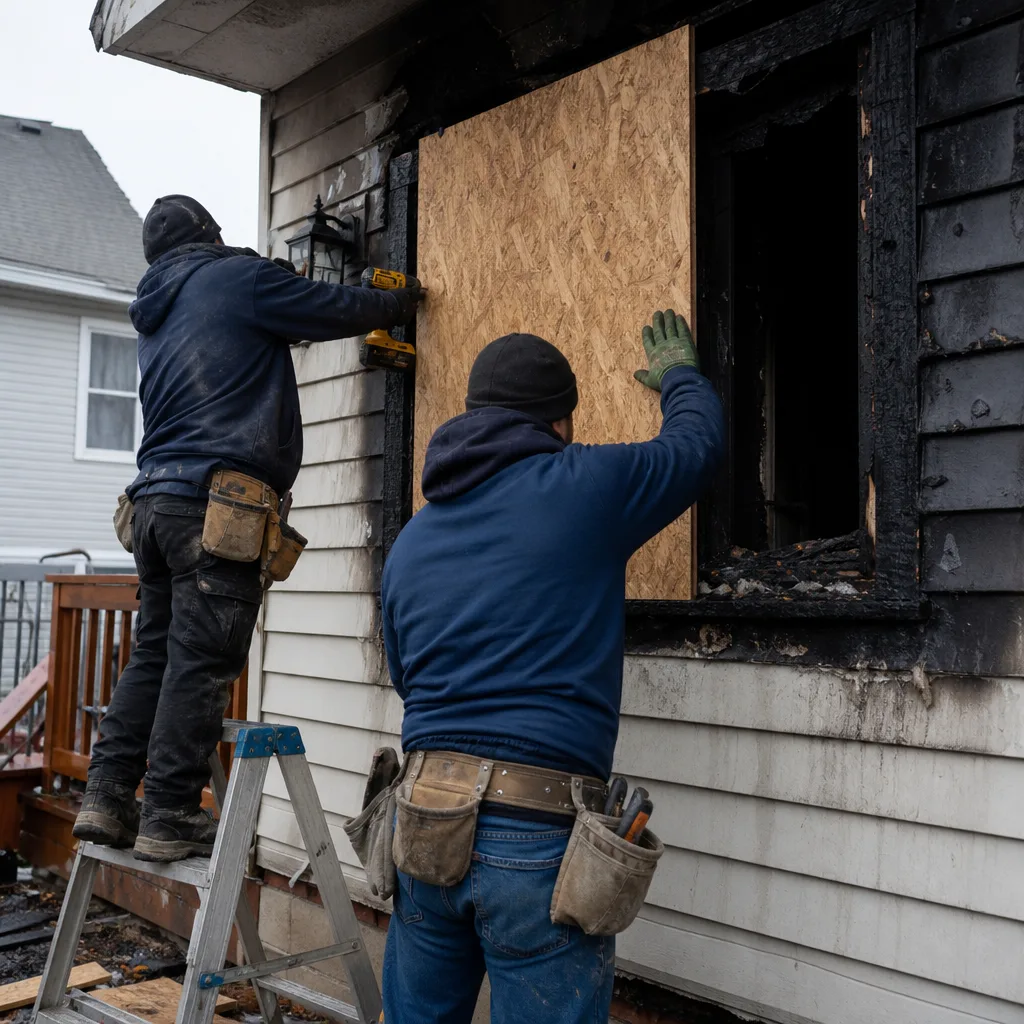
Fire suppression leaves standing water. We extract it, remove waterlogged materials, and stabilize the structure. If windows or doors are compromised, we board up and tarp the same visit to prevent additional exposure and intrusion.
Drying & Dehumidification
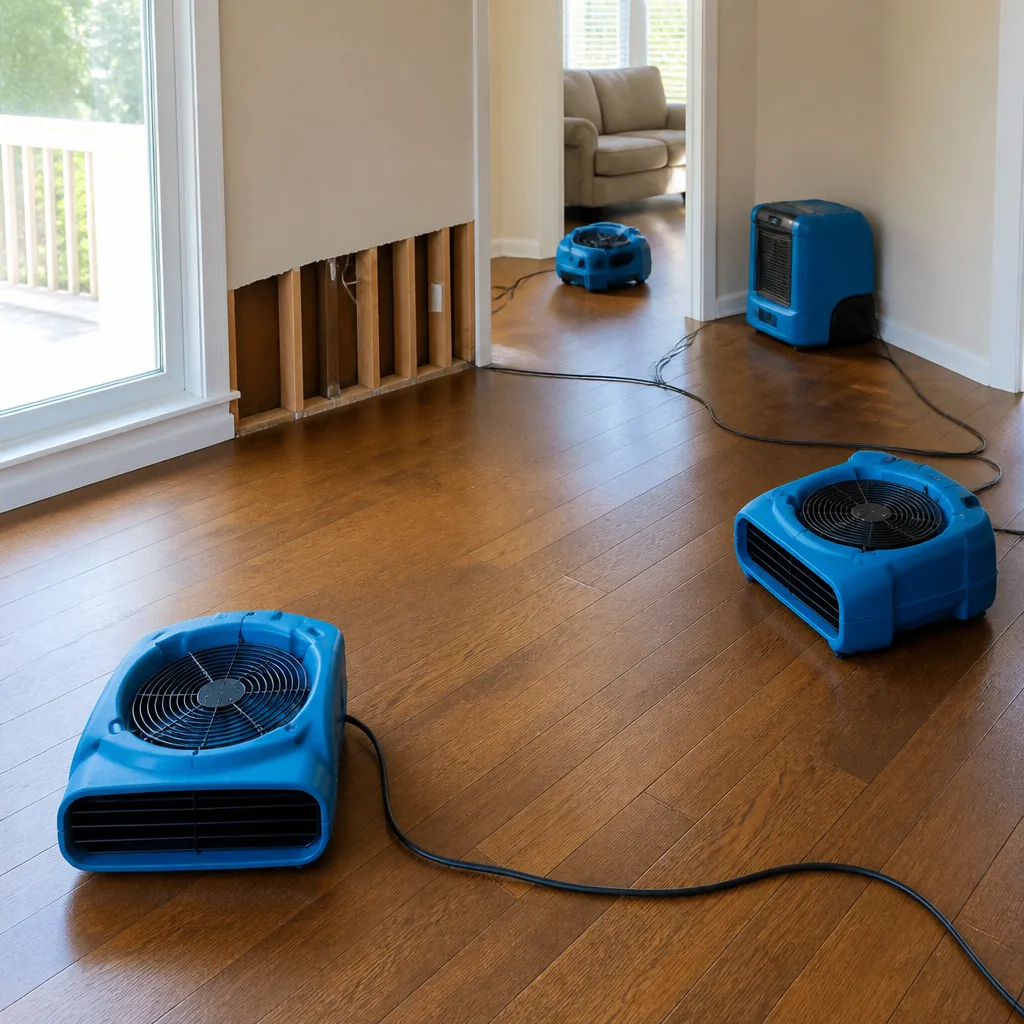
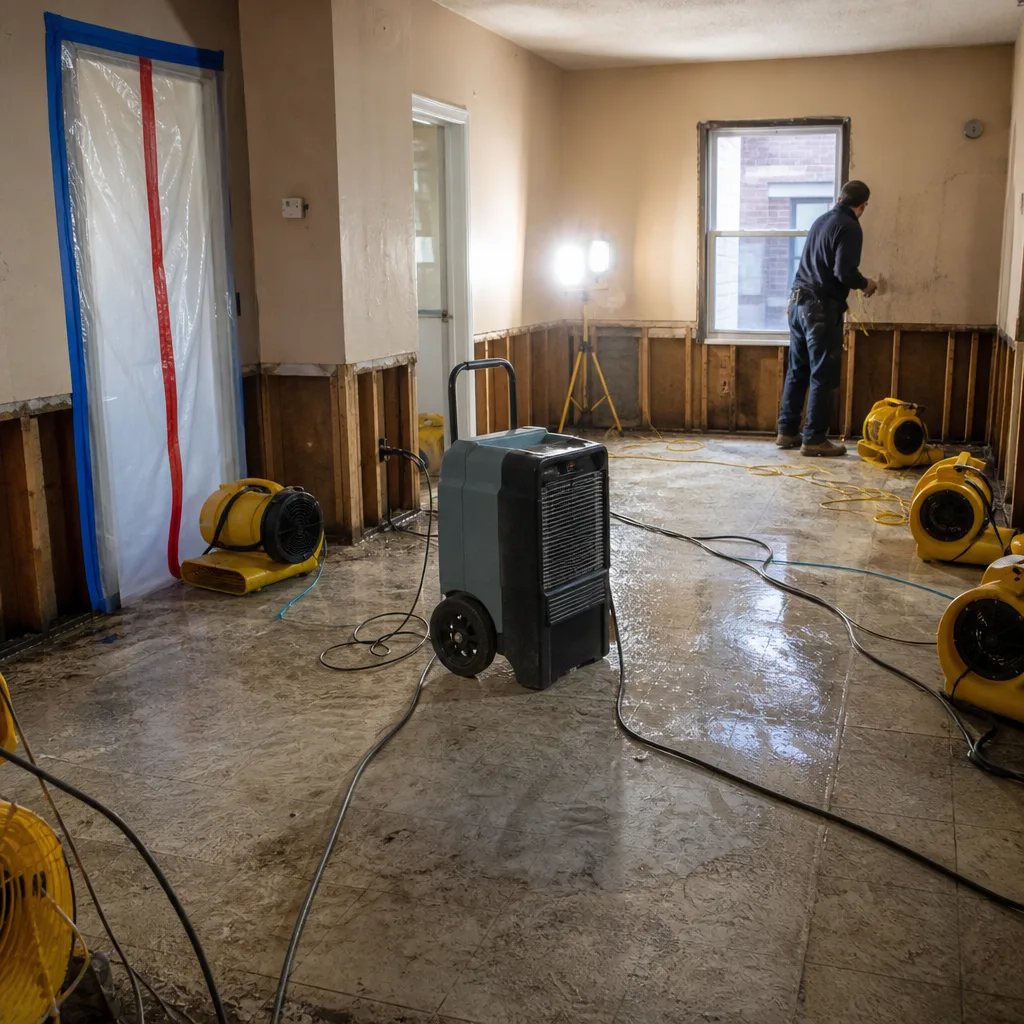
We set a drying plan using Dri-Eaz and Phoenix equipment. In pre-war East Harlem tenements with lathe-and-plaster, we take daily moisture readings and log them. Those logs go to you and your carrier. The dry standard is a number, not a guess.
Cleaning & Sanitization
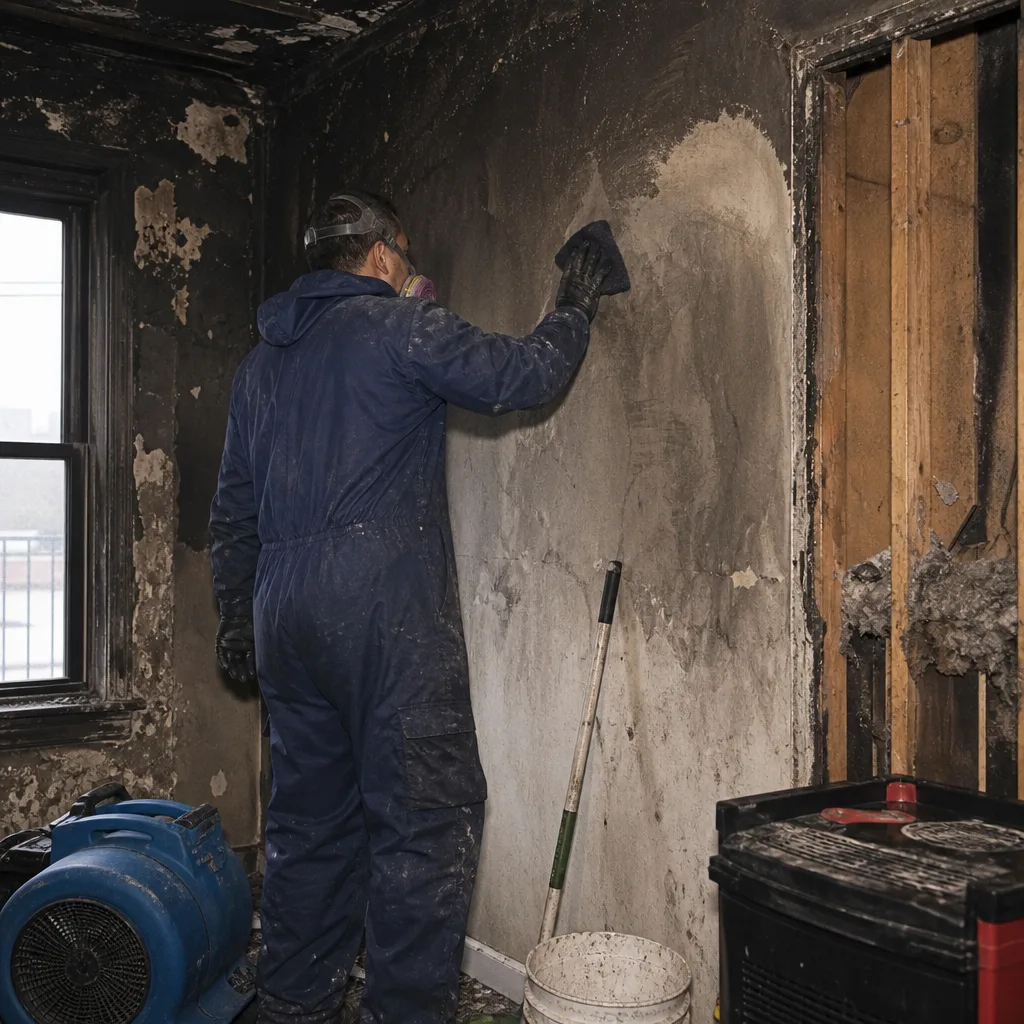
We wipe soot from all surfaces, HEPA-vacuum wall cavities, and clean or dispose of affected contents according to your written scope. EPA RRP containment is in place before we open painted surfaces in any building constructed before 1930.
Smoke & Soot Removal, Plus Odor Treatment
HEPA air scrubbers run throughout the job, and we address the odor reservoirs other crews miss: inside wall cavities, behind baseboards, in mechanical chases. Thermal fogging and hydroxyl or ozone treatment are applied only where appropriate, and only by certified technicians.
Repairs & Restoration
We rebuild what the fire took down. Drywall, plaster, trim, paint, flooring. The same Floodline crew that ran the scrubbers finishes the job, and the 90-Day Done Right Promise is in your hands, in writing, before we leave.
Need Emergency Fire & Smoke Damage Restoration in East Harlem Now?
Crews minutes away, answering live 24 hours a day. The sooner we start, the less it costs.
Working With Your Insurance Company
Most fire losses in East Harlem are covered claims, and the claims process is where contractors earn or lose their reputation. We don’t drop a summary invoice on your adjuster and disappear. We start documentation in the first hour: photos of every affected room, moisture readings, soot mapping, and a written scope that matches industry-standard estimating software your carrier recognizes. We talk to the adjuster directly, walk them through the evidence, and push back with documentation when a line item is undervalued. If you’re in a co-op or condo building, we also coordinate with the building’s master policy carrier, because in East Harlem’s tenement conversions and NYCHA buildings, the unit owner and the building’s insurer often split the loss differently than a single-family homeowner would. We handle that friction so you don’t have to.
What We Provide Your Insurer
- Thorough documentation of the loss
- Photos of all damage, room by room
- Moisture readings and drying logs
- A detailed, line-item scope of work
- Direct coordination with your carrier
Built for East Harlem’s Loss Calendar
East Harlem’s fire restoration calendar has a rhythm, and it’s tied to the neighborhood’s housing stock and weather. January and February bring space-heater fires in tenement apartments where steam radiators have been off for years and residents run electric heaters around the clock. Those fires are often small, but the smoke load in a sealed winter unit is heavy, and soot migration through shared walls is common. March through May is roof-fire season, because the flat built-up tar roofs on five- and six-story pre-1930 tenements take 20 to 40 freeze-thaw cycles every winter, and a cracked parapet flashing lets water in behind the roofline where wiring runs. A short circuit up top becomes a top-floor fire and a water damage event below. Summer brings kitchen fires from overloaded extension cords in older buildings without enough outlets, and the deep fryers and gas stoves of the neighborhood’s restaurants and food carts. We respond to all of it, year-round, with the same 45-minute commitment.
Fire & Smoke Damage Restoration Across East Harlem’s Neighborhoods
East Harlem stretches from East 96th to East 125th Street, river to Fifth Avenue, and the work changes block by block. Up in Pleasant Village, between 114th and 120th east of First Avenue, we see the oldest tenements, the ones with tin ceilings and original plaster over wood lath, and those jobs require the most careful demolition control. Along East 116th Street, the main commercial corridor, restaurant fires are the recurring story, with grease lines, ductwork, and rooftop exhaust fans carrying smoke into neighboring apartments. In the NYCHA superblocks, including Jefferson Houses on East 112th, Wagner Houses on East 120th, and Carver Houses on East 102nd to 105th, a fire in one unit almost always means smoke odor in the adjacent units and often water damage below, because the aging vertical supply lines are connected. Along Lexington Avenue and Third Avenue, the mix of tenement conversions and post-war brick mid-rise buildings means we see both lathe-and-plaster interior work and newer drywall construction. Each neighborhood requires a different containment and drying plan. We know the difference.
Specialized Fire & Smoke Damage Restoration Services We Offer in East Harlem
Fire Damage Cleanup
After the fire department leaves, you’re left with charred framing, soggy drywall, melted fixtures, and water everywhere. We remove the unsalvageable materials, extract the standing water, and get the unit dried down before mold has a foothold. In pre-1930 buildings, that means containment before demolition, because the dust we raise is lead dust.
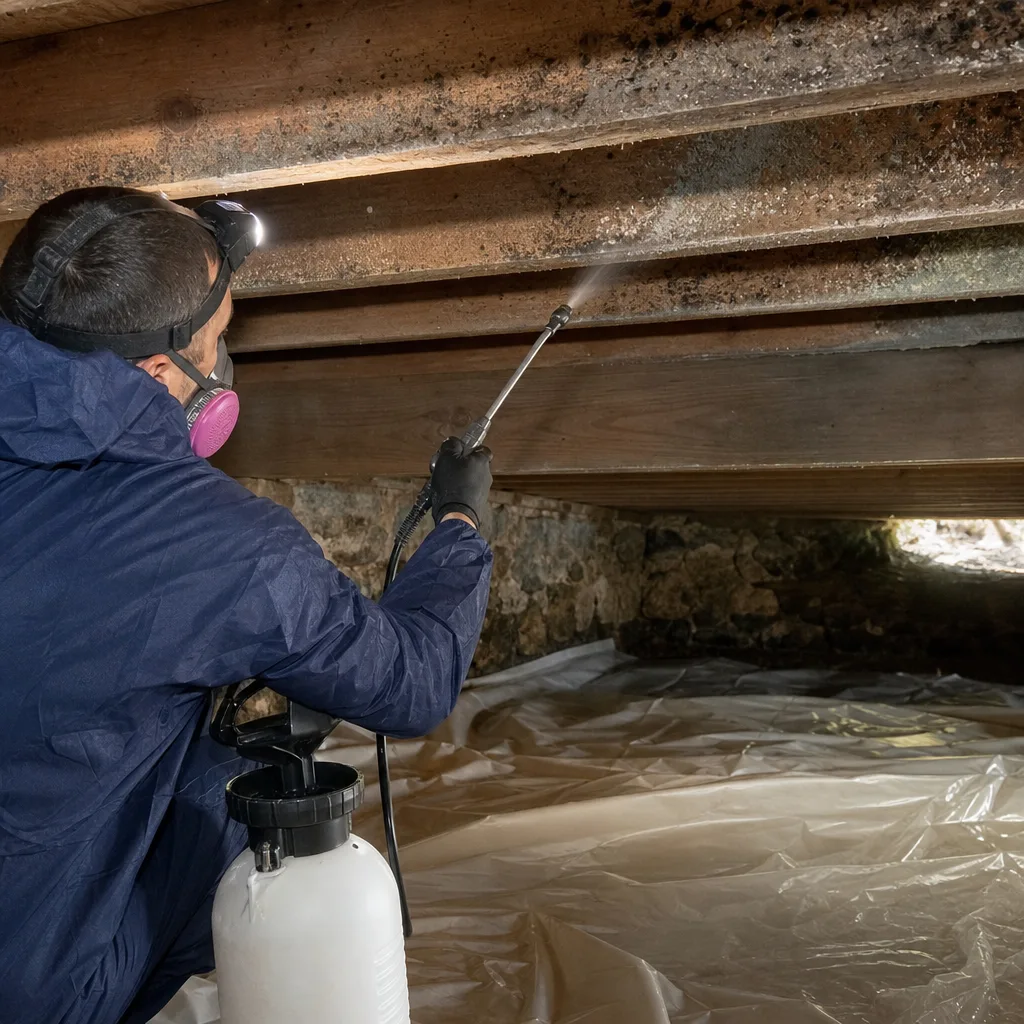
Smoke & Soot Removal
Soot is acidic and corrosive. Left on a chrome faucet or a stainless refrigerator in an East Harlem kitchen for more than 48 hours, it etches permanent pitting. We use dry-chemo sponges, HEPA vacuums, and appropriate wet-cleaning agents to lift soot from every surface, from crown molding to inside kitchen cabinets. The goal isn’t just visible cleanliness. Cleaning must be complete enough that no odor reservoir remains.
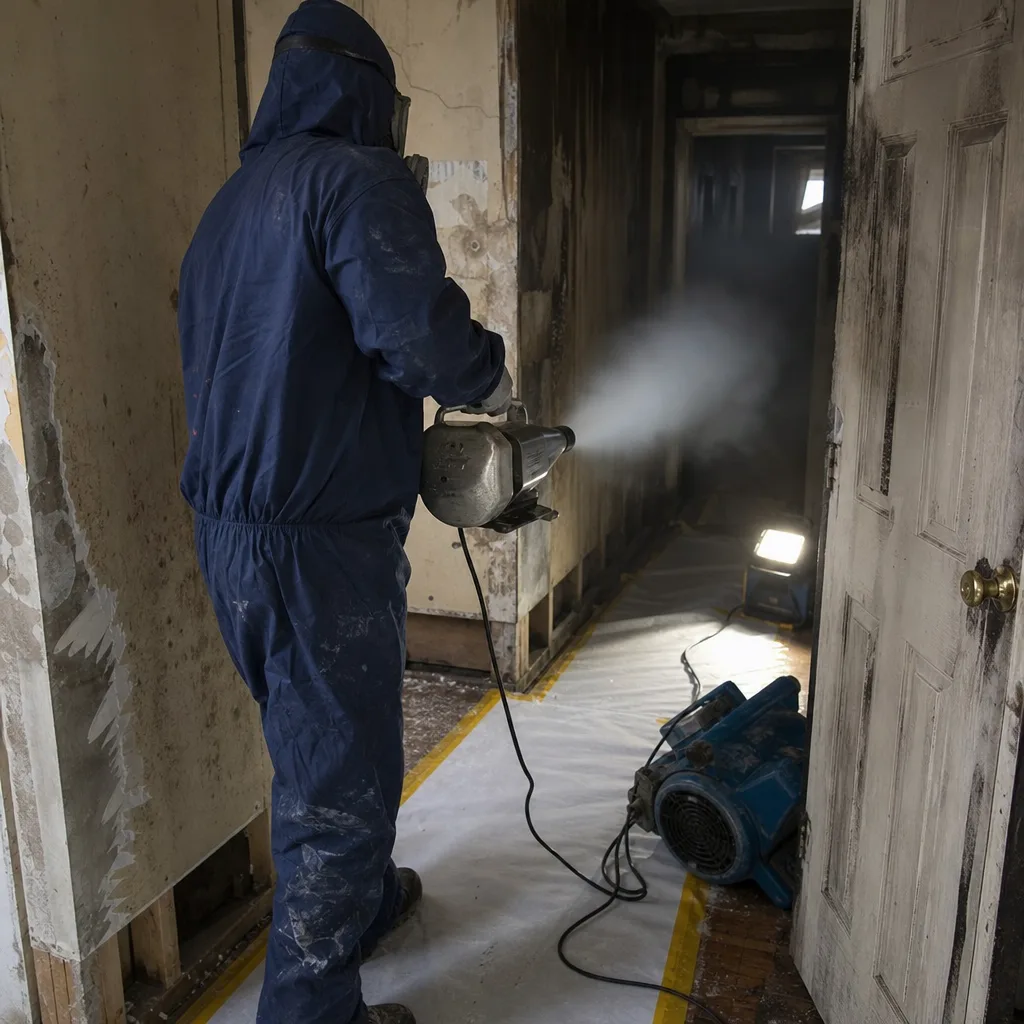
Odor Removal & Deodorization
Smoke odor hides in cavities. Behind the baseboard in a fifth-floor Jefferson Houses unit, inside the wall chase that carries the risers, under the refinished oak floor in a pre-war gem on 110th Street. We don’t mask odor with sprays. We find the source with our moisture and soot mapping, then treat it with thermal fogging, hydroxyl generators, or ozone in the right applications. In connected buildings, the units next door get checked too. Smoke travels.
Contents Cleaning & Pack-Out
Your furniture, clothing, books, kitchenware. The items that survived the fire but smell like it. We inventory everything, pack out what can be cleaned, and restore it at our facility. What’s too far gone gets documented for the insurance claim with photos and a detailed valuation. You get a contents list so you always know what left and what came back.
Emergency Board-Up & Tarping
A fire leaves broken windows and a compromised roof. East Harlem’s weather is unforgiving, and an open unit on East 117th Street becomes a target for rain, theft, and pests within hours. We board up windows, secure doors, and tarp damaged roofs the same visit. The building is protected, and the insurance carrier sees that we prevented additional damage.
What happens when you call
- 1
A real person answersNo phone trees - you reach a local pro.
- 2
You get an upfront price rangeHonest numbers before anyone is dispatched.
- 3
A background-checked tech heads outLicensed & insured, dispatched right away.
- 4
You approve before work beginsNothing starts until you say go.
Fire & Smoke Damage Restoration Costs in East Harlem, NY
A small kitchen fire with light smoke odor in a single East Harlem apartment typically runs $3,500 to $7,500 for cleaning, deodorization, and minor repairs. A moderate fire involving significant soot migration and water damage from suppression runs $12,000 to $30,000, especially in pre-war buildings where lead-safe containment and plaster work add labor. A major NYCHA tower fire with vertical smoke spread, or a roof fire with water damage across multiple floors, can run $50,000 to $150,000 or more when structural rebuild is required. What moves the price: the building’s age, whether asbestos abatement gets triggered, how far smoke migrated, and whether contents need pack-out. Most East Harlem fire claims are insurance-covered. Call (518) 800-3751 for a free visual inspection and a firm written scope before any money changes hands.
We Also Serve Cities Near East Harlem
Our New York City crews serve the neighborhoods around East Harlem as well, including Astoria, Ditmars Steinway, Upper Manhattan, and the Upper East Side. If your building sits on a border street or your property manager manages buildings in several boroughs, call us. We know the territory.
Serving East Harlem, NY - Our Local Coverage Area
We’re based in the East Harlem area and know this community well. Use the map below to see our service coverage - if you’re nearby, we can almost certainly help.
East Harlem Fire & Smoke Damage Restoration Questions, Answered
Why do fire restoration jobs in East Harlem historically take 24-48 hours longer just to start?
In NYCHA buildings, including Jefferson, Wagner, and Carver Houses, emergency mitigation cannot legally begin until NYCHA’s central property management authorizes access and approves the vendor. That process routinely takes 24 to 48 hours, during which the affected unit sits wet and soot continues to set into surfaces. We submit our credentials and scope immediately, then pressure-test the timeline with daily follow-up. In private tenements, the delay is usually lead-paint or asbestos protocol review. Call (518) 800-3751 and we’ll start the paperwork the day you call, not the day someone finally calls back.
How do East Harlem’s pre-1930 tenements change the scope of a simple fire-damage job?
Any wall or ceiling we open in a pre-1930 East Harlem tenement is presumed to contain lead paint, and often asbestos in original plaster or insulation. That means EPA RRP lead-safe work practices, plastic containment, HEPA air filtration, and sometimes a certified asbestos abatement contractor. A one-day drywall repair in a modern building becomes a two-to-three-day multi-trade job in a pre-war walk-up on East 108th Street. We carry the certifications and the armor. Not every restoration company does.
What part of an East Harlem flat-roofed tenement fails most often after a fire and why?
The parapet and roof flashing. East Harlem’s flat tar roofs cycle through 20 to 40 freeze-thaw events each winter, and a fire that damages the roof edge or flashing leaves the building vulnerable when March’s thaw begins. We inspect the parapet base and flashing during every roof-fire restoration and include repair in the scope. Ignoring it means a top-floor fire repair turns into water damage restoration by April. That compounds a fire claim into a water claim.
Can you dry a fire-damaged NYCHA unit in East Harlem without waiting for NYCHA approval?
No. In NYCHA towers, vendor access and building-system work require central property management approval. What we can do while that runs is prepare: coordinate with the property manager, submit our IICRC credentials and lead-safe certifications, and stage equipment nearby. We also document the unit’s condition before access so the loss record is clean. Once access is granted, our crew is on site and working the same day. Call (518) 800-3751 and we’ll move on the approval process from minute one.
How do you know when all the smoke odor is actually gone in an East Harlem high-rise?
We don’t rely on a sniff test. We map the smoke path at inspection, identify every cavity and chase it reached, and treat those reservoirs. Then we run post-remediation verification with a photoionization detector for VOC levels and air scrubbers until the readings come back clean. In a high-rise with shared risers and horizontal chases, that means checking the adjacent units too. If the neighbor three floors down can still smell it weeks later, the job isn’t done. We define “done” in numbers.
How fast can someone actually get here after I call about fire damage in East Harlem?
Our commitment is 45 minutes for a crew to reach an East Harlem address. We stage crews in Manhattan specifically for this, and our dispatchers know the FDR Drive, the avenues, and the crosstown streets. If it’s 3 a.m., a live person answers, and a crew lead calls you back with an ETA. Board-up and tarping happen the same visit. We’ll be there when we say.
Do I really need full smoke and soot removal, or can I just clean and paint over it?
Soot is acidic and will bleed through paint within months if not properly removed and sealed. Smoke odor trapped in wall cavities and behind baseboards will return every humid summer, no matter how many coats of Kilz you put on. In East Harlem’s pre-war plaster walls, the soot penetrates deep into the lime plaster, and painting over it seals the odor in, not out. Proper removal now is always cheaper than redoing the paint and the cleaning in a year. We’ll show you the scope in writing first.
What are the first things I should do after a fire in my East Harlem apartment?
Don’t enter the unit until the fire department says it’s safe. Then, start a list: anything you touch, photograph first. Don’t turn on the HVAC, don’t wipe anything down, don’t empty anything into a dumpster until the insurer has a record. Call (518) 800-3751. We’ll be there fast, do the initial assessment, and tell you honestly what you’re looking at. The first hour sets the cost. The first 24 hours determine whether the odor ever goes away.
Written by Curt Bowman, Owner at Floodline Restoration Co. Our crews serve East Harlem and greater New York City, backed by the 90-Day Done Right Promise, in writing, on every job.