
Free visual inspection and a written scope of work before any mitigation begins - photos, moisture readings, and drying logs go in your claim file
The scope we write is the scope we bill. Anything new gets shown to you, in writing, before we touch it.
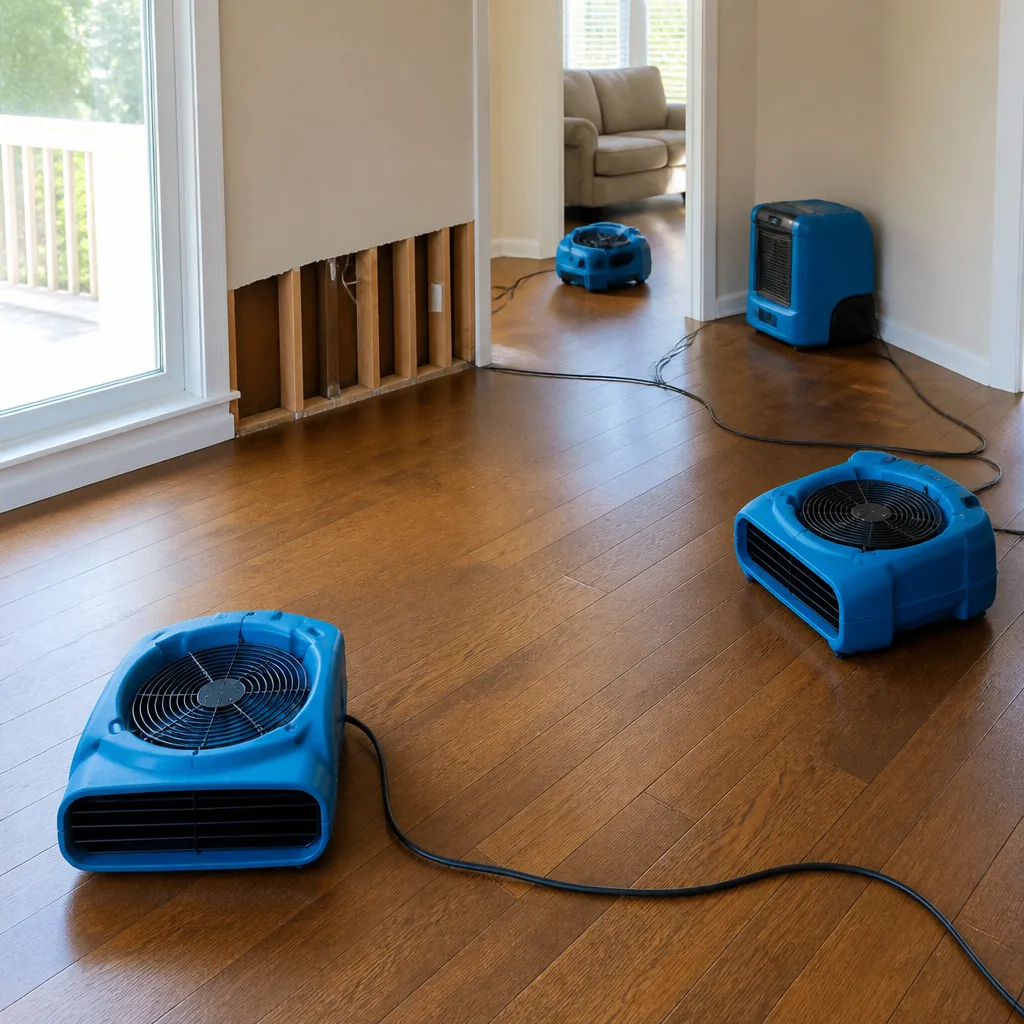
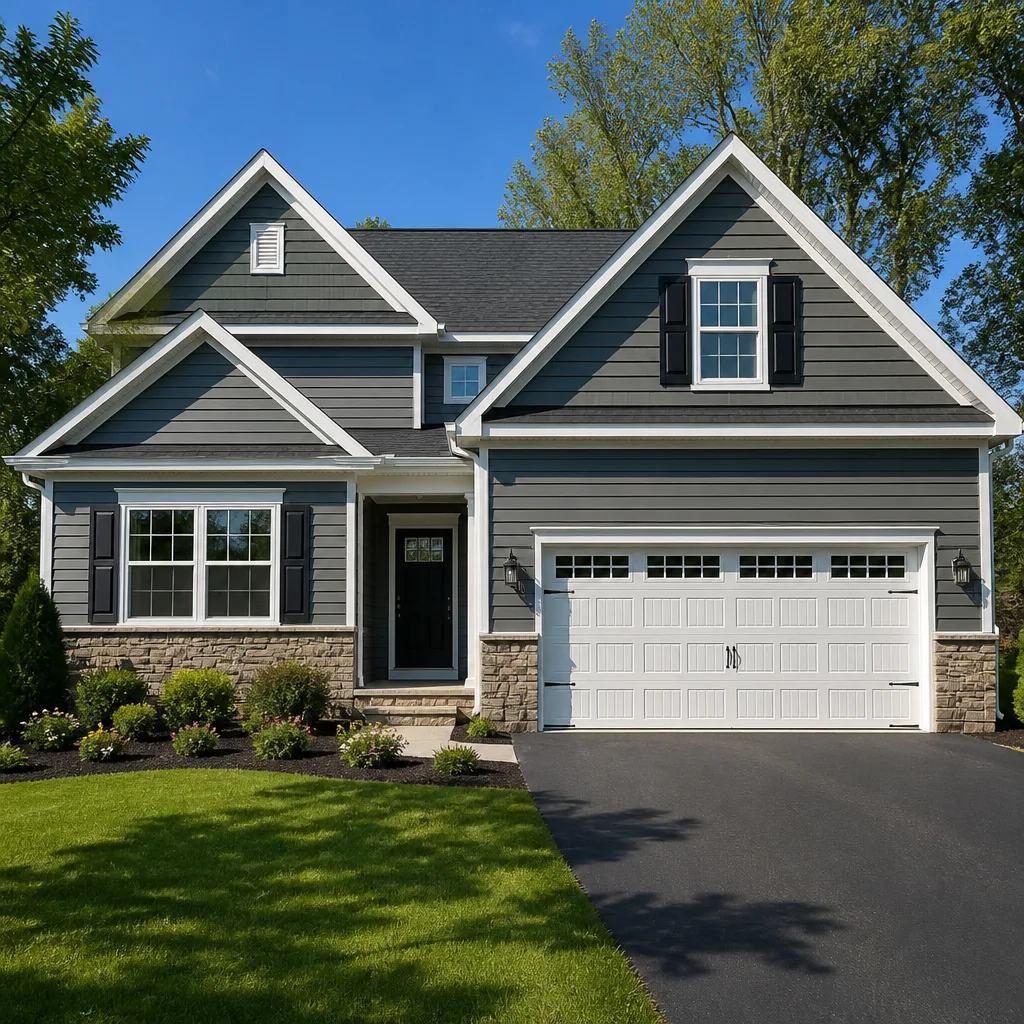
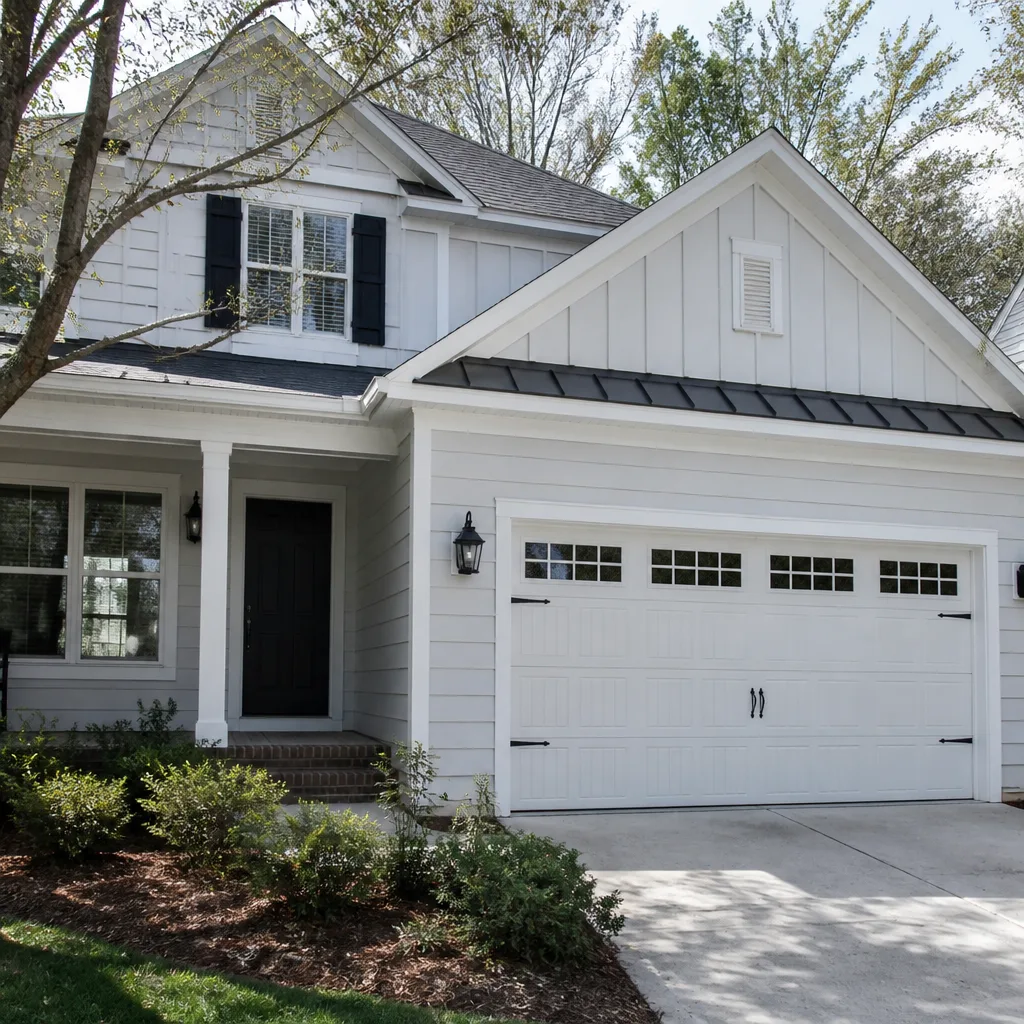
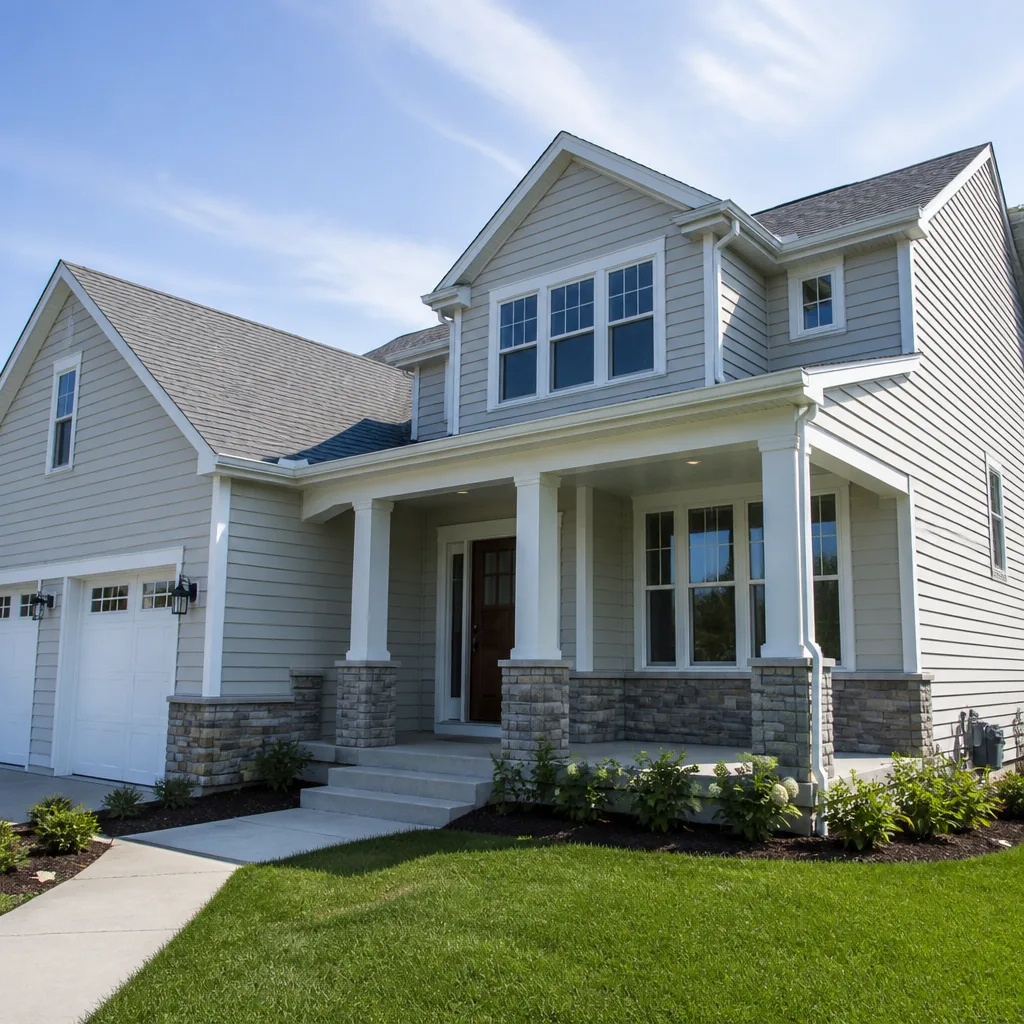
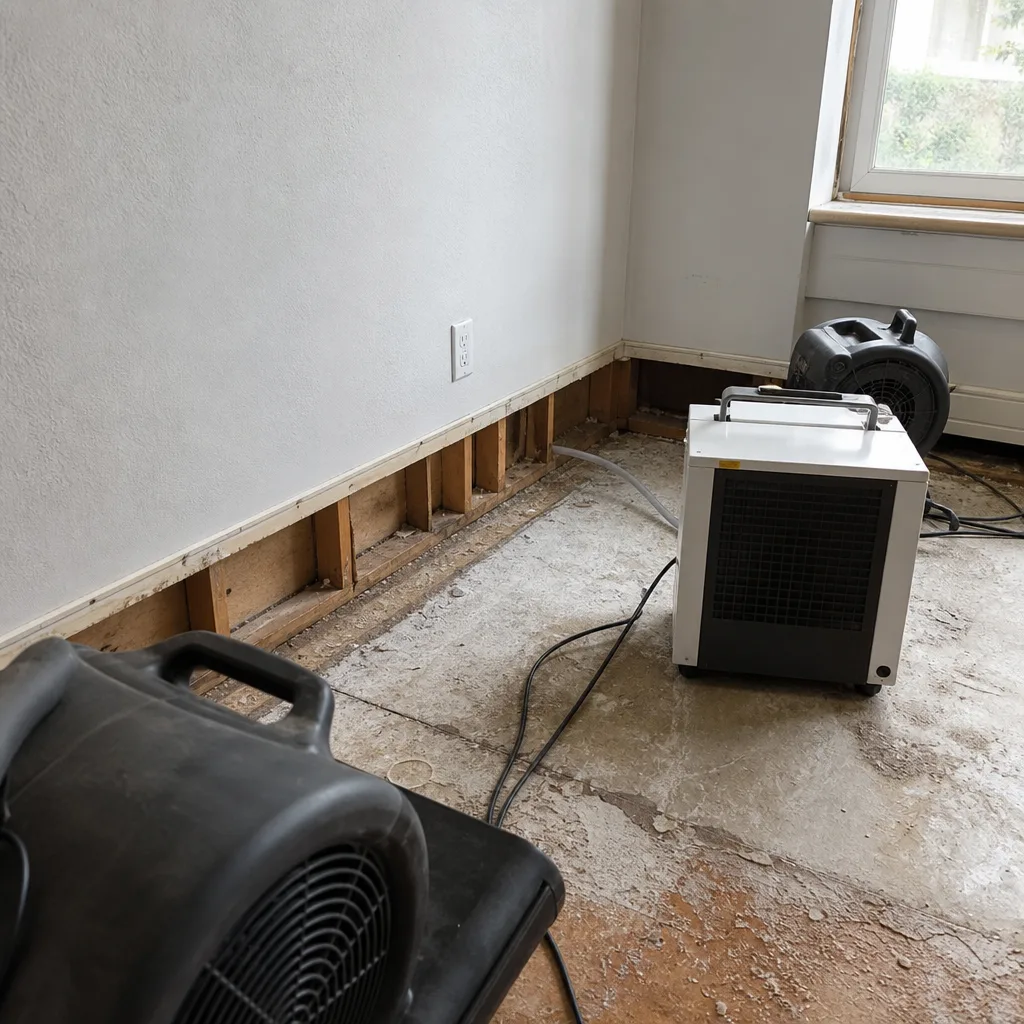
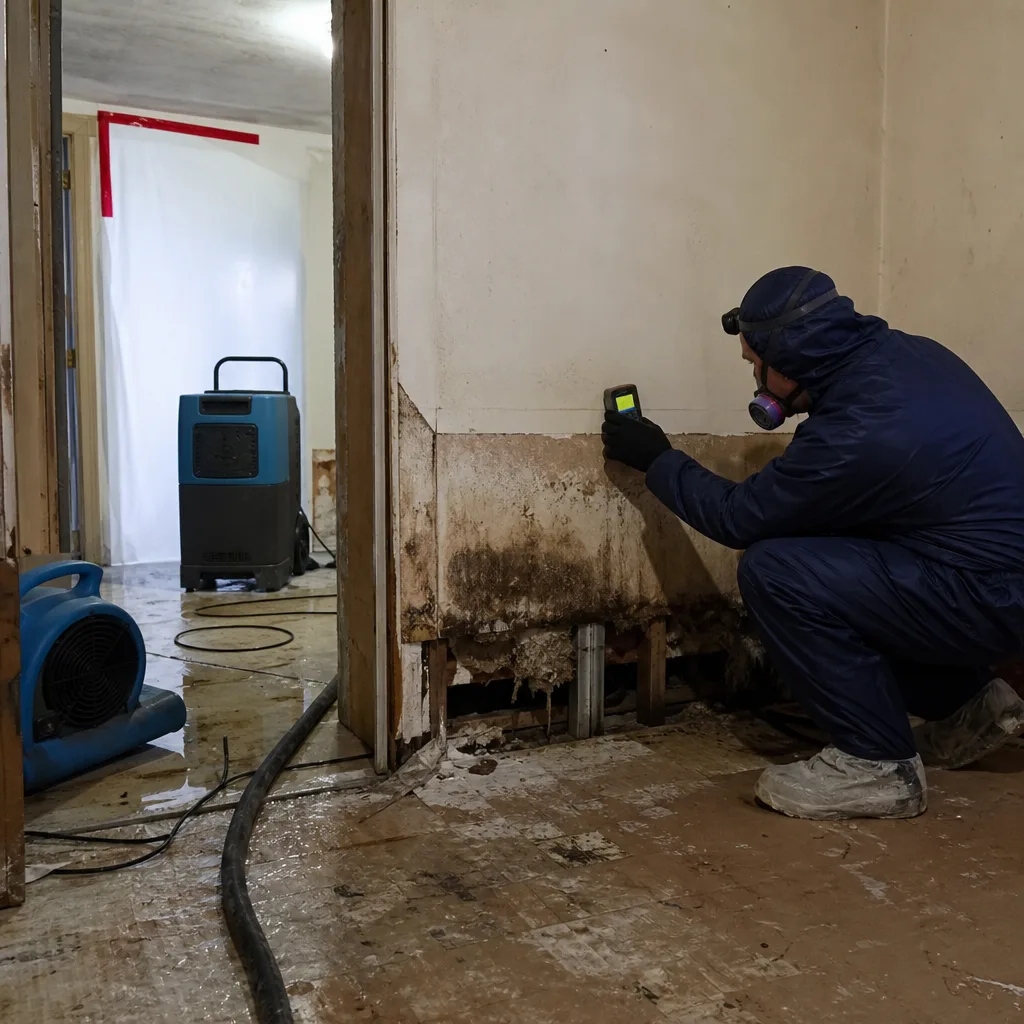 Before
 After
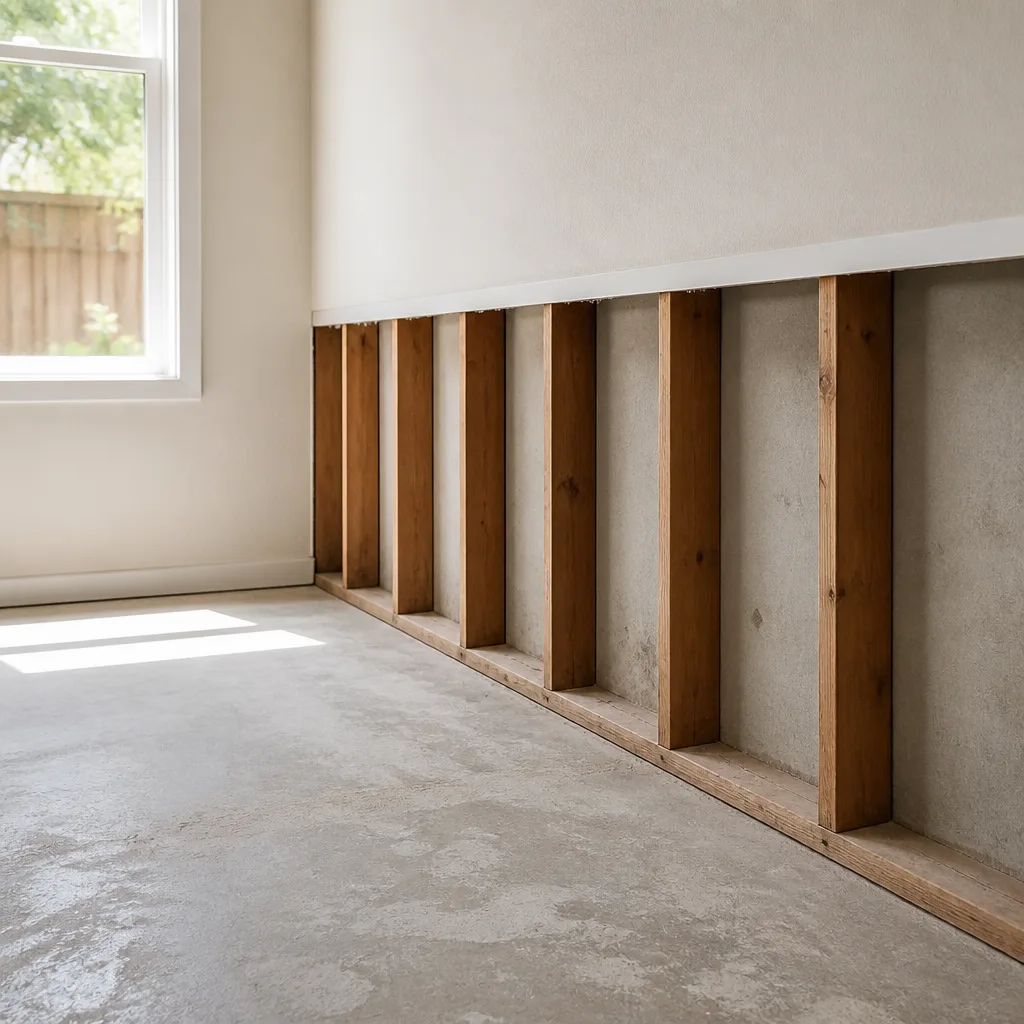
After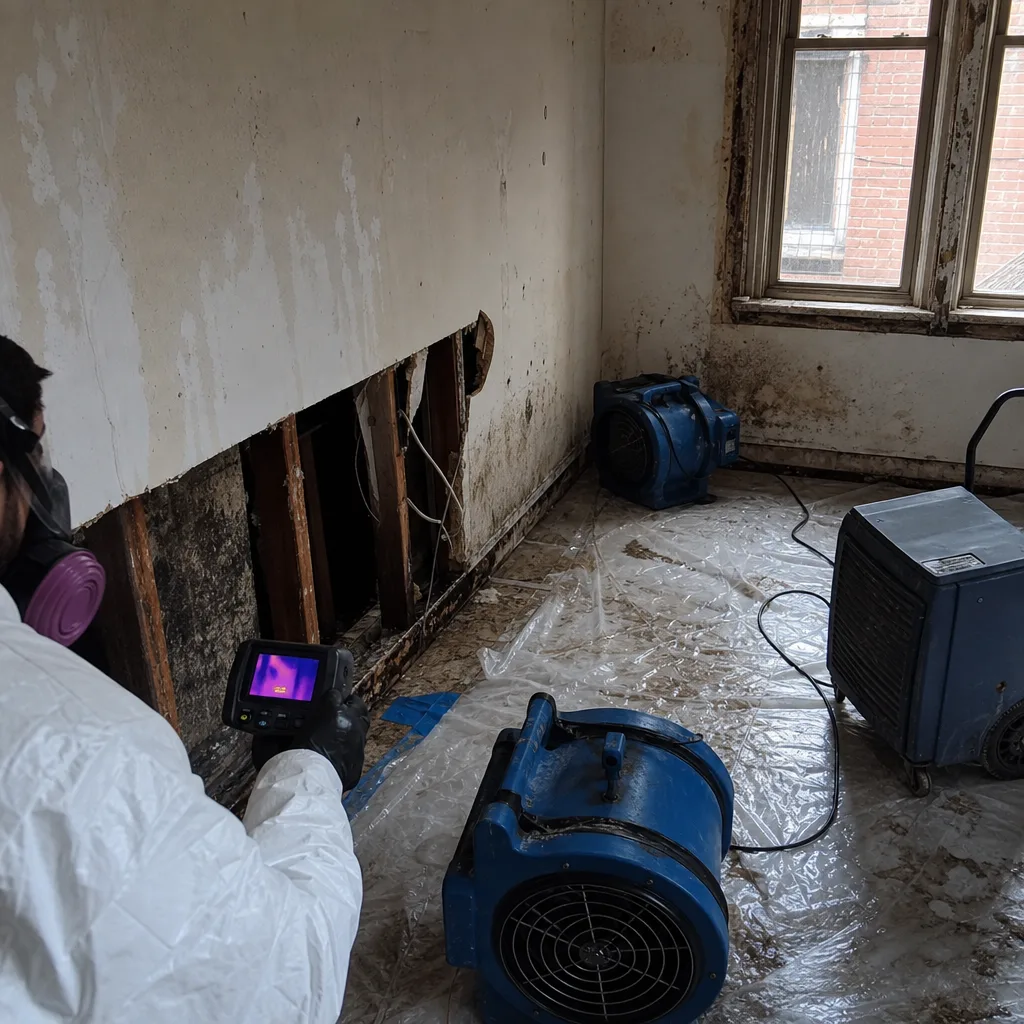 Before
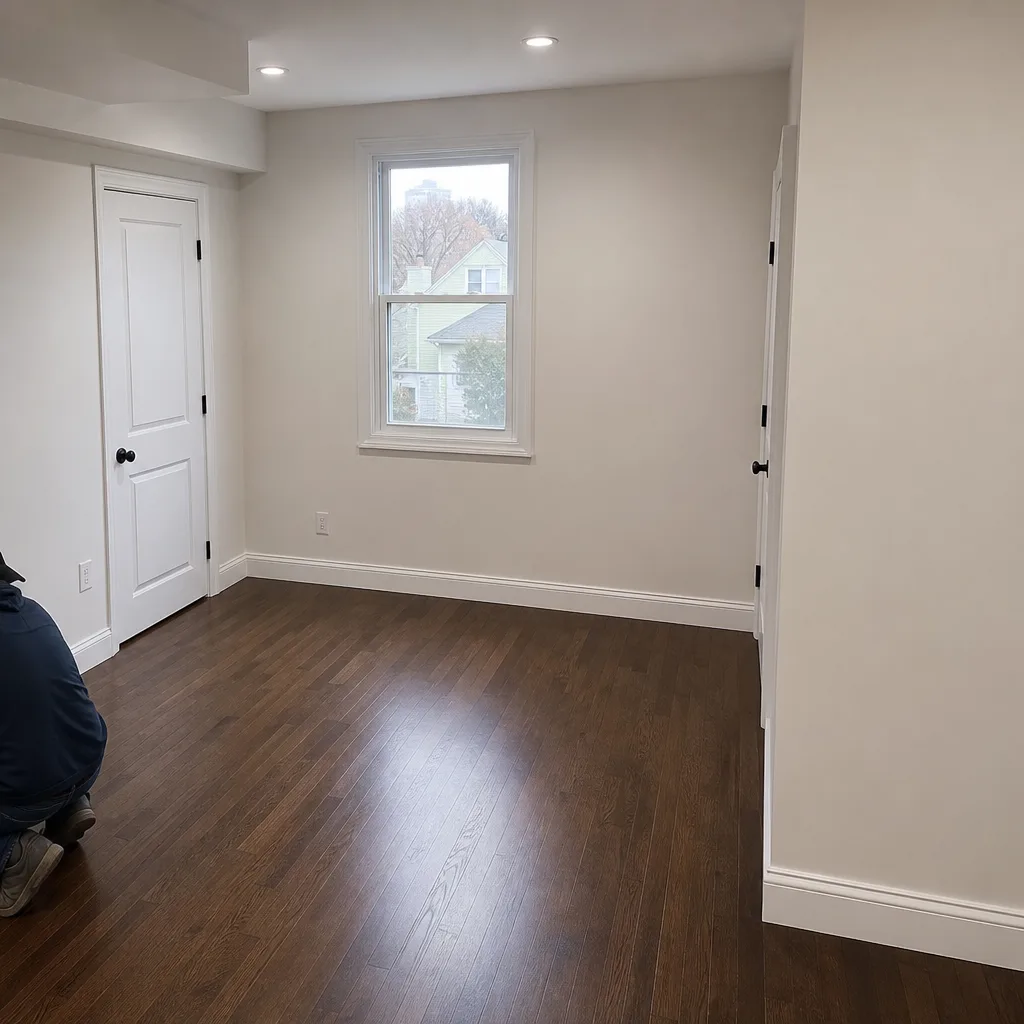 After
After24/7 Emergency Fire & Smoke Damage Restoration in Upper East Side
Fire and smoke damage restoration in Upper East Side typically runs $2,800-$8,500 for a small kitchen fire and $15,000-$40,000 for multi-room smoke migration through a pre-war co-op. We answer live at (518) 800-3751 around the clock, and our crews reach most Upper East Side buildings within 45 minutes because we stage from the New York City office. The first hour matters more here than almost anywhere else: smoke from a grease fire in a 1930s Park Avenue co-op begins bonding with original lime plaster and millwork within hours, and every hour that passes makes odor removal harder on surfaces that cannot simply be replaced.
Understanding Fire & Smoke Damage Restoration Severity in Upper East Side Properties
Fire damage in a pre-war Upper East Side building is categorically different from what suburban crews see. In a 1920s Carnegie Hill co-op, smoke migrates through plaster walls, old steam riser chases, and the gaps behind original baseboards into the apartments above and below before anyone opens a wall. That is why we classify fire damage by soot type: dry protein soot from a kitchen fire paints a nearly invisible odor into every porous surface, while wet synthetic soot from burned plastics embeds a yellow-brown residue that requires chemical sponging before anything else. Furnace puffbacks in older buildings push fuel-oil soot through the heating system and into linens, books, and original hardwood parquet.
Upper East Side co-op boards add another severity layer: before we can open a wall to assess hidden damage behind lath-and-plaster, the building’s managing agent often needs a board-approved scope of work. We have done this enough times to bring a written protocol to the first visit, not a surprise on day three.
Why Upper East Side Property Owners Choose Floodline Restoration Co.
- 45-minute response commitment across the Upper East Side: our crews stage from the New York City office and know which streets clear fastest during rush hour, so we beat the clock when soot is still fresh.
- A real person answers at 2 a.m., not a recording: live dispatch all day, every day, including holidays and nor’easters. You get a name and an arrival window on the first call.
- IICRC-certified crews who know pre-war buildings: our techs hold FSRT and WRT certifications and have worked inside landmarked co-ops where the board reviews every action.
- Free visual inspection with a written assessment: we look before we quote, and the assessment includes a line-item scope so you know exactly what needs doing and what does not.
- Direct insurance billing, no messenger role for you: we coordinate with your adjuster, submit documentation, and bill the carrier directly, so you are not chasing paperwork while your home sits open.
- One team from first boarding to finished rebuild: the same crew that sets containment and runs air scrubbers also handles plaster repair, millwork, and paint matching. No mid-job handoff to a stranger.
Our Fire & Smoke Damage Restoration Process
Inspection & Assessment
We start with thermal imaging to map heat migration inside walls and Dri-Eaz moisture meters to find where suppression water has soaked plaster and framing. In an Upper East Side co-op, this first step also includes documenting what the board will need to approve opening any wall.
Emergency Board-Up & Stabilization
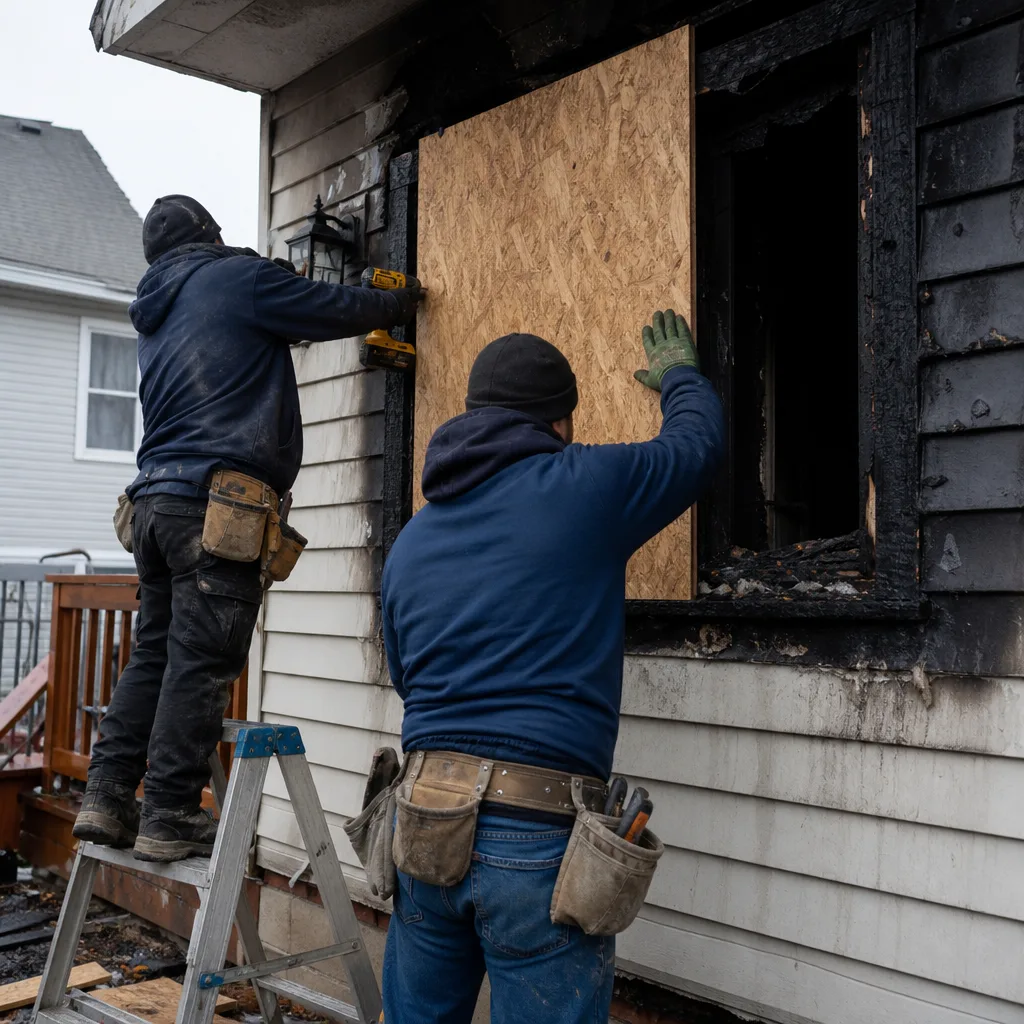
If windows or doors are compromised, we board and tarp immediately, using materials that meet building requirements where visible from the street. We never leave a unit exposed to a Manhattan winter or summer storm while paperwork moves.
Soot Removal & Surface Cleaning
Chemical sponges, HEPA vacuuming, and dry-ice blasting remove soot from plaster, wood, and metal surfaces without saturating them. For original millwork and parquet, we use methods that preserve the finish rather than stripping it.
Odor Removal & Deodorization
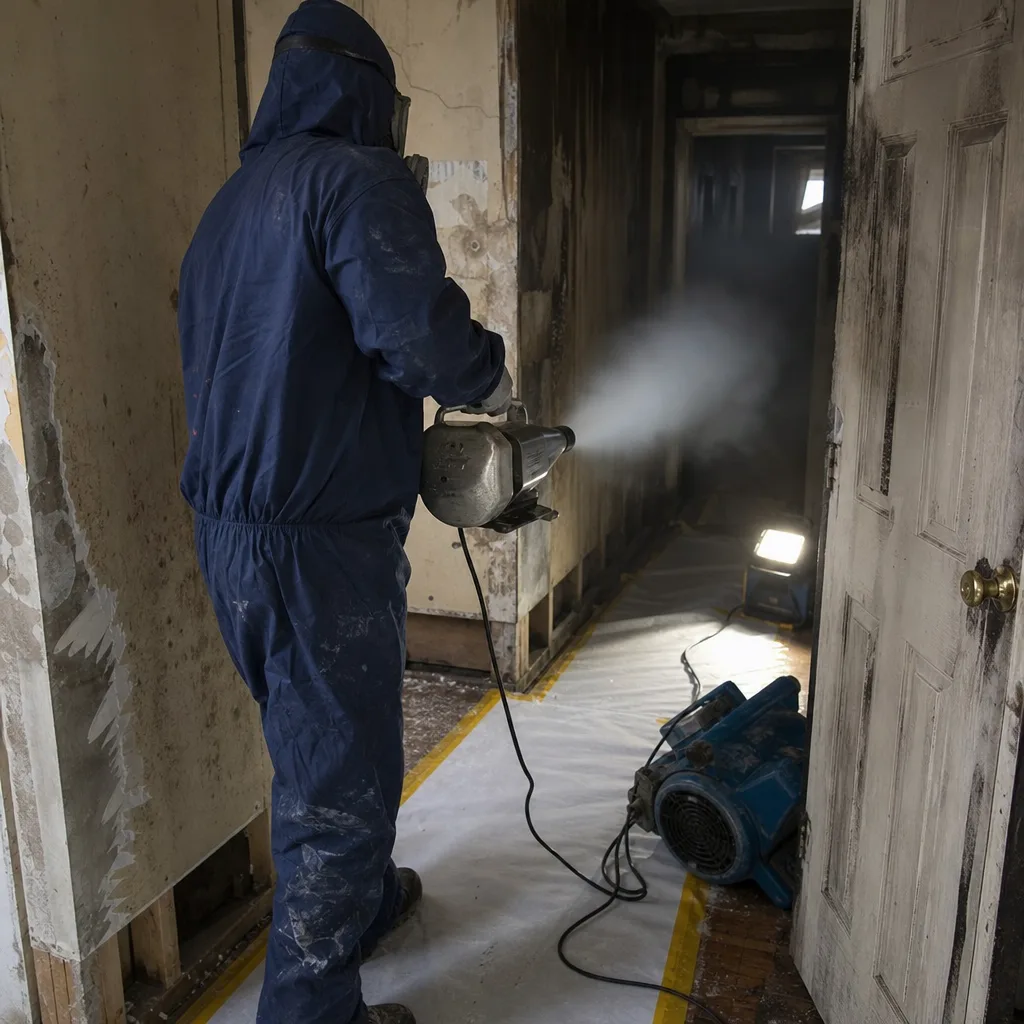
Hydroxyl generators and ozone treatments neutralize smoke molecules embedded in plaster and textiles. We also use thermal fogging in closed rooms to reach odor inside wall cavities and behind built-in cabinetry.
Contents Cleaning & Pack-Out
Salvageable items get inventoried, photographed, and moved to our cleaning facility using the service elevator schedule your building gives us. We handle antiques, artwork, wardrobes, and books with the same care the originals deserve.
Structural Repair & Restoration
The final phase replaces charred framing, matches period plaster profiles where boards require like-for-like work, and repaints using finishes appropriate to the era of the building. We run Phoenix LGR dehumidifiers until moisture readings match pre-loss baselines.
Need Emergency Fire & Smoke Damage Restoration in Upper East Side Now?
Crews minutes away, answering live 24 hours a day. The sooner we start, the less it costs.
Working With Your Insurance Company
We have handled hundreds of Upper East Side fire claims, and the pattern is always the same: the adjuster needs documentation, not emotion. So we build the file from the first hour. Photos of every charred wall and soot-covered ceiling, room by room. Thermal images showing hidden heat migration. Moisture readings from the suppression water. A line-item scope that matches what the building actually needs, including like-for-like plaster work when a board requires it. Then we talk to the adjuster directly, so you are not translating restoration language into insurance language at midnight. Direct billing means the carrier pays us for covered work. You approve the scope before we start, and the 90-Day Done Right Promise stands behind what we do.
What We Provide Your Insurer
- Thorough documentation of the loss
- Photos of all damage, room by room
- Moisture readings and drying logs
- A detailed, line-item scope of work
- Direct coordination with your carrier
Built for Upper East Side’s Loss Calendar
Fire losses in Upper East Side do not follow a single season, but they do have a rhythm. January brings space heater overloads in older units with two-prong outlets and aging wiring, plus kitchen fires from holiday cooking stretch. February and March are the freeze-thaw months: water finds its way behind deteriorated terra cotta facades and limestone window surrounds, soaks into plaster, and then an electrical short turns a hidden moisture problem into a fire. Summer thunderstorms push service-entrance flooding in basement and sub-grade mechanical rooms, where old panels and wiring are more likely to arc. And nor’easters in fall and winter drive wind-blown rain into facade cracks, triggering the same water-plus-electricity pattern. The pre-war building stock on Fifth Avenue, Park Avenue, and the side streets of Carnegie Hill shares one thing: systems are original or near-original, and when they fail, the board governs how fast anyone can respond. That is why we arrive with board-ready paperwork already in hand.
Fire & Smoke Damage Restoration Across Upper East Side’s Neighborhoods
The Upper East Side changes character block by block, and the restoration work changes with it. In Carnegie Hill, landmarked townhouses and pre-war co-ops near the Met and Cooper Hewitt demand period-plaster matching and careful handling of original interior details. On Fifth and Park Avenue, full-service buildings with managing agents mean restoration happens on the building’s schedule: service elevators, board approvals, and noise restrictions during certain hours. Along Second and Third Avenue, mid-rise pre-war and early post-war apartment buildings present tighter clearances and more kitchen fires from smaller, older galley layouts. In Yorkville, walk-up buildings and converted tenements have smaller rooms and tighter stairwells, which changes how we pack out contents and where we place air scrubbers. And near the East River on the far east side, low-lying cross streets like 79th and 86th have seen basement mechanical rooms soak during past storm surge, leaving old wiring and panels more likely to fail. Knowing which building type sits at which address means we bring the right equipment on the first truck, not the third.
Specialized Fire & Smoke Damage Restoration Services We Offer in Upper East Side
Fire Damage Cleanup
Charred drywall, burned framing, and compromised plaster get removed carefully in pre-war units, because we are often the crew a co-op board is watching. The cleanup plan includes containment so soot and debris do not migrate through the building’s ventilation.
Smoke & Soot Removal
Upper East Side kitchens with original cabinetry and plaster walls trap soot in places a surface wipe cannot reach. We use HEPA vacuums, chemical sponges, and dry-ice blasting to pull soot from plaster, wood, metal, and stone without water damage.
Odor Removal & Deodorization
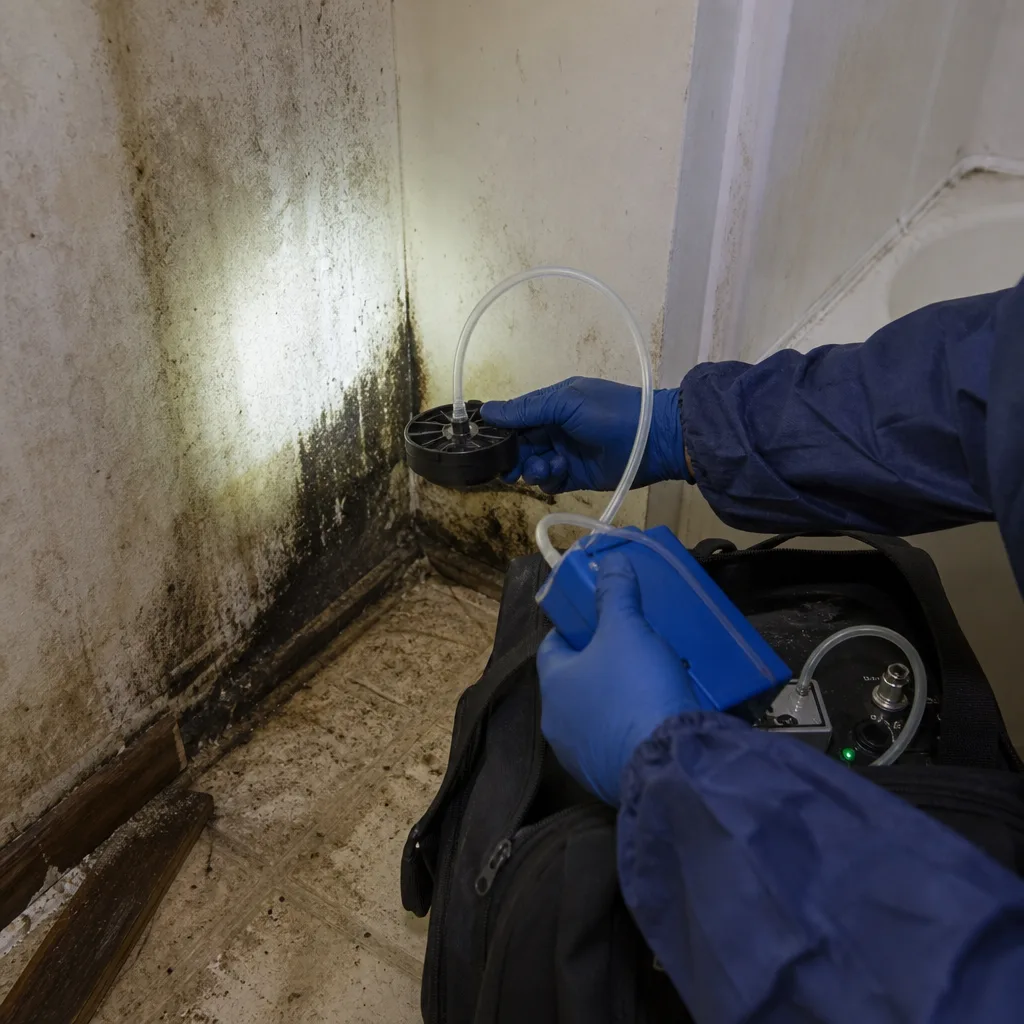
Smoke odor in a pre-war unit does not leave when the charred material leaves; it lives in the plaster itself. Hydroxyl generators and thermal fogging neutralize odor molecules inside wall cavities and behind original built-ins, which is the difference between a unit that smells clean and one that still smells like the fire three months later.
Contents Cleaning & Pack-Out
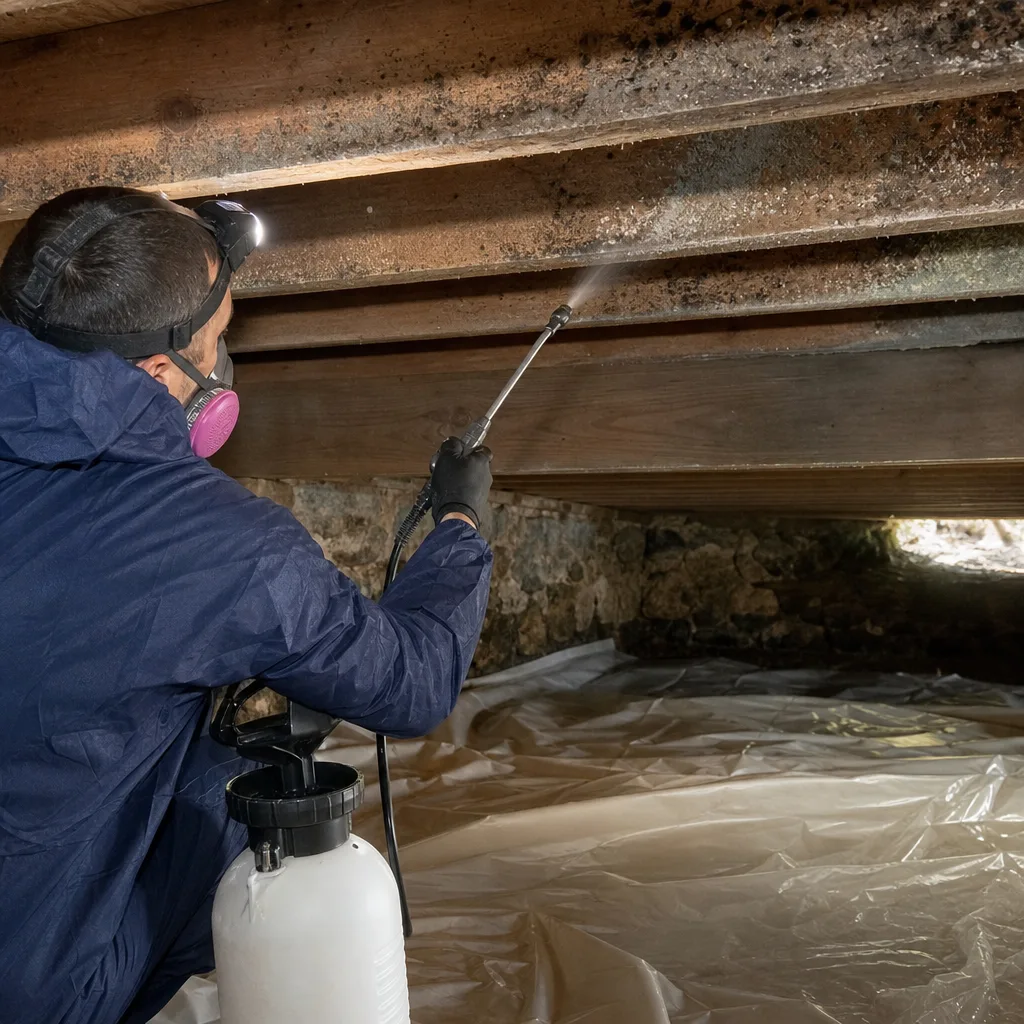
Books, artwork, clothing, rugs, and antiques in Upper East Side apartments are often the most valuable things in the unit, and they are the most sensitive to smoke. We inventory every item, document its condition, and pack out through the service entrance your building designates, on the schedule the super gives us.
Emergency Board-Up & Tarping
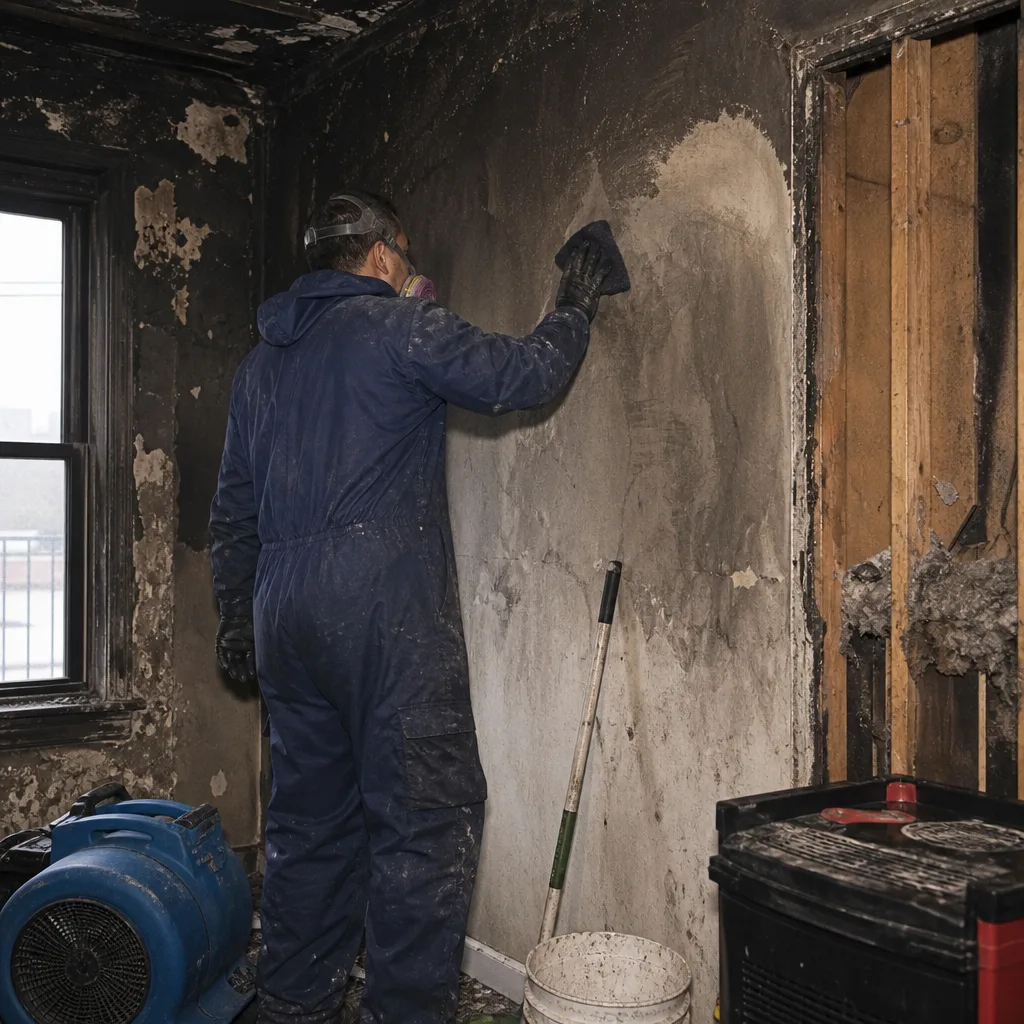
When fire damage leaves a Fifth Avenue co-op unit exposed to the elements or to curiosity, we board and tarp immediately, using materials that do not draw attention from the street. The board gets documentation of what we did and why, because they will ask.
What happens when you call
- 1
A real person answersNo phone trees - you reach a local pro.
- 2
You get an upfront price rangeHonest numbers before anyone is dispatched.
- 3
A background-checked tech heads outLicensed & insured, dispatched right away.
- 4
You approve before work beginsNothing starts until you say go.
Fire & Smoke Damage Restoration Costs in Upper East Side, NY
Small kitchen fire with light soot in a pre-war co-op typically runs $2,800-$5,000, covering chemical sponging, HEPA vacuuming, and odor treatment in one or two rooms. A fire that moves smoke through multiple rooms and into original plaster and millwork costs more: $12,000-$25,000 for full soot removal, odor neutralization, contents cleaning, and plaster repair where the board requires like-for-like work. A unit where the fire burned through framing and requires structural repair runs $30,000-$80,000, especially if period millwork or ornamental molding needs to be sourced and replicated. What moves the price: the size of the unit, the age of the plaster (older lime plaster takes longer to dry and clean), whether the board requires period-matched materials, and whether the service elevator limits pack-out hours. Insurance typically covers fire damage, but underinsurance on older units is common; we work with your adjuster to document what actually needs doing and bill the carrier directly for covered work. Call (518) 800-3751 for a free visual inspection, and you will have a written scope with firm numbers before you decide anything.
We Also Serve Cities Near Upper East Side
Our crews work throughout the surrounding neighborhoods as well: Upper East Side, Astoria, Ditmars Steinway, Upper Manhattan, and Jackson Heights. If you are across the river or a few blocks over, the same live answer and 45-minute response applies.
Serving Upper East Side, NY - Our Local Coverage Area
We’re based in the Upper East Side area and know this community well. Use the map below to see our service coverage - if you’re nearby, we can almost certainly help.
Upper East Side Fire & Smoke Damage Restoration Questions, Answered
How do you handle fire damage in a landmarked Upper East Side co-op when the board requires period-plaster restoration?
We bring a board-ready scope on the first visit, and we work from the same landmark requirements the board must follow. That means documenting the damage with photos and thermal imaging, then proposing like-for-like plaster repair using lime-based materials and period profiles that match the original work. We coordinate with the managing agent before opening any wall, and we do not start demolition until the board has seen and approved the plan. Our crews have done this inside Carnegie Hill and Metropolitan Museum Historic District buildings enough times to know what the board will ask before they ask it. Call (518) 800-3751 for a free inspection and we will prepare the paperwork the same day.
Can you remove smoke odor from original hardwood parquet and plaster walls in a pre-war Carnegie Hill unit without replacing them?
Yes, in most cases. Parquet and original plaster are both porous, which means smoke odor embeds deep, but that same porosity means hydroxyl generators and thermal fogging can reach the odor and neutralize it. We dry-clean parquet rather than saturate it, and we run low-heat dehumidification to pull moisture from plaster without cracking it. Replacement is the last resort, not the first move, and we will tell you honestly if a particular section is too charred or too saturated to save. Call (518) 800-3751 and we will assess what is salvageable at no cost.
What does a fire damage cleanup in an UES high-rise involve when you can only use the service elevator at limited hours?
We plan the pack-out and equipment staging around your building’s service elevator schedule. That means scheduling HEPA air scrubbers and drying equipment to go up in one trip, and coordinating contents pack-out during the hours your super assigns. We also bring equipment sized for freight elevators and tight service corridors, so we do not need to disassemble a Phoenix LGR dehumidifier in the lobby. The building’s rules are part of the job, not an obstacle. Call (518) 800-3751 and tell us your building’s schedule; we will work inside it.
How quickly can you start smoke and soot removal in a Fifth Avenue co-op after a small kitchen fire?
Our crews reach most Fifth Avenue buildings within 45 minutes, and we can begin containment and initial soot removal on that first visit. For a small kitchen fire in a co-op, the first steps are HEPA vacuuming, chemical sponging of visible soot, and setting up air scrubbers to stop cross-contamination into adjoining rooms. Board approval may be required before we open walls, but surface-level soot removal and odor mitigation can start immediately, which is what saves the unit from weeks of embedded smoke. Call (518) 800-3751 and we will be there fast.
Do you handle the insurance and co-op board paperwork for fire restoration in an Upper East Side co-op?
Yes. We submit the line-item scope, photos, and moisture readings to your adjuster, and we talk to them directly so you are not relaying messages. On the board side, we provide the documentation the managing agent needs: the scope of work, the restoration schedule, the equipment list, and proof of insurance. The goal is that you sign one approval and answer one call from us, not field calls from three different parties. Call (518) 800-3751 for a free inspection and we will start the paperwork that same day.
How fast can you get to the Upper East Side?
We stage crews from our New York City office, so most Upper East Side addresses see a technician within 45 minutes of your call. At night, when the drive is faster, we often arrive sooner. A real person answers the phone at (518) 800-3751 at any hour, and you will have an arrival window before you hang up.
Will my insurance cover fire and smoke restoration in a co-op?
Most co-op and condo policies cover fire and smoke damage to the interior of your unit, though sub-limits and deductibles vary. The building’s master policy may cover parts of the damage, and we coordinate with both carriers to sort out who pays for what. We bill the carrier directly for covered work, so you are not fronting money while the claim settles. Call (518) 800-3751 and we will help you understand what your policy covers before you commit.
What should I do in the first 30 minutes after a fire in my Upper East Side apartment?
Call your building’s super and the fire department if they are not already on scene, then call us at (518) 800-3751. Do not wipe soot from walls or trim with water; that pushes it deeper into plaster and wood. Open windows if the building allows, and keep foot traffic to a minimum so soot is not tracked into clean rooms. The sooner we start containment and air scrubbing, the less odor damage your unit takes on.
Written by Curt Bowman, Owner at Floodline Restoration Co., serving Fire & Smoke Damage Restoration across Upper East Side and the surrounding city neighborhoods.