
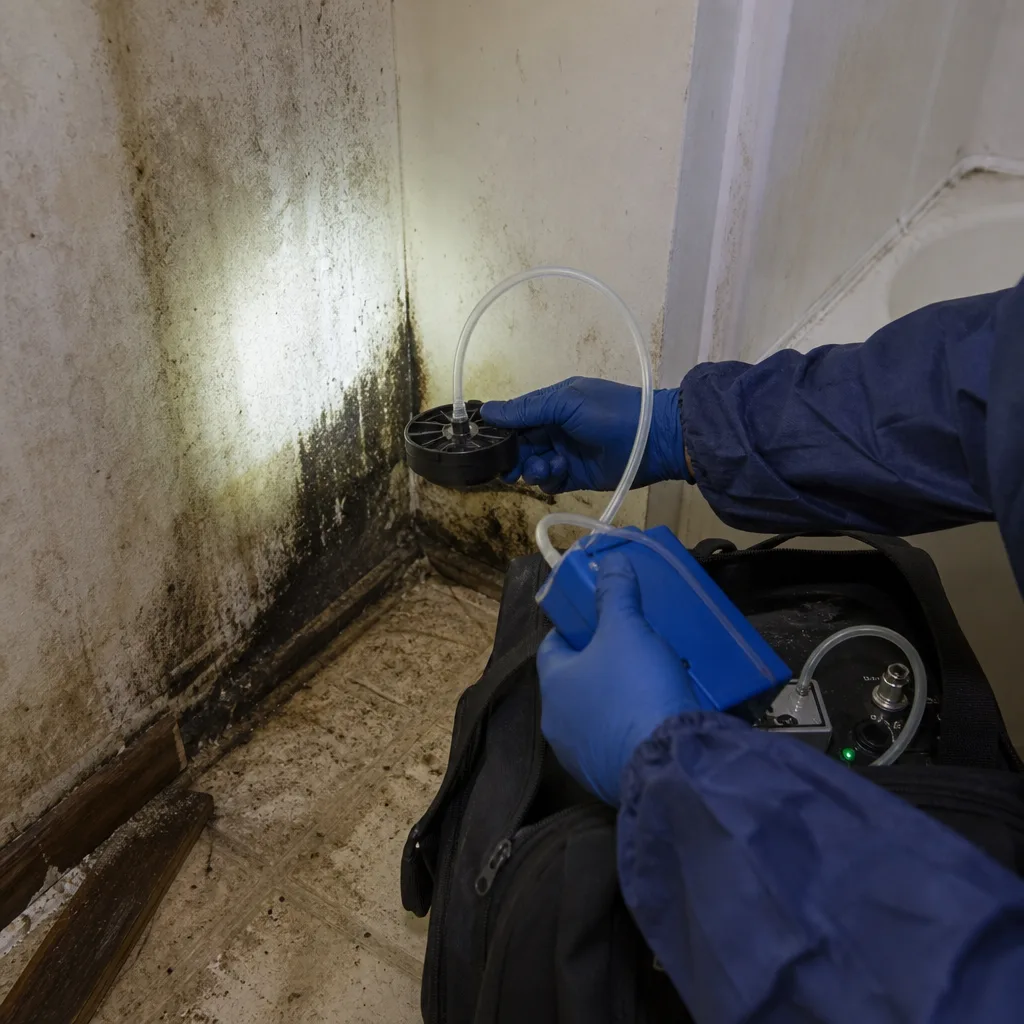
Free visual inspection and a written scope of work before any mitigation begins - photos, moisture readings, and drying logs go in your claim file
The scope we write is the scope we bill. Anything new gets shown to you, in writing, before we touch it.
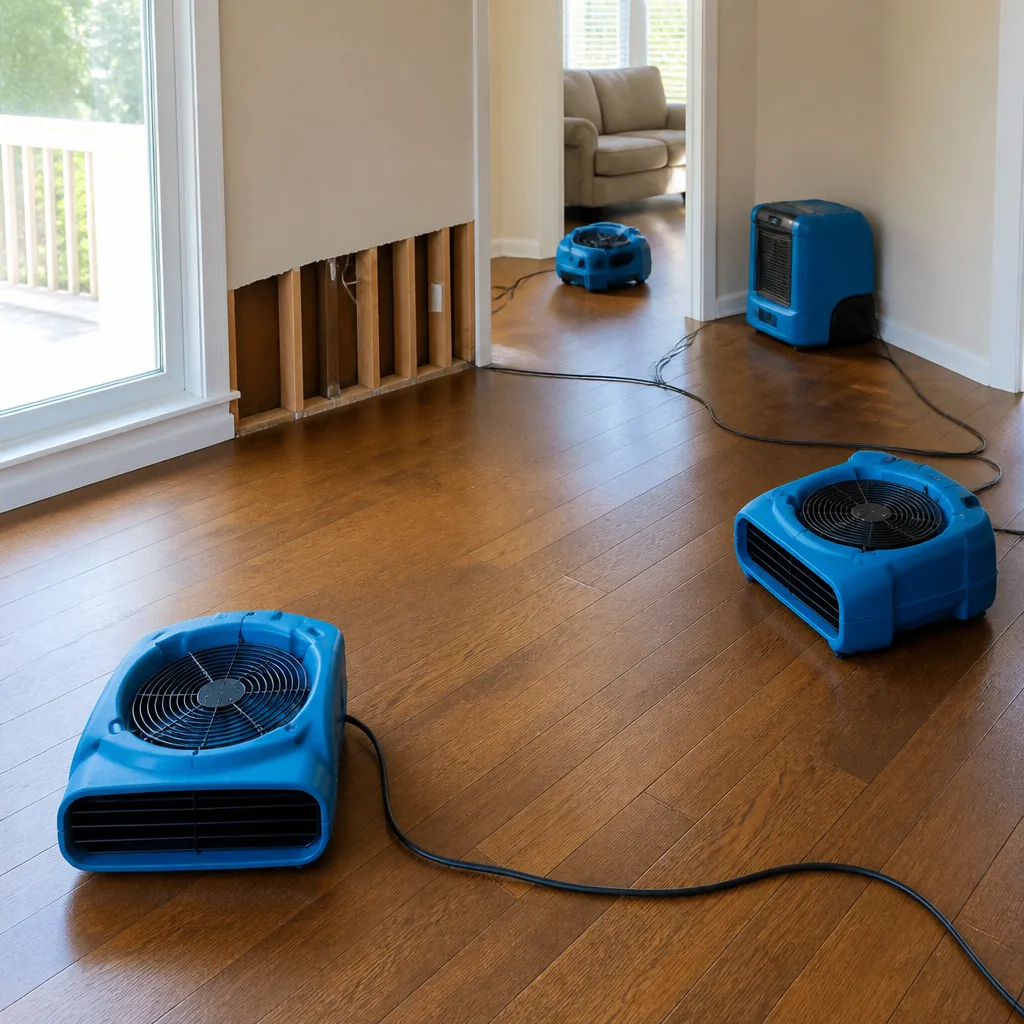
 Before
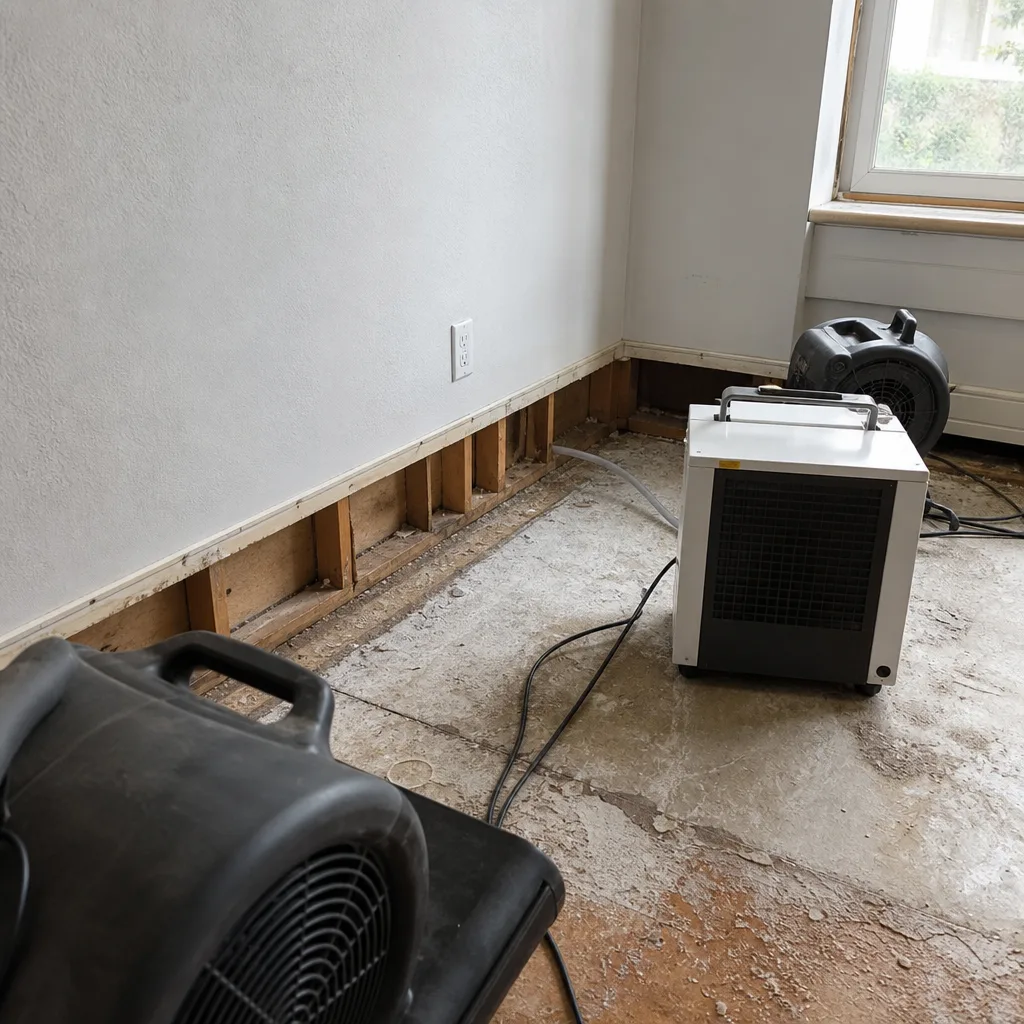 After
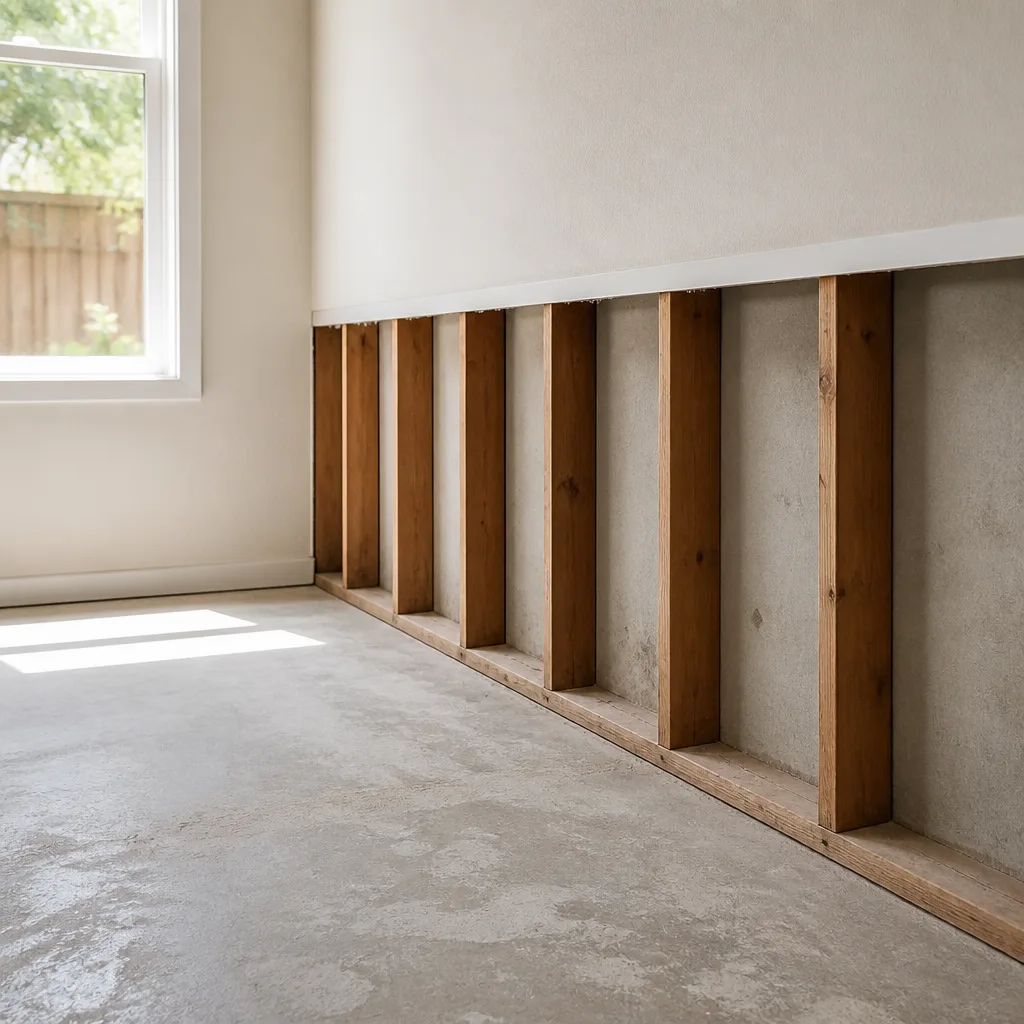
After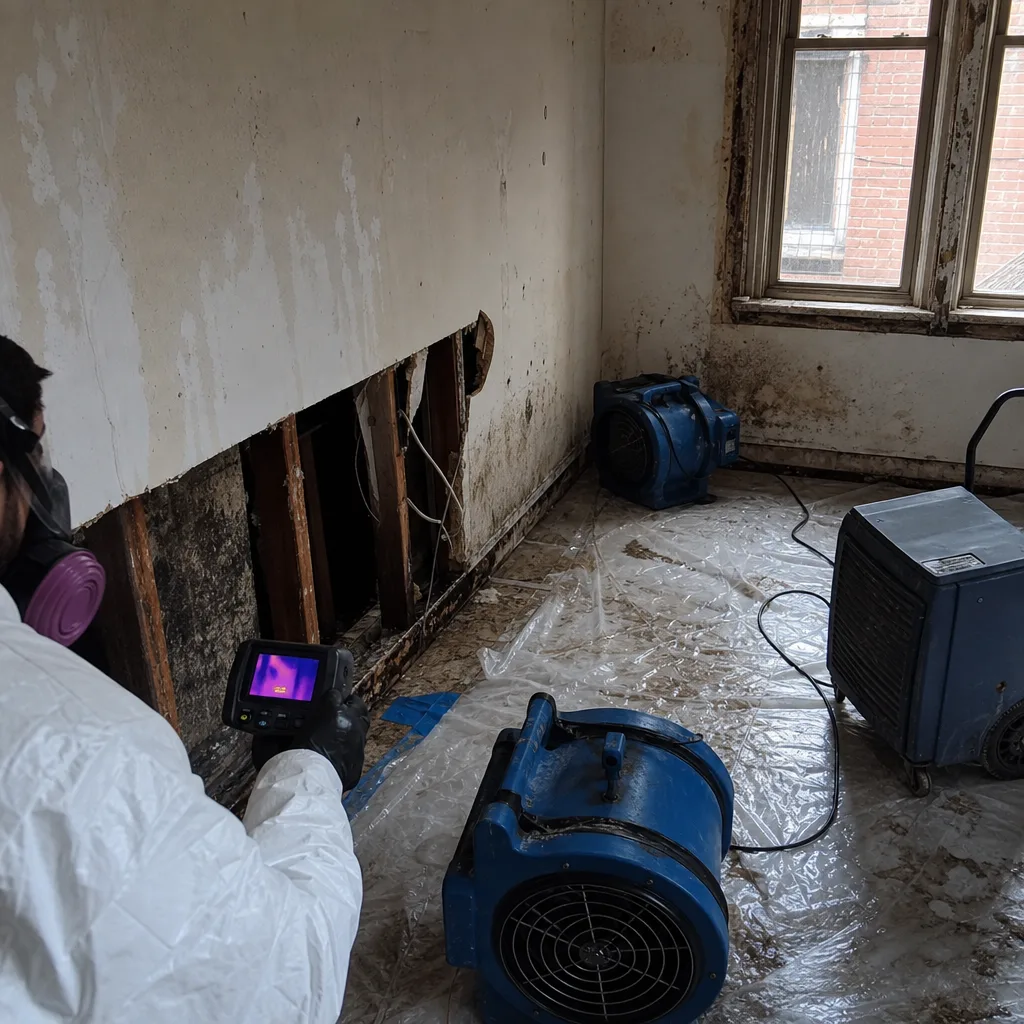 Before
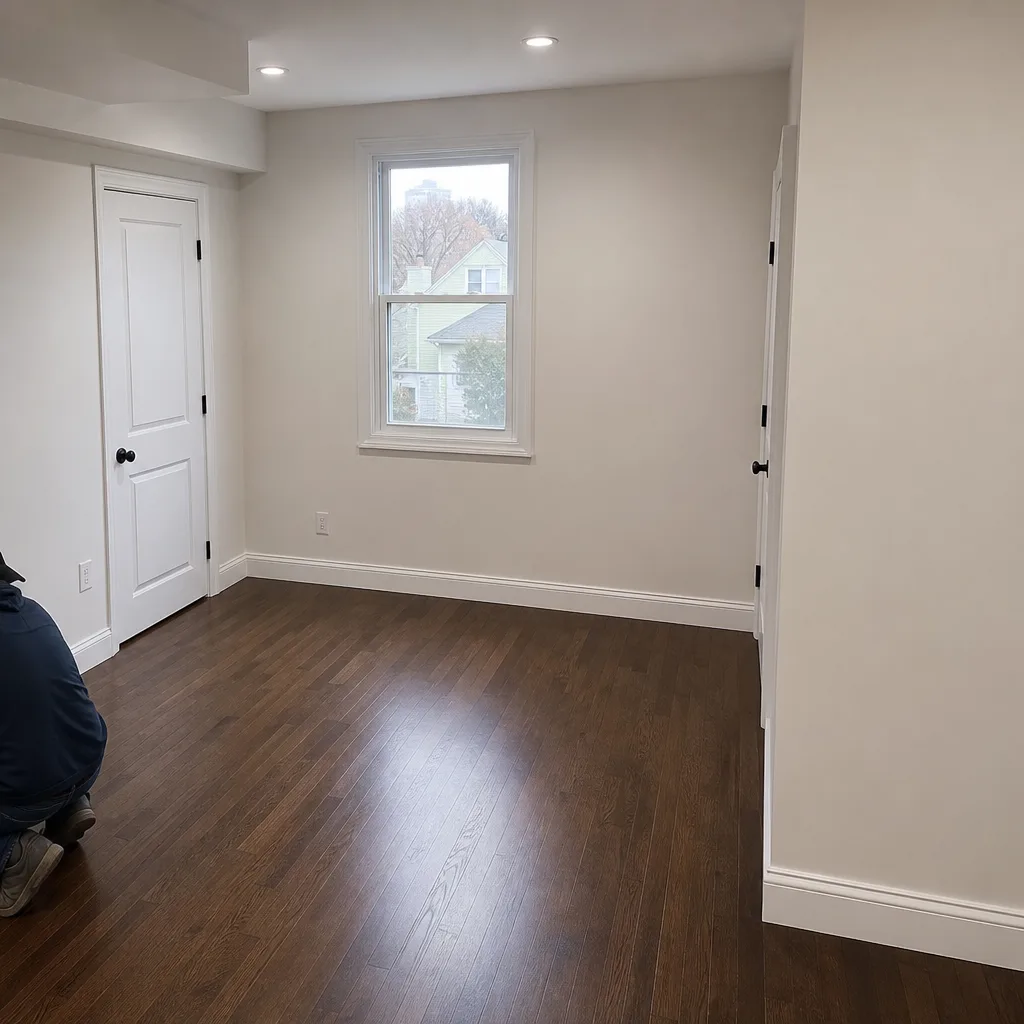 After
After24/7 Emergency Mold Remediation in Elmhurst
Mold grows fast in Elmhurst’s attached brick homes, and a live person answers our phones at any hour, including 2 a.m. When you call (518) 800-3751, you reach a dispatcher who can have a certified crew headed to your block, not a voicemail system. We treat mold with containment first: negative-air chambers and HEPA scrubbers set up before a single wall is opened, because in row houses with shared party walls, opening a wall without containment pushes spores into the neighbor’s unit. The first hour matters most. A small patch of mold behind a baseboard becomes a cross-unit problem within days, especially after the kind of sewage backups Elmhurst’s aging drains deliver during heavy rain. We’ll be there when we say, and the visual inspection is free.
Understanding Mold Remediation Severity in Elmhurst Properties
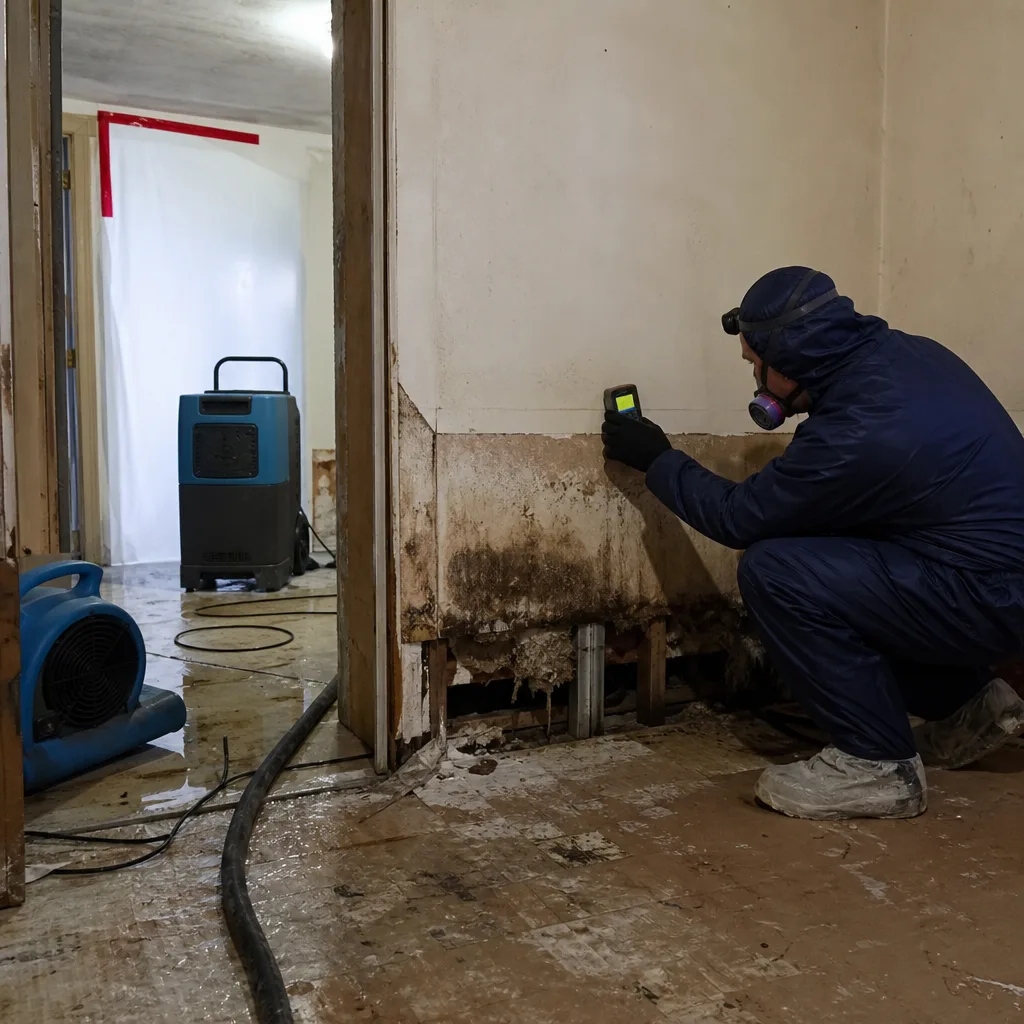
Mold severity is not about how much you can see. It’s about moisture migration, and Elmhurst’s 1920s-to-1940s brick two- and three-family homes move moisture in ways standalone houses never do. A Category 3 black-water backup in one basement wicks through shared brick party walls with no cavity separation. We’re pulling wet drywall out of the attached neighbor’s finished basement before that family even knows there was a loss next door. We classify every job by the water source, the square footage of hidden moisture, and the air quality inside the containment zone. Thermal moisture mapping finds what eyes miss. From there, we set HEPA air scrubbers and negative-air containment, remove affected drywall and studs, apply antimicrobial treatments, and run Dri-Eaz dehumidifiers until the structure hits dry standard. The slow-drying cast-iron drains and original galvanized supply lines in these pre-war homes make daily moisture readings non-negotiable.
Why Elmhurst Property Owners Choose Floodline Restoration Co.
- 45-minute response commitment: We dispatch crews from our New York City office to Elmhurst fast, because mold is actively growing while you wait.
- Live answer, 24/7, every day: A real person picks up at 2 a.m. Not a phone tree. Not a call-back service. You talk to someone who can send a crew now.
- IICRC-certified crews: Our technicians hold WRT, AMRT, and FSRT certifications and follow IICRC S520 mold remediation standards on every job.
- Free visual inspection: We assess the mold and the moisture source at no charge, then give you a written scope before any work begins.
- Direct insurance billing: We document everything, bill your carrier directly, and handle adjuster communication so you don’t have to.
- One team from start to finish: The crew that sets containment handles the drying, the rebuild, and hands you the final moisture log.
Our Mold Remediation Process
Inspection & Assessment
We start with a room-by-room visual inspection plus thermal imaging and hygrometer readings to find moisture you cannot see. In Elmhurst, this always includes checking the adjoining attached units, because party walls move moisture freely.
Containment & Source Control
We stop the water source first, then build negative-air containment around every affected area with HEPA-filtered exhaust. In shared-wall basements, that often means containment in two units at once.
Drying & Dehumidification
Professional-grade Dri-Eaz dehumidifiers and XPOWER air movers run continuously, with daily moisture readings logged until the structure meets the dry standard. Cast-iron drains in pre-war row houses dry slower than modern PVC, so we run extra days when the readings call for it.
Cleaning & Sanitization
We remove affected drywall, insulation, and studs, then HEPA-vacuum every surface inside containment. Antimicrobial treatment goes on before we rebuild, not after.
Air Quality Restoration
HEPA air scrubbers run through the entire remediation, and we conduct post-remediation air quality testing to confirm spore counts are back to normal outdoor levels before we break containment.
Repairs & Restoration
Rebuilding starts only after clearance testing confirms the structure is dry and clean. We hang new drywall, paint, and restore finished basement rooms to pre-loss condition, backed by the 90-Day Done Right Promise.
Need Emergency Mold Remediation in Elmhurst Now?
Crews minutes away, answering live 24 hours a day. The sooner we start, the less it costs.
Working With Your Insurance Company
Mold claims are different from your typical water loss. Most policies cover mold remediation when it is caused by a covered water event like a sudden pipe break or a sewage backup, but not when it is the result of long-term neglect. The difference comes down to documentation. That’s why we photograph everything from the first hour, log moisture readings daily, and provide a line-item scope your adjuster can actually understand. We talk to your carrier directly. You hired a restoration crew, not a second job as a claims negotiator. In thirty years of handling claims in Queens, we have learned one thing: carriers respond to documentation, not phone calls.
What We Provide Your Insurer
- Thorough documentation of the loss
- Photos of all damage, room by room
- Moisture readings and drying logs
- A detailed, line-item scope of work
- Direct coordination with your carrier
Built for Elmhurst’s Loss Calendar
Mold in Elmhurst follows a seasonal pattern, and so do our trucks. January and February bring deep freezes that burst original galvanized supply lines in the 1920s brick rowhouses near Queens Boulevard and Broadway. The water runs for hours before you notice, and inside finished basement units, mold sets in within 48 hours. Spring thaw saturates the flat, low-lying ground and pushes groundwater through fieldstone foundations, feeding damp basements from Elmhurst Avenue to the 11380 blocks east of Junction Boulevard. Summer brings the worst of it: intense convective storms overwhelm the combined sewer system, sewage backs up through basement drains, and Category 3 water sits in finished basements until a crew arrives. Nor’easters in the fall repeat the cycle. Every season here produces mold. The variable is whether the moisture gets caught and dried within 72 hours, or whether it gets ignored long enough to spread through a party wall.
Mold Remediation Across Elmhurst’s Neighborhoods
The blocks around Elmhurst Avenue and Whitney Avenue hold some of the densest attached brick two-family stock in the 11373 ZIP. Rear-alley access is standard, which means our techs run equipment through narrow shared driveways and basement hatchways, not wide front lawns. East of Junction Boulevard in 11380, the housing shifts toward semi-detached frames and brick rowhouses with a few more feet of clearance, but the party-wall problem remains. Near Queens Center and the commercial corridors along Broadway and Grand Avenue, finished basement units are common and often occupied, which means our containment and air quality protocols have to protect residents living two floors above while we work below. We also cover the blocks around Moore Homestead Playground and the quiet residential streets toward the LIE, where the same pre-war construction meets the same combined-sewer system and the same seasonal backups. Our Mold Remediation team knows which blocks have rear-alley-only access, which have shared driveways, and which basements need cross-unit containment from day one. Serving Elmhurst means knowing the buildings before you open the door.
Specialized Mold Remediation Services We Offer in Elmhurst
Mold Inspection & Testing
We inspect first, recommend second. Our Mold Inspection and Testing includes thermal imaging to find hidden moisture, air sampling to identify spore types and counts, and surface sampling in suspect areas. In Elmhurst’s shared-wall homes, we test both units when there is any sign of moisture migration, because a negative air sample in one side of a brick party wall means nothing if the other side is growing mold.
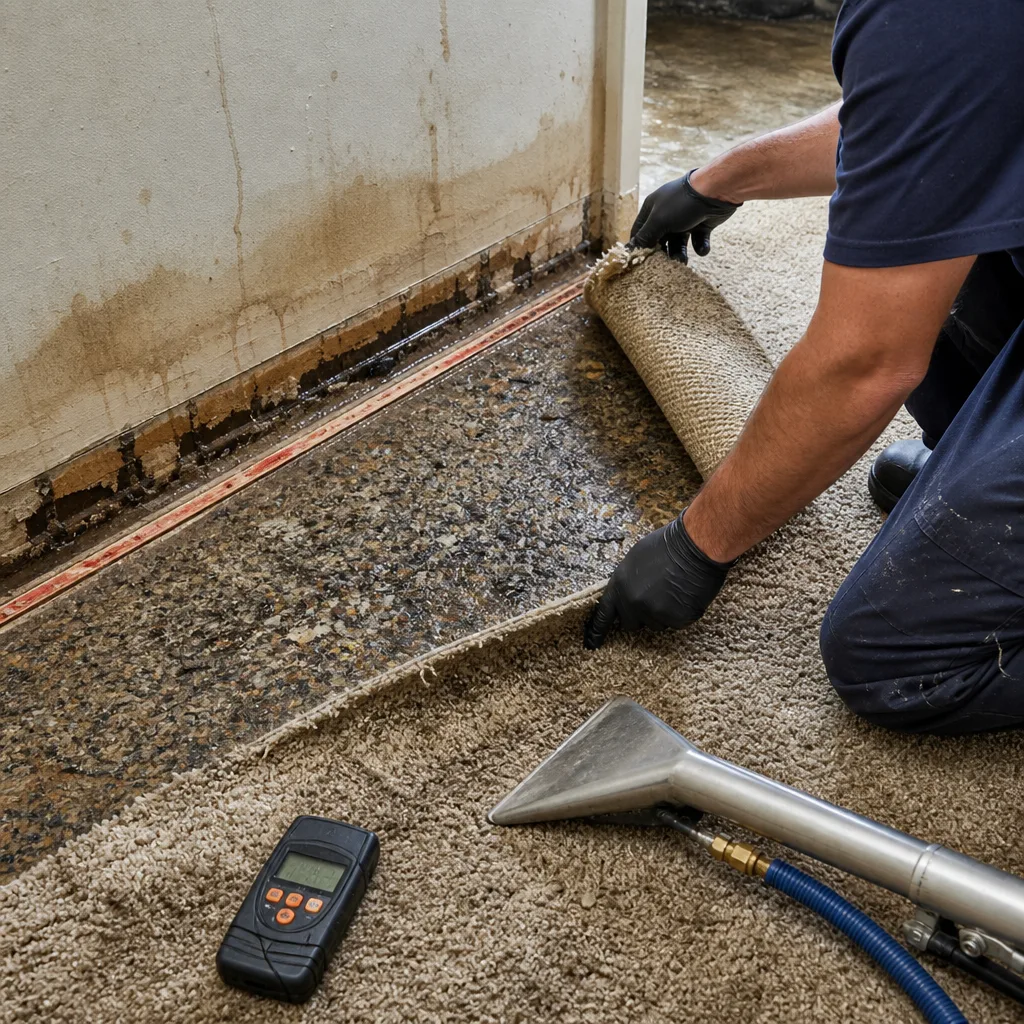
Mold Removal
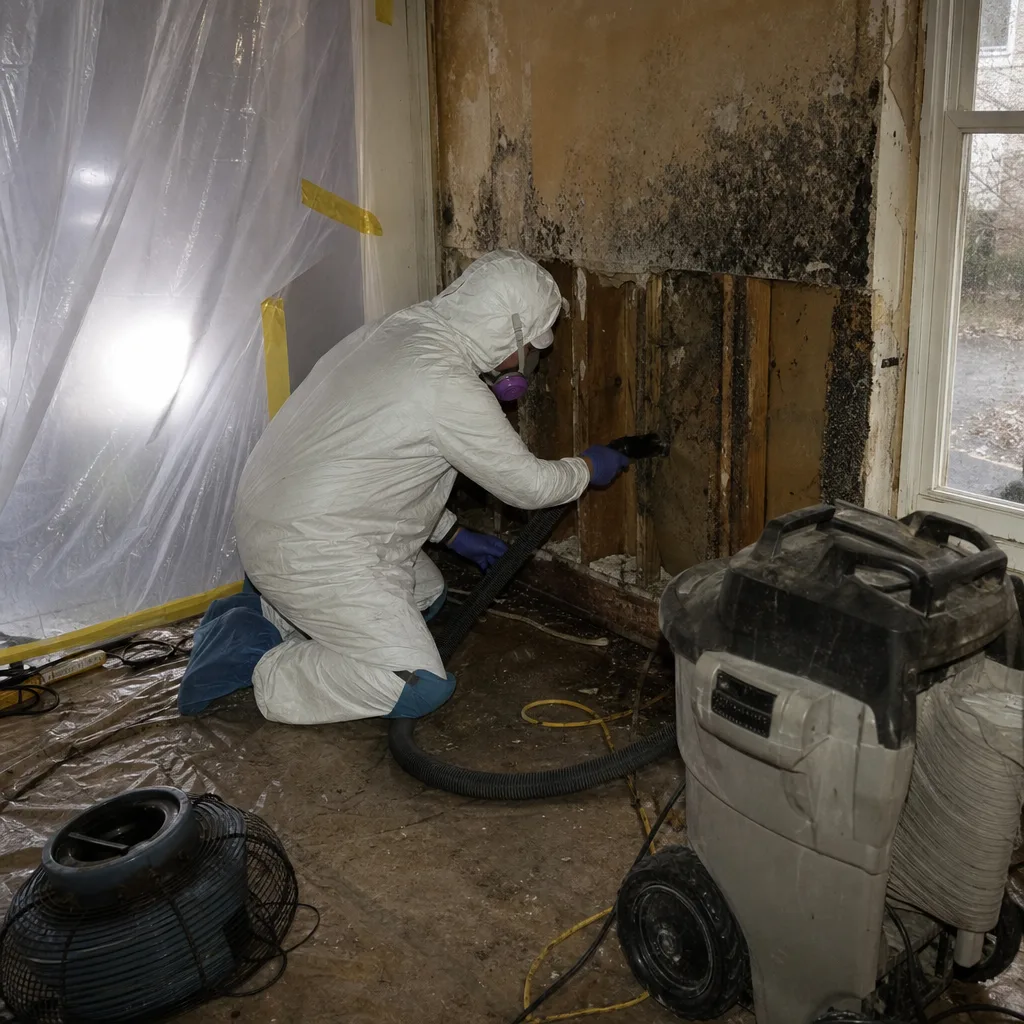
Removal starts with containment, not demolition. We remove affected drywall, insulation, and framing with negative-air pressure and HEPA filtration running the entire time. No cross-contamination into the rest of the house, and no spore spread into the attached neighbor’s unit.
Black Mold Remediation
The most common black mold species in Elmhurst basements is Stachybotrys chartarum, and it thrives on the gypsum and paper-backed drywall that stays wet after sewage backups. We treat black mold with full containment, professional-grade antimicrobials, and post-remediation air quality testing. Done right, and backed in writing.
Air Quality Restoration
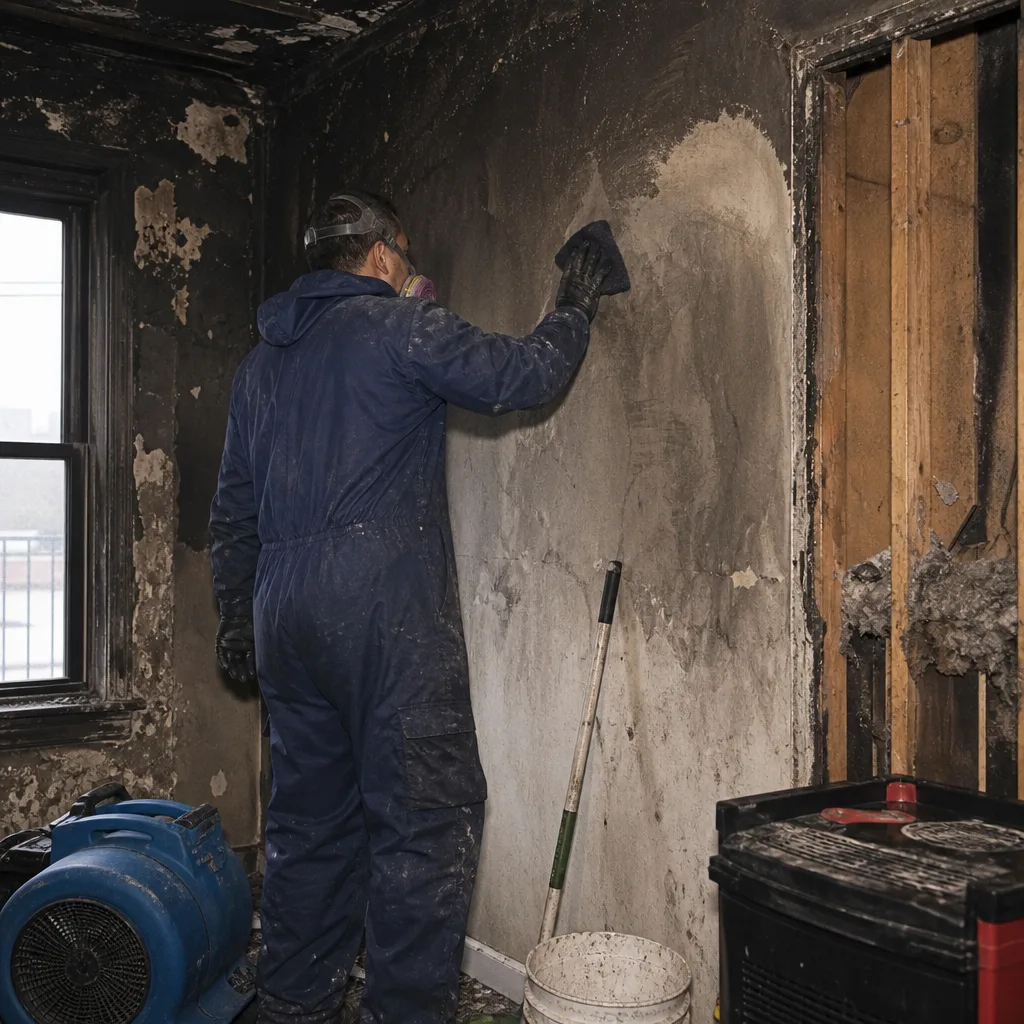
Mold is an air quality problem as much as a wall problem. Our HEPA scrubbers run throughout remediation, we clean HVAC ducts and registers, and we finish with post-remediation verification to confirm indoor spore counts match outdoor baselines. For older Elmhurst homes with original ductwork, this step matters more than most people expect.
Crawl Space Treatment
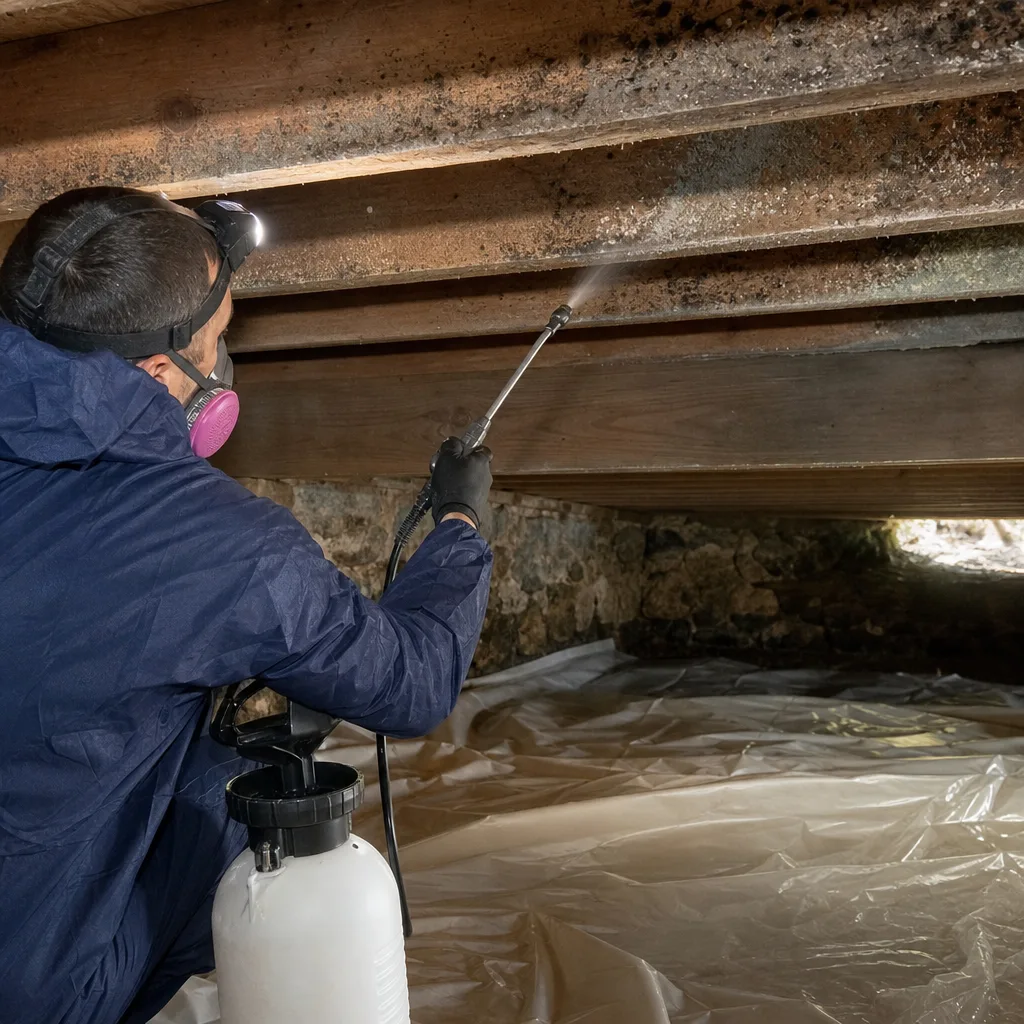
A surprising number of Elmhurst rowhouses have small crawl spaces under finished basement floors or rear extensions, and they’re almost never ventilated properly. We treat the source of the moisture, not just the mold. Encapsulation, drainage correction, and antimicrobial treatment bring the crawl space back to dry standard and keep it there.
Moisture & Humidity Control
If the underlying humidity problem isn’t fixed, mold comes back. We install dehumidification systems, correct drainage, and seal foundation penetrations in Elmhurst basements. Our Moisture and Humidity Control work is designed around the realities of attached pre-war construction, where humidity moves through party walls just as readily as bulk water does.
What happens when you call
- 1
A real person answersNo phone trees - you reach a local pro.
- 2
You get an upfront price rangeHonest numbers before anyone is dispatched.
- 3
A background-checked tech heads outLicensed & insured, dispatched right away.
- 4
You approve before work beginsNothing starts until you say go.
Mold Remediation Costs in Elmhurst, NY
Mold remediation in Elmhurst runs $1,800 to $6,500 for a typical single-basement job with containment, removal, drying, and antimicrobial treatment. Small jobs, like a single bathroom wall or a closet cavity, start around $900 to $1,500. Full basement remediation in a finished two-family unit with cross-unit containment and pack-out of personal property runs $8,000 to $18,000, depending on square footage and how much drywall and framing comes out. Inspection and air testing alone runs $350 to $700 in most Elmhurst homes. Insurance covers remediation when the mold is caused by a sudden, covered water event, but not when it is a long-term humidity problem. We give you a written scope before work starts, with line-item pricing your carrier can read, and we offer $50 off any repair over $250, a $89 seasonal tune-up, and a 5% senior and veteran discount, always. Call (518) 800-3751 for a free visual inspection and a firm number before you commit to anything.
We Also Serve Cities Near Elmhurst
Our crews cover all of Queens from our New York City dispatch office. If you are in Corona, Jackson Heights, Maspeth, or East Elmhurst and you are dealing with mold in an attached brick house or a finished basement, we can be there fast. Same live answer, same containment-first approach, same written scope before work starts.
Serving Elmhurst, NY - Our Local Coverage Area
We’re based in the Elmhurst area and know this community well. Use the map below to see our service coverage - if you’re nearby, we can almost certainly help.
Elmhurst Mold Remediation Questions, Answered
How do you keep mold from spreading to my attached neighbor’s home when you remediate our shared-wall basement?
We set negative-air containment before opening any wall, and we check the adjoining unit with thermal imaging as part of the initial inspection. In attached brick party walls with no cavity separation, moisture moves both ways, so we often set containment in both units and treat both sides of the same wall. Call (518) 800-3751 and we’ll assess both units at the same time.
After a heavy rain, our basement drains backed up with black water. What category is that, and can we just dry it out?
That is Category 3 black water, contaminated with sewage and bacteria because Elmhurst’s combined sewer system surcharges during heavy storms. You cannot just dry Category 3 water. We remove affected materials, treat with antimicrobials, and run HEPA air scrubbers because drying alone leaves mold and pathogens inside the wall cavities. Call us before you or anyone else touches it.
Our brick row house basement has finished rooms but no vapor barrier. What does that mean for mold?
It means moisture from the soil outside passes through the brick faster than in modern construction. The drywall over that brick absorbs the moisture, and mold grows behind it where you cannot see. We typically remove the affected drywall, treat the masonry, and often install drainage or a vapor barrier before rebuilding. This is a standard fix in Elmhurst’s 1920s housing stock.
Can you work in a basement that is only accessible through a narrow rear alley or shared driveway?
Yes. Our techs routinely carry equipment through narrow rear alleys, shared driveways, and basement hatchways in the 11373 and 11380 ZIP codes. We size the equipment to the access. Dri-Eaz dehumidifiers and XPOWER air movers are designed to be moved down steps and around tight corners without damaging finished surfaces.
If mold is in one family’s unit of a two-family brick house, does the other family need testing too?
Most of the time, yes. Shared party walls and shared roof spaces move moisture and spores between units, even when the mold is barely visible. We recommend air sampling in both units whenever mold is found in one, because the cost of a test is far less than the cost of treating a second, larger remediation down the road. Insurance carriers accept this when the documentation shows the migration path.
How long does mold remediation take in an Elmhurst basement?
A standard single-unit basement job takes three to five days from containment setup to post-remediation air clearance. Jobs with cross-unit containment, heavy Category 3 contamination, or the slow-drying cast-iron drains in pre-war brick construction take longer. We’ll give you a written timeline as part of the initial scope, including daily drying-log updates.
Are you actually certified, or is that just something companies say?
Our technicians hold IICRC WRT, AMRT, and FSRT certifications and train to RIA and IFA standards. The certifying bodies matter because mold remediation has specific contain-and-remove protocols that general contractors don’t know. We’ll show you the credentials when we arrive, and we’ll show you the moisture log before we leave. Led by Curt Bowman, Floodline Restoration Co. has been doing this work for over 42 years across our region, and we stand behind it in writing.
What should I do in the first 30 minutes after I find mold in my Elmhurst home?
Shut off the water source if you can find it, turn off any fans that might blow spores into other rooms, and call (518) 800-3751. Do not try to wipe or bleach the mold, and do not open the wall. A live dispatcher answers, we’ll schedule a free visual inspection, and if we need to get a crew there immediately, they’ll be on the way.
Written by Curt Bowman, Owner at Floodline Restoration Co., serving Elmhurst since we put roots down in New York City. Done right, and backed in writing.