
Free visual inspection and a written scope of work before any mitigation begins - photos, moisture readings, and drying logs go in your claim file
The scope we write is the scope we bill. Anything new gets shown to you, in writing, before we touch it.
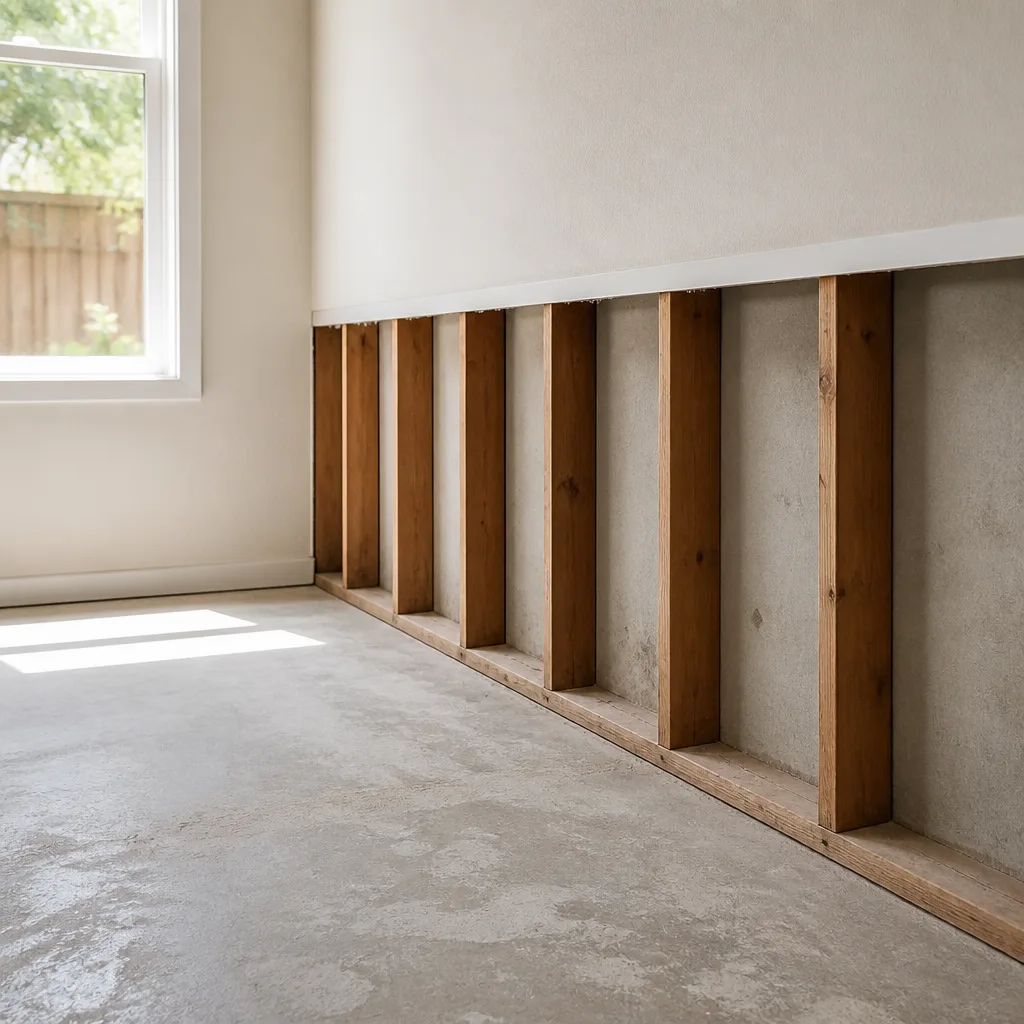
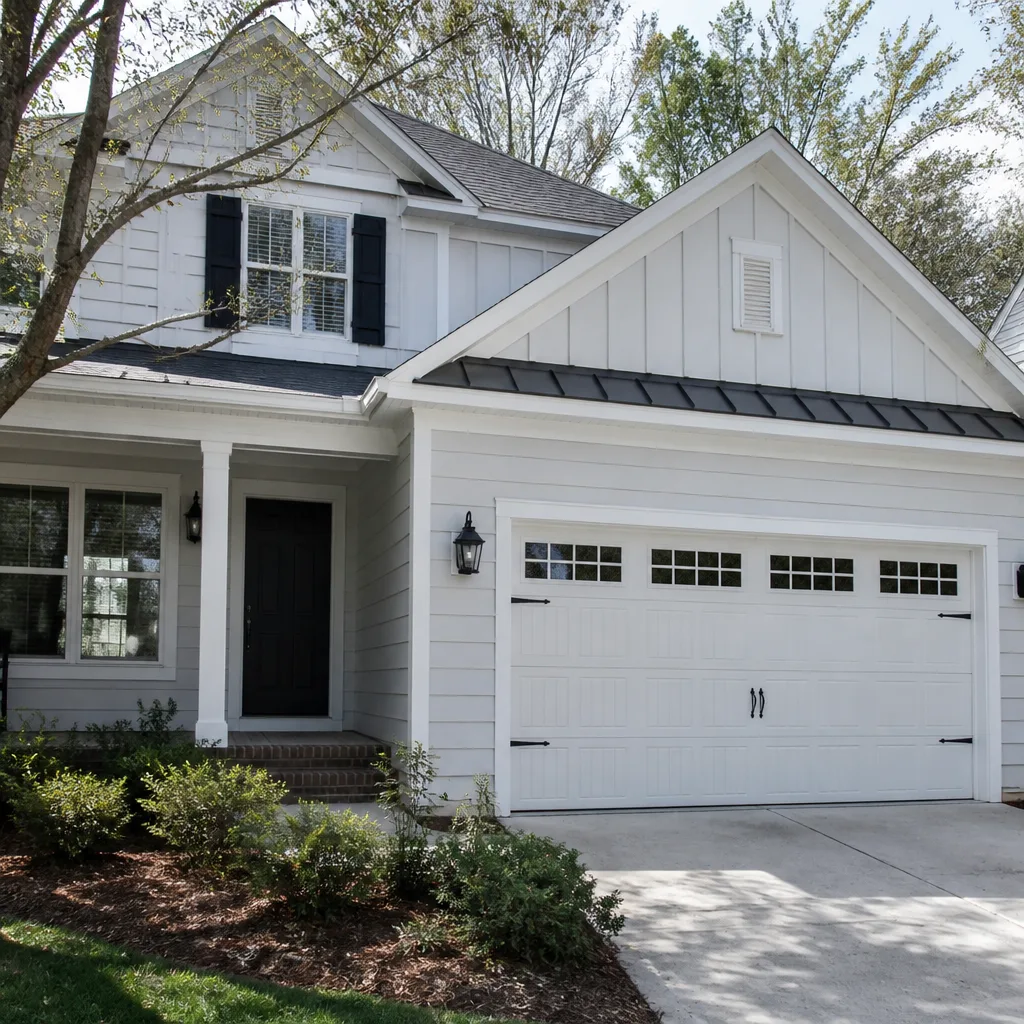
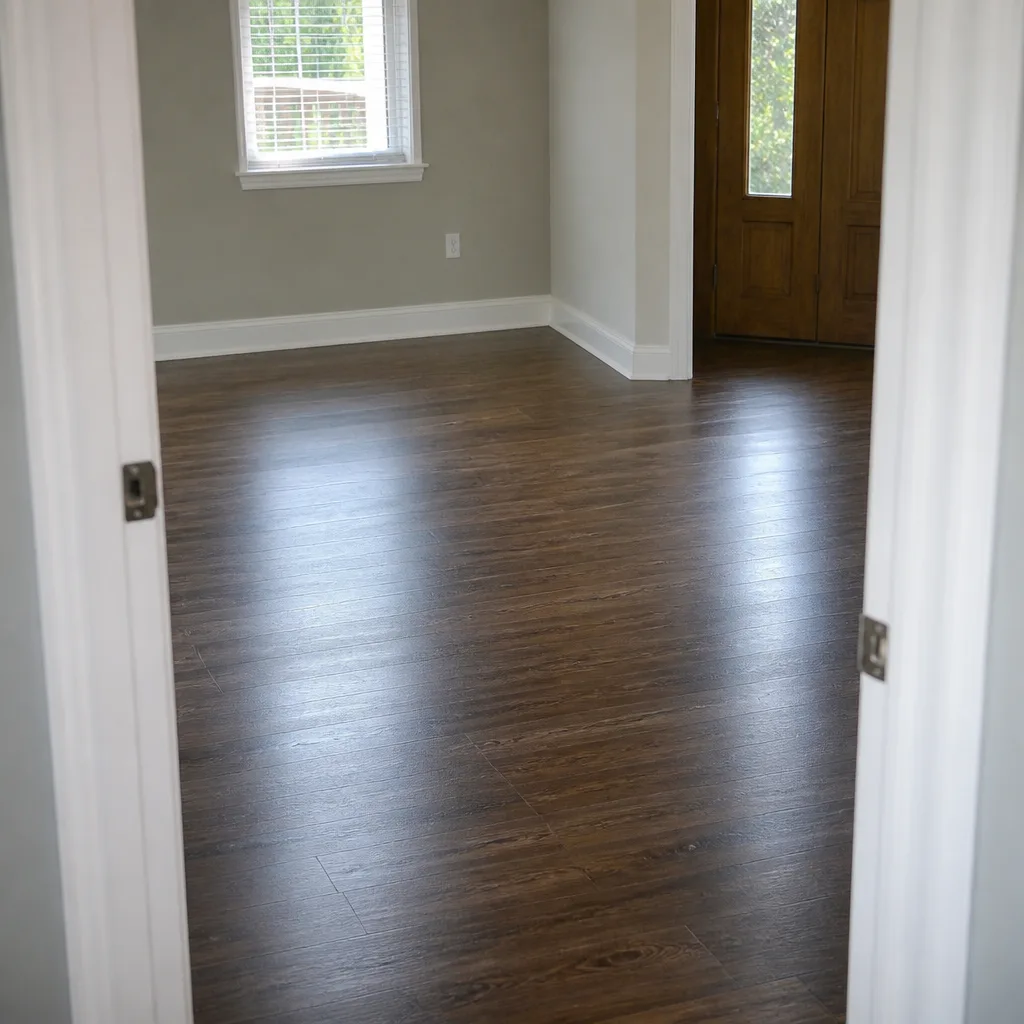
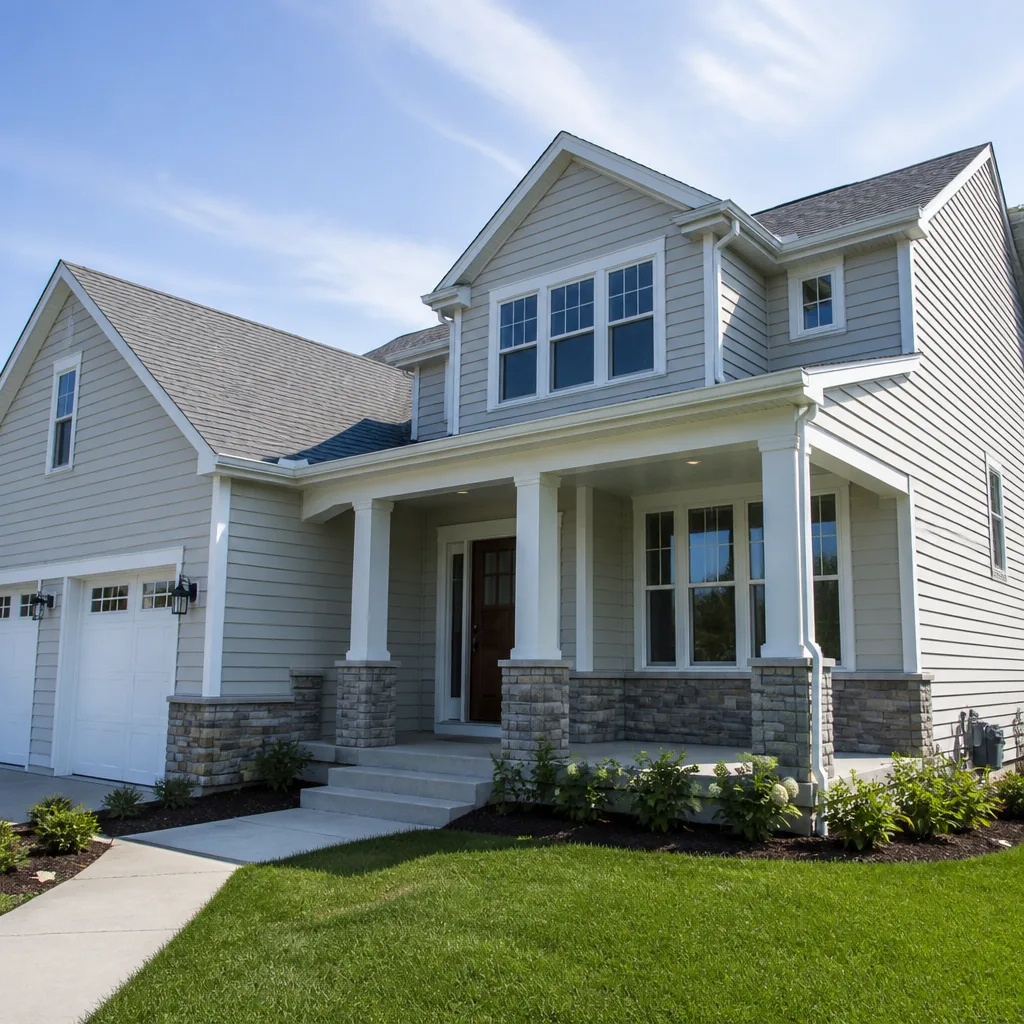
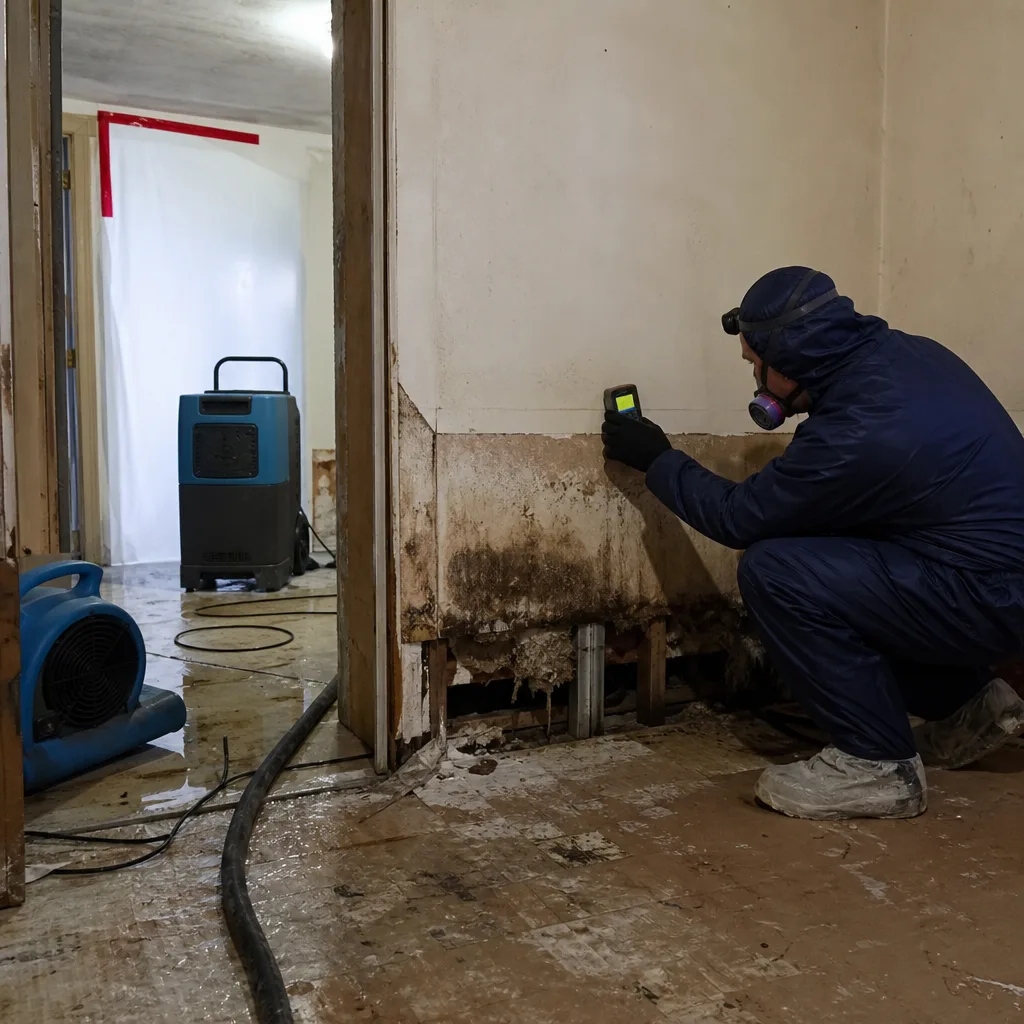 Before
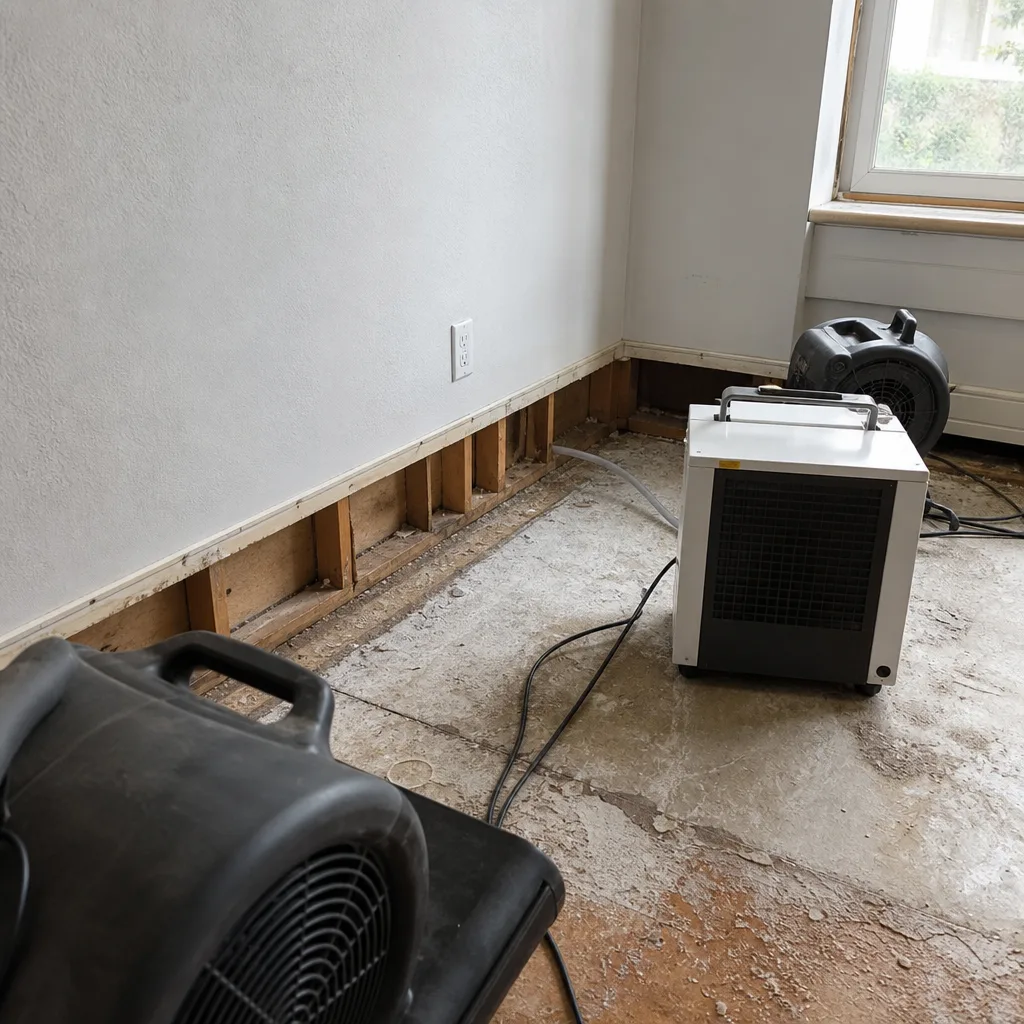 After
After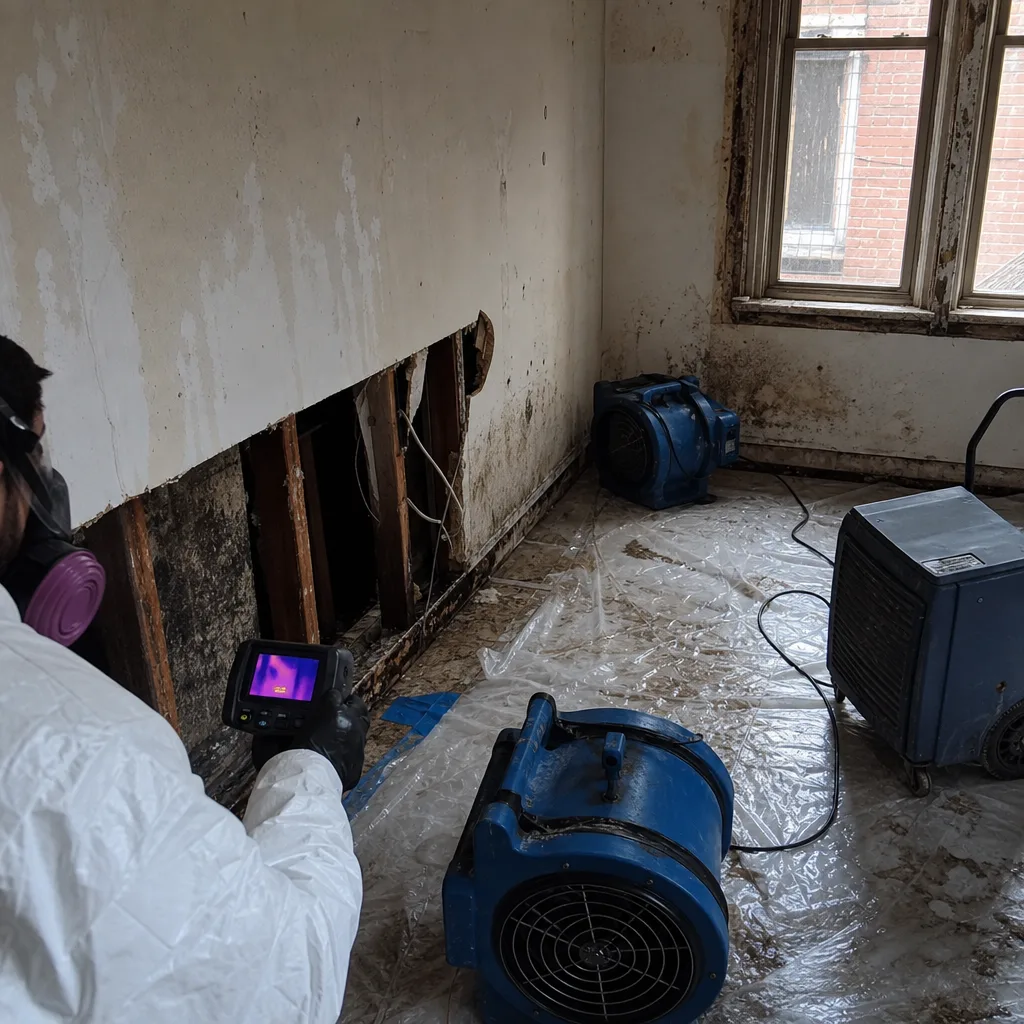 Before
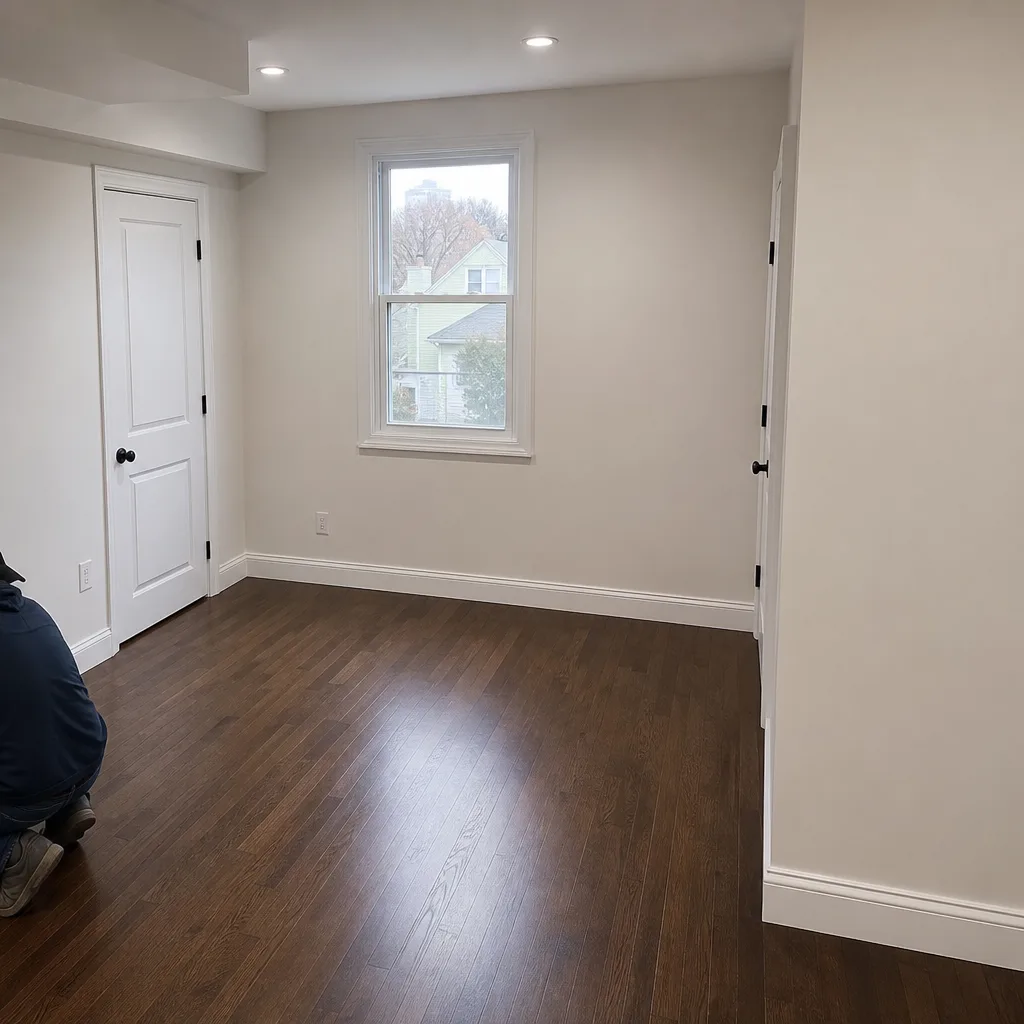 After
After24/7 Emergency Sewage Cleanup in Upper Manhattan
A sewage backup in Upper Manhattan usually means category 3 water, the most hazardous classification, moving through pre-war plumbing inside walls you can’t see. Call (518) 800-3751 and a live dispatcher answers, day or night. Our crews stage from a New York City office and reach Washington Heights, Inwood, Hamilton Heights, and Harlem fast, because we know that every hour sewage sits in a shared plumbing stack or beneath a horsehair plaster wall, the contamination spreads to more units and the repair bill climbs. We arrive, assess the damage with moisture mapping, and start extraction the same visit when conditions allow. No answering service. No callback lottery.
Understanding Sewage Cleanup Severity in Upper Manhattan Properties
Sewage cleanup begins with knowing what you’re dealing with. Category 1 is clean water from a supply line. Category 2 is gray water, from a washing machine or a sump pump. Category 3 is black water: raw sewage, toilet backflow, or any water that has sat long enough to grow bacteria. In Upper Manhattan, the housing stock makes category 3 more common and more complicated than in newer construction. Pre-war tenements and brownstones built between 1890 and 1940 were plumbed with cast-iron waste stacks that run vertically through five or six stacked apartments. When a lower unit backs up, sewage doesn’t stay in that one unit. It travels upward and outward, saturating timber joists, lath, tin ceilings, and thick horsehair plaster that acts like a sponge. By the time a stain appears on the third floor, the second floor’s framing may already be contaminated. Restoration isn’t just extraction. It’s finding every layer the water touched, and in Upper Manhattan, that often means opening walls and coordinating with landlords, co-op boards, and NYC HPD.
Why Upper Manhattan Property Owners Choose Floodline Restoration Co.
- 45-minute response commitment: Our dispatch board sends the nearest certified crew immediately. In Upper Manhattan, that means we’re often on site before the mop comes out.
- 24/7 live answer, a real person: No automated phone tree. At 2 a.m., a live dispatcher picks up and starts the job. Floodline Restoration Co. was founded in 2010 by Curt Bowman, built around a dispatch board, not a sales desk.
- IICRC-certified crews: Our technicians carry IICRC WRT and ASD certifications, plus RIA and IFA training. They’re background-checked and uniformed. You’ll know who’s walking into your home.
- Free visual inspection: Before any work begins, we inspect, map the moisture, and explain what’s wet, what’s contaminated, and what we recommend. No charge. No obligation.
- Direct insurance billing: We deal with your carrier directly, so you’re not playing messenger. We document from the first hour and send the adjuster what they need.
- One team from extraction to reconstruction: The same crew that extracts sewage is the crew that dries, sanitizes, and rebuilds the wall. No handoff. No inherited strangers. Every job carries the 90-Day Done Right Promise, in writing.
Our Sewage Cleanup Process
Inspection & Assessment
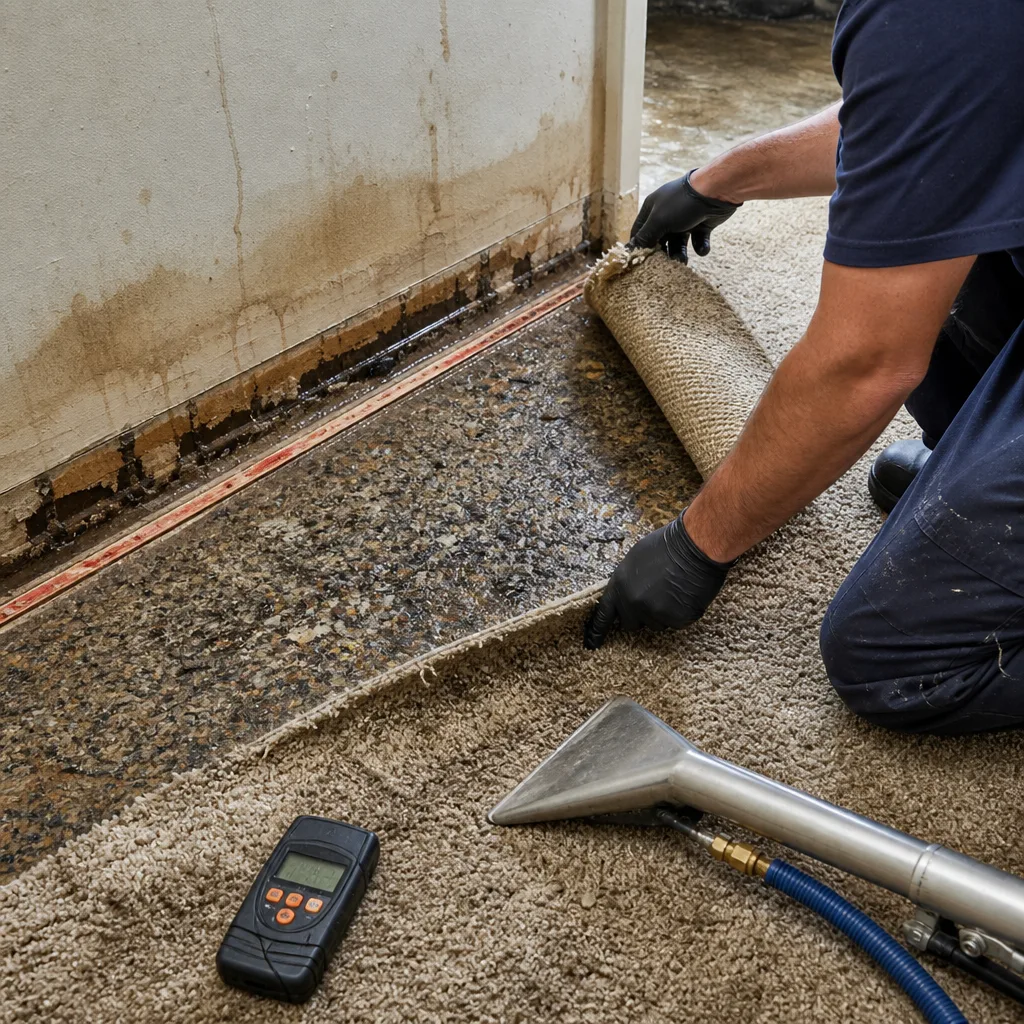
We start with thermal imaging and hygrometers to trace where category 3 water traveled. In Upper Manhattan’s shared-stack buildings, that means checking units above and below, not just the one that called. Moisture readings tell us what’s saturated before we open anything.
Extraction & Stabilization
Black water extraction removes standing sewage and contaminated water from floors, crawl spaces, and wall cavities. We stabilize the structure to prevent collapse risk, especially in older tenements where saturated timber joists can fail under weight.
Drying & Dehumidification
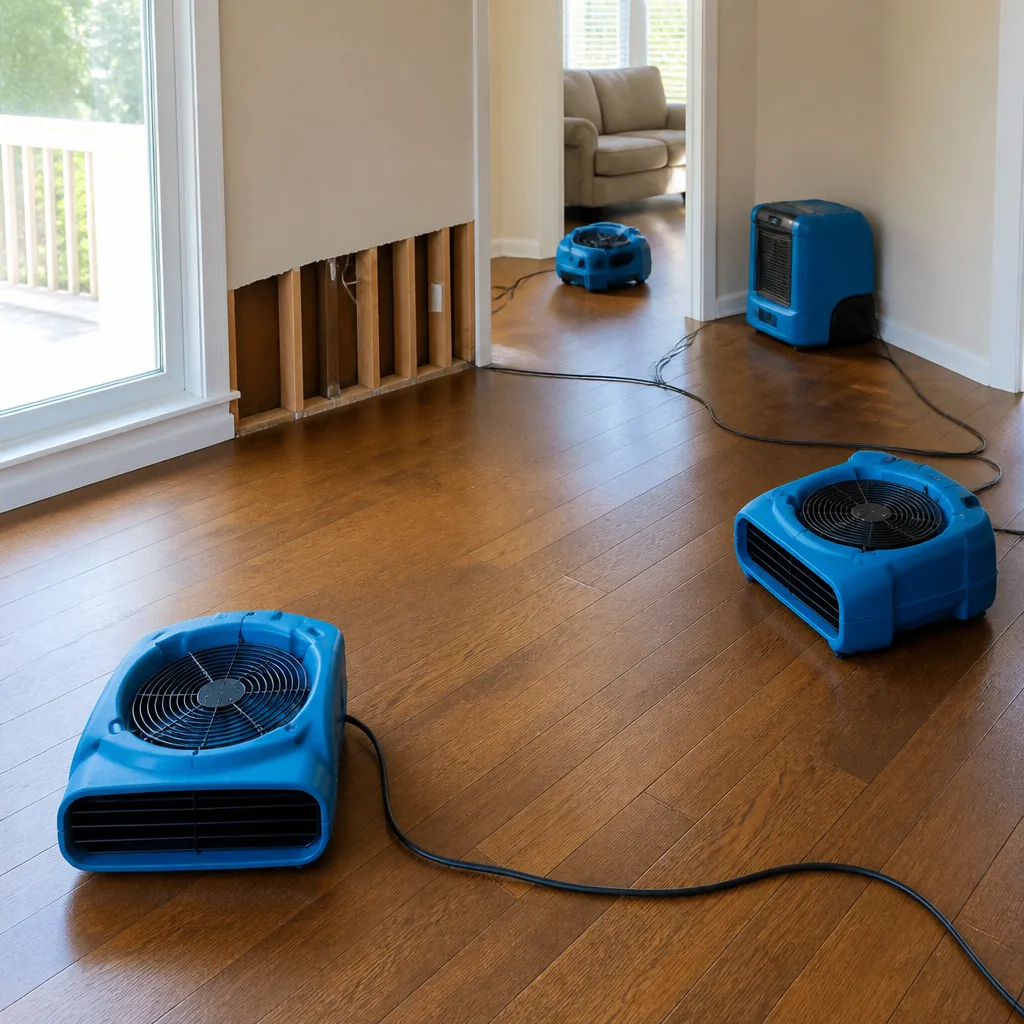
Dri-Eaz dehumidifiers and XPOWER air movers dry the structure to a specific dry standard. In horsehair plaster walls, that takes longer than drywall, because the material holds moisture deep. Daily readings are logged and given to you and your insurer.
Cleaning & Sanitization
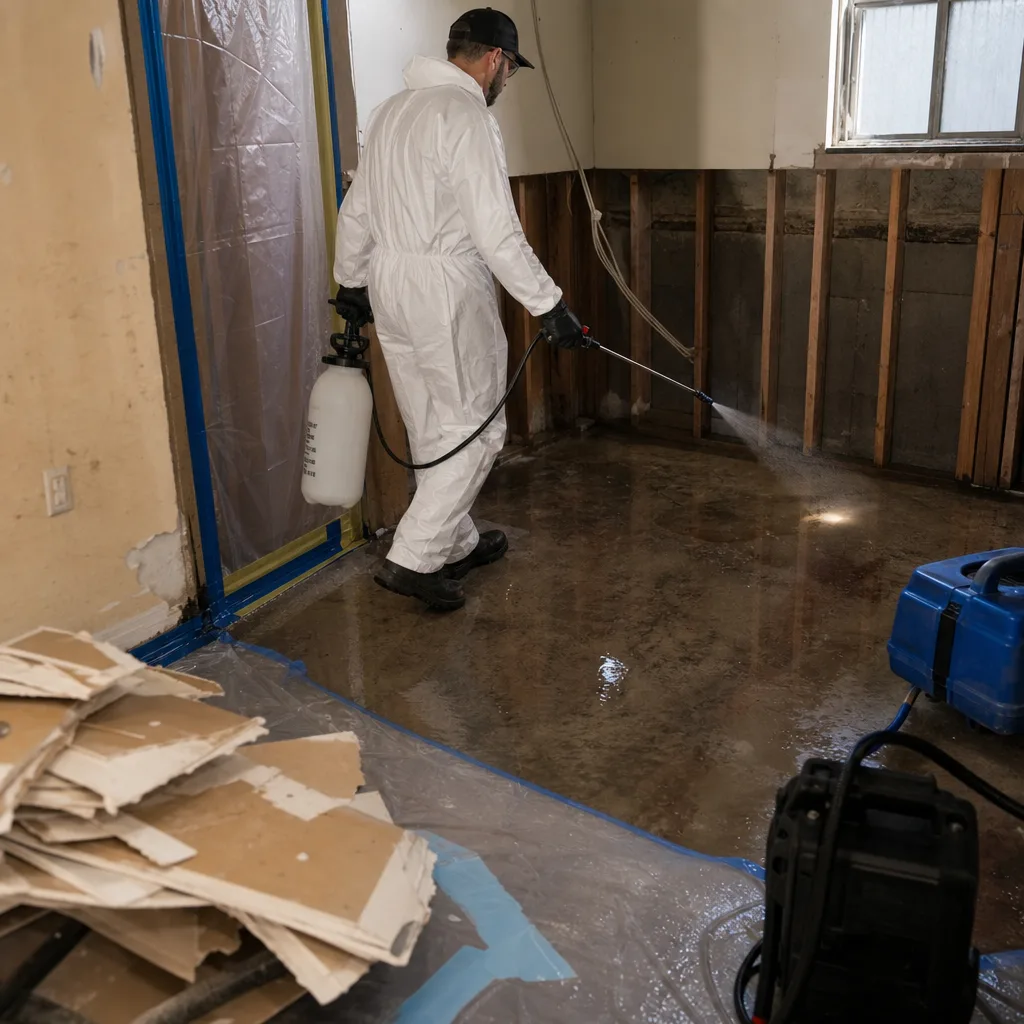
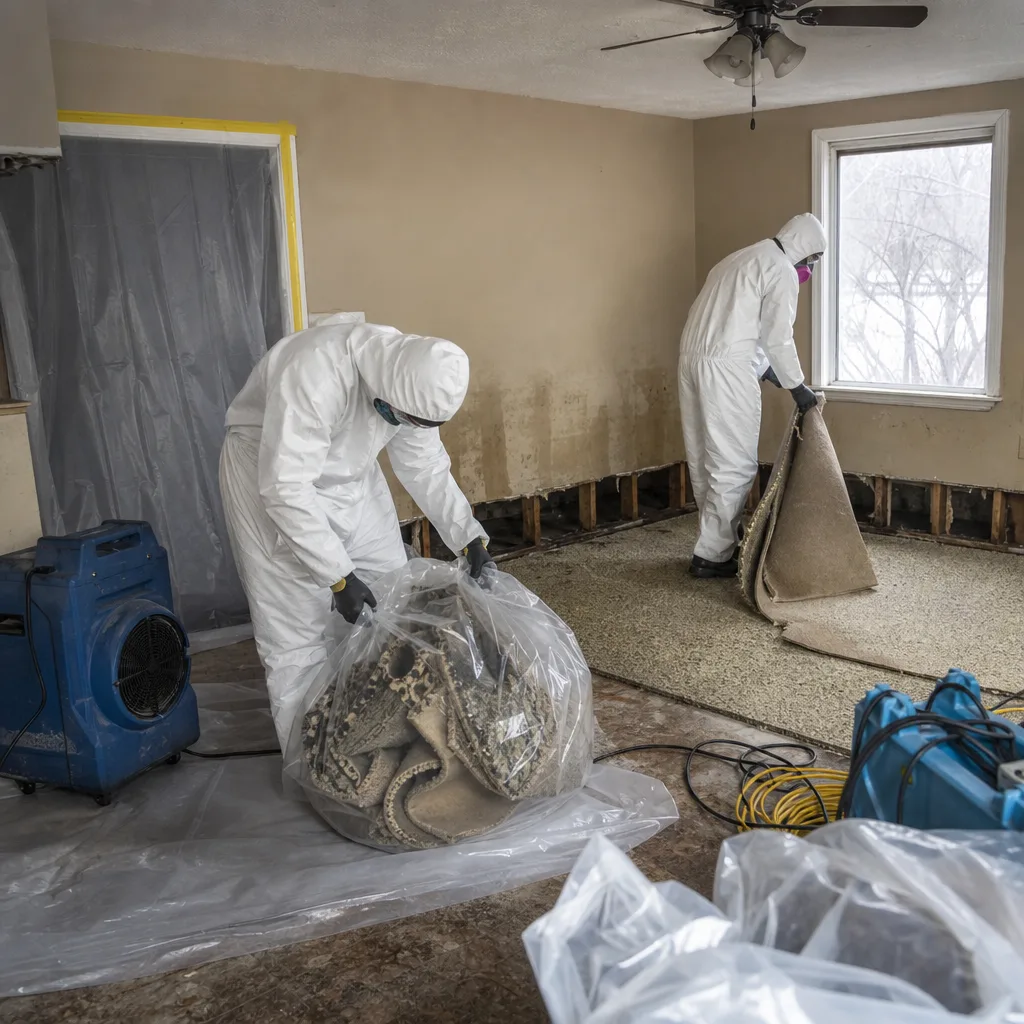
All affected surfaces are cleaned, disinfected, and treated with antimicrobial agents rated for sewage contamination. We remove contaminated porous materials that cannot be sanitized, including carpet, padding, and wet plaster.
Specialty Treatment for Sewage
Category 3 water carries pathogens. We set up containment, run HEPA air scrubbers during demolition and drying to control airborne particulates, and follow IICRC S500 standards for sewage contamination. If vermiculite or asbestos wrap is present, we pause and coordinate abatement before continuing.
Repairs & Restoration
After the drying log confirms the dry standard is met, we rebuild what we removed: plaster, lath, flooring, trim. The same Floodline crew handles it. The 90-Day Done Right Promise covers the whole job, not just the extraction.
Need Emergency Sewage Cleanup in Upper Manhattan Now?
Crews minutes away, answering live 24 hours a day. The sooner we start, the less it costs.
Working With Your Insurance Company
Sewage backup claims in Upper Manhattan can get complicated, especially when multiple units in a rent-stabilized building are affected. Your insurer wants documentation: evidence of what happened, where the water traveled, and why the work was necessary. We start that documentation the moment we arrive. Photos of every affected room. Moisture readings from the first visit and each day after. A line-item scope of work in language adjusters accept. And when questions arise mid-claim, our team speaks directly with your carrier, not through you. That direct line saves weeks. We’ve handled sewage losses in pre-war walk-ups where the landlord’s insurer, the tenant’s insurer, and the building’s master policy all had to coordinate. We know that dance. We keep it moving.
What We Provide Your Insurer
- Thorough documentation of the loss
- Photos of all damage, room by room
- Moisture readings and drying logs
- A detailed, line-item scope of work
- Direct coordination with your carrier
Built for Upper Manhattan’s Loss Calendar
Upper Manhattan’s sewage losses follow a rhythm. January and February bring deep freezes that crack old cast-iron waste lines in unheated building cores. March and April, freeze-thaw cycling opens old roof membrane seams, and meltwater finds its way into top-floor units. Summer brings sudden thunderstorms that overwhelm aging sewer laterals in Harlem and East Harlem, sending water back into basement floor drains. Nor’easters, when they hit, drop enough rain in hours to flood lower-level crawl spaces and mechanical rooms. Then, year-round, there’s the less dramatic but more common cause: a 100-year-old shared stack that finally gives way. Tenants call about a toilet overflow on the third floor of a Washington Heights walk-up, and the real problem is a sagging cast-iron line two floors down. Sewage cleanup in Upper Manhattan means knowing the difference. We do.
Sewage Cleanup Across Upper Manhattan’s Neighborhoods
Washington Heights walk-ups, with their five and six-story tenement layouts, are where we most often see shared-stack backups. One toilet overflow on the fourth floor can send category 3 water down through three units before anyone notices. Inwood’s housing follows the same pattern, plus its low-lying streets near the Harlem River mean basement backups after heavy rain. Hamilton Heights brownstones, many with rear-yard extensions and basement crawl spaces, bring a different problem: septic failures that back into crawl spaces where vermiculite insulation and old plumbing coexist. Harlem’s mix of brownstones and larger pre-war apartment buildings means we see everything, from single-townhouse basement overflows to multi-floor sewage losses in NYCHA-adjacent housing. Working across these neighborhoods, our Sewage Cleanup teams have learned that no two buildings drain the same way. Response routes matter. We keep crews staged near the West Side Highway and the Harlem River Drive, the two fastest ways through Upper Manhattan during an emergency. That cuts the time between your call and our arrival.
Specialized Sewage Cleanup Services We Offer in Upper Manhattan
Sewage Backup Cleanup
A sewage backup in a shared cast-iron stack is not a one-unit problem. We inspect above and below the source, extract contaminated water, remove saturated material, and sanitize every surface the category 3 water touched. In Upper Manhattan tenements, that means coordinating with landlords so the entire affected column of apartments gets dried, not just the one that called.
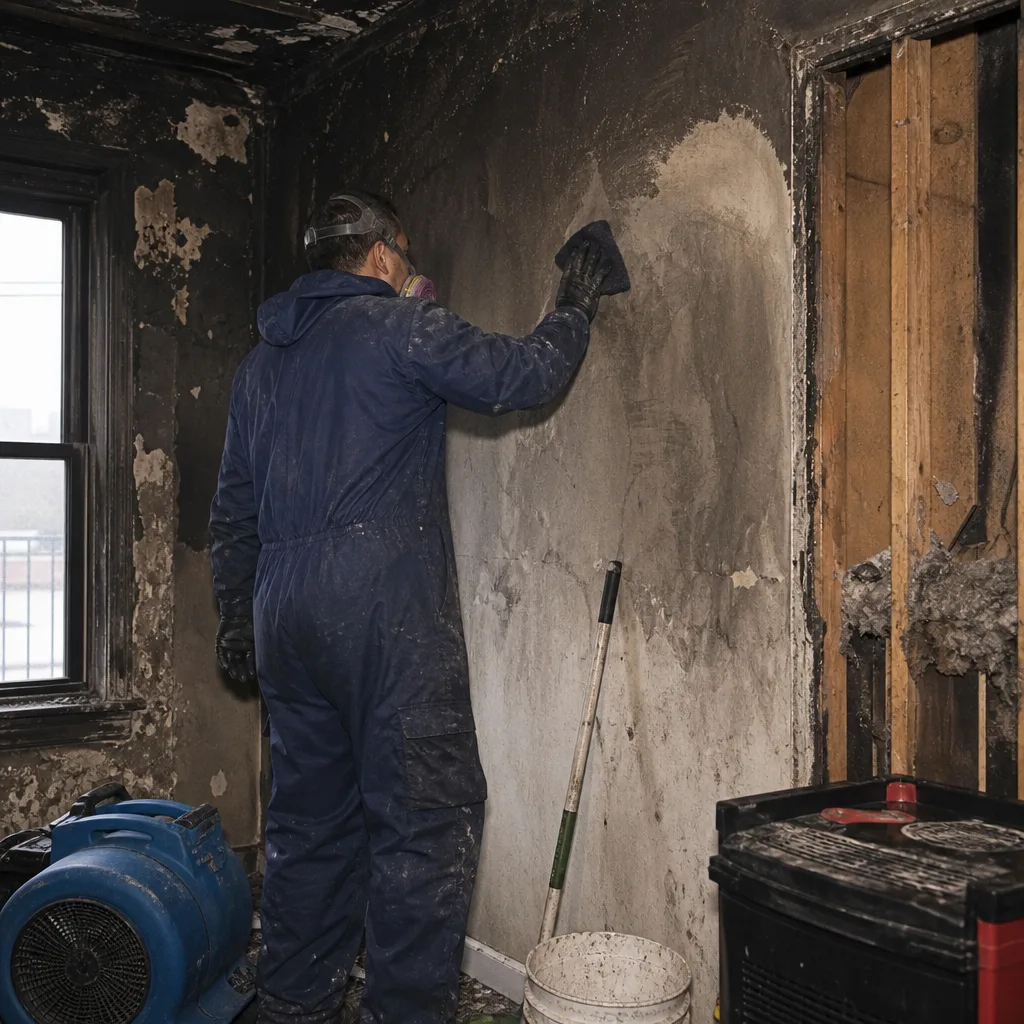
Toilet Overflow Cleanup
Toilet overflows are the most common trigger we see in Manhattan walk-ups. Clean water becomes category 3 sewage the moment it mixes with waste. We extract, remove flooring and plaster as needed, and dry the framing. In buildings with tin ceilings, we assess the unit below before the ceiling gives way.
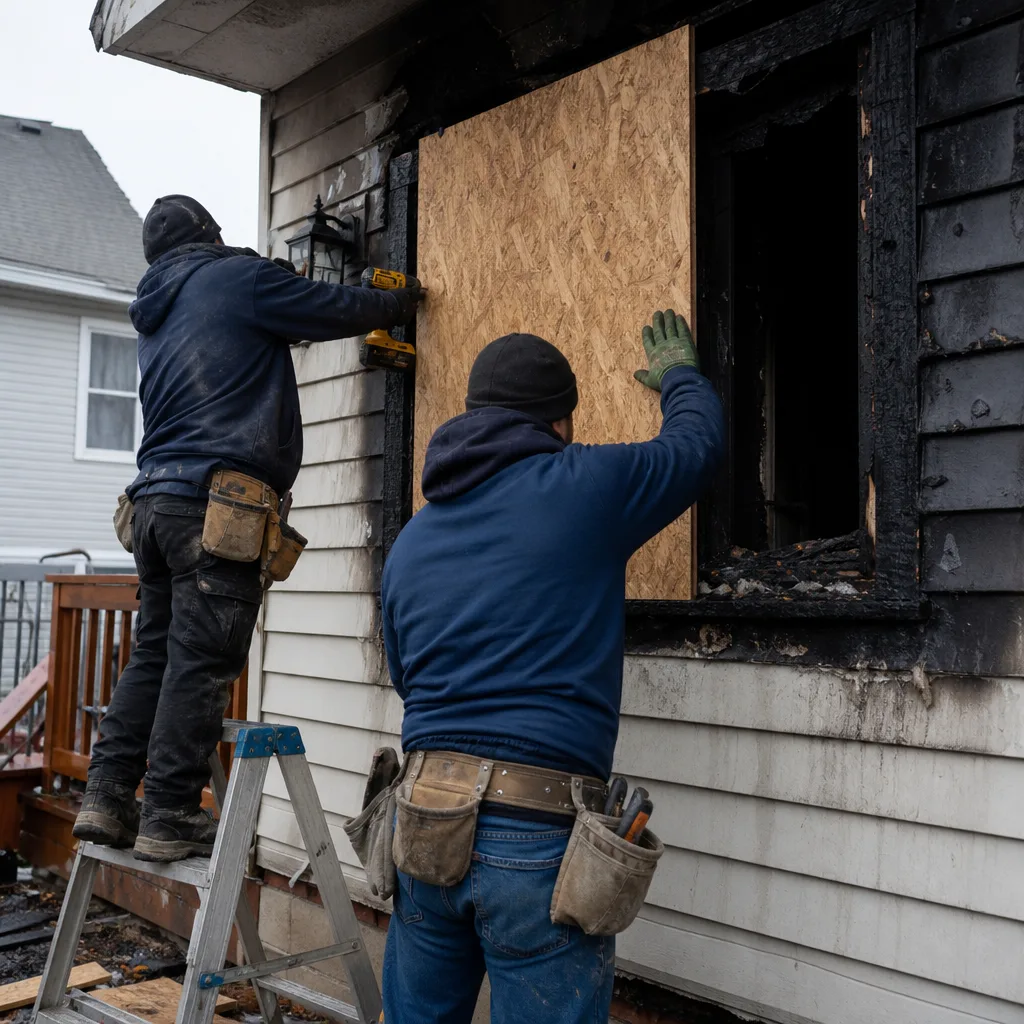
Septic Failure Cleanup
Harlem brownstones and some Inwood townhouses still run on private septic systems. When a system fails, sewage backs up into the basement or crawl space. We pump, extract, and sanitize, then coordinate with a septic contractor for the system repair. Our drying plan accounts for the vermiculite and asbestos common in these older homes.
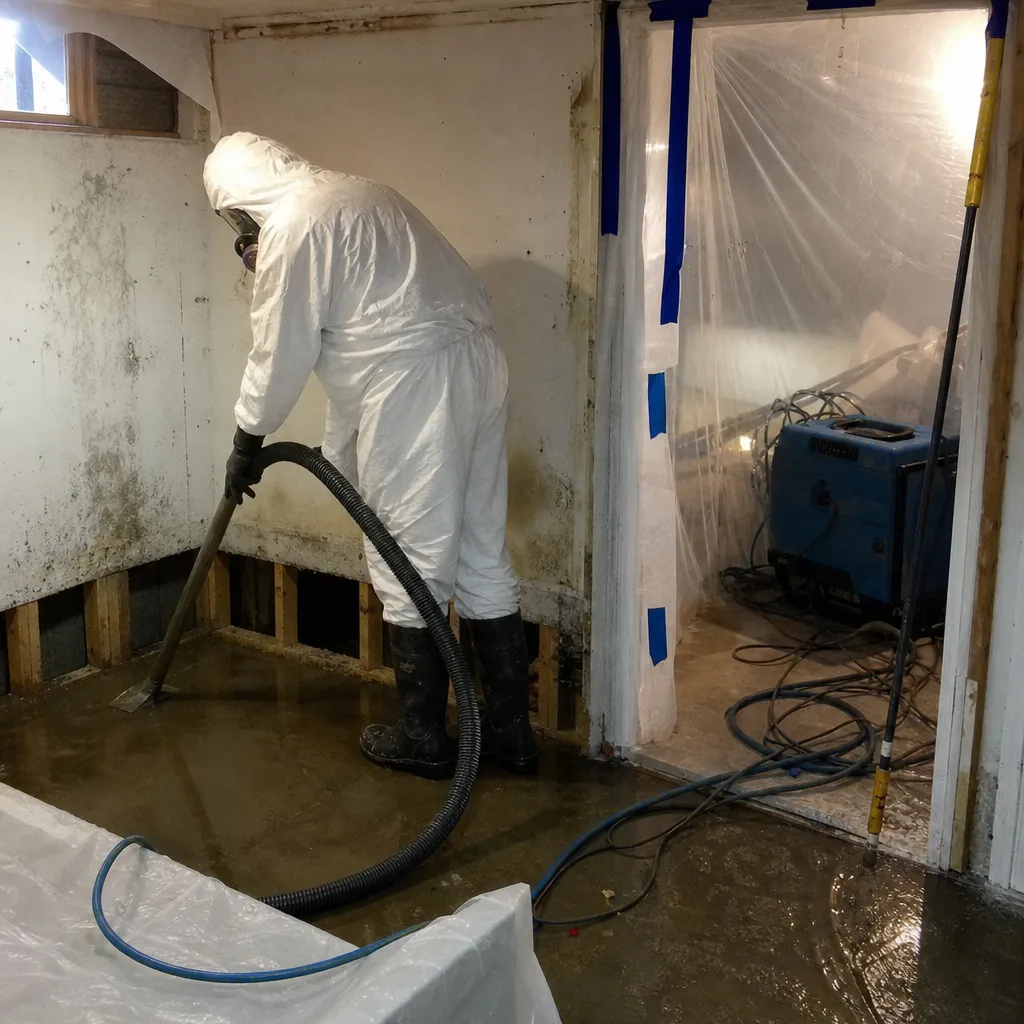
Black Water Extraction
Black water extraction is the first physical step in any sewage loss. We use truck-mounted and portable extraction units to remove standing sewage quickly. In Upper Manhattan’s older buildings, speed matters because water trapped in plaster and lath keeps migrating. We extract first, then map and dry.
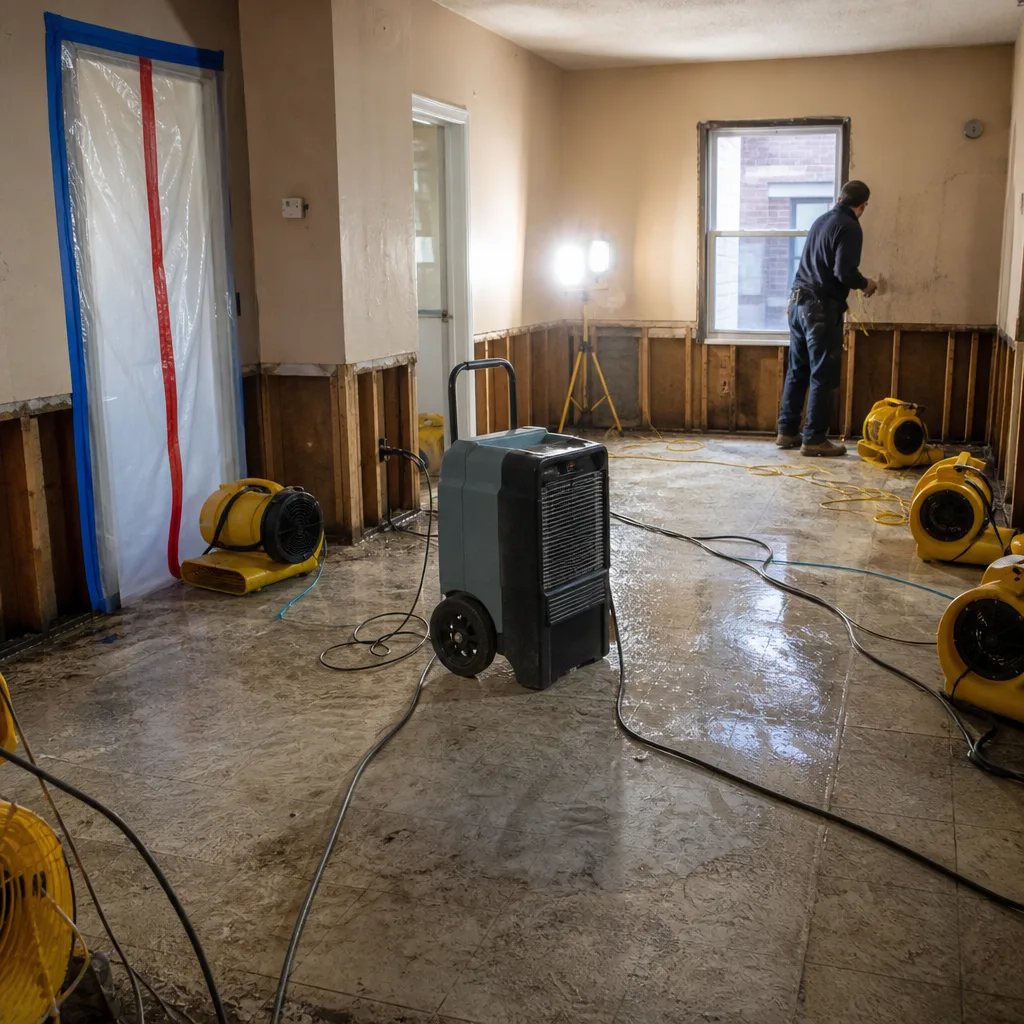
Sanitization & Disinfection
After extraction and removal, we treat all affected surfaces with antimicrobial and disinfecting agents specific to category 3 water. We run HEPA air scrubbers during demolition to keep airborne mold spores and bacteria from spreading to adjacent units. Clearance testing confirms the space is safe before we rebuild.
What happens when you call
- 1
A real person answersNo phone trees - you reach a local pro.
- 2
You get an upfront price rangeHonest numbers before anyone is dispatched.
- 3
A background-checked tech heads outLicensed & insured, dispatched right away.
- 4
You approve before work beginsNothing starts until you say go.
Sewage Cleanup Costs in Upper Manhattan, NY
A typical sewage backup cleanup in Upper Manhattan runs between $2,800 and $7,500 for a single unit, when the damage is caught early and contained to one room. Multi-unit losses, which are common in pre-war buildings with shared stacks, run higher: $12,000 to $40,000 or more, because you’re paying to open walls, dry stacked framing, and coordinate across multiple apartments. Black water extraction alone typically runs $900 to $2,200. Sanitization and disinfection add $500 to $1,800 depending on square footage. Crawl space sewage removal in a brownstone runs $1,800 to $4,500, more if abatement is triggered. Insurance covers most sewage backup claims when the cause is sudden and accidental. When it’s not covered, we give you a written scope before work starts, so you know the number. The free inspection is how you get there.
We Also Serve Cities Near Upper Manhattan
Floodline Restoration Co. also provides sewage cleanup in nearby communities, including Astoria, Ditmars Steinway, Upper East Side, and Jackson Heights. Same live dispatch. Same certified crews. Same written guarantee.
Serving Upper Manhattan, NY - Our Local Coverage Area
We’re based in the Upper Manhattan area and know this community well. Use the map below to see our service coverage - if you’re nearby, we can almost certainly help.
Upper Manhattan Sewage Cleanup Questions, Answered
In a pre-war Upper Manhattan building with shared plumbing stacks, how do you determine if sewage backup from one apartment has affected other units?
We moisture-map the units above and below the source, not just the apartment that called. Thermal imaging and hygrometers read through plaster, telling us where category 3 water has wicked before it’s visible. In shared-stack buildings, that usually means checking the two units below and the one above. Call (518) 800-3751 if you suspect a shared-stack loss, and we’ll inspect the full column.
What happens if sewage water has saturated horsehair plaster in a Washington Heights walk-up?
Once horsehair plaster absorbs category 3 water, it cannot be dried and saved. We remove the saturated plaster and the lath behind it, then dry the framing. That also means we inspect for asbestos wrap or vermiculite before work starts, because both are common in Upper Manhattan’s older buildings. Pausing for abatement is routine here, but it’s built into the timeline, not a surprise at the end.
A toilet overflowed in my Inwood top-floor unit while I was away; will you need to tear out my neighbor’s ceiling below?
Possibly. If the water saturated the joists above the neighbor’s ceiling, we often remove the ceiling to dry the framing and prevent collapse or mold. We explain exactly why we’re opening anything before we do it, and we document it for insurance. Your neighbor’s insurer may be involved. We coordinate with them directly.
Do I need to coordinate with my landlord or HPD for a sewage cleanup in a rent-stabilized Upper Manhattan apartment?
You should notify your landlord immediately, and HPD may become involved if the building’s condition is serious or multi-unit. We handle the restoration side and coordinate directly with the landlord, the managing agent, and HPD when needed. You don’t handle the paperwork. That’s part of the direct insurance billing we provide.
How do you keep a Harlem brownstone crawl space safe when sewage has soaked vermiculite insulation around old plumbing?
Vermiculite insulation in older brownstones may contain asbestos. If we find it during sewage cleanup, we stop work in that area and bring in a licensed NYC asbestos contractor. No drying equipment goes in until the abatement is complete. The crawl space gets full containment, extraction, and sanitization after that, with a drying log the whole way. Our 90-Day Done Right Promise covers the full process.
How fast can you actually get to Upper Manhattan?
Our commitment is a 45-minute response and a live dispatcher on the line the moment you call. Most Upper Manhattan jobs get a crew on site faster than that, because we stage teams near the West Side Highway and Harlem River Drive corridors. Sewage contamination spreads while you wait, so speed is not a courtesy. It’s the difference between one wet room and a full floor.
Is sewage backup covered by my insurance?
It depends on the cause and your policy. Sudden and accidental backups are covered by most policies when you carry sewage backup coverage. Neglect and gradual deterioration generally are not. We document everything and coordinate directly with your carrier, so you learn the reality quickly instead of waiting through an adjuster’s silence. Call (518) 800-3751 and we’ll help you understand what you’re working with.
What should I do in the first 30 minutes after a sewage backup in Upper Manhattan?
Stop using all water in the unit. Cut power if water is near outlets. Move people and pets away from the affected area. Don’t flush, don’t run the sink, don’t try to plunge a shared-stack line. Then call us. A live person answers, a crew heads your way, and we tell you over the phone what to do while we drive.
On a Washington Heights walk-up, our crew was called for a toilet overflow in a third-floor apartment, but moisture mapping and moisture readings quickly showed category 3 water had wicked into horsehair plaster walls and saturated the framing in the units below. We set up containment, performed black water extraction, removed the saturated plaster, and coordinated with the landlord’s asbestos contractor before staging air movers and dehumidifiers. Drying logs documented every step, and all affected units came back to pre-loss condition.
This work carries real risk. Raw sewage contains pathogens that can cause serious illness. The structural dangers of a saturated tenement ceiling or floor are not something to test by feel. If you’re facing a sewage backup in Upper Manhattan, don’t try to handle category 3 water yourself. Call a trained professional, and call soon.
For fast, certified sewage cleanup in Upper Manhattan, call (518) 800-3751. A live dispatcher answers, the inspection is free, and the work is backed by our written 90-Day Done Right Promise.
Written by Curt Bowman, Owner at Floodline Restoration Co., serving Upper Manhattan and the surrounding communities.