
Free visual inspection and a written scope of work before any mitigation begins - photos, moisture readings, and drying logs go in your claim file
The scope we write is the scope we bill. Anything new gets shown to you, in writing, before we touch it.
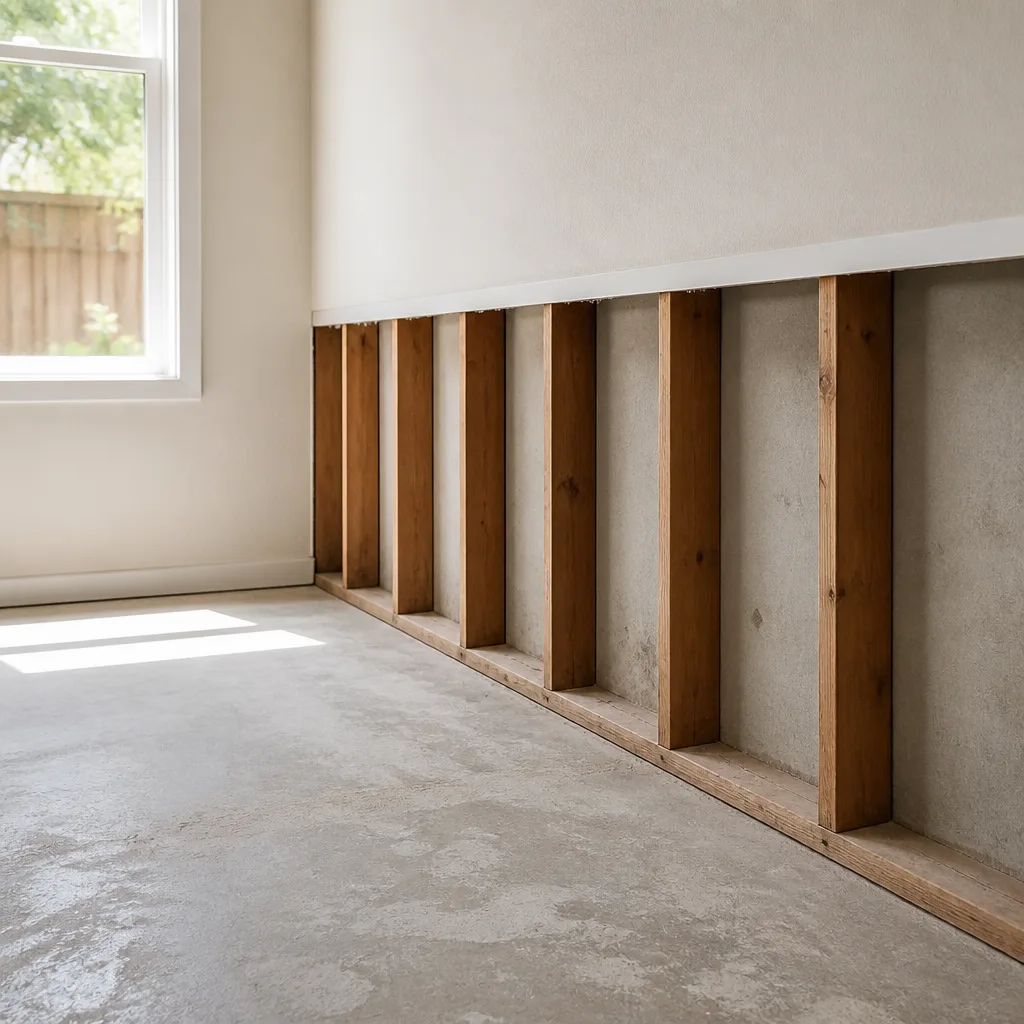
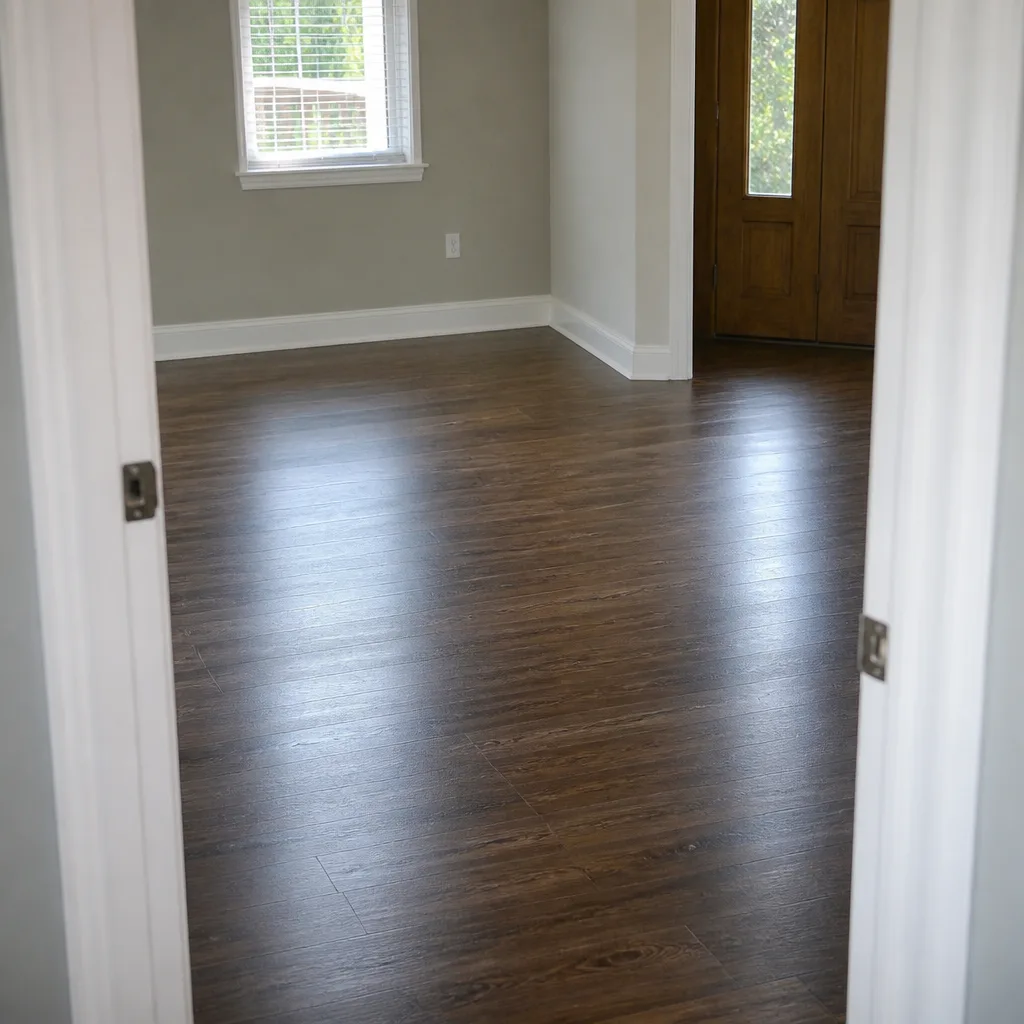

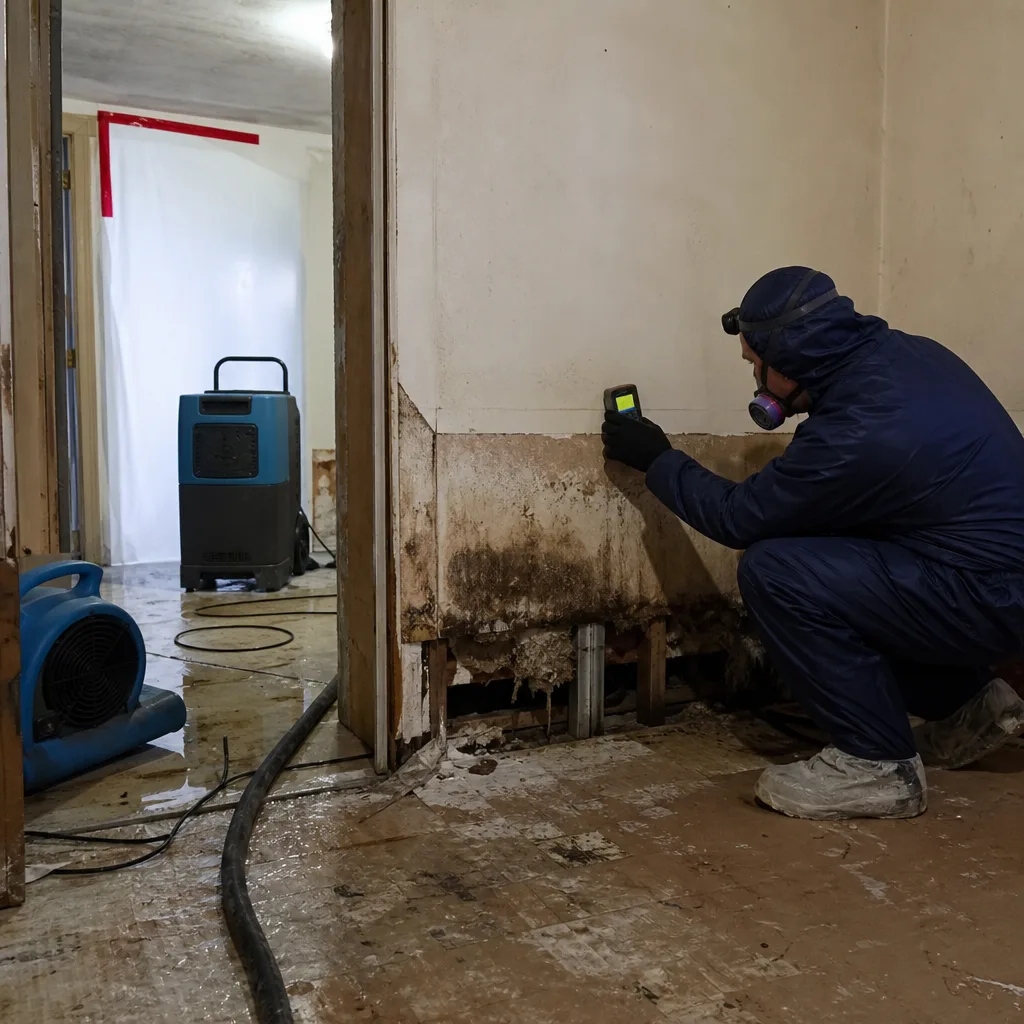 Before
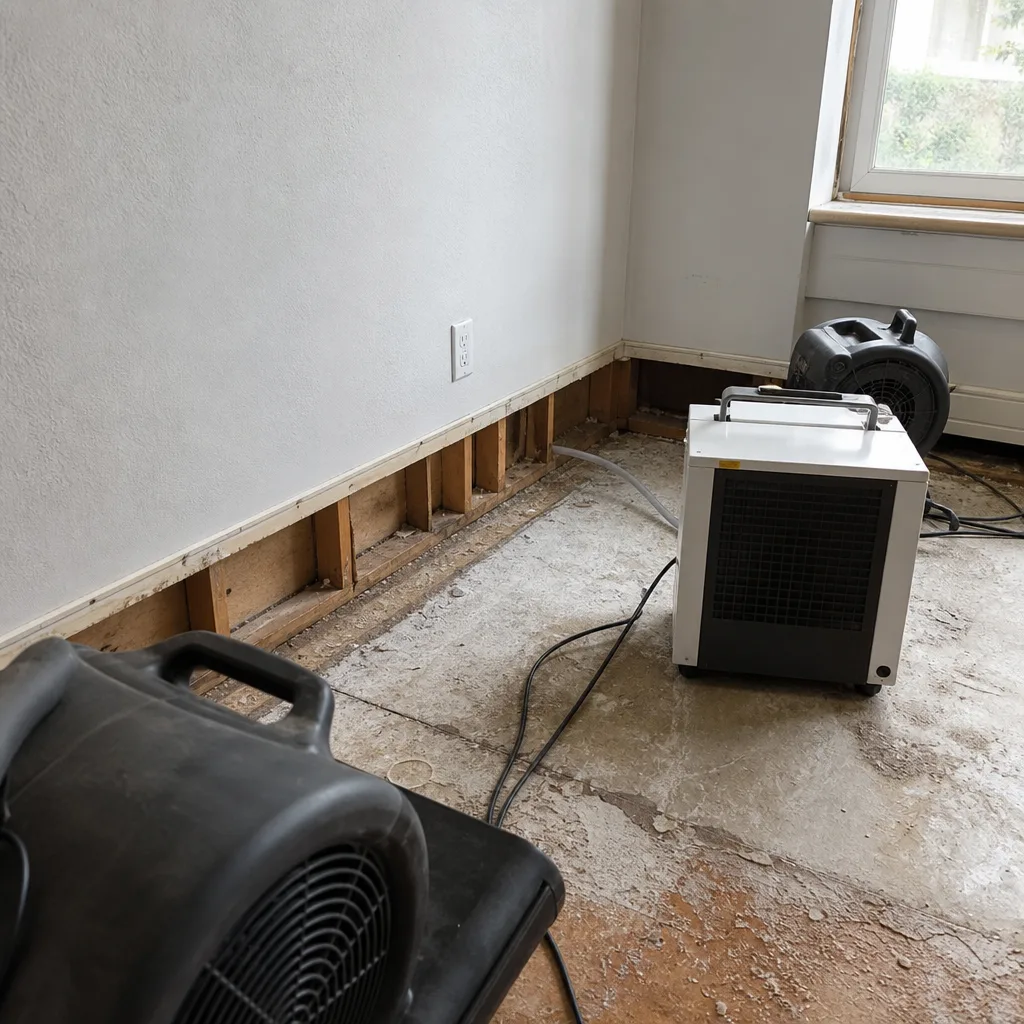 After
After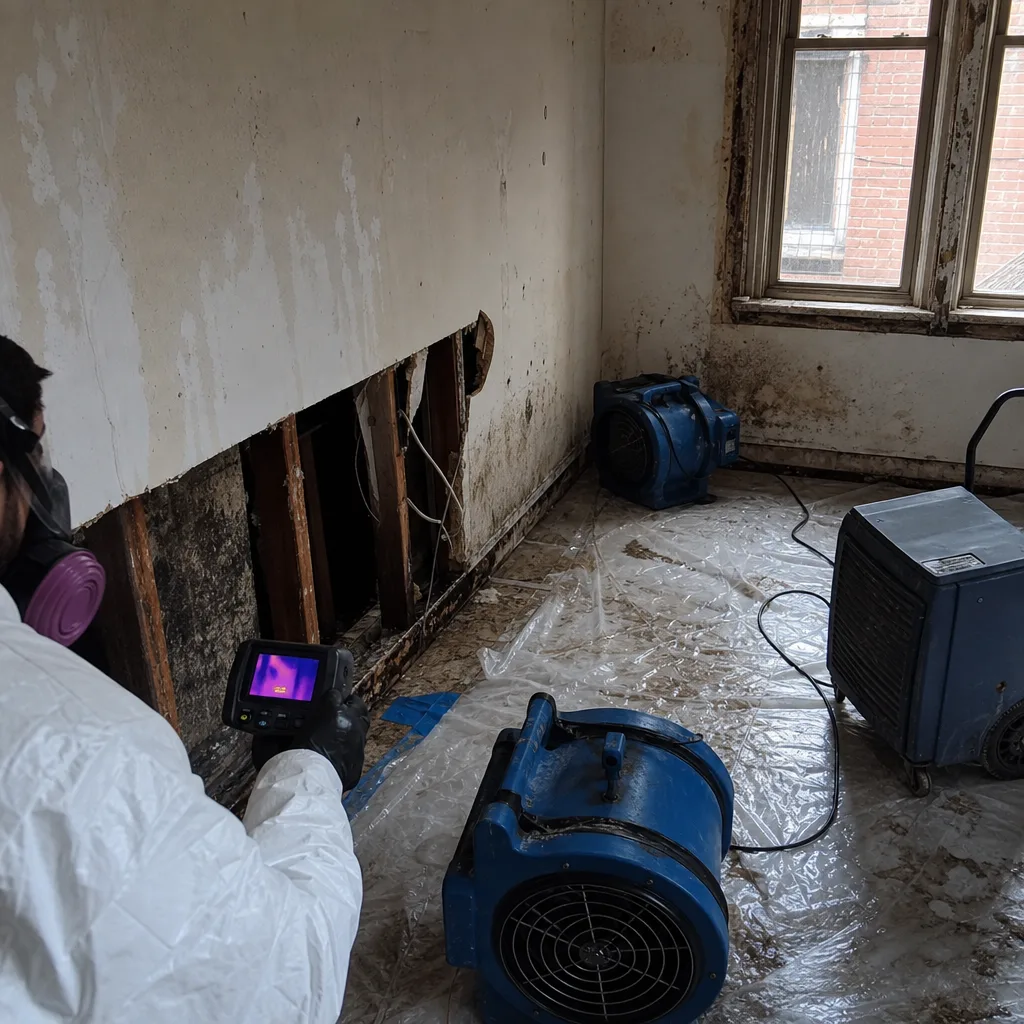 Before
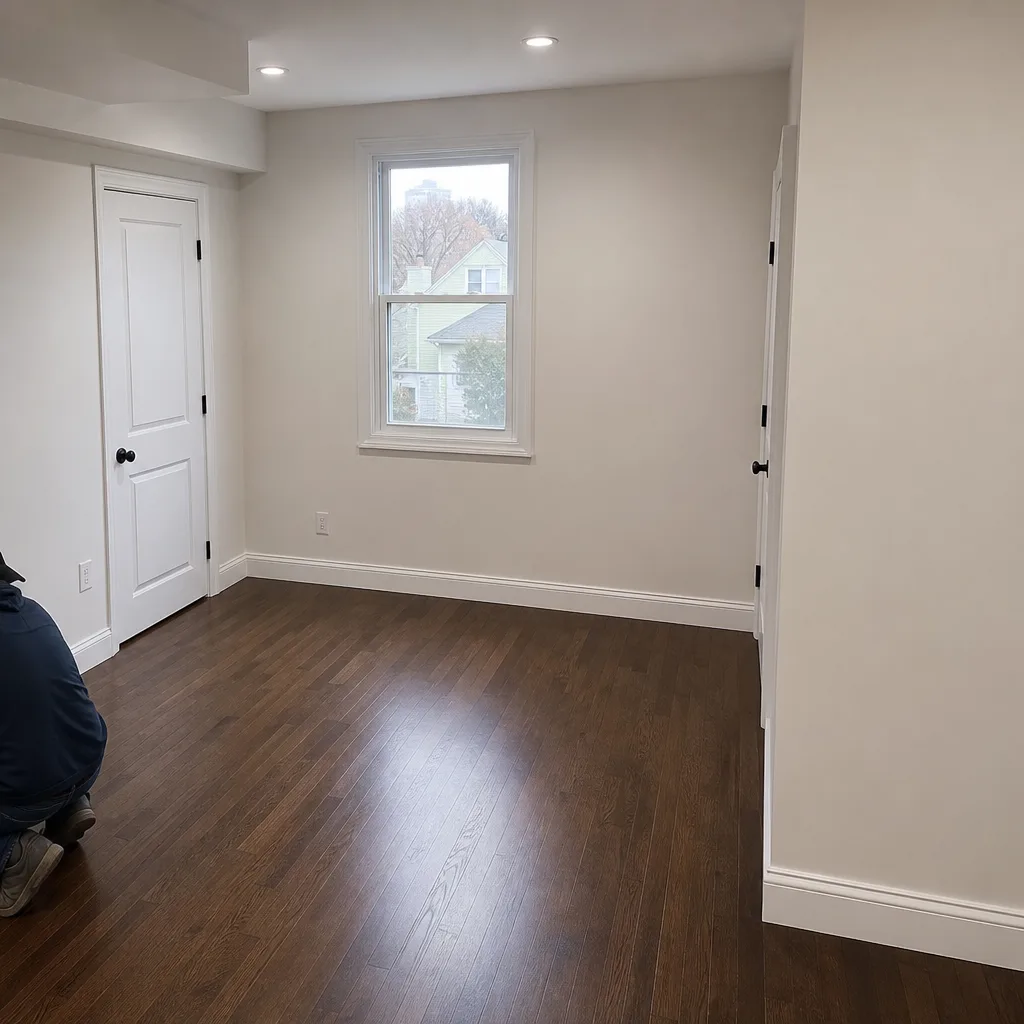 After
After24/7 Emergency Storm & Disaster Restoration in Midtown Manhattan
Storm & Disaster Restoration in Midtown Manhattan moves on a different clock than the rest of the city. When a nor’easter drives water through a failed window gasket 40 floors above Seventh Avenue, or a broken riser sends category 2 water cascading through occupied law-firm suites and condo units simultaneously, the first hour determines whether you’re facing a cleanup or a rebuild. Our live dispatchers answer (518) 800-3751 at any hour, every day, and crews stage equipment in Midtown’s freight elevators before most property managers finish their first conference call about the event.
We’re Floodline Restoration Co. Our Storm & Disaster Restoration team carries the equipment, the certifications, and the vertical-building logistics experience that Midtown’s dense high-rise stock demands. The visual inspection is free. The scope is written. The work is backed by the 90-Day Done Right Promise.
Understanding Storm & Disaster Restoration Severity in Midtown Manhattan Properties
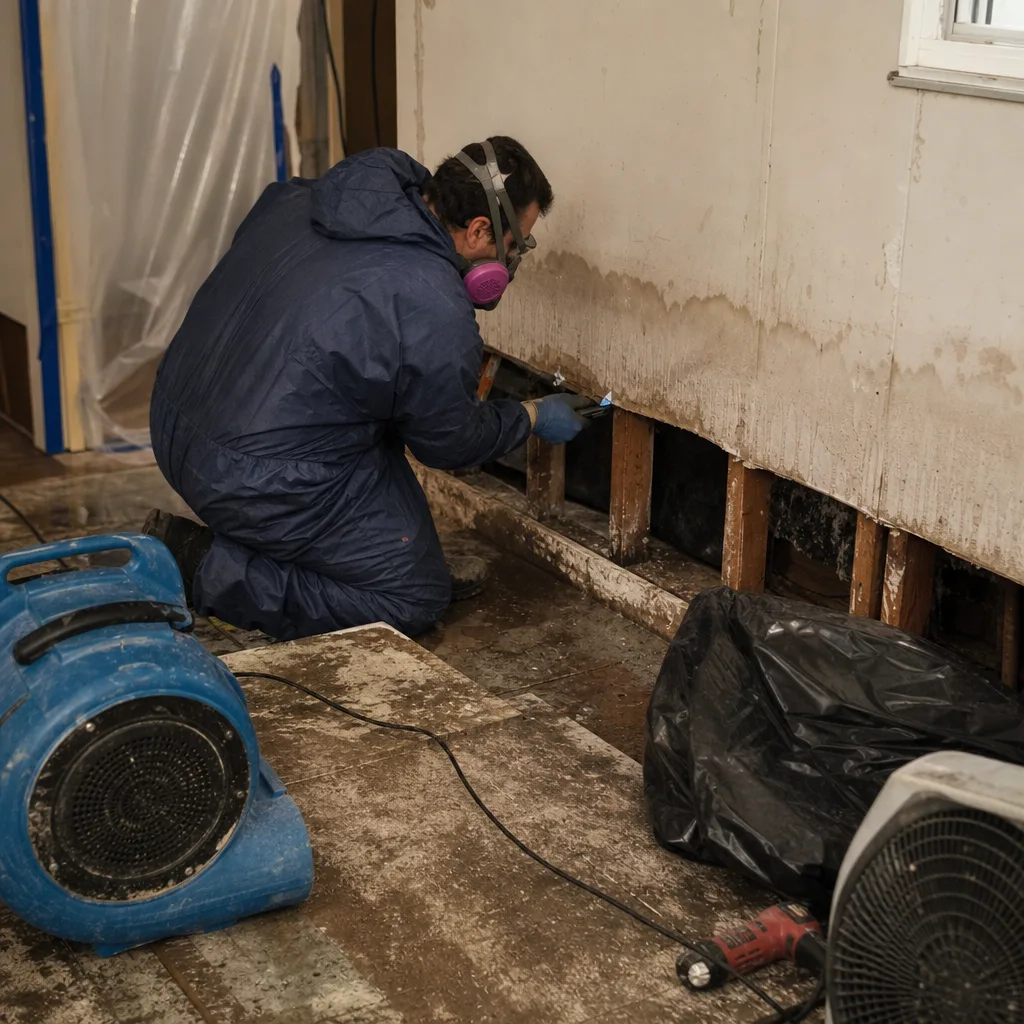
Storm damage in Midtown Manhattan rarely announces itself as a single, obvious problem. It reveals itself in floors: water migration through concrete slabs, saturated plaster ceilings in pre-war masonry towers, category 3 contamination pooling around clay-tile fireproofing. We classify water by source and contamination level because drying a category 1 supply-line break is a fundamentally different job than remediating category 3 sewage backup that pushed through a hotel lobby and a condo riser in the same event. Thermal imaging and hygrometer readings tell us where moisture is hiding before we cut anything open.
Smoke and soot from electrical fires in Midtown’s mixed-use buildings behave differently too. Protein soot from a restaurant kitchen fire in the base of a tower will migrate through HVAC ductwork into residential units six floors up. Dry chemical residue from a transformer failure leaves a corrosive film that eats at switchgear and brass fixtures. We map smoke migration patterns before we ever touch a wall, because in a 30-to-60-story building, the damage doesn’t stay where the fire was. It follows pressure differentials, elevator shafts, and pipe chases.
Why Midtown Manhattan Property Owners Choose Floodline Restoration Co.
- 45-minute response commitment for storm and water events in Midtown. We stage from a New York City dispatch point with crews who know which freight elevators run 24/7 and which doormen require a COI before entry.
- 24/7 live answer, never an automated system. Curt Bowman built this company around a dispatch board, not a sales desk. A person answers at 2 a.m. and a crew moves.
- IICRC-certified technicians trained to WRT, FSRT, and AMRT standards using Dri-Eaz, Phoenix, and XPOWER equipment, moisture-mapped from day one with daily readings logged until the dry standard is met.
- Free visual inspection with a written scope before any work begins. No surprises on the bill, and you know exactly what we’re cutting, drying, and rebuilding.
- Direct insurance billing where our team documents, photographs, and coordinates with your carrier so you never play messenger between Floodline and the adjuster.
- One team from extraction to reconstruction. We don’t hand off the job after drying. The same crew that reads the moisture map handles the rebuild, and stands behind it in writing.
Our Storm & Disaster Restoration Process
Inspection & Assessment
We arrive, assess the full vertical picture, identify water category and soot type, and run thermal imaging and moisture readings before opening anything. In Midtown buildings from the 1920s through the 1960s, we check for asbestos in pipe insulation and floor-tile mastic before any demo decision gets made.
Extraction & Stabilization
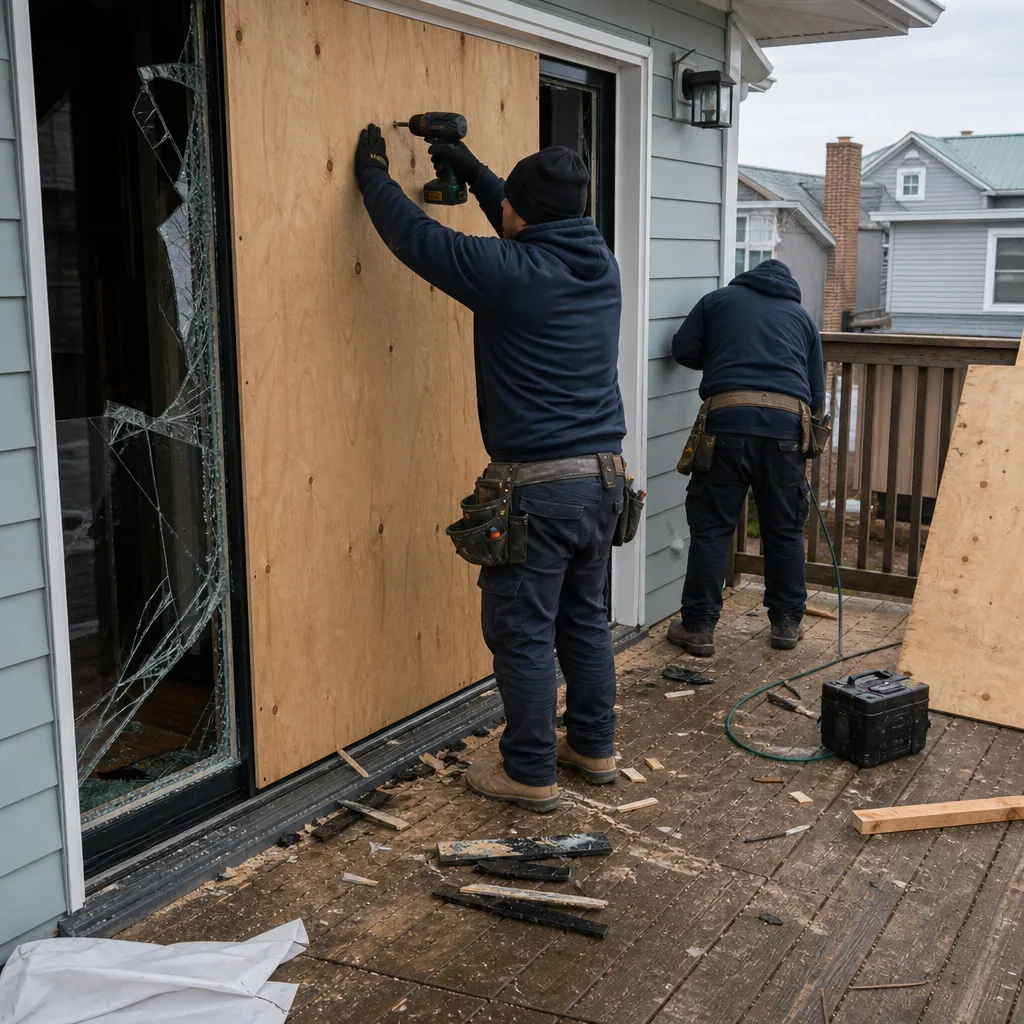
We stop the source, extract standing water, and stabilize what’s still wet and spreading. For wind-driven facade breaches, that means tarping and board-up at height, coordinated with building management and street-level safety protocols.
Drying & Dehumidification
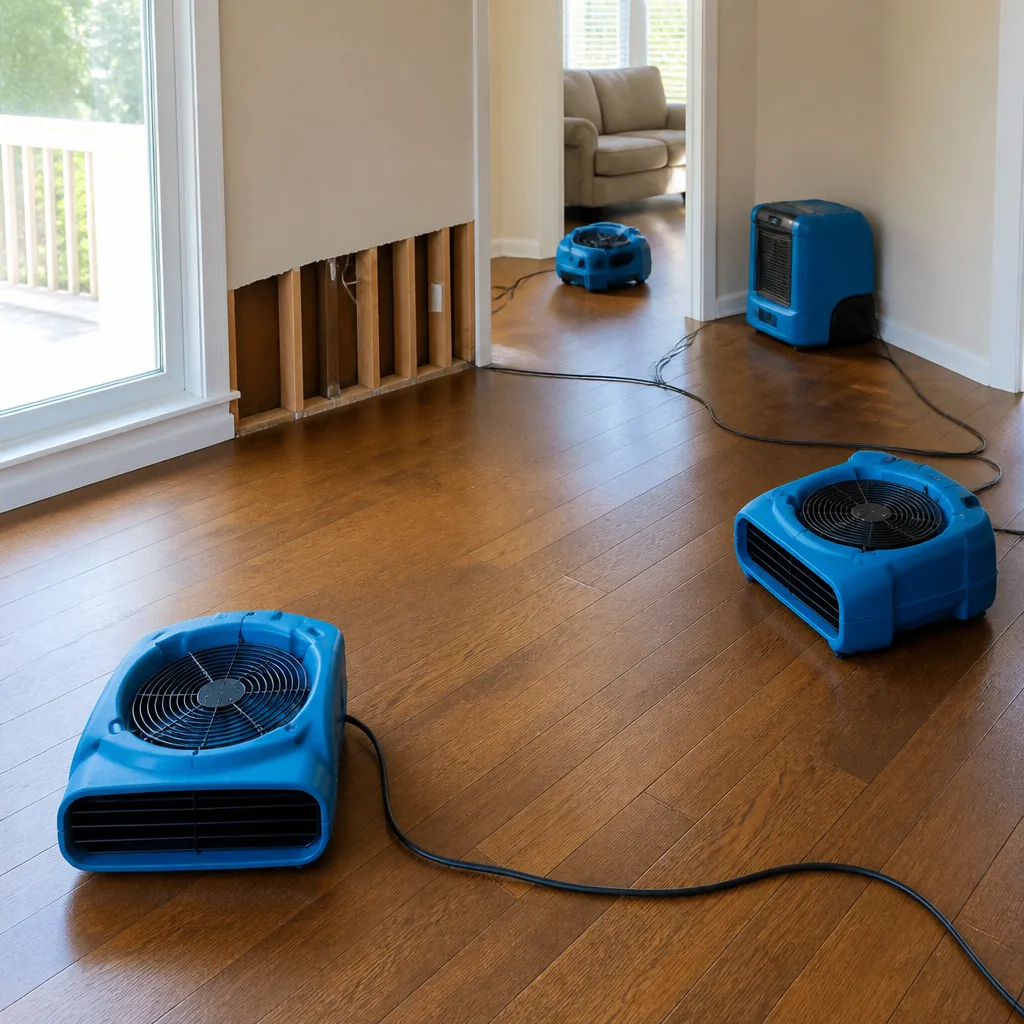
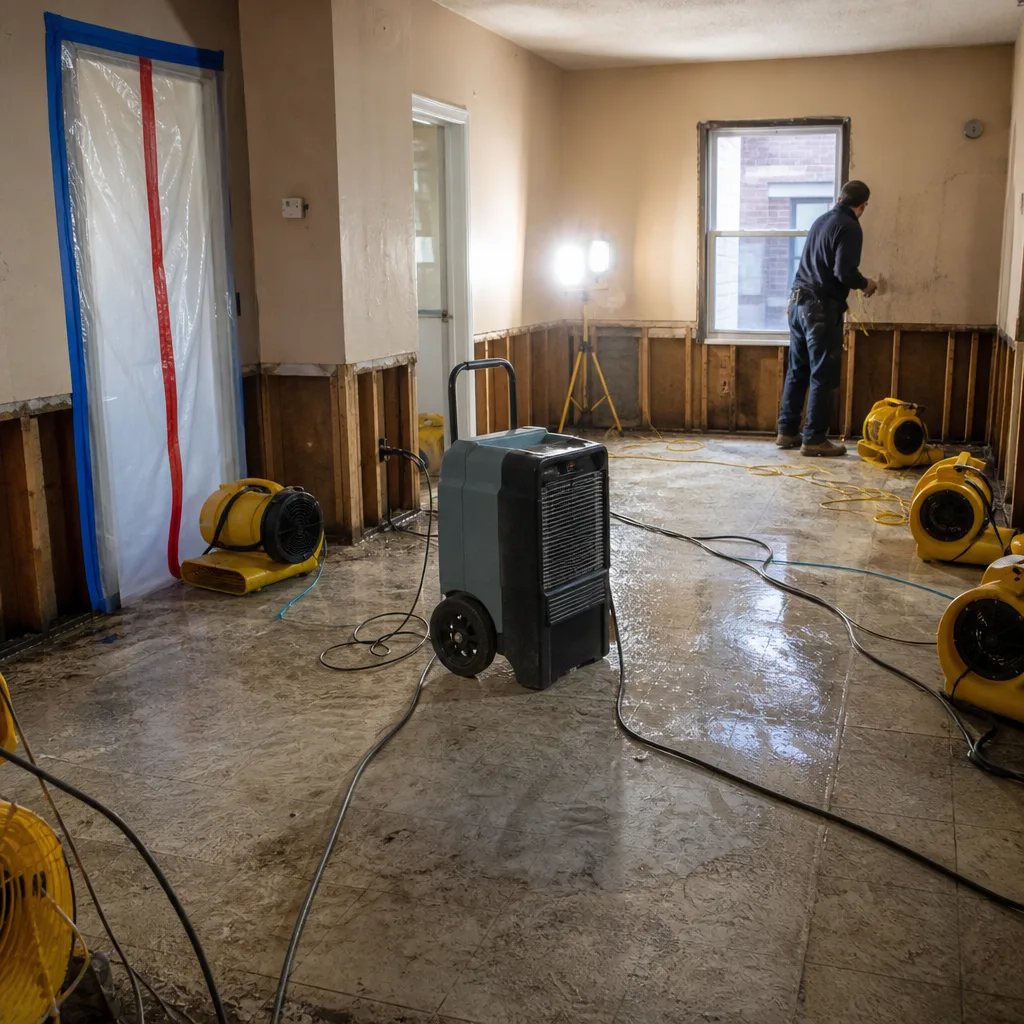
XPOWER air movers and Phoenix dehumidifiers staged in tight floorplans, run on 90-minute freight-elevator windows. We chart moisture daily, and the log goes to you and your carrier. No hidden pockets in original plaster ceilings.
Cleaning & Sanitization
HEPA air scrubbing and antimicrobial treatment appropriate to contamination level. For category 3 events, we contain first, clean second, and clearance-test third. The standard isn’t visual. It’s measurable.
Storm-Specific Treatment
Roof tarping with engineered anchorage, emergency board-up with fire-rated materials, debris removal that clears fire escapes and sidewalk vaults without shutting down the street or the lobby below. Each job gets the treatment its damage profile demands.
Repairs & Restoration
We rebuild what needed rebuilding: plaster, drywall, flooring, millwork. The same certified crew, the same written scope. Done right, done once, and backed by the 90-Day Done Right Promise in writing.
Need Emergency Storm & Disaster Restoration in Midtown Manhattan Now?
Crews minutes away, answering live 24 hours a day. The sooner we start, the less it costs.
Working With Your Insurance Company
Most storm and disaster losses in Midtown Manhattan involve more than one carrier: the condo association’s master policy, the unit owner’s HO-6, the commercial tenant’s business-interruption coverage, sometimes the ground-floor retail operator’s carrier too. We document from the first hour because we know adjusters will ask for proof of source, proof of contamination level, and proof that we didn’t make a wet problem worse by cutting too late or too early. Our estimates follow the same format the carriers read, and we coordinate directly with your adjuster by phone and email so you’re not translating scope language into insurance language.
What We Provide Your Insurer
- Thorough documentation of the loss
- Photos of all damage, room by room
- Moisture readings and drying logs
- A detailed, line-item scope of work
- Direct coordination with your carrier
Built for Midtown Manhattan’s Loss Calendar
Midtown’s storms have a schedule. January and February bring deep freezes that burst aging supply lines in 1920s and 1930s masonry towers, sometimes flooding a dozen floors below before building staff even isolate the riser. March and April thaw the streets, but also reveal the water that’s been sitting behind failed window gaskets all winter. Summer thunderstorms dump flash-flood volumes into aging roof drains and subterranean mechanical rooms from Bryant Park to Sutton Place, overwhelming sump systems that haven’t been tested since the last event. Then autumn brings the nor’easters: sustained horizontal rain hammering curtain-wall facades, exploiting every failed gasket and cracked mortar joint on the upper floors.
The pattern is predictable. The damage isn’t still visible when the streets dry. That’s why we run moisture mapping as standard practice, even on jobs that look like a simple dry-out. You can’t see category 2 water migrating through a concrete slab until it’s too late. The line the water left is where we start, and the readings tell us where it’s actually going.
Storm & Disaster Restoration Across Midtown Manhattan’s Neighborhoods
Every Midtown corridor has its own storm profile. Around Times Square and the Theater District, we’re coordinating with sign contractors and stage-door schematics, not just floorplans. Down in Murray Hill and Kips Bay, we’re navigating narrow service entrances and loading docks shared with restaurant vendors, staging equipment in 90-minute freight windows. Up toward Columbus Circle and the southern edge of Central Park, the towers are only slightly shorter but older, with cast-iron supply lines that were already forty years past their design life when the facade was last repointed. Over in Turtle Bay, we’re threading air movers through residential units with 26-inch door clearances and a doorman who needs a printout of our certificate of insurance before we touch the elevator call button.
Near Herald Square and the Garment District, pre-war loft-to-office conversions throw their own challenge: the moment a technician opens a wall, legacy asbestos in pipe insulation or floor-tile mastic can shut down mitigation until an industrial hygienist clears it. We make that call on the first visit now. The delay costs less than opening a contaminated wall twice.
This is what we mean by local knowledge. A national franchise crew can show up to a Midtown tower and do the drying part right. But they’re learning the building’s vertical logistics in real time, and that learning curve runs on your insurance deductible. Our Midtown Manhattan teams have already learned it.
Specialized Storm & Disaster Restoration Services We Offer in Midtown Manhattan
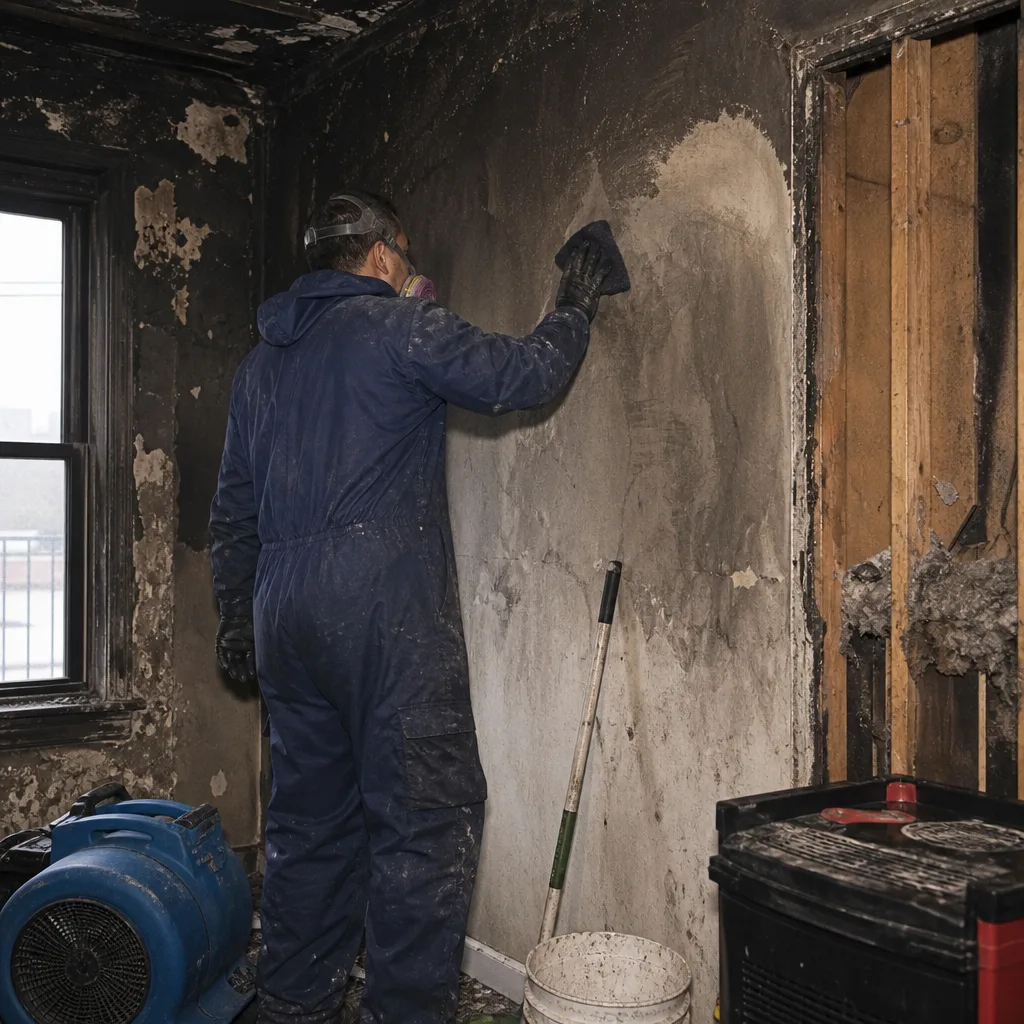
Storm Damage Cleanup
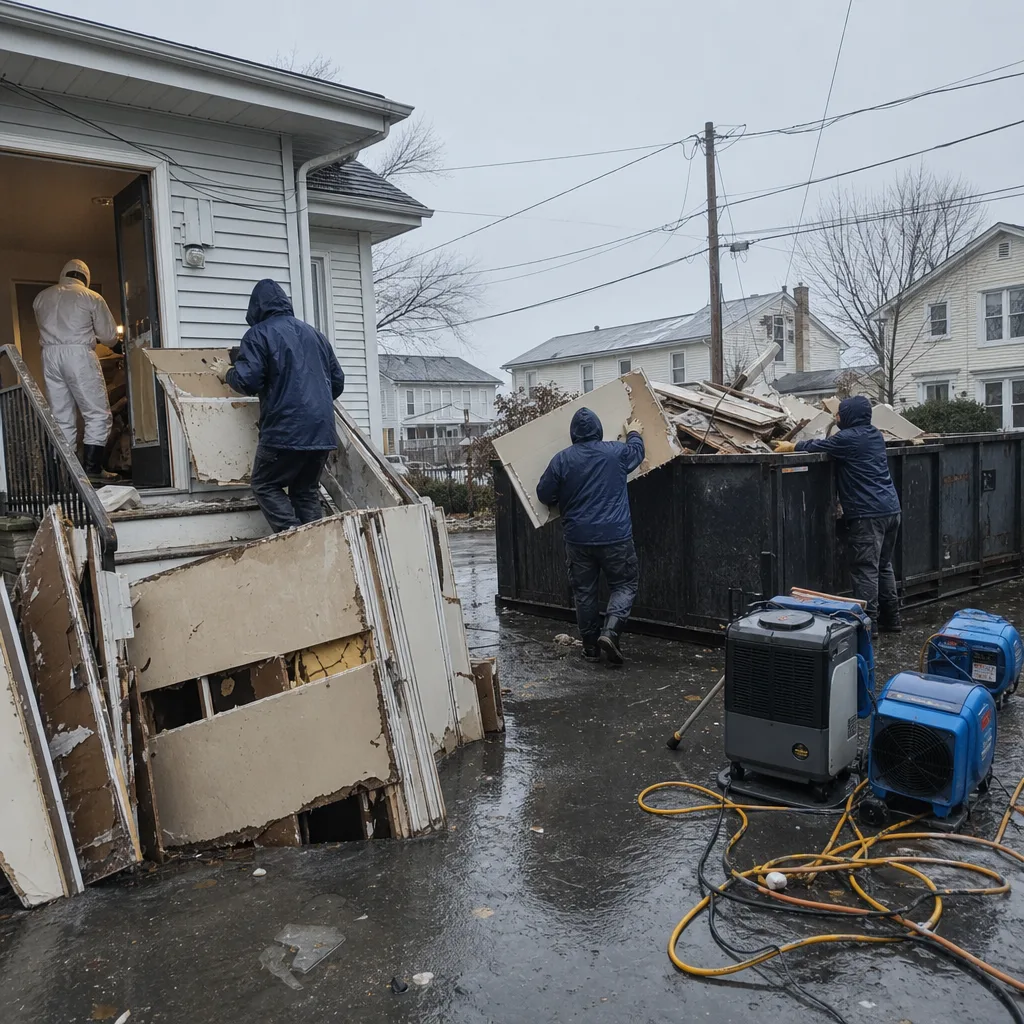
Standing water, wet insulation, saturated drywall, and the debris a storm leaves behind. In Midtown high-rises, we run extraction and drying simultaneously across vertical zones because a single riser failure can put fifteen floors under water at once, and waiting on one floor to dry before starting the next just multiplies the final loss figure.
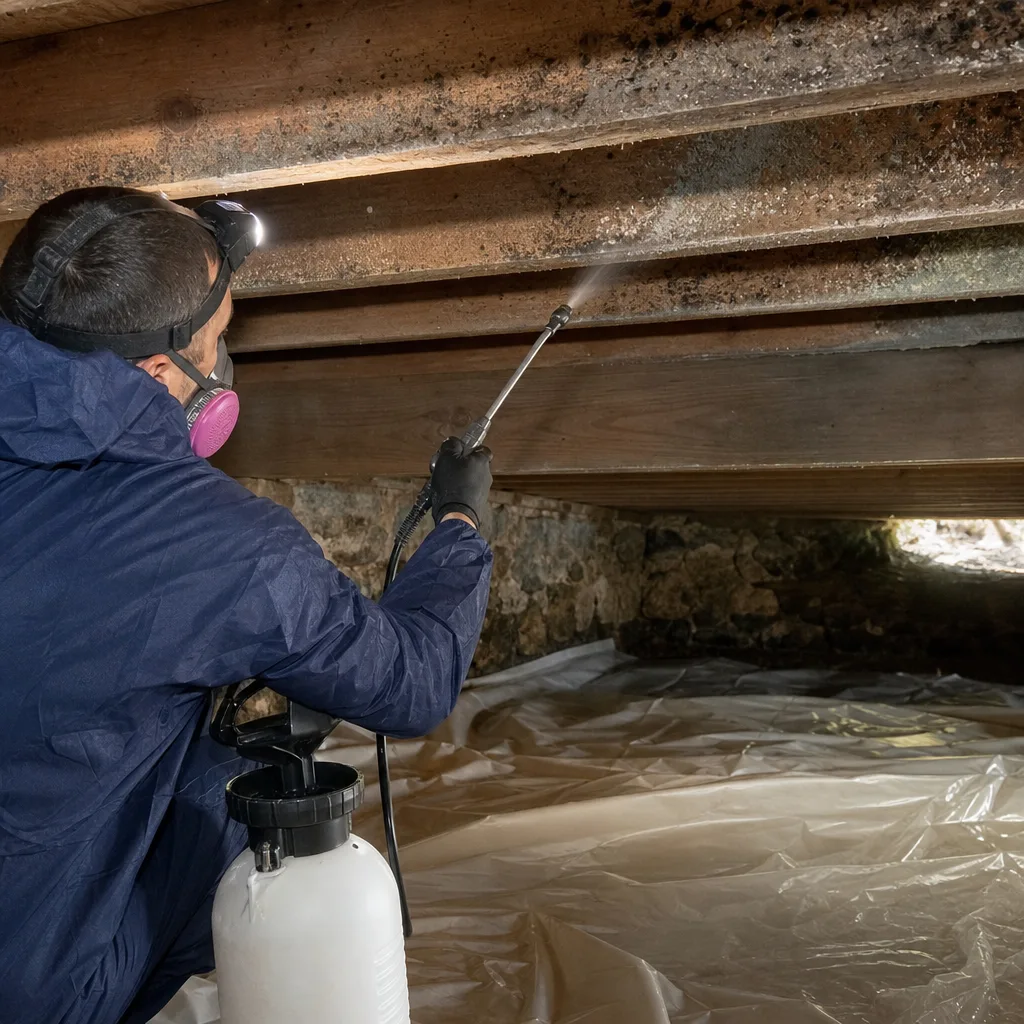
Flood Damage Restoration
Whether the water came from a burst pipe, a failed roof drain, or a nor’easter-driven facade breach, flood restoration in Midtown means classifying the water first, extracting the source second, and mapping moisture with thermal imaging and hygrometers so drying covers every hidden pocket. Original plaster ceilings hold water differently than modern drywall, and we treat them accordingly.
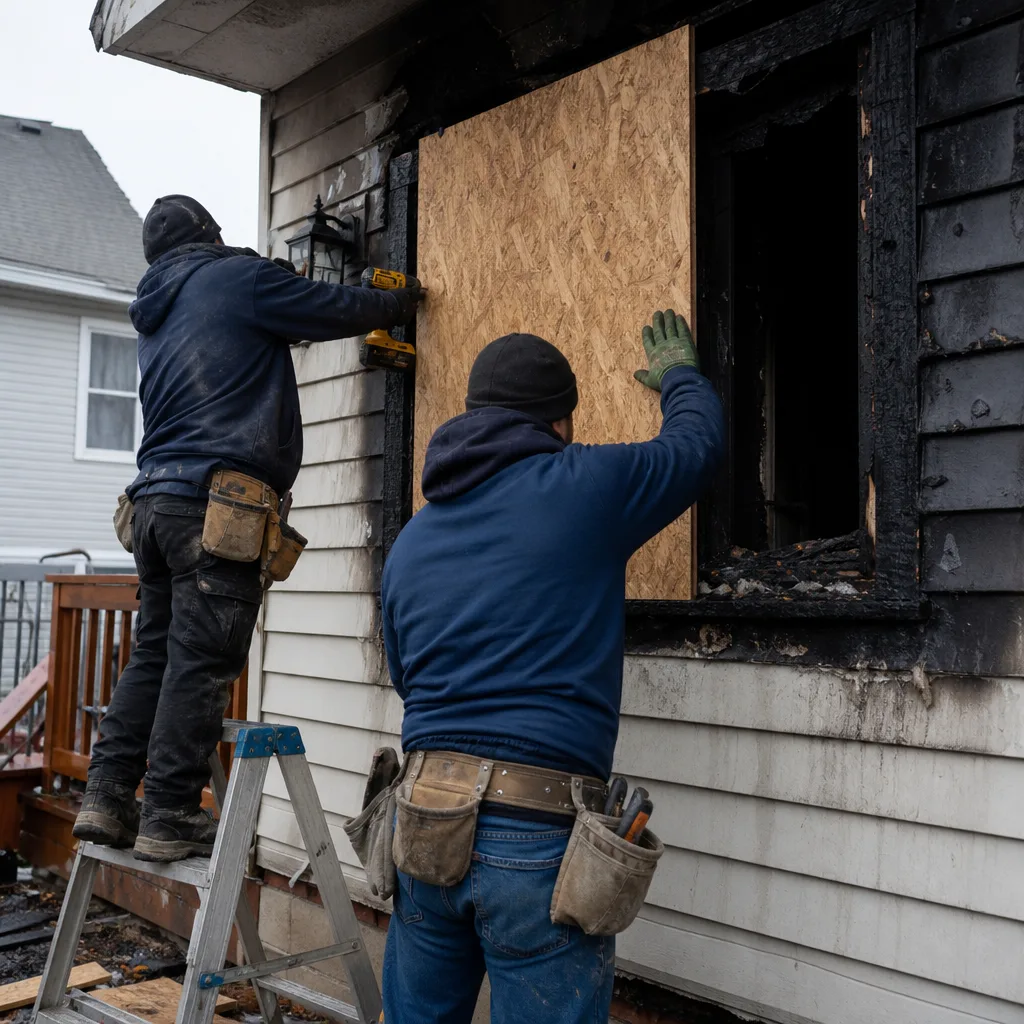
Emergency Board-Up
Wind-driven rain through a failed window at 40 floors up doesn’t wait for a glazier. We board up with fire-rated materials, anchor the temporary closure to the existing frame, and coordinate with building management on aesthetics and safety so the public sidewalk below never becomes a drop hazard. Each board-up gets documented for your carrier.
Roof Tarping
Midtown’s roofs are dense with mechanical equipment, cell antennae, and decades of patched membrane. When a storm rips through, we tarp at height with engineered anchorage, working around roof access constraints and weight limits. A tarp isn’t the repair. It’s what keeps the repair from becoming a full-floor replacement by the next rain.
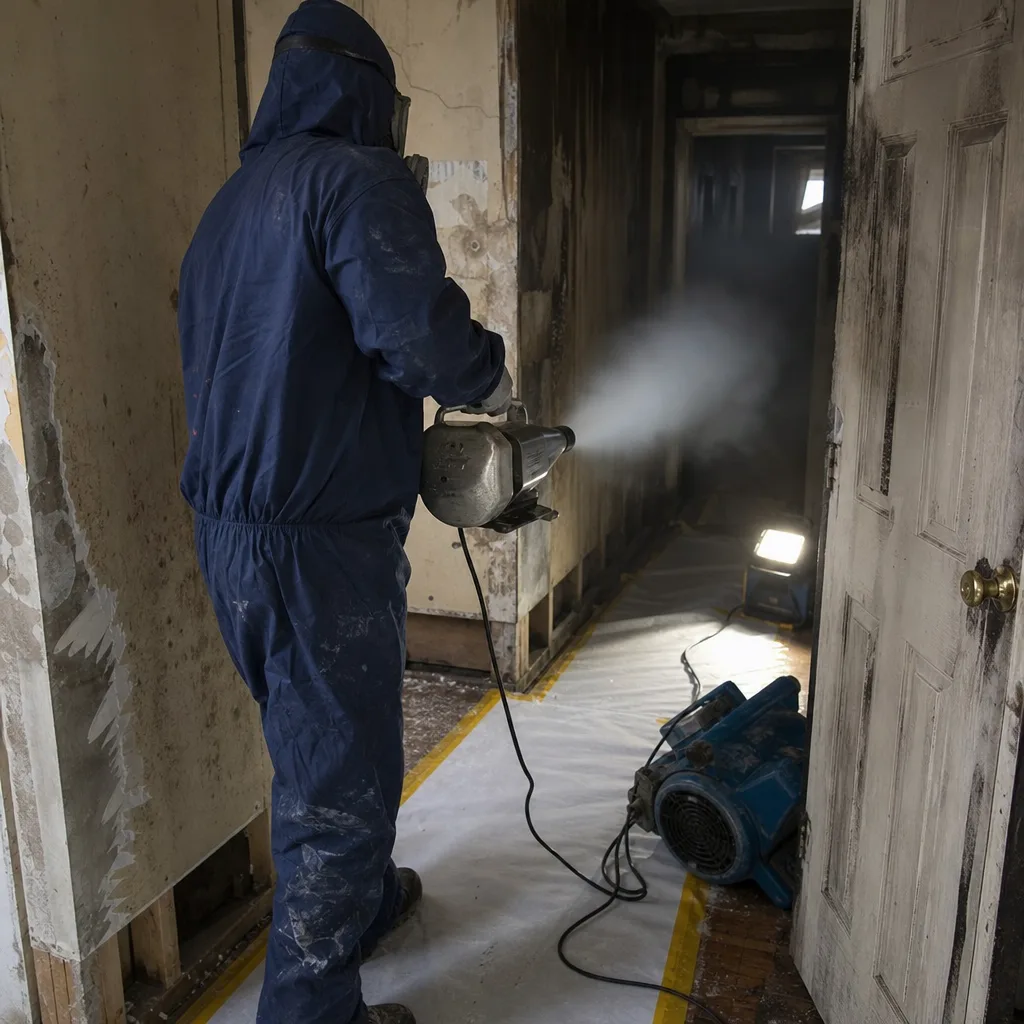
Debris Removal
Storm debris in Midtown accumulates in odd places: fire escapes, sidewalk vaults, light courts, the mechanical floors. We clear what the storm left, document what we removed, and photograph every step so disposal and remediation costs are itemized and carrier-ready.
What happens when you call
- 1
A real person answersNo phone trees - you reach a local pro.
- 2
You get an upfront price rangeHonest numbers before anyone is dispatched.
- 3
A background-checked tech heads outLicensed & insured, dispatched right away.
- 4
You approve before work beginsNothing starts until you say go.
Storm & Disaster Restoration Costs in Midtown Manhattan, NY
Storm and flood mitigation in Midtown Manhattan is priced by the vertical logistics of the building more than any other single factor. A typical storm water extraction and dry-out in a Midtown residential unit runs $2,800 to $7,500 depending on the number of affected floors, elevator access, and whether category 3 contamination is present. Full remediation with containment and rebuild after a multi-floor riser failure typically lands between $18,000 and $65,000 when three or more floors are involved. Emergency board-up on a Midtown high-rise window runs $450 to $1,200 per opening depending on floor height and street-level protection requirements. Roof tarping at height starts around $1,800 and rises with access difficulty and the square footage of breached membrane.
What moves the price in this specific market isn’t equipment. It’s time, access, and containment: how many freight-elevator windows you get, whether demolition reveals legacy asbestos, and how far water traveled through original plaster and masonry before extraction started. The free visual inspection gives you a firm written scope before any work proceeds, and our direct insurance billing means you’re not floating five figures while your carrier processes a claim. Call (518) 800-3751 for an exact quote. Estimates are free.
We Also Serve Cities Near Midtown Manhattan
Our team covers Midtown Manhattan and the surrounding communities, including Astoria across the East River, Ditmars Steinway to the north, Upper Manhattan along the Hudson, and the Upper East Side on the other side of Central Park. If you’re in a nearby neighborhood and need storm or disaster restoration, call (518) 800-3751 and we’ll route the nearest available crew.
Serving Midtown Manhattan, NY - Our Local Coverage Area
We’re based in the Midtown Manhattan area and know this community well. Use the map below to see our service coverage - if you’re nearby, we can almost certainly help.
Midtown Manhattan Storm & Disaster Restoration Questions, Answered
How do you stage drying equipment in a Midtown high-rise when the freight elevator is only available for 90-minute windows?
We pre-stage equipment in the freight elevator lobby the moment we know the window is open, and we run drying lines on battery-powered sensors so the equipment keeps working even if we’re locked out of the space for hours. We coordinate with building management and the doorman on every visit, and we log every movement for your carrier’s documentation. This is standard practice for our Midtown crews.
What happens when demolition reveals legacy asbestos in a pre-1960 Midtown office-to-residential conversion?
We stop, contain, and call an industrial hygienist for clearance before any further demo work resumes. This is not optional in Midtown’s 1920s-to-1940s buildings, where asbestos pipe wrap and floor-tile mastic are common. We build the clearance time into the written scope so your insurance company sees the line item and you don’t absorb the delay as an uncovered cost. Call (518) 800-3751 and we’ll walk you through it.
Can you tarp a 40th-floor facade breach in Midtown without shutting down the street below?
Yes, with engineered anchorage and a safety plan that meets building code and keeps the public sidewalk below clear. We tarp from the interior or via swing staging when the building permits it, and we photograph every step for your carrier and the building supervisor. It’s a top-floor problem handled by crews who work at height regularly, not a one-off experiment.
How do you dry a category 3 sewage backup that affects both a hotel lobby and a condo riser in the same Midtown tower?
We contain the contaminated zones first, then run extraction and drying simultaneously across affected floors using separate equipment and separate negative-pressure zones so contamination never migrates through HVAC or elevator shafts. Hotel operations, condo unit owners, and the building’s master carrier all get separate documentation. We coordinate directly with all adjusters in the building.
How fast can someone actually reach Midtown Manhattan after I call?
We commit to a 45-minute response for storm and water events in Midtown, and our live dispatchers answer the phone 24/7. No automated system, no callback wait. The sooner extraction starts, the less water migrates through floors and the smaller the final claim. Call (518) 800-3751 and a crew moves.
Will my insurance cover storm damage in Midtown Manhattan?
Most Midtown policies cover storm-related water intrusion, wind damage, and subsequent mold remediation when the source is sudden and accidental rather than neglect. We document from the first hour, photograph every room, and work directly with your adjuster so the claim reflects what actually happened rather than what a desk adjuster assumes happened in a high-rise. Call (518) 800-3751 with the details and we’ll give you an honest read.
Do I really need full restoration or can this wait for a cleaning crew?
If water sat for more than 24 hours, or if you’re in a Midtown tower where moisture migrated through concrete and plaster, a cleaning crew cannot reach what’s already behind the wall. Water that stays trapped in original plaster or masonry will keep degrading finishes and growing mold long after the surface looks dry. We’ll give you a straight answer on whether mitigation or a cleaning is warranted, based on our free visual inspection and moisture readings.
What should I do in the first 30 minutes after I discover storm damage in my Midtown building?
Call (518) 800-3751 first. Then, if safe, shut off the water source or isolate the affected riser. Do not open walls, do not run HVAC, and do not attempt to dry anything yourself with household fans. In Midtown buildings, the first 30 minutes determine whether you’re drying one floor or five. We’ll tell you what to do over the phone while a crew is already moving.
Written by Curt Bowman, Owner at Floodline Restoration Co., serving Midtown Manhattan with full-cycle storm and disaster restoration since 2010.