
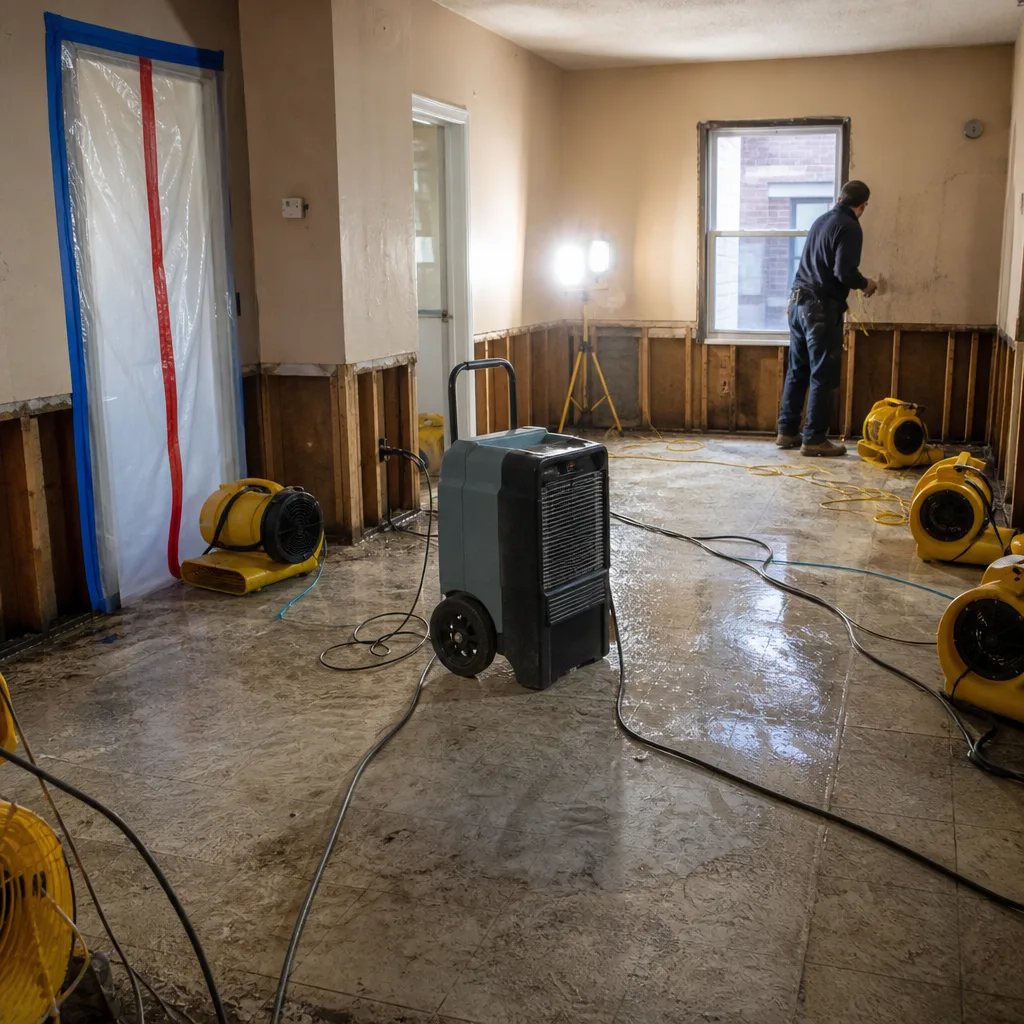
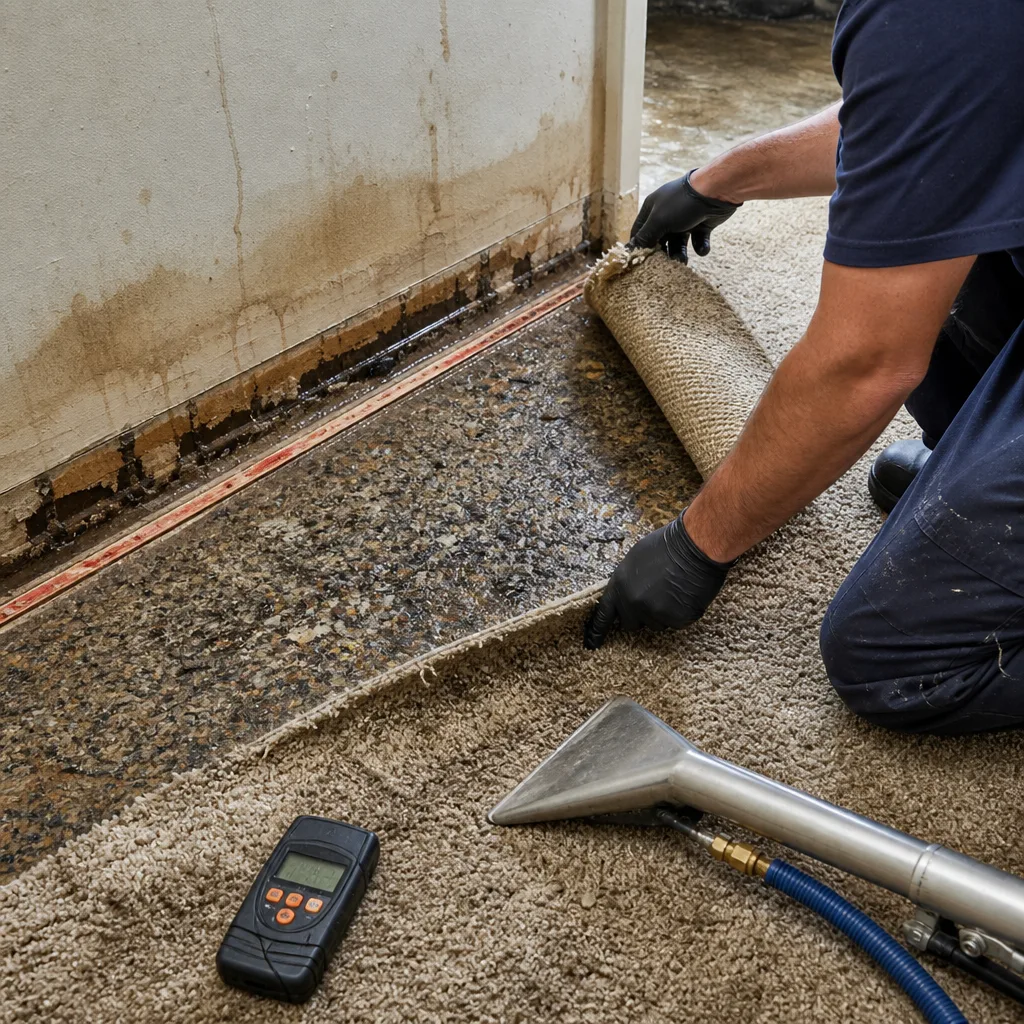
Free visual inspection and a written scope of work before any mitigation begins - photos, moisture readings, and drying logs go in your claim file
The scope we write is the scope we bill. Anything new gets shown to you, in writing, before we touch it.
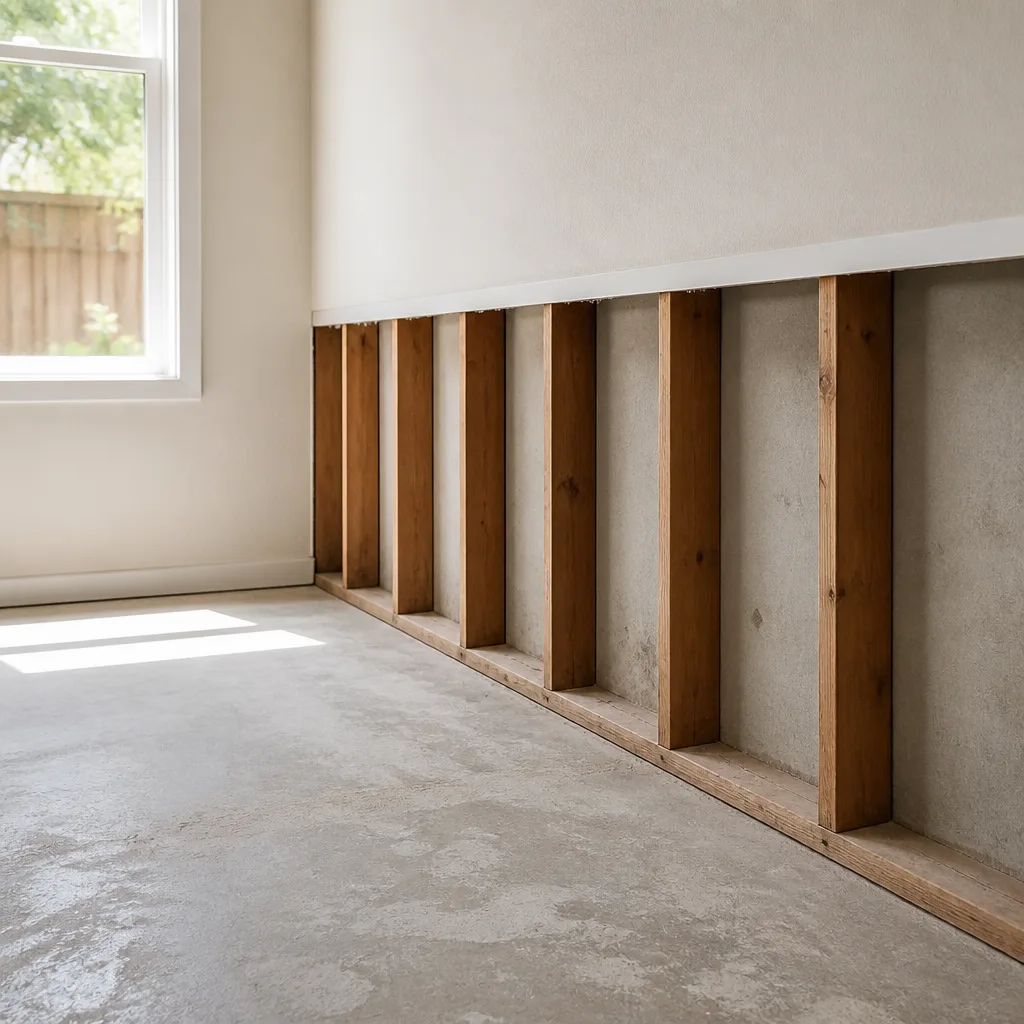
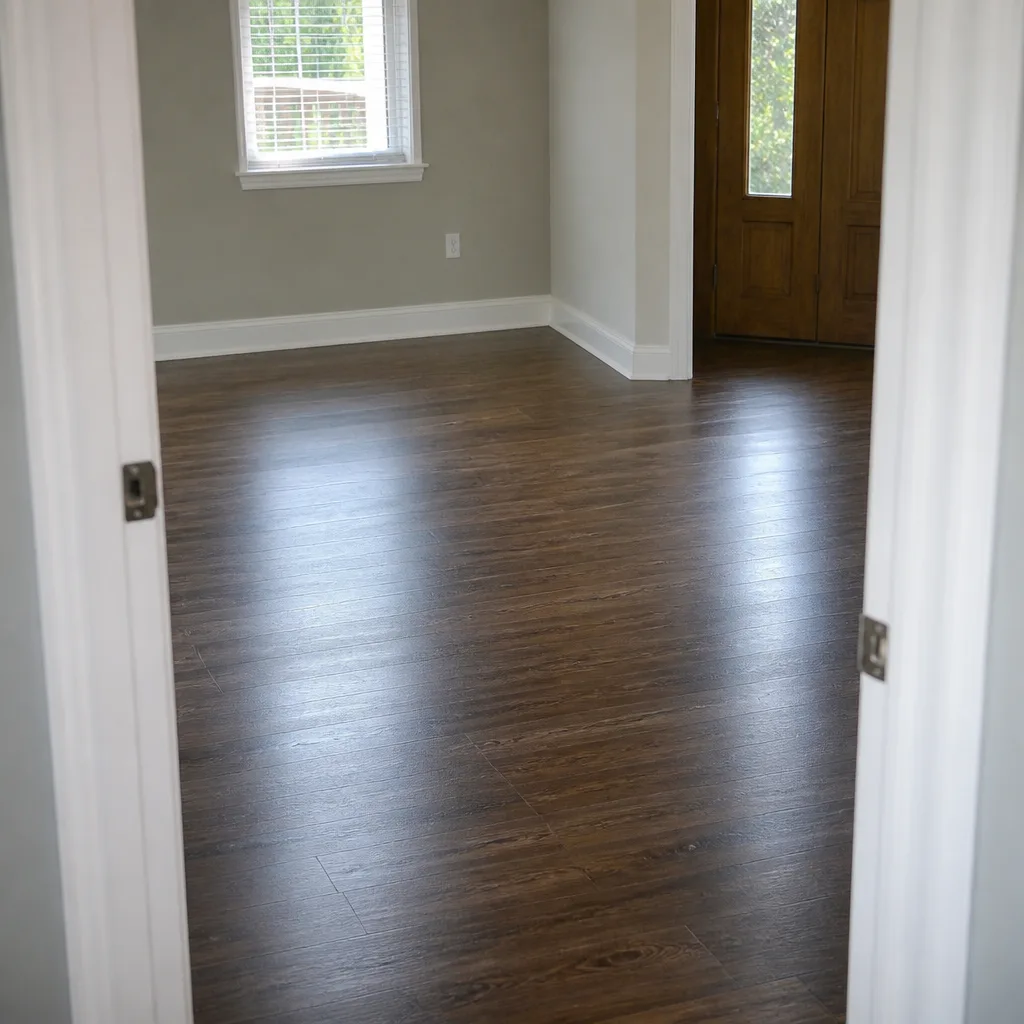
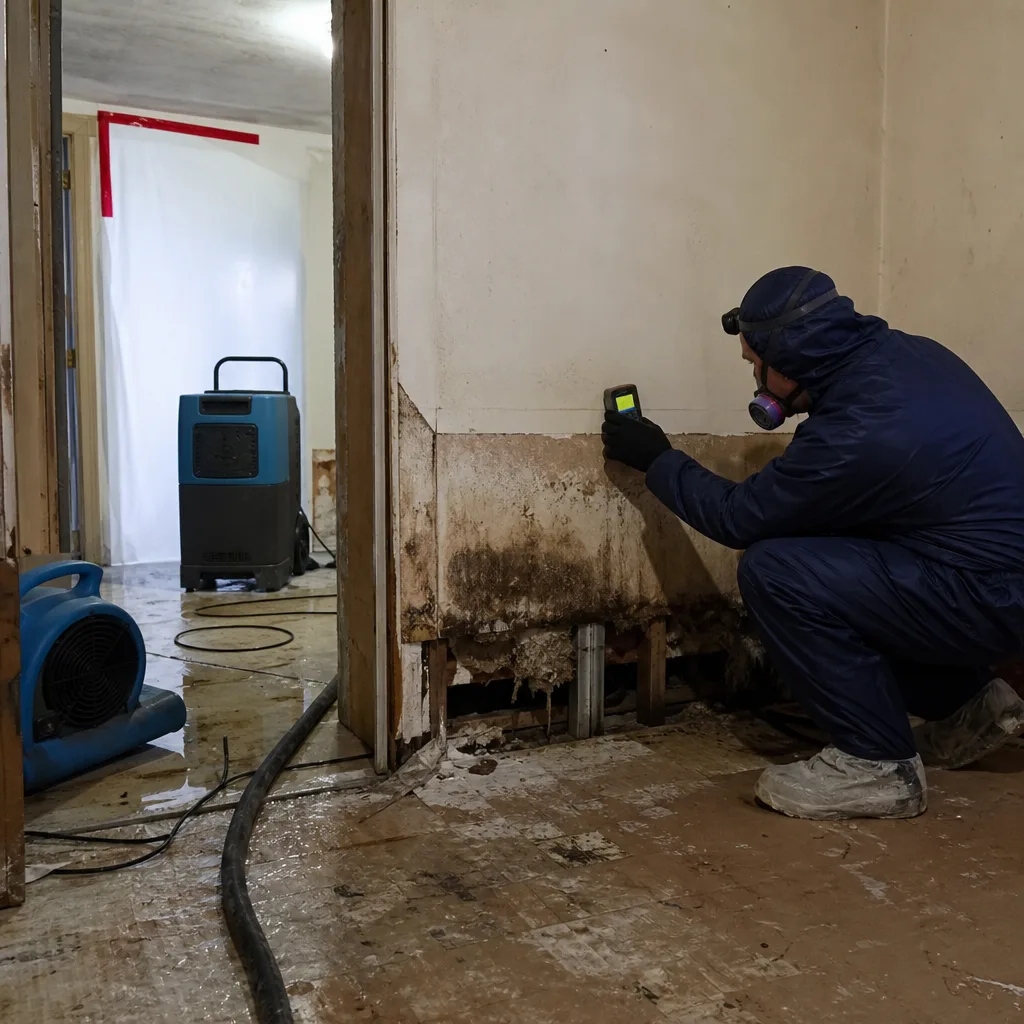 Before
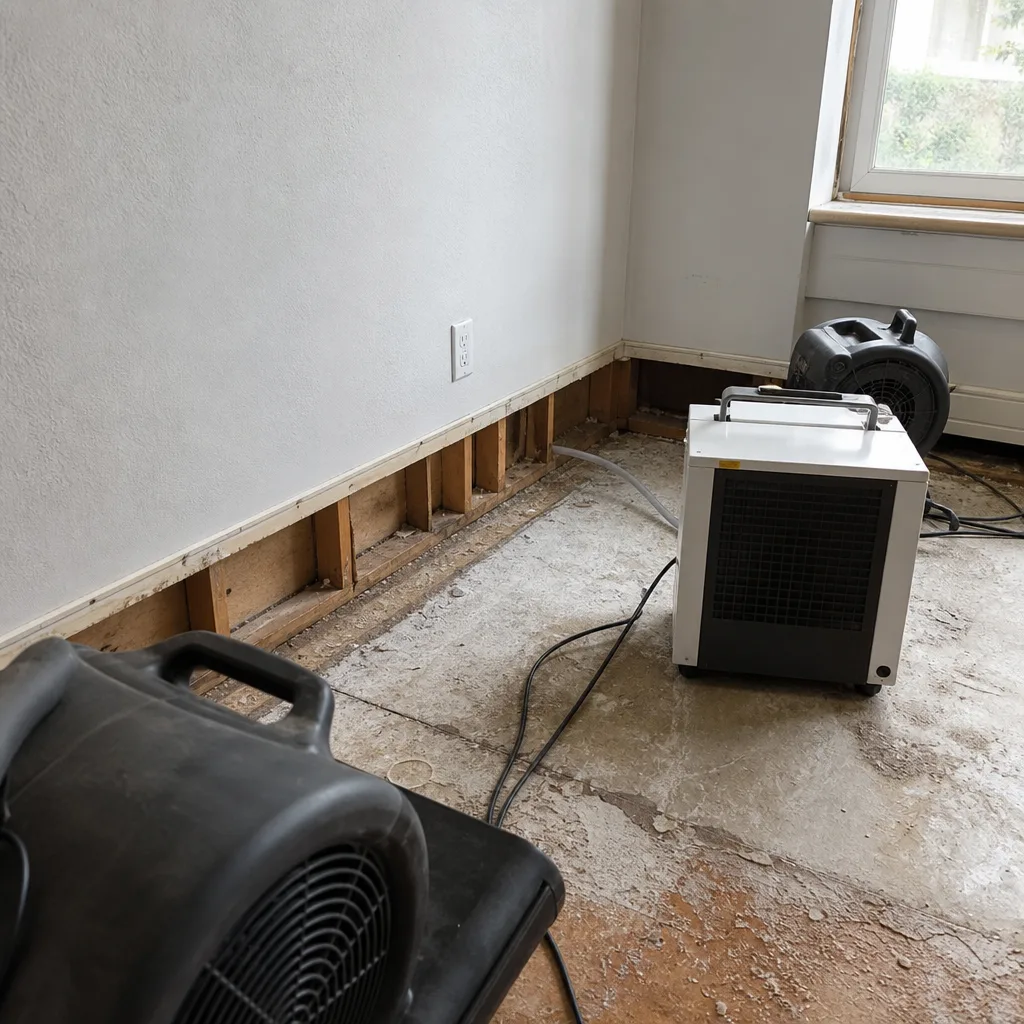 After
After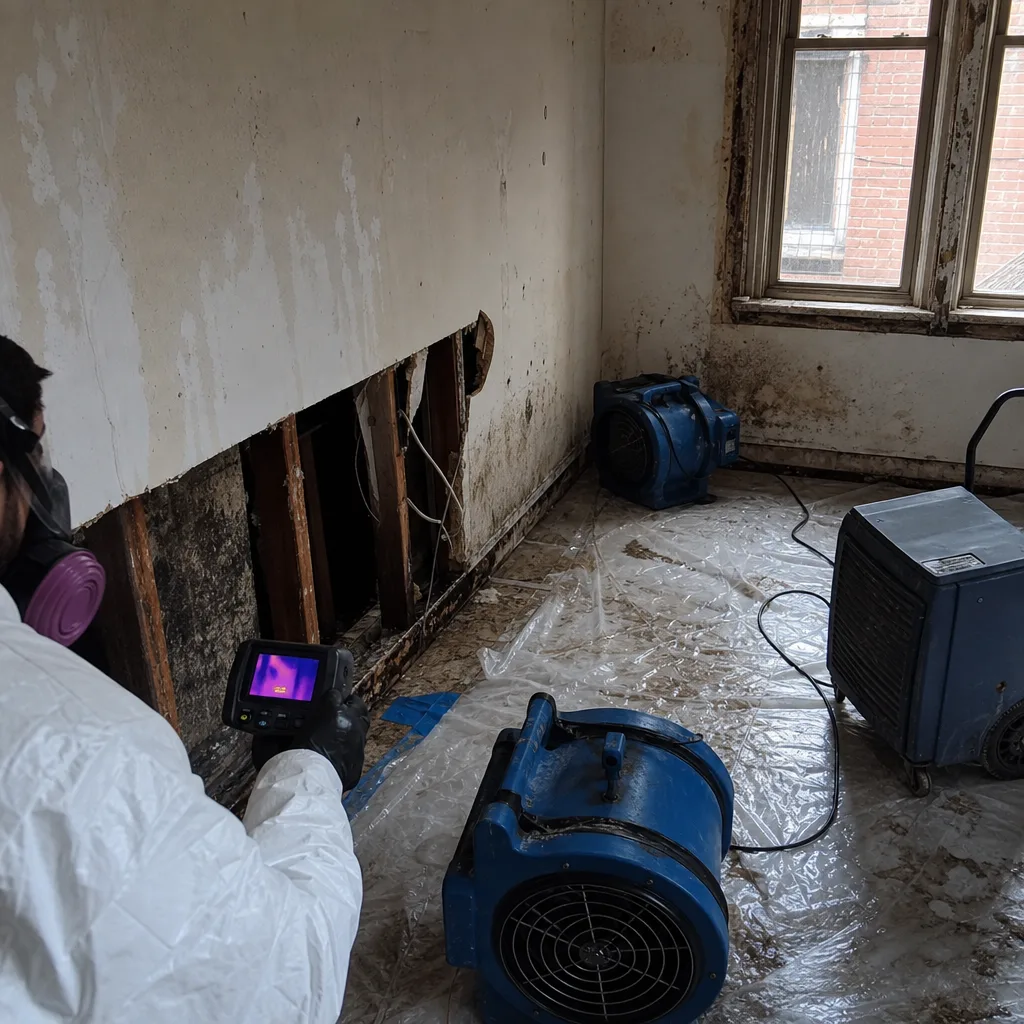 Before
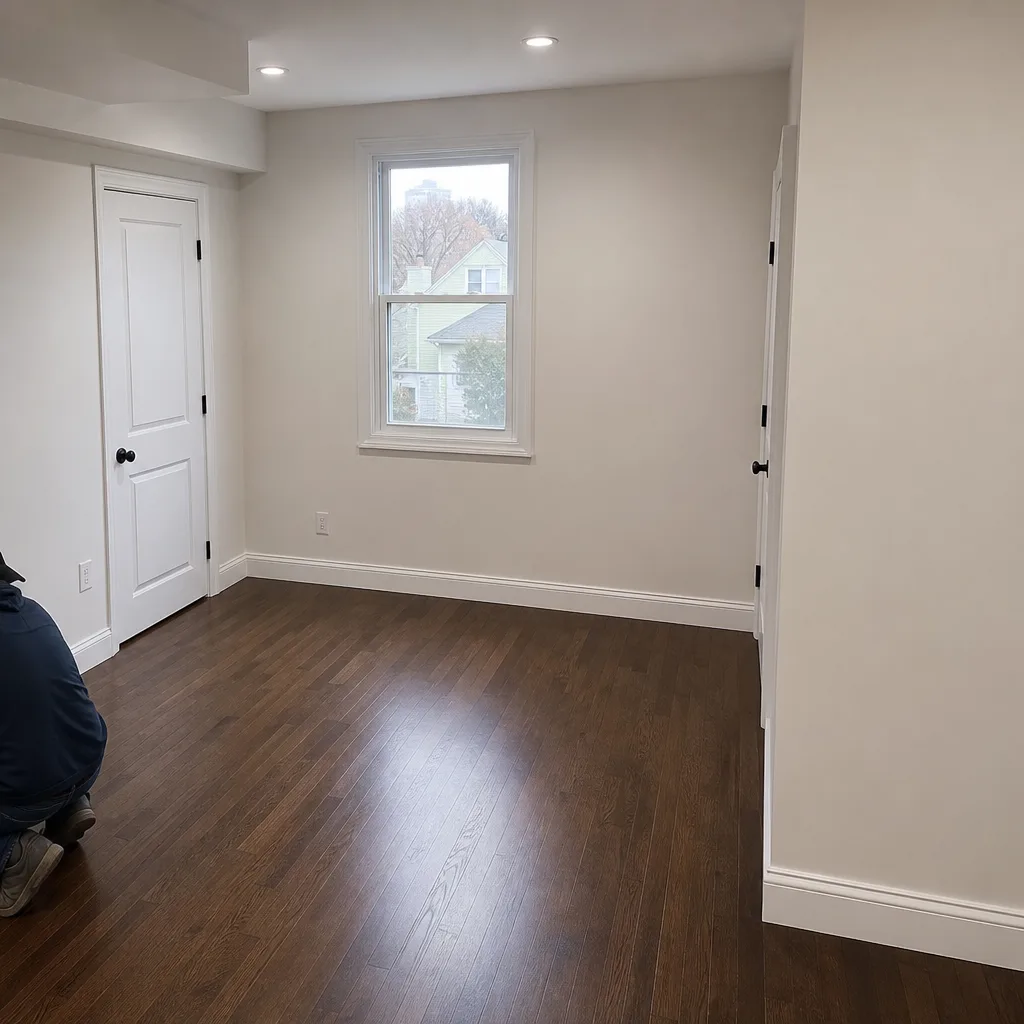 After
After24/7 Emergency Water Damage Restoration in Long Island City
Water damage restoration in Long Island City typically costs $1,800-$6,500 depending on the category of water and square footage affected, and crews can usually be on site within 45 minutes. That window matters more here than almost anywhere else in Queens because of what Long Island City sits on: a low-lying waterfront where Category 3 flood events are a recurring reality. We answer the phone live at (518) 800-3751 any hour of the day or night, and we dispatch from our New York City office straight into Hunters Point, Court Square, and Dutch Kills without delay.
Floodline Restoration Co. has been doing this work since 2010 under Curt Bowman’s ownership, and our Water Damage Restoration team knows the difference between a clean-water pipe burst in a converted loft and a Newtown Creek-adjacent flood that demands hazardous contamination protocols. The first hour is when extraction should already be running, because in Long Island City’s open concrete floor plates, water moves laterally across an entire floor faster than most homeowners realize. Free visual inspection. No pressure. Just a straight answer about what you’re facing.
Understanding Water Damage Restoration Severity in Long Island City Properties
Water damage is classified by the IICRC’s S500 Standard into three categories, and Long Island City sees all three in patterns that don’t match the rest of Queens. Category 1 is clean water from a burst supply line or failed appliance hose. Category 2 carries significant contamination: dishwasher backflows, sump pump overflows, or roof leaks that have passed through building materials. Category 3 is grossly contaminated water, and this is where Long Island City diverges from Astoria or Jackson Heights: because much of the neighborhood sits in FEMA Flood Zone AE at only a few feet above mean high water, coastal surge events bring Category 3 water into living spaces regularly, and local floodwater frequently draws from the Newtown Creek Superfund corridor.
Moisture mapping is how we read the true extent of the damage. Thermal imaging cameras and penetrating moisture meters tell us where water has wicked into concrete, gypsum, and insulation even when surfaces look dry. In a converted Hunters Point warehouse with an open floor plate, a pipe burst in one corner can push water across hundreds of square feet before anyone notices staining. Structural drying then becomes a controlled, measured process: Dri-Eaz and Phoenix dehumidifiers run behind containment, and we log daily moisture readings until the building reaches its dry standard. Skipping this science in Long Island City’s pre-war concrete buildings means trapped moisture, and trapped moisture means mold in a building typology that hides it well.
Why Long Island City Property Owners Choose Floodline Restoration Co.
- 45-minute response commitment: We dispatch from our New York City office into Long Island City immediately, and our crews know the local building stock well enough to move fast once they arrive.
- 24/7 live answer: A real dispatcher picks up at 2 a.m. Not a recording. Not a call center. Someone who can start a crew moving toward 11101 while you’re still on the line.
- IICRC-certified crews: Our technicians hold WRT (Water Damage Restoration Technician) and FSRT (Fire & Smoke Restoration Technician) certifications, and we train to RIA and IFA standards as well.
- Free visual inspection: We’ll assess the damage and give you a straight scope before any work begins. No obligation, no sales pitch.
- Direct insurance billing: We document the loss, coordinate with your adjuster, and bill the carrier directly. You don’t play messenger.
- One team from extraction to reconstruction: The crew that reads the moisture map on day one handles daily readings and rebuilds what needs rebuilding. No mid-job handoff, no inherited crew.
Every job we do in Long Island City is backed by the 90-Day Done Right Promise, what we call the Keystone Standard. If it’s not done right, we make it right. In writing. No arguing, no paperwork battles. That’s been our rule since Curt Bowman founded this company in 2010, and it applies to every extraction, every drying job, and every rebuild we touch.
Our Water Damage Restoration Process
Inspection & Assessment
We arrive, walk the property, and identify the water source and category. Thermal imaging and penetrating moisture meters map the extent of migration across floors, walls, and cavities. You get a clear explanation of what we found and a written scope before any equipment goes down.
Extraction & Stabilization
Standing water comes out with submersible pumps and truck-mounted extractors. In Long Island City’s open floor plates, we often extract from multiple points across a single level because water doesn’t pool here the way it does in a rowhouse basement. The first hour is when the most water leaves the building.
Drying & Dehumidification
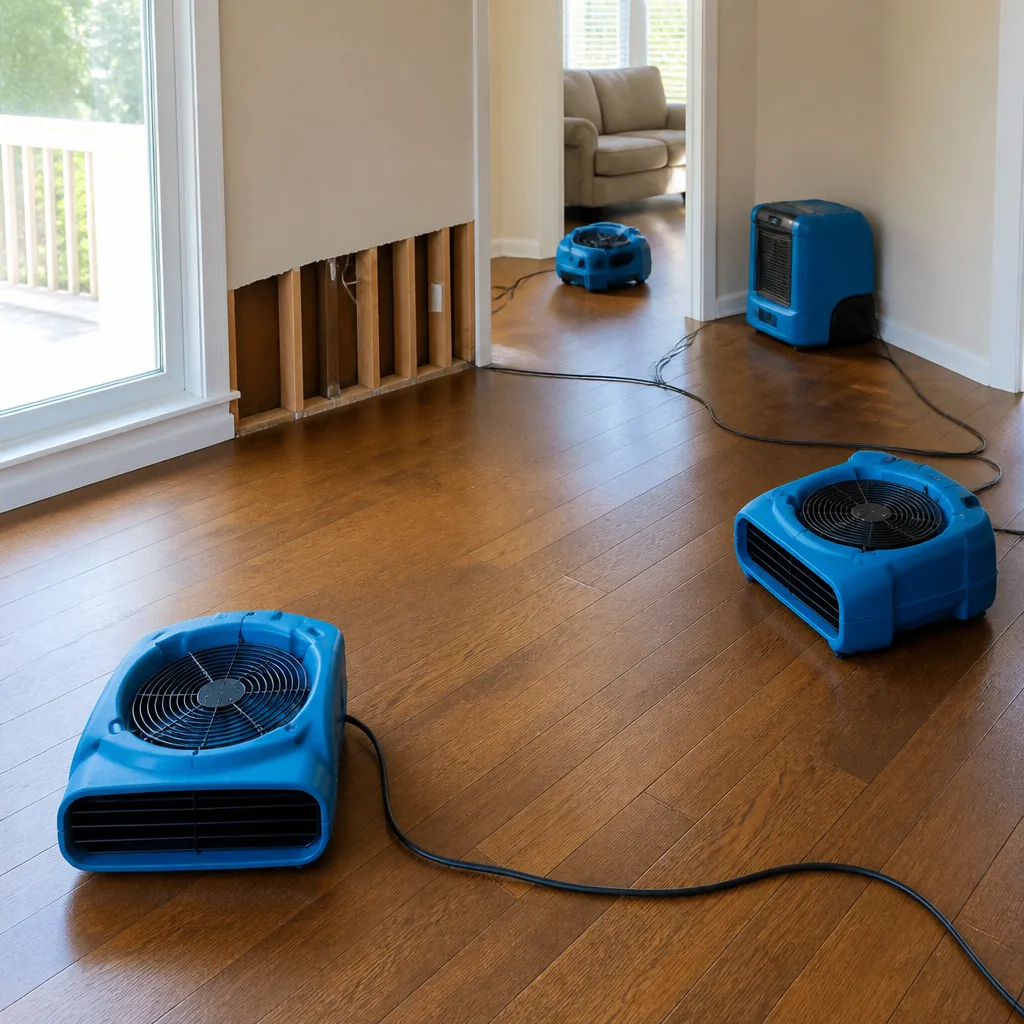
Dri-Eaz and Phoenix dehumidifiers plus high-velocity air movers go in behind containment. We place drying equipment based on the moisture map, not guesswork, and we run the system until daily readings show your building has hit its dry standard.
Cleaning & Sanitization
Affected surfaces are cleaned with professional-grade antimicrobial agents appropriate to the water category. Category 2 and 3 events in Long Island City get more aggressive treatment because of what the water here can carry, especially near the creek corridor.
Specialty Treatment
For converted warehouse lofts, this means structural drying of concrete slabs, sub-slab moisture checks, and targeted treatment at roof parapet seams and HVAC curb penetrations where chronic leaks begin. For high-rises, we address mechanical room flooding and replace what can’t be dried.
Repairs & Restoration
The same crew that extracted and dried your property handles the rebuild: drywall, flooring, paint, roof penetrations, and any structural repair. We hand you a moisture log and a finished space, not a job half done and a referral to someone else.
Need Emergency Water Damage Restoration in Long Island City Now?
Crews minutes away, answering live 24 hours a day. The sooner we start, the less it costs.
Working With Your Insurance Company
Insurance claims in Long Island City have their own texture. Coastal flood events often trigger NFIP policies that operate differently than standard homeowners coverage, and converted warehouse units can carry unusual policy terms. We’ve handled enough of these to know what adjusters need, and we build the file from the first hour: photographs of every affected surface, moisture readings logged daily, a line-item scope that uses industry-standard estimating software, and direct communication with your carrier. You shouldn’t have to translate between a restoration company and an insurance desk. We handle that.
What We Provide Your Insurer
- Thorough documentation of the loss
- Photos of all damage, room by room
- Moisture readings and drying logs
- A detailed, line-item scope of work
- Direct coordination with your carrier
Built for Long Island City’s Loss Calendar
Long Island City’s water damage season never really ends. January deep freezes burst supply lines in pre-war brick buildings along Vernon Boulevard and Jackson Avenue, and the open floor plates in those converted factories send clean water across entire levels before anyone notices. Spring brings heavy rain that finds every weakness in the flat membrane roofs that cover Hunters Point’s loft buildings. Summer thunderstorms produce flash flooding at street level, and because so much of the neighborhood sits only a few feet above the river, those storms can push water into ground-floor units and mechanical rooms faster than any sump pump can handle. And the nor’easter season from September through April is the big one: storm surge combined with rain saturates parapet seams, floods basement-level equipment, and produces the Category 3 events that Long Island City restoration work is known for.
That’s why we don’t close, ever. A live dispatcher answers through the holidays, through the 2 a.m. freeze burst, through the nor’easter that just pushed the East River up onto Center Boulevard. When your building takes water, the calendar doesn’t matter. We’re already moving.
Water Damage Restoration Across Long Island City’s Neighborhoods
Hunters Point is where we see the most complex residential water damage in all of Queens. The converted warehouse lofts along 47th Avenue and 50th Avenue have flat membrane roofs that pond aggressively during nor’easters, and those chronic leaks at parapet-to-membrane seams send water down through open floor cavities until multiple units are saturated before staining ever shows. We know to check rooftop HVAC curb penetrations first on these buildings because that’s where the failures actually happen. Ground-floor units in 11101 also took the brunt of Sandy’s surge, and many have been rebuilt once already, which changes how we approach extraction and drying: we’re often working around newer build materials layered over older structure.
Court Square and Queens Plaza skew toward newer glass-and-steel towers with mechanical systems housed in flood-vulnerable lower floors. When water reaches those mechanical rooms during a surge event, standard drying won’t cut it. Category 3 protocols mean full equipment replacement, and we coordinate that replacement with the building’s management and your carrier. Dutch Kills still has a mix of older residential stock and active industrial buildings, and we respond to a lot of burst pipe events there where the property was built decades before modern plumbing isolation systems existed. Dutch Kills is also where we see the fastest lateral water spread across open commercial floor plates, which is exactly why our 45-minute response commitment matters.
Specialized Water Damage Restoration Services We Offer in Long Island City
Emergency Water Extraction
Water leaves the building fast. We run truck-mounted extractors and submersible pumps within the first hour on site, and in Long Island City we extract from multiple points on a single floor because open plans don’t contain water the way compartmentalized rowhouses do. The faster the extraction, the less the drying phase costs you.
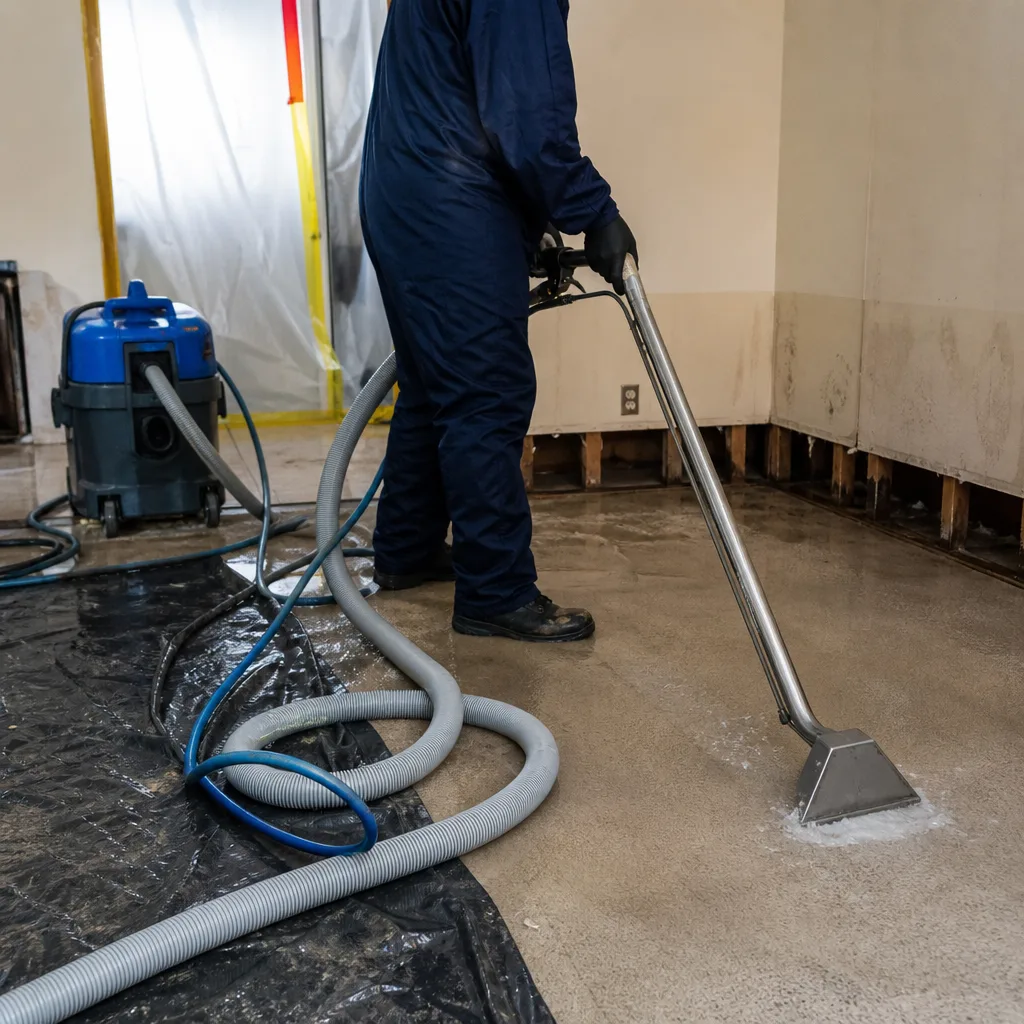
Structural Drying & Dehumidification
Long Island City’s concrete slab floors and masonry walls absorb and release water differently than wood framing. Our drying plans account for that. We use Dri-Eaz and Phoenix dehumidifiers positioned from the moisture map, with high-velocity air movers that push dry air through wall cavities and floor plenums. Daily readings are logged and shared with your carrier until the dry standard is met. This is the service that matters most in this neighborhood, because concrete hides moisture until it becomes mold or efflorescence.
Flood Cleanup
Flood events in Long Island City draw from the East River and Newtown Creek, and that means Category 3 water that requires hazardous contamination protocols. We handle the full scope: contaminated water extraction, disposal of saturated porous materials, antimicrobial treatment of structural surfaces, and containment that prevents cross-contamination during drying. The crews who do this work wear proper PPE and follow IICRC Category 3 procedures to the letter.
Burst Pipe Restoration
Freeze bursts in January and February, aging supply lines in buildings converted decades ago, and high-rise pressure failures all produce Category 1 or 2 water that still demands immediate extraction. We trace the migration path through your floor plan, not just the visible puddle, and we dry the areas the water actually reached. In open loft layouts, that’s often the entire floor level.
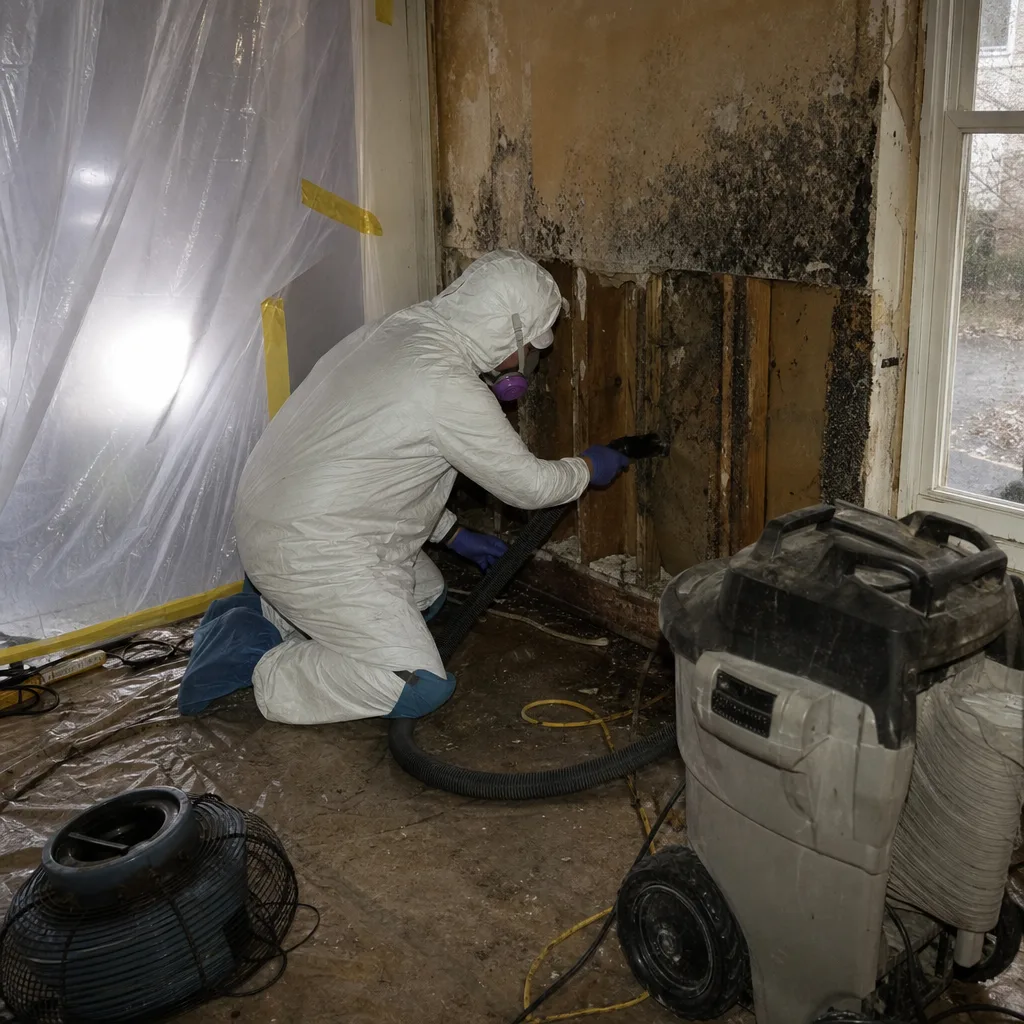
Basement Water Removal
Long Island City basements in older brick buildings flood from storm sewer backup and rising groundwater during coastal events. We extract, sanitize, and dry these spaces, then advise on the scope of repair whether that’s sealing, drainage correction, or equipment replacement for mechanical systems that were submerged.
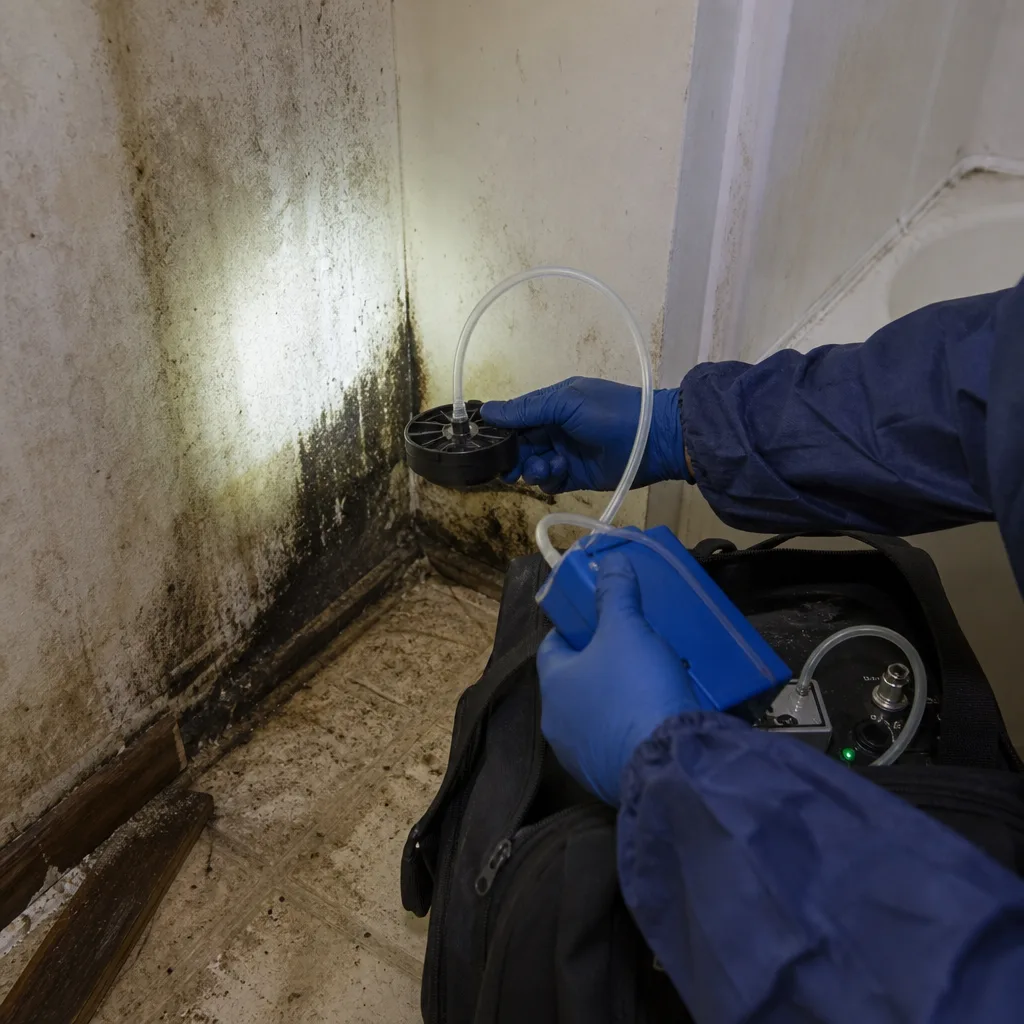
Ceiling & Roof Leak Water Damage
Flat membrane roofs on Hunters Point’s converted warehouses fail at parapet seams and HVAC curb penetrations, and the water travels through open cavities before it ever shows on your ceiling. We trace the actual entry point, dry the affected cavities and surfaces, and repair the roof penetration with stainless fasteners and proper membrane work so the leak doesn’t return with the next nor’easter.
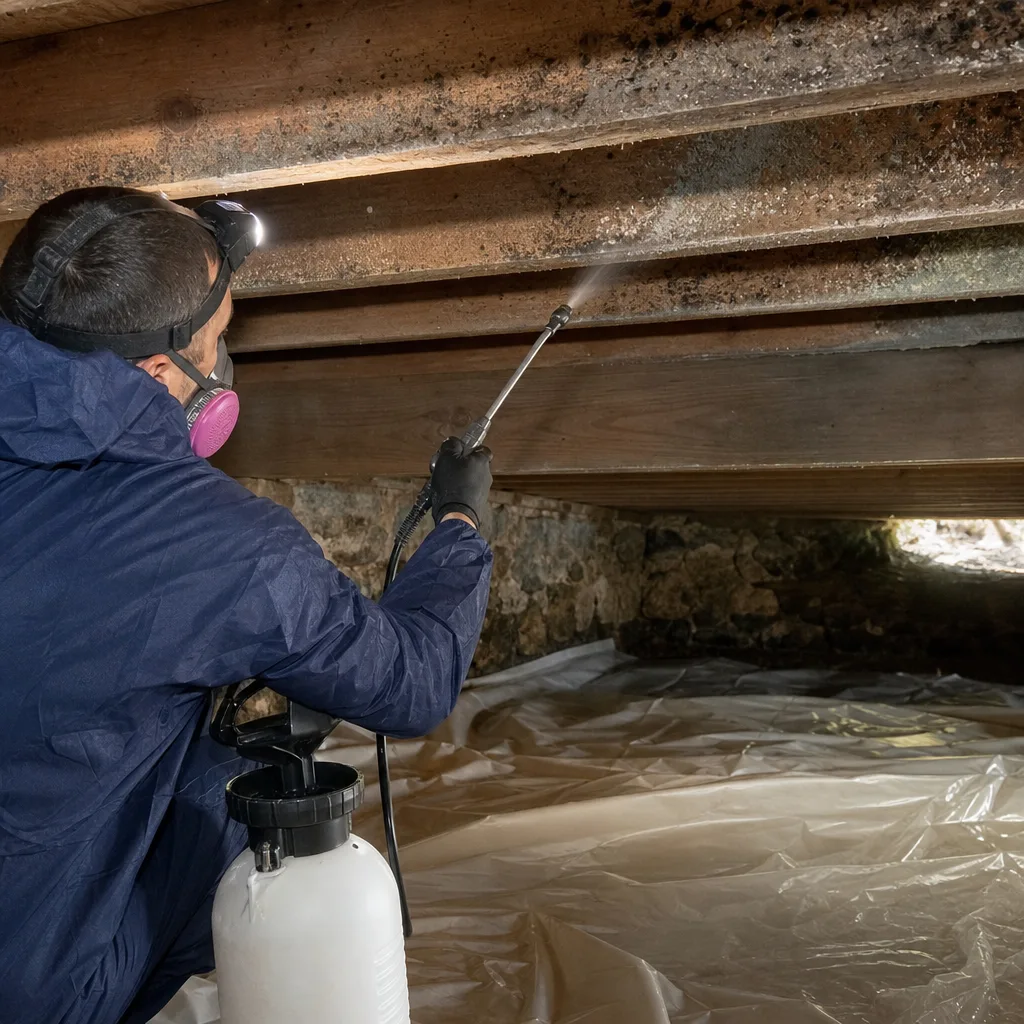
What happens when you call
- 1
A real person answersNo phone trees - you reach a local pro.
- 2
You get an upfront price rangeHonest numbers before anyone is dispatched.
- 3
A background-checked tech heads outLicensed & insured, dispatched right away.
- 4
You approve before work beginsNothing starts until you say go.
Water Damage Restoration Costs in Long Island City, NY
Here’s what you can expect to pay in this market. Emergency water extraction alone typically runs $1,200-$2,800 depending on square footage, water depth, and category. Structural drying and dehumidification for a single unit in Long Island City generally lands between $1,500 and $4,000, and that number grows when we’re drying open loft floor plates across multiple rooms. Full Category 3 flood cleanup with containment, disposal, and sanitization commonly runs $3,500-$8,000 for a converted warehouse unit or ground-floor high-rise apartment. Roof leak repair at parapet seams or curb penetrations runs $800-$2,500 depending on the extent of membrane work and how many units below were affected. Every project is different, and the free visual inspection we provide gives you a firm written scope before any work begins. Most claims are paid by insurance, and we bill your carrier directly.
We also keep standing offers that apply to any restoration work: $50 off any repair over $250, a $89 seasonal tune-up, and a 5% discount for seniors and veterans, always.
We Also Serve Cities Near Long Island City
Our crews cover Long Island City and the surrounding Queens neighborhoods including Astoria, Maspeth, Jackson Heights, and East Elmhurst. If you’re just across the Pulaski Bridge or a few blocks east of 11101, call the same number and we’ll be there.
Long Island City Water Damage Restoration Questions, Answered
Why does water damage restoration in Long Island City so often involve Category 3 protocols?
Because much of Long Island City sits in FEMA Flood Zone AE at only a few feet above mean high water, and floodwater here frequently draws from the Newtown Creek Superfund corridor. When the East River or the creek breaches into ground-floor units, the water is grossly contaminated with sewage, industrial runoff, and hazardous materials. That’s Category 3 by IICRC definition, and it requires full PPE, containment, removal of saturated porous materials, and antimicrobial treatment. A clean-water pipe burst in Astoria doesn’t trigger any of that.
How do you handle chronic roof leaks in converted Hunter’s Point warehouse lofts?
We start by tracing the actual entry point, which is usually a failed parapet-to-membrane seam or an HVAC curb penetration. The water then migrates through the open floor cavity and across the concrete slab, often saturating multiple units before staining appears. We dry the affected cavities and slab with Dri-Eaz dehumidifiers behind containment, then repair the roof penetration with stainless fasteners and proper membrane work built to handle the next nor’easter.
What should I do if my ground-floor apartment in 11101 floods during a coastal storm?
First, cut power to affected areas if you can do so safely, and don’t walk through standing water that may be contaminated. Then call us at (518) 800-3751. Coastal floodwater in 11101 is Category 3, and we’ll arrive with the proper containment, extraction, and PPE setup to handle it safely. The sooner we extract, the less structural material gets saturated beyond saving.
Why did my neighbor’s water leak in a high-rise cause so much more damage than a rowhouse leak?
High-rise buildings in Long Island City often stack mechanical systems in flood-vulnerable lower floors, and the plumbing and HVAC risers run vertically through many units. When water enters at a low level, it follows those chases upward and outward. Meanwhile, open floor plates in converted buildings let water spread laterally across entire levels. A rowhouse leak is usually contained by walls and floor framing; a high-rise leak is not.
Can you dry a converted warehouse floor without tearing out the concrete slab?
In most cases, yes. Concrete slabs release moisture slowly, but with proper moisture mapping and targeted dehumidifier placement, we can bring a slab to its dry standard without demo. We pull daily moisture readings to verify the drying curve, and we log those readings for your insurance carrier. If sub-slab water is trapped beneath a vapor barrier failure, some selective breaking may be required, but that’s determined by the readings, not guesswork.
How fast can you actually get to Long Island City?
Our commitment is 45 minutes from call to arrival for emergency water damage in Long Island City. We dispatch from our New York City office, and our crews know these blocks and buildings well enough to move fast. Call (518) 800-3751 and a live dispatcher starts the ball rolling while you’re still on the line.
Will my insurance cover water damage restoration in Long Island City?
Most standard homeowners policies cover sudden and accidental water damage like a burst pipe or appliance failure. Coastal flood events are different: they typically require separate flood coverage, often through NFIP. We document every loss from the first hour, build the file your adjuster needs, and bill your carrier directly. You don’t have to interpret policy language alone.
What certifications do your technicians hold?
Our crews are trained and certified to IICRC standards, including WRT for water damage restoration, and we also train to RIA and IFA standards. Every technician is background-checked and uniformed. You’ll know who’s in your home and what they’re qualified to do.
Serving Long Island City, NY - Our Local Coverage Area
We’re based in the Long Island City area and know this community well. Use the map below to see our service coverage - if you’re nearby, we can almost certainly help.
Contact Floodline Restoration Co. in Long Island City
If you have water where it shouldn’t be, call (518) 800-3751 right now. A live dispatcher will answer, and a certified crew will be moving toward Long Island City within minutes. The free visual inspection gives you a straight answer and a written scope before any work begins, and every job we do is backed by the 90-Day Done Right Promise. In writing. No arguing.
Written by Curt Bowman, Owner at Floodline Restoration Co., serving New York City since 2010.