
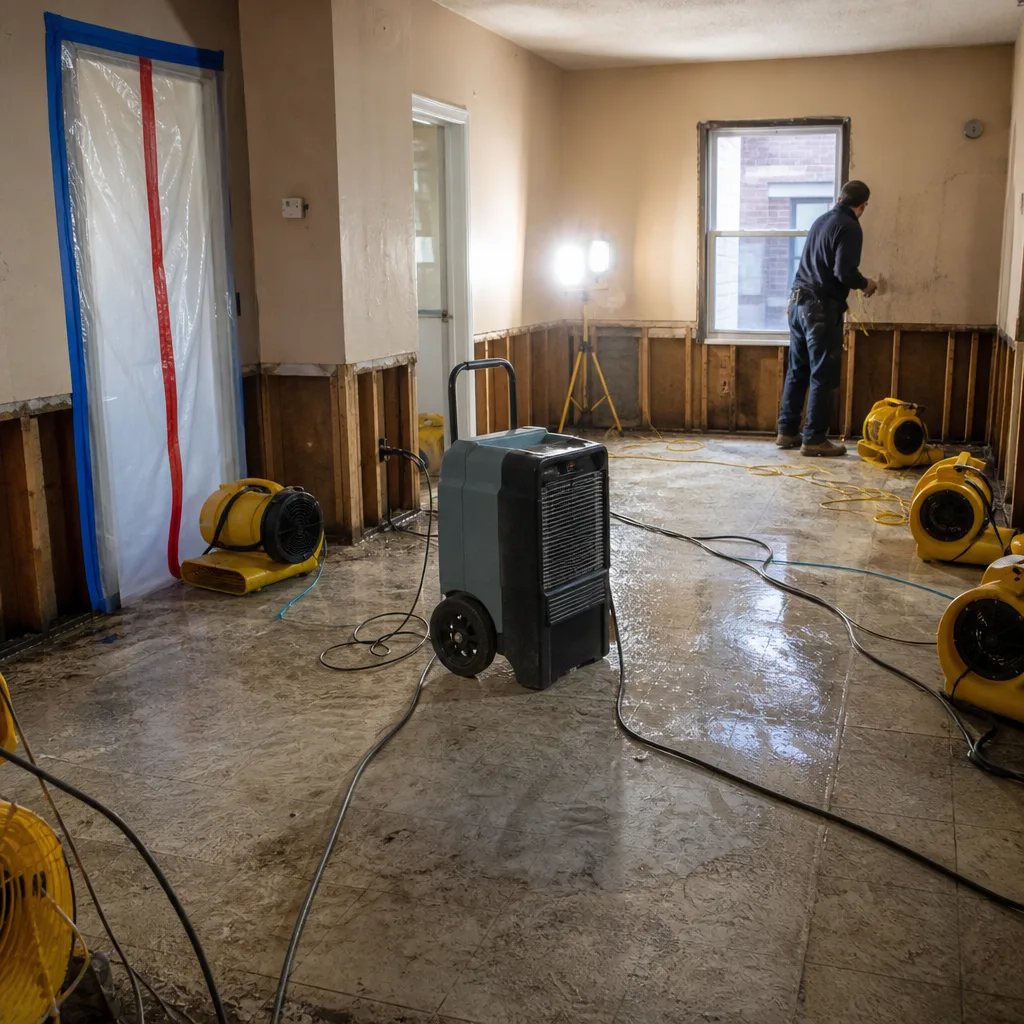
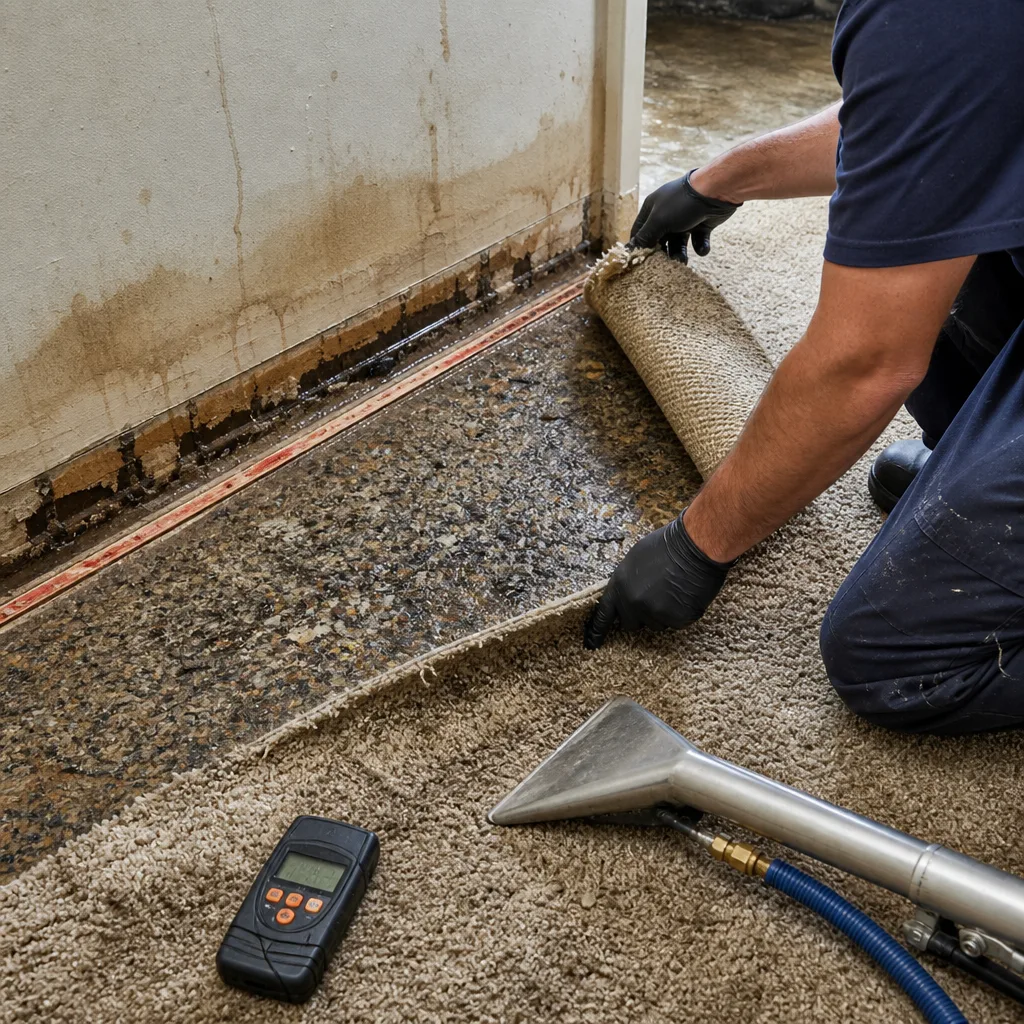
Free visual inspection and a written scope of work before any mitigation begins - photos, moisture readings, and drying logs go in your claim file
The scope we write is the scope we bill. Anything new gets shown to you, in writing, before we touch it.
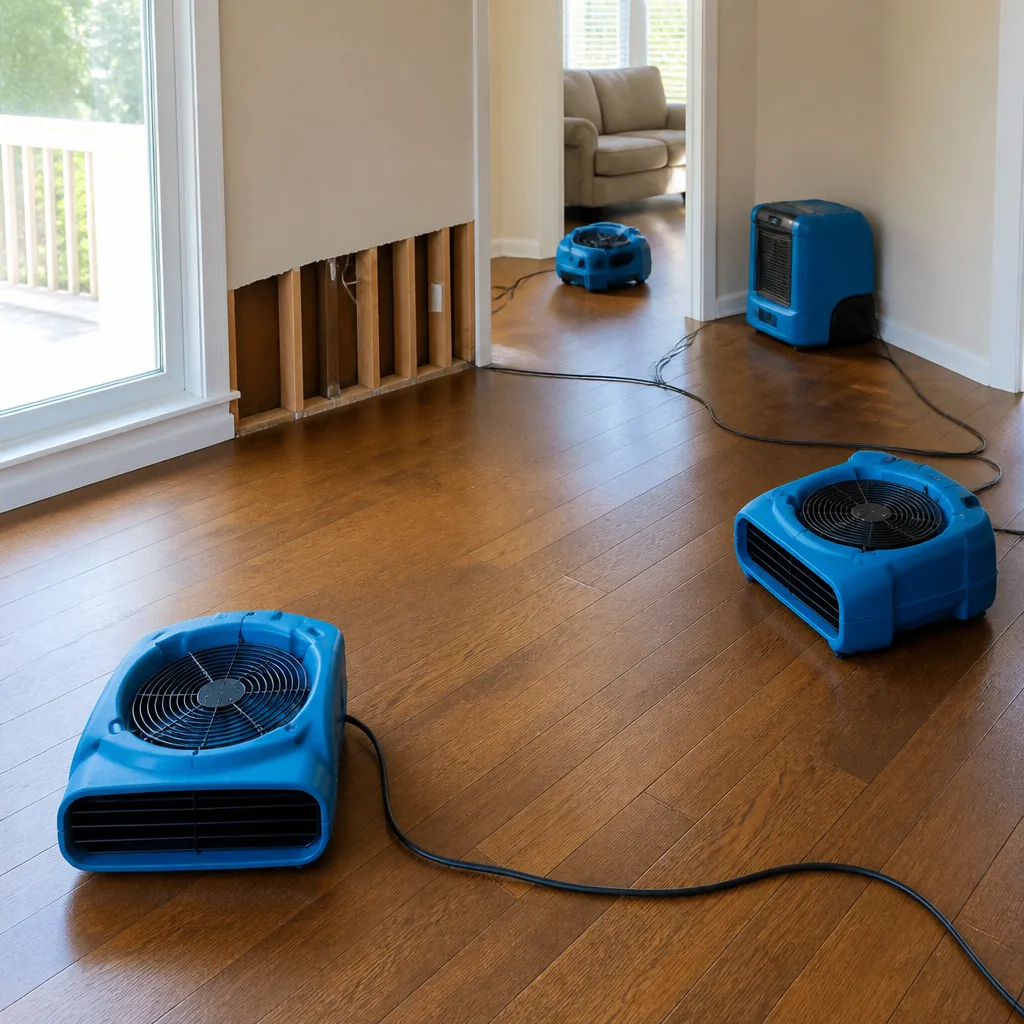
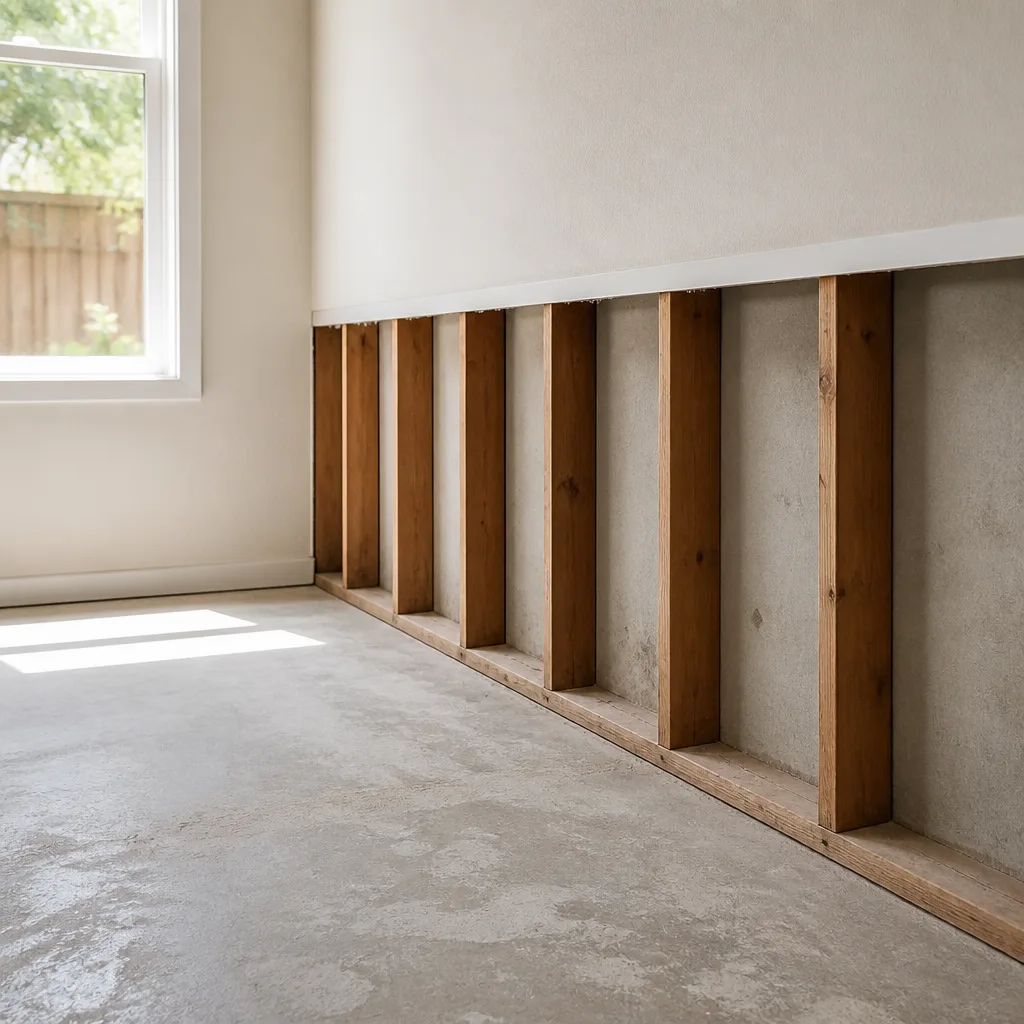
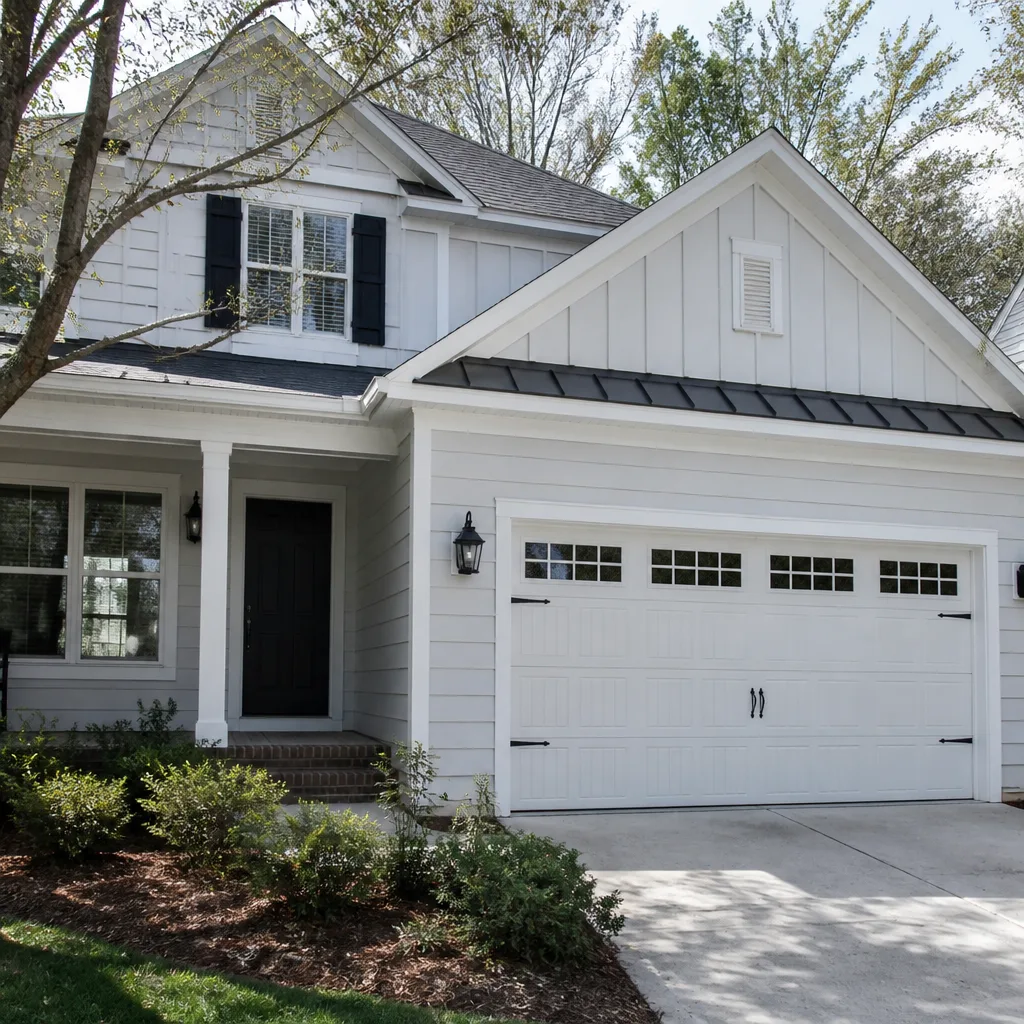
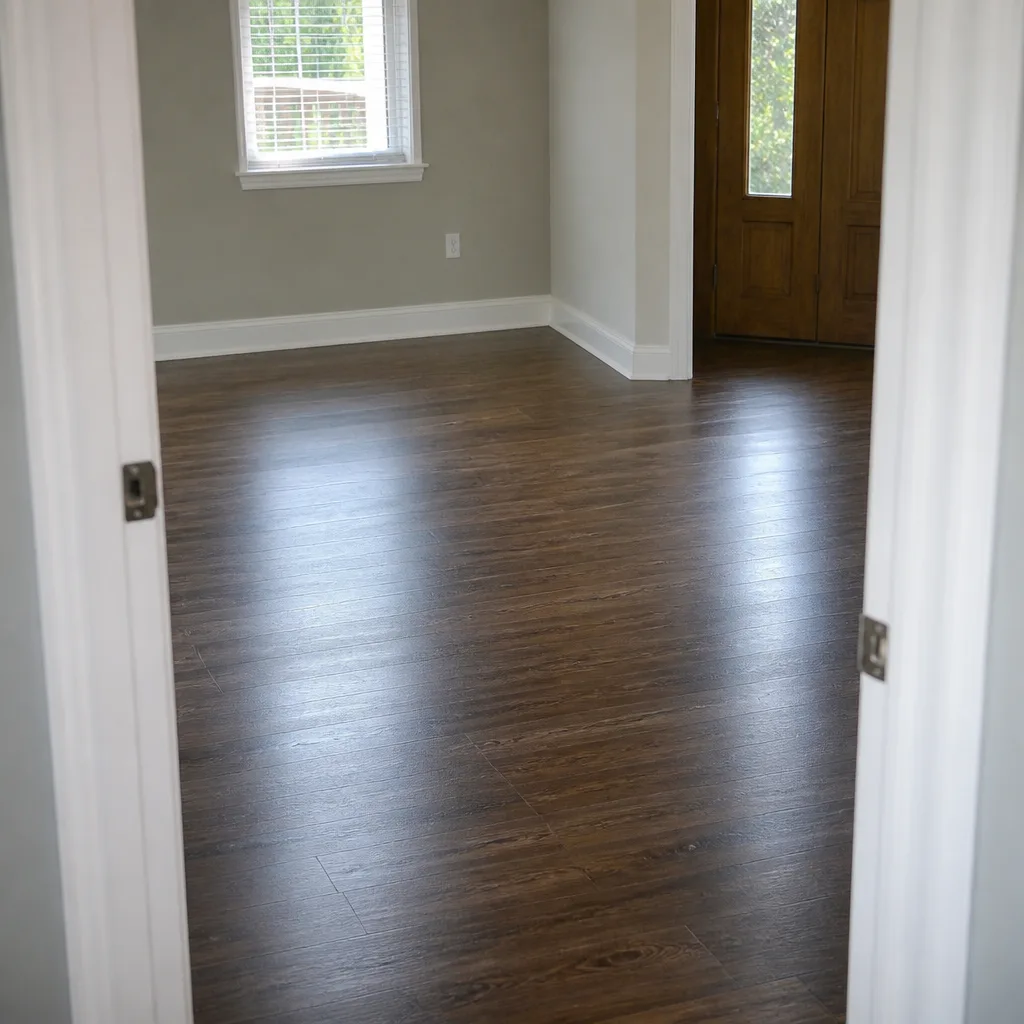
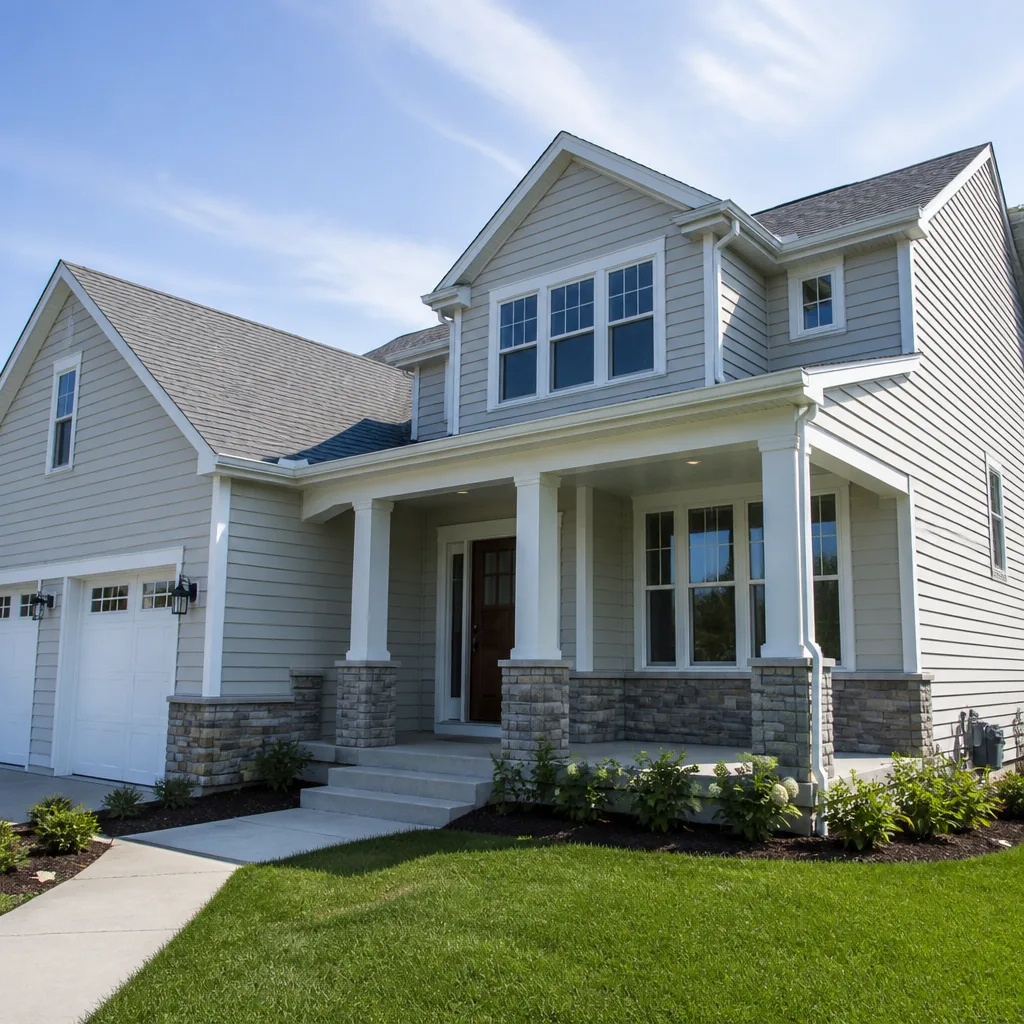
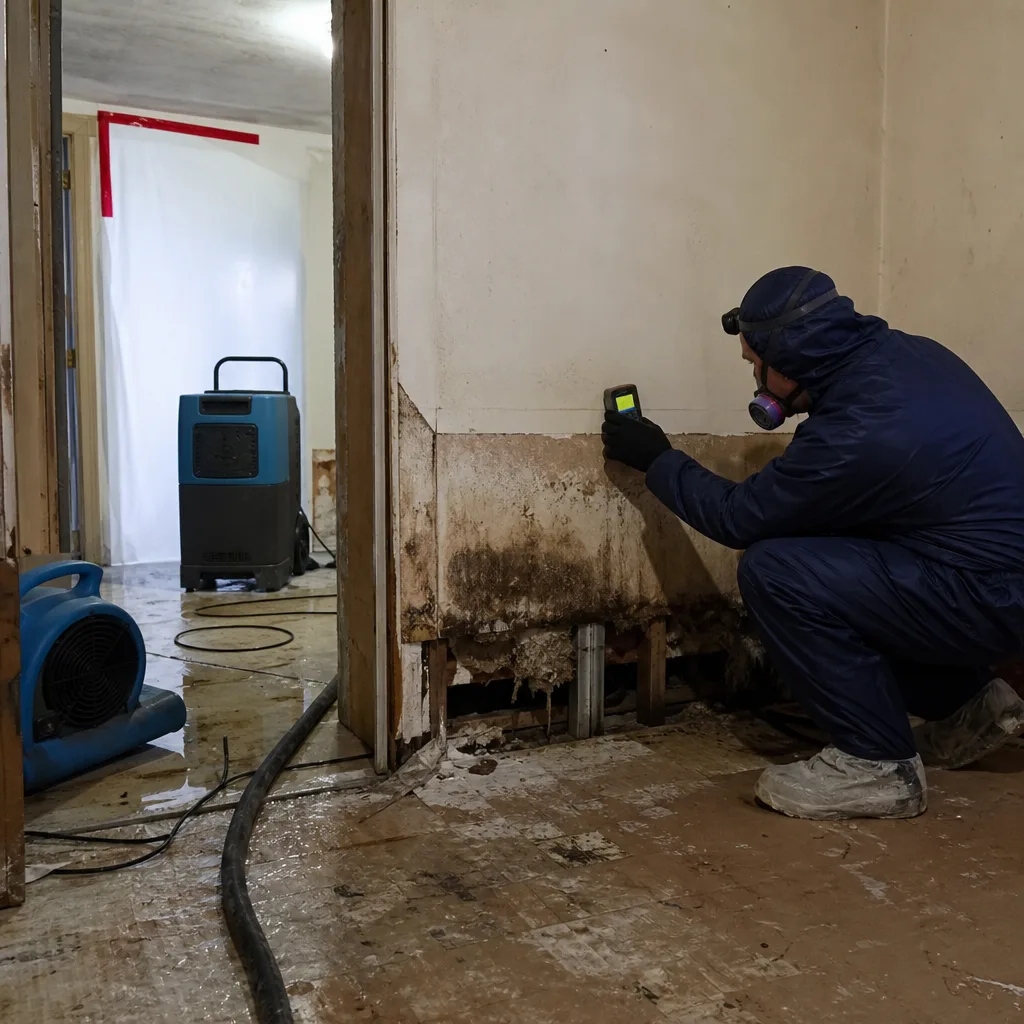 Before
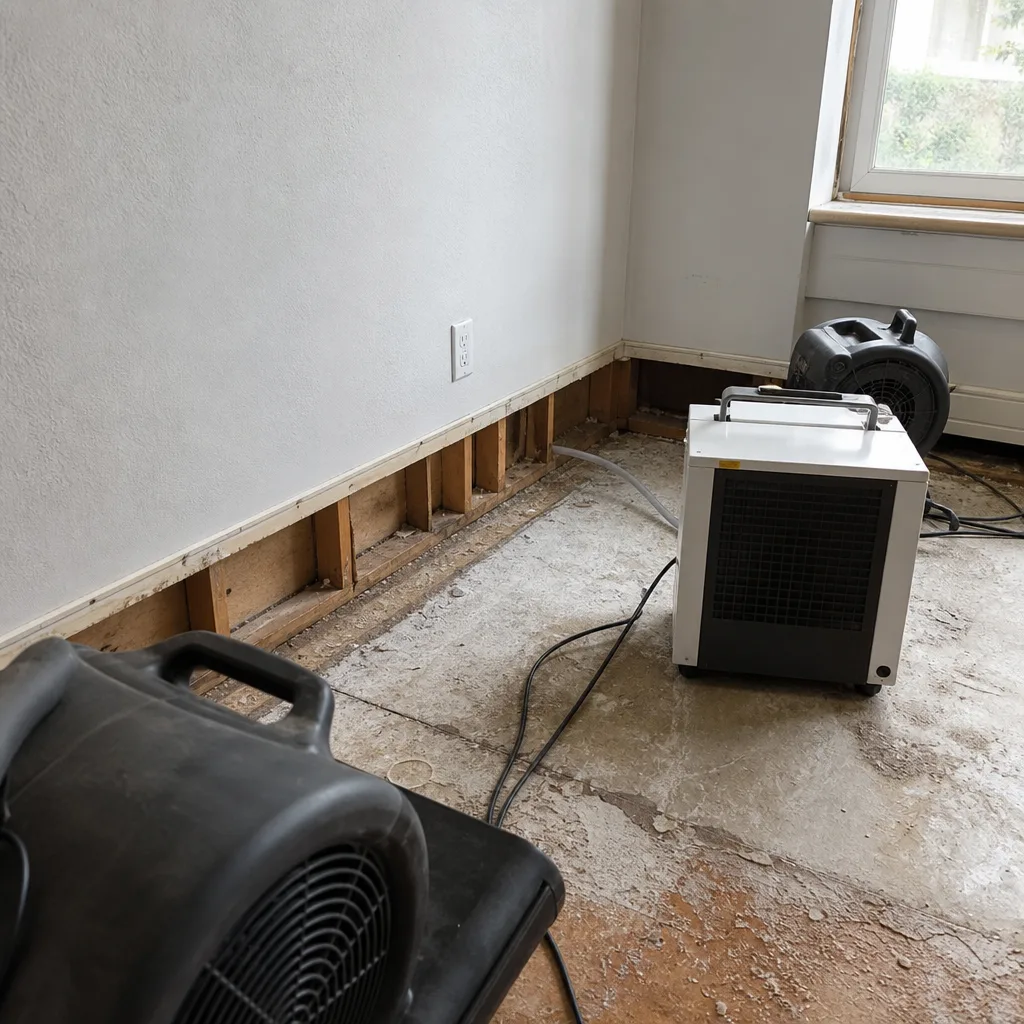 After
After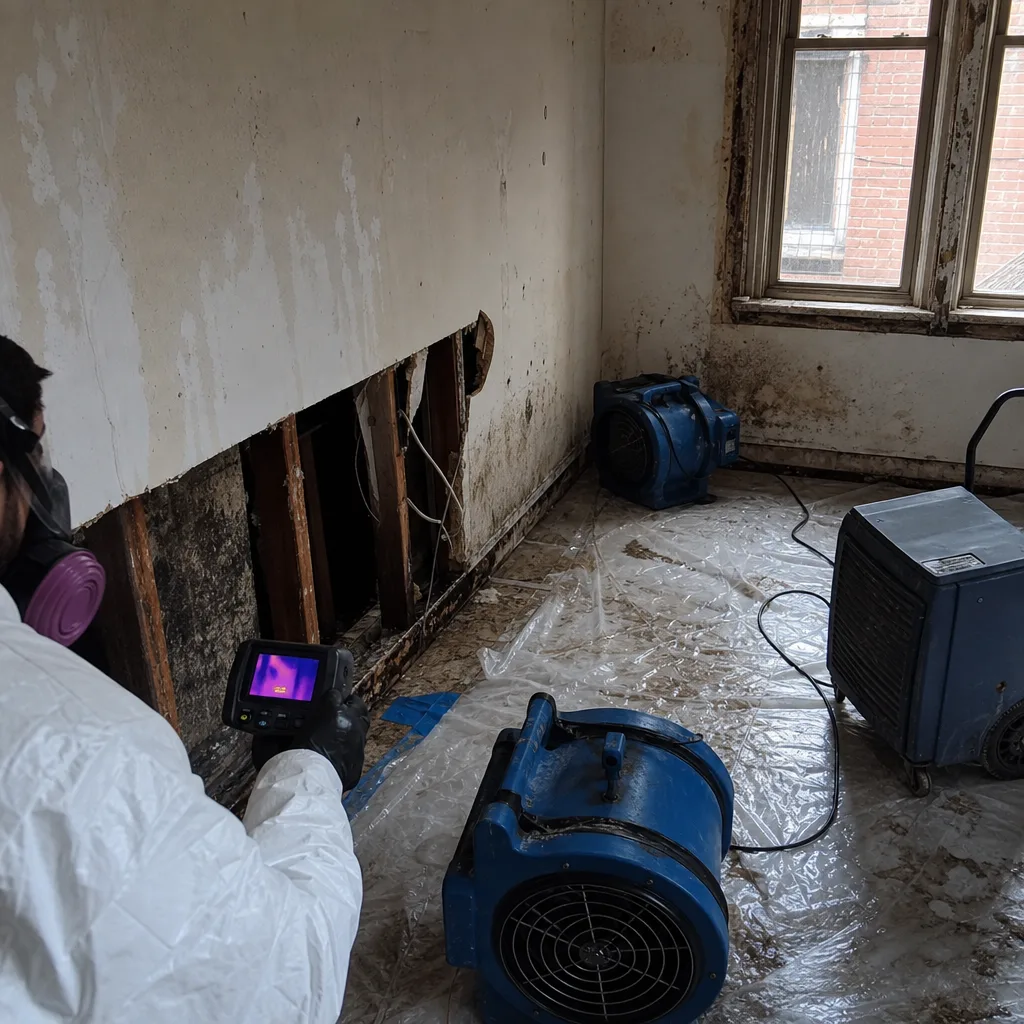 Before
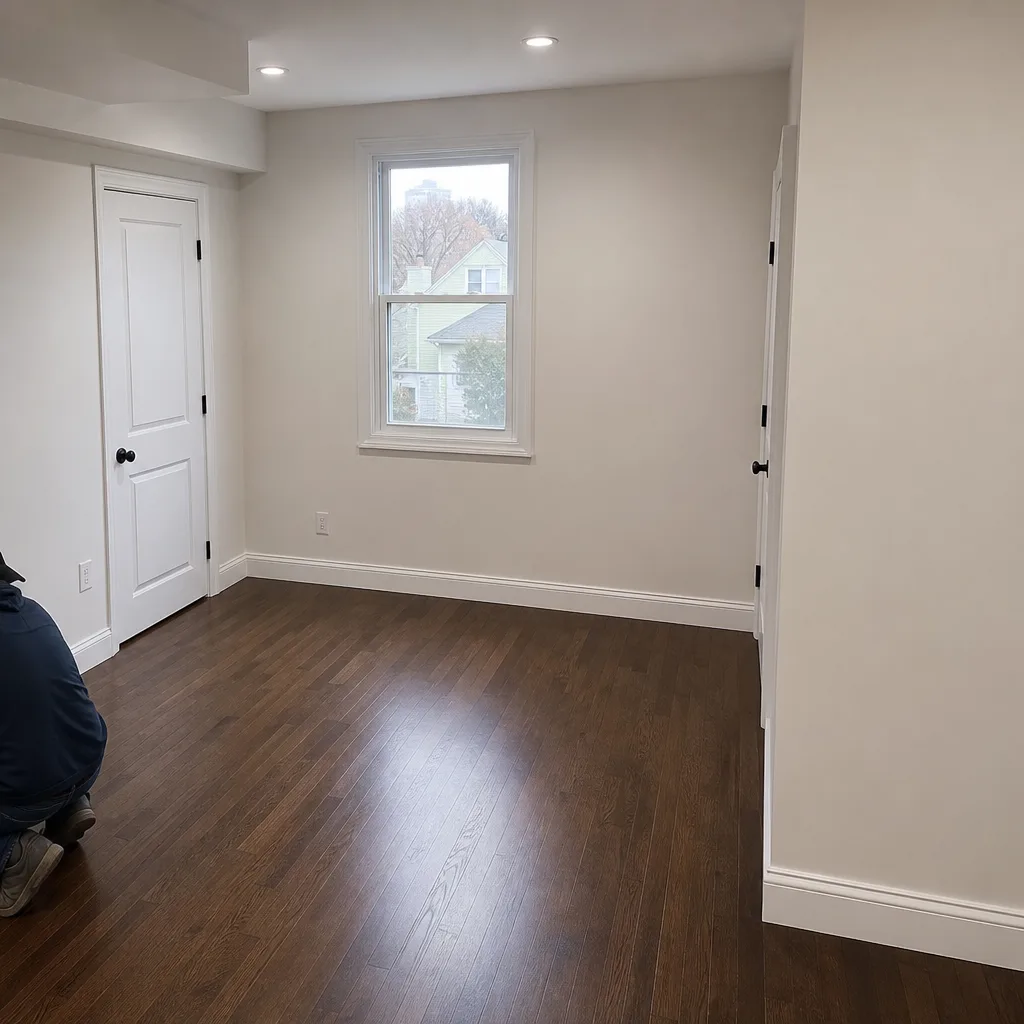 After
After24/7 Emergency Water Damage Restoration in Upper Manhattan
Water damage restoration in Upper Manhattan moves fast because the buildings demand it. A shared stack failure in a 1905 tenement can flood three apartments before the landlord gets the first call. Our crews average a 45-minute response anywhere from Inwood to East Harlem, and a live person answers (518) 800-3751 at any hour, every day. The first hour decides whether you’re drying plaster or replacing it, whether the ceiling stays up or comes down - and it’s just as critical for Fire & Smoke Damage Restoration - Upper Manhattan emergencies. We arrive with moisture meters and thermal imaging running the same visit, start extraction immediately, and give you a written scope before any drying equipment stages. That’s how Floodline Restoration Co. has handled emergency water extraction in Upper Manhattan since Curt Bowman founded the company in 2010.
Understanding Water Damage Restoration Severity in Upper Manhattan Properties
Upper Manhattan’s building stock changes the math on every water loss. Those pre-war tenements, Harlem brownstones, and Art Deco apartment houses built between 1890 and 1940 carry horsehair plaster walls, tin ceilings, and cast-iron or galvanized plumbing that’s been in service longer than most homeowners have been alive. When a supply line fails, we’re dealing with Category 1 clean water, the simplest case but still urgent in stacked units where gravity carries it down. A broken waste stack or sewer backup introduces Category 2 or Category 3 water, gray or black water that saturates porous plaster and travels horizontally through wall cavities between apartments. Moisture mapping becomes critical because what a tenant reports as one stained ceiling in Washington Heights is frequently three floors of hidden saturation. Structural drying in these buildings means chasing water behind baseboards, through original wood lath, and into floors that predate modern waterproofing. We set daily moisture readings against a dry standard, not a hunch, and we log every number.
Why Upper Manhattan Property Owners Choose Floodline Restoration Co.
- 45-minute response commitment. We dispatch local crews immediately, not after a callback. A live dispatcher picks up at 2 a.m. and a uniformed, background-checked team rolls to your block.
- 24/7 live answer, every time. You will never reach a recording or an answering service. One of our people answers, asks the right questions, and starts the clock.
- IICRC-certified crews. Our technicians hold IICRC WRT and ASD certifications and train to RIA and IFA standards, so the drying plan follows recognized science, not guesswork.
- Free visual inspection. We look before we quote. You get a written scope of work at no charge, with no obligation to proceed.
- Direct insurance billing. We document the loss from hour one, bill your carrier directly, and talk to the adjuster so you don’t have to play messenger.
- One team from extraction to reconstruction. The same crew that reads the moisture map on day one handles daily drying readings, the rebuild, and the final walkthrough. No mid-job handoff, no inherited subcontractors.
Our Water Damage Restoration Process
Inspection & Assessment
We map the full extent of water migration, not just the visible stain. Thermal imaging and penetrating moisture meters trace water behind horsehair plaster, under original flooring, and into shared wall cavities. You get a written scope of work before anything else happens.
Extraction & Stabilization
Standing water comes out first. Truck-mounted and portable extraction units pull water from floors, carpet, and wall cavities. We stabilize the structure by removing saturated materials that can’t be saved and stopping active water at the source.
Drying & Dehumidification
Professional-grade Dri-Eaz and Phoenix air movers and dehumidifiers run on a calculated layout, not scattered around the room. We place equipment based on moisture readings, then return daily to log progress until we hit the dry standard.
Cleaning & Sanitization
Category 2 and 3 water require antimicrobial treatment and proper disposal of contaminated materials. We clean and sanitize affected surfaces with EPA-registered products, and we isolate contaminated areas from the rest of your home.
Specialty Treatment for Pre-War Construction
Upper Manhattan’s older buildings bring unique hazards. If we hit vermiculite or asbestos pipe wrap during a wall opening, we halt drying, set containment, and coordinate a licensed NYC asbestos contractor for abatement before air movers stage. Lead-paint protocols on original woodwork follow the same careful sequencing.
Repairs & Restoration
The same crew that dried the structure rebuilds it. Whether it’s replastering, matching tin ceilings, refinishing original hardwood, or full reconstruction, we stand behind the result with our 90-Day Done Right Promise, in writing.
Need Emergency Water Damage Restoration in Upper Manhattan Now?
Crews minutes away, answering live 24 hours a day. The sooner we start, the less it costs.
Working With Your Insurance Company
Insurance claims for water damage in Upper Manhattan tenements and brownstones move smoother when documentation starts on day one. We photograph every affected room, every open wall, every water line. We take moisture readings before, during, and after drying, and we hand that log to your carrier with a detailed line-item scope of work. Our team talks directly to your adjuster, so the restoration schedule doesn’t stall while you wait on hold. Where competitors split damage control from reconstruction and leave the homeowner carrying paperwork between two companies, we handle the whole claim structure. Direct billing means the carrier pays us directly for covered work, and our 90-Day Done Right Promise means if something isn’t right, we make it right, no paperwork battles.
What We Provide Your Insurer
- Thorough documentation of the loss
- Photos of all damage, room by room
- Moisture readings and drying logs
- A detailed, line-item scope of work
- Direct coordination with your carrier
Built for Upper Manhattan’s Loss Calendar
January and February deep freezes burst supply lines in uninsulated exterior walls, and in Upper Manhattan’s pre-war stock, those lines often run through brick and plaster that traps the freeze long after the temperature rises. Spring thaw reveals what winter cracked: parapet caps split on flat roofs, membrane seams open, and ponded water migrates into top-floor units across Washington Heights and Inwood. Summer brings thunderstorm flash flooding that backs up combined storm and sanitary systems in East Harlem, which can mean Category 3 sewage water in basement apartments and building service rooms - exactly the situation where our Sewage Cleanup - Upper Manhattan team responds. Nor’easters in the fall dump rain on aging low-slope roofs that were last patched under a different building owner. The sequence is familiar to any long-term property owner in this borough, and it’s exactly why we keep live dispatch and certified crews ready year-round. We are built around a dispatch board, not a sales desk.
Water Damage Restoration Across Upper Manhattan’s Neighborhoods
Every neighborhood in Upper Manhattan has a distinct restoration profile. In Washington Heights, we work five- and six-story walk-ups where top-floor stains trace back to roof parapets above 181st Street, and horizontal migration between stacked units is the rule, not the exception. Hamilton Heights brings brownstones and converted limestone townhouses with original plaster details that deserve careful drying and salvage before any demolition. Inwood’s Flatiron-era apartments and hilltop streets hold flat roofs that pond water in spring, and our crews know the response routes up Broadway and Dyckman Street by heart. East Harlem’s mix of tenements and NYCHA towers means we’re often coordinating with building management and HPD compliance for multi-floor losses. Central Harlem and Strivers’ Row demand a lighter hand: those brick and brownstone façades hide original tin ceilings and decorative plaster that restoration crews must protect. Marble Hill, technically part of Manhattan but geographically in the Bronx, sits across the Harlem River, and we cross that bridge regularly for building owners who value our single-crew approach. The team behind our Water Damage Restoration service knows each of these corridors, because we drive them daily.
Specialized Water Damage Restoration Services We Offer in Upper Manhattan
Emergency Water Extraction
Water moves through pre-war construction faster than most people think. Cast-iron stacks, original subflooring, and horsehair plaster wick moisture into layers that dry slowly. We arrive with truck-mounted extraction and pull water out of carpets, hardwood floors, and wall cavities within the first hour. In Upper Manhattan tenements, that speed keeps a burst pipe from becoming a three-floor renovation.
Structural Drying & Dehumidification
Drying a Harlem brownstone properly means understanding how original materials behave. Thick plaster holds water for weeks if you don’t force air movement behind the surface. We use Dri-Eaz and Phoenix dehumidifiers sized to the water volume, not the square footage alone. Daily moisture readings logged against the dry standard are part of every job, and we hand you that log for your records.
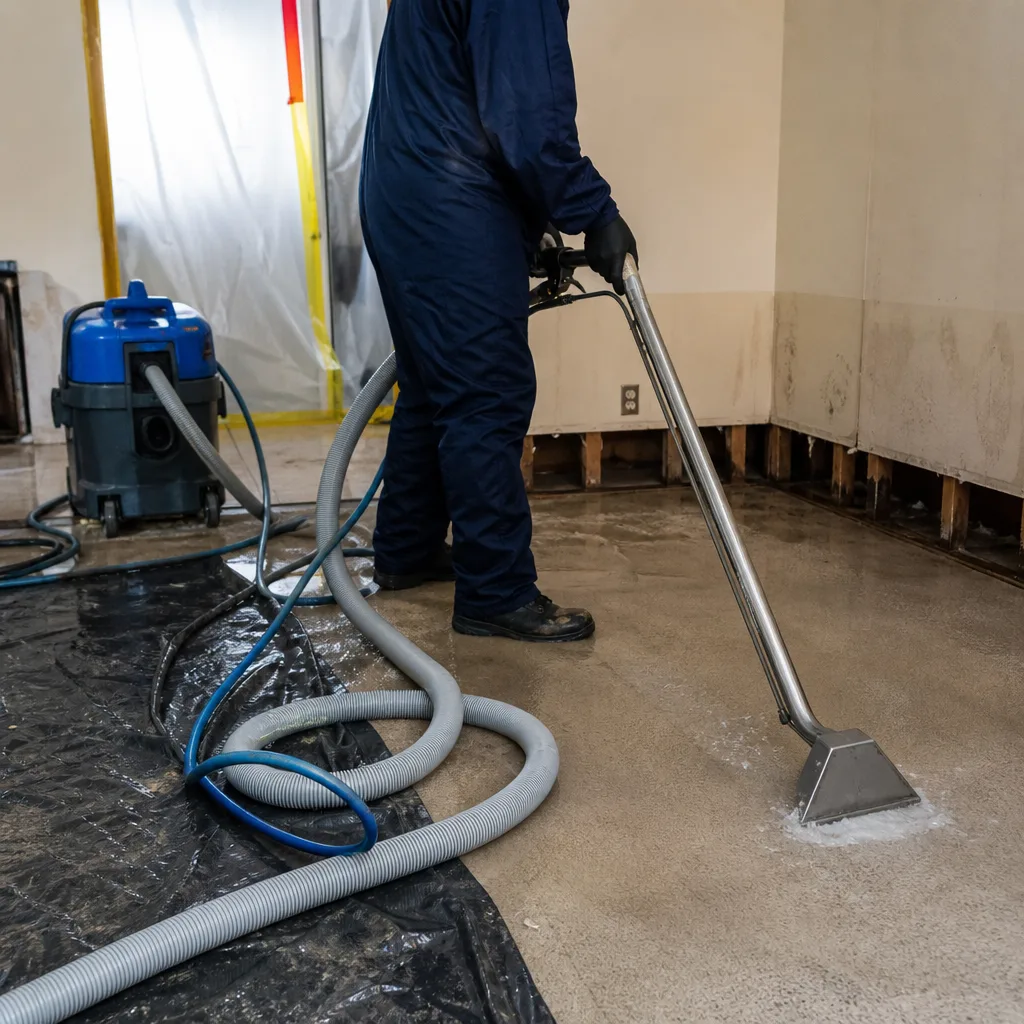
Ceiling & Roof Leak Water Damage
Flat roofs dominate Upper Manhattan, and low-slope membranes fail at seams and parapet corners. The damage that shows up on a top-floor ceiling in Inwood or Hamilton Heights is often the tail end of months of slow migration. We trace the water path with thermal imaging, open only what needs opening, and stop the source before drying starts. If the leak traces to a roof issue that predates your ownership, we document it for your insurance carrier.
Flood Cleanup
Storm-driven backup in combined sewer lines floods basement apartments and building mechanical rooms in East Harlem and along the Harlem River, a scenario covered by our Storm & Disaster Restoration in Upper Manhattan. That water is rarely clean; it often carries sewage, oil residue, or both. Our crews handle contaminated water with full PPE, proper disposal, and antimicrobial treatment. We know NYC code for occupied basements, and we bring in HPD-compliant containment when the job size calls for it.
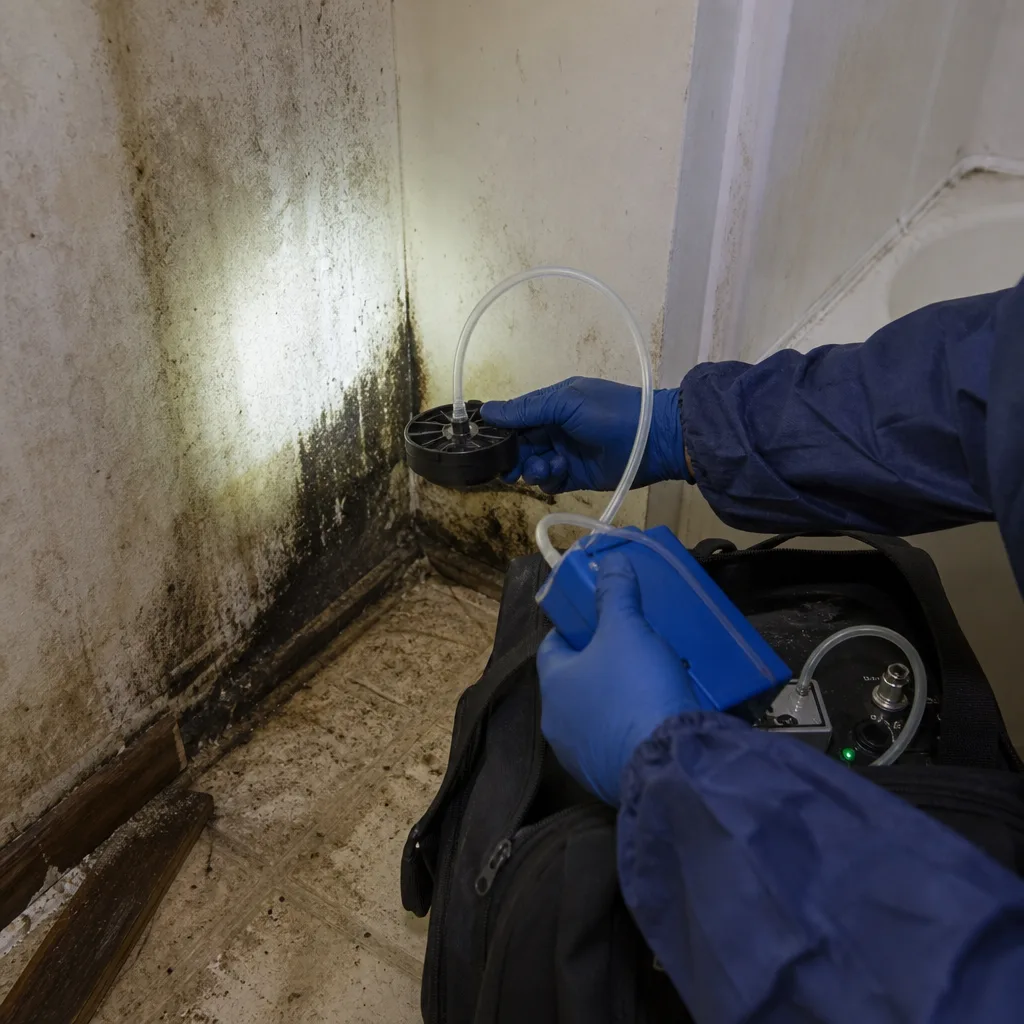
Burst Pipe Restoration
Frozen supply lines in exterior walls are a January certainty in older Upper Manhattan buildings. The failure point is often behind radiators or inside uninsulated northern exposuse walls. We stop the source, extract, and dry the affected cavities. Where legacy galvanized pipe has already corroded, we flag it for replacement rather than patch it, because a secondary failure mid-drying is a Category 2 release nobody needs.
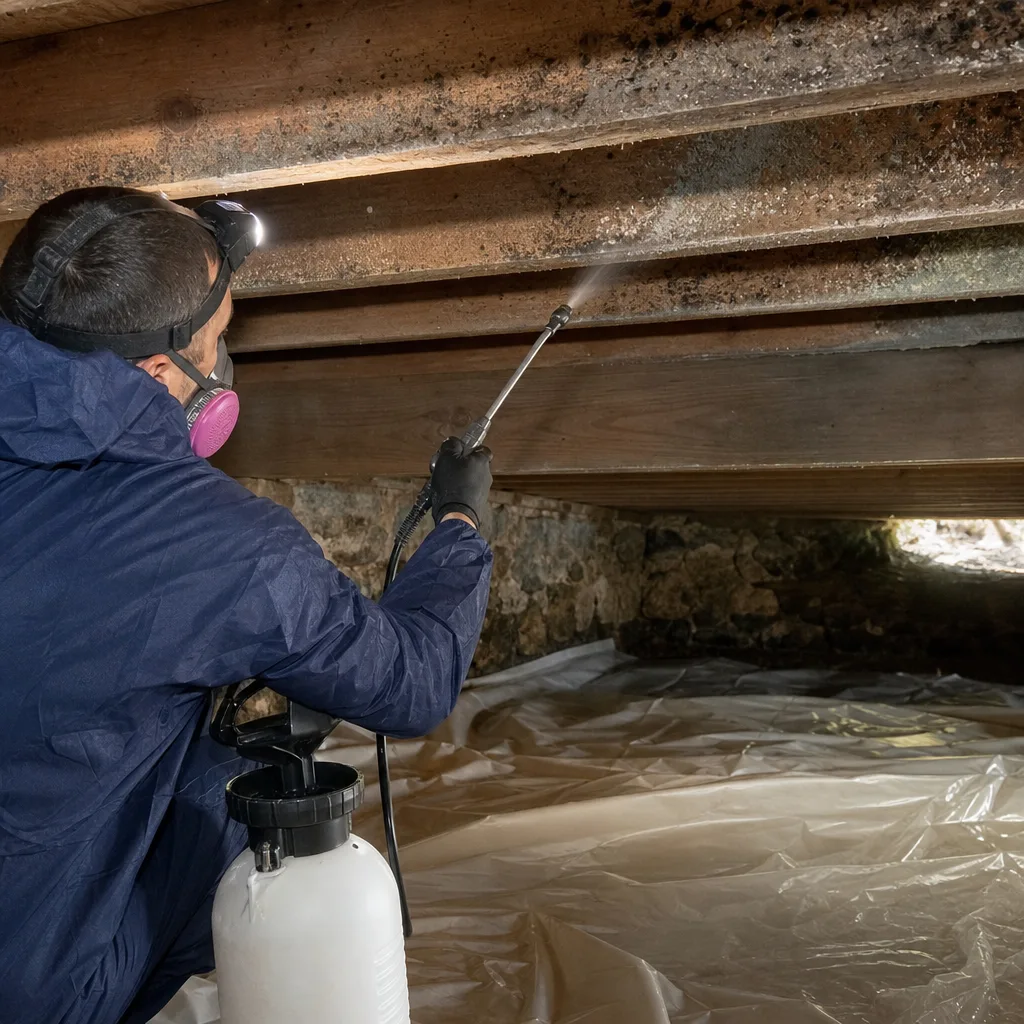
Basement Water Removal
Basement spaces in Upper Manhattan brownstones and tenements serve as storage, laundry, mechanical rooms, and sometimes apartments. Extracting water from these spaces means dealing with old concrete, original stone foundations, and groundwater seepage. We pump, extract, dehumidify, and rebuild as needed, and we handle the insurance scoping so you know what’s covered before the first invoice.
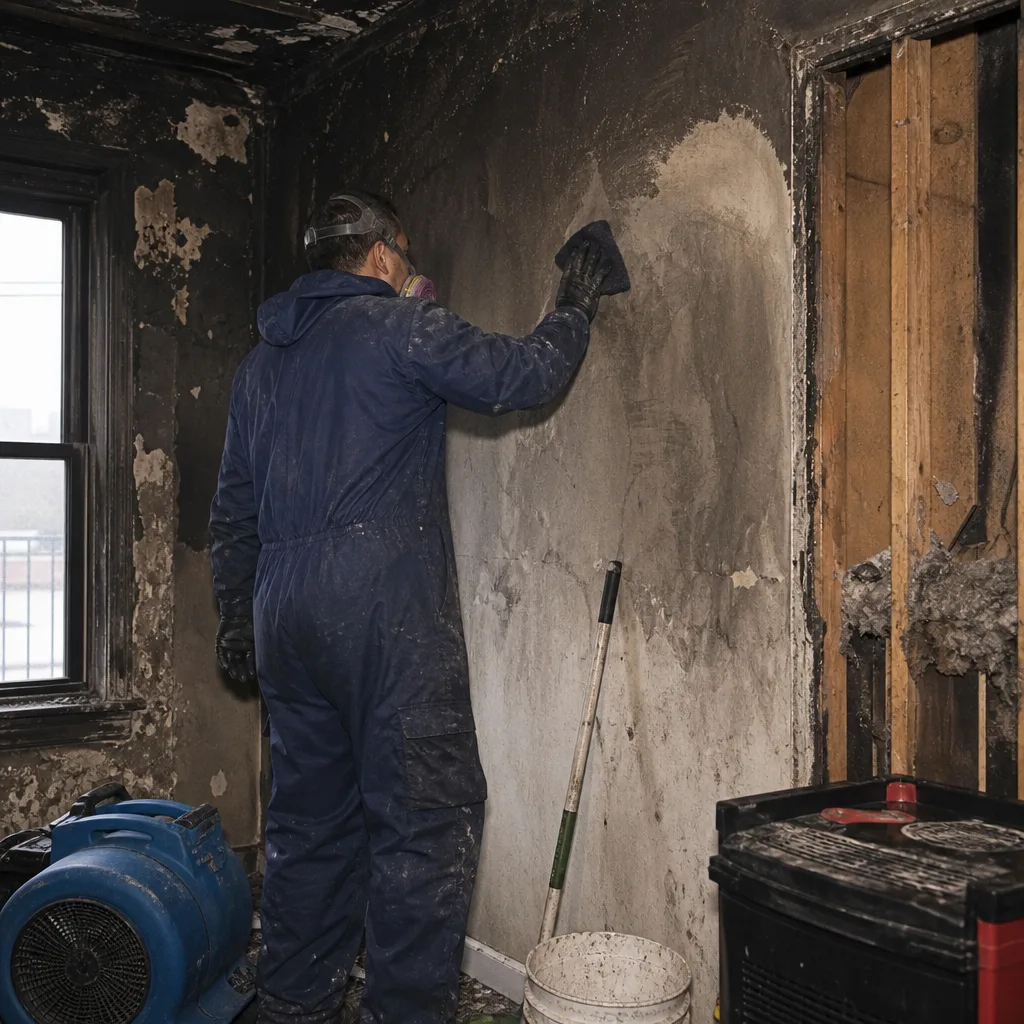
What happens when you call
- 1
A real person answersNo phone trees - you reach a local pro.
- 2
You get an upfront price rangeHonest numbers before anyone is dispatched.
- 3
A background-checked tech heads outLicensed & insured, dispatched right away.
- 4
You approve before work beginsNothing starts until you say go.
Water Damage Restoration Costs in Upper Manhattan, NY
Upper Manhattan’s restoration pricing reflects the age of the buildings, not the size of the insurance check. Emergency water extraction in a single apartment runs $850 to $1,900 depending on square footage and water category. Ceiling and roof leak water damage restoration, where we open plaster and trace the path through lath, typically lands between $1,400 and $3,800 per affected room. Burst pipe restoration in a pre-war wall cavity averages $1,800 to $4,500, with the upper end reflecting the need to cut through brick or original plaster and the possibility of lead-paint protocol triggering. Basement water removal and structural drying in a brownstone cellar runs $2,200 to $5,000 when groundwater and Category 2 contamination are involved, and it rises if asbestos-containing pipe wrap is discovered during the opening. Every job begins with a free visual inspection and a written scope of work, so you see the real number before anything is signed. Call (518) 800-3751 for an exact quote, estimates are free, and the Senior & Veteran 5% discount always applies for those who’ve earned it.
One thing that moves Upper Manhattan pricing in a way most neighborhoods don’t see: hidden asbestos. When we open a wall for emergency extraction in a pre-war building and find vermiculite or asbestos wrap, abatement coordination adds time and cost, and that cost belongs in the insurance scope, not as a surprise line item. We flag it during inspection whenever wall openings are likely.
We Also Serve Cities Near Upper Manhattan
In addition to our Upper Manhattan service area, our crews respond across the river and uptown into Water Damage Restoration in Upper Manhattan‘s neighboring communities. We serve Astoria, Ditmars Steinway, the Upper East Side, and Jackson Heights with the same 45-minute commitment, live dispatch, and written scope. Property owners in those neighborhoods deal with similar pre-war building stock and the same freeze-thaw cycles.
Serving Upper Manhattan, NY - Our Local Coverage Area
We’re based in the Upper Manhattan area and know this community well. Use the map below to see our service coverage - if you’re nearby, we can almost certainly help.
Upper Manhattan Water Damage Restoration Questions, Answered
Why do water damage jobs in Upper Manhattan tenements often expand from one apartment to multiple floors?
Shared plumbing stacks run vertically through five or six stacked units, so a single pipe failure releases water that travels down through floors and wall cavities rather than pooling in one room. What starts as a one-apartment extraction call becomes a multi-floor, multi-tenant restoration once moisture mapping shows migration across three levels. We routinely coordinate with landlords and NYC HPD because the scope crosses occupancy boundaries.
What happens if asbestos is found behind damaged walls in an older Upper Manhattan building?
Work stops immediately on that wall section. Our crews set containment, and a licensed NYC asbestos contractor handles abatement before any drying equipment stages. This sequencing is almost routine in Upper Manhattan’s pre-war stock, and we factor it into the scope and insurance documentation as soon as inspection suggests wall openings may hit vermiculite or pipe wrap. The claim structure absorbs the cost as part of restoration.
How do roof leaks on pre-war flat roofs behave differently in Hamilton Heights or Washington Heights versus newer construction?
Flat and low-slope roofs on older buildings go through freeze-thaw cycles that crack parapet copings and open membrane seams. Water ponds, then migrates down through the building envelope into top-floor units, often saturating horsehair plaster for a year before a stain becomes visible. Newer pitched construction drains quickly; these roofs hold water and slowly feed it into the structure.
Can you restore original plaster walls and tin ceilings after a multi-floor water loss in a Harlem brownstone?
Yes. Matching original plaster and pressed tin requires craftsmen who understand the materials, not just the drying science. We dry in place wherever the plaster remains salvageable, and when sections must come out, our rebuild crew restores with compatible materials. For tin ceilings, we dry the backing structure thoroughly before reparishing, so the metal doesn’t rust from behind.
Why does a Category 2 or 3 water release from a broken cast-iron stack in East Harlem require different handling than clean water from a burst supply line?
Cast-iron stacks carry waste, so a break releases gray or black water full of contaminants. That water saturates porous materials with pathogens that require antimicrobial treatment and proper disposal. Clean supply water only needs extraction and drying. We differentiate the category during inspection, because the PPE, the disposal protocol, and the insurance scope all change with the water classification.
How fast can someone actually get here from your Upper Manhattan response team?
We commit to a 45-minute response across Upper Manhattan, from Marble Hill to East Harlem. Our dispatch board is staffed 24/7 by a live person, and our crews are staged locally, not dispatched from a remote hub. The sooner extraction starts, the less demolition you’ll need.
Will insurance cover water damage from a roof leak or burst pipe in my Upper Manhattan apartment?
Most standard policies cover sudden and accidental water damage, including burst supply lines and storm-driven roof leaks. Long-term seepage and maintenance issues are a grayer area, which is exactly why we document condition, moisture mapping, and the loss timeline from hour one. We talk directly with your adjuster and bill the carrier directly for covered work.
What should I do in the first 30 minutes after discovering water damage?
Shut off the water source if you can do so safely, move valuables out of the water path, and call (518) 800-3751. Don’t open walls yourself, especially in pre-war Upper Manhattan buildings, because hitting asbestos pipe wrap creates more problems. Our dispatcher stays on the line while you describe the leak, and the crew arrives with equipment running.
Dealing with water damage in Upper Manhattan right now? Call Floodline Restoration Co. at (518) 800-3751 for a free visual inspection, honest pricing, and a crew that handles everything from first extraction to finished rebuild. Done right, and backed in writing.
Written by Curt Bowman, Owner at Floodline Restoration Co., serving Upper Manhattan since 2010.