
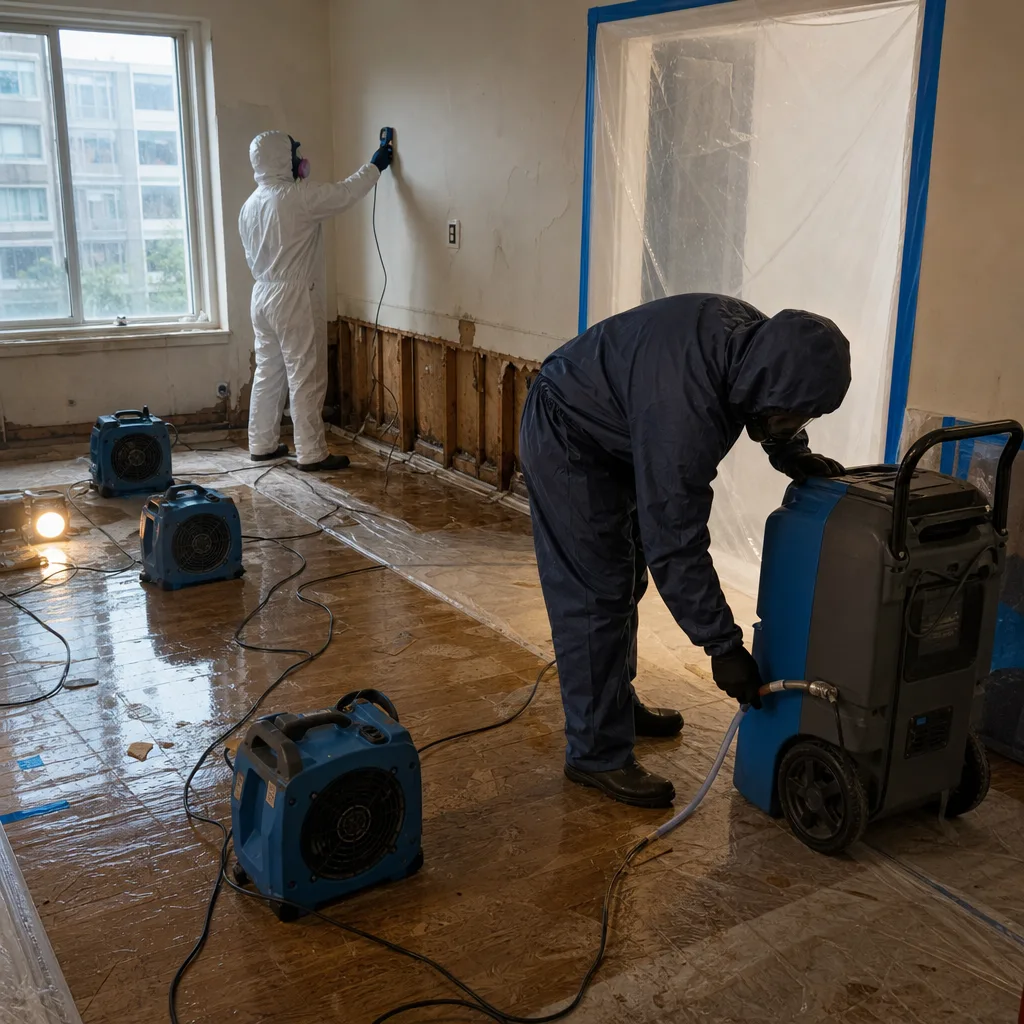
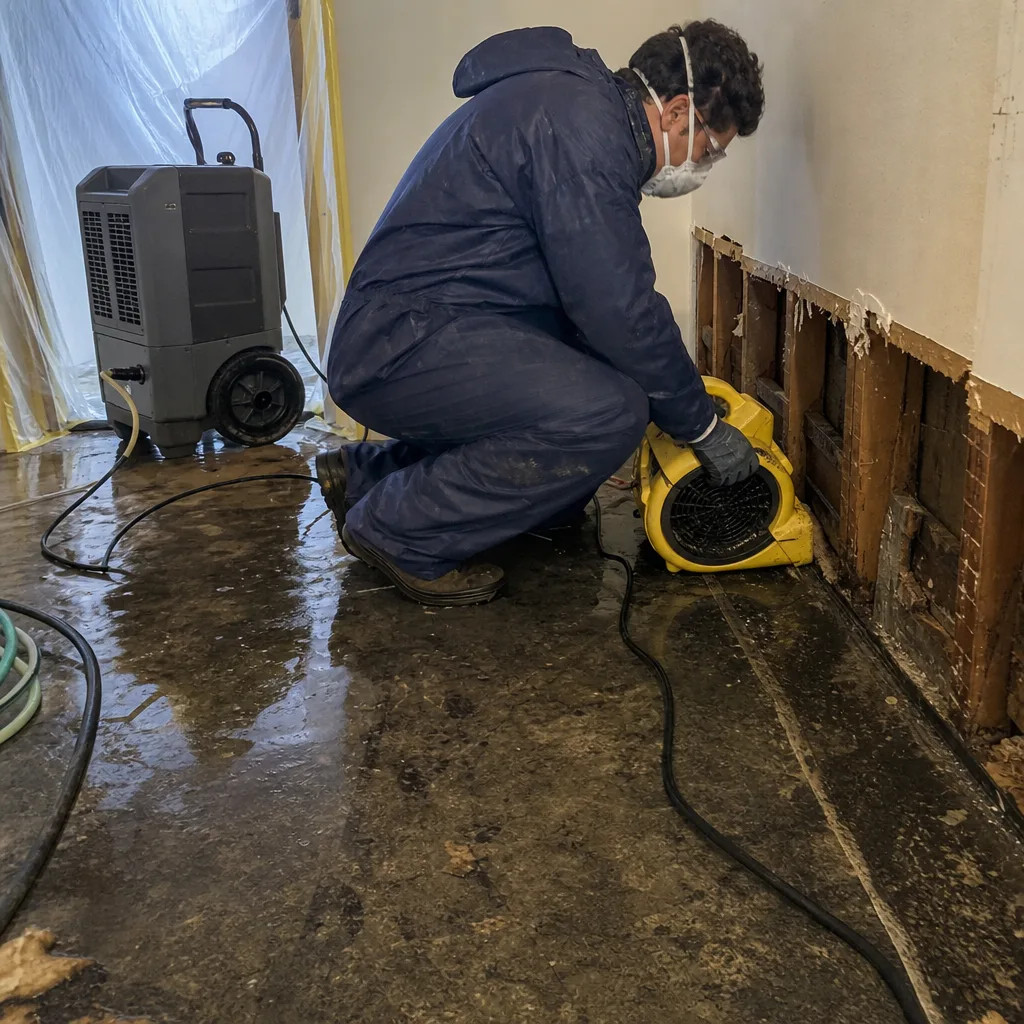
Free visual inspection and a written scope of work before any mitigation begins - photos, moisture readings, and drying logs go in your claim file
The scope we write is the scope we bill. Anything new gets shown to you, in writing, before we touch it.
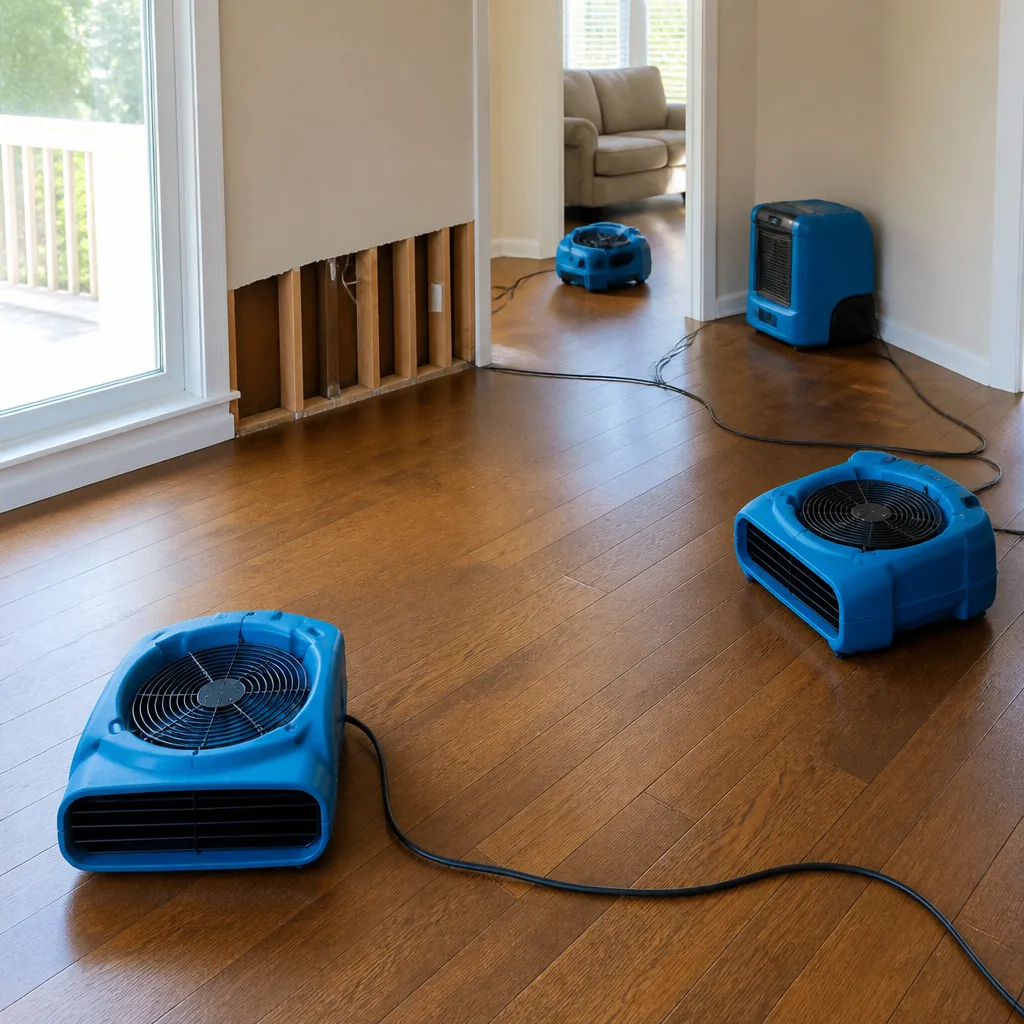
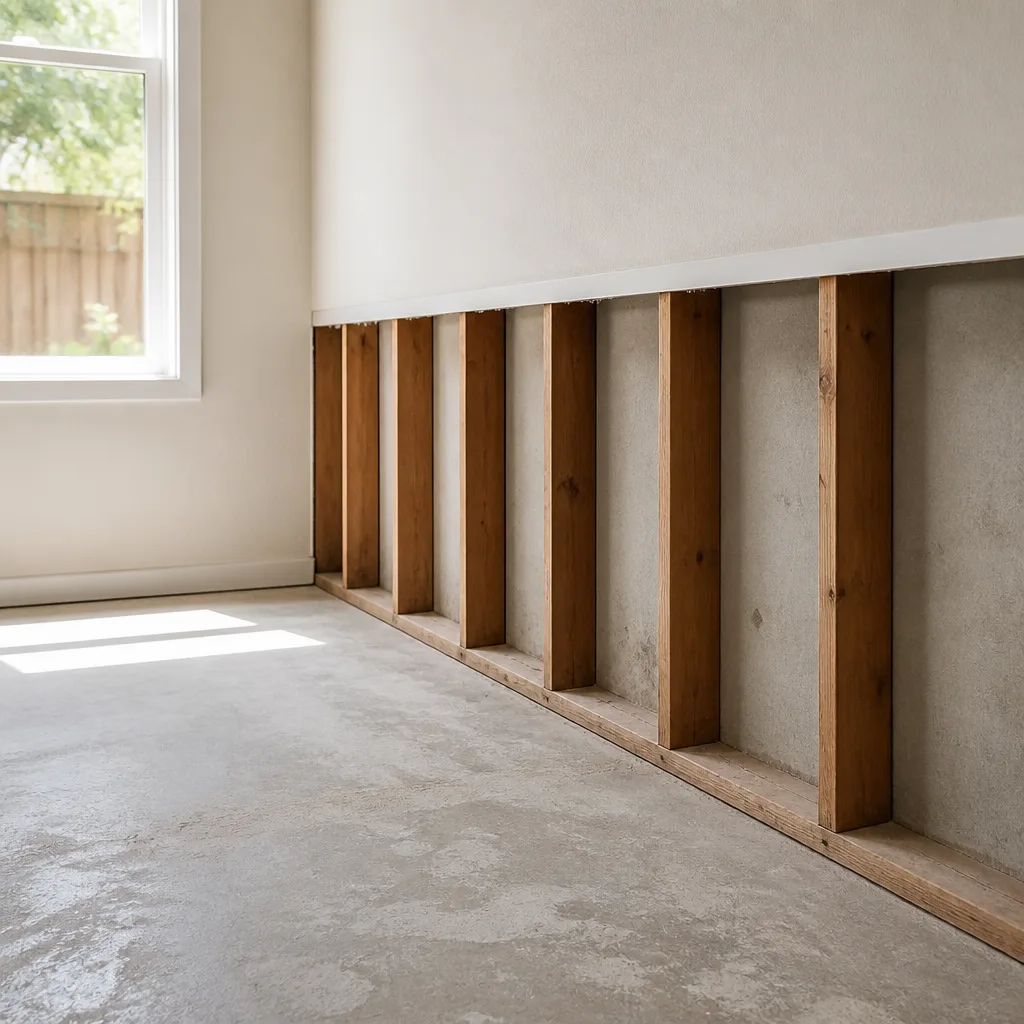
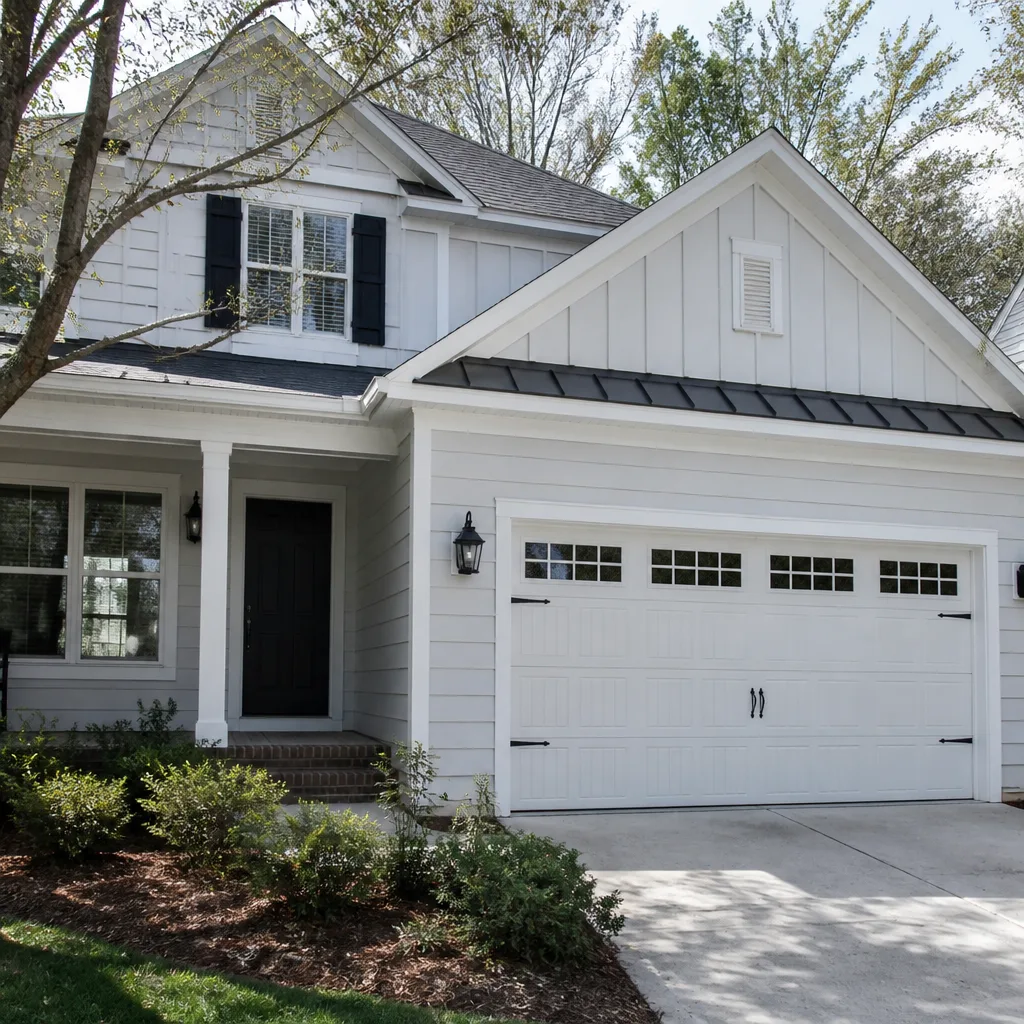
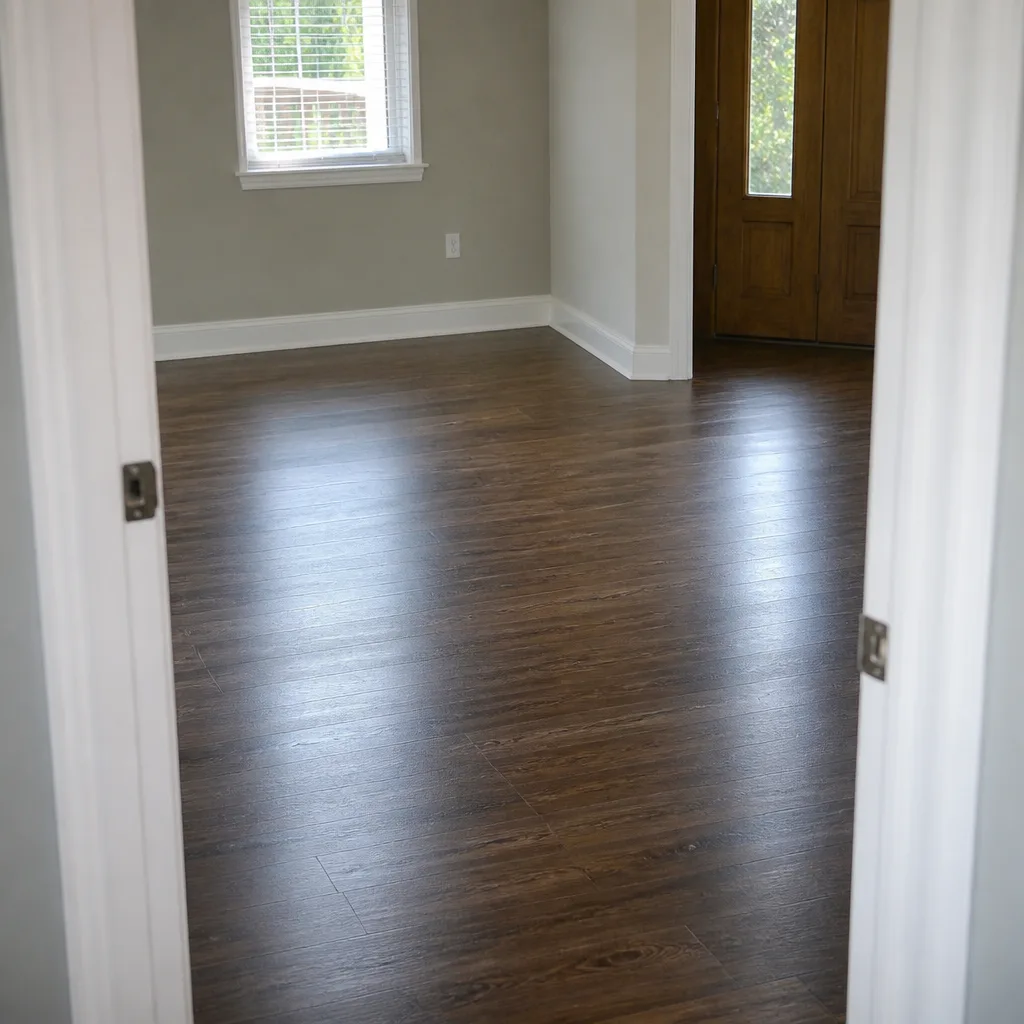
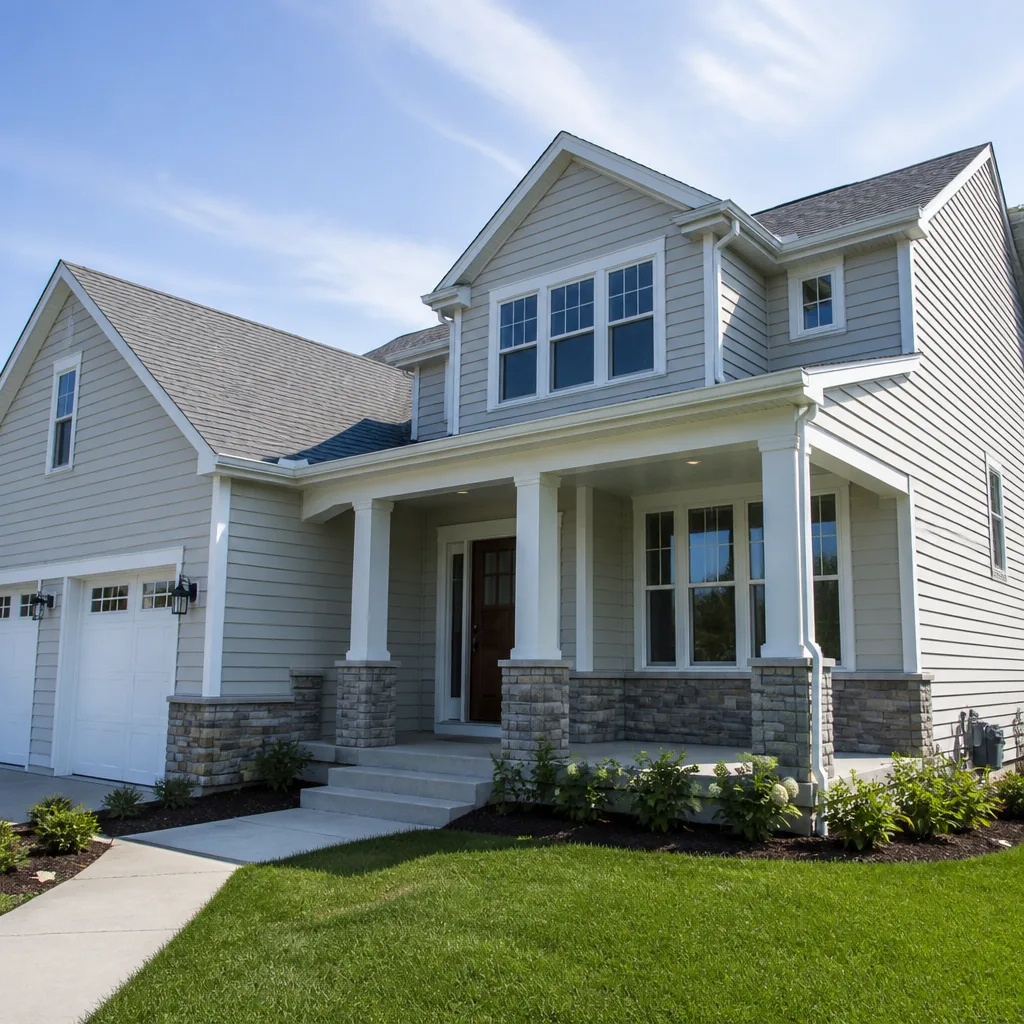
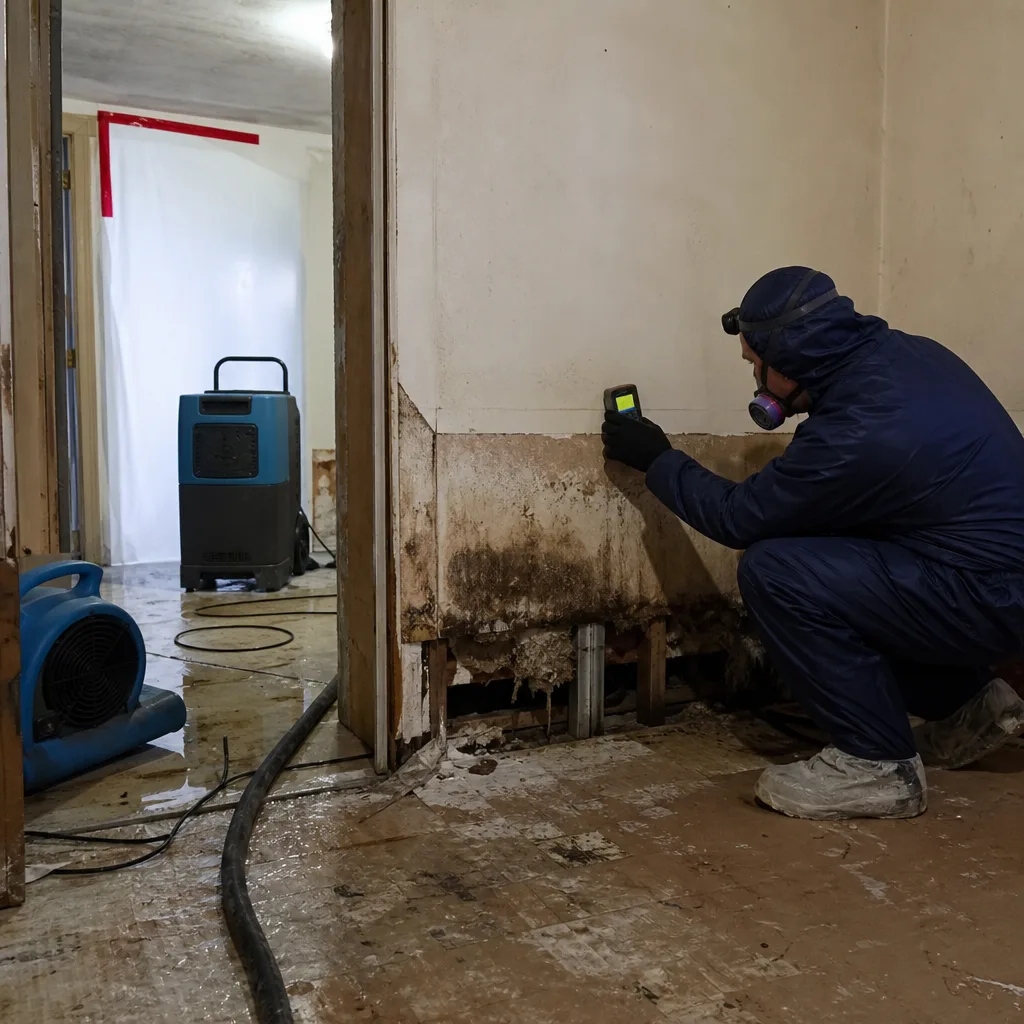 Before
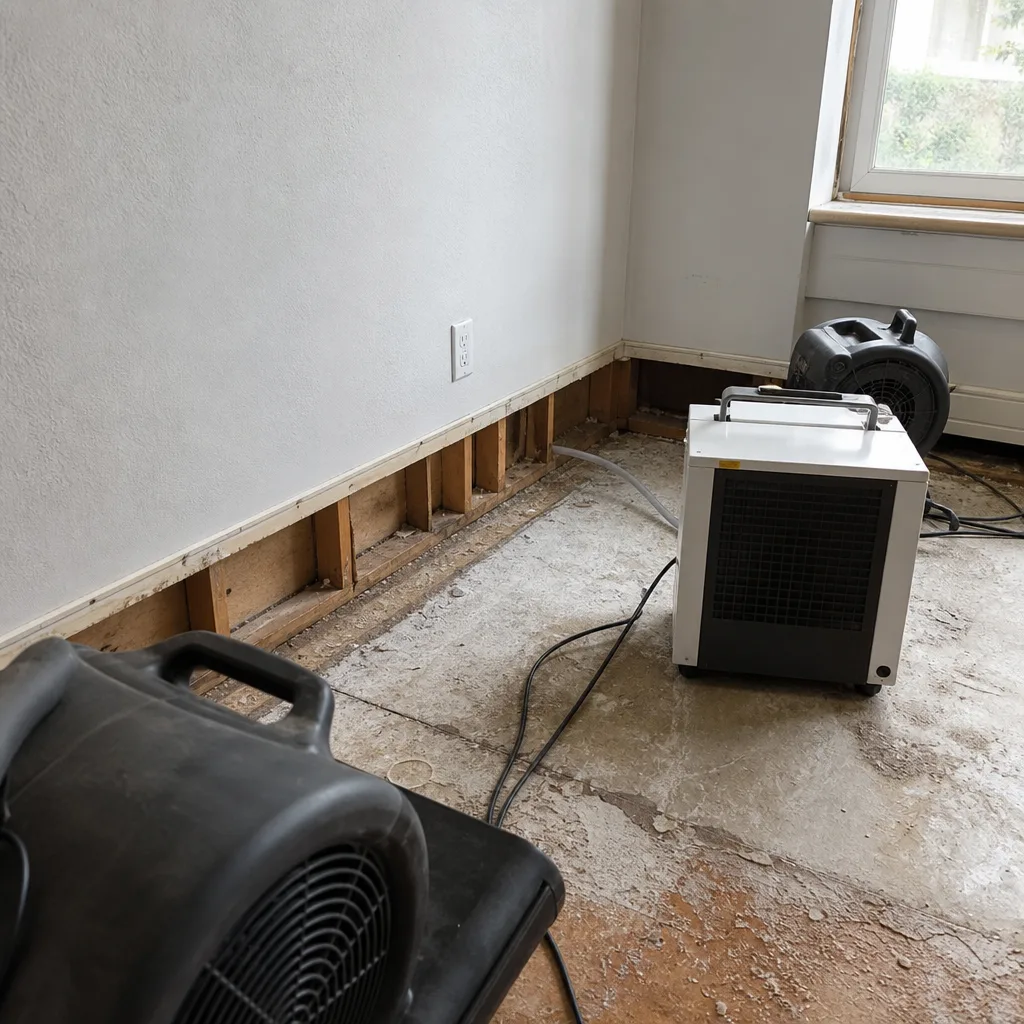 After
After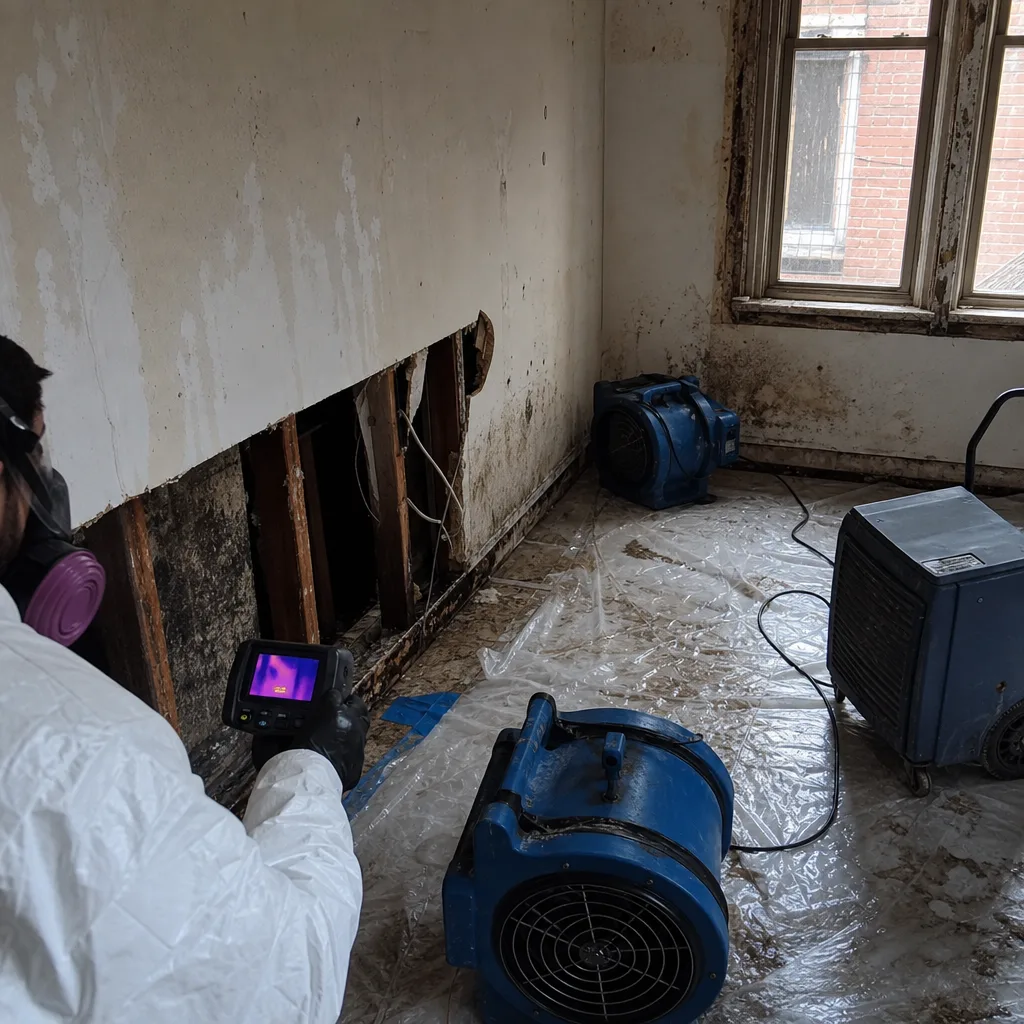 Before
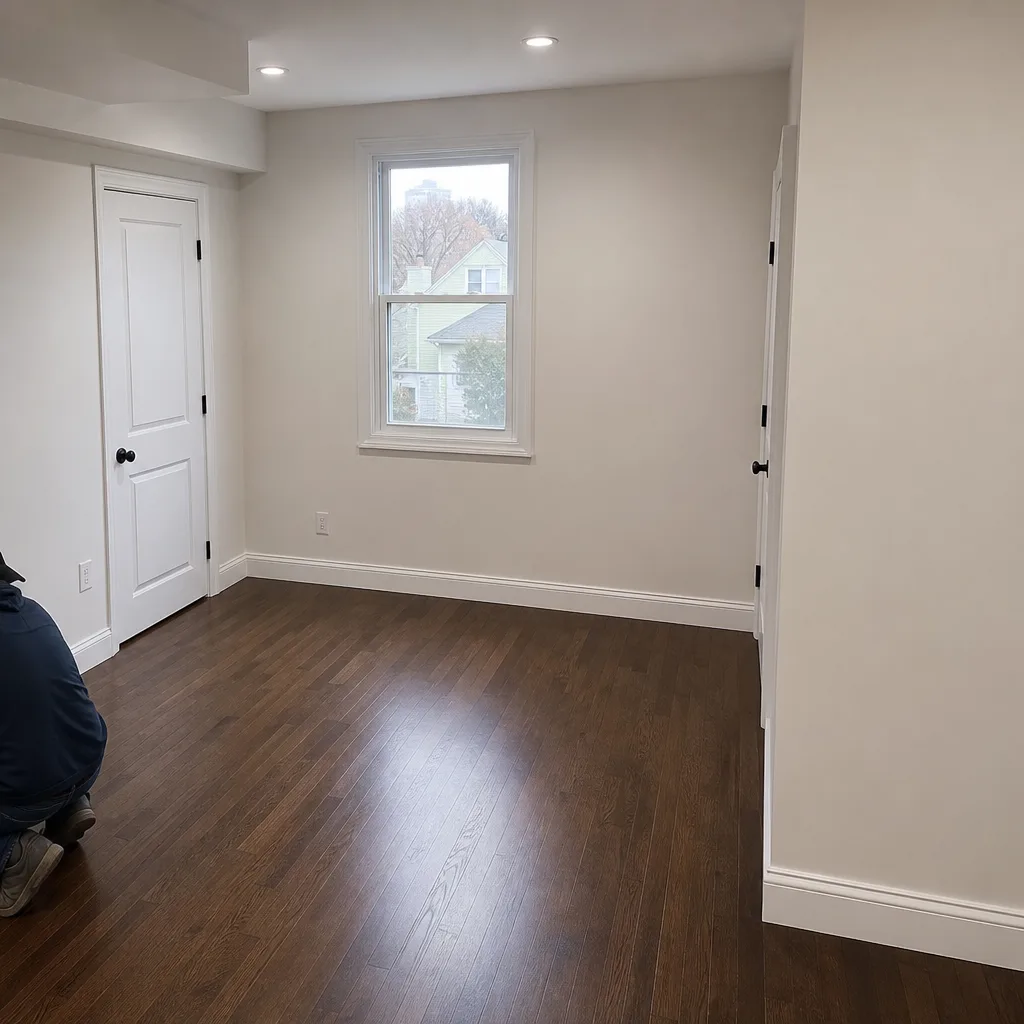 After
After24/7 Emergency Commercial Restoration in Long Island City
Commercial water, fire, or storm damage in Long Island City needs a response that matches the urgency of the building itself. When a 47th Avenue warehouse floods or a Hunters Point restaurant loses power to its walk-in coolers, every hour of delay adds cost and complexity that no insurance adjuster will dispute. Our crews answer live at (518) 800-3751 around the clock, and we dispatch into 11101, 11109, and 11120 with the understanding that LIC’s building stock rarely tolerates a slow response. The first hour after a loss is when extraction, containment, and moisture mapping should already be underway. We’ll be there when we say.
Understanding Commercial Restoration Severity in Long Island City Properties
Commercial restoration in Long Island City is not one trade; it is several trades stacked on top of each other, and the severity of a loss depends heavily on the building’s construction and age. Water damage in a pre-war brick factory converted to office lofts behaves differently than water in a post-2005 glass tower along the East River. We classify water by IICRC categories: Category 1 starts clean, Category 2 carries significant contamination, and Category 3 is grossly contaminated, often with sewage, chemicals, or brackish floodwater. In Long Island City, the Newtown Creek Superfund corridor changes the math. Intrusion that would be Category 2 in Astoria becomes Category 3 here because the floodwater may have drawn from one of the most contaminated urban waterways in the country. Moisture mapping with thermal imaging and hygrometers tells us where water traveled, not just where it pooled. In converted warehouses with open concrete floor plates, water migrates laterally across entire floors before any staining appears on a ceiling below. Fire losses carry their own severity ladder: protein soot from a kitchen fire etches surfaces within hours, while synthetic soot from burned plastics leaves a corrosive residue that requires HEPA air scrubbing and media blasting. LIC’s converted industrial buildings often have flat membrane roofs that pond water during nor’easters, creating chronic slow-leak events that go undetected across multiple tenant spaces. Severity here is rarely simple.
Why Long Island City Property Owners Choose Floodline Restoration Co.
- 45-minute response commitment: When a Long Island City property owner calls with water running through a ground-floor retail space near Queens Plaza, we commit to having a certified crew rolling within 45 minutes. The clock starts when you hang up.
- 24/7 live answer, never an automated system: A real dispatcher picks up at 2 a.m. on a holiday weekend. You will not navigate a phone tree while your building floods. That has been true since Curt Bowman founded this company in 2010 around a dispatch board, not a sales desk.
- IICRC-certified crews: Our technicians hold WRT, FSRT, and AMRT certifications and train to RIA and IFA standards. They are background-checked, uniformed, and they know LIC’s converted loft buildings and high-rise mechanical rooms better than any out-of-town franchise crew.
- Free visual inspection: We walk the loss with you before any scope is written, point to what we see, and explain what it means in plain language. No charge, no obligation, no pressure.
- Direct insurance billing: We document from the first hour, bill your carrier directly, and coordinate with your adjuster so you are not the messenger between two parties who should be talking to each other.
- One team from extraction to reconstruction: The same certified crew that reads the moisture map on day one handles daily readings, hands the log to you and your carrier, and rebuilds what needs rebuilding. No mid-job handoff to a subcontractor you have never met.
Our Commercial Restoration Process
Inspection & Assessment
We arrive, walk the entire loss area, document everything with photos, and build a moisture map using thermal imaging cameras and penetrating moisture meters. For LIC properties, we immediately check the failure points specific to this building stock: rooftop HVAC curb penetrations, parapet-to-membrane seams, and flood-vulnerable mechanical rooms on lower floors.
Extraction & Stabilization
Standing water comes out first, using truck-mounted extractors for large losses and portable units for tight spaces in older buildings. We stabilize the environment immediately: contain the affected area, shut down compromised electrical where needed, and stop the source if it is still active.
Drying & Dehumidification
Commercial-grade air movers and dehumidifiers go in the same visit. In a Long Island City loft conversion, we place Dri-Eaz and Phoenix equipment based on the moisture map, not on guesswork, because water travels differently across open concrete slabs than it does through standard framed walls.
Cleaning & Sanitization
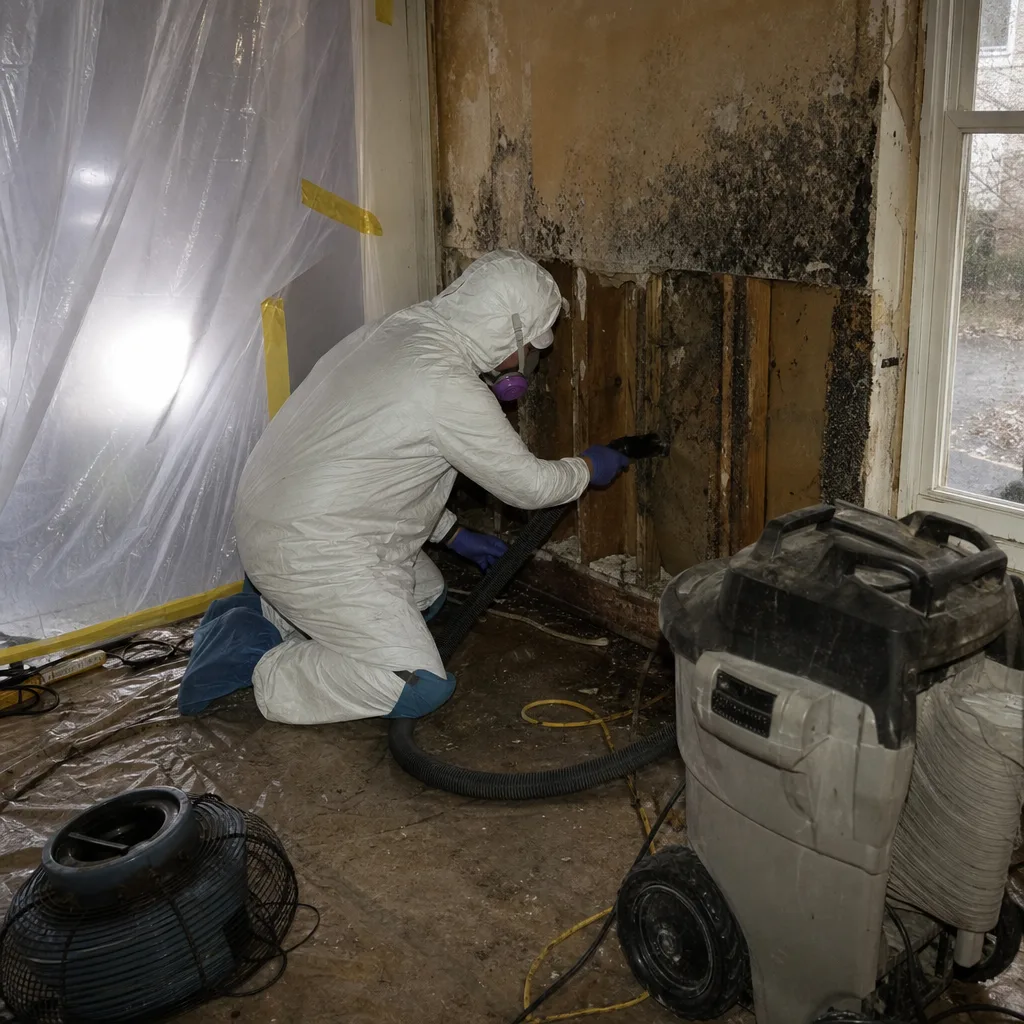
For Mold Remediation in Long Island City near the Newtown Creek corridor, Category 3 losses mean full containment, antimicrobial treatment, and HEPA air scrubbing, not just mopping. We clean what can be saved and remove what cannot, always with photo documentation for the carrier.
Specialty Treatment for Commercial Losses
Office and retail spaces need document recovery, inventory triage, and equipment evaluation. Restaurants need grease-laden vapor cleaning and refrigeration assessment. Multi-unit buildings need common-area containment and tenant communication plans. One size never fits all in LIC.
Repairs & Restoration
Once the dry standard is met and the moisture log is closed, the same crew rebuilds drywall, replaces flooring, restores mechanical systems, and repaints. The 90-Day Done Right Promise covers the finished work in writing.
Need Emergency Commercial Restoration in Long Island City Now?
Crews minutes away, answering live 24 hours a day. The sooner we start, the less it costs.
Working With Your Insurance Company
Commercial claims in Long Island City get complicated fast because the building stock itself complicates them. A floodwater intrusion near Newtown Creek triggers Category 3 protocols that adjusters unfamiliar with LIC sometimes push back on. That is where our documentation does the heavy lifting. From the first hour on site, we photograph every affected area, log moisture readings daily, and write a line-item scope that matches industry standards exactly. We speak directly with your adjuster, walk them through what we found, and justify each line with data, not adjectives. Property owners who try to manage this alone end up playing telephone between a carrier and a contractor, and that is a losing position. We take the messenger role off your plate. Direct insurance billing means you are not fronting thousands of dollars and waiting weeks for reimbursement. The Keystone Standard, our 90-Day Done Right Promise, applies to the finished work, and that is in writing too.
What We Provide Your Insurer
- Thorough documentation of the loss
- Photos of all damage, room by room
- Moisture readings and drying logs
- A detailed, line-item scope of work
- Direct coordination with your carrier
Built for Long Island City’s Loss Calendar
Long Island City gets hit differently depending on the season, and a restoration contractor who works here year-round knows the pattern. January deep freezes burst supply lines in older brick buildings along Jackson Avenue and 44th Drive, sending water through converted loft floors that were never designed for modern plumbing layouts. Spring brings the thaw and the first heavy rains, when foundation seepage finds its way into basement-level retail and storage spaces from Hunters Point to Court Square. Summer is flash flood season; the region’s heavy convective storms overwhelm the combined sewer system near the East River, and ground-floor commercial spaces in 11101 take on water that is rarely clean. Nor’easters in the fall and winter are the chronic threat, especially for flat-roofed industrial conversions, where ponded water on membrane roofs pushes through parapet seams and HVAC curb penetrations, saturating open floor plates for weeks before anyone notices. We plan for this calendar because we have answered these calls for years. The Commercial Restoration team at Floodline knows that the loss you are dealing with in November is probably the roof, not the plumbing, and we scope accordingly.
Commercial Restoration Across Long Island City’s Neighborhoods
Long Island City is not one neighborhood; it is a patchwork of building eras and uses, and restoration work shifts block by block. In Hunters Point, the converted warehouse lofts along 47th Avenue and 49th Avenue dominate our large-loss and multi-unit calls because their open floor plates and flat roofs create lateral water migration and hidden seepage patterns that never appear in standard office buildings. Response routes from the Pulaski Bridge down 21st Street put us minutes from those calls. Around Queens Plaza and Court Square, the post-2005 glass-and-steel towers house mechanical systems in flood-vulnerable lower floors; when Sandy’s surge reached Hunters Point South in 2012, those mechanical rooms in 11101 took Category 3 inundation that required full equipment replacement, not drying. Over near the Newtown Creek side, industrial facility cleanup calls come from the remaining manufacturing and logistics buildings along the creek corridor, where contamination protocols are non-negotiable. Even the residential pockets sandwiched between commercial corridors, around Vernon Boulevard and along the East River waterfront, generate multi-unit HOA restoration work when a pipe burst in one unit migrates into the common areas and the commercial space below. Each area demands a different playbook, and we have run all of them.
Specialized Commercial Restoration Services We Offer in Long Island City
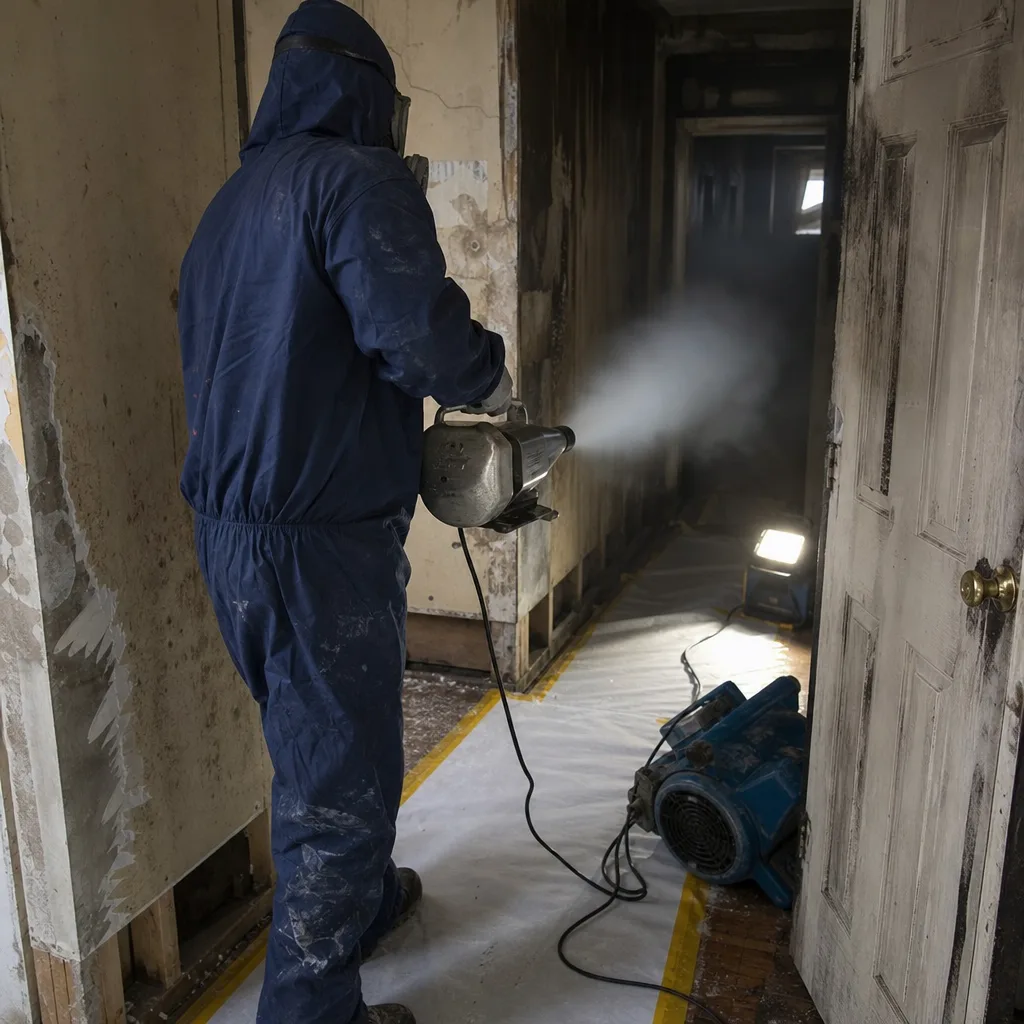
Office & Retail Restoration
When a Long Island City retail space floods along Vernon Boulevard or an office near Queens Plaza takes on water from a burst supply line, the priority is getting business operations back online without cutting corners. We triage inventory, evaluate electronics and document storage, and dry the space to the IICRC dry standard with logs your carrier can review line by line. A written scope before work starts means you know exactly what the restoration covers and what it costs.
Multi-Unit & HOA Restoration
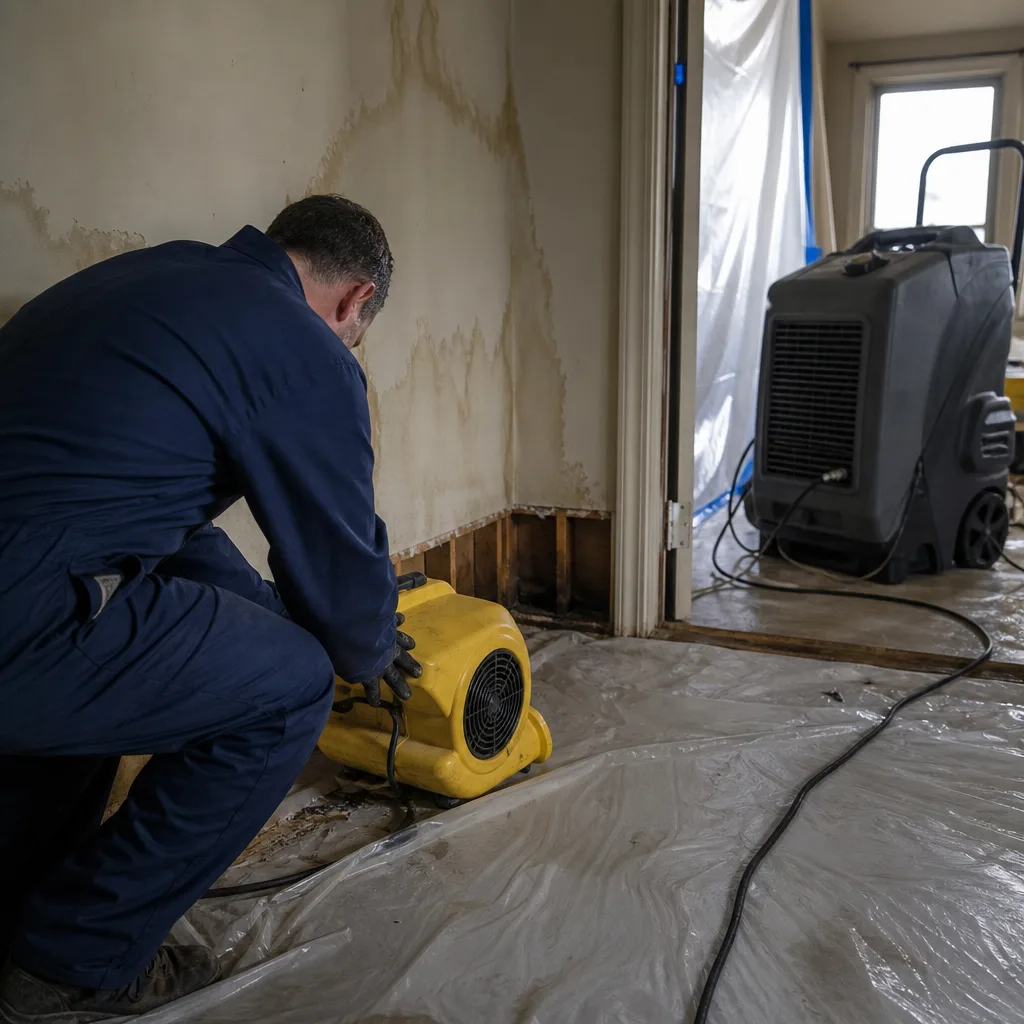
Converted industrial buildings in Hunters Point and the newer high-rises along the waterfront both create multi-unit losses that require coordination across tenant spaces, common areas, and sometimes the commercial ground floor. We contain the affected units, communicate with property managers and HOAs directly, and sequence the work so tenants can return as quickly as the drying standard allows. The open floor plates in loft conversions mean one roof leak can impact three or four units at once, and our moisture mapping catches that early.
Industrial Facility Cleanup
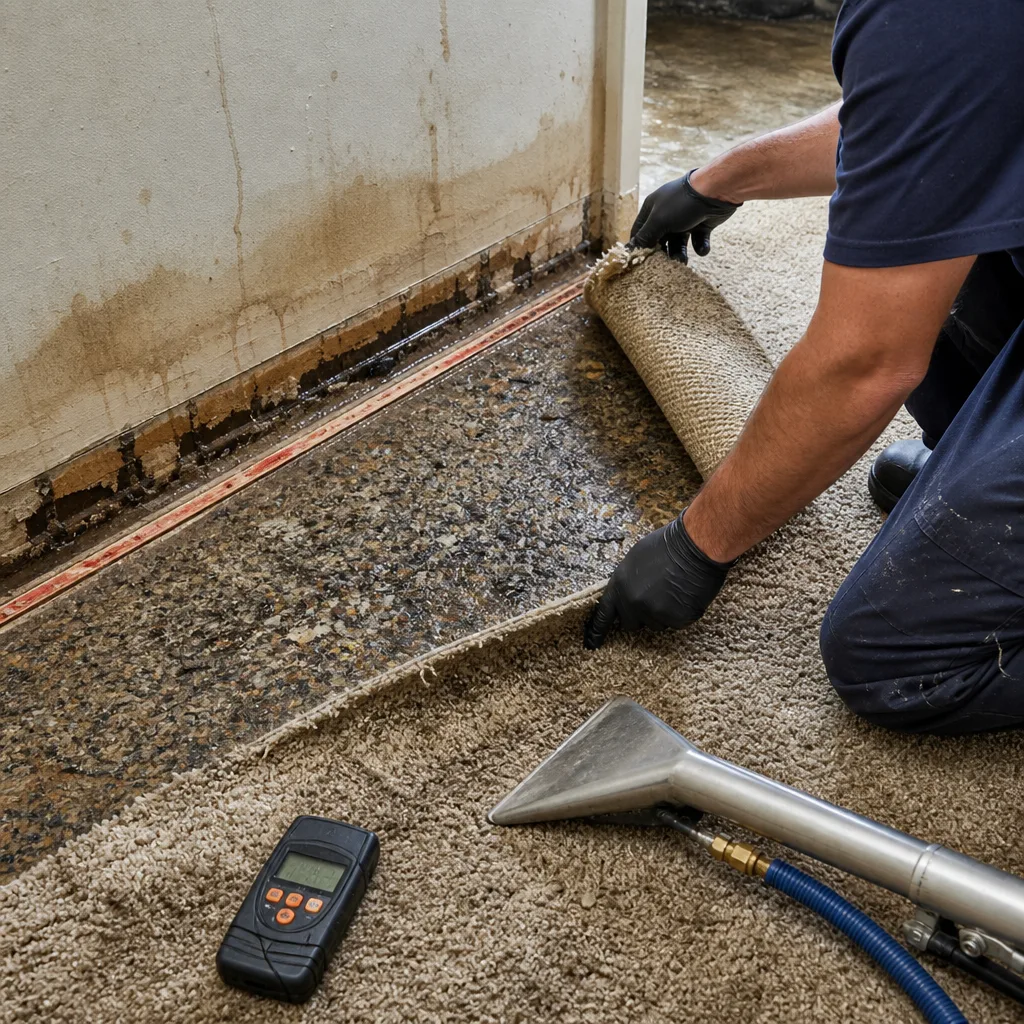
The industrial buildings that remain in Long Island City, especially along the Newtown Creek corridor, need restoration crews who understand hazardous contamination protocols as a baseline, not an add-on. Category 3 water from the creek’s Superfund designation means containment, antimicrobial treatment, and HEPA air scrubbing are mandatory, and our crews are certified to run those protocols correctly. We handle large-scale water extraction, structural drying, and equipment evaluation in active industrial settings without disrupting operations more than the loss already has.
Large-Loss Response
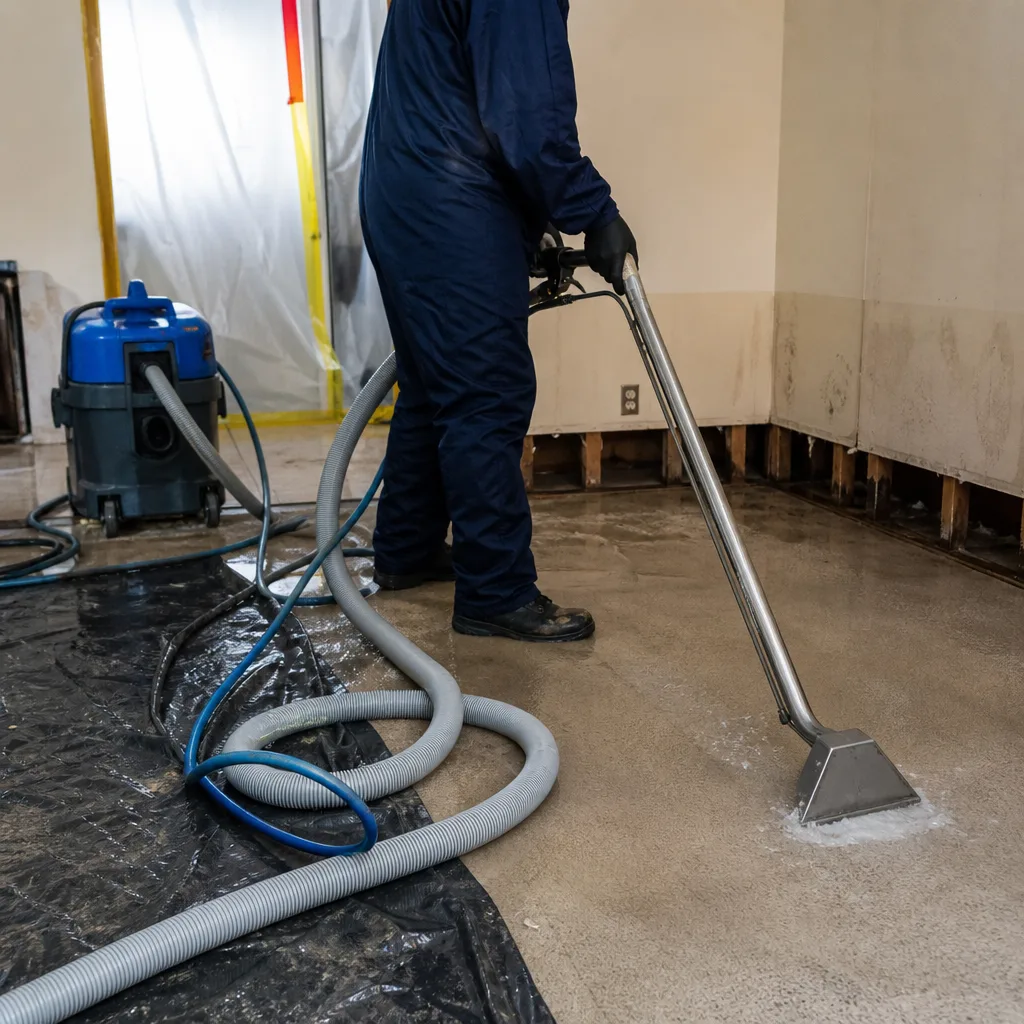
A large loss in Long Island City, whether it is a flooded ground-floor commercial space during a summer storm or Long Island City Fire & Smoke Damage Restoration that migrates through multiple floors of a converted loft building, needs a crew built for scale. We dispatch multiple techs, set up containment immediately, and run commercial drying equipment hard. The 90-Day Done Right Promise applies to large losses too; the size of the job does not change the standard.
Business Interruption Minimization
Every day a Long Island City restaurant, office, or retail store stays closed is a day of revenue gone. Our Commercial Restoration in Long Island City team works with the goal of getting you operational as fast as the drying and contamination protocols allow. We phase the work so critical areas come back first, and we document everything in a way that supports a business interruption claim, which means less fighting with the carrier and more time running your business.
What happens when you call
- 1
A real person answersNo phone trees - you reach a local pro.
- 2
You get an upfront price rangeHonest numbers before anyone is dispatched.
- 3
A background-checked tech heads outLicensed & insured, dispatched right away.
- 4
You approve before work beginsNothing starts until you say go.
Commercial Restoration Costs in Long Island City, NY
Commercial restoration pricing in Long Island City depends on the loss type, the building, and the contamination level, but real numbers help set expectations. A Category 1 water extraction and drying job in a standard office space typically runs $4,500 to $11,000. Category 3 floodwater from a Newtown Creek-adjacent intrusion, with full containment and antimicrobial treatment, commonly lands between $12,000 and $30,000 depending on square footage and how far water migrated. Restaurant or retail fires with smoke remediation and inventory triage often run $25,000 to $75,000 before rebuild. Large-loss events in Hunters Point loft buildings have hit six figures when multiple units and common areas are involved. What moves the price is the square footage of affected material, the contamination class, and whether rebuild is in scope. The path to a firm number starts with a free visual inspection and a written scope, so there are no surprises on the bill. Call (518) 800-3751 and we will walk the site with you. Estimates are free.
We Also Serve Cities Near Long Island City
Our crews work the full Queens waterfront and the surrounding neighborhoods, including Long Island City, where most of our commercial restoration calls originate. We regularly respond to losses in Astoria, Maspeth, Jackson Heights, and East Elmhurst, bringing the same live 24/7 dispatch and the same written 90-Day Done Right Promise to every job.
Long Island City Commercial Restoration Questions, Answered
Why do commercial water damage claims in Long Island City often require Category 3 hazardous contamination protocols even when the water looks clean?
Long Island City sits at the East River-Newtown Creek confluence inside FEMA Flood Zone AE, and the Newtown Creek corridor is a federally designated Superfund site, one of the most contaminated urban waterways in the US. When storm surge, sewer backup, or creek overflow enters a building here, the water is classified Category 3 regardless of appearance because it may carry heavy metals, industrial chemicals, and biological contaminants that are invisible to the eye. Treating it as Category 2, the mistake a generic restoration crew commonly makes, leaves behind contamination that standard drying never removes. In our work along the Hunters Point waterfront and near the creek, we default to Category 3 protocols for any floodwater intrusion in 11101 unless the source is verifiably clean. That means containment, antimicrobial treatment, HEPA air scrubbing, and disposal of porous materials that contacted the water. Your insurer will likely question the classification if a contractor does not justify it properly, and our documentation does exactly that.
What’s different about drying out a converted warehouse loft in Hunters Point compared to a standard office in Queens?
Converted warehouse lofts in Hunters Point were built as industrial spaces, not as climate-controlled offices, and their construction changes how water moves. The open floor plates are typically concrete slab without the framed wall cavities that standard offices have, so water migrates laterally across the entire floor surface before it shows up as staining on a ceiling below. Roof leaks from flat membrane roofs enter through parapet seams and HVAC curb penetrations, then travel horizontally through the open cavities that the building’s original industrial design left behind. A standard office drying plan assumes vertical water movement through walls and floors; that assumption fails in a loft conversion. We moisture-map these jobs from day one using thermal imaging and penetrating meters, and keep daily readings until the entire floor plate meets the dry standard, not just the area where water was first visible. Phoenix dehumidifiers and Dri-Eaz air movers run continuously, and we hold the drying log open until the numbers prove the hidden cavities are dry.
How do flat roofs on LIC’s converted industrial buildings lead to hidden commercial water damage?
Flat membrane roofs on Long Island City’s converted industrial buildings pond water during nor’easters and heavy summer storms because they lack the slope that residential pitched roofs have. The water sits there, sometimes for days, and finds its way through the building’s chronic failure points: the seams where parapet walls meet the membrane, and the penetrations where rooftop HVAC units mount to the roof deck. Once water enters those openings, it migrates into the open floor cavities below and moves laterally across the concrete slab, saturating multiple units before any tenant sees a stain on the ceiling. The pattern is specific to Hunters Point’s loft typology and essentially nonexistent in the wood-framed rowhouses one mile east. Our crews check these failure points immediately on any commercial water loss in an LIC converted building; skipping that check is how repeat claims happen after the initial mitigation is closed.
What should a Long Island City restaurant or retail owner do immediately after a flood to protect inventory and equipment?
Shut off the power to the affected area if you can do so safely, move salvageable inventory and equipment out of standing water, and call (518) 800-3751. Do not run fans or HVAC equipment; that risks spreading contamination from Category 3 water deeper into the space and into adjacent tenant areas. Photograph everything before moving it; your business interruption and inventory claims depend on that record. Then let us handle extraction and drying. For restaurants, refrigerated equipment needs immediate evaluation, and grease-laden surfaces that took on floodwater require specific cleaning protocols before reopening. For retail, fabric, paper, and electronics have limited salvage windows, and we triage those first. The faster we contain the affected area, the less inventory you lose, and the shorter your closure runs.
Which commercial properties in Long Island City are most at risk for repeat flood damage from the East River or Newtown Creek?
Ground-floor commercial spaces in the 11101 waterfront corridor, particularly around Hunters Point South and along Vernon Boulevard, carry the highest repeat flood risk because they sit only a few feet above mean high water inside FEMA Flood Zone AE. Sandy’s 2012 surge is the documented benchmark for Storm & Disaster Restoration - Long Island City; it inundated ground-floor units and mechanical rooms in the waterfront high-rises, and the same storm patterns threaten those same spaces again. Industrial buildings along the Newtown Creek corridor face repeated contamination risk because the creek’s Superfund designation means every inundation event triggers Category 3 protocols. Flat-roofed converted warehouses across Hunters Point are the third category; their chronic failure points at parapet seams and HVAC curbs produce repeat slow-leak claims with every nor’easter. Property owners in these zones should keep a restoration contractor’s number on the wall, not in a drawer.
How fast can a crew actually get to a commercial property in Long Island City?
We commit to a 45-minute response window for emergency commercial losses in Long Island City. Our dispatch is local, our crews run routes along 21st Street, Jackson Avenue, and the Pulaski Bridge corridor, and we answer the phone live 24 hours a day. For a Category 3 floodwater intrusion near the Newtown Creek corridor, that first 45 minutes is when containment and extraction should already be underway, and we reach the job understanding the building’s construction and the contamination rules before we walk in.
Will my commercial property insurance cover restoration after a Long Island City flood or fire?
Most commercial policies cover sudden and accidental water damage, fire damage, and storm damage, but the exact coverage depends on your policy language and the loss cause. Flood damage from the East River or Newtown Creek is often excluded from standard commercial property policies and requires separate flood coverage, which is why we document the loss source carefully from the first hour. For covered losses, we bill directly to your carrier, handle adjuster communication, and provide the line-item scope and moisture logs that support your claim. The senior and veteran discounts we offer, along with the standing $50 repair credit over $250, apply regardless of who ultimately pays the bill. Call for a free inspection and we will walk through what your policy covers before any work is scoped.
Do I need full restoration or just a cleaning after water damage in my Long Island City business?
If the water came from a clean source, such as a burst supply line, and the affected area is small and non-porous, a thorough cleaning and targeted drying may be enough. If the water is Category 2 or 3, came through the building’s structure, involved sewage or creek overflow, or sat for more than 24 hours, full restoration with containment and antimicrobial treatment is required; cleaning alone leaves contamination in hidden cavities and porous materials. Long Island City’s Newtown Creek adjacency pushes many water events into Category 3 automatically. The way to know for certain is a free visual inspection with moisture mapping, not a guess. Call (518) 800-3751 and we will tell you plainly which path applies to your loss.
Serving Long Island City, NY - Our Local Coverage Area
We’re based in the Long Island City area and know this community well. Use the map below to see our service coverage - if you’re nearby, we can almost certainly help.
Contact Floodline Restoration Co. in Long Island City, NY
If your Long Island City commercial property has water where it should not be, smoke damage from a fire, or contamination from a creek-adjacent flood, call (518) 800-3751 now. A live dispatcher answers 24 hours a day, and our crews serve LIC from the New York City office with local response routes through Hunters Point, Queens Plaza, Court Square, and the waterfront. We stand behind every job with the 90-Day Done Right Promise, in writing, no arguing. The line the water left is where we start, and we do not hand the job off until it is done right. Done right, and backed in writing.
Written by Curt Bowman, Owner at Floodline Restoration Co., serving Long Island City and the surrounding Queens waterfront.