
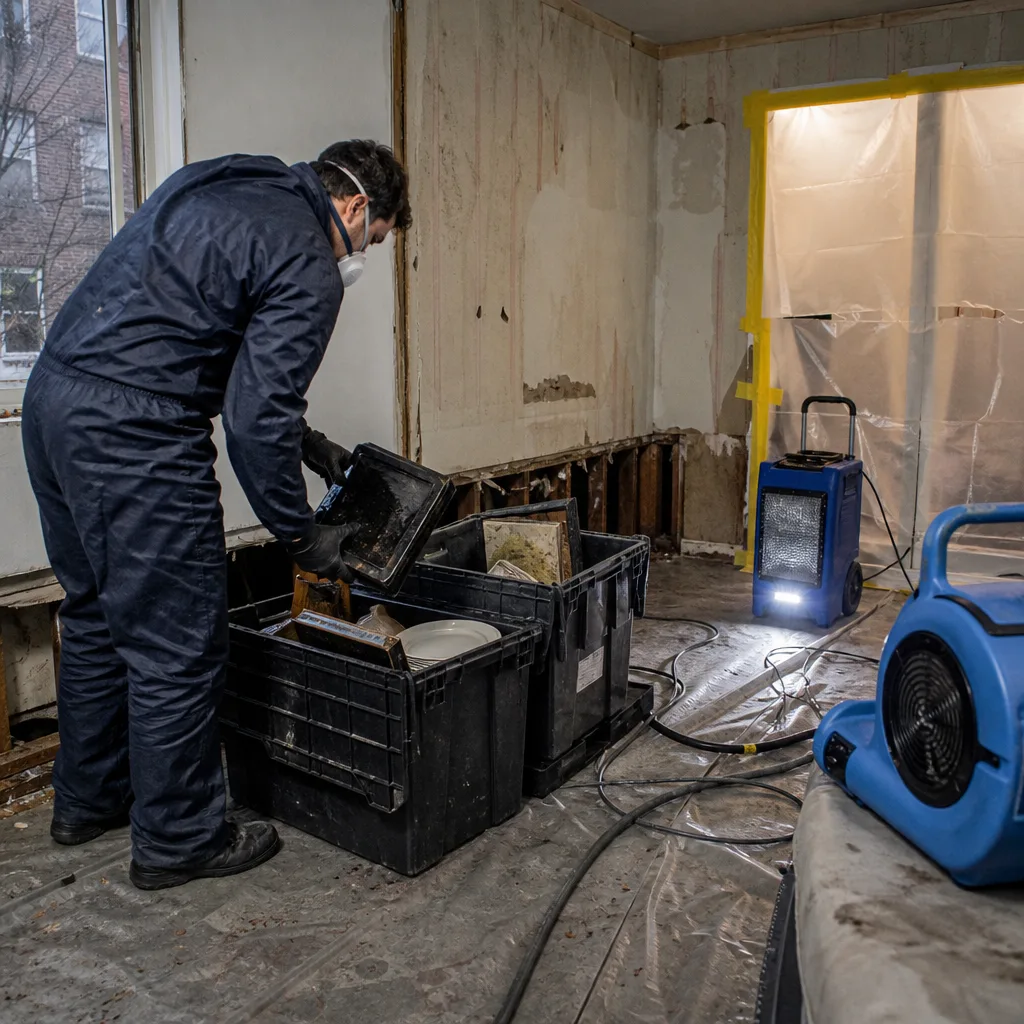
Free visual inspection and a written scope of work before any mitigation begins - photos, moisture readings, and drying logs go in your claim file
The scope we write is the scope we bill. Anything new gets shown to you, in writing, before we touch it.
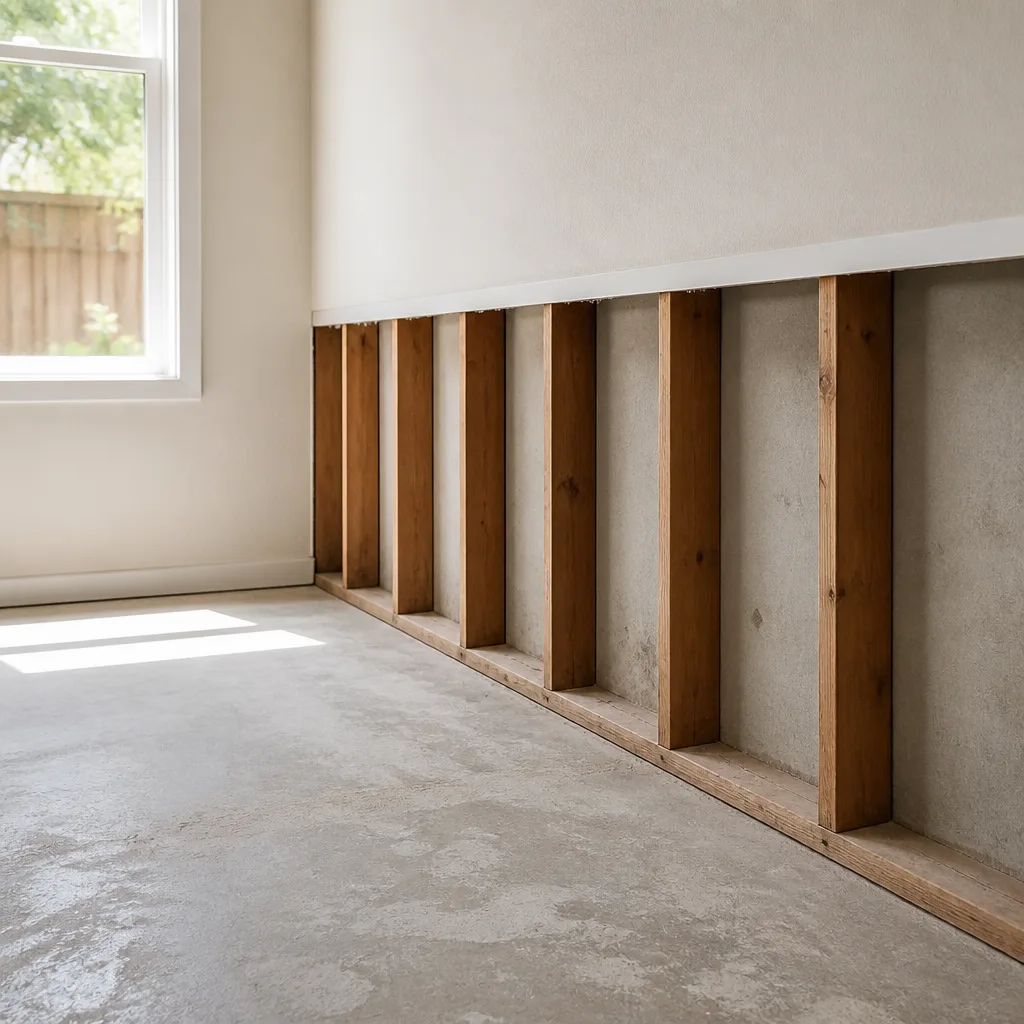
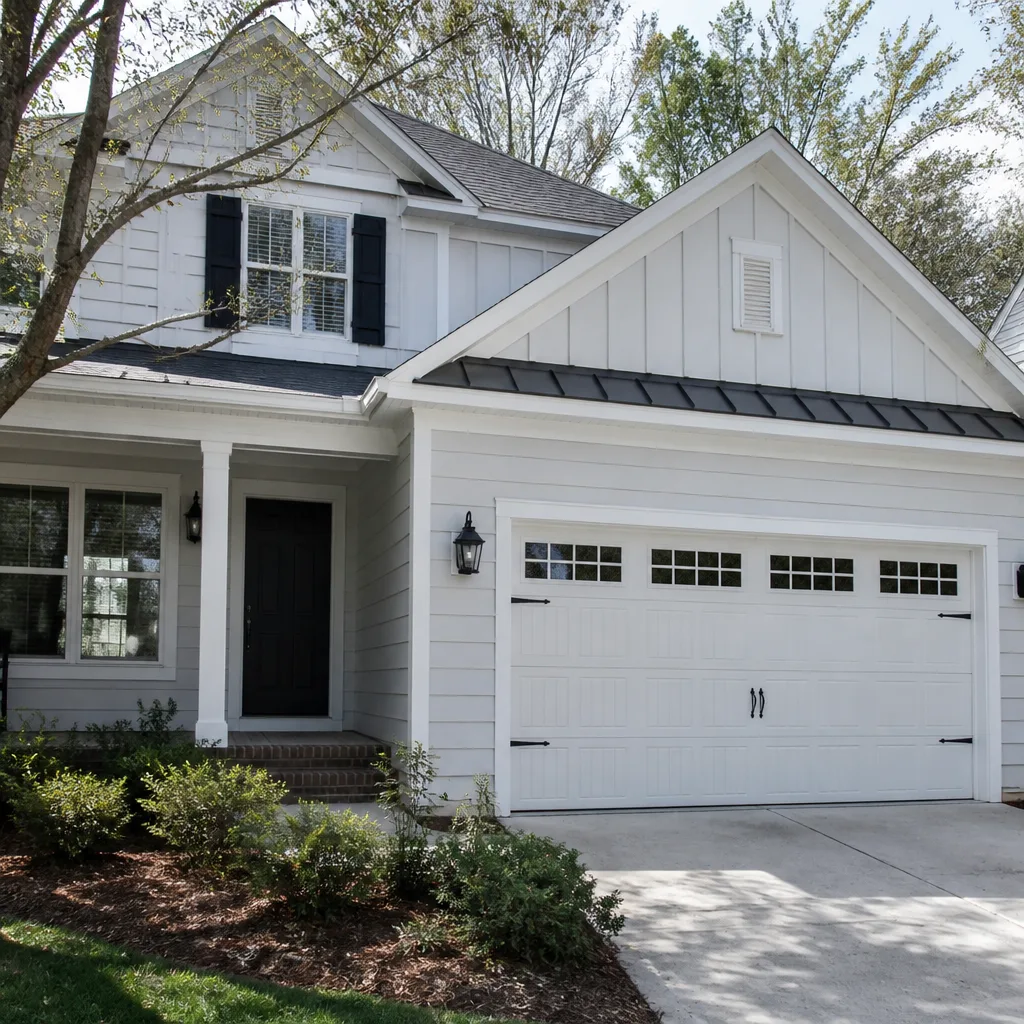
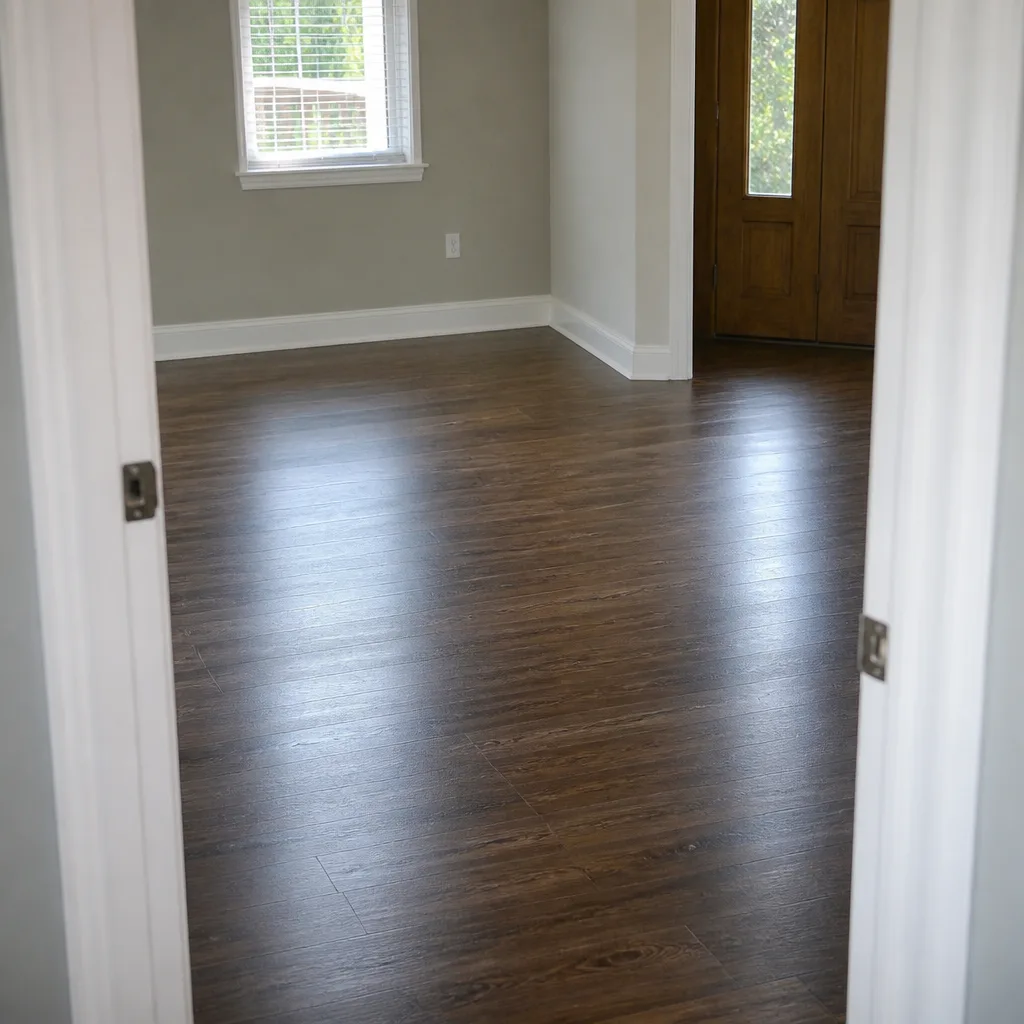
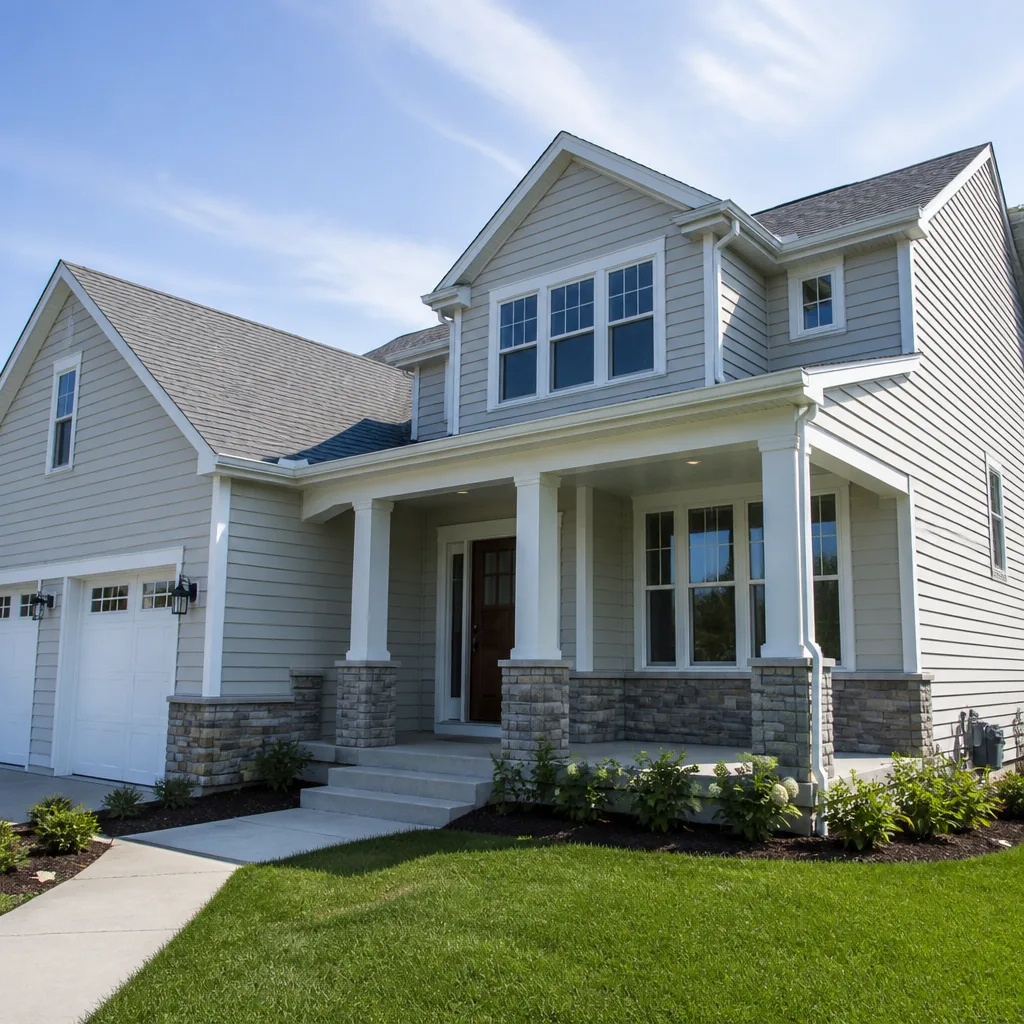
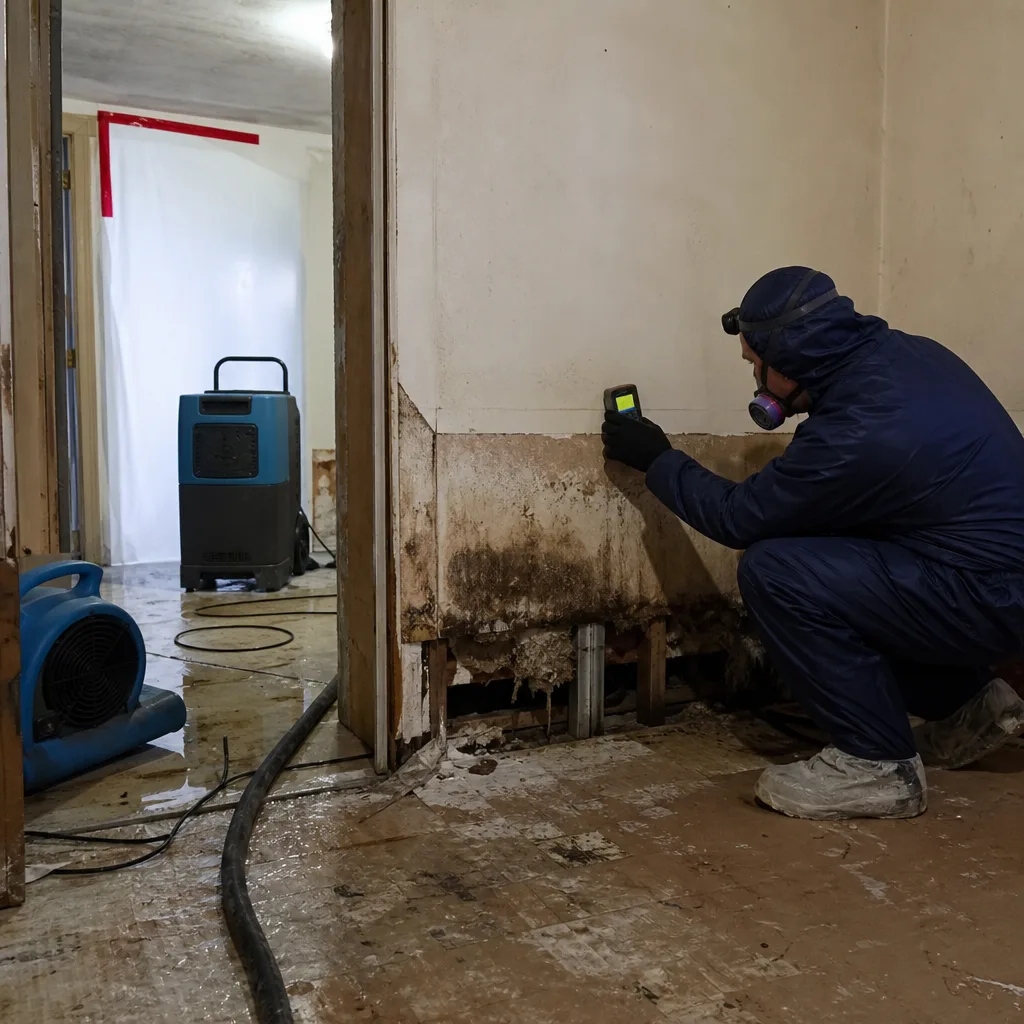 Before
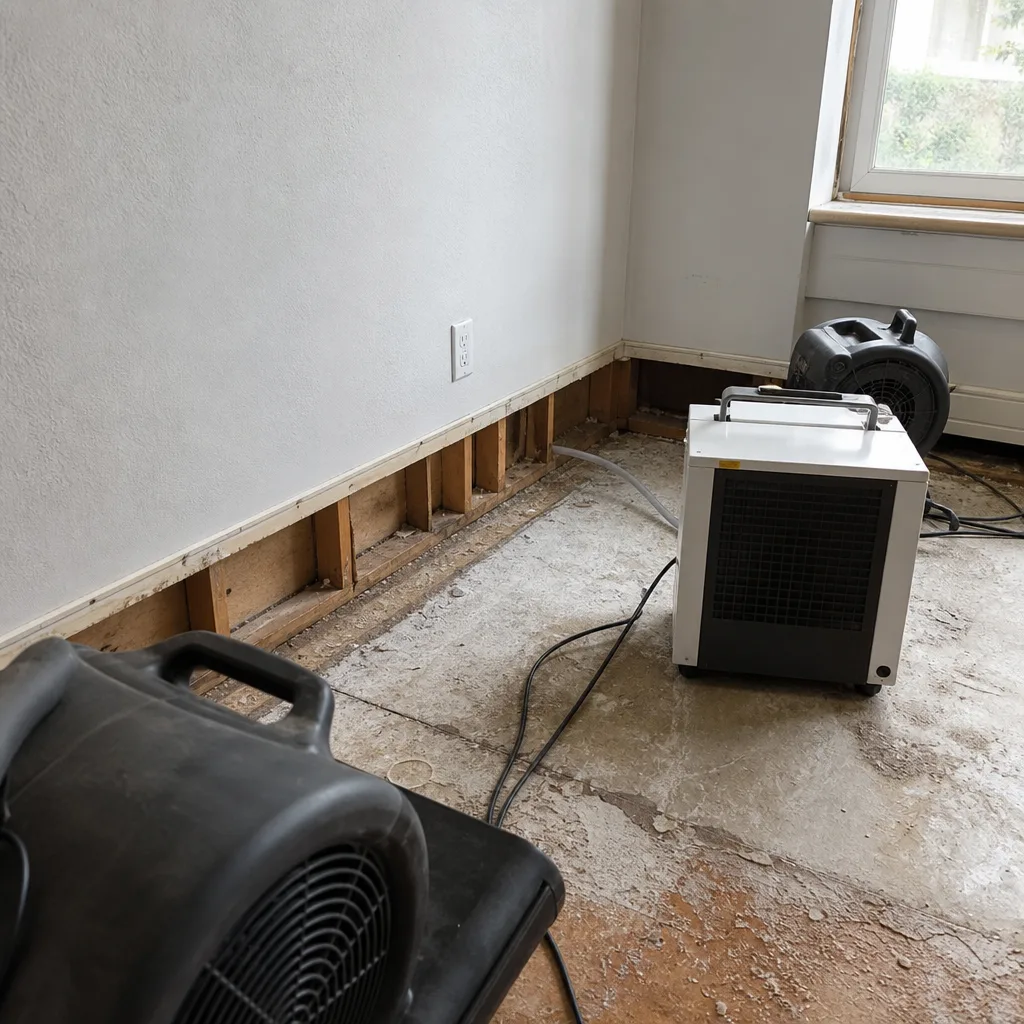 After
After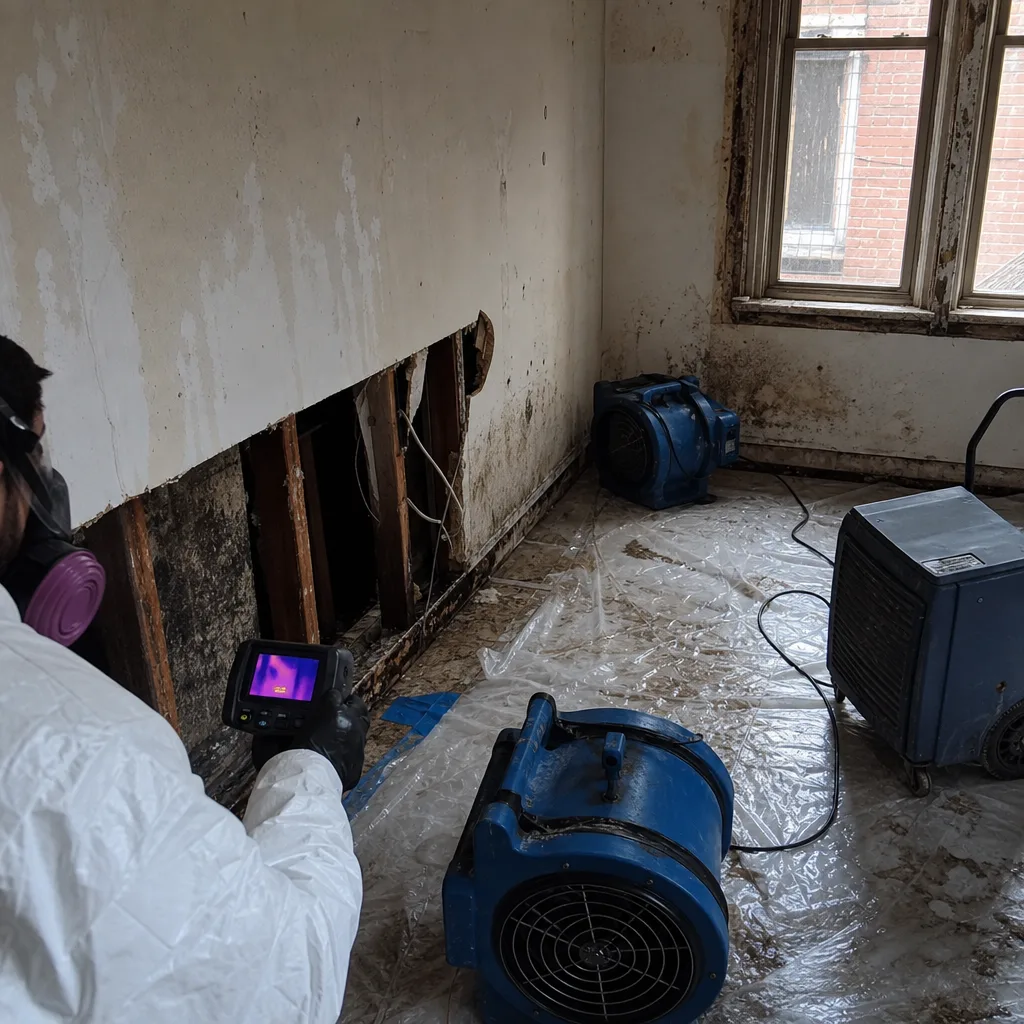 Before
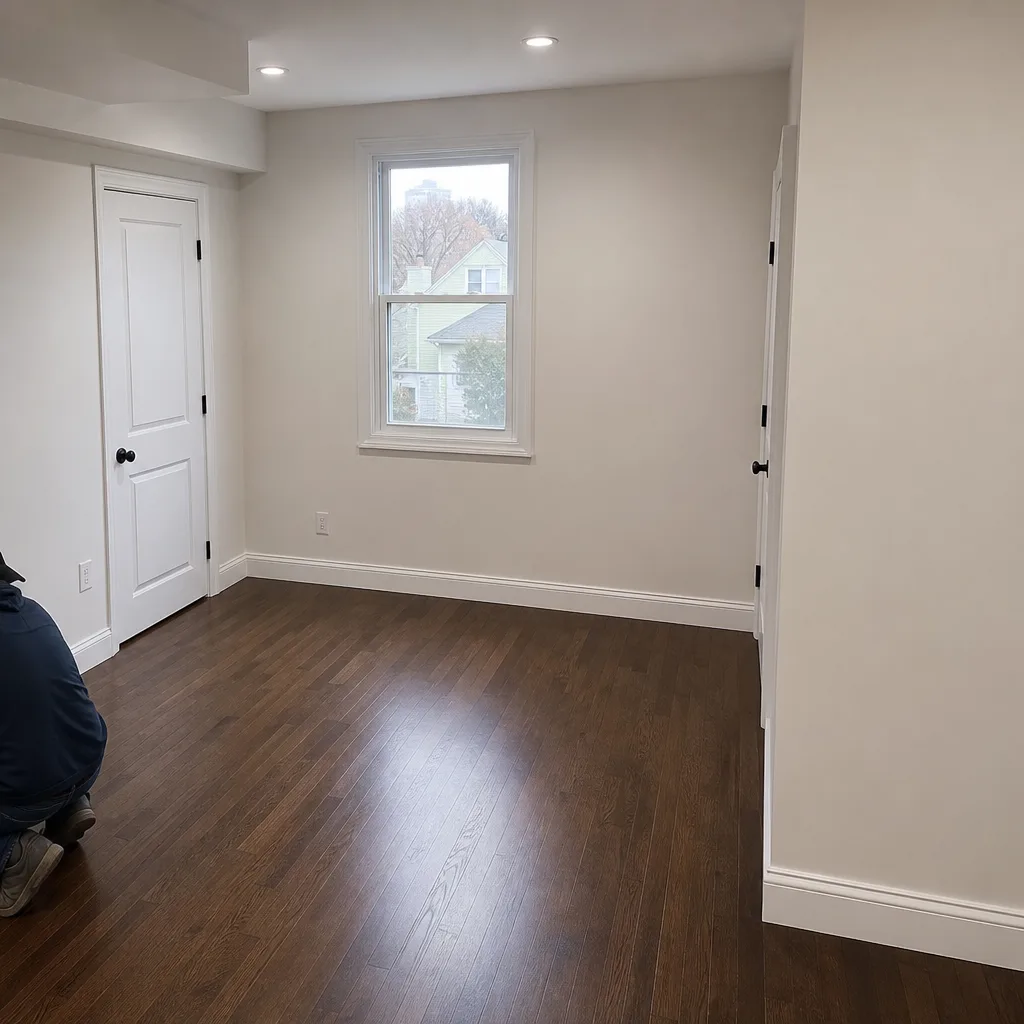 After
After24/7 Emergency Reconstruction & Cleanup in Long Island City
Reconstruction and cleanup after a storm or flood in Long Island City typically runs $2,800-$9,500 for a single-unit scope, with full loft-floor rebuilds on converted warehouse properties often reaching $18,000-$35,000. Our crews reach most 11101 and 11109 addresses within 45 minutes of your call, and extraction starts the same visit. Call (518) 800-3751 any hour, any day. A live dispatcher answers. Not a recording. The first hour matters because water in open loft floor plates travels laterally across concrete slabs, and every hour it moves means more drywall, more flooring, and a bigger claim.
Understanding Reconstruction & Cleanup Severity in Long Island City Properties
We classify water by category before we touch a single wall. Category 1 is clean supply water from a burst pipe. Category 2 carries detergents or biological matter. Category 3 is grossly contaminated, and in Long Island City it often has a worse origin than most people realize. Because so much of the 11101 waterfront sits within range of the Newtown Creek Superfund corridor, storm surge and floodwater here can carry industrial contaminants. When water looks clear but came from a creek-fed surge event, treating it as Category 1 or 2 instead of Category 3 creates improper drying conditions and real liability. We moisture-map every affected surface and track daily readings with Dri-Eaz and Phoenix equipment until the dry standard is met. Converted warehouse lofts complicate this. Their open floor plates mean water found in one unit has often traveled through two or three below-grade cavities before anyone saw a stain. Our Reconstruction & Cleanup team reads the full path of the water, not just the visible puddle.
Why Long Island City Property Owners Choose Floodline Restoration Co.
- 45-minute response commitment - crews staged near the Queensboro Bridge and Midtown Tunnel reach Hunters Point, Court Square, and Dutch Kills without delay.
- 24/7 live answer - a real dispatcher picks up at 2 a.m. Never an automated system, never a callback later.
- IICRC-certified crews - WRT and FSRT certified technicians handle water and fire/smoke restoration, trained to RIA and IFA standards as well.
- Free visual inspection - we assess the scope before any work is authorized, in writing.
- Direct insurance billing - we coordinate with your adjuster and carrier directly. You don’t play messenger.
- One team, start to finish - the same certified crew that extracts and dries also rebuilds. No mid-job handoff to strangers.
Our Reconstruction & Cleanup Process
Inspection & Assessment
We trace water paths with thermal imaging and hygrometers. On LIC loft buildings, we check rooftop HVAC curb penetrations and parapet-to-membrane seams first - the chronic failure points that let ponded water into open floor cavities. You get a written scope before work starts.
Extraction & Stabilization
Industrial extractors pull saturated water from concrete slabs and subfloor cavities. We stabilize the property to stop further migration, set containment where needed, and remove unsalvageable materials.
Drying & Dehumidification
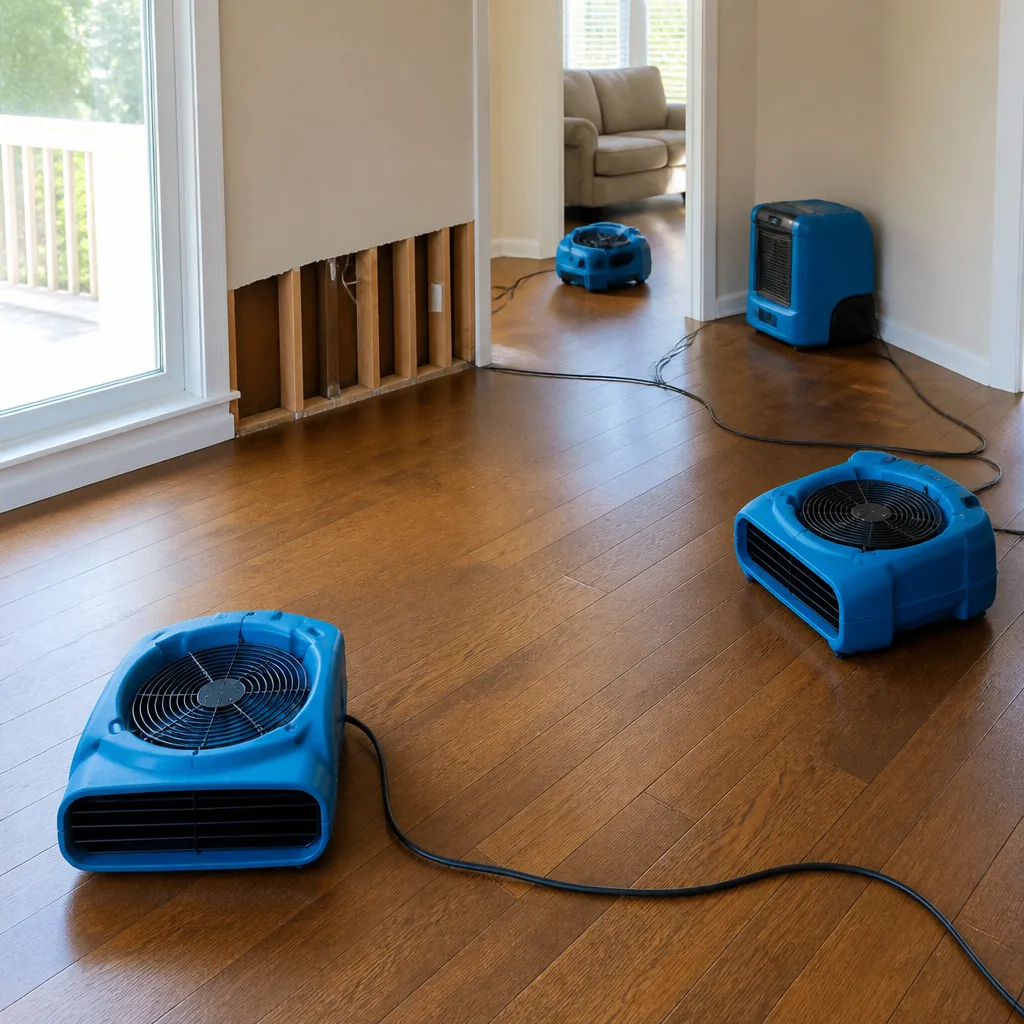
Air movers and LGR dehumidifiers run continuously, positioned from moisture-map readings. We log daily readings and hand that log to you and your carrier. In open loft floor plates, we place equipment across the full lateral spread, not just at the visible stain.
Cleaning & Sanitization
HEPA scrubbers filter airborne particulates during and after tear-out. Hard surfaces are cleaned with antimicrobial treatments appropriate to the water category. For Category 3 events near Newtown Creek, we follow hazardous contamination protocols throughout.
Storm-Damage & Structural Treatment
Wind-rated door frames corroded by East River salt air get resealed or replaced. We treat saturated wall cavities, address compromised membrane seams, and apply antimicrobials where water sat longest.
Repairs & Restoration
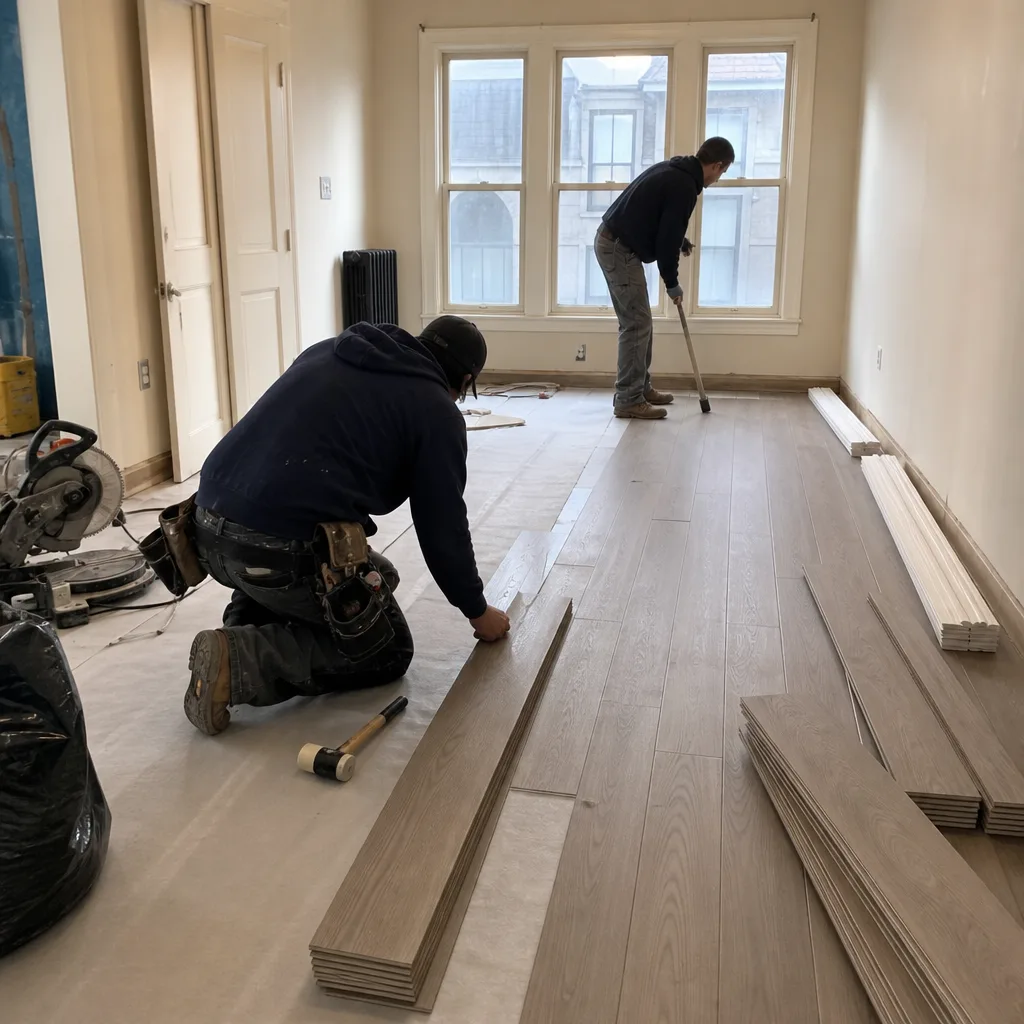
Drywall, flooring, and trim go back in. Cabinetry and mechanical components get reinstalled or replaced. We rebuild to the same standard that survived Sandy in Hunters Point - materials specified for flood exposure, not shortcuts.
Need Emergency Reconstruction & Cleanup in Long Island City Now?
Crews minutes away, answering live 24 hours a day. The sooner we start, the less it costs.
Working With Your Insurance Company
We document from the first hour. Photos, moisture readings, and a line-item scope go to your adjuster in the format carriers expect. Curt Bowman built Floodline Restoration to handle the carrier relationship directly, because homeowners in Long Island City have enough to manage without playing middleman between a contractor and an insurance desk. When a claim involves storm surge, the adjuster needs to see Category 3 documentation from a contractor who knows Newtown Creek contamination protocols. That’s us. Estimates are written to industry standards, not inflated, and we bill your carrier directly whenever your policy allows.
What We Provide Your Insurer
- Thorough documentation of the loss
- Photos of all damage, room by room
- Moisture readings and drying logs
- A detailed, line-item scope of work
- Direct coordination with your carrier
Built for Long Island City’s Loss Calendar
Long Island City takes its water damage in seasonal waves, and each one looks different. January and February deep freezes burst supply lines in pre-war brick buildings along Vernon Boulevard and Jackson Avenue, where original plumbing runs through uninsulated exterior walls. Spring thaw sends groundwater into basement-level mechanical rooms in the waterfront high-rises. Summer thunderstorms overwhelm flat membrane roofs on converted factories across Court Square and Queens Plaza, where ponding water finds every seam and penetration. Then come the nor’easters. Storm surge from the East River, combined with wind-driven rain, pushes water into ground-floor units across Hunters Point and 11101. Each season has its own failure mode, and our crews run the calendar accordingly - stocked for frozen-pipe bursts in February, staged for surge response from August through November.
Reconstruction & Cleanup Across Long Island City’s Neighborhoods
Hunters Point’s converted warehouse lofts fail at the roof first. Flat membrane roofs pond, parapet seams open, and water travels down through HVAC curb penetrations into open floor cavities. By the time a resident on 47th Avenue sees staining, units below have been saturating for days. Court Square’s mix of pre-war commercial buildings and newer towers sees more frozen pipe and mechanical-room flooding, especially in the older stock along 44th Drive. Dutch Kills and the Ravenswood area, closer to the Newtown Creek side, get more Category 3 concerns from creek-adjacent floodwater. Queens Plaza and the high-rise corridor along Center Boulevard carry mechanical systems in lower floors that flooded during Sandy and will flood again in the next surge event. Response routes through the 11101, 11109, and 11120 zip codes are mapped, and our trucks are staged to move without sitting in tunnel traffic.
Specialized Reconstruction & Cleanup Services We Offer in Long Island City
Full-Service Reconstruction
We rebuild what the water took. On converted loft floors, that means replacing saturated drywall across open floor plates, restoring concrete slab surfaces, and rebuilding mechanical chases. On waterfront high-rises, it means lower-floor mechanical replacement when saltwater intrusion makes drying a losing proposition. One crew handles demolition through finish work. No handoff.
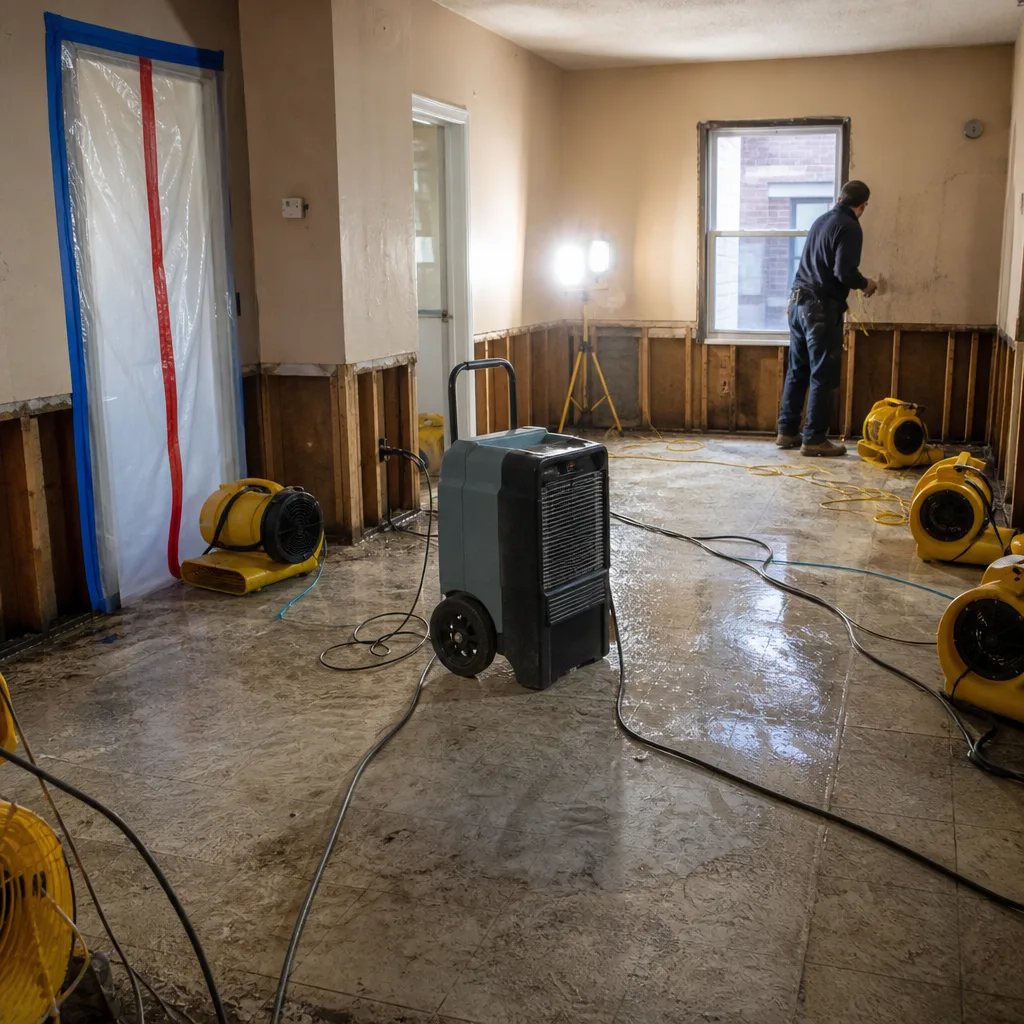
Drywall & Flooring Repair
LIC’s two building types produce two different drywall failures. Pre-war brick keeps moisture behind old plaster and lath. Converted lofts show water marks across entire wall runs when slab migration saturates bottom plates. We cut at the moisture line, not the stain line, and replace flooring to match the existing loft aesthetic - polished concrete, wide-plank engineered wood, or tile specified for flood-risk units.
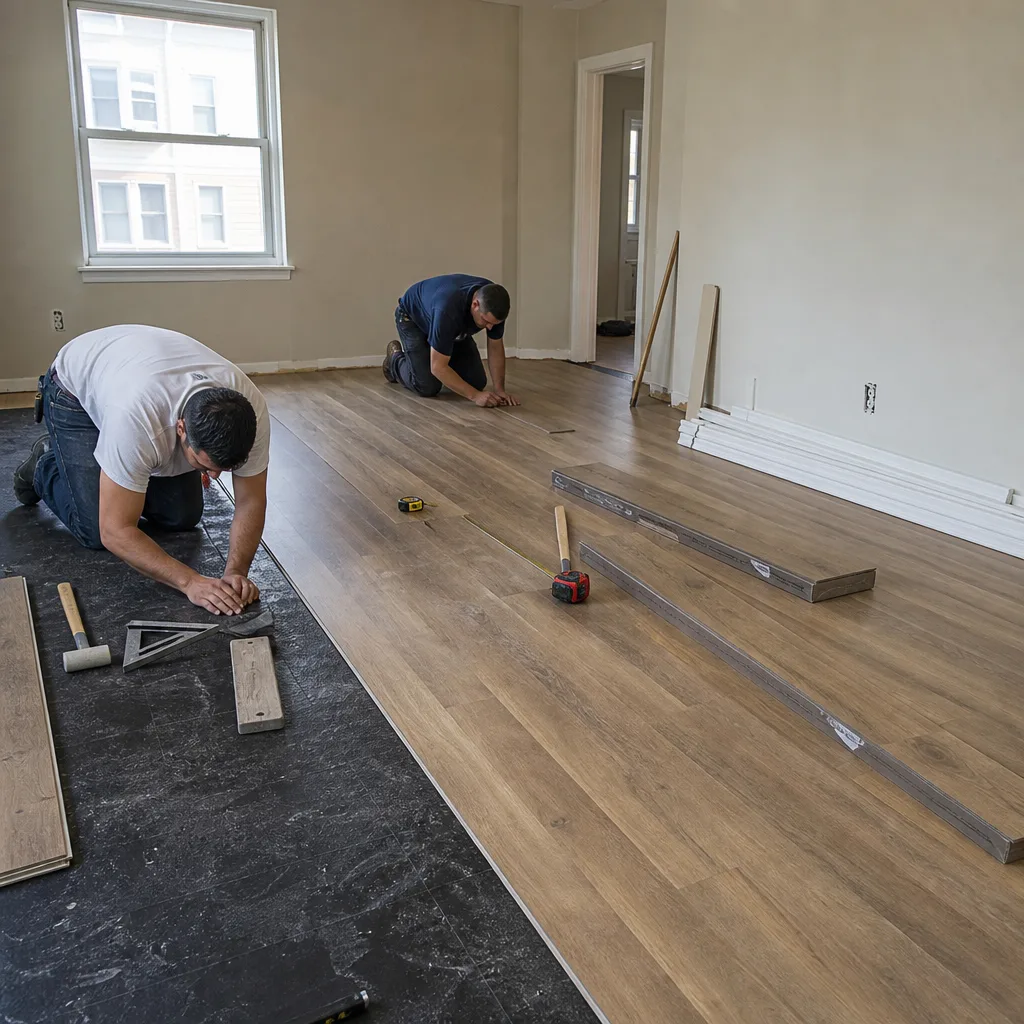
Contents Restoration & Pack-Out
We inventory, pack, and transport your belongings to a secured climate-controlled facility when the unit needs full build-back. Every item is documented for the carrier. When restoration on-site is possible, we clean and treat contents in place, using XPOWER air movers and HEPA filtration to keep particulates out of your living space.
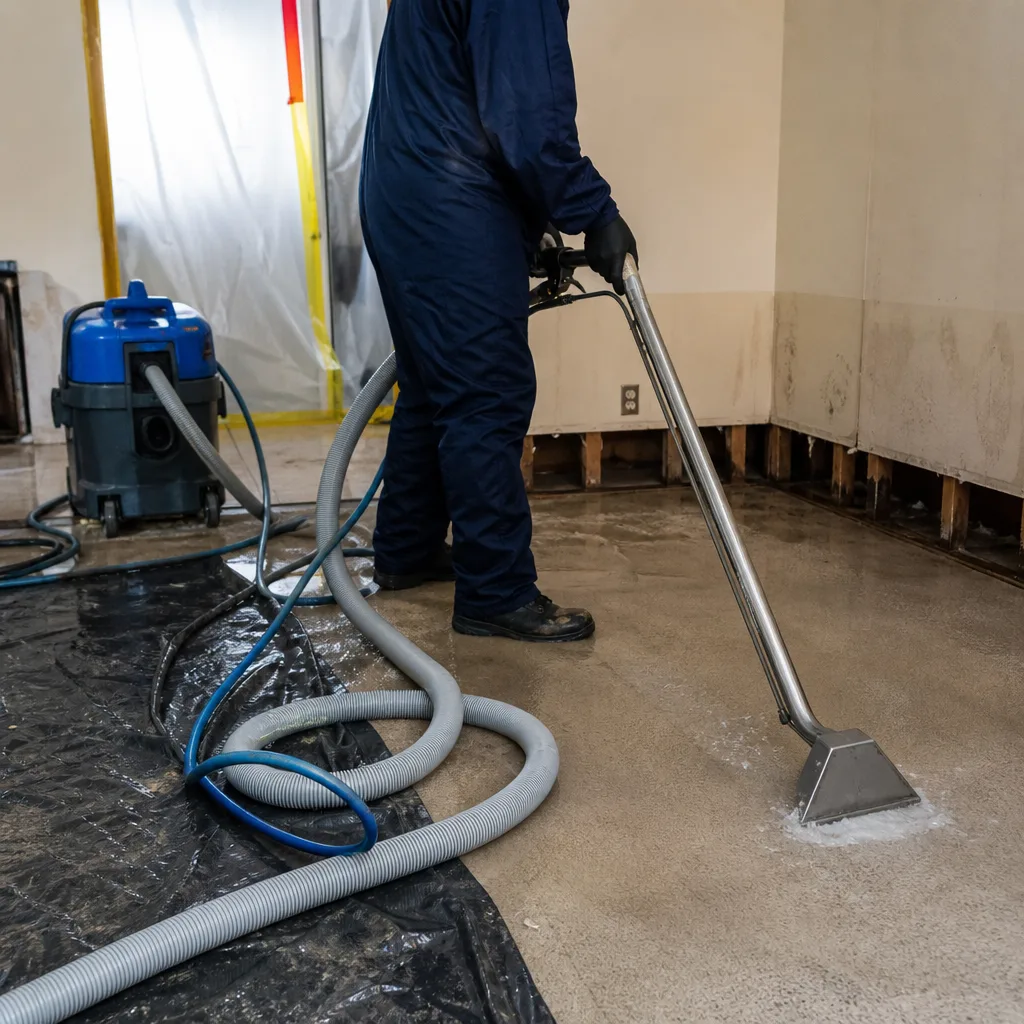
Carpet & Upholstery Cleaning
Post-storm carpet in ground-floor LIC units absorbs what the surge brought in. We extract, treat, and dry. If the pad is saturated and contaminated, we tell you straight - saving a pad that should be replaced is how hidden mold starts. Upholstery gets deep-cleaned on-site or packed out and treated off-site, depending on the material.
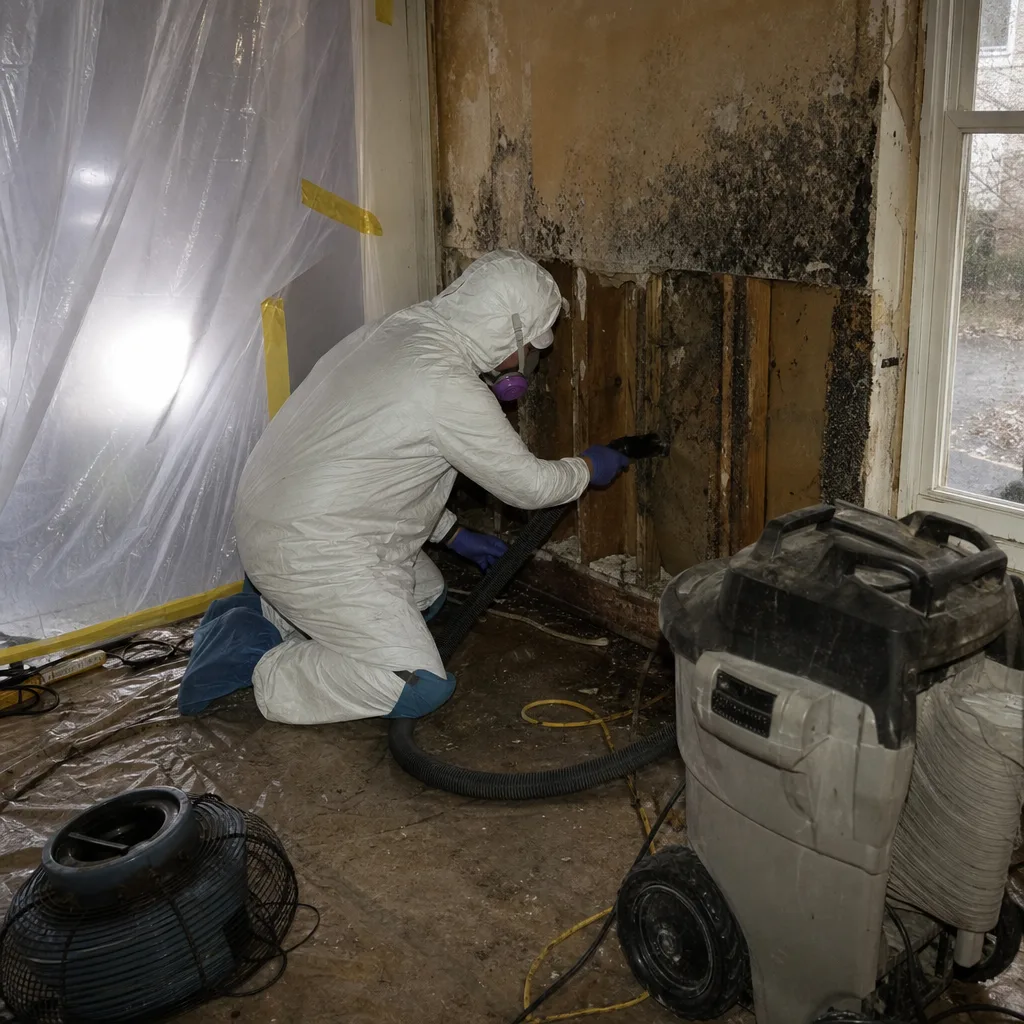
Post-Construction Cleanup
After rebuilds finish, we remove construction dust and debris, clean duct runs where drywall dust migrated, and leave the unit ready to live in. In converted lofts, that means detailing those big open spaces properly - not a broom finish, but a real clean that matches the standards of the rebuild itself.
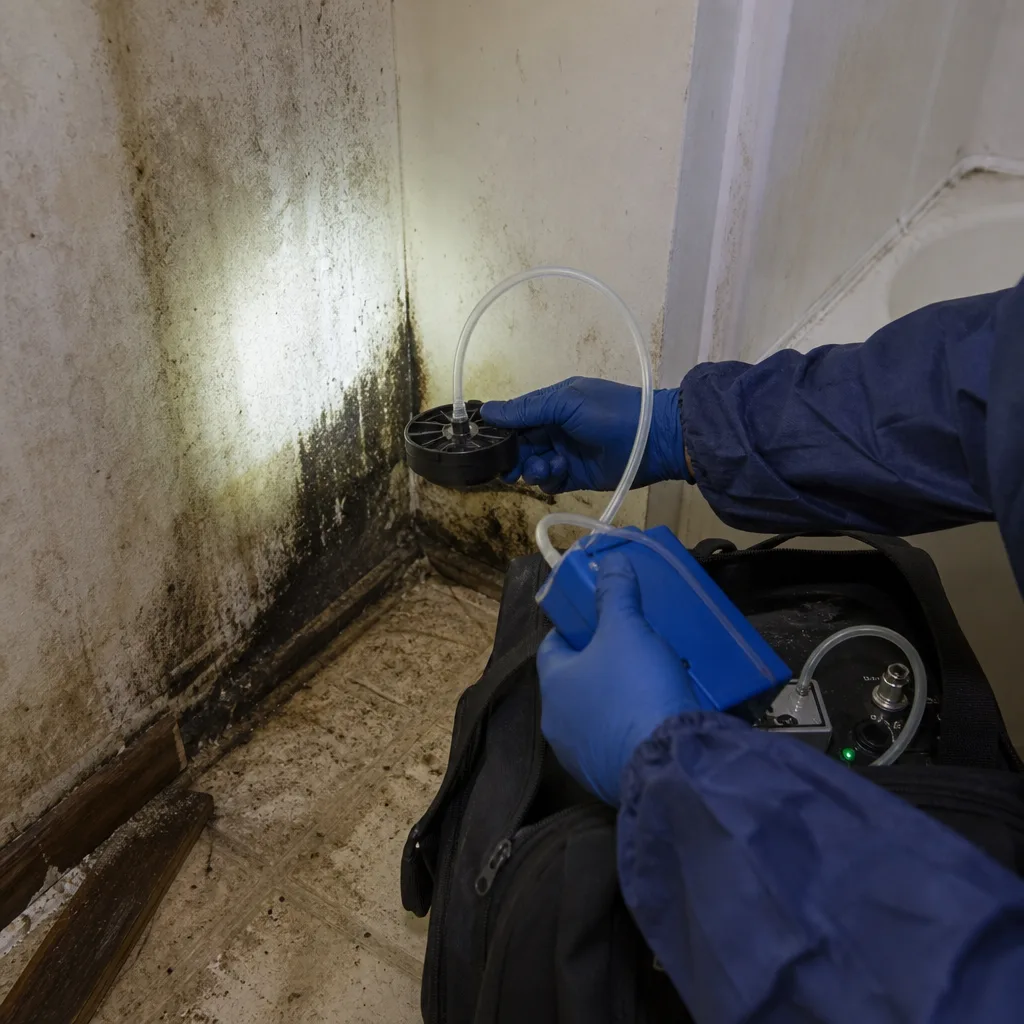
Insurance Claim Documentation
For Long Island City property owners, the documentation matters as much as the drying. Carriers ask more questions when the water came from a Superfund-adjacent flood zone. We provide the full paper trail: photos, moisture logs, line-item scopes, Category 3 rationale when applicable. We speak adjuster language so you don’t have to.
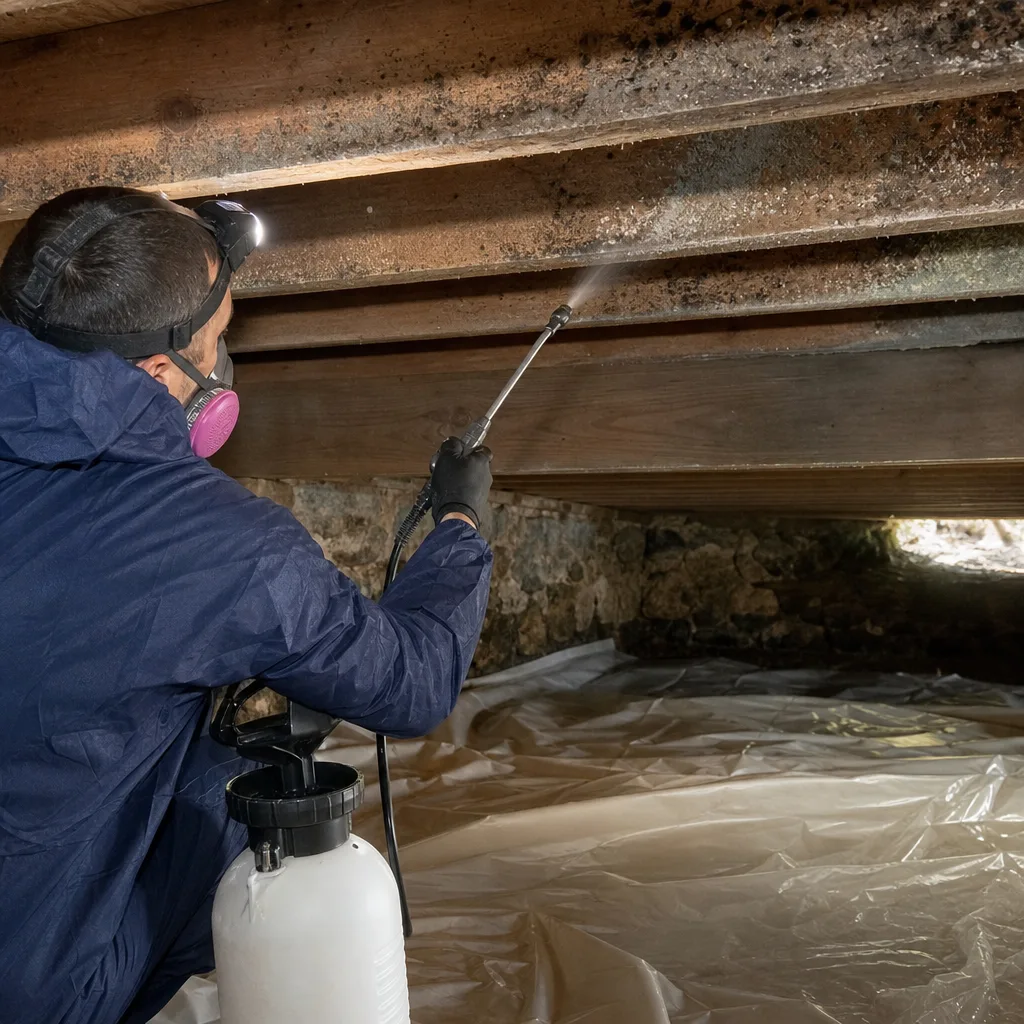
What happens when you call
- 1
A real person answersNo phone trees - you reach a local pro.
- 2
You get an upfront price rangeHonest numbers before anyone is dispatched.
- 3
A background-checked tech heads outLicensed & insured, dispatched right away.
- 4
You approve before work beginsNothing starts until you say go.
Reconstruction & Cleanup Costs in Long Island City, NY
Here’s what we see in this market. Water extraction and drying on a single unit runs $1,800-$4,200. Drywall replacement across one wall section runs $900-$2,600. Full floor rebuilds on converted warehouse lofts with open floor plates run $14,000-$32,000 depending on square footage and mechanical damage. Wind-rated door replacement or resealing at ground-floor waterfront units runs $1,200-$3,800. Carpet and upholstery cleaning after a minor event runs $300-$900. What moves the price: water category, lateral spread distance, whether mechanical systems took saltwater, and building access (high-rise freight elevator scheduling adds time). A free visual inspection gives you a firm written scope, not an estimate stretched to match your policy limit. Call (518) 800-3751 and we’ll put numbers to your specific situation.
We Also Serve Cities Near Long Island City
Our crews cover the surrounding Queens neighborhoods: Astoria to the north, Maspeth and Jackson Heights to the east, and East Elmhurst further out along the BQE corridor. If you’re in one of those areas and dealing with storm or water damage, the same live dispatch line applies.
Serving Long Island City, NY - Our Local Coverage Area
We’re based in the Long Island City area and know this community well. Use the map below to see our service coverage - if you’re nearby, we can almost certainly help.
Long Island City Reconstruction & Cleanup Questions, Answered
Why do converted warehouse lofts in Hunters Point need a different drying plan than Queens rowhouses?
Converted lofts have open floor plates on concrete slabs, so water travels laterally across an entire floor before anyone sees a stain. A rowhouse has framed rooms that tend to contain water locally. Drying a loft requires equipment placement across the full lateral spread, not just at the visible damage. We moisture-map the entire slab and position Dri-Eaz and Phoenix equipment accordingly. Call (518) 800-3751 to schedule an assessment.
What are the chronic storm failure points on LIC’s converted industrial buildings?
Rooftop HVAC curb penetrations and parapet-to-membrane seams fail first. Flat membrane roofs pond water, and when those seams open, water runs down into open floor cavities and saturates multiple units. Ground-floor entry points also fail under storm surge pressure. Our techs check these points first on every LIC loft call.
How do wind-rated and impact-rated doors matter before a storm in Long Island City?
Wind-rated doors only work if their frames and gaskets are still sealed. Years of salt-air exposure near the East River corrodes frames and wears gaskets, so wind-driven rain bypasses even impact-rated panels. We inspect, reseal, or replace failing door assemblies before storm season. It’s cheaper than flood mitigation after the fact.
Why do restoration jobs near Newtown Creek require different water classification?
Newtown Creek is a federal Superfund site, one of the most contaminated urban waterways in the country. Floodwater drawn from that corridor is Category 3 by definition - grossly contaminated and unsafe without proper protocols. Treating it as clean water leads to improper drying, health risk, and an adjuster who questions the whole claim.
What kind of documentation do LIC property owners need for insurance after a storm?
Your carrier needs dated photos, moisture readings, a line-item scope, and a clear water-category classification - especially if Newtown Creek or surge water was involved. We provide all of it, coordinate directly with your adjuster, and bill the carrier directly where your policy allows. No homeowner plays messenger.
How fast can a crew actually get to my Long Island City address?
Most 11101 and 11109 addresses get a crew within 45 minutes of your call. Live dispatch routes the nearest truck immediately. Extraction typically starts the same visit. Call (518) 800-3751 and a person answers.
Can I stay in my Long Island City unit during reconstruction?
Usually, yes for localized drying and repair. For full-floor rebuilds with containment and HEPA filtration running, we recommend staying elsewhere during active demolition and drying. We’ll tell you straight at the inspection. The free visual assessment includes a realistic timeline.
What should I do in the first 30 minutes after discovering water damage?
Shut off the water source if you can do so safely. Kill power to affected areas if water is near outlets. Move small valuables off the floor. Then call (518) 800-3751. Don’t run box fans - they spread contaminated air. Don’t wait to see if it dries on its own. In LIC loft buildings, it doesn’t.
Written by Curt Bowman, Owner at Floodline Restoration Co., serving Long Island City and surrounding Queens neighborhoods since 2010. If it’s not done right, we make it right - in writing, every time.