
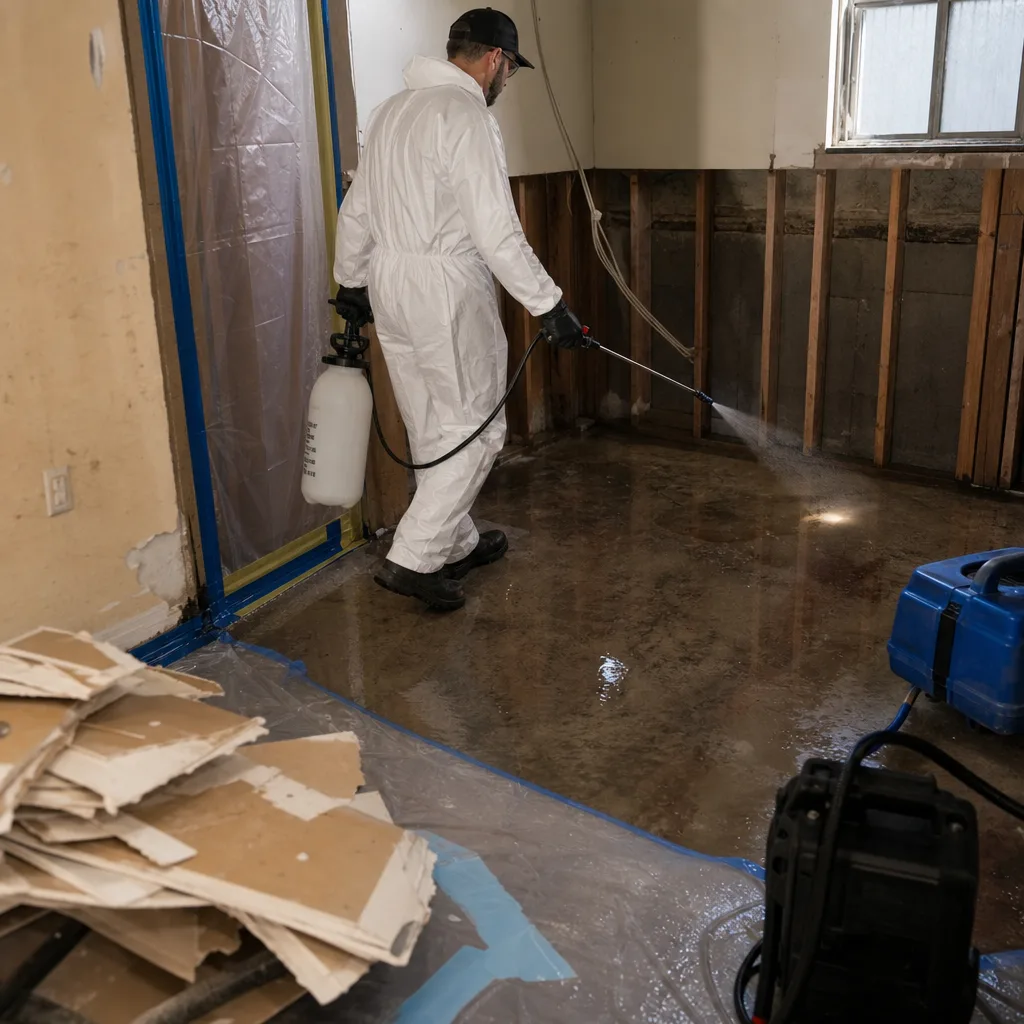
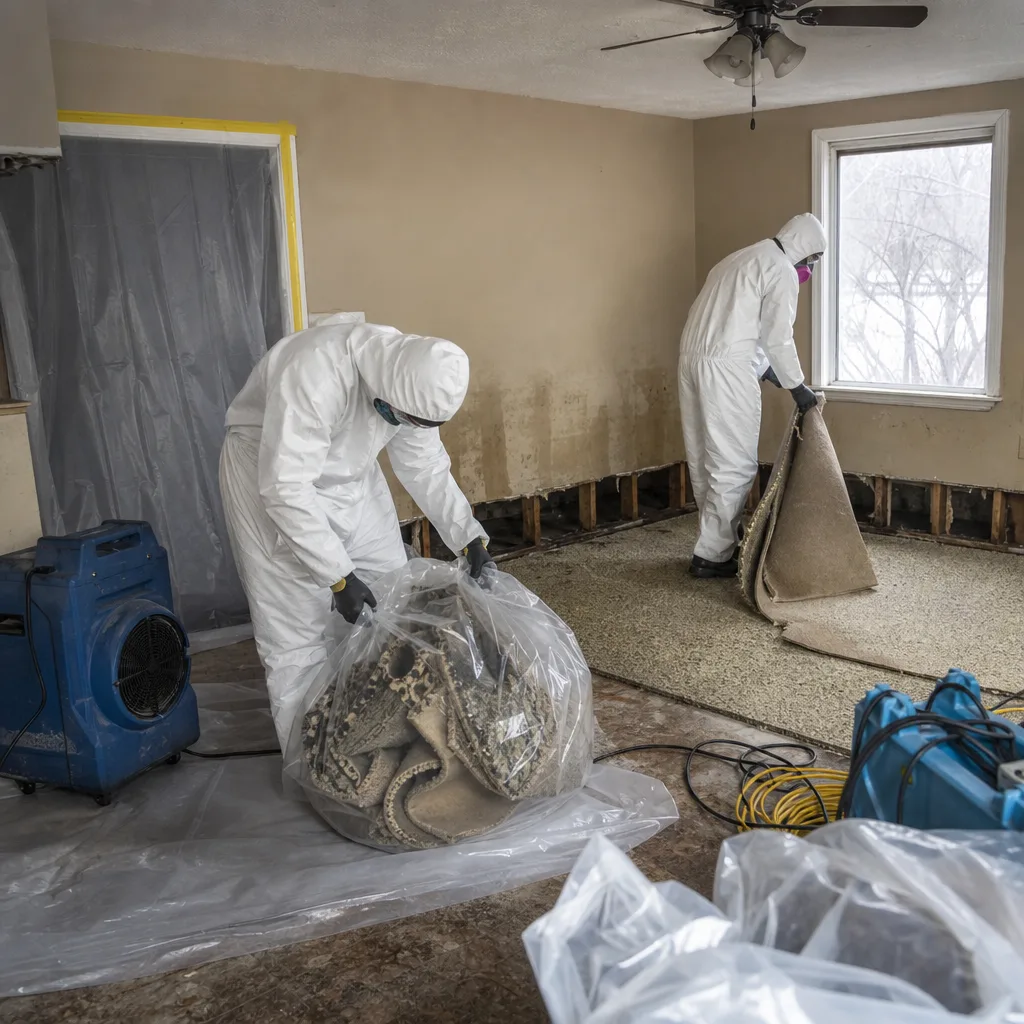
Free visual inspection and a written scope of work before any mitigation begins - photos, moisture readings, and drying logs go in your claim file
The scope we write is the scope we bill. Anything new gets shown to you, in writing, before we touch it.
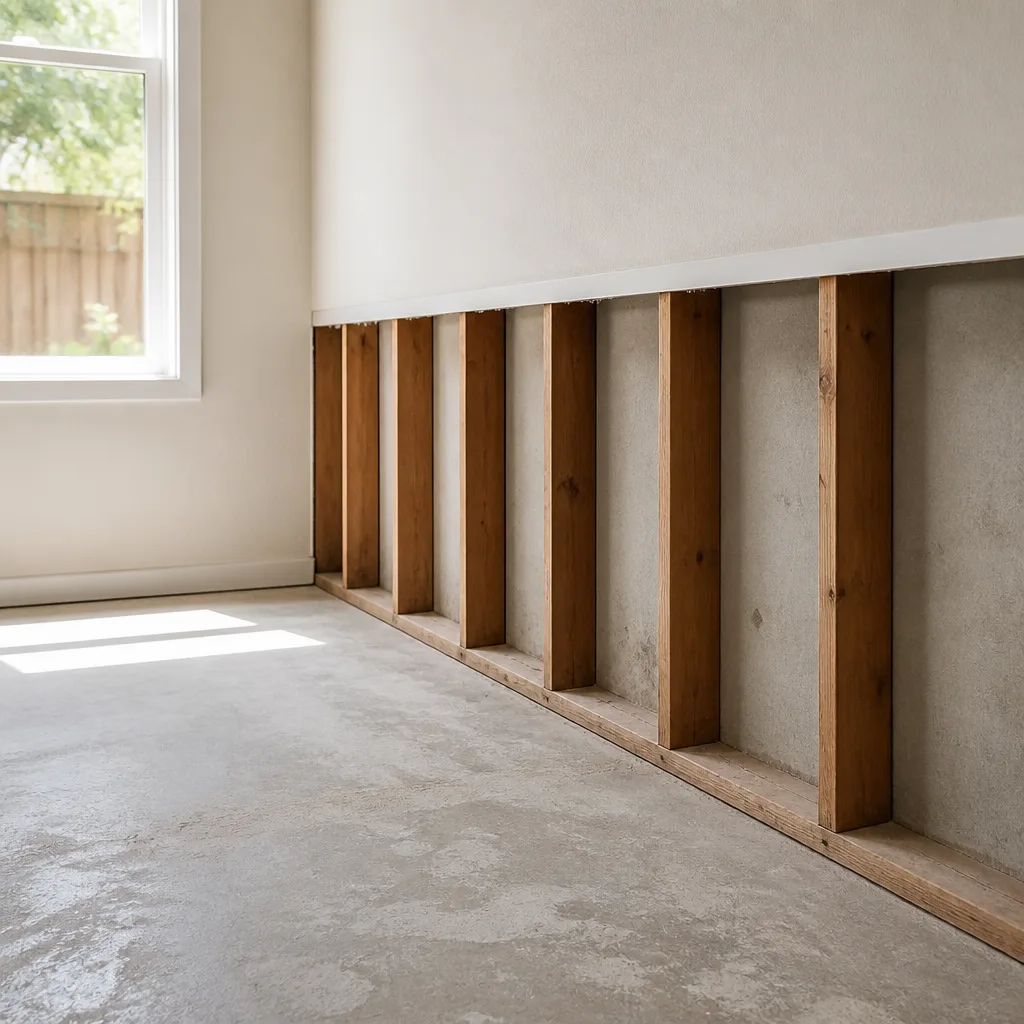
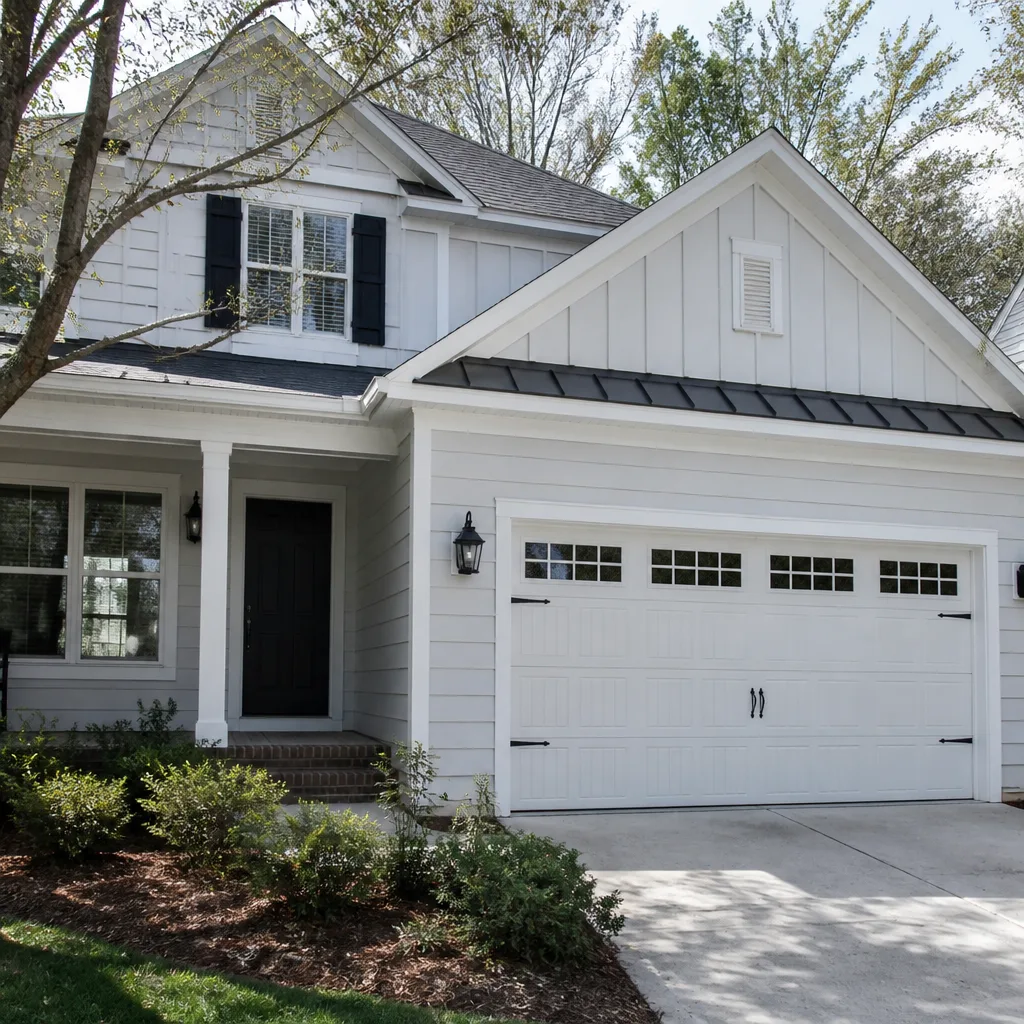
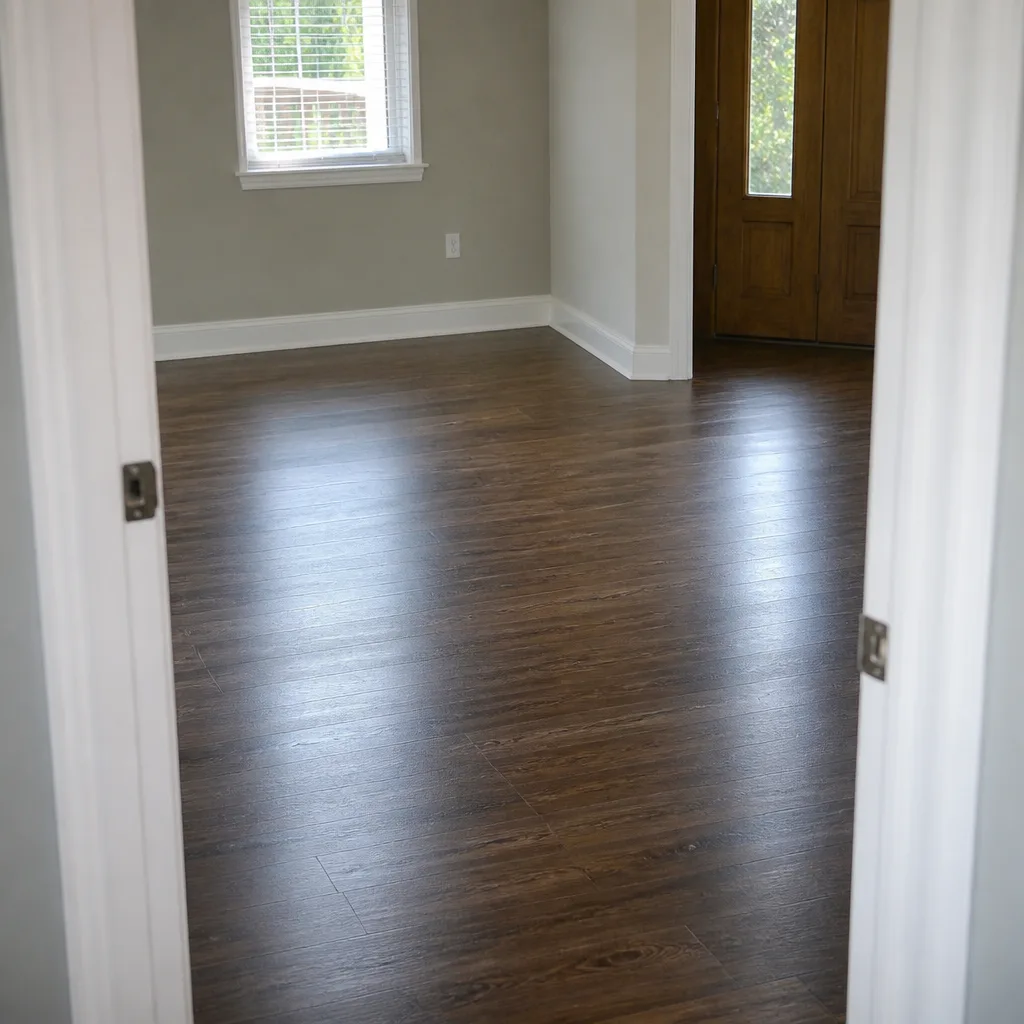
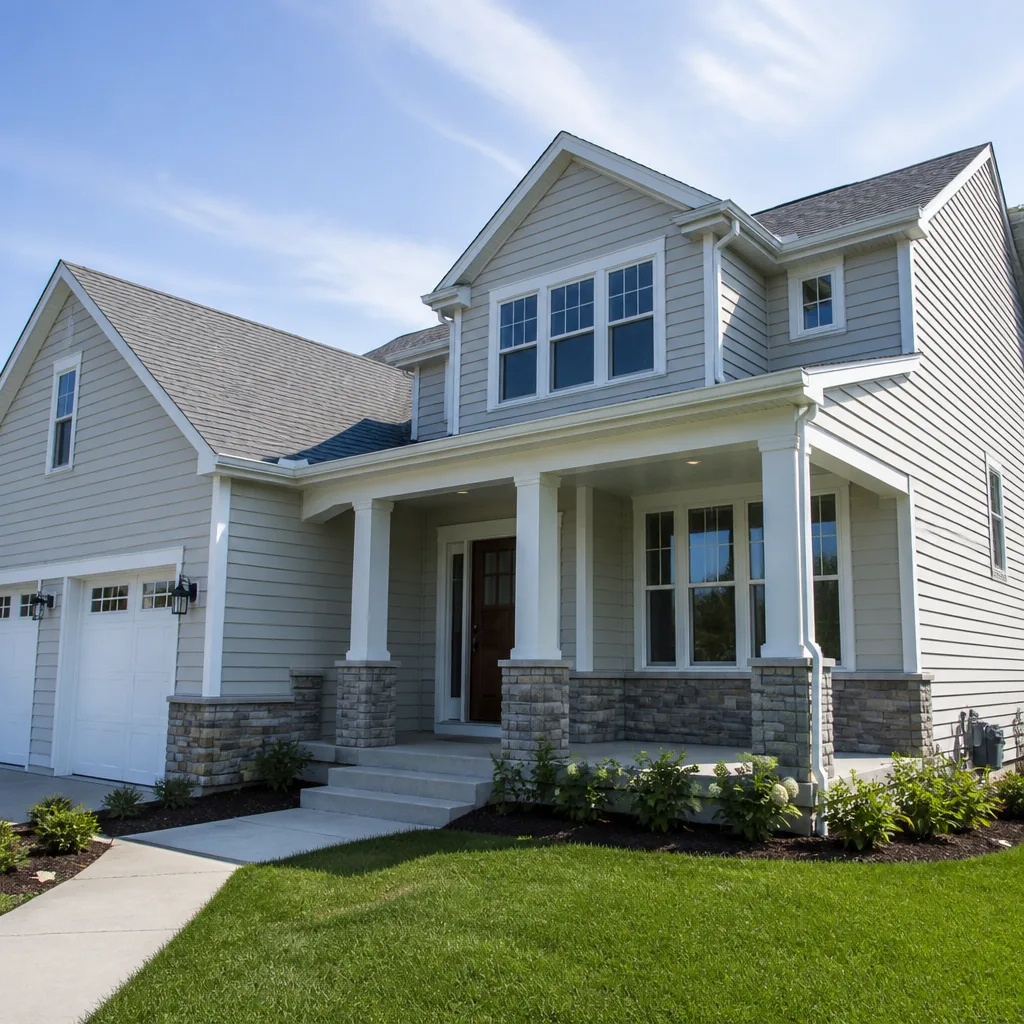
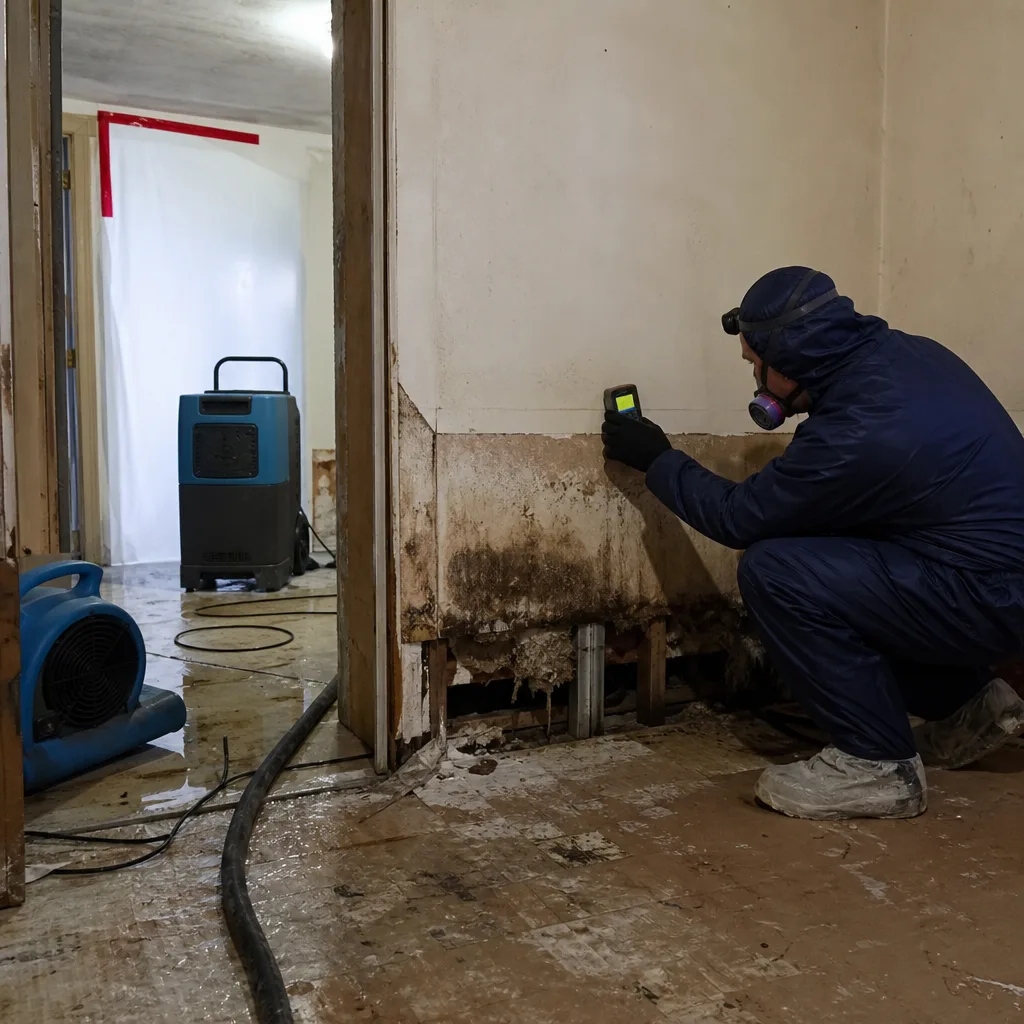 Before
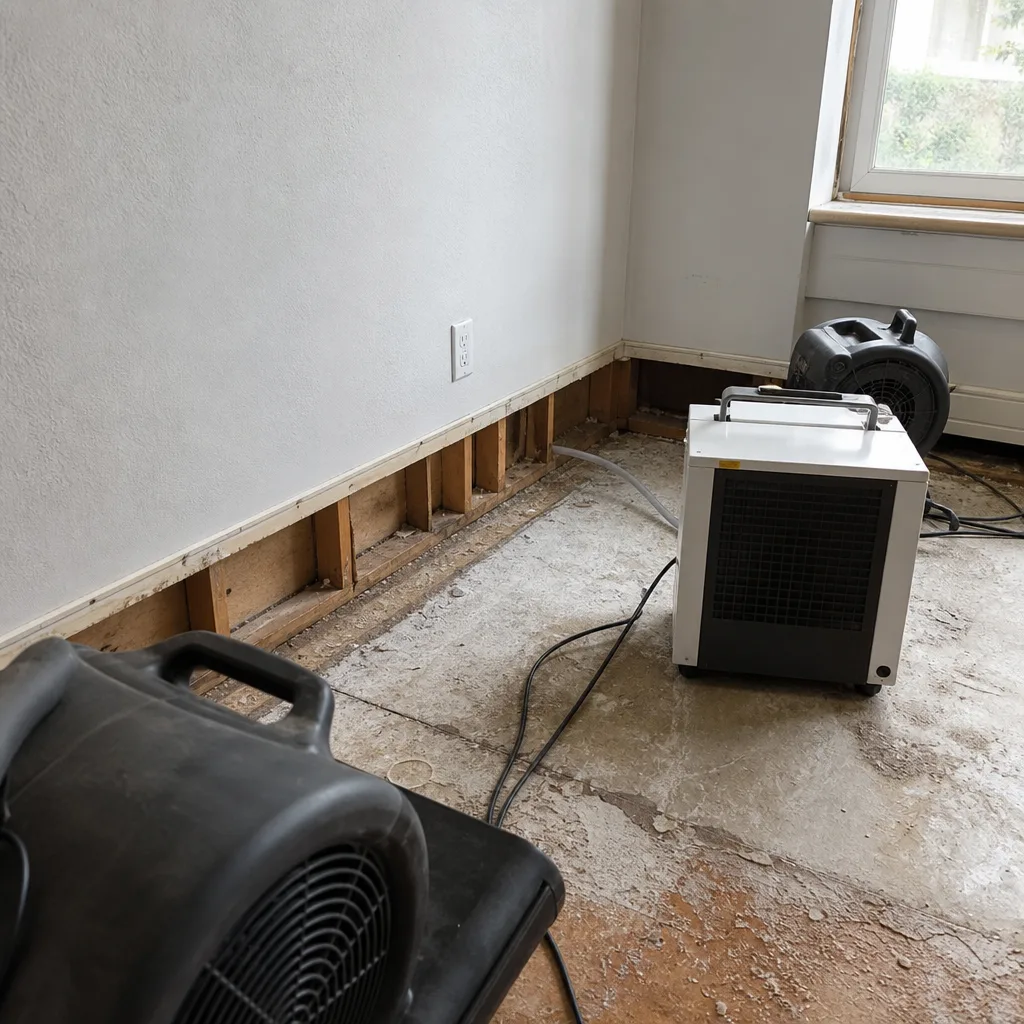 After
After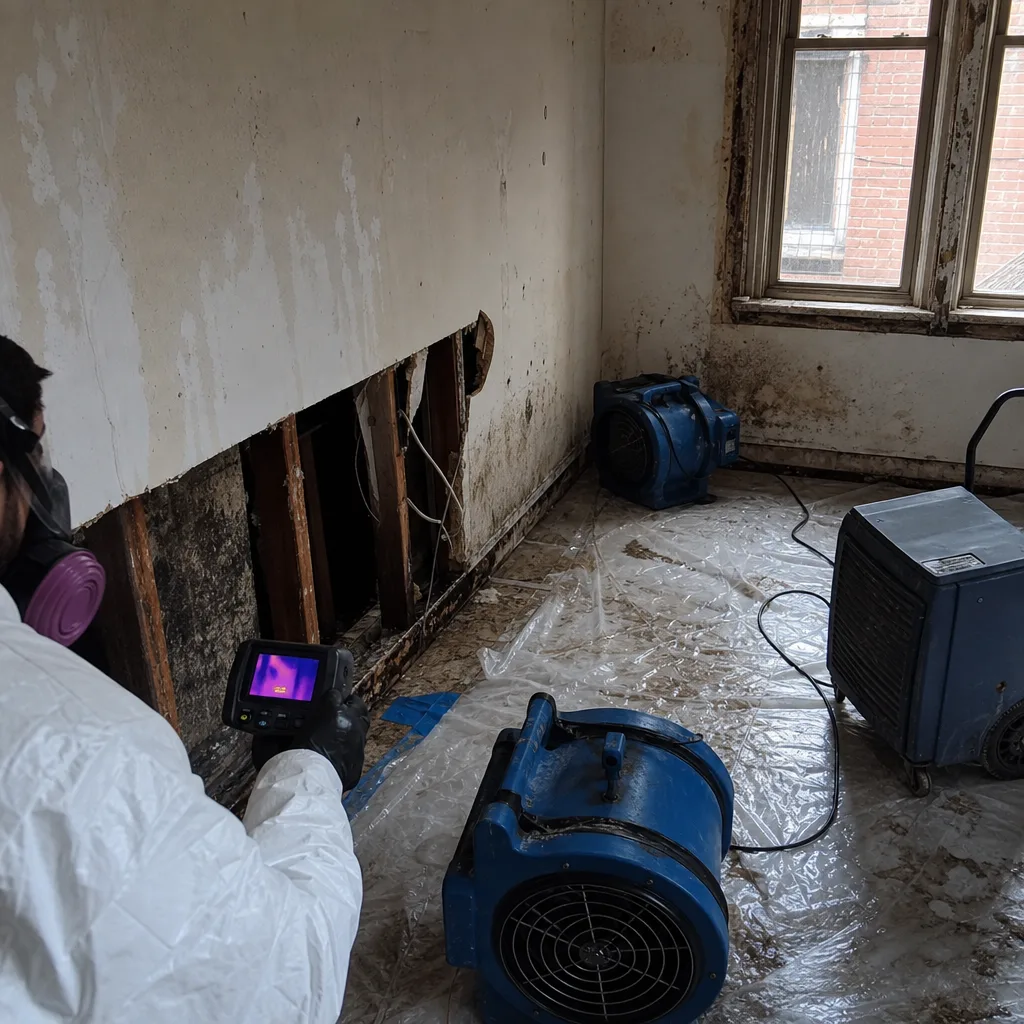 Before
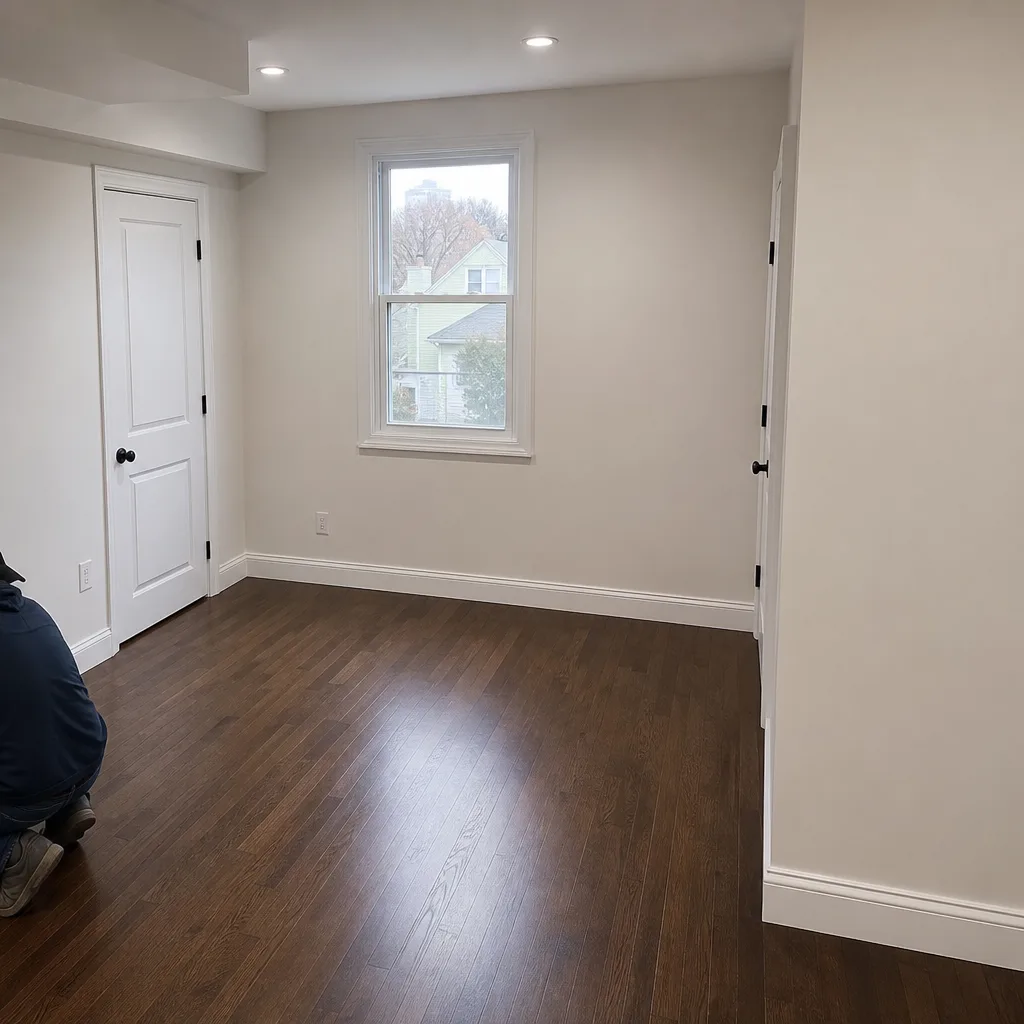 After
After24/7 Emergency Sewage Cleanup in Upper West Side
Sewage cleanup in Upper West Side is emergency work, plain and simple. A sewage backup inside a pre-war co-op or brownstone moves fast, and Category 3 water wicks through plaster, hardwood, and shared pipe chases within the first hour. Floodline Restoration Co. answers the phone with a live person at 2 a.m., not a recording. We dispatch crews inside the Upper West Side area immediately, and most jobs are completed in a single visit with professional-grade Dri-Eaz, Phoenix, and XPOWER equipment. The first hour is when containment and extraction keep a bad situation from becoming a building-wide claim. Call (518) 800-3751 the minute water appears where it should not be. Free visual inspection, same-visit extraction, and a written scope before any work begins.
Understanding Sewage Cleanup Severity in Upper West Side Properties
The Upper West Side presents a specific sewage problem: Category 3 water (black water) moving through building stock that was never designed for rapid drying. Overwhelmingly pre-war brick high-rises and courtyard buildings along West End Avenue, Riverside Drive, and Broadway put plaster-and-lath walls, original strip hardwood, and aging cast-iron supply stacks directly in the path of sewage from shared risers. When a cast-iron waste stack cracks or a galvanized drain backs up, black water follows gravity and the path of least resistance, which in these buildings means hidden pipe chases, light shafts, and the spaces between floor joists. Moisture mapping with thermal imaging and hygrometers is not optional here. It is the only way to identify how far Category 3 water has traveled through walls that do not dry like modern drywall. Water damage restoration in this housing stock requires containment before extraction, air scrubbing during remediation, and daily drying logs until the dry standard is met, because mold begins inside plaster cavities in as little as 24 to 48 hours.
Why Upper West Side Property Owners Choose Floodline Restoration Co.
- 45-minute response commitment. A live dispatcher confirms the crew and the address while you are still on the phone. We arrive inside the Upper West Side fast, because black water does not wait for business hours.
- A real person answers, 24/7. No automated tree, no voicemail at midnight. You get a dispatcher who can send a certified crew the same call.
- IICRC-certified crews. Our technicians hold IICRC, RIA, and IFA certifications and are trained specifically for Category 3 water, sewage backup cleanup, and structural drying in older masonry buildings.
- Free visual inspection. We assess the damage and tell you what we see before any work is authorized. You get a written scope, not a sales pitch.
- Direct insurance billing. We document from the first hour and coordinate with your carrier and the co-op board’s insurer. You do not play messenger.
- One team from extraction to rebuild. The same Floodline crew that extracts sewage and sets up drying equipment is the crew that restores plaster, replaces flooring, and finishes the job. No mid-job handoff.
Our Sewage Cleanup Process
Inspection & Assessment
We begin with a full walkthrough using thermal imaging and moisture meters. In Upper West Side co-ops, we trace the migration path through shared chases and shaft walls, not just the visible spill. A written scope follows, agreed before work starts.
Extraction & Stabilization
Black water is removed with truck-mounted and portable extraction units. We shut down the affected riser where the co-op board has already coordinated access, then stabilize the area with containment barriers.
Drying & Dehumidification
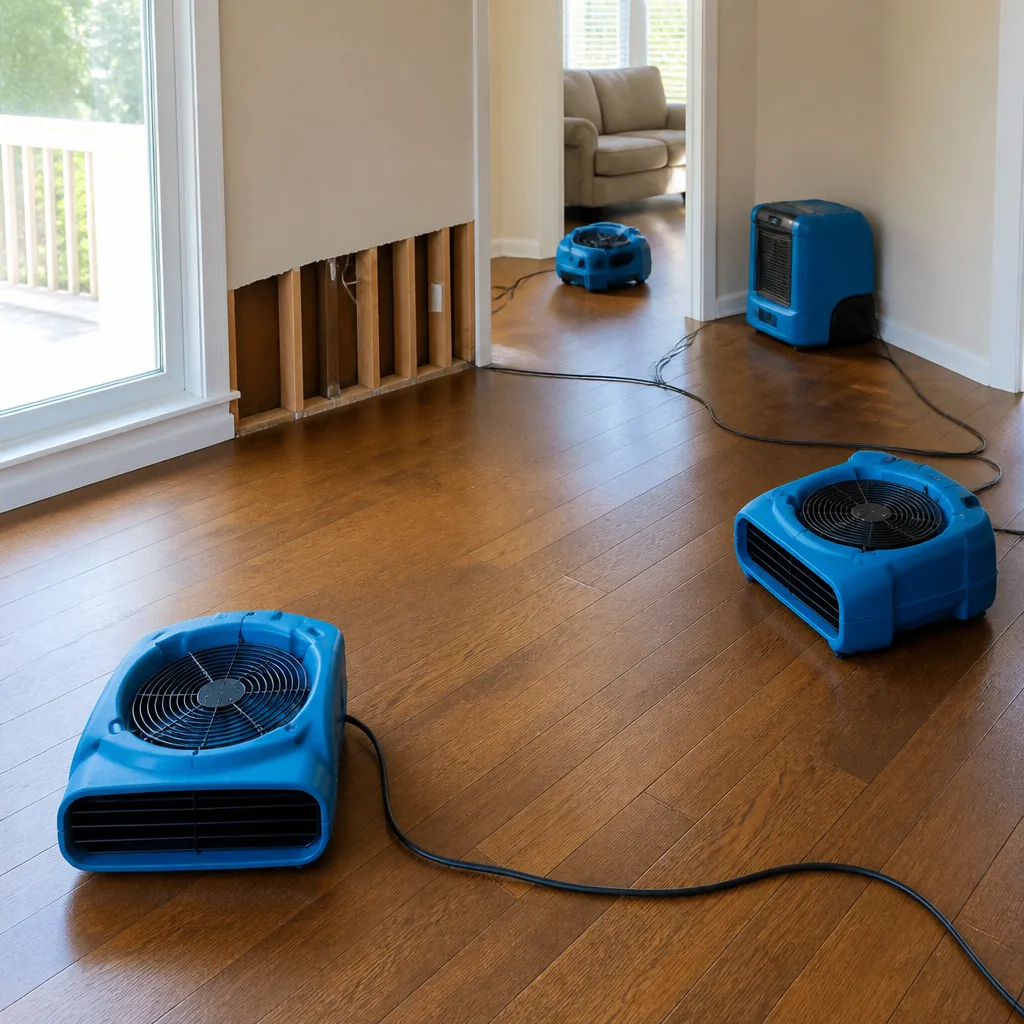
Dri-Eaz and Phoenix air movers and dehumidifiers are placed according to a moisture map, not guesswork. Daily readings are logged and shared with you and your insurer until the dry standard is met.
Cleaning & Sanitization
All affected surfaces are cleaned and disinfected with antimicrobial treatments rated for sewage contamination. HEPA air scrubbers run throughout to capture airborne particulates inside the containment zone.
Specialty Treatment for Pre-War Materials
Original plaster, crown moldings, and rosettes damaged by sewage require careful pack-out, assessment, and restoration rather than demolition. We match original materials where repair is possible, and coordinate with the managing agent on building-wide finishes.
Repairs & Restoration
We rebuild what needs rebuilding: plaster, lath, flooring, millwork, and any structural components compromised by sewage. The work is done by our own crew, not a subcontracted stranger, and backed by the 90-Day Done Right Promise.
Need Emergency Sewage Cleanup in Upper West Side Now?
Crews minutes away, answering live 24 hours a day. The sooner we start, the less it costs.
Working With Your Insurance Company
Sewage backup claims in Upper West Side co-ops involve multiple parties: the shareholder’s insurer, the building’s master policy, and sometimes the managing agent’s liability carrier. We have worked inside that triangle for years and know what each party needs. From the first hour, we photograph the loss room by room, record moisture readings, and build a line-item scope using industry-standard pricing software. We communicate directly with your adjuster so you are not translating restoration jargon at 11 p.m. The goal is simple: a claim file that makes the cause, the extent, and the remediation plan impossible to dispute.
What We Provide Your Insurer
- Thorough documentation of the loss
- Photos of all damage, room by room
- Moisture readings and drying logs
- A detailed, line-item scope of work
- Direct coordination with your carrier
Built for Upper West Side’s Loss Calendar
Manhattan’s freeze-thaw cycles, not summer storms, are the main driver of sewage loss in Upper West Side. From January through March, deep freezes stress the aging rooftop water tanks and cast-iron waste stacks that serve pre-war buildings along Riverside Drive and West End Avenue. Cracks form, sewage seeps, and odors or wet baseboards appear days or weeks later. Spring brings thaw and the first discovery call. Summer thunderstorms overwhelm the combined sewer system along the Hudson River corridor, pushing stormwater back through floor drains in basement-level commercial spaces and ground-floor units. Fall and early winter bring nor’easters with wind-driven rain that infiltrates aging limestone facades and can saturate chase walls behind plaster. A roof drain overflow in a courtyard building on Broadway can show up as a wet baseboard in a third-floor apartment that shares no ceiling with anyone above it. That is not a mystery. That is a shared light shaft doing what shared light shafts do, and it is a loss pattern any experienced Sewage Cleanup team in this neighborhood recognizes on sight.
Sewage Cleanup Across Upper West Side’s Neighborhoods
The Upper West Side is not one building type. Riverside Drive runs along the Hudson with limestone and brick co-ops from the 1920s and 30s, many with original cast-iron risers now past their service life. Upper West Side sewage backups here often originate in cracked stacks behind kitchen or bath walls. West End Avenue’s large courtyard buildings, think Apthorp and Belnord footprints, route sewage through shared pipe chases that spread Category 3 water laterally across floors. Broadway’s mixed-use buildings put residential units above commercial kitchens, where grease and sewage share drain lines and backups happen on Friday night when the restaurants are full. Central Park West co-ops and the blocks near the Museum of Natural History have high-value original plaster work that requires careful pack-out and restoration after any sewage loss. Columbus Avenue brownstones and townhouses have their own private waste lines, but those cast-iron pipes are a century old and often cracked by roots or freeze-thaw. No two blocks respond the same way, and a local crew that knows the difference is the crew you want on the phone.
Specialized Sewage Cleanup Services We Offer in Upper West Side
Sewage Backup Cleanup
When a shared riser backs up into a first-floor or garden-level unit, we contain, extract, and dry the affected space while mapping the source. In Upper West Side co-ops, this often means coordinating riser shutdown with the building super before extraction can be completed. The 90-Day Done Right Promise applies to every backup cleanup we perform.
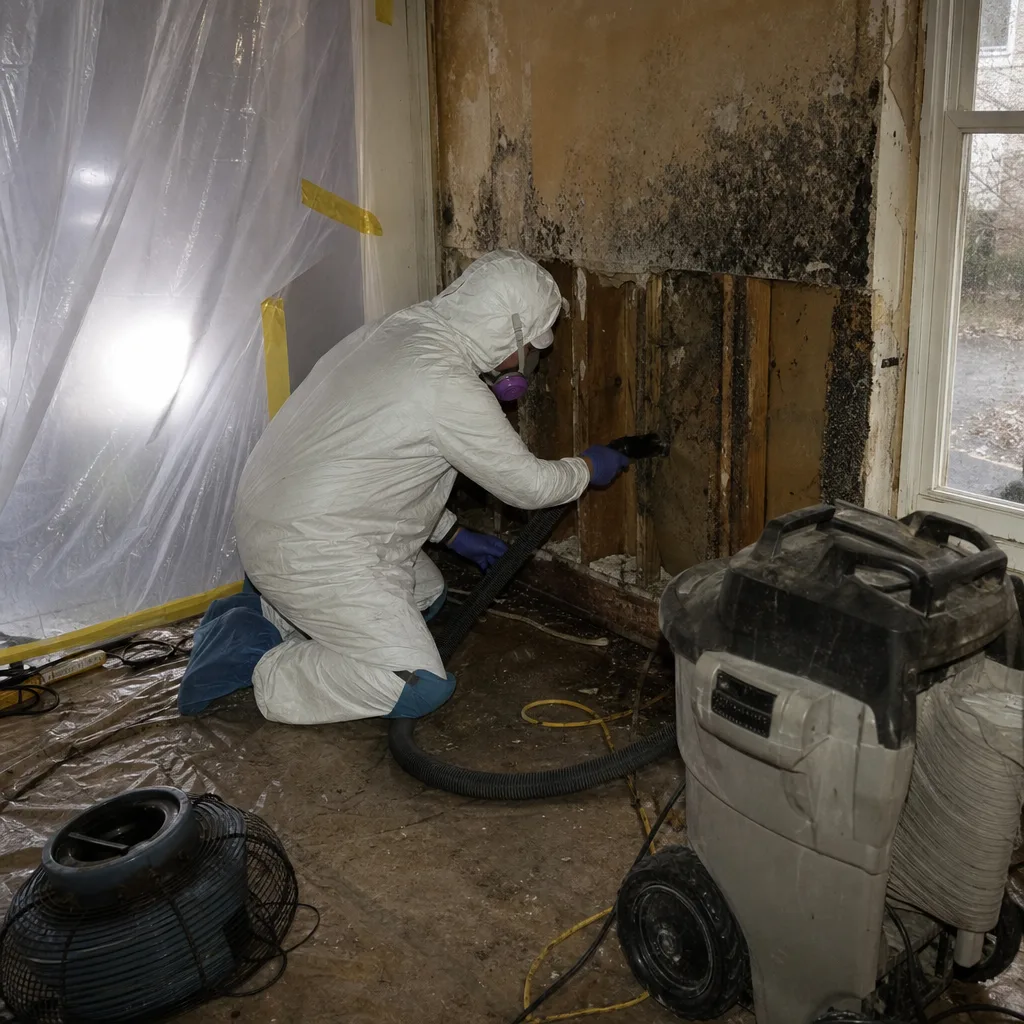
Black Water Extraction
Black water is Category 3, and we treat every sewage job as potentially pathogenic. Extraction begins the same visit, using professional-grade equipment and full PPE. We test and document moisture levels in concealed cavities because black water in a plaster wall is a mold clock that starts the moment the pipe cracks.
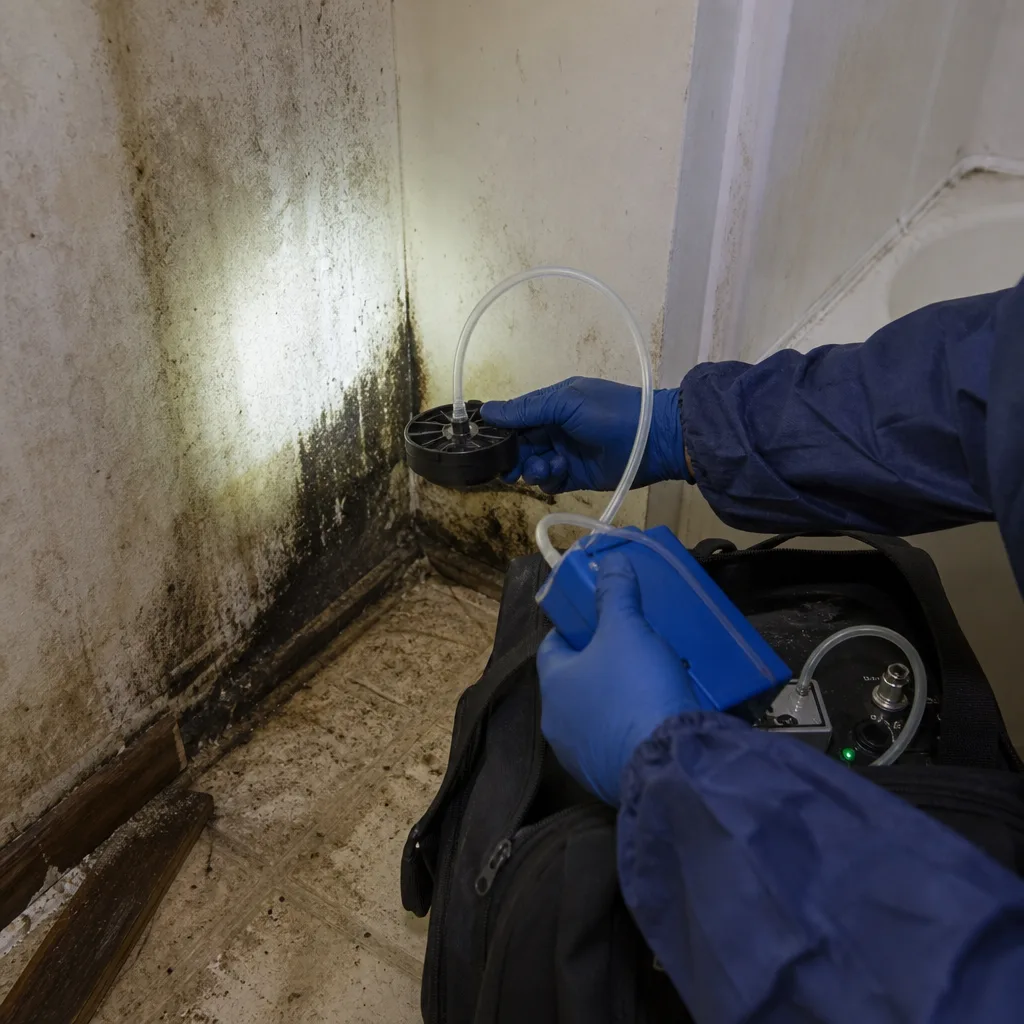
Toilet Overflow Cleanup
A toilet overflow in a pre-war unit on the Upper West Side can travel through original hardwood and down into the unit below through gaps in the old subfloor. We treat the overflow as a vertical migration event, checking ceilings and light fixtures beneath the loss before drying begins. This is not a mop-and-fan job. It is structural drying with documentation.
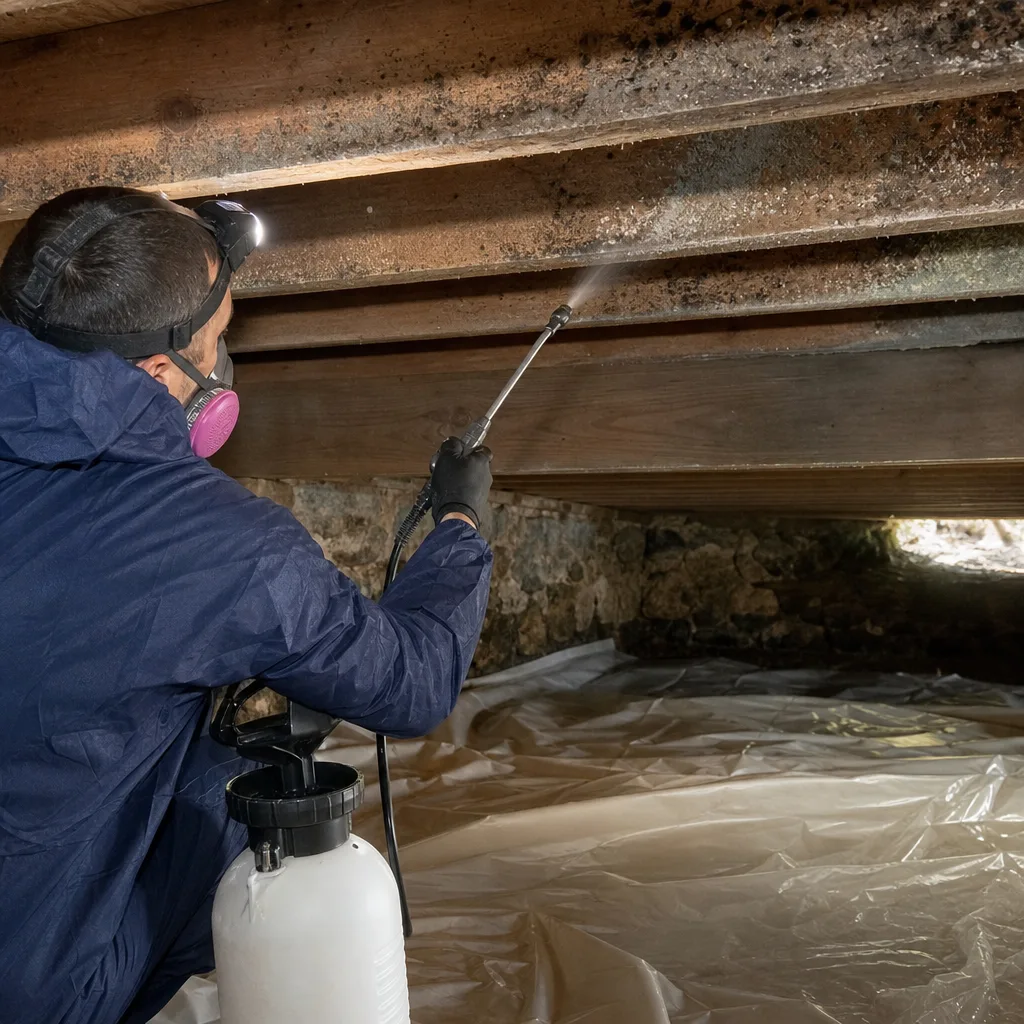
Septic Failure Cleanup
Rare in Manhattan proper, but a handful of legacy septic systems serve older properties. When they fail, sewage surfaces in basements and crawl spaces. We extract, disinfect, and remediate the affected area, then coordinate with the appropriate city or private contractor for the tank or leach field work itself.
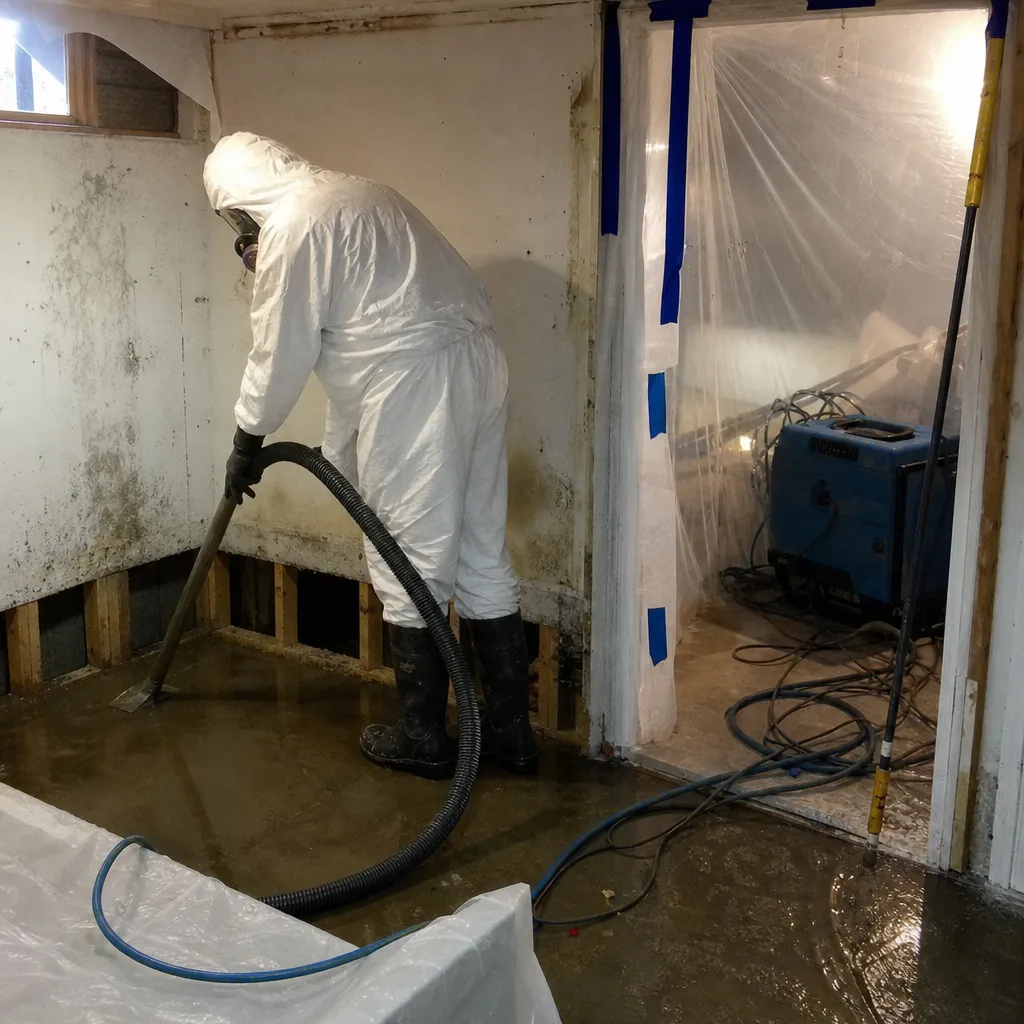
Sanitization & Disinfection
After any Category 3 loss, affected surfaces are cleaned and treated with antimicrobial products rated for sewage. We run HEPA air scrubbers during the work and perform post-remediation verification before we call the job done. Written drying logs and sanitization records go to you and your insurer.
What happens when you call
- 1
A real person answersNo phone trees - you reach a local pro.
- 2
You get an upfront price rangeHonest numbers before anyone is dispatched.
- 3
A background-checked tech heads outLicensed & insured, dispatched right away.
- 4
You approve before work beginsNothing starts until you say go.
Sewage Cleanup Costs in Upper West Side, NY
Sewage cleanup in Upper West Side typically runs $1,800 to $6,500 for a contained backup in a single apartment. Larger migration events that involve shared chases, multiple units, or original plaster pack-out run $8,000 to $25,000 or more. A straightforward toilet overflow extraction with drying in one bathroom usually falls between $1,800 and $3,200. Black water extraction from a damaged cast-iron stack that requires opening a chase wall and treating three adjacent units often lands between $10,000 and $22,000. The biggest cost drivers are the number of affected rooms, whether original plaster must be removed and restored, and whether the co-op board requires abatement or signage. Insurance typically covers sewage backup when the policy includes water backup coverage, which not all co-op shareholder policies do. We provide a free visual inspection and a written scope, so you know the number before any work is authorized. Call (518) 800-3751 for an exact quote on your situation. Estimates are free.
We Also Serve Cities Near Upper West Side
Our crews serve Upper West Side and the surrounding areas, including Astoria, Ditmars Steinway, Upper Manhattan, and Upper East Side. If your building sits just outside the neighborhood line, call and ask. We will tell you straight whether we can get a crew there fast, and if not, we will point you to someone who can.
Serving Upper West Side, NY - Our Local Coverage Area
We’re based in the Upper West Side area and know this community well. Use the map below to see our service coverage - if you’re nearby, we can almost certainly help.
Upper West Side Sewage Cleanup Questions, Answered
How does sewage backup cleanup differ in a pre-war Upper West Side co-op versus a suburban single-family home?
A co-op backup moves through shared chases and pipe walls, affecting multiple units and requiring board approval before riser shutdown and demolition. In a suburban house, the pipe is yours and the path is contained. In a pre-war Upper West Side co-op, the sewage often travels laterally through light shafts and hidden cavities before anyone sees water, so we must trace with thermal imaging before opening any wall.
What does a sewage backup in a West End Avenue courtyard building typically require beyond water extraction?
Containment across multiple units, pack-out of original plaster and millwork, coordination with the managing agent and multiple insurers, and structural drying of shared chase walls. A courtyard building backup on West End Avenue often means Category 3 water has moved through shaft walls into apartments that never saw standing water, and the work is scoped, scheduled, and priced in writing.
Are cast-iron waste pipes in Upper West Side pre-war buildings usually repaired or replaced after a sewage backup?
Depends on the crack. Hairline cracks can sometimes be lined or repaired in place. But a cast-iron stack that has failed structurally, often from decades of Manhattan freeze-thaw cycles, usually needs replacement of the damaged section, and that work belongs to the building, not the shareholder. Our report documents what we found and what we recommend, and we coordinate with the managing agent on the scope.
How quickly can mold start after a toilet overflow in an Upper West Side co-op apartment?
Mold can begin in 24 to 48 hours, especially behind plaster walls and under original hardwood in a heated Manhattan apartment. That is why extraction and drying start the same visit, and why we log daily moisture readings until the dry standard is met. The longer black water sits, the more plaster and flooring must be removed and restored.
When is sewage water considered black water versus grey water in a Manhattan high-rise overflow?
Black water, Category 3, contains human waste or pathogens. A toilet overflow with visible feces is black water. Grey water, Category 2, comes from a sink or shower and may contain soap, food particles, or body oils but no fecal matter. In a high-rise overflow, we treat any water from a shared waste riser as Category 3 until tested, because you rarely know what is upstream.
How fast can Floodline actually get to an Upper West Side address?
We commit to a 45-minute response. A live dispatcher answers the call, confirms the address and building access, and the crew drives directly to the Upper West Side. We do not put you on hold and we do not route you to a call center outside New York. Same-visit extraction is the standard for sewage work.
Will my insurance cover sewage backup cleanup in a co-op?
Most shareholder policies include water backup coverage, but limits vary and some older HO-6 policies exclude it. The building’s master policy may cover the riser repair but not your apartment’s contents or finishes. We document everything from the first hour and work directly with your adjuster, so the claim file matches what we actually found and did.
What should I do in the first 30 minutes after discovering a sewage backup?
Shut off the water source if you can do so safely, stay out of the affected area, and call (518) 800-3751. Do not use the affected plumbing. Do not run fans or try to dry it yourself. Do not touch the water without gloves and protection. The first hour is when containment and extraction keep the loss from spreading into walls, floors, and neighboring units.
Written by Curt Bowman, Owner at Floodline Restoration Co., serving Upper West Side and the surrounding New York City area.