
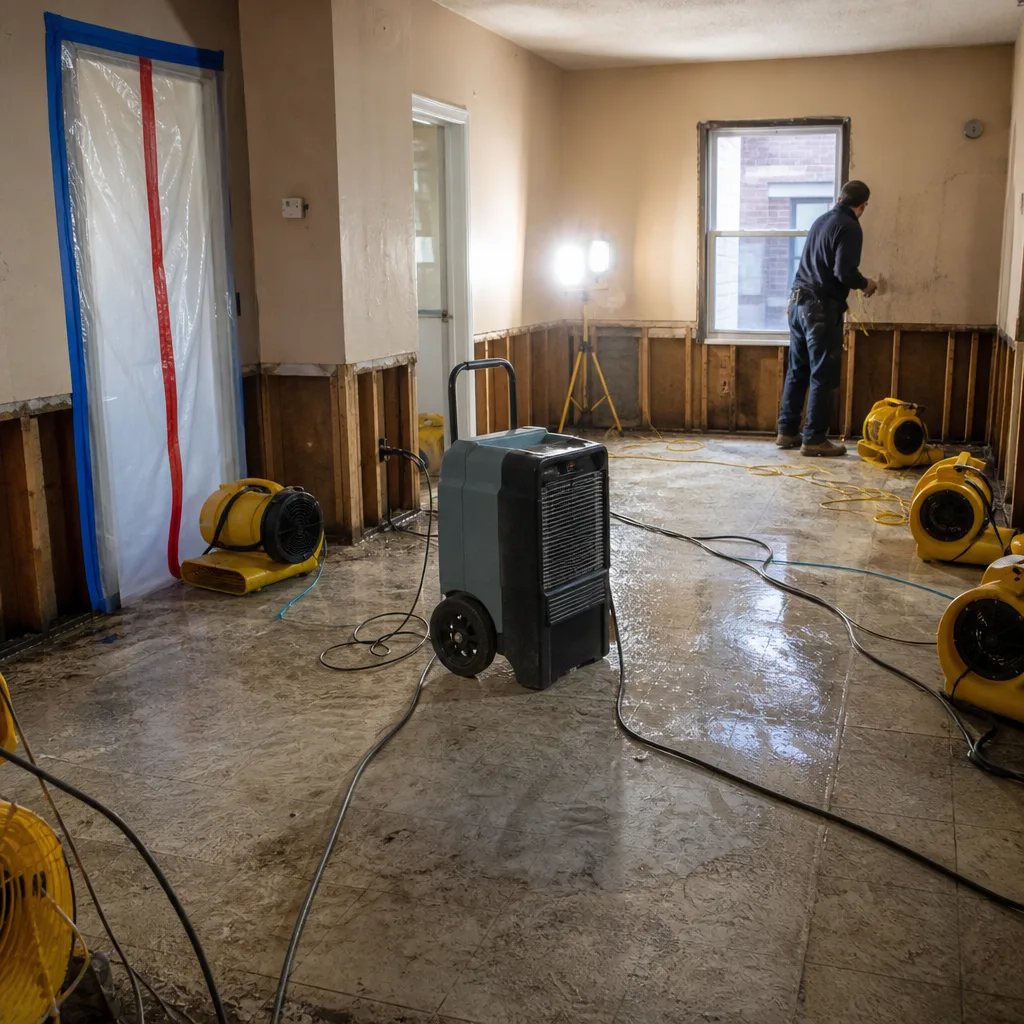
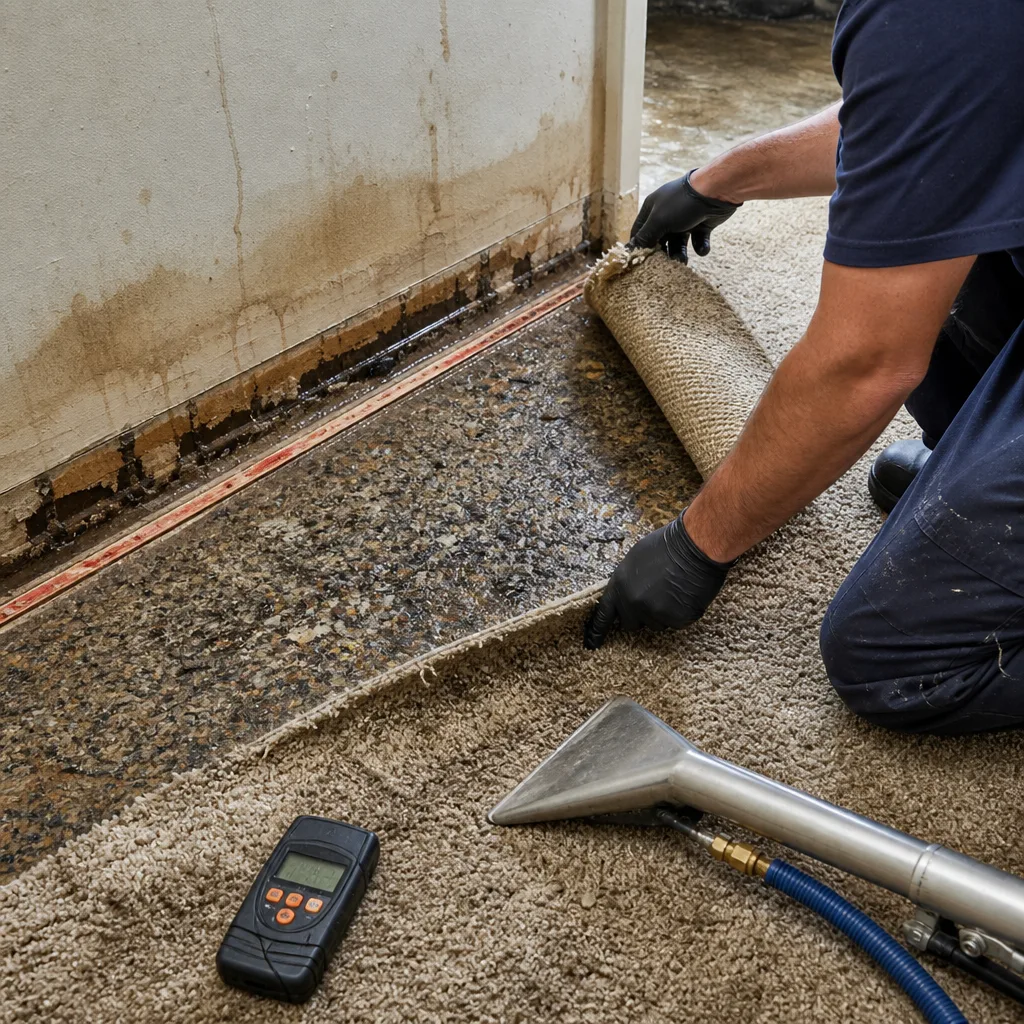
Free visual inspection and a written scope of work before any mitigation begins - photos, moisture readings, and drying logs go in your claim file
The scope we write is the scope we bill. Anything new gets shown to you, in writing, before we touch it.
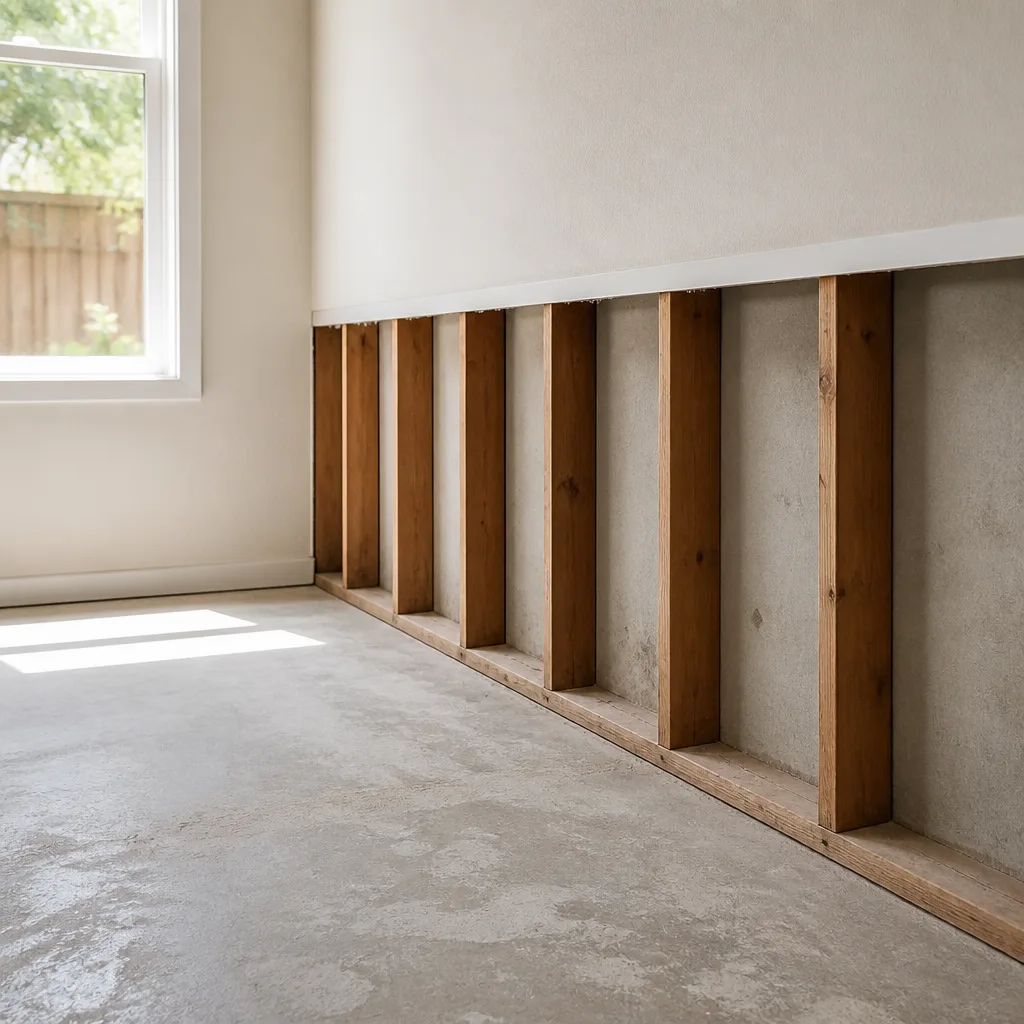
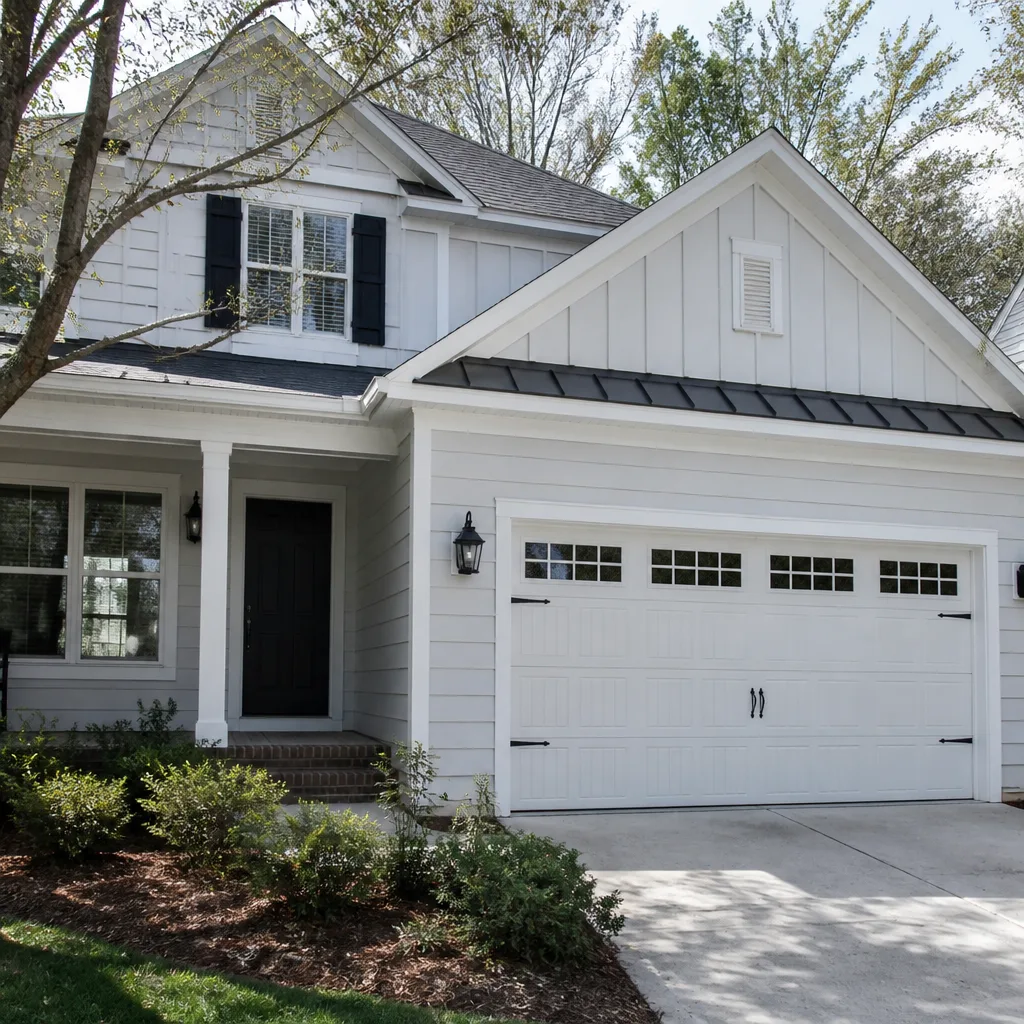
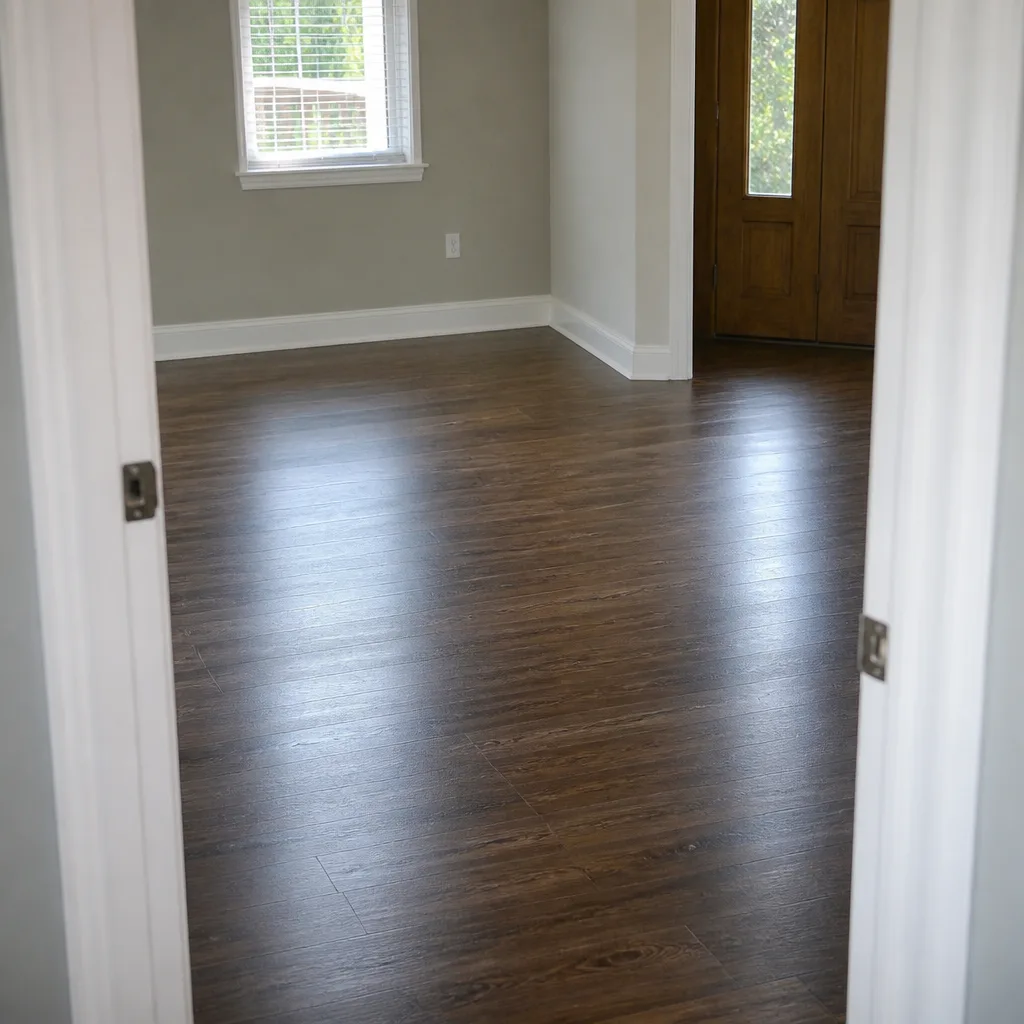
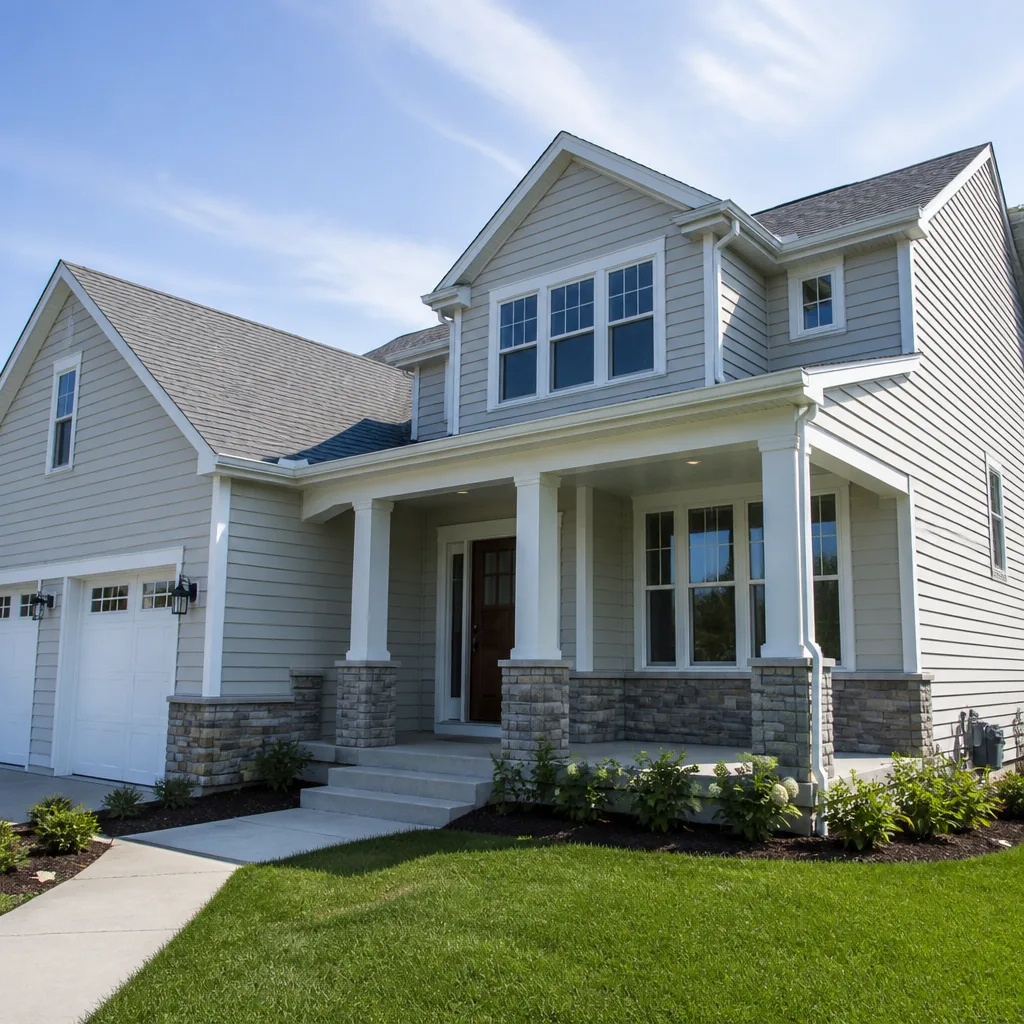
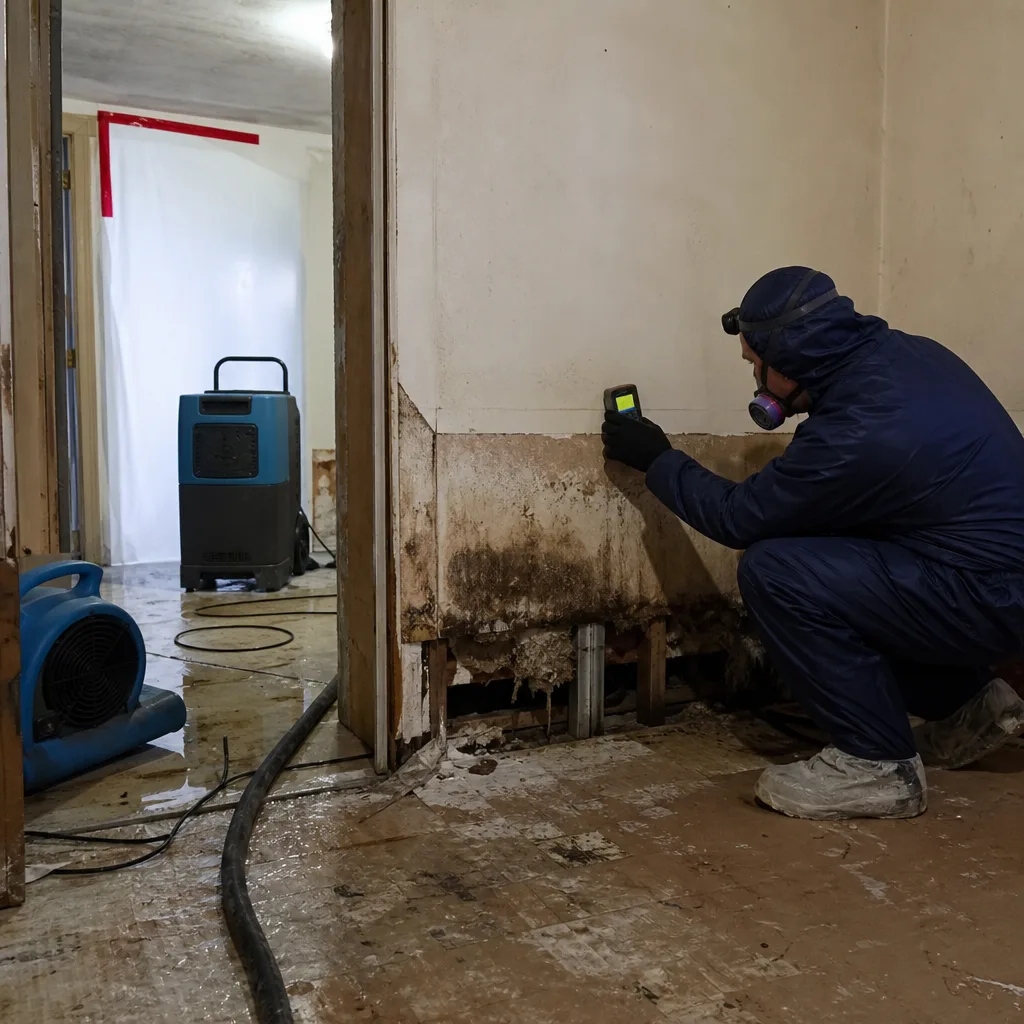 Before
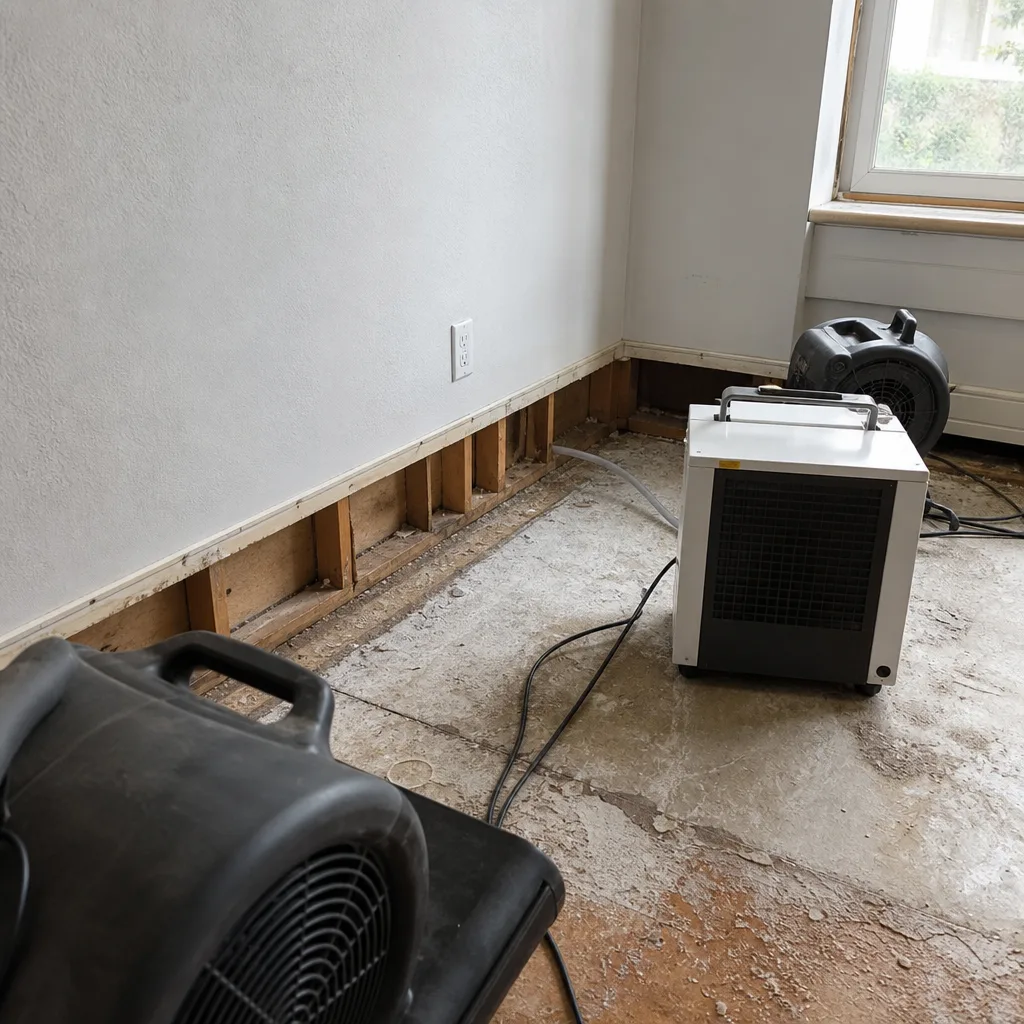 After
After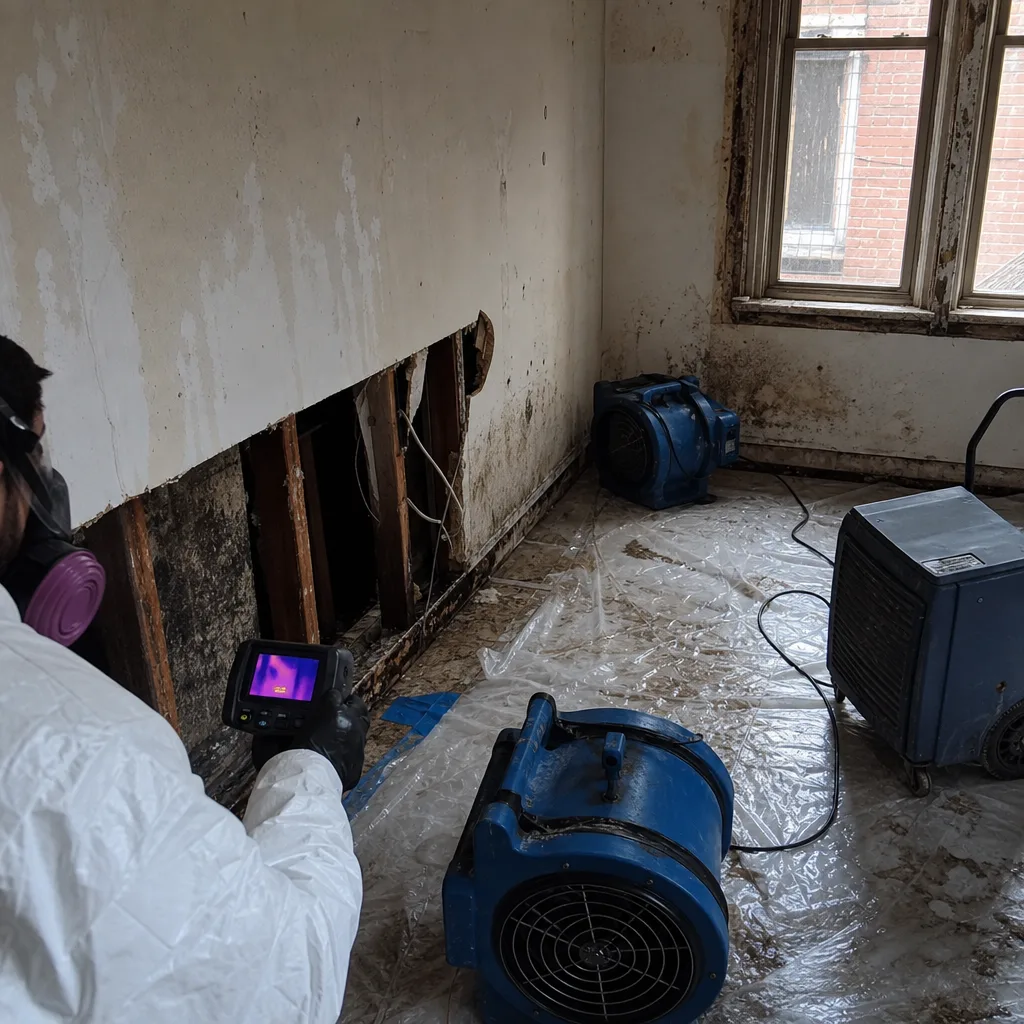 Before
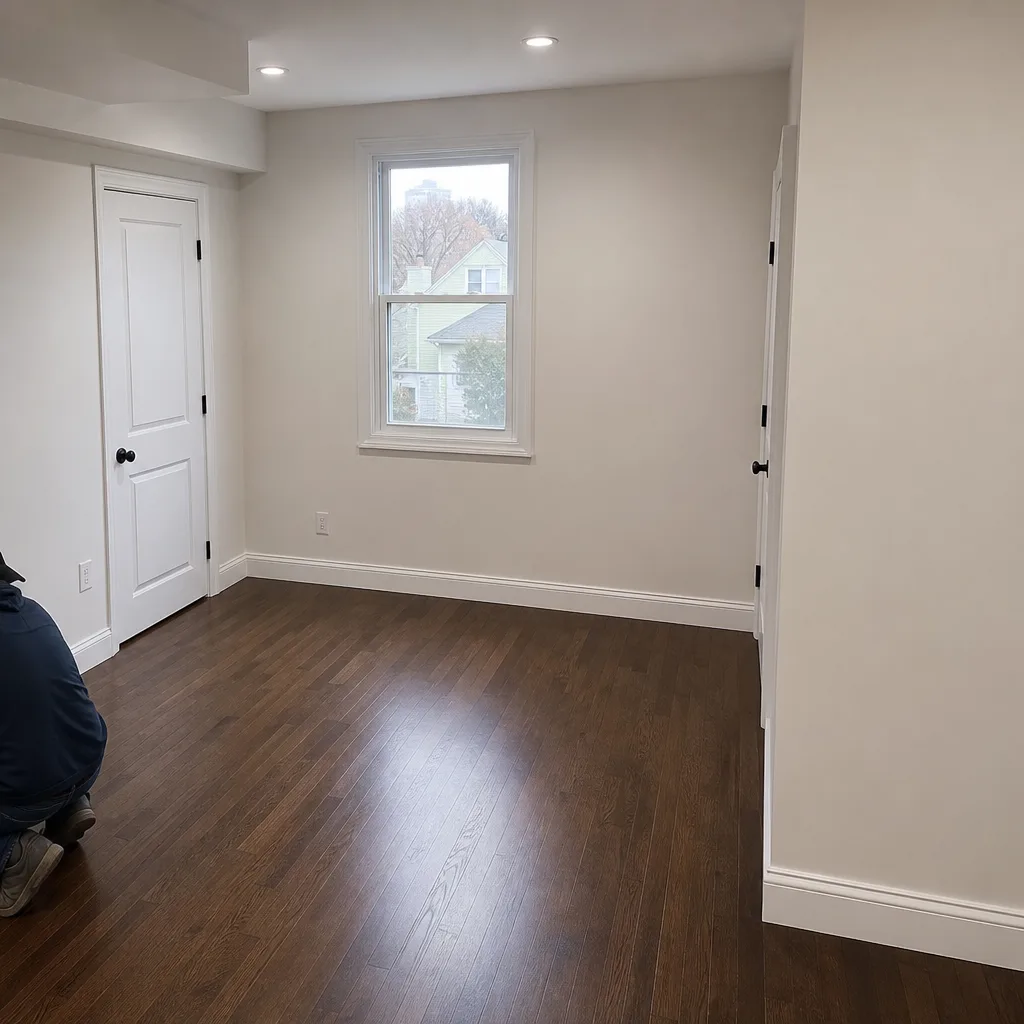 After
After24/7 Emergency Water Damage Restoration in Corona
Water damage restoration in Corona typically runs $1,800-$6,500 for a standard basement flood, with emergency extraction alone at $400-$900 for a single room. When water is moving through a 1930s attached brick row house, every hour it sits means more moisture climbing through shared masonry and into the neighbor’s side of the wall. We answer the phone live at (518) 800-3751, day or night, and our crews reach Corona fast because we know Roosevelt Avenue, Northern Boulevard, and the side streets off Junction Boulevard without a map. The first hour decides whether you’re drying a room or rebuilding a floor. Call now and we’ll start with a free visual inspection before a single fan gets plugged in.
Understanding Water Damage Restoration Severity in Corona Properties
Water damage gets classified three ways, and in Corona the categories land differently than they would in a single-family suburban house. Category 1 is clean water from a burst supply line or failed water heater. Category 2 is grey water with some contamination, typically from a washing machine overflow or a sump pump failure. Category 3 is the dangerous one: sewage, storm backup, or anything that came up through a floor drain, which carries pathogens and requires full containment, not just extraction. Floodline Restoration Co. trains every technician to IICRC standards, so the classification happens before the first piece of equipment runs, and the scope of work reflects exactly what the water touched, including the side of a shared party wall you can’t see from your own basement.
Corona’s housing stock makes classification especially important. Most of the neighborhood’s attached brick row houses were built between 1920 and 1950, with original cast-iron drain stacks and galvanized supply lines. A category 3 sewage backup into a basement apartment off 104th Street is a biohazard event, not a mop-and-fan job. A category 1 pipe burst behind a wall on 37th Avenue is a drying challenge where thermal imaging and moisture mapping matter more than bleach. We factor in the age of your piping, the masonry’s porosity, and whether the space has a Certificate of Occupancy, because all three change the work.
Why Corona Property Owners Choose Floodline Restoration Co.
- 45-minute response commitment: Our dispatch board tracks local crews in real time, so the closest team rolls within 45 minutes of your call to (518) 800-3751.
- 24/7 live answer: A real human picks up at 2 a.m., not a recording, and that person can send a certified crew to Corona the same visit.
- IICRC-certified crews: Our technicians hold WRT and ASD certifications and train to RIA and IFA standards, which matters when a carrier’s adjuster reviews your claim.
- Free visual inspection: We walk the damage with you, on your time, and tell you honestly what needs remediation and what can be saved.
- Direct insurance billing: We bill your carrier directly and talk to the adjuster ourselves, so you don’t play messenger between us and them.
- One team from extraction to reconstruction: The same crew that pulls water on day one manages daily drying readings and rebuilds what needs rebuilding, no mid-job handoff.
Our Water Damage Restoration Process
Inspection & Assessment
We start with thermal imaging and moisture mapping across every affected room, including the walls you share with your attached neighbor. We classify the water category, check for hidden migration through masonry, and document pre-loss condition before extraction begins.
Extraction/Stabilization
We pull standing water with truck-mounted extractors and professional-grade Dri-Eaz units, then stabilize the structure to stop further migration. In a Corona basement with cast-iron drain stacks, this is where we find whether the stack itself is cracked or just backed up.
Drying & Dehumidification
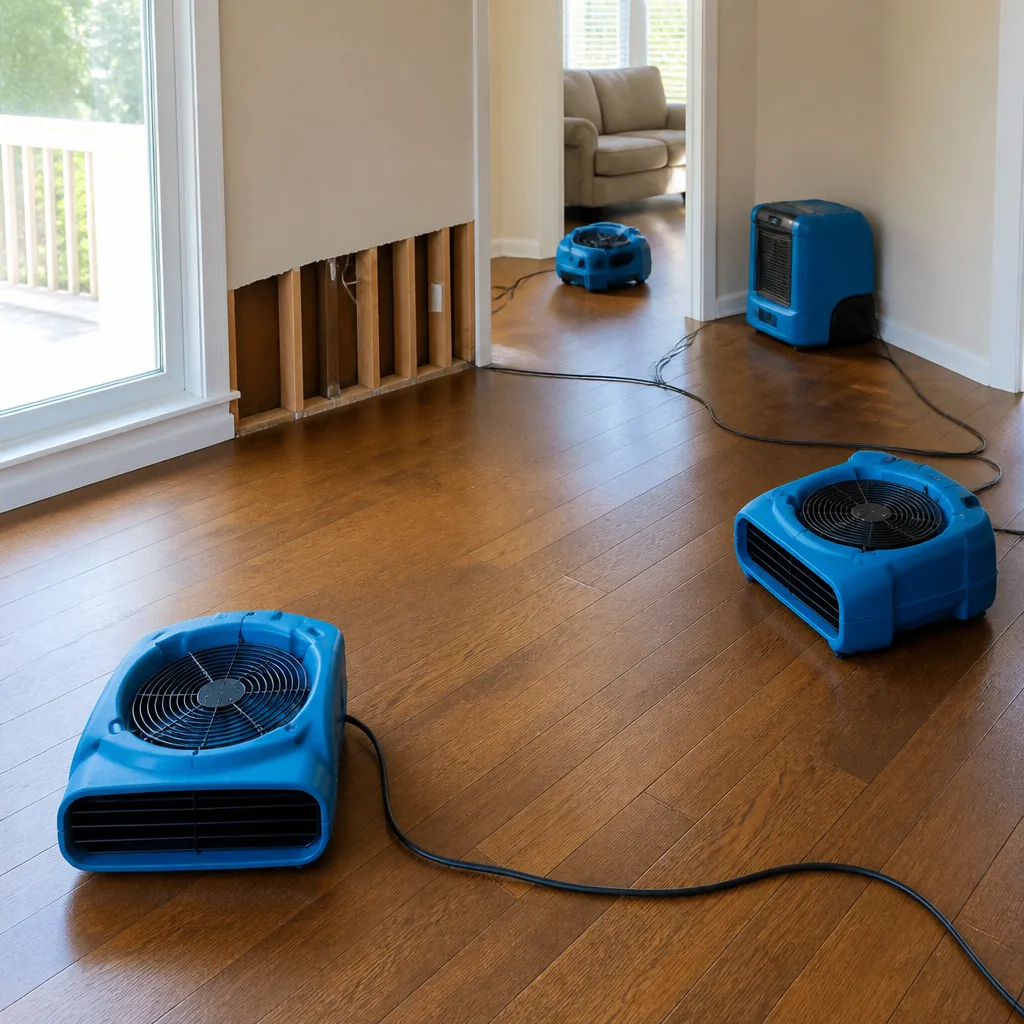
We place air movers and dehumidifiers in a calculated layout, not scattered at random, and run daily moisture readings with hygrometers until the dry standard is met. A pre-war brick party wall takes longer to dry than modern drywall, and we log every number for your carrier.
Cleaning & Sanitization
For category 2 and 3 water, we contain the affected area, run HEPA air scrubbers, and apply antimicrobial treatments appropriate for the surface and the water class. We treat the concrete slab, the brick, and anything that absorbed contaminated water.
Specialty Treatment
In Corona’s subdivided row houses, this often means opening a wall cavity to dry the shared masonry, or documenting whether a flooded basement unit has a Certificate of Occupancy so your claim doesn’t stall at the adjuster’s desk.
Repairs & Restoration
We rebuild what was torn out: drywall, flooring, baseboards, and where needed, sections of damaged drain stack. The same certified crew that extracted the water handles the rebuild, so the work is continuous and the guarantee covers all of it.
Need Emergency Water Damage Restoration in Corona Now?
Crews minutes away, answering live 24 hours a day. The sooner we start, the less it costs.
Working With Your Insurance Company
In a neighborhood where so many basement apartments lack Certificates of Occupancy, insurance claims don’t move unless the documentation is airtight. We build the paper trail from the first hour: photos of every affected room before anything gets moved, moisture readings from day one through the dry standard, and a line-item scope that names the water category, the materials affected, and the drying plan for shared walls. We talk directly with your adjuster, including public adjusters who specialize in Queens row house claims, so you never explain a moisture map over the phone. Our written scope of work goes to your carrier before we start reconstruction, so the settlement matches the actual damage, not a lowball estimate based on drywall in a newer building.
What We Provide Your Insurer
- Thorough documentation of the loss
- Photos of all damage, room by room
- Moisture readings and drying logs
- A detailed, line-item scope of work
- Direct coordination with your carrier
Built for Corona’s Loss Calendar
Corona floods on a schedule, and anyone who has lived here long enough knows the pattern. January deep freezes burst galvanized supply lines in uninsulated basement ceilings along 104th Street and 108th Street. Spring thaw seeps through fieldstone foundations and cracks in pre-war concrete, filling basement units along Northern Boulevard with groundwater. Summer thunderstorms overwhelm the combined sewer system, sending category 3 water up through floor drains and into below-grade apartments across the neighborhood, sometimes several times in a season. Nor’easters and the remnants of Atlantic storms bring the same result at a larger scale, as Hurricane Ida proved in 2021. We schedule our Corona crews around this calendar, and we keep equipment staged for the months when the volume comes. When you call, the person answering knows exactly what a storm system means for your block, not just your house.
Water Damage Restoration Across Corona’s Neighborhoods
We run calls all over Corona, and the building type changes the playbook. Around the LeFrak City complex, we see mostly larger apartment buildings where water from one unit travels vertically through floors and ceilings, and we coordinate with building management from the first hour. On the residential blocks near Flushing Meadows Corona Park, like 103rd and 104th Streets, it’s the attached brick row houses with basement apartments, where a pipe burst in one home soaks the party wall and dries into the neighbor’s unit within 24 hours. Along Roosevelt Avenue commercial corridors, we handle mixed-use buildings where a restaurant’s grease line failure floods a basement apartment below. And near the 111th Street corridor, where many homes were built between the wars with original cast-iron stacks, root intrusion into aging drain lines turns a routine backup into a recurring flood until the stack gets scoped and replaced. Each pocket of Corona needs a different restoration approach, and our crews have run every one of them.
Specialized Water Damage Restoration Services We Offer in Corona
Emergency Water Extraction
Standing water in a Corona basement apartment needs to come out fast, before it wicks up the drywall and into the brick behind it. We arrive with truck-mounted extractors and trailer-mounted units for deep floods, and we get the water out of the slab and the wall cavities the same visit. Extraction is the single biggest factor in whether you’re drying a room or replacing it.
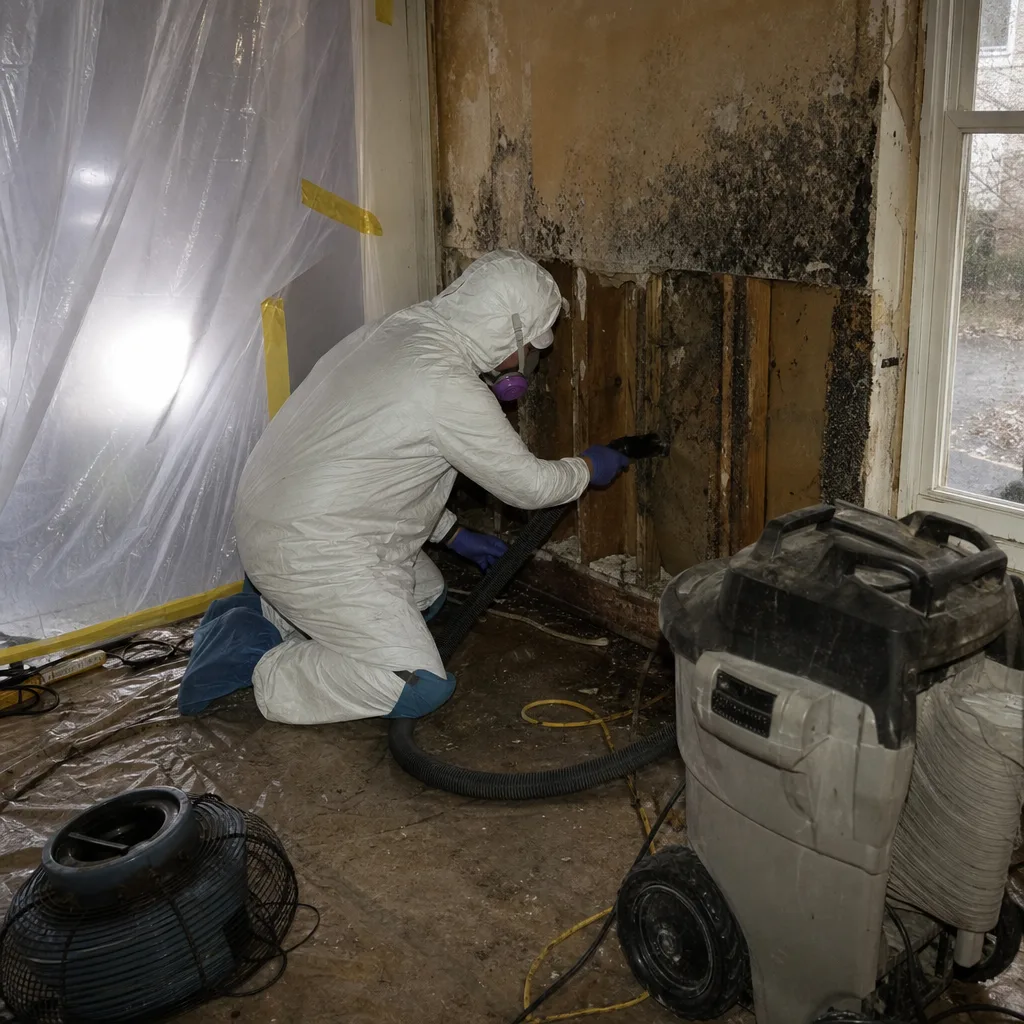
Structural Drying & Dehumidification
After extraction, the drying plan takes over. We run professional-grade Phoenix and Dri-Eaz dehumidifiers with air movers positioned for actual airflow across wet brick and concrete, not just a fan pointed at the floor. In attached row houses, we place equipment on both sides of a shared wall when the neighbor allows it, because drying one side of saturated masonry leaves a damp pocket that grows mold within days.
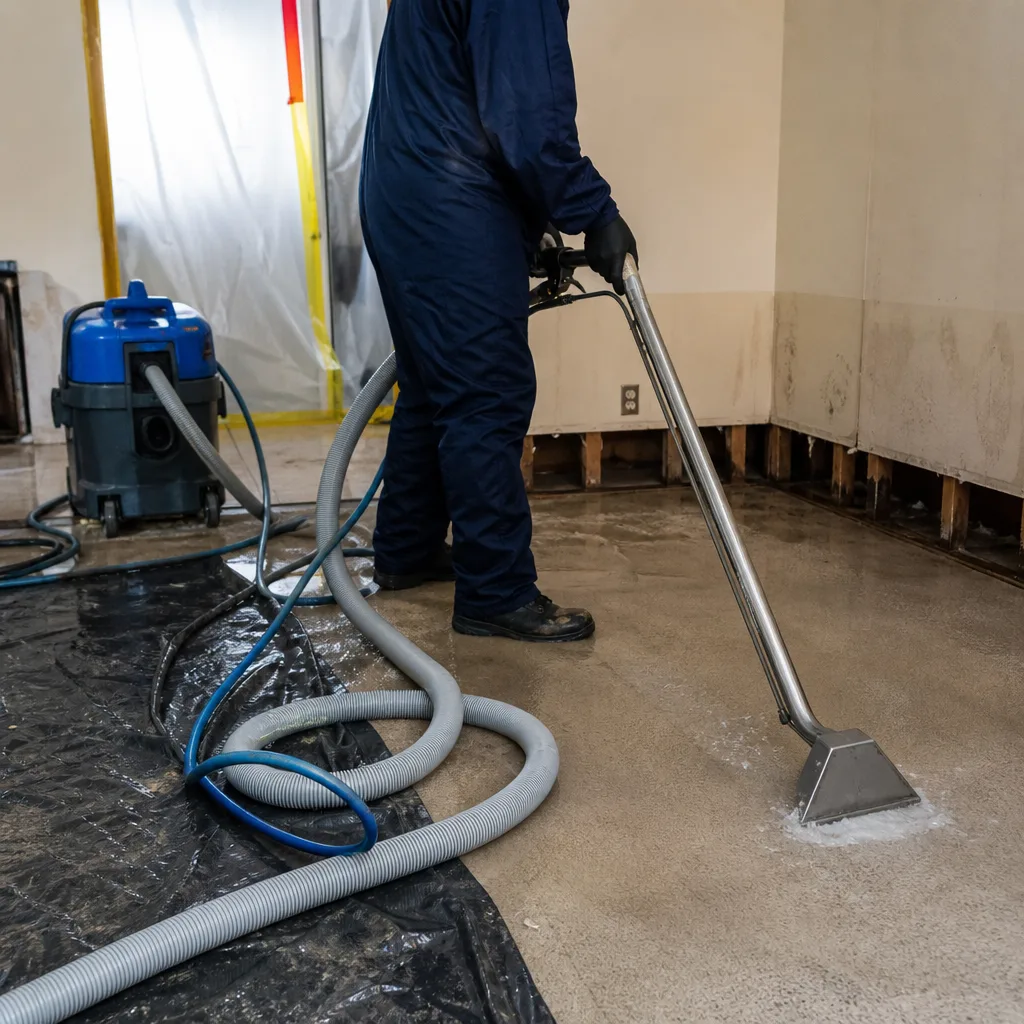
Flood Cleanup
Storm and sewer flood cleanup in Corona means category 3 water, full containment, and sanitization of every surface the water touched. We use HEPA air scrubbers during tear-out, bag contaminated debris in sealed containers, and treat the concrete slab under a basement unit before any new flooring goes down. Hurricane season and summer thunderstorms are the peak, but we respond to flood calls year-round.
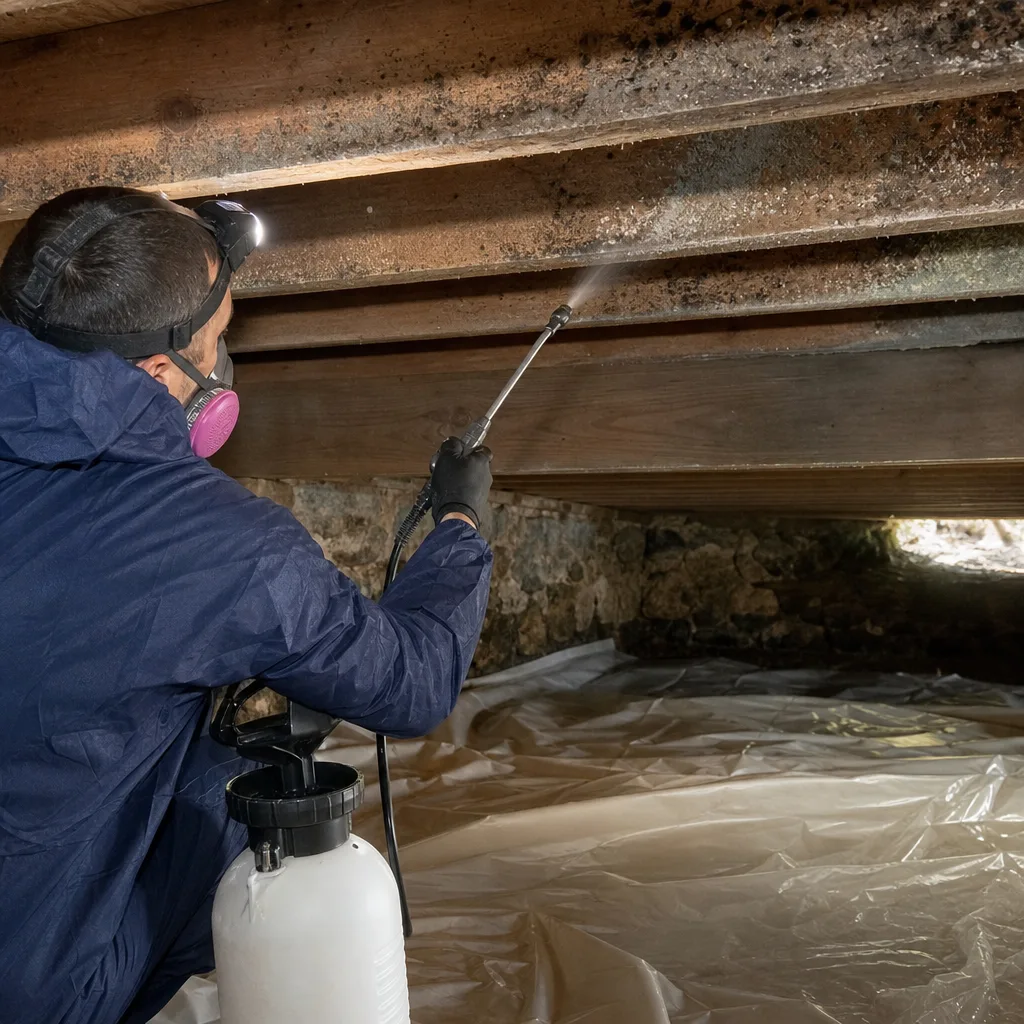
Burst Pipe Restoration
A burst supply line in a 1930s Corona house often floods through the floor and into the unit below before anyone notices. We shut the water, extract, dry, and repair the pipe, then rebuild the ceiling or wall it damaged. Because the original galvanized lines are near the end of their service life, we flag when a repair will just buy a year before the next break.
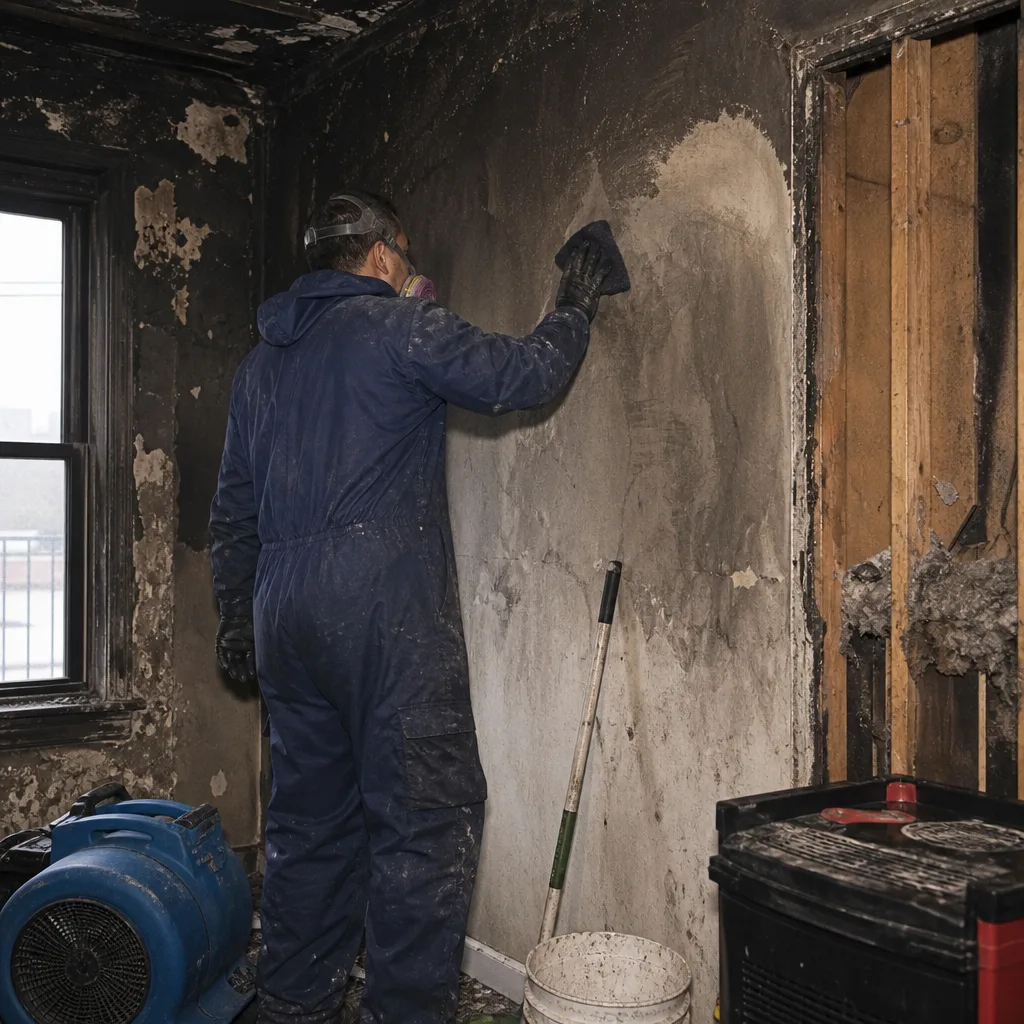
Basement Water Removal
Basement water removal in Corona usually involves a finished basement apartment, not a storage room. That raises the stakes for drying speed, mold prevention, and insurance documentation. We remove the water, map the moisture, run drying equipment, and handle the claim paperwork so the landlord or owner isn’t left arguing with an adjuster about whether the space counts as a living area.
What happens when you call
- 1
A real person answersNo phone trees - you reach a local pro.
- 2
You get an upfront price rangeHonest numbers before anyone is dispatched.
- 3
A background-checked tech heads outLicensed & insured, dispatched right away.
- 4
You approve before work beginsNothing starts until you say go.
Water Damage Restoration Costs in Corona, NY
You should know what to expect before you call. A standard basement water removal job in Corona, with extraction and three to five days of drying, typically runs $1,800 to $2,600. Category 3 sewage backups run higher: $3,400 to $6,500 for a full basement unit, because containment, sanitization, and debris disposal cost real money. A burst pipe behind a kitchen wall on a 1940s rowhouse usually lands between $2,200 and $4,000 once you factor drywall removal, drying, and rebuild. A full basement flood with category 3 water and shared wall drying can reach $8,000 to $12,000, especially when the adjuster requires documentation for a non-permitted unit. The only way to get a firm number is to have us walk the space, which costs nothing. Call (518) 800-3751 and we’ll give you a written scope after the visual inspection.
We Also Serve Cities Near Corona
Our crews respond to water damage across the surrounding Queens neighborhoods, including Corona itself, plus Elmhurst, Jackson Heights, East Elmhurst, and Maspeth. We know these blocks, their building ages, and their flood patterns the way a local crew should.
Serving Corona, NY - Our Local Coverage Area
We’re based in the Corona area and know this community well. Use the map below to see our service coverage - if you’re nearby, we can almost certainly help.
Corona Water Damage Restoration Questions, Answered
How do I deal with water damage in a Corona basement apartment that isn’t on the Certificate of Occupancy?
You deal with it by documenting the pre-loss condition of the space carefully, because the adjuster will tie the claim up over whether the flooded area is a legal living space. Our Water Damage Restoration team checks DOB permit status as part of the initial assessment, photographs the space as it was before tear-out, and builds a scope of work that separates building structure from tenant contents. That distinction is what gets claims approved in Corona’s subdivided row houses. Call (518) 800-3751 and we’ll walk you through the documentation before the adjuster ever shows up.
After a sewage backup in my Corona row house, how fast do I need to start drying the shared brick party wall?
Within 24 to 48 hours, before mold takes hold inside the masonry. Category 3 water soaks into pre-war brick fast, and once it’s inside a shared party wall, it migrates to the neighbor’s side and keeps spreading until both sides are dried. We start extraction the same visit, then run moisture mapping to see exactly how far the water traveled through the bricks. Call (518) 800-3751 immediately after a backup.
My 1930s Corona house has original cast-iron drain stacks - do I need to replace them after a basement flood?
Not always, but often. The original cast-iron stacks in Corona’s pre-war houses are 70 to 90 years old now, and corrosion plus root intrusion means the same line can back up repeatedly. If our camera scope shows cracks or collapse, we recommend replacement before your next flood. The work is a line-item repair, not an emergency, and we schedule it like any other reconstruction job.
Why does a basement flood in Corona often damage the neighbor’s unit at the same time?
Because the attached brick row houses share party walls, and water doesn’t stop at a property line. A burst pipe in your basement soaks the masonry and wicks into the wall cavity on the other side. Within two days, the neighbor’s drywall is damp and mold is starting. We dry both sides when access is granted, and we document the cross-property moisture migration for both insurance files.
What’s the difference between category 2 and category 3 water in a Corona basement flood?
Category 2 is grey water: washing machine overflow, sump pump discharge, or a dishwasher leak, contaminated but not sewage. Category 3 is black water: sewage, storm backup, or anything from a floor drain, carrying pathogens and requiring full containment and sanitization. In Corona, summer sewer backups are almost always category 3, and treating them as anything less is dangerous.
How fast can you get to a Corona address for an emergency?
Our commitment is 45 minutes from your call to roll a crew out, and we answer live 24 hours a day at (518) 800-3751. Corona locations near Roosevelt Avenue and 104th Street typically get a team on scene within that window because we dispatch locally.
Will my insurance cover water damage restoration in Corona?
Most policies cover sudden and accidental water damage, like a burst pipe or a storm backup, but not gradual leaks or neglect. The bigger question in Corona is whether the flooded space is a legal living area, and that’s where our documentation and direct adjuster communication make the difference. We bill your carrier directly.
What should I do in the first 30 minutes after I find water in my Corona basement?
Turn off the water at the main shutoff if the source is a pipe, cut power to the affected area, and call (518) 800-3751. Don’t walk through standing water if it came up from a drain, it’s likely category 3. Move what you can, photograph everything before anyone touches it, and don’t run a wet/dry vac on sewage water. We’ll be there within the hour to take over.
Water damage in a Corona row house is a different problem than the same flood in a detached home. Shared walls, original drain stacks, basement apartments without Certificates of Occupancy, and a combined sewer system that backs up on schedule. We’ve been working these blocks long enough to know the difference, and we’ll walk you through the dumpster, the drying plan, and the adjuster call. Call (518) 800-3751 for a free visual inspection and a written scope. Done right, and backed in writing.
Written by Curt Bowman, Owner at Floodline Restoration Co., serving Corona since our first call there.