
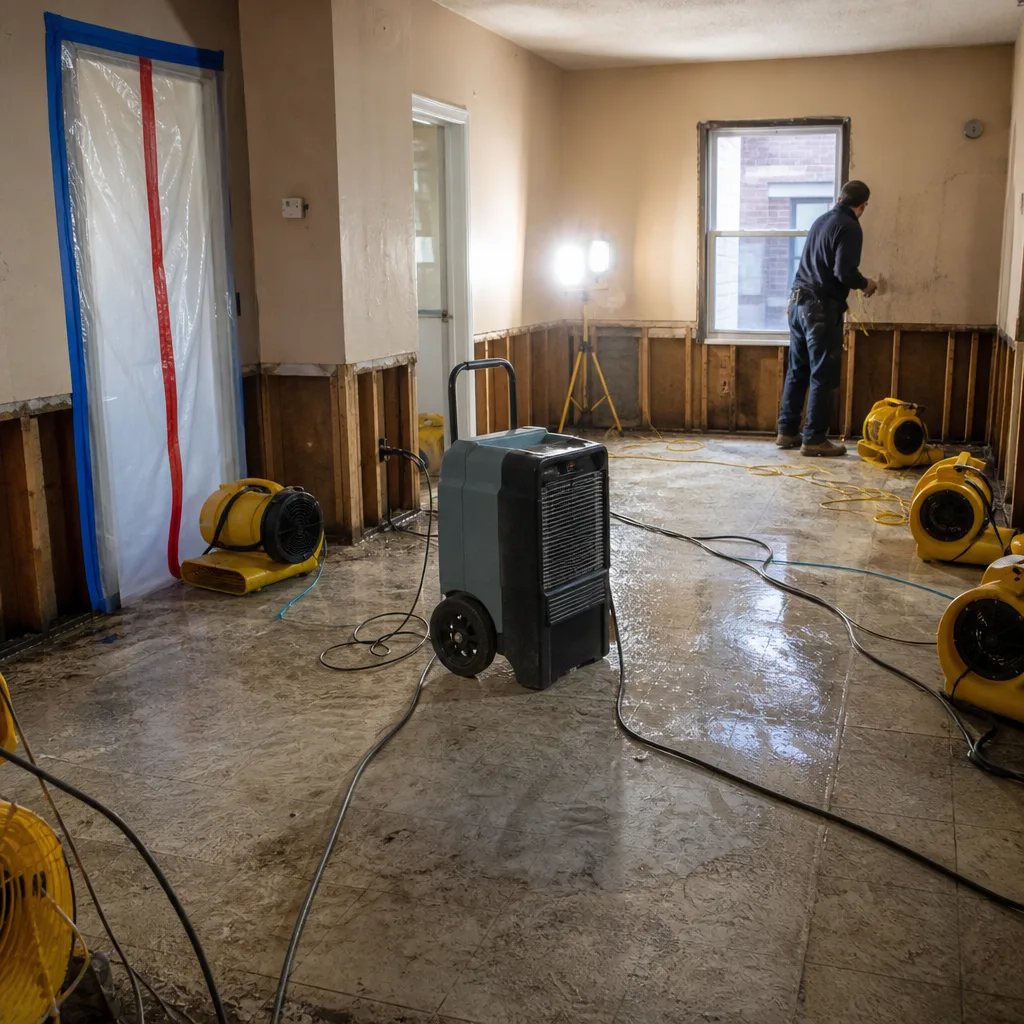
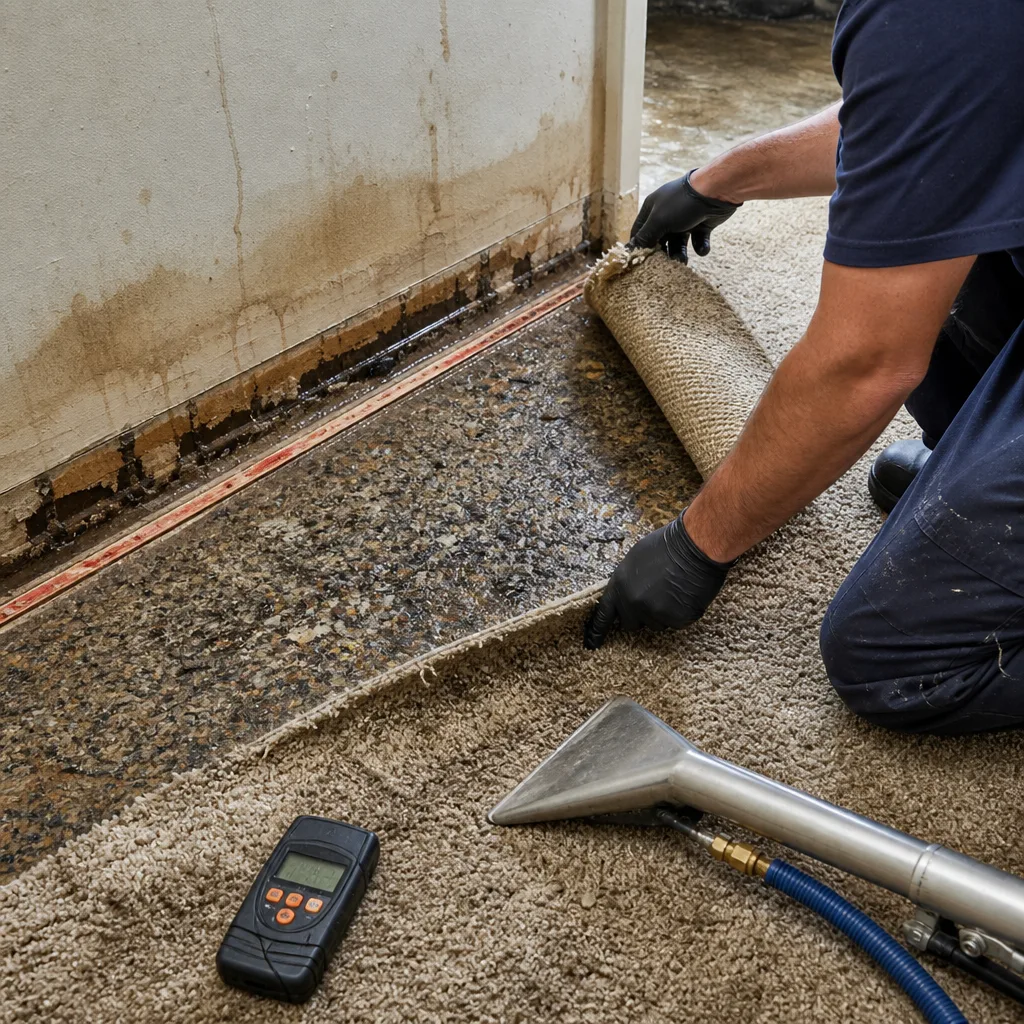
Free visual inspection and a written scope of work before any mitigation begins - photos, moisture readings, and drying logs go in your claim file
The scope we write is the scope we bill. Anything new gets shown to you, in writing, before we touch it.
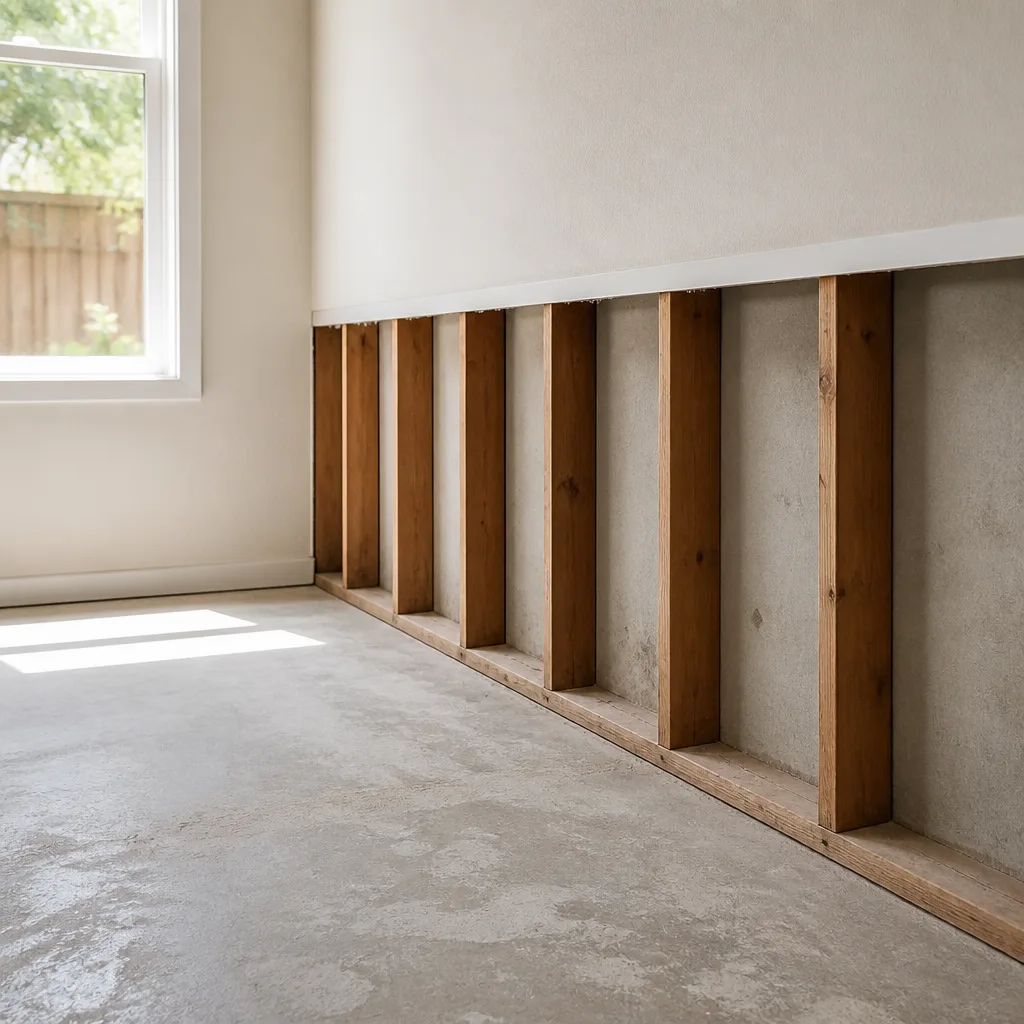
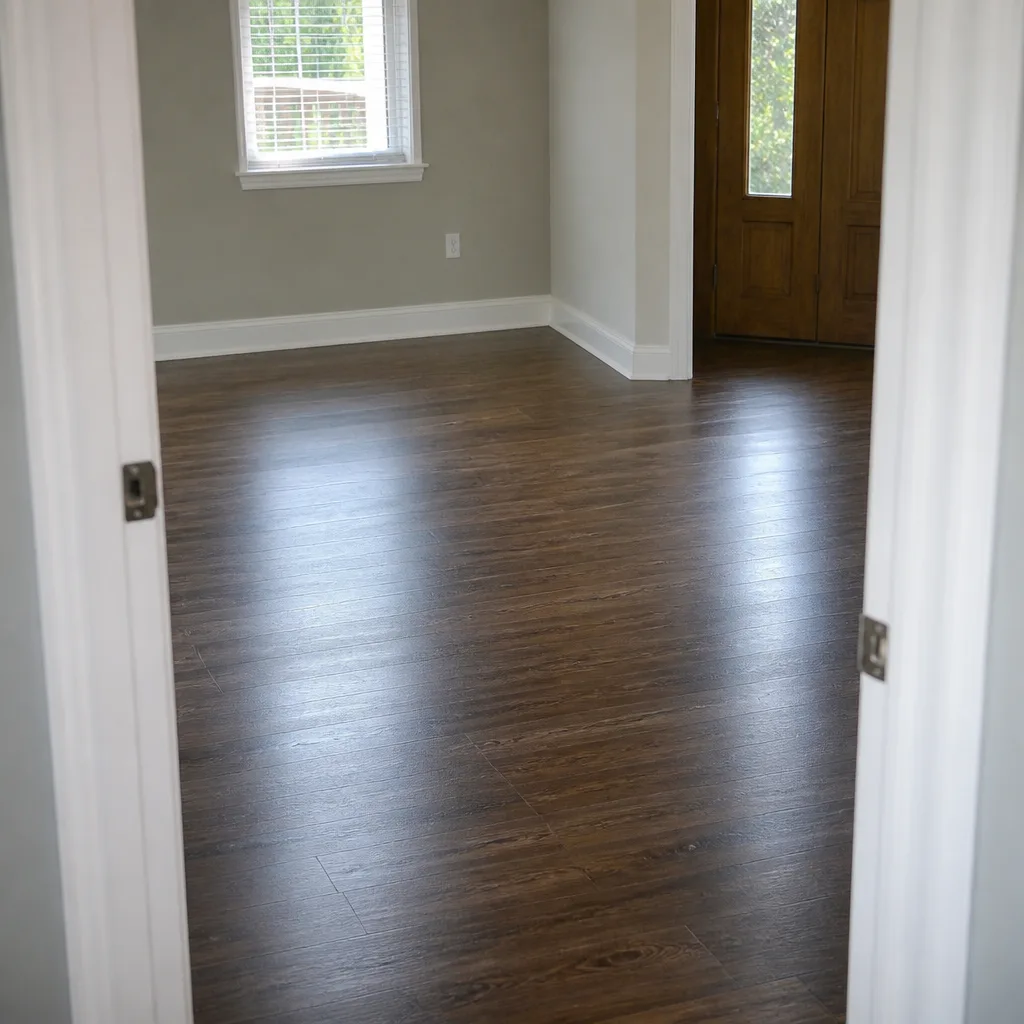
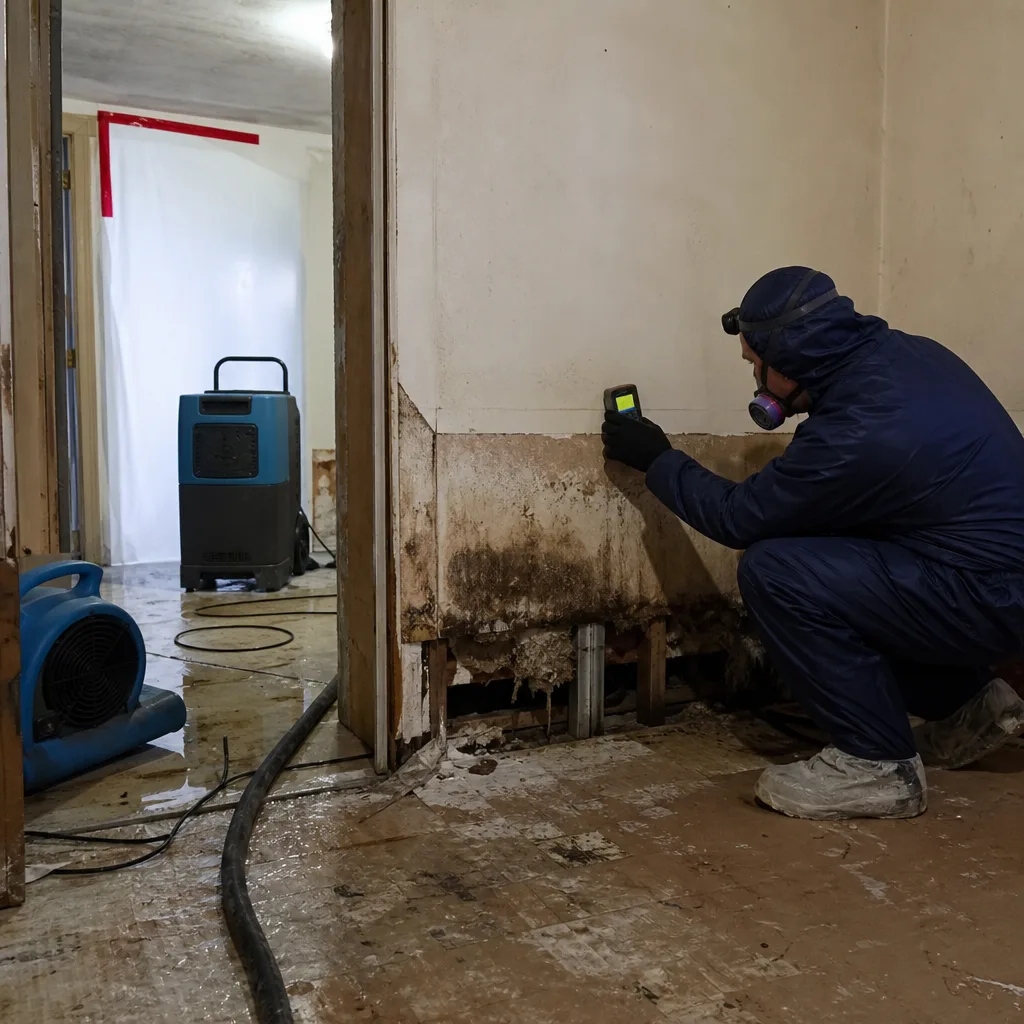 Before
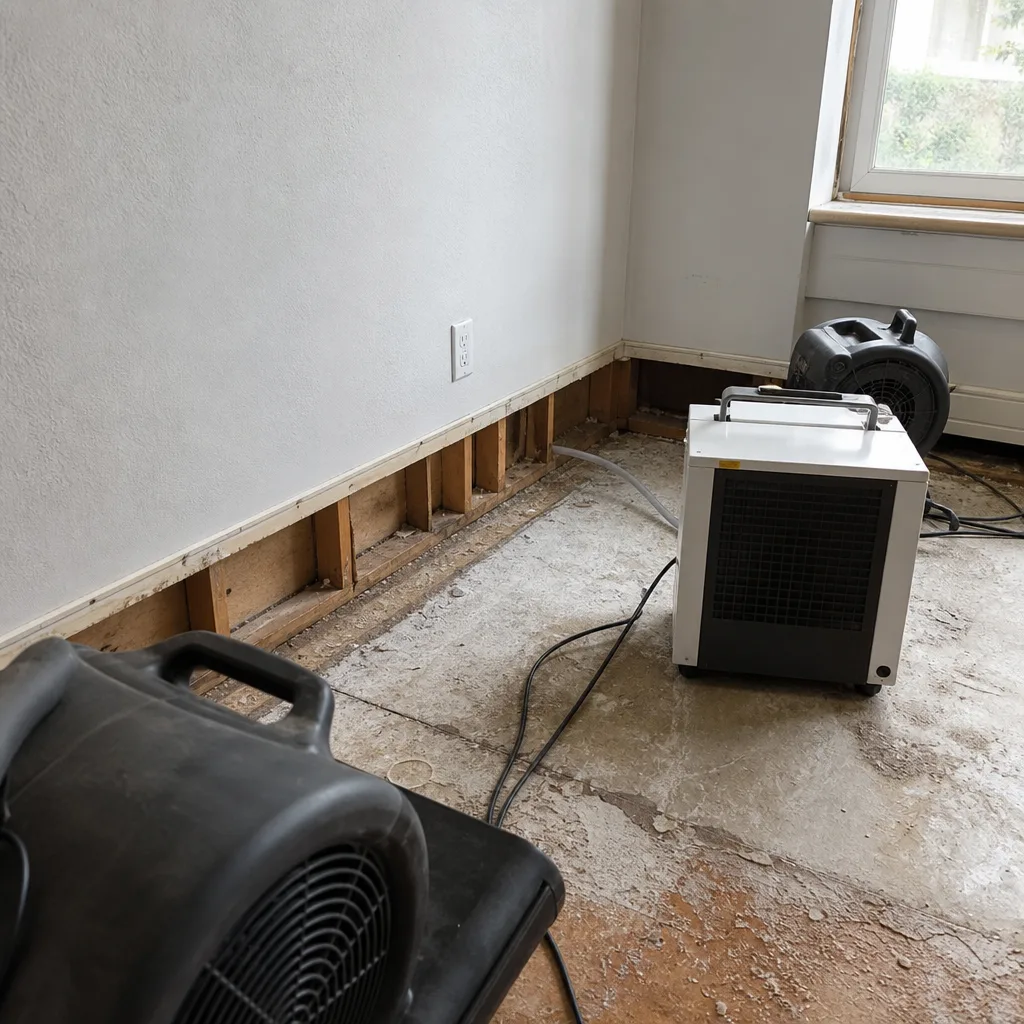 After
After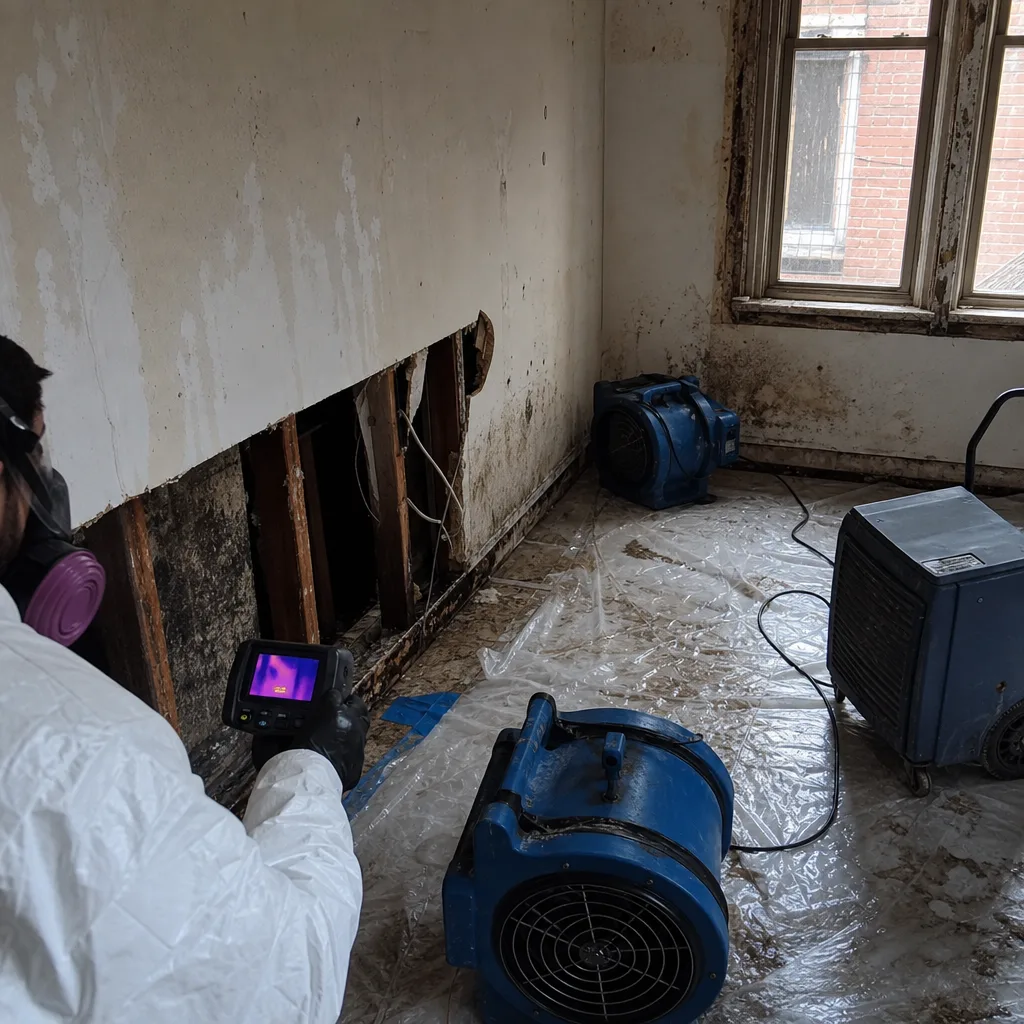 Before
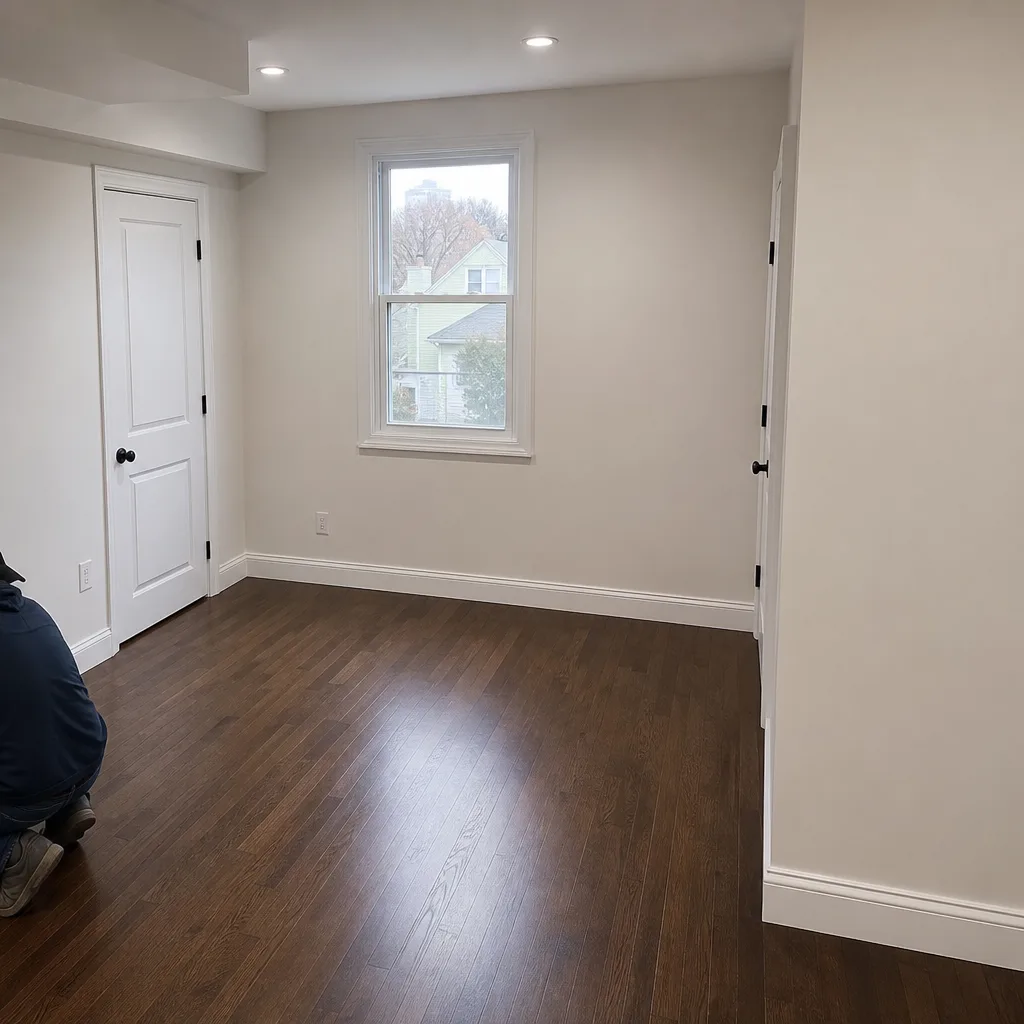 After
After24/7 Emergency Water Damage Restoration in Jackson Heights
Water damage restoration in Jackson Heights usually means stopping a leak inside a 1920s brick co-op, then drying plaster walls and shared basement spaces fast enough that mold never gets a foothold. A typical emergency response here runs $1,800 to $4,200 for extraction and structural drying, and our crews reach most Jackson Heights addresses within 45 minutes. Call (518) 800-3751 any hour, day or night. A live dispatcher answers, not a recording, and a certified crew starts extraction the same visit.
Why does the first hour matter so much in Jackson Heights specifically? Because the prevailing housing stock is pre-war brick with plaster-over-lath walls. Plaster holds water like a sponge and hides moisture migration behind thick assemblies. What starts as a small supply-line leak in a 1930s co-op unit on 35th Avenue can migrate through common walls into the apartment below within hours. The sooner we place air movers and dehumidifiers, the less plaster gets demolished and the smaller the insurance claim stays.
Understanding Water Damage Restoration Severity in Jackson Heights Properties
We classify every water event by category before touching a wall. Category 1 is clean water from a supply line or faucet. Category 2 carries contaminants: washing machine overflow, sump pump discharge, or water that sat for more than a day. Category 3, or black water, contains sewage, ground runoff from a surcharged combined sewer, or floodwater tracked in from a nor’easter. Jackson Heights sees a disproportionate share of Category 3 events because the neighborhood sits on Queens’s aging combined sewer infrastructure, which regularly surcharges during heavy summer storms and pushes sewage-contaminated water into the basements of older garden apartment complexes.
In a pre-war co-op, we also check what the water is hiding. Original cast-iron and galvanized supply lines fail from the inside out. Steam heating risers condense inside walls for years before anyone notices. Moisture mapping with thermal imaging and hygrometers tells us where water has actually traveled, not just where it’s visible. That matters in Jackson Heights, because a single burst pipe can migrate through plaster into common walls, fire-rated assemblies, and the units below, turning a one-apartment repair into a multi-party claim overnight.
Why Jackson Heights Property Owners Choose Floodline Restoration Co.
- 45-minute response commitment to most Jackson Heights addresses. The clock starts when you call, not when a crew frees up.
- 24/7 live answer. A real dispatcher picks up at 2 a.m. Not a phone tree, not a call-back service.
- IICRC-certified crews trained to WRT and ASD standards, plus RIA and IFA protocols. Background-checked and uniformed on every job.
- Free visual inspection. Before you commit to anything, we walk the damage, explain what we see, and give you a written scope.
- Direct insurance billing. We coordinate with your co-op’s master policy carrier and your HO-6 carrier so you’re never the messenger.
- One team from extraction to reconstruction. The same crew that reads the moisture map on day one handles daily readings, hands you the log, and rebuilds what needs rebuilding.
Our Water Damage Restoration Process
Inspection & Assessment
We walk the entire affected area, not just the visible damage. Using thermal imaging and moisture meters, we map where water has traveled through plaster, flooring, and common walls. In a Jackson Heights co-op, we also note whether any affected surface is a Landmarks-protected element and whether we’ll need LPC approval before invasive work. You get a written scope and a firm plan before we cut anything.
Extraction & Stabilization
Standing water comes out first. We use truck-mounted and portable extraction units to pull water from floors, basements, and crawl spaces. For a shared co-op basement that’s taken on Category 3 water, this stage includes pack-out of contaminated storage and proper disposal of sewage-saturated materials.
Drying & Dehumidification
Structural drying in a 1920s plaster-over-lath building takes longer than in a drywall house. We place Dri-Eaz LGR dehumidifiers, Phoenix axial air movers, and XPOWER units strategically, then take daily moisture readings. In historic units, we often use Injectidry mats on plaster walls to pull moisture without demolition, which protects the building’s architectural fabric.
Cleaning & Sanitization
For Category 2 and 3 events, we apply EPA-registered antimicrobial treatments to all affected surfaces. HEPA air scrubbers run during cleanup and drying to capture airborne contaminants. In a densely occupied pre-war building, we also protect adjacent units with containment barriers.
LPC Coordination & Compliance
When a leak has damaged a facade, window, or architectural detail inside the Jackson Heights Historic District, we coordinate with the Landmarks Preservation Commission on approvals before any repair work proceeds. We also schedule asbestos and lead surveys on 1920s plaster, pipe insulation, or tile before any invasive demolition.
Repairs & Restoration
Once dry standard is met and approvals are in hand, we rebuild. That might mean replastering a ceiling, refinishing a historic wood floor, replacing a cast-iron riser, or restoring a courtyard drainage line. The same Floodline Restoration Co. crew handles it all, and the job comes with our 90-Day Done Right Promise in writing.
Need Emergency Water Damage Restoration in Jackson Heights Now?
Crews minutes away, answering live 24 hours a day. The sooner we start, the less it costs.
Working With Your Insurance Company
Jackson Heights water damage claims are rarely simple. A pipe burst in a co-op unit touches two policies: the co-op’s master policy for common areas and building systems, and the shareholder’s HO-6 for interior finishes and personal property. A basement flood that starts in a shared mechanical room can spread liability across dozens of units. We’ve handled hundreds of these multi-party claims, and we document everything from the first hour so both carriers get what they need. Our estimates follow industry-standard pricing, which keeps adjusters from stalling, and we speak to them directly so you don’t have to translate mitigation work into insurance language.
What We Provide Your Insurer
- Thorough documentation of the loss
- Photos of all damage, room by room
- Moisture readings and drying logs
- A detailed, line-item scope of work
- Direct coordination with your carrier
Built for Jackson Heights’s Loss Calendar
The water damage calendar in Jackson Heights follows a predictable rhythm, and we plan our dispatch around it. January and February bring freeze-thaw cycles that stress original 1920s courtyard drainage lines and flat-roof parapet systems. A week of single-digit nights followed by a thaw is when we see the most burst pipes, especially in buildings where original galvanized supply lines run through uninsulated exterior walls. Spring brings thaw-season seepage through foundation walls and old courtyard drains finally choking on a season of accumulated debris. Summer is the Category 3 season: heavy thunderstorms overwhelm Queens’s combined sewer system and surcharge basements up through floor drains in some of the older garden apartment complexes. Fall brings nor’easters, which test flat roofs, parapets, and window flashing on every pre-war building in the neighborhood. Call us the day you see a stain, not the day the ceiling comes down. The 90-Day Done Right Promise covers our work either way, but catching a leak early keeps an LPC-worthy repair from becoming an LPC-mandated reconstruction.
Water Damage Restoration Across Jackson Heights’s Neighborhoods
The Historic District core, centered along 34th and 35th Avenues between roughly 74th and 86th Streets, is where we run most of our LPC-related work. These are the 1920s garden apartment cooperatives with original courtyards, and a water event here often means coordinating with a property manager, a co-op board, and two insurers before a single dehumidifier gets placed. South of Roosevelt Avenue, the housing shifts to smaller pre-war brick walk-ups and attached rowhouses, where we see more individually owned single-family properties and fewer co-op complications, but the plaster-and-lath construction still demands slow, careful structural drying. Up near Northern Boulevard and the BQE corridor, the older industrial and mixed-use buildings have flat-roof drainage and parapet issues that produce ceiling leaks into commercial spaces. East toward Junction Boulevard, we respond to a mix of mid-century apartment buildings and pre-war co-ops where aging cast-iron stacks fail inside walls, sometimes flooding multiple bathrooms at once.
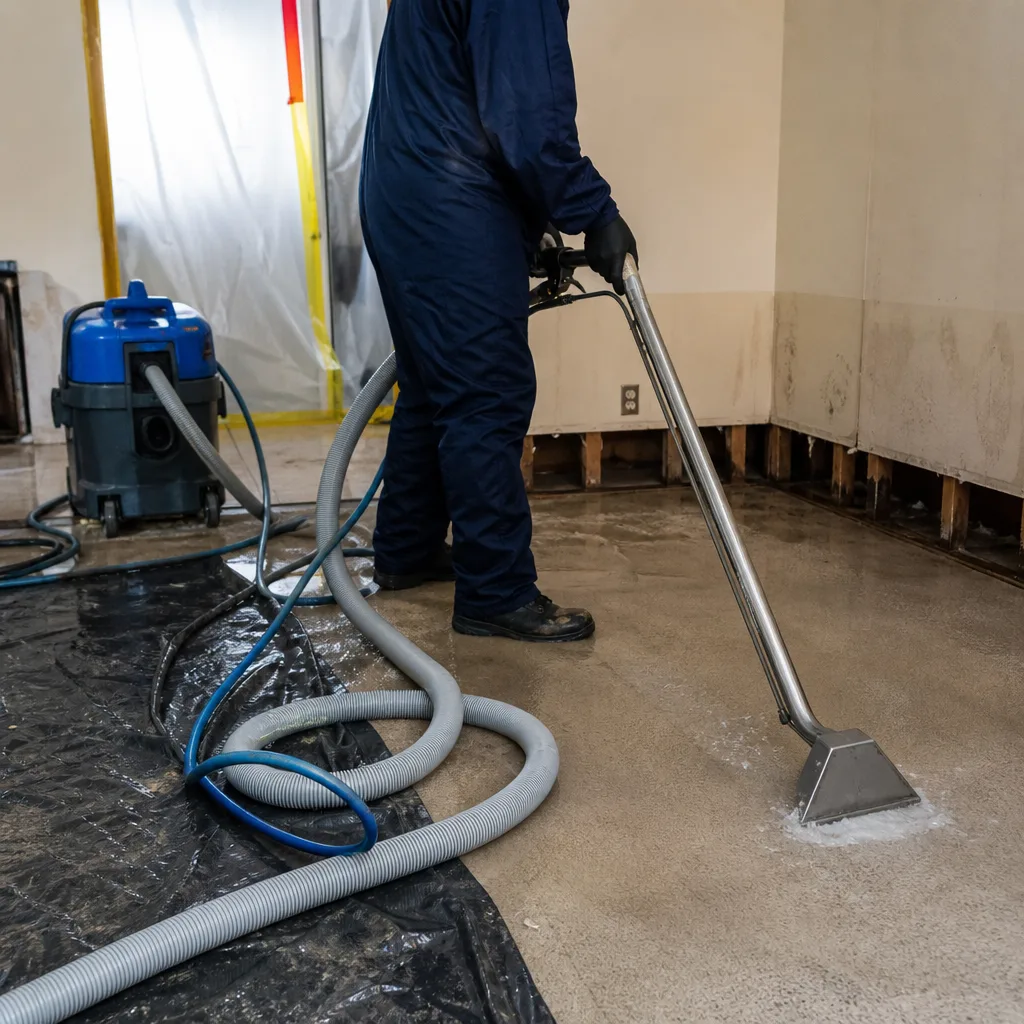
Response routes matter here. Jackson Heights is tight: 34th Avenue, 35th Avenue, Roosevelt Avenue, and Northern Boulevard all carry heavy traffic at predictable hours. A crew headed to a basement flood near 82nd Street and 35th Avenue at 5 p.m. on a weekday is not arriving the same way as one dispatched at 2 a.m. Our dispatchers know the grid, which is part of why the 45-minute commitment holds.
Specialized Water Damage Restoration Services We Offer in Jackson Heights
Structural Drying & Dehumidification
Pre-war plaster-over-lath walls dry slowly, and rushing them means re-opening walls later. We use moisture mapping to locate hidden water, then place Dri-Eaz LGR dehumidifiers and Phoenix axial air movers with daily readings until the dry standard is met. When plaster can be saved, Injectidry drying mats pull water out of the assembly without demolition, which matters enormously in a landmarked building where every original wall is irreplaceable.
Basement Water Removal
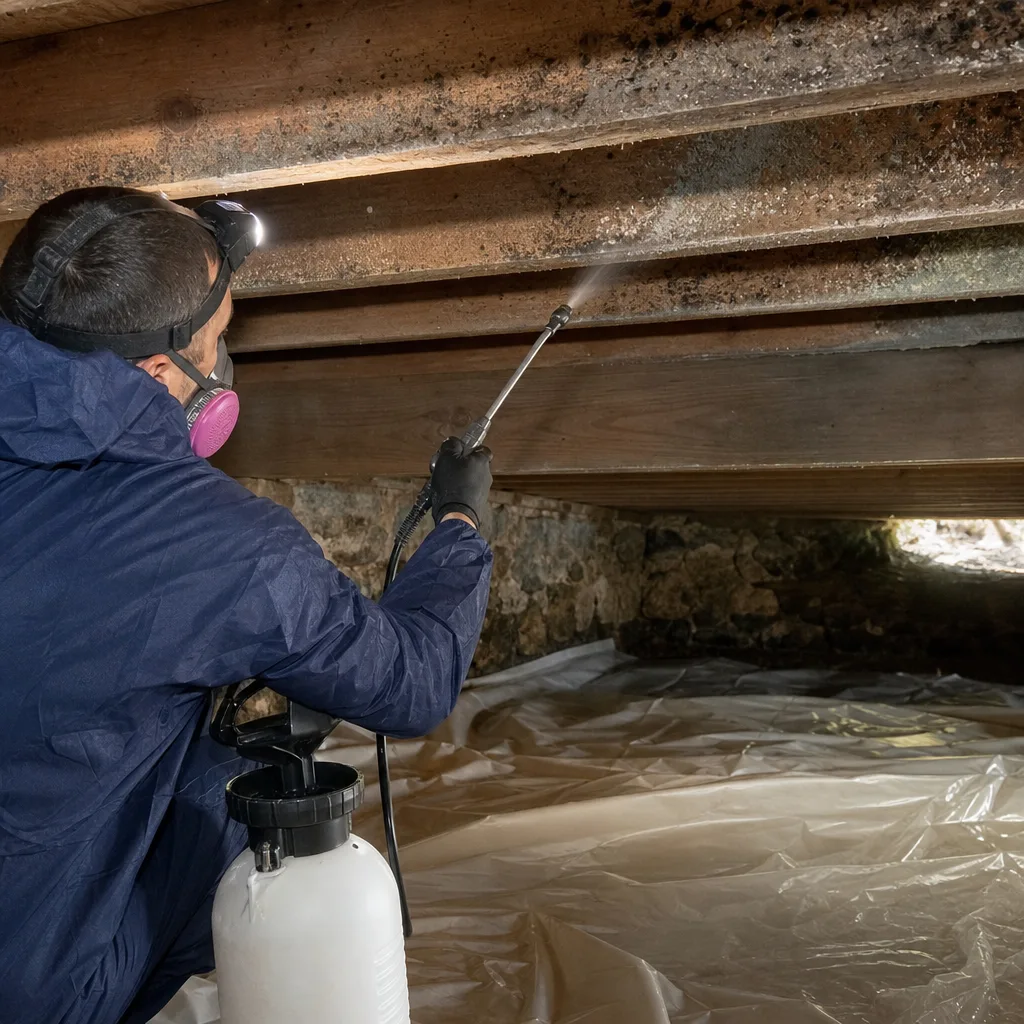
Jackson Heights basements are shared spaces more often than not: laundry rooms, storage bins, mechanical rooms serving 40 to 80 units at once. When a courtyard drain backs up during a heavy storm and pushes Category 3 water through the floor drains, the cleanup involves full PPE, antimicrobial treatment, and disposal of contaminated materials. We coordinate with the property manager and the co-op’s master policy carrier while extraction is already running.
Ceiling & Roof Leak Water Damage
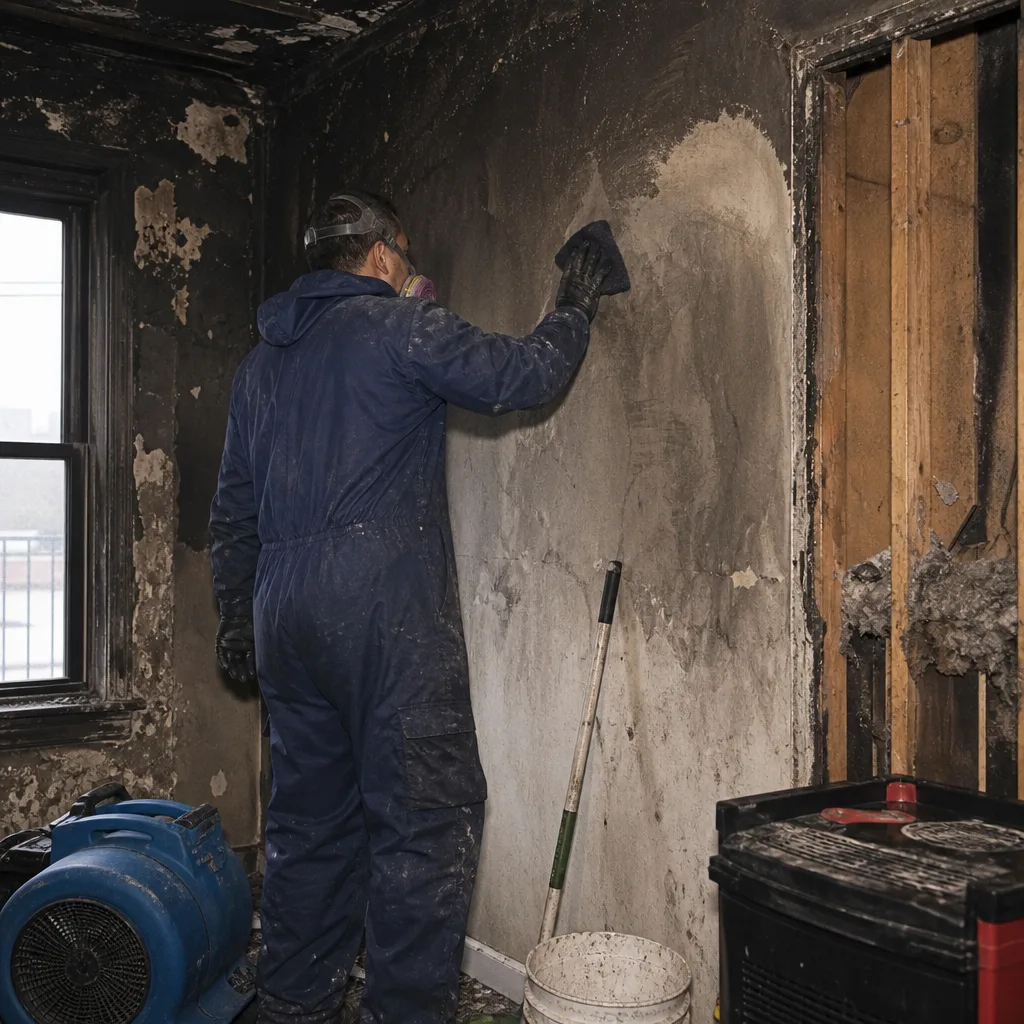
Flat-roof parapets, original 1920s flashing, and aging steam risers make ceiling leaks the most common slow-burn loss in Jackson Heights. A brown stain on a co-op ceiling can mean a roofing issue, a failed pipe in the floor above, or condensation inside an uninsulated wall cavity. We trace it with thermal imaging before cutting, then dry and repair the ceiling. When the leak is in a landmarked building and touches decorative plaster, we factor LPC approval into the timeline from day one.
What happens when you call
- 1
A real person answersNo phone trees - you reach a local pro.
- 2
You get an upfront price rangeHonest numbers before anyone is dispatched.
- 3
A background-checked tech heads outLicensed & insured, dispatched right away.
- 4
You approve before work beginsNothing starts until you say go.
Water Damage Restoration Costs in Jackson Heights, NY
What you’ll pay in Jackson Heights depends mostly on the category of water, the size of the affected area, and whether the damage is in a unit, a common area, or both. A straightforward Category 1 supply-line leak affecting one room typically runs $1,200 to $2,800 for extraction and drying. A full basement flood from a surcharged sewer line, with Category 3 contamination and pack-out, reliably runs $4,500 to $9,000 before reconstruction. Ceiling and roof leak repairs generally land between $900 and $3,500 depending on whether plaster needs to come down and whether LPC review applies. Structural drying alone, including daily moisture logs, adds $18 to $30 per day per affected room. The free inspection is how you get a firm number: we walk the loss, explain exactly what we see, and hand you a written scope before any work starts. Standing offers: $50 off any repair over $250, an $89 Seasonal Tune-Up, and a 5% Senior & Veteran discount, always applied when qualified.
We Also Serve Cities Near Jackson Heights
Our crews cover the full water damage restoration map around Jackson Heights, including Water Damage Restoration in East Elmhurst, Elmhurst, Corona, and Maspeth. If you’re just outside Jackson Heights and dealing with a burst pipe or a flooded basement, call (518) 800-3751 and we’ll confirm which crew can reach you fastest. Same 45-minute commitment, same live dispatcher, same written scope.
Serving Jackson Heights, NY - Our Local Coverage Area
We’re based in the Jackson Heights area and know this community well. Use the map below to see our service coverage - if you’re nearby, we can almost certainly help.
Jackson Heights Water Damage Restoration Questions, Answered
Does water damage restoration in Jackson Heights’s historic district require LPC approval if the leak is interior-only?
No, not if the damage is confined to interior surfaces that are not landmarked architectural elements. A standard ceiling repair, wall drying, or floor replacement inside a unit does not require Landmarks Preservation Commission review. LPC approval applies when the repair touches a protected facade, original window, decorative plaster ceiling, or other architectural detail within the designated Historic District. Call (518) 800-3751 and we’ll tell you during the free inspection whether your loss triggers the LPC path.
In a Jackson Heights co-op, who pays when a pipe in one unit floods the apartment below and the shared basement?
The co-op’s master policy typically covers common areas and building systems, while the individual shareholder’s HO-6 policy covers interior finishes and personal property in their own unit. When damage migrates between a unit and a common area or another unit, both policies are involved, and liability can depend on where the pipe actually failed and who was responsible for maintaining it. We coordinate with both carriers so the claim moves without you playing referee. Call (518) 800-3751 and we’ll document the loss from the first hour.
What’s the most common cause of basement floods in older Jackson Heights garden apartment buildings during heavy rain?
Combined sewer surcharging backs water up through floor drains in the shared basement level. Jackson Heights sits on Queens’s aging combined sewer system, which handles both sanitary waste and stormwater, and heavy rain events regularly push more volume than the lines can carry. The 1920s courtyard drainage sumps and shared utility corridors are the hidden vulnerability, and when one clogs during a nor’easter, it can back water into laundry, storage, and mechanical rooms serving dozens of units. Call (518) 800-3751 if you see water in the basement after a storm.
How long does structural drying take in a pre-war Jackson Heights apartment with plaster-over-lath walls?
Typically 3 to 7 days, sometimes longer when water has migrated through original plaster into common walls or adjacent units. Plaster holds significantly more moisture than drywall and releases it more slowly, which is why we use moisture mapping and daily readings rather than a fixed timeline. Call (518) 800-3751 and we’ll give you a realistic drying window after the free inspection.
When a courtyard drain backs up into a Jackson Heights co-op basement, is the water Category 2 or Category 3?
Category 3. The drain is connected to the combined sewer, so any backflow carries sewage and ground runoff. That means full PPE, antimicrobial treatment, and disposal of contaminated materials are required, not optional. Treating it as Category 2 is a dangerous shortcut we see too often. Call (518) 800-3751 and a certified crew will verify the classification before starting work.
How fast can a crew actually get to Jackson Heights?
Most Jackson Heights addresses within 45 minutes, any hour, any day. Dispatch and scheduling are coordinated from the brand’s New York City office, and our crews serve Jackson Heights locally. The phone is answered by a live dispatcher even at 2 a.m. Call (518) 800-3751 and we’ll confirm the ETA for your address.
Do I really need full mitigation, or can I just dry it out myself with fans?
In a pre-war Jackson Heights building, self-drying with household fans usually fails. Plaster absorbs water deeply, and moisture you cannot see will keep migrating through common walls. Within 72 hours, mold can begin. A free visual inspection costs nothing and tells you honestly whether the damage is dryable or needs extraction. Call (518) 800-3751 and we’ll tell you what we see, not what sells.
What certifications do your technicians hold?
Our crews are certified to IICRC, RIA, and IFA standards, trained in water damage restoration, applied structural drying, and antimicrobial remediation. They are background-checked and uniformed on every job. Call (518) 800-3751 if you’d like to verify any credential before scheduling.
Written by Curt Bowman, Owner at Floodline Restoration Co., serving Jackson Heights and surrounding Queens communities.