
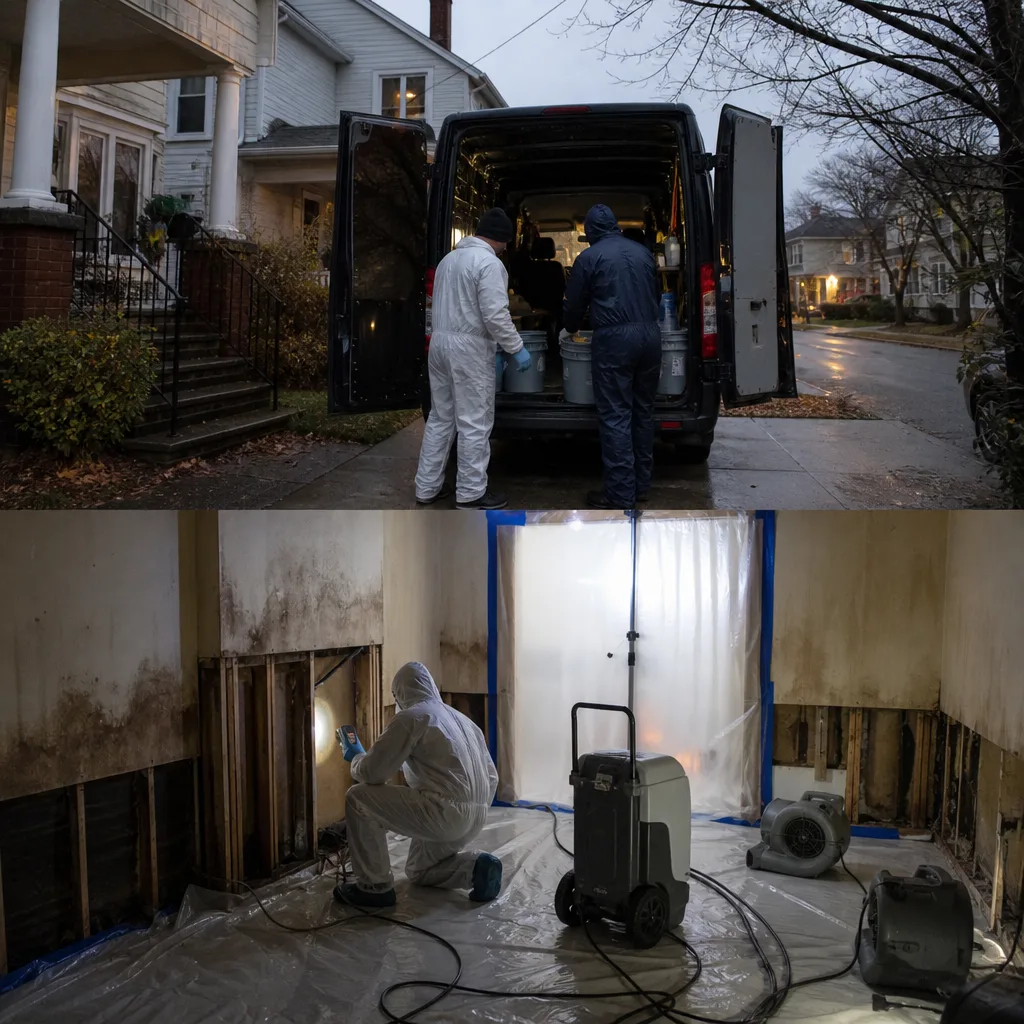
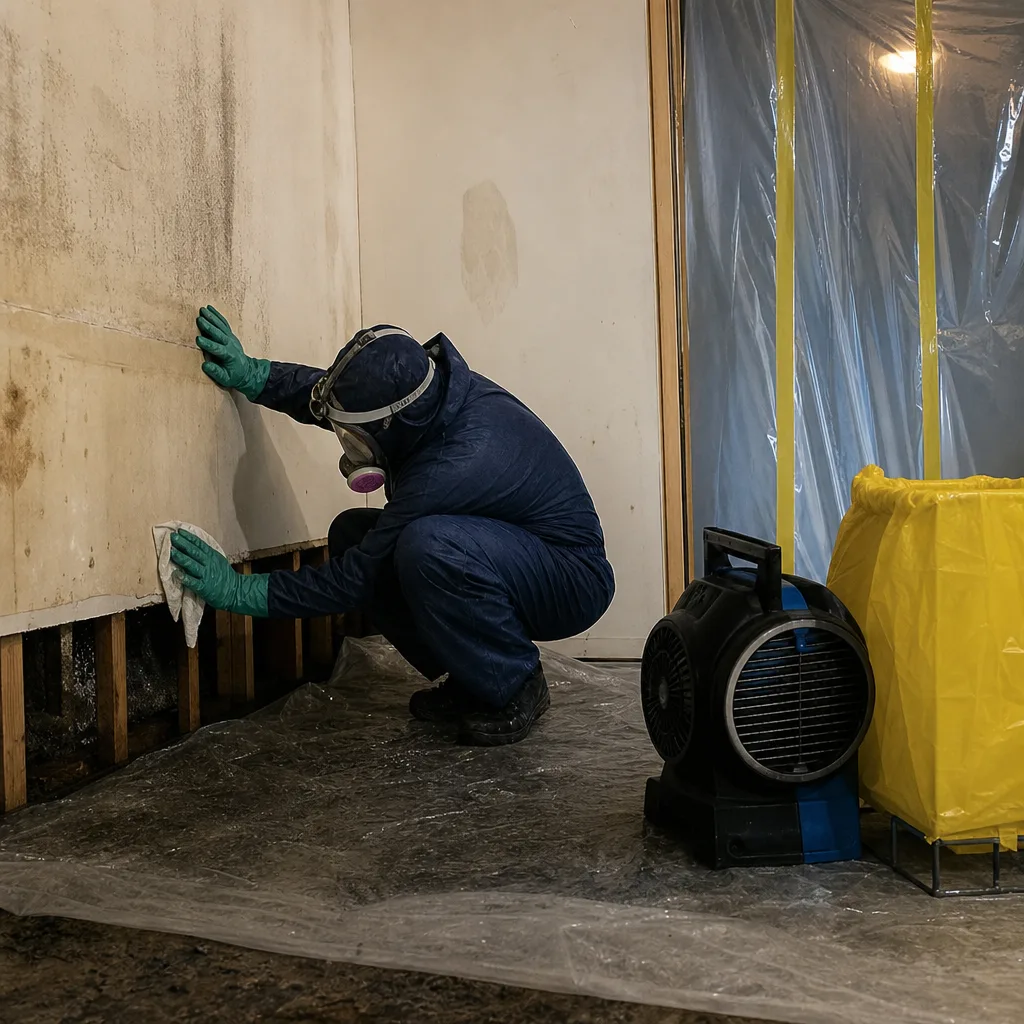
Free visual inspection and a written scope of work before any mitigation begins - photos, moisture readings, and drying logs go in your claim file
The scope we write is the scope we bill. Anything new gets shown to you, in writing, before we touch it.
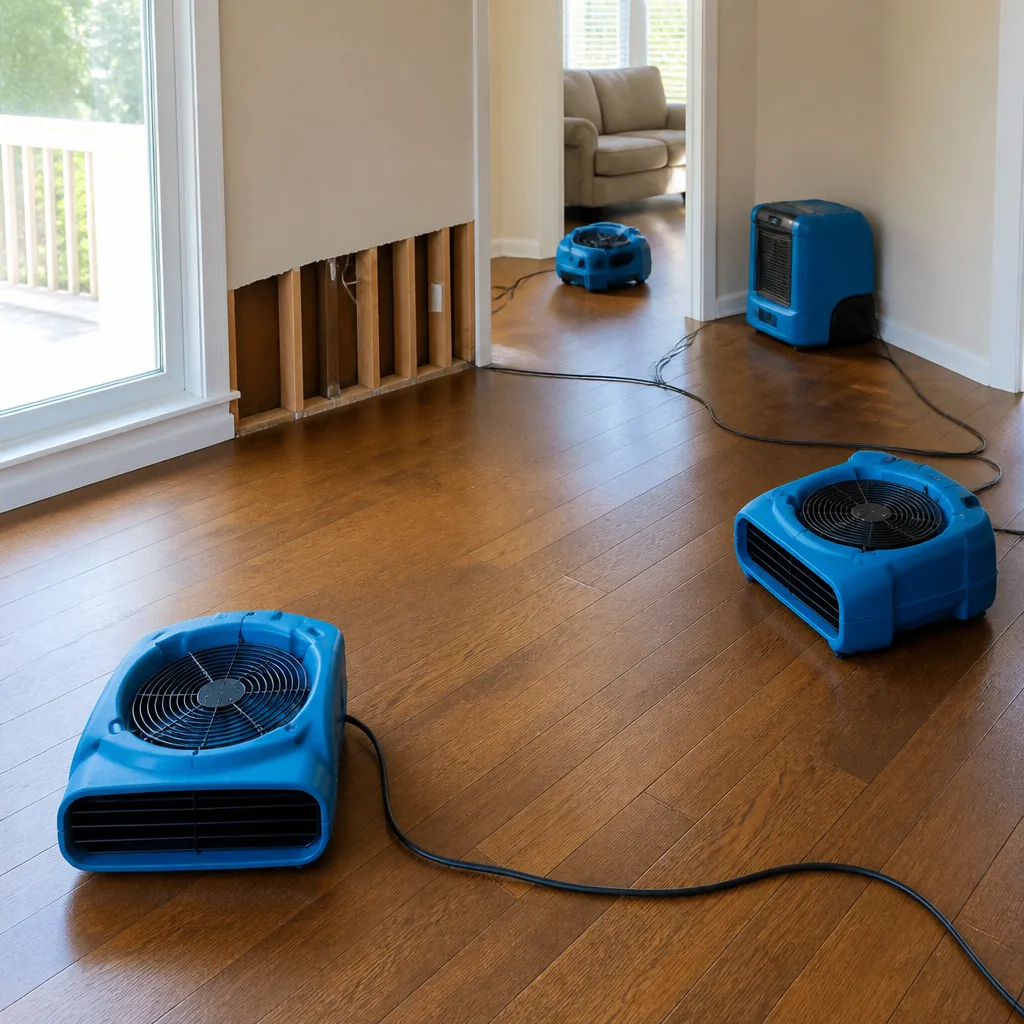
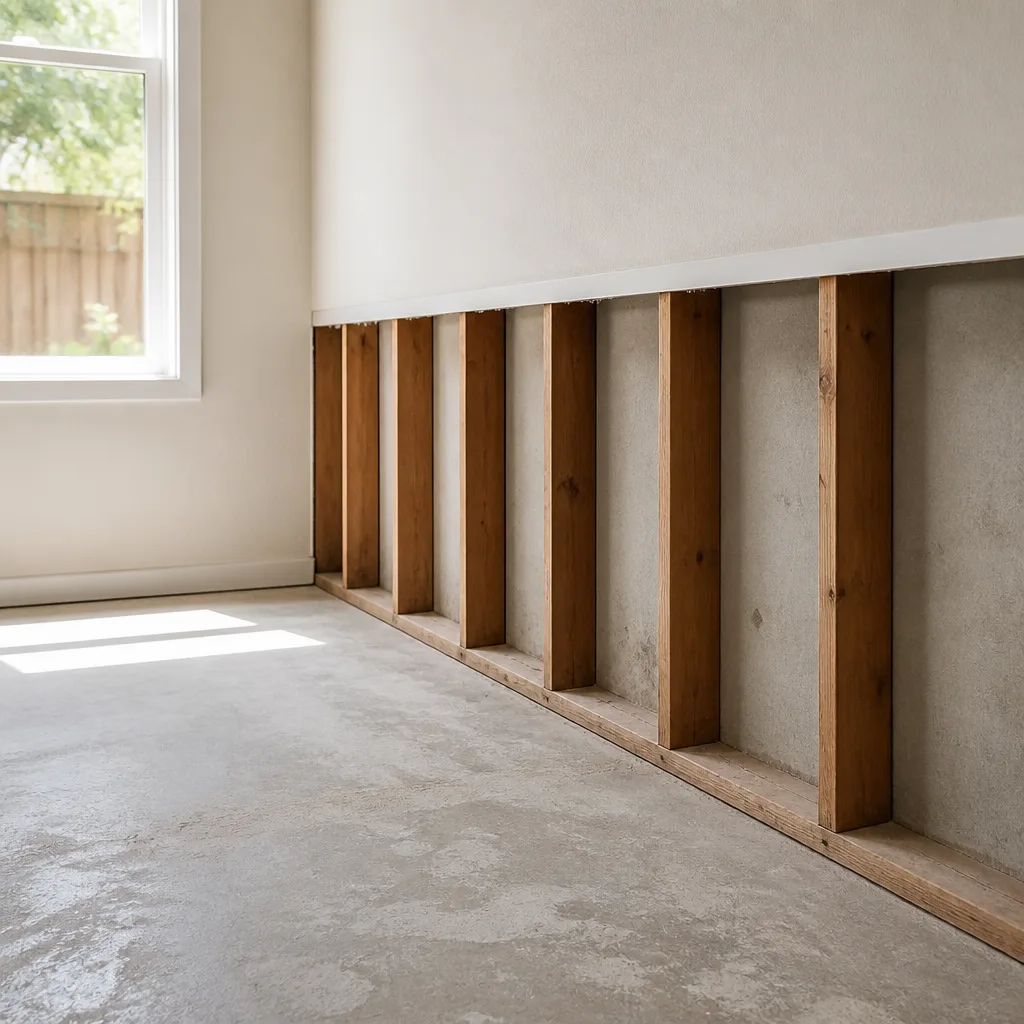
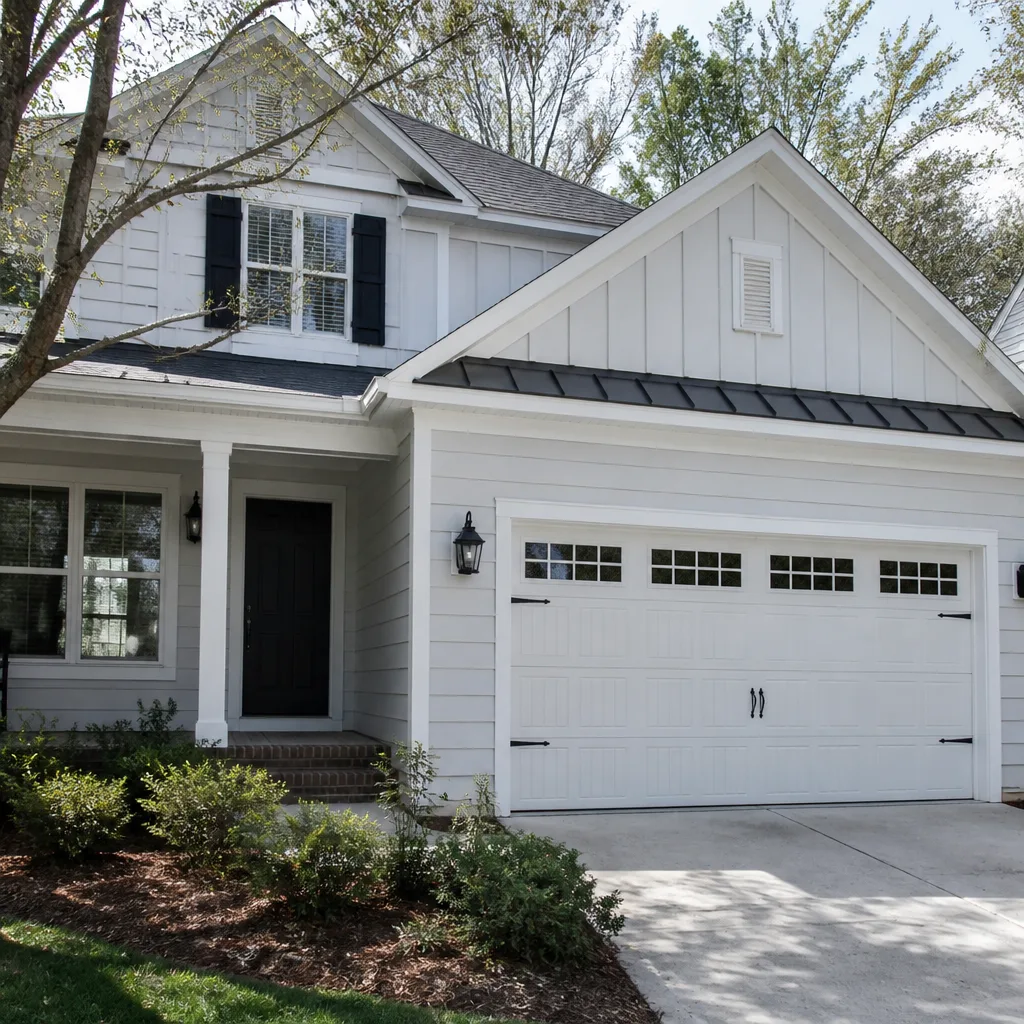
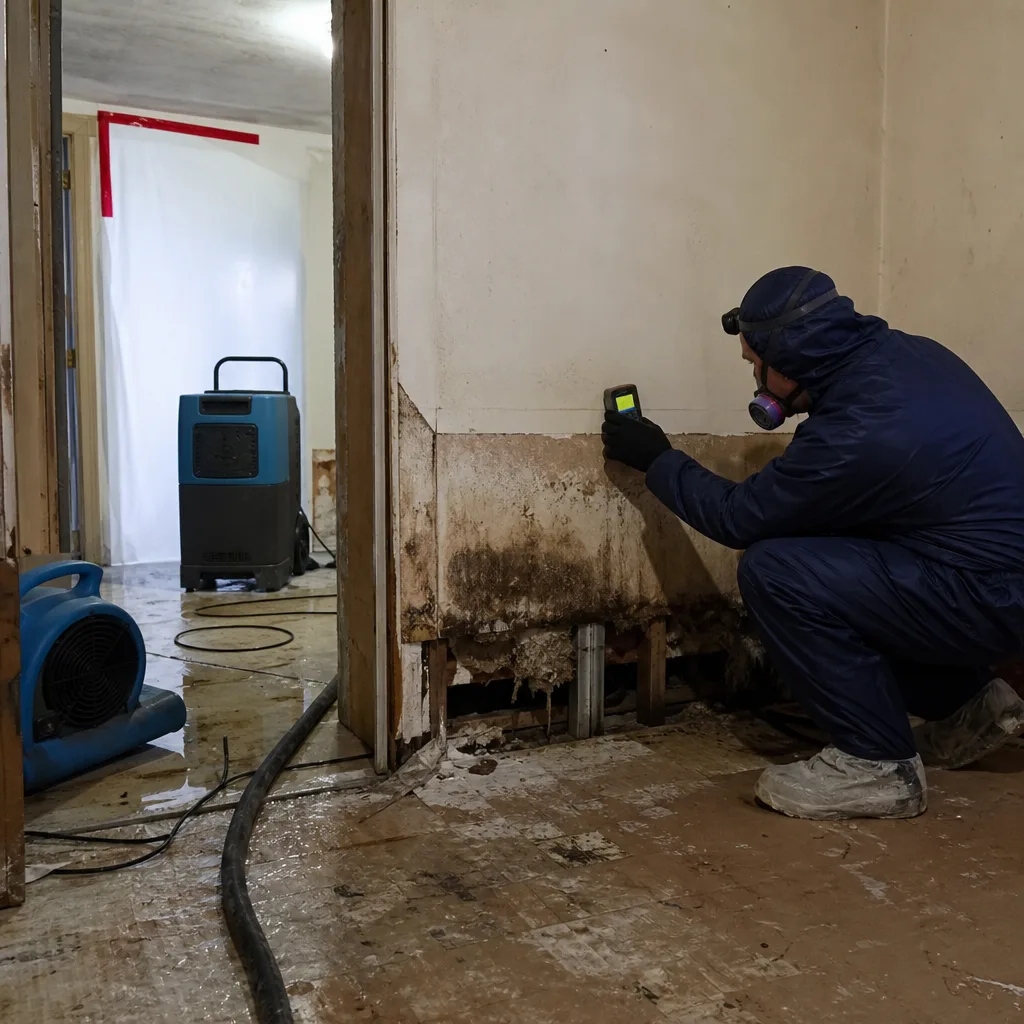 Before
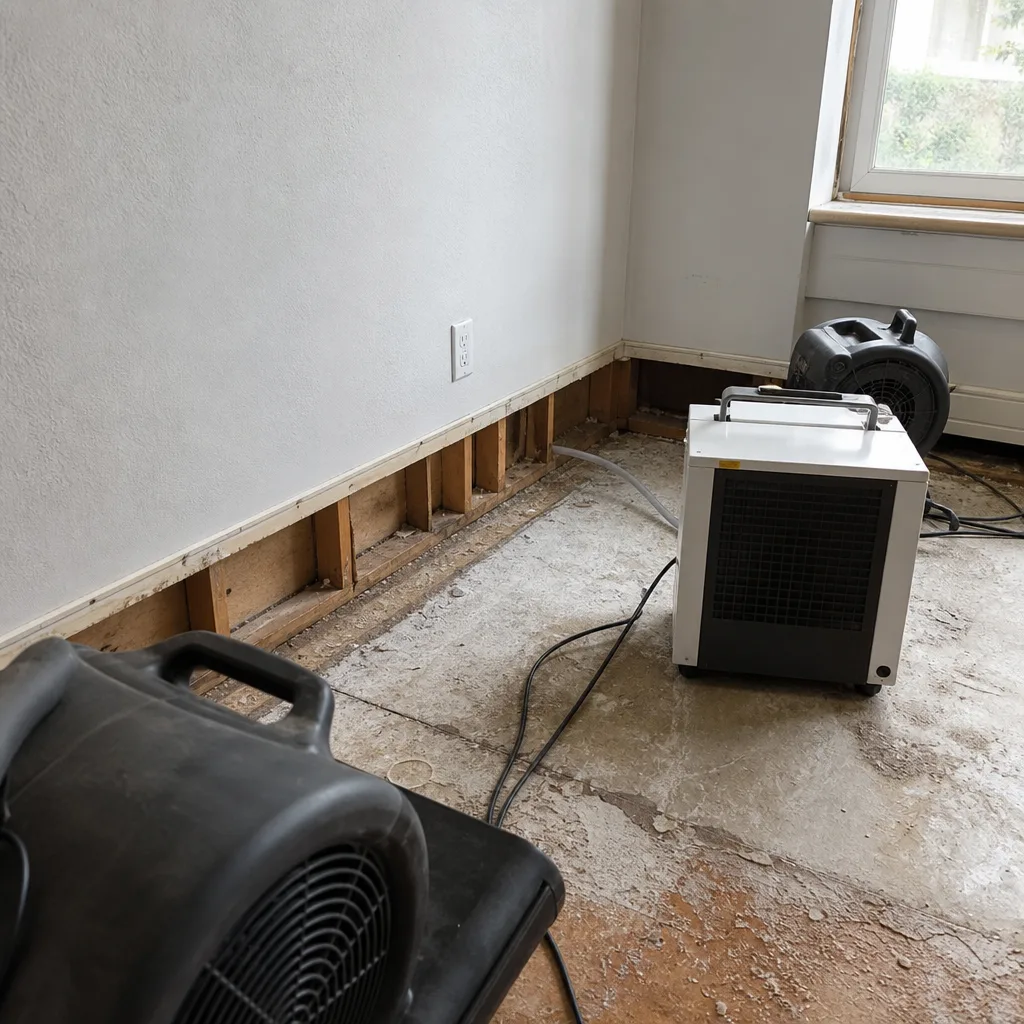 After
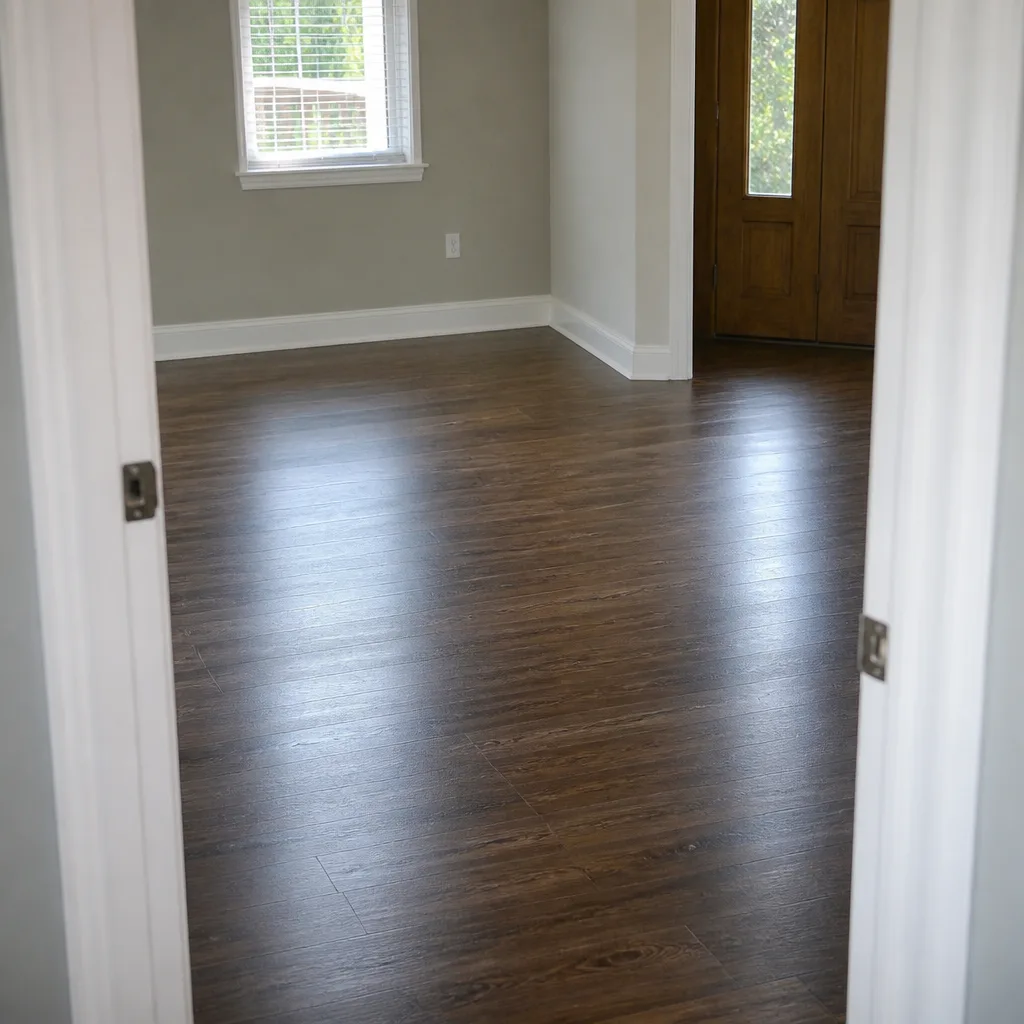
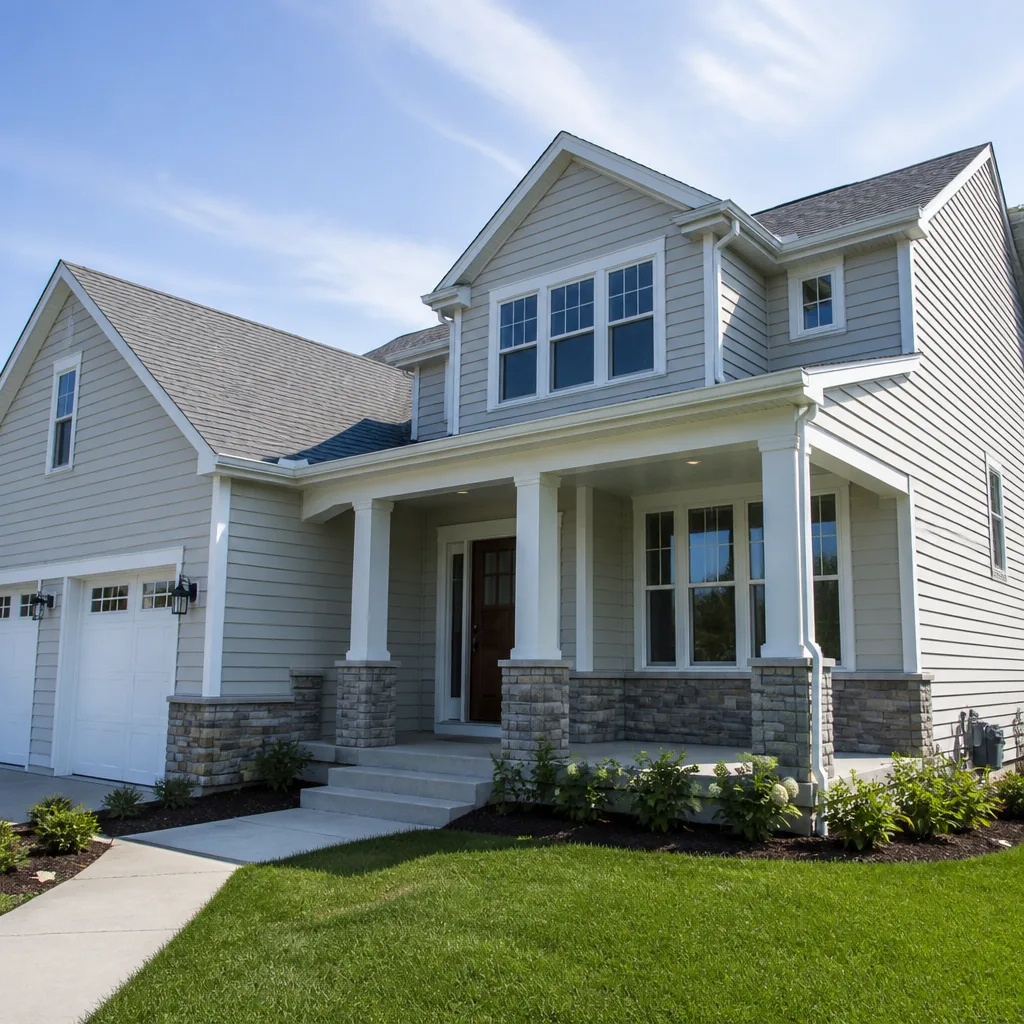
After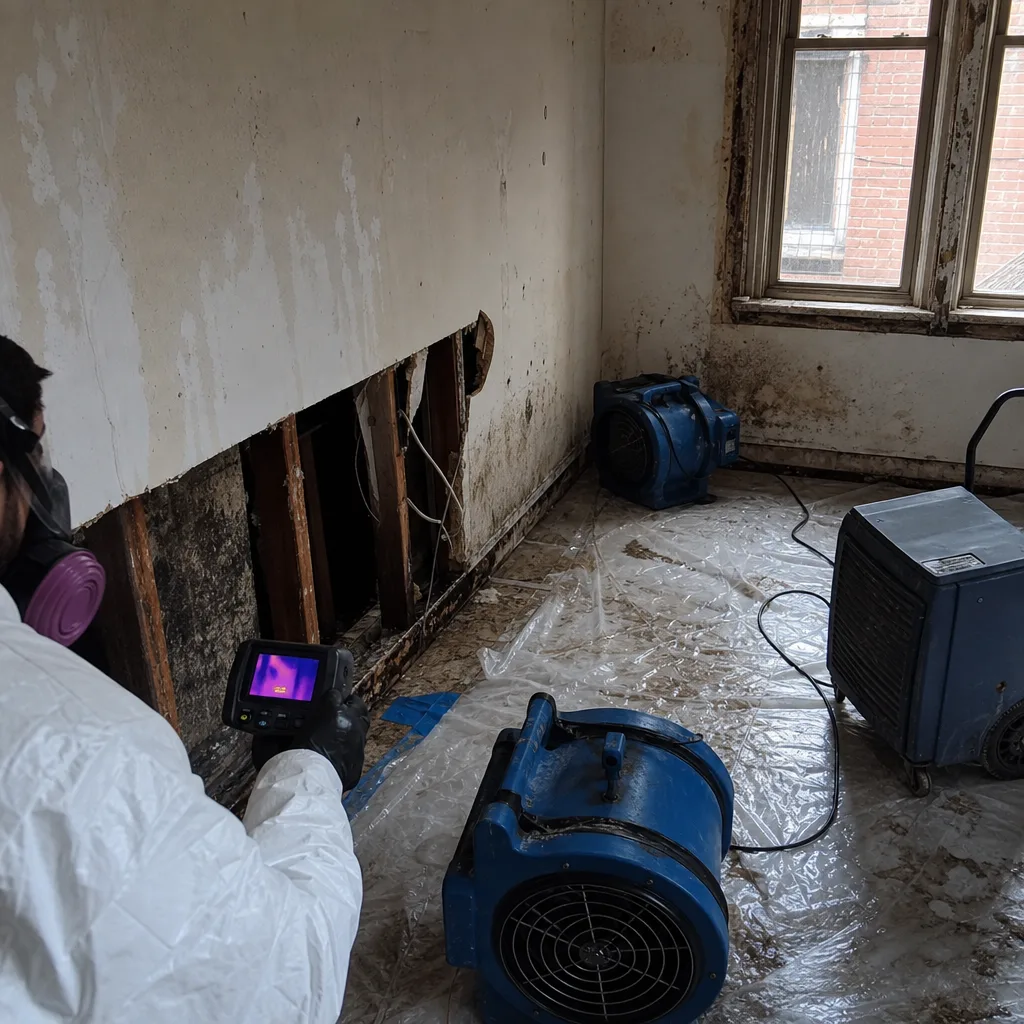 Before
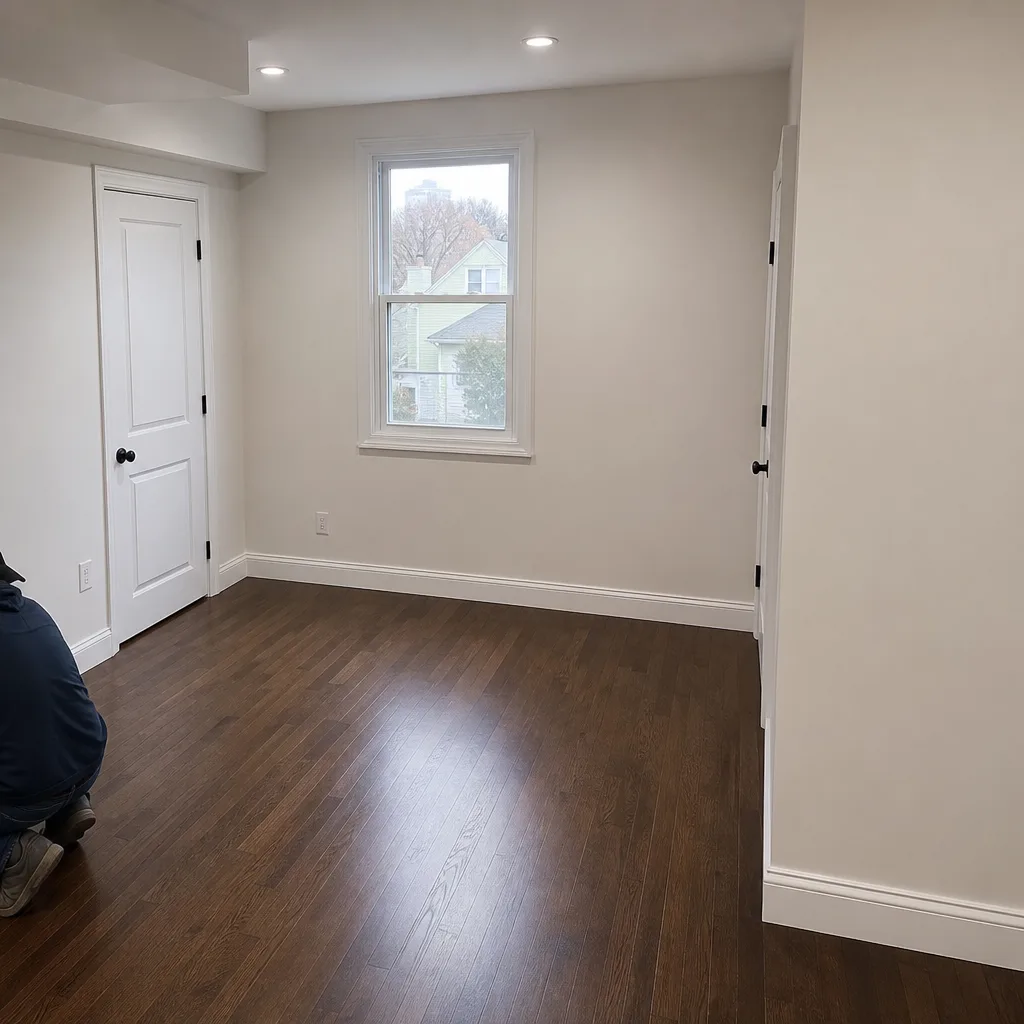 After
After24/7 Emergency Biohazard & Crime Scene Cleanup in Long Island City
Biohazard and crime scene cleanup in Long Island City demands a response team that treats every call as a hazardous materials event, not just a cleaning job. Our crews are dispatched from our New York City office and reach properties across 11101, 11109, and 11120 around the clock. A live dispatcher answers at (518) 800-3751 at two in the morning the same way they do at noon, because bloodborne pathogens, bodily fluids, and chemical residues do not wait for business hours. The first hour matters: the longer biological material sits, the deeper it penetrates porous surfaces, the wider the contamination spreads, and the harder it becomes to fully remediate. We provide a free visual inspection and a written scope before any work begins, so you know exactly what is involved and what it costs.
Understanding Biohazard & Crime Scene Cleanup Severity in Long Island City Properties
Biohazard contamination in Long Island City falls into risk categories that most homeowners never encounter until a crisis hits. Blood and bodily fluids require OSHA-compliant handling under 29 CFR 1910.1030, which governs bloodborne pathogen exposure. Unattended death scenes present decomposition fluids that wick into subflooring, drywall, and concrete. Hoarding conditions often conceal rodent and insect infestations, ammonia-saturated materials, and structural compromise. Infectious disease disinfection requires hospital-grade, EPA-registered disinfectants applied with dwell times that actually kill pathogens. And tear gas or chemical incidents leave residues that off-gas and embed in HVAC systems.
Long Island City’s housing stock makes these situations more complex than in a standard Queens rowhouse. Converted warehouse lofts in Hunters Point have open floor plates with few interior partitions, so airborne contaminants and odors travel laterally across entire floors. Concrete slab construction wicks liquid contamination differently than wood framing. Luxury high-rises along the waterfront have shared ventilation systems where one unit’s contaminant load can drift into common corridors and neighboring residences. Floodline Restoration Co. approaches every Long Island City biohazard scene with containment first, because we know the building typology here does not contain problems on its own.
Why Long Island City Property Owners Choose Floodline Restoration Co.
- 45-minute response commitment for emergency biohazard calls in Long Island City. Our crews stage locally and know the routes from Queens Plaza to Gantry Plaza State Park. A crew reaches your address fast.
- 24/7 live answer, always. You reach a real person at (518) 800-3751. Never a recording, never a call-back queue. Dispatchers are trained to triage biohazard calls and move crews immediately.
- IICRC-certified technicians trained to WRT, FSRT, and AMRT standards. Background-checked, uniformed, and current on bloodborne pathogen and respiratory protection protocols.
- Free visual inspection with moisture mapping and contaminant assessment before any work begins. You get a written scope and a firm price, not a vague estimate.
- Direct insurance billing. We handle the claim paperwork, the adjuster communication, and the line-item documentation. You never play messenger between us and your carrier.
- One team from first containment to finished repairs. No mid-job handoff. The same crew that sets up HEPA air scrubbers is the crew that rebuilds the drywall and finishes the space.
Our Biohazard & Crime Scene Cleanup Process
Inspection & Assessment
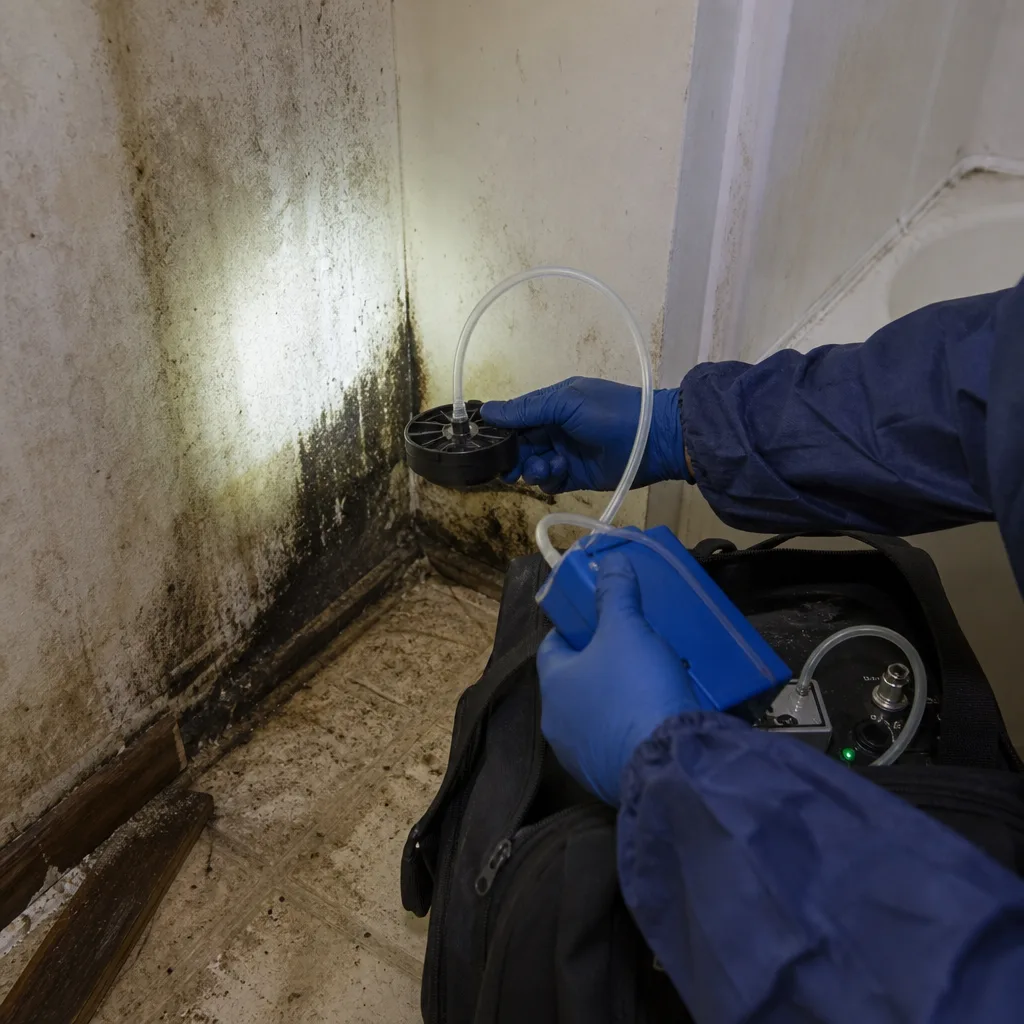
We arrive in full PPE and assess the scene first. Thermal imaging and hygrometers identify contaminated zones that are not visible. We document everything photographically for your insurer before we touch anything.
Containment & Stabilization
We set up physical containment barriers and negative air pressure with HEPA-filtered air scrubbers to stop cross-contamination to unaffected areas. In open floor plate loft buildings, this step is critical because contamination travels laterally.
Removal & Disposal
Contaminated materials, porous surfaces, and unsalvageable items are removed and disposed of as regulated medical waste under New York State Department of Health requirements. We document the chain of custody.
Cleaning & Sanitization
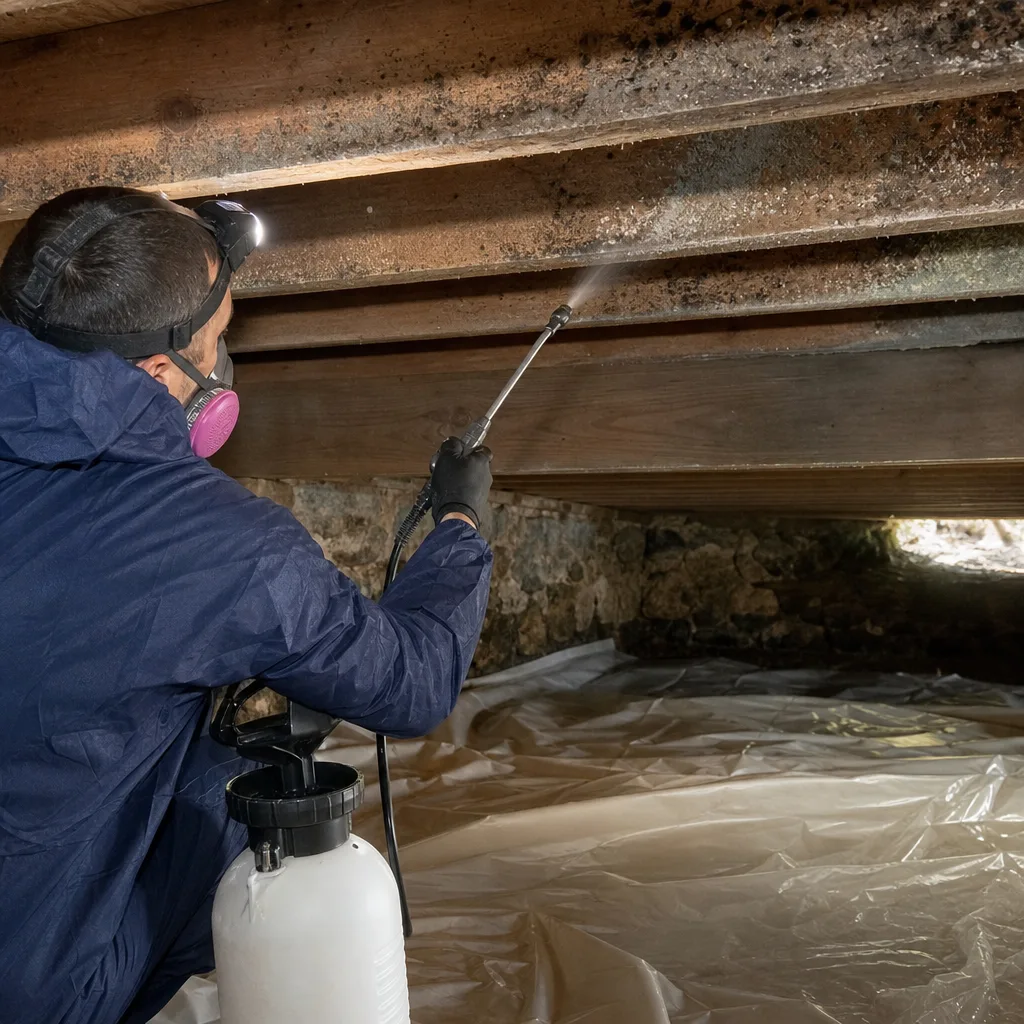
We use EPA-registered, hospital-grade disinfectants with proper dwell times, applied to all affected surfaces. Hard surfaces are cleaned and disinfected; porous materials that cannot be fully decontaminated are removed.
Deodorization & Air Scrubbing
HEPA air scrubbers run continuously during and after the job. We deploy hydroxyl generators or ozone in unoccupied spaces to neutralize odor molecules that have embedded in building materials.
Verification & Restoration
We run clearance testing to confirm surfaces are free of pathogens and ATP levels are within safe ranges. Then we rebuild what was removed: drywall, flooring, trim, paint. The 90-Day Done Right Promise stands behind all of it, in writing.
Need Emergency Biohazard & Crime Scene Cleanup in Long Island City Now?
Crews minutes away, answering live 24 hours a day. The sooner we start, the less it costs.
Working With Your Insurance Company
Most biohazard and crime scene cleanup in Long Island City is covered by homeowners or commercial property insurance, but the claim only goes smoothly if the documentation is airtight from the first hour. We photograph every surface before we move it. We log every material removed, every disposal manifest, every disinfectant used and its dwell time. We produce an industry-standard, line-item estimate that your adjuster can approve without back-and-forth. And we talk to the carrier directly, so you do not have to explain why a Category 3 contamination event required containment and not just a mop and bucket. Direct insurance billing means we invoice your carrier and you receive a clear accounting of what was charged and what was paid.
What We Provide Your Insurer
- Thorough documentation of the loss
- Photos of all damage, room by room
- Containment and disposal manifests
- A detailed, line-item scope of work
- Direct coordination with your carrier
Built for Long Island City’s Loss Calendar
Long Island City’s biohazard risks do not follow a tidy calendar, but certain patterns repeat. Winter deep freezes burst supply lines in pre-war brick warehouse conversions along Jackson Avenue, sending water through open floor plates and into lower units. Spring thaw brings groundwater seepage through cracked foundation slabs in basements across Hunters Point. Summer thunderstorms dump inches of rain in an hour, and flat membrane roofs on converted loft buildings pond water until it finds a seam. Nor’easters push surge up the East River and into the Newtown Creek confluence, which is the event that changes everything about how we clean this neighborhood. Because floodwater in LIC can draw from the Newtown Creek Superfund corridor, routine water intrusion events here frequently require Category 3 hazardous contamination protocols that would be unnecessary in neighboring Astoria or Sunnyside. Our team plans its Long Island City dispatch coverage around these seasonal realities.
Biohazard & Crime Scene Cleanup Across Long Island City’s Neighborhoods
Response routes matter in Long Island City, and our crews know them by heart. In Hunters Point, where converted warehouse lofts line 44th Drive and Vernon Boulevard, we regularly see open floor plates that have allowed contamination to migrate across entire floors before anyone noticed. In the high-rise corridor along Center Boulevard, biohazard calls often involve shared ventilation systems and the need to protect common areas and neighboring units from cross-contamination. Around Queens Plaza and Dutch Kills, the mix of older industrial buildings and newer residential towers means our techs must assess each building’s envelope and mechanical systems differently. Near Court Square, where the 7, E, M, and G trains converge, we coordinate access and parking logistics for our equipment vans so that HEPA scrubbers and disposal containers are staged efficiently. Each Long Island City pocket has its own building typology, and our team frames containment and remediation plans around what the building actually is, not a generic checklist.
Our crew handled a Category 3 water event in a Hunters Point converted warehouse loft on 44th Drive, where a flat-roof parapet seam failed during a nor’easter and ponded water saturated an entire open floor plate. We ran moisture mapping and confirmed contaminated water had migrated laterally into three residential units, so we set containment, performed water extraction with truck-mounted units, and removed unsalvageable drywall and insulation before applying antimicrobial treatment and structural drying with Dri-Eaz dehumidifiers and XPOWER air movers. This is what Long Island City restoration actually looks like, and it is why generic protocols fail here.
Specialized Biohazard & Crime Scene Cleanup Services We Offer in Long Island City
Crime Scene Cleanup
Crime scene cleanup in Long Island City requires strict adherence to OSHA bloodborne pathogen standards and New York State regulated medical waste disposal rules. We coordinate with law enforcement and property management, work discreetly, and restore the space to safe occupancy. Our techs are trained to handle blood, tissue, and other biological materials with the seriousness they demand.
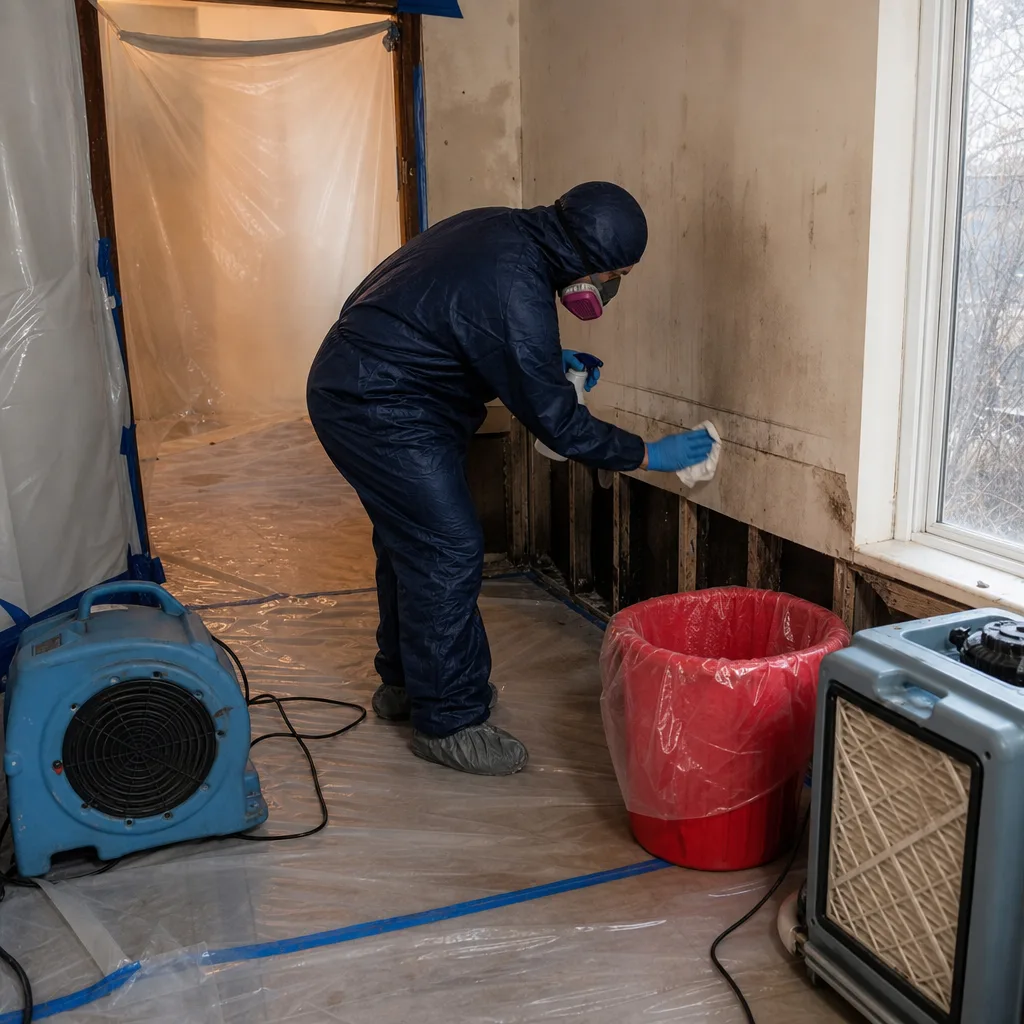
Trauma & Unattended Death Cleanup
Unattended death scenes are among the most challenging biohazard calls we handle in Long Island City. Decomposition fluids penetrate subflooring, drywall, and concrete, and odor molecules embed in porous materials. We remove affected materials, treat structural cavities, and run air scrubbing until the space tests clean. We handle these jobs with discretion and respect for the people involved.
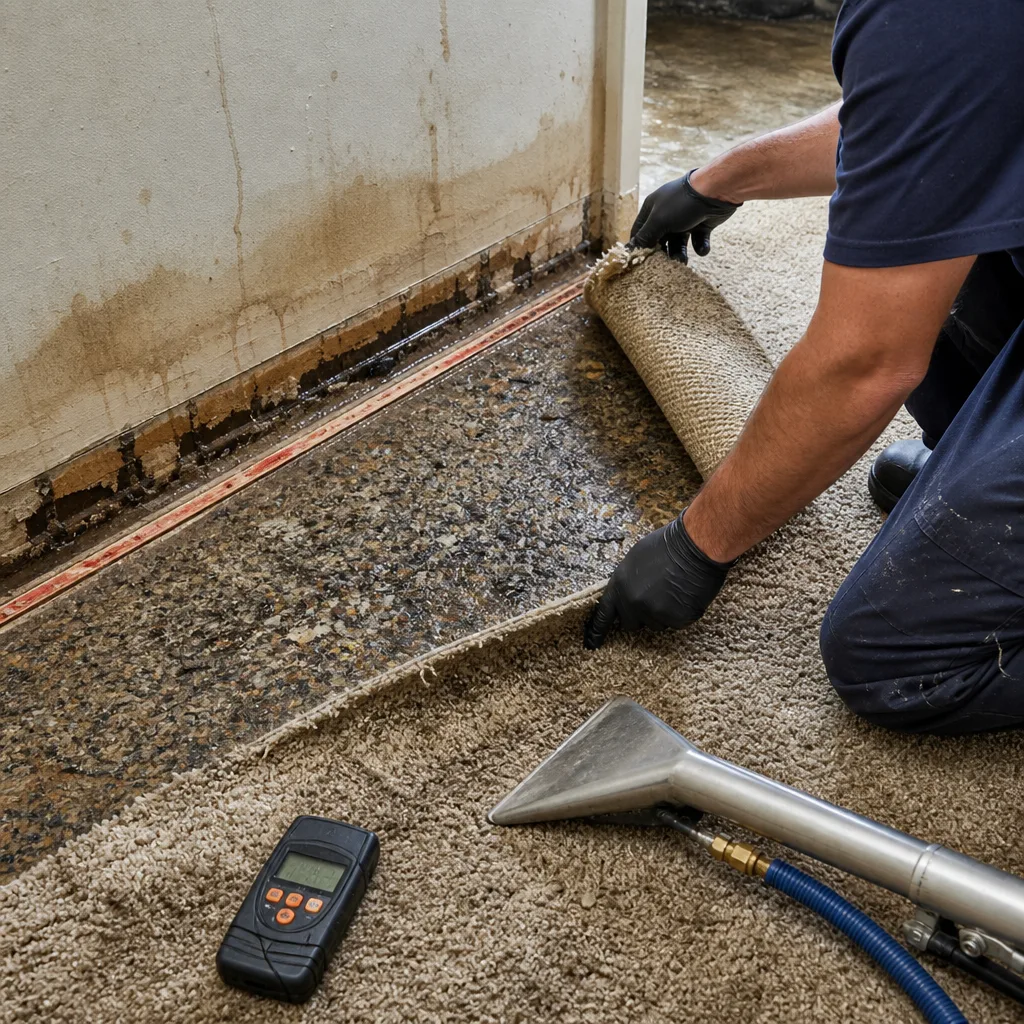
Hoarding Cleanup
Hoarding conditions in Long Island City’s converted lofts and high-rise apartments require a methodical approach. We separate salvageable items from contaminated debris, address rodent and insect infestations, and clean surfaces that may have been buried for years. We work at the pace the homeowner can manage and coordinate with social services when appropriate.
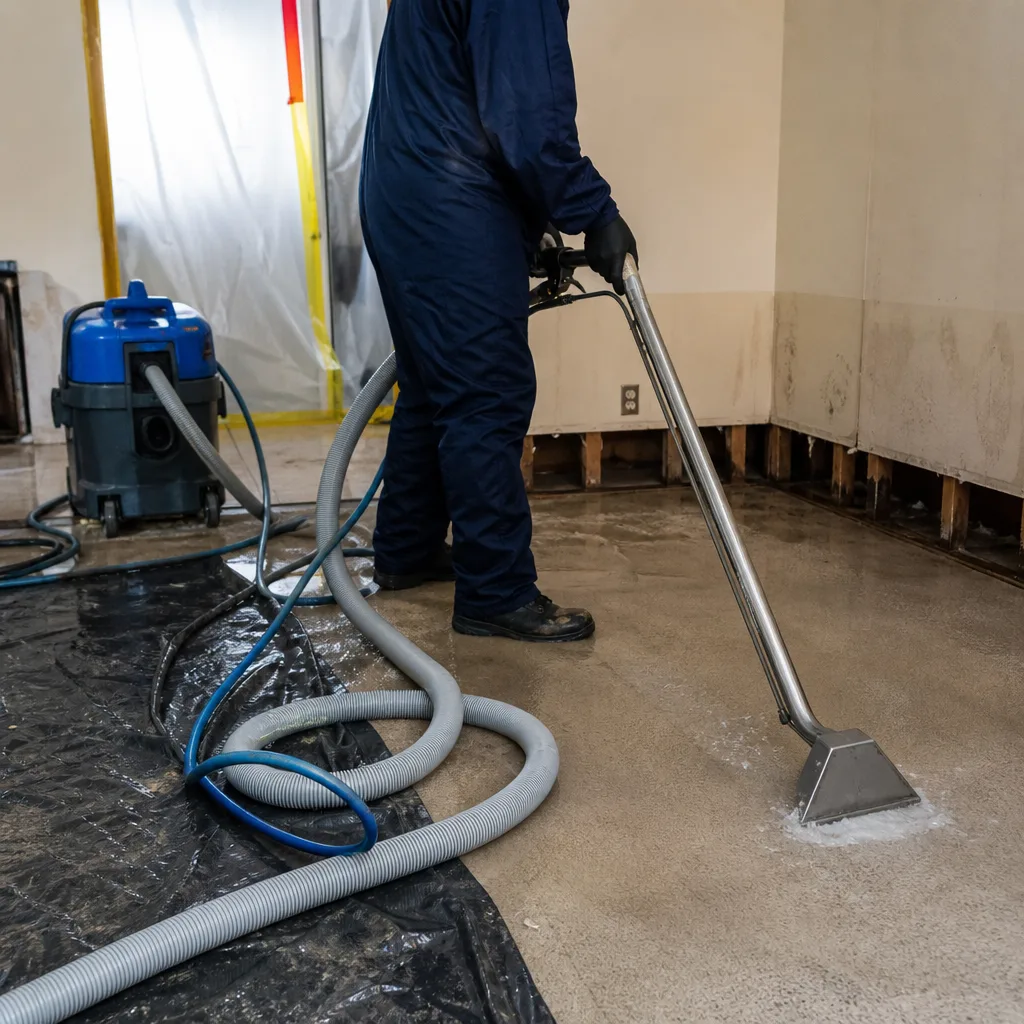
Blood & Bodily Fluid Cleanup
Blood and bodily fluid contamination can result from accidents, medical emergencies, or criminal events. Our Long Island City crews use hospital-grade disinfectants with proven kill claims against bloodborne pathogens including hepatitis B, hepatitis C, and HIV. We remove saturated porous materials when they cannot be fully decontaminated.
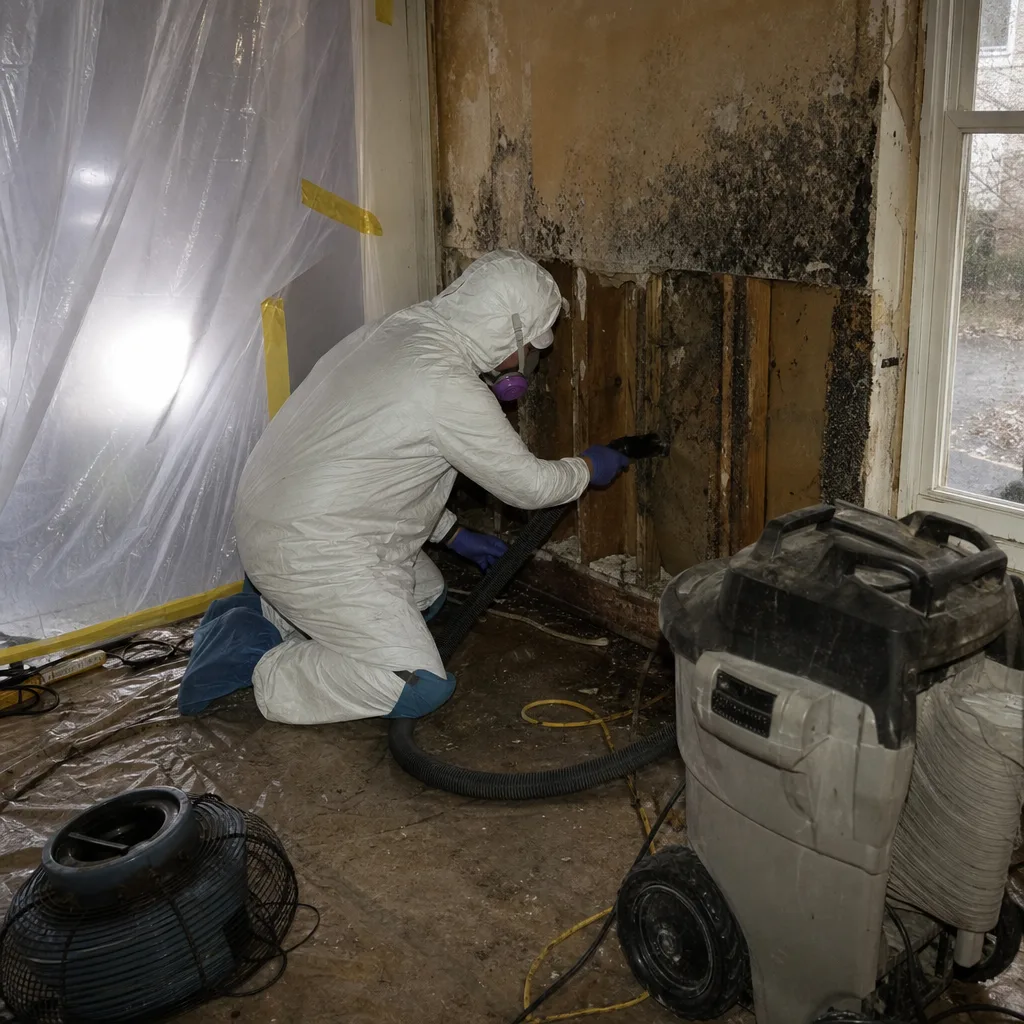
Infectious Disease Disinfection
Infectious disease disinfection in Long Island City is a growing need in shared residential buildings, offices, and commercial spaces. We use EPA-registered disinfectants applied with electrostatic sprayers for full surface coverage, and we follow CDC and New York City Department of Health guidance for contact time and dwell time. This service is documented with clearance testing so you have a record that the space was professionally treated.
Tear Gas & Chemical Cleanup
Tear gas and chemical residues require specialized decontamination because the particulates off-gas and embed in textiles, drywall, and HVAC systems. Long Island City properties near protest routes and high-traffic public areas have called us for this service. We neutralize residues, replace contaminated filters, and air-scrub the space until it is safe to reoccupy.
What happens when you call
- 1
A real person answersNo phone trees - you reach a local pro.
- 2
You get an upfront price rangeHonest numbers before anyone is dispatched.
- 3
A background-checked tech heads outLicensed & insured, dispatched right away.
- 4
You approve before work beginsNothing starts until you say go.
Biohazard & Crime Scene Cleanup Costs in Long Island City, NY
Biohazard and crime scene cleanup in Long Island City runs on a different cost structure than standard restoration work. A small contained blood cleanup typically runs $500 to $1,500. An unattended death scene with decomposition, odor remediation, and material removal commonly runs $2,500 to $7,000. Hoarding cleanouts vary widely based on volume and severity, ranging from $3,000 to $15,000 or more for extreme cases. Infectious disease disinfection of a typical Long Island City apartment runs $800 to $2,500 depending on square footage and surface count. Tear gas or chemical decontamination runs $1,500 to $5,000 depending on how many rooms and HVAC components were exposed. Insurance covers most of these costs when the event qualifies under your policy. The free visual inspection gives you a firm, line-item number before any work begins, so there are no surprises on the bill.
We Also Serve Cities Near Long Island City
Floodline Restoration Co. provides Biohazard & Crime Scene Cleanup throughout western Queens and the surrounding area. If you are in Astoria, Maspeth, Jackson Heights, or East Elmhurst, our crews reach you with the same speed and the same standards. Call (518) 800-3751 and a live dispatcher will route the nearest available team to your address.
Serving Long Island City, NY - Our Local Coverage Area
We’re based in the Long Island City area and know this community well. Use the map below to see our service coverage - if you’re nearby, we can almost certainly help.
Long Island City Biohazard & Crime Scene Cleanup Questions, Answered
Does every flood in a Hunters Point converted loft require Category 3 biohazard protocols?
Not every flood, but many do. If the water sat on a flat roof and passed through parapet seams or HVAC curb penetrations before entering the building, it has likely picked up contaminants that classify it as Category 3. Given Long Island City’s proximity to the Newtown Creek Superfund corridor, we treat any suspicious water intrusion in converted lofts as potentially hazardous until moisture mapping and source analysis confirm otherwise. Call (518) 800-3751 for a free visual inspection.
What chronic failure points on LIC warehouse conversions most often lead to biohazard events?
Rooftop HVAC curb penetrations and parapet-to-membrane seams are the repeat offenders. Ponded water on flat roofs finds these seams, saturates the open floor plate below, and migrates laterally through concrete slab construction. By the time staining appears on a ceiling, the contamination has often spread across multiple units. We check these points first on every Long Island City converted loft call.
How do your techs prevent cross-contamination between units in an open floor plate loft building?
We set up physical containment barriers and run HEPA-filtered negative air pressure machines before we begin any remediation. In open floor plate buildings, where there are no interior walls to stop contaminant movement, containment is the first and most important step. We also seal shared ventilation openings and monitor air pressure throughout the job. Call (518) 800-3751 for more detail.
Are there special infectious disease disinfection requirements for LIC properties that flooded with Newtown Creek water?
Yes. Newtown Creek is a Superfund site with documented contamination including PCBs, heavy metals, and sewage-related pathogens. Properties that took on water from storm surge or creek overflow require Category 3 hazardous contamination protocols, including full PPE, containment, antimicrobial treatment, and structural drying with professional-grade equipment. A standard mop-and-dry approach is not sufficient and can leave behind long-term health hazards.
Can you handle a crime scene cleanup in a luxury high-rise without disrupting other residents?
Yes. We coordinate with building management, stage equipment in service elevators, and work behind closed doors with containment already in place. High-rise residents often do not know we were there until the unit is restored. We also manage disposal logistics discreetly, which matters in buildings where staff and neighbors are watchful. Call (518) 800-3751 to discuss your specific situation.
How fast can you actually get to a Long Island City address?
Our crews are staged locally in Queens and typically reach Long Island City addresses within 45 minutes for emergency biohazard calls. A live dispatcher answers at (518) 800-3751, confirms the address and the nature of the event, and moves the nearest team immediately. Our 24/7 operation means the crew is rolling whether you call at noon or 3 a.m.
Will my insurance cover biohazard cleanup from a crime scene or unattended death?
Most homeowners and commercial property policies include coverage for biohazard remediation when the event qualifies under the policy terms. We document everything from the first hour, produce the line-item scope your adjuster needs, and bill the carrier directly. You get a clear accounting and we handle the communication. Call (518) 800-3751 and we can walk you through what your policy likely covers.
What should I do in the first 30 minutes after discovering a biohazard situation in Long Island City?
Do not enter the affected area. Close the door, keep people and pets away, and call (518) 800-3751. Do not attempt to clean blood, bodily fluids, or chemical residues yourself. The sooner we arrive, the less contamination spreads and the less materials must be removed. If the situation involves a crime, call 911 first, then call us when law enforcement releases the scene.
Written by Curt Bowman, Owner at Floodline Restoration Co., serving Long Island City since 2010.