
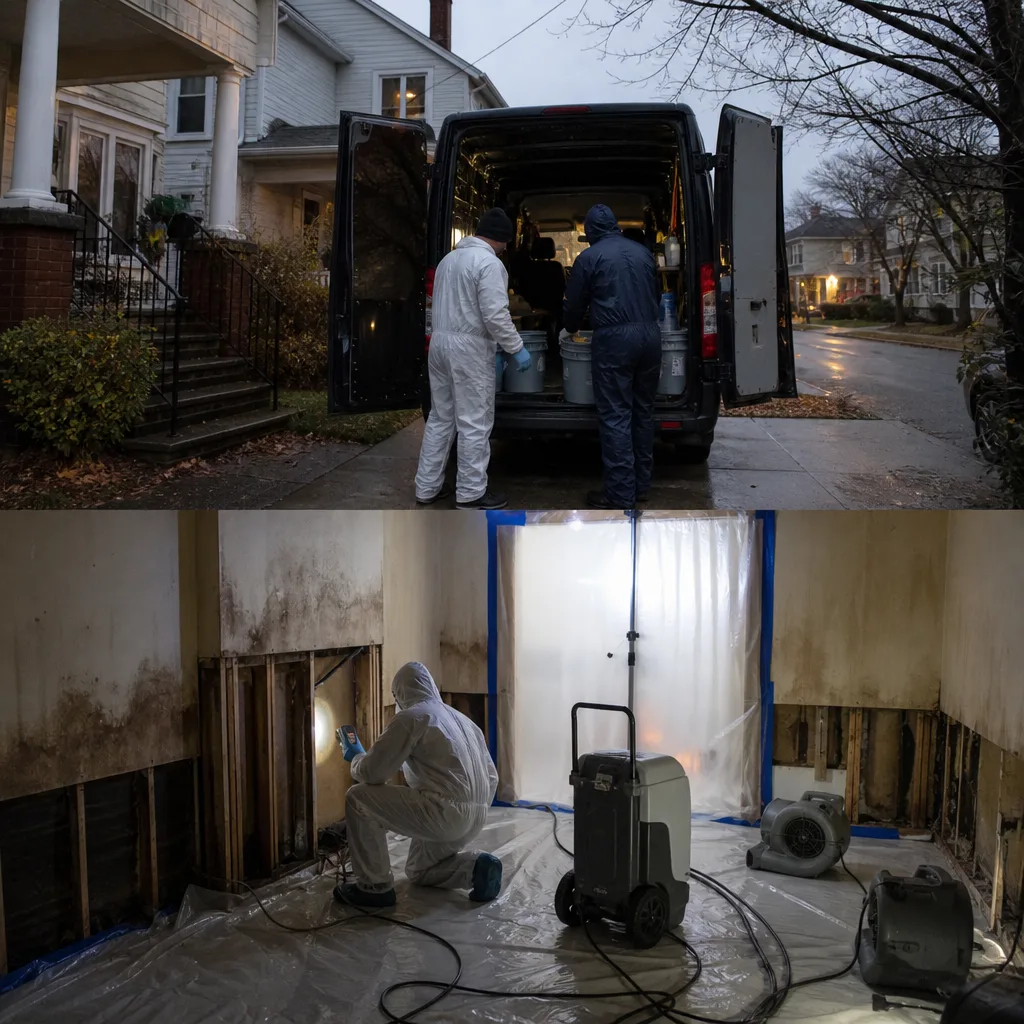
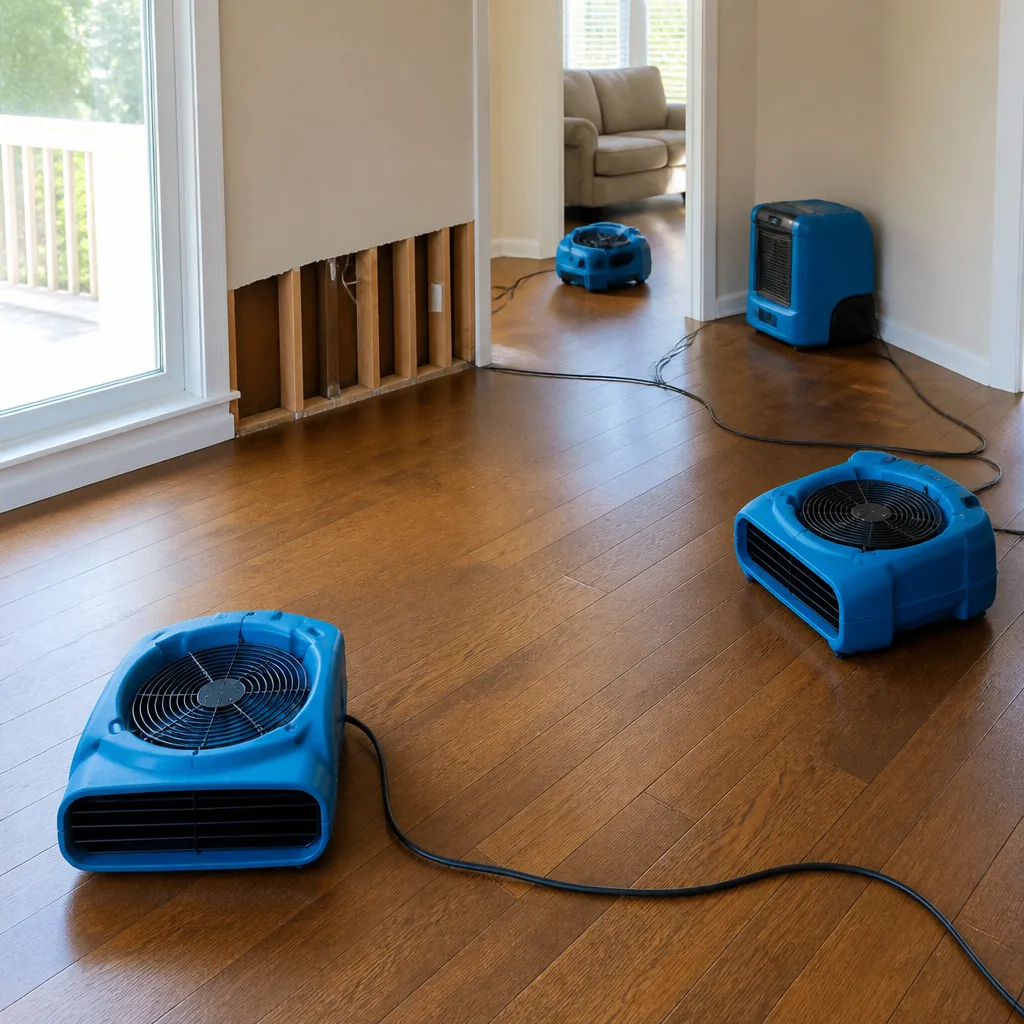
Free visual inspection and a written scope of work before any mitigation begins - photos, moisture readings, and drying logs go in your claim file
The scope we write is the scope we bill. Anything new gets shown to you, in writing, before we touch it.
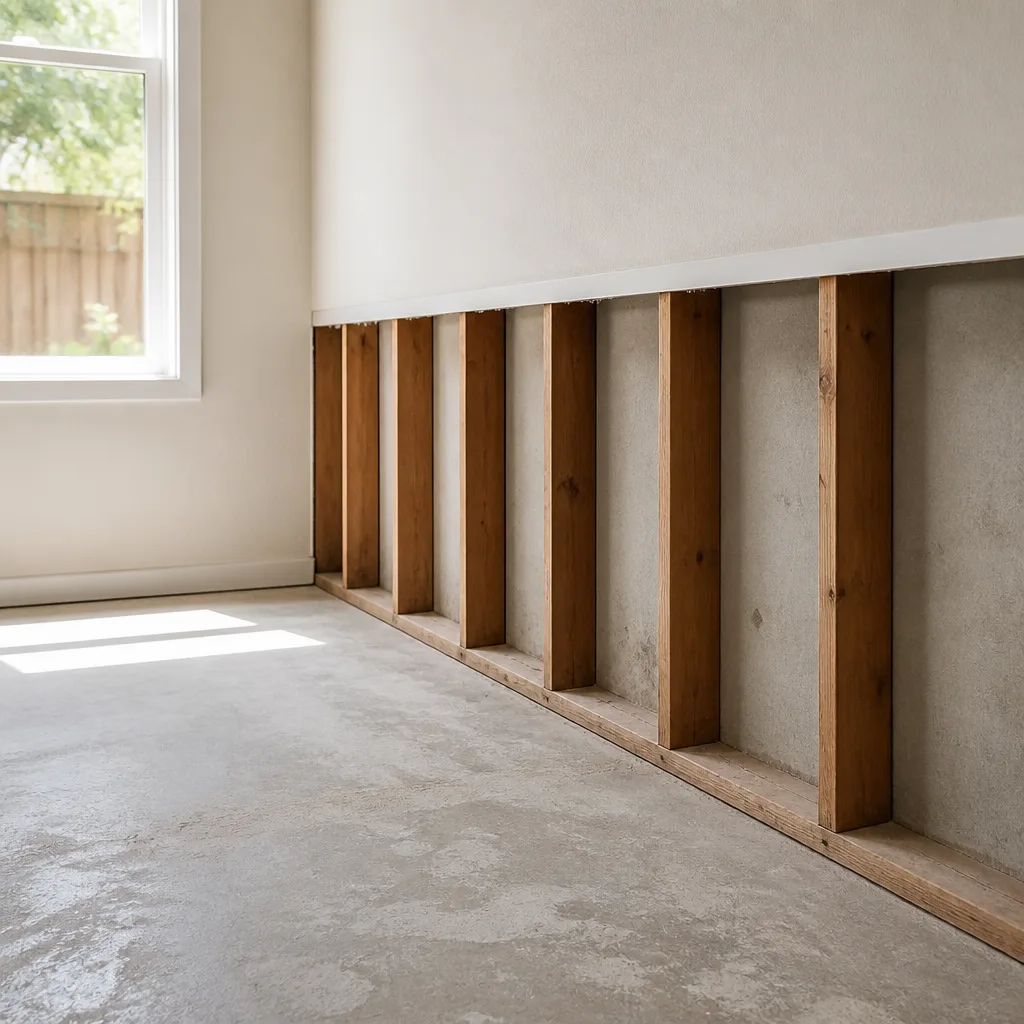
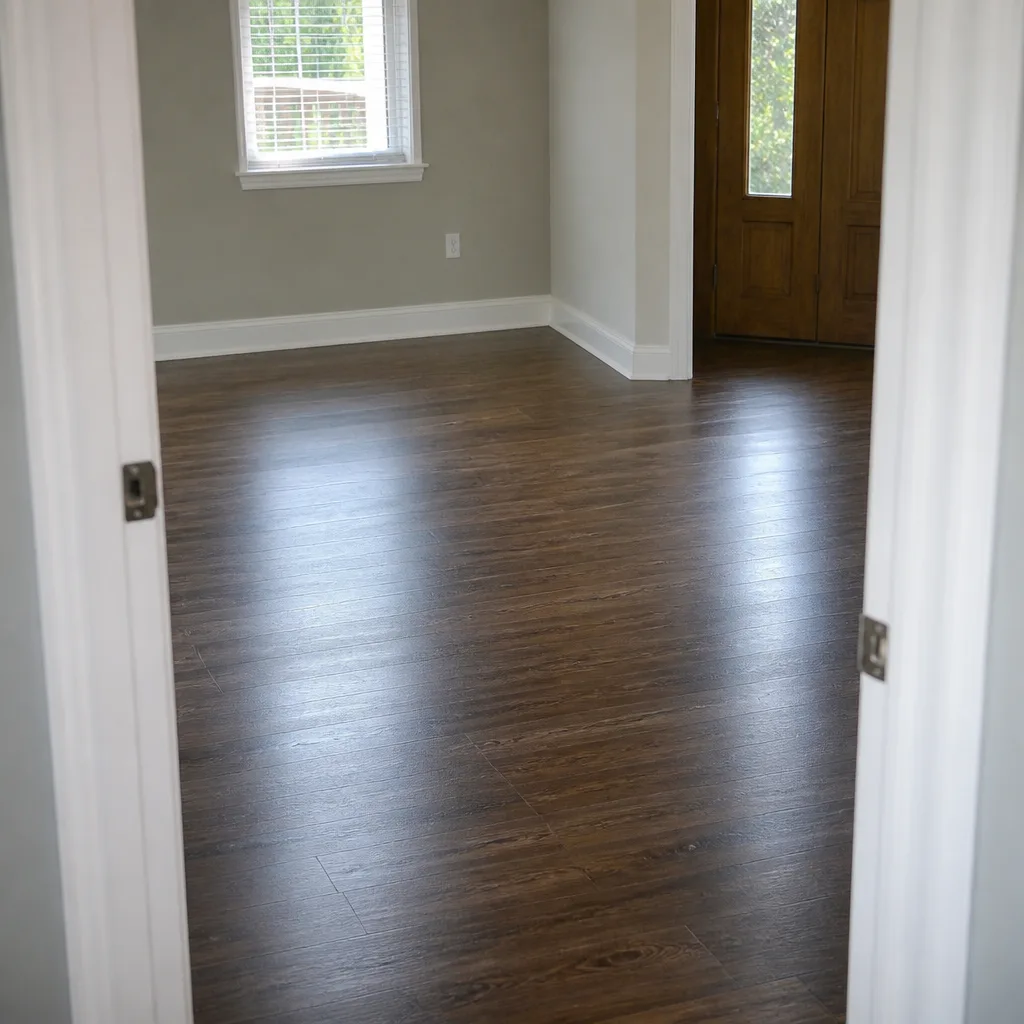
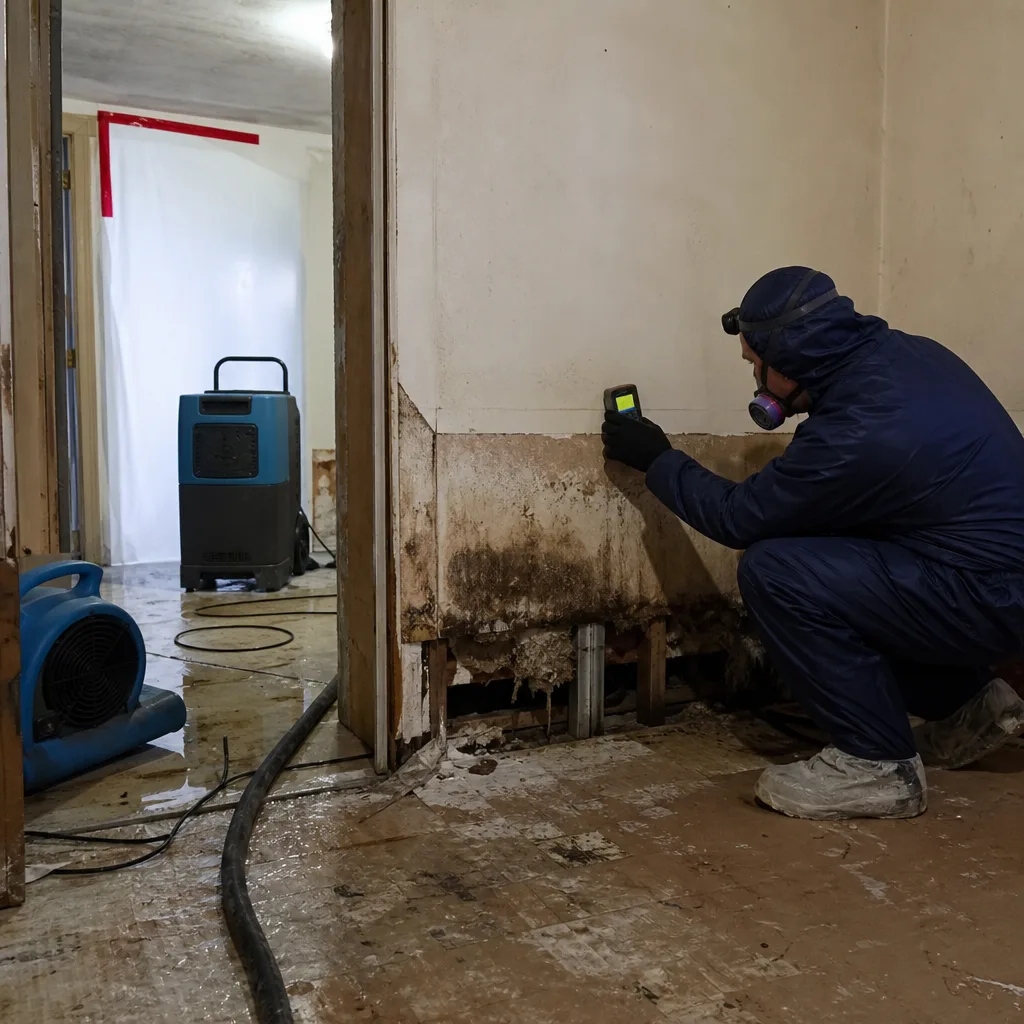 Before
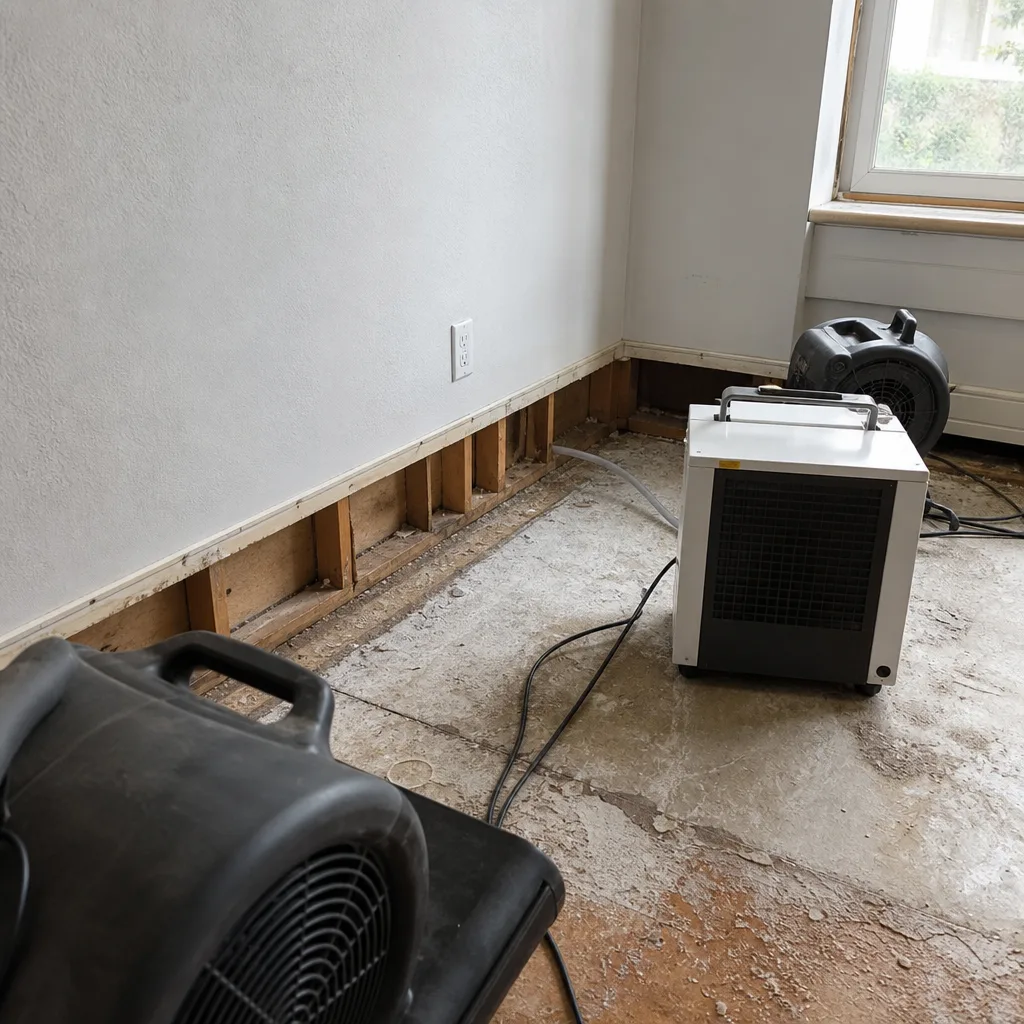 After
After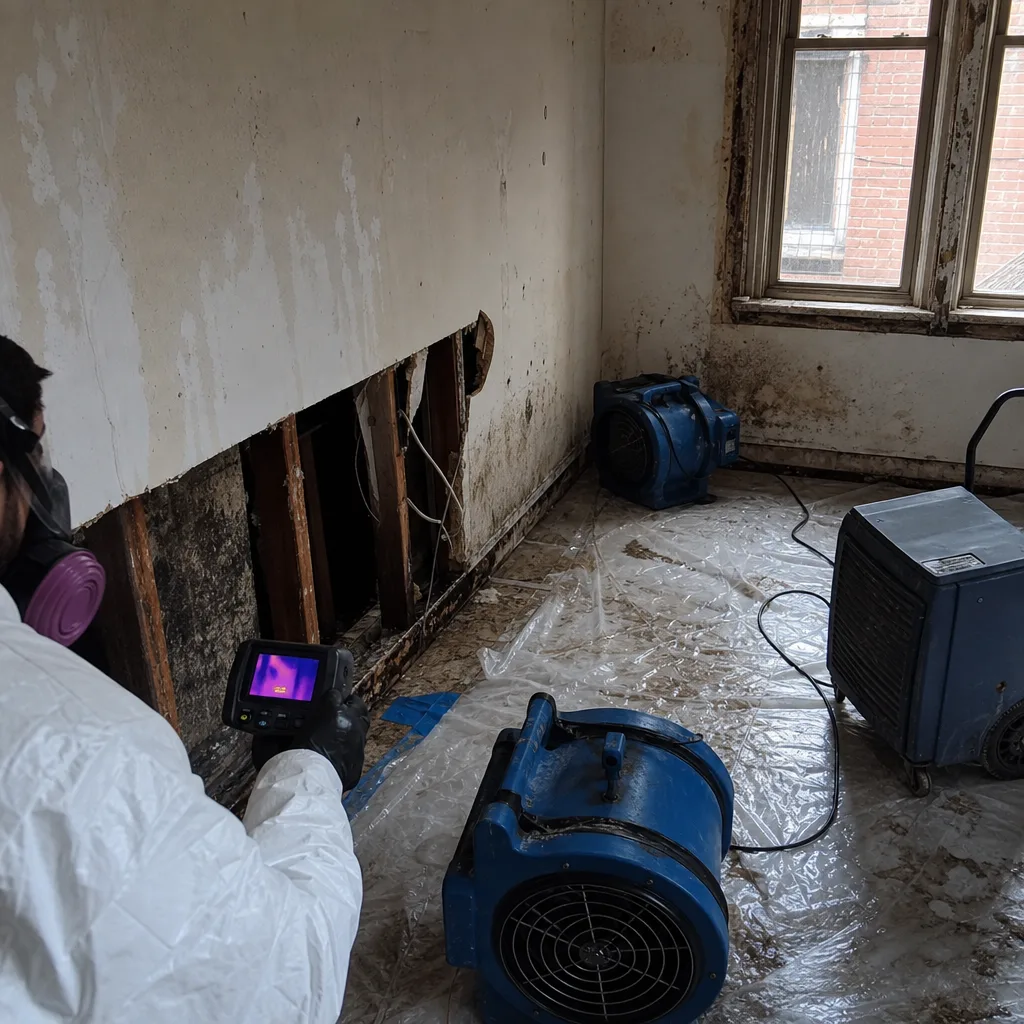 Before
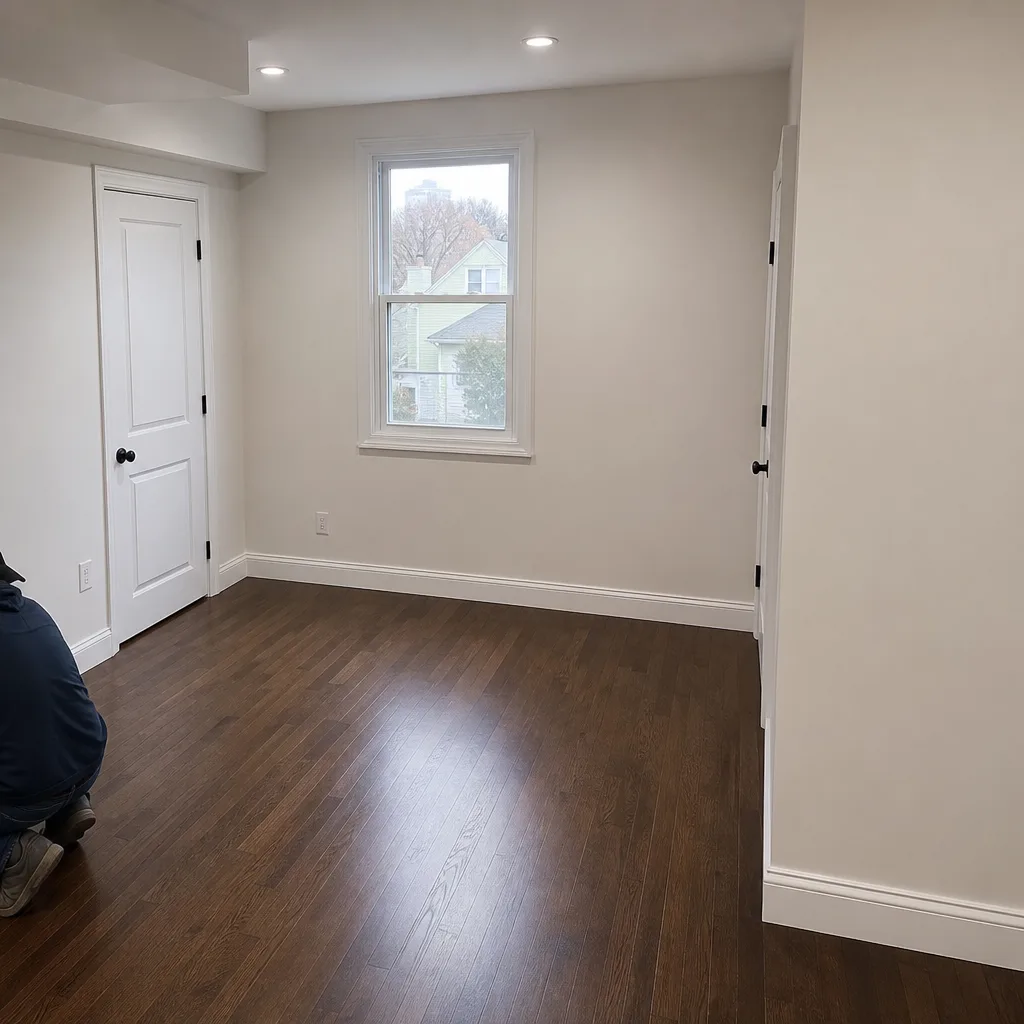 After
After24/7 Emergency Biohazard & Crime Scene Cleanup in Morningside Heights
Biohazard and crime scene cleanup in Morningside Heights typically runs $1,800-$8,500 depending on the scope, and our crews respond to this neighborhood around the clock, not just during business hours. If you’re standing in a unit on Claremont Avenue or West 112th Street right now dealing with blood, bodily fluids, or an unattended death, stop reading for a second and call (518) 800-3751. A live dispatcher answers, not a recording, and we’ll walk you through the first thirty minutes while a crew is already on its way.
The first hour matters here more than in almost any other neighborhood in the city. Morningside Heights buildings are overwhelmingly pre-war brick with plaster-over-wood-lath walls and vertically linked cast-iron risers. Fluids move through those old cavities fast, and once they reach shared wall chases or the steam-line penetrations between floors, a single-unit scene becomes a multi-floor contamination problem. The sooner containment starts, the less material has to come out, and the smaller the final scope for your carrier or your building superintendent.
Understanding Biohazard & Crime Scene Cleanup Severity in Morningside Heights Properties
Biohazard work isn’t one category. It spans everything from a contained blood spill on a bathroom tile floor to decomposition fluids that have saturated a plaster wall and migrated into the lath behind it. In Morningside Heights, the building stock dictates severity more than the initial event does. A small blood spill in a 2005 drywall-and-stud building stays local. The same spill in a 1912 elevator building off Broadway can find its way into a cast-iron riser chase, wick into horsehair plaster, and present as staining on the ceiling of the apartment below two days later.
When we assess a scene, we categorize the biological load before touching anything: Level 1 is surface contamination on non-porous materials (tile, porcelain, finished wood), which can often be disinfected and cleared without demolition. Level 2 involves porous materials like plaster, lath, carpet, or upholstery that have absorbed fluids, requiring removal under containment and HEPA-filtered negative air so aerosols don’t travel through shared hallways or riser penetrations. Level 3 is the Morningside Heights signature: contamination that has reached structural voids, floor systems, or the pipe chases that link units vertically. That’s when we coordinate with the building superintendent and, for Columbia-managed properties, the institutional facilities office, before any demo or antimicrobial work proceeds.
Why Morningside Heights Property Owners Choose Floodline Restoration Co.
- 45-minute response commitment - dispatch is local, and we give real arrival windows, not “sometime today.”
- A live person answers at 2 a.m. - not a message service, not a callback queue. A dispatcher who can actually send a crew.
- IICRC-certified crews - our technicians train to the standards that matter for biohazard work, and we carry the same certified approach from first extraction to final rebuild.
- Free visual inspection - before we quote anything, we walk the scene and tell you what we actually see. No pressure, no inflated scope.
- Direct insurance billing - we hand documentation to your carrier and talk to the adjuster ourselves. You don’t play messenger.
- One team from containment to reconstruction - the same background-checked, uniformed crew that sets up negative air on day one is the crew that patches the plaster and repaints at the end.
Our Biohazard & Crime Scene Cleanup Process
Inspection & Assessment
We walk the entire affected area with thermal imaging and moisture meters, checking not just the visible scene but the walls, floors, and ceiling cavities around it. In Morningside Heights, that means inspecting the spaces below and above too, because the plaster and riser chases don’t contain anything by themselves.
Containment & Stabilization
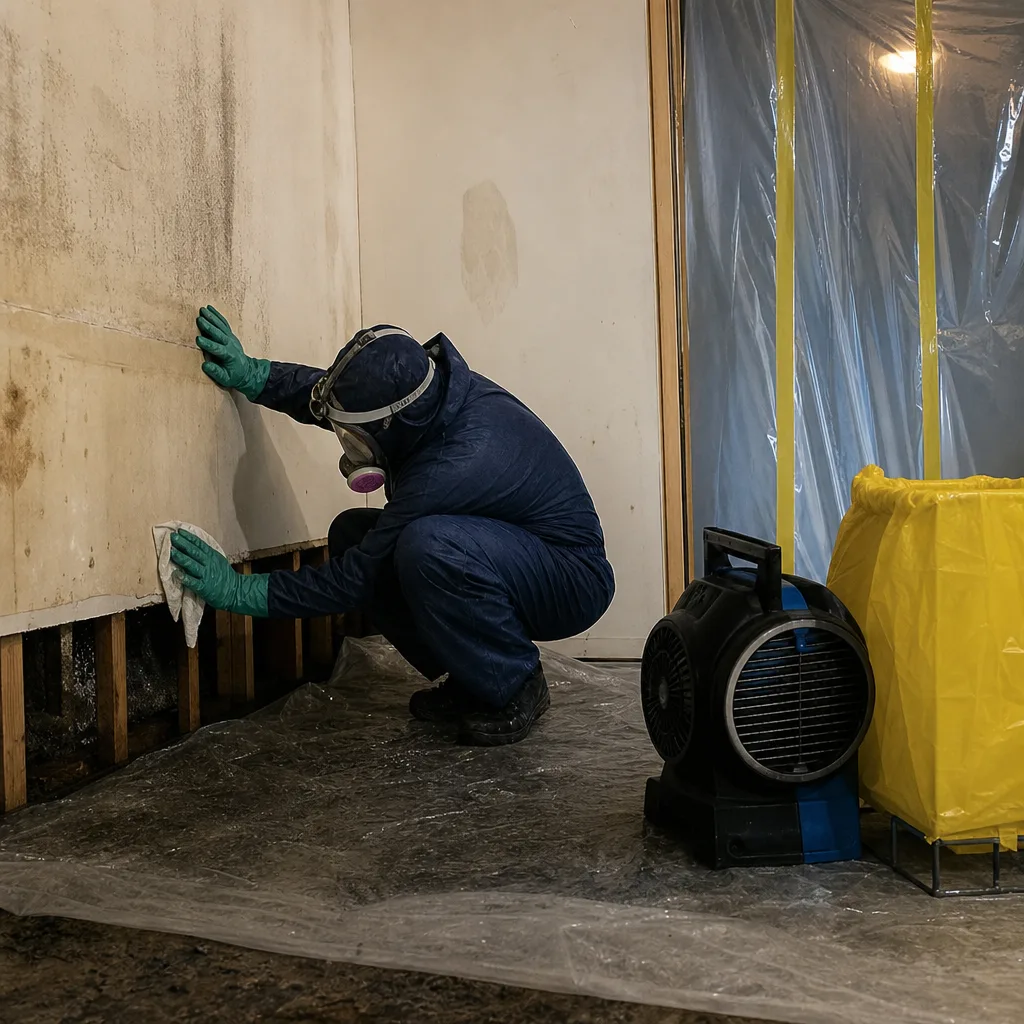
Before any cleaning starts, we seal the work zone with 6-mil poly and run HEPA-filtered negative air machines so airborne particulates don’t reach adjacent apartments or common hallways. This step is non-negotiable in pre-war buildings where door gaps and old riser penetrations act like open channels.
Removal of Contaminated Materials
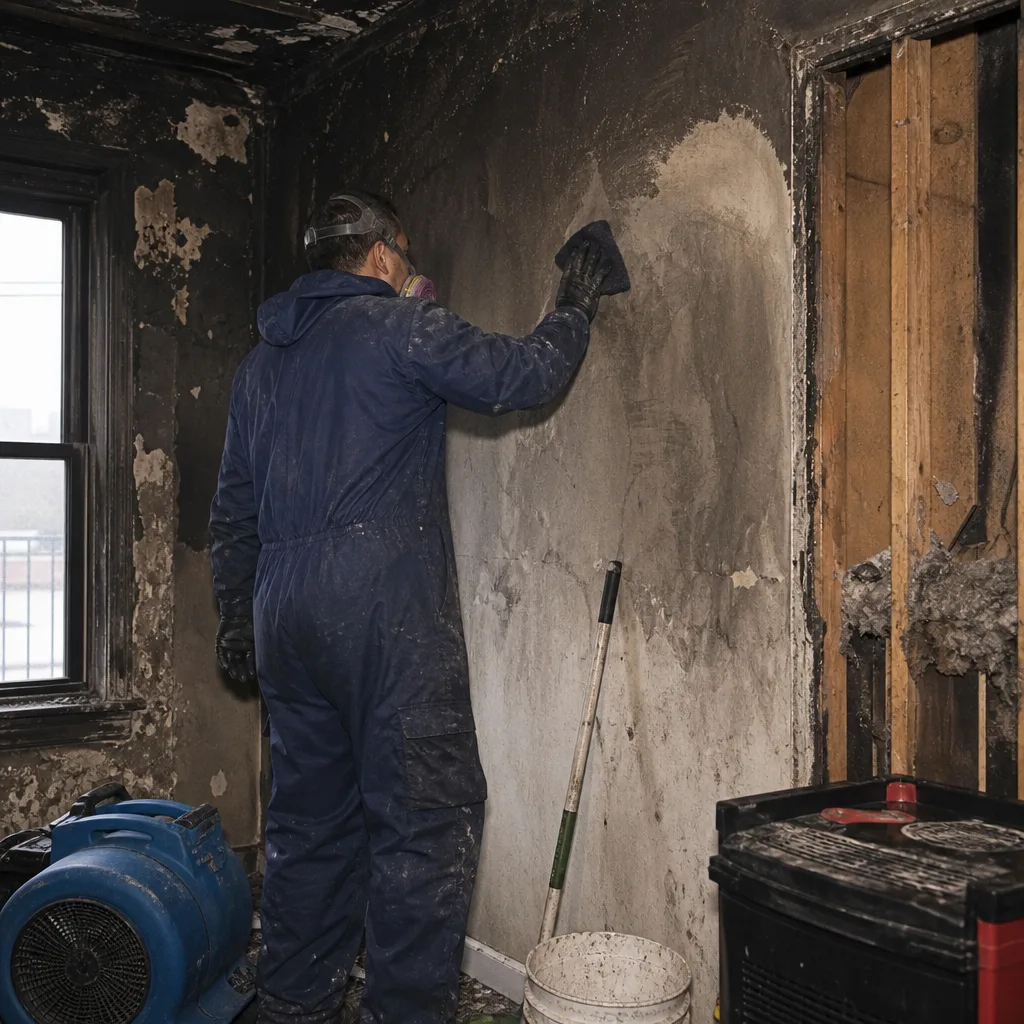
Porous materials that have absorbed blood, bodily fluids, or decomposition byproducts are removed under containment. That includes carpet, padding, saturated plaster, and any fabrics that can’t be effectively disinfected. We bag, seal, and dispose of everything under biohazard protocols.
Cleaning & Sanitization
Non-porous surfaces are cleaned and treated with hospital-grade antimicrobials rated for bloodborne pathogen decontamination. We treat all surfaces within the affected zone, not just the visible spill area, because overspray and aerosol deposition travel farther than most people expect in old units.
Verification & Clearance
We run a final visual inspection plus moisture readings and, where the scope calls for it, ATP surface testing to verify the area meets a cleanable, safe standard. You get the documentation in writing.
Repairs & Restoration
The same Floodline Restoration Co. crew that handled the contamination repairs the lath, replasters, paints, and restores the unit to pre-loss condition. No handing you off to a subcontractor you’ve never met.
Need Emergency Biohazard & Crime Scene Cleanup in Morningside Heights Now?
Crews minutes away, answering live 24 hours a day. The sooner we start, the less it costs.
Working With Your Insurance Company
Most homeowner policies cover biohazard cleanup after a covered event, like an unattended death or a crime that occurred on the property. The challenge in Morningside Heights is almost never the coverage itself. It’s the documentation. A carrier that receives a well-photographed, professionally scoped claim with moisture readings and a clear line-item estimate will almost always move faster than one that receives three cell phone photos and a verbal description from a superintendent. We have handled hundreds of these claims and we know exactly what your adjuster needs.
If the property is Columbia-managed or under a co-op board’s insurance, we coordinate with the facilities office directly. That’s standard for this neighborhood. We’re used to providing the written scope of work, drying logs, and containment verification that institutional building managers require before authorizing work, and we bill your carrier directly so you’re not fronting cash and waiting for reimbursement.
What We Provide Your Insurer
- Thorough documentation of the loss
- Photos of all damage, room by room
- Moisture readings and drying logs
- A detailed, line-item scope of work
- Direct coordination with your carrier
Built for Morningside Heights’s Loss Calendar
Biohazard calls in Morningside Heights don’t follow a neat seasonal pattern the way frozen-pipe bursts do, but there are rhythms. Winter brings unattended deaths in overheated steam-radiator apartments, especially among older residents who live alone, and by the time a neighbor or superintendent notices, the heat has accelerated decomposition significantly. That’s a Level 2 or Level 3 scene almost every time, and the steam heat itself compounds the odor problem by pushing air through the same riser chases that share air between floors.
Spring and fall semester cycles at Columbia shift the neighborhood’s population and its biohazard profile. Move-out months concentrate hoarding cleanups and neglected-unit discoveries in some of the older walk-ups along Amsterdam and Broadway. Summer heat drives odor complaints upward from units with no cross-ventilation, often the first sign that something has happened behind a closed door. Whenever it happens, the plaster, the risers, and the age of these buildings mean we are almost never doing a simple surface wipe. We’re doing containment, structural assessment, and remediation across a floor assembly that hasn’t been touched since before the First World War.
Biohazard & Crime Scene Cleanup Across Morningside Heights’s Neighborhoods
Morningside Heights runs from West 110th up to West 125th, bounded by Morningside Park on the east and Riverside Park on the west, and the building stock is remarkably consistent: six-to-twelve-story pre-war brick elevator buildings with a few surviving rowhouses mixed in near Morningside Drive. That consistency actually helps us move fast. We know before we arrive that the unit on Claremont Avenue will have plaster-on-lath, that the West 116th Street corridor will involve Columbia facilities coordination on many buildings, and that the blocks near Morningside Drive facing the park carry higher wind exposure, which affects pressure differentials when we’re running negative air containment.
The Manhattanville southern edge and the Riverside Drive co-ops present their own access and elevator constraints. A sixth-floor scene in a building with one small service elevator means our equipment goes up in stages, not one trip. We plan for that. The blocks around Broadway and 113th mix retail storefronts with residential floors above, so after-hours response often means coordinating with a super who lives off-site and a building owner who has never dealt with a biohazard claim. We handle all of it. That’s what being local means here.
Specialized Biohazard & Crime Scene Cleanup Services We Offer in Morningside Heights
Trauma & Unattended Death Cleanup
This is the service this neighborhood calls us for more than any other. When someone passes alone in a Morningside Heights apartment and isn’t found for days, the cleanup is never just the visible area. Fluids migrate, steam heat spreads the odor, and the plaster absorbs more than anyone wants to think about. We treat these scenes with care and discretion, and our crews work quietly and respectfully, often coordinating with the landlord, the family, and the building superintendent all at once.
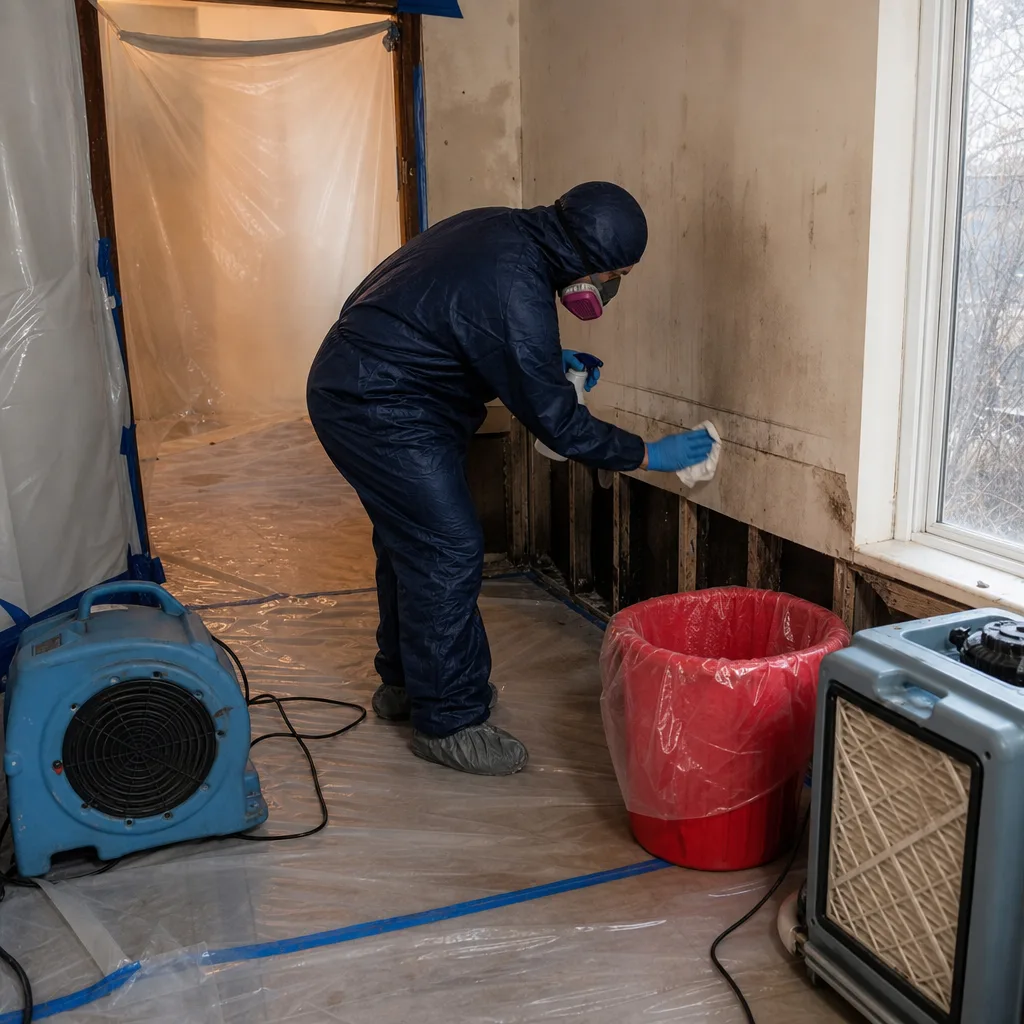
Blood & Bodily Fluid Cleanup
Whether the source is a crime, an accident, or a medical event, blood in a pre-war unit rarely stays on the surface. We assess the full path of the fluid, including the floor assembly and any wall cavities it may have reached. Our team uses EPA-registered antimicrobials and follows IICRC standards for bloodborne pathogen decontamination. In Morningside Heights, that regularly means cutting into a plaster wall to check the lath behind it.
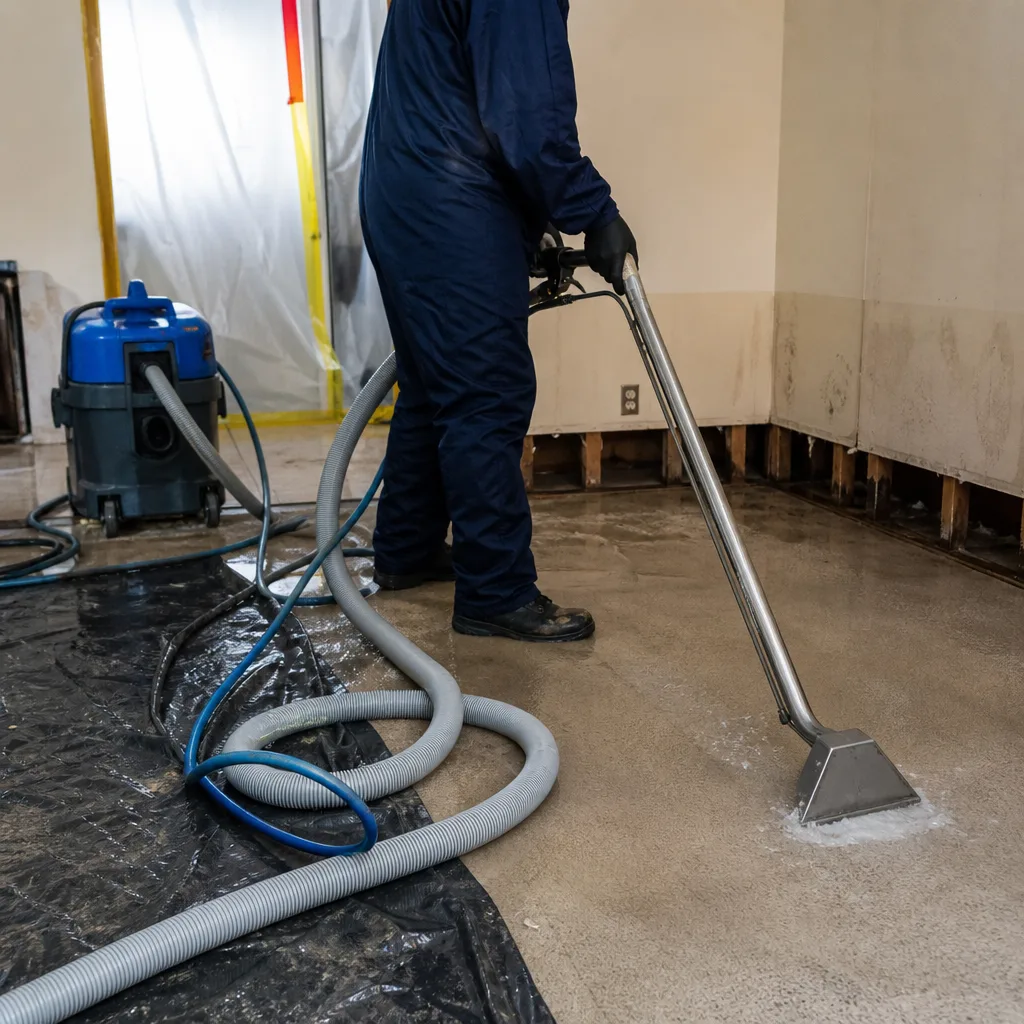
Hoarding Cleanup
Hoarding scenes in pre-war buildings carry two extra burdens compared to newer construction. First, the weight of accumulated material can stress original floor joists and plaster ceilings, so we assess structural condition before and during removal. Second, the density of material means air doesn’t move, and years of neglected moisture create mold, insect, and sometimes rodent activity inside the pile. We work with the tenant, the family, and the building as needed, and we remove, sort, and dispose according to a written plan.
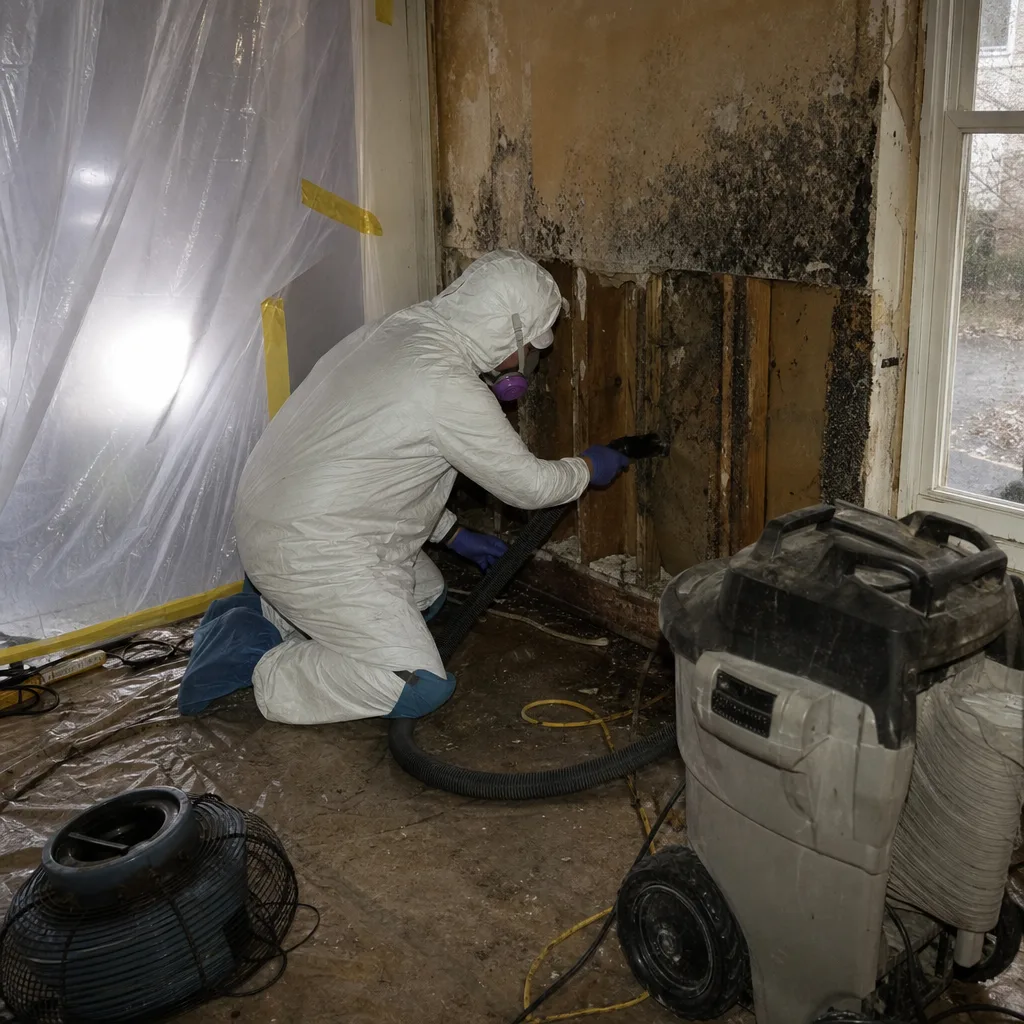
Infectious Disease Disinfection
After a confirmed exposure to a contagious pathogen, we treat the unit with hospital-grade disinfectants using an electrostatic sprayer so surfaces, fixtures, and high-touch areas are covered evenly. In a Morningside Heights apartment, that means not just the bathroom and kitchen but also radiators, window sills, door hardware, and any shared surfaces where a contagious person spent time. We document the full treatment for the building and the carrier.
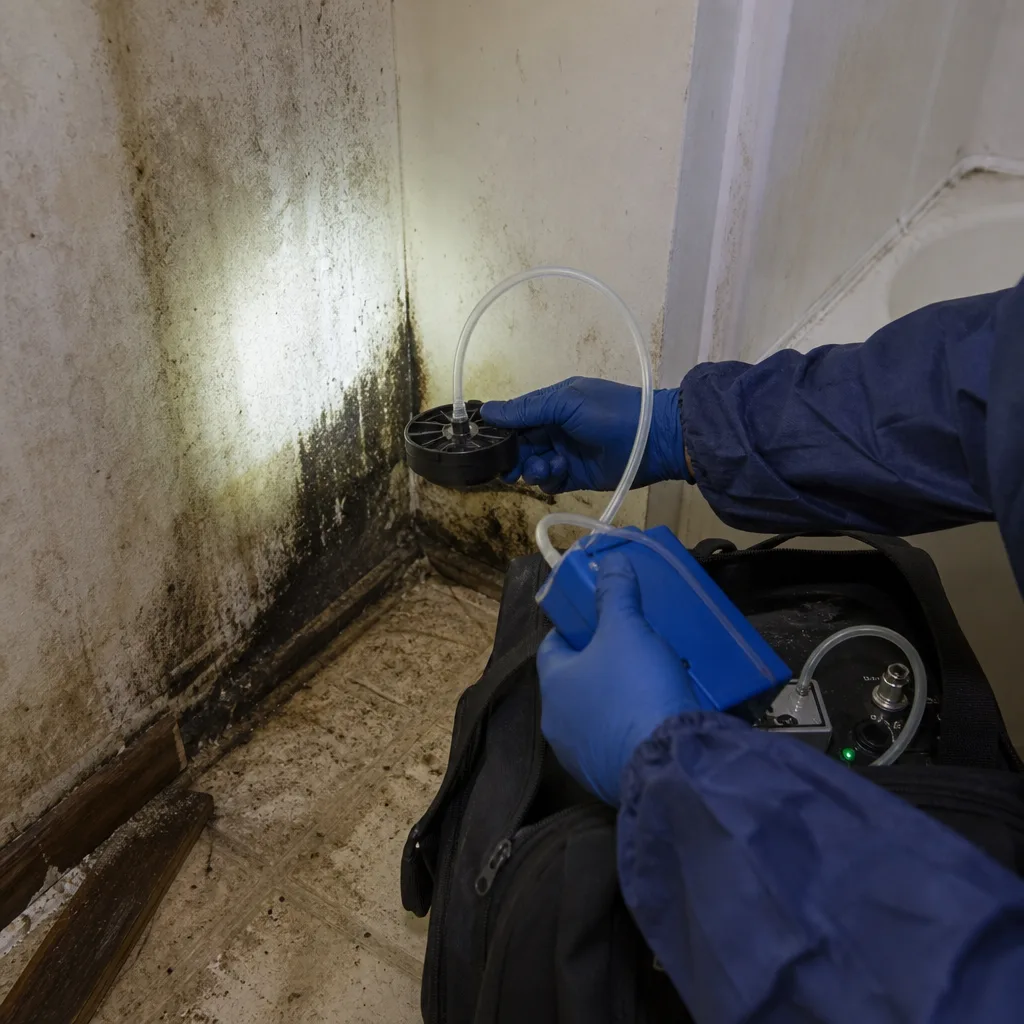
Crime Scene Cleanup
After the NYPD releases a scene, the family or the building is left with the cleanup. We respond at any hour, coordinate with law enforcement protocols, and handle the biological contamination so the property can be legally and safely restored. You won’t deal with this more than a few times in your life. We deal with it every week, and we do it the same way every time: contain, remove, disinfect, verify, restore.
Tear Gas & Chemical Cleanup
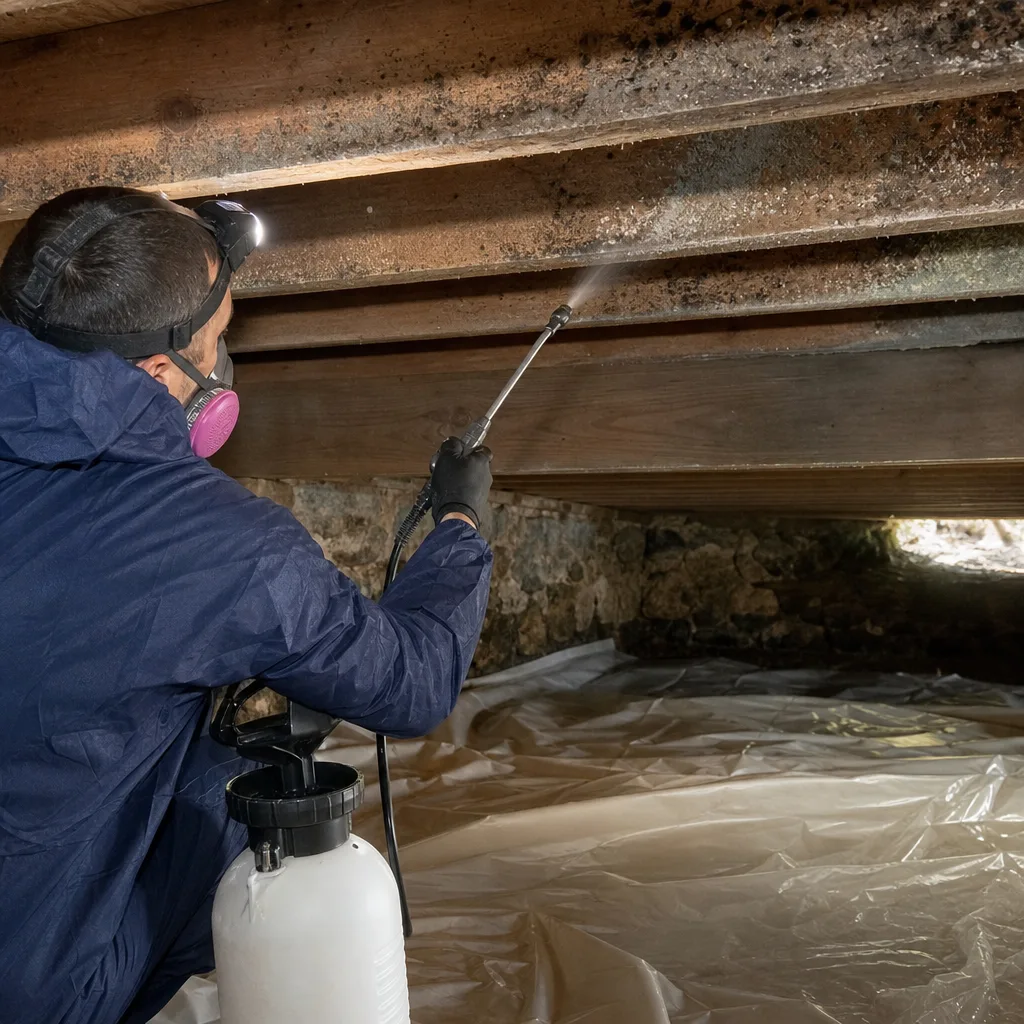
Tear gas and chemical irritants leave microscopic particulates that embed in porous surfaces and reactivate with humidity, which is exactly why they persist in Morningside Heights apartments with steam heat. We remove affected materials, clean non-porous surfaces, and run HEPA air scrubbing until the air clears. It’s a specialty service most restoration companies won’t touch. We do it because this city occasionally requires it.
What happens when you call
- 1
A real person answersNo phone trees - you reach a local pro.
- 2
You get an upfront price rangeHonest numbers before anyone is dispatched.
- 3
A background-checked tech heads outLicensed & insured, dispatched right away.
- 4
You approve before work beginsNothing starts until you say go.
Biohazard & Crime Scene Cleanup Costs in Morningside Heights, NY
Here’s what you should actually expect. A contained blood cleanup on a tile bathroom floor in Morningside Heights runs $1,800-$3,200. An unattended death with moderate decomposition and partial plaster removal typically lands between $4,000 and $7,500. A full hoarding cleanup in a pre-war one-bedroom, including structural assessment, dumpster service, sanitization, and plaster repair, usually runs $8,000-$25,000 depending on volume and condition. Infectious disease disinfection for a single unit is most often $2,500-$5,500.
What moves the price in this neighborhood specifically is the plaster. A scene that would be a $2,000 job in a drywall building becomes a $5,000 job here because the lath has to be inspected, often removed, and then the wall or ceiling replastered by someone who knows how to match a 1925 finish. The riser-chase contamination factor adds another layer again. There’s no shortcut, and we won’t pretend there is. The free inspection is how you get a firm number. Call (518) 800-3751 and we’ll walk the scene, write the scope, and hand it to you in plain language before any work starts.
We Also Serve Cities Near Morningside Heights
Our Biohazard & Crime Scene Cleanup crews also cover Morningside Heights and the surrounding communities: Astoria, Ditmars Steinway, Upper Manhattan, and Upper East Side. If your building is just outside the neighborhood boundary, call us anyway. We’re already in the area most days.
Morningside Heights Biohazard & Crime Scene Cleanup Questions, Answered
How do you handle a biohazard cleanup in a Morningside Heights pre-war apartment when the contaminated plaster ceiling is still visually intact?
We don’t trust the visual. We run moisture mapping first, because a plaster ceiling that looks fine from below can be holding contaminated moisture above and ready to drop without warning. If readings confirm saturation behind the plaster, we set up containment, remove the affected section in a controlled way, treat the lath and cavity behind it, and then replaster and repaint. Visually intact plaster is not verification; it’s a reason to investigate.
Do you coordinate with Columbia University facilities or the building superintendent during a crime scene cleanup in Morningside Heights?
Yes, every time. Columbia-managed buildings and co-op boards in this neighborhood almost always require a written scope of work, drying logs, and containment verification before demo can proceed, and they typically want their own facilities office copied on all documentation. We’re used to this. We prepare exactly what they ask for, and we don’t start cutting until approvals are in hand. It prevents stop-work orders and protects the homeowner from a dispute with the managing agent.
Can a bloody water leak in one Morningside Heights apartment contaminate the unit below if the building has cast-iron risers?
Yes, and this is one of the defining problems of this neighborhood’s building stock. The cast-iron riser chases and the gaps around steam-line penetrations are open vertical channels. Liquid in one unit can follow the pipe, stain the ceiling below, and carry biohazard material into a space the downstairs neighbor has never touched. We inspect the units above and below the scene as standard practice here, not as an add-on, because we see this migration regularly in pre-war construction on Claremont, Amsterdam, and the side streets off Broadway.
Why does hoarding cleanup in Morningside Heights pre-war buildings take longer than in newer construction?
Two reasons: weight and air. Accumulated material can overload original wood-joist floor assemblies and stress plaster ceilings, so we assess structure before and throughout the removal, and we don’t skip that step even when it slows the timeline. The piles themselves also block air movement for years, so by the time we get in, there is almost always mold, insect activity, and saturated plaster underneath the surface layer. Removing a hoard in a 1910s building means digging into a micro-environment that has been sealed and damp for a very long time. That’s a slower, more careful process than hauling boxes out of a drywall apartment in a 2005 building.
What category of water is present after an unattended death in a Morningside Heights apartment?
Any water or fluid associated with an unattended death is Category 3, which is the most contaminated classification, because it contains blood, bodily fluids, and decomposition byproducts. There’s no gray area here. The material requires full PPE, containment, removal of saturated porous surfaces, and disinfection to IICRC standards. A Category 3 scene in a pre-war apartment also means we check for migration into the floor assembly and the riser chases before we call the cleanup complete.
Will my insurance cover biohazard cleanup in Morningside Heights?
In most cases yes, especially if the biohazard resulted from a covered event like a crime, an accident, or an unattended death. The key is documentation and a professional scope submitted quickly. We provide that from the first hour, and we bill your carrier directly so you’re not carrying the cost while the claim processes. If you’re in a Columbia-managed or co-op building, we’ll also coordinate with the building’s insurance as needed.
Can I stay in my apartment during the cleanup?
In most biohazard scenes, no, not while active work is underway. Containment is set up for a reason: airborne particulates and antimicrobial chemicals are not something you want to breathe. For a small contained bathroom spill, you may be able to stay in the unaffected part of the unit. For an unattended death or a hoarding scene, plan on being elsewhere for a few days. We’ll tell you honestly on the inspection call, not after we’ve started.
What should I do in the first 30 minutes after discovering a biohazard situation in Morningside Heights?
Close the door to the affected room, keep people and pets out, and don’t attempt to clean it yourself. Blood and bodily fluids carry pathogens that household cleaners aren’t rated to handle, and DIY attempts usually spread the contamination further into porous plaster and flooring. Turn off the heat or AC if you can, because forced air and steam heat in these buildings push aerosols through shared risers. Then call (518) 800-3751. We’ll walk you through it and have a crew on the way.
Serving Morningside Heights, NY - Our Local Coverage Area
We’re based in the Morningside Heights area and know this community well. Use the map below to see our service coverage - if you’re nearby, we can almost certainly help.
Call Floodline Restoration Co. for Biohazard & Crime Scene Cleanup in Morningside Heights
This is not a call anyone wants to make, but it’s one that gets easier the moment a steady voice answers. We’ve been doing this work across Morningside Heights long enough to know exactly what these buildings do when a scene gets left too long, and we know how to fix it without making it worse. Curt Bowman leads our team, and the same 90-Day Done Right Promise that backs every job we do applies here: if it’s not done right, we make it right, in writing. A live dispatcher answers at any hour. Call (518) 800-3751 now for a free estimate, and we’ll take it from there.
Written by Curt Bowman, Owner at Floodline Restoration Co., serving Morningside Heights and surrounding New York City communities.