
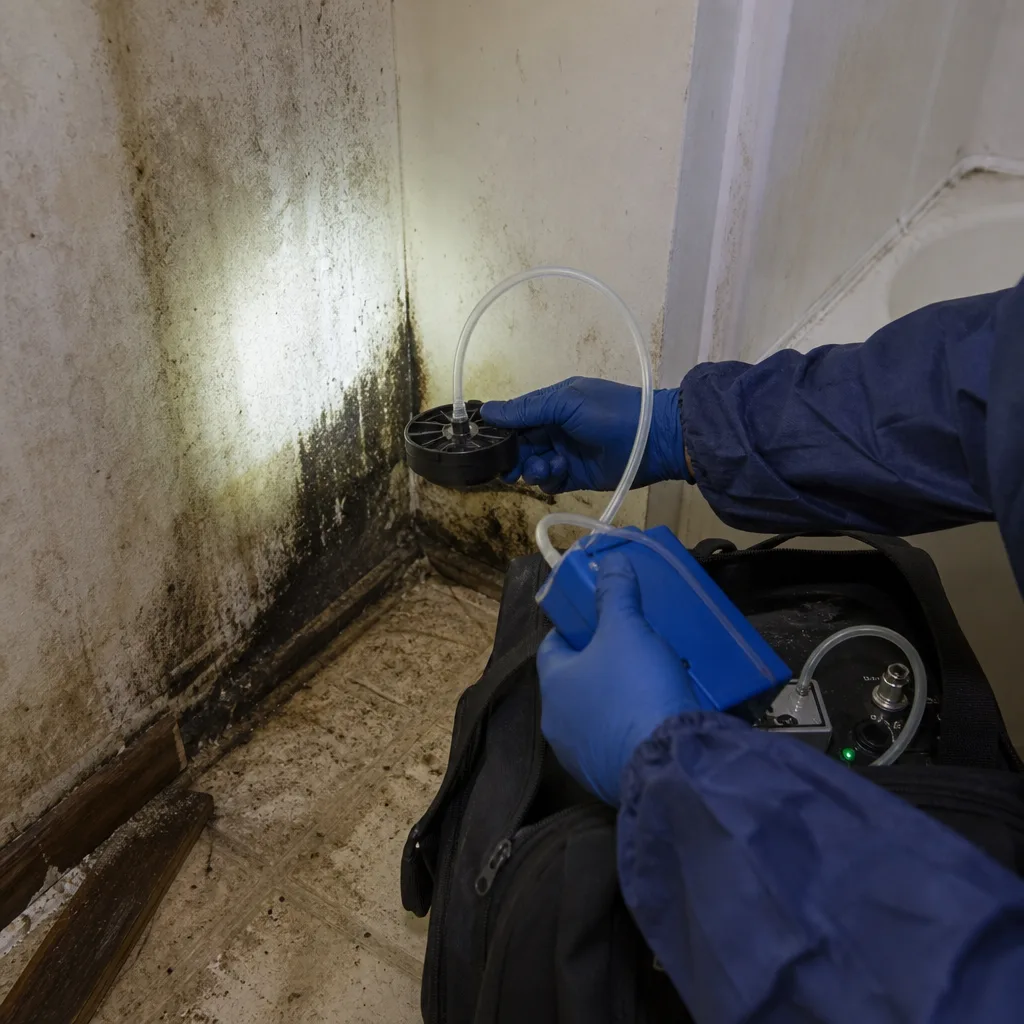
Free visual inspection and a written scope of work before any mitigation begins - photos, moisture readings, and drying logs go in your claim file
The scope we write is the scope we bill. Anything new gets shown to you, in writing, before we touch it.
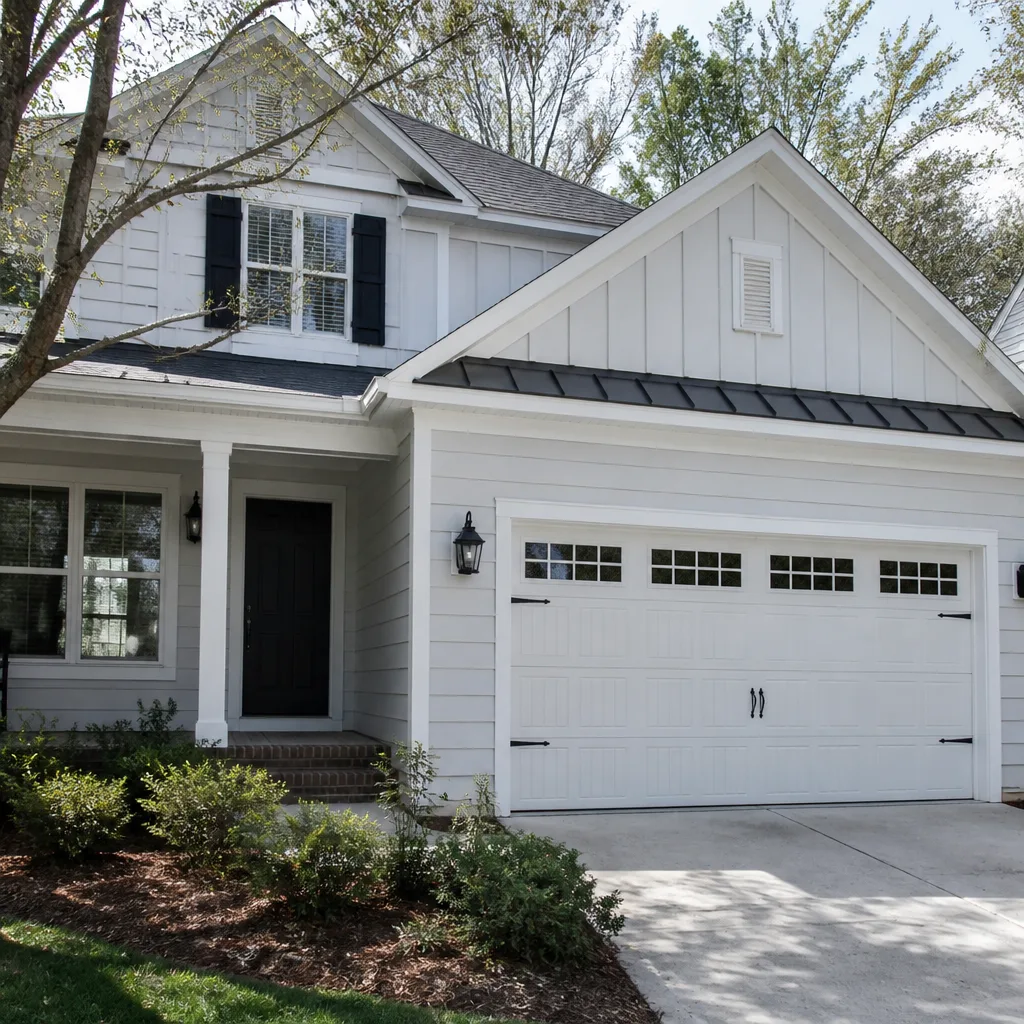
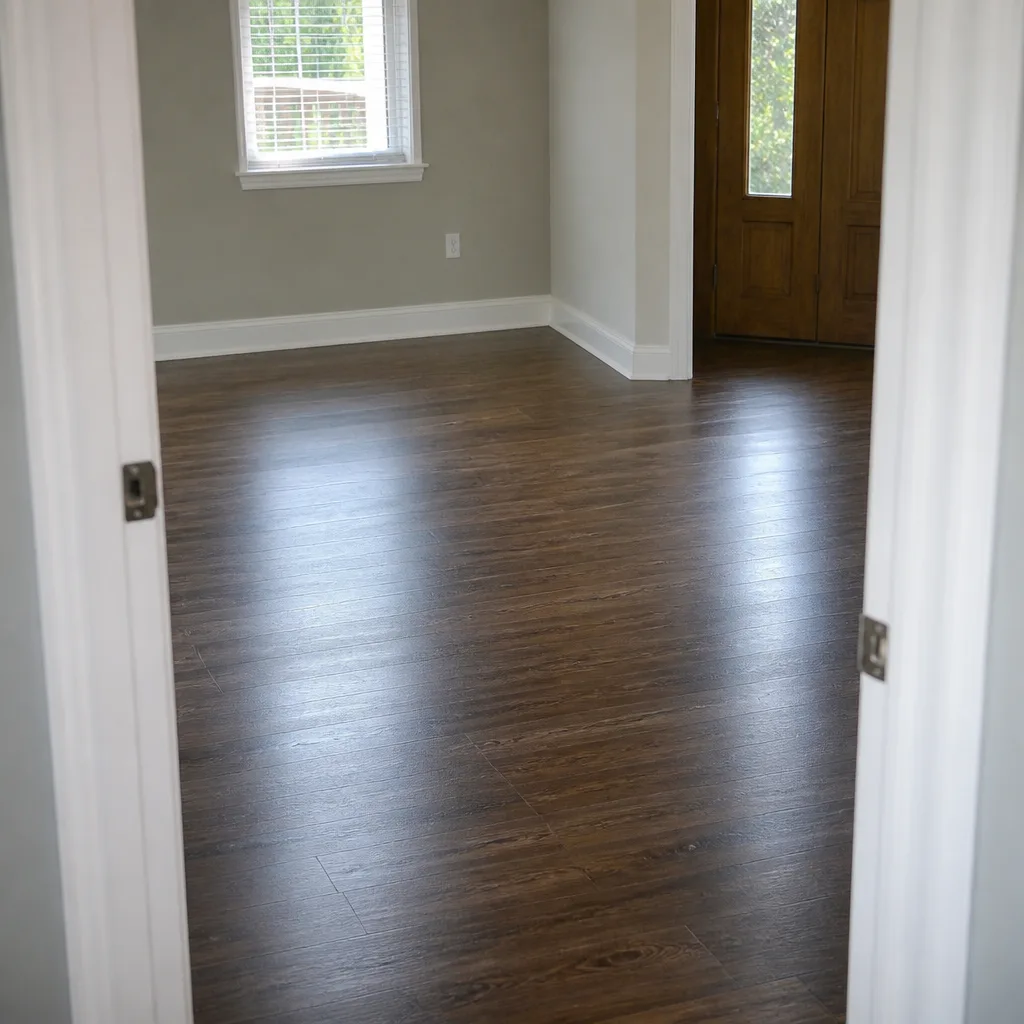
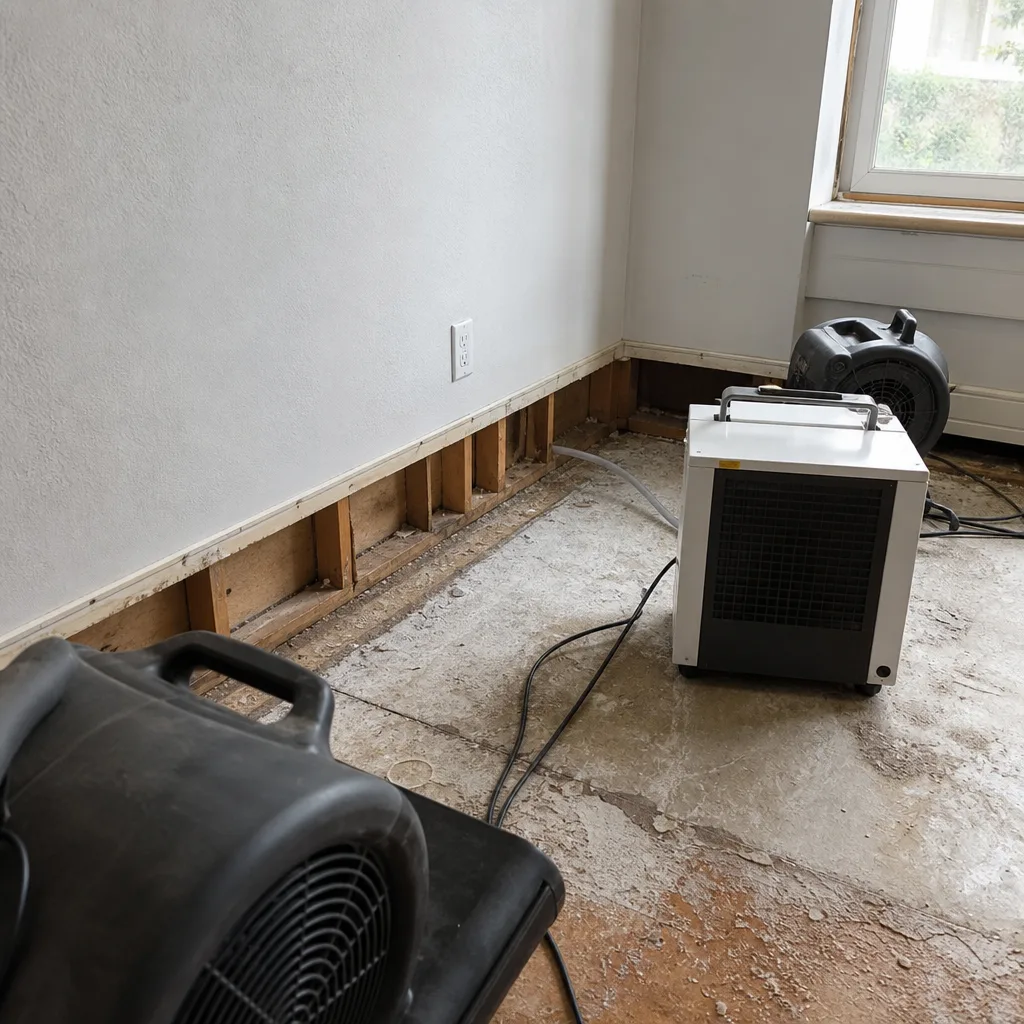
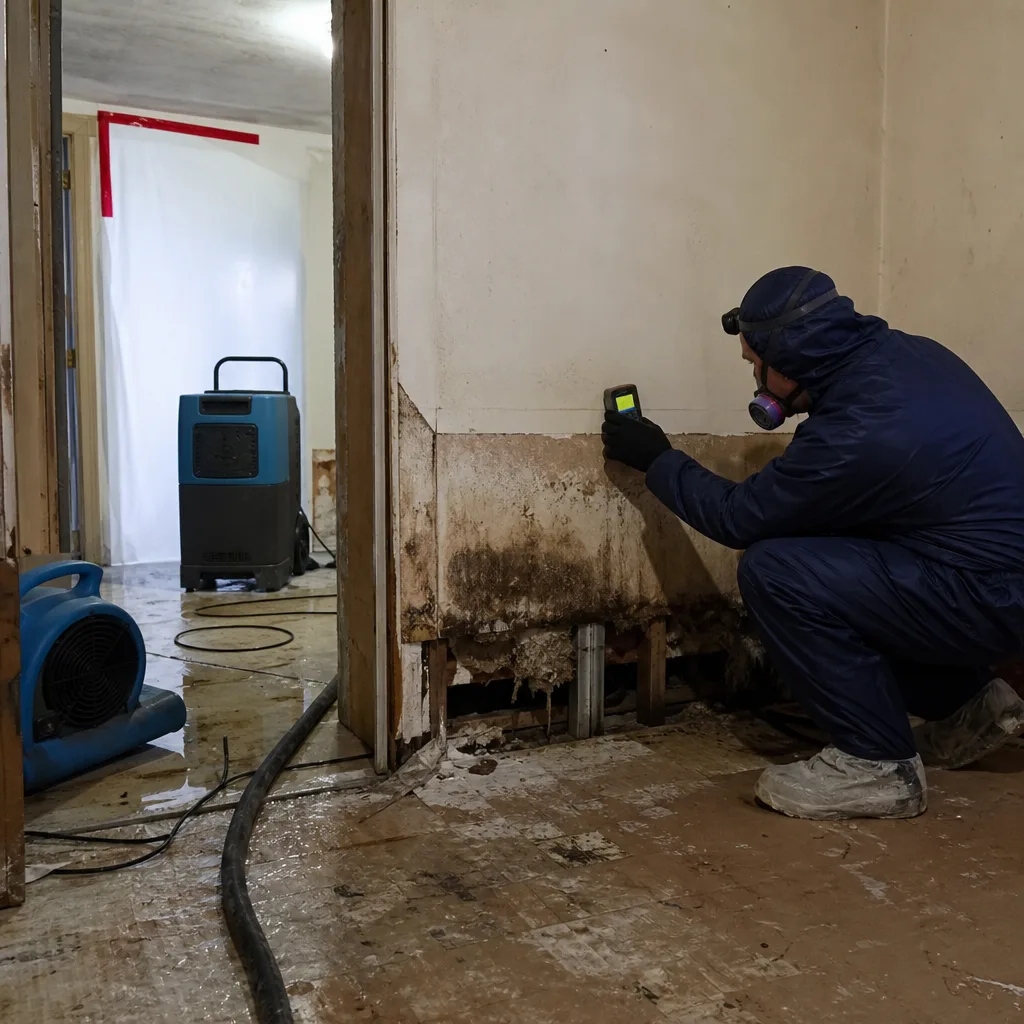 Before
 After
After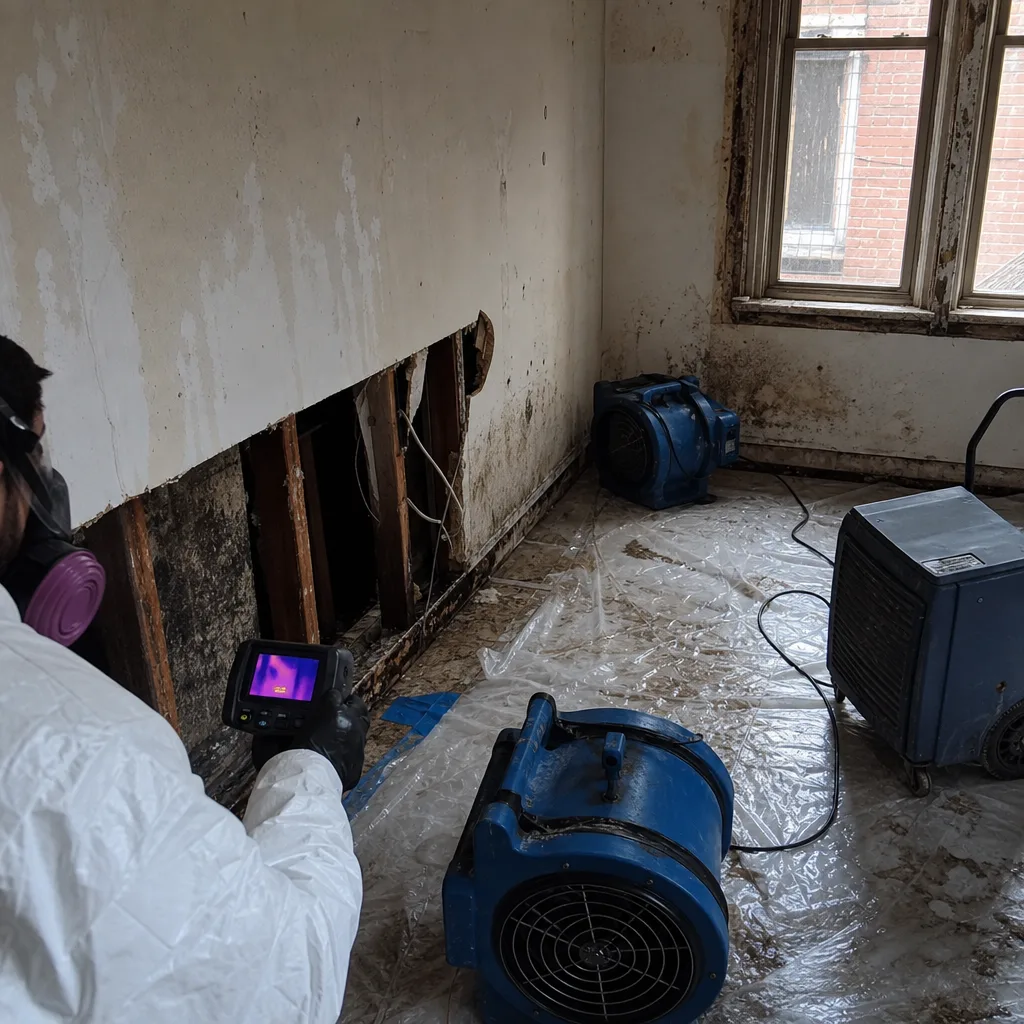 Before
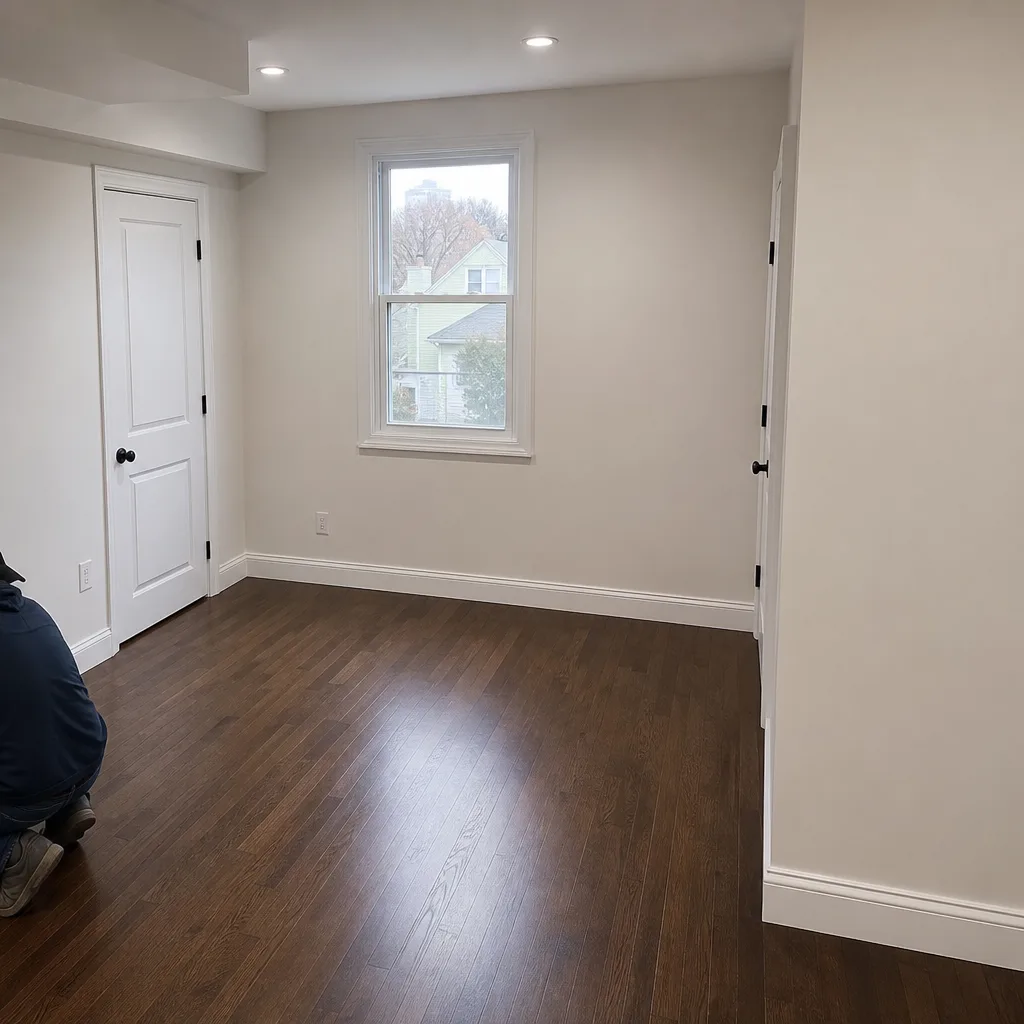 After
After24/7 Emergency Mold Remediation in Upper Manhattan
Mold remediation in Upper Manhattan typically costs $1,800 to $6,500 for a contained one-room job, with the phone answered live at (518) 800-3751 any hour of the day or night. Our crews know Upper Manhattan’s buildings better than most because they work them every week: pre-war walk-ups, Harlem brownstones, NYCHA towers, and Art Deco apartment houses where water has been hiding inside horsehair plaster for months before anyone saw a stain. When you call, a dispatcher picks up and a certified mold remediation team gets routed into Washington Heights, Inwood, Hamilton Heights, or wherever you are, ready to contain the growth before it moves through wall cavities into the next apartment.
That first hour matters here more than almost anywhere else in the city. Upper Manhattan’s stacked housing means mold in one unit is rarely just one unit’s problem. A shared plumbing stack, a cracked parapet cap, a saturated bathroom wall behind a neighbor’s tub: these things cross floors silently. We show up fast, map the moisture, and stop the spread before a one-apartment cleanup becomes a five-floor abatement project. That speed saves landlords and homeowners real money, and it is why we keep live dispatch running around the clock.
Understanding Mold Remediation Severity in Upper Manhattan Properties
Nobody frames mold work in terms of the water that fed it, and that is exactly where severity lives. The IICRC uses water categories: Category 1 is clean supply water, Category 2 carries contaminants from washing machines or old radiators, Category 3 is sewage or outdoor floodwater. A Category 1 leak from a cracked copper riser in a Harlem brownstone is a cleanup job if caught early. A Category 3 backup from a shared cast-iron waste line, which Upper Manhattan’s 1890s-to-1940s buildings have in abundance, is a different animal altogether. That growth gets treated as contaminated, the drywall or plaster comes out, and the wall cavity gets disinfected before anything is rebuilt.
Then there is the building itself. Horsehair plaster walls in Upper Manhattan hold water like a sponge and hide it for months. You will not see the mold until the mycelium has already run through the plaster keys and established itself behind the lath. By then, what looks like a bathroom stain in a Washington Heights walk-up is often a three-dimensional problem spanning a stud bay, a ceiling joist, and the neighbor’s wall on the other side of the party line. Containment, negative air pressure, HEPA air scrubbing, and clearance testing are not optional extras here. They are what keeps a routine mold job from becoming a stop-work order, an asbestos abatement, and an HPD complaint sequence that drags on for months.
Why Upper Manhattan Property Owners Choose Floodline Restoration Co.
- 45 minutes to a real person on site. When you call from Upper Manhattan, the crew headed your way already knows this building style: pre-war, thick plaster, shared stacks. That means the first hour is productive, not a learning curve.
- A live voice, 24/7. No answering service at 2 a.m. A dispatcher who knows the neighborhood answers and starts routing. That is non-negotiable for us because a Sunday-night leak in a rent-stabilized building will be a Monday-morning HPD issue if it waits.
- IICRC-certified crews who understand WRT, FSRT, and AMRT standards. Our technicians hold the training to do water damage restoration, fire and smoke restoration, and applied microbial remediation properly, and they carry the paperwork to prove it.
- Free visual inspection with a moisture map. Before any work begins, you get thermal imaging, hygrometer readings, and a clear explanation of where the water went. You see what we see.
- Direct insurance billing. We deal with the carrier, the adjuster, and the paperwork. You do not play messenger, and you are never left holding an invoice while the claim sits in limbo.
- One team from containment to repair. The same certified crew that sets the containment and runs the air scrubbers rebuilds the wall when it is dry. No mid-job handoff to a subcontractor you have never met. Our Mold Remediation team stays through finish, and the 90-Day Done Right Promise goes in writing before we start.
Our Mold Remediation Process
Inspection & Assessment
We start with moisture mapping and thermal imaging across the affected unit and the floors directly above and below. In Upper Manhattan’s pre-war buildings, hidden wicking is the rule, not the exception, so we trace the water path before we touch anything.
Containment & Source Control
Before any wall comes open, we set up negative air pressure with HEPA-filtered air scrubbers and seal the workspace with 6-mil poly. The source of the water gets addressed at the same time, whether that is a stack leak, a roof seam, or a radiator valve. In pre-war buildings, we sequence this around asbestos and lead concerns.
Removal & Drying
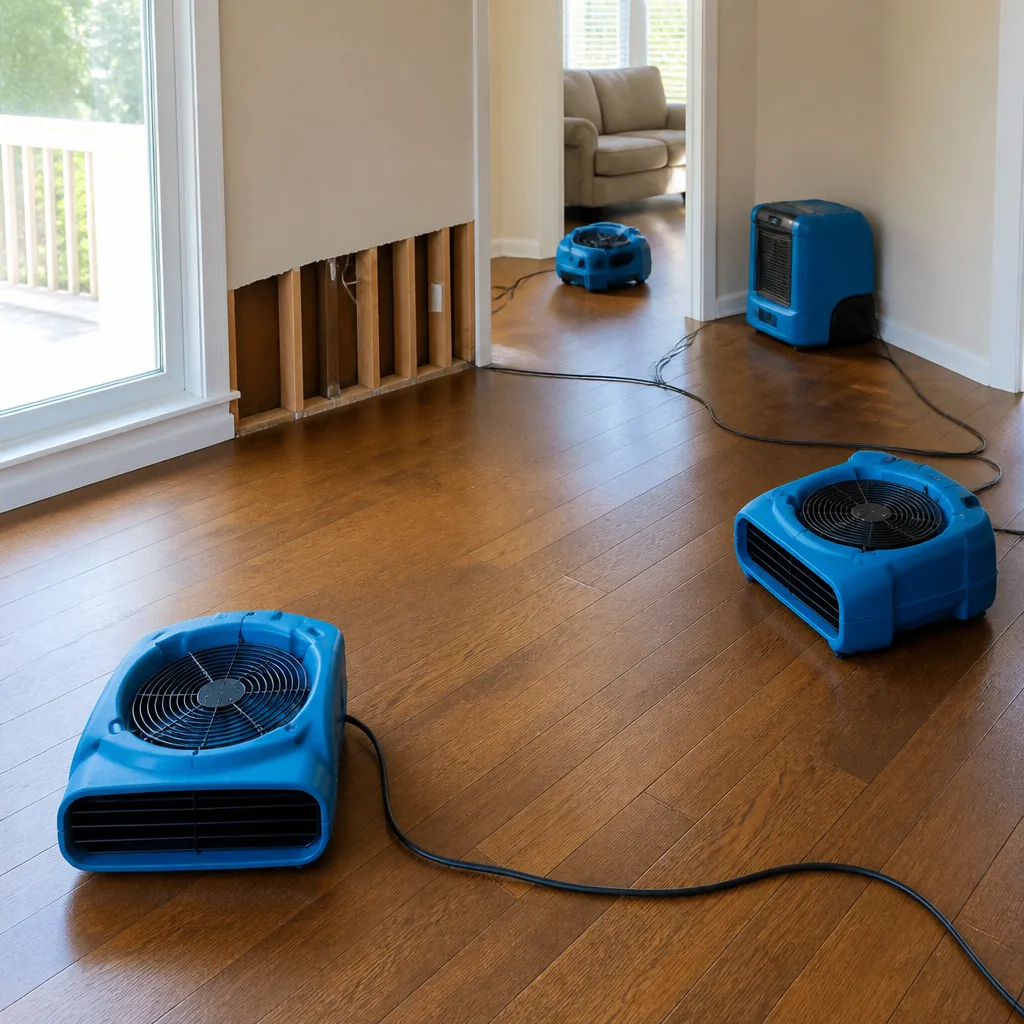
Contaminated plaster, lath, insulation, and trim come out and get bagged for licensed disposal. We run Dri-Eaz dehumidifiers and air movers at calculated rates, taking daily moisture readings against an established dry standard until the structure is stable and documented.
Cleaning & Sanitization
Every exposed surface gets HEPA-vacuumed, then treated with EPA-registered antimicrobial where appropriate. The wall cavity, the studs, the subfloor, and the shared framing all get cleaned, because the neighbor’s side of that wall is your problem too.
Air Quality Restoration
We run continuous air scrubbing through the containment period and take air samples for clearance testing after the work area is sanitized. The goal is simple: the unit reads clean before anyone moves back in. For tenants in Upper Manhattan, that documentation is what the landlord, the carrier, and HPD all want to see.
Repairs & Restoration
The same crew that removed the mold rebuilds the wall, patches the tin ceiling, primes and paints, and restores the unit to finished condition. We hand you the moisture log, the scope of work, and the 90-Day Done Right Promise in writing. Done right, and backed in writing.
Need Emergency Mold Remediation in Upper Manhattan Now?
Crews minutes away, answering live 24 hours a day. The sooner we start, the less it costs.
Working With Your Insurance Company
Mold claims in Upper Manhattan turn on documentation, and we build that file from the first hour. Our team photographs every stage: the initial stain, the open wall, the moisture readings, the contained workspace, the remediation, and the finished repair. We log daily psychrometric data, map the affected areas, and write a line-item scope of work that speaks the language adjusters expect. Curt Bowman started Floodline Restoration Co. in 2010 specifically so homeowners would never be stuck between a restoration contractor and an insurance desk, and that means we talk to your carrier directly. You get the report. The adjuster gets the file. Nobody gets a surprise. That is the square deal, and it is the only way we work.
What We Provide Your Insurer
- Thorough documentation of the loss
- Photos of all damage, room by room
- Moisture readings and drying logs
- A detailed, line-item scope of work
- Direct coordination with your carrier
Built for Upper Manhattan’s Loss Calendar
Upper Manhattan’s mold problems follow a seasonal rhythm that anyone who owns or manages a pre-war building can set a watch to. January and February bring deep freezes that split galvanized supply lines and crack radiator valves, pushing water into top-floor walls and down through hollow cavities for days before anyone notices. That water sits in horsehair plaster behind radiators and under windows, and by March it has bloomed. Spring thaw brings a second wave: snowmelt and rain pond on flat roofs over Washington Heights and Hamilton Heights, finding every open seam in an aging roof membrane and every failed parapet cap. Top-floor units get wet, and that water travels down the dropped ceilings and wall cavities of the floors below. Summer thunderstorms overwhelm old roof drains and clogged leaders, flooding basement storage rooms in brownstones and the ground-floor apartments of East Harlem walk-ups. And the fall nor’easter season presses water horizontally through old brick and mortar joints, saturating interior plaster on the windward side of tenement buildings. In every season, the pattern is the same: water finds the path of least resistance through old materials, and mold follows within 48 to 72 hours. The trick is not just remediation; it is mapping the entire water path so the growth does not come back next year.
Mold Remediation Across Upper Manhattan’s Neighborhoods
Upper Manhattan is not one housing market, and each neighborhood throws its own curveball at a mold job. In Washington Heights, the walk-ups off St. Nicholas Avenue and Fort Washington Avenue date from the 1910s and 1920s, with shared plumbing stacks running through five or six floors of rent-stabilized units. We route crews up Broadway and Amsterdam Avenue to get containment set before a third-floor bathroom leak becomes a first-floor ceiling collapse. Inwood‘s pre-war elevator buildings and smaller walk-ups near Dyckman Street have flat roofs and aging parapet copings, so top-floor mold often traces to roof seams rather than plumbing. Hamilton Heights, with its rows of limestone and brownstone townhouses along Convent Avenue and Hamilton Terrace, gives us party-wall leaks and basement seepage that follows old coal chutes and foundations. And in East Harlem, the mix of tenements and NYCHA towers means mold work often runs alongside HPD violation sequencing and lead-paint protocols on pre-1940s walls. The crew that knows the building stock gets the job done faster, and that is precisely the crew we send.
Specialized Mold Remediation Services We Offer in Upper Manhattan
Mold Inspection & Testing
Before any remediation, you need to know what you are actually dealing with. We run moisture mapping, thermal imaging, and air or surface sampling where the situation calls for it. In Upper Manhattan’s pre-war buildings, that inspection almost always includes a check of the floors directly above and below, because shared risers and wicking plaster mean the visible stain is rarely the whole story.
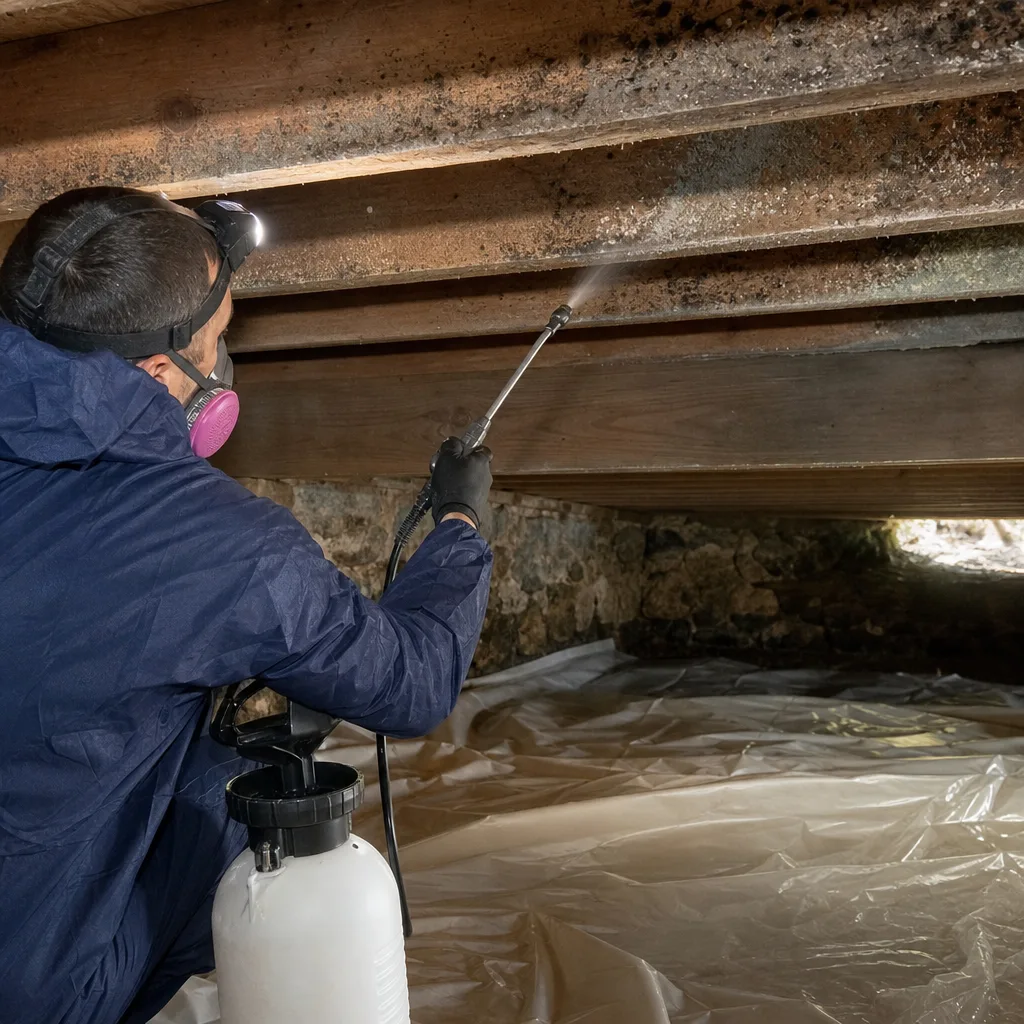
Mold Removal
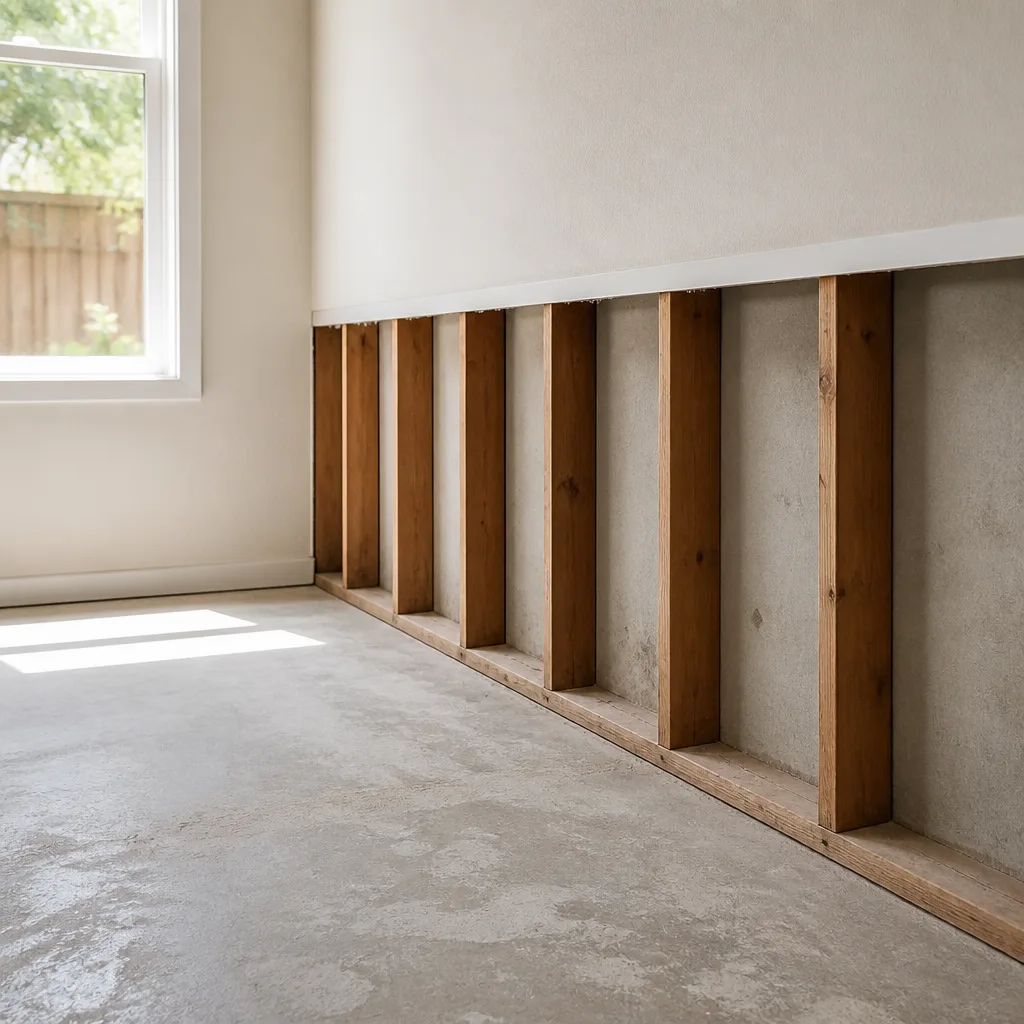
Mold removal in Upper Manhattan apartments means careful demolition of contaminated plaster, lath, and trim, bagged and disposed under New York City’s waste rules. We contain the workspace throughout, run HEPA air scrubbers, and do not let growth spread through the building while we work. The same crew removes the mold and rebuilds the wall.
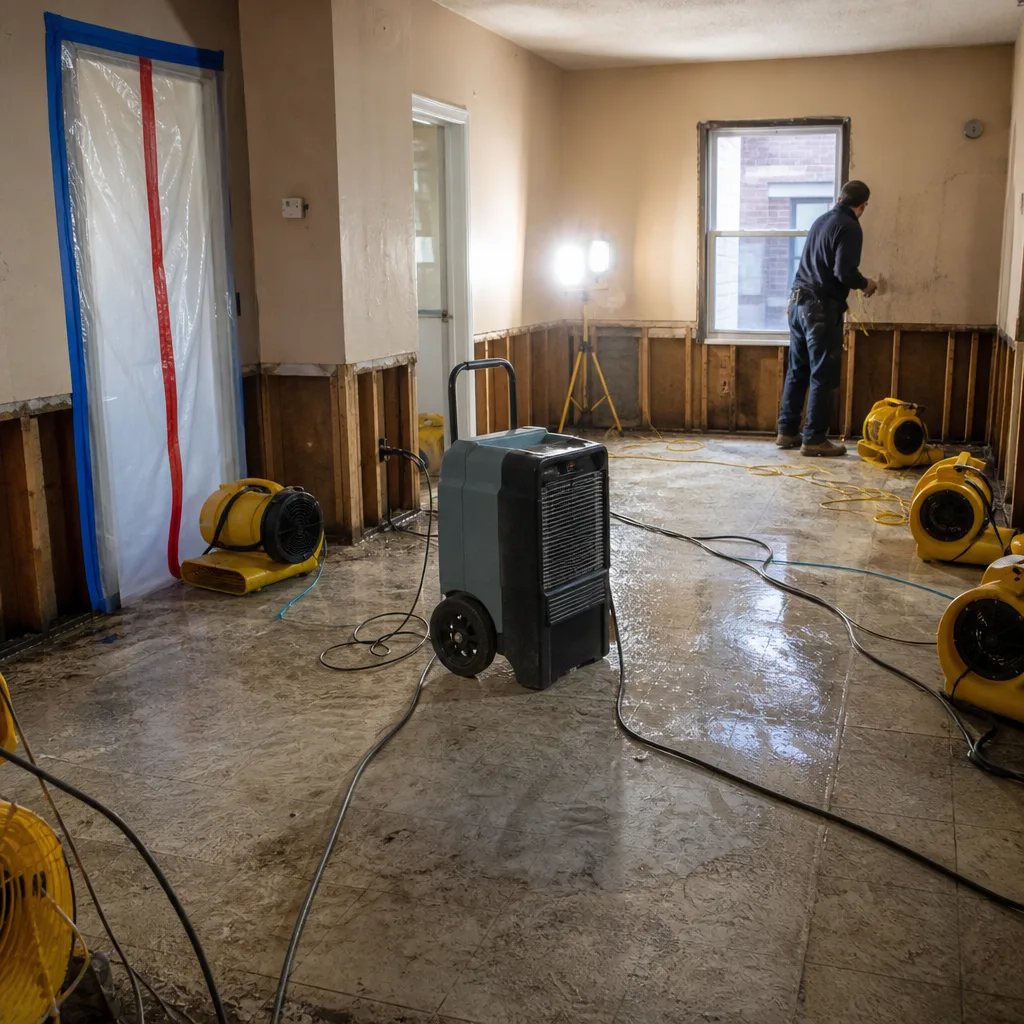
Black Mold Remediation
Stachybotrys, the species people call black mold, thrives on chronically wet cellulose: old lath, paper-faced drywall, cardboard, ceiling tiles. Upper Manhattan’s older apartments have no shortage of any of those. When black mold is present, we treat it as contaminated material, upgrade containment, and run clearance testing after the work to confirm the air is safe.
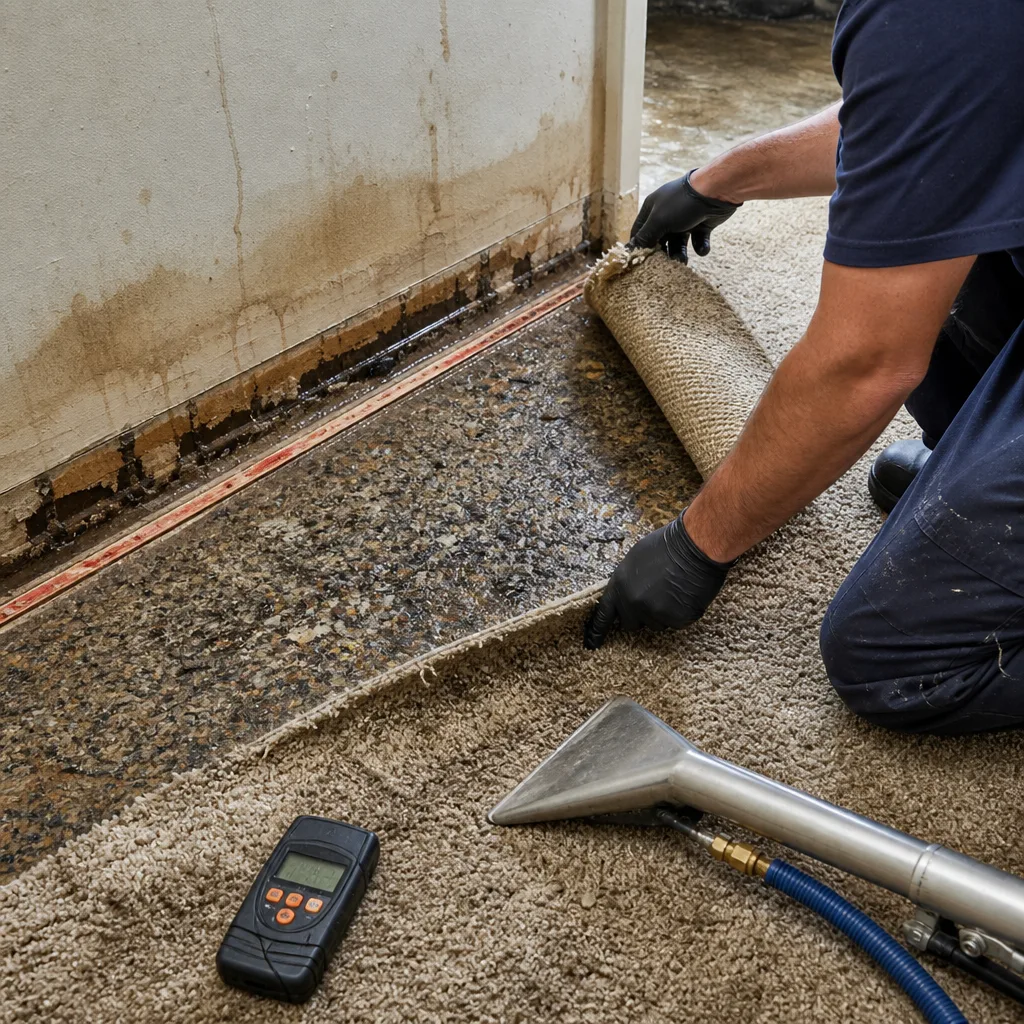
Air Quality Restoration
After remediation, the air itself needs to be addressed. We run continuous HEPA air scrubbing during the project and provide post-remediation verification so tenants know the unit is safe to occupy. For landlords in Upper Manhattan, that air quality documentation is often the difference between a closed HPD case and a reopened one.
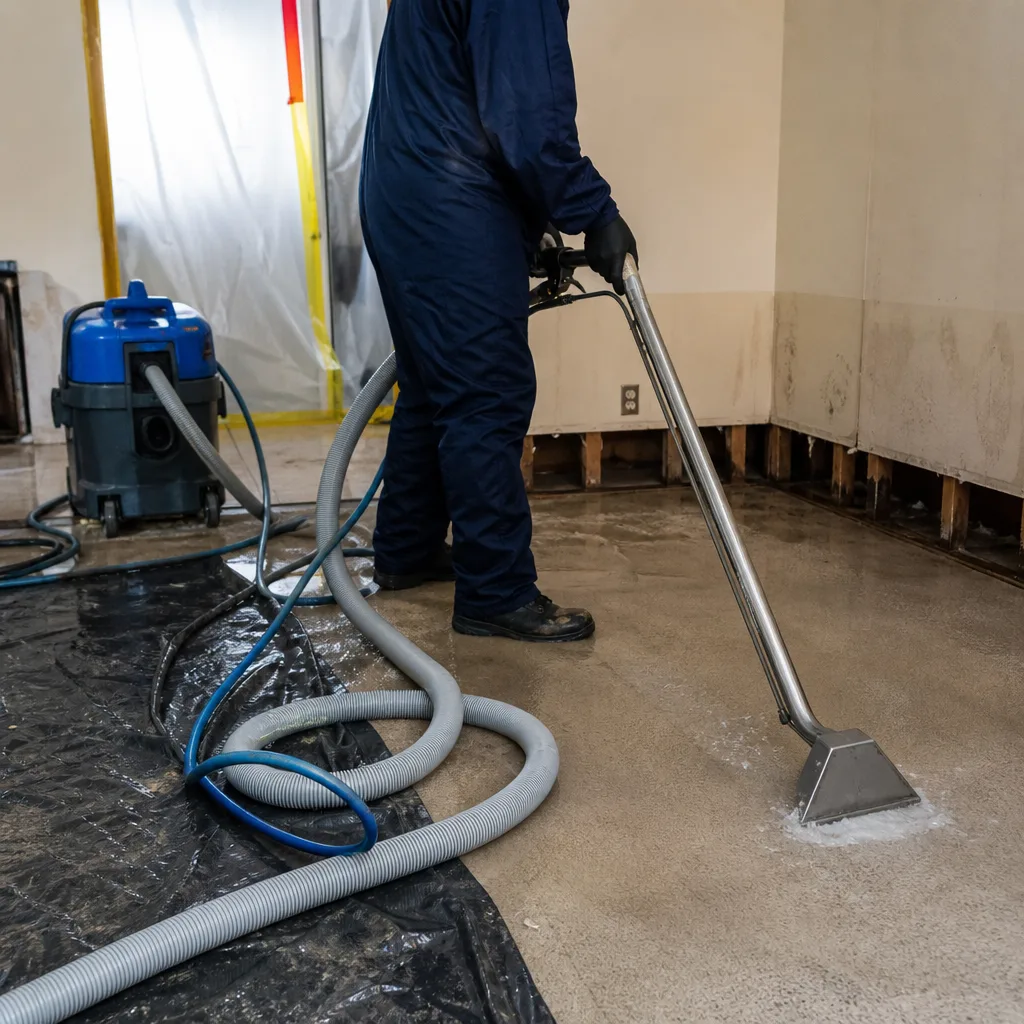
Crawl Space Treatment
Brownstones and rowhouses in Harlem and Hamilton Heights sometimes have shallow crawl spaces or dirt-floor cellars where moisture rises through the foundation. We seal, dehumidify, and treat those spaces with antimicrobial coatings and vapor barriers where appropriate, cutting off the humidity source that feeds mold upstairs.
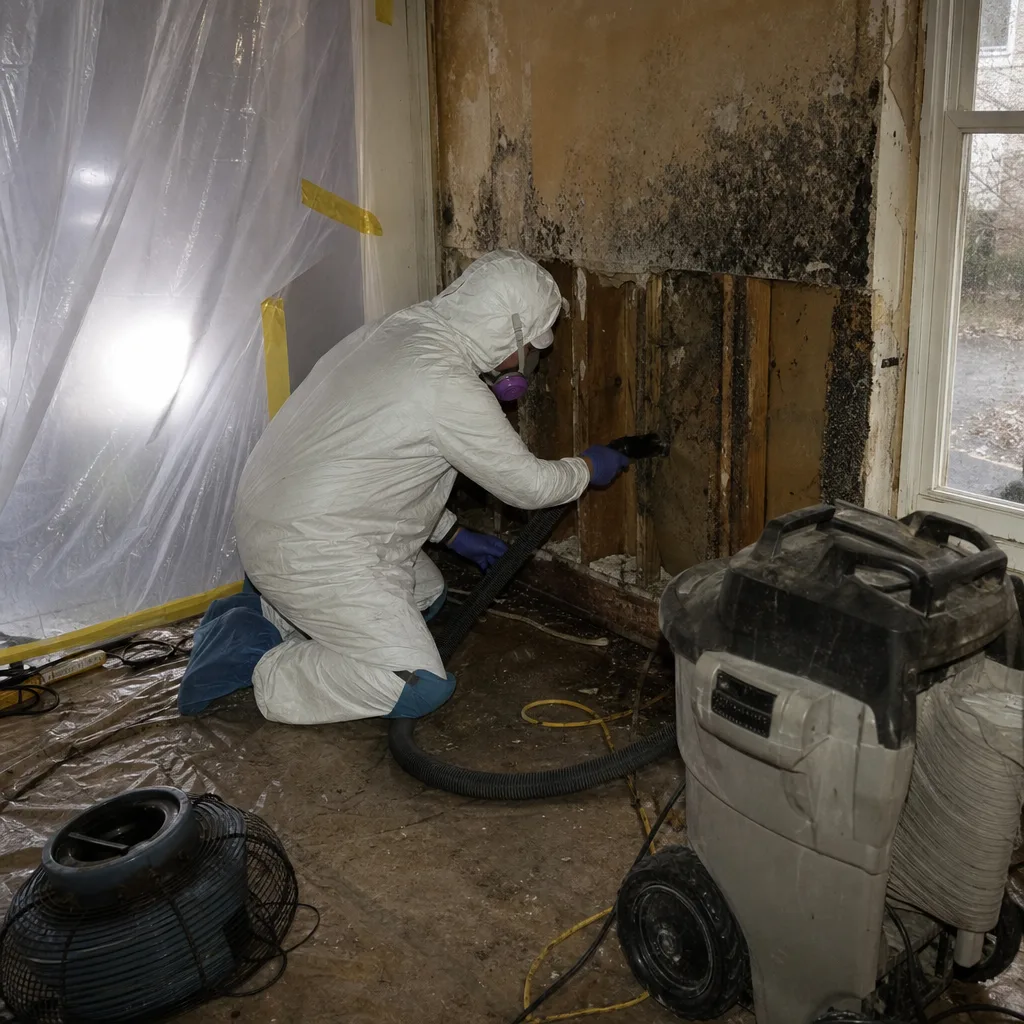
Moisture & Humidity Control
Mold is a moisture problem first. In Upper Manhattan’s naturally humid pre-war buildings, especially top-floor units under flat roofs and garden-level apartments below grade, we install or recommend dehumidification, improve ventilation, and address the structural leaks that keep feeding the humidity. This is the part of the job that stops the next outbreak before it starts.
What happens when you call
- 1
A real person answersNo phone trees - you reach a local pro.
- 2
You get an upfront price rangeHonest numbers before anyone is dispatched.
- 3
A background-checked tech heads outLicensed & insured, dispatched right away.
- 4
You approve before work beginsNothing starts until you say go.
Mold Remediation Costs in Upper Manhattan, NY
What you pay for mold remediation in Upper Manhattan depends less on the mold and more on the building. A contained single-room job, clearing visible mold and treating the wall cavity, runs $2,500 to $5,500. A five-floor shared-stack situation where water has been migrating through party walls can push $10,000 to $25,000 or more, especially when it involves opening multiple units, asbestos abatement sequencing, and HPD documentation. Mold inspection and testing alone, with moisture mapping and lab samples, typically runs $450 to $900 in Upper Manhattan. If the job is contained to one unit and the source is a covered plumbing leak, most homeowners policies pay for the remediation and the repair; if the source is long-term seepage or deferred maintenance, the carrier may deny coverage, which is exactly why we document everything from the first hour. Call (518) 800-3751 for a free visual inspection and a firm written scope before any work starts.
We Also Serve Cities Near Upper Manhattan
Floodline Restoration Co. runs mold remediation crews throughout the city, covering neighborhoods across the East River and down the island. We serve Astoria and Ditmars Steinway in Queens, the Upper East Side just south of 96th Street, and Jackson Heights in Queens. Same live dispatch, same certified crews, same 90-Day Done Right Promise in writing.
Serving Upper Manhattan, NY - Our Local Coverage Area
We’re based in the Upper Manhattan area and know this community well. Use the map below to see our service coverage - if you’re nearby, we can almost certainly help.
Upper Manhattan Mold Remediation Questions, Answered
Why do mold jobs in Washington Heights and Inwood so often require asbestos abatement before drying can start?
Because these buildings predate the 1980s asbestos ban by decades, and vermiculite insulation, asbestos pipe wrap, and asbestos-containing plaster are common behind the very walls where mold grows. Once we open a wall in a Washington Heights tenement or an Inwood walk-up and hit suspect material, New York City and federal rules require a licensed asbestos contractor to abate before any drying equipment can run. It is not a delay tactic; it is the law, and sequencing the job around it is what keeps everyone safe and compliant.
How does a shared plumbing stack in a Harlem brownstone turn one tenant’s mold into a multi-floor project?
A Harlem brownstone’s plumbing stack runs vertically through every floor, and when that cast-iron or galvanized riser fails, water follows the pipe through wall cavities and floor joists down through the building. What looks like a bathroom stain in the second-floor apartment is often fed by a leak on the fourth floor. By the time we map the moisture, containment often needs to run through multiple units, which means landlord coordination and sometimes HPD involvement. Call (518) 800-3751 and we will trace the source before making any assumptions about scope.
What should I expect when mold is found behind original tin ceilings or horsehair plaster?
Expect the unexpected in the best way possible: we will not rip out more than we have to. Tin ceilings can often be carefully removed, salvaged, and reinstalled after the mold behind them is remediated. Horsehair plaster, though, wicks water aggressively, and mold grown into the plaster keys is usually removed rather than dried in place. We will show you thermal imaging and moisture readings before any demolition, so you know exactly what is coming out and why.
Can mold in an Upper Manhattan walk-up be dried in place, or does the plaster always come out?
If the plaster is structurally sound and the mold is superficial, we can sometimes surface-treat and dry it with controlled airflow. But in pre-war walk-ups, by the time mold is visible on the surface, the moisture has usually saturated the plaster deep behind the finish coat, and that contaminated material comes out. Leaving saturated mold-bearing plaster inside a wall cavity in a shared building is a recipe for the neighbor’s complaint six months later.
Why does mold reappear each spring in top-floor apartments of Washington Heights and Hamilton Heights buildings?
Because the real culprit is above the ceiling, not behind the wall. The flat roofs on these pre-war buildings take a beating from freeze-thaw cycles all winter: terracotta parapet caps crack, membrane seams open, and water ponds over top-floor units. Each spring’s thaw pushes that water down into the wall cavities and ceiling spaces of the units below. We remediate the mold, yes, but we also document the roof failure and recommend the repair, because without it the same stud bay will bloom again next year.
How fast can a mold remediation crew actually reach Upper Manhattan?
We commit to a 45-minute response time for emergency calls in Upper Manhattan. Our dispatcher answers live at (518) 800-3751, routes the nearest available crew, and that crew arrives ready to assess, contain, and start mapping moisture. For non-emergency inspections, we schedule at your convenience, usually within 24 to 48 hours.
Are your mold remediation technicians certified?
Yes. Our field crews hold IICRC certifications including AMRT (Applied Microbial Remediation Technician), WRT (Water Damage Restoration Technician), and FSRT (Fire and Smoke Restoration Technician), plus ongoing training to RIA and IFA standards. They are background-checked, uniformed, and they carry the credentials to match the work.
What should I do in the first 30 minutes after discovering mold in Upper Manhattan?
Do not disturb it. Do not wipe it, spray bleach on it, or open the wall. Disturbing mold releases spores into the air and spreads the contamination. Shut the door to the affected room if you can, keep people and pets out, and call (518) 800-3751. Take photos from the doorway for your records. We will handle the rest, starting with containment.
Written by Curt Bowman, Owner at Floodline Restoration Co., serving Upper Manhattan with certified mold remediation, water damage restoration, and full reconstruction since 2010.