
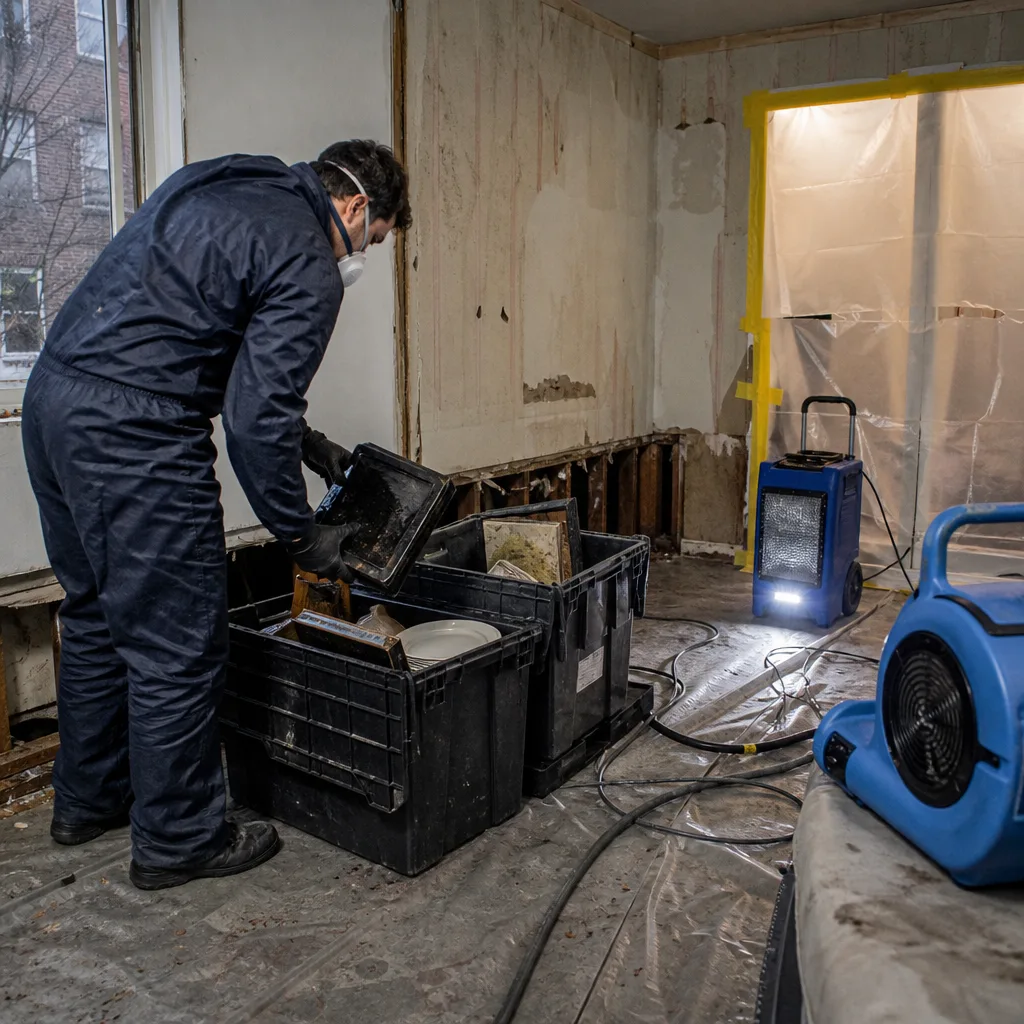
Free visual inspection and a written scope of work before any mitigation begins - photos, moisture readings, and drying logs go in your claim file
The scope we write is the scope we bill. Anything new gets shown to you, in writing, before we touch it.
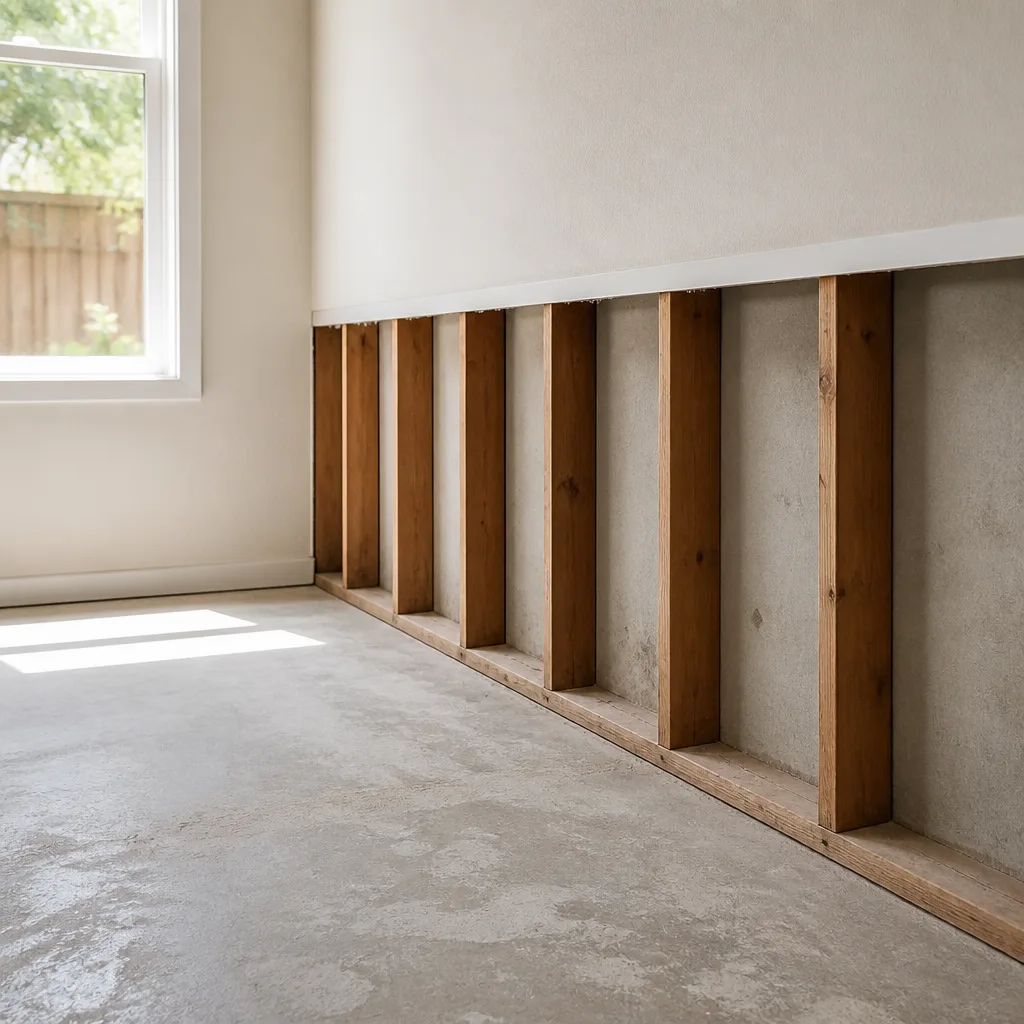
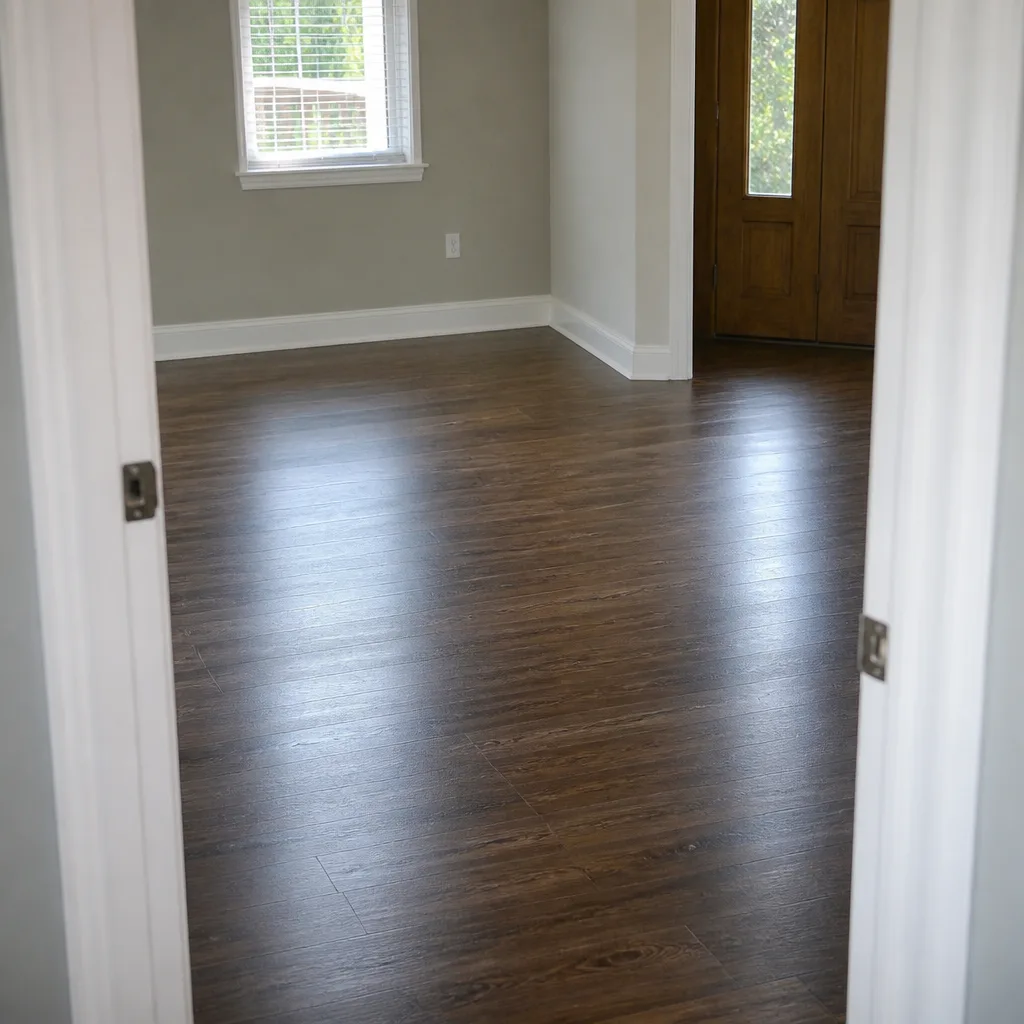
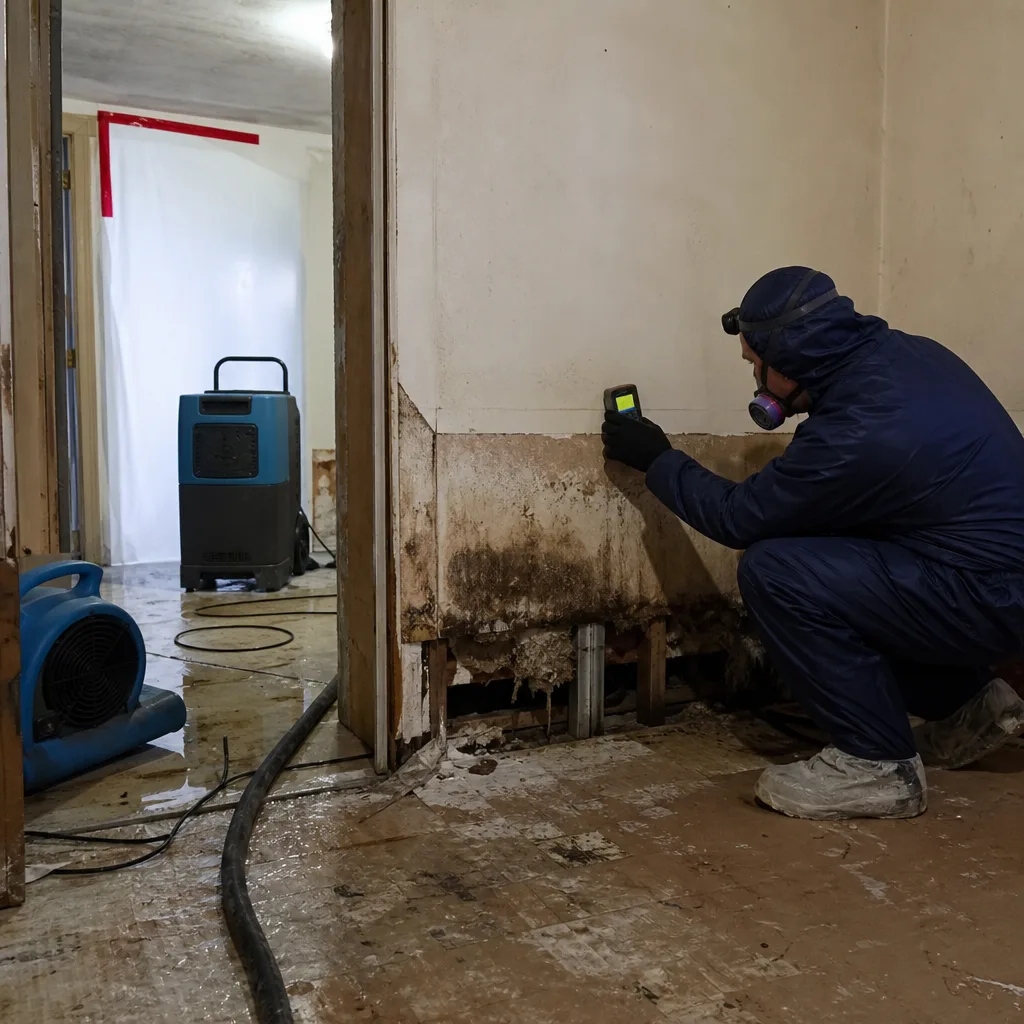 Before
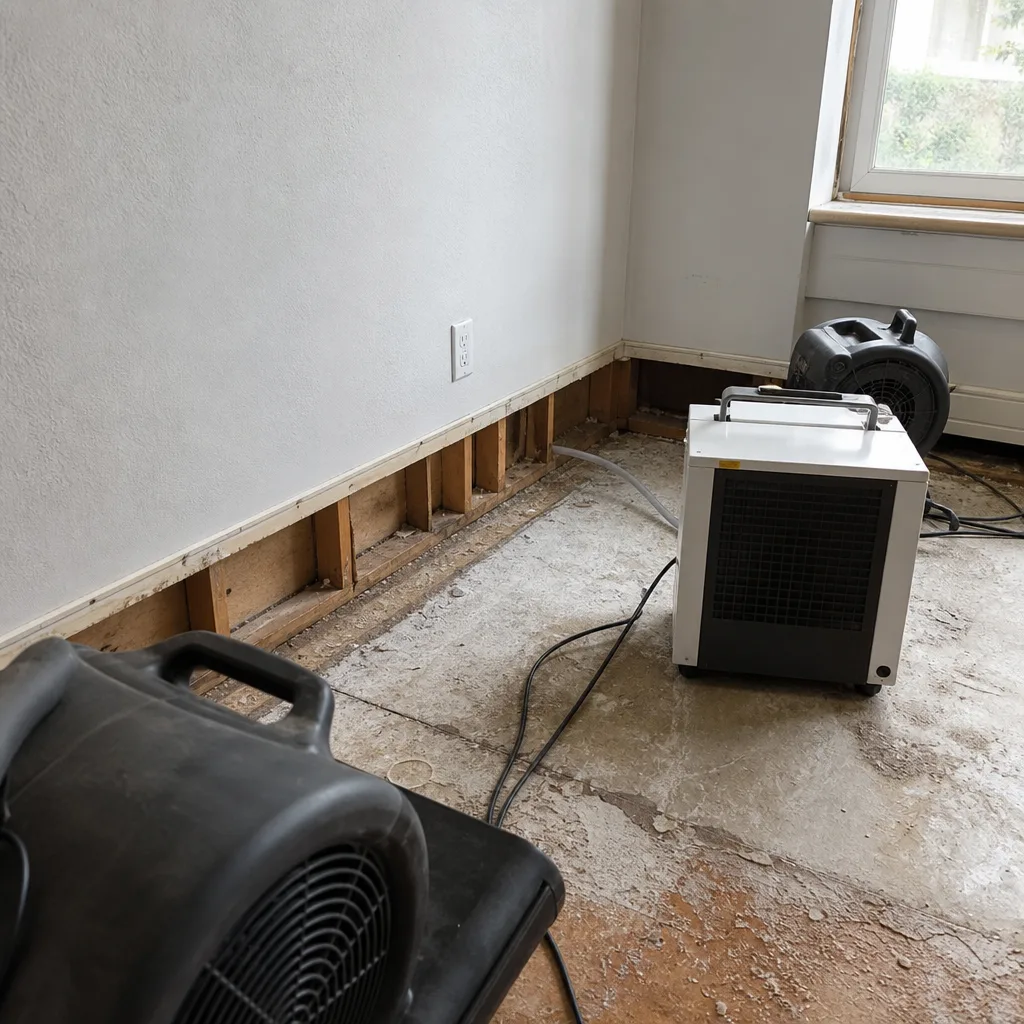 After
After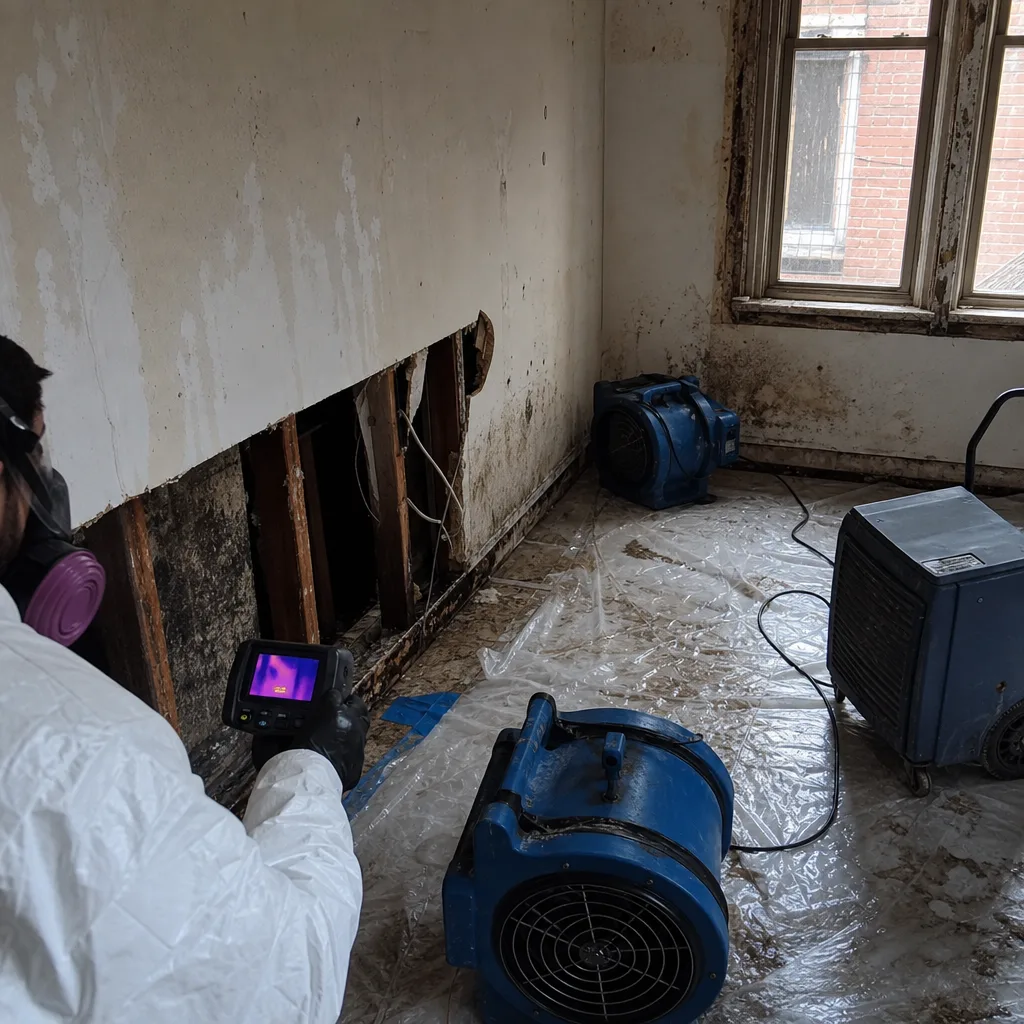 Before
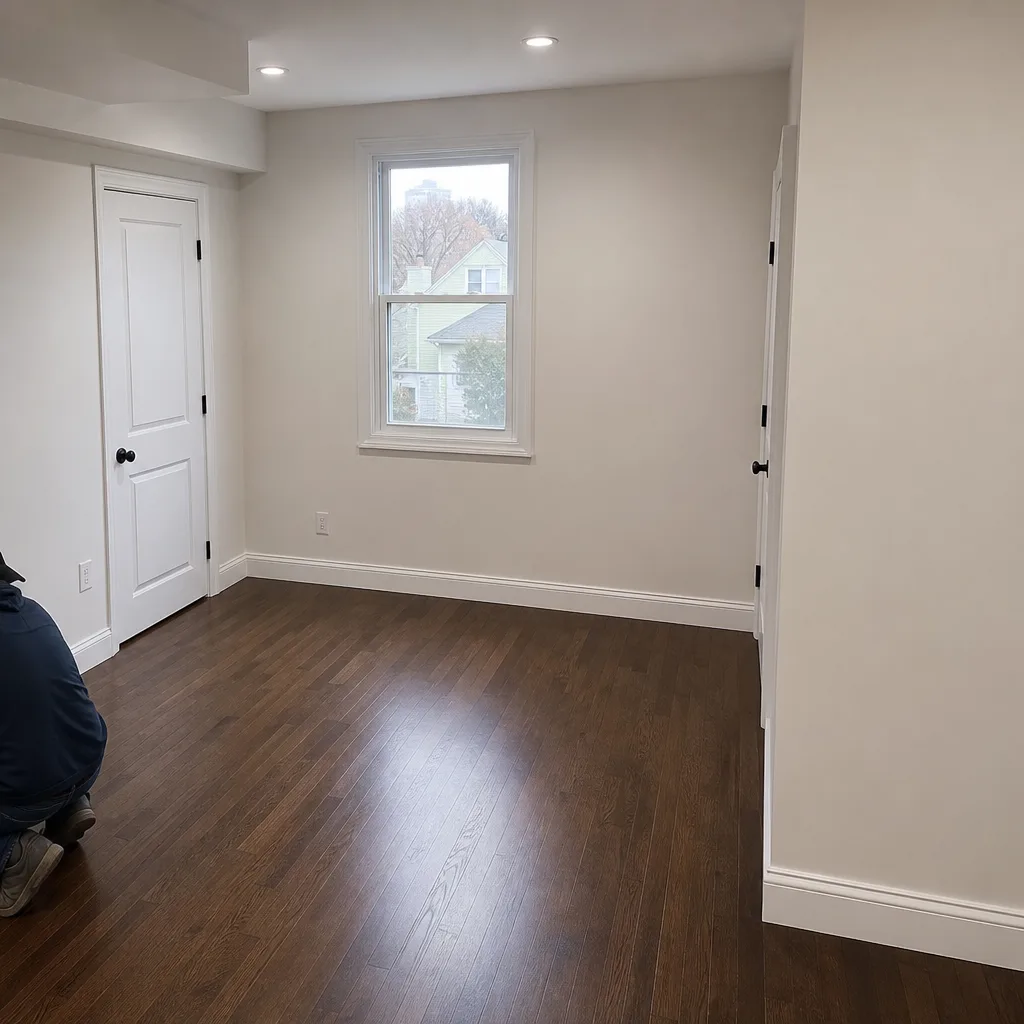 After
After24/7 Emergency Reconstruction & Cleanup in Harlem
Water pouring through a ceiling in a Harlem brownstone at 2 a.m. needs a live answer, not a voicemail. Call (518) 800-3751 and a dispatcher picks up immediately, any hour, any day. Our crews are stationed throughout the Harlem area and reach most addresses within 45 minutes of your call. The first hour matters because water moving through horsehair plaster and across century-old clay tile floors spreads laterally into party walls shared with neighboring rowhouses. What starts as a single-unit leak becomes a three-building loss faster than most homeowners expect. We start with a free visual inspection, document everything from the first minute, and put a written scope in your hands before any work begins. That’s how Reconstruction & Cleanup should run in a neighborhood built before indoor plumbing was standard.
Understanding Reconstruction & Cleanup Severity in Harlem Properties
Harlem’s four- to six-story brownstones and railroad tenements, most built between 1885 and 1920, behave differently after water, fire, or mold damage than any post-war construction. Original horsehair plaster wicks moisture upward and outward far beyond the visible stain. Clay tile subfloors hold water between grout lines and subfloor cavities where it sits against structural joists for weeks if not properly mapped. Cast iron one-pipe steam systems wrapped in asbestos insulation add a regulatory layer that stops uninformed contractors cold. We classify water damage by category: Category 1 clean water from a supply line, Category 2 gray water with contaminants, Category 3 black water containing sewage or floodwater. In Harlem, even Category 1 water in a pre-war building often triggers asbestos abatement protocols under NYC DEP rules because the supply lines feeding those radiators are wrapped in materials that require certified handling once disturbed. Moisture mapping with thermal imaging and hygrometers tells us where water has migrated inside walls and under floors, not just where it pooled. That data drives every drying decision, and we log daily readings until the dry standard is met.
Why Harlem Property Owners Choose Floodline Restoration Co.
- 45-minute response commitment to Harlem addresses. Our dispatch board routes the nearest certified crew the moment you call, and a live person confirms arrival times before we hang up.
- 24/7 live answer, always. No automated tree, no answering service that takes a message. A Floodline dispatcher picks up at (518) 800-3751, day or night.
- IICRC-certified crews trained in WRT, FSRT, and AMRT standards. Certification matters on pre-war housing. Our techs hold the credentials to handle water, fire, and mold remediation in buildings with asbestos and lead-paint complications.
- Free visual inspection with a written scope. We look, we document, we price the work on paper before anything starts. No open-ended work orders.
- Direct insurance billing. We communicate with your carrier, provide line-item documentation, and bill directly. You don’t play messenger between us and your adjuster.
- One team from extraction to finished rebuild. The same certified crew that maps moisture on day one rebuilds your ceiling and repaints your walls on the final day. No handoffs to an unfamiliar subcontractor.
Our Reconstruction & Cleanup Process
Inspection & Assessment
We arrive, walk the entire property, and map visible damage with thermal imaging. For water losses, we check every adjacent unit’s steam risers first. The source is rarely where the ceiling collapsed. We document everything with photos from the first minute.
Extraction & Stabilization
Standing water comes out with truck-mounted extraction units. Damaged sections are isolated and contained. If asbestos or lead-paint materials are exposed, we pause structural work and bring in certified hazmat protocols before disturbing anything further.
Drying & Dehumidification
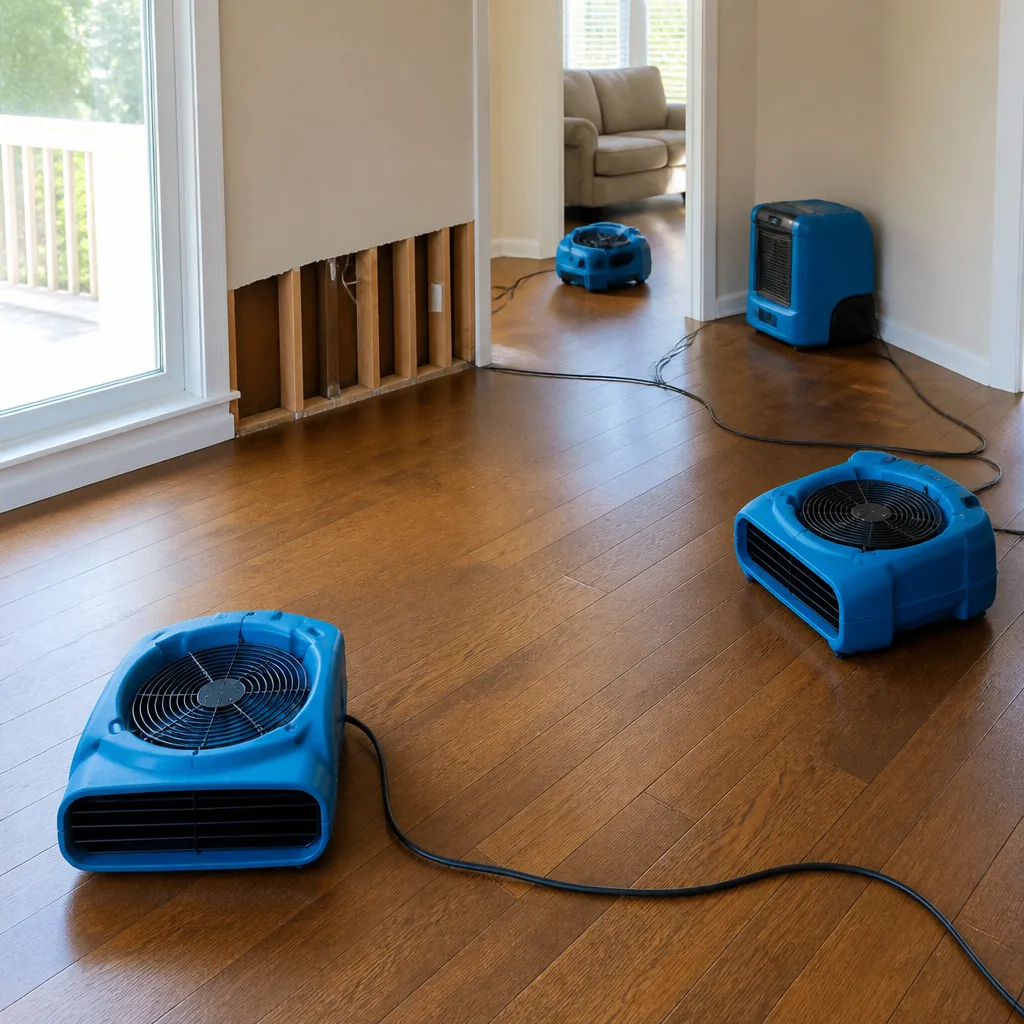
Professional-grade Dri-Eaz dehumidifiers and air movers go in immediately, positioned from the moisture map. We run daily hygrometer readings and log them until every affected material hits the dry standard. No guesswork, no premature sign-off.
Cleaning & Sanitization
Antimicrobial treatments go on every surface that held Category 2 or 3 water. HEPA air scrubbers run throughout the affected space to pull mold spores and particulate from the air. Contents are cleaned, dried, and cataloged on site.
Contents Restoration & Pack-Out
Furniture, rugs, clothing, and personal belongings get cleaned, dried, and stored in our climate-controlled facility. Everything is cataloged with photos for your insurance claim. Nothing gets thrown away without your written approval.
Repairs & Restoration
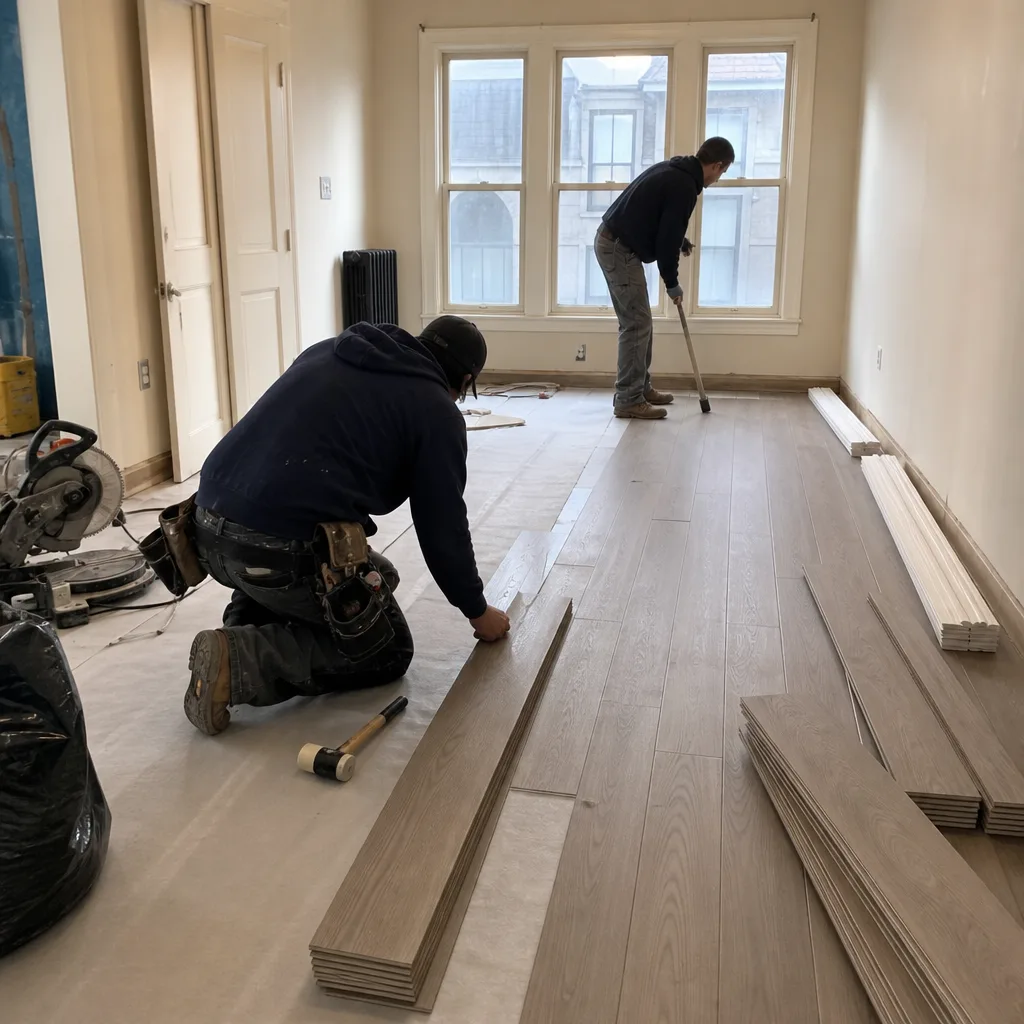
Our same crew rebuilds what was removed: drywall, flooring, ceilings, cabinetry, trim. We match materials to the age and character of your Harlem building where possible, and we meet NYC Local Law 1 lead-paint compliance on every surface we touch.
Need Emergency Reconstruction & Cleanup in Harlem Now?
Crews minutes away, answering live 24 hours a day. The sooner we start, the less it costs.
Working With Your Insurance Company
Insurance claims on Harlem brownstones get complicated quickly because one water event often triggers multiple coverage categories: water damage, asbestos abatement, lead-paint compliance, and sometimes landmark restoration requirements. Your adjuster needs documentation that speaks their language. We provide it. From the first hour, our techs photograph every room, every damaged surface, and every piece of affected contents. We log moisture readings daily, chart drying progress, and document the full scope of work line by line. Our office communicates directly with your carrier, answers their questions, and bills them directly for covered work. You get a written copy of everything we send them. No surprises, no back-and-forth where you’re the middleman. We’ve handled hundreds of claims on pre-war Harlem properties, and we know exactly what adjusters need to approve a full reconstruction without stall tactics or arbitrary reductions.
What We Provide Your Insurer
- Thorough documentation of the loss
- Photos of all damage, room by room
- Moisture readings and drying logs
- A detailed, line-item scope of work
- Direct coordination with your carrier
Built for Harlem’s Loss Calendar
Harlem’s reconstruction and cleanup volume tracks the neighborhood’s seasonal extremes with near calendar precision. January and February bring deep freezes that split cast iron supply lines inside unheated stairwells and cellar vaults. Freeze-thaw cycles work on limestone and brownstone facades continuously, opening hairline cracks that channel rain and snowmelt into wall cavities during every winter storm. By March and April, thaw plus spring rain drives basement seepage through original fieldstone foundations and overloaded century-old drainage lines. Summer brings the city’s thunderstorm season, when combined sewer overflows back up into cellar drains and flash-flood water finds every crack in a brownstone’s front stoop and areaway. Nor’easters in September and October send wind-driven rain against parapets and cornices, a pattern that floods top-floor units through the roof before anyone notices a leak. Through all of it, the original one-pipe steam systems keep failing quietly: valve packing dries out, condensate lines back up, and ceilings come down without warning. We schedule, staff, and stage equipment around this calendar because we know it cold.
The Steam Heat Problem No One Else Checks
Here’s the thing about water damage in a Harlem brownstone: the source is almost never in the apartment where the ceiling just collapsed. Most of this neighborhood still runs on original one-pipe steam heating systems installed between 1885 and 1920. Those systems work by pushing steam up through supply risers that run through every floor of the building. Condensate, the water left behind when steam cools, drains back down the same pipes. If a supply line has settled out of slope over a century of building movement, that condensate pools. If packing around a radiator valve has dried and failed, water weeps out in a place nobody sees until the plaster below is saturated. Our techs check every adjacent unit’s steam risers on every water damage call in Harlem. We’ve seen a visible leak in a second-floor parlor traced to a failed valve on the fourth floor two apartments over. If we only dried the unit with visible damage, the real source would keep leaking and mold would be back within 48 hours. That’s the difference between a cleanup and a rebuild.
In a pre-war brownstone on Strivers’ Row, our crew responded to a ceiling collapse caused by a failed original radiator valve packing on a one-pipe steam riser. We ran moisture mapping and moisture readings across the affected parlor floor and found Category 2 water had wicked into the horsehair plaster and original clay tile subfloor. After containment and antimicrobial treatment, we coordinated asbestos abatement on disturbed pipe insulation before structural drying with Dri-Eaz dehumidifiers and air movers, then rebuilt the ceiling to meet NYC Local Law 1 lead-paint compliance.
Reconstruction & Cleanup Across Harlem’s Neighborhoods
Harlem covers a lot of ground, and the building types change block by block. Central Harlem, from 110th to 125th around Lenox Avenue and Adam Clayton Powell Jr. Boulevard, holds dense rows of attached brownstones sharing party walls on both sides. Water and fire move laterally through those walls fast, which is why we always open and inspect beyond the visible damage line. Strivers’ Row on West 138th and 139th between Adam Clayton Powell and Frederick Douglass Boulevard consists of landmarked rowhouses where every exterior component falls under NYC Landmarks Preservation Commission review. Interior reconstruction there moves faster, but any window, lintel, or cornice work goes through a slower approval process we manage for you. Hamilton Heights and Sugar Hill, from 145th to 155th overlooking the Hudson, include some of the neighborhood’s largest pre-war apartment buildings and mansions now divided into co-ops. Those jobs usually involve multiple units affected by a single riser failure, plus building-wide drying coordination. East Harlem, from 96th to 125th east of Fifth Avenue, mixes old-law tenements with newer construction and has the highest concentration of railroad-style layouts, where long, narrow apartments channel water damage front to back and complicate drying paths. Our crews know each corridor’s building stock, and we stage response routes accordingly.
Specialized Reconstruction & Cleanup Services We Offer in Harlem
Full-Service Reconstruction
After water, fire, or mold remediation, someone has to put the building back together. We do that with the same certified crew that did the mitigation, not a separate remodel subcontractor who never saw the moisture map. On Harlem brownstones, that means matching plaster finishes where original walls remain, replacing clay tile subfloor sections with compatible materials, and rebuilding trim and millwork to suit a pre-war interior. We carry the NYC Local Law 1 lead-paint requirements on every surface we disturb, which matters when the building predates 1960.
Drywall & Flooring Repair
Most Harlem reconstruction jobs involve replacing water-damaged drywall and flooring. We cut out only what’s saturated or contaminated, dry what’s salvageable, and install new materials to match existing elevations and finishes. In buildings with original hardwood over clay tile, we preserve the hardwood where possible and replace subfloor sections where water compromised the structure. For tenements with newer drywall construction, we match texture and paint to blend invisibly.
Contents Restoration & Pack-Out
Furniture, clothing, books, rugs, and personal items get a full documented treatment. We photograph everything, catalog it for your insurance claim, and process it in our facility. Water-damaged contents get dried and cleaned. Smoke-affected contents get deodorized with ozone and hydroxyl treatment. Mold-affected contents get HEPA vacuumed and sanitized. We store everything until your reconstruction is complete, then deliver it back and set it in place.
Carpet & Upholstery Cleaning
Post-reconstruction cleaning means more than a vacuum pass. We run hot water extraction on carpets and upholstery that took dust, particulate, and humidity during the loss. HEPA air scrubbers run during the entire cleaning process to capture anything that gets kicked up. For pre-war Harlem homes with original area rugs, we evaluate fiber condition before choosing a cleaning method so nothing shrinks or bleeds.
Post-Construction Cleanup
Reconstruction leaves dust everywhere, and in a Harlem brownstone, that dust includes whatever was inside the walls for the last hundred years. We run a full post-construction clean: HEPA vacuuming of all surfaces and cavities, wiping down every horizontal plane, cleaning ductwork and radiators where dust settled during construction, and final air scrub. Your home is ready to live in, not just structurally done.
Insurance Claim Documentation
The documentation package we build during reconstruction is the difference between a denied claim and a paid one. Every photo, every moisture reading, every daily log, every line-item scope, every materials invoice goes into a file that your adjuster can read without a fight. We write scopes in the language insurers expect: Xactimate-compatible line items with clear categories and defensible pricing. When the carrier pushes back, we answer with the paperwork. That’s how you get a full reconstruction approved on a pre-war Harlem brownstone where three regulatory layers are in play.
What happens when you call
- 1
A real person answersNo phone trees - you reach a local pro.
- 2
You get an upfront price rangeHonest numbers before anyone is dispatched.
- 3
A background-checked tech heads outLicensed & insured, dispatched right away.
- 4
You approve before work beginsNothing starts until you say go.
Reconstruction & Cleanup Costs in Harlem, NY
Reconstruction and cleanup pricing in Harlem runs higher than most of the city because the housing stock demands it. A single-room water damage cleanup with drying, antimicrobial treatment, and drywall replacement typically runs $3,200 to $6,800 in Central Harlem, depending on whether asbestos or lead abatement gets triggered. Full-floor reconstruction after a steam riser failure in a brownstone generally lands between $15,000 and $45,000 once you factor abatement, plaster replacement, flooring, and lead-paint compliance. Pack-out and contents restoration for a two-bedroom unit adds $2,000 to $7,000 depending on contents volume and condition. Asbestos abatement on disturbed pipe insulation alone can add $1,500 to $5,000 per room. The single biggest cost variable in Harlem is the regulatory layer: a job that stays entirely inside one unit without disturbing old materials stays closer to the lower end. The moment we touch original plaster, asbestos-wrapped lines, or a landmarked exterior component, costs and timelines expand. Insurance covers most of this when documented correctly. The free inspection gets you a written scope with real numbers before you commit to anything. Call (518) 800-3751 and we’ll give you a firm price range for your specific building, not a generic online estimate. And remember: $50 off any repair over $250, a $89 seasonal tune-up, and a 5% senior and veteran discount, always.
We Also Serve Cities Near Harlem
Our crews cover Harlem and the surrounding communities, including Astoria, Ditmars Steinway, Upper Manhattan, and the Upper East Side. If your building sits just outside our Harlem coverage zone in any direction, call (518) 800-3751 and a dispatcher will confirm which crew can reach you fastest. We’ll serve Harlem first and always, but a neighbor in need gets the same live answer and the same written scope.
Serving Harlem, NY - Our Local Coverage Area
We’re based in the Harlem area and know this community well. Use the map below to see our service coverage - if you’re nearby, we can almost certainly help.
Harlem Reconstruction & Cleanup Questions, Answered
How does NYC Local Law 1 lead-paint compliance affect reconstruction in a Harlem pre-war brownstone?
Any reconstruction work that disturbs painted surfaces in a building constructed before 1960 triggers NYC Local Law 1 requirements, which mandate certified lead-safe work practices, containment, and clearance dust testing. In a Harlem brownstone built between 1885 and 1920, that’s effectively all painted surfaces. Our crews follow the protocol on every job, and the cost of containment and testing is included in your written scope.
Why do your techs always check adjacent units’ steam risers on a Harlem water damage job?
Because Harlem’s original one-pipe steam systems route condensate through shared risers that run through multiple units. A leak visible in one apartment is frequently caused by a valve or slope failure in another unit entirely. If we dry only the visible damage without finding the actual source, mold returns within 48 hours and the claim becomes a repeat loss. We check neighbors’ risers before we sign off on anything.
Do I need NYC Landmarks Preservation Commission approval for interior reconstruction in a Harlem historic district?
Interior reconstruction typically does not require LPC approval unless the work changes the building’s structural configuration or affects protected interior features. Exterior work, including window replacement, cornice repair, or stoop restoration in a landmarked district like Strivers’ Row or parts of Hamilton Heights, does require LPC review. We handle the application and documentation for you, and we price that timeline into your scope honestly.
What does asbestos abatement have to do with drying out a flooded Harlem brownstone?
Many of Harlem’s pre-war buildings still have asbestos-wrapped supply lines running through walls and floors. Once water damage saturates those walls and we need to open them for drying, the insulation wrapping becomes disturbed material under NYC DEP rules. That triggers mandatory asbestos abatement by certified professionals before structural drying can proceed. We coordinate the abatement, keep the job moving, and bill your carrier directly for the covered work.
How quickly can mold start in a damp Harlem brownstone wall after a pipe burst?
Mold colonization can begin within 24 to 48 hours in the thick unreinforced masonry walls of a Harlem brownstone. Upper Manhattan’s position between the Harlem River and the Hudson keeps humidity persistently high, which accelerates the timeline. That’s why our 45-minute response commitment matters. The faster we extract water and start drying, the less likely remediation becomes necessary at all. Call (518) 800-3751 the moment you see water.
How fast can a Floodline Restoration crew actually get to my Harlem address?
We commit to 45 minutes for addresses throughout Harlem. Dispatch confirms your cross streets when you call, routes the nearest certified crew, and a live person calls you back with the exact ETA. If your loss is active and spreading, the dispatcher talks you through the immediate steps while the crew is in transit.
Can I stay in my Harlem home during reconstruction and cleanup?
It depends on the scope. For a contained single-room water loss with proper isolation and air scrubbing, you can often stay in unaffected parts of the home. For Category 3 sewage contamination, extensive mold remediation, or a full-floor reconstruction with lead-paint abatement, vacating the affected area is usually required. We give you a straight answer at the inspection, and your insurance often covers temporary housing when displacement is necessary.
What should I do in the first 30 minutes after discovering water damage in Harlem?
Call (518) 800-3751 first. Then shut off the water supply to the affected area if you can do so safely. Move small valuables and documents out of the water path. Do not touch the ceiling if it’s bulging, do not use electrical switches near wet areas, and do not start cutting into walls. Document what you can with photos. Our dispatcher will walk you through any remaining steps while the crew is on the way. We’re here now.
Written by Curt Bowman, Owner at Floodline Restoration Co., serving Harlem and the surrounding New York City communities since 2010.