
Free visual inspection and a written scope of work before any mitigation begins - photos, moisture readings, and drying logs go in your claim file
The scope we write is the scope we bill. Anything new gets shown to you, in writing, before we touch it.
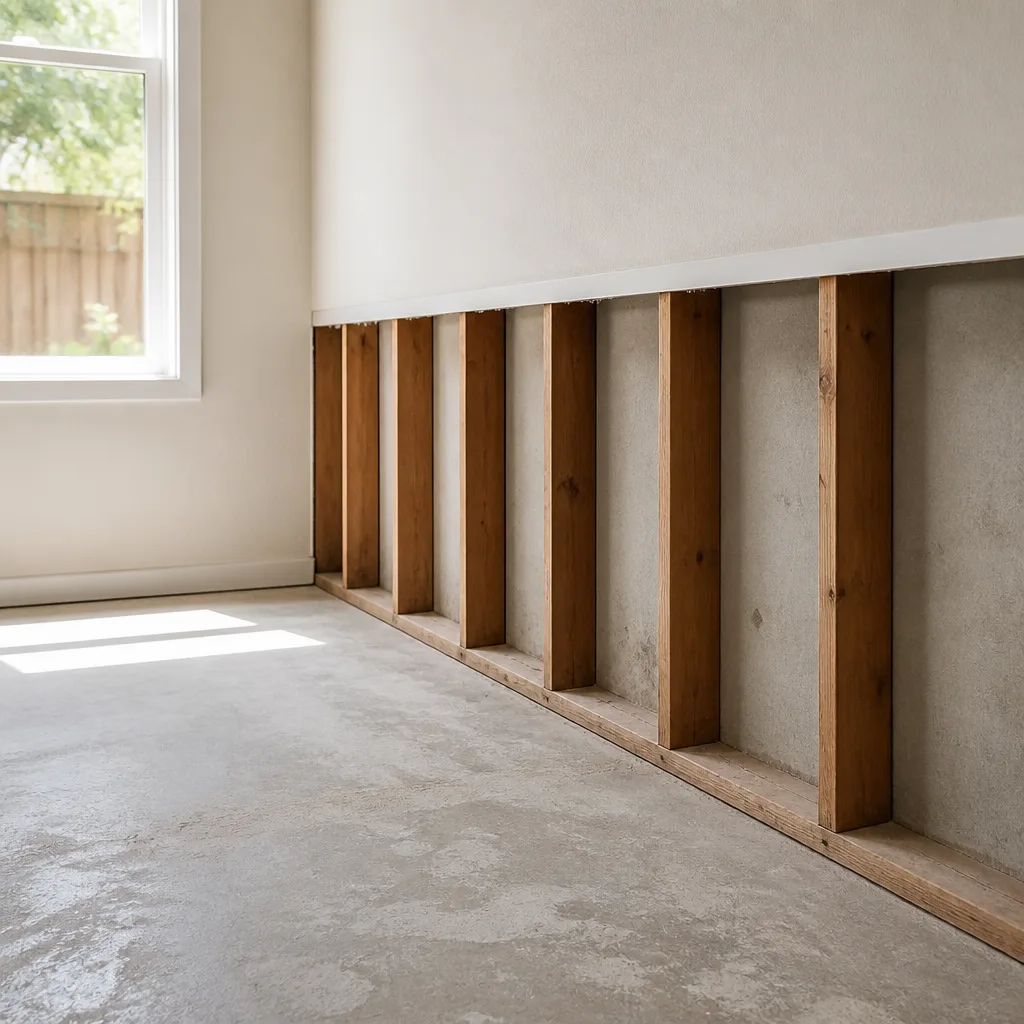
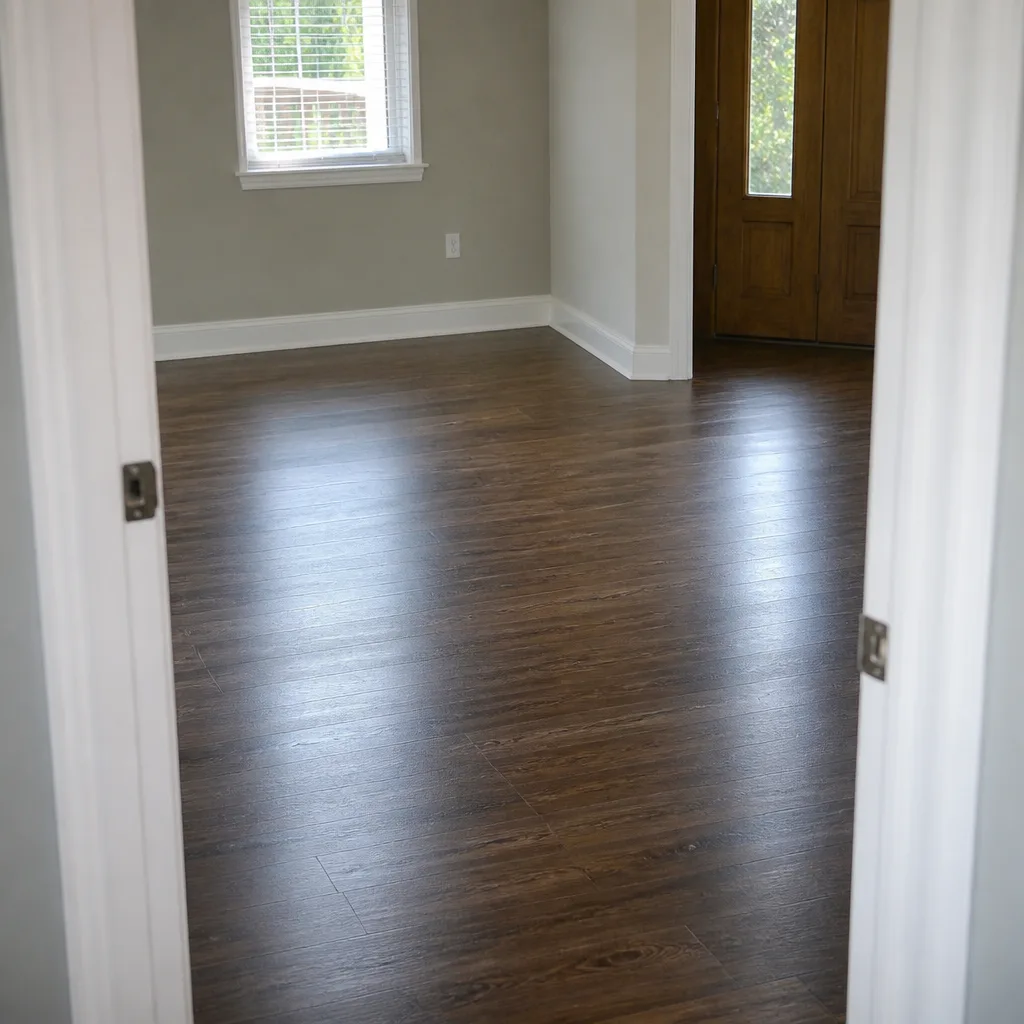
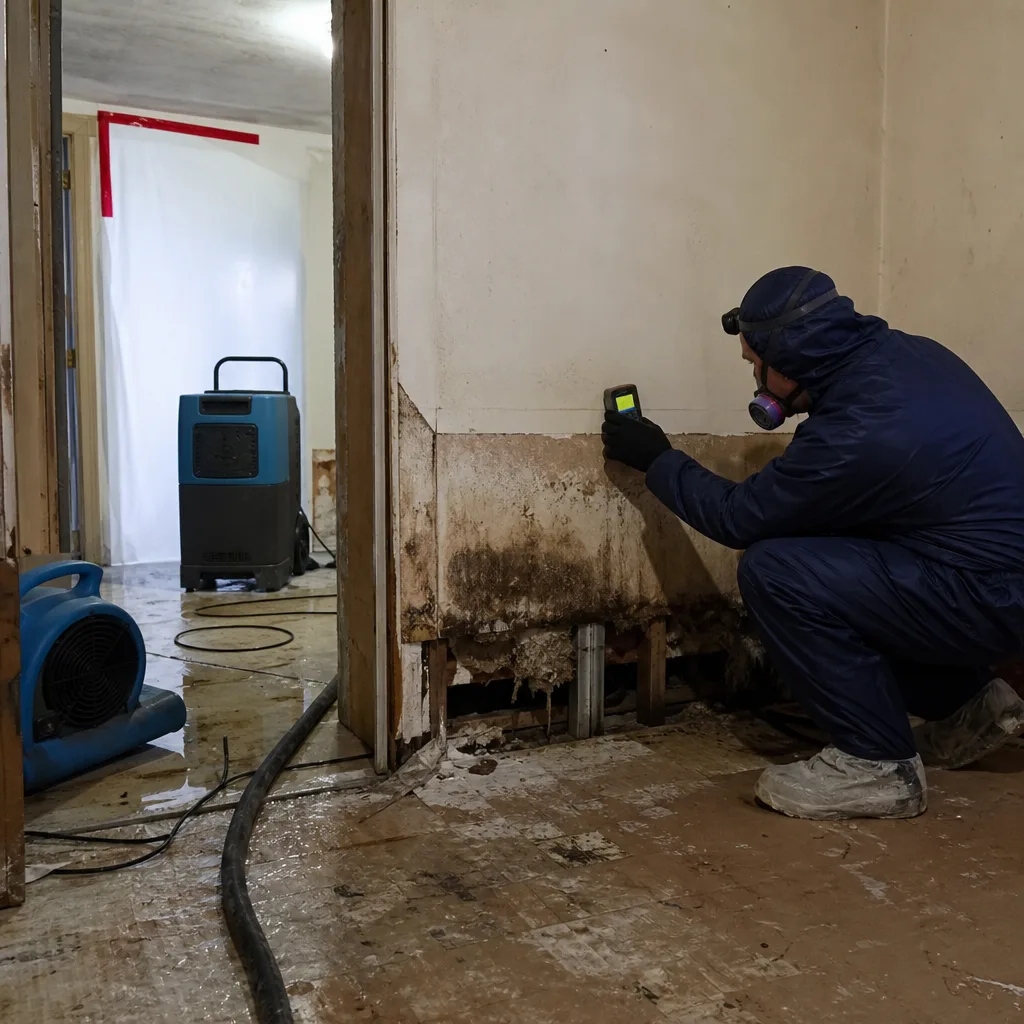 Before
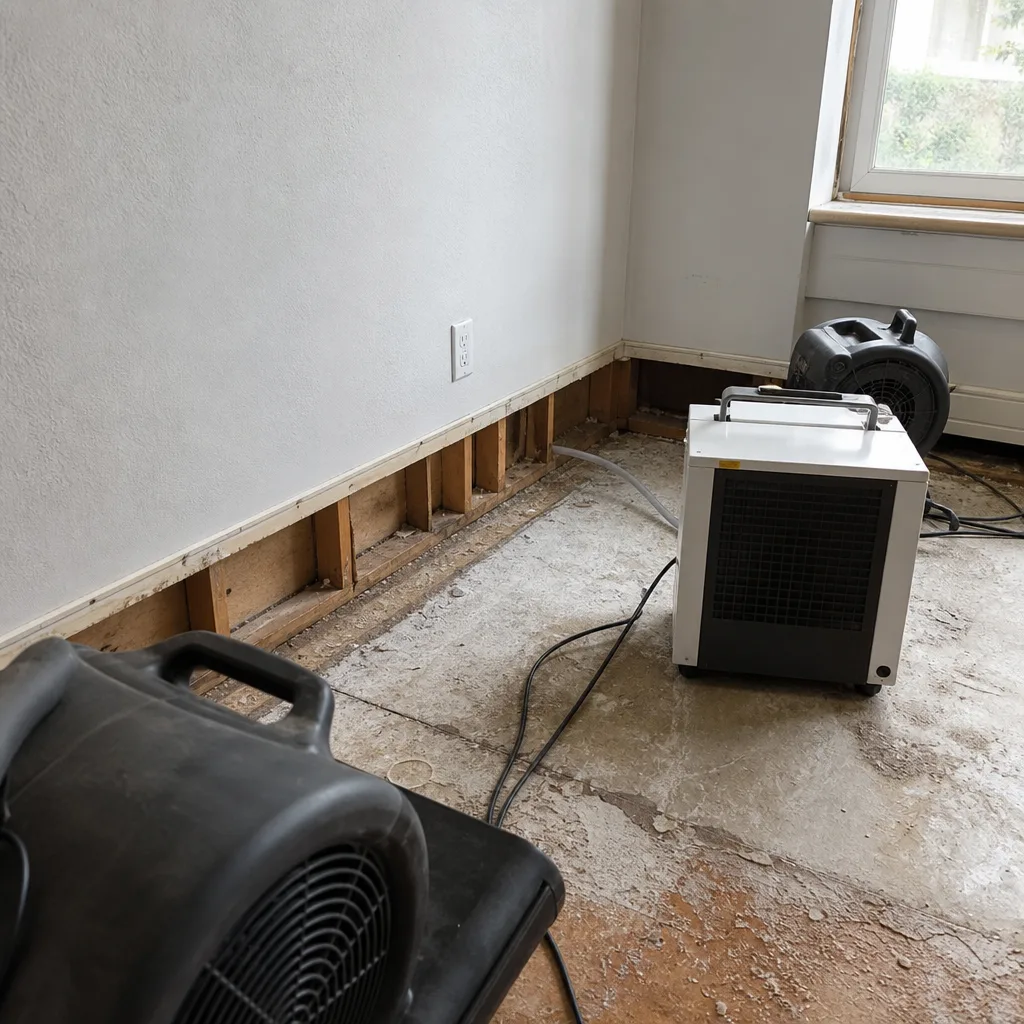 After
After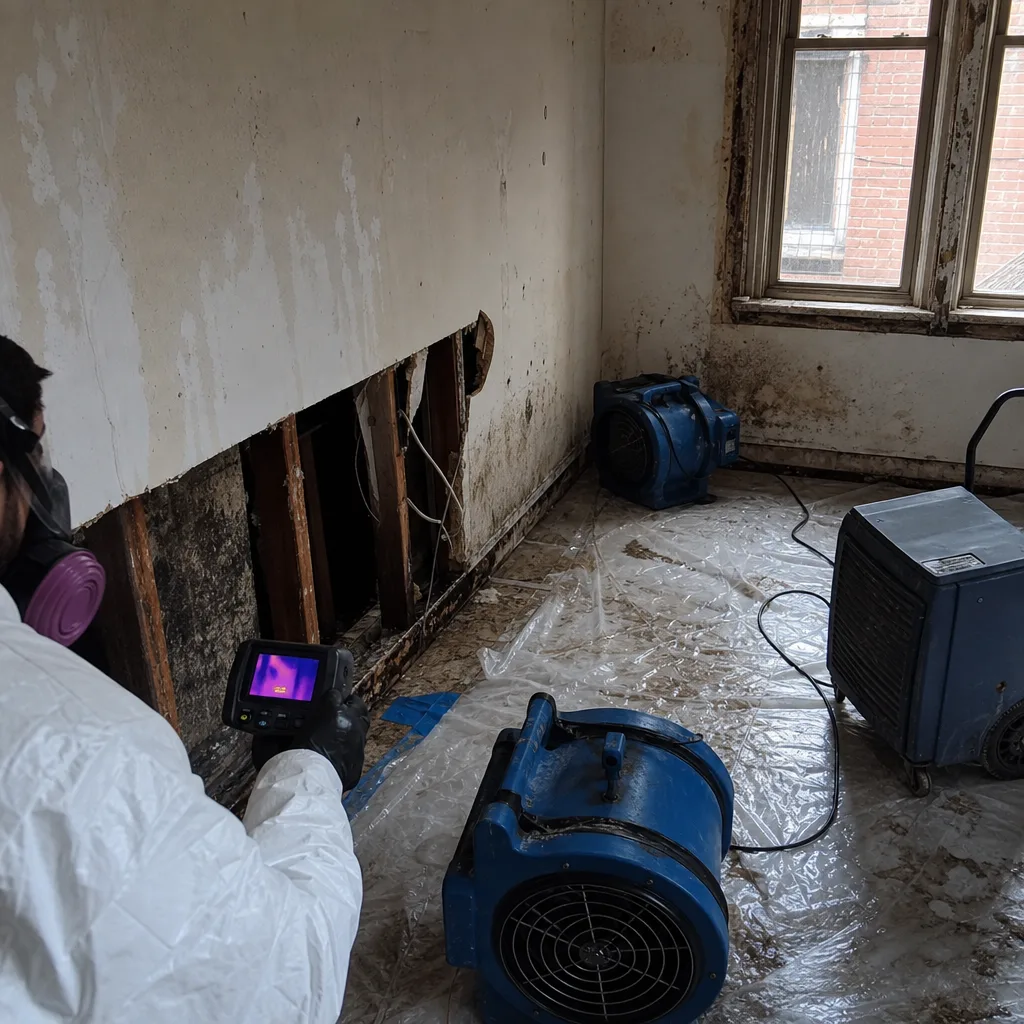 Before
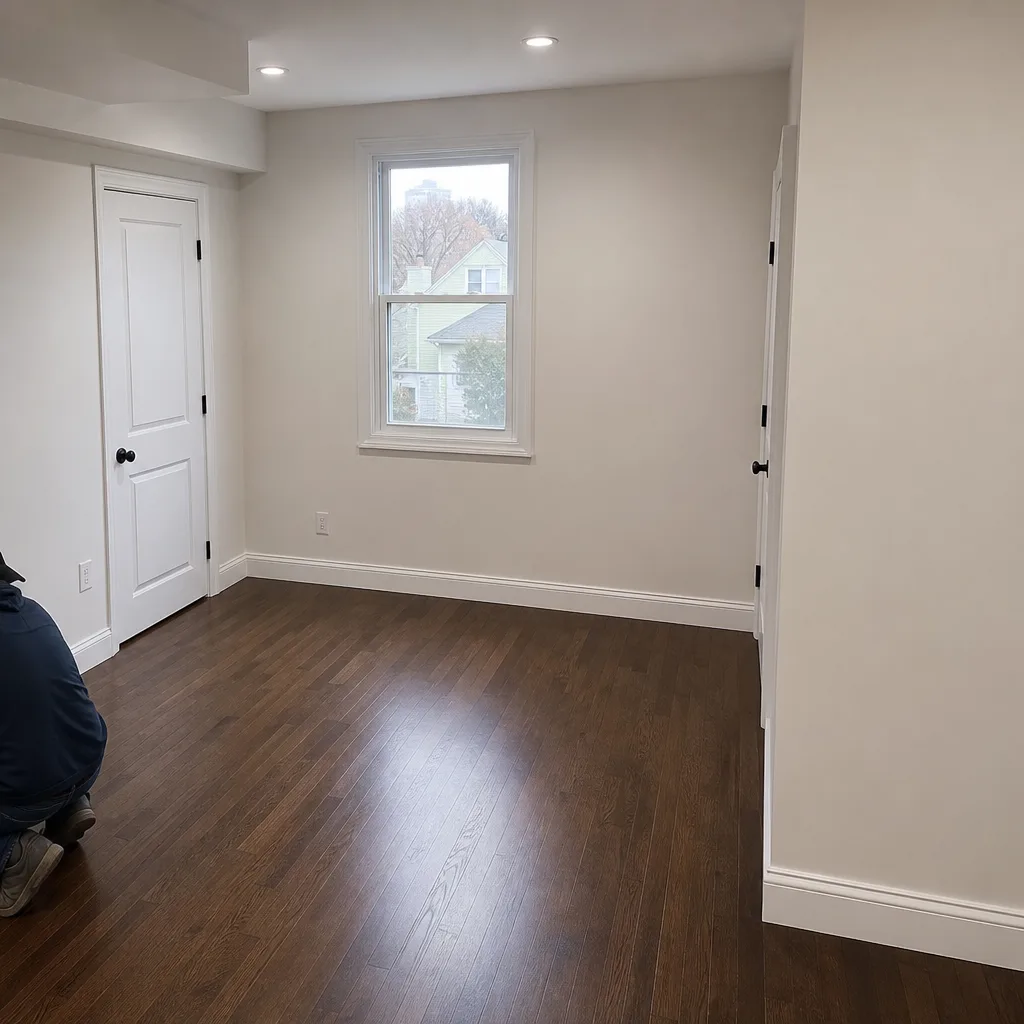 After
After24/7 Emergency Storm & Disaster Restoration in Greenpoint
Storm and disaster restoration in Greenpoint starts with one truth: the water rising in your basement may not be just water. Call (518) 800-3751 the moment you see standing water, smell petroleum, or watch plaster start to buckle. A live dispatcher answers at any hour, and we send a crew into Greenpoint immediately. The first hour determines whether you’re dealing with a cleanup or a hazmat situation, and in this neighborhood the difference matters more than almost anywhere else in the five boroughs. We do free visual inspections, keep a certified crew on call around the clock, and never make you wait through a phone tree when your floor is under water.
Understanding Storm & Disaster Restoration Severity in Greenpoint Properties
Water damage gets classified into three categories. Category 1 is clean water from a burst supply line or rain that hasn’t touched anything contaminated. Category 2 is gray water with some contamination. Category 3 is grossly contaminated, carrying sewage, chemicals, or in Greenpoint specifically, petroleum. Here’s what a generic restoration company won’t tell you: in this neighborhood, what looks like ordinary basement seepage can hit Category 3 fast because of the underground oil plume beneath the streets. The soil itself holds remnants of one of the largest urban petroleum spills in U.S. history, an estimated 17 to 30 million gallons of oil and refined products from former refinery and storage facilities. When groundwater rises during a nor’easter and pushes into your basement, that water can carry petroleum sheen and odor. We perform moisture mapping with thermal imaging and hygrometers before any drying equipment gets staged, because placing air movers on contaminated material only spreads the problem through your home. Those 1880s to 1920s brick row houses with original plaster walls absorb moisture aggressively, and without daily drying logs until the dry standard is met, you get recurrence and mold inside walls you can’t see.
Why Greenpoint Property Owners Choose Floodline Restoration Co.
- 45-minute response commitment. When a storm takes out a wall or floods a basement, we have crews staged near McGuinness Boulevard and Manhattan Avenue, ready to reach you within 45 minutes of your call.
- A live person answers, always. At 2 a.m. on a Sunday during a nor’easter, you get a dispatcher, not a recording. That’s been the standard since Curt Bowman founded this company in 2010.
- IICRC-certified crews. Our technicians hold IICRC Water Damage Restoration Technician and Applied Microbial Remediation Technician certifications, plus RIA and IFA training. They know Greenpoint’s petroleum plume, not just general water damage.
- Free visual inspection. We walk the site, explain what we see, and give you a written scope before any work starts. No surprises on the bill, ever.
- Direct insurance billing. We bill your carrier directly and coordinate with adjusters from the first hour. You don’t play messenger.
- One team from extraction to rebuild. The same certified crew that extracts water from your basement on day one is the crew that hangs drywall on day twenty. No mid-job handoff, no inherited strangers.
Our Storm & Disaster Restoration Process
Inspection & Assessment
We start with a full visual inspection, then moisture map every affected surface. In Greenpoint, this includes checking for petroleum sheen and odor in standing water, which changes everything downstream. You get a written scope and a firm price before work begins.
Extraction & Stabilization
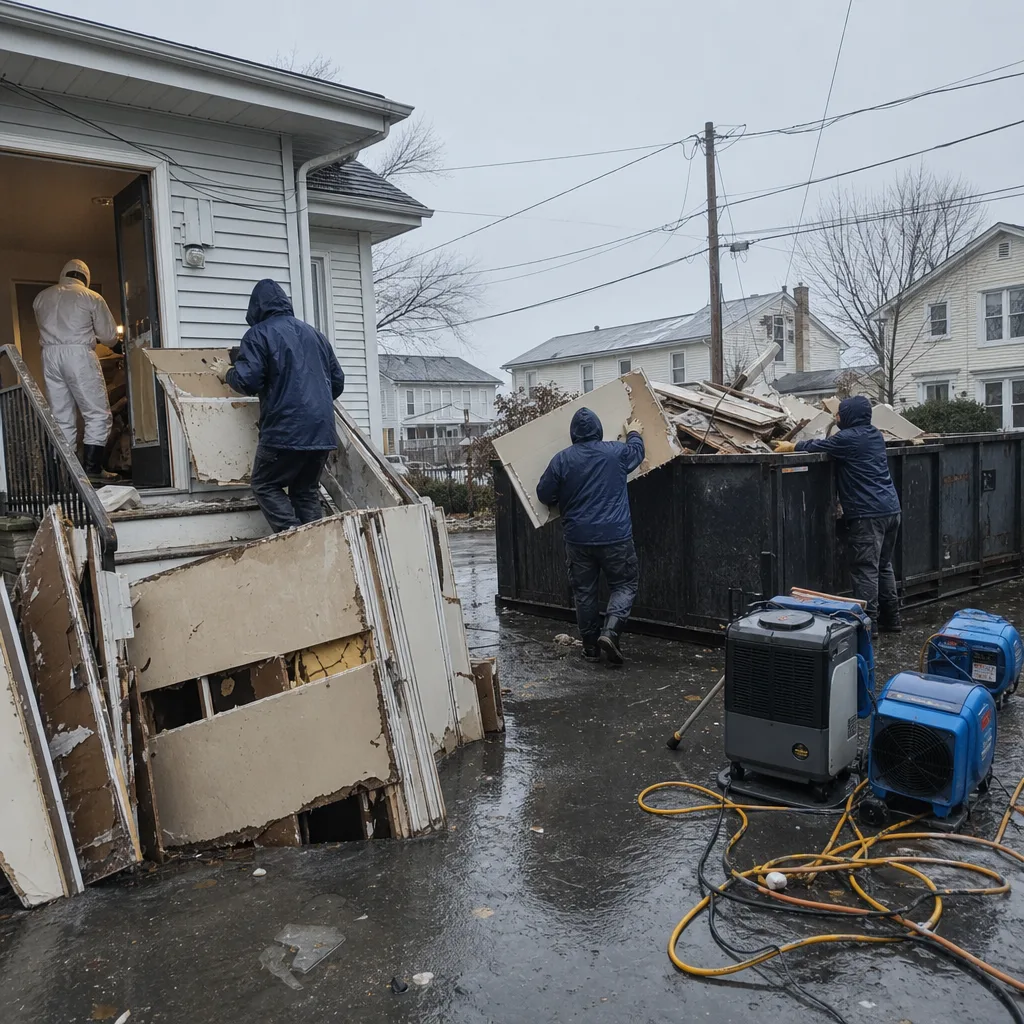
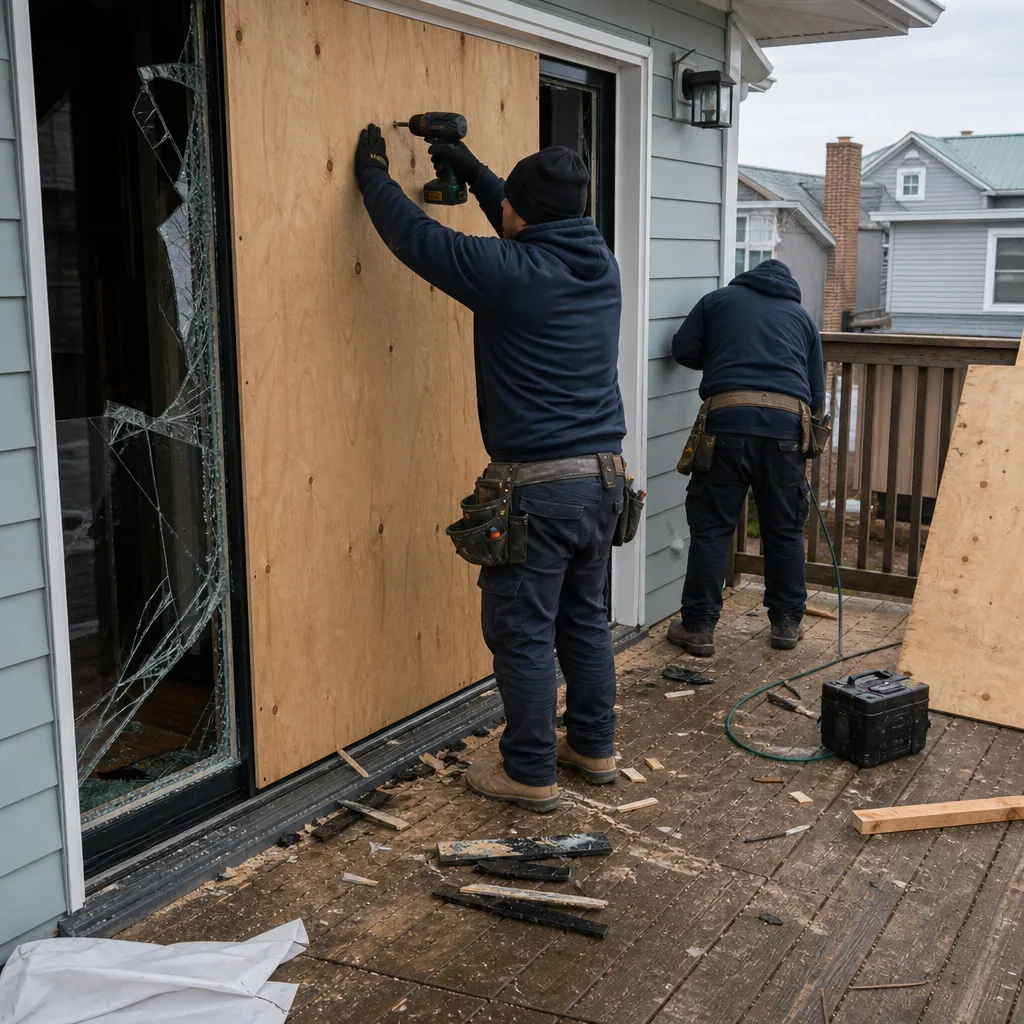
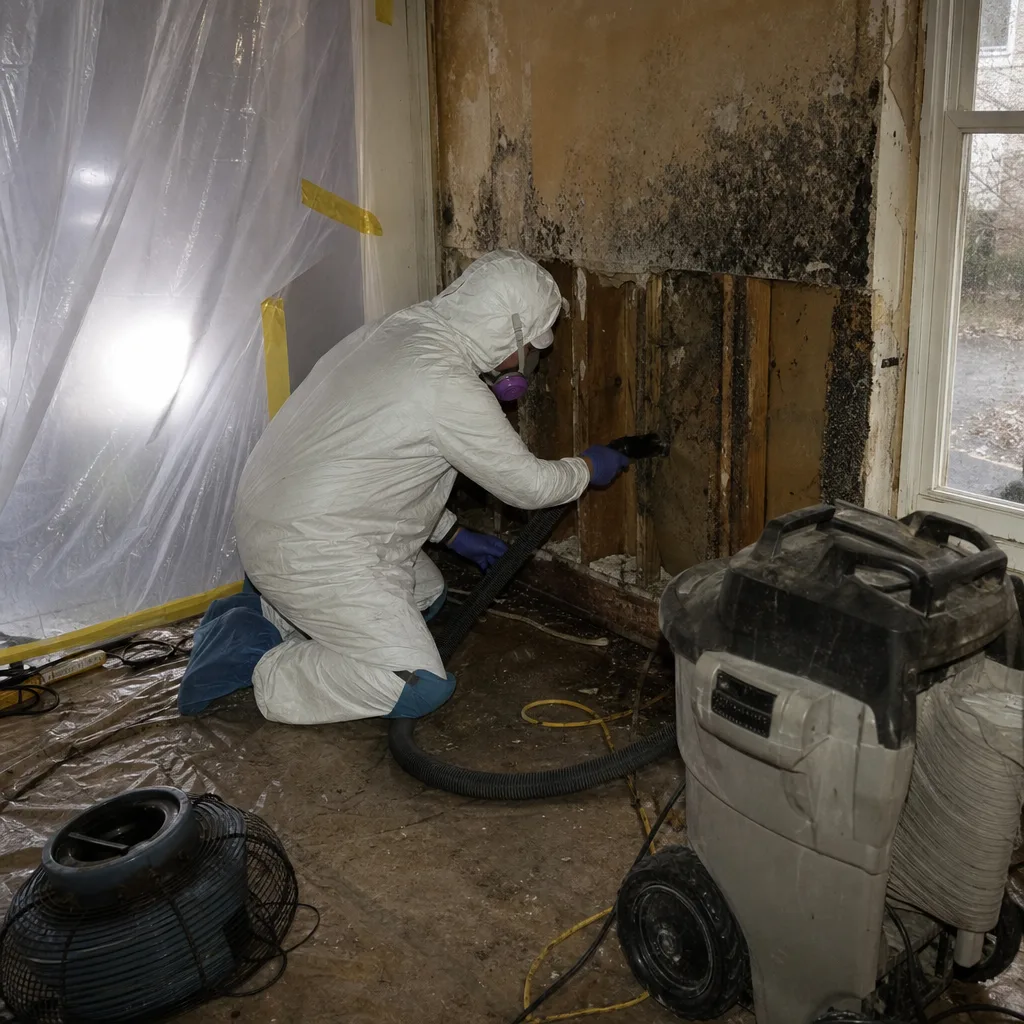
We pull standing water with truck-mounted extraction units or portable Dri-Eaz extractors, then stabilize the structure. For storm damage, this includes emergency board-up and roof tarping to stop further water entry. If contamination is present, containment goes up before anything else moves.
Drying & Dehumidification
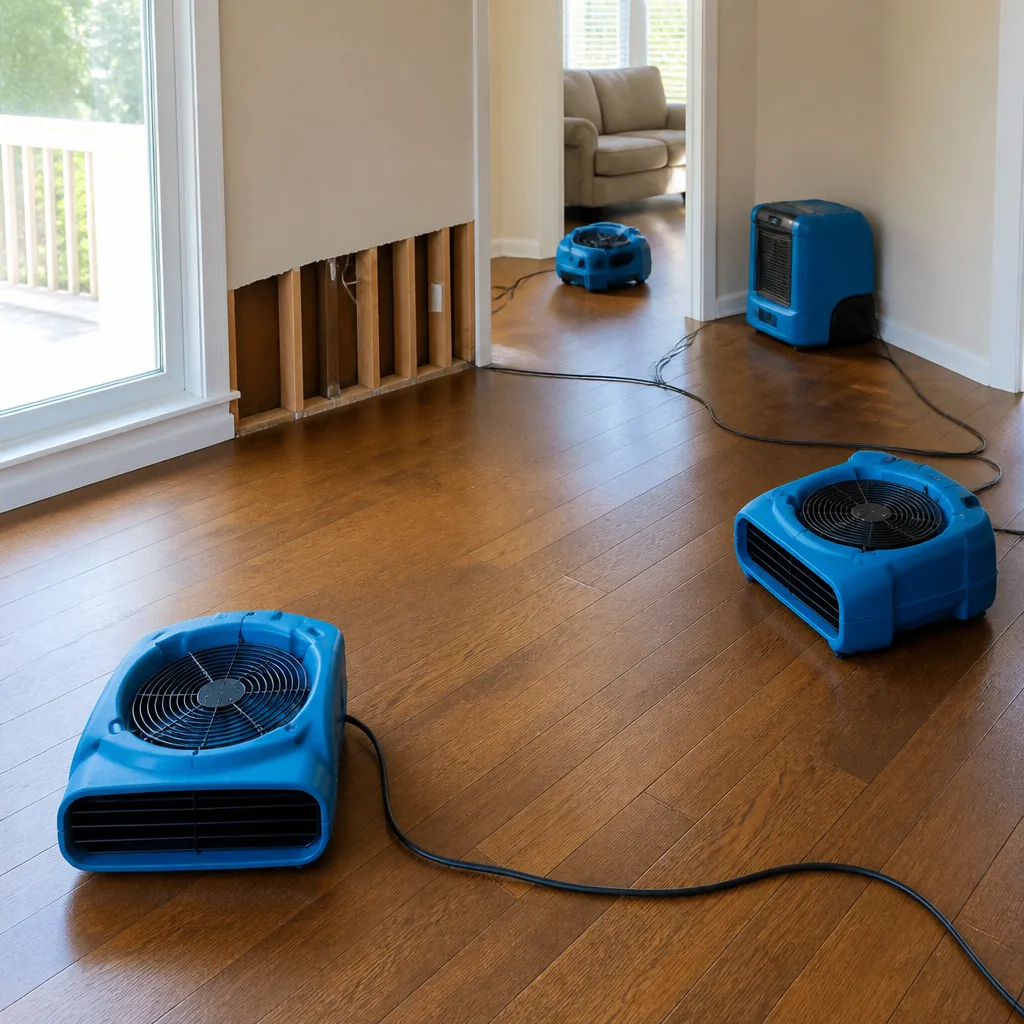
Professional-grade Dri-Eaz, Phoenix, and B-Air air movers and dehumidifiers run on a daily monitored schedule. We log moisture readings every day until the dry standard is met, and that log goes to you and your carrier. There is no guessing.
Cleaning & Sanitization
All affected surfaces get cleaned and treated with professional-grade antimicrobials appropriate to the water category. Hepa-filtered air scrubbers run during this phase to capture airborne particulates, including anything disturbed from older plaster or insulation.
Hazmat & Specialty Treatment
In Greenpoint, this step is often the fork in the road. If DEP notification is required due to petroleum contamination, we coordinate it. We handle demolition of oil-contaminated plaster, proper disposal, and structural decontamination before any rebuild starts.
Repairs & Restoration
We rebuild what we removed, matching original materials where it matters and upgrading where it makes sense. The same crew that saw the damage on day one finishes the job, and you get the 90-Day Done Right Promise in writing before we leave.
Need Emergency Storm & Disaster Restoration in Greenpoint Now?
Crews minutes away, answering live 24 hours a day. The sooner we start, the less it costs.
Working With Your Insurance Company
Insurance claims for storm and flood damage in Greenpoint get complicated fast, especially when petroleum contamination enters the picture. We document everything from the first hour: photos room by room, moisture readings, drying logs, and a line-item scope of work written to industry standards. Our team communicates directly with your adjuster so you don’t have to translate technical findings. When a Category 1 water loss becomes a Category 3 hazmat situation, the documentation trail is what gets your claim approved without months of back-and-forth. Curt Bowman built this company on the principle that homeowners should never be the messenger between a restoration crew and an insurance carrier. We handle that for you.
What We Provide Your Insurer
- Thorough documentation of the loss
- Photos of all damage, room by room
- Moisture readings and drying logs
- A detailed, line-item scope of work
- Direct coordination with your carrier
Built for Greenpoint’s Loss Calendar
Greenpoint takes its storm damage on a schedule. January and February bring deep freezes that burst supply lines in the 1880s-era brick row houses along streets like India Street and Java Street, where original plumbing runs through uninsulated exterior walls. Spring thaw raises the water table beneath the neighborhood and turns every basement with a cracked foundation into a slow seep problem, sometimes for weeks. Summer brings thunderstorm downpours that overwhelm the combined sewer system near Newtown Creek, pushing contaminated water back through floor drains. Then comes hurricane season, and the western edge of Greenpoint along the East River sits squarely in FEMA-designated flood zones. Hurricane Sandy’s 2012 surge showed exactly how fast the river can reclaim those blocks. Winter nor’easters combine wind-driven rain with the low elevation and high groundwater that define this neighborhood. If you live here long enough, you learn the pattern: the water always comes back unless the foundation, drainage, and drying are handled correctly the first time.
Storm & Disaster Restoration Across Greenpoint’s Neighborhoods
Greenpoint isn’t one uniform grid. The northern blocks around Greenpoint Avenue and the Pulaski Bridge carry heavy commercial traffic and older industrial buildings converted to residential use, where stormwater pushes debris into ground-level entries. The blocks between Manhattan Avenue and McGuinness Boulevard hold the densest concentration of 1880s to 1920s brick tenements, three to five stories, with finished basements that flood during even a moderate nor’easter. Along the East River waterfront near Transmitter Park and the Greenpoint Terminal Market buildings, FEMA flood zone designation means after any major storm we see ground-floor units that need full extraction and structural drying, often with board-up on the street side. The area around McCarren Park has a mix of pre-war walk-ups and newer construction, and the older buildings there face the same plaster wicking and asbestos-complicated demolition that defines so much of this neighborhood. Over near the Newtown Creek side, the petroleum plume is most concentrated, and basement floods there are more likely to trigger DEP notification and hazmat protocols. Our crews know these blocks individually. That matters when a storm hits and every street has its own problem.
Specialized Storm & Disaster Restoration Services We Offer in Greenpoint
Storm Damage Cleanup
When wind-driven rain breaches a window or a branch comes through a roof, our team removes debris, extracts water, and stabilizes the space. In Greenpoint’s older housing stock, we check for lead paint and asbestos before any demolition happens, because disturbing original materials without controls creates a hazard worse than the storm itself.
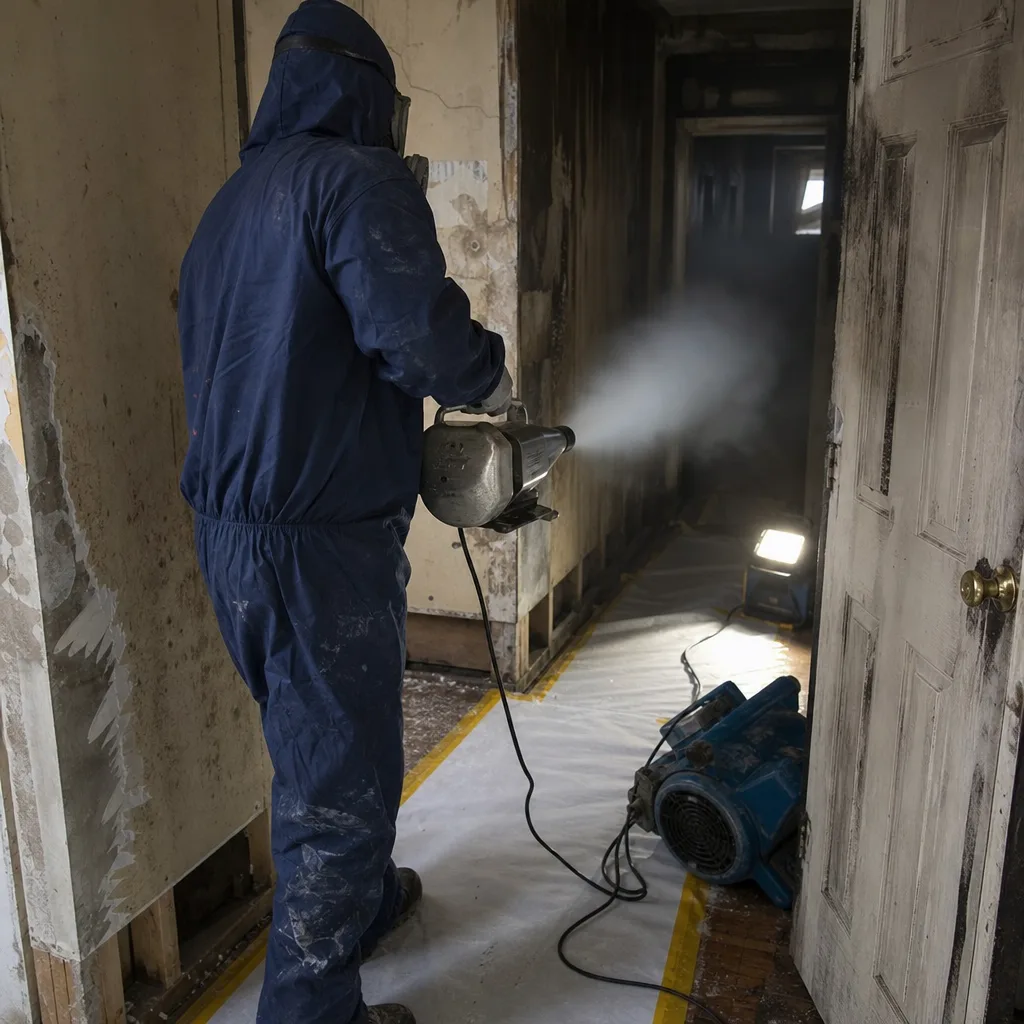
Flood Damage Restoration
Basement or ground-level flooding in Greenpoint starts with a Category assessment that includes the petroleum question. We test, we document, we coordinate with DEP when needed, and only then do we move on to drying. Our Storm & Disaster Restoration team handles the full sequence from extraction to rebuild.
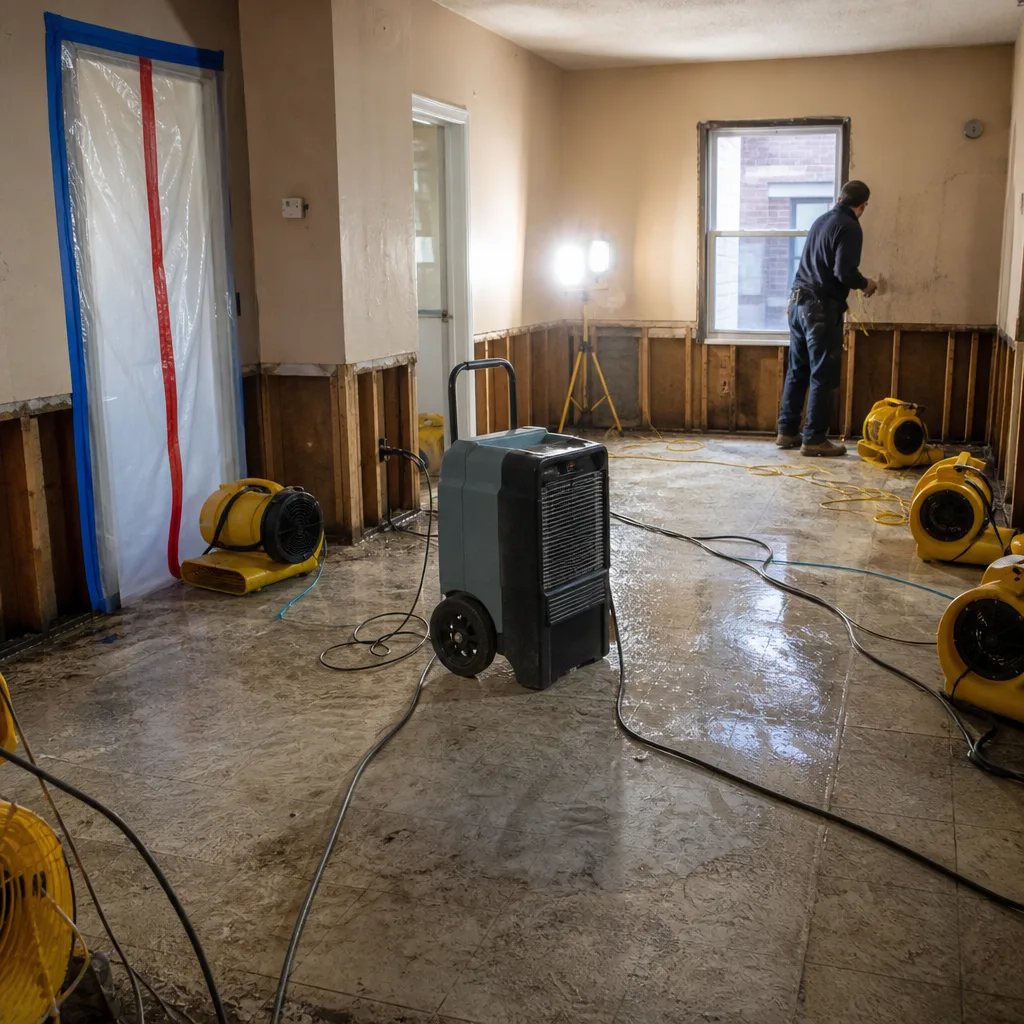
Emergency Board-Up
After a storm breaks a window or a door, securing the property is step one. We board up with plywood cut to fit the opening, protecting against further weather intrusion and anyone walking in off the street. In flooded basements along the East River, we also board ground-level entries to prevent additional water from pushing in before extraction starts.
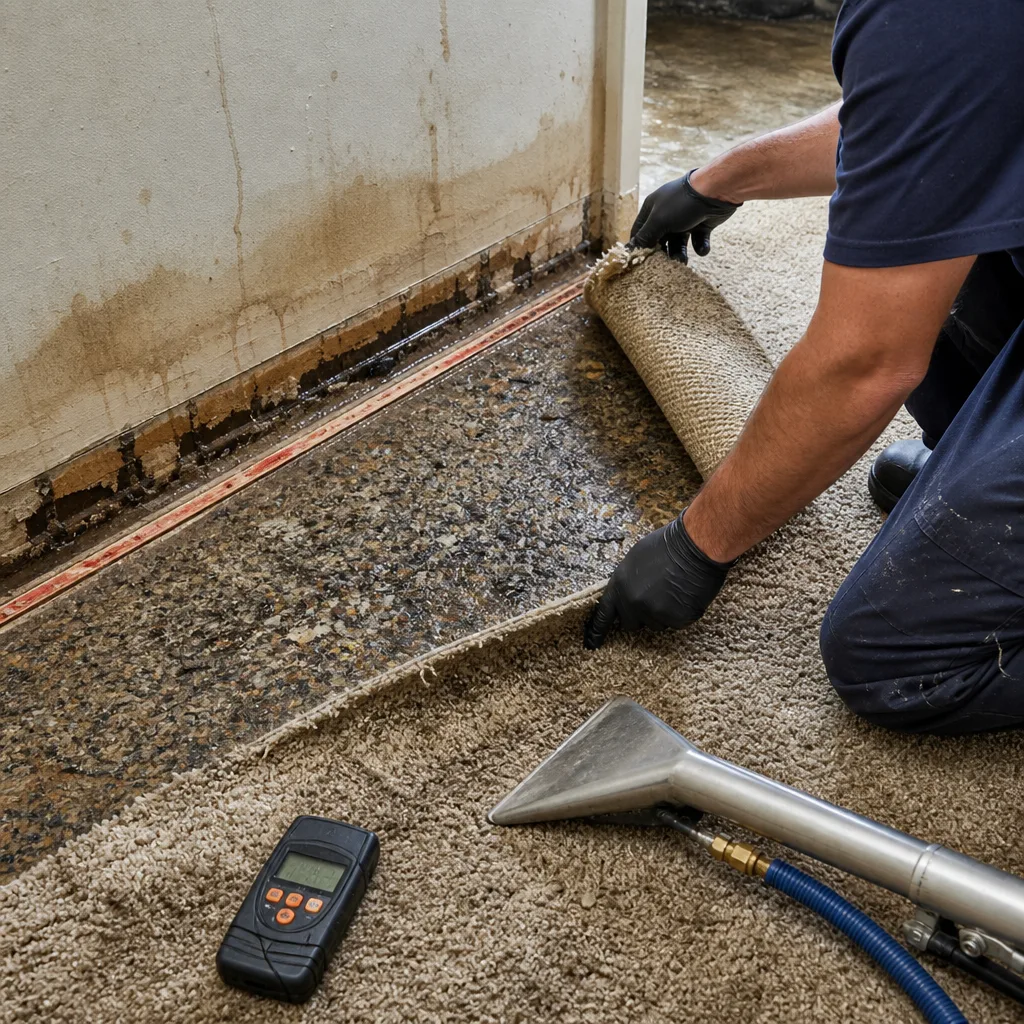
Roof Tarping
A damaged roof over a three-story brick walk-up can’t wait until the storm passes. We tarp the damaged area using professional-grade materials secured to prevent wind-lift, buying time for a proper repair. The alternative is water cascading through three floors of plaster and wood framing by morning.
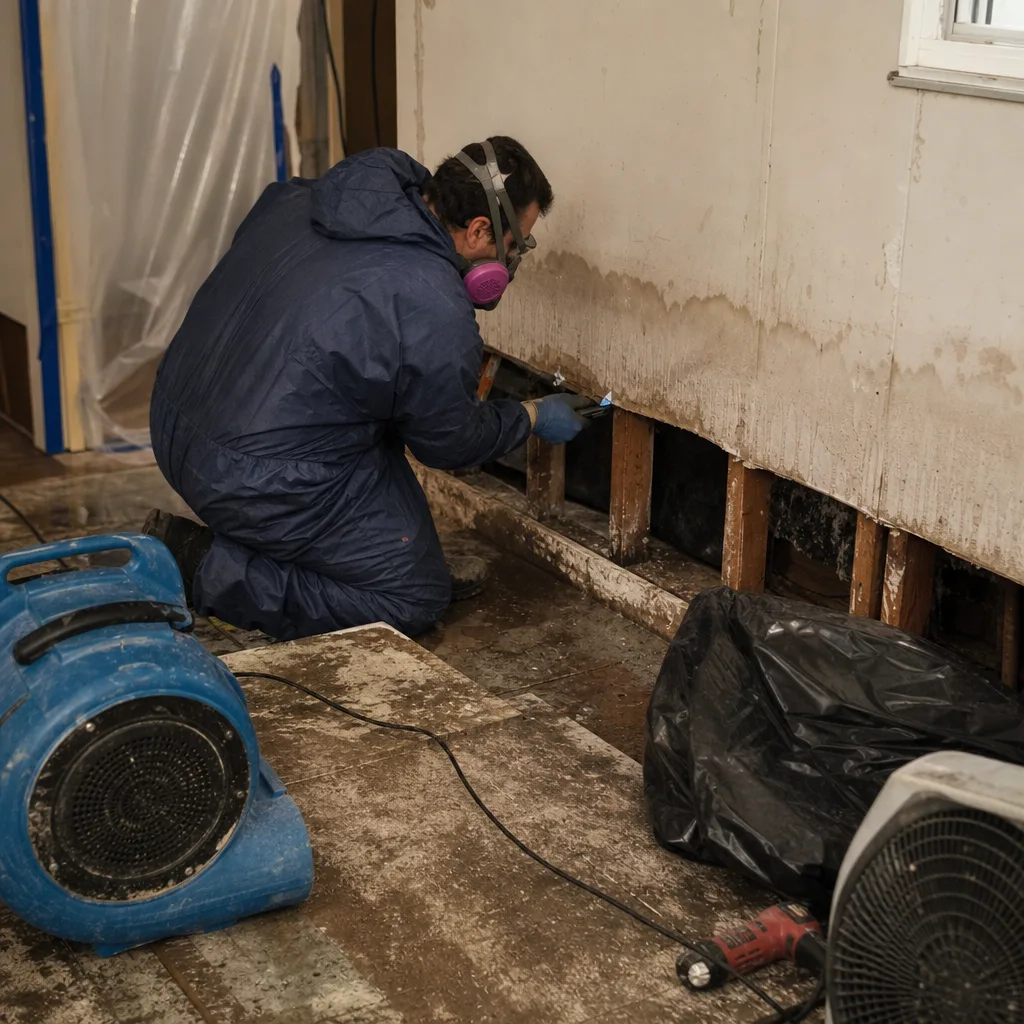
Debris Removal
Nor’easters drop tree limbs, construction materials, and street debris across Greenpoint’s narrow streets and back courtyards. We remove it safely, sort it properly, and dispose of it in accordance with city and state requirements. If that debris has been in contact with contaminated floodwater, it goes through hazmat-appropriate disposal channels.
What happens when you call
- 1
A real person answersNo phone trees - you reach a local pro.
- 2
You get an upfront price rangeHonest numbers before anyone is dispatched.
- 3
A background-checked tech heads outLicensed & insured, dispatched right away.
- 4
You approve before work beginsNothing starts until you say go.
Storm & Disaster Restoration Costs in Greenpoint, NY
A typical basement flood from a nor’easter or heavy rain in Greenpoint runs $3,500 to $12,000 for extraction, drying, and sanitization, depending on the affected square footage and whether contaminants are present. Storm damage cleanup involving broken windows or water entry through a damaged roof typically runs $2,500 to $9,000. Emergency board-up generally starts around $500 to $900 and is often covered by insurance as a mitigation step. Roof tarping from storm damage in Greenpoint typically runs $750 to $1,800 for professional materials and secure installation. Debris removal projects run $600 to $3,000 depending on the type and volume. The single biggest cost variable in this neighborhood is petroleum contamination: when a Category 1 loss escalates to a Category 3 hazmat situation, the scope expands to include containment, DEP coordination, specialized disposal, and decontamination before any drying starts. That can add $5,000 to $25,000 to a project, and it’s not optional. Four our Greenpoint customers, the free visual inspection is the path to a firm scope: we assess, we test, we write the line-item scope, and we agree on price before any work begins. Call (518) 800-3751 for an exact quote, and ask about the $50 Off Any Repair Over $250 offer or the Senior & Veteran 5% discount, both always in effect.
We Also Serve Cities Near Greenpoint
Our crews regularly run restoration calls into Astoria, Ditmars Steinway, Upper Manhattan, and the Upper East Side. If you live just across the Pulaski Bridge or the Queensboro Bridge, the same live dispatcher and the same certified team serve you. Every nearby neighborhood gets the same written scope, the same insurance coordination, and the same 90-Day Done Right Promise.
Greenpoint Storm & Disaster Restoration Questions, Answered
Why does a flooded basement in Greenpoint sometimes smell like gasoline even if there’s no fuel tank on the property?
The smell comes from petroleum hydrocarbons in the groundwater beneath Greenpoint, a legacy of the 17 to 30 million gallon oil plume that sits under much of the neighborhood. When the water table rises and enters your basement, those hydrocarbons come with it. We identify the source with professional testing and coordinate with the DEP before any drying begins. Call (518) 800-3751 for a free visual inspection if you notice that smell in standing water.
How does the petroleum plume change the water category classification during a storm?
It can turn what looks like ordinary Category 1 groundwater into a Category 3 loss because the water is carrying industrial contamination. That triggers hazmat protocols, containment, and DEP notification instead of straightforward extraction and drying. We assess every flooded basement in Greenpoint with the plume in mind, because missing it means drying equipment spreads the contamination through the air and the structure.
Can moisture mapping detect petroleum contamination, or is separate testing needed?
Moisture mapping shows you where water has traveled and how saturated materials are, but it doesn’t identify chemical constituents. Separate testing is required to detect petroleum hydrocarbons in water or building materials. Our certified team performs both, and if contamination is confirmed, we coordinate the required notification and remediation protocols before any drying equipment is staged. Call us at (518) 800-3751 for an assessment.
Do older 1880s brick row houses in Greenpoint dry differently than newer construction when a storm soaks the basement?
Yes. The original plaster walls in those vintage row houses absorb and retain moisture far longer than modern drywall, and dense brick masonry holds water in a way that frame construction doesn’t. Drying times are frequently double what a newer home with gypsum board would require. We run daily moisture readings with professional-grade Dri-Eaz and Phoenix equipment and don’t stop until the dry standard is met, because stopping early means mold behind the plaster and another flood of problems later.
Is emergency board-up different in Greenpoint’s flood zones after a storm surge?
In FEMA-designated flood zones along the East River waterfront, board-up serves two purposes: securing the property and preventing additional water from pushing through ground-level entries. We use plywood sized and secured for actual flood conditions, not just security. That means better fastening, weather-rated sealing, and an awareness of where the next high tide or nor’easter might drive water.
How fast can someone actually get to Greenpoint after I call?
Our crew commitment is 45 minutes for an in-neighborhood response from call to arrival. We have teams staged across the Greenpoint area, and dispatch is live around the clock. When you call (518) 800-3751 at 2 a.m., a real person answers and starts the process immediately. The sooner we arrive, the less damage spreads and the lower the final cost.
Will insurance cover storm and flood damage in Greenpoint?
Most homeowners policies cover storm damage from wind, rain, and burst pipes, but they typically exclude surface flood from rising rivers or storm surge unless you carry a separate flood policy. Petroleum contamination from the plume adds another layer the adjuster must evaluate. We document everything from the first hour and coordinate directly with your carrier to establish the correct line-item scope. Our direct insurance billing means you’re not the one stuck arguing about cause and coverage.
What should I do in the first 30 minutes after finding water in my Greenpoint basement?
Call (518) 800-3751 first. Then turn off electricity at the breaker if you can do so safely without stepping in water. Don’t enter standing water if you smell gasoline or see a sheen on the surface. Don’t run fans or try to dry it out yourself, because moving air across contaminated water spreads the problem through your home. Our free inspection gives you a clear picture and a written scope with no obligation.
Serving Greenpoint, NY - Our Local Coverage Area
We’re based in the Greenpoint area and know this community well. Use the map below to see our service coverage - if you’re nearby, we can almost certainly help.
Call Floodline Restoration Co. for Storm & Disaster Restoration in Greenpoint
The line the water left on your wall is where we start. For over 42 years we’ve served local communities with one standard: done right, and backed in writing. If you’re in Greenpoint and you’ve got water where it shouldn’t be, or storm damage that’s getting worse by the hour, call (518) 800-3751 for a free estimate. A live person answers, a certified crew comes, and we stand behind the work with the 90-Day Done Right Promise. No pressure, no surprises, no mid-job handoff. Just the job done right.
Written by Curt Bowman, Owner at Floodline Restoration Co., serving Greenpoint, NY and the surrounding boroughs.