
Free visual inspection and a written scope of work before any mitigation begins - photos, moisture readings, and drying logs go in your claim file
The scope we write is the scope we bill. Anything new gets shown to you, in writing, before we touch it.
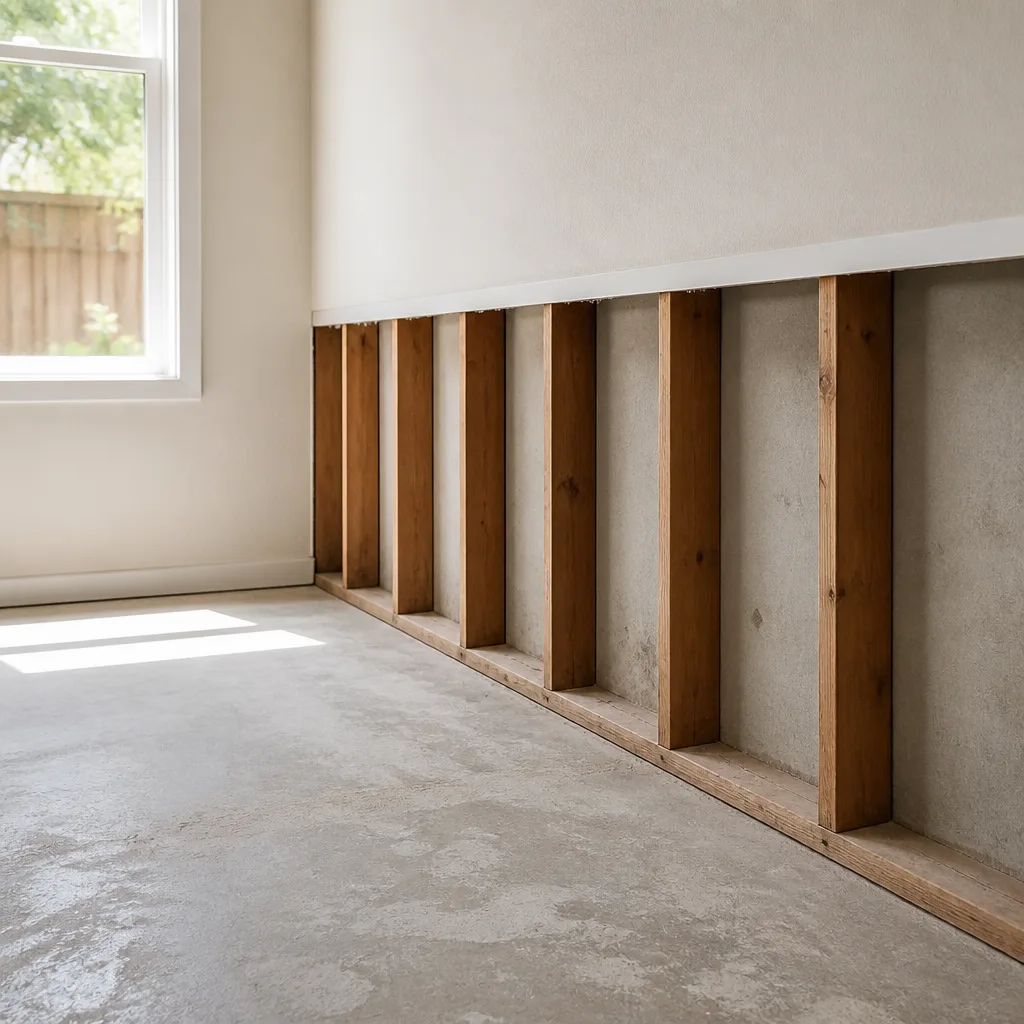
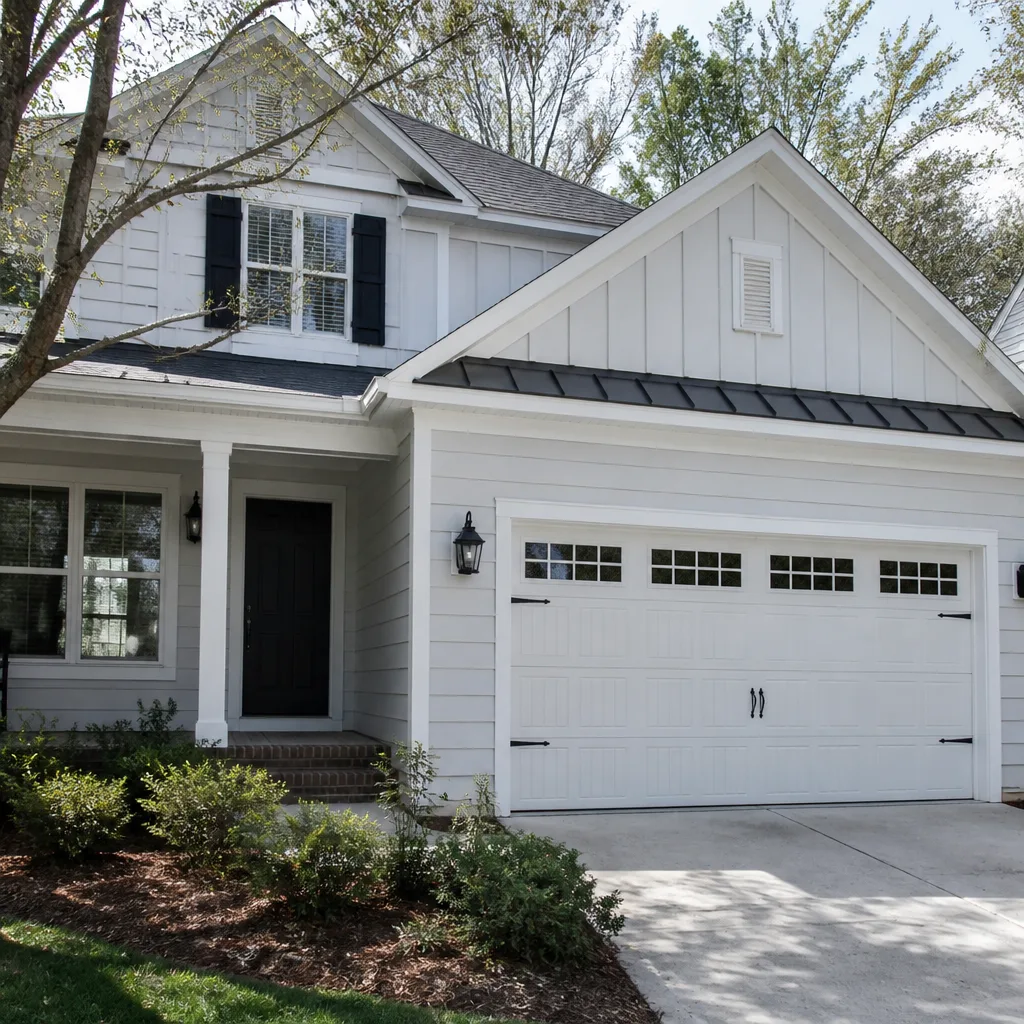
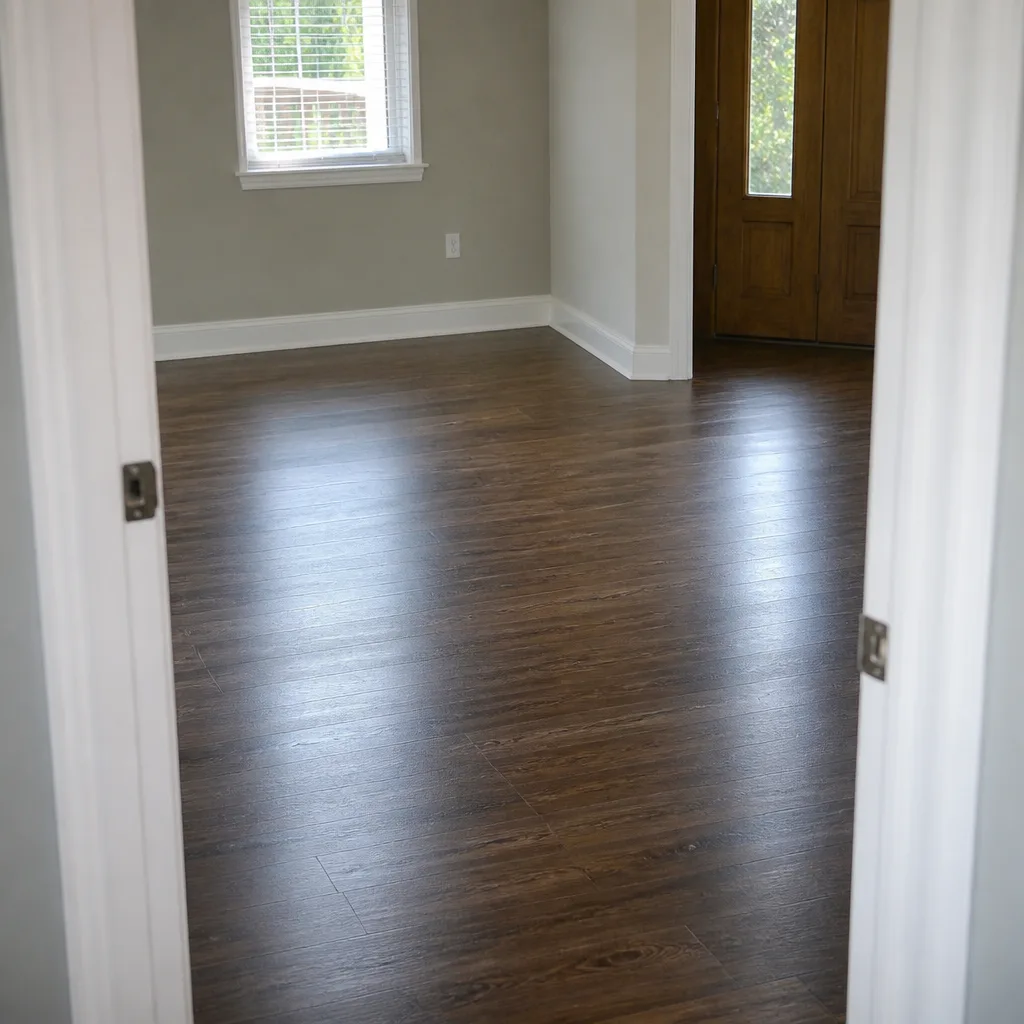
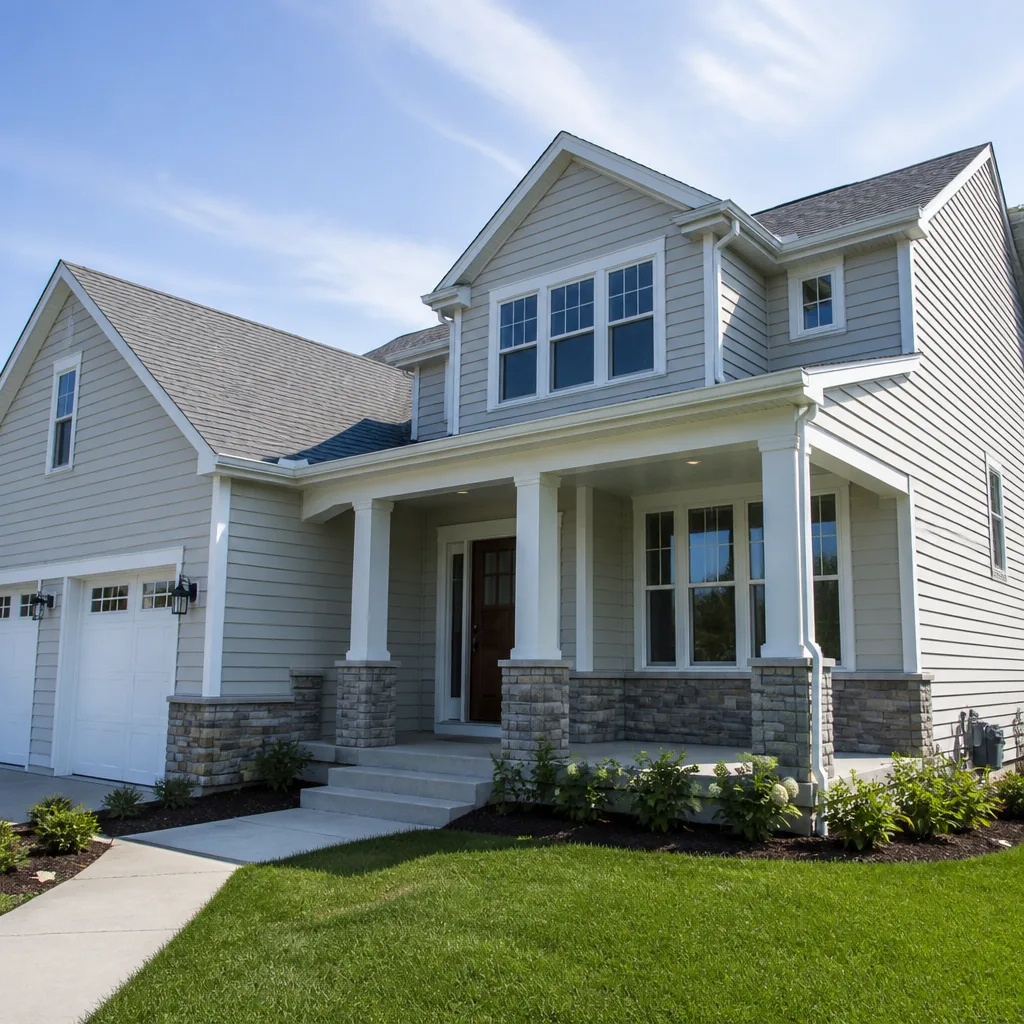
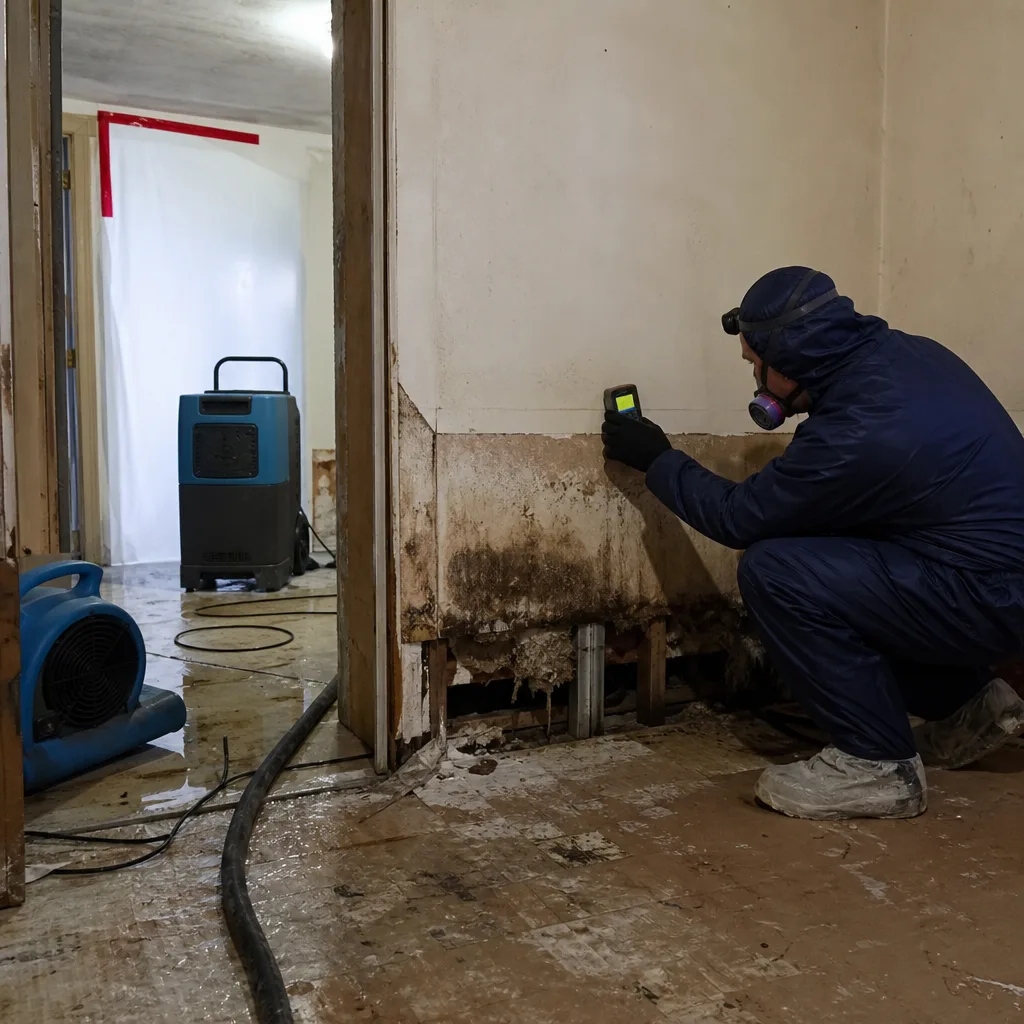 Before
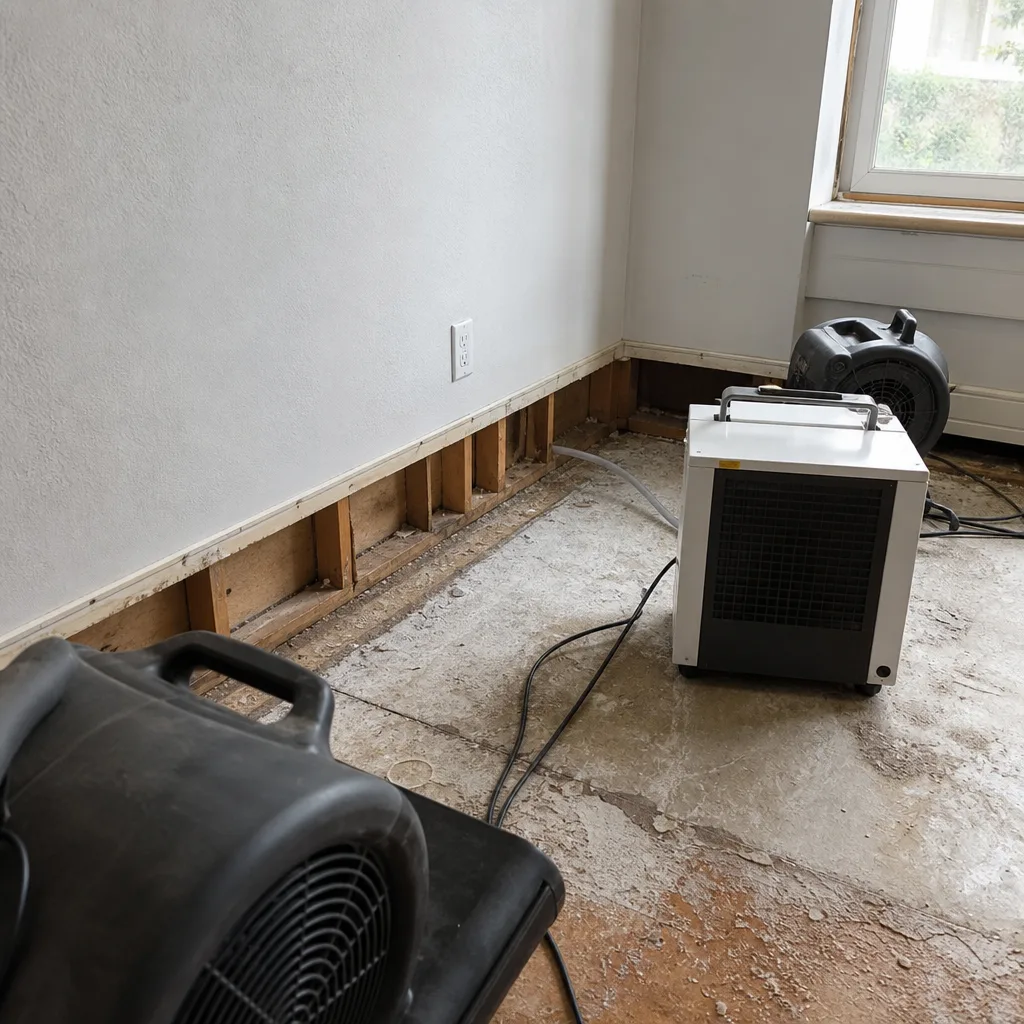 After
After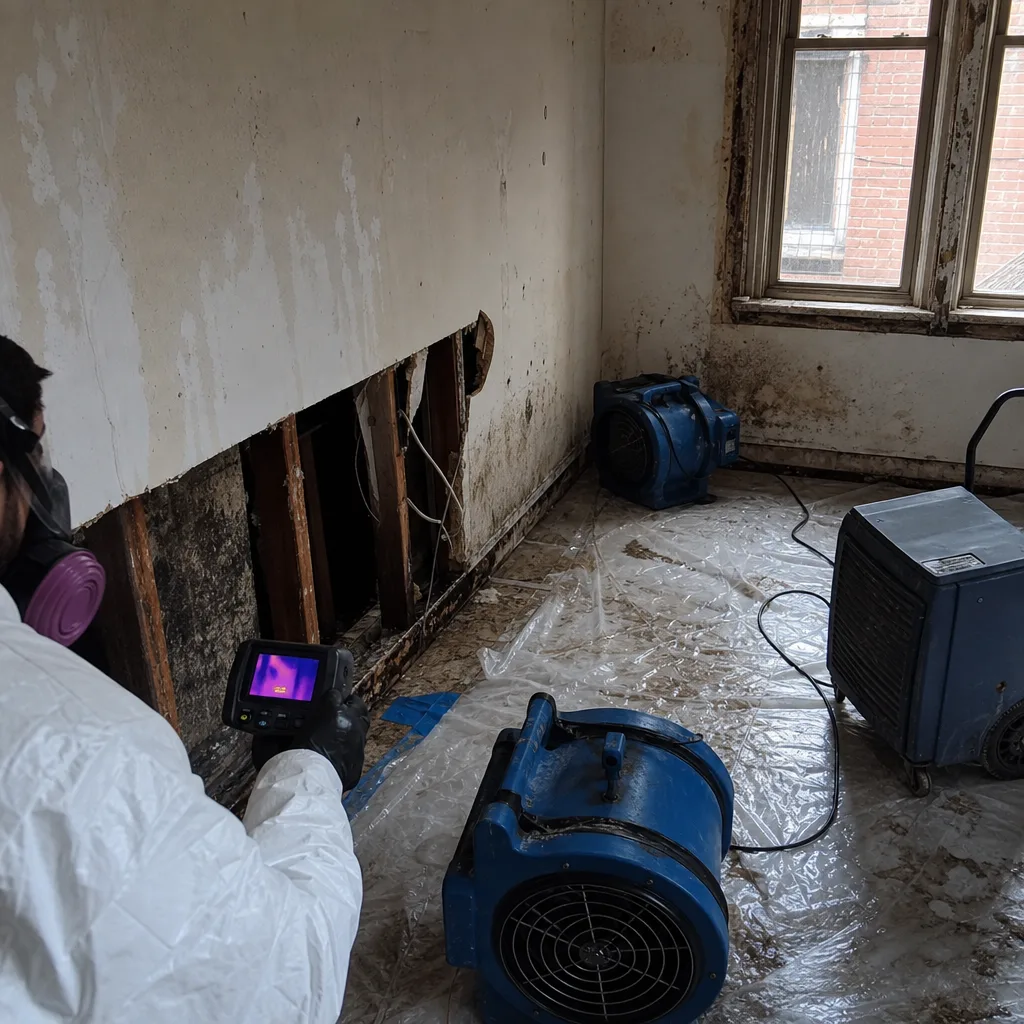 Before
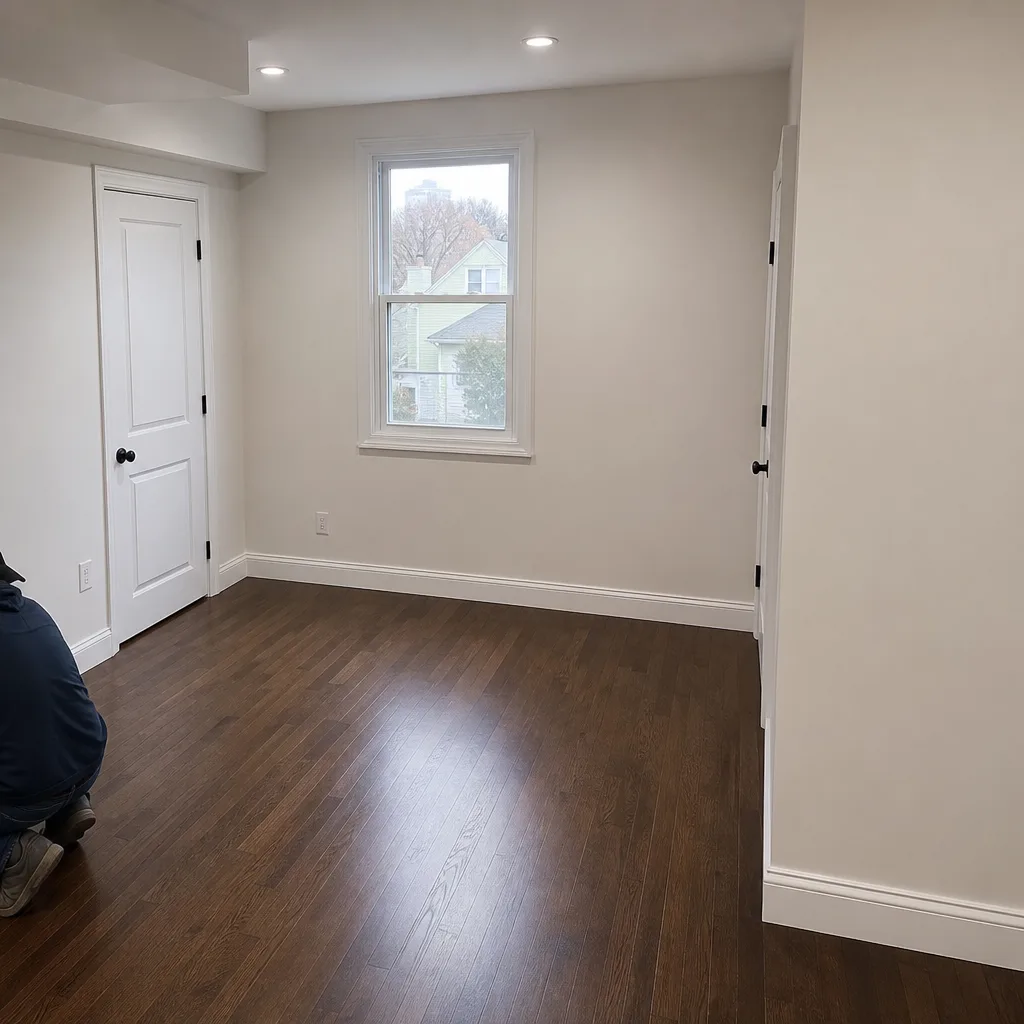 After
After24/7 Emergency Storm & Disaster Restoration in Morningside Heights
Storm and disaster restoration in Morningside Heights means getting water out of a building that was never designed to be wet. Our crews are dispatched from the New York City office into Morningside Heights around the clock, with a live person answering at (518) 800-3751 no matter the hour. A burst steam riser in a six-story pre-war co-op doesn’t wait for business hours, and neither do we. The first hour determines whether plaster ceilings survive, whether hardwood floors cup, and whether one apartment’s failure becomes four apartments’ problem. Call us the moment you see water, and we’ll have a crew on the way with extraction equipment, moisture meters, and a written scope of work before anyone starts guessing.
Understanding Storm & Disaster Restoration Severity in Morningside Heights Properties
Morningside Heights is dominated by 6-12 story pre-war brick elevator apartment buildings, most built between the 1890s and 1930s. Inside those buildings, water damage behaves differently than it does in modern construction. Plaster-over-wood-lath walls and ceilings absorb water in a way drywall never does. When saturated, plaster debonds from its lath keys and can drop in heavy slabs, sometimes 30 pounds or more per section. That changes everything about how a restoration job gets sequenced. Before any air movers run, a technician has to check the ceiling bounce in every affected room. We also classify the water correctly. A radiator leak or failed steam-line joint carries rust, sediment, and biological load from aged cast-iron systems, which frequently pushes it beyond Category 1 clean water into Category 2 or Category 3 territory. The classification dictates what gets dried versus what gets removed. In Morningside Heights, a single pipe failure can cascade water through eight or more vertically linked units, so severity is rarely confined to one apartment. The triage has to account for multiple occupied spaces, multiple stakeholders, and plaster that may already be losing its grip.
Why Morningside Heights Property Owners Choose Floodline Restoration Co.
- 45-minute response commitment - We dispatch from the New York City office into Morningside Heights immediately, and our technicians know the neighborhood’s buildings well enough to park, stage, and start triage without wasting time.
- 24/7 live answer, always a person - You call (518) 800-3751 at 2 a.m., a live dispatcher picks up. Not a recording. Not a callback form.
- IICRC-certified crews - Our technicians hold WRT, FSRT, and AMRT certifications and train to RIA and IFA standards. They know what a waterlogged plaster ceiling looks like and what it means for the job sequence.
- Free visual inspection - Before any work begins, we walk the loss with you, document pre-loss conditions, and give you a written scope. No pressure, no surprises.
- Direct insurance billing - We bill your carrier directly and communicate with your adjuster from the first hour. You never play messenger.
- One team from extraction to reconstruction - The same crew that reads the moisture map on day one handles daily readings, hands the log to you and your carrier, and rebuilds what needs rebuilding.
Our Storm & Disaster Restoration Process
Inspection & Assessment
We arrive, document the full extent of the loss room by room, and check for hidden hazards including debonded plaster ceilings and water that has traveled through wall cavities into units below. Thermal imaging and moisture meters tell us where the water actually went, not just where it’s visible.
Extraction/Stabilization
Standing water comes out first with truck-mounted and portable extraction units. If the source is still active, we stabilize it: pipe freeze stops, temporary patches, or controlled shut-offs coordinated with the building superintendent and any institutional facilities office involved.
Drying & Dehumidification
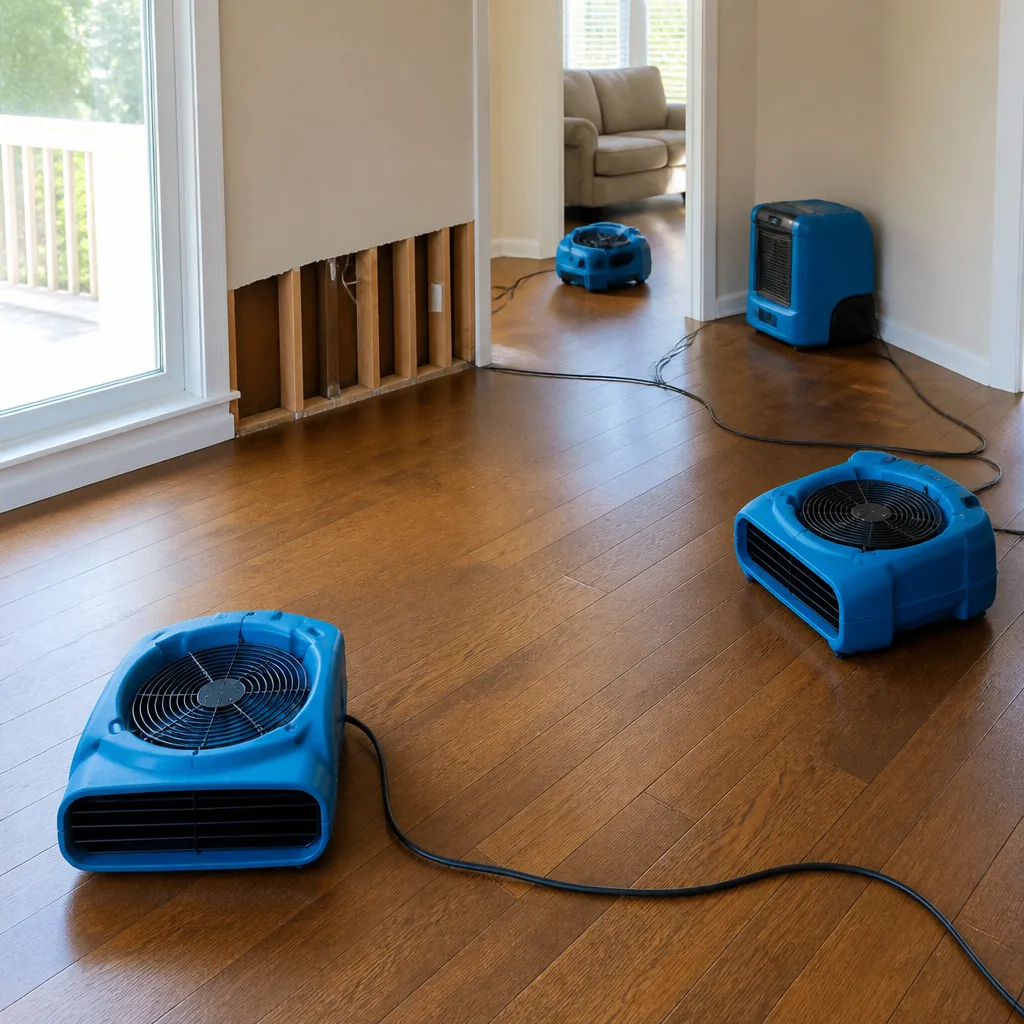
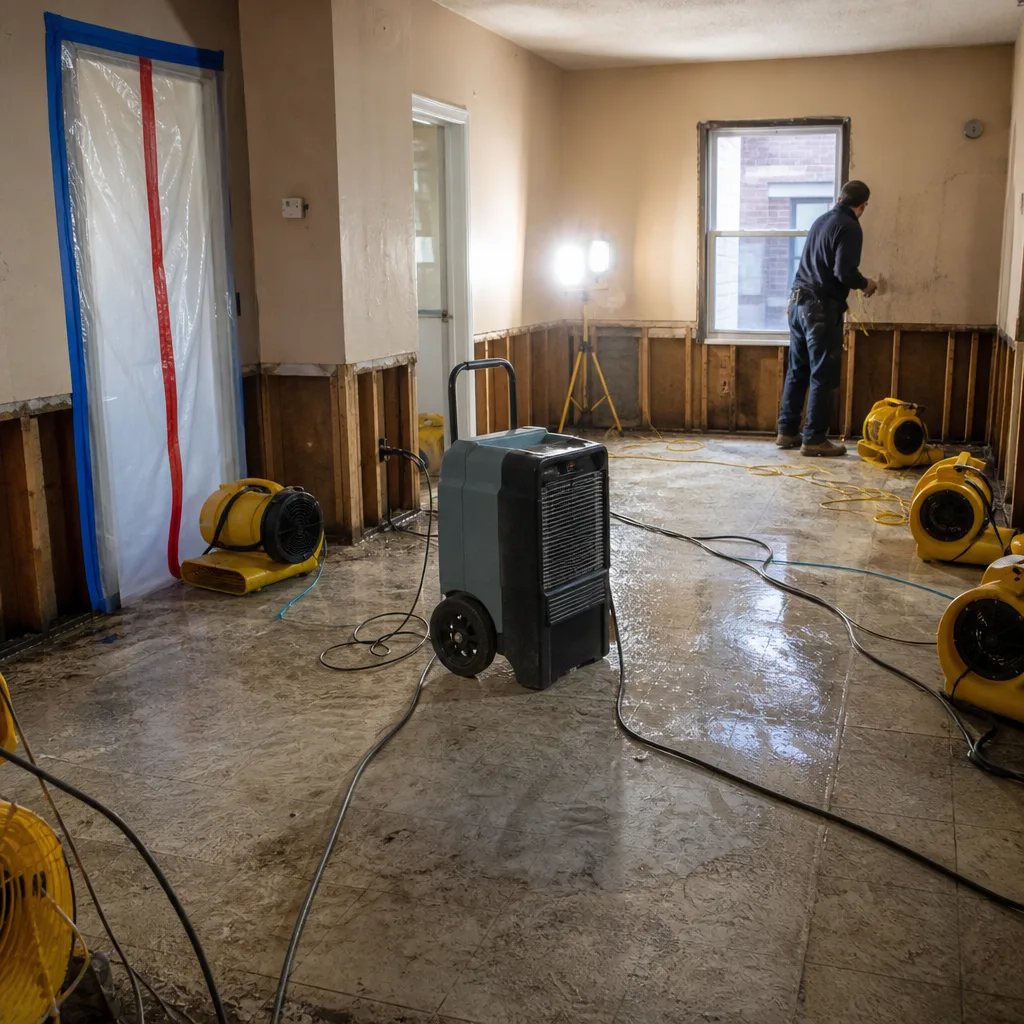
We place Dri-Eaz dehumidifiers and Phoenix air movers according to a moisture map, not guesswork. Daily readings are logged until the dry standard is met. In plaster-and-lath construction, we monitor ceiling bounce and cavity moisture throughout, because surface dryness doesn’t mean the lath behind the plaster is dry.
Cleaning & Sanitization
Category 2 and Category 3 water require antimicrobial treatment and controlled demolition of saturated porous materials. We contain affected areas, scrub the air with HEPA filtration where needed, and remove materials that can’t be dried safely.
Specialty Treatment
For storm losses in Morningside Heights, this often means roof tarping after membrane failures, board-up after window blowouts, and plaster stabilization before drying equipment ever turns on. We coordinate with masonry and roofing specialists when parapet walls or flat-roof membranes are involved.
Repairs & Restoration
We rebuild what we removed. Plaster repair, flooring, millwork, paint. The same crew that did the extraction handles the finish work, so there’s no mid-job handoff and no inherited crew that doesn’t know the building’s history.
Need Emergency Storm & Disaster Restoration in Morningside Heights Now?
Crews minutes away, answering live 24 hours a day. The sooner we start, the less it costs.
Working With Your Insurance Company
Storm and water damage claims in Morningside Heights can get complicated fast, especially when a single loss spans multiple floors and multiple ownership interests. We’ve worked through the full range: Columbia University-managed units, private co-ops, sponsors, and individual apartment owners all in the same building, with a single adjuster trying to sort out the pieces. From the first hour, we photograph everything, log moisture readings, and document pre-loss conditions in every affected unit. That documentation matters when questions come up about what was damaged before the storm versus what the storm caused. We produce industry-standard estimates in the format carriers expect, and we talk to the adjuster directly. You hired us to fix the damage, not to referee a claim.
What We Provide Your Insurer
- Thorough documentation of the loss
- Photos of all damage, room by room
- Moisture readings and drying logs
- A detailed, line-item scope of work
- Direct coordination with your carrier
Built for Morningside Heights’s Loss Calendar
Morningside Heights has a seasonal rhythm to its damage calls, and we plan staffing around it. January and February are the deep-freeze months, when NYC’s freeze-thaw cycles stress the aged galvanized and cast-iron supply lines so common in these pre-war buildings. Pinhole failures and joint separations spike, and pipe bursts send water down through eight floors before anyone can shut the riser. Spring brings snowmelt and heavy rain, which tests flat roofs and parapet walls. The neighborhood’s flat-roofed buildings with parapet walls are prone to ponding, and after a nor’easter, top-floor water intrusion is a call we know by heart. Summer thunderstorms cause flash flooding in basement-level units and commercial spaces along Broadway. Fall is the quiet season, a good time for building owners to schedule inspection and tarping before winter hits. But the calls don’t stop. They just change character.
Storm & Disaster Restoration Across Morningside Heights’s Neighborhoods
Morningside Heights is compact, but the building stock shifts block to block. Along Riverside Drive, the pre-war co-ops face the Hudson and take the brunt of nor’easter wind and rain on their western exposures. We see membrane failures and parapet leaks there more than anywhere else. Over near Amsterdam Avenue and Broadway, the commercial ground floors and institutional buildings have their own challenges: basement-level flooding during summer storms, aging utility systems, and a mix of ownership structures that slow access decisions. The blocks near Columbia University’s campus, including buildings along 116th Street, involve a layer of institutional facilities management that shapes how quickly work can begin and who approves the scope. We’ve learned to coordinate with building superintendents, Columbia’s facilities office, and private unit owners all on the same job. Around West 113th Street and the side streets running down to Morningside Park, the buildings are slightly older, the plumbing stacks more original, and the water damage more vertical. Every block has a pattern, and after years of responding in this neighborhood, we know them.
Specialized Storm & Disaster Restoration Services We Offer in Morningside Heights
Flood Damage Restoration
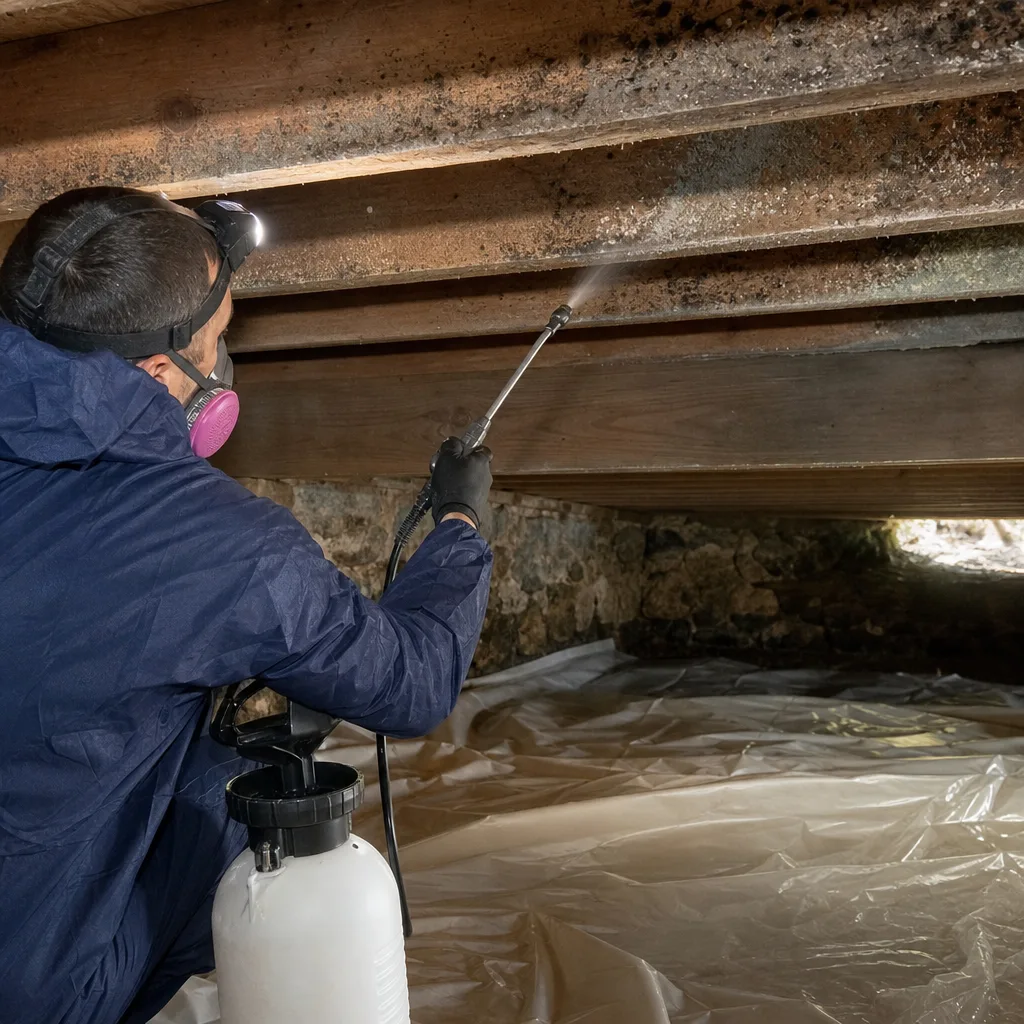
Multi-floor flood damage in a Morningside Heights pre-war building is our most common call. A single frozen pipe or radiator valve failure cascades water through plaster-and-lath ceilings across several occupied apartments, and every one of those units becomes its own triage zone. We extract, map moisture, and document pre-loss conditions in each apartment before drying begins, always checking ceiling bounce before placing equipment.
Storm Damage Cleanup
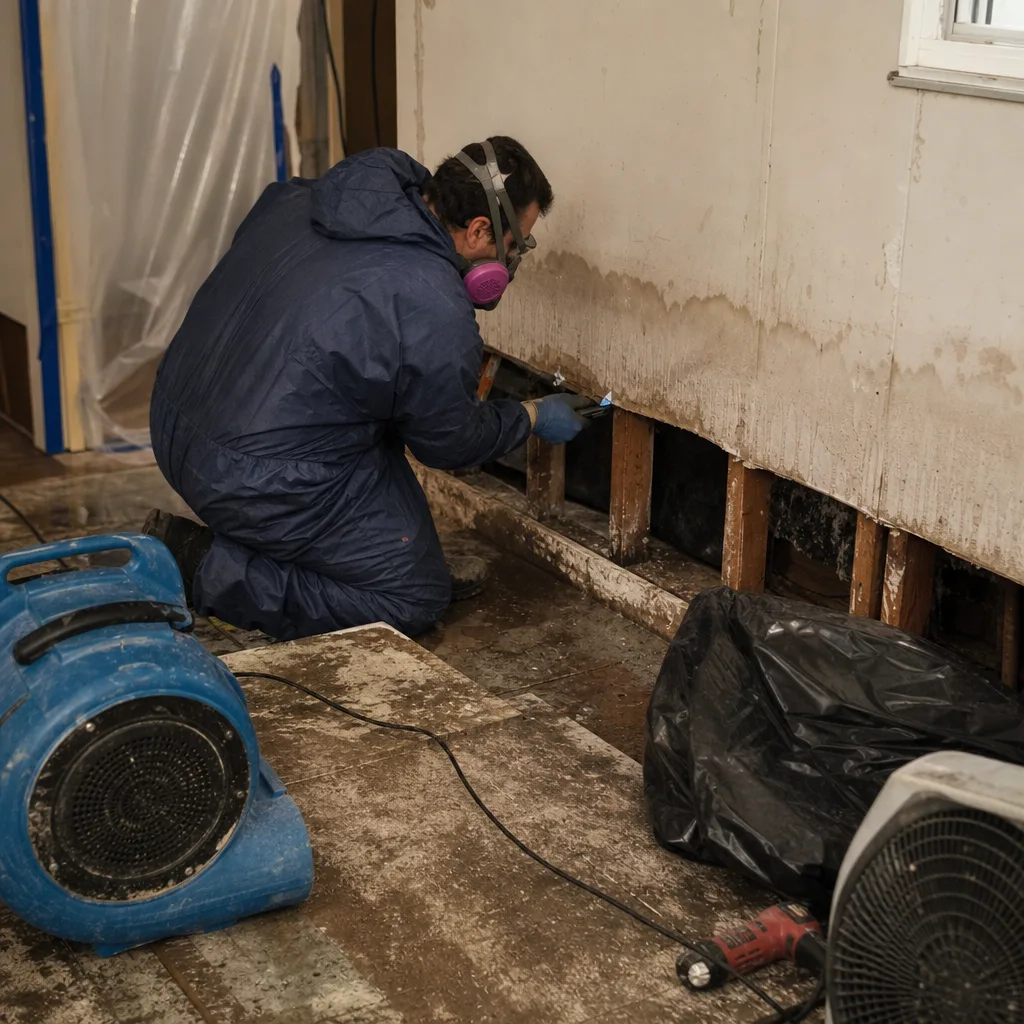
After a nor’easter or heavy thunderstorm, we handle the full cleanup: saturated plaster removal, carpet and pad extraction, debris clearing, and antimicrobial treatment where storm water carried contaminants. Stormwater is never Category 1, and we treat it accordingly. That means containment, controlled demolition, and verification that the affected space is dry and safe before restoration starts.
Roof Tarping
Flat roofs with parapet walls define Morningside Heights’s skyline, and after heavy wind or snowmelt, compromised membranes let water in from the top down. We tarp roof failures quickly to stop the intrusion, then coordinate with roofing professionals for the permanent repair. The tarp is the emergency stopgap, and it’s the difference between a contained top-floor loss and water traveling down the building’s entire height.
Emergency Board-Up
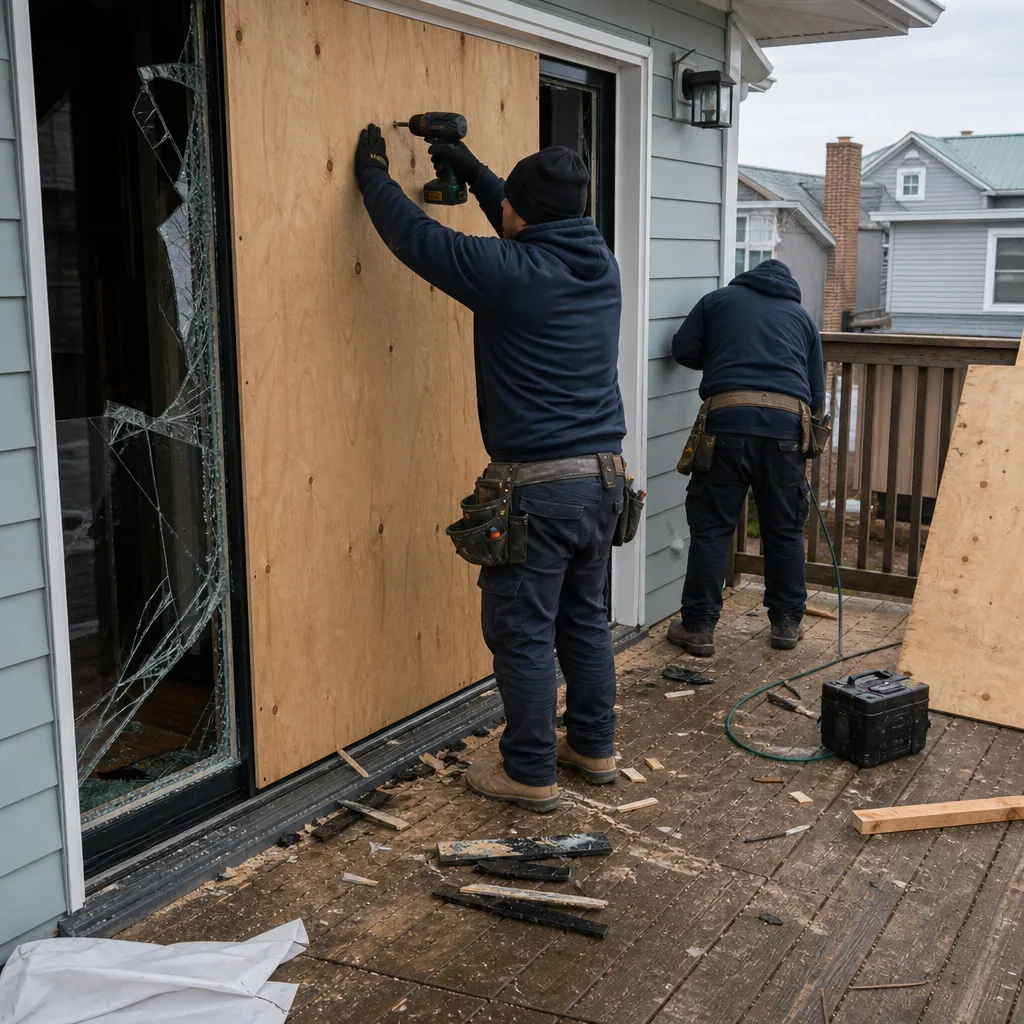
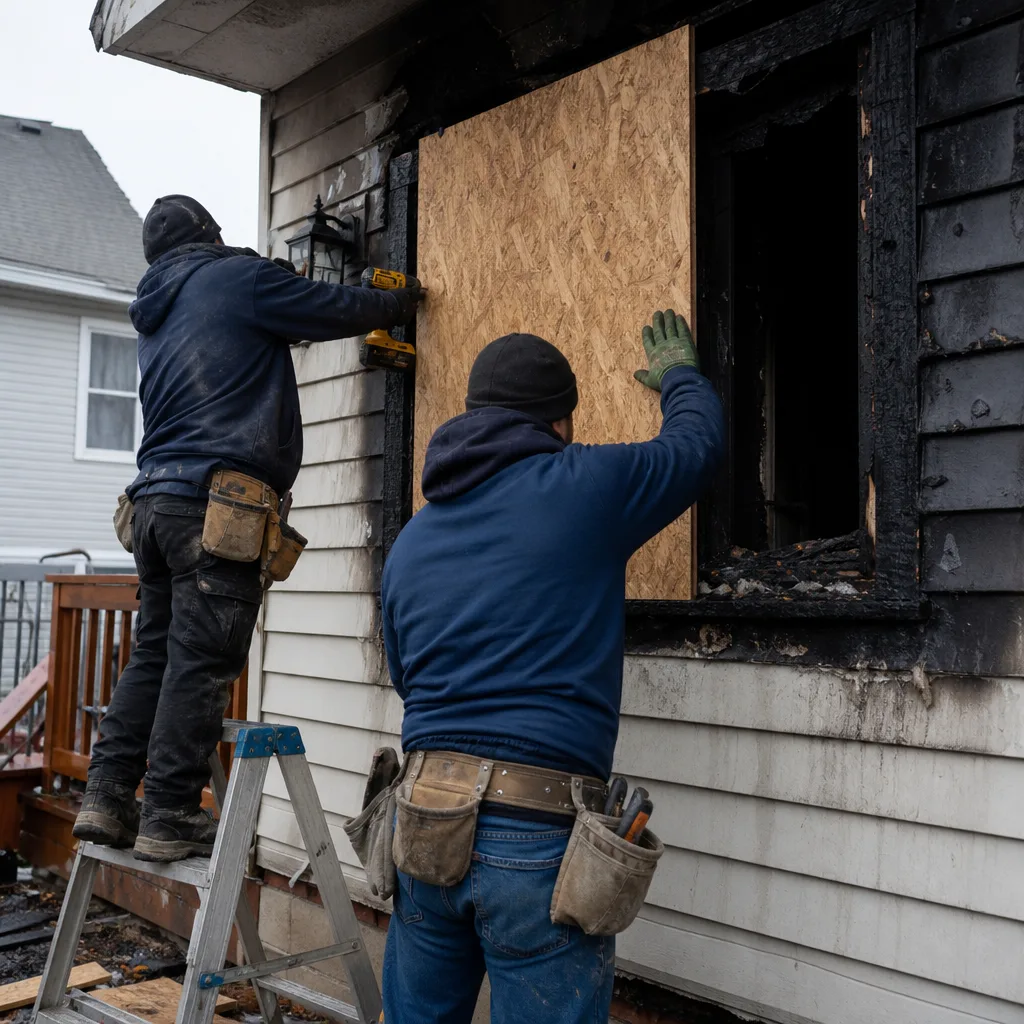
Broken windows after a storm leave Morningside Heights apartments exposed to weather, birds, and vandalism. We board up fast, using materials that fit the building’s window openings and frame types, and we document everything for the carrier. In landmarked and pre-war buildings, we’re careful with the existing frames and millwork.
Debris Removal
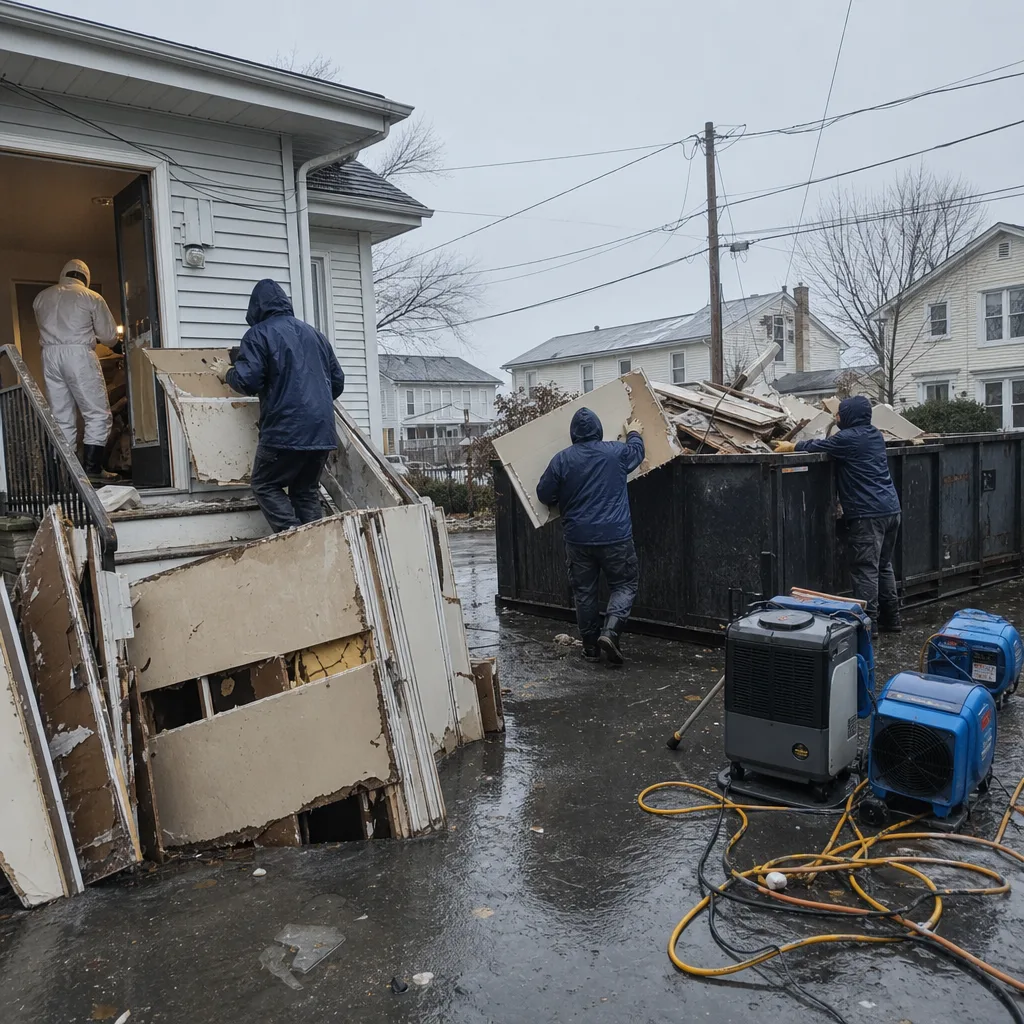
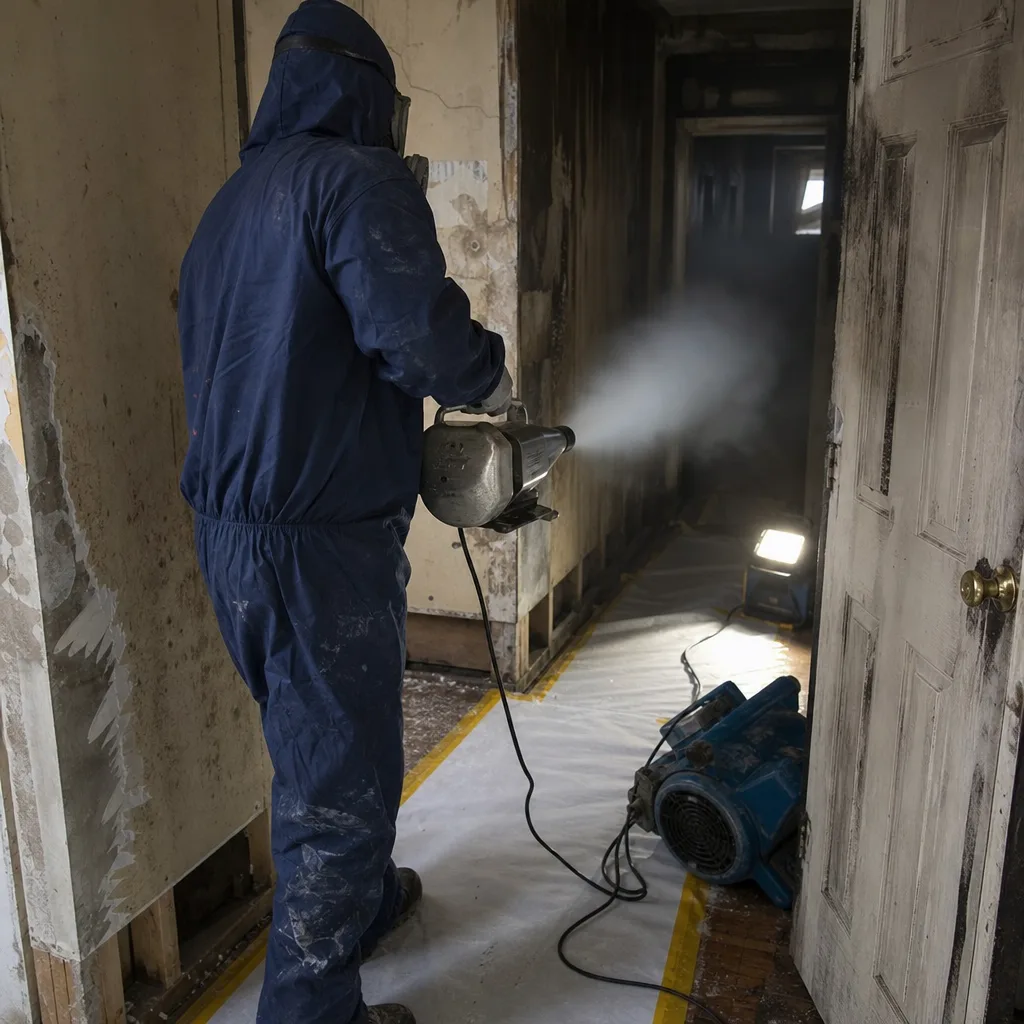
Storm debris in Morningside Heights can include fallen plaster, broken glass, downed window frames, and saturated building materials from multiple floors. We remove it properly, separating materials for disposal, documenting what was removed for the insurance claim, and leaving the building navigable for residents and other trades.
What happens when you call
- 1
A real person answersNo phone trees - you reach a local pro.
- 2
You get an upfront price rangeHonest numbers before anyone is dispatched.
- 3
A background-checked tech heads outLicensed & insured, dispatched right away.
- 4
You approve before work beginsNothing starts until you say go.
Storm & Disaster Restoration Costs in Morningside Heights, NY
Storm and disaster restoration pricing in Morningside Heights reflects the building stock. A contained Category 1 water loss in a single pre-war apartment, with extraction and structural drying, typically runs $3,500-$7,500 depending on square footage and how many rooms are involved. When a steam riser bursts and water travels through four or five apartments, the job becomes a multi-unit restoration that regularly falls in the $25,000-$60,000 range before reconstruction even starts. Roof tarping after a membrane failure runs $800-$2,500 as an emergency stopgap, with permanent roofing work priced separately. Plaster ceiling stabilization and controlled access cuts add $1,000-$3,000 per ceiling when debonding is confirmed. These are the numbers we see every week in this neighborhood. Most storm and water losses are covered by insurance, minus the deductible, and we bill the carrier directly. The free visual inspection produces a written scope with exact figures before any work begins. Call (518) 800-3751 and we’ll walk the loss with you at no cost.
We Also Serve Cities Near Morningside Heights
Our crews regularly work in Astoria, Ditmars Steinway, Upper Manhattan, and the Upper East Side. If your building is close to Morningside Heights, the same live dispatch line and certified crews handle the job with the same 45-minute response commitment.
Morningside Heights Storm & Disaster Restoration Questions, Answered
How do you handle a flooded apartment in a Morningside Heights pre-war building where a broken steam pipe affected multiple floors at once?
We triage every affected unit as its own job while treating the building as one loss. The first step is stopping the water at the riser, then we document pre-loss conditions in every apartment before any drying equipment goes in. Each unit gets its own moisture map, its own drying log, and its own scope of work, all coordinated through one lead technician so the building superintendent and any institutional facilities office deal with a single point of contact. This is the exact scenario our Morningside Heights crews train for. Call (518) 800-3751 and we’ll walk the building with you.
Why does a water-damaged plaster ceiling in a Morningside Heights apartment sometimes need to be opened before drying equipment goes in?
Because waterlogged plaster debonds from its wood lath and can drop in heavy slabs that look perfectly intact from below. A ceiling that is hanging by paint alone won’t be saved by any amount of drying. We check the ceiling bounce in every affected room before placing air movers, and when we find a debonded section, we cut a controlled access point and remove the loose material under containment. It is faster, cheaper, and dramatically safer than waiting for the ceiling to come down on its own. Get a free inspection before you assume a ceiling can be dried in place.
How does Category 3 water from a backed-up building drain in a Morningside Heights pre-war building differ from a clean water pipe break?
Category 3 water carries sewage, bacteria, and pathogens, and it is grossly contaminated in a way that clean water from a supply line is not. In a Morningside Heights pre-war building, a backed-up drain often pushes that water through the same aging cast-iron plumbing that serves multiple floors, which means contamination can spread well beyond the original backup point. Category 3 requires containment, antimicrobial treatment, and removal of saturated porous materials like plaster, carpet, and drywall. A clean water break does not automatically mean the water stays clean either: once it passes through 100-year-old pipe interiors, it picks up rust and sediment that can push it into Category 2. Call us for classification before you decide what gets dried versus removed.
What storm damage issues are common on flat-roofed Morningside Heights apartment buildings after a nor’easter?
Nor’easters hit Morningside Heights hard from the west, and flat roofs with parapet walls are the weak point. Membrane failures, ponding at parapet junctions, and wind-damaged flashing all send water into top-floor units, which then travels down through wall cavities into lower apartments. We respond with emergency roof tarping to stop the intrusion, then coordinate with roofing professionals for the permanent repair. If you see water staining on a top-floor ceiling after a storm, call (518) 800-3751 the same day, because the next rain will make it worse.
Can you pack out furniture and belongings from a Morningside Heights apartment while restoration is underway, even in a tightly managed Columbia-owned building?
Yes. We pack out contents, document the condition of everything we move, and store items off-site when the restoration requires it. In Columbia-managed buildings, we coordinate access with the facilities office and the building superintendent before any work begins, and we follow whatever access and scheduling protocols they require. The packing and moving is part of the restoration claim, and we handle it as part of the same scope of work.
How fast can you actually get to a Morningside Heights address?
Our commitment is 45 minutes from dispatch to arrival, and for emergency water or storm damage in Morningside Heights, we usually beat that. The dispatch board is a live human, 24 hours a day, and crews are staged near the neighborhood throughout the day and night. Call (518) 800-3751 and we’ll give you an arrival window at the moment you call.
Will my insurance cover storm damage in a Morningside Heights apartment?
Most storm and water damage losses are covered by a standard HO-4 or HO-6 policy, minus your deductible. The exception is flood damage from rising groundwater or exterior flooding, which requires a separate flood policy. We photograph everything, log moisture readings, and bill your carrier directly. Get your free inspection first, and we’ll tell you what the likely coverage picture looks like based on the source of the water.
What certifications do your Morningside Heights technicians hold?
Our crews are background-checked and uniformed, trained to IICRC, RIA, and IFA standards. The IICRC certifications include WRT, FSRT, and AMRT, which cover water damage restoration, fire and smoke restoration, and applied microbial remediation. The certifications matter because plaster-and-lath water damage in pre-war Morningside Heights buildings requires a different skill set than drywall drying in modern construction.
Serving Morningside Heights, NY - Our Local Coverage Area
We’re based in the Morningside Heights area and know this community well. Use the map below to see our service coverage - if you’re nearby, we can almost certainly help.
What to Do in the First 30 Minutes After Storm Damage in Morningside Heights
If water is actively flowing, shut the riser valve or the main water shut-off if you can access it safely. Don’t walk through standing water in an apartment with electricity running. Move small valuables and electronics to a dry, higher-floor spot if you can do so without risk. Then call (518) 800-3751. The Floodline Restoration Co. team will answer live, and a crew will be dispatched into Morningside Heights immediately. Every hour of delay in a plaster-and-lath building means more water in the lath, more debonding in the ceilings, and more floors affected below. The line the water left is where we start. We’ve done it thousands of times, and we’ll do it right. Done right, and backed in writing.
Written by Curt Bowman, Owner at Floodline Restoration Co., serving Morningside Heights with certified restoration crews and 42 years of local building knowledge.