
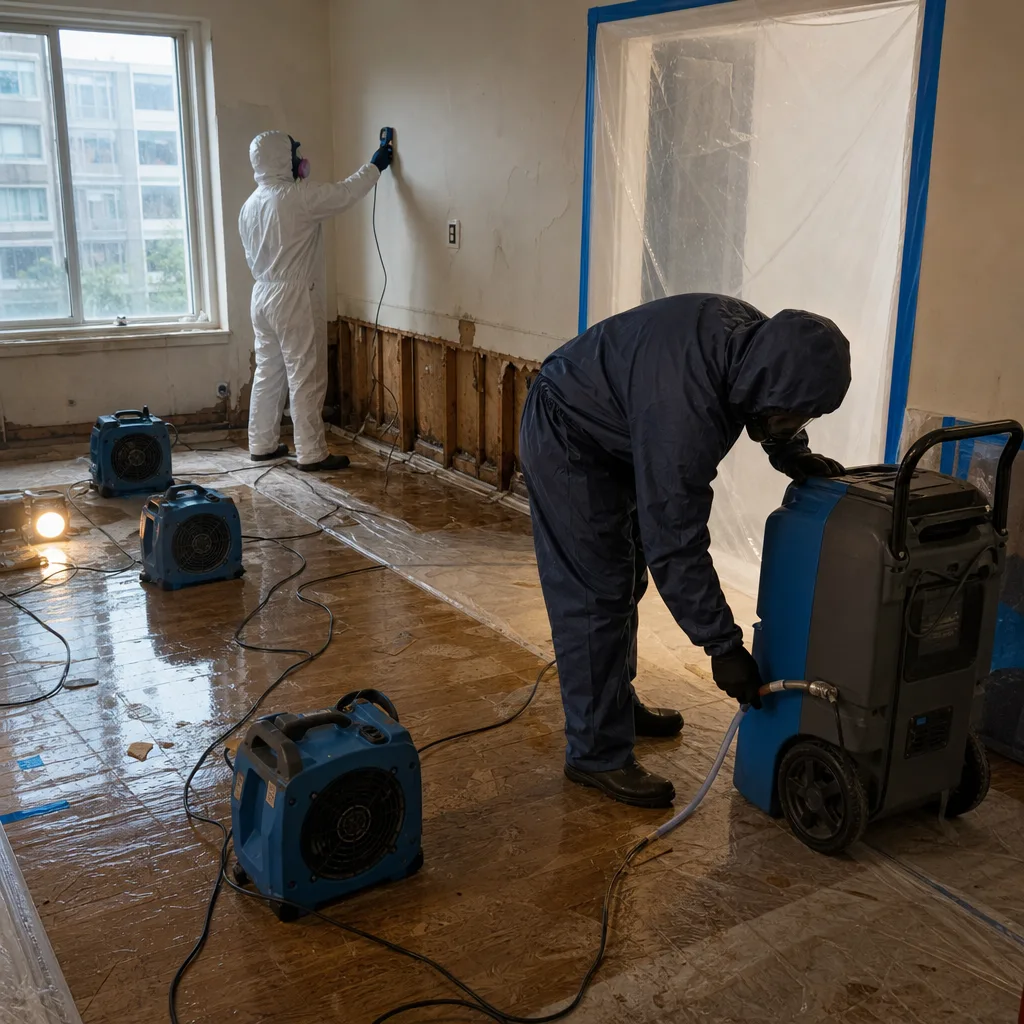
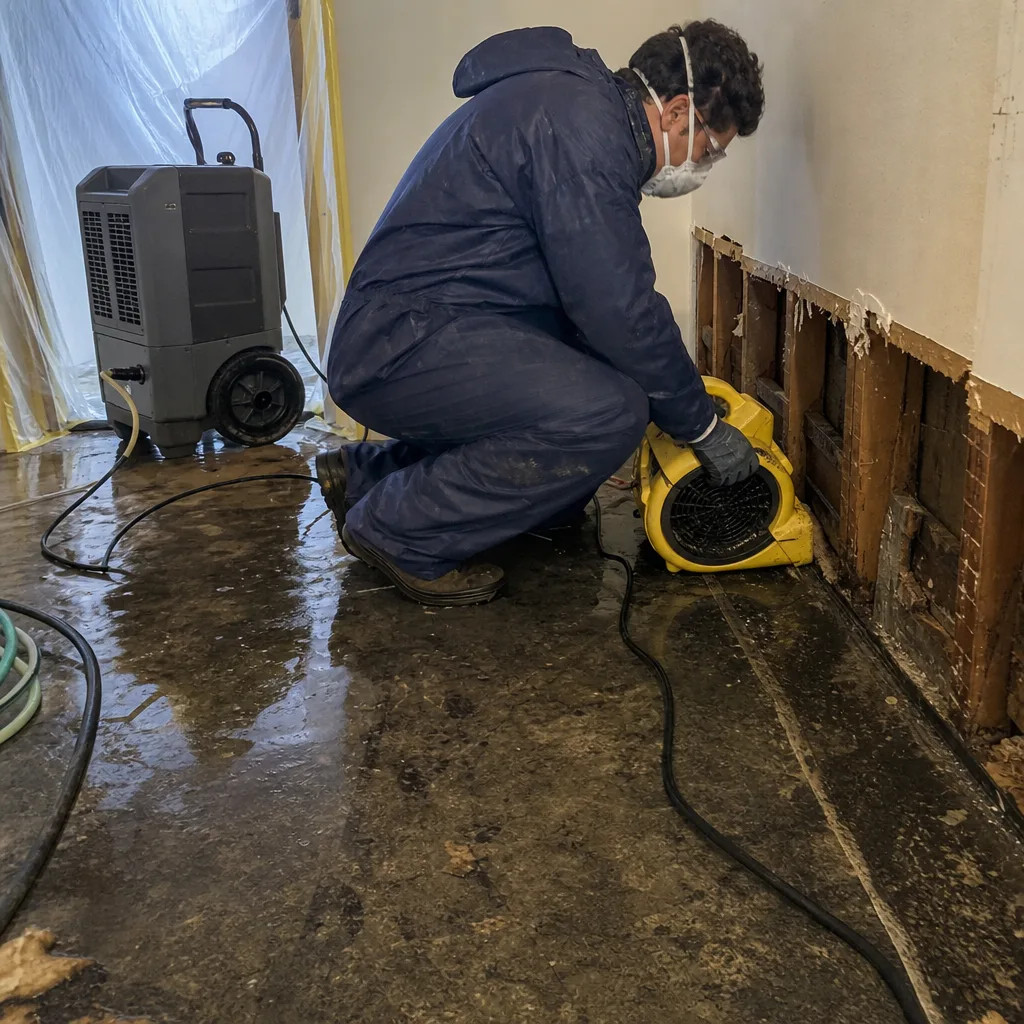
Free visual inspection and a written scope of work before any mitigation begins - photos, moisture readings, and drying logs go in your claim file
The scope we write is the scope we bill. Anything new gets shown to you, in writing, before we touch it.
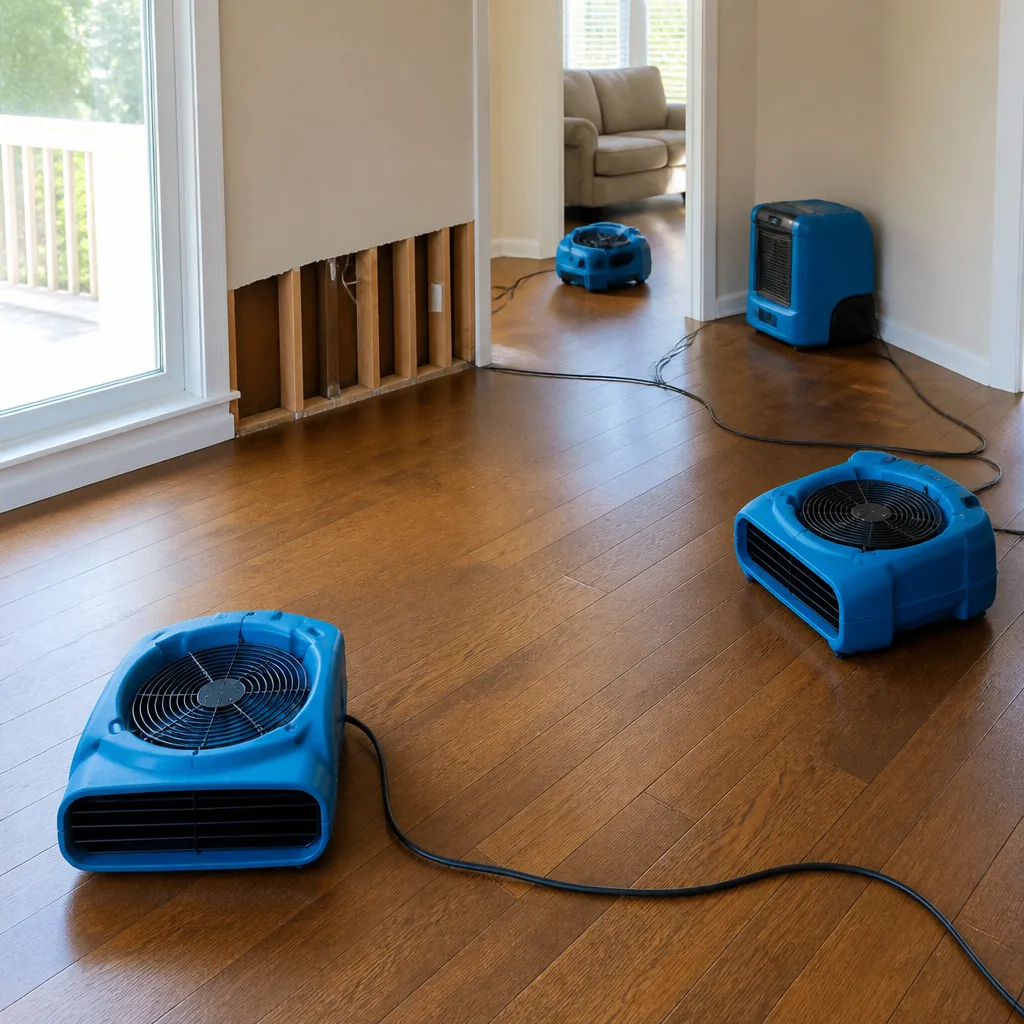
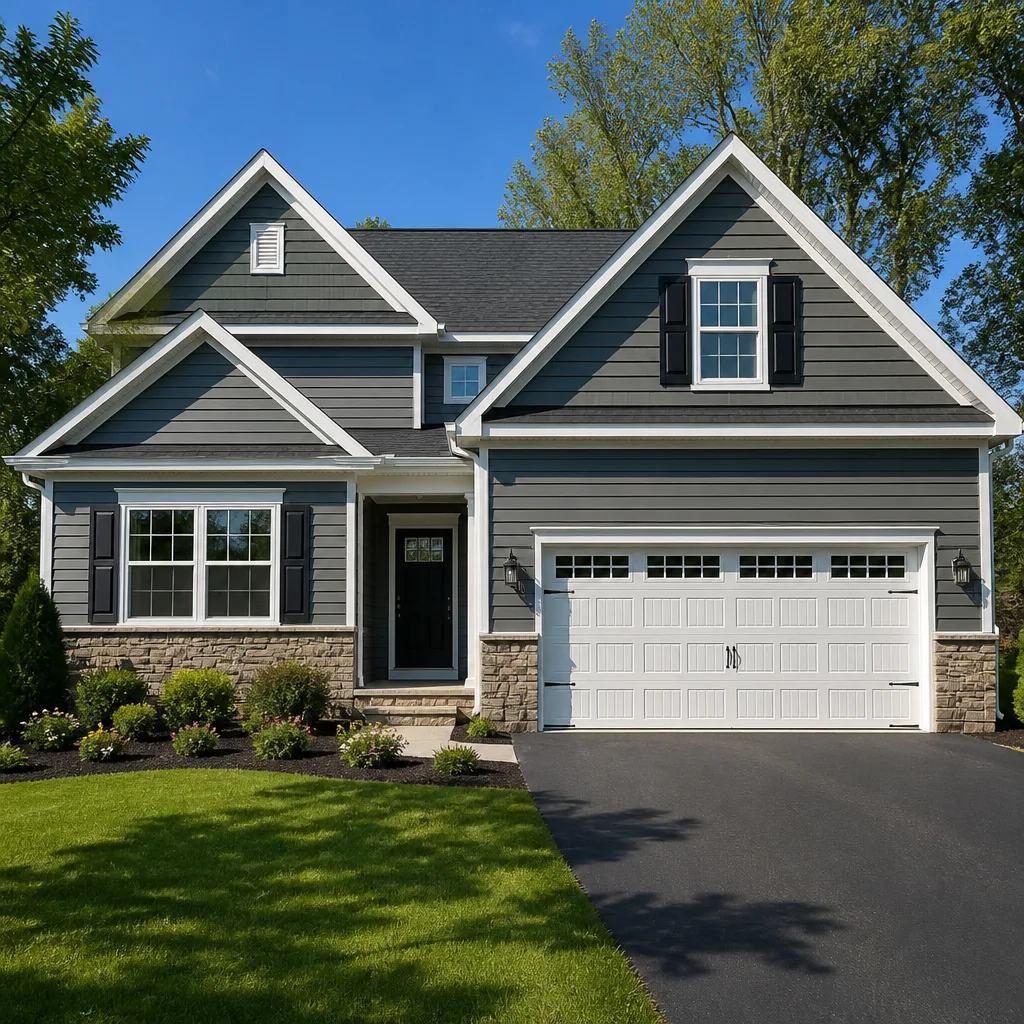
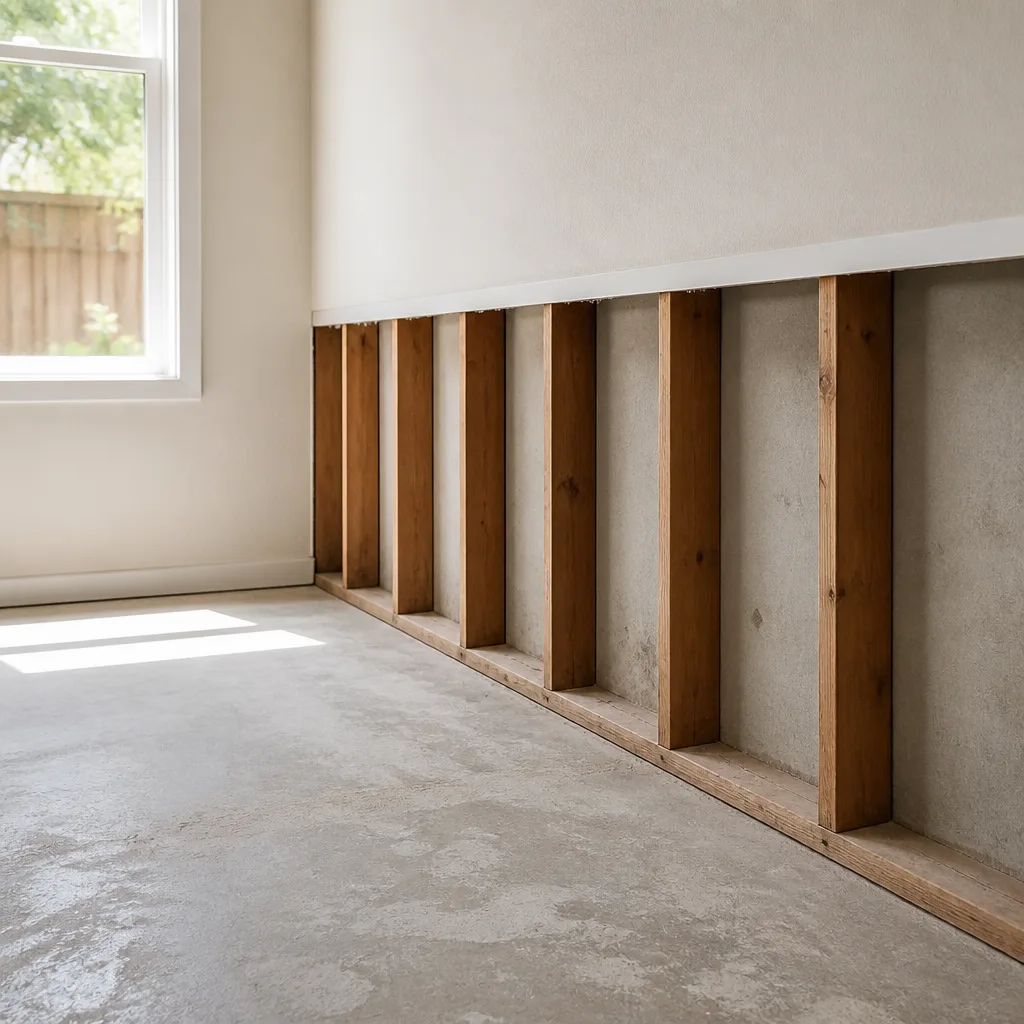
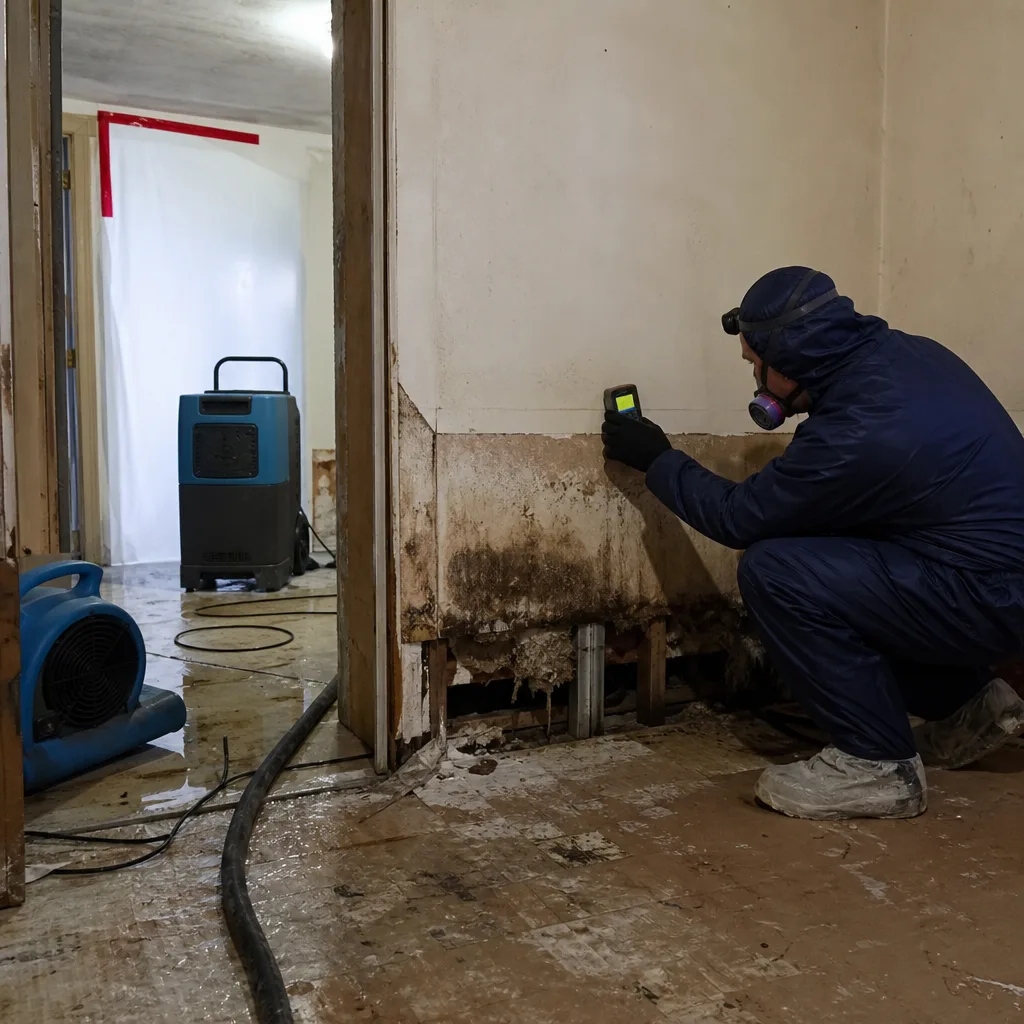 Before
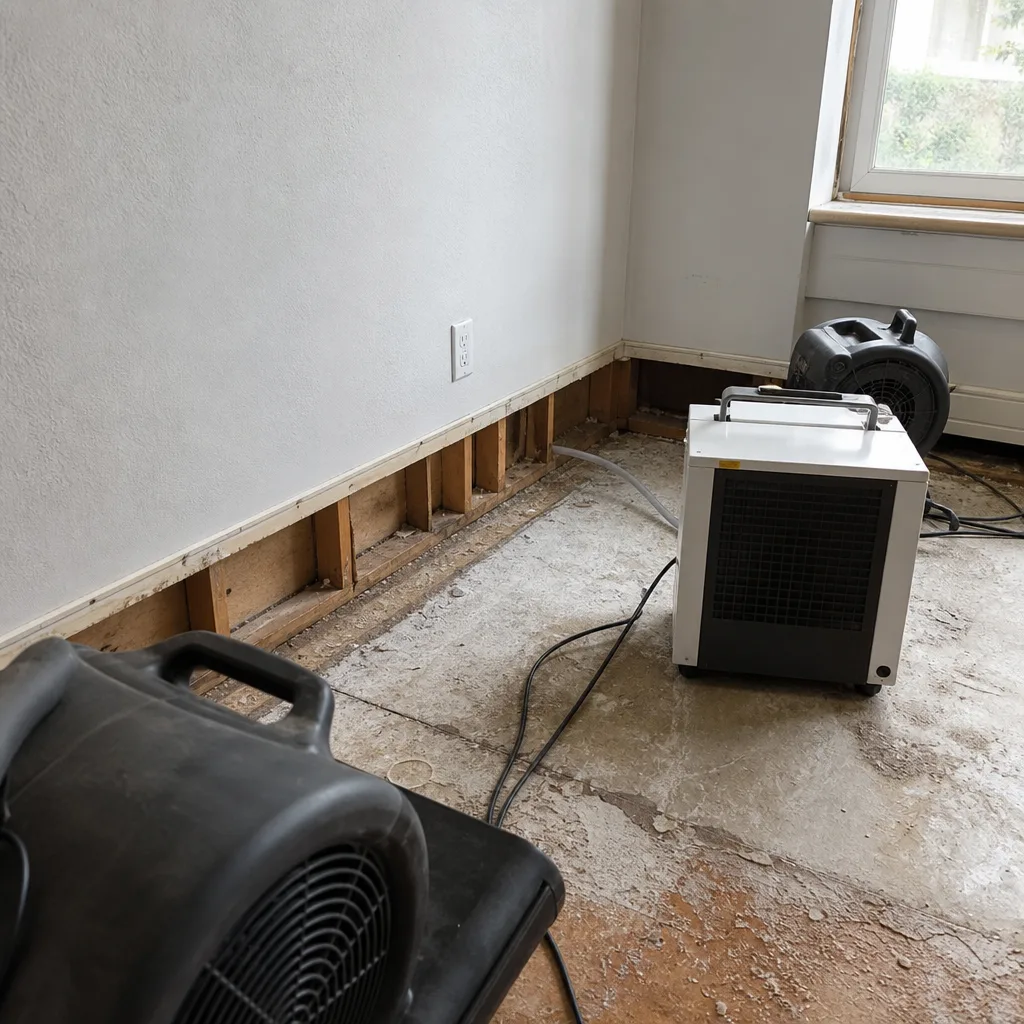 After
After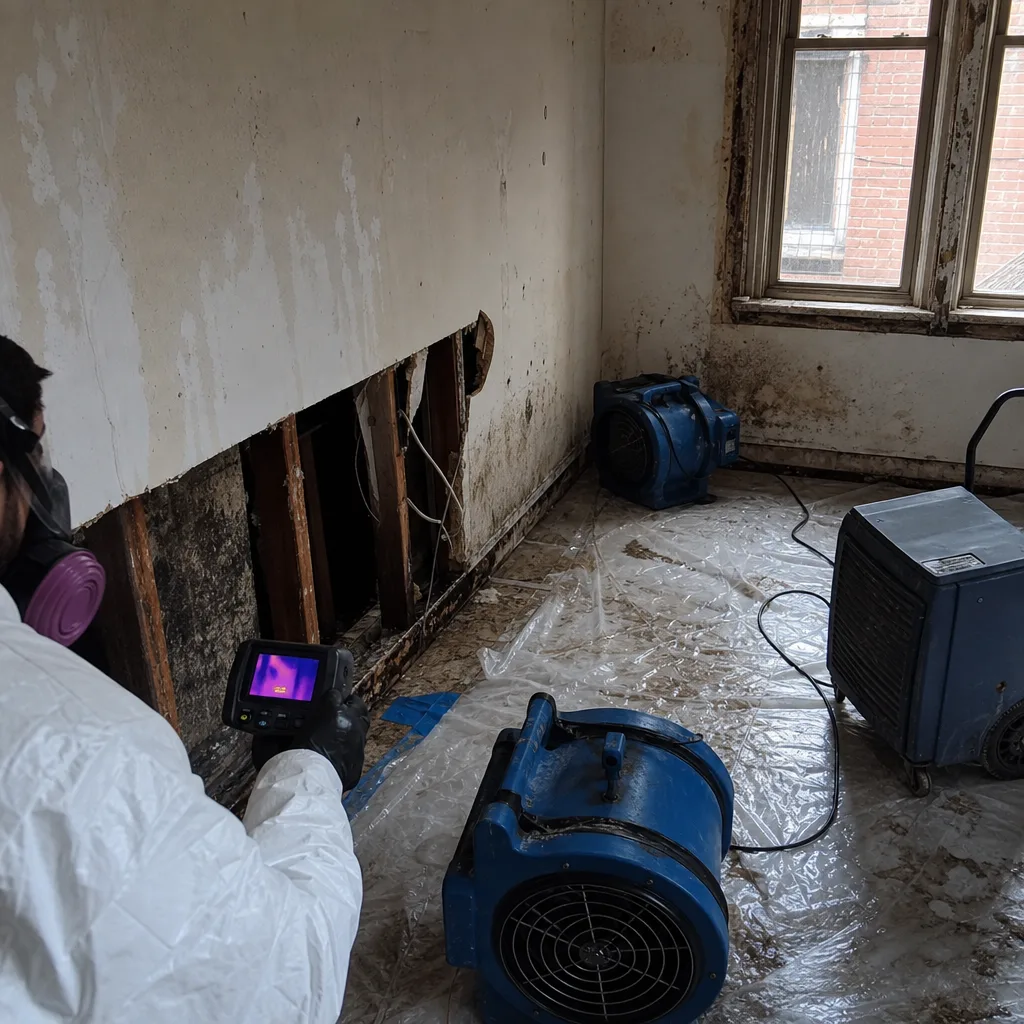 Before
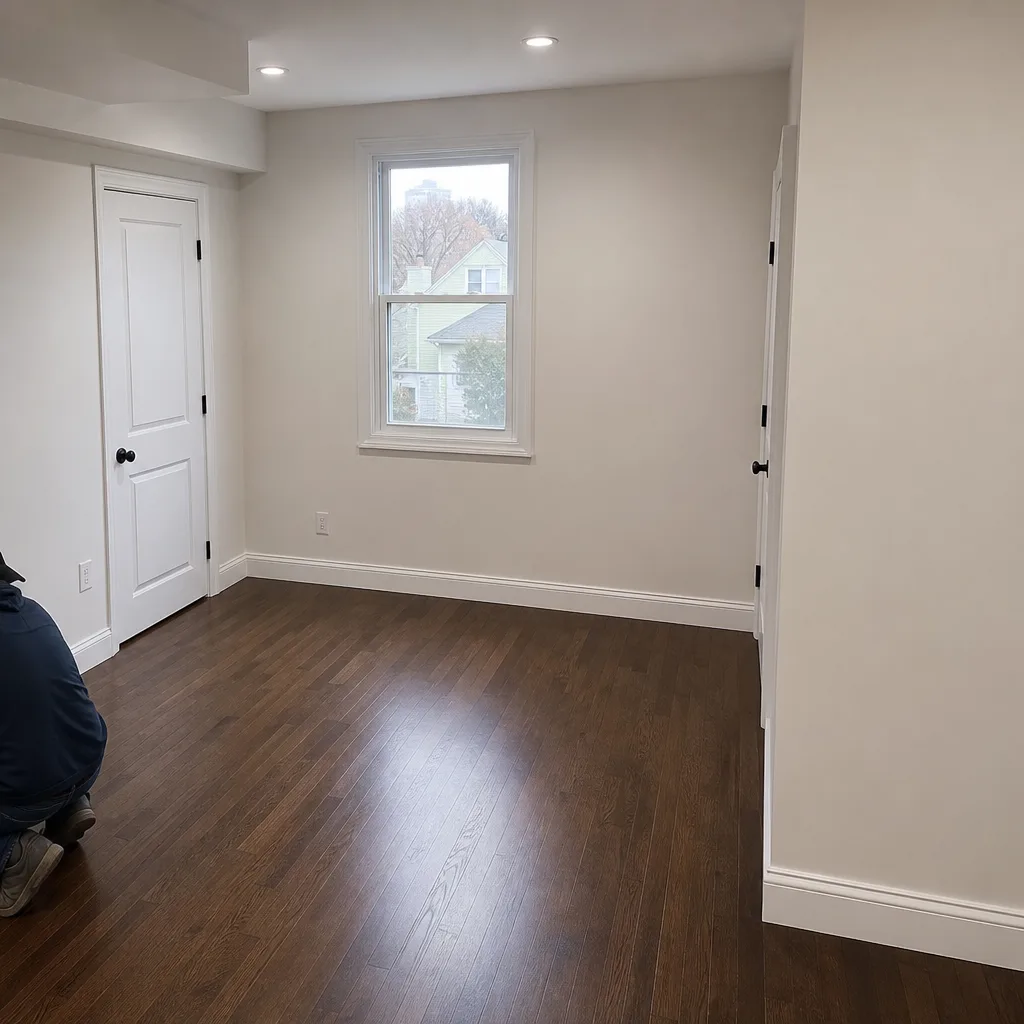 After
After24/7 Emergency Commercial Restoration in Corona
Commercial restoration in Corona means working fast on buildings that share walls, drain lines, and roof membranes with the storefront next door. When a nor’easter rips a section of tar membrane off a Roosevelt Avenue flat roof, or a failed supply line floods a basement-level shop below a 1930s brick row house, the damage doesn’t respect property lines. It moves through masonry, follows cast-iron drain stacks, and saturates the space below before anyone upstairs notices. Floodline Restoration Co. answers live at (518) 800-3751 any hour of any day. A certified crew dispatches from our New York City office and reaches Corona fast, because the first hour decides whether you’re drying out a storefront or rebuilding one.
Understanding Commercial Restoration Severity in Corona Properties
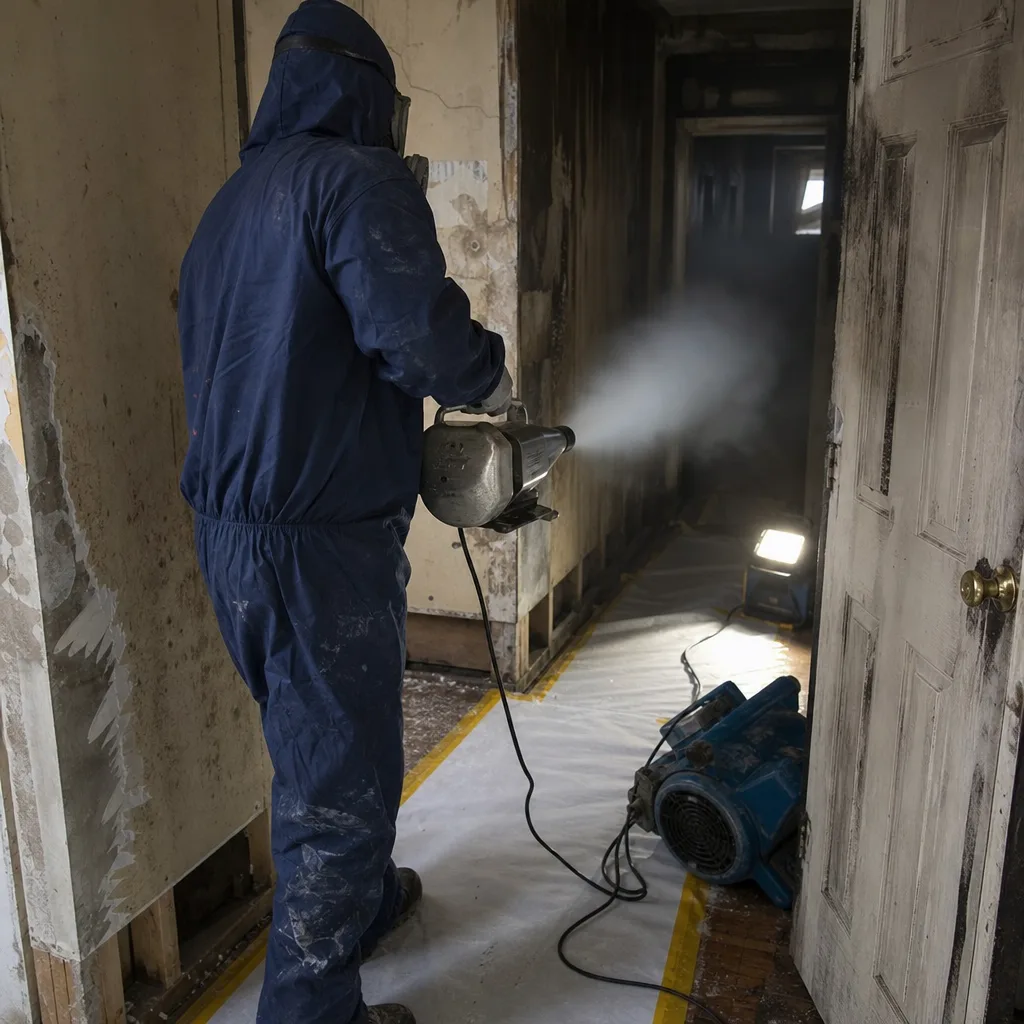
Not all water is the same. Category 1 water comes from clean supply lines or rain through a roof breach. Category 2 carries detergents, dirt, or sump overflow. Category 3 is sewage, and Corona’s aging combined sewer system delivers it with regularity during heavy summer thunderstorms. In a commercial space, we classify the water, map moisture with thermal imaging and hygrometers, and write the drying plan to the specific materials: original pine subfloor under 1930s storefront tile, gypsum board over shared masonry walls, or carpet in a basement office that sits below street grade. Fire damage in Corona’s older commercial spaces presents its own set of problems: protein soot from a deli kitchen, synthetic soot from burned retail inventory, and smoke migration through floor cavities and shared wall chases. Mold from chronic roof leaks needs containment and air scrubbing before we touch anything. The age of Corona’s building stock means most losses involve multiple categories at once: a roof breach that starts as Category 1, saturates walls, and then backs up the building’s shared drain line into Category 3 territory. We’ve seen it too many times to pretend otherwise.
Why Corona Property Owners Choose Floodline Restoration Co.
- 45-minute response commitment - from the moment you call, a crew is dispatched. Not a callback, not a voicemail. A live dispatcher confirms the address and gets trucks moving.
- 24/7 live answer - a real person picks up at 2 a.m. on a February night when a frozen supply line lets go inside a Jackson Heights-facing storefront. No automated trees to crawl through.
- IICRC-certified crews - our technicians hold WRT and FSRT certifications, and we train to RIA and IFA standards. The same uniformed, background-checked crew that reads the moisture map on day one handles daily readings and the rebuild.
- Free visual inspection - before we write a line-item scope, we show you what we found, where the moisture is, and what it means. You’ll know the damage before you sign anything.
- Direct insurance billing - our team handles adjuster communication and billing directly with your carrier. You stay focused on your business, not on paper.
- One team from extraction to reconstruction - no handing you off to a different contractor after dry-out. The same crew that set containment rebuilds the wall, the flooring, the front entry door.
Our Commercial Restoration Process
Inspection & Assessment
We arrive with thermal imaging, moisture meters, and a systematic eye for how water, soot, or mold has moved through the space. In Corona that means checking shared walls, the floor above, the basement below, and the roof deck. You get a written scope based on what we find, not a phone estimate.
Extraction & Stabilization
Standing water comes out first, using truck-mounted and portable extraction units. For storm damage, we board up broken storefront glass, tarp compromised roof sections, and secure roll-up doors that wind pulled off their tracks. Stabilization stops the loss from getting bigger.
Drying & Dehumidification
Dri-Eaz air movers and dehumidifiers run in a calculated layout, moving air across wet surfaces and pulling vapor from the air. We log daily moisture readings from the first day until the materials hit dry standard. That log goes to you and your carrier. Nobody guesses when it’s dry.
Cleaning & Sanitization
HEPA air scrubbers and HEPA vacuums remove particulate and biological contamination from the air and contact surfaces. We clean and sanitize every affected surface, including inside wall cavities where drains or supply lines run, before anything gets closed up.
Ceiling, Sole Plate & Structural Reinforcement
After drying and cleaning, we address what failed. For Corona storefronts that usually means reinforcing a wind-rated door opening, reframing decayed sole plates behind brick piers, or repairing failed roof membrane and flashing details so the next storm doesn’t repeat the job.
Repairs & Restoration
We rebuild the space: drywall, flooring, paint, millwork, storefront glass, door hardware, and any structural elements that were removed. Your commercial space returns to service looking like the loss never happened. The 90-Day Done Right Promise, our Keystone Standard, covers the work in writing.
Need Emergency Commercial Restoration in Corona Now?
Crews minutes away, answering live 24 hours a day. The sooner we start, the less it costs.
Working With Your Insurance Company
Insurance claims in Corona carry a particular complication: many commercial spaces occupy subdivided portions of 1920s-1940s brick row houses, and some basement units operate without a valid Certificate of Occupancy. When a loss happens, the adjuster’s first question is often whether the damaged space was even legally a commercial unit. We’ve helped property owners document pre-loss conditions, establish what existed before the water or fire, and build the line-item scope adjusters require. Our team photographs every affected room, logs daily moisture readings until the dry standard is met, and speaks directly with your adjuster so you’re not relaying messages between us and the carrier. Direct insurance billing means we submit documentation and get paid by the carrier where coverage applies, and you see the scope in writing before work starts.
What We Provide Your Insurer
- Thorough documentation of the loss
- Photos of all damage, room by room
- Moisture readings and drying logs
- A detailed, line-item scope of work
- Direct coordination with your carrier
Built for Corona’s Loss Calendar
Corona’s commercial restoration calls follow a pattern anyone who’s worked the neighborhood for years could chart blindfolded. January and February bring deep freezes that split original galvanized supply lines in unheated basement spaces and behind uninsulated brick walls. Nor’easters hit from late fall through early spring, tearing sections of aging flat-roof membrane off Roosevelt Avenue and Junction Boulevard storefronts and driving wind-blown rain through failing wind-rated door frames. Spring thaw soaks saturated soil around 11368’s attached row house foundations, and groundwater seeps through unsealed basement slabs into retail and office spaces. Summer is the ugliest: intense thunderstorms overwhelm Corona’s combined sewers, forcing Category 3 sewage up through floor drains and into basement-level commercial units on a near-annual basis. Hurricane Ida in 2021 flooded hundreds of these below-grade spaces with raw sewage, and the remediation backlog still hasn’t fully cleared. We stock equipment and schedule crews around this calendar because the alternative is arriving late to a loss that’s already set up camp in shared walls.
Commercial Restoration Across Corona’s Neighborhoods
Roosevelt Avenue through Corona is a dense commercial strip where storefronts sit shoulder to shoulder beneath connected roof decks. When one roof fails, water drops into the business below and then travels laterally along the masonry party wall into the space next door. We’ve handled multi-policy losses here where a single roof breach affected three separate commercial tenants, each with a different carrier and adjuster. Junction Boulevard runs through the heart of 11368 with mixed retail and residential above, and the buildings’ original cast-iron drain stacks run vertically through multiple units; a clog in one line floods every commercial space connected to it. Over near Flushing Meadows Corona Park, flat-roofed commercial and institutional structures take direct wind exposure during Atlantic storms, and roof membrane failures there typically present as water cascading down through the building’s core rather than along exterior walls. Within the residential blocks between 37th and 52nd Avenues, converted row houses operate as multi-unit commercial and residential mixes where a burst supply line on an upper floor becomes a basement commercial tenant’s emergency within an hour. Our crews know these blocks, parking restrictions, building access constraints, and the building types in each pocket of Corona.
Specialized Commercial Restoration Services We Offer in Corona
Office & Retail Restoration
Retail storefronts and professional offices in Corona share buildings with neighbors, and that means restoration has to move fast and stay contained. We set containment early, dry the space efficiently, and coordinate work hours around your business. Most of these jobs are completed in a single visit, using Dri-Eaz and Phoenix equipment, so you’re back open with minimal interruption.
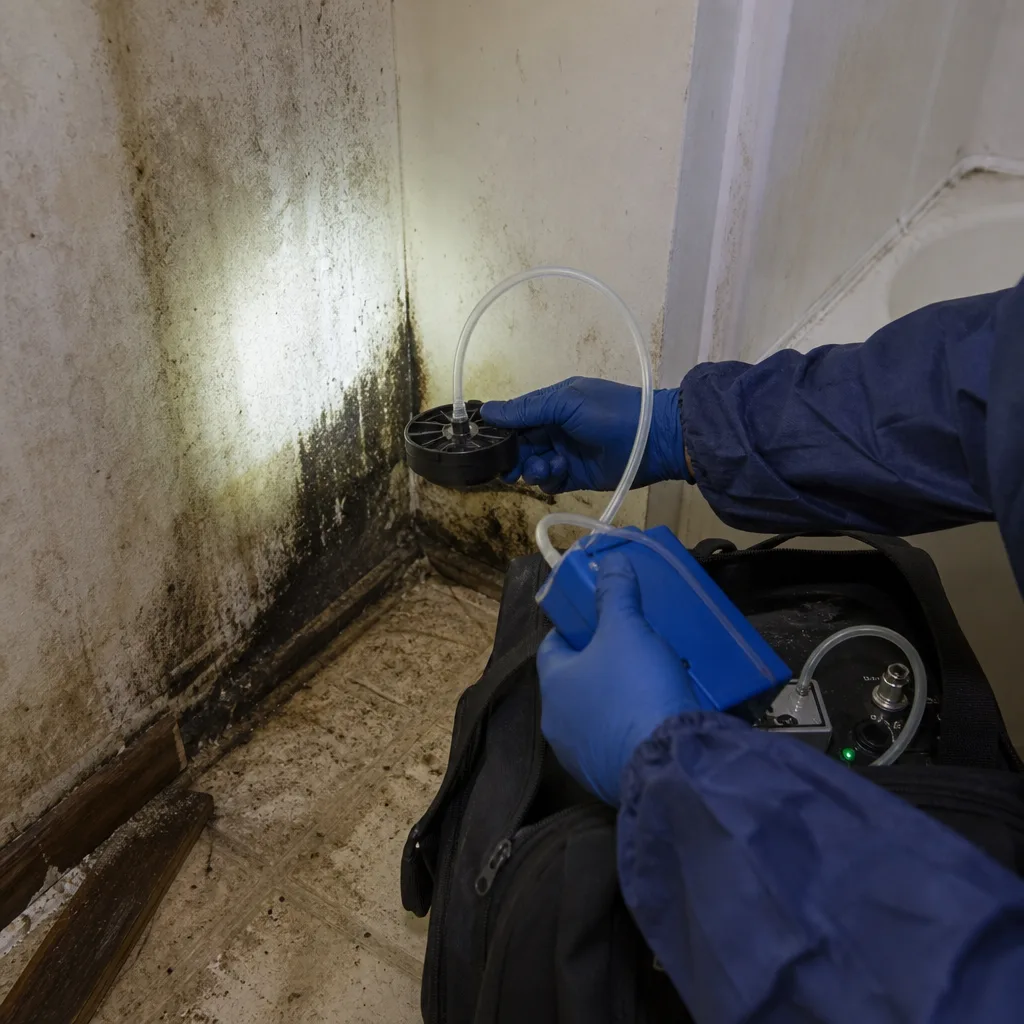
Multi-Unit & HOA Restoration
Corona’s converted row houses and mixed-use buildings create restoration events that cross unit lines and policy lines. We coordinate with landlords, HOAs, commercial tenants, and multiple adjusters simultaneously. Our team documents each unit’s pre-loss condition separately, maps moisture across shared walls, and runs a single drying and rebuild plan that accounts for everyone affected. This is the pre-WWII brick row house challenge, and we’ve built the process around it.
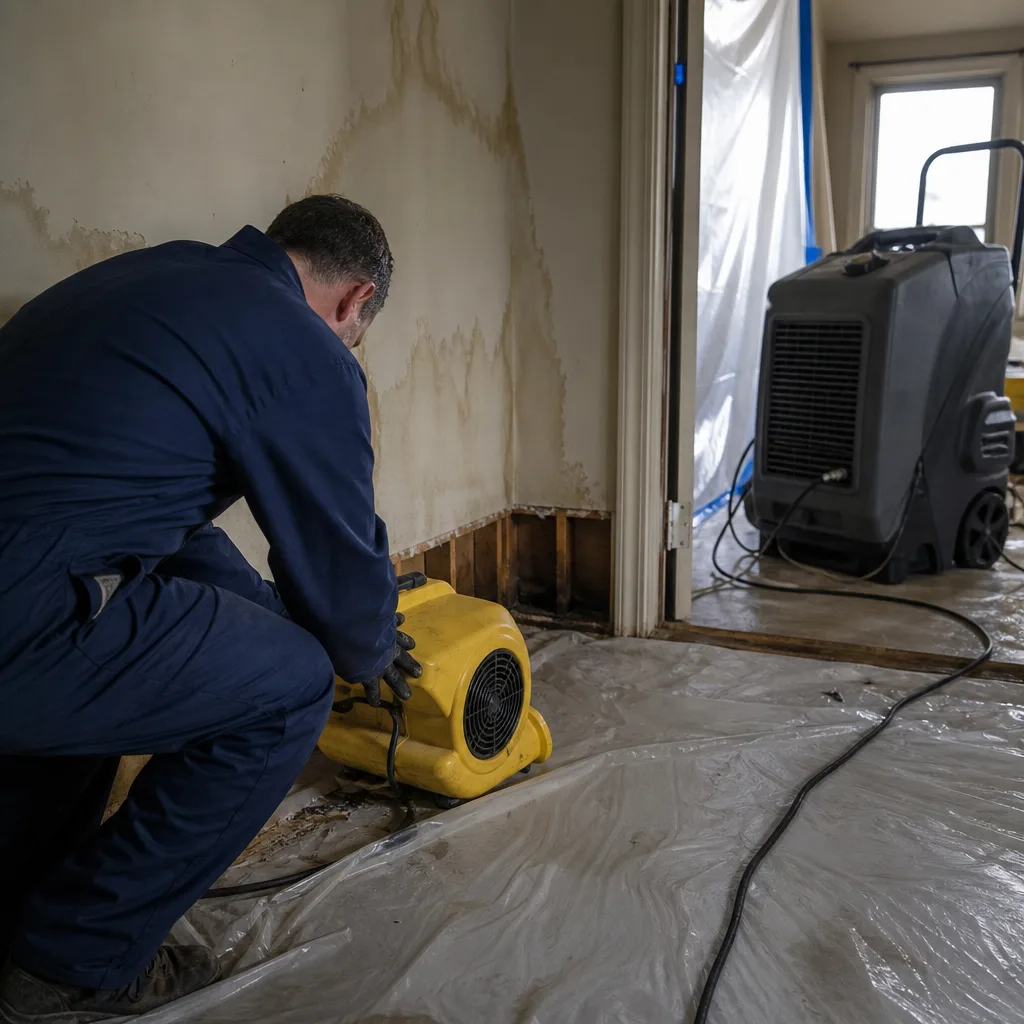
Industrial Facility Cleanup
Warehouse and light industrial spaces along Corona’s western edge face different problems: large open floor plates, high ceiling decks, roll-up doors, and flat roofs with years of patchwork repairs. We deploy larger air mover and dehumidifier arrays, set containment across large openings, and dry in sections so operations can continue in unaffected areas while mitigation runs.
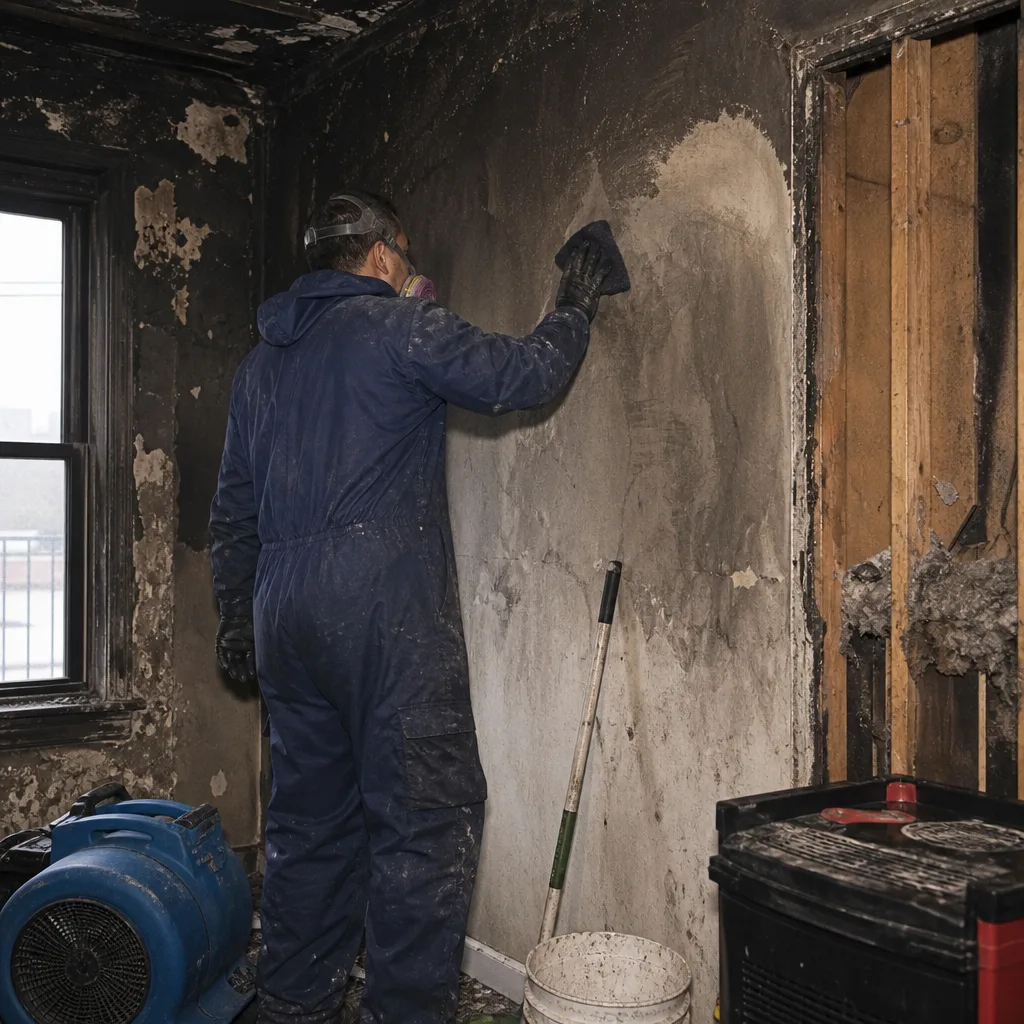
Large-Loss Response
When a nor’easter tears through a whole block of flat roofs or a sewage backup floods an entire basement-level commercial strip, the scale changes. Floodline runs multiple crews across the affected buildings, with a dedicated project manager coordinating scope, documentation, adjuster communication, and daily moisture logs. We’ve run simultaneous commercial restoration across connected Corona storefronts, and we’ll do it again this storm season.
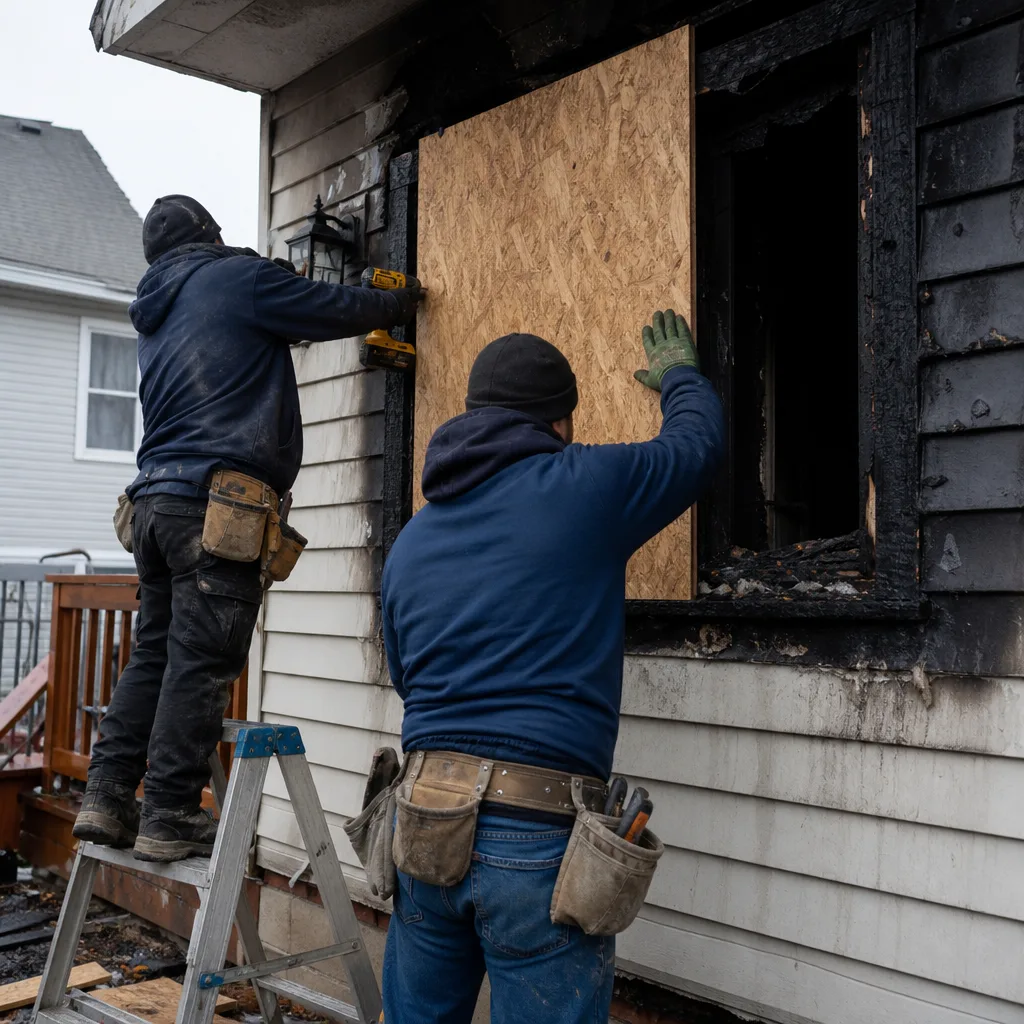
Business Interruption Minimization
Every day a Corona business stays closed costs revenue the owner never gets back. We sequence work to get critical areas operational first: extraction and drying in the customer-facing space, containment around the back-of-house damage, and documentation ready for the business interruption claim. For storefronts with wind-damaged doors, we board up immediately and often have a temporary working entry secured the same day.
What happens when you call
- 1
A real person answersNo phone trees - you reach a local pro.
- 2
You get an upfront price rangeHonest numbers before anyone is dispatched.
- 3
A background-checked tech heads outLicensed & insured, dispatched right away.
- 4
You approve before work beginsNothing starts until you say go.
Commercial Restoration Costs in Corona, NY
What you’ll pay depends on the size of the space, the category of water, and how far the damage traveled before we arrived. A small commercial water extraction and dry-out in a Corona storefront runs $2,800-$5,500. Sewage backup mitigation in a basement-level commercial unit typically runs $4,500-$9,000, given the Category 3 water and required sanitization. A full commercial roof-and-wall restoration after a nor’easter breach, including structural drying, mold prevention, and rebuild, commonly runs $12,000-$35,000 depending on square footage and structural involvement. What moves the price: multiple affected units, shared-wall moisture migration, unpermitted space complications that slow adjuster approval, and the condition of original 1930s building systems. Insurance typically covers catastrophic and sudden losses; neglect and gradual seepage often fall outside coverage. We provide a free visual inspection and a written line-item scope before any work begins, so you know the cost picture honestly. That’s a square deal.
We Also Serve Cities Near Corona
Floodline Restoration Co. serves commercial property owners across western Queens and the surrounding area: Elmhurst, Jackson Heights, East Elmhurst, and Maspeth. If your commercial space sits within a ten-minute drive of our Corona response routes, we can likely reach you within the hour. Call (518) 800-3751 and a live dispatcher will confirm coverage.
Serving Corona, NY - Our Local Coverage Area
We’re based in the Corona area and know this community well. Use the map below to see our service coverage - if you’re nearby, we can almost certainly help.
Corona Commercial Restoration Questions, Answered
How do wind-rated commercial doors in Corona’s older brick row buildings affect restoration after a nor’easter?
Failing wind-rated doors on street-facing Corona storefronts, many original to 1940s brick buildings, pull away from their jambs during nor’easters and let wind-driven rain saturate entryways. We board up and secure the opening first, then assess whether the entire door assembly needs reinforcement to meet current wind-load code, not just panel replacement. Call (518) 800-3751 for a free inspection.
What happens when storm damage to a shared roof membrane floods two adjacent commercial units through a common drain stack in Corona?
The water travels down the shared cast-iron stack and spreads into both basement spaces, creating one restoration event with two commercial tenants and often two insurance carriers. We set containment in each unit, map moisture across the shared masonry wall, and coordinate with the landlord and both adjusters so drying and rebuild move together. This is a routine Corona scenario for us.
Why does a sewage backup in a Corona basement commercial space often become a multi-unit restoration event?
Corona’s 1920s-1940s row houses often share drain lines between subdivided units, so a backup in one basement-level space typically pushes Category 3 water into adjacent commercial units through the same pipe. The buildings’ combined sewer connections, overwhelmed during heavy storms, make this a near-annual problem. We handle the full mitigation across all affected units as one coordinated job.
How do unpermitted basement commercial units in Corona complicate insurance claims after water damage?
If a basement commercial space lacks a valid Certificate of Occupancy, adjusters often stall on scope approval because the damaged area legally isn’t a commercial unit. Our team checks NYC DOB permit status as part of documentation, establishes pre-loss conditions, and coordinates with public adjusters to move the claim forward. Getting this right on day one keeps mitigation from stalling.
What is the typical timeline for business interruption minimization after a post-storm commercial door failure in Corona?
We respond within 45 minutes, board up the opening the same visit, and secure a temporary working entry same-day in most cases. Drying typically runs 3-5 days, and we submit documentation for your business interruption claim while mitigation is underway. Most Corona storefronts are operational again within 5-10 business days depending on rebuild scope.
How fast can a restoration crew actually reach my Corona commercial space?
Our 45-minute response commitment means a certified crew is dispatched when you call and typically arrives within the hour anywhere in 11368. For large-loss events after a major storm, multiple crews stage across Corona and neighboring areas. A live dispatcher answers every call at (518) 800-3751 and confirms your location immediately.
Do I really need full commercial restoration, or just a cleaning?
That depends on where the moisture went. Surface drying without wall-cavity drying leaves hidden moisture in shared masonry walls, and in Corona that means mold inside a wall you don’t own alone. Our free visual inspection includes moisture mapping, so you’ll see exactly what’s wet and why full restoration is or isn’t warranted. We won’t oversell the scope.
What should I do in the first 30 minutes after discovering water or storm damage in my Corona business?
Call (518) 800-3751 first. Then, if safe, shut off the water supply or electrical breakers in the affected area. Don’t enter standing water that may carry sewage. Move undamaged inventory or equipment away from the wet area. Take photos with your phone. Then wait for our crew; we’ll handle extraction, containment, documentation, and the adjuster call.
Written by Curt Bowman, Owner at Floodline Restoration Co., serving Corona and western Queens since 2010.